
How to Check a Contractor's License in California
Look the contractor up by license number or business name on the Contractors State License Board (CSLB) website, then confirm four things: the status is active, the classification matches your job, a bond is on file, and workers' compensation is either insured or exempt with a reason. The lookup is free and takes a few minutes.

When California requires a contractor license
Work valued at $1,000 or more needs a licensed contractor, and so does any job that requires a building permit, even a cheaper one (Business and Professions Code section 7048, as amended effective January 1, 2026). The minor-work exemption for jobs under $1,000 does not apply when a permit is needed. The Contractors State License Board (CSLB) issues and polices these licenses, and its lookup tool is the first thing to open before you sign anything.
A license does not make someone good at the job, but it does give you a public record to check, a bond and a regulator who takes complaints. An unlicensed contractor gives you none of the three.
How do you read a CSLB license detail page?
Search at cslb.ca.gov by license number if you have it, or by business name. Use the number from the contract, not the one on a truck or a flyer. The detail page has several blocks, and each answers a different question.
- Business name and entity. Does the name on your contract match the name on the license? A corporation, a partnership and a sole owner each show differently. A mismatch is not always a problem, since a business can operate under a trade name, but it needs an explanation.
- Status and dates. You want a current, active license. Look at the issue date, any reissue date and the expiration date. A lapsed, suspended or cancelled license means the contractor cannot lawfully contract for work that needs a license.
- Classifications. Each is a letter and number code for a type of work, such as B for general building or C-10 for electrical. The code must cover the work you are hiring for, or the contractor must say which licensed subcontractor will do it.
- Contractor bond. This shows the bond company, the amount and the dates. A bond is a surety guarantee that can pay certain claims up to its amount. It is not insurance on your project and it does not promise quality.
- Workers' compensation. Either an insurer and policy dates, or an exemption. An exemption means the contractor has certified it has no employees. We explain below what that does and does not mean.
- Qualifier and complaints. The person who passed the exams for the license, and any public disclosure the board posts.
What does a B general building license mean?
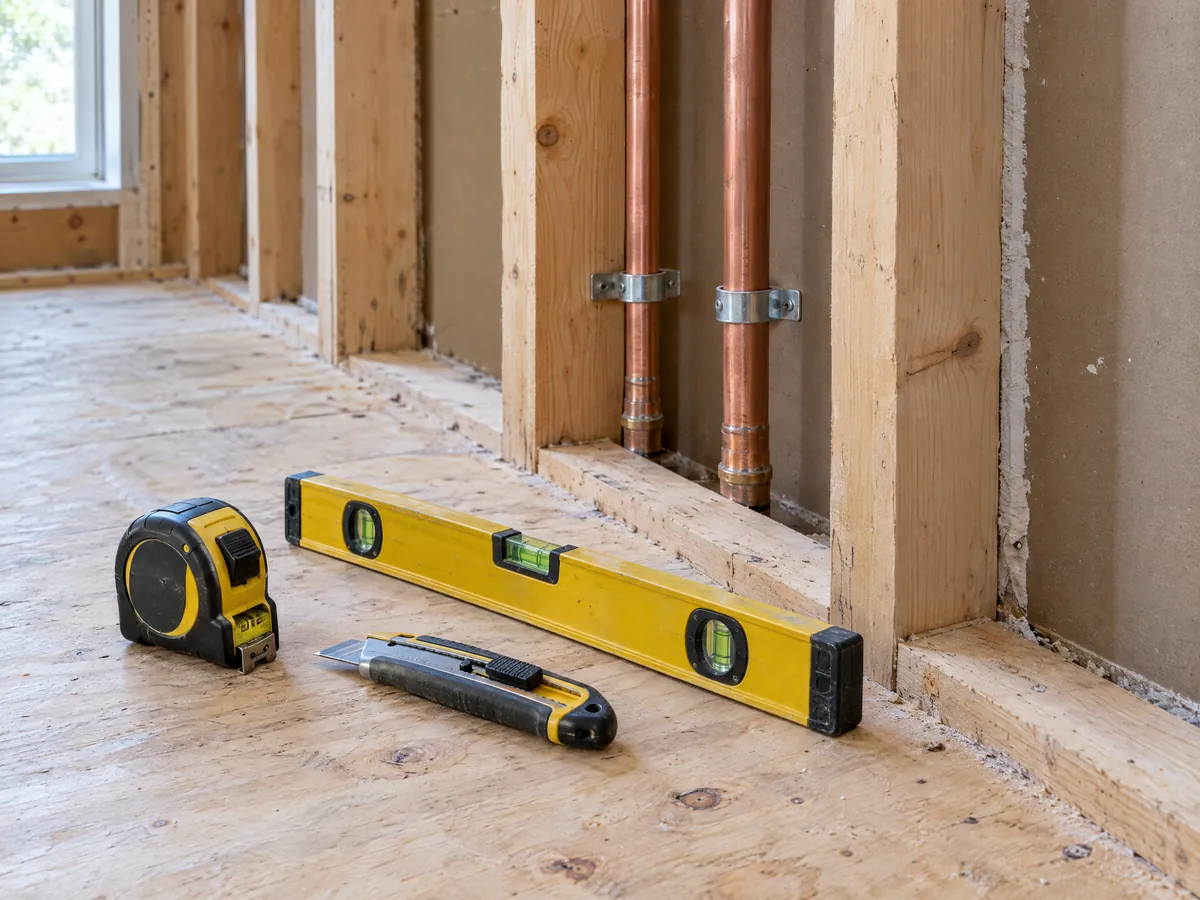
A B license is the General Building classification. It is meant for structures that need two or more unrelated trades to complete, such as a room addition, an ADU or a whole-house remodel, and the holder is the person who coordinates those trades. Under Business and Professions Code section 7057, a Class B contractor can also take a job in a single trade that it does not hold a license for in limited cases, including when it subcontracts that work to an appropriately licensed contractor. Ask any B contractor how that applies to your job.
That is the reason a licensed general contractor may subcontract: the statute contemplates it. What you should insist on is that each trade is done by someone holding the license for it, for example C-10 for electrical, C-36 for plumbing and C-39 for roofing. The companion post, how general contractors use subcontractors, covers the model in more detail.
A worked example: reading MDG Builders' own CSLB record
Do not take our word for any of this. We looked up our own license on November 4, 2026, and here is what the record says, field by field. You can repeat the lookup yourself with license number 1040337.
The record is filed under the name M D G Builders, which is the CSLB's rendering of the legal name, My Design Guide Inc, doing business as MDG Builders. The entity is a corporation. The license is current and active, expires September 30, 2028, was issued June 7, 2018 and was reissued to this entity on September 7, 2018. The qualifier is Emil Or.
- Classifications: B (General Building) and C-61/D-12 (Synthetic Products). MDG holds no electrical, plumbing, roofing, framing or concrete license.
- Bond: $25,000, with Merchants Bonding Company.
- Workers' compensation: exempt, meaning no employees.
- What follows from that: everyone who performs field work on an MDG job works for a licensed subcontractor, not for MDG. MDG sells the job, designs or coordinates the plans, pulls the permits and manages the schedule.
Ask for the same facts from every contractor you interview: license number, classifications, bond and workers' compensation status.
What to check in the contract once the license checks out
A clean license record does not protect you from a bad contract. Business and Professions Code section 7159, as amended by SB 517 effective January 1, 2026, sets what a home improvement contract over $500 must contain. Read the text on leginfo.legislature.ca.gov or the CSLB's sample contract for the full list. The points most worth checking:
- License number printed on the contract.
- Down payment no greater than $1,000 or 10 percent of the contract price, whichever is less (sections 7159 and 7159.5).
- Payment schedule tied to work actually done, not to calendar dates.
- Start and completion dates written in.
- Change orders in writing, signed before the extra work begins.
- Subcontractor box stating whether subcontractors will be used, with a list available on request, plus the lien-release statement and mechanics-lien warning.
- Right to cancel within three business days (five if you are 65 or older, seven after a declared disaster), unless you signed at the contractor's own office.
Red flags that should end the conversation
Any one of these is enough reason to walk away or at least to ask hard questions before you sign:
- The license number is missing from the contract, or the lookup returns a different business or a different trade.
- The status is anything other than active, or a bond or workers' compensation block is empty without an explanation.
- The contractor asks for most of the price up front, or for cash.
- There is no written contract, or the scope reads as a single line.
- The contractor wants you to pull the permit yourself as the owner.
- You cannot get a straight answer about who will actually be working in your house.
Check the record before you check the reviews
Reviews tell you how a contractor treats customers, and the license record tells you whether the business can contract at all. Do both. MDG's visible rating is 5.0 on Houzz, and the reviews page explains how to verify it on Houzz yourself. For a kitchen or bath job that needs permits, kitchen remodel permits in Los Angeles shows what the city will ask your contractor for.
Contractor license questions
How do I check if a contractor's license is valid in California?
Go to the CSLB website at cslb.ca.gov, choose the license check, and search by license number or business name. A valid record shows an active status, a classification that covers your job, a bond on file and workers' compensation information. Run the search yourself, using the number from your contract.
Do I need a licensed contractor for a small job?
Yes if the work is worth $1,000 or more or if it needs a building permit. Business and Professions Code section 7048, amended effective January 1, 2026, sets that line, and the minor-work exemption for smaller jobs does not apply when a permit is required. Below the line, check anyway if the work touches plumbing, electrical or structure.
What does a B general building license cover?
It covers structures that need two or more unrelated trades, coordinated by one contractor, such as additions, ADUs and whole-house remodels. It does not mean the holder is licensed in every trade. Section 7057 lets a Class B contractor handle other trades in limited cases, including by subcontracting to a properly licensed contractor.
How much can a contractor ask for as a down payment in California?
No more than $1,000 or 10 percent of the contract price, whichever is less. That cap is in Business and Professions Code sections 7159 and 7159.5. After the down payment, further payments should follow work actually completed. A contractor asking for a third or half of the price at signing is outside the rule.
What does exempt workers' compensation mean on a CSLB record?
It means the contractor has certified that it has no employees, so it does not carry a workers' compensation policy. The people doing the work must then be someone else's employees or licensed subcontractors with their own coverage. Ask for a certificate of insurance from each subcontractor before work starts.
How long do I have to cancel a home improvement contract in California?
Three business days after you sign, five if you are 65 or older, and seven after a declared disaster when the contract is for disaster repair. The contract must tell you this in writing. The right to cancel does not apply if you signed it at the contractor's own place of business.
Work that goes with this

Kitchen Remodeling
Cabinets, counters, layout changes, permits and a written schedule, with prices tied to named sources.
See kitchen remodeling →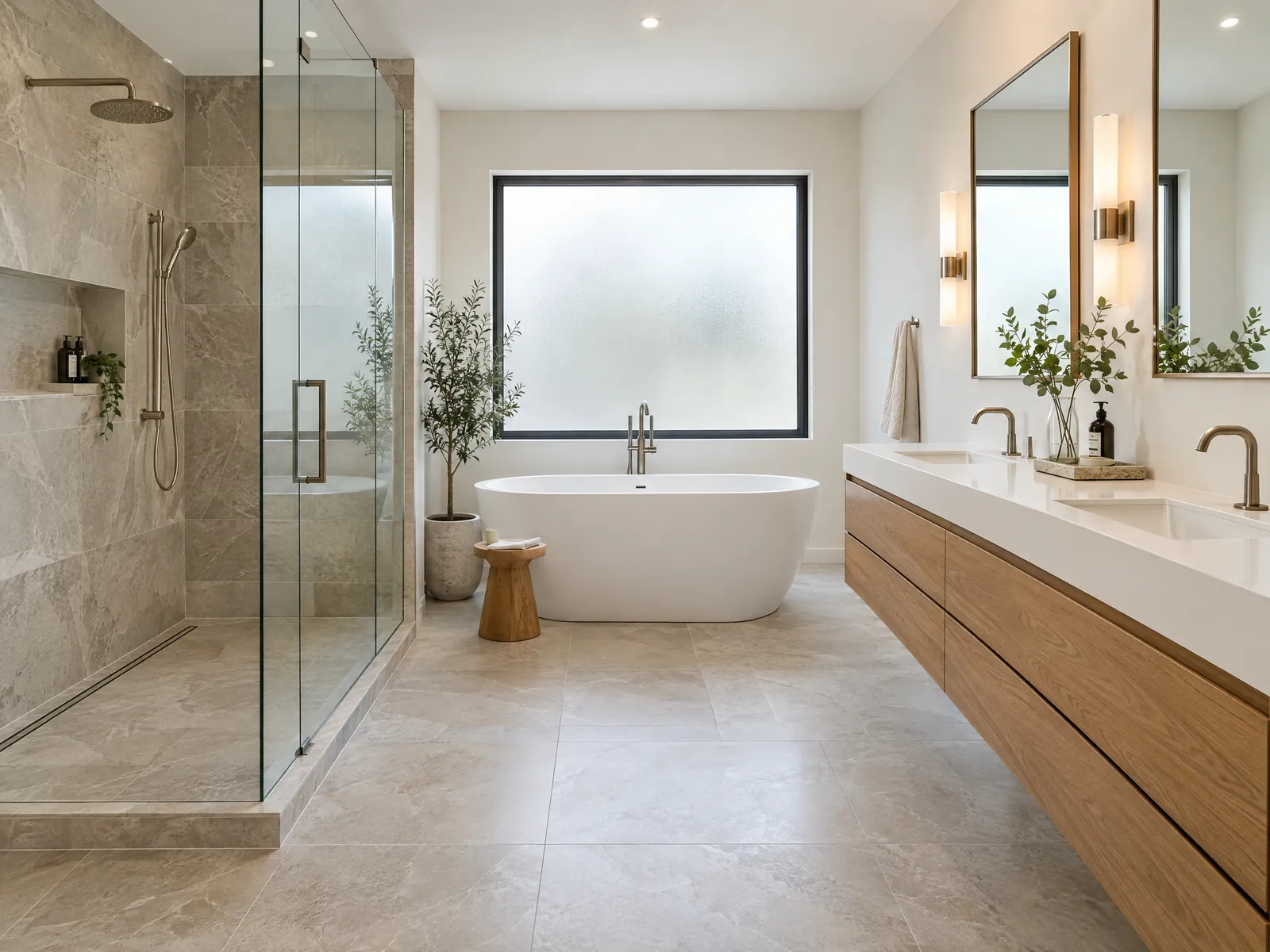
Bathroom Remodeling
Showers, tubs, vanities and full baths, with the permit path, waterproofing and prices from named sources.
See bathroom remodeling →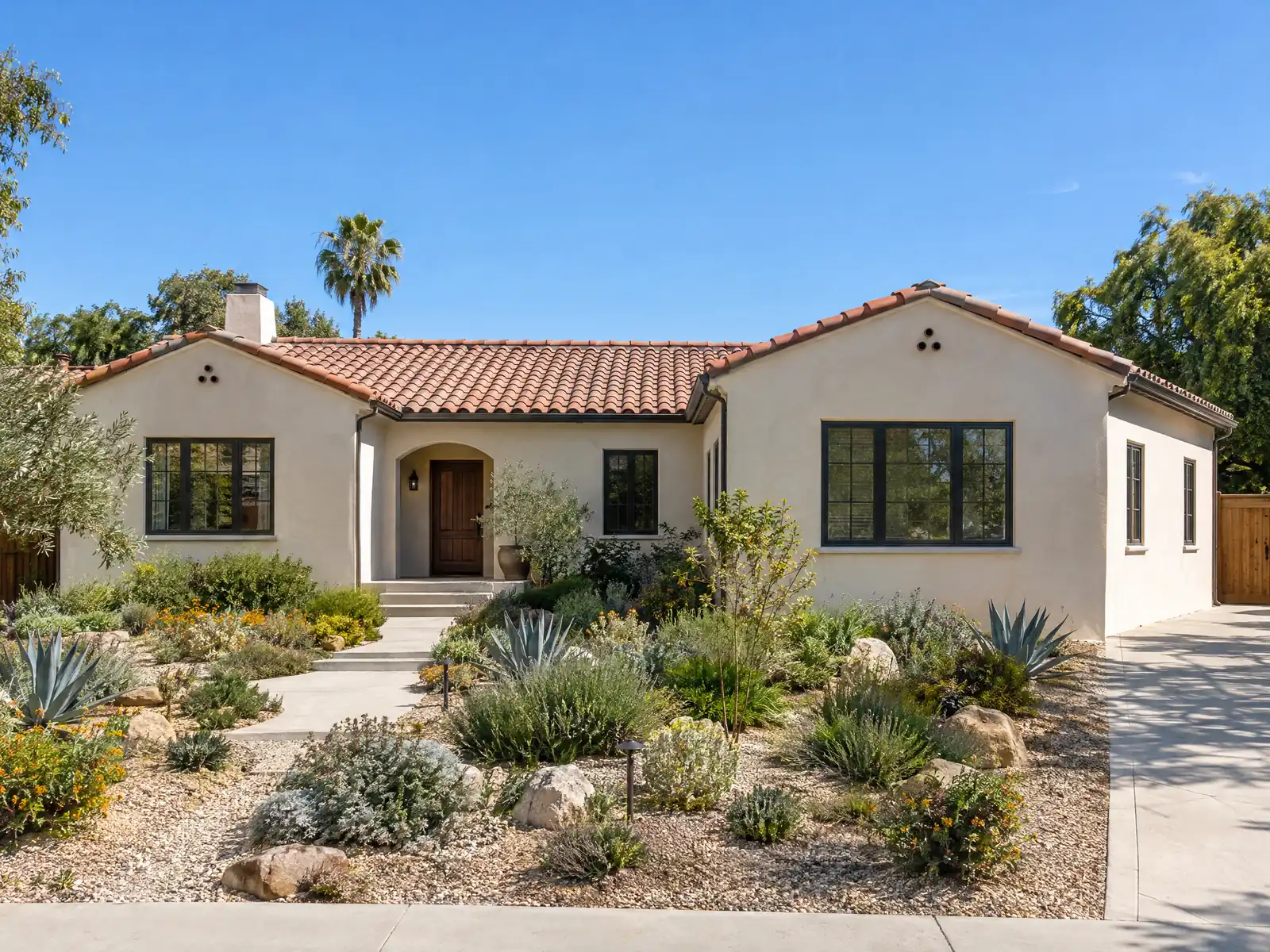
Room Additions
Family rooms, primary suites and second stories, from zoning check to final inspection, with sourced prices.
See room additions →More hiring guides
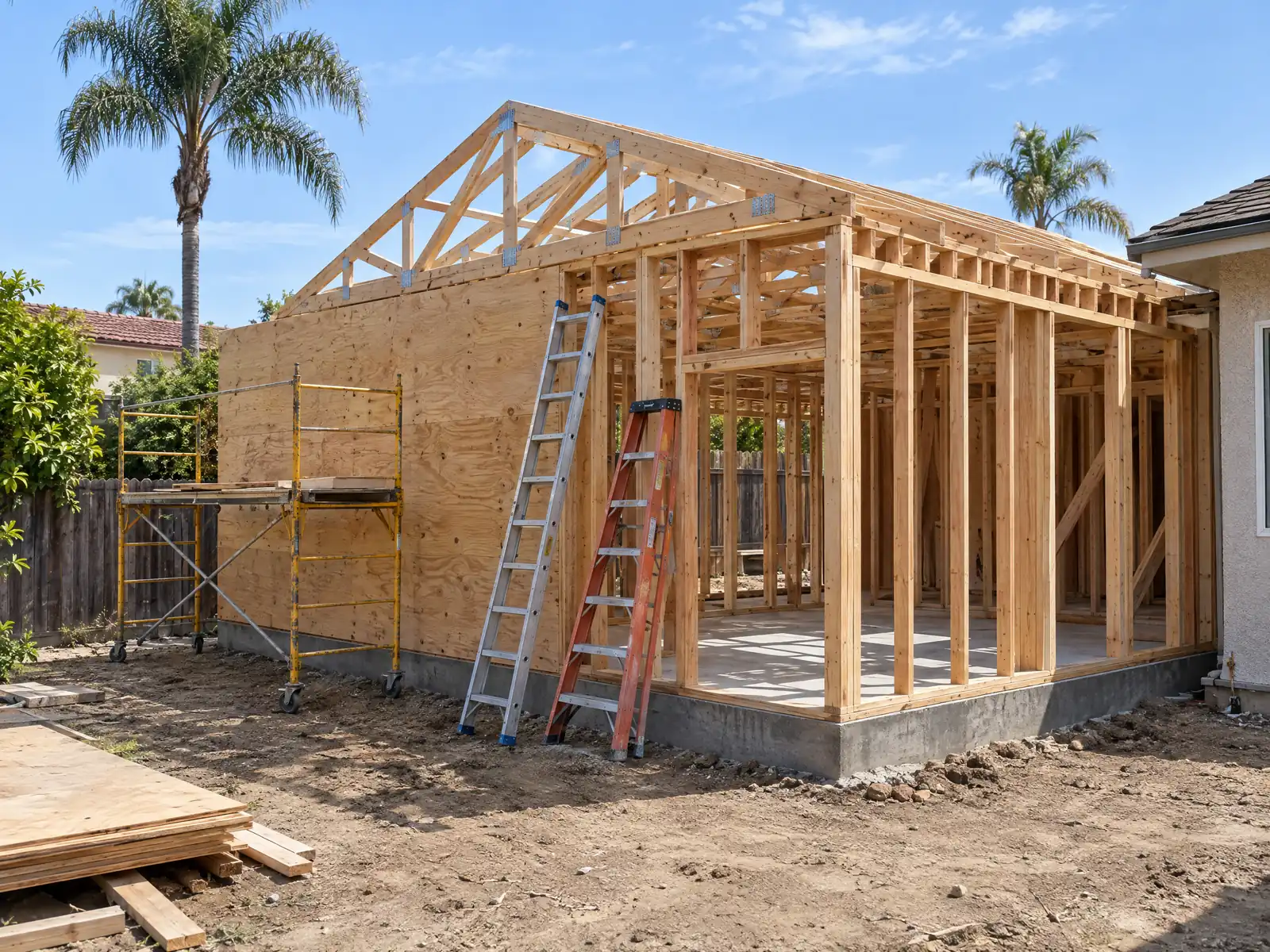
How General Contractors Use Subcontractors
Why most general contractors hire specialists for the field work, what that means for you, and what to ask for in writing.
Read the guide →
Do You Need a Permit for a Kitchen Remodel in Los Angeles?
Which kitchen changes get an LADBS Express Permit, which go to plan check, what the 2025 Energy Code adds, and what we could not confirm.
Read the guide →Ready to plan your project?
Call or send the form. We schedule a site visit and send a written proposal.