
Room Addition vs ADU: Which Should You Build?
Build a room addition if you need more space for your own household, connected to the house. Build an ADU if you want a separate home on the lot for a relative, a tenant or rental income. Midrange Los Angeles budgets are close: Remodeling magazine's 2025 report prices a primary suite addition at $182,518 and an ADU at $178,536.
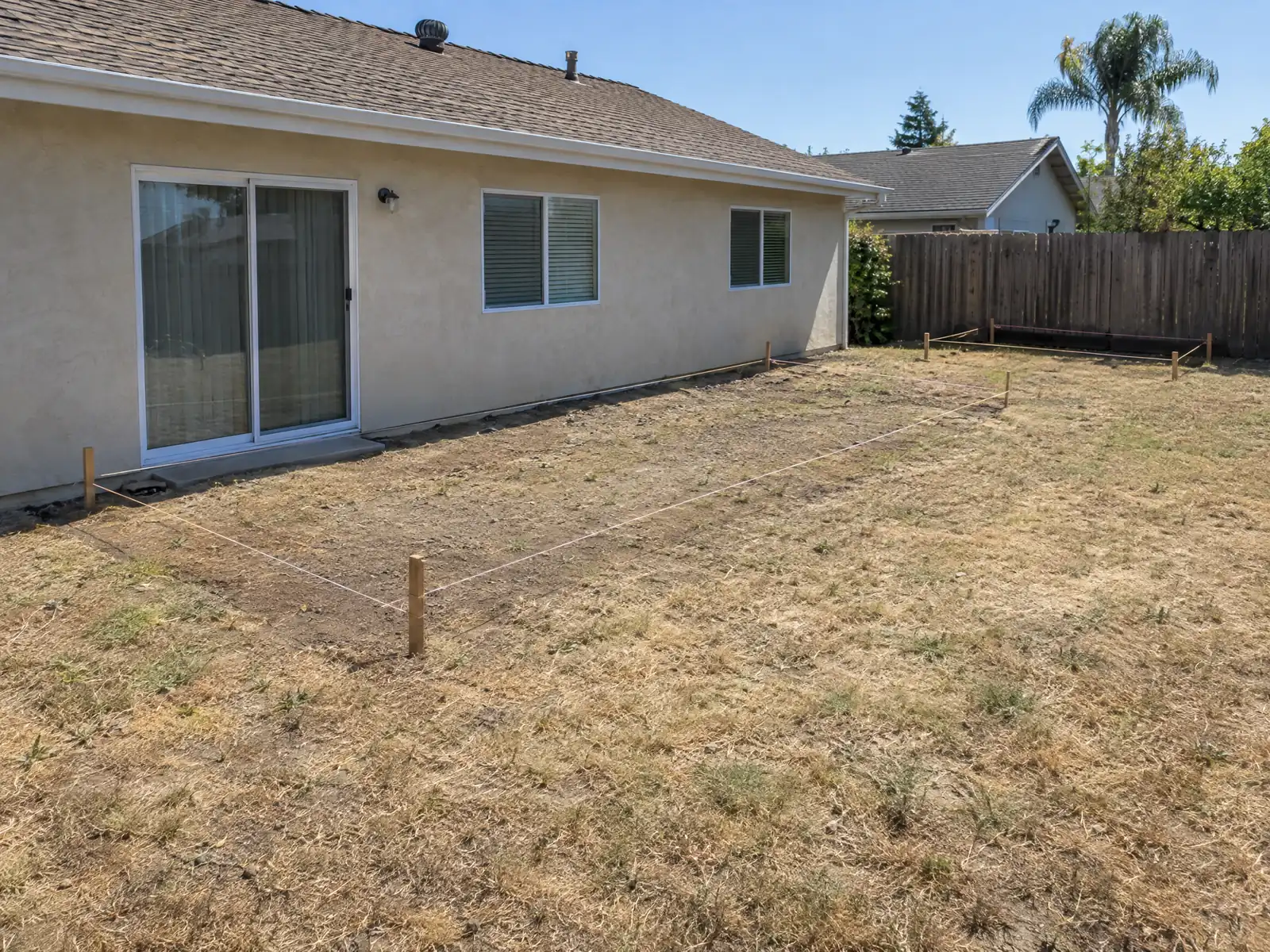
Which one fits your situation?
The decision starts with who the space is for, not with the budget. Sort yourself with these questions:
- You need a bedroom, bath or family room for people already in the house. An addition fits, because it connects to your kitchen, your heating and your daily routine.
- You want a separate address for a parent, an adult child or a tenant. An ADU fits, because it has its own entrance, kitchen and bathroom.
- You want rental income. Only an ADU (or a JADU inside the house) can be rented as a separate unit.
- Your lot has a big back yard but a house that is already near its size limit. Ask the building department how floor-area rules treat each option before you commit.
- You have a single-story house and want a view or more bedrooms. A second-story addition, with its structural questions, is the usual answer.
How the permit paths differ
An ADU has a special, faster path. A city has to treat the application as a ministerial approval (section 66317): no hearing and no discretionary review. The clock is 15 business days to call the application complete and 60 days to decide, with silence counting as approval. Only objective standards apply, and there is no minimum lot size (section 66314). Older articles that cite section 65852.2 describe the same law under its former number.
A room addition has no such shortcut. Los Angeles does not treat additions as Express Permit work. LADBS asks for a plot plan, floor plan, framing plan, foundation plan, elevations, construction details, energy details and a Type V sheet. Engineered work needs stamped calculations, and plumbing, electrical and heating permits are separate. Zoning is checked first, and Public Works, Cultural Affairs or City Planning may add approvals. In a Historic Preservation Overlay Zone, an addition to a contributing house needs a Certificate of Appropriateness, which can take up to 75 days.
We found no verified LADBS plan-check duration for additions, so we print none. Ask any contractor for recent examples at your address.
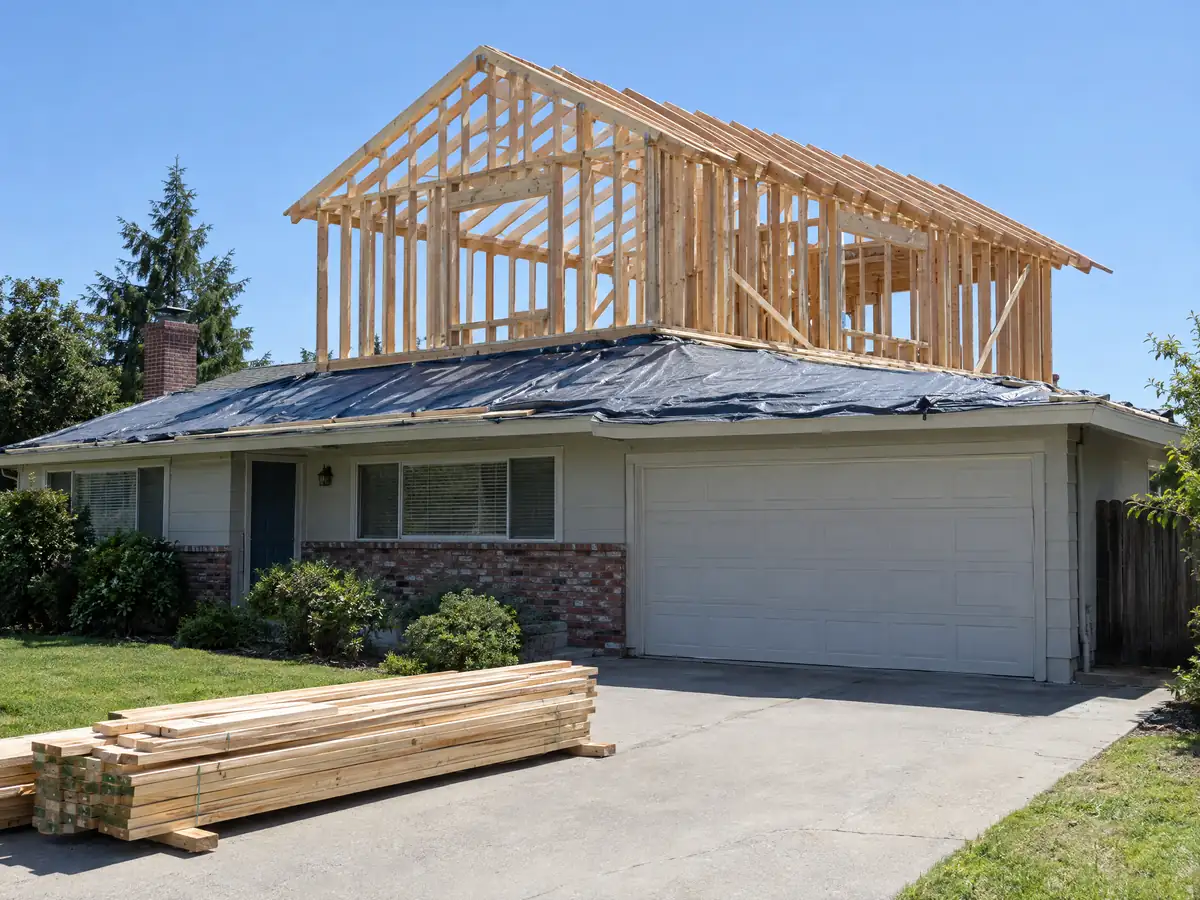
What each one costs, from the same sources
Remodeling magazine's 2025 Cost vs. Value report for Los Angeles gives three useful midrange anchors: a primary suite addition at $182,518, a bathroom addition at $63,595 and an ADU at $178,536. Upscale versions run $387,485 for the suite and $119,034 for the bath. The report's public page does not show the square footage behind these jobs, which is why the budgets look close even though a suite and an ADU are not the same thing.
For a per-square-foot view, the renovation marketplace Sweeten publishes Los Angeles figures from its own contractor quotes: about $550 per square foot for a mid-grade primary suite (roughly $220,000 for a 24 by 16 foot room), and about $650 for a high-end one (roughly $416,000 for 32 by 20 feet). Its second-story guide puts those projects at $200 to $700 per square foot, starting from $100,000. A Burbank general contractor's own page quotes $260 to $520 per square foot for a ground-level addition; that is a contractor claim, not a survey.
From those sources our planning formula for a ground-level addition in Los Angeles is about $300 to $550 per square foot all-in, with architect, engineer, plan-check and soils-report costs on top as a separate line. Confidence is low to medium, because the sources use different scopes. For ADU ranges and their sources, see ADU cost in California.
A real price comes from a written proposal for your lot. Treat every number on this page as a way to test a quote.
Rules that apply to one option and not the other
ADU rules. A city cannot require more than 4 feet of side and rear setback on a new ADU, and cannot set a size cap below 850 square feet (1,000 if the unit has more than one bedroom). The state also guarantees an 800 square foot detached ADU with 4-foot setbacks. A newly built detached ADU must carry solar panels, but conversions and additions do not (HCD ADU Handbook, page 39).
Addition rules. Los Angeles caps total floor area on flat lots under the Baseline Mansionization Ordinance and on hillsides under the Baseline Hillside Ordinance. We could not verify the current ratios, so confirm with the city before you design (LAMC section 12.21 C.10 is the place to start). Additions also fall under section 150.2 of the 2025 Energy Code, effective January 1, 2026, which limits heating and cooling capacity for the new space and tightens the window U-factor requirement.
Both. Very High Fire Hazard Severity Zone parcels follow LAFD brush clearance and California Building Code Chapter 7A. Old Los Angeles houses also mean old foundations: nearly half of the city's homes were built before 1960, which is why engineers get involved in second-story work.
Income, resale and property tax
An ADU can be rented, as long as the term is longer than 30 days where a city requires it (section 66315). An addition cannot be rented as a separate home. An ADU generally cannot be sold apart from the house, so its payoff comes from rent and from raising the value of the whole property.
On resale, the 2025 Cost vs. Value report shows the Los Angeles ADU recouping 39.9 percent of its cost. We did not find the matching recoup figure for a suite addition, so we do not compare the two on resale.
On property tax, the State Board of Equalization says new construction is reassessed only on the new portion, at the market value it adds. That holds for an addition and, as far as we could confirm, for an ADU. On financing, HCD's handbook notes FHA, Freddie Mac and Fannie Mae loans can count ADU rental income, and FHA 203(k) works only for an attached ADU.
Questions to ask before you decide
Take these to a feasibility meeting with a designer or contractor, and to the building department's counter or hotline:
- What is the maximum floor area on my lot, and does an ADU count against it?
- Is my parcel in a hillside area, a fire zone or a Historic Preservation Overlay Zone?
- Which licensed subcontractors would do the foundation, framing, electrical and plumbing, and can I see their license numbers?
- What is excluded from the price: plans, engineering, soils report, permit fees, utility connections?
- Does the existing foundation and electrical service support what I am asking for?
How MDG helps you choose
MDG Builders (CSLB #1040337) is a general contractor, so the first step is a site visit that tests both options against your lot and budget. We can price either path through the room additions and ADU construction services, with licensed subcontractors doing the trade work and the license check described in how general contractors use subcontractors applying to each. If your question is mainly about fees and approvals on a kitchen or bath, see kitchen remodel permits in Los Angeles.
Addition and ADU questions
Is a room addition or an ADU better?
Neither is better in general. An addition is better when the extra space belongs to your own household and should connect to the house. An ADU is better when you want a separate home with its own kitchen, bathroom and entrance, whether for family or rent. Budgets in Los Angeles run close, so the use should decide.
How much does a room addition cost in Los Angeles?
Plan on about $300 to $550 per square foot all-in for a ground-level addition, plus design and engineering. Remodeling magazine's 2025 report puts a midrange primary suite at $182,518 and a midrange bathroom addition at $63,595. Second stories run $200 to $700 per square foot, according to Sweeten's quotes.
Does a room addition increase my property taxes?
Yes, on the new portion only. The State Board of Equalization says new construction is assessed at the market value it adds, and the rest of the property keeps its existing base-year value. Your county assessor can tell you how the new square footage will be treated.
Do I need a permit to add a room in Los Angeles?
Yes. Room additions are not Express Permit work in Los Angeles. LADBS requires drawings including plot, floor, framing and foundation plans, plus separate plumbing, electrical and heating permits. Building without them can leave you with an unpermitted room that has to be legalized later.
Can I add a second story to my Los Angeles house?
Often yes, subject to floor-area limits, height limits and a structural review of the existing walls and foundation. Hillside lots, historic overlay zones and fire zones add steps. Sweeten's Los Angeles guide puts second-story additions at $200 to $700 per square foot, from $100,000.
Is an addition cheaper than an ADU?
Not necessarily. Remodeling magazine's 2025 midrange numbers for Los Angeles are $182,518 for a primary suite and $178,536 for an ADU, and the report does not show their sizes. Per square foot, an ADU also needs its own kitchen, bathroom, entrance and utilities, so compare quotes with the same scope.
Work that goes with this
Keep planning
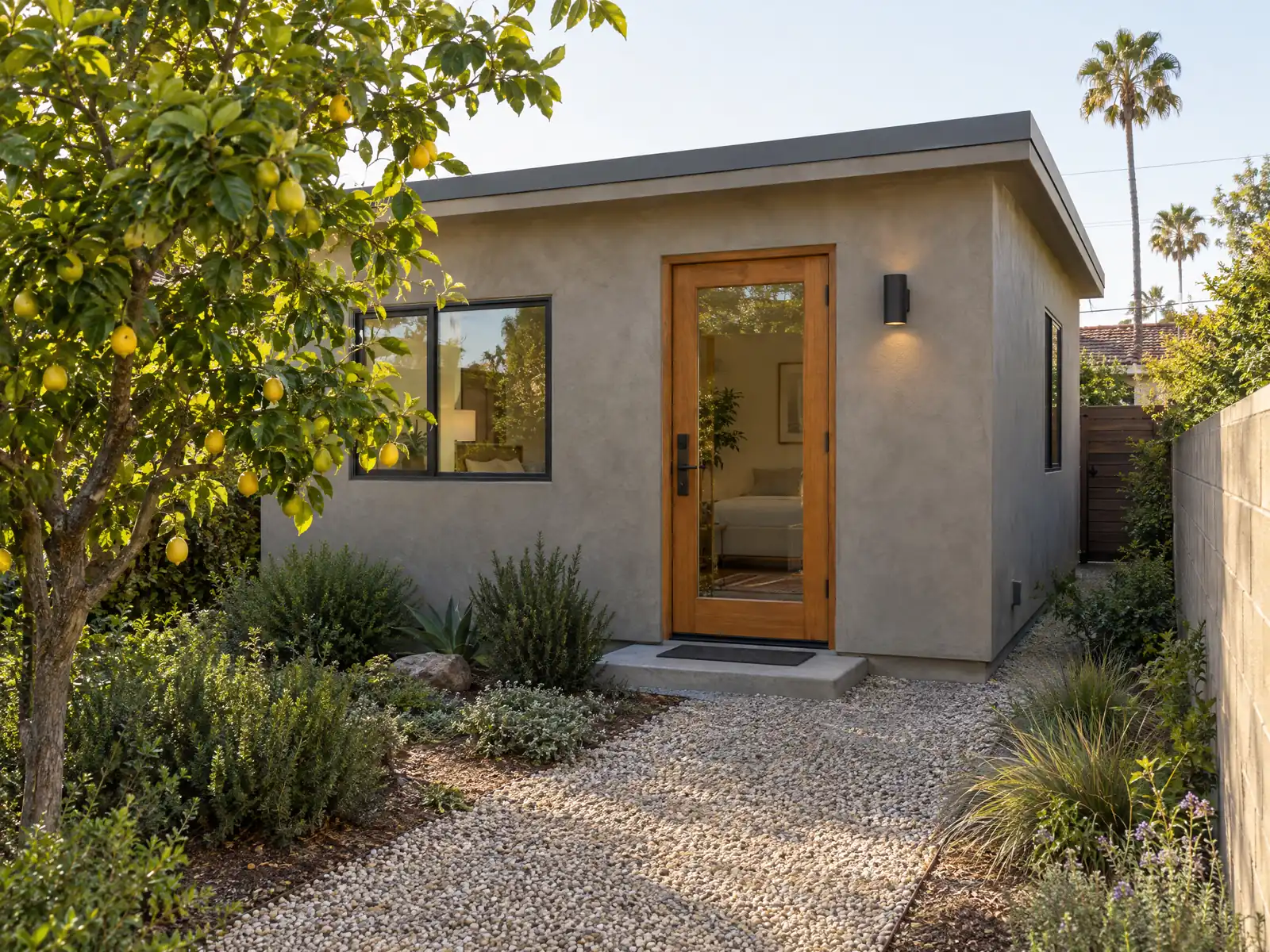
How Much Does an ADU Cost in California?
Sourced 2026 ranges for garage conversions and detached ADUs in Los Angeles, and how old the survey numbers are.
Read the guide →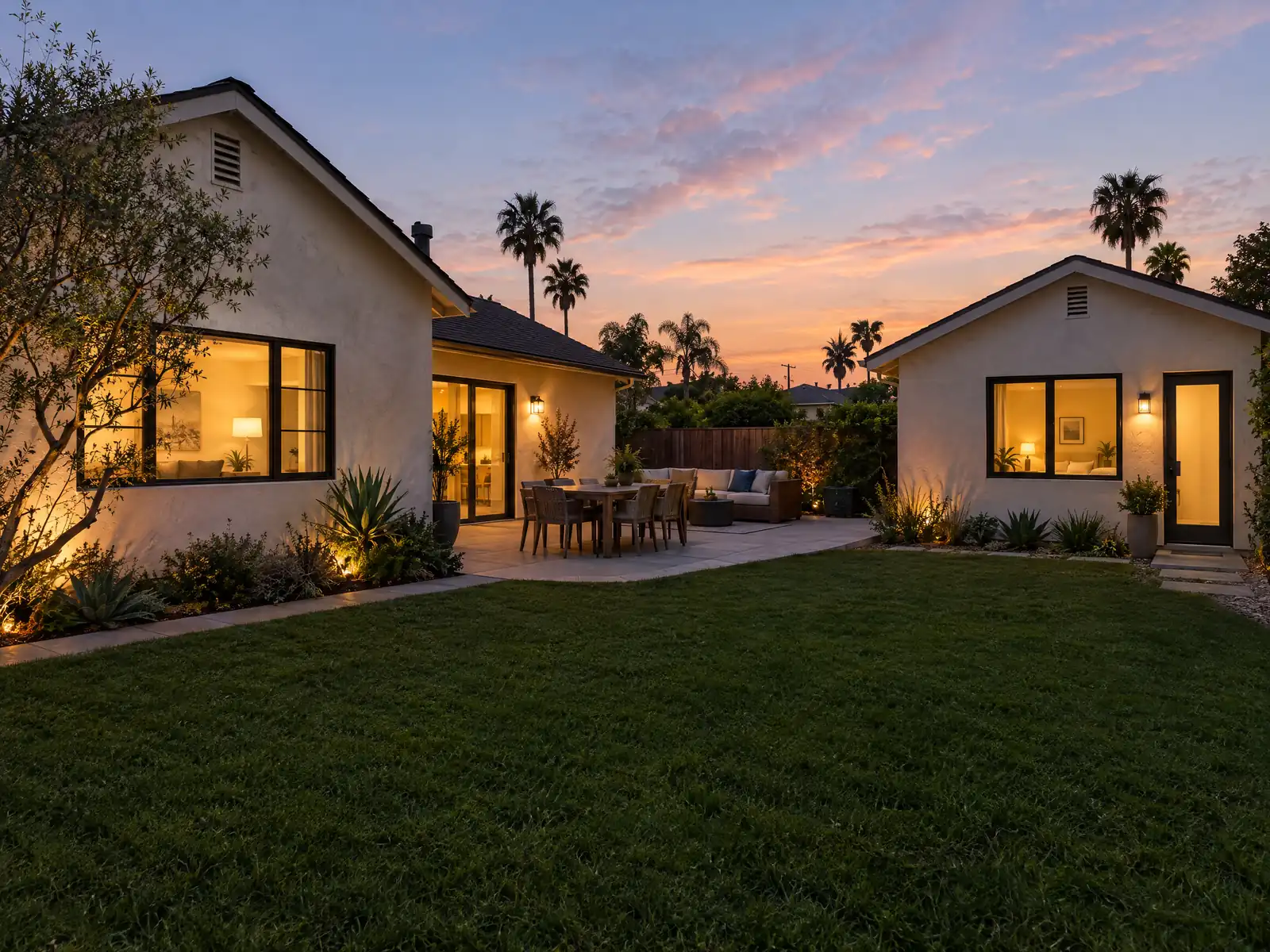
ADU vs JADU in California: What Is the Difference?
Size, kitchen, owner occupancy, rent rules and parking: how a junior ADU differs from a full ADU under current state law.
Read the guide →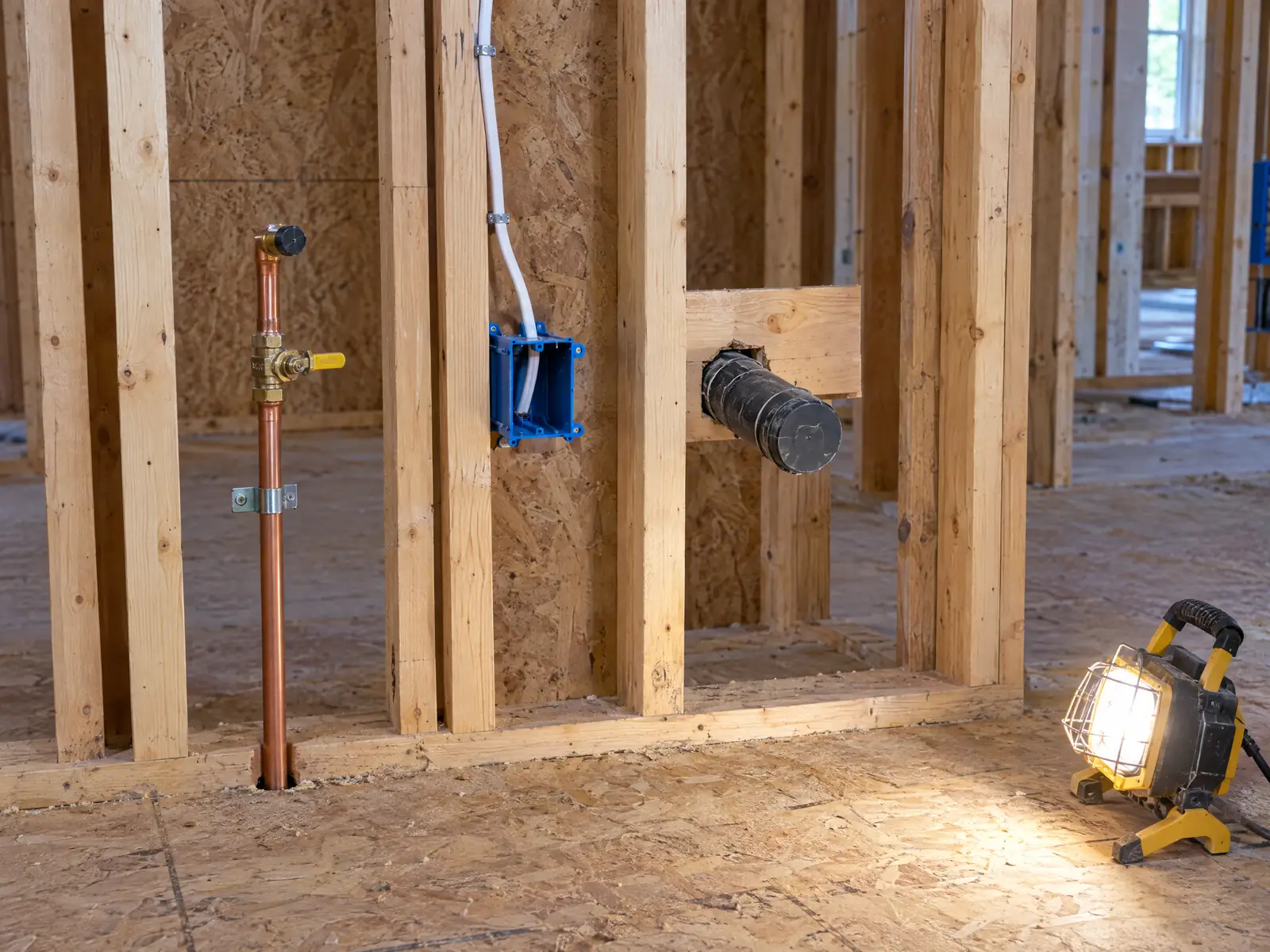
Do You Need a Permit for a Kitchen Remodel in Los Angeles?
Which kitchen changes get an LADBS Express Permit, which go to plan check, what the 2025 Energy Code adds, and what we could not confirm.
Read the guide →Ready to plan your project?
Call or send the form. We schedule a site visit and send a written proposal.