
General Contractor in Encinitas, CA
A general contractor in Encinitas works under a voter-approved cap of two stories or 30 feet, Coastal Development Permit tests near the shoreline and an all-online permit portal. Painting, cabinets and tile are exempt, but re-roofs, additions and ADUs are not. MDG Builders, CSLB #1040337, runs the permit and hires licensed subcontractors for every one of the eleven trades.
Eleven trades, sorted by the Encinitas rule that shapes each one
Choose the job on your list. Each guide points to the handout or code section it relies on. The City's own pages blocked our tools, so we read them as Internet Archive copies and say so, and no dollar range here is a quote for your lot.
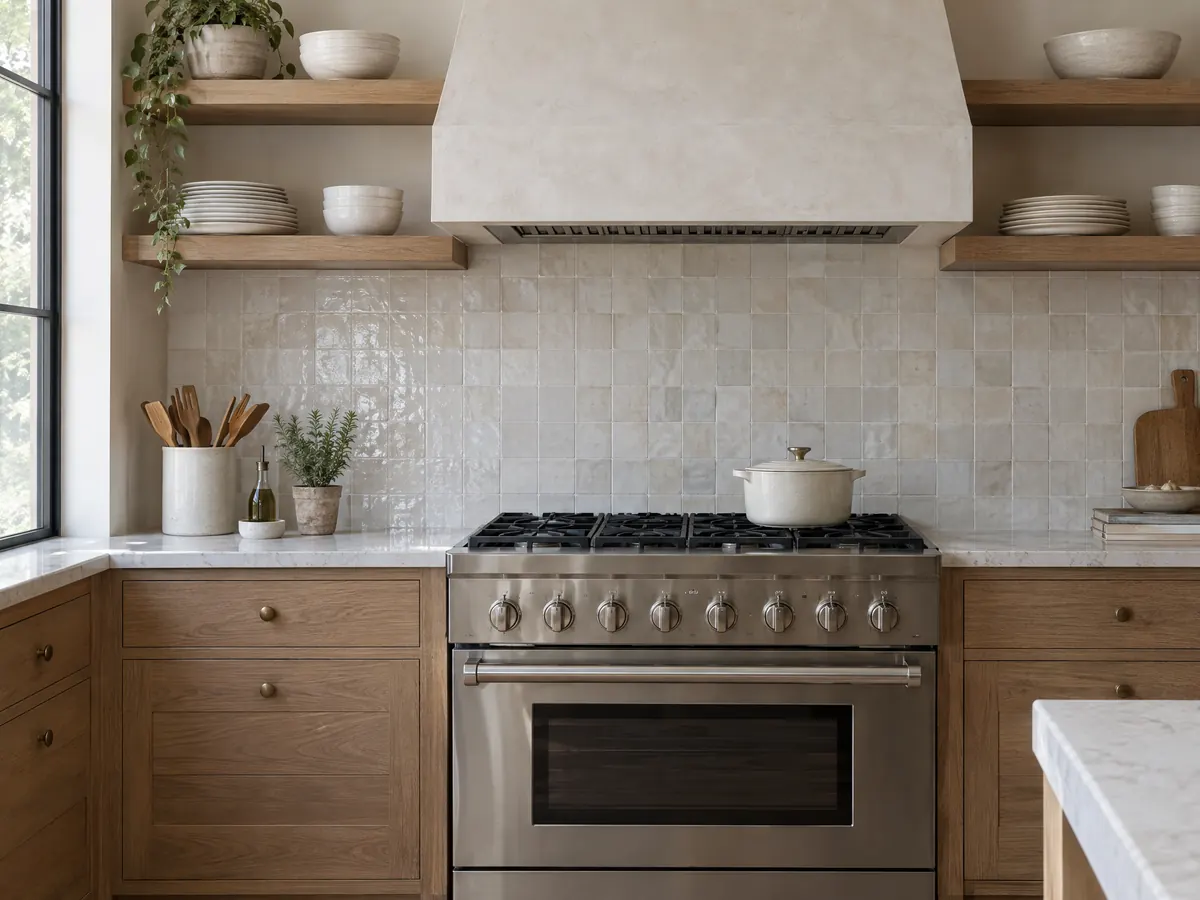
Kitchen Remodeling in Encinitas
Exempt cabinets, MEP trade permits filed online, a coastal test for added floor area, a 50 percent wall rule and 1970s kitchens in Encinitas.
See Encinitas kitchen remodeling →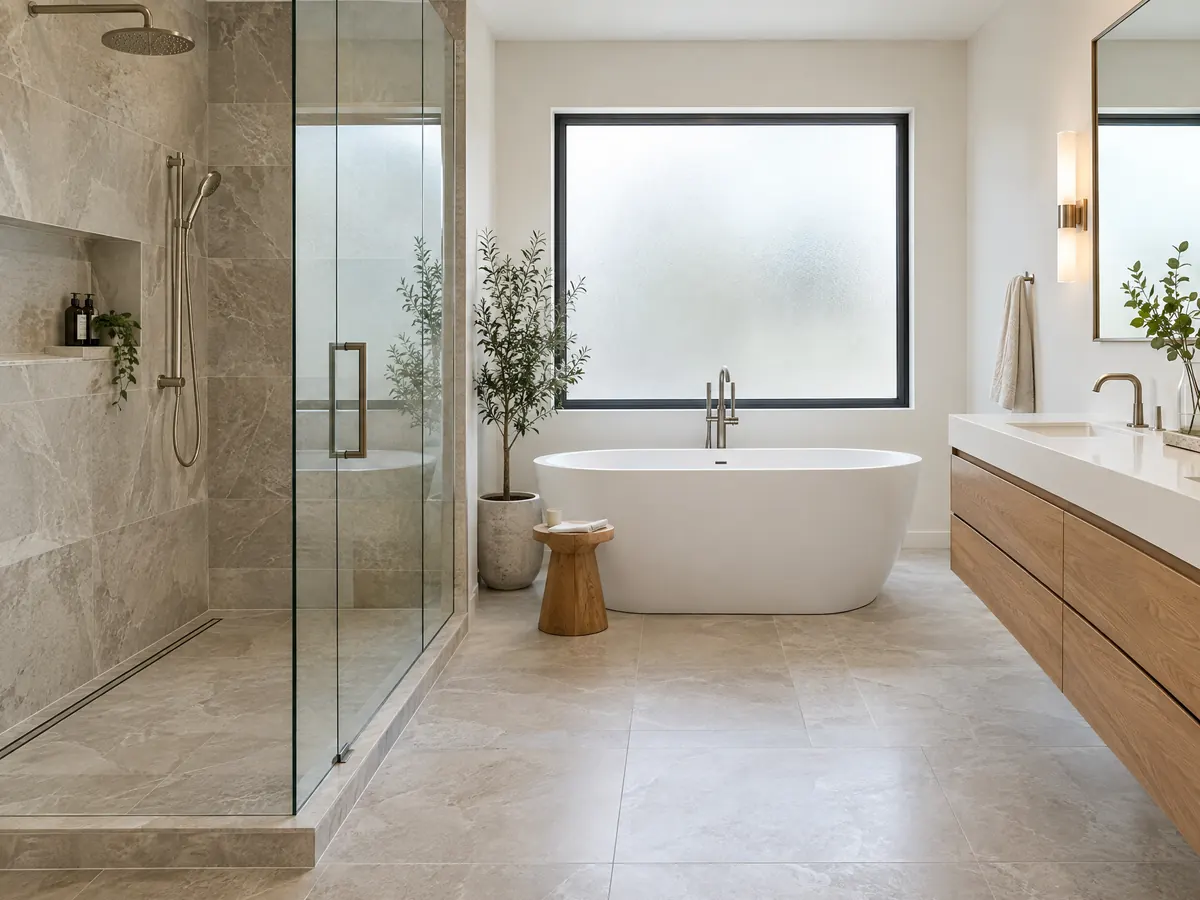
Bathroom Remodeling in Encinitas
Encinitas' Coastal Zone tests for a bath remodel, the online permit portal, 1970s and 1980s plumbing, salt air and the City's shower finish rules.
See Encinitas bathroom remodeling →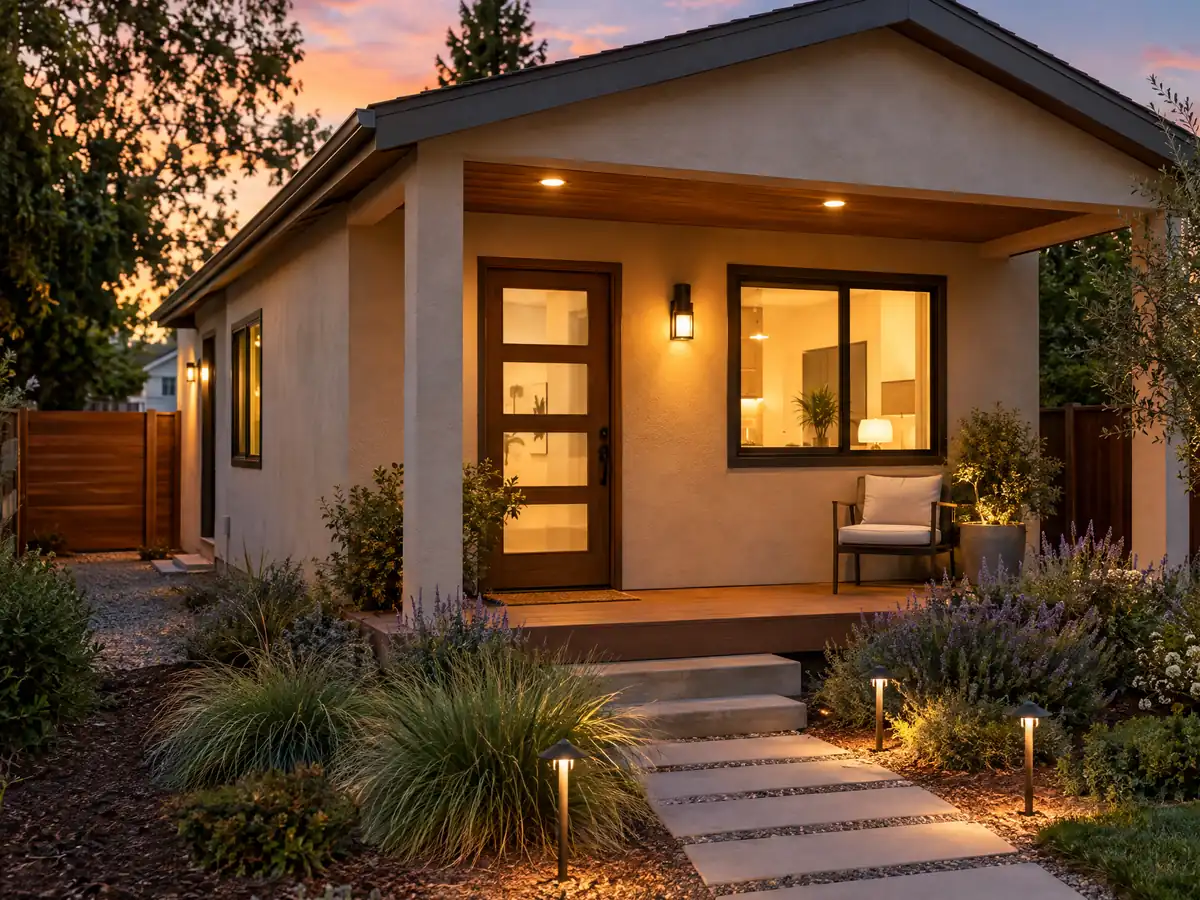
ADU Construction in Encinitas
Encinitas' ADU size and height limits, the Coastal Development Permit loop, bluff and fire lots, Permit-Ready plans and the City's fee waiver.
See Encinitas ADU construction →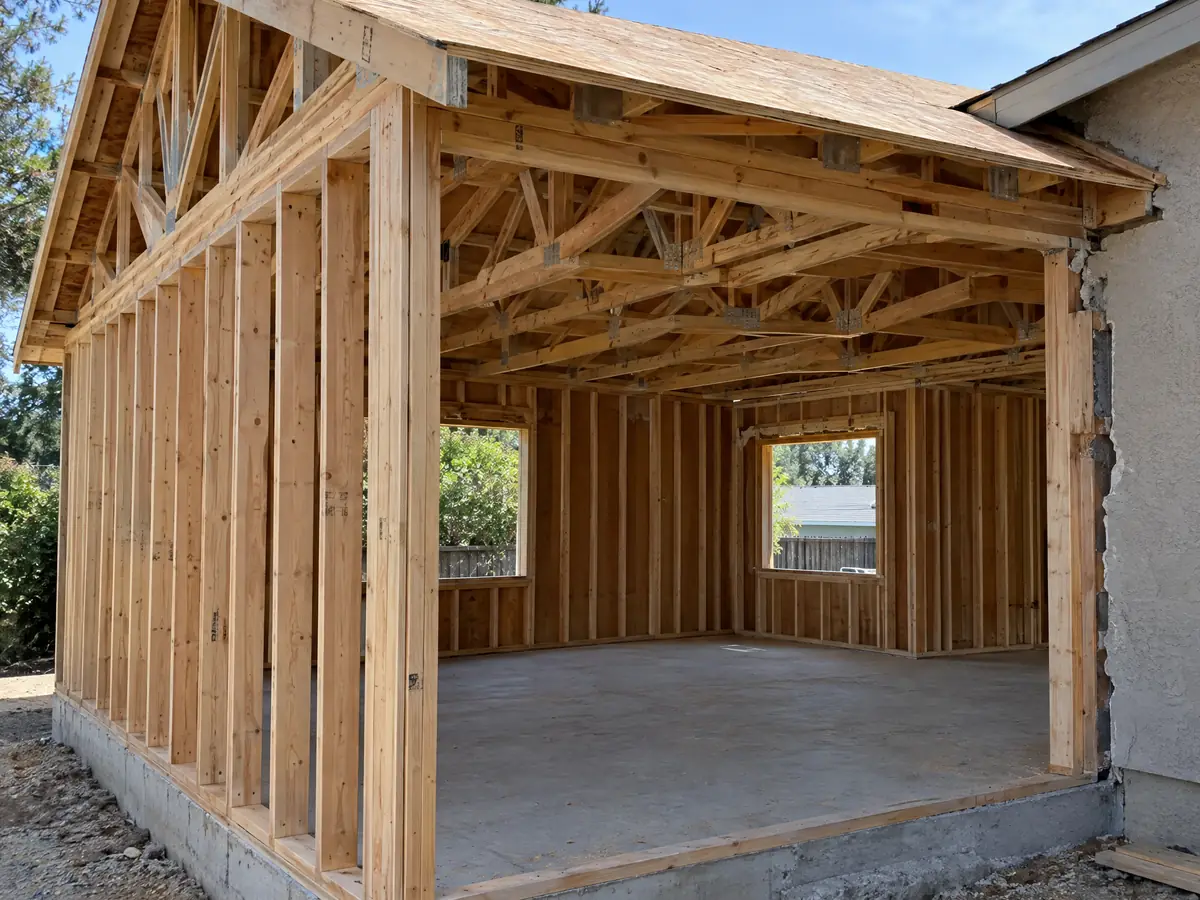
Room Additions in Encinitas
Encinitas' voter-set 30 foot height cap, Coastal Development Permit tests, the 50 percent wall rule, bluff and creek lots and fire zones.
See Encinitas room additions →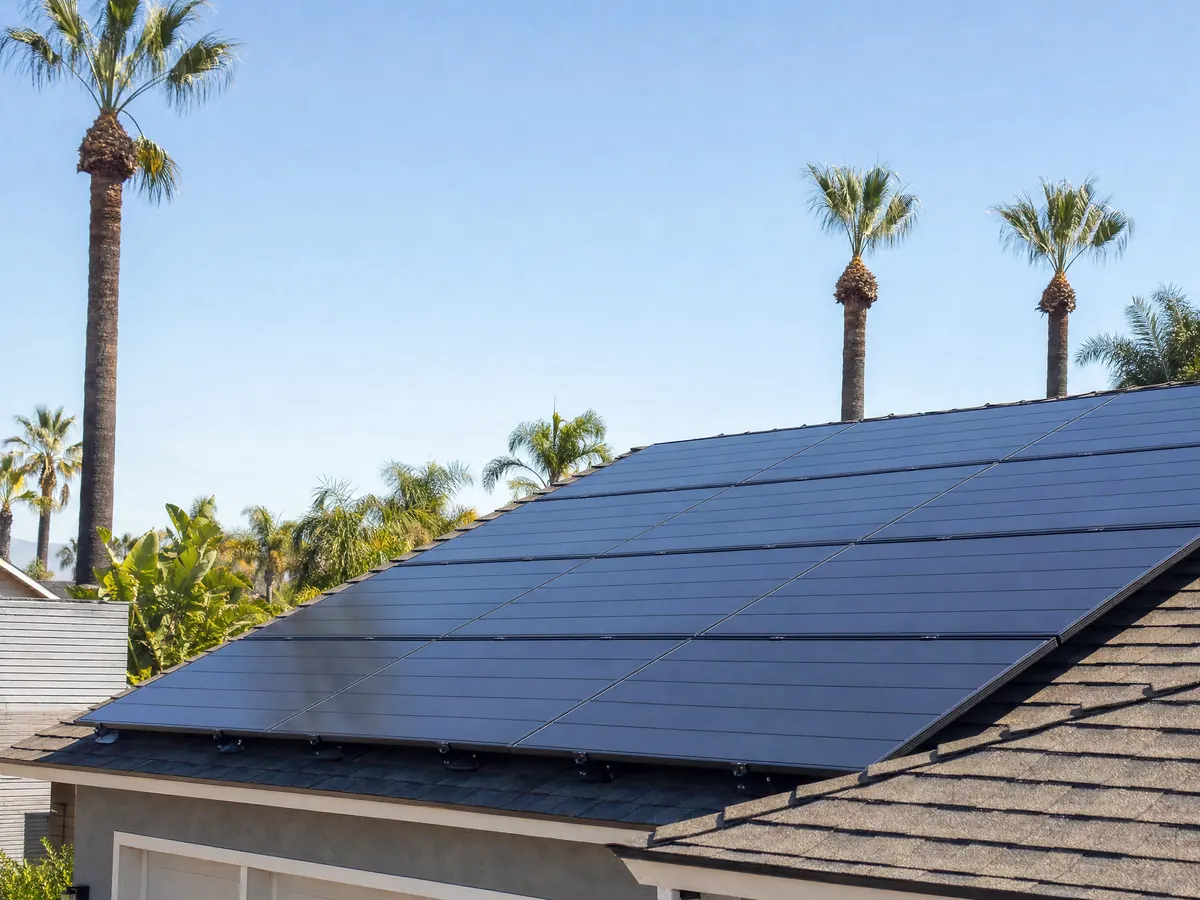
Roofing in Encinitas
An online Re-Roof permit, Class A coverings, a fire map that disagrees with news reports on Olivenhain, and coastal and 30 foot height tests in Encinitas.
See Encinitas roofing →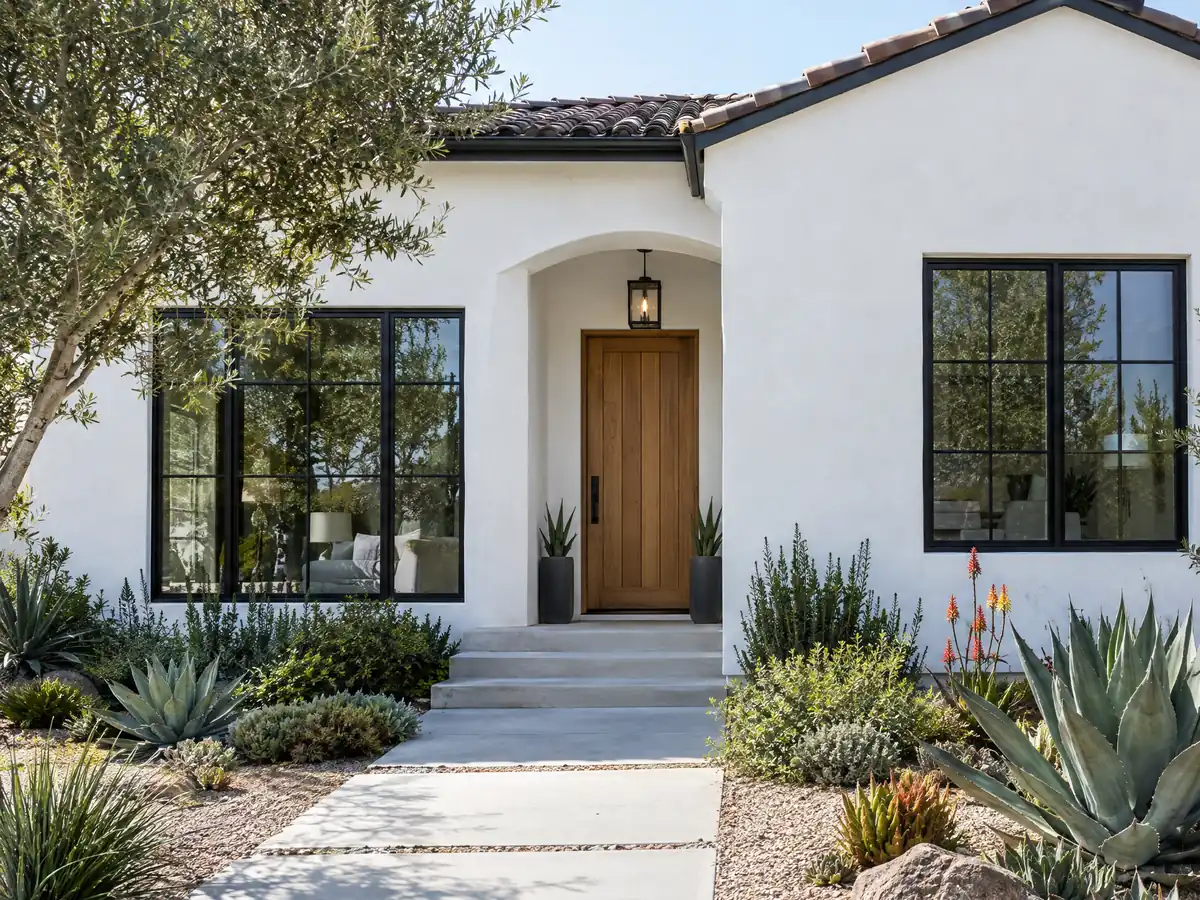
Windows in Encinitas
Encinitas' unanswered window permit question, the coastal wall-removal count, lead-safe work in older homes, patchy fire zones and salt air.
See Encinitas window replacement →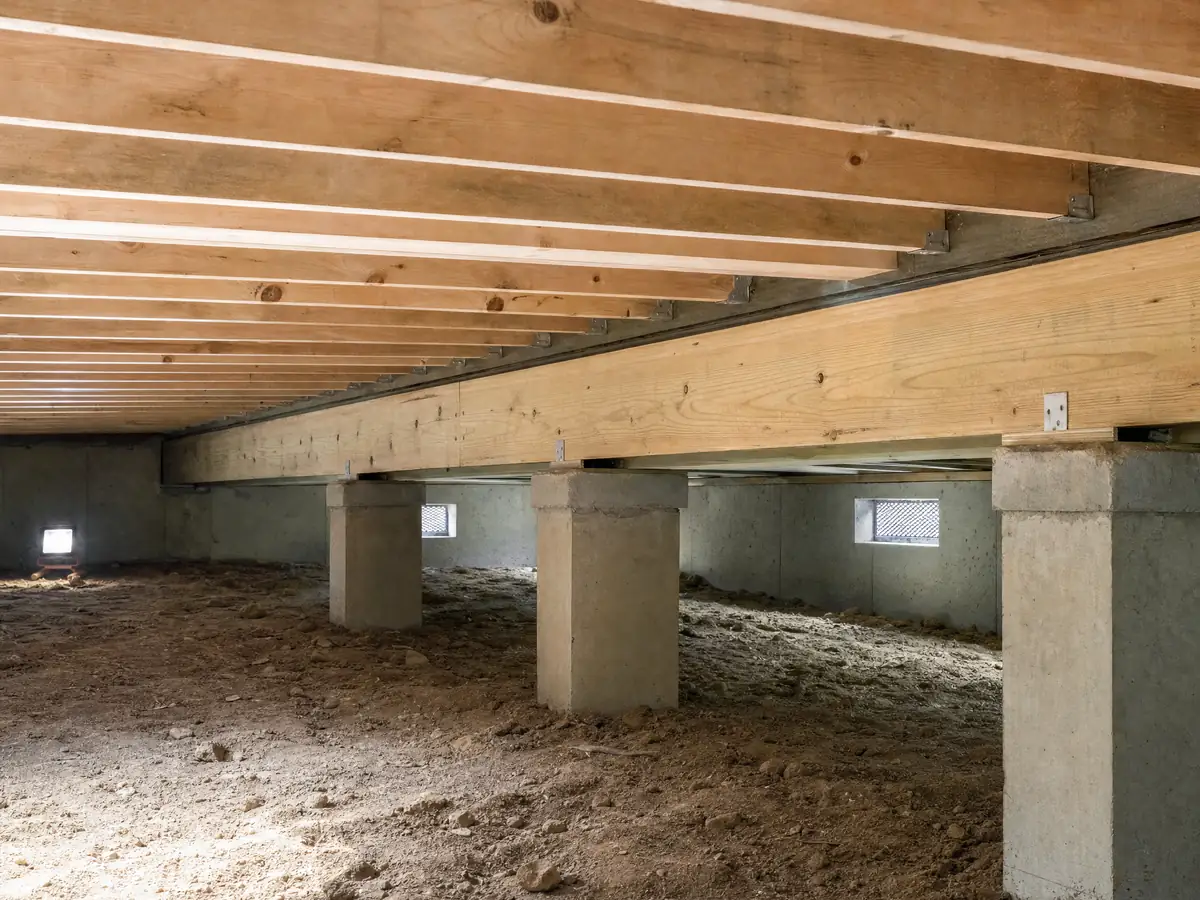
Flooring in Encinitas
Coastal permit tests, the no-permit finish list, 1970s and 1980s slabs, marine-layer moisture, bathroom floor rules and costs for flooring in Encinitas.
See Encinitas flooring →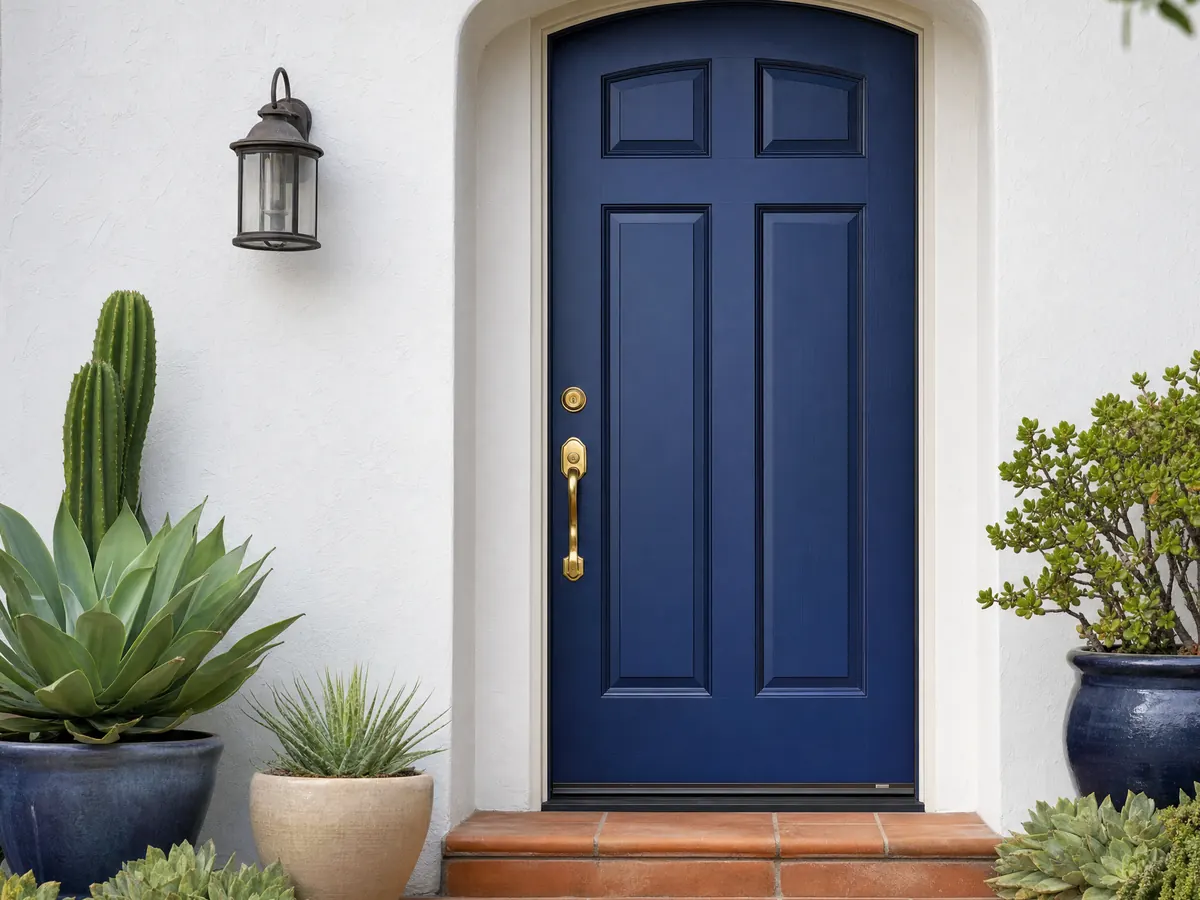
Painting in Encinitas
No building permit for paint alone, the County's 50 g/L paint limit, lead-safe rules for the half of homes built by 1979 and a historic register in Encinitas.
See Encinitas painting →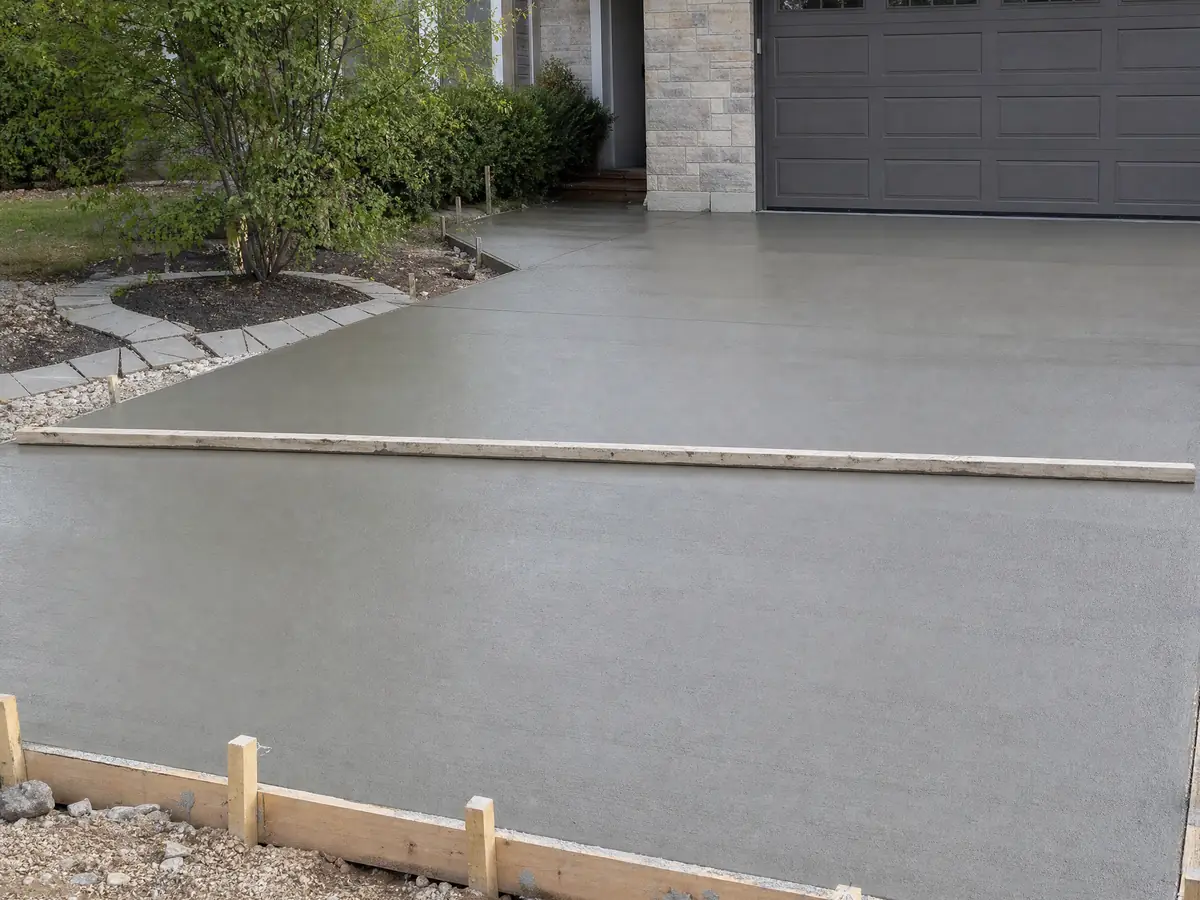
Concrete in Encinitas
The 500 square foot hardscape permit, bluff and flood overlays, 4 foot walls, right-of-way rules and pour costs for concrete work in Encinitas.
See Encinitas concrete work →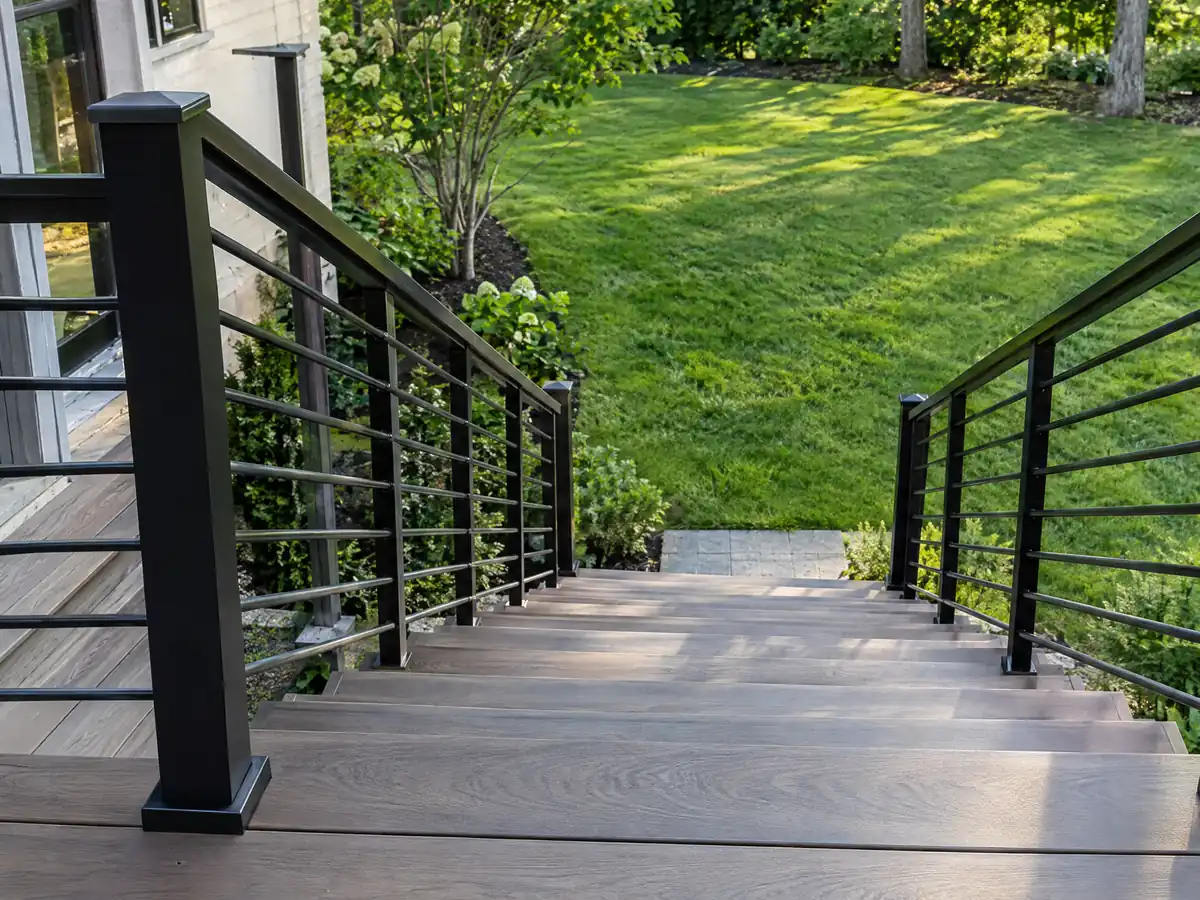
Decks in Encinitas
The 30 inch permit line, coastal and bluff limits, patchy fire zones, patio covers, old deck repair and wood or composite costs in Encinitas.
See Encinitas deck building →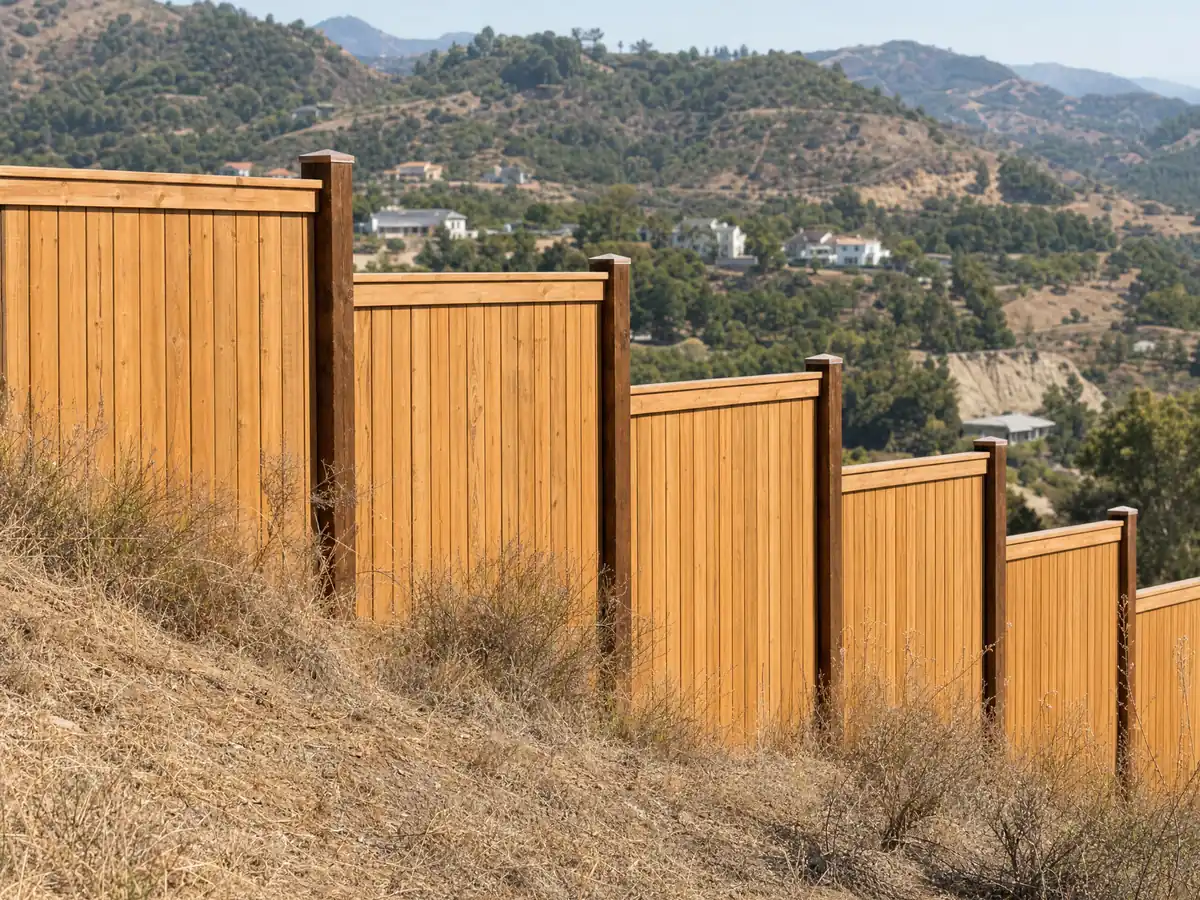
Fencing in Encinitas
A 6 foot yard cap, 4 foot street fronts, two City handouts that disagree on the permit line, bluff edges and Olivenhain horse lots in Encinitas.
See Encinitas fencing →What changes for a general contractor in Encinitas when five old communities, a long coastline and a voter-set height cap share one permit portal?
Encinitas is a young city assembled from old pieces. Wikipedia, a third-party source, dates the name Los Encinos to Gaspar de Portola in 1769, beside the Kumeyaay village of Jeyal, and follows it with Andres Ybarra's 1842 Rancho Las Encinitas grant and Jabez Pitcher's founding of the town of Old Encinitas in 1881. Cardiff began with the MacKinnon family in 1875, developer J. Frank Cullen sold its lots in 1909, and houses went up quickly there from the 1920s to the 1950s. Olivenhain started as a German colony, where the Bumann family bought land in 1885. In 1986 Encinitas incorporated with 69.3 percent of the vote, joining Old Encinitas, New Encinitas, Leucadia, Cardiff-by-the-Sea and Olivenhain. Census Bureau 2024 five-year estimates tally 26,230 housing units, with 58.5 percent single-family detached homes and 33.5 percent of occupied units rented. The 1970s (8,160 units) and 1980s (6,688) produced about 57 percent of the stock, roughly half dates to 1979 or earlier, only 1.6 percent goes back to 1939, and the median owner-occupied home is valued at $1,646,800. For an owner, that adds up to original kitchens, baths, roofs and windows from the 1970s and 1980s or earlier, paint that may carry lead, and a great deal of equity riding on getting each permit right.
The City issues its own permits. The Building Division sits inside Development Services on South Vulcan Avenue, yet nothing is filed at the counter: Planning, Building, Engineering, Fire and special event applications all go through the Customer Self Service portal, registration is approved within 24 business hours and paper is no longer accepted. One job can draw four reviews, reached at Building 760-633-2730, Planning 760-633-2710, Engineering 760-633-2706 and Fire Prevention 760-633-2820, and the City advises describing the scope to each, because school, housing in-lieu, climate action, water, traffic, flood control and sewer charges come from more than one department and district. The City quotes roughly 7 to 10 days for a trade permit review and about 30 for bigger projects. A plan check stays valid for a year, an inspection must be booked in the portal by 3:00 PM on the prior business day, and a permit dies if no inspection shows progress within 180 days. Construction hours for contractors run 7:00 AM to 7:00 PM Monday through Saturday, Sundays and City holidays are off limits, and a City business license is required for anyone doing work in town. An archived copy of the Building page, dated April 18, 2026, names the 2022 California Building Standards Code plus local amendments as the City's edition; whether the 2025 edition has since been adopted is something we could not confirm. The City's own website and its municipal code host both returned HTTP 403 to our tools, so every City page cited here is an archived copy, every code section number comes from a City handout, and because the City's two pages disagree on which outside firm handles plan check, we name none.
Whether you need a permit depends on the trade. The City's permit-required handout lists painting, tiling, carpeting, cabinets and counter tops as exempt, so house painting and most flooring installation need no building permit, while a kitchen remodel or bathroom remodel needs one once a sink, drain, circuit or wall moves. A re-roof has its own permit, and the City's certificate calls for a Class A assembly, with Class B accepted only for small repairs and additions, which matters for any roof repair or replacement. The same handout has no line for window replacement, so owners should call Building before ordering. A fence is capped at 6 feet in residential zones, and the City's handouts disagree on whether the building permit line is 6 feet or 7. A deck needs a permit above 30 inches. Concrete work is the odd one, because a low driveway needs no building permit but Engineering still wants a Hardscape/Drainage permit when the new or replaced surface reaches 500 square feet. A room addition always needs an Addition permit, and an ADU has a fast lane of its own: Development Services fees are waived except state and recorder charges, the City's Permit-Ready plans range from 224 to 1,199 square feet and review takes about 15 working days, yet a detached ADU in the Coastal Zone needs its own Coastal Development Permit before a building permit issues. Our ADU cost guide covers budgets. Paint is regulated by the San Diego County air district, where Rule 67.0.1 allows no more than 50 grams per liter of VOC in flat or nonflat coatings.
Then the voters and the land add their own rules. Proposition A, adopted in June 2013 and now part of Municipal Code Chapter 30.00, limits buildings to two stories or 30 feet and requires a public vote for most increases in height or density; voters turned down the housing plans in Measure T (2016) and Measure U (November 2018), a San Diego Superior Court judge ordered a state-compliant Housing Element on December 12, 2018, and the City then filed City of Encinitas v. HCD asking whether Proposition A is preempted, a case whose outcome we did not find. Encinitas administers its own Local Coastal Program for the more than six miles of beach and bluff on its western edge. For a house on the ocean side of the first public road, or close to a beach, an interior remodel with no new floor area, or an addition that stays under 10 percent, can avoid a Coastal Development Permit if the lot is not near a bluff, but taking out about half the exterior walls, under the City's 50 Percent Rule, cannot. The Coastal Bluff Overlay keeps structures 40 feet from the bluff top, and the Hillside/Inland Bluff Overlay keeps slopes over 25 percent natural. Rain is modest: the 1991 to 2020 NOAA normals for the Carlsbad Palomar Airport station, inland and about 5 miles north, average 11.39 inches a year, with 8.46 inches falling between December and March, and Wikipedia adds that coastal fog called May Gray and June Gloom brings salt air to bluff-top homes. Fire is handled by a City department, and Olivenhain is where sources conflict: the Coast News quotes CAL FIRE as rating it very high, yet our spot checks on the City's map layer, which carries no date, came back High at four Olivenhain points, so look up the address itself. Carlsbad, San Marcos, Vista, Oceanside and Escondido each have a page here, and an answer from one never carries over to another. MDG Builders, CSLB #1040337, serves as the general contractor of record: we define the scope, file the application in the portal, hire licensed specialty subcontractors for the field work and meet the inspector with you. Two short reads help before any contract: how a general contractor uses subcontractors and checking a contractor's license.
- Encinitas issues its own permits, and every application is made online in the Customer Self Service portal, never on paper.
- Voters set a ceiling of two stories or 30 feet under Proposition A, and most requests for more height or density go back to the ballot.
- Near the shore, an interior remodel that adds no space can avoid a Coastal Development Permit, but not if the lot is within 50 feet of a bluff.
- About 13,134 of the city's 26,230 housing units were built in 1979 or earlier, and the median owner-occupied home is valued at $1,646,800.
- Engineering requires a Hardscape/Drainage permit at 500 square feet of new or replaced surface, even when no building permit applies.
- The Coast News and the City's own fire map layer point to different classifications for Olivenhain, so the zone is checked address by address.
Cities near Encinitas we also build in
Encinitas questions we hear before a contract is signed
Does Encinitas issue its own building permits?
Yes. The Development Services Department issues them, and every Planning, Building, Engineering and Fire application is filed in the Customer Self Service portal, with registration approved within 24 business hours. Paper is no longer accepted. Call Building at 760-633-2730 to learn which departments will review your scope before you order materials.
What work does Encinitas say needs no building permit?
The City's permit-required handout, BLD-163 from June 2024, exempts painting, tiling, carpeting, cabinets and counter tops, fences not over 7 feet, retaining walls not over 4 feet, small sheds and driveways within 30 inches of grade. The handout adds that Planning, Engineering or Fire can still have a say, so confirm your scope before starting.
Do I need a Coastal Development Permit to remodel in Encinitas?
Only sometimes. Near the beach, City policy PB-200 spares an interior remodel that adds no floor area, and additions under 10 percent of floor area or height, unless the work sits within 50 feet of a bluff. Anywhere in the Coastal Zone, taking out about half a home's exterior walls triggers a permit.
How tall can I build in Encinitas?
Two stories or 30 feet at most, because Proposition A caps every building and sends most height increases to a public vote. The zone's standard height is lower: 26 feet in the RR to RR-1 zones and 22 feet in RR-2 and denser zones, with slope rules on top. Ask Planning to review your plan.
Is my Encinitas home in a fire zone, and is Olivenhain rated Very High?
That depends on the address, and sources conflict on Olivenhain. The City maps Moderate, High and Very High zones. Our point checks returned High at four Olivenhain points, Very High near Bumann Ranch and the Grauer School area, and no zone in Old Encinitas, Cardiff or Leucadia, while the Coast News quotes CAL FIRE calling Olivenhain very high.
Does a re-roof in Encinitas have to be Class A?
Generally yes. The City's Roof Covering Installation Certificate calls for a Class A assembly, and only repairs of half the roof or less, small additions or floor additions of 500 square feet or less in a wildland interface zone may match the existing roof, never below Class B. That form copy is dated 2010, so confirm with Building.
How old are Encinitas homes, and does lead paint matter?
Many are old enough to matter. Census 2024 estimates put 13,134 of 26,230 units, about half, at 1979 or earlier. Lead-safe rules from EPA reach any paid job that disturbs paint in a house from before 1978, and swapping windows always counts, but the Census table lumps 1978 with 1979, so ask a firm for its EPA certification.
What does a general contractor do on an Encinitas job?
A general contractor holds the contract, defines the work, files the permit applications and schedules and supervises the trades. MDG Builders, CSLB #1040337, sends the field work to licensed specialty trades. Even a job under $1,000 needs a licensed contractor here if it requires a permit, so check each license on the CSLB site.
Describe your Encinitas project
Name the community, whether Cardiff, Leucadia, Olivenhain, Old Encinitas or New Encinitas, along with the year the house was built and the jobs you are weighing. Ahead of our reply we look up the permit route, the City's fire hazard map and any Coastal Zone or overlay that touches the lot.