
Bathroom Remodelingin Coronado, CA
Bathroom remodeling in Coronado needs a City permit when the job moves piping behind the wall or below the floor, adds a circuit or changes a water heater. Cabinets, countertops, flooring and paint are exempt finish work, and an in-kind fixture swap can be too. Confirm your exact scope with Building Services.
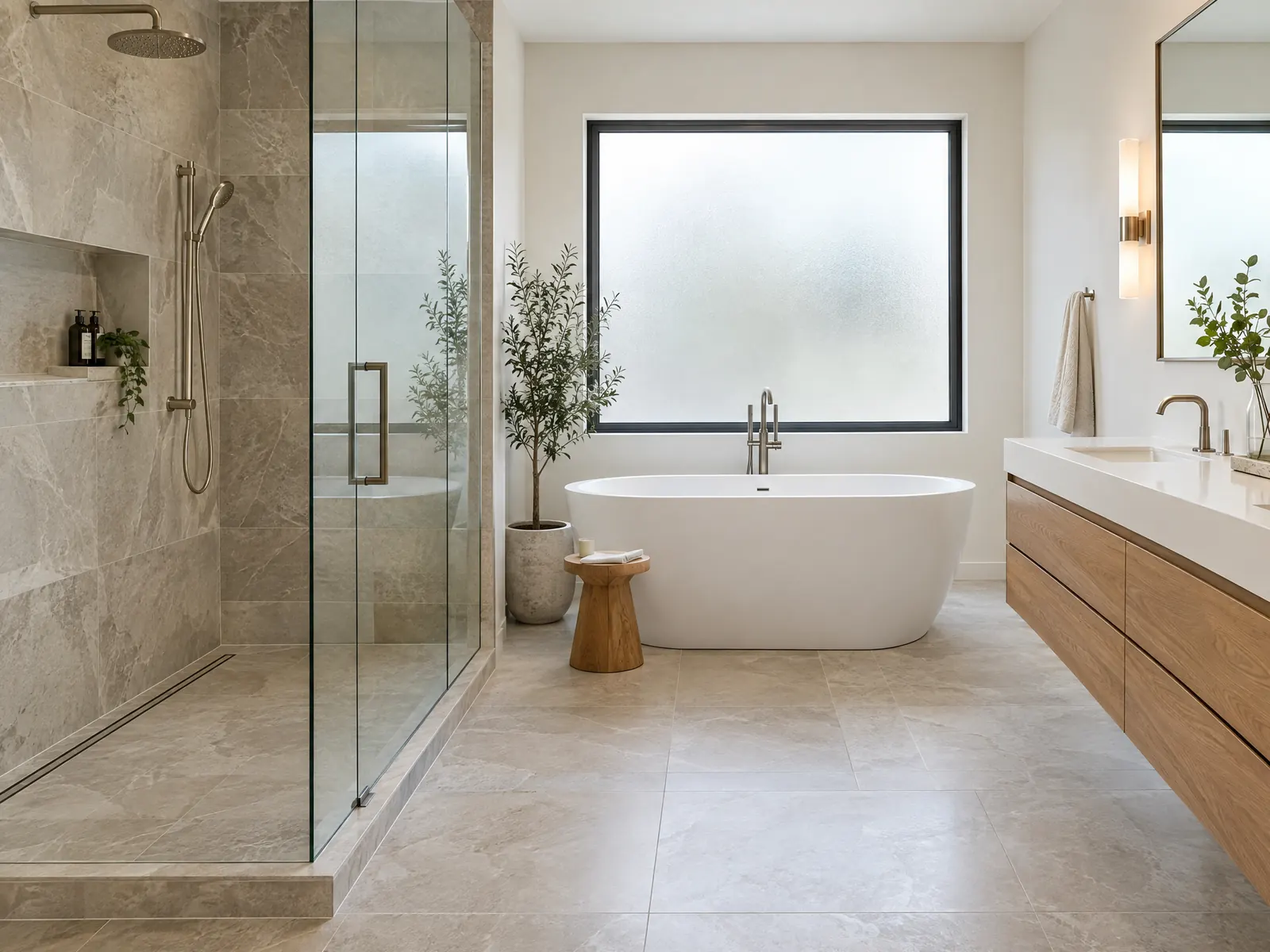
Coronado's bathrooms are older than most in Southern California. The Census Bureau's 2024 five-year estimates count 9,896 homes in the city, and about 67 percent of them, 6,619, were built before 1980. About 38 percent predate 1970, about 21 percent predate 1950, and 1,445 homes date from 1939 or earlier. The 1970s are the largest single decade with 2,885 homes, the years when the ten 15-story Coronado Shores towers rose on the old Tent City site. The town itself dates to 1886, when the Coronado Beach Company was organized, and it incorporated on December 11, 1890.
This page covers the City's permit line for fixtures and piping, what sits behind older walls, the 75-year historic screen, the Coastal Zone exemption, towers and condos, plan review and its conflicting expiry dates, and waterproofing. The City's website returned HTTP 403 to automated requests, so we read its pages and handouts in Internet Archive copies from 2026 and its Municipal Code in GoCodebook, a third-party mirror. Confirm every point with the Building Services Division. Price tiers and phases are on our bathroom remodeling page.
Coronado Building Services rules that apply to bathroom work
Where bathroom remodeling permits come from in Coronado: City of Coronado Community Development Department, Building Services Division.
- Handout 301 allows replacing plumbing fixtures in kind with no work behind the wall or under the floor without a plumbing permit, but any re-piping behind the wall or below the floor needs a permit; an interior-only re-pipe of the residential water system can be submitted over the counter.
- The CSLB ceramic and mosaic tile class (C-54) covers surface preparation and installation of glazed wall, ceramic, mosaic and stone tile for showers, tubs and horizontal surfaces inside buildings.
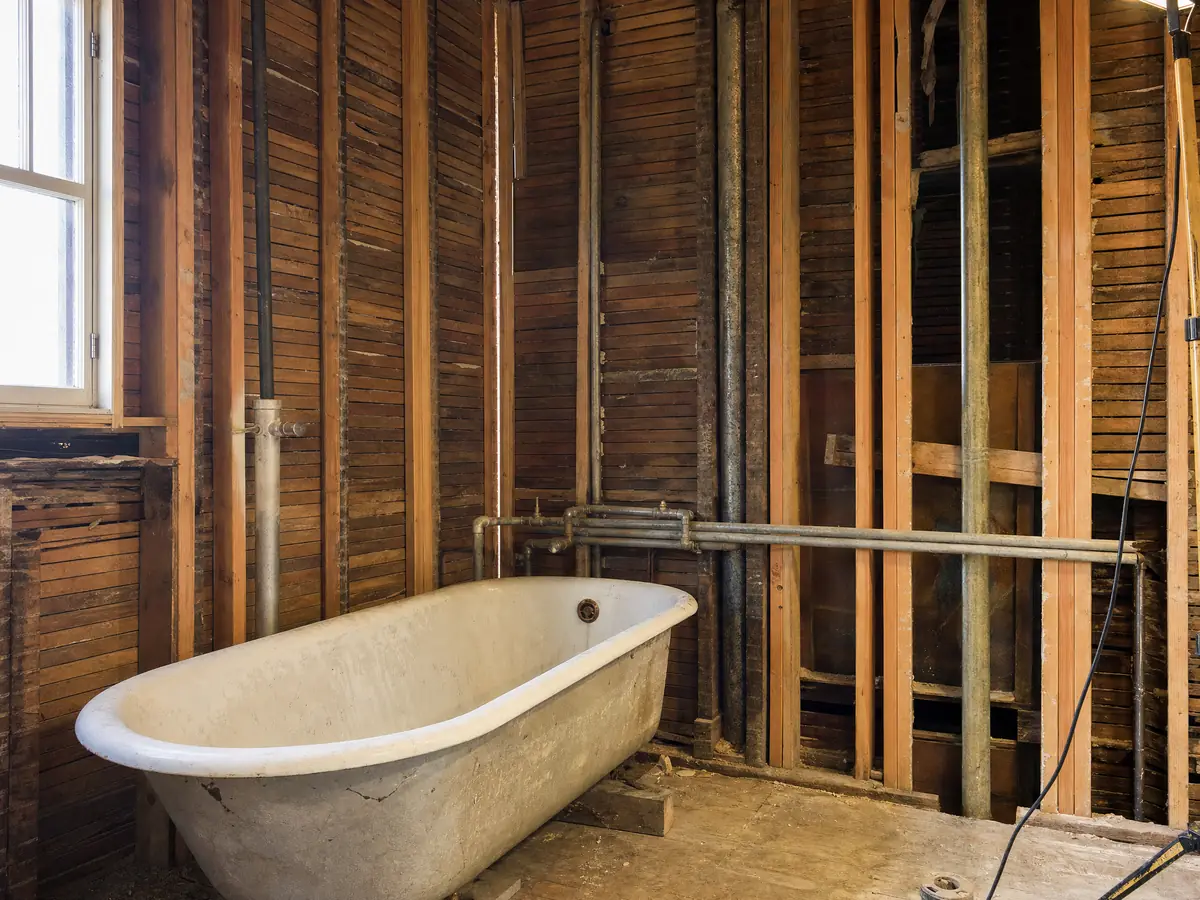
What is behind the walls of a Coronado bathroom built before 1980?
For two homes in three, the answer decides the budget. A Village bath can sit in a house that predates the plumbing codes now used to inspect it, and the 1970s tower and condo baths are now fifty years old. Trouble hides in three places: the supply lines, the drain and the shower pan. None shows from the room. We found no City or state source that dates pipe materials by decade, so treat the next list as what a plumber checks once the wall is open: tired supply lines, a slow or cracked drain and a pan that no longer holds water.
Lead is a narrower question. EPA's lead-safe renovation rule applies to paid work that disturbs paint in homes built before 1978. The Census table cannot separate 1978 from 1979, so the share of Coronado homes affected sits somewhere between 38 percent (built before 1970) and 67 percent (before 1980). Your build year settles it. We did not collect a Coronado asbestos rule, so ask who tests old tile mastic and wallboard before anything comes out.
- Does the firm hold EPA lead-safe certification if the house predates 1978?
- Who runs a camera through the drain before the floor is closed?
- What happens to the price if the pan fails a water test?
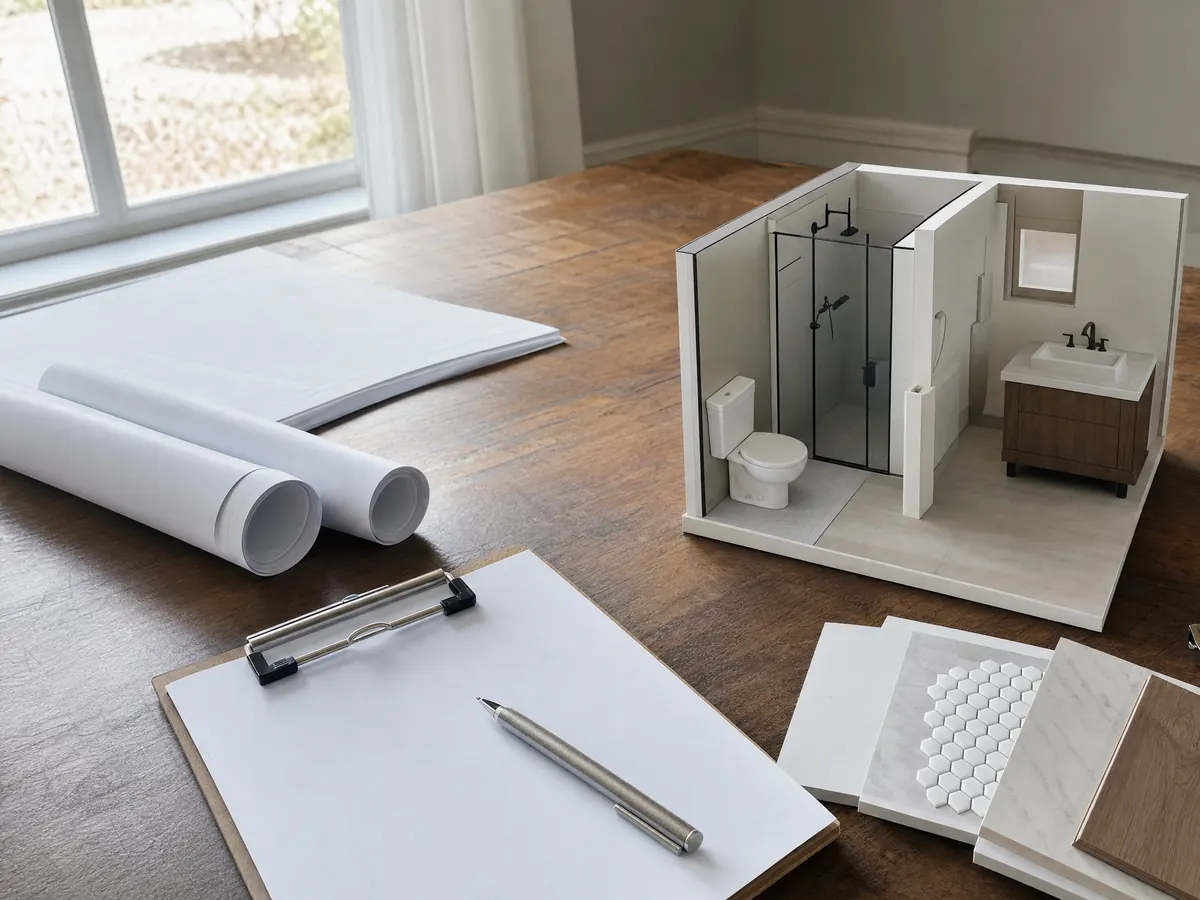
Do you need a permit to remodel a bathroom in Coronado?
Often yes, and the City's Handout 301, its list of permits required and exempt work (March 2025), draws the line. Cabinets and countertops replaced in the same place and layout, flooring and painting are exempt finish work. A plumbing fixture can be replaced in kind with no plumbing permit when only the exposed tail pieces, traps and trap arms change. Any piping behind the face of the wall or below the floor needs a permit, and so does a water heater, tankless included.
A like-for-like swap of a fixed appliance of the same type and rating in the same spot needs no electrical permit. A panel upgrade can go over the counter by email, and so can an interior-only re-pipe of a residential water system. So a bath with a new vanity top, paint and flooring stays on the exempt side, while a new shower valve, a moved drain or an added circuit does not.
Starting early costs money. Municipal Code 70.20.030(G) collects an investigation fee equal to the permit fee on work begun before the permit, and paying it does not excuse code violations. California's unlicensed-work limit has been $1,000 since January 1, 2025 under AB 2622, and it vanishes when a permit is needed, so a permitted Coronado bath needs a licensed contractor. Our license check guide shows how to verify one.
Does a bathroom remodel in a Coronado house 75 years or older need historic review?
Not for work inside the walls, but the rule is broad enough to know. Under the City's Historic Resource Code, chapters 84.10 and 84.20, a Determination of Historic Significance is required when a project demolishes original features visible from the street on a structure 75 or more years old that is not Tier 3 in the Historic Resources Inventory. The amended rules took effect December 4, 2025, and the inventory covers Village structures built through 1970.
The City dates a structure by its original building permit, or by the County Assessor's building record when no permit exists. Tier 1 means unaltered or minimally altered, Tier 2 a recognizable style that has been altered, and Tier 3 substantially altered, and the City's interactive map lets an owner look up an address. A bath rebuilt inside its walls removes nothing visible from the street, but a street-side bath window or a new vent through an original facade might. Ask Historic Preservation staff before you draw it. A required third-party research report is estimated at 8 to 12 weeks before the Historic Resource Commission hearing.
A designated Historic Resource is stricter, since any exterior alteration needs a Historic Resource Alteration Permit separate from the building permit. We did not open the Designated Historic Resources Register or the Tier map, so we cannot say whether your house is on either.
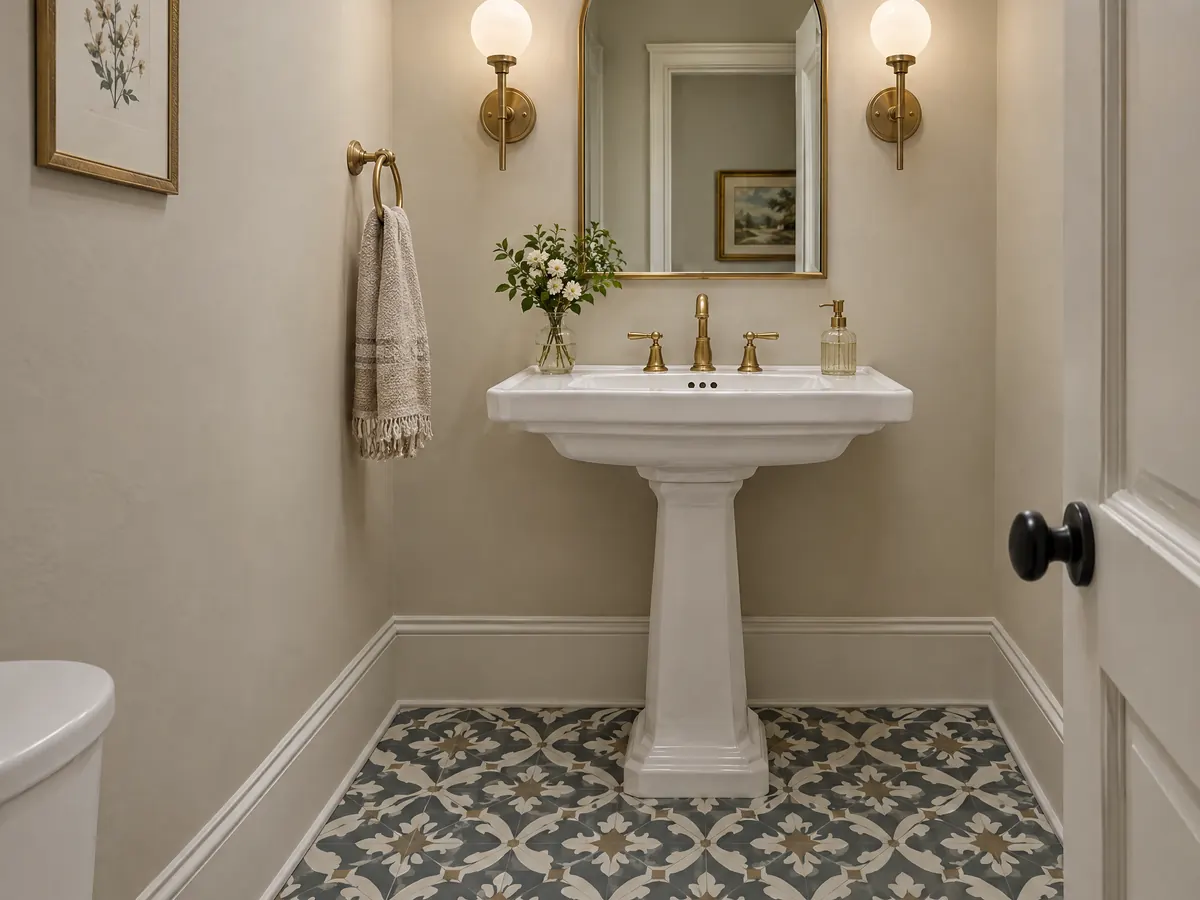
Is a Coronado bathroom remodel a coastal permit matter?
Almost never, but the whole city is in the Coastal Zone, so the question is real. The Coastal Commission certified Coronado's Local Coastal Program Land Use Plan in December 1983, and a coastal permit is required for development that is not categorically exempt. Municipal Code 86.70.052 exempts improvements to existing single-family dwellings and duplexes, repair or maintenance that does not enlarge, and demolition of any building except visitor-serving commercial. A bathroom inside an existing house sits on the exempt side. Development that needs a variance, a special use permit or a Planning Commission interpretation does not.
The text we read names single-family homes and duplexes, so a condominium owner should ask Community Development how the exemption applies to a unit. Federal military property and Port of San Diego land inside the city limits are outside City coastal authority, and work there follows a different process than work on a Village house.
If a larger bath means pushing a wall outward, the job becomes an addition, and the setback and floor area questions on our Coronado room addition page come first.
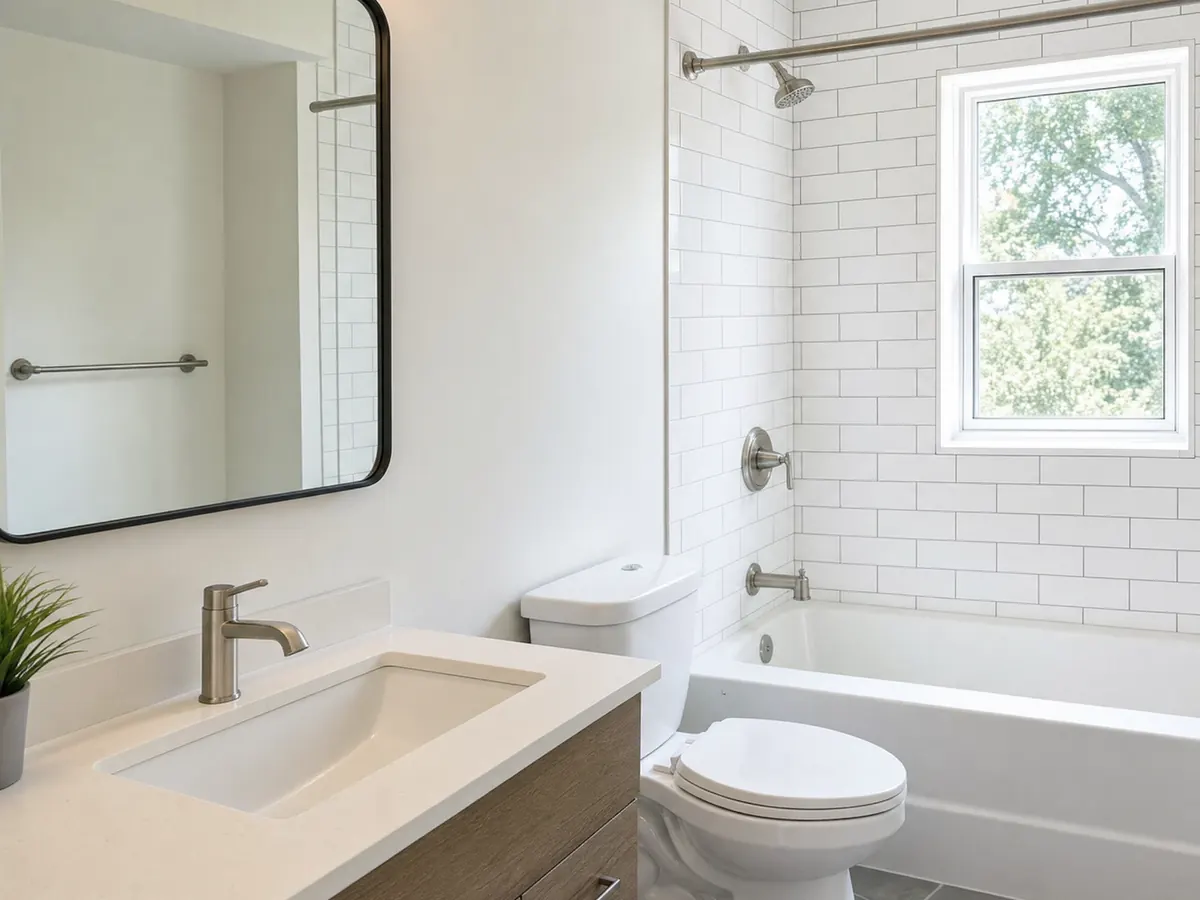
Condo tower, apartment or Village house: who signs off on a Coronado bathroom?
Coronado is more stacked than its beach-town image suggests. ACS 2024 puts 36.1 percent of units in buildings of five or more, including 2,065 units, 20.9 percent, in buildings of 50 or more, and 45.4 percent of occupied homes are rented. In those buildings a bathroom often shares a stack, a wall or a ceiling with someone else's unit. Ask the association which parts are common, such as the drain stack, the shower valve and the exhaust duct, and what it wants before work starts. We read no association rules.
About 26 percent of units have no usual resident, which suggests second homes and vacation use, so many owners run a remodel from somewhere else. A written scope, a named contact who can meet the inspector and a sequenced schedule matter more than usual in that case. Where a landlord owns the unit, the landlord belongs on the permit, and a tenant should ask who is pulling it.
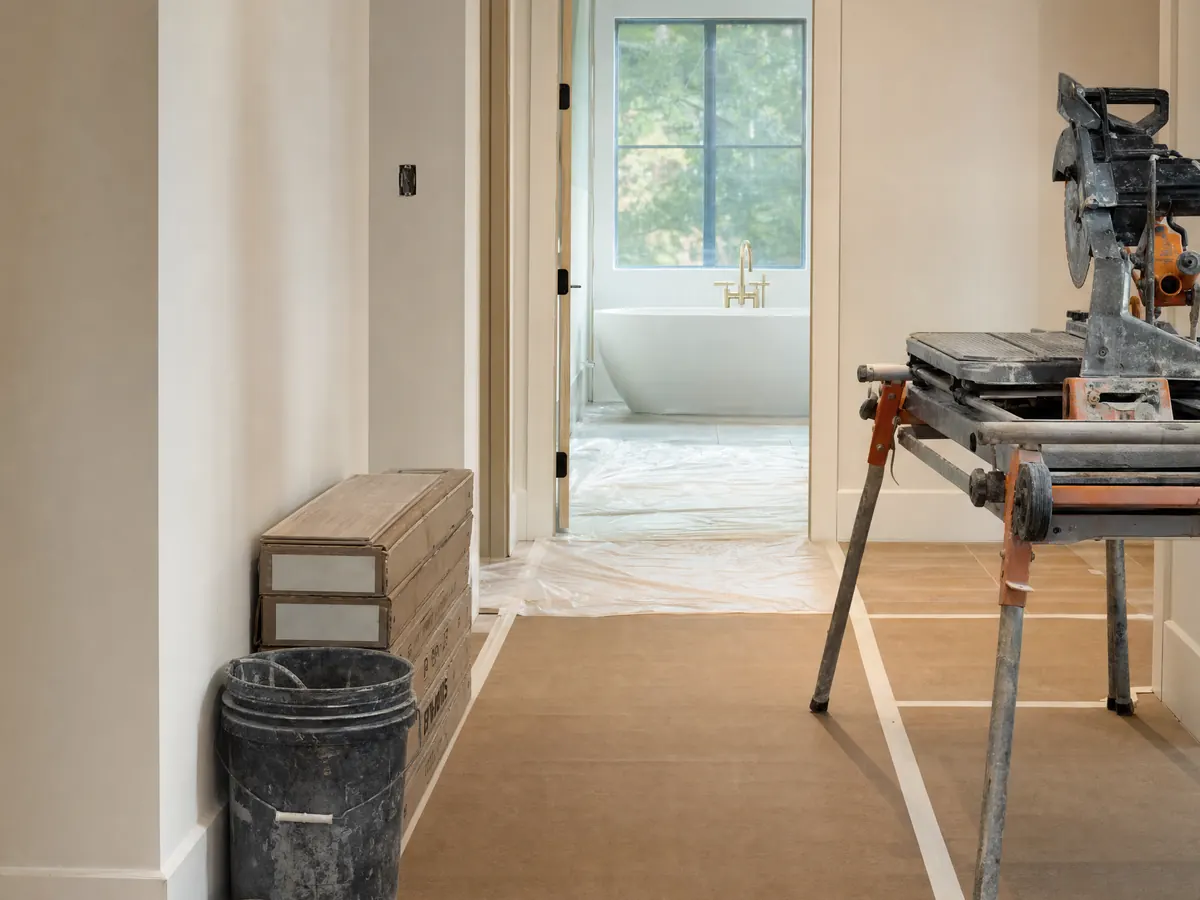
How does Coronado review a bathroom plan, and how long does a permit application stay alive?
Handout 302 sorts review into three tracks. Over-the-counter jobs average 15 to 30 minutes and the applicant can draw the plans. Submitted internal review, used for single-story additions and garages, needs professional drawings and averages 10 to 12 business days to first comments. External review adds a City plan review consultant. Plan check applies to remodels, so a bath that moves plumbing should expect it, while an in-kind fixture or interior re-pipe job can go over the counter. Ask which track your scope gets.
On expiry, the City's papers disagree. Municipal Code 70.20.030, as the mirror shows it, says an application with no permit issued within 180 days expires, with one written extension of up to 180 days for circumstances beyond the applicant's control, and no extension if the code was amended after filing. Handout 302 quotes the model-code wording, with 90-day extensions, and also mentions one written extension for plan check. Plan on 180 days and get any extension in writing from Building Services at 619-522-7331.
The City enforces the 2025 California codes under Ordinance 2025-11, yet Handouts 301 and 302 still cite the 2022 Building Code, one more reason to ask.
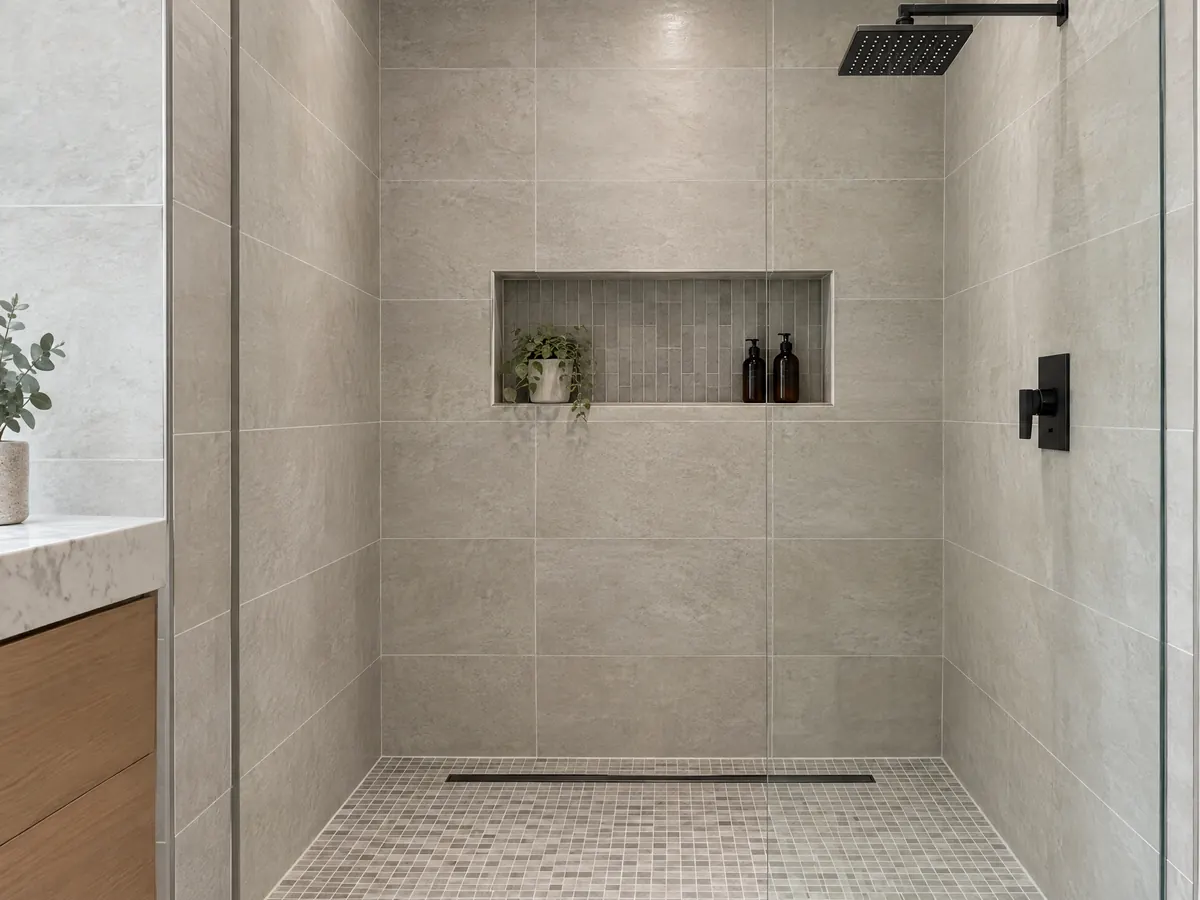
How should a Coronado shower be waterproofed and ventilated?
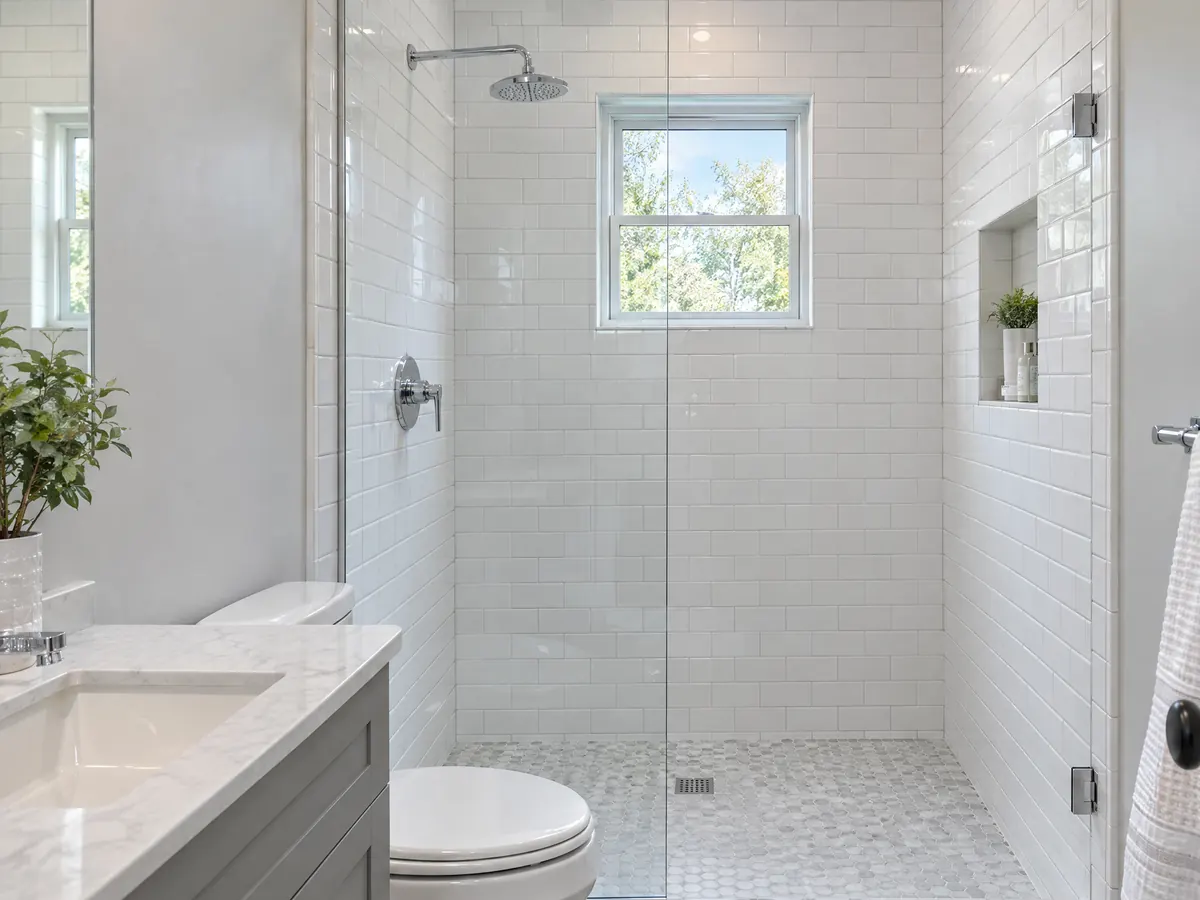
Mild weather does not excuse a weak shower. NOAA's 1991 to 2020 normals for the North Island station show 9.33 inches of rain a year, 6.54 inches of it from December through March, highs from 65.8 F in December to 76.7 F in August, and 3.5 days a year at or above 90 F. We found no source on coastal humidity, so we make no salt air claim. What holds a shower together is a sloped pan, backer board and one continuous membrane over the curb and up the walls. We ask for a flood test with photographs before tile, which is our practice and not a Coronado rule we found.
Per the Energy Commission's 2025 residential summary, a bathroom must have exhaust that runs continuously or on demand, at least one light on an occupancy or vacancy sensor with automatic off, and fan lighting that switches separately from the fan. The plans should show the duct reaching the outdoors. California's C-54 tile class covers installing tile for showers, tubs and floors inside buildings, so that is the license to ask the tile setter about.
MDG Builders, CSLB #1040337, designs the layout, files the permit and runs the schedule, and licensed plumbing, tile, electrical and glass firms do the field work. Each will give you its license number and certificate of insurance on request.
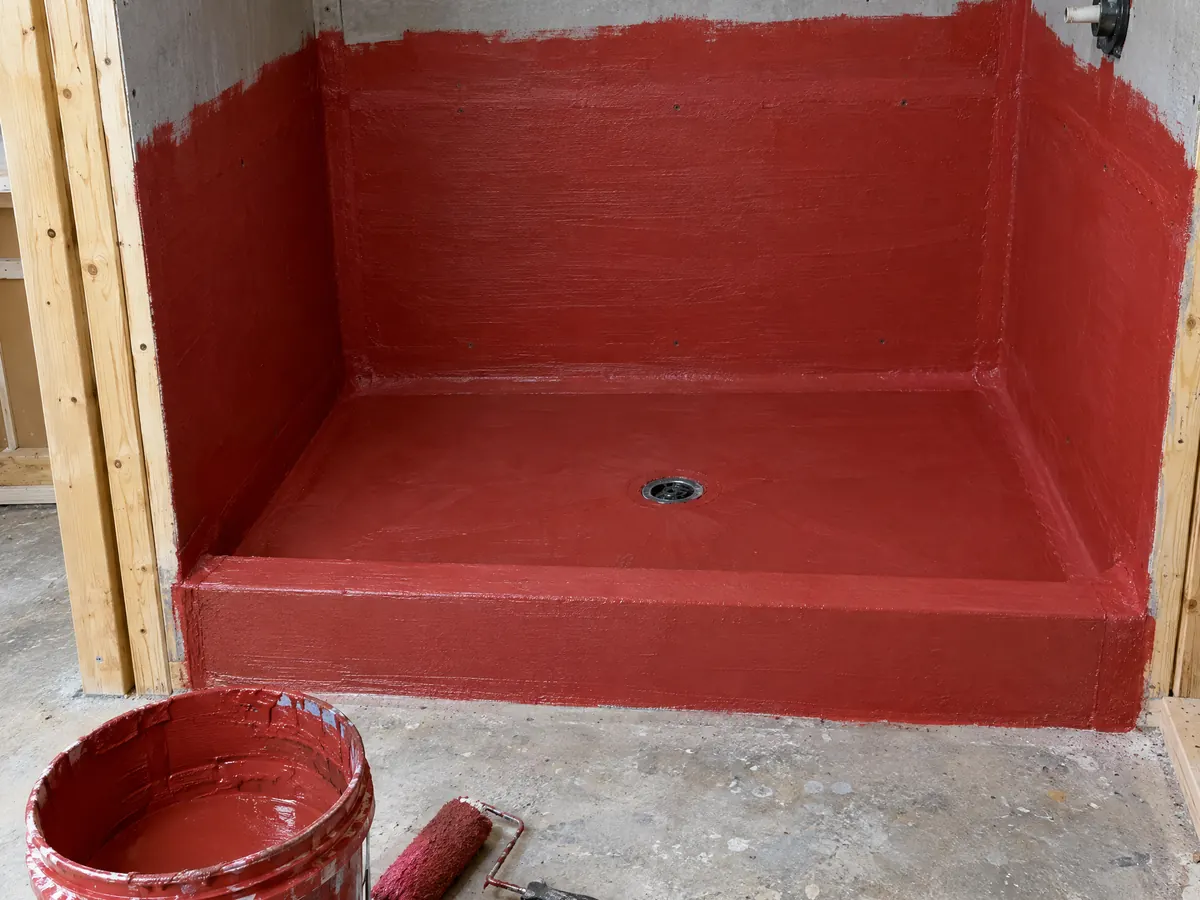
Bathroom photos from Coronado and nearby homes
Bathroom scenes tied to Coronado, from opened walls and waterproofing to finished tile, in homes from the Village to the towers and the Strand. Tap a photo to enlarge it.
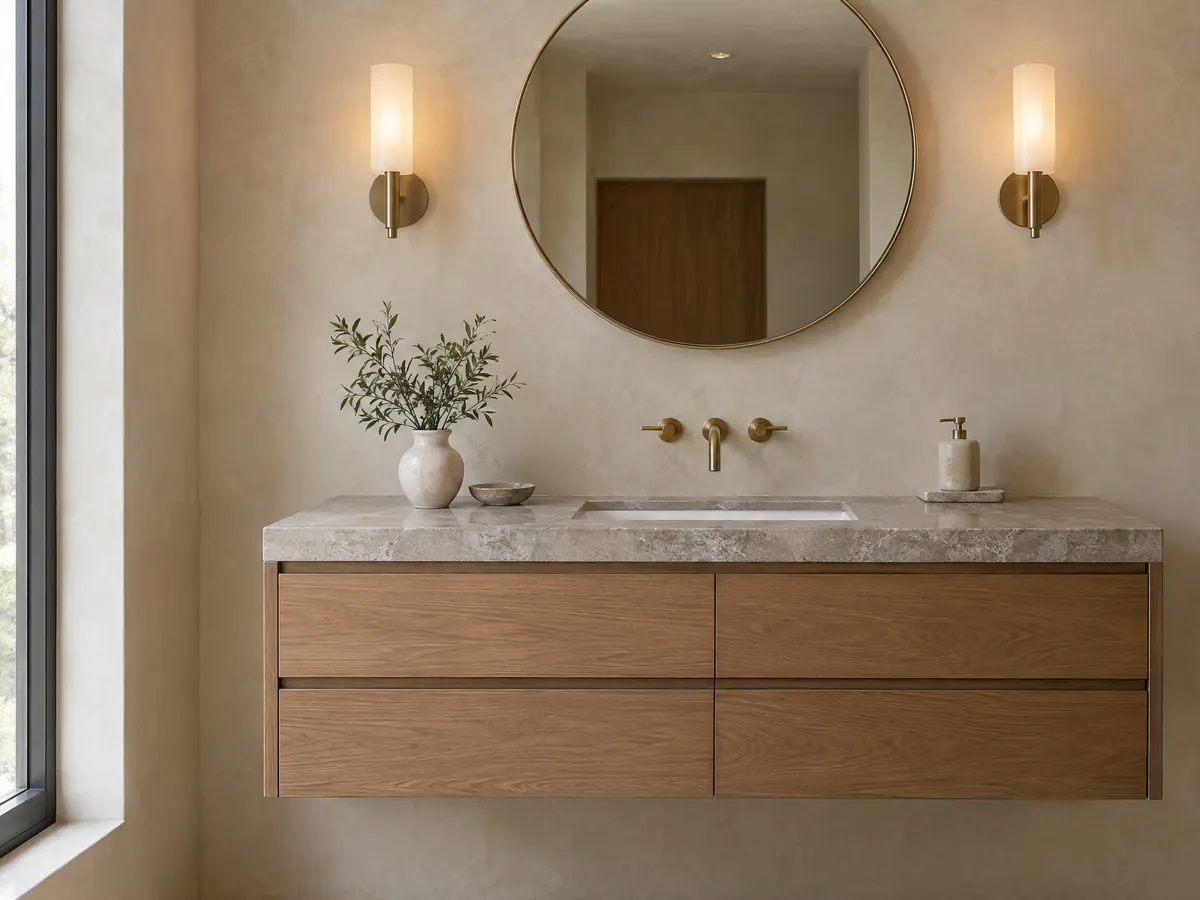
What bathroom remodeling costs around Coronado
Our bathroom remodeling page sizes its tiers on a bath of about 35 square feet, the size Sweeten's Los Angeles guide uses: a refresh near $9,000 to $18,000, a midrange remodel in the same layout near $25,000 to $40,000, a primary bath near $50,000 to $85,000 and up, and an added bathroom near $60,000 to $120,000. We found no Coronado price survey, so the tiers lean on Los Angeles data. Remodeling magazine's 2025 Cost vs. Value report lists a midrange bath at $27,143 and an upscale one at $85,055, with about 89.6 and 42.3 percent recovered at resale. The ACS median home value in Coronado is the Census top code, so read it as $2 million or more. The City's building fee schedules are documents we could not open, which is why permit and plan check charges appear as separate lines in a written proposal. The bathroom cost guide explains what moves a bath between tiers. For nearby work see Imperial Beach, Chula Vista, San Diego and Los Angeles. A bath inside a backyard unit is on the Coronado ADU page, bath windows on the Coronado window page, and the Coronado area page lists every trade we cover in the city.
| What it covers | Typical range |
|---|---|
| Refresh in the same layout: new vanity, toilet, fixtures, lighting, paint, limited tile | $9,000 to $18,000 |
| Mid-range full remodel in the same layout: new shower or tub, tile, vanity, fixtures, lighting and fan | $25,000 to $40,000 |
| Upscale or primary bath: stone, custom glass, freestanding tub, double vanity, heated floor | $50,000 to $85,000 and up |
| Adding a new bathroom | $60,000 to $120,000 |
Coronado bathroom remodel questions, answered
Do I need a permit for a bathroom remodel in Coronado?
Usually yes, if the job moves piping behind the wall or below the floor, adds a circuit or changes a water heater. Handout 301 treats flooring, painting, cabinets and countertops in the same place as exempt finish work. A like-for-like fixture swap can be exempt too, so describe your scope to Building Services at 619-522-7331 before you start.
Do I need a permit for a shower remodel?
Most of the time. A new shower reaches the valve, drain and framing behind the tile, and Handout 301 requires a permit for piping behind the wall or below the floor. Retiling an unchanged shower is finish work. In a house 75 or more years old, ask whether any street-side change brings historic review.
Do I need a permit to change a toilet?
A like-for-like swap may not. Handout 301 lets you replace a plumbing fixture in kind without a permit when only the exposed tail pieces, traps and trap arms are replaced. Moving the toilet, adding a bathroom or replacing a concealed drain needs a permit, so ask Building Services before treating any fixture change as exempt.
How much does a bathroom remodel cost in California?
Using a bath of about 35 square feet, we see roughly $9,000 to $18,000 for a refresh, $25,000 to $40,000 for a same-layout midrange remodel and $50,000 to $85,000 and up for a primary bath. Los Angeles data supports those tiers, since no Coronado survey turned up, and a written proposal after a site visit sets your price.
Can a handyman do a bathroom remodel?
Only a very small one. California lets an unlicensed person take work totaling $1,000 or less, but the limit does not apply when any permit is required or when the person hires a worker. A Coronado shower or drain job needs a permit, so check any license on the CSLB website before you pay a deposit.
How long does a bathroom remodeling take?
Plan on 2 to 6 weeks for design and selections, then about 3 to 7 days of demolition and rough plumbing, 3 to 5 days for waterproofing and curing, 1 to 2 weeks for tile and fixtures and 1 to 2 more for glass and the final. Permit review adds time, and long-lead tile or glass causes most delays.
What is the difference between a bathroom remodel and a bathroom renovation?
Renovation usually means new fixtures and finishes in the same layout, and remodel suggests the layout, pipes or wiring change. Coronado's permit line does not care which word you use. It follows what you touch: cabinets, flooring and paint are exempt, and piping behind the wall is not. Describe what moves when you call.
Is remodeling a bathroom worth it?
Partly, and less so as finishes get fancier. In Remodeling magazine's 2025 Cost vs. Value report for Los Angeles, a midrange bath earned back about 89.6 percent of its cost at resale and an upscale one about 42.3 percent. No Coronado resale study turned up, so use those numbers as a regional guide, not a forecast.
Does a bathroom remodel in an old Coronado house need historic review?
Usually not for work inside the walls. The 75-year review applies when a project demolishes original features visible from the street on a structure that is not Tier 3, and a designated Historic Resource needs an alteration permit for exterior changes. A street-side bath window is the item to raise with Historic Preservation staff.
Tell us about your Coronado bathroom
Tell us whether the bath is in a Village house, a tower or a condo, roughly when the building went up and whether the shower, toilet or drain is moving, and the first visit starts from Handout 301's permit line and any historic or association question.