
Fence Companyin Lawndale, CA
A fence company in Lawndale works inside two numbers: 48 inches in the front yard, with no more than 30 inches solid, and 6 feet in side and rear yards. Every fence needs a $50 Planning permit, and anything over 6 feet needs a building permit too. Check the address first, because some Lawndale streets are County territory.
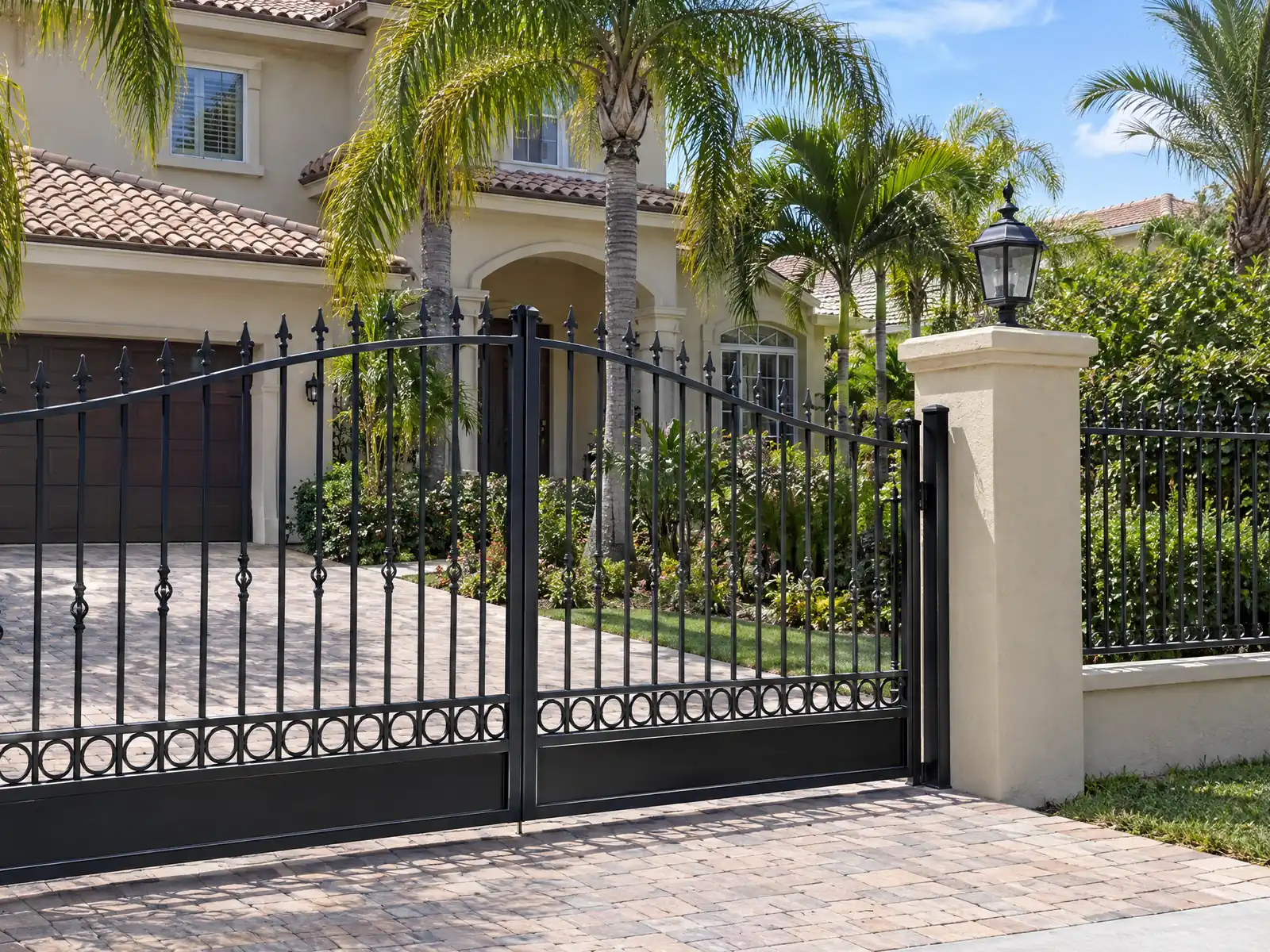
Lawndale's lots were drawn as farm subdivisions, and the fences still follow that grid. The City's history page dates the Lawndale Acres tracts to 1906 and 1910, and farming was banned by zoning in January 1958, after the Civic Center was dedicated on March 23, 1957. The Census Bureau's 2024 five-year estimates count 10,259 housing units: 5,837 detached houses, about 21 percent in buildings of five or more units, and 63 percent of occupied homes rented. The Housing Element adds that 1920s and 1940s homes on R-2 lots are being torn down for two-unit sites, which means a new fence often goes up between a fresh build and an old neighbor.
MDG Builders (CSLB #1040337) takes a fence job as the general contractor: we check the height and setback rules, draw the line and the gates and sequence the permit and the build, while a licensed C-13 fencing subcontractor sets the posts and panels and a licensed mason handles block. Our fencing page has the sourced prices, the Lawndale overview lists every trade, and the next city over can differ, as the fence guides for Gardena and Redondo Beach show.
What Lawndale's Planning rules say about fences
Where fencing permits come from in Lawndale: City of Lawndale Community Development Department, Building and Safety.
- A fence permit from the Community Development Department (Planning, not Building) is required before building, replacing or adding to a fence or wall, with a $50 fee on the City's application. One fence permit can cover all fencing on the property, the application needs a plot plan, and the permit expires if the work is not finished within 180 days of issuance (the City form says six months from approval).
- Lawndale's fence permit application states the front yard rule (no fence above 48 inches, of which no more than 30 inches may be solid), a 6 foot limit in the rear yard, and that all gates must swing inward toward the property. Final approval depends on a Planning Department inspection, pets in the yard must be caged, chained or muzzled on inspection day, and the City is not liable for property line disputes.
- In a required front yard setback a solid fence, hedge or wall may be no more than 30 inches high, and one up to 48 inches is allowed only if the portion above 30 inches is see-through. Lots at the end of a cul-de-sac with no sidewalk may go to 5 feet with the same see-through portion above 30 inches.
- The code defines a see-through fence as one whose design does not obscure sight through more than 40 percent of the vertical plane, with no vertical or horizontal member wider than 6 inches and a minimum spacing chart that depends on member width.
- Fences, hedges and walls in side and rear yards of residential zones may not exceed 6 feet, or 8 feet next to an alley, commercially zoned property including parking lots, a railroad right of way, or Institutional and Open Space zones. Any fence exceeding 6 feet cannot be built without a building permit.
- On a corner lot a triangle 15 feet along both the front and side lot lines from their intersection must stay clear, and only see-through fences are allowed inside it.
- Side and rear fence height is measured at the highest natural grade within 3 feet of either side of the fence and may vary by up to 6 inches for topography, while front yard fence height is measured from the adjacent public sidewalk grade. Where a retaining wall higher than 18 inches holds back grade, height is measured from the highest retained grade.
- No fence permit is needed for a fence outside the required setback and not visible from the public right of way, for repairing or replacing less than 25 percent of a fence segment in 12 months with the same materials and style, for approved temporary construction fencing (up to 180 days), for fencing that secures abandoned or damaged structures at the City's direction, or for replacing a damaged or destroyed fence where less than 50 percent is replaced with identical materials.
Sources for these rules
How tall can a front yard fence be in Lawndale, and can it be solid?
Up to 48 inches, but only the lowest 30 inches may be solid. Lawndale's fence permit application says no front yard fence may exceed 48 inches, of which no more than 30 inches can be solid, and the code repeats it for the required front setback. A solid fence, hedge or wall stops at 30 inches there. Anything taller than 30 inches has to be see-through above that line.
The code defines see-through as a design that obscures sight through no more than 40 percent of the vertical plane, with no vertical or horizontal member wider than 6 inches and a spacing chart tied to member width. Front yard height is measured from the adjacent public sidewalk grade. At the end of a cul-de-sac with no sidewalk, the limit rises to 5 feet with the same see-through portion above 30 inches. We read this on the GoCodebook mirror, because eCode360 blocked our tools, and the City's application PDF reprints the fence section word for word.
A privacy fence in the front yard is not available under these rules, so design the front as a low rail with open pickets.
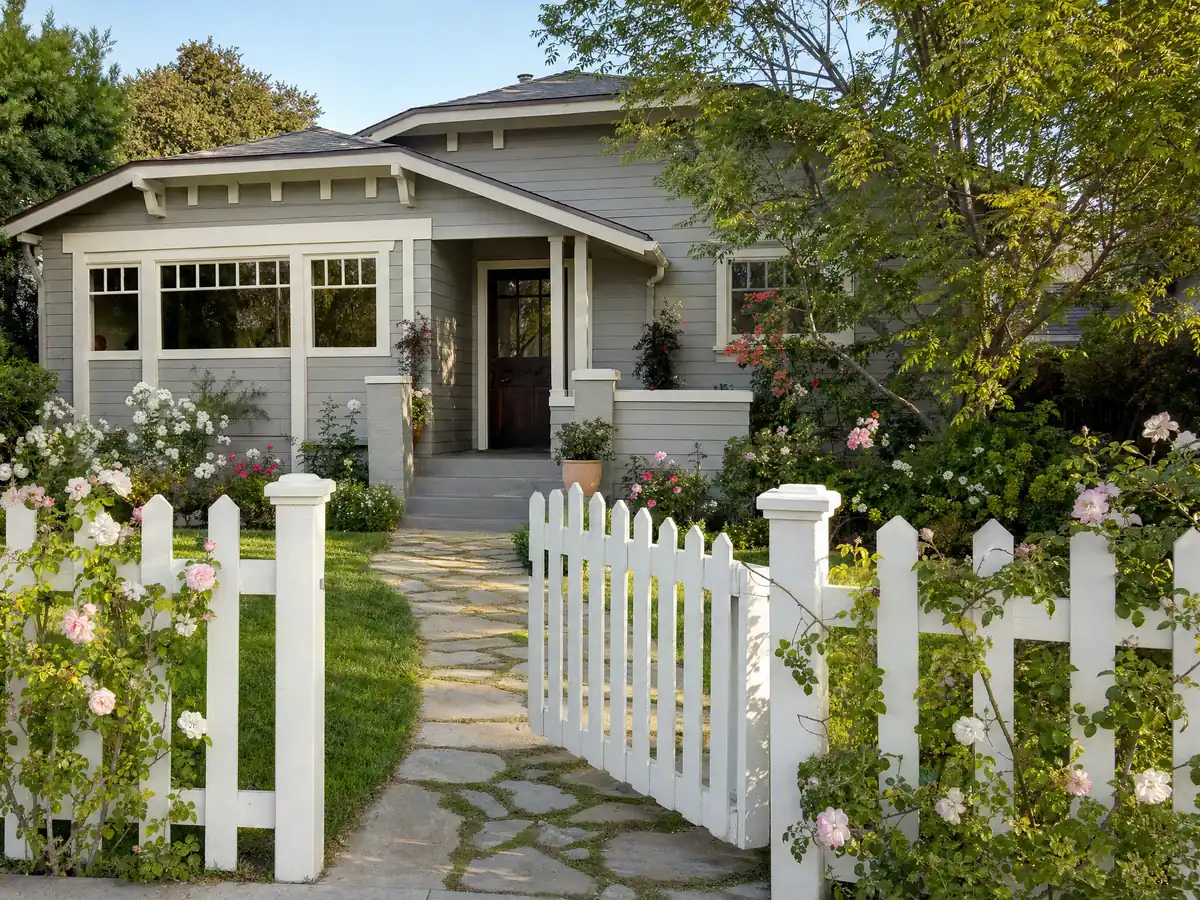
Does fence installation need a permit in Lawndale, and which office issues it?
Yes, and it comes from Planning, not Building and Safety. The City requires a fence permit from the Community Development Department before building, replacing or adding to a fence or wall, with a $50 fee on its application and a plot plan attached. One permit can cover all the fencing on the property. Planning's number is (310) 973-3230, and the permit lapses if work is not finished within 180 days of issuance, although the City's own form says six months from approval.
The code lists what needs no fence permit: a fence outside the required setback and not visible from the public right of way, repairing or replacing less than 25 percent of a fence segment in 12 months with the same materials and style, approved temporary construction fencing of up to 180 days, and replacing a damaged fence where less than 50 percent is rebuilt in identical materials. Planning permits are valid for six months and can be extended for six more. The state's model list exempts fences up to 7 feet from a building permit, but Lawndale's own code asks for one above 6 feet, and zoning review applies either way.
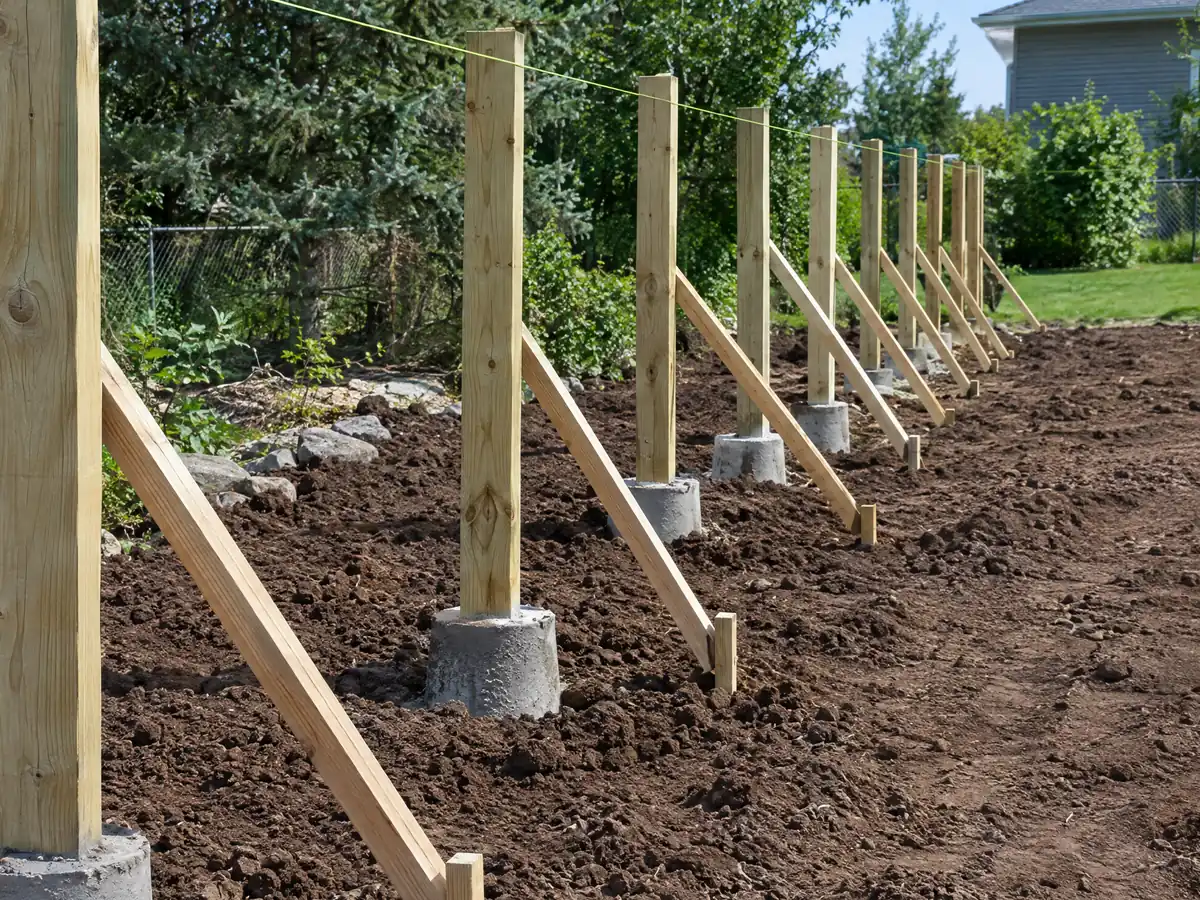
How tall can a backyard fence be in Lawndale, and when does a building permit apply?
Six feet in side and rear yards, and 8 feet where the lot backs onto an alley, commercially zoned property including a parking lot, a railroad right of way or Institutional and Open Space zones. Fences, hedges and walls in required side or rear setbacks follow the same 6 foot limit. Anything over 6 feet cannot be built without a building permit, which is the point where Building and Safety joins the process.
Height is measured at the highest natural grade within 3 feet of either side of the fence, and it may vary by up to 6 inches for topography. Where a retaining wall higher than 18 inches holds back grade, the measurement starts from the highest retained grade. A corner lot has one more rule: a triangle 15 feet along both the front and side lot lines from their intersection must stay clear, and only see-through fences may stand inside it.
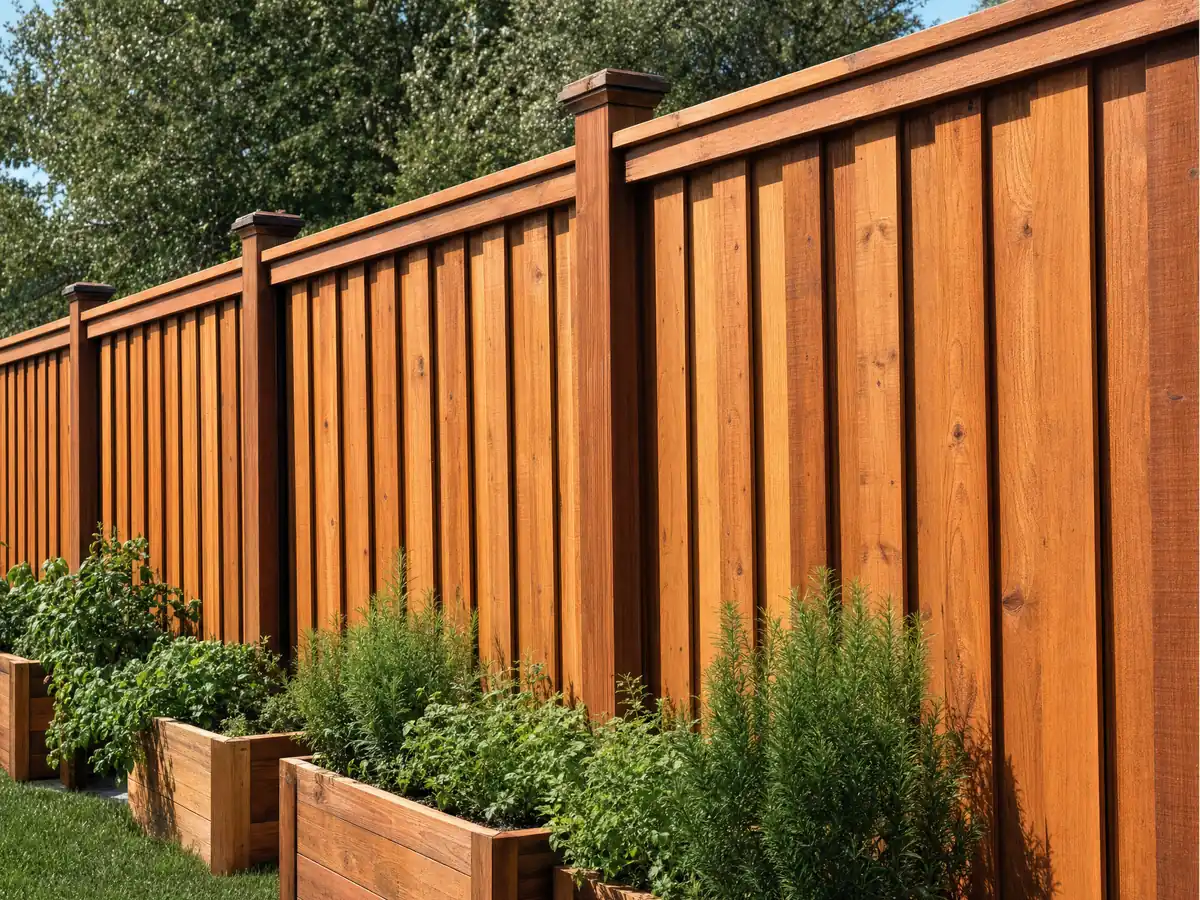
Who pays for a shared fence in Lawndale, and where is the property line?
Neighbors are presumed to share the reasonable cost equally. California Civil Code 841 puts the presumption on adjoining owners, and an owner who plans to build, maintain or replace a boundary fence must give each affected neighbor at least 30 days' written notice with the problem, the proposed fix, the estimated cost, the proposed split and the timeline. A neighbor can argue that an equal split would be unjust, so keep the notice and any reply together.
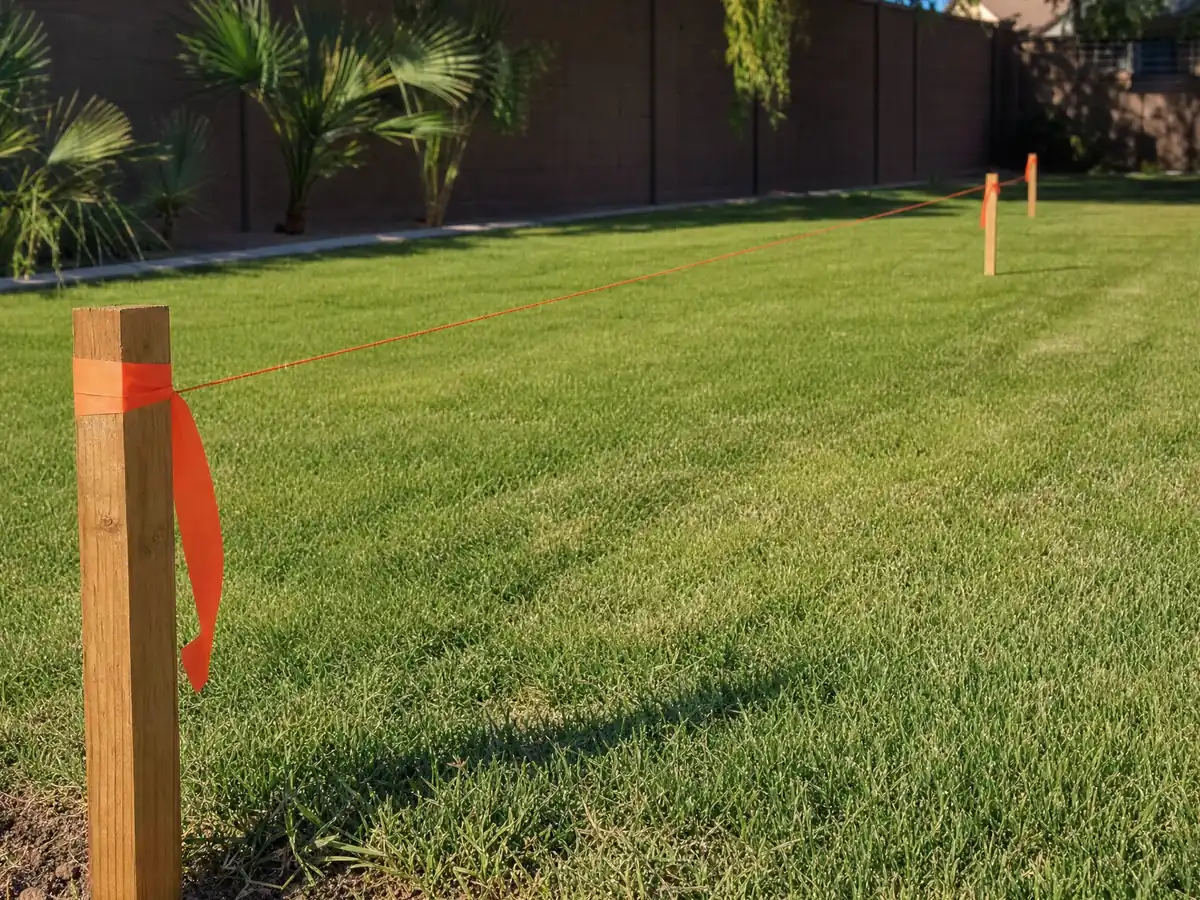
The City will not referee the line. Its fence application states that the City is not liable for property line disputes, so a fence builder or owner who is unsure should order a survey before posts go in. That matters most where a new two-unit project sits beside an older house, because a fence set a few inches over the line becomes a fight with someone you now live next to. Put the survey date and the stake locations in the written proposal.
What gate, material and inspection rules apply to a Lawndale fence?
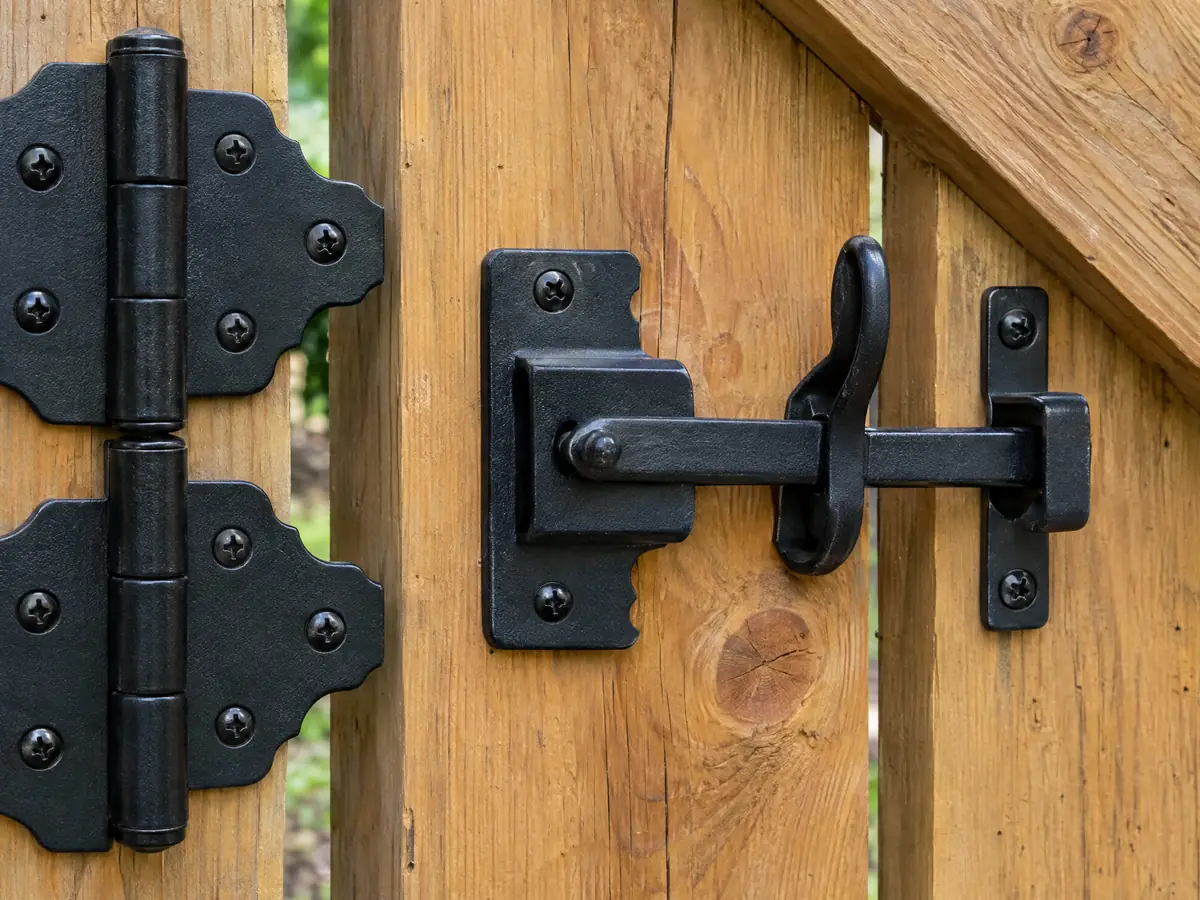
Every gate must swing inward toward the property, so a gate that opens onto the sidewalk or alley fails. Final approval depends on a Planning Department inspection, and the application says pets in the yard must be caged, chained or muzzled that day. Ask the fence subcontractor to tell you the inspection date and to stay clear of the gate hardware until the inspector has passed it.
The City will not issue permits for fences with barbed or razor wire, sharp or jagged glass, wood or metal, spikes, nails, pallets, scrap lumber, plywood or corrugated metal, or for electrified fences. Chain link must have knuckled ends, and every fence and wall has to be kept in good repair or it can be abated under Chapter 8.24. Termites are a regional factor in wood, since UC Integrated Pest Management says drywood termites are most common in Southern California and infest fences, so ask about termite-resistant wood or concrete footers.
Do block walls, planters and pool barriers follow the same fence rules in Lawndale?
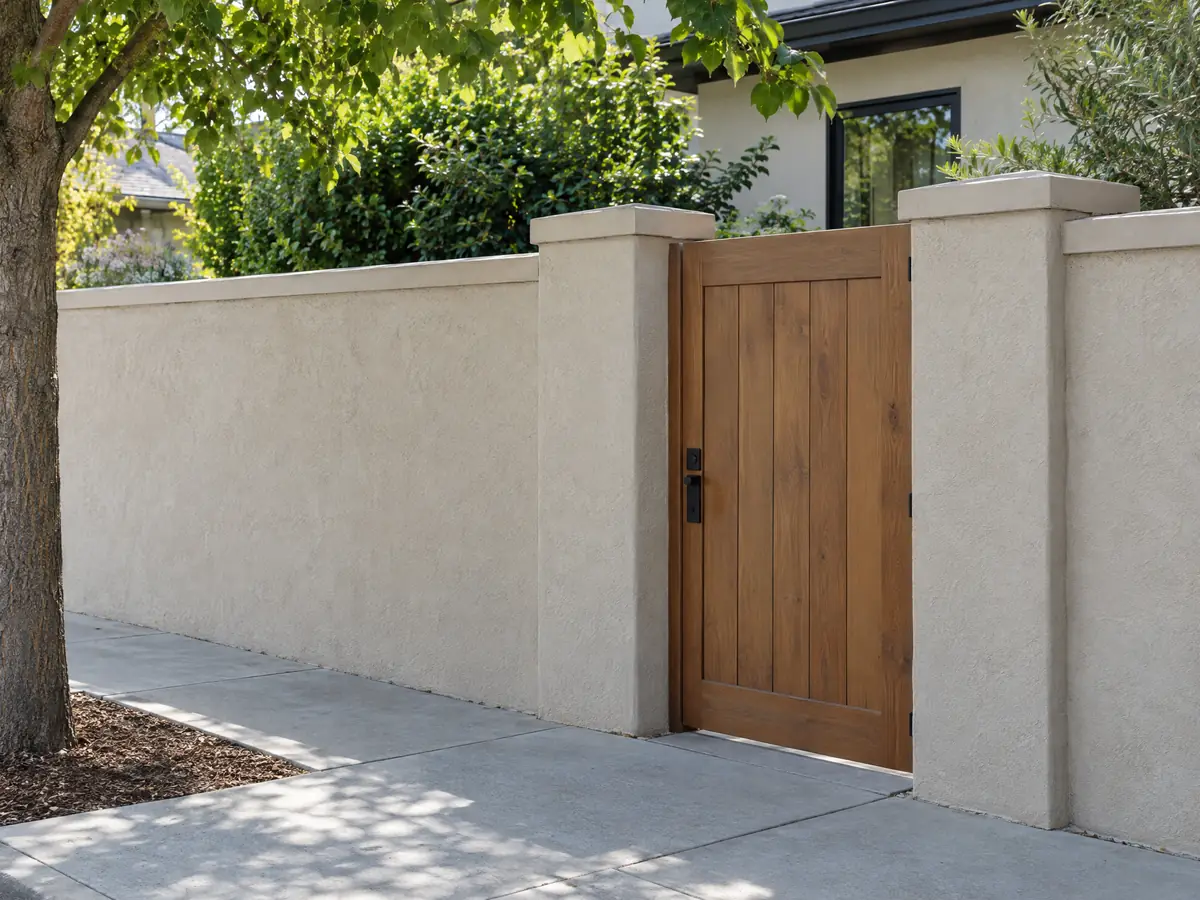
Block walls follow the same height limits, and masonry is a separate trade. Fences, walls and hedges share the 48 inch front and 6 foot side and rear limits, and masonry planters up to 36 inches high may extend 4 feet into the front setback. A block wall is CSLB class C-29 Masonry, because the C-13 fencing class excludes masonry walls. Anything over 6 feet needs a building permit, and the state's retaining wall exemption stops at 4 feet from the bottom of the footing unless the wall holds a surcharge.
Pools add a separate inspection. Lawndale's fee schedule lists $256.56 for inspecting barriers around swimming pools, spas and hot tubs, and California Health and Safety Code 115922 requires two of seven drowning-prevention features when a permit is issued for a new or remodeled pool. We did not read section 115923, so we print no barrier height. Ask Building and Safety for its pool barrier requirements and write the latch and gate as separate lines in the bid.
How much does fence installation cost in Lawndale, and how do I choose a fence company?
We found no Lawndale survey, so these are Los Angeles figures with a method. Four public sources, Angi, HomeGuide, Thumbtack and Fixr, point to roughly $25 to $55 a linear foot for a 6 foot wood or vinyl privacy fence, $12 to $30 for chain link and $35 to $85 for aluminum or ornamental iron, installed. A 100 foot backyard run is therefore about $2,500 to $5,500. Angi's Los Angeles page, updated August 4, 2026, puts the average job at $3,051, and the federal wage survey for May 2025 gives fence erectors in the Los Angeles area a mean $28.00 an hour.
A fence is CSLB class C-13. Look the license up with our contractor license guide, and read how a general contractor works with subcontractors before you sign. A contractor on a Lawndale permit also needs a City business license. Under Business and Professions Code 7159, a contractor may not ask for more than $1,000 or 10 percent of the contract, whichever is smaller, as a deposit.
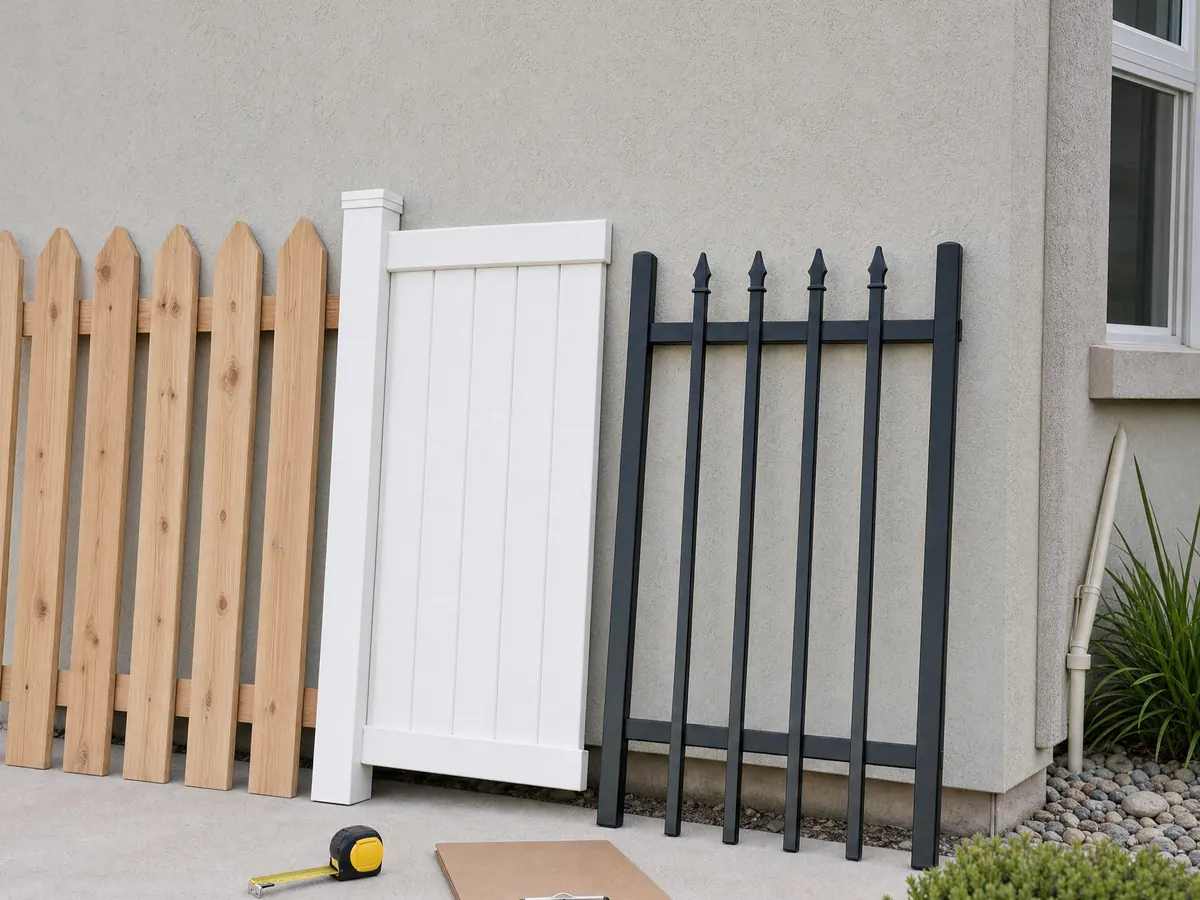
Fence photos from Lawndale and nearby communities
Seven fencing scenes tied to Lawndale streets and to nearby places such as Hawthorne, Del Aire and Gardena, from footings and cedar panels to gate hardware, block and picket fences.
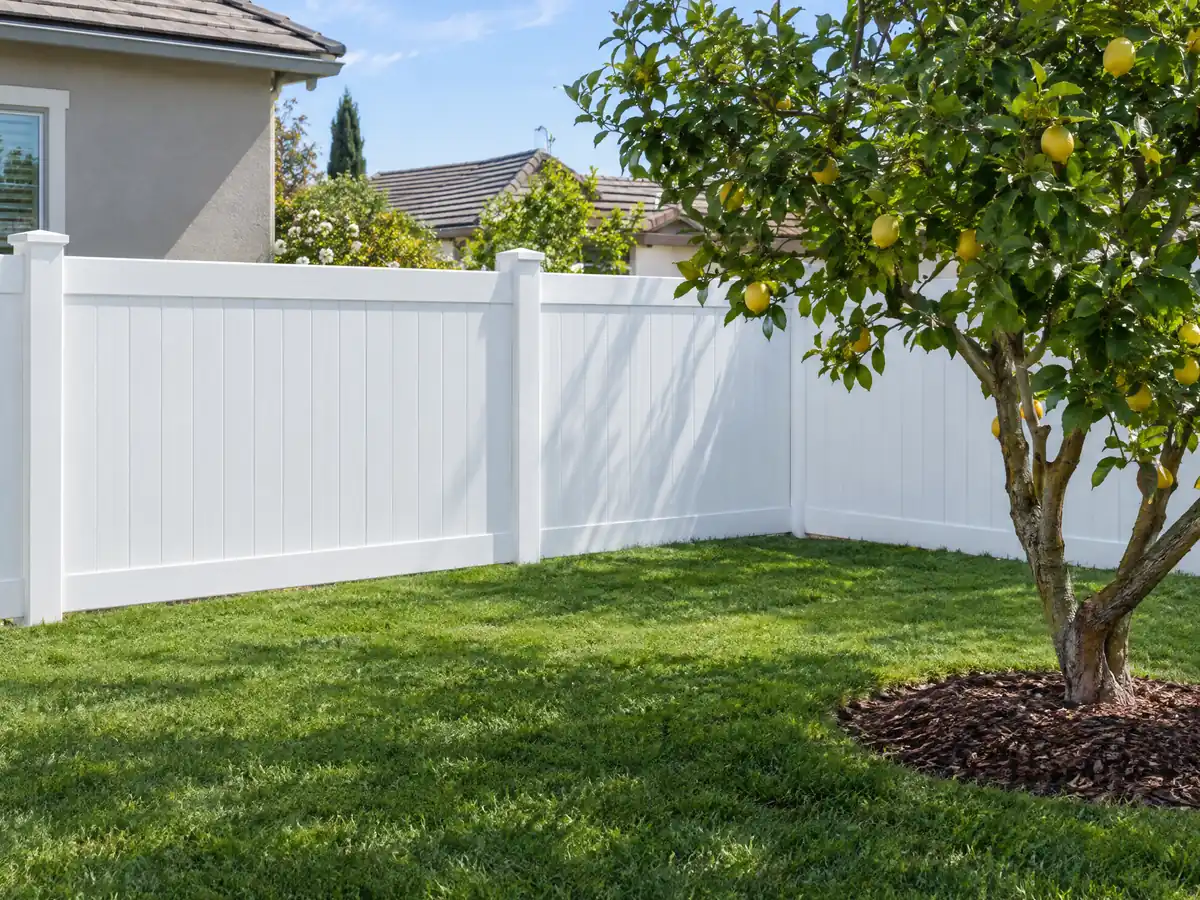
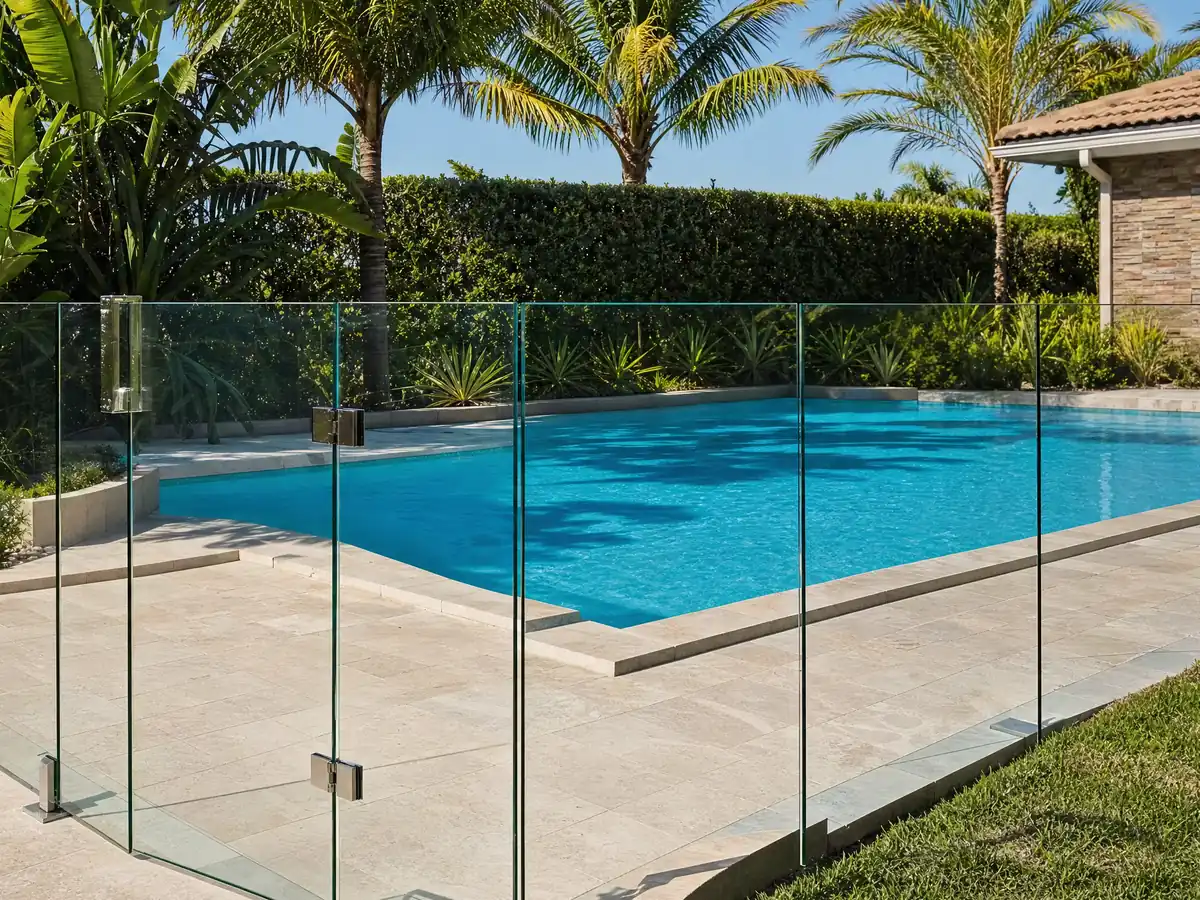
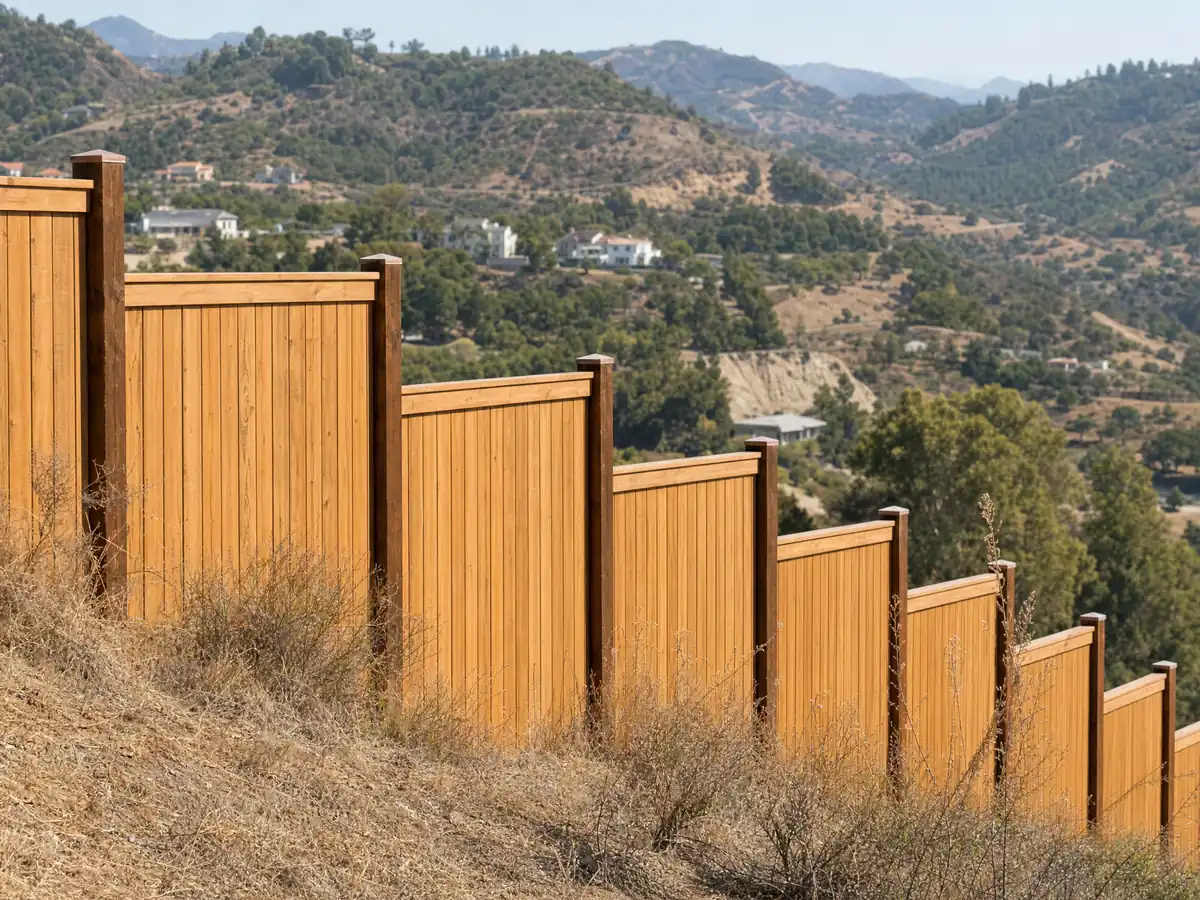
Where these Lawndale fence figures come from
Each fence price and its source is in the table on our fencing price page, and the Lawndale fence work often goes with other jobs: see the roofing page, the painting page and the kitchen remodeling page. For cities with different height rules, read the fence guides for Hawthorne and Torrance.
| What it covers | Typical range |
|---|---|
| Wood or vinyl privacy fence, 6 feet | $25 to $55 per linear foot |
| Chain-link | $12 to $30 per linear foot |
| Aluminum or ornamental iron | $35 to $85 per linear foot |
| Typical 100-foot backyard run | $2,500 to $5,500 total |
| Block walls, horizontal slat fences, gates and openers, hillside lots | Set by the written proposal |
Lawndale fence questions, answered
Do I need a permit for fence installation in Lawndale?
Yes, from the Planning Department, not Building and Safety. The City's application charges $50, asks for a plot plan and lets one permit cover all fencing on the property. Small exceptions exist, such as a fence outside the setback that cannot be seen from the street, and a fence over 6 feet also needs a building permit.
What is the maximum height for a backyard fence in Lawndale?
Six feet in side and rear yards, measured at the highest natural grade within 3 feet of either side of the fence. The limit is 8 feet where the lot meets an alley, commercial property, a railroad right of way or Institutional and Open Space zones. Anything over 6 feet needs a building permit.
How tall can my front fence be in California?
Heights are set city by city. In Lawndale the front yard limit is 48 inches, with no more than 30 inches solid and the rest see-through, measured from the adjacent public sidewalk grade. A cul-de-sac lot with no sidewalk may go to 5 feet with the same see-through rule.
Can I put up a 7ft fence?
Not without a building permit in Lawndale. The state's model list exempts fences up to 7 feet, but the City's code requires a building permit for any fence over 6 feet, on top of the Planning permit every fence needs. In the front yard a 7 foot fence is not allowed at all.
How much does it cost for 200 feet of fencing?
At the Los Angeles range of $25 to $55 a linear foot for a wood or vinyl privacy fence, 200 feet runs roughly $5,000 to $11,000 before gates, old fence removal or grade changes. HomeGuide's national range for 200 feet is $4,000 to $12,000. Ask for each gate and each run as separate lines.
Does your neighbor have to pay for half the fence in California?
Usually yes, if the fence is on the boundary. California Civil Code 841 presumes adjoining owners share the reasonable cost equally, and the owner who plans to build, maintain or replace it must give 30 days' written notice first. The other owner can contest the split by showing it would be unjust.
What happens if I don't have a permit for a fence?
The City can treat it as unpermitted work and send it to Code Enforcement at (310) 973-3220. We found no fence-specific penalty. Lawndale's building fee schedule does list a $487.88 investigation fee when an owner-builder pulls a permit tied to a code enforcement violation and $975.78 for a contractor, so permitting first is cheaper.
Can I install my own backyard fence?
Yes, with limits. You still need the $50 Planning permit and must meet the height rules, and anything over 6 feet needs a building permit, which goes only to an owner who has lived at the home as a principal residence for 12 months and signs an Owner-Builder Declaration.
Can you build a block wall instead of a fence in Lawndale?
Yes, under the same height limits, and it is masonry work. A block wall is CSLB class C-29, not the C-13 fencing class, and anything over 6 feet needs a building permit. Masonry planters up to 36 inches high may extend 4 feet into the front setback.
Describe your Lawndale fence project
Send the address, say which yard gets the fence and whether a neighbor shares the boundary. We check the height, corner lot and permit questions with Planning before we call back.