
Fence Companyin Inglewood, CA
A fence company working in Inglewood builds to Article 24 of Chapter 12: no more than 4 feet in a front yard, with everything above 2 feet open-work, and up to 8 feet in side and rear yards behind the front building line. Any fence taller than 4 feet needs a fence permit with a site plan.
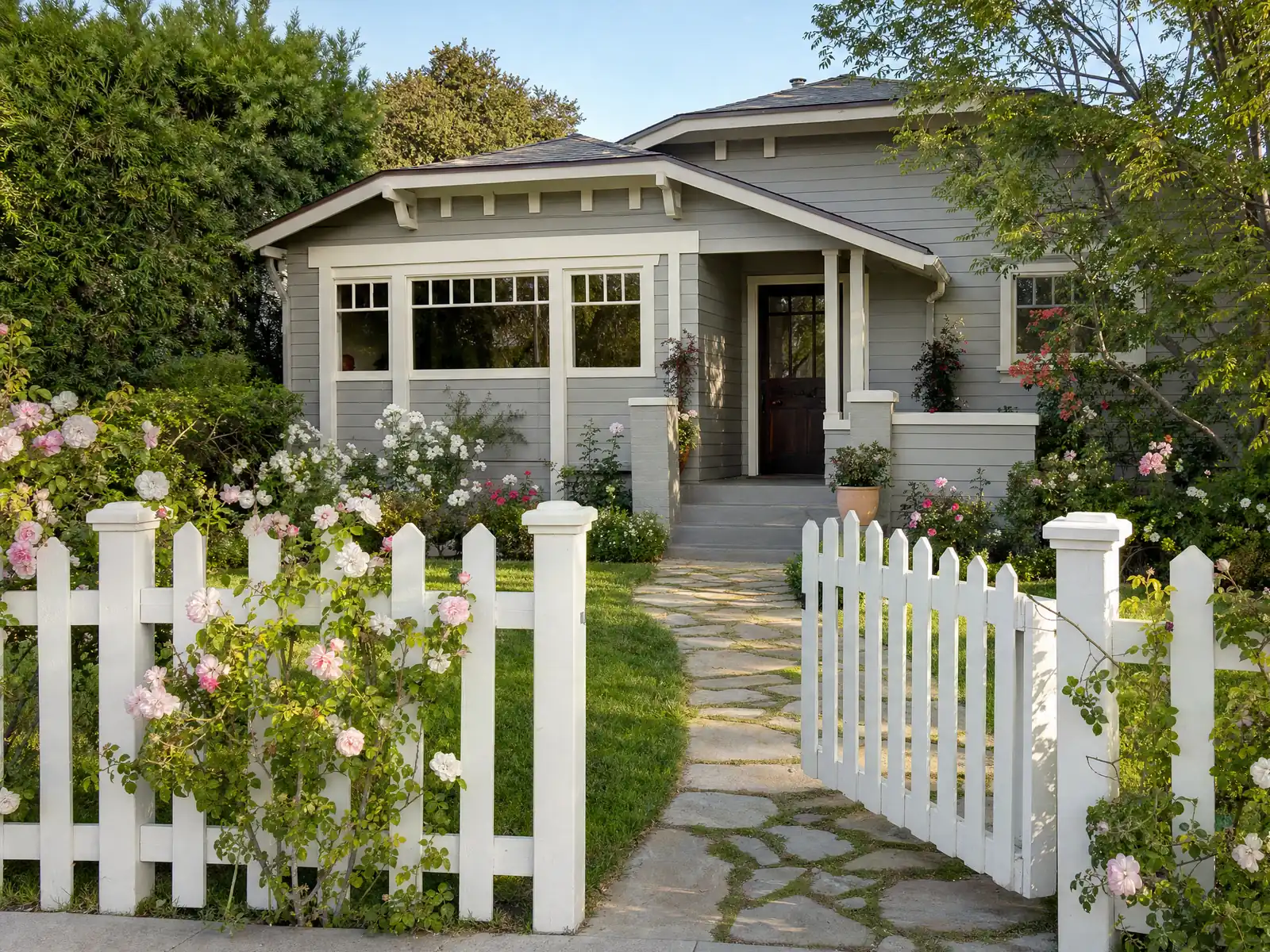
Inglewood is a flat city of about nine square miles, and most of its single-family blocks were laid out in the first half of the twentieth century. The Census Bureau's 2020 to 2024 estimates count 15,085 detached houses, 37.6 percent of 40,072 units, while 63.8 percent of households rent. That mix shapes fence jobs: owners of older bungalows and ranch houses replacing worn wood, and landlords of small properties who need a gate that locks. Much of the land was open before it filled in, and the Inglewood Public Art site says the North Inglewood Poultry Colony ran from 1905 to 1934.
On a fence job, MDG Builders (CSLB #1040337) acts as the general contractor. We take the survey and the site plan, apply through Building Safety and schedule the crew, and a licensed fence subcontractor builds. Block and masonry walls go to a separately licensed trade. The price table is on our fencing page, and the rest of the City's rules are on the Inglewood overview. Many owners pair fence work with a roof replacement or house painting, and the neighbors in Los Angeles and Compton follow different height tables.
What Inglewood's fence article and permit rules say
Where fencing permits come from in Inglewood: City of Inglewood Development Services Department, Building Safety Division.
- Municipal Code Chapter 12, Article 24 (Fence Regulations) makes it unlawful to build or maintain any fence or wall unless it conforms to Chapters 11 and 12 and the needed Fence Permit or Building Permit is obtained first.
- Residential limits under Article 24: no more than 4 feet in the front yard setback (and in the street side setback of a reversed corner lot), with the part above 2 feet open-work; up to 5 feet if the open-work portion is ornamental metal only, with masonry pillars no wider than 16 inches and spaced at least 8 feet on center (closer only beside a pedestrian gate). Rear and side yards behind the front building line may be up to 8 feet, measured on the side with the higher natural grade.
- Article 24 counts a retaining wall's height toward the allowed wall height, with an open-work guard rail up to 42 inches allowed on top, and bans barbed wire or other sharp or protruding objects in any residential fence or wall and razor wire in all zones.
- A fence permit is required for any wall or fence taller than 4 feet, with a site plan showing location and height and a fee from the Master Fee Schedule; a fence that needs a building permit pays no separate fence permit fee. Temporary chain-link, wood or barricade fencing around a permitted construction site is exempt while it is in place.
- Hedges in a residential zone may be up to 4 feet in the front yard setback and in the street side setback of a reversed corner lot and up to 20 feet in rear and side yard setbacks. They must be well maintained, stay off adjacent property, and cannot be supported by a fence, post or other structure.
- In nonresidential zones, walls within 20 feet of a public street may be up to 6 feet and cannot be chain-link or other wire material, and walls farther back may be up to 8 feet.
Sources for these rules
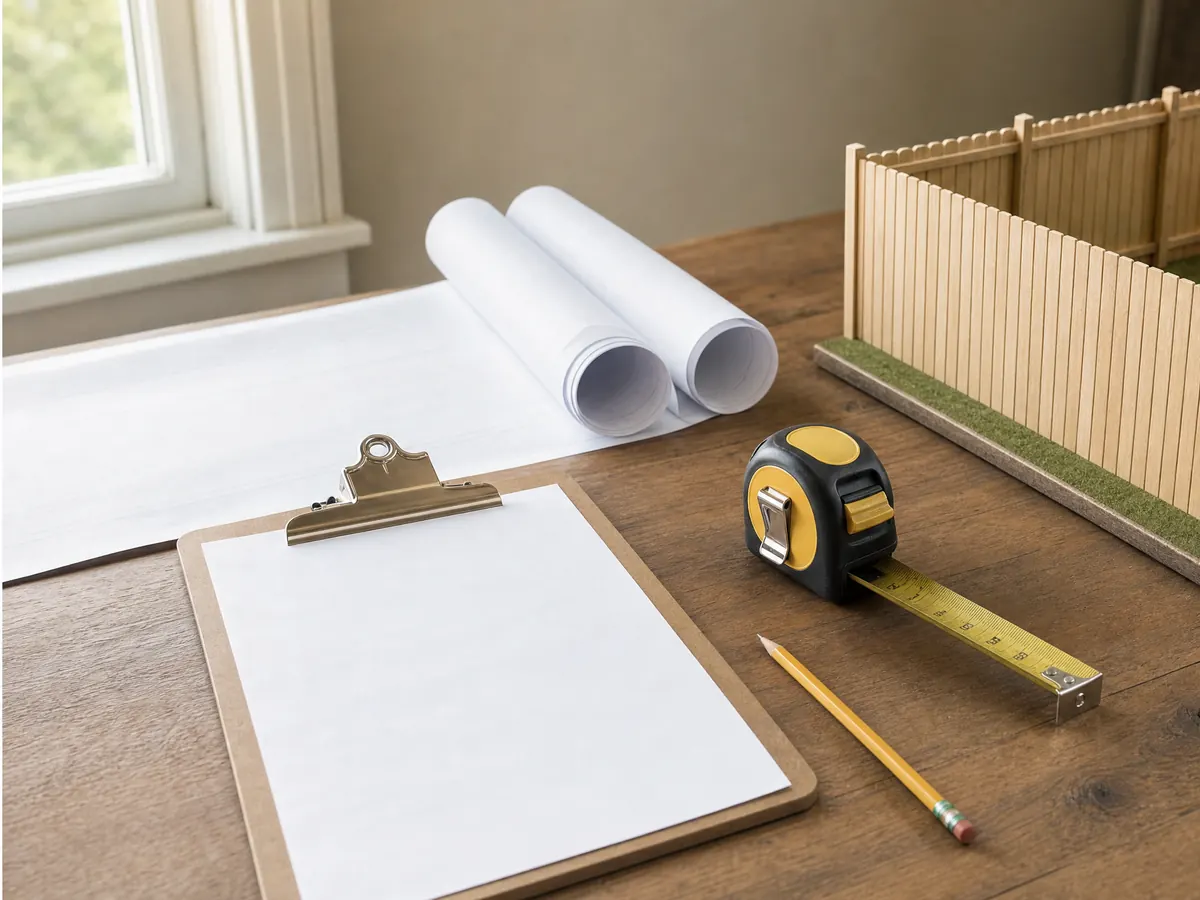
How tall can a front yard fence be in Inglewood?
Four feet at most in the front yard setback, and the same limit applies to the street side of a reversed corner lot. Anything above 2 feet has to be open-work, so a solid wood front fence is out and a picket, wrought iron or similar design works. The text is in Article 24 of Chapter 12, which makes it unlawful to build or keep a fence or wall that does not conform and does not have its permit.
Corner lots are where owners get caught. On a reversed corner lot the street side counts under the front yard limit, so a tall privacy panel that looks fine beside the house may break it. Ask Planning at (310) 412-5230 how your lot is classified before ordering panels.
Hedges follow their own limit: up to 4 feet in the front setback, and up to 20 feet in rear and side setbacks, well kept and not supported by a fence.
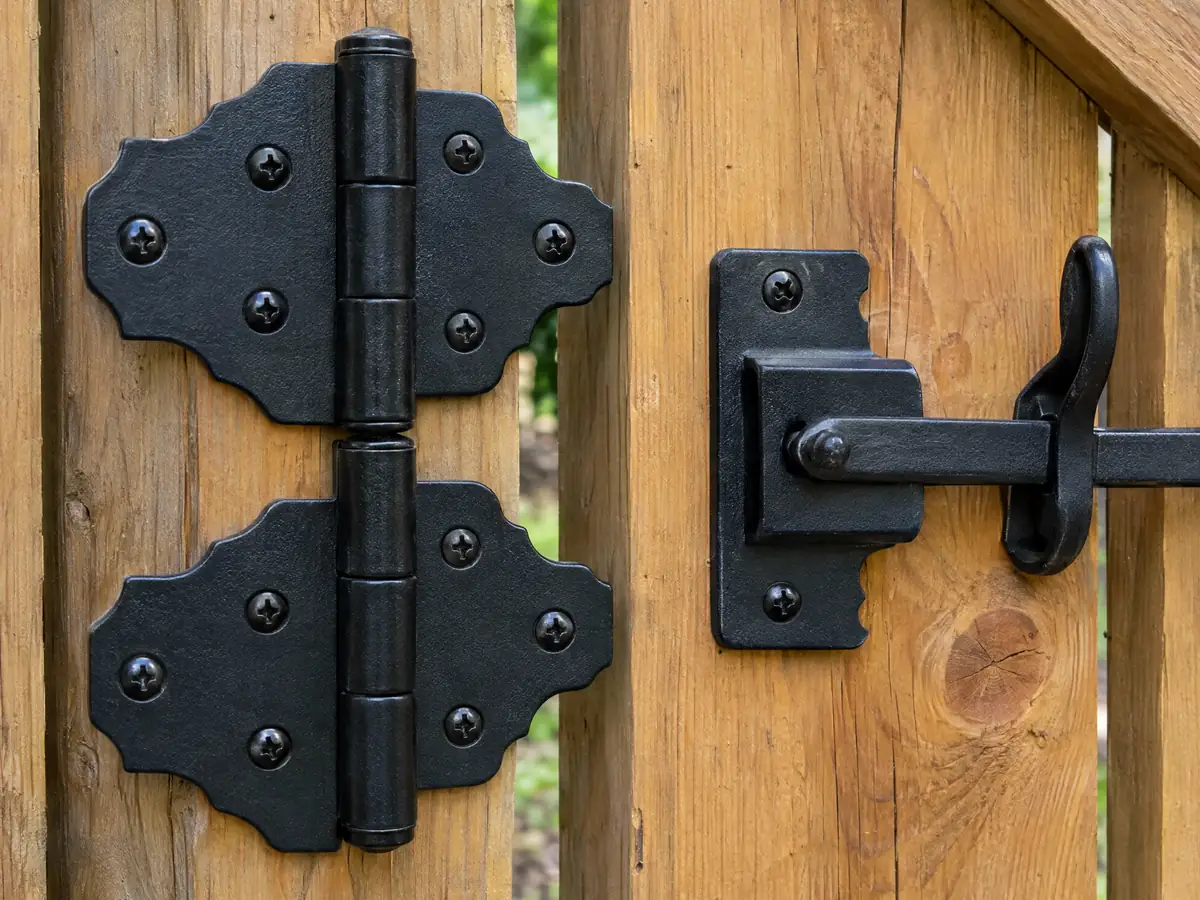
Do I need a permit to build a fence in Inglewood, and when does a 6-foot fence need one?
A fence permit is required for any wall or fence taller than 4 feet, so an ordinary 6-foot backyard fence is permitted work here. The application needs a site plan showing the location and height, and the fee comes from the Master Fee Schedule. A fence that needs a building permit pays no separate fence permit fee. Temporary chain-link, wood or barricade fencing around a permitted construction site is exempt while it stays up.
The wider process is the same as other projects. Most applications need a Planning project number first, are filed online through Accela Citizen Access and are booked through QLESS appointments. Construction begun before permits issue is charged double. A cancelled permit refunds 80 percent, with a $35 minimum, and none once an inspection occurs.
We could not confirm whether a fence also needs Planning review beyond the permit, so ask. The code editions question applies too: eCode360 adopts the 2019 building code, while the handouts cite 2022.
Fences taller than 4 feet need a permit, so a standard 6-foot fence is permitted work in Inglewood.
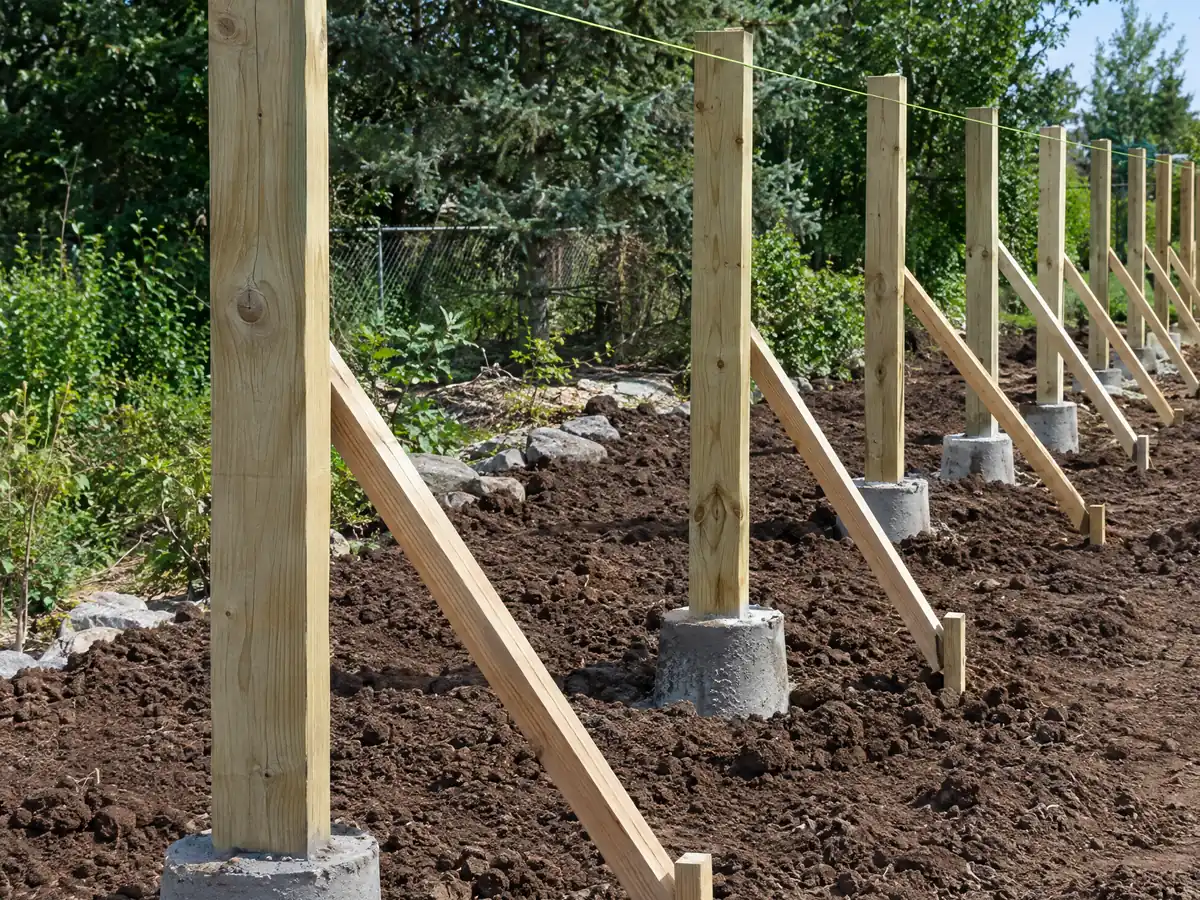
What is the maximum height for a backyard fence in Inglewood?
Eight feet in rear and side yards, as long as the fence sits behind the front building line. Height is measured on the side with the higher natural grade, which matters little on Inglewood's coastal plain, where the Safety Element describes a gentle slope from east to southwest with no meaningful variation. On a flat lot the number on the plan is the number on the fence.
A 7-foot fence is therefore inside the limit, and so is 8 feet, but both need the permit. A retaining wall counts toward the allowed height, and an open guard rail up to 42 inches may sit on top of one. If your lot has a stepped yard or an existing low retaining wall, add the two heights before ordering panels.
Barbed wire and other sharp or protruding objects are banned in any residential fence or wall, and razor wire is banned in every zone. In nonresidential zones a wall within 20 feet of a public street may be 6 feet and cannot be chain-link or other wire material, and farther back it may be 8 feet.
Can I build a 5-foot ornamental iron fence in front, and what about pillars and overlays?
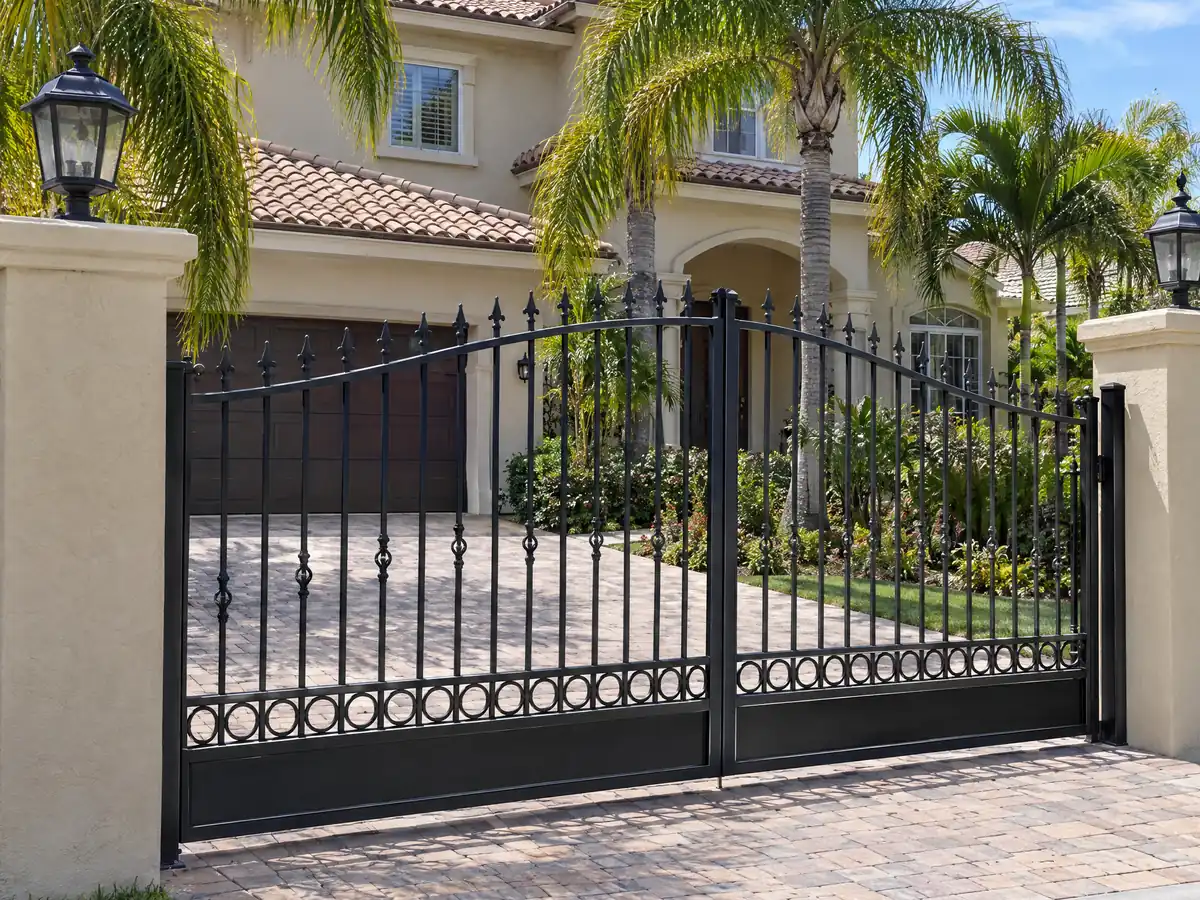
Yes, in one case. Article 24 allows up to 5 feet in the front yard if the open-work portion is ornamental metal only. Masonry pillars may be no wider than 16 inches and at least 8 feet apart on center, closer only beside a pedestrian gate. For a front yard that wants a little more presence and security than 4 feet gives, that is the design the code points to.
Two other layers can sit on top. R-1 lots inside a transit oriented development plan area follow that plan where it conflicts with the zone, under section 12-18.9, and the April 2024 zoning map shows plan areas for Downtown, Fairview, Westchester and Veterans, Crenshaw and Imperial, Hollywood Park and the Village. The sports and entertainment overlay has its own wall section that we only saw as a search snippet, so we cannot describe it.
Driveway gates meet the street. Work in the public right-of-way, such as a curb cut or a sidewalk, goes through Public Works at (310) 412-5333, and a gate must still sit inside the front yard limits.
Which materials and block wall rules apply to a fence in Inglewood?
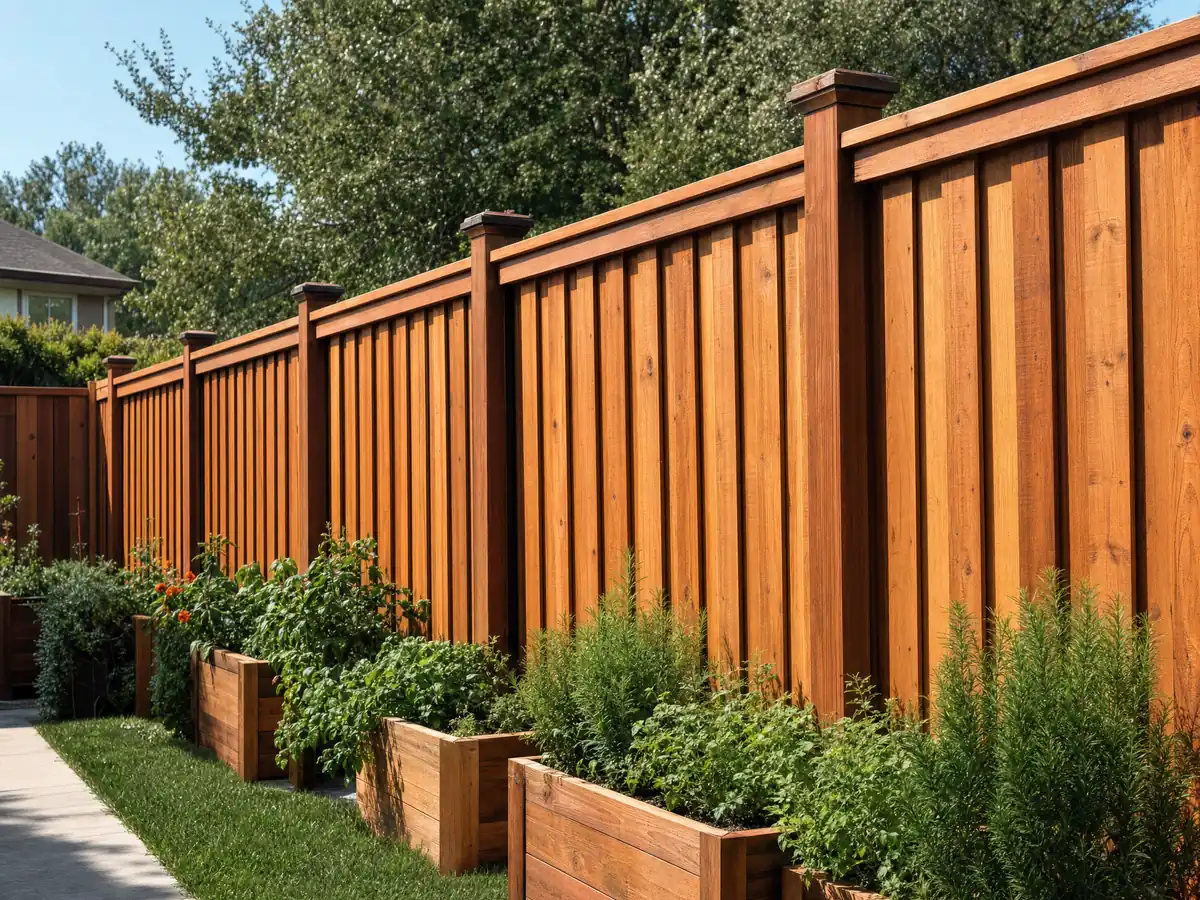
Wood is the usual choice and carries the usual risk. The City's residential code table rates termite damage as Very Heavy, and the University of California's pest guide says drywood termites are most common in southern California and attack fences and decks. Use termite-resistant lumber, and keep wood off soil by setting posts in concrete footers or metal brackets.
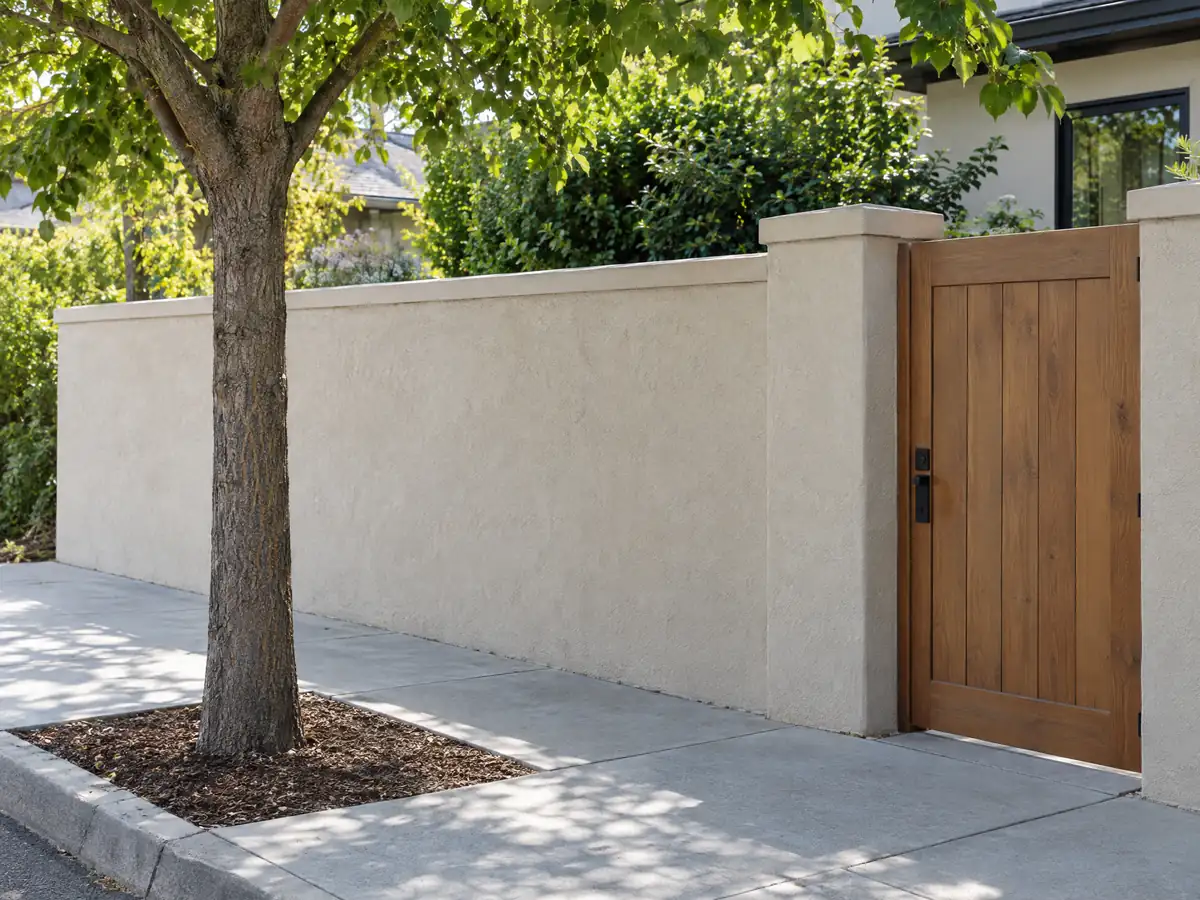
A block wall is a different trade. CSLB's fence class, C-13, excludes masonry walls, and block walls fall under masonry, class C-29. The City's wall engineering rules were not in anything we found beyond the height limits in Article 24, so the engineer's drawing and the permit set are what settle footings and rebar.
Vinyl, aluminum and composite are the other choices, and only the ornamental metal version can reach 5 feet in front. Whichever you choose, ask the installer what post depth and spacing the permit drawing shows.
- Wood: termite-resistant boards, concrete footers
- Block: separate masonry trade, engineered footing
- Metal: the only material allowed to reach 5 feet in front
Who pays for a shared fence in Inglewood, and what does a pool fence need?
California's Civil Code section 841 presumes adjoining owners share the cost of a boundary fence equally and requires 30 days' written notice before you incur costs. That presumption can be rebutted. With 63.8 percent of Inglewood households renting, the person to notify may be a landlord, so check the county record before a letter goes out.
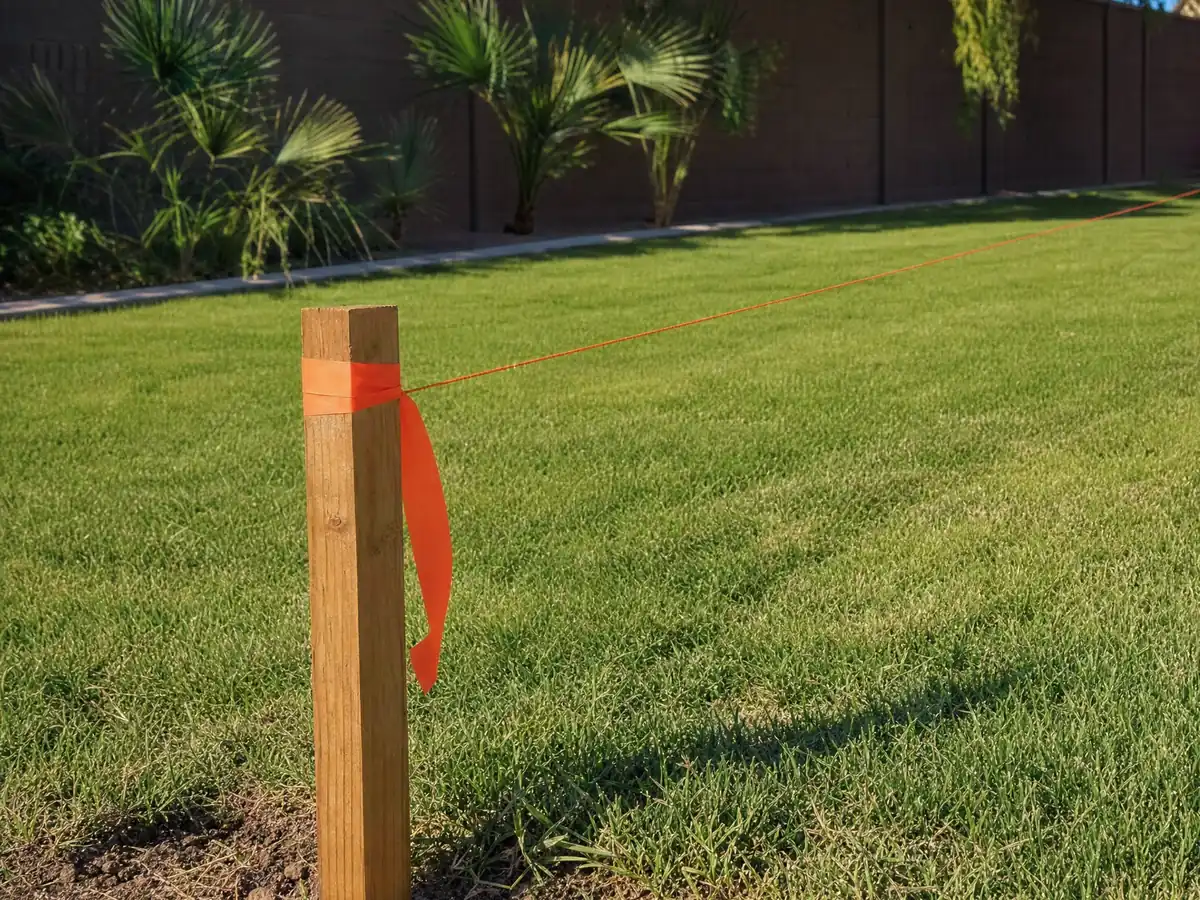
Know the line before the post holes. A survey with stakes is the only safe answer, because an old fence may not sit on the property line.
A pool changes the fence. The City's pool handout requires a Residential Pool or Spa permit and a site plan showing every fence, and the pool needs at least two of the seven drowning-prevention features in Health and Safety Code 115922. The barrier height lives in a neighboring section we did not read, so ask Building Safety for the number.
How much does fence installation cost in Inglewood, and how do you hire a fence company?
No Inglewood price survey and no fence permit dollar amount turned up, so none is printed. For Los Angeles, Angi's August 2026 page gives an average near $29 per linear foot inside a $15 to $60 range, but its own 100-foot rows work out to about $21 to $24 per foot. HomeGuide, Thumbtack and Fixr point to roughly $25 to $55 per foot for wood or vinyl privacy fencing, which is our reading, putting a 100-foot back run at roughly $2,500 to $5,500. Chain-link runs lower and aluminum or iron higher, and block walls have no independent per-foot source we trust.
Ask for the license number, a signed contract that follows Business and Professions Code 7159 and the permit in writing. Our license check guide shows how to read the CSLB record, and how general contractors use subcontractors explains who answers for what.
- Demolition and hauling of the old fence as its own line
- Gate hardware and any opener
- Permit and site plan
- Footing depth and post spacing
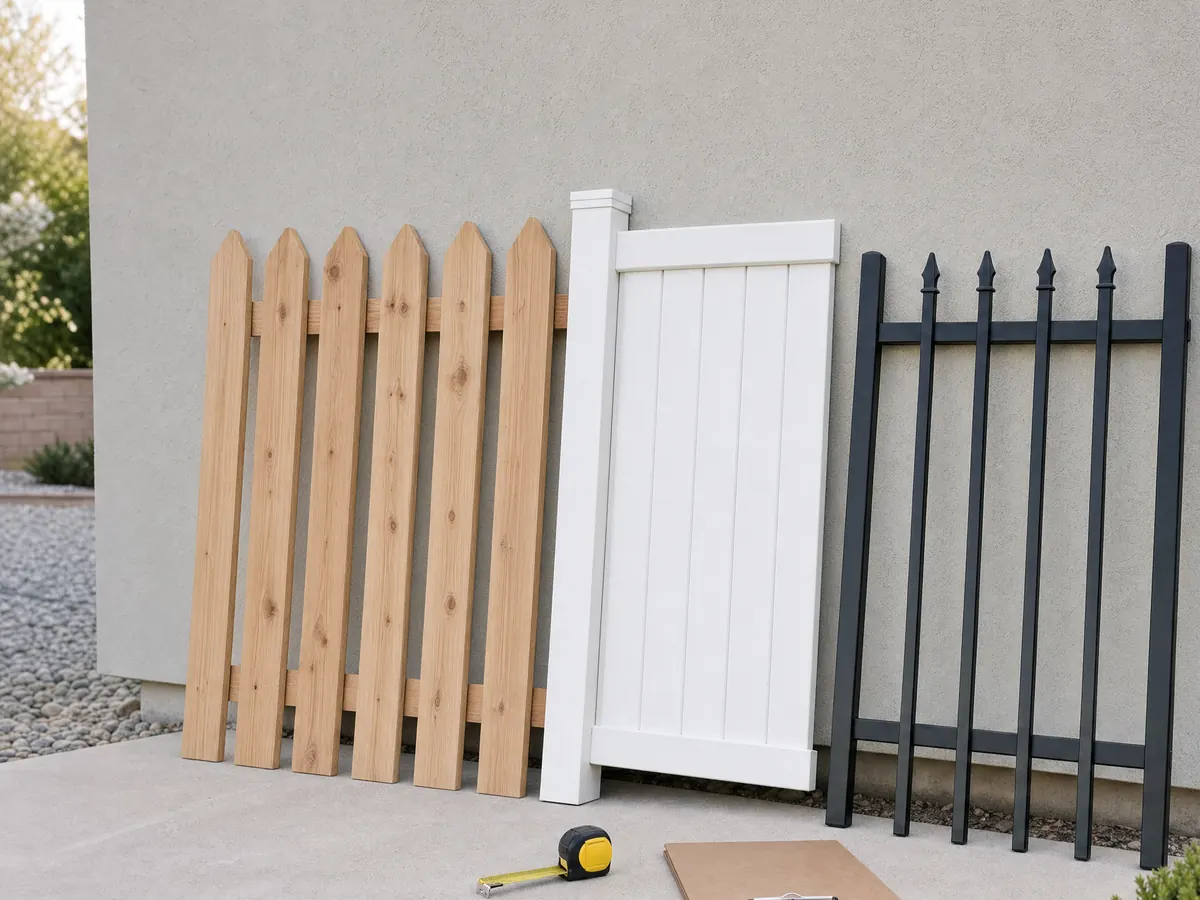
Fence photos from Inglewood and nearby communities
Six fence scenes tied to Inglewood streets in Lockhaven and Centinela Heights and to nearby Lennox, Hawthorne and Westchester, with wood, iron and block of the kind flat coastal lots get.
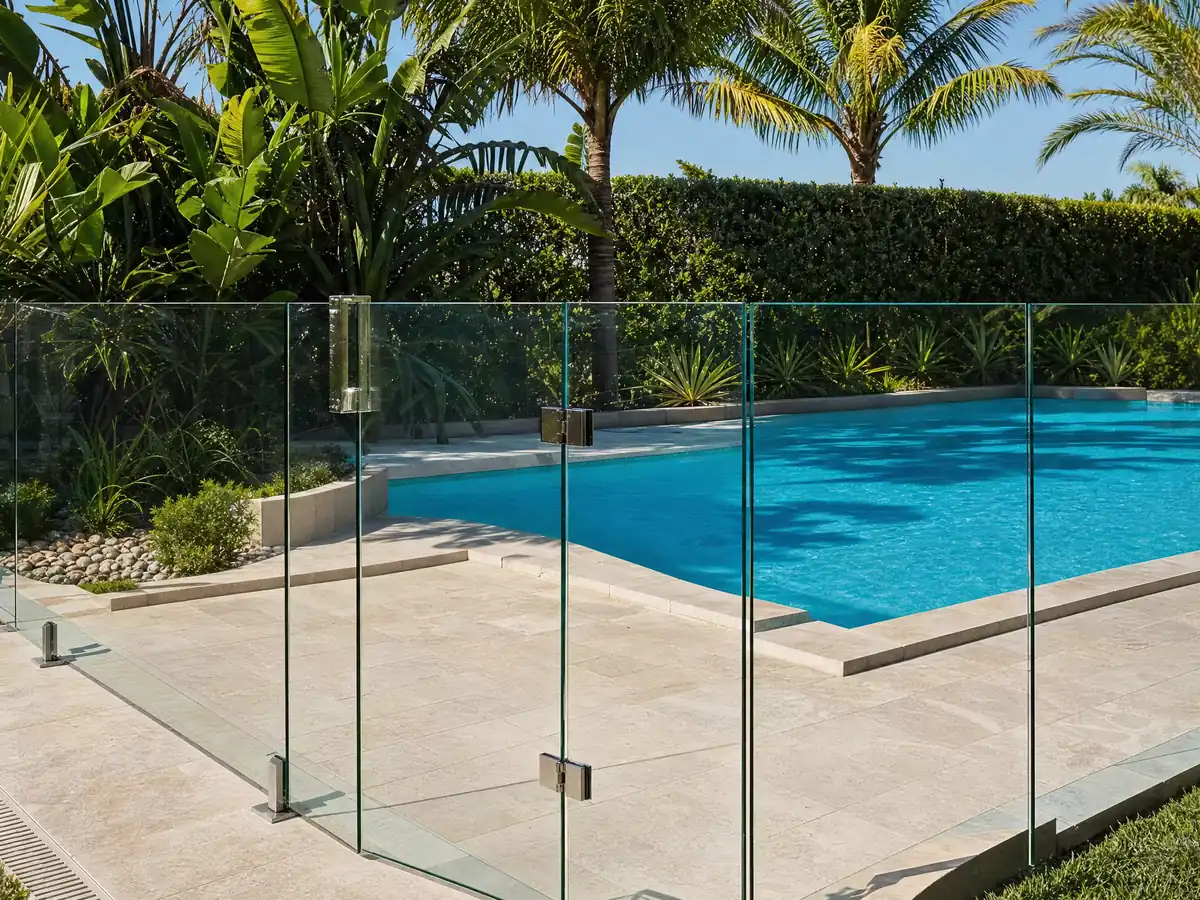
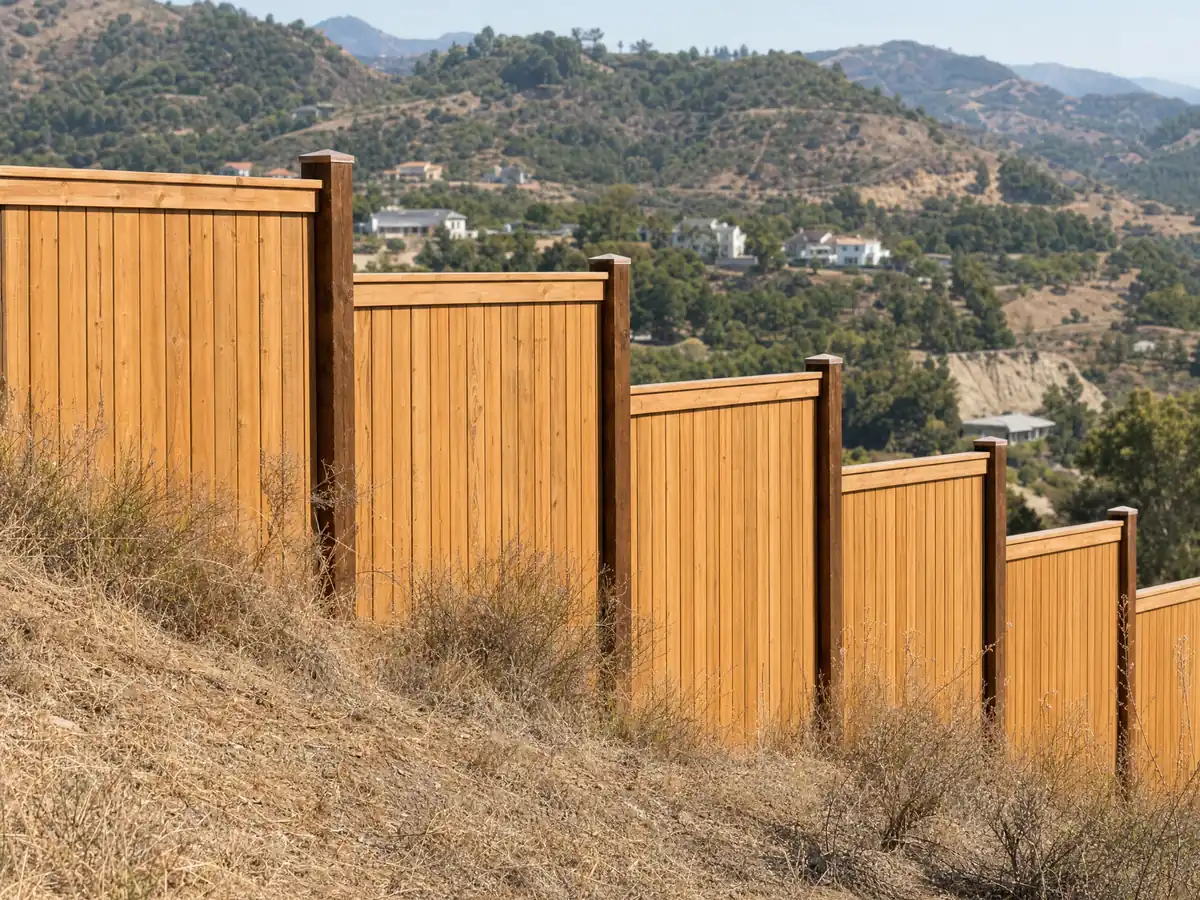
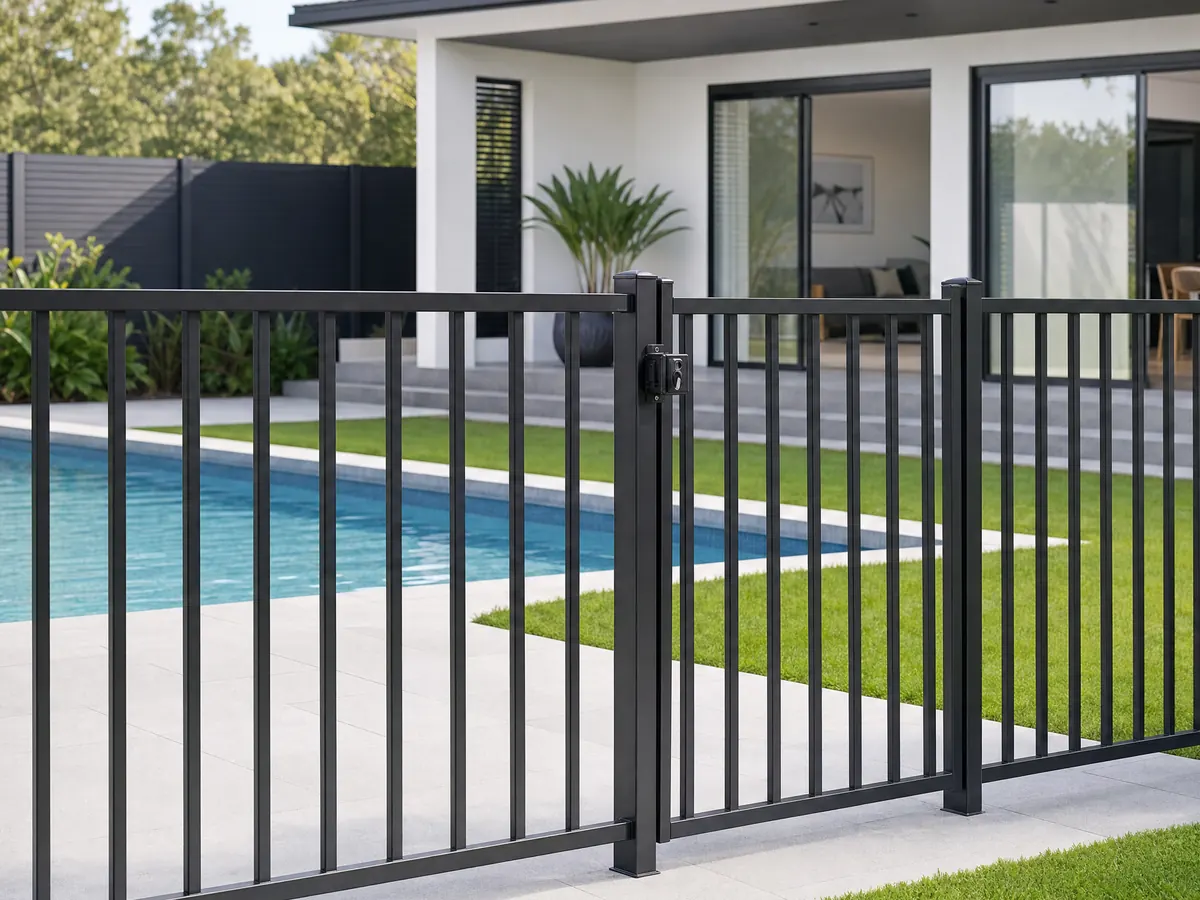
Where the fence numbers come from
The Los Angeles figures behind these ranges, and the sources that disagree, are in the table on our fencing price page. Fences also tend to follow a repaint or a new roof, and the Inglewood notes are on the roofing page and the painting page. For a different city's height table, compare Torrance.
| What it covers | Typical range |
|---|---|
| Wood or vinyl privacy fence, 6 feet | $25 to $55 per linear foot |
| Chain-link | $12 to $30 per linear foot |
| Aluminum or ornamental iron | $35 to $85 per linear foot |
| Typical 100-foot backyard run | $2,500 to $5,500 total |
| Block walls, horizontal slat fences, gates and openers, hillside lots | Set by the written proposal |
Inglewood fence questions, answered
How tall can a front yard fence be in Inglewood?
Four feet at most in the front yard setback, with the part above 2 feet open-work. Up to 5 feet is allowed when the open portion is ornamental metal only, with masonry pillars no wider than 16 inches and at least 8 feet apart. The same limits apply to the street side of a reversed corner lot.
What is the maximum height for a backyard fence in Inglewood?
Eight feet, in side and rear yards behind the front building line, measured on the side with the higher natural grade. A retaining wall counts toward that height, and an open guard rail up to 42 inches may sit on top of one. A fence taller than 4 feet needs a fence permit.
Do I need a permit to build a fence in Inglewood?
Yes for anything taller than 4 feet, which includes a standard 6-foot backyard fence. The application needs a site plan with location and height, and the fee comes from the Master Fee Schedule. A fence that needs a building permit pays no separate fence permit fee. Building Safety's number is (310) 412-5294.
Can I put up a 7 foot fence in Inglewood?
In a side or rear yard behind the front building line, yes, since the limit there is 8 feet. It needs a fence permit because it is taller than 4 feet. In a front yard, no: the limit is 4 feet, or 5 feet with an ornamental metal open section.
What if I don't get a permit to build a fence?
Article 24 makes it unlawful to build or keep a fence that lacks its required permit, and the City charges double permit fees when construction starts before permits issue. Cancelled permits refund 80 percent of the fee, with a $35 minimum. We did not find a published fine schedule for fences.
Who pays for a shared fence in Inglewood?
Under California Civil Code 841, adjoining owners are presumed to share a boundary fence's cost equally, and you must give 30 days' written notice before you incur costs. The presumption can be rebutted. In a rented property, the notice usually goes to the owner, so confirm who that is first.
Is it cheaper to install a wood or vinyl fence?
Wood often costs less up front, and vinyl often costs less to maintain. Published ranges overlap: Los Angeles sources put wood or vinyl privacy fencing near $25 to $55 per foot. Inglewood's Very Heavy termite rating for wood damage tilts the long-term math, so ask any installer about treated lumber or concrete footers.
How much does 100 feet of fence installation cost in Inglewood?
No Inglewood price survey turned up. Los Angeles sources, read together, suggest roughly $2,500 to $5,500 for 100 feet of wood or vinyl privacy fence, with chain-link lower and aluminum or iron higher. Angi's Los Angeles rows show $2,100 to $2,350 for 100 feet, which sits below that range.
What fence does an Inglewood pool need?
A Residential Pool or Spa permit with a site plan showing all fences, and at least two of the seven drowning-prevention features listed in Health and Safety Code 115922. The barrier's height is in a section we did not read, so ask Building Safety for the number before ordering panels.
Which licensed fence company should build a block wall in Inglewood?
A masonry contractor, not a fence company. CSLB's fence class C-13 excludes masonry walls, which fall under class C-29. Ask for that license, an engineer's drawing and a permit before work starts. MDG manages the job as general contractor, with a licensed masonry subcontractor doing the work.
Plan your Inglewood fence
Send the street, the fence height you want and whether the lot is a corner. We sort the 4-foot line, the permit and the property line before we call back.