
Fence Companyin Los Angeles, CA
A fence company in Los Angeles builds most wood, vinyl or metal fences with no LADBS building permit until they pass 10 feet, but masonry or concrete over 3 1/2 feet and every pool barrier need one. Fence installation must also respect the zoning height chart, and a fence contractor should confirm it.
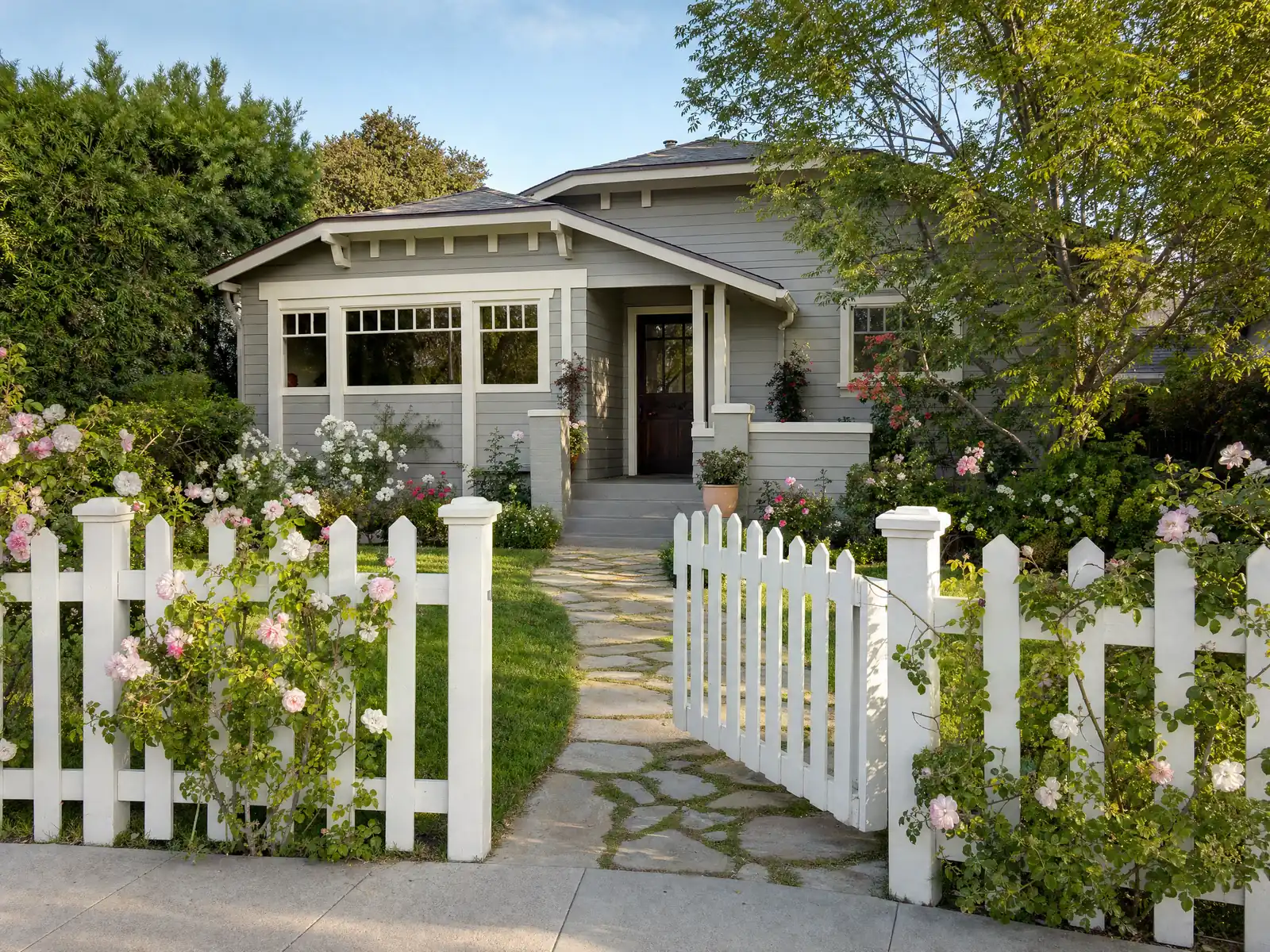
A fence in Los Angeles rarely fails on construction. It fails on a line nobody checked: the property line, the height chart, the pool gate or the historic district. A cedar fence in Eagle Rock, a block wall in Sherman Oaks and a pool enclosure in Encino each answer to a different rule, and the material changes the permit answer as much as the height does.
MDG Builders (CSLB #1040337, Tarzana) is a general contractor, so we draw the run, check the parcel and manage the licensed fence or masonry subcontractor who does the building. This page covers what the City adds. Our fencing guide covers materials, gates and the price table, the Los Angeles building overview covers the overlays that touch every trade, and a roof or exterior paint on the same lot has its own page: roofing in Los Angeles and painting in Los Angeles.
Fence and wall rules from LADBS, LAFD and City Planning
Where fencing permits come from in Los Angeles: Los Angeles Department of Building and Safety (LADBS).
- LADBS bulletin P/BC 2026-080 says a building permit is required for masonry or concrete fences over 3 1/2 feet high, other fences over 10 feet high, and swimming pool barriers. All fences must also meet Zoning Code height limits, including Specific Plans and overlays.
- A fence wall of 6 feet or less that is part masonry needs no building permit if pilasters are at most 1 foot 4 inches wide and spaced at least 6 feet apart, the masonry between pilasters is no higher than 3 feet 6 inches, and the rest is open ironwork, wood or other lightweight material.
- LADBS's fence height chart shows 3.5 feet in the required front yard in R and RW zones and 6 feet in A and RA zones, with 8 feet allowed with City Planning approval. Side and rear yard fences are 8 feet on lots 40 feet wide or more outside a Hillside Area, and 6 feet on narrower lots or in a Hillside Area.
- The express list covers concrete block freestanding walls up to 6 feet in residential zones outside the required front yard, and non-masonry freestanding fences used as swimming pool barriers.
- In a Very High Fire Hazard Severity Zone, LAFD requires vegetation clearance within 10 feet of any combustible fence, and the owner maintains it year round.
- In an HPOZ, exterior changes including fences need City Planning approval under the district's Preservation Plan.
Sources for these rules
Which fences and walls need a Los Angeles building permit?
LADBS bulletin P/BC 2026-080, effective January 1, 2026, draws three lines: masonry or concrete fences over 3 1/2 feet, other fences over 10 feet, and swimming pool barriers. Zoning height limits apply to all three.
Block walls have an easier path than most owners expect. A freestanding concrete block wall up to 6 feet in a residential zone, outside the required front yard, is on the LADBS express list, so it skips plan check. A part-masonry wall of 6 feet or less needs no building permit at all when its pilasters are at most 1 foot 4 inches wide and at least 6 feet apart, the solid masonry between them stays at or below 3 feet 6 inches, and the rest is open ironwork, wood or another lightweight material. Walls that hold back soil are a separate question, covered on our concrete page.
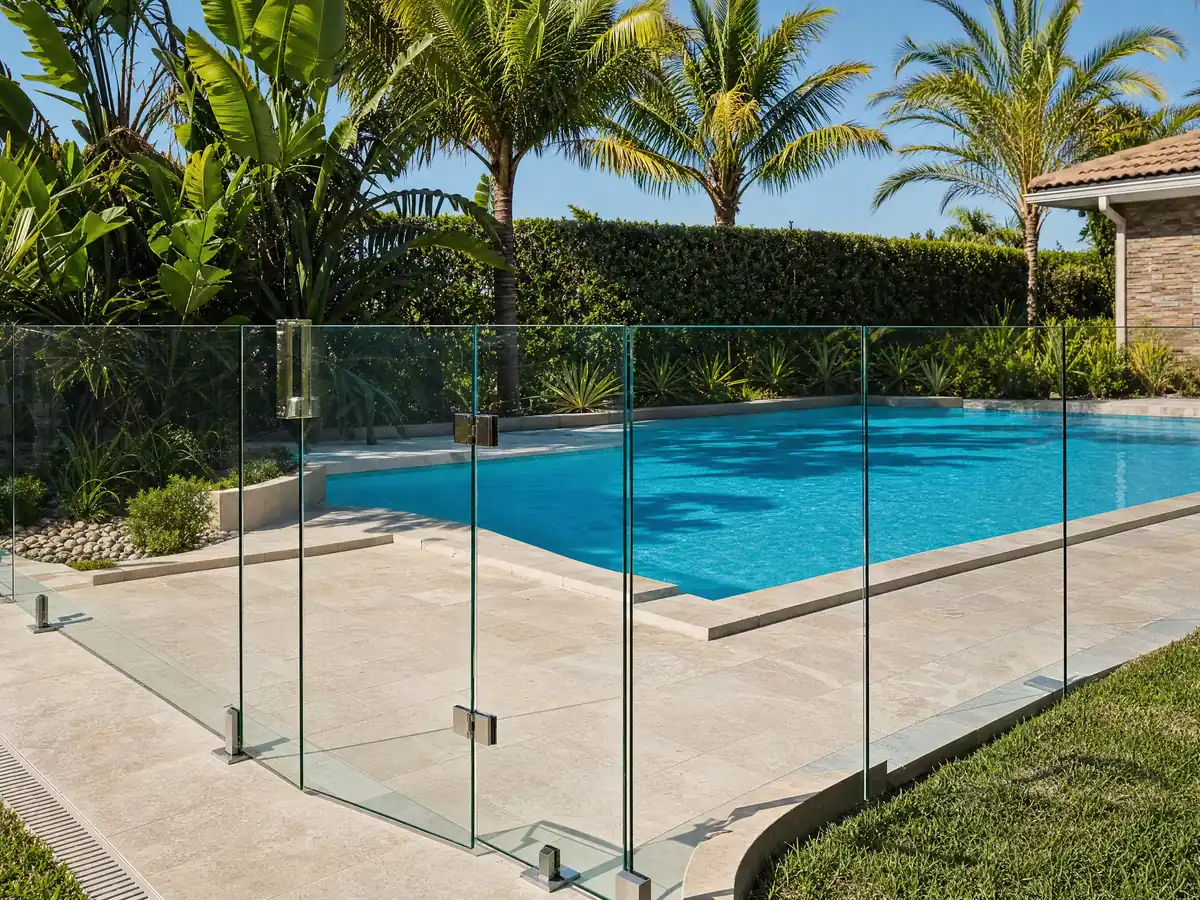
Pool barriers always need a permit in the City, whatever they are made of, and a non-masonry pool barrier fence is an express item. State law sits on top: Health and Safety Code section 115922 requires at least two of seven drowning-prevention features when a permit is issued for a new or remodeled pool. The barrier height itself is in section 115923, which we have not quoted here, so take that number from the plan checker.
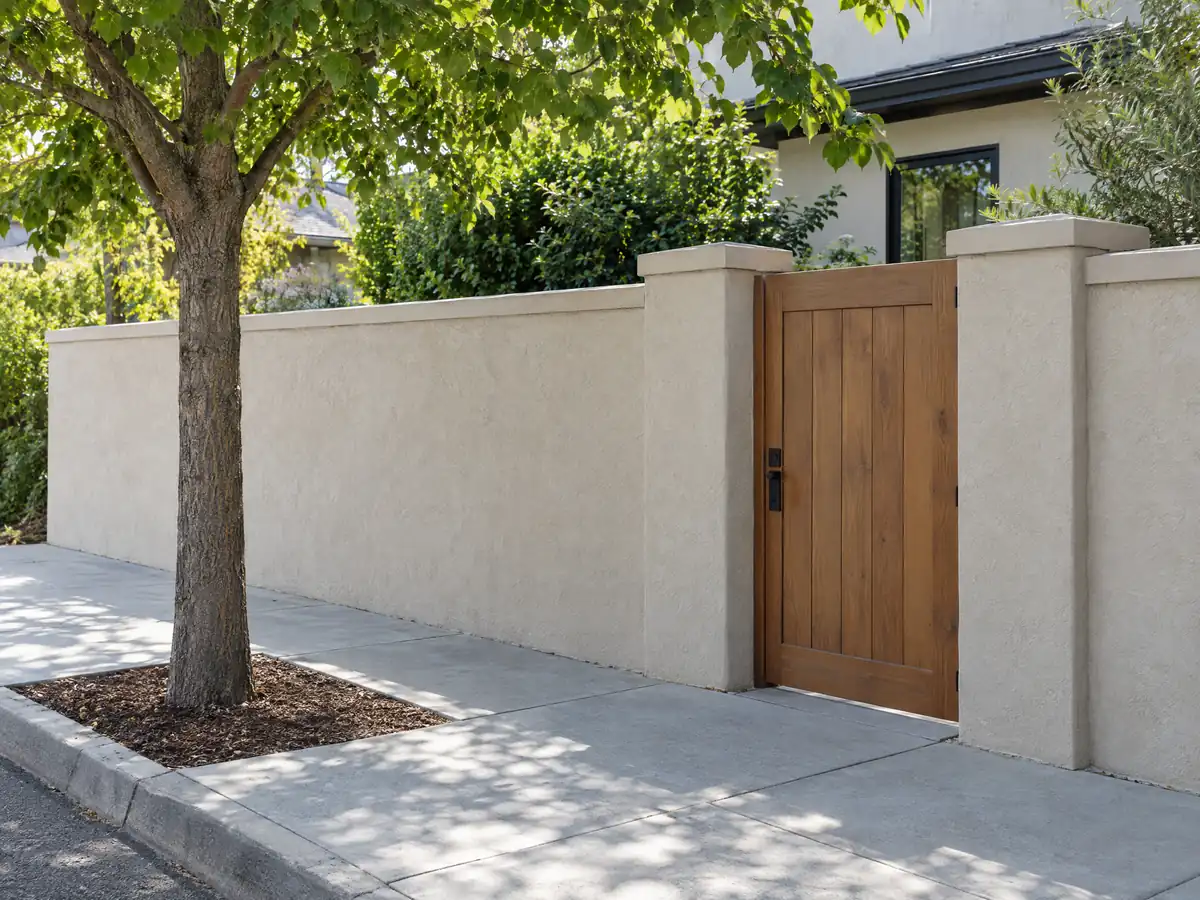
How tall can a fence company build a backyard fence in Los Angeles?
Under LADBS's fence height chart, a side or rear yard fence can reach 8 feet on a lot 40 feet wide or more outside a Hillside Area, and 6 feet on narrower lots or inside a Hillside Area. That chart answers the 7 foot question in most backyards: on a wide, flat lot a 7 foot fence fits, and on a narrow or hillside lot it does not.
Front yards are stricter. The chart shows 3.5 feet in the required front yard in R and RW zones and 6 feet in A and RA zones, with 8 feet allowed only with City Planning approval. The text copy of the chart we read is hard to parse, so confirm the front yard row for your zone with LADBS before material is ordered.
Height and permit are separate questions. A wood, vinyl or metal fence of 7 feet needs no LADBS building permit, because the City's line for non-masonry fences is 10 feet, but it still has to meet the zoning height. The state model code lists fences not over 7 feet as exempt, and inside the City the Los Angeles numbers are the ones that count. Specific Plans and overlays can be stricter still, so look the parcel up on ZIMAS.
Bring the zone and the lot width from ZIMAS to the LADBS counter; those two facts drive most of the chart.
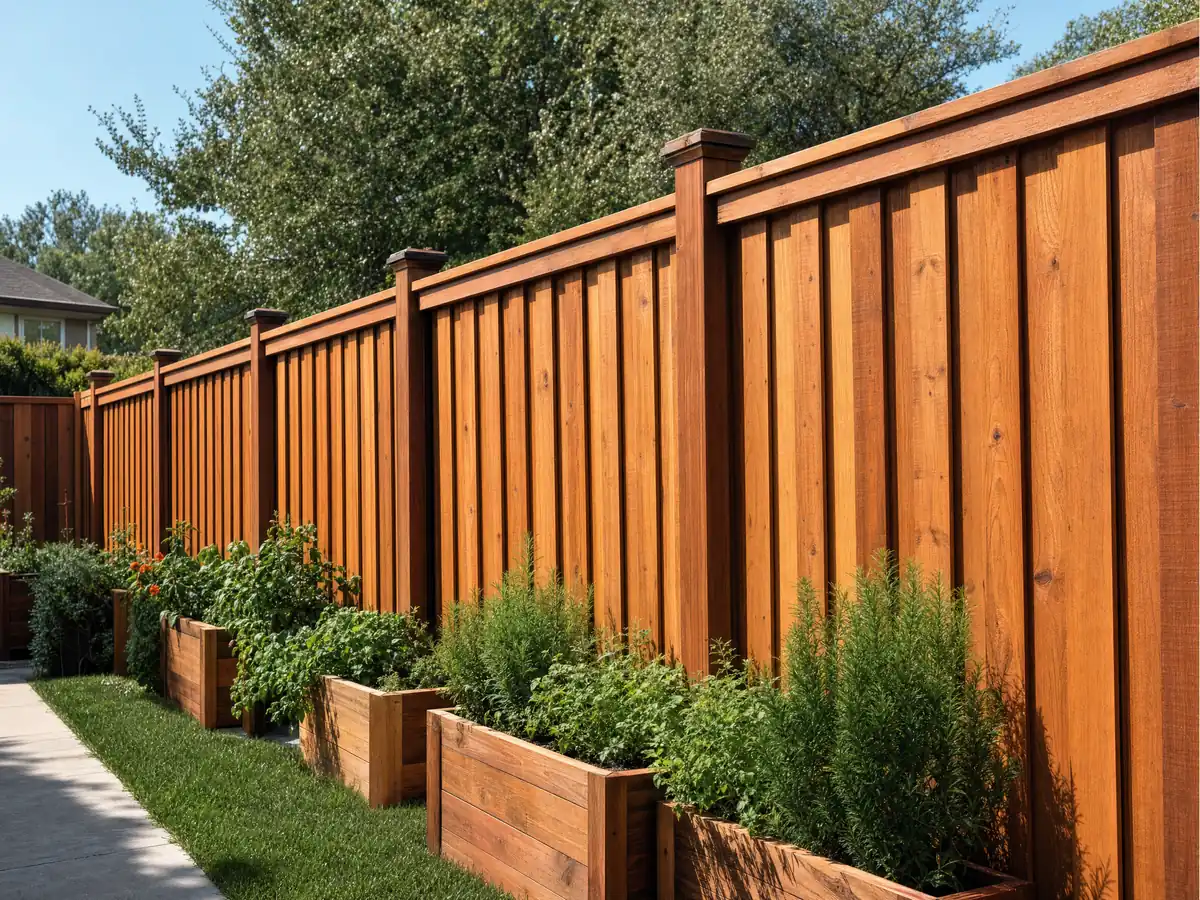
Who pays for a shared fence in Los Angeles, and what notice do you owe?
California Civil Code section 841 presumes that adjoining owners share the cost of a boundary fence in equal parts. It is only a presumption, so a neighbor can dispute it. The statute also calls for 30 days' written notice before you incur costs, which is why we put the notice at the top of the schedule. Send it before you sign a contract, and keep proof of delivery.
Section 841.4 sits at the other end of the scale: a fence unnecessarily over 10 feet built out of malice is a private nuisance. Neither section tells you where the line runs. In older Los Angeles neighborhoods the lot line may not follow the existing fence, so order a survey when a replacement will run along a line you have never confirmed. New footings should not set an old error in concrete.
Section 841 deals with cost on a shared line. For a fence that sits wholly on your own lot, such as a pool enclosure or a front yard run, the permit and height rules above are the ones that apply.
Put the notice in writing, name the work and the estimated cost, and send it before any deposit changes hands.
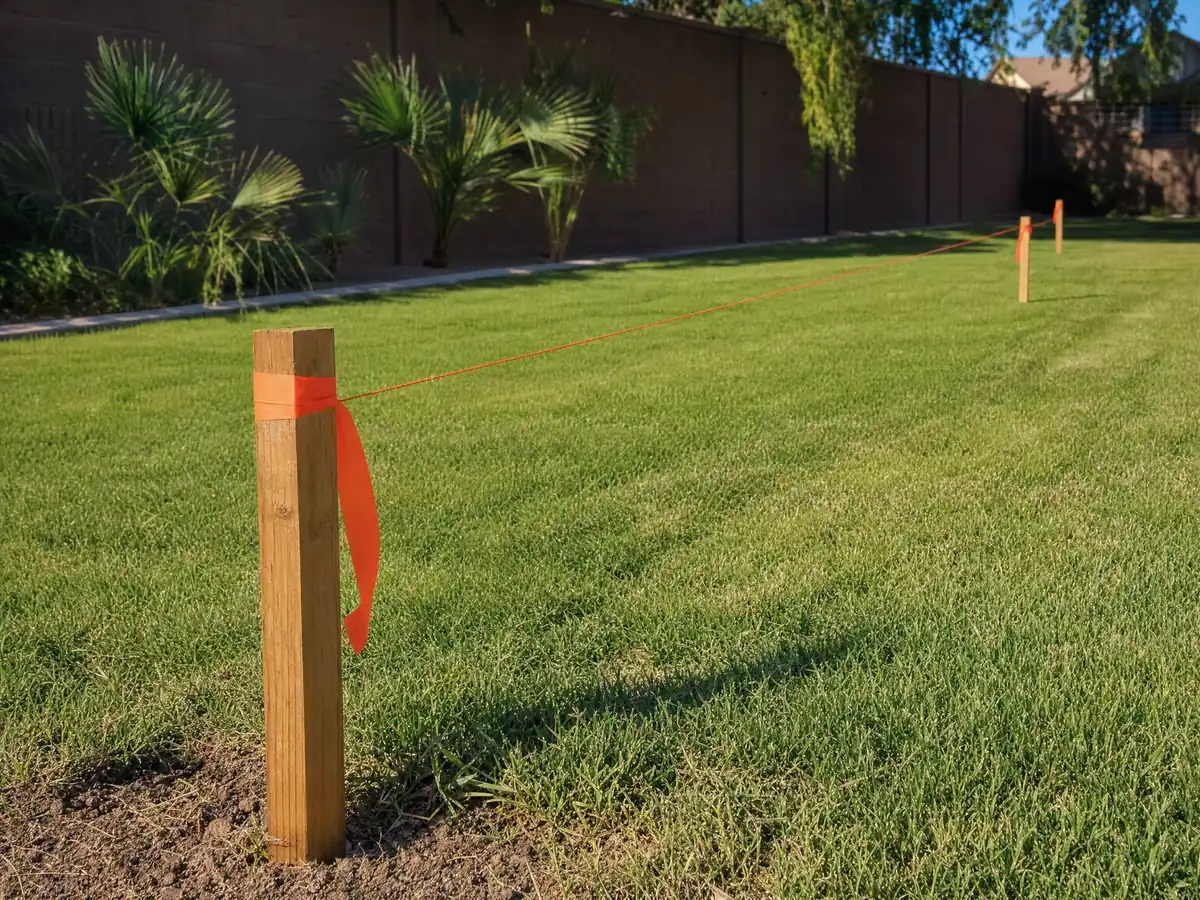
Do you need HPOZ or HOA approval before fence installation in Los Angeles?
City Planning's HPOZ FAQ says exterior changes, fences included, need approval under the district's Preservation Plan, and the City lists 36 adopted HPOZ names, Highland Park-Garvanza among them. That approval sits outside LADBS, so a wood fence that needs no building permit can still need a planner's sign-off. Bring photos of the street and the neighboring fences when you ask for the plan's fence guidance. The finish is covered too: City Planning says painting needs HPOZ approval even without a building permit, so the stain or paint on a street-facing fence belongs in the same submission, and our painting page for Los Angeles covers the color side.
Planned developments and condominium communities add a private layer. California Civil Code section 4765 asks an HOA to follow a reasonable procedure, give written decisions and allow reconsideration, so get any approval or denial in writing.
Glendale and Pasadena run their own building departments, so these City rules do not follow you across the line. See fence installation in Glendale and fence installation in Pasadena for those cities.
Fence installation on hillside and fire zone lots in Los Angeles
In a Very High Fire Hazard Severity Zone, LAFD requires vegetation clearance within 10 feet of any combustible fence and leaves the upkeep with the owner all year. A wood fence along a brushy back slope therefore adds a strip of ground to maintain, while a metal or block fence carries no combustible fence clearance.
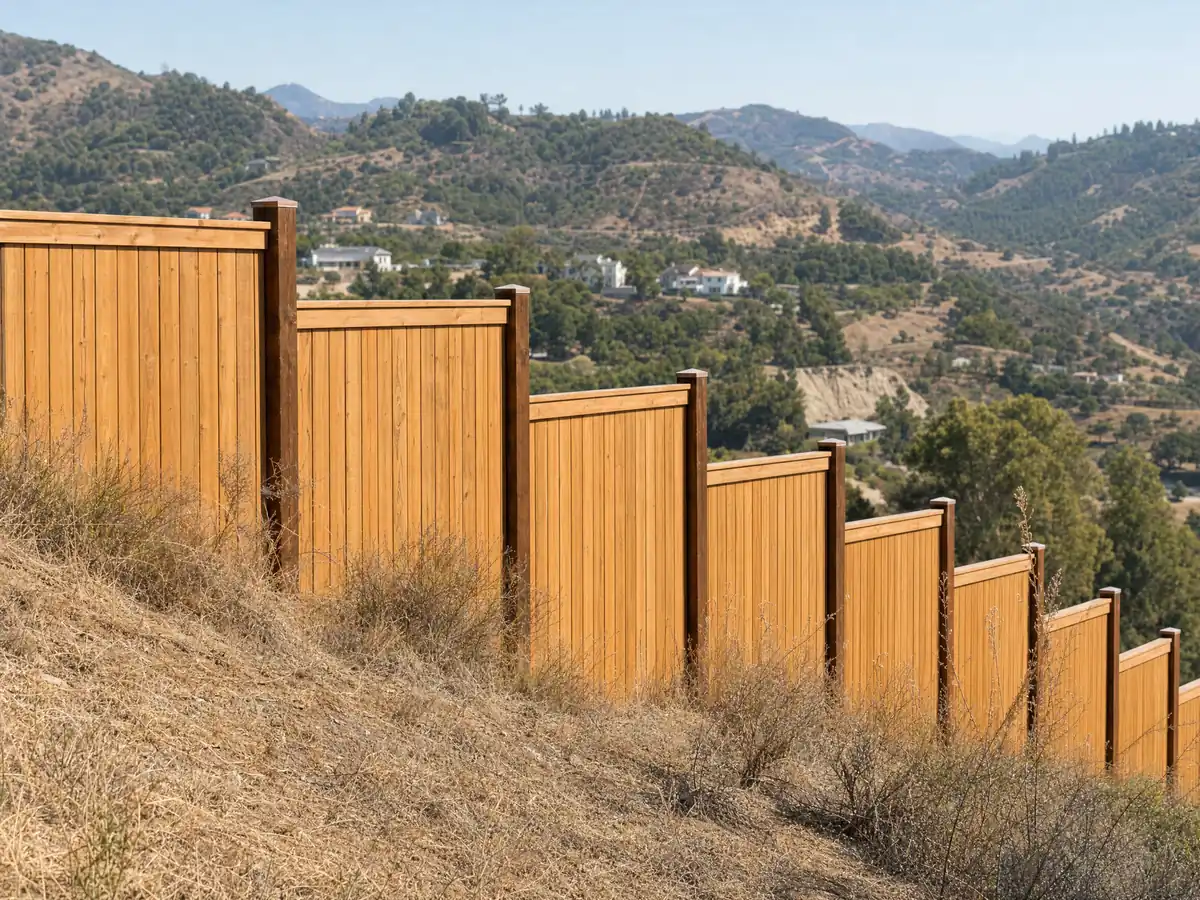
Slopes change the height answer. The chart caps Hillside Area side and rear yards at 6 feet where a flat lot 40 feet wide or more allows 8, so two lots in the same neighborhood can get different answers. Where a fence will sit on top of a retaining wall, ask LADBS how the combined height is measured before the design is drawn.
Work hours matter on a steep street. In the Hillside Construction Regulation areas of Bel Air, Beverly Crest, Laurel Canyon, Kirkwood and the Bird Streets, City Planning limits work to Monday through Friday, 8:00 AM to 6:00 PM, with only interior work on Saturdays, so a fence crew there loses the weekend. Elsewhere LADBS lists construction hours of 7:00 AM to 9:00 PM on weekdays and 8:00 AM to 6:00 PM on Saturday, with no work on Sunday.
What does a fence company do on site when a fence is built in Los Angeles?
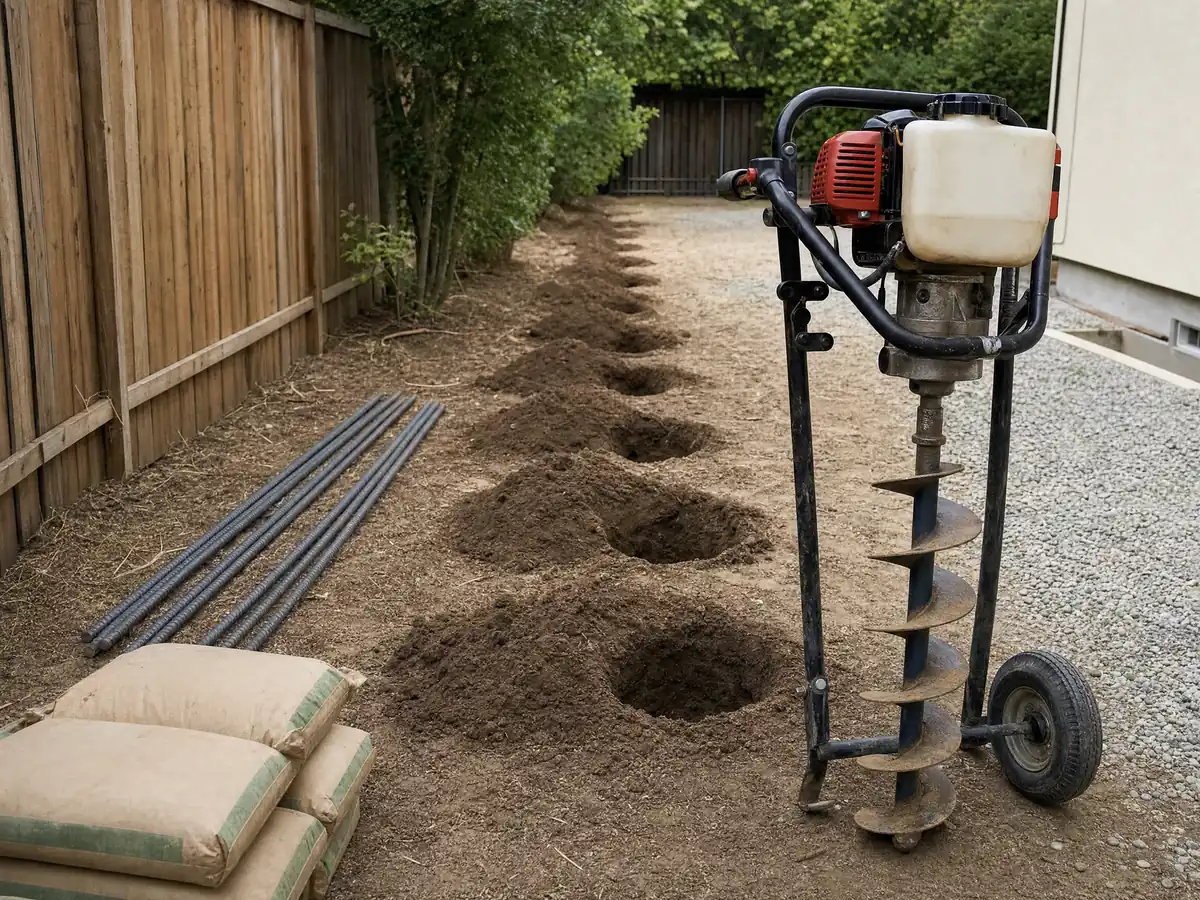
The build itself is short next to the approvals around it. After the boundary check, the 30 day notice on a shared line and any permit, posts are set and the concrete cures before panels go on. Wood and vinyl go up fastest, iron needs fitting or welding, and block needs time for mortar and grout to set. The last visit is a walkthrough of plumb, gate swing and latch, with a fix list before final payment.
Wind is the local fact that matters most for posts. The National Weather Service Los Angeles/Oxnard office forecast valley and coast gusts of 35 to 55 mph and foothill gusts of 50 to 70 mph for an October 2026 Santa Ana event. A forecast does not set post depth, so we ask the fence subcontractor to state the depth and footing in the proposal.
UC Integrated Pest Management adds that drywood termites are most prevalent in southern California and infest decks and fences, so ask about termite-resistant wood or concrete footers where wood meets soil.
How do I hire a fence company or fence contractor in Los Angeles?
Match the license to the material. CSLB's C-13 fencing class excludes masonry walls, and block walls fall under C-29 masonry, so a wood fence and a block wall on the same lot can mean two licensed subcontractors. Gate operators add electrical work, and we could not confirm which license class CSLB assigns to that, so ask any bidder to name it.
MDG's part is the general contractor's: scope, permits, scheduling and one point of contact, with licensed subcontractors doing the field work. Ask for each subcontractor's license number and certificate of insurance, look the number up on CSLB with our license check guide, and read how general contractors use subcontractors to see what the contract's subcontractor box means.
State law adds two checks on the paper. Business and Professions Code section 7048, as amended effective January 1, 2026, requires a license for work of $1,000 or more or whenever a permit is required. Section 7159 requires a written contract over $500 with a lien-release statement, and section 7159.5 caps the down payment at $1,000 or 10 percent, whichever is less. Most competitor pages we read printed no price method, so the estimate itself is where you compare. Ask each bidder to spell out:
- Footage, height and the style of every run
- Post size, spacing and footing depth
- Gate count, hardware and any opener wiring
- Removal of the old fence, the permit and the survey: who handles each
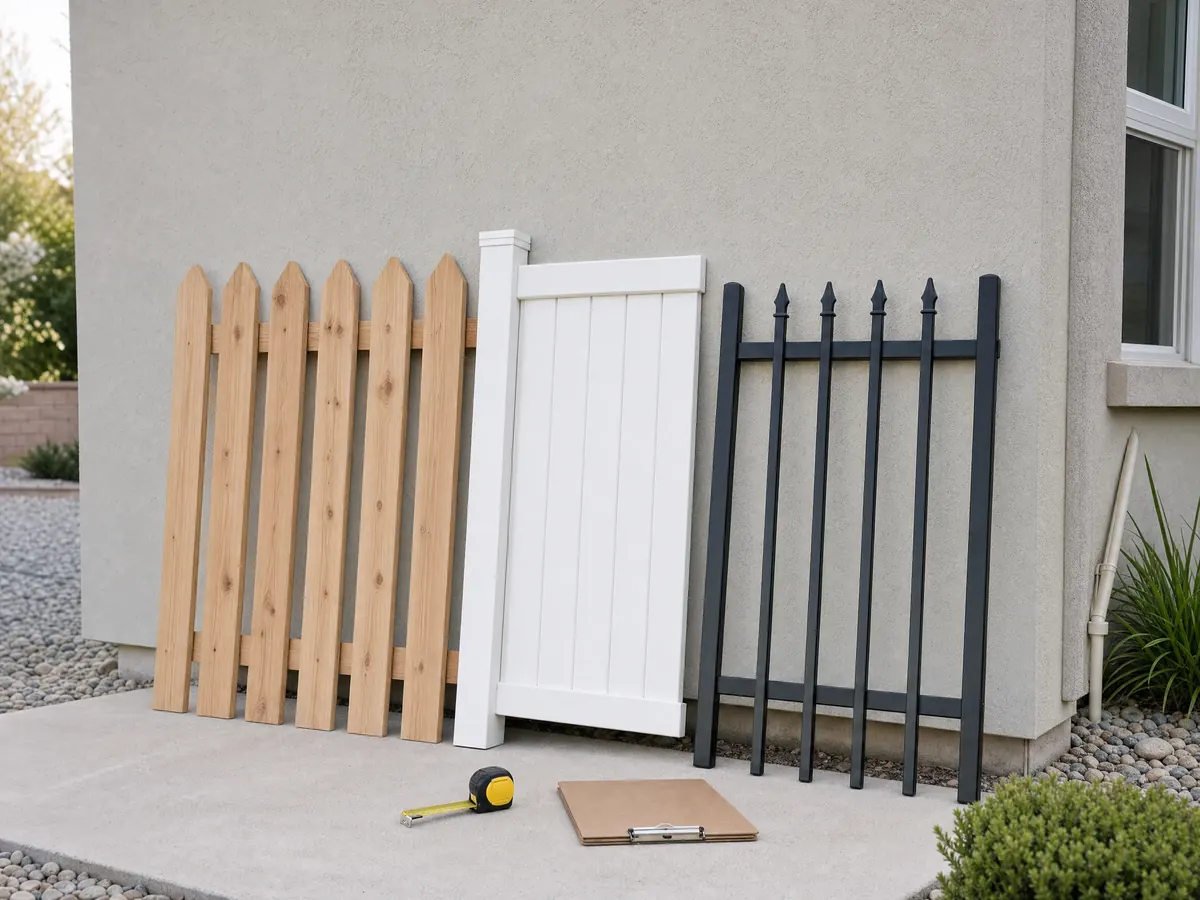
Fence and wall details worth checking in person
Six photos of the parts that decide how a fence ages: footings, posts, rails, gates, hinges and wall caps.
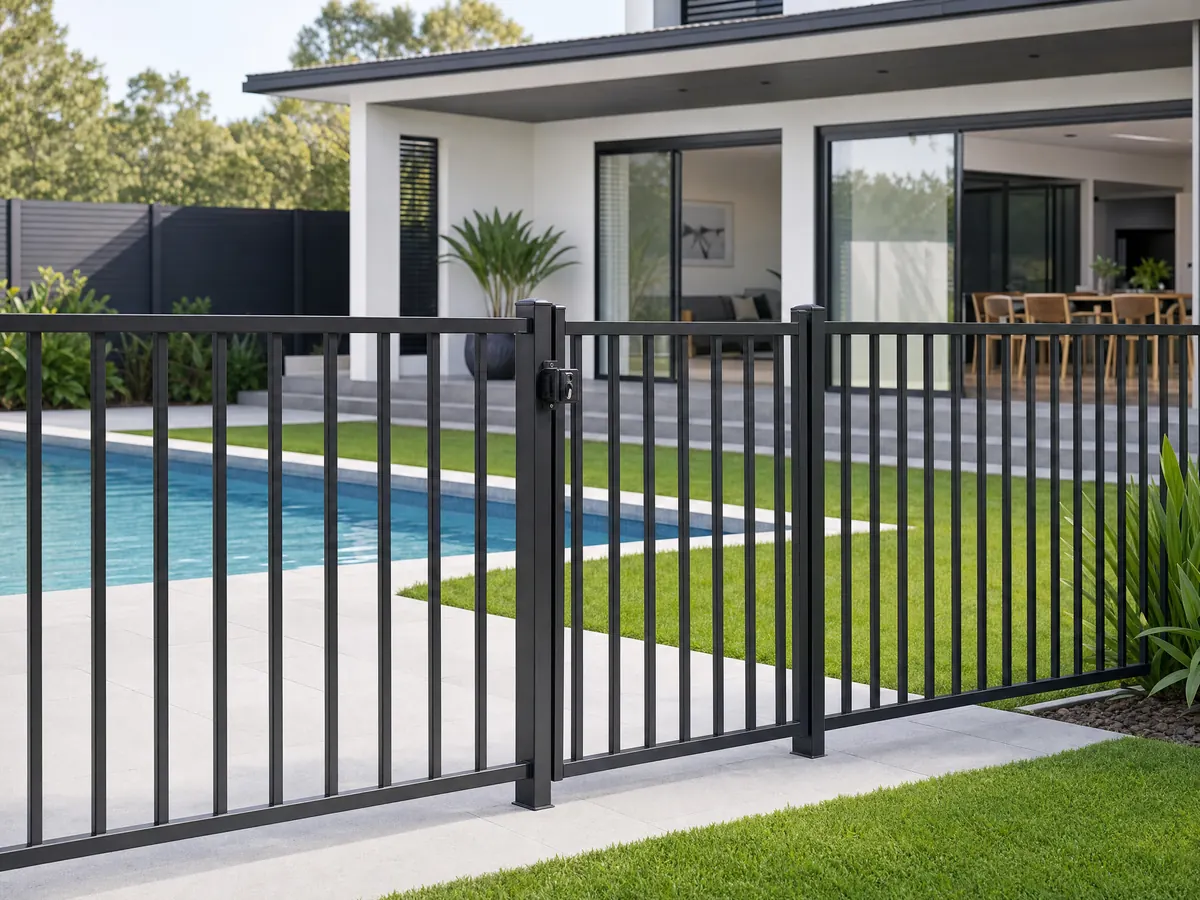
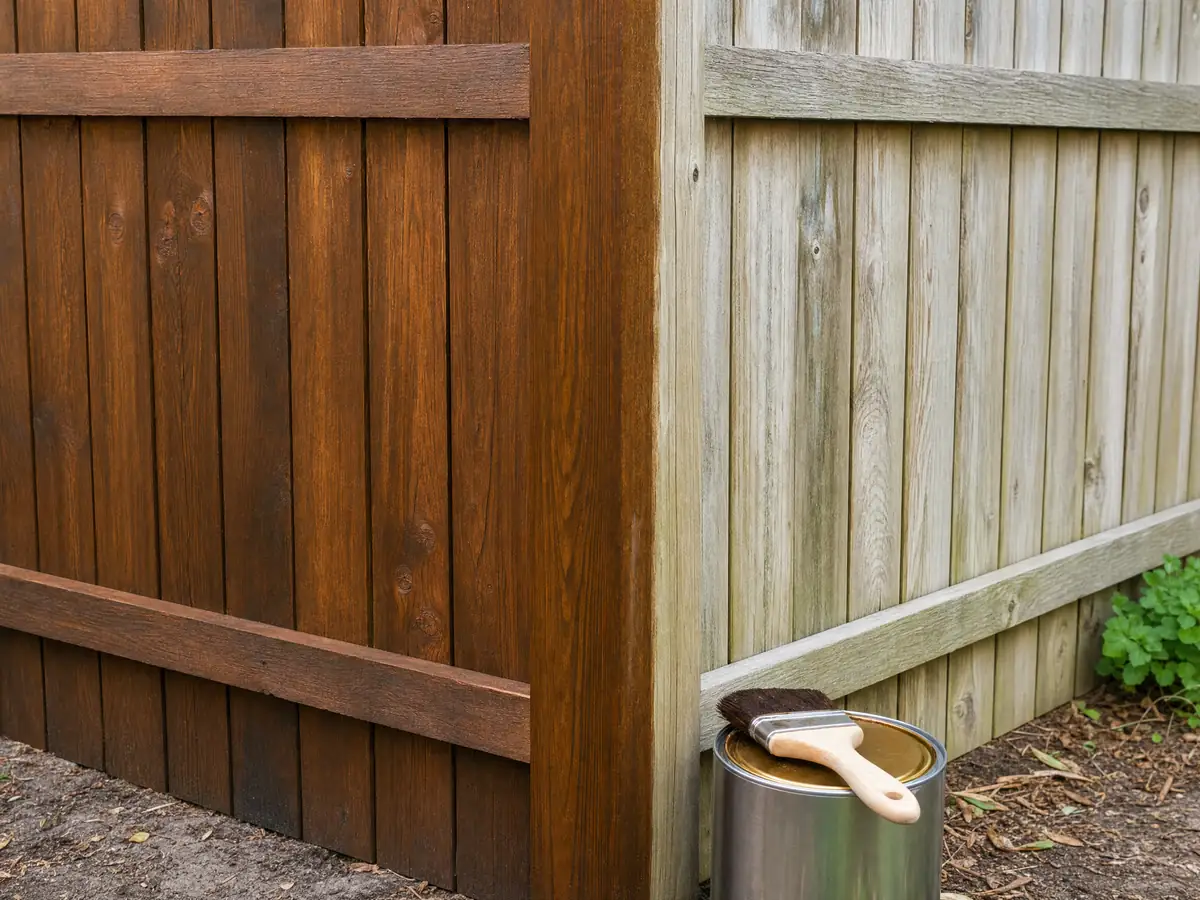
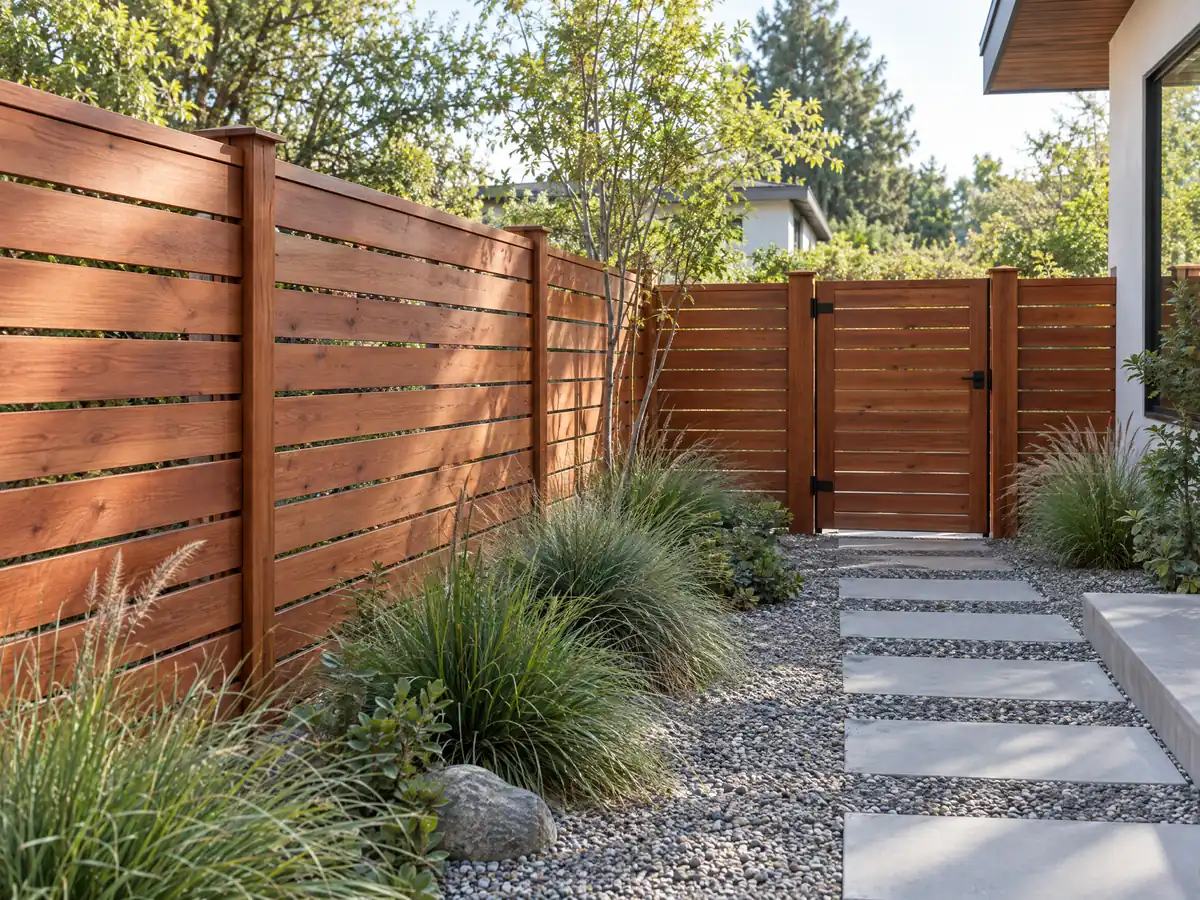
What fencing costs around Los Angeles
Our sourced fence price table puts a 6 foot wood or vinyl privacy fence at $25 to $55 per linear foot installed, chain-link at $12 to $30 and aluminum or ornamental iron at $35 to $85, with the sources named. Block walls, gates and hillside runs have no independent Los Angeles price, so footing depth, reinforcement, hardware and access are what the written proposal has to spell out.
| What it covers | Typical range |
|---|---|
| Wood or vinyl privacy fence, 6 feet | $25 to $55 per linear foot |
| Chain-link | $12 to $30 per linear foot |
| Aluminum or ornamental iron | $35 to $85 per linear foot |
| Typical 100-foot backyard run | $2,500 to $5,500 total |
| Block walls, horizontal slat fences, gates and openers, hillside lots | Set by the written proposal |
Other work we manage in Los Angeles
Fence installation in Los Angeles: questions owners ask
How much does a fence company charge in Los Angeles?
Angi's Los Angeles page, updated August 2026, shows an average fence project of $3,051, with most between $1,734 and $4,422, and about $29 per foot on average. Our planning range for a 6 foot wood or vinyl privacy fence is $25 to $55 per linear foot installed. A written proposal sets the real price.
How much does 200 ft of fencing cost?
Multiplying our $25 to $55 per foot range by 200 feet gives $5,000 to $11,000 for wood or vinyl. HomeGuide shows $4,000 to $12,000 for the same length but publishes no method. Gates, slope, removal of the old fence and any permit move the total, so ask for a measured proposal.
How much does 1000 feet of fence cost?
Simple multiplication of $25 to $55 per foot gives $25,000 to $55,000 for wood or vinyl, and it is only arithmetic, not a quote. A run that long has corners, gates, slope changes and possibly a permit, so price it from a survey and a measured proposal. Chain-link at $12 to $30 per foot costs less.
How much does Home Depot charge to install a fence?
We could not verify a Home Depot installation price, so we do not quote one. Whoever installs, compare itemized bids that show footage, height, post and footing details, removal, permit handling and gates, and ask for the installing contractor's license number rather than the retailer's name.
Do I need a permit to build a fence in Los Angeles?
Only for some fences. LADBS bulletin P/BC 2026-080 requires a building permit for masonry or concrete fences over 3 1/2 feet, other fences over 10 feet and every swimming pool barrier. Zoning height limits apply to all fences, and a historic district or Specific Plan can add City Planning approval.
What is the maximum height for a backyard fence in Los Angeles?
Eight feet in side and rear yards on a lot 40 feet wide or more outside a Hillside Area, and 6 feet on narrower lots or in a Hillside Area, under LADBS's fence height chart. Front yards are lower. Specific Plans and overlays can be stricter, so confirm your zone and lot width with LADBS.
Can I put up a 7ft fence in Los Angeles?
Often yes in a backyard. A wood, vinyl or metal fence of 7 feet needs no LADBS building permit, since that line is 10 feet, and the zoning chart allows 8 feet in side and rear yards on wide, flat lots. On a narrow or Hillside Area lot the limit is 6 feet.
What are the new fence rules in California in 2026?
We found no new statewide fence code. The 2026 changes we confirmed are paperwork and local: the license law in section 7048 and the contract law in section 7159 were amended effective January 1, 2026, and LADBS bulletin P/BC 2026-080 took effect the same day. Ask LAFD about any ember-resistant rule near the house.
Can I install my own backyard fence in Los Angeles?
The LADBS bulletins we read do not bar an owner from building one. The same height chart, permit lines, neighbor notice and fire zone clearance apply to you as to a contractor. Pool barriers and masonry walls over 3 1/2 feet still need permits.
Does a fence contractor in Los Angeles need a special license?
Yes. CSLB's C-13 class covers fencing but excludes masonry walls, which fall under C-29. Business and Professions Code section 7048 requires a license for work of $1,000 or more or whenever a permit is required. Look up the number on the CSLB site and check that the class matches the work.
Get a fence or wall proposal in Los Angeles
Send the length, the height you want and the yard it runs along, and we check the zone, Hillside Area and HPOZ status for the address before we quote.