
Fence Companyin Burbank, CA
A fence in a Burbank R-1 front yard may be 4 feet high and must be open above 2 feet, while side and rear fences can reach 8 feet where the code allows. Fences up to 7 feet need no building permit, but the code's table and text disagree on some heights, so confirm yours with Planning at (818) 238-5250.
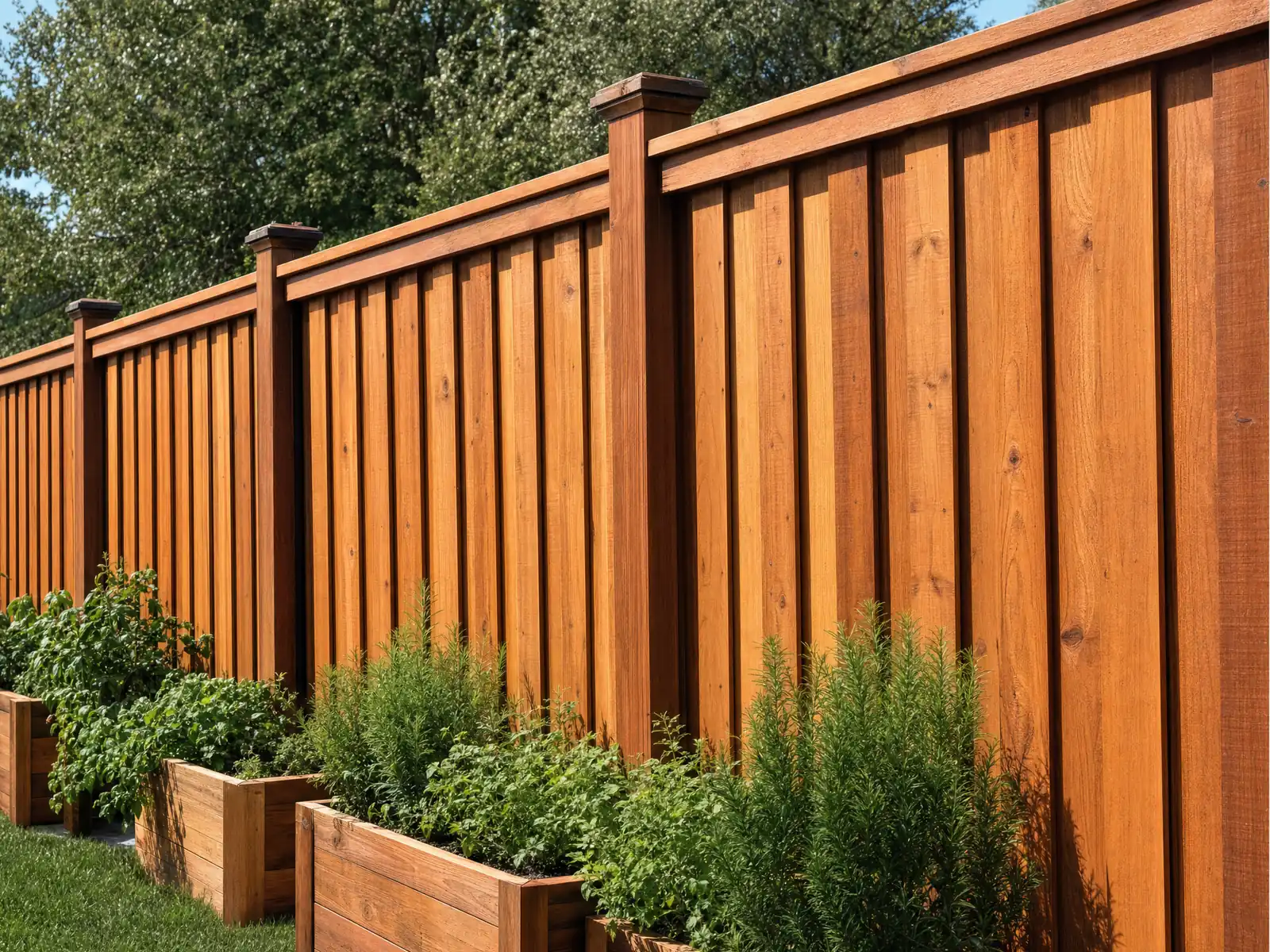
Burbank's lots were drawn in layers. Benmar Hills, at the foot of the Verdugo Mountains, was one of the 1920s tracts that turned farmland into streets, and Magnolia Park in the southwest began in 1923 on lots averaging 50 by 135 feet, with modest houses built piecemeal by individual owners. The City annexed the Sunset Canyon foothills in 1926. The Census Bureau's 2024 estimates count 20,441 detached houses among the city's 46,928 homes and a median owner-occupied value of $1,121,000, so many people here are protecting a narrow lot and a large asset with one run of boards.
The zoning code is blunt about the street side and more relaxed behind the house. As general contractor, MDG Builders (CSLB #1040337) reads the lot's zone, drafts the fence scope, handles any permit and schedules the crew, and a licensed fencing subcontractor does the building. The fencing price page has the sourced cost table. If the fence is part of a wider exterior refresh, the Burbank roofing guide and Burbank painting guide cover the rest, and neighbors in Glendale follow a different zoning code.
What Burbank's zoning code and building code say about fences
Where fencing permits come from in Burbank: City of Burbank Community Development Department, Building & Safety Division (Permit Counter).
- The City's exempt-work sheet exempts fences not over 7 feet, measured from the bottom of the required footing, with a note to check with the Planning Division for zoning requirements, and retaining walls not over 4 feet from bottom of footing to top of wall unless they support a surcharge or impound Class I, II or IIIA liquids. The sheet also warns that exempt work must still meet setbacks and other codes.
- Table 10-1-603(A) of the zoning code caps fences, walls and hedges in R-1 and R-1-H zones at 4 feet in the front yard setback area (hedges 6 feet), 6 feet in the street-facing side yard (8 feet behind the rear of the house; 4 feet if solid in the table), and 8 feet elsewhere (hedges 12 feet). In the front yard any portion above 2 feet must be an open design, meaning at least 50 percent of each one-foot section is open with direct views through.
- Section 10-1-603(H) bans razor, barbed, electric and similar wire in fences, walls and hedges, bans new chain link in front yards and street-facing side yards after February 23, 2017, allows only one wall or fence in the front yard setback with up to two gates that are 50 percent open, requires walls in front and street-facing side yards to be finished in plaster, stucco, brick or similar material, and measures height from the lower of natural or finished grade. Fences and retaining walls that were legal before February 23, 2017 are not subject to the new standards.
- Retaining walls in an R-1 front yard setback are limited to 30 inches, must sit 18 inches back from the sidewalk with a planting strip, and only two are allowed; a fence combined with a retaining wall in the front setback may not exceed 4 feet total and must be 50 percent open. Elsewhere exposed retaining walls are limited to 4 feet, additional walls must be set back twice the exposed height of the wall below, and no wall may stand above a retaining wall in the front or street-facing side yard (Section 10-1-603(H)).
- Section 10-1-603(H) also caps pilasters at 18 inches wide and at least 8 feet apart, allows lighting but no other ornament on top of front and street-side fences (up to 18 inches above the fence or 5 feet 6 inches overall), and requires every fence, wall and hedge to respect the corner cutoff in Section 10-1-1303.
- Burbank's pool fence handout defines a pool as any structure holding water over 18 inches deep and shows a barrier at least 5 feet high with no more than 2 inches of clearance at the bottom, openings no larger than 1 3/4 inches (4 inches where horizontal members are 45 inches or more apart), pedestrian gates that swing away from the pool and self-close, no opening over 1/2 inch within 18 inches of the latch, and chain link of at least 11 gauge.
- In the hillside area, exceptions to the front-yard fence design standard for retaining walls are handled through the Hillside Development Permit process (Section 10-1-603(A), note on open design).
- Under California Civil Code 841, adjoining owners are presumed to share equally in the reasonable cost of building, maintaining or replacing a fence that divides their properties unless they agreed otherwise in writing, and an owner who plans such costs must give each affected neighbor 30 days' prior written notice describing the problem, proposed fix, estimated costs, cost-sharing proposal and timeline.
How tall can a fence be in a Burbank front yard?
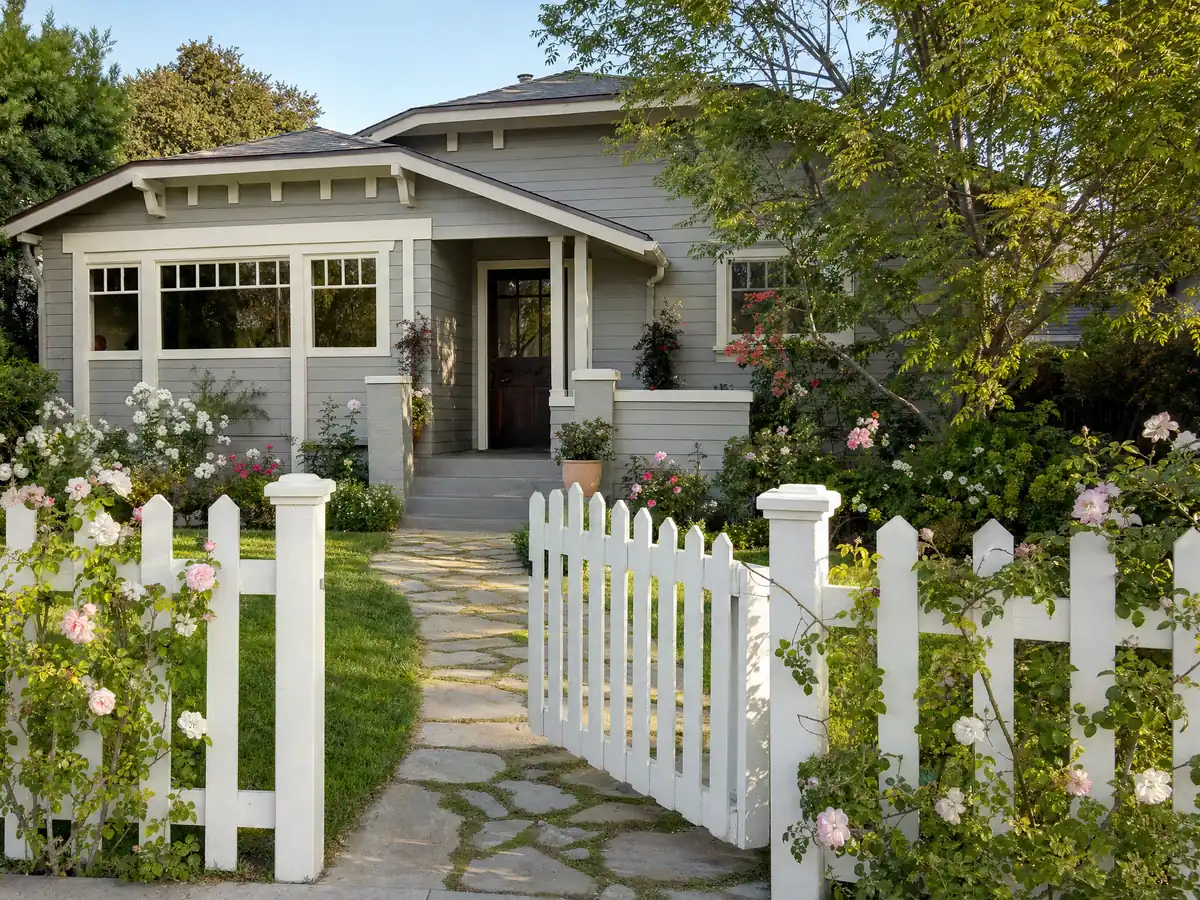
Table 10-1-603(A) of the zoning code caps fences and walls in the front yard setback area of R-1 and R-1-H lots at 4 feet, with hedges allowed to 6. Any part above 2 feet must be an open design, which the code defines as at least 50 percent of every one-foot section open with direct views through. A solid 4 foot wall is therefore not what the table describes.
Section 10-1-603(H) adds several limits that surprise owners. Only one wall or fence may stand in the front yard setback, and it may have up to two gates that are themselves 50 percent open. Walls in the front and street-facing side yards must be finished in plaster, stucco, brick or similar material. New chain link in front yards and street-facing side yards has been banned since February 23, 2017, and razor, barbed and electric wire are banned everywhere. Fences and retaining walls that were legal before that date are not subject to the newer standards.
Height is measured from the lower of natural or finished grade, and every fence must respect the corner cutoff in Section 10-1-1303, so a fence on a corner lot is checked against the intersection as well as the setback.
Pilasters are capped at 18 inches wide and must be at least 8 feet apart, and the top of a front fence may carry lighting but no other ornament.
What is the maximum fence height in a Burbank backyard, and when is a permit needed?
Behind the front setback the table allows 8 feet in R-1 and R-1-H zones, with hedges to 12. A street-facing side yard on a corner lot is the tricky part. The table lists 6 feet in that yard, 8 feet behind the rear of the house and 4 feet if the fence is solid, while the text of Section 10-1-603(H) gives 6 feet and 8 feet behind the rear without mentioning open or solid. We cannot say which wording controls, so a corner-lot fence should be confirmed with Planning before posts are set.
The building permit question is separate. The City's list of work exempt from a building permit covers fences up to 7 feet, measured from the bottom of the required footing. That is a structural threshold only. The same sheet tells owners to check zoning with the Planning Division and warns that exempt work must still meet setbacks, so an 8 foot fence has two questions to answer, one about the permit and one about the zone.
For anything on a footing taller than 7 feet, ask Building & Safety at (818) 238-5220 how the permit is handled.
What are the rules for a fence on a retaining wall in Burbank?
A front yard retaining wall in an R-1 zone is limited to 30 inches, must sit 18 inches back from the sidewalk with a planting strip, and only two are allowed. A fence combined with a retaining wall in the front setback may not exceed 4 feet in total and must be 50 percent open. Elsewhere an exposed retaining wall is capped at 4 feet, additional walls must be set back twice the exposed height of the wall below, and no wall may stand above a retaining wall in the front or street-facing side yard.
The building permit exemption treats the two pieces differently. Retaining walls of 4 feet or less, measured from the bottom of the footing to the top of the wall, are exempt unless they carry a surcharge or hold back certain liquids, while the fence exemption runs to 7 feet.
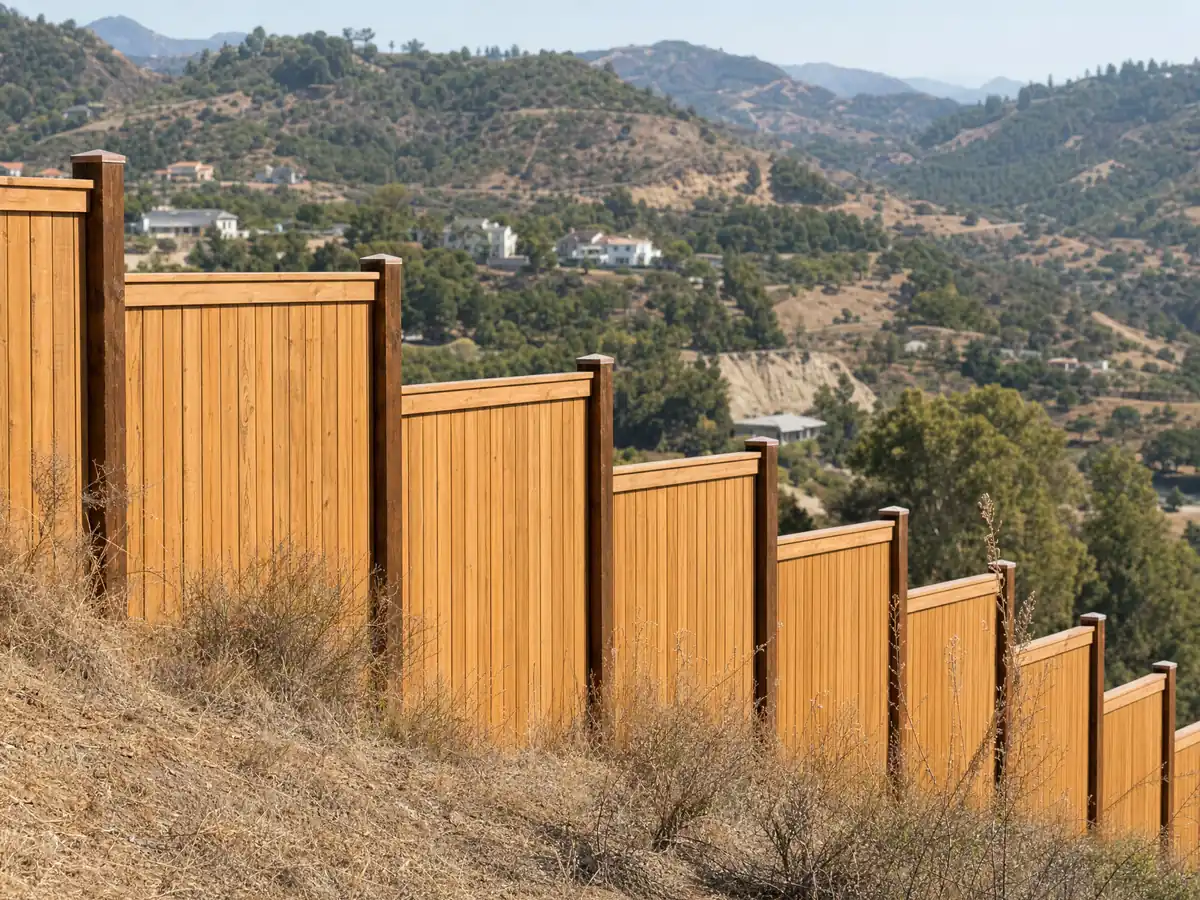
In the hillside area, bounded by the Glendale and Los Angeles city limits and by Sunset Canyon Drive, Walnut Avenue, Bel Aire Drive, Cambridge Drive, Kenneth Road and Scott Road, exceptions to the front yard open-design standard for retaining walls go through the Hillside Development Permit process. A fence that steps down a slope often needs a retaining wall under it, so scope both together.
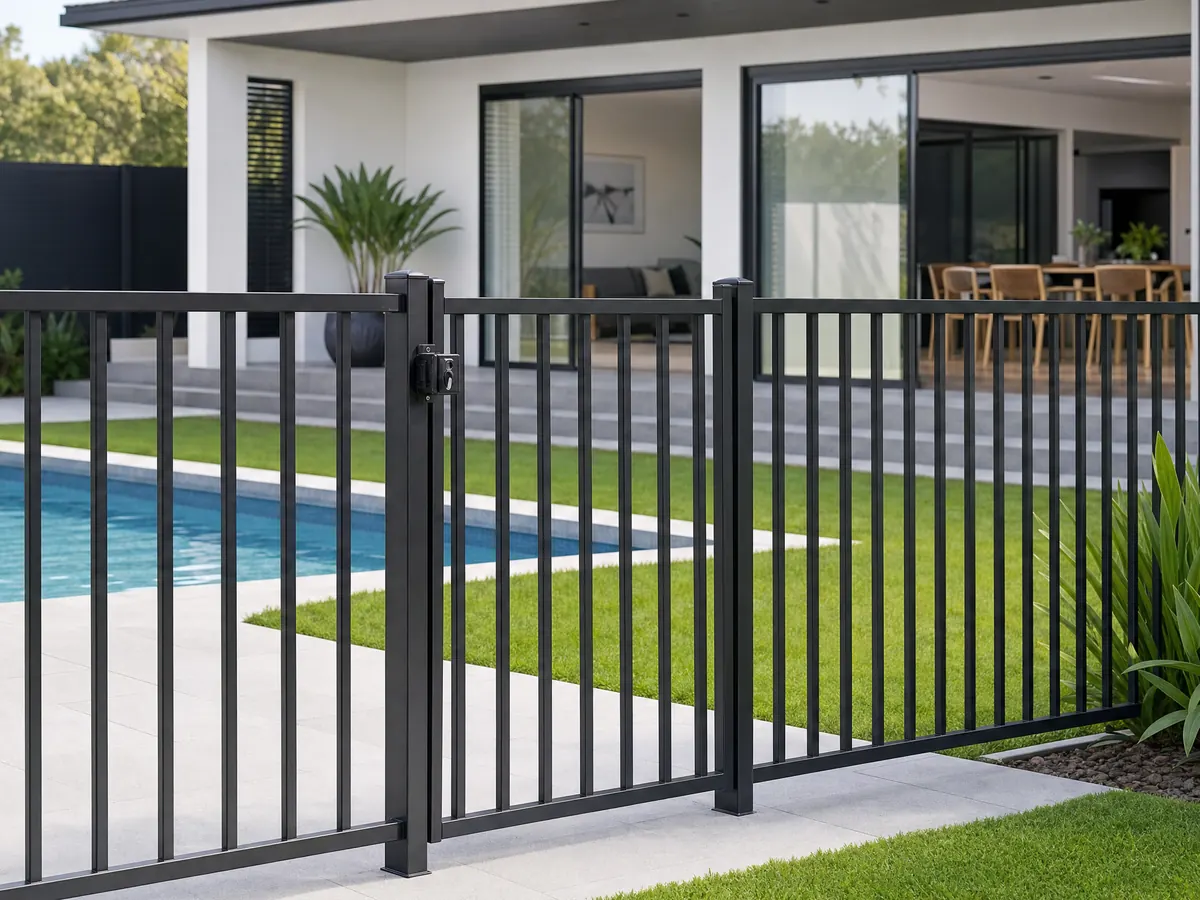
Who pays for a shared fence on a narrow Burbank lot?
California Civil Code 841 presumes that adjoining owners share equally in the reasonable cost of building, maintaining or replacing a fence that divides their properties, unless they agreed otherwise in writing. An owner who plans such costs must give each affected neighbor 30 days' written notice that describes the problem, the proposed fix, the estimated cost, the cost-sharing proposal and the timeline.
On a Magnolia Park style lot, 50 feet wide and about 135 feet deep, the longest runs are the two side lines, so most of the money in a fence job is spent on a boundary two households share. That is a good reason to send the notice early and to find the property line before ordering materials. When a line is uncertain, a survey comes before the posts do.
Fences and hedges that pre-date the 2017 standards stay legal, so a neighbor's old chain link in a front yard is not an automatic violation. Replacing it, however, brings the current rules back.
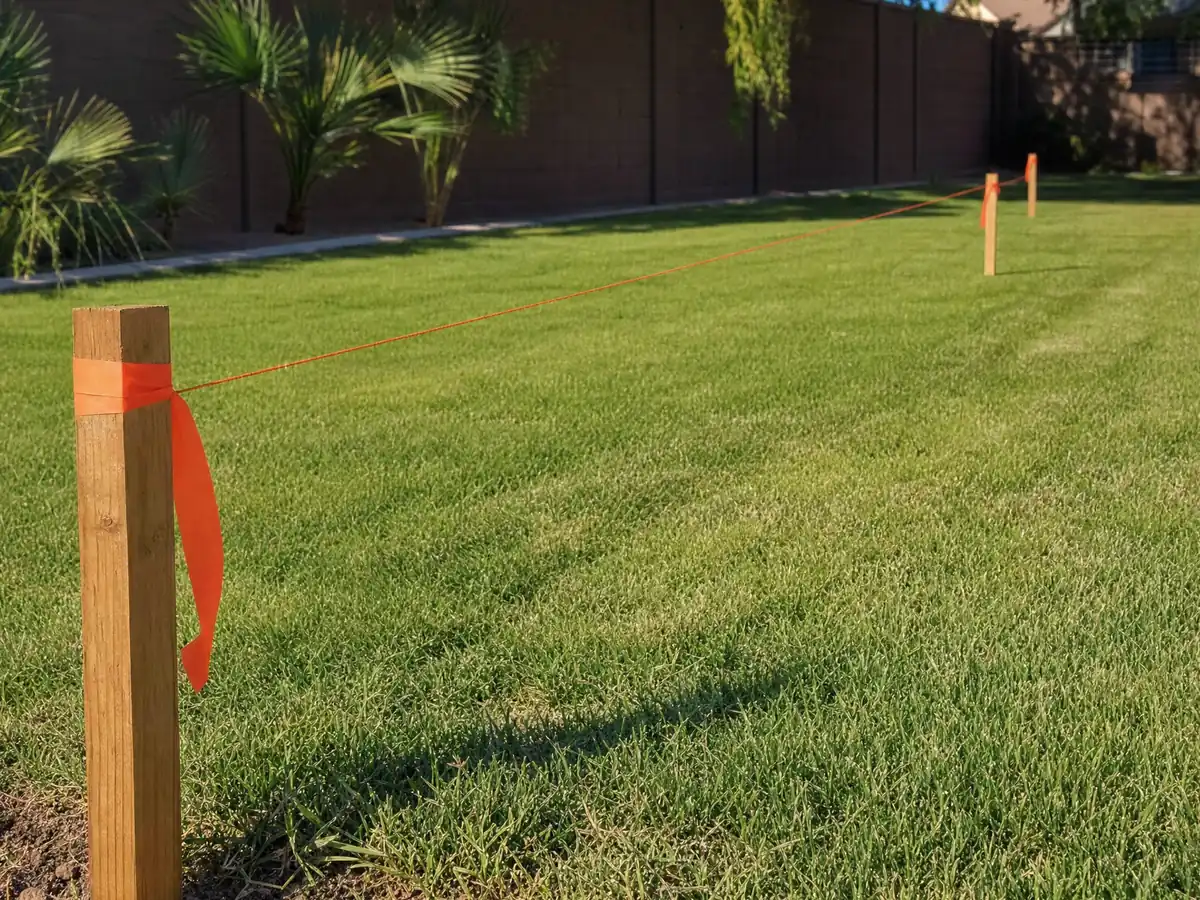
What does a Burbank pool fence have to look like?
Burbank's pool fence handout treats any structure holding water more than 18 inches deep as a pool. The barrier it shows is at least 5 feet high, with no more than 2 inches of clearance at the bottom and openings no larger than 1 3/4 inches, or 4 inches where horizontal members sit 45 inches or more apart.
Pedestrian gates must swing away from the pool and self-close, and no opening larger than 1/2 inch may sit within 18 inches of the latch. Chain link is allowed only at 11 gauge or heavier. Because a pool barrier is a safety item, the exempt fence list does not settle it, so ask the permit counter how your pool project is handled before choosing glass, steel or mesh.
- Barrier at least 5 feet high
- No more than 2 inches of clearance under the barrier
- Self-closing gates that swing away from the water
- Nothing wider than 1/2 inch near the latch
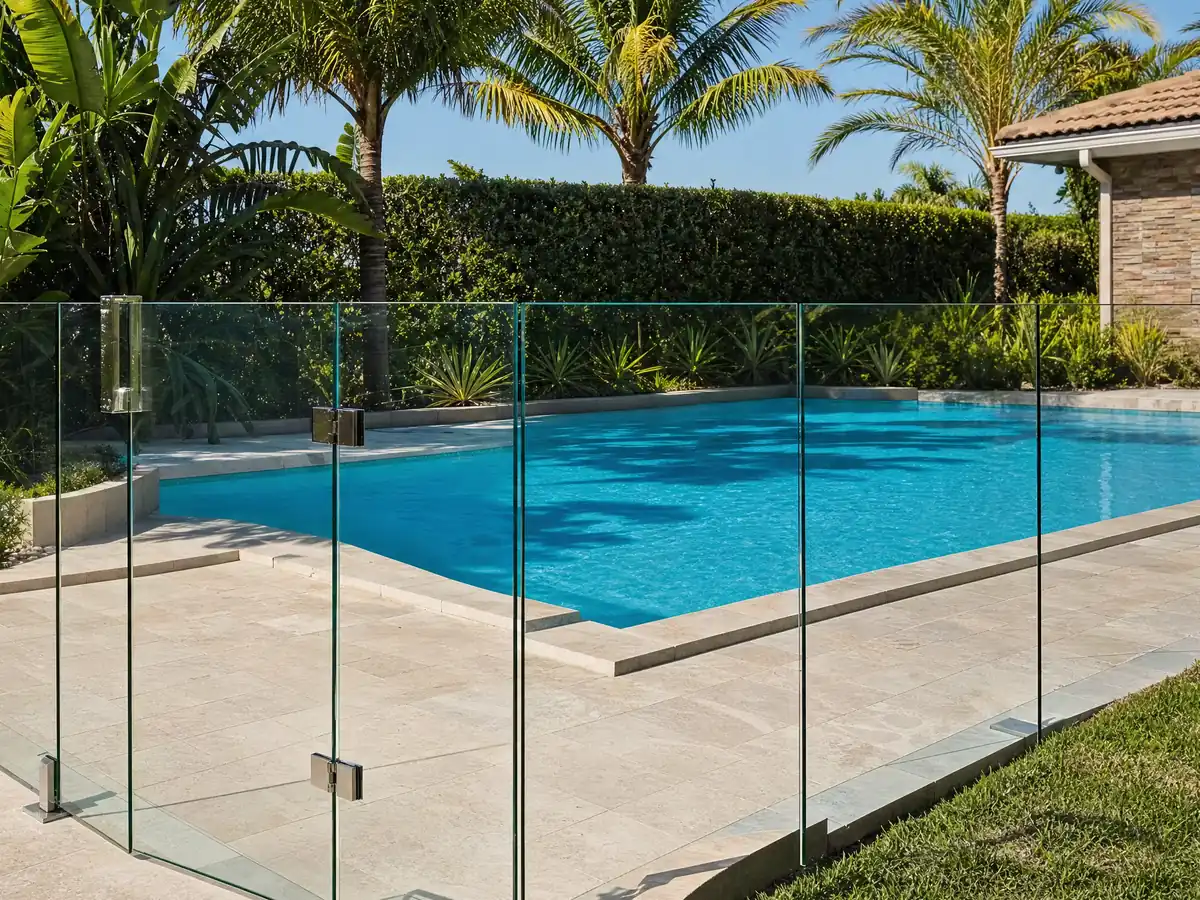
How much does fence installation cost in Burbank, and which materials are allowed?
No Burbank fence survey turned up, so we print no Burbank price. Planning ranges for Los Angeles from Angi, HomeGuide, Thumbtack and Fixr are $25 to $55 per linear foot for a 6 foot wood or vinyl privacy fence, $12 to $30 for chain link and $35 to $85 for aluminum or ornamental iron, which puts a typical 100 foot backyard run at $2,500 to $5,500. The federal wage survey for May 2025 shows fence erectors in the Los Angeles area earning a mean $28.00 an hour.
Block walls, horizontal slats, gates with openers and hillside runs have no independent price, so the written proposal must set them. Burbank's rules also narrow the choices. New chain link is out in the front yard and street-facing side yard, barbed, razor and electric wire are out everywhere, and a front wall must be finished in plaster, stucco, brick or similar. Wood is common, and the University of California's pest program says drywood termites are most common in southern California, so ask about termite-resistant lumber or concrete footers.
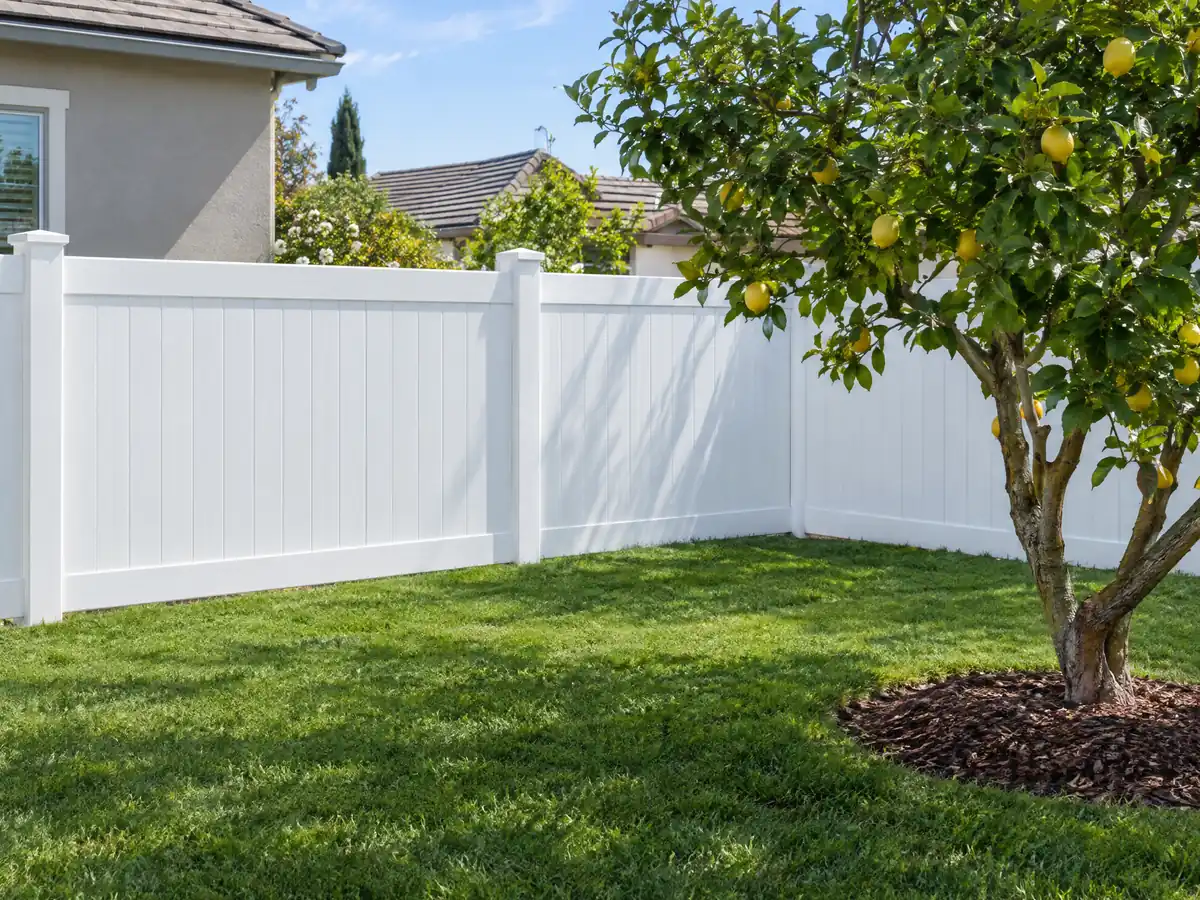
How do I choose a fence installation contractor in Burbank?
CSLB's C-13 Fencing class covers constructing, erecting, altering or repairing fences, corrals, runs, railings and gates, and it excludes masonry walls, so a block wall needs a different license. Use the contractor license check guide before you sign. Burbank's code allows a permit only for someone with a valid license for the work, and the $1,000 limit on unlicensed jobs does not apply when a permit is required.
Our model is simple. MDG manages the job and the paperwork, and a licensed fence subcontractor builds it, which our note on how general contractors use subcontractors explains. Ask every bidder these questions:
- What is the CSLB license number, and does the record match the name on the contract?
- Does the written scope state footage, height, gate count and who hauls away the old fence?
- Who files the permit if one is needed, and who sends the neighbor notice?
- Is the front yard portion open above 2 feet and finished as the code requires?
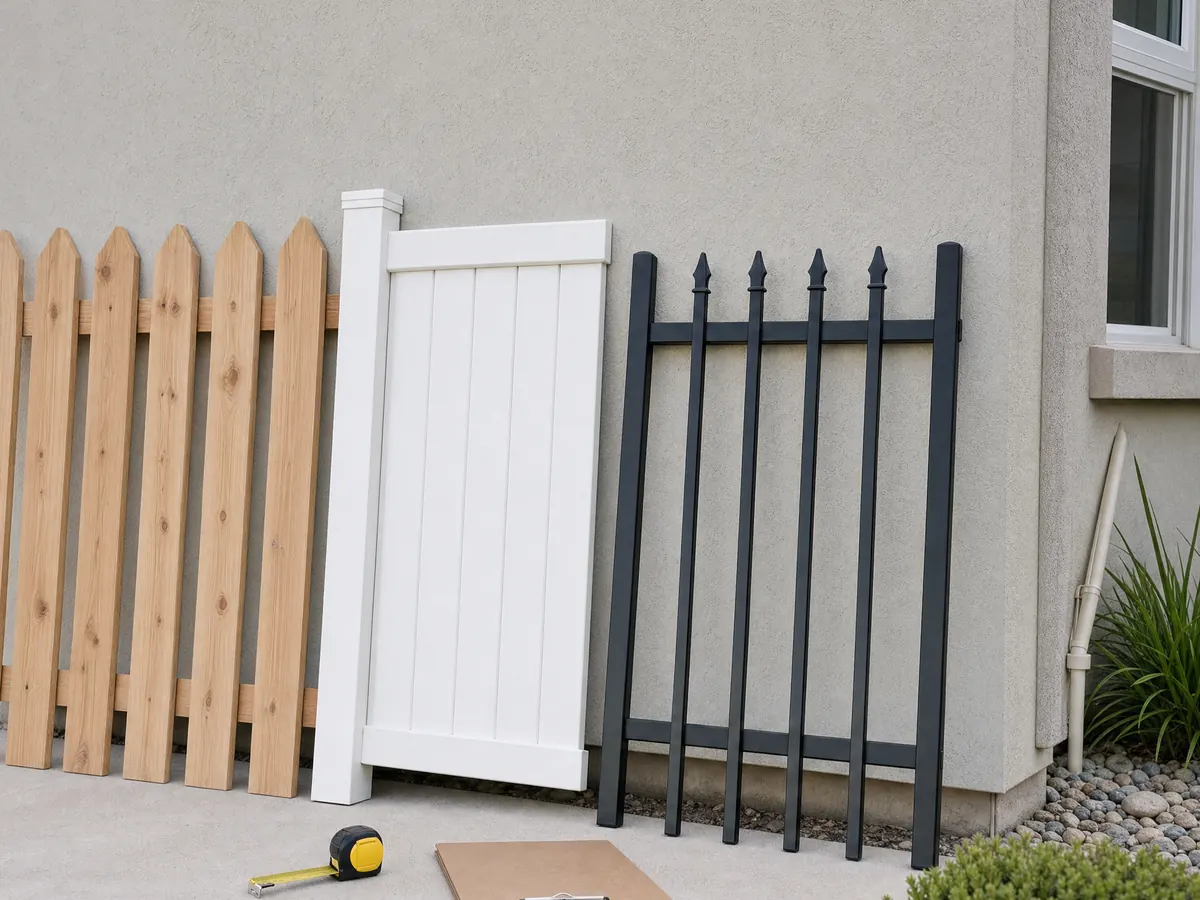
Fence and gate photos from Burbank and nearby communities
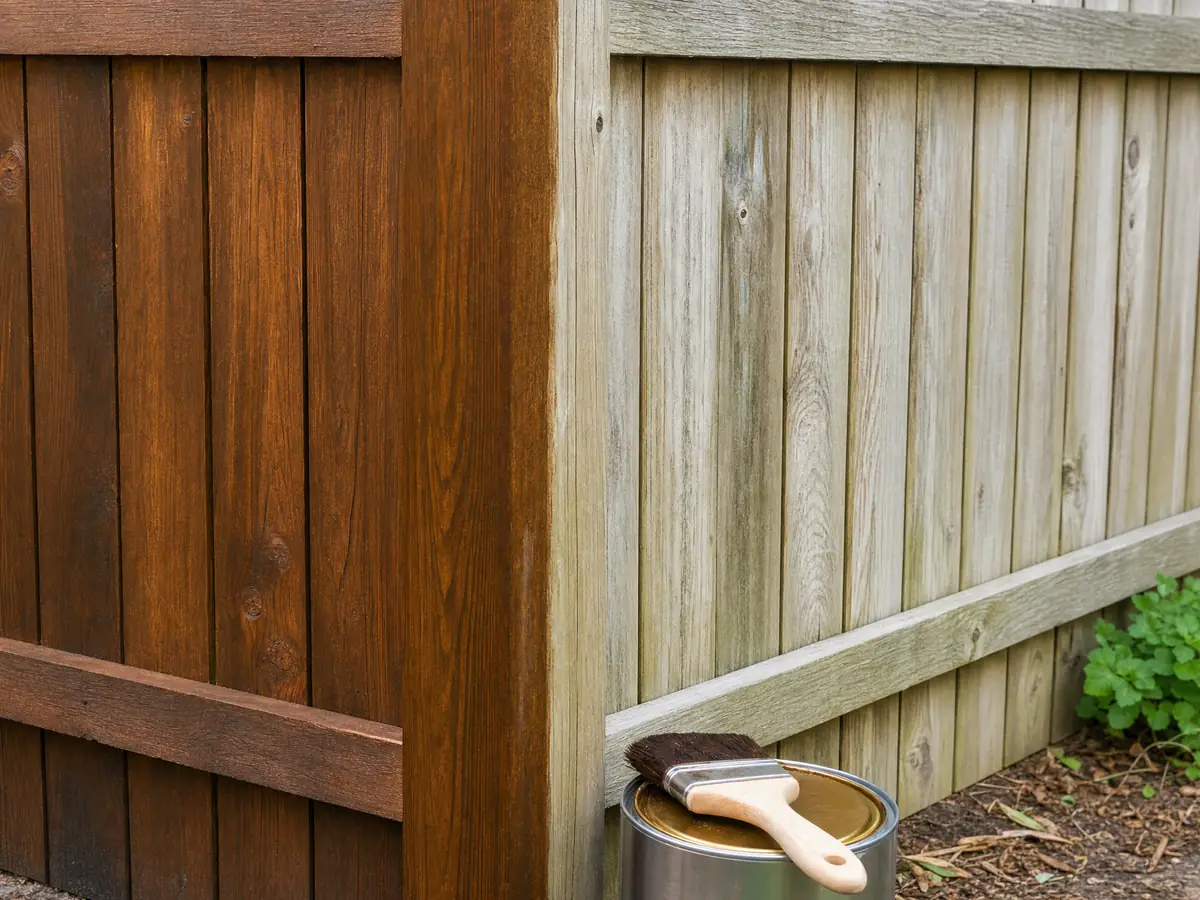
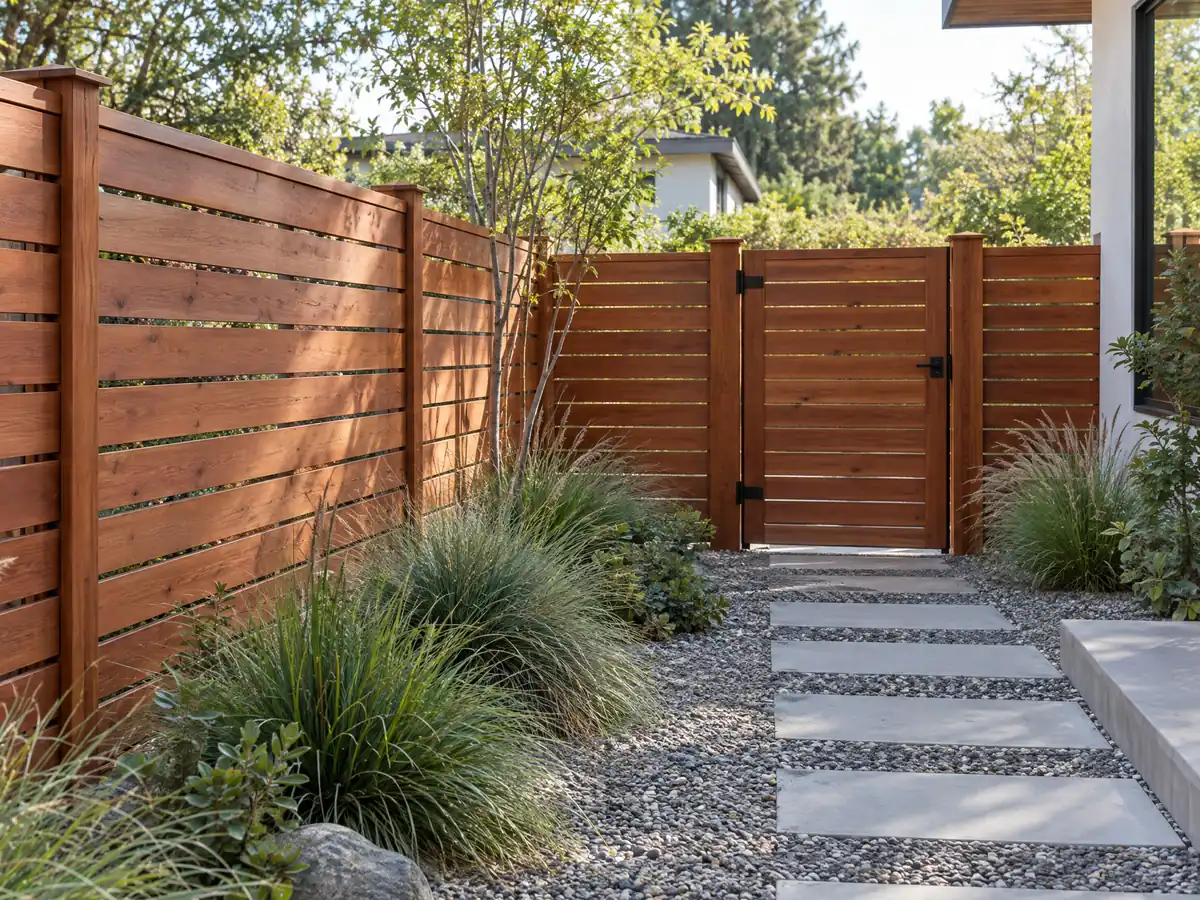
Six fence scenes tied to Burbank streets and to nearby communities such as North Hollywood and Sun Valley, from open front yard designs to pool barriers and hillside runs.

Where the fence numbers come from
The per-foot figures above are Los Angeles planning ranges, each with its source on the fencing page, and permit fees are not included in them. For work on the same property, see the Burbank guides to roofing, painting and kitchen remodeling, or the full Burbank overview. Compare Pasadena if the property sits on the other side of the foothills.
| What it covers | Typical range |
|---|---|
| Wood or vinyl privacy fence, 6 feet | $25 to $55 per linear foot |
| Chain-link | $12 to $30 per linear foot |
| Aluminum or ornamental iron | $35 to $85 per linear foot |
| Typical 100-foot backyard run | $2,500 to $5,500 total |
| Block walls, horizontal slat fences, gates and openers, hillside lots | Set by the written proposal |
Burbank fence questions, answered
How much should I pay for fence installation in Burbank?
Plan on $25 to $55 per linear foot for a 6 foot wood or vinyl privacy fence, using Los Angeles sources, which puts a 100 foot backyard run at about $2,500 to $5,500. We found no Burbank survey. Chain link costs less at $12 to $30 a foot, and ornamental metal costs more at $35 to $85.
How tall can a fence be in Burbank?
In an R-1 zone the table allows 4 feet in the front yard, open above 2 feet, 6 feet in a street-facing side yard, and 8 feet elsewhere, with hedges to 6 feet in front and 12 elsewhere. The table and the code text disagree on the street-side wording, so confirm a corner lot with Planning.
Do I need a permit to build a fence in Burbank?
Not for a fence up to 7 feet measured from the bottom of the footing, according to the City's exempt-work list. Zoning still applies, though, including setbacks and the front yard open design rule. Taller fences, retaining walls over 4 feet and pool barriers should be confirmed with Building & Safety first.
What are the new fence rules in California in 2026?
We found no single new statewide fence law to cite for 2026. What changed on our sources is contract and license law: the unlicensed work limit is $1,000 and Business and Professions Code 7159 was amended effective January 1, 2026. In Burbank, the 2025 building code took effect January 1, 2026.
Does my neighbor have to pay for half the fence in California?
Usually, yes. Civil Code 841 presumes adjoining owners share equally in the reasonable cost of a fence that divides their lots, unless they agreed otherwise in writing. Before incurring costs, give each affected neighbor 30 days' written notice describing the problem, the fix, the estimate, the cost split and the timeline.
Can I put a chain link fence in my Burbank front yard?
Not a new one. Section 10-1-603(H) bans new chain link in front yards and street-facing side yards after February 23, 2017. A fence that was legal before that date is not subject to the newer standards, but a replacement is. Open metal or wood designs that meet the 50 percent rule are the usual alternative.
What if I don't get a permit for my fence in Burbank?
If the fence needed a permit, Section 9-1-1-109.4 requires a special investigation and an investigation fee equal to the permit fee, collected in addition to the permit fee whether or not a permit is then issued. A fence under 7 feet that meets zoning needs no building permit at all.
What is the cheapest fence to install in Burbank?
Chain link has the lowest per-foot range in our sources, at $12 to $30 for Los Angeles, but Burbank bans new chain link in the front yard and street-facing side yard. Behind the house it remains available, so the cheapest legal choice depends on which side of the house the fence stands.
How do I choose a fence company in Burbank?
Look up the CSLB license, which for fencing is class C-13, and check that a block wall is not being sold under a fence license. Then get a written contract that follows Business and Professions Code 7159, with a down payment capped at $1,000 or 10 percent, whichever is less.
Plan your fence project in Burbank
Send the address, the length you want to enclose and whether any of it faces the street or sits beside a pool. We check the zone and the front yard rules before we call back.