
Fence Companyin San Fernando, CA
A fence company in San Fernando starts at Planning: every new or altered fence, wall or gate needs an application first, and a building permit follows above 6 feet or for any masonry. Front and corner street-side fences stop at 4 feet, side and rear fences reach 6, and chain link is banned in front and side yards.
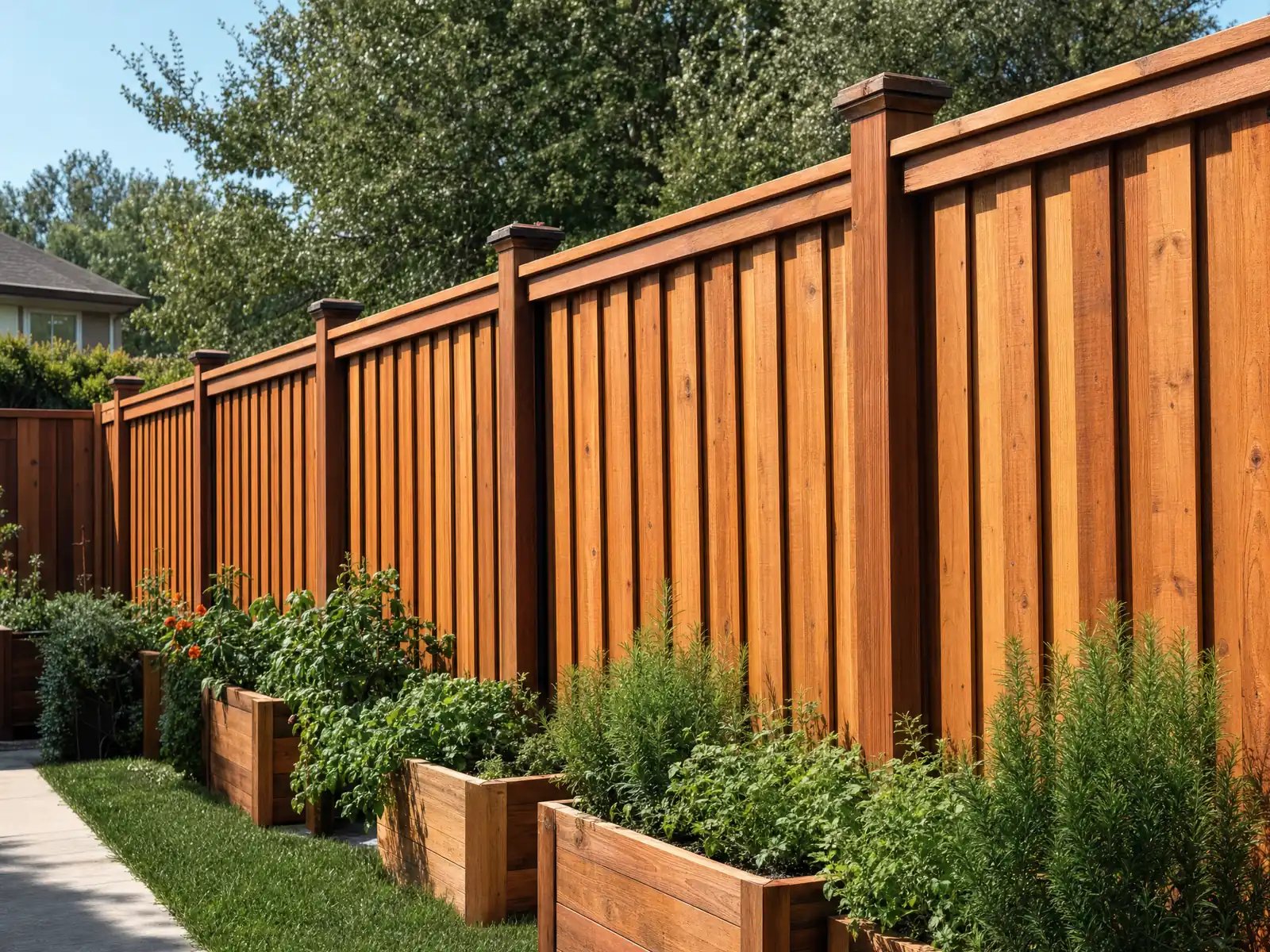
Fences in San Fernando fence in small, old lots. The Census Bureau's 2024 five-year estimates count 4,804 detached houses among 6,613 housing units in a city of about 2.4 square miles, platted in 1874 and surrounded by Los Angeles. The City's survey says tract houses filled the north and northwest from 1946 to the late 1960s, so many boundary lines have carried a fence for sixty years or more. The Zoning Code treats upkeep as a duty: fences and walls must be kept in good structural condition.
On a fence job, MDG Builders (CSLB #1040337) measures the lot, prepares the Planning application and runs the schedule, while licensed subcontractors build: a C-13 fencing contractor for wood, vinyl and iron, and a masonry contractor for block. Our fencing page holds the sourced prices, the San Fernando overview covers the other trades, and nearby cities set their own limits, as the guides for Los Angeles and Santa Clarita show.
What San Fernando's Zoning Code and fence form say about fences and walls
Where fencing permits come from in San Fernando: City of San Fernando Community Development Department, Building & Safety Division.
- Under Zoning Code Section 106-378, anyone erecting or substantially altering or repairing a fence, wall or security gate must first submit an application to the Planning Division and get Planning approval, with a scaled site plan showing property lines, height, location, materials and finish. A fence, wall or gate over six feet, or one with masonry components such as walls or pillars, also needs a building permit from the Building Division. The City's Walls and Fences application (Form CDD-024.5, 07/2026) asks for a plot plan, says a masonry wall needs a building permit, and prints a total fee of $142.80.
- The City's fence form states residential height limits for R-1, R-2 and R-3 zones: in a required front yard or street-facing side yard on a corner lot a fence, wall and fence combination or hedge may not exceed 4 feet; the wall part of a combination may be at most 2 feet with the part above it non-view-obscuring (50 percent visibility); front yard fences must be non-view-obscuring, except side yard fences within the front setback of an interior lot; side and rear yard fences or walls may reach 6 feet, and coyote rollers may be added above 6 feet.
- The City's Objective Design Standards repeat those residential height limits (section 5.3.2) and add that pedestrian gateways may have a maximum of 7 feet of clearance, that decorative elements such as pillars may exceed the height limit, that a retaining wall plus a fence above it may not exceed the freestanding limit for the setback area, and that all walls must stand on privately owned property. The City's fence form prints an 8 foot gateway clearance instead, so confirm with Planning.
- Zoning Code Section 106-374 prohibits chain link in any front or side yard (except temporary construction fencing), bans electrical current, razor ribbon or wire, barbed wire, concertina ribbon and broken glass, requires address numbers to be visible if a fence blocks the view of them, requires pools and spas to be fenced under the building code, and measures an interior property line fence from the higher natural grade of the two lots. The Director can approve heights above the limits through the Modifications division (Article V, Division 9).
- Zoning Code Section 106-377 requires a sight clearance triangle at corner lots of at least 20 feet along the right-of-way from the intersection (10 feet at alleys) and 10 feet at single-family driveways (20 feet for commercial and multifamily), where only a non-view-obscuring fence or a hedge up to 30 inches is allowed.
- The City's fence form says a block wall must be architecturally treated on both sides (for example stucco or split-face block), that plain or colored concrete block is allowed only if coated with colored stucco or another approved finish, and that fences must be made of materials generally used for fencing such as masonry, hedges, wood, brick, vinyl, or ornamental tubular steel or wrought iron, with a finished material.
- Zoning Code Section 106-376 requires every solid wall or fence facing the public right-of-way to be coated with two layers of permanent anti-graffiti coating, and requires fences and walls to be maintained in good structural condition.
- A fence or wall on a shared property line needs consent. The City's Common Property Line Fence/Wall Agreement says all affected owners must sign, footings go equal distance on either side of the line, owners must match the City's permit records (or supply a recorded grant deed), and the agreement is not a line certification, so a licensed surveyor or civil engineer should locate the line.
How tall can a fence be in a San Fernando front, side or back yard?
The City's Walls and Fences application states the limits for R-1, R-2 and R-3 lots. In a required front yard, or the street-facing side yard of a corner lot, a fence, a wall, a combination of the two or a hedge may not exceed 4 feet. A combination may have a wall no taller than 2 feet with the part above it at least 50 percent open to view. Front yard fences have to be non-view-obscuring, except side yard fences that sit inside the front setback of an interior lot.
Side and rear yard fences or walls may reach 6 feet, and coyote rollers can go on above that. A fence on an interior property line is measured from the higher natural grade of the two lots, which matters on a sloping block. Taller fences are not flatly banned: the Director can approve more height through the Modifications division (Article V, Division 9), and anything above 6 feet needs a building permit as well.
- Front yard: 4 feet, open to view
- Corner lot, street side: 4 feet
- Side and rear yards: 6 feet
- Above 6 feet: building permit, plus approval for the extra height
Have the fence company measure from the higher grade and draw the height on the site plan before ordering posts.
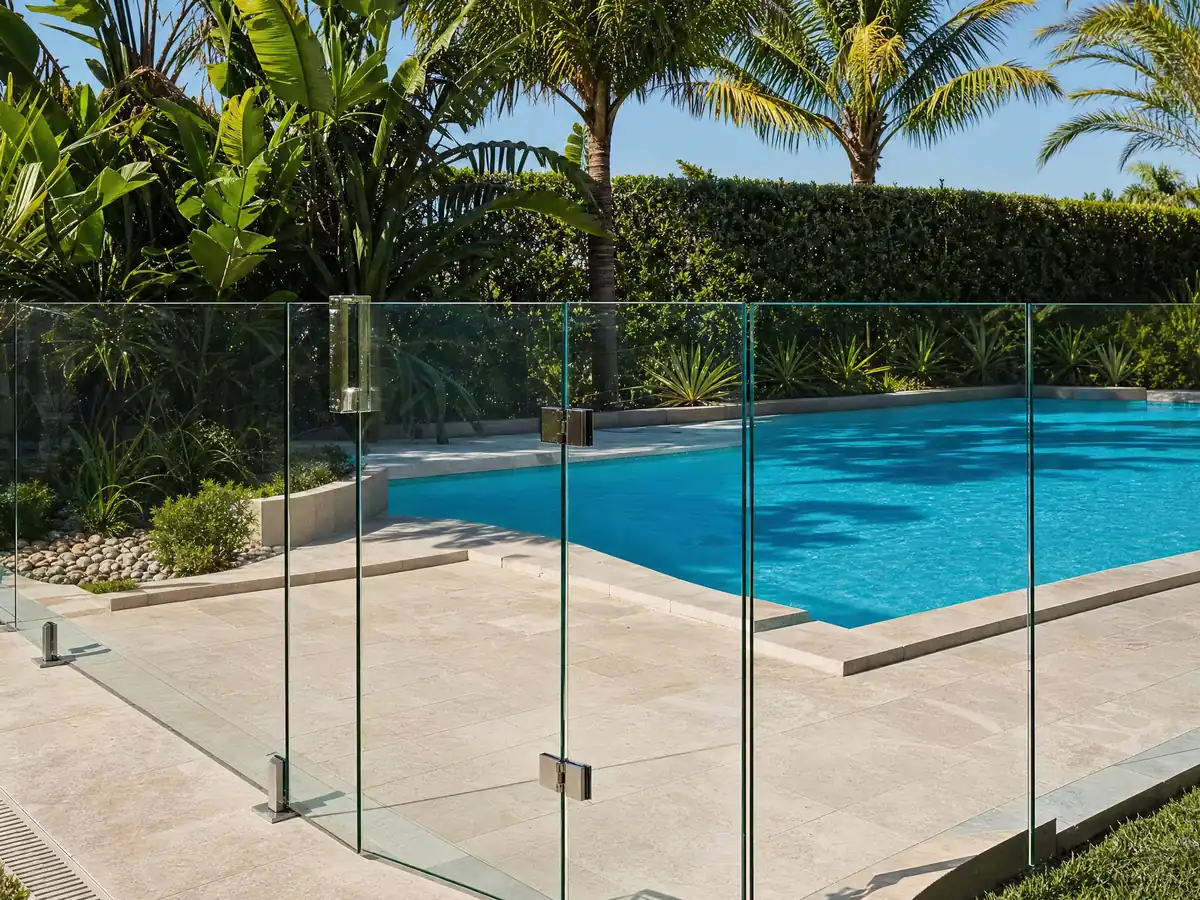
Do I need a permit to build a fence in San Fernando?
Yes, Planning approval at least. Zoning Code Section 106-378 says anyone building, substantially altering or repairing a fence, wall or security gate must apply to the Planning Division first, with a scaled site plan showing property lines, height, location, materials and finish. A fence or gate over 6 feet, or any fence with masonry parts such as walls or pillars, also needs a building permit from the Building Division. The City's form (CDD-024.5, dated 07/2026) prints a total fee of $142.80.
The state's permit-exempt list, as the City of Albany excerpts it from the 2025 code, exempts fences up to 7 feet and retaining walls up to 4 feet measured from the bottom of the footing. San Fernando's local rule is stricter on both counts, because Planning reviews every fence.
Our section numbers come from the Chapter 106 PDF posted on the City's General Plan page, after the Council approved the Zoning Code Update on June 15, 2026. The City's code host, Municode, would not load for our tools and we could not confirm the update's effective date, so check a section number with Planning before relying on it.
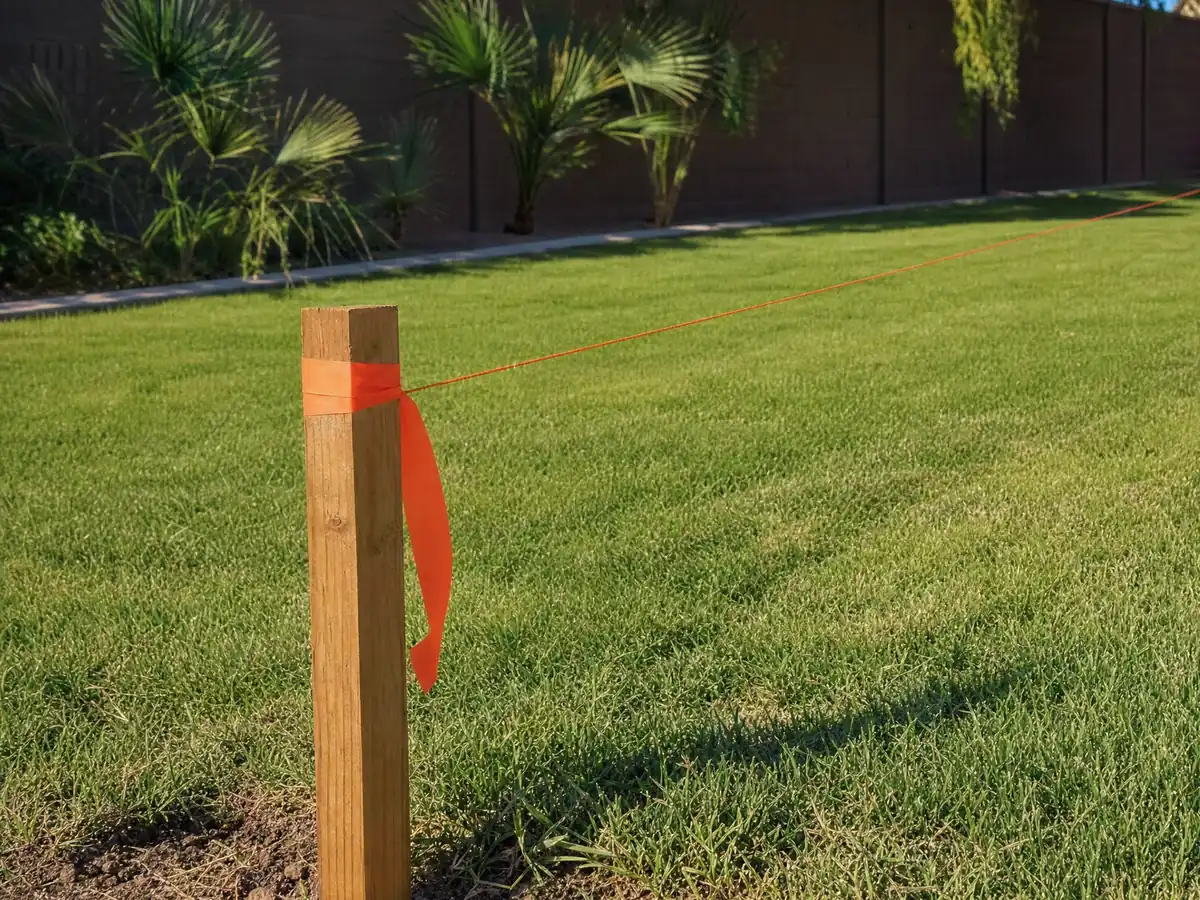
What is the sight triangle rule for a corner lot or driveway fence in San Fernando?
Section 106-377 keeps a clear triangle at corners. Along the right-of-way, at least 20 feet from the intersection of the two streets (10 feet where an alley meets a street), only a non-view-obscuring fence or a hedge no higher than 30 inches is allowed. Single-family driveways get the same treatment 10 feet back on each side, and commercial or multifamily driveways 20 feet.
That rule can pull a solid fence back from the corner even when the 4 foot street-side limit would permit it. The Code also asks that address numbers stay visible if a fence blocks the view of them, so a new front fence should leave the numbers readable from the street.
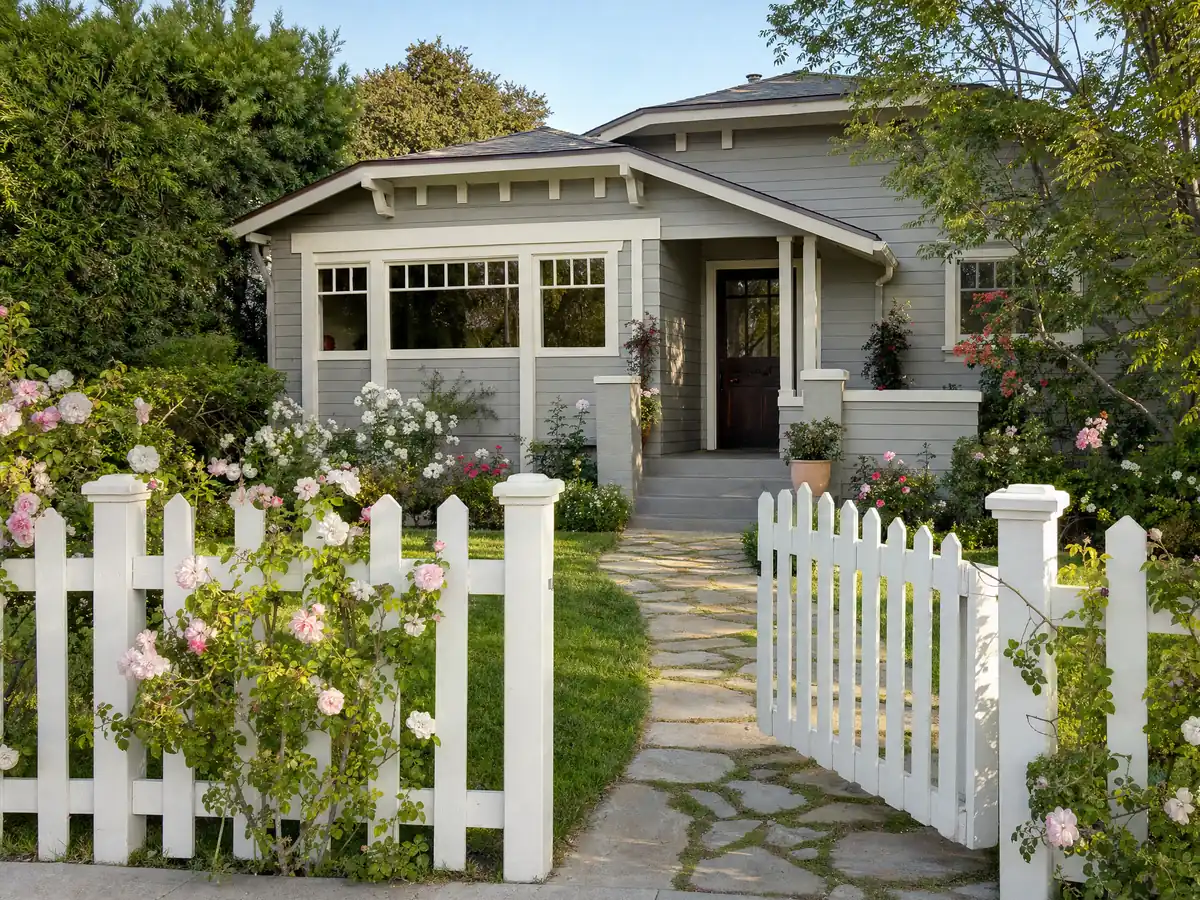
How tall can a driveway or pedestrian gate be in San Fernando?
The City's own documents disagree, so ask before building. The June 2026 Objective Design Standards repeat the residential height limits in section 5.3.2 and say pedestrian gateways may have at most 7 feet of clearance, while decorative elements such as pillars may rise above the limit. The City's fence form prints an 8 foot gateway clearance instead. We cannot tell you which governs, and a gateway is a plain place for a Planning correction to land.
The standards' reach is also unclear for a lone fence. Their scope section covers new residential projects, substantial renovations and accessory dwelling units, yet the fence section is worded for all residential development, and the fence form applies its heights to R-1, R-2 and R-3 with no stated limit. Gates are named in Section 106-378, so a security gate needs the same Planning application as the fence around it.
Ask Planning to state the gateway clearance in writing and have the number put on the gate drawing.
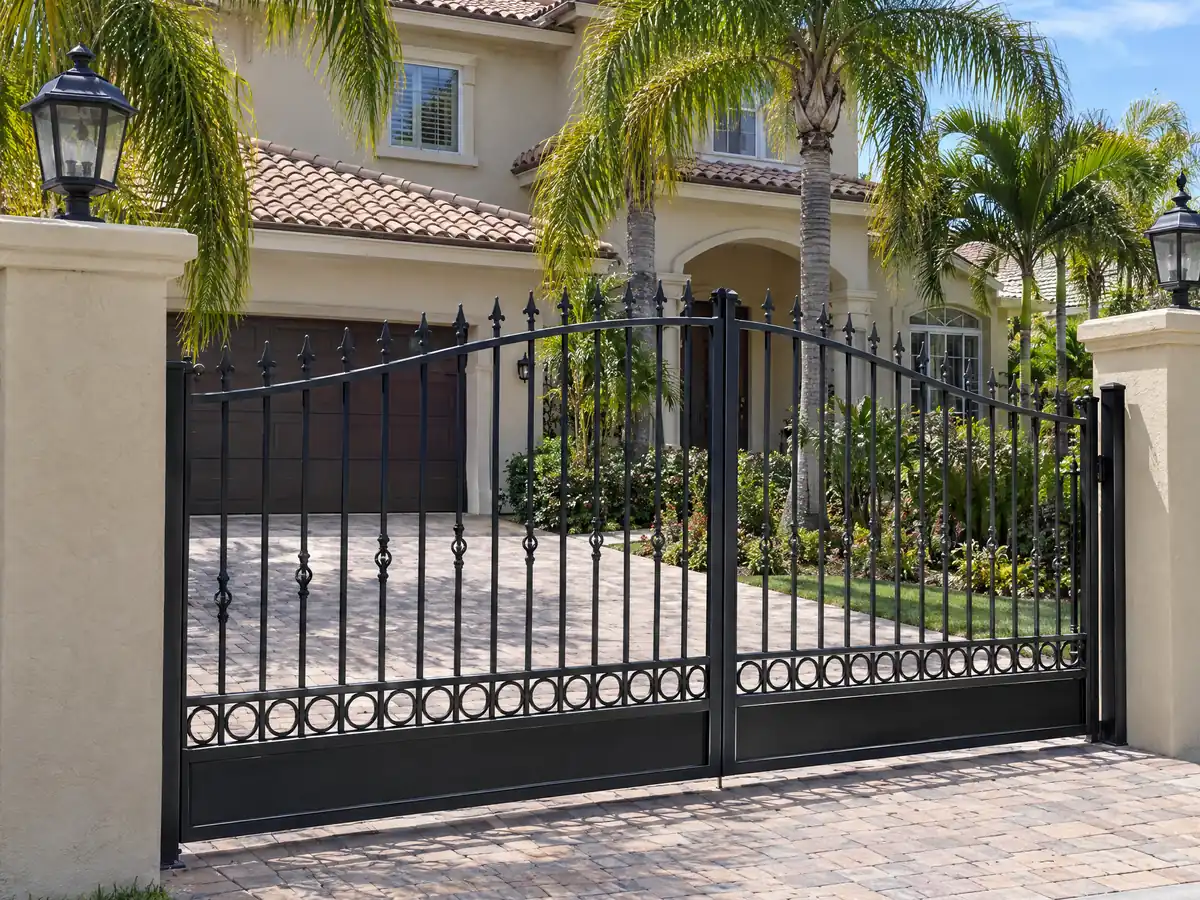
Is chain link allowed in San Fernando, and what must a block wall look like?
Chain link is barred from any front or side yard under Section 106-374, with an exception for temporary construction fencing. The same section bans electrical current, razor ribbon or wire, barbed wire, concertina ribbon and broken glass. The City's form lists the usual materials as masonry, hedges, wood, brick, vinyl, and ornamental tubular steel or wrought iron, all with a finished surface.
Block needs dressing. The form says a block wall must be architecturally treated on both sides, such as with stucco or split-face block, and that plain or colored block is allowed only when coated with colored stucco or another approved finish. Under Section 106-376, every solid wall or fence facing the public right-of-way must also carry two layers of permanent anti-graffiti coating.
CSLB's C-13 fencing class excludes masonry walls, so a block wall is a masonry contractor's job, and the Objective Design Standards add that all walls must stand on privately owned property. Pools and spas must be fenced under the building code, which the Zoning Code points to without restating, and we did not read the barrier details.
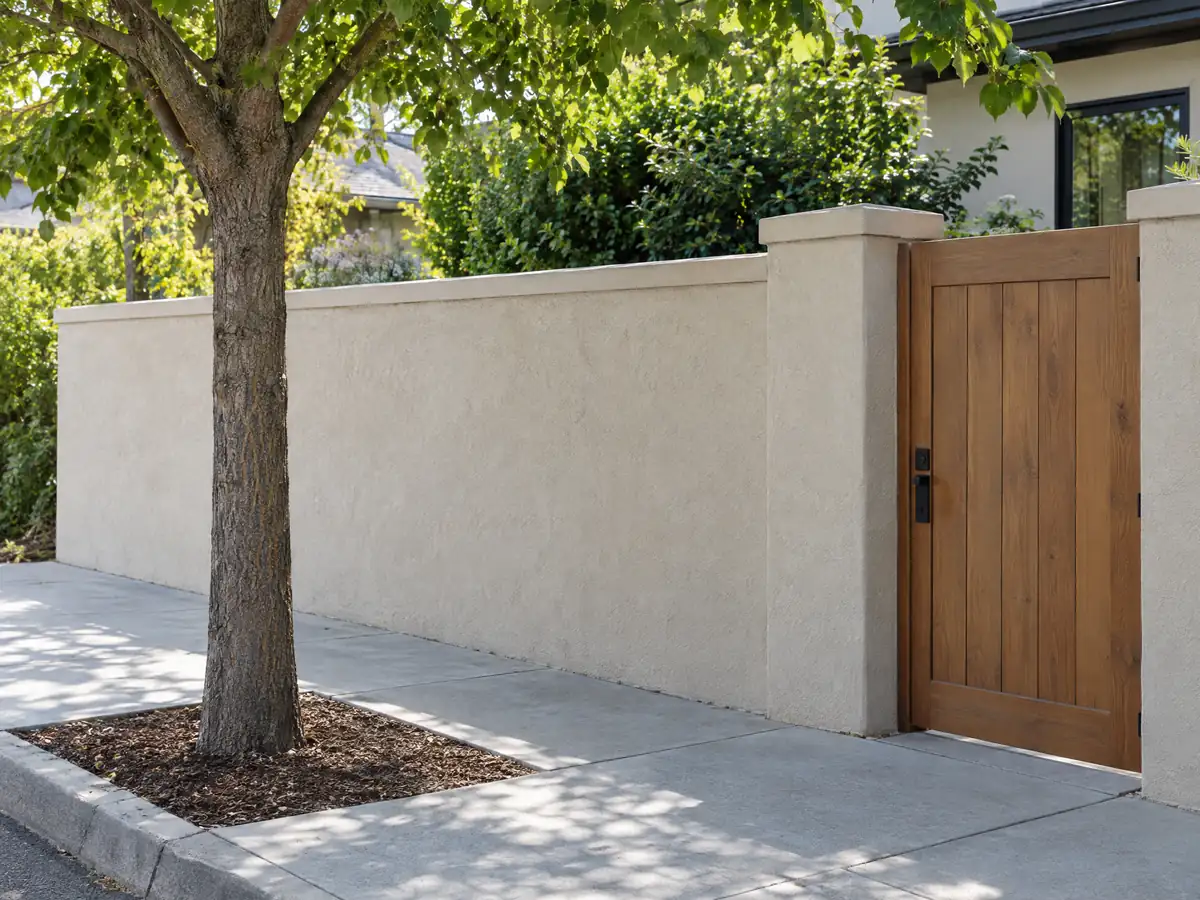
Who has to sign for a shared fence, and what about trees near the line?
A fence on a shared line needs consent. The City's Common Property Line Fence/Wall Agreement requires every affected owner to sign, puts the footings an equal distance on both sides of the line and asks owners to match the City's permit records or provide a recorded grant deed. It is not a line certification, so a licensed surveyor or civil engineer should locate the boundary. Who pays is a separate civil question that this page does not cover, so raise it early and write the deal down.
Mature trees add a rule. Section 106-350 protects heritage, protected and native trees on private property: a barrier goes up at two times the trunk diameter, up to 15 feet, no fill goes within 3 feet of the trunk, soil under the drip line stays uncompacted, and a tree that dies from construction is replaced with two 15 gallon trees. Post holes and footings near a mature trunk fall under that rule.
A retaining wall with a fence on top adds a combined limit, because the Objective Design Standards say the two together may not exceed the freestanding limit for that setback area.
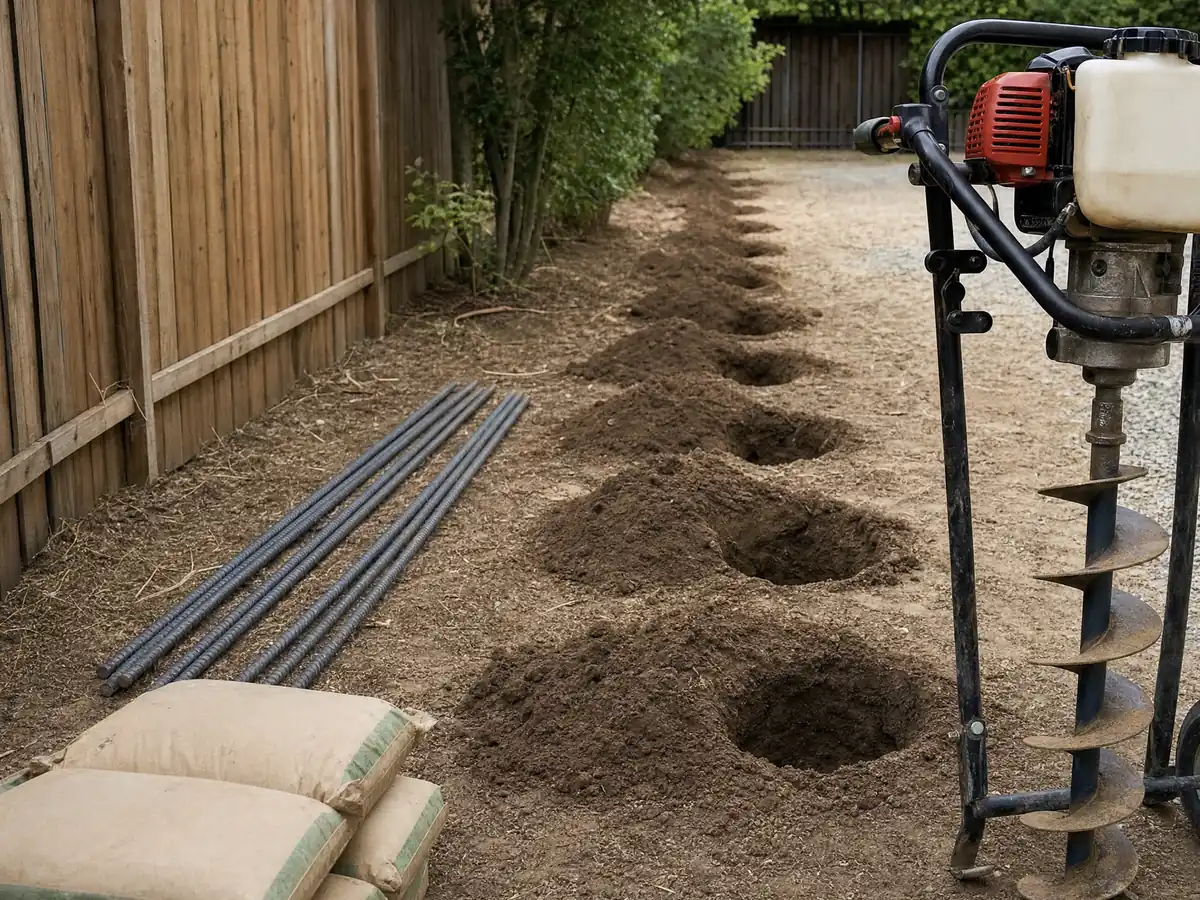
How much does fence installation cost in San Fernando, and what happens when I sell?
We found no San Fernando price survey, so the figures are Los Angeles ones. Angi's page for that city, dated August 4, 2026, shows $15 to $60 per foot, averaging $29, and $2,100 to $2,350 for 100 feet. HomeGuide, Thumbtack and Fixr give overlapping ranges, and a May 2025 federal wage survey puts the area's fence erector at a mean $28.00 an hour. We read that as about $25 to $55 per linear foot installed for a 6 foot wood or vinyl fence, $12 to $30 for chain link in a rear yard, $35 to $85 for aluminum or ornamental iron, and $2,500 to $5,500 for a 100 foot backyard run. No block wall price source held up, so we print none.
The City's Pre-Sale Inspection Program is the reason to keep the paperwork. Sellers must apply in person at City Hall and obtain a report of the City's records for the structure and any code violations an inspector finds, so a fence built without Planning approval can surface at sale. The resale application (CDD-44.3, 07/2026) prints a $345 fee and asks for the contractor's state license number and class. See our license checking guide before you sign.
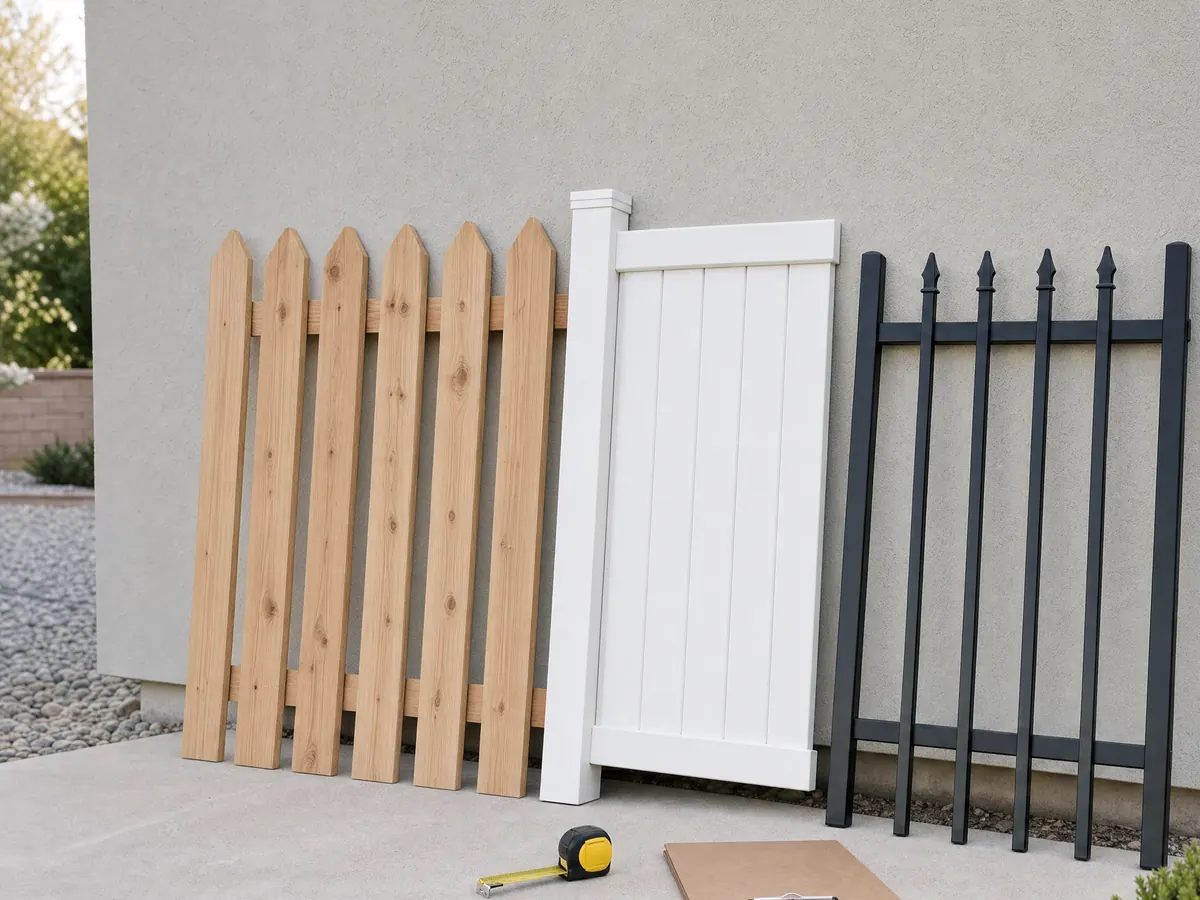
Fence photos from San Fernando and nearby communities
Six fencing scenes tied to San Fernando blocks and to nearby places such as Sylmar, Pacoima and Arleta, from open iron fronts and corner lot gates to solid backyard runs and block walls.
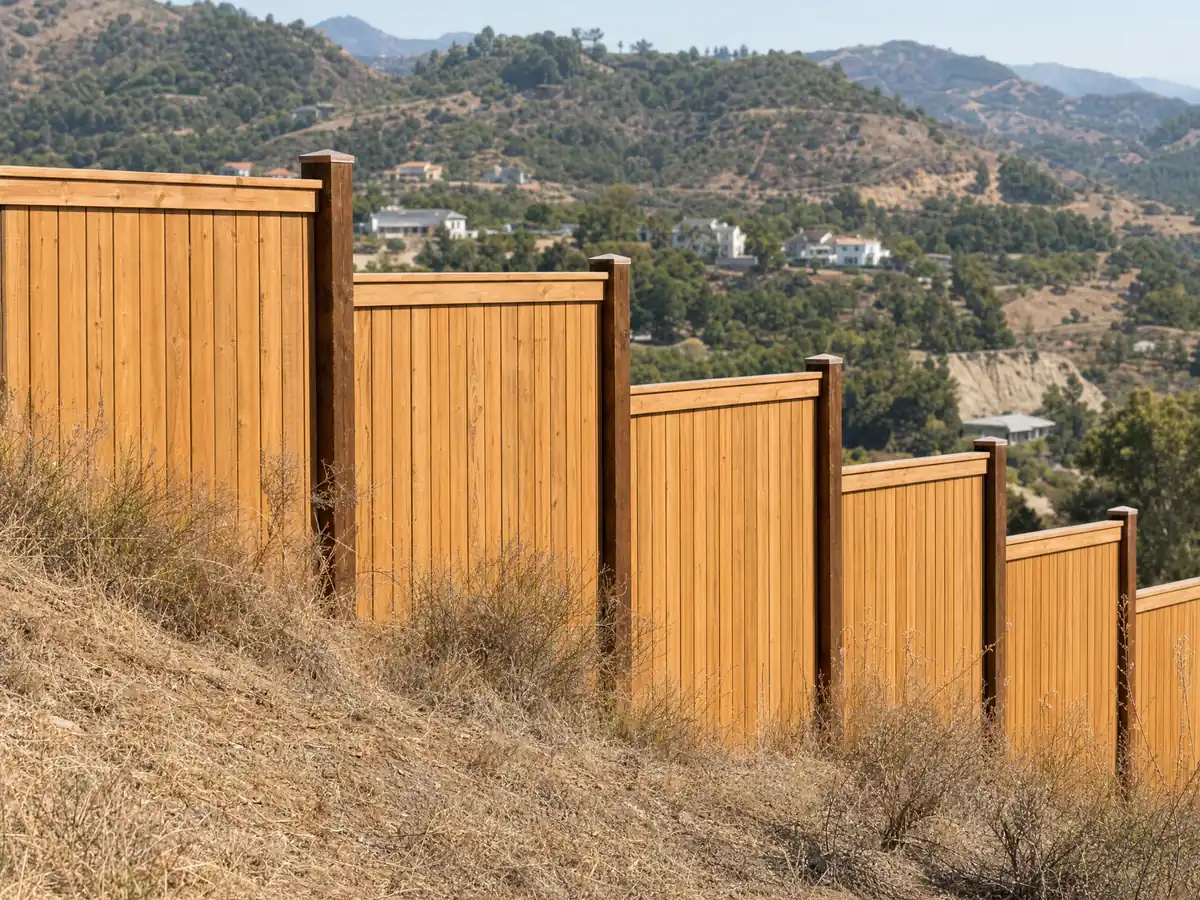
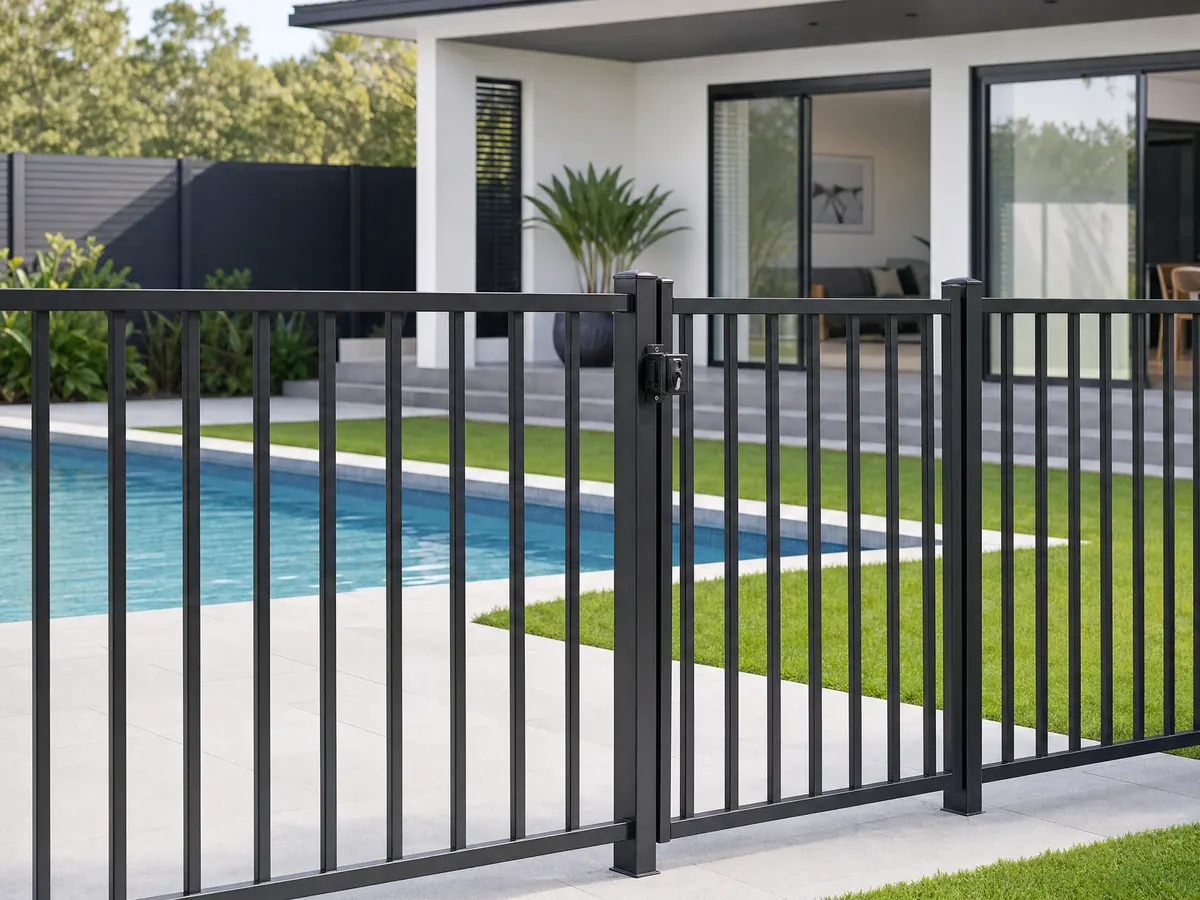
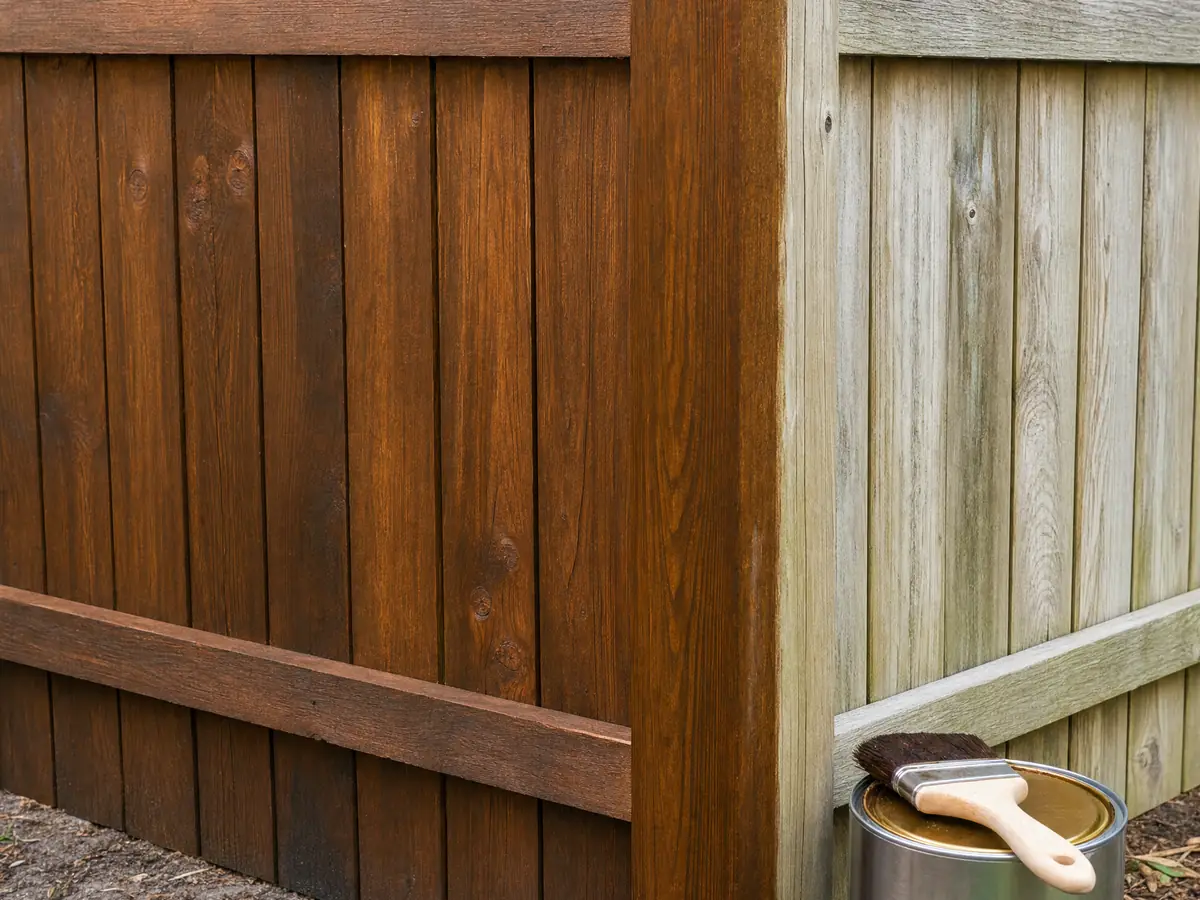
Where these San Fernando fence figures come from
Our fencing price page lists every fence price beside its source, and our guide to how general contractors use subcontractors explains who builds what. A new fence often goes up with other work, and the San Fernando rules for it are on the roofing page, the painting page and the kitchen remodeling page. For a hillside city to compare, read the fencing guides for Glendale and Burbank.
| What it covers | Typical range |
|---|---|
| Wood or vinyl privacy fence, 6 feet | $25 to $55 per linear foot |
| Chain-link | $12 to $30 per linear foot |
| Aluminum or ornamental iron | $35 to $85 per linear foot |
| Typical 100-foot backyard run | $2,500 to $5,500 total |
| Block walls, horizontal slat fences, gates and openers, hillside lots | Set by the written proposal |
Other work we manage in San Fernando
San Fernando fence questions, answered
How much does it cost to have 100 feet of fence installed?
About $2,500 to $5,500 for 100 feet of 6 foot wood or vinyl privacy fence, which is our Los Angeles synthesis of Angi, HomeGuide, Thumbtack and Fixr. Angi's Los Angeles page alone shows $2,100 to $2,350. Gates, slopes, old fence removal and block walls change that, and a measured written proposal is the real price.
Do I need a permit to build a fence in San Fernando?
Yes. Section 106-378 of the Zoning Code requires Planning approval before any fence, wall or security gate is built, altered or repaired. A building permit also applies above 6 feet or for any masonry part. The City's Walls and Fences form (07/2026) prints a total fee of $142.80.
Can I put a privacy fence up in my front yard?
Not a solid one. Fences in a required front yard have to be non-view-obscuring, and the City's form caps any fence, wall or hedge there at 4 feet. A wall may form the bottom 2 feet of a combination, with the part above at least 50 percent open. Side yard fences inside the front setback of an interior lot are the exception.
Can I put up a 7 foot fence in San Fernando?
Not as a matter of right. The City's form lets side and rear yard fences reach 6 feet, and anything over 6 feet needs a building permit. The Director can approve more height through the Modifications division, so ask Planning before you design a 7 foot run. The state's exemption for fences up to 7 feet does not override the City's rule.
What is the maximum height for hedges in San Fernando?
The City's form puts hedges under the same 4 foot cap as fences and walls in a required front yard or the street side of a corner lot. Inside a corner or driveway sight triangle under Section 106-377, a hedge may reach only 30 inches. Hedges in side and rear yards follow the 6 foot limit.
Does my neighbor have to pay for half the fence in California?
We left California's cost-sharing statute out of this page, so we cannot give you that answer. What the City does require is consent: its Common Property Line Fence/Wall Agreement needs every affected owner's signature and puts footings equally on both sides. Talk to the neighbor early, and put any cost agreement in writing.
What happens if I don't have a permit for a fence?
We found no San Fernando penalty schedule for fences, but the exposure is real. Section 106-378 requires approval before building, and the Pre-Sale Inspection Program has a City inspector list code violations when the house is sold. An unapproved fence can be flagged then, so confirm the status before you hire.
Is it cheaper to install a wood or vinyl fence?
Usually wood costs less up front, but the ranges overlap. Angi's Los Angeles page shows $1,600 to $2,500 for a wood fence and $1,850 to $3,400 for vinyl, while HomeGuide's per-foot ranges put vinyl higher at $30 to $60 against $20 to $50. Gates, grade and height move both, so compare written line items.
What is the maximum height of a retaining wall without a permit?
The state's model exemption list covers retaining walls up to 4 feet measured from the bottom of the footing, unless they carry a surcharge. In San Fernando any masonry wall or pillar needs a building permit, and a fence on a retaining wall cannot exceed the freestanding limit for the setback area. Ask Building and Safety about your wall.
Can I get a permit after the fence is built?
We found no provision for approval after the fact. Section 106-378 asks for Planning approval before a fence is erected, altered or repaired, so building first risks an order to change or remove it. If the work is already done, call Planning, explain what is there and ask how the City handles it.
Get a fence plan for your San Fernando lot
Tell us the street, whether the fence is front, side or rear, and whether your lot is on a corner or backs onto a neighbor's footings. We check the height table, the sight triangle and the Planning steps before we call you back.