
General Contractor in Hemet, CA
A general contractor in Hemet works with a City run Building & Safety counter and the City of Hemet Fire Department, and since August 11, 2026 every new application goes through the Tyler online portal. About 23 percent of local homes are mobile homes and the median home dates from 1984. MDG Builders, CSLB #1040337, books licensed subcontractors.
Choose a Hemet job to see what the City asks for, from fence heights to ADU clocks
Each guide below opens with the permit rule that matters most in Hemet, flags where City documents disagree with one another and treats any dollar figure as a regional range, not a quote for your property.
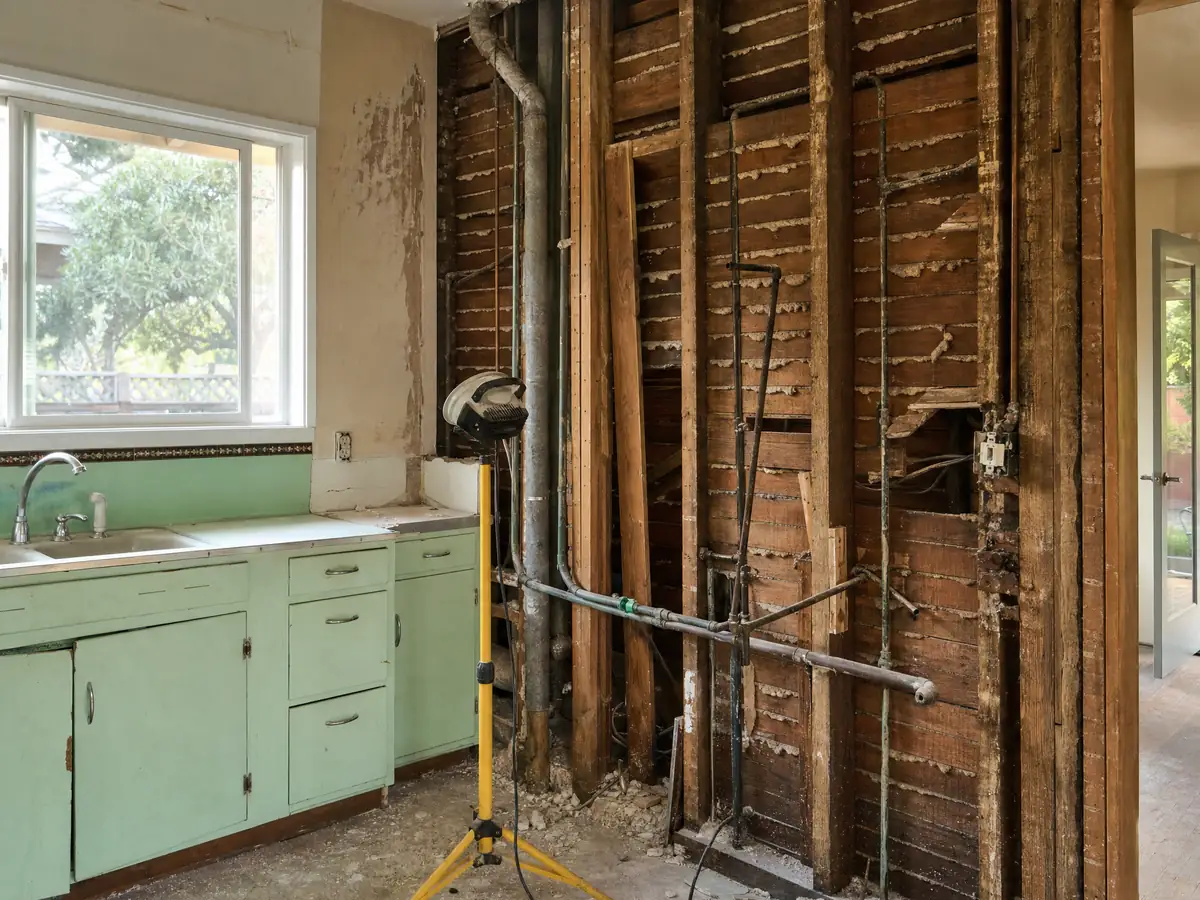
Kitchen Remodeling in Hemet
Exempt cabinets and counters, permits filed in the Tyler portal since August 11, 2026, asbestos rules for 1970s kitchens and mobile home kitchens.
See Hemet kitchen remodeling →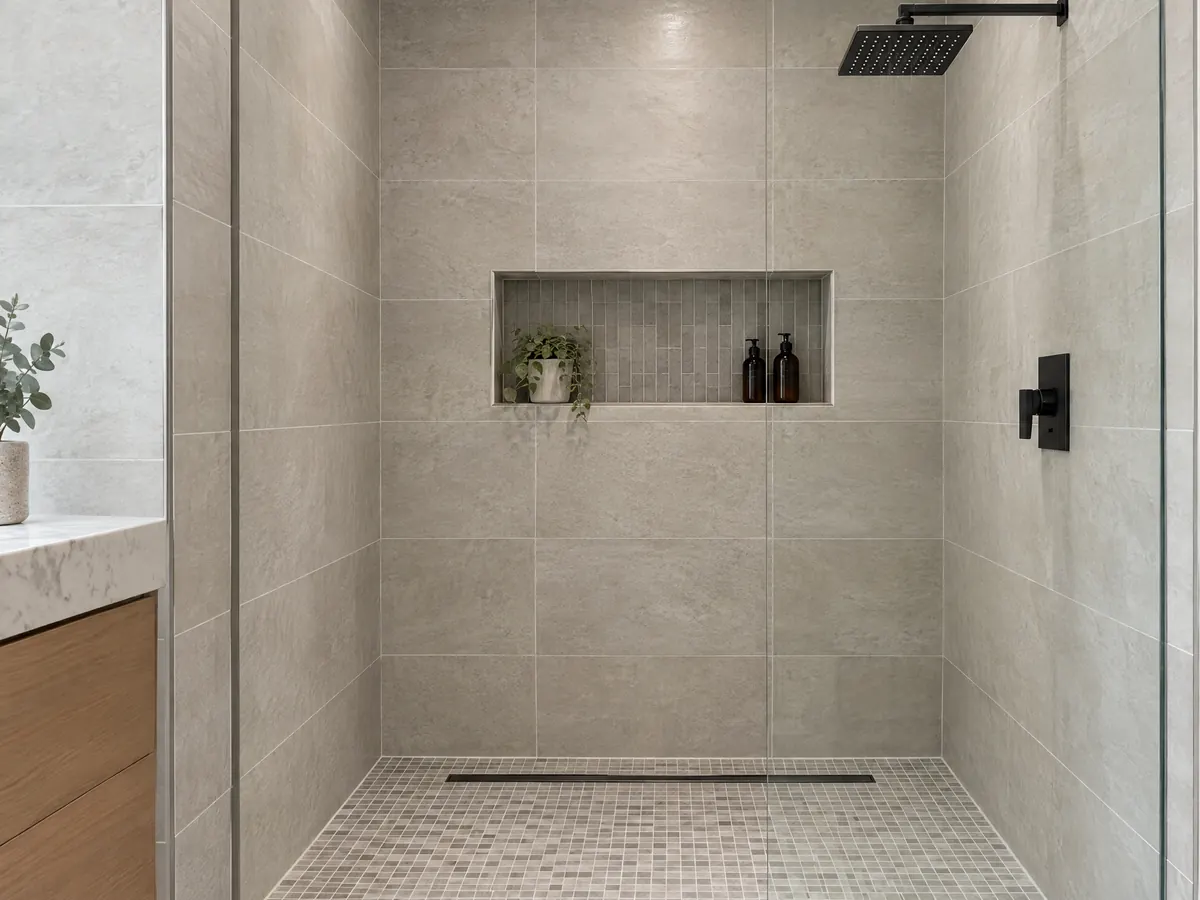
Bathroom Remodeling in Hemet
The City's bathroom handout, plumbing and wiring permits, asbestos rules, mobile home parks and 1970s baths in Hemet, plus the August 2026 online portal.
See Hemet bathroom remodeling →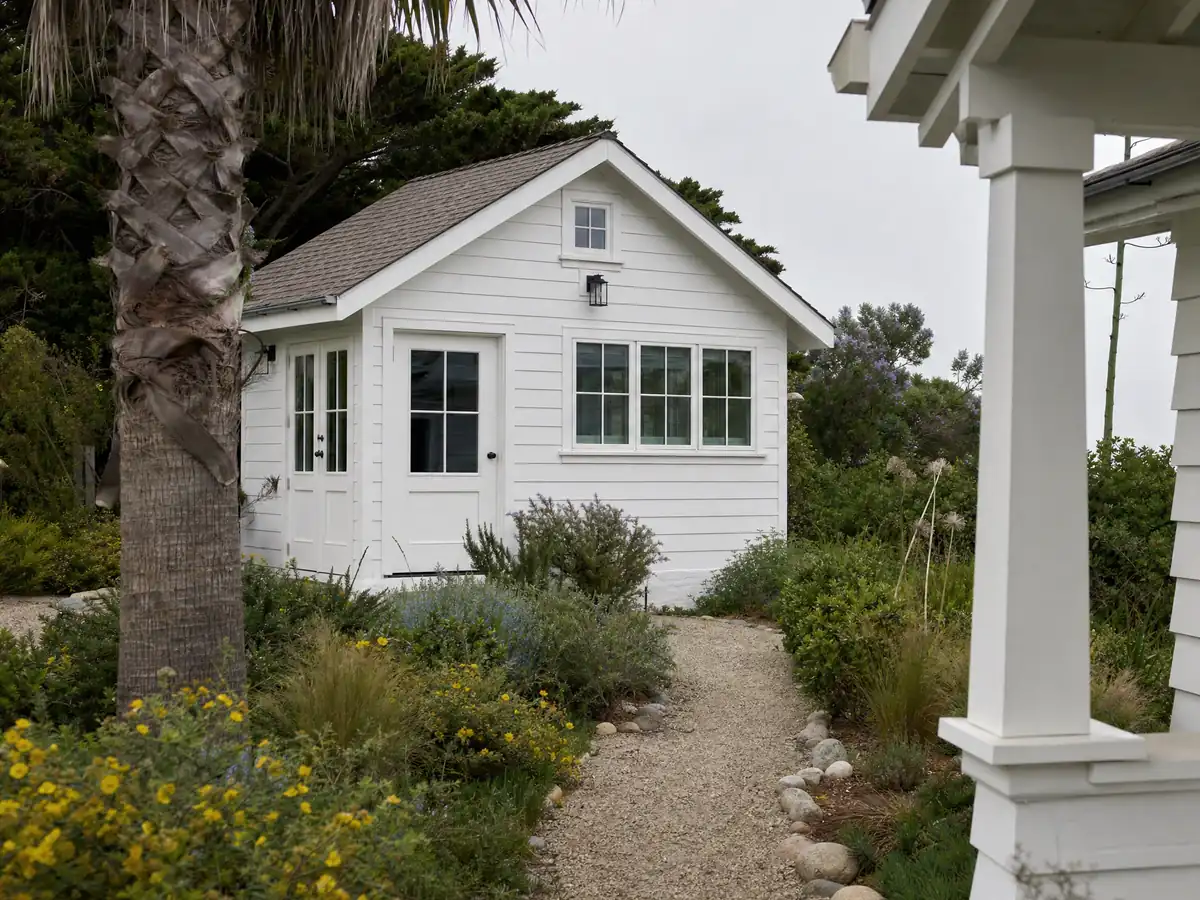
ADU Construction in Hemet
The March 2026 ordinance, four units per single-family lot, garage conversions, mobile home questions, utilities and fire zones for an ADU in Hemet.
See Hemet ADU construction →
Room Additions in Hemet
The City's addition handout, second-story privacy rules, expansive soil, fault zones, fire interface rules and mobile home questions in Hemet.
See Hemet room additions →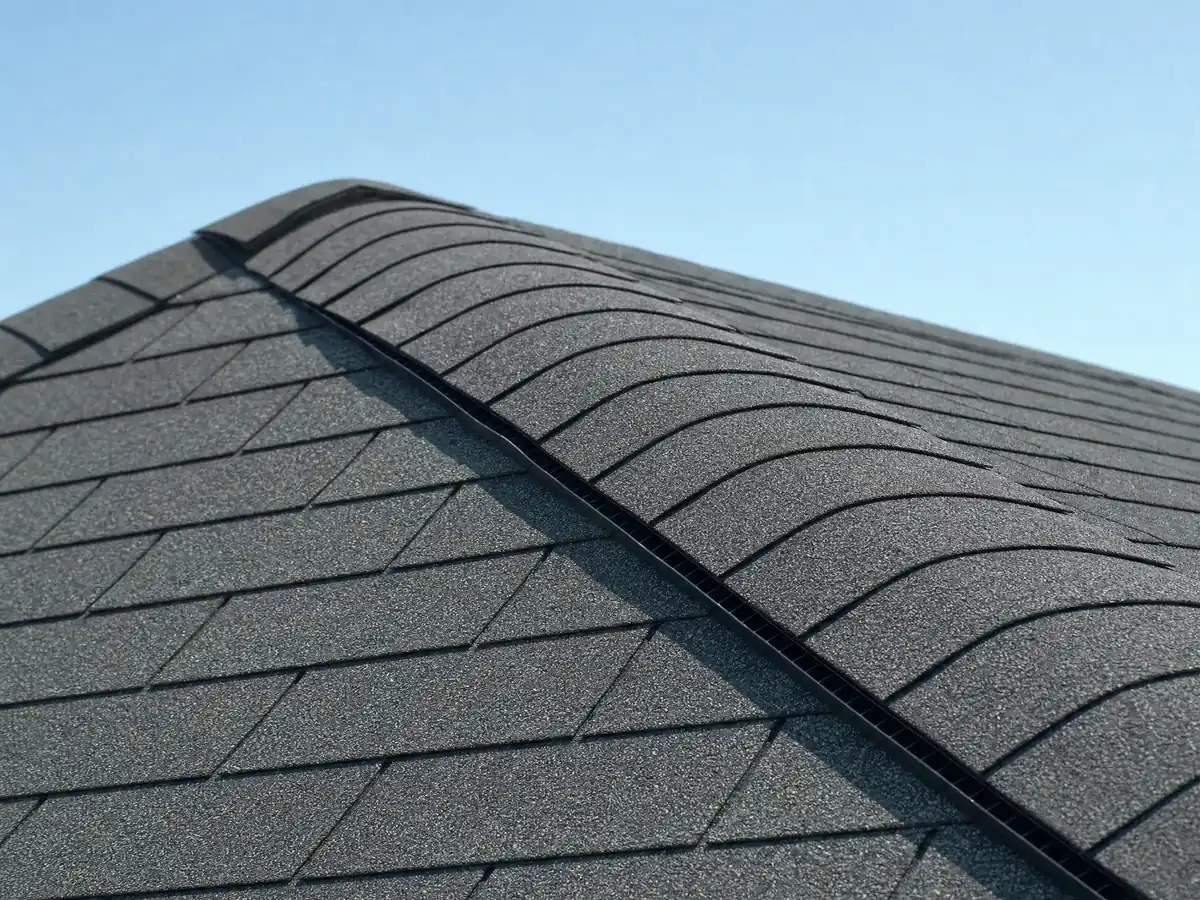
Roofing in Hemet
A permit at 100 square feet, a $250 reroof fee line, Class A roofs in fire zones, no wood shakes and a city where 23.4 percent of homes are mobile homes.
See Hemet roofing →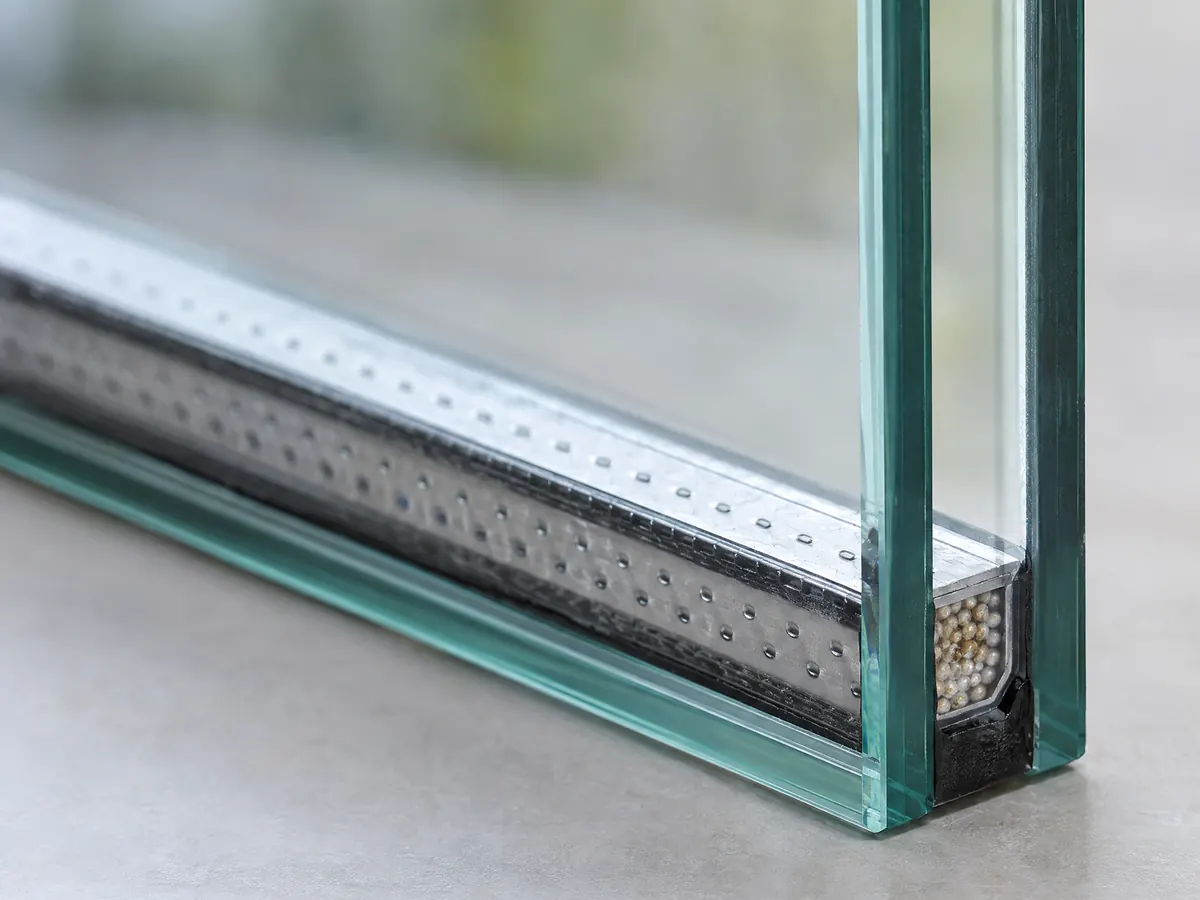
Windows in Hemet
Hemet's permit list for windows, 41 days a year at 100 F, interface-zone glass, second-story privacy sills and lead-safe work in older homes.
See Hemet window replacement →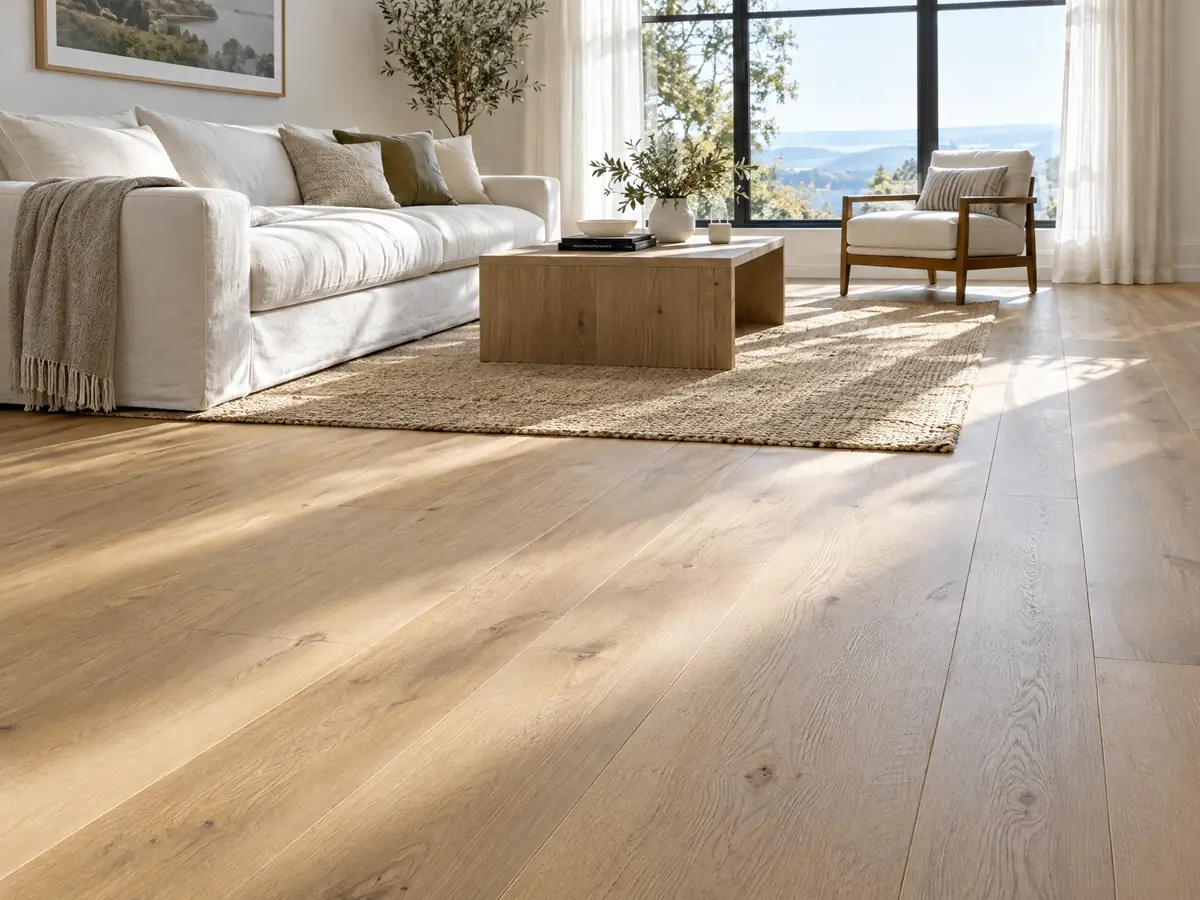
Flooring in Hemet
Valley soils and slabs, asbestos checks, downtown houses, mobile homes, garage ADU floors, permit-exempt finish work and flooring costs in Hemet.
See Hemet flooring →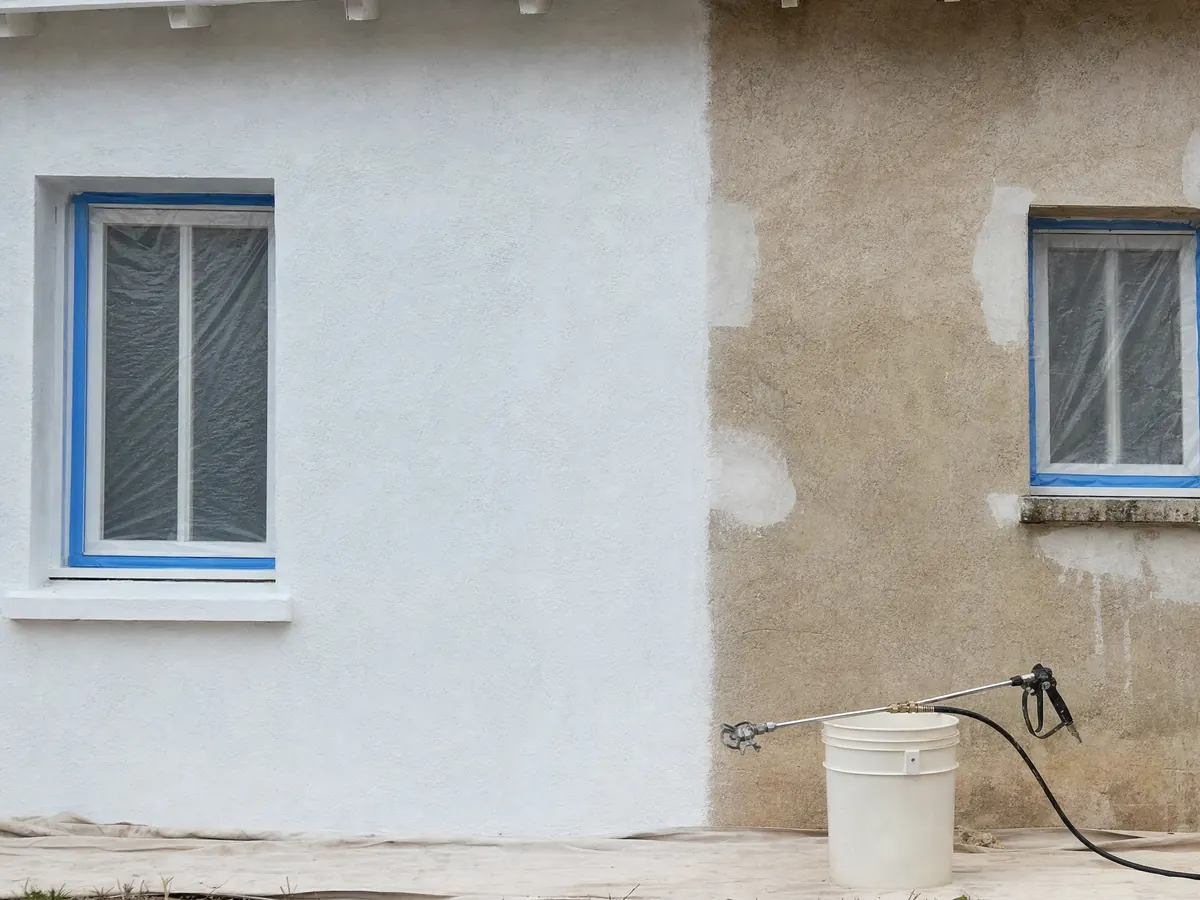
Painting in Hemet
No building permit for paint, a $400 stucco repair fee line, South Coast AQMD's 50 g/L limit, lead-safe work in 41.5 percent of homes built before 1980 and mobile homes.
See Hemet painting →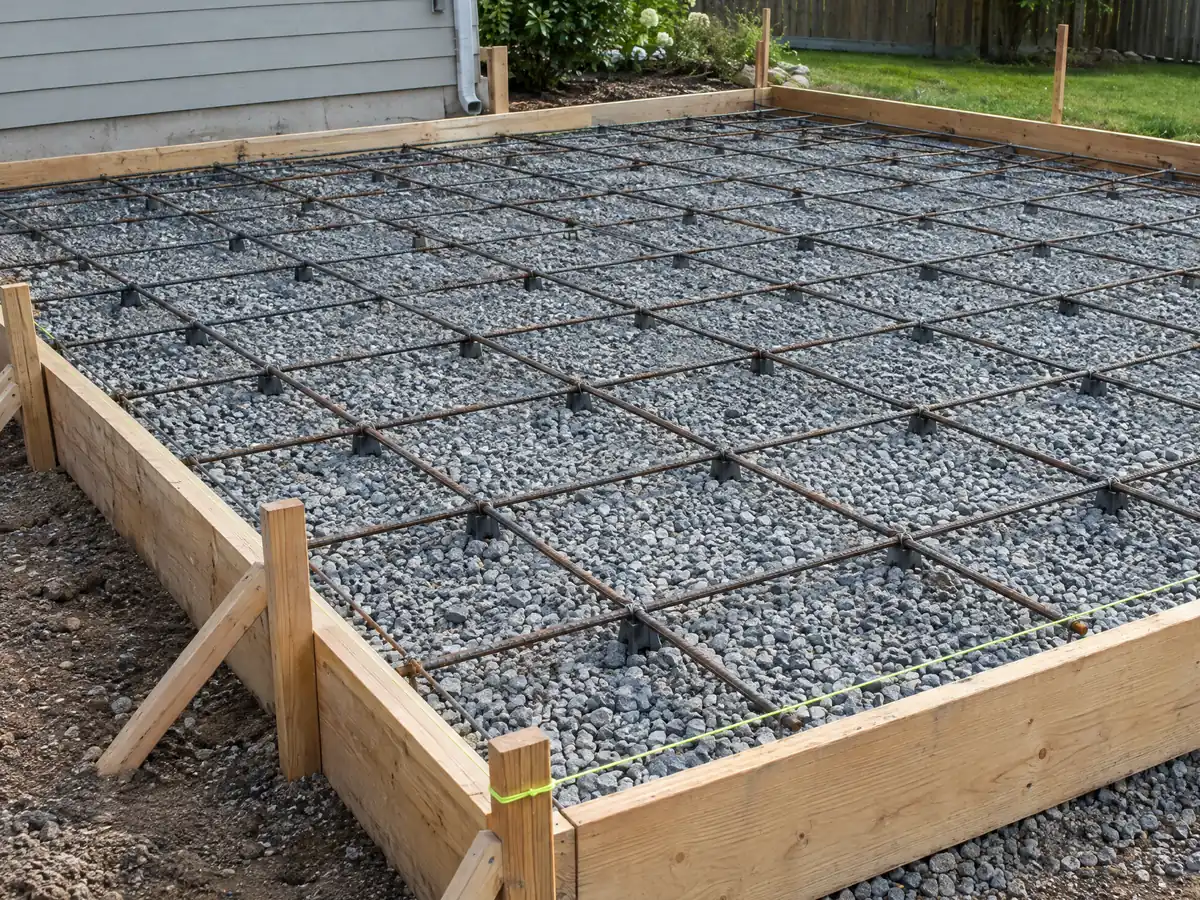
Concrete in Hemet
Shrink-swell soils, wind and heat, flatwork permit lines, driveway aprons, block and retaining walls, ponding, dust rules and pour costs in Hemet.
See Hemet concrete work →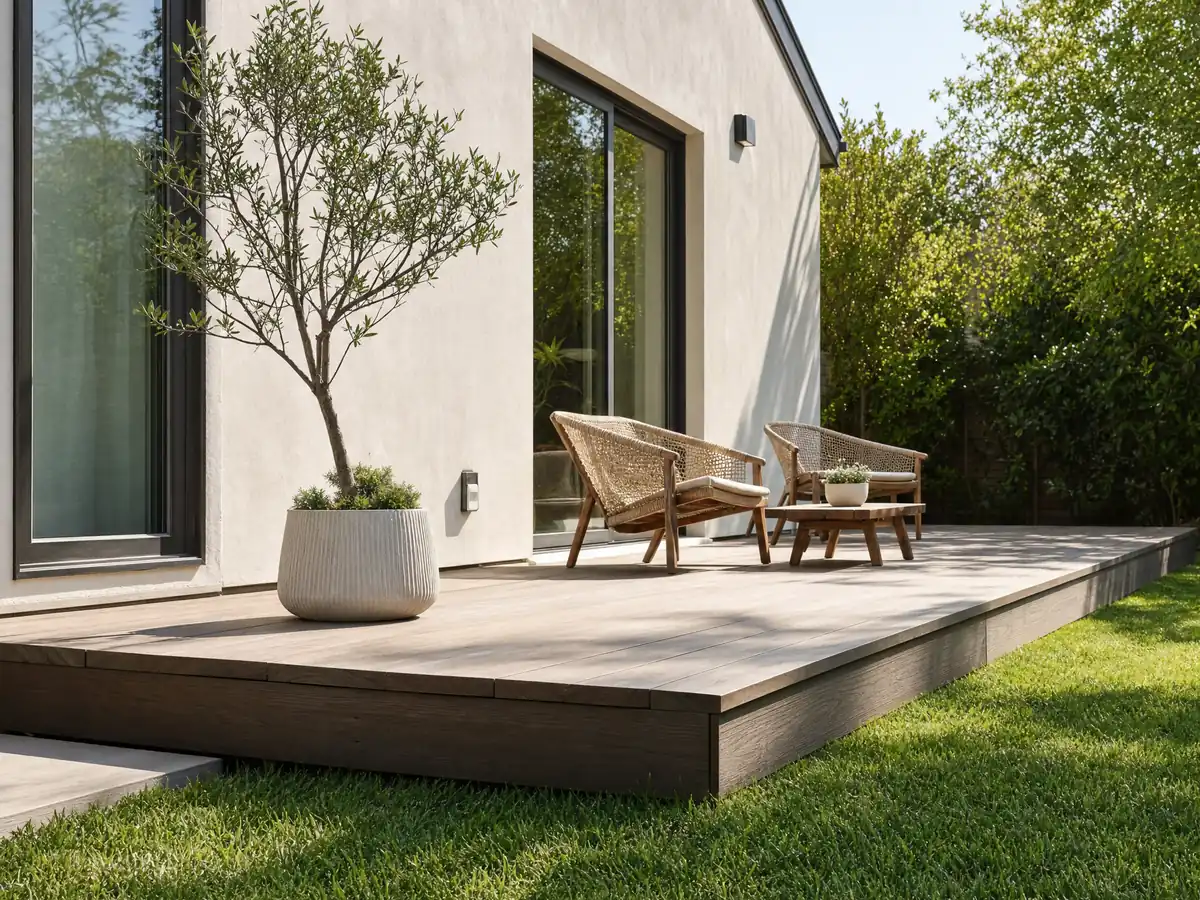
Decks in Hemet
Valley soils and wind, the 200 square foot permit line, interface-area fire rules, second-story privacy, guards, deck repair and deck costs in Hemet.
See Hemet deck building →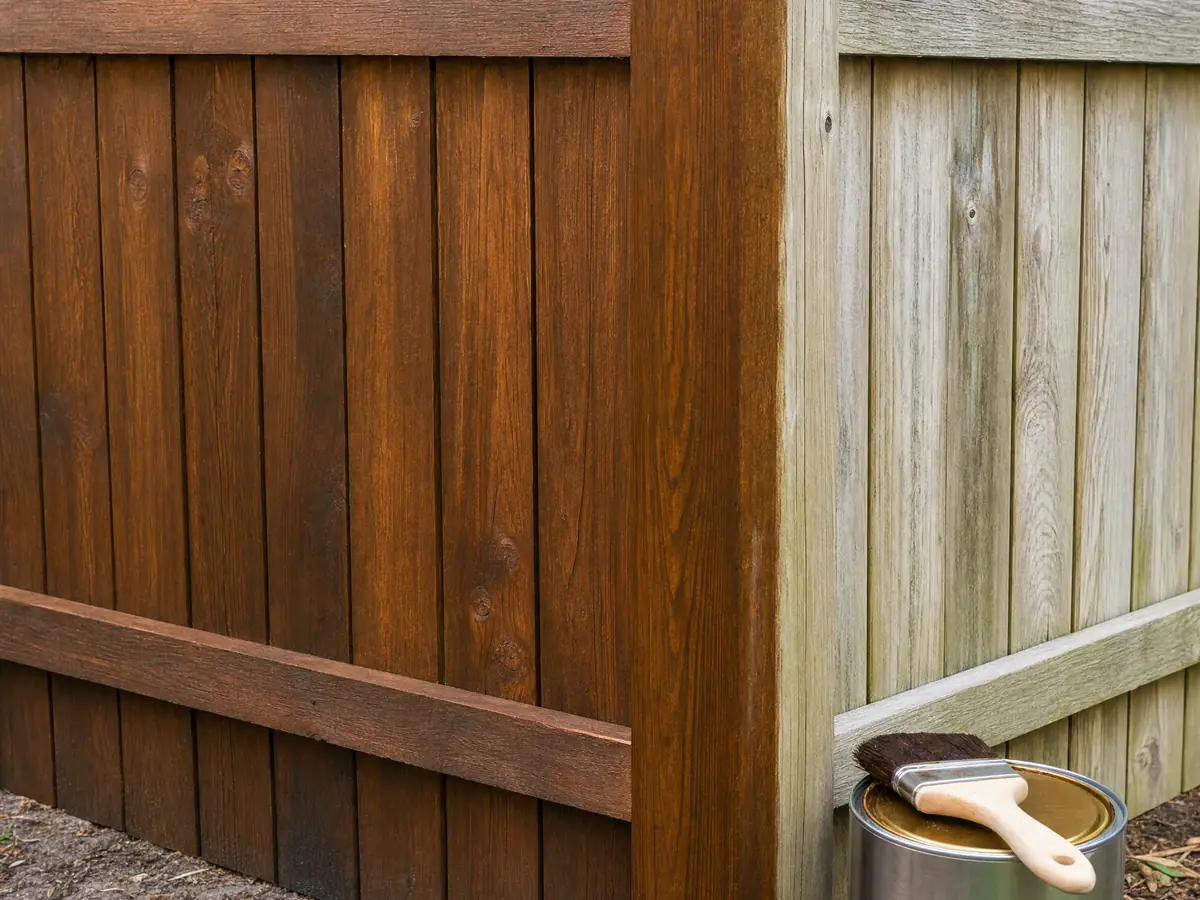
Fencing in Hemet
A 42 inch permit exemption that makes six foot fences permit jobs, solid front yard fences capped at 42 inches, a $150 fee line and Planning approval for all walls.
See Hemet fencing →How does hiring a general contractor in Hemet change when nearly one home in four is a mobile home and the median house dates from 1984?
Hemet's own history page says the town began after the Lake Hemet Company and the Hemet Land Company were formed on January 27, 1887, that the first train arrived in April 1888, and that residents voted to incorporate on January 11, 1910, with the order filed with the State on January 20, 1910. The Ramona Pageant has been staged since 1923. The City dates the real turning point to the early 1960s, when Sierra Dawn, described as the country's first mobile home subdivision with individually sold lots, was followed by more mobile home parks and retirement developments. Wikipedia's census table shows 5,416 residents in 1960 and 12,252 in 1970, and its text adds that single-family subdivisions replaced ranchland in the 1980s and that housing starts surged again in the early 2000s. The Census Bureau's 2024 five year estimates count 35,345 housing units, give or take 1,023. The median year built is 1984, and about 41.5 percent of units, some 14,680, went up before 1980: 7,667 in the 1970s, 4,114 in the 1960s, 1,599 in the 1950s and 1,300 in 1949 or earlier. Mobile homes make up 23.4 percent of units, about 8,257, a share the 2019 Housing Element also flags as higher than the County's. That older document printed 26.8 percent from earlier survey years, so we quote the newer figure and treat both as estimates with real margins. Renters occupy 37.7 percent of occupied homes. General Plan 2030 says the Greater Downtown District grew from the late 1890s into the early 1930s, mostly with one-story homes 12 to 15 feet tall on a street grid, and that mobile home and RV parks built for seniors now house families too. Our reading, which is an inference and not a City statement, is that a typical Hemet job is as likely to be a 1970s park home or a 1984 tract house as a downtown bungalow. A 1981 and 1982 survey of downtown became the City's historic inventory, and we found no local historic overlay in the zoning articles we read, though we never opened the full zoning map, so ask Planning before you touch an older downtown property.
Permits are a City matter here, not a Riverside County one. The Building & Safety Division of the Community Development Department issues them, answers the permit line at (951) 765-2475 and runs an automated inspection request line at (951) 765-2428. Since August 11, 2026 every new application, upload, status check and inspection request goes through the Tyler Enterprise Permitting and Licensing portal, while permits opened earlier stay in the older TrakiT system until they are migrated. Several handouts still ask for three or five paper sets because they predate the portal, and the portal rule wins. The City's pages give both 445 E Florida Avenue and 510 E Florida Avenue as office addresses, and they print different counter hours, Monday to Friday 7:30 a.m. to 5:30 p.m. on one page and Monday to Thursday 7:30 a.m. to 5:00 p.m. for small over the counter projects on another, so call before you drive. A permit is not issued until every department has wet signed the plans, outside releases such as the school fee receipt are in and fees are paid, and work begun before the City says the job card is ready is treated as work without a permit. The City's official Municipal Code page blocked our request, so every code section we cite comes from the third party gocodebook mirror updated October 19, 2026. On that mirror Hemet still adopts the 2022 California codes through Ordinance 2003 of November 8, 2022, and we found no local adoption of the 2025 cycle, so ask which edition governs your submittal. A permit lapses after 12 months without a start or 180 days of stoppage, and written extensions of up to 180 days are possible if you ask first. Construction hours run 6 a.m. to 6 p.m. from June through September, 7 a.m. to 6 p.m. from October through May, 7 a.m. to 6 p.m. on Saturdays and never on Sundays, with exceptions for the building official. The fee schedule amended October 28, 2026 shows flat lines of $150 for a residential fence, $250 for a single family reroof under 4,000 square feet and $400 for siding or stucco repair, before Planning review, technology fees and other agencies' charges, and we did not read its window, ADU or block wall rows as single amounts. Hemet sits inside the South Coast Air Quality Management District, so Rule 403 on dust, Rule 1403 on asbestos and Rule 1113 on coatings reach local jobs, and the City's own affidavit form tells applicants that a stop order from the district halts City inspections.
What needs a permit depends on the trade. Painting and the finish side of flooring installation are exempt under the adopted Residential Code amendments, and so are cabinets and counter tops, but a kitchen or bathroom that moves walls, plumbing, gas or circuits is not, and the City's bathroom handout lists its own minimums for outlets, fans and fixtures. A re-roof of 100 square feet or more is permit work, wood shakes are barred, and designated fire hazard areas require Class A coverings, which makes roof repair a question of where the house sits. Window replacement appears on the City's list of work needing a permit and inspection. A room addition needs soils report foundation details, window ratings and, above 500 square feet, a school district fee, and a second story beside a one story neighbor must meet privacy criteria that dictate sill heights and planted trees. ADU construction follows a March 10, 2026 ordinance: a lot with a single family home may have up to two detached ADUs, one attached ADU and one junior ADU, with four units as the ceiling, and a complete application the City leaves untouched for 60 days is deemed approved. On a fence, only one that needs no continuous footing and stays at or under 42 inches skips the permit, so the usual six foot back yard fence is permit work, front yard solid fences stop at 42 inches and the City says planning approval is required for all walls. Concrete is easier: sidewalks and driveways not more than 30 inches above grade are exempt, though a driveway apron or curb cut in the public right of way needs an encroachment permit. A freestanding deck skips the permit only at 200 square feet or less, no more than 30 inches high and unattached, and deck building near open land faces a noncombustible patio cover rule. An exemption never waives zoning, so we confirm each line with the City in writing.
The ground and the fire map are the other Hemet constants. The Public Safety Element says shrink-swell soils occur throughout the City, somewhat more in the east, that they are likely to affect building slabs, and that soil testing is required with new construction plans. It adds that pumping from the Hemet and San Jacinto groundwater basins can compact the aquifer and cause subsidence. The San Jacinto Fault Zone underlies the northeast part of the City between Park Hill and the mountain base, Alquist-Priolo zones exist inside the City, and the City's design page puts Hemet in Climate Zone 10 with 110 mph design wind for Risk Category II. Flooding is greatest in the southern parts of the City, and flat ground lets rain pond for hours. Fire protection comes from the City of Hemet Fire Department, which has five stations, and the Public Safety Element describes several Very High zones in the southern half of the City, with about 1,500 parcels worth an estimated $900,000,000 inside one. The City's page calls CAL FIRE's 2025 maps proposed and expects 100 feet of defensible space in Very High zones, Wildland-Urban Interface building codes for new construction and seller disclosure, but we did not open the maps and name no street as inside or outside a zone. Mobile homes bring their own layer. The City enforces the state Mobilehome Parks Act itself and inspects park common areas and each lot, a 1979 voter initiative created a Rent Review Commission that meets only on request, and the zoning chapter allows a mobile home to be lived in only inside a park, an approved subdivision or a travel trailer park. Menifee has its own guide page, while San Jacinto, Beaumont, Perris and Banning are the nearest other cities in our service list, and we do not assume their counters work like Hemet's. Our role on a Hemet project, as MDG Builders under CSLB #1040337, is to write the scope, file it through the portal and schedule the licensed specialty subcontractors who build it. If you want the mechanics, read how a general contractor works with subcontractors and how to check a license on the CSLB site.
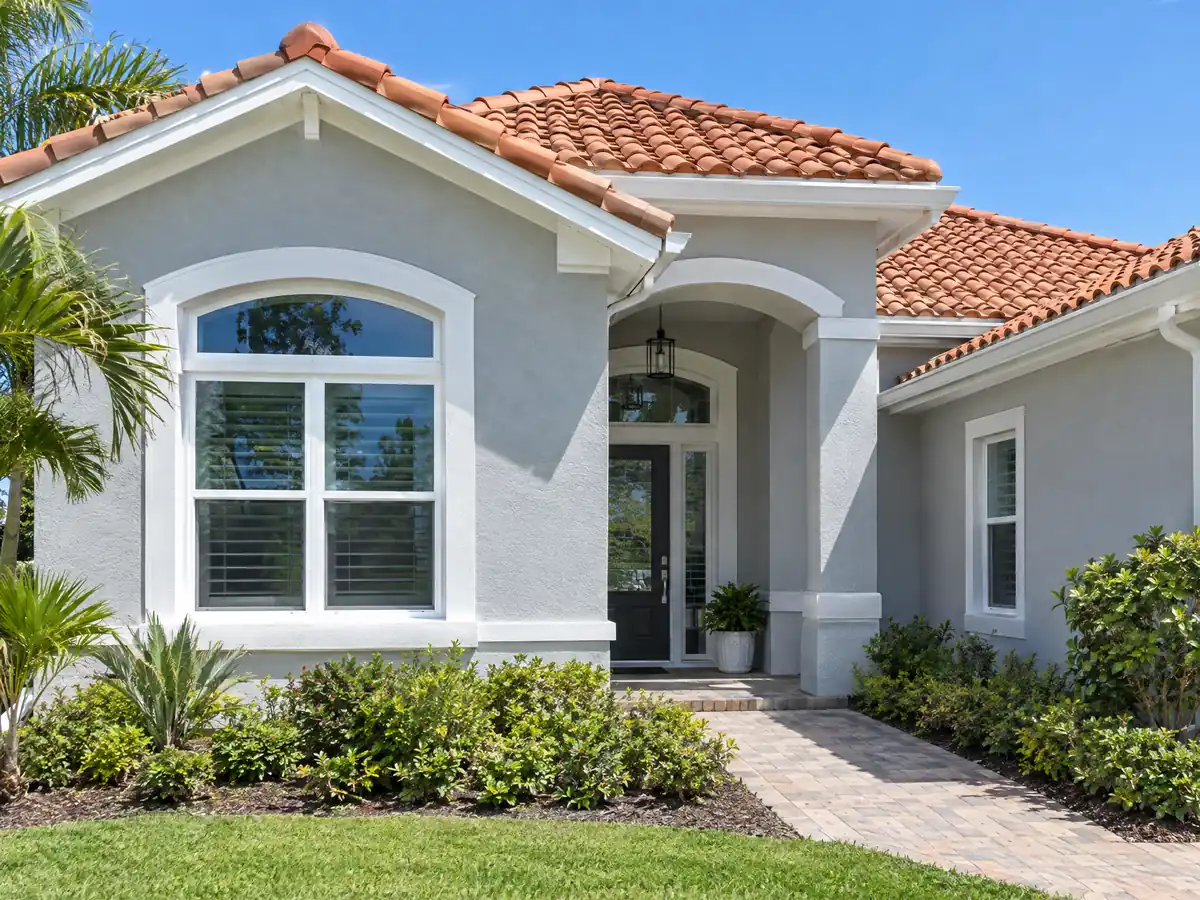
- Hemet issues its own permits through Building & Safety at (951) 765-2475, and every new application has gone through the Tyler online portal since August 11, 2026.
- The Census Bureau's 2024 five year estimates give Hemet 35,345 housing units, a median year built of 1984 and about 41.5 percent of homes built before 1980.
- Mobile homes are 23.4 percent of units in those estimates, while the 2019 Housing Element printed 26.8 percent from older data, so both numbers are estimates.
- The City enforces the state Mobilehome Parks Act itself, and a 1979 voter initiative set up a Rent Review Commission for park tenants.
- The City calls CAL FIRE's 2025 hazard maps proposed, and the Public Safety Element lists several Very High zones in the southern half of Hemet.
- Fee lines that read clearly are $150 for a fence, $250 for a single family reroof and $400 for siding or stucco repair, and the code mirror we read still cites 2022 state codes.
Cities near Hemet we also build in
Hemet questions to answer before you sign a contract
Does Hemet issue its own building permits?
Yes. The City's Building & Safety Division, part of Community Development, handles plan review, permits and inspections, and every new application goes through the Tyler online portal. The permit line is (951) 765-2475. The City of Hemet Fire Department reviews fire access and sprinklers separately, so ask which approvals your job needs before you order materials.
Where do I file a Hemet permit now, and when is the counter open?
File through the Tyler portal, which every new application has had to use since August 11, 2026. The counter still serves small projects, but the City prints Monday to Friday 7:30 to 5:30 on one page and Monday to Thursday 7:30 to 5:00 on another, and two office addresses, so call (951) 765-2475 before driving there.
Which building code applies to a Hemet remodel?
The 2022 California codes are what the City's handouts and the code text we read still name. We read that text on a third party mirror, updated October 19, 2026, and found no local adoption of the 2025 cycle. Because the state cycle changed on January 1, 2026, ask Building & Safety in writing which edition governs your submittal.
Is my Hemet home in a Very High fire hazard zone?
Check your address with the City, because we found no list of streets. The Public Safety Element places several Very High zones in the southern half of Hemet, and the City calls CAL FIRE's 2025 maps proposed. Inside the wildland interface rules, roofs must be noncombustible Class A and patio covers must be noncombustible.
Does a mobile home or park home project need different approval in Hemet?
Often it does, so ask early. The City inspects mobile home parks under the state Mobilehome Parks Act, and its set up bulletin asks for a plot plan signed by the park owner and Planning, tie downs and a school fee letter. Separations such as 3 feet to a lot line apply to a new set up.
Do soils, faults or flooding change a Hemet project?
They can. The Public Safety Element says shrink-swell soils are likely to affect slabs and that soil testing is required with new construction plans. Alquist-Priolo zones exist inside the City, with a different rule for work above 50 percent of a structure's value, and flood rules use FEMA maps from 1990. Ask Building & Safety to check your parcel.
What work in Hemet does not need a building permit?
Finish work such as painting, tile, carpet, cabinets and counter tops, plus sidewalks and driveways not more than 30 inches above grade, fences of 42 inches or less without a continuous footing, and a detached deck of 200 square feet or less under 30 inches. Planning approval still applies to all walls, and encroachment work needs its own permit.
What does a general contractor do on a Hemet job?
The general contractor is the licensed firm that signs your contract and carries the job from scope to final walkthrough. MDG Builders, CSLB #1040337, hands field work to licensed specialty subcontractors, and you can ask for each one's license number and certificate of insurance. The City asks for a City business license and a State license on encroachment permits.
Tell us your Hemet street, the year the home was built and the job you want
Mention whether the property is a house, a park home, a condo or a rental, roughly when it was built and which of the eleven trades you are weighing. We read the City's portal rules and fire hazard page for your address, check the soils and interface notes, and call you back with the permit route.