
General Contractor in Moreno Valley, CA
A general contractor in Moreno Valley files every permit online through the City's SimpliCITY portal, then works around a 2025 wildland chapter that applies inside mapped fire zones. Fences up to 6 feet and painting need no building permit, while windows and re-roofs do. MDG Builders, CSLB #1040337, hires licensed subcontractors for the field trades.
Eleven trades, ordered by how Moreno Valley treats each one
Pick the job you have in mind. Behind every answer in these guides sits a named City page or code section, anything read on a third-party mirror is flagged, and each dollar range is a regional planning figure rather than a quote for your house.
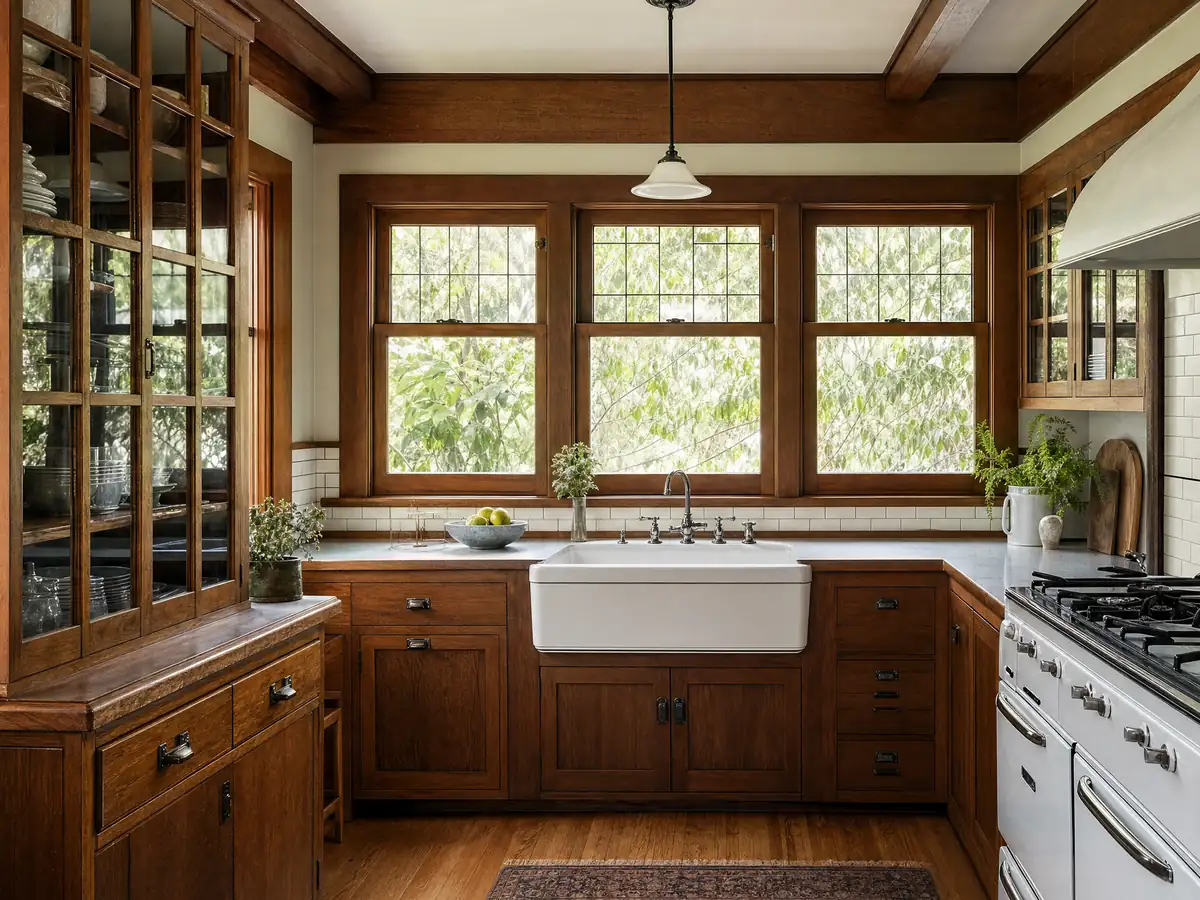
Kitchen Remodeling in Moreno Valley
Exempt cabinets and counters, plumbing, electrical and mechanical permits filed separately, 12 business day plan review and kitchens from the 1980s.
See Moreno Valley kitchen remodeling →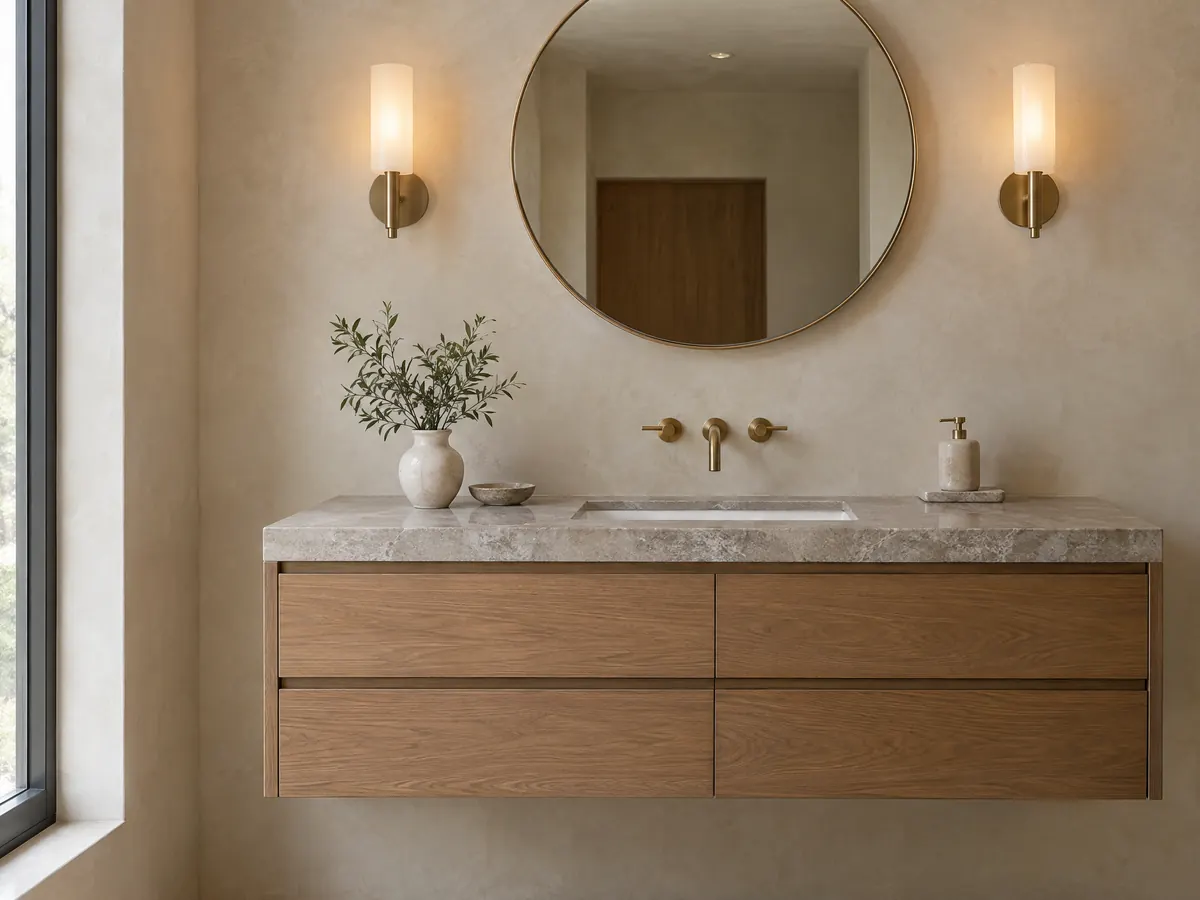
Bathroom Remodeling in Moreno Valley
The City's plumbing and electrical permits, 1980s tract baths, asbestos and lead rules, a very heavy termite rating and condo approvals in Moreno Valley.
See Moreno Valley bathroom remodeling →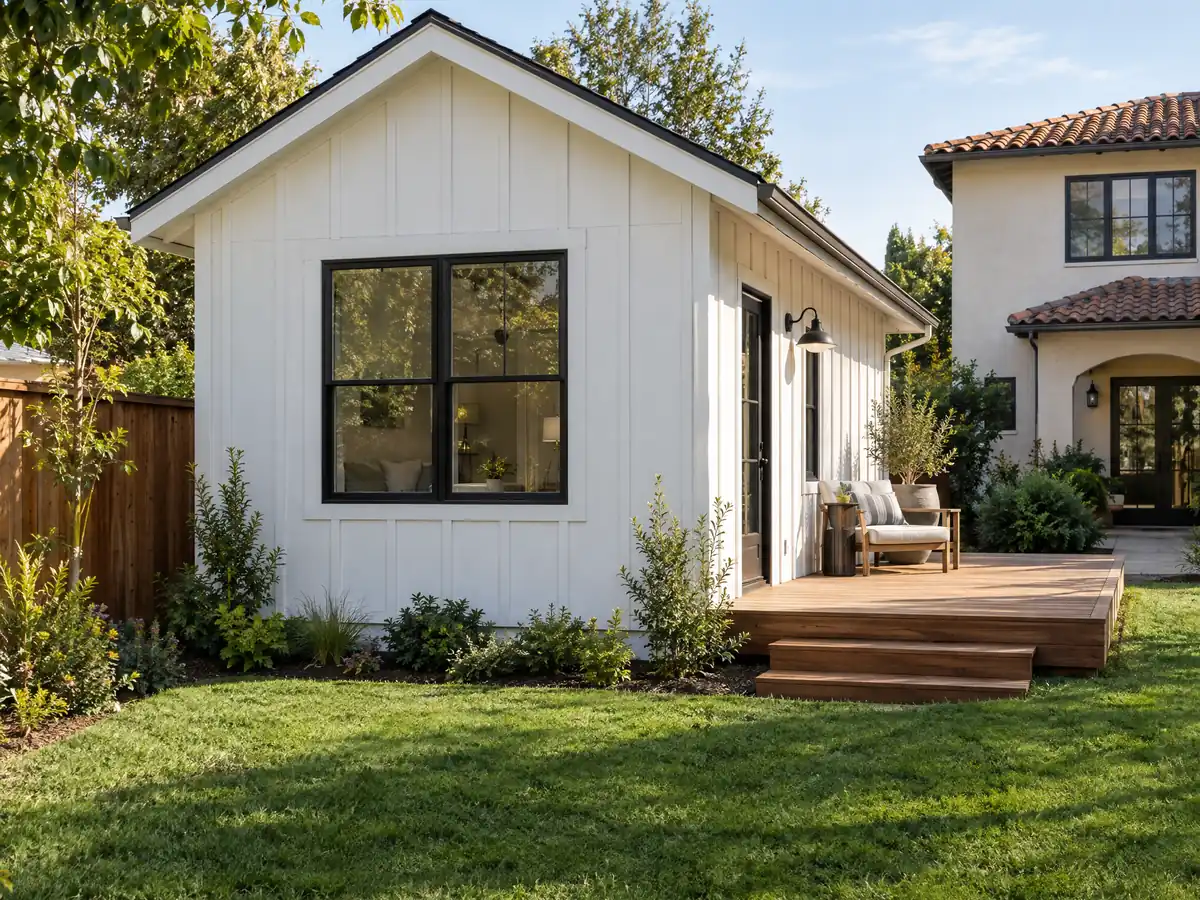
ADU Construction in Moreno Valley
Seven City plans, the size and height conflict between the 2023 handout and the code, garage conversions, fire zones, utilities and JADUs in Moreno Valley.
See Moreno Valley ADU construction →
Room Additions in Moreno Valley
Setbacks and the side-yard exception, the 3,600 square foot sprinkler lines, fire clearance before framing, fault zones and expansive soil in Moreno Valley.
See Moreno Valley room additions →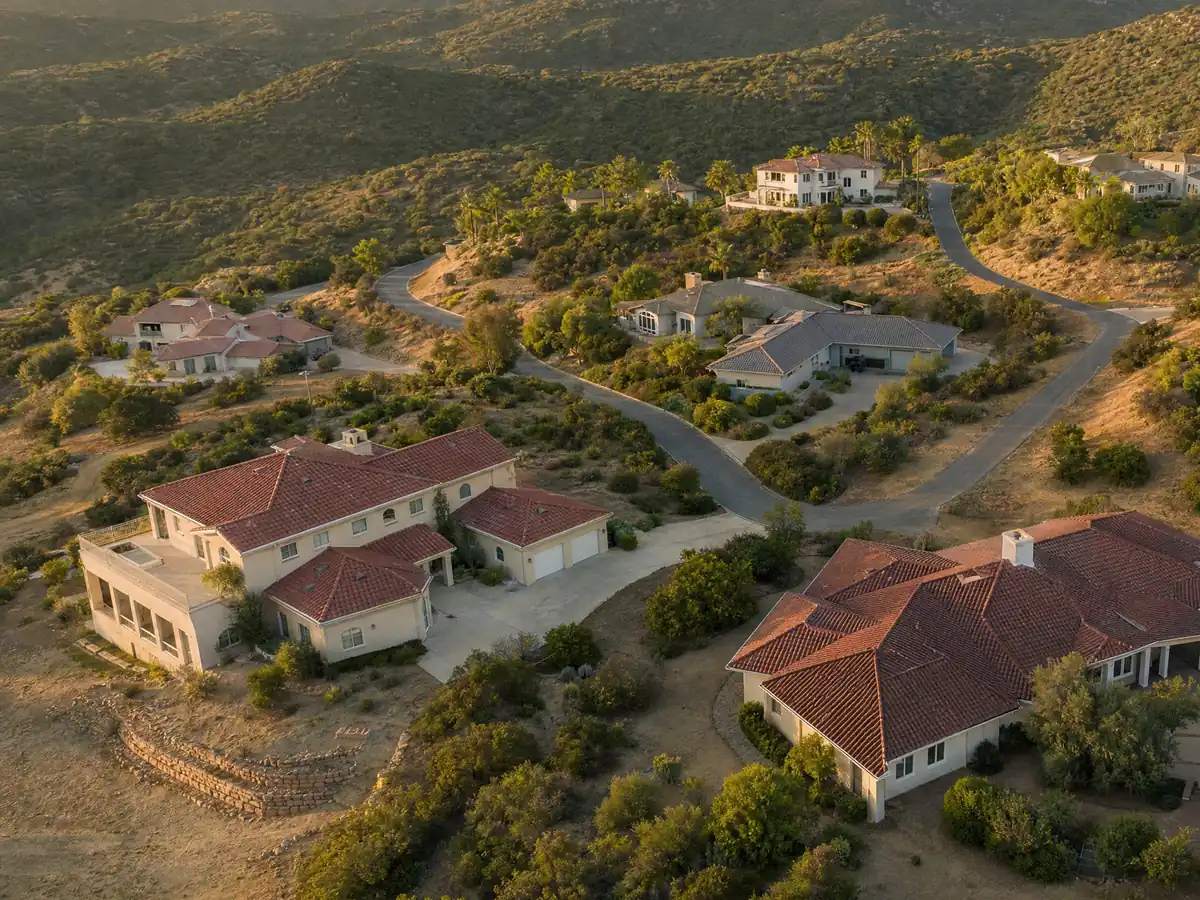
Roofing in Moreno Valley
Two City pages disagree on the re-roof permit line, the 2025 fire hazard map and wildfire code apply, and the 1980s tract roofs are now 37 to 46 years old.
See Moreno Valley roofing →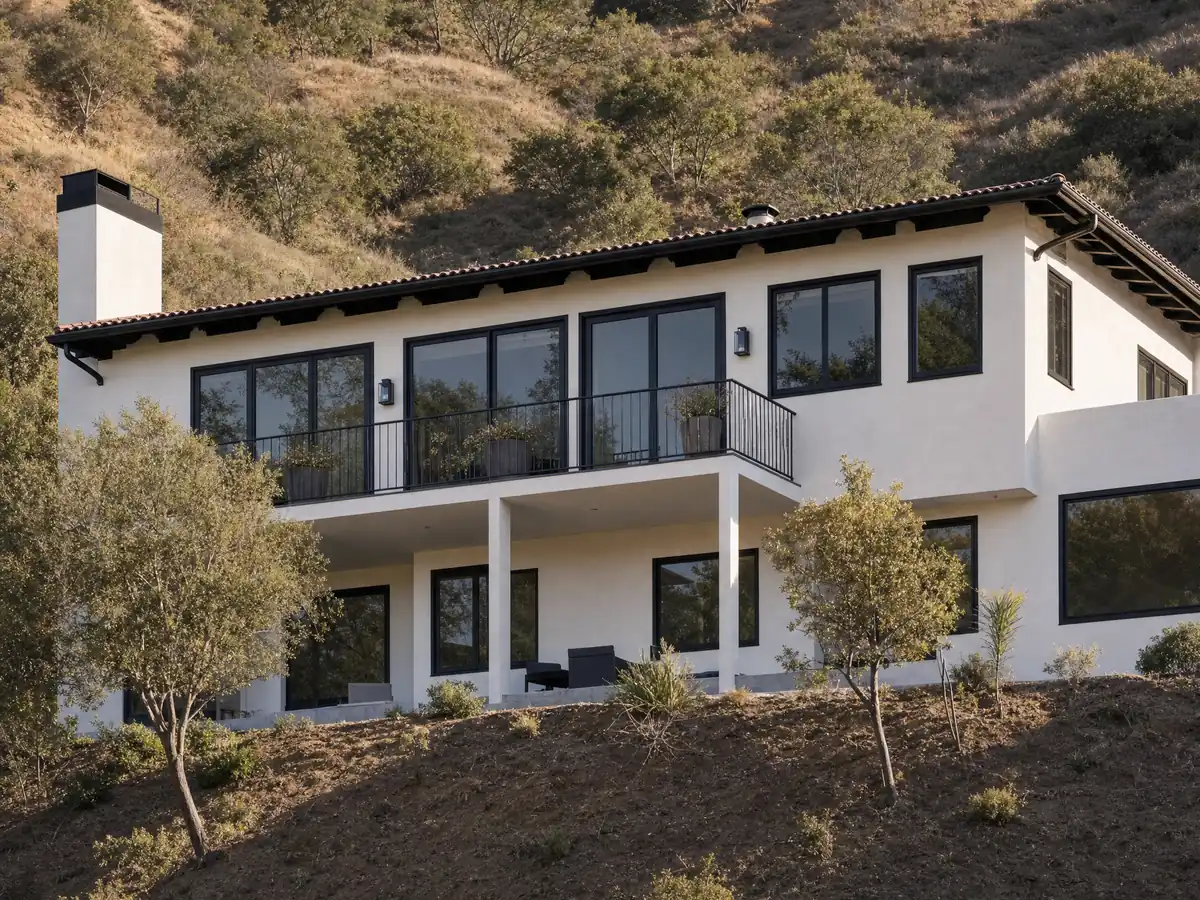
Windows in Moreno Valley
A Minor Remodel permit for windows, Santa Ana winds, about 100 days a year at 90 F or hotter, lead-safe work and fire-zone questions in Moreno Valley.
See Moreno Valley window replacement →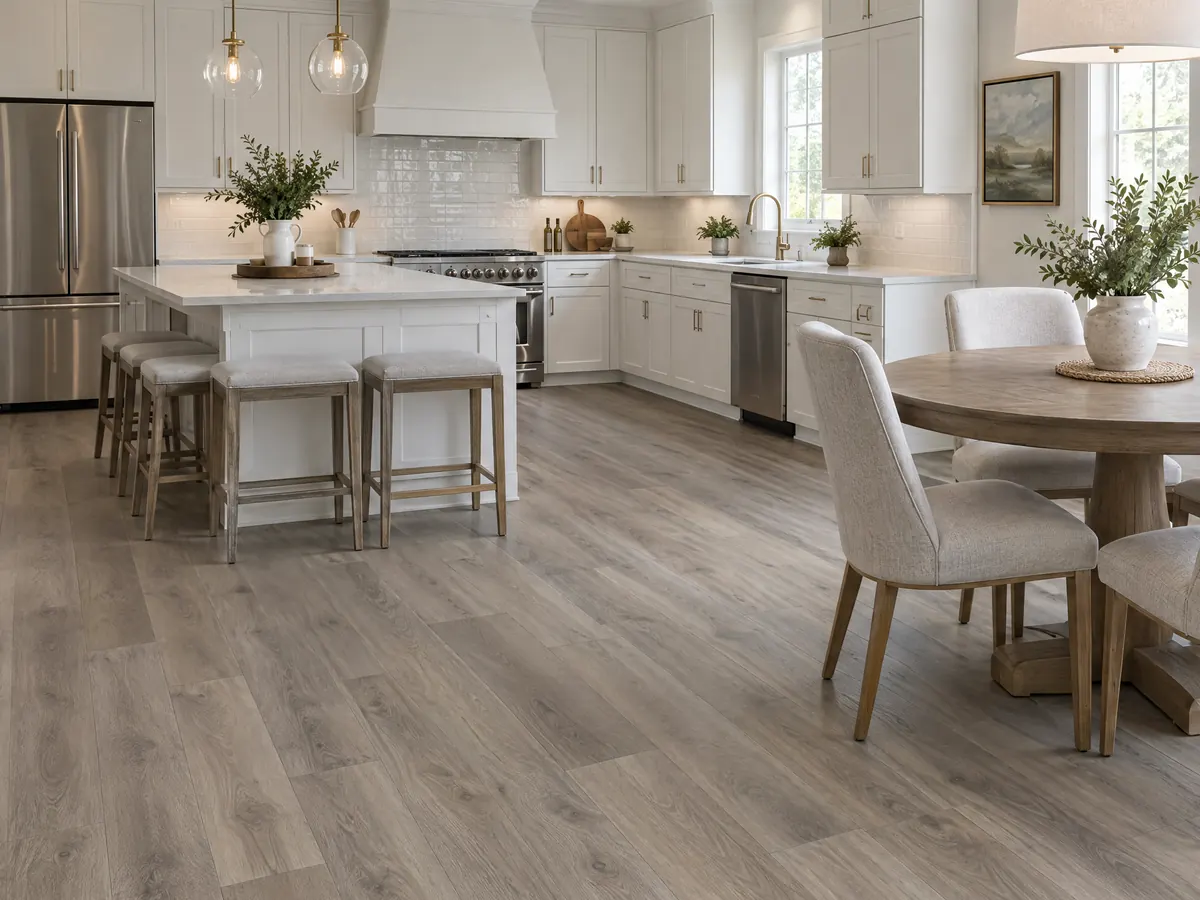
Flooring in Moreno Valley
1980s tract floors, the finish-work permit list, Rule 1403 asbestos surveys, a very heavy termite rating, slab moisture and costs for flooring in Moreno Valley.
See Moreno Valley flooring →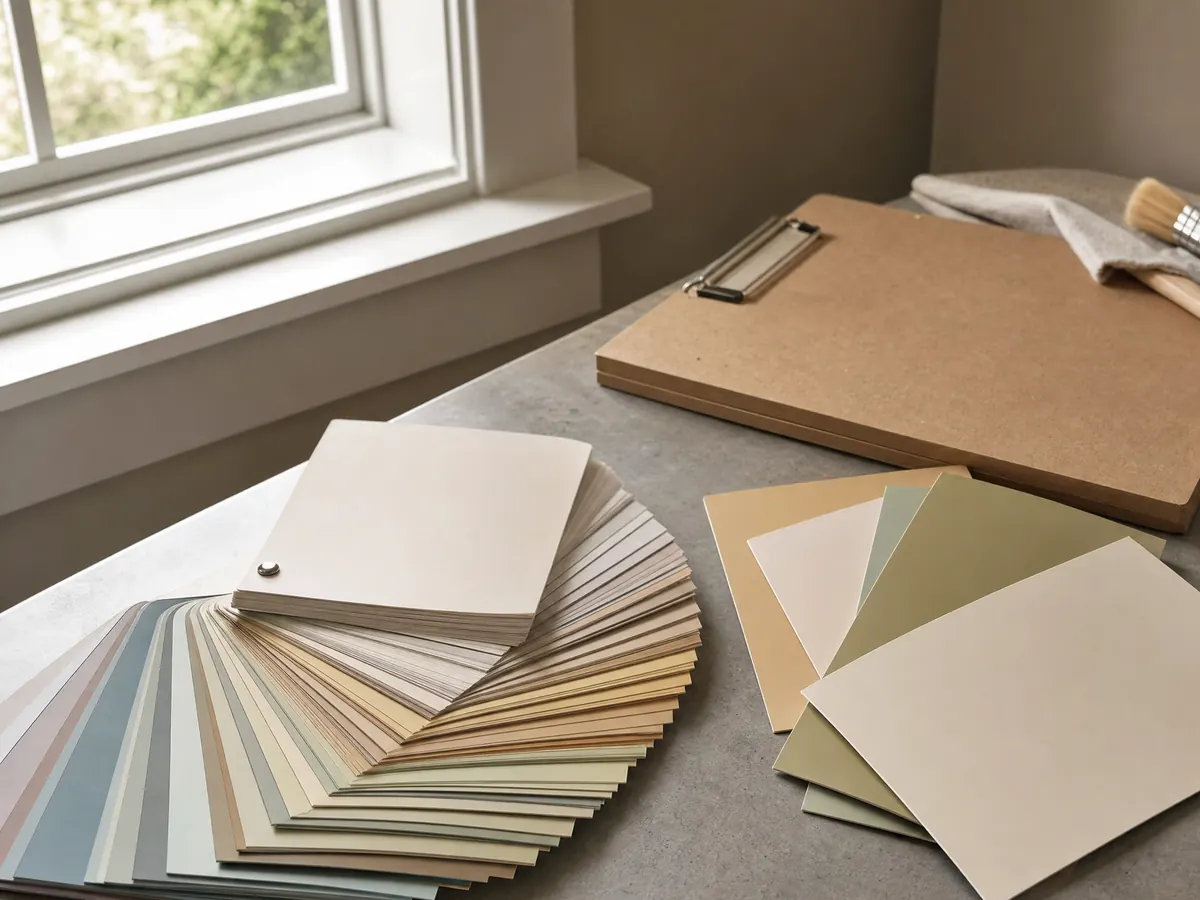
Painting in Moreno Valley
No building permit for paint, South Coast AQMD's 50 g/L limit, lead-safe work in the 19.1 percent of homes built before 1980 and a City graffiti chapter.
See Moreno Valley painting →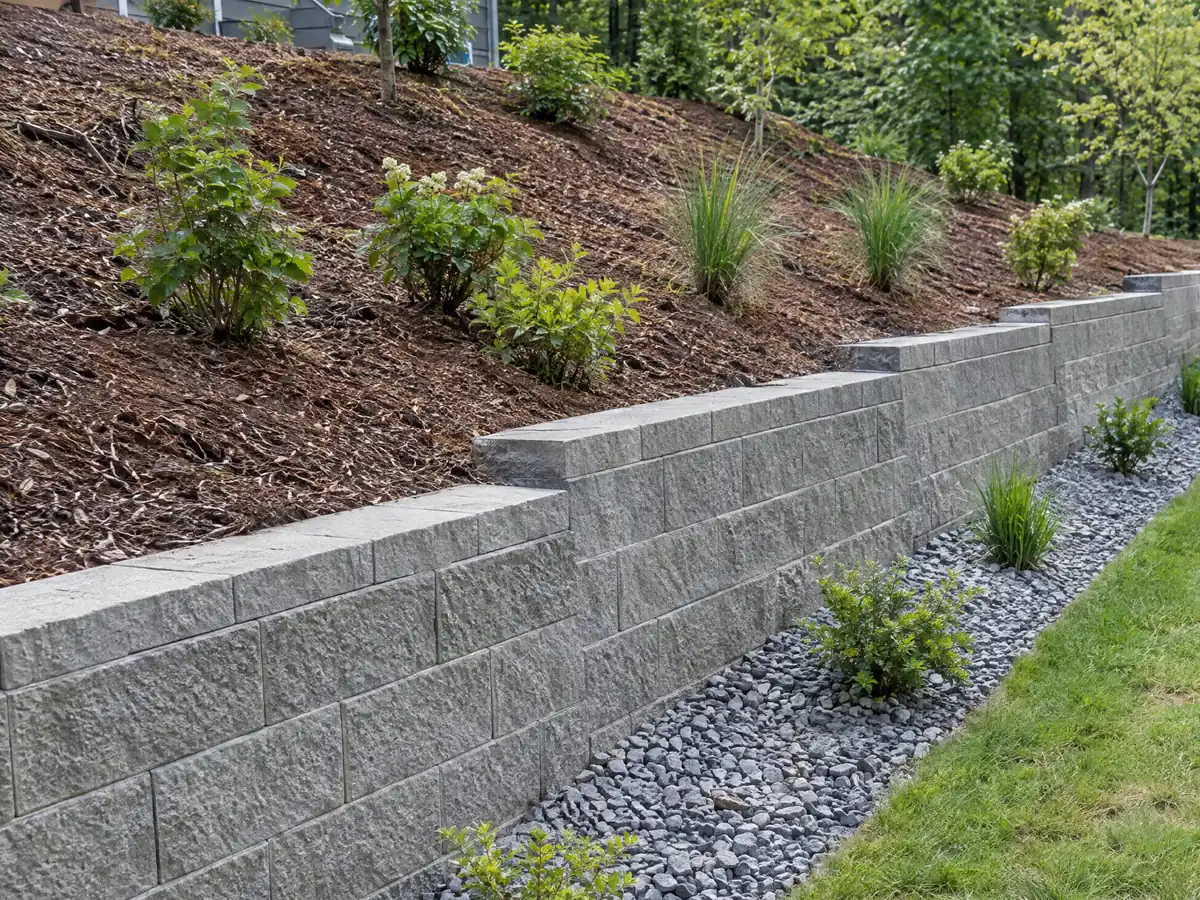
Concrete in Moreno Valley
The 50 cubic feet versus 50 cubic yards grading conflict, patio slab and wall rules, sandy and expansive soils, dust control and pour costs in Moreno Valley.
See Moreno Valley concrete work →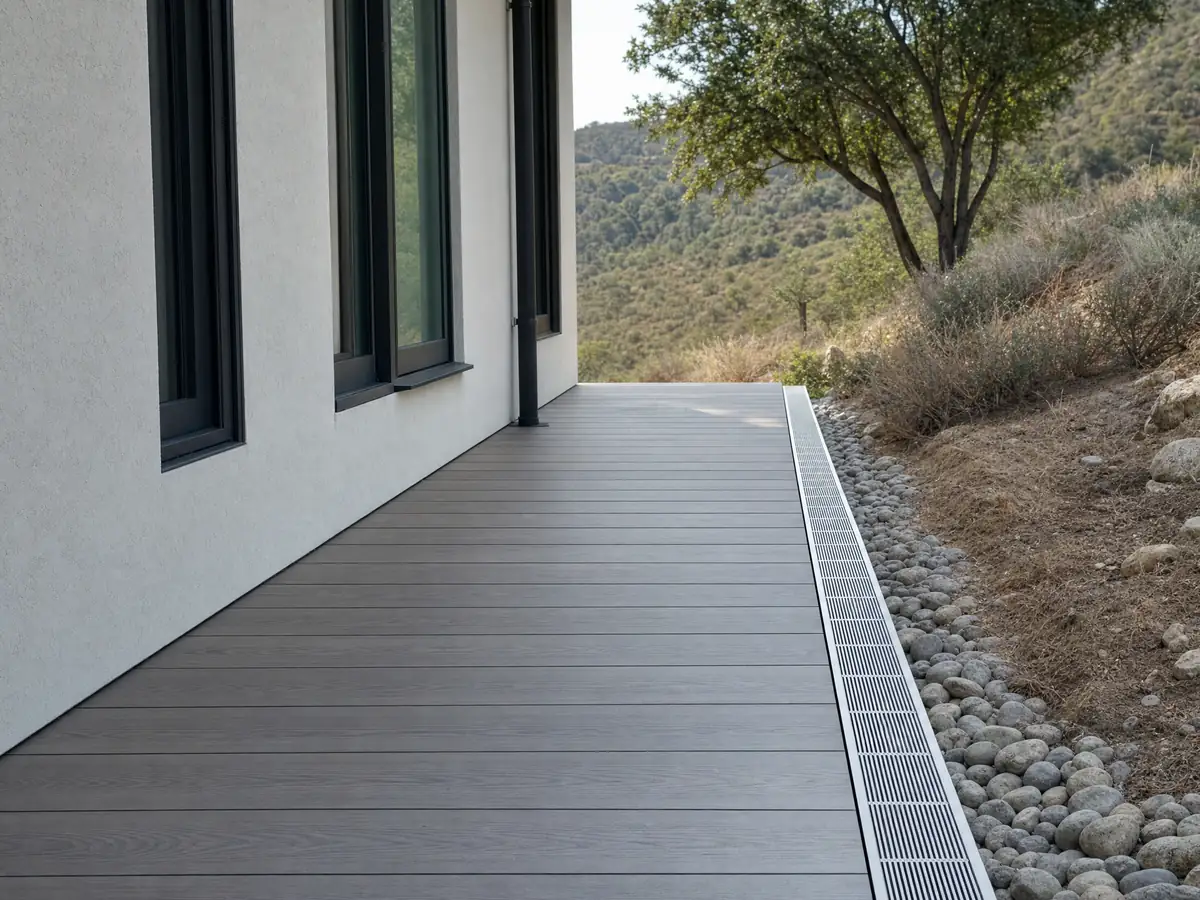
Decks in Moreno Valley
Zone 0 and no-vegetation-under-deck rules in fire zones, the 200 square foot exemption, patio cover permits, 96 mph wind design and deck costs in Moreno Valley.
See Moreno Valley deck building →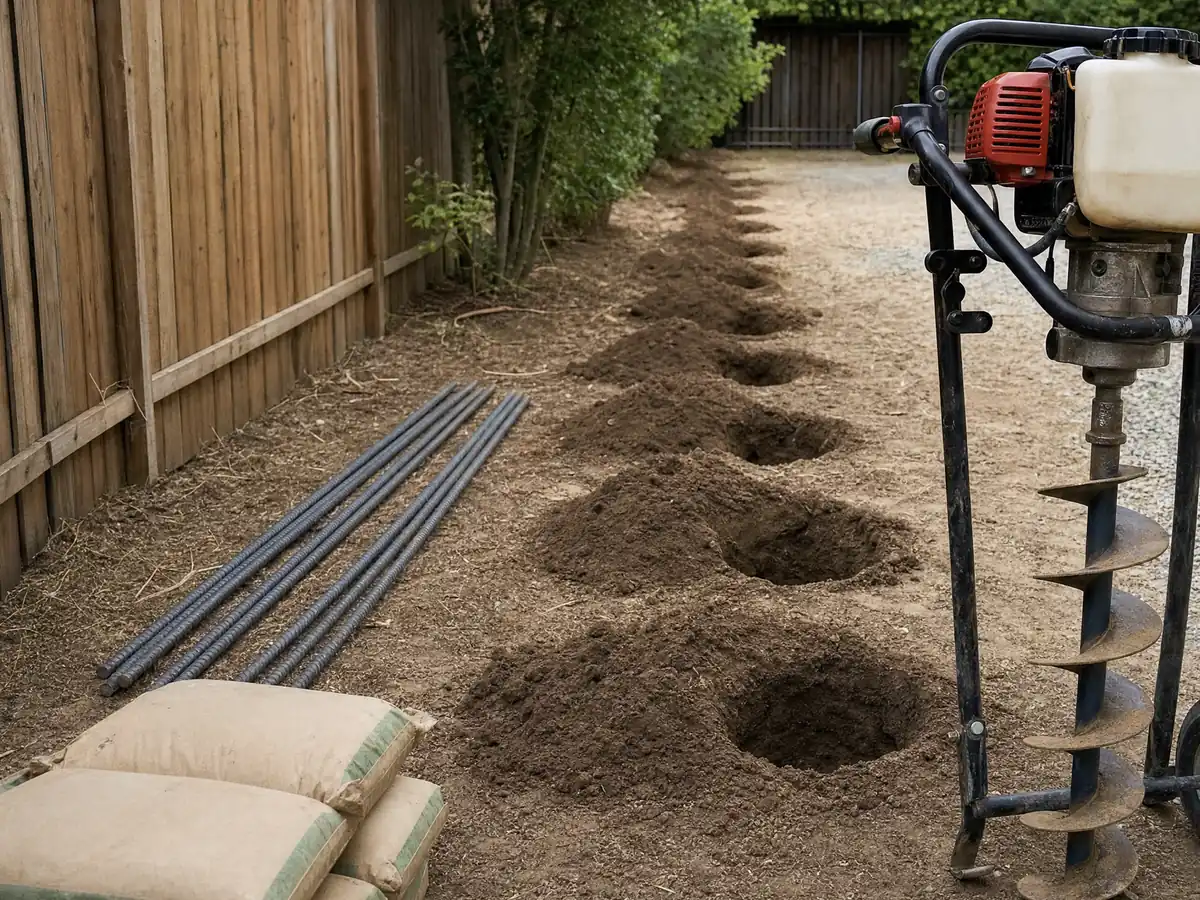
Fencing in Moreno Valley
A 6 foot permit line below the state's 7, 3 foot solid front fences, non-combustible fences near houses in fire zones and 3 foot block wall limits.
See Moreno Valley fencing →What changes about hiring a general contractor in Moreno Valley when a 1980s housing boom, Santa Ana wind and the 2025 fire zones are all in play?
Moreno Valley is young as a city and older as a place. The City's history page describes three rural communities, Moreno, Sunnymead and Edgemont, run by Riverside County until the City incorporated on December 3, 1984, after attempts failed in 1968 and 1983. Settlement stalled early: Frank E. Brown's Bear Valley Land and Water Company dates to 1883, but Redlands won a water dispute in 1899 and a drought followed, leaving few residents by 1901. March Field opened in 1918 and reopened as a flight school in 1927, Sunnymead Boulevard was paved in 1936, and Edgemont began developing in 1940. Growth then arrived fast, from 18,871 people in 1970 to 118,779 by 1990 (the 1990 count is from Wikipedia's census table), and a Census Bureau 2024 estimate puts the housing stock at 59,400 units (margin of error plus or minus 2,657). Of those, 39.7 percent went up in the 1980s alone, 52.1 percent between 1980 and 1999, and only 19.1 percent before 1980. Single-family detached houses make up 73.9 percent of units, renters fill 39.0 percent of occupied homes, and the median owner-occupied value is $581,500. In practice, most jobs here are on tract houses with 35 to 45 year old roofs, windows, water heaters, kitchens and exterior paint, plus a smaller group of pre-1980 homes where lead paint and asbestos come up before demolition starts.
Permits are handled by the City, not the county. The Building and Safety Division sits inside Community Development, takes every application through the SimpliCITY portal and answers at 951.413.3350. The City's chart separates a Minor Remodel permit (patios, standard walls and windows), a Residential Full Review for additions and alterations, and separate Re-roof, Plumbing, Electrical, Mechanical, Water Heater, Pool, Solar and Demolition permits. Once a package is complete the City quotes normal plan review at 12 business days. Submittals received on or after January 1, 2026 follow the 2025 state codes as amended by Ordinance 1033, and the City's own bulletin says so. Applications lapse as abandoned 180 days after filing unless pursued, and starting work before the permit adds a special investigation fee set by the Building Official; no dollar figure appears here because the fee schedule was not read. Section numbers come from gocodebook.com, a third-party mirror of the code, since the City's official host refused our tools, so confirm any section at the counter. Fire plan review goes to the Fire Prevention Bureau at 951.413.3370, part of a Moreno Valley Fire Department that sits inside the CAL FIRE and Riverside County cooperative.
The right answer depends on the trade. A kitchen remodel or bathroom remodel skips a permit for cabinets, counters and tile but needs one once plumbing, circuits or walls move, and a room addition is Residential Full Review work. Window replacement is unusual because the City's chart lists it under Minor Remodel. A roof repair or replacement hits a conflict between two City pages: the chart lists a Re-roof permit at any size, while the older FAQ sets the line at 100 square feet, so call before a patch. We found no roof class rule. Painting and finish flooring sit on the state's exempt list, yet South Coast AQMD caps most coatings at 50 grams per liter and requires an asbestos survey before renovation. A fence up to 6 feet is exempt, one foot lower than the state's own list, and a solid front-yard fence stops at 3 feet. A patio slab needs no permit under concrete work, a patio cover does, and the guidebook's 50 cubic feet and the code's 50 cubic yards of soil disagree. A deck stays exempt only under 200 square feet, 30 inches high and detached. An ADU gets a 60 day decision on a complete application, seven City-owned plans from 306 to 988 square feet and conflicting size numbers between documents, and HCD's 2024 finding against the City's earlier ordinance has no confirmed resolution in what we read.
Then come the hazards. The City adopted State Fire Marshal moderate, high and very high zones under Ordinance 1024 in 2025, and its Safety Element names Very High land in Sunnymead Ranch, Serrano Heights, Moonlight Rim, Hidden Springs, the Bernasconi Hills and Prince's Peak. The map file is an image, so we have not placed any parcel inside or outside a zone. Inside one, Chapter 8.84 adds a non-combustible first 5 feet around buildings (Zone 0), no plants under decks, non-combustible fence and gate sections near the house and 100 feet of cleared combustibles before an addition's framing starts. Santa Ana winds from October to March can reach 100 miles per hour, the adopted design wind speed is 96 mph, and NOAA's March AFB normals show about 100 days a year at 90 F or above. The San Jacinto Fault zone crosses the northeast edge of the city, soils with an expansion index above 20 within 4 feet of a building must be replaced or engineered, and some east and south areas sit in FEMA flood zones. MDG Builders, CSLB #1040337, is the general contractor on a job here, which means we write the scope, file the permit, book licensed specialty subcontractors and then inspect the finished work together with you. Nearby Menifee and Corona have their own pages, Riverside, Perris, Redlands and Loma Linda are the other close neighbors, and each city's rules stand alone. Before you sign anything, the guides on how contractors use subcontractors and checking a contractor's license are worth ten minutes.
- Moreno Valley issues its own permits, and every application is filed online in SimpliCITY, with normal plan review quoted at 12 business days.
- About 39.7 percent of the city's 59,400 housing units were built in the 1980s, and only about 19.1 percent before 1980.
- Fences up to 6 feet and painting need no building permit, windows fall under the Minor Remodel permit, and solid front-yard fences stop at 3 feet.
- Two City pages disagree on re-roof permits, so Building and Safety (951.413.3350) should confirm any small roof repair.
- The City's 2025 wildland chapter requires a non-combustible Zone 0 and 100 feet of clearance before building in a fire zone, and we have not checked any parcel against the map.
- South Coast AQMD, not a county district, sets the 50 gram per liter coating limit and the asbestos survey rule here.
Cities near Moreno Valley we also build in
Moreno Valley questions we hear before a contract is signed
Does Moreno Valley issue its own building permits?
Yes. The City's Building and Safety Division, inside Community Development, issues building permits and runs plan check and inspections, and all applications go through the SimpliCITY online portal. The City quotes normal plan review at 12 business days once a package is complete. Call 951.413.3350 to confirm which permit type fits your job.
What work in Moreno Valley does not need a building permit?
Painting, cabinets, counters, tile and carpet are exempt finish work, and the City exempts fences up to 6 feet, patio slabs and detached decks under 200 square feet and 30 inches high. Windows, re-roofs, patio covers, plumbing, electrical changes and additions still need permits. Exempt work still follows zoning rules.
Do windows need a permit in Moreno Valley?
Yes, according to the City's permit chart, which lists windows under its residential Minor Remodel permit with patios and standard walls. The state exempt list has no entry for replacement windows. The pages we read do not itemize glazing rules in fire zones, so ask Fire Prevention at 951.413.3370 before ordering.
Is my Moreno Valley home in a fire hazard zone?
Only the parcel can tell you. The City's 2025 map adds moderate, high and very high zones, with Very High land named along the northern, northwestern, southeastern and southwestern edges, but the map is an image and we placed no parcel on it. Check the City's fire map page, then confirm with Fire Prevention.
What does the 2025 wildland chapter change for a remodel or addition?
Inside a fire hazard zone, it requires a non-combustible Zone 0 within 5 feet of new buildings and additions, no plants under decks, non-combustible fencing and gates within 5 feet of a building, and 100 feet of cleared combustibles before an addition's framing begins. It does not apply outside mapped zones. Ask Planning how it treats your lot.
How old are Moreno Valley homes, and does lead paint matter?
Most are fairly new for Southern California. About 52.1 percent of units date from 1980 through 1999, but 19.1 percent were built before 1980. The Census table lumps 1970 to 1979 together, and EPA's lead-safe rule reaches back only to 1978, so paid paint-disturbing work in an older house calls for a certified firm. SCAQMD's asbestos survey covers renovation.
Can I build an ADU on my Moreno Valley lot?
Usually yes on a single-family lot. The municipal code on the mirror we read allows one ADU plus one junior ADU locally and up to three units under state by-right standards, and the City decides complete applications within 60 days. Its documents conflict on size and height, and whether HCD has accepted the City's amendments is unverified.
What does a general contractor do on a Moreno Valley job?
A general contractor signs the contract, defines the scope, applies for permits and sequences the trades. MDG Builders, CSLB #1040337, brings in licensed specialty subcontractors for the physical work, books City inspections and reviews the finished job with you. Every firm's license number can be searched on the CSLB website, and you may request a certificate of insurance for each.
Tell us what your Moreno Valley house needs
List your neighborhood, a rough build year and each job you are weighing, from one replaced window up to a full addition. Before the call we look at the City permit path, the fire hazard map and any nearby fault or flood channel.