
Fence Companyin Moreno Valley, CA
A fence company in Moreno Valley works to a 6 foot permit line: fences up to 6 feet need no building permit, though the state list says 7. Front yard fences stop at 3 feet if solid and 6 feet if 75 percent open or more. In fire zones, new fences within 5 feet of a house must be non-combustible.
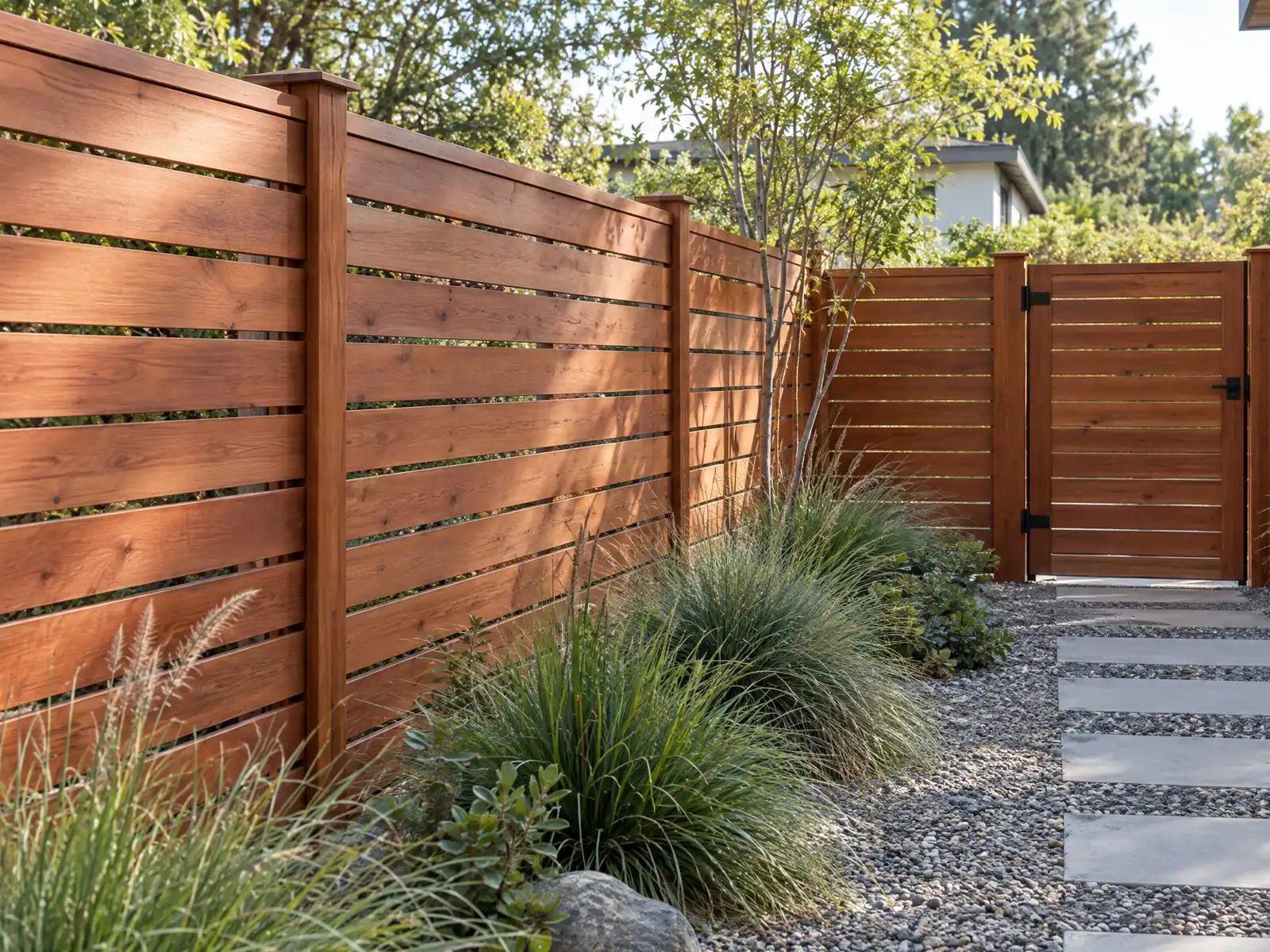
Fences here mostly mark lots in tracts that appeared after the City incorporated in 1984. ACS 2024 one-year estimates count 43,916 single-family detached homes among 59,400 housing units, 73.9 percent, and 39.7 percent of all units date from the 1980s. Before the tracts, Wikipedia says Edgemont, once named Rose Arbor, was subdivided for poultry ranches in 1923, and the City says Sunnymead Boulevard was first paved in 1936.
For fence installation, MDG Builders (CSLB #1040337) measures the lot, checks the zoning and permit steps and runs the schedule, while licensed subcontractors build it: a C-13 fencing contractor for wood, vinyl and metal and a masonry contractor for block, since C-13 excludes masonry walls. Our fencing page holds the sourced prices and the Moreno Valley overview covers the other trades. The Building and Safety Division issues permits. Municipal code text here comes from gocodebook.com, a third-party mirror, because ecode360 returned HTTP 403 to our tools, so confirm each section with the City.
What Moreno Valley's amended codes, zoning chapter and wildfire chapter say about fences
Where fencing permits come from in Moreno Valley: City of Moreno Valley Community Development Department, Building and Safety Division.
- Moreno Valley's amended building and residential codes (Sections 8.20.070 and 8.23.020, third-party mirror) exempt from a building permit only fences not over 6 feet high, masonry block walls under 3 feet measured from top of footing, or a combination of block wall under 3 feet plus wood, vinyl, wrought iron or chain link not over 6 feet total. The unamended California Residential Code list (Section R105.2, mirror) says fences not over 7 feet, so Moreno Valley is stricter than the state list.
- The City's permit FAQ says replacing a wood fence needs no permit if it is replaced with wood, vinyl or wrought iron in the same location and is not over 6 feet high, and that a retaining or block wall needs a permit if it is higher than 3 feet from top of footing.
- The City's block wall handout (revised January 2014) says all structures need Planning Division approval before a building permit and asks the owner to draw the wall or cover on a site plan showing slopes, drainage and distance to property lines.
- In required front yards of Moreno Valley homes a solid fence or wall may not exceed 3 feet and an open fence or wall (at least 75 percent open above 3 feet) may not exceed 6 feet, measured from finished grade; front-yard walls must be decorative and durable (masonry, wood pickets, tubular metal or other approved materials), and retaining walls up to 3 feet are allowed in a front yard (Section 9.08.070.B, third-party mirror).
- The City's zoning FAQ states the residential fence limits plainly: 6 feet maximum along side and rear property lines, 3 feet maximum for solid fences in the front setback, and front fences over 3 feet must be open material with at least 75 percent visibility up to 6 feet.
- Side and rear yard fences and walls in Moreno Valley may not exceed 6 feet, may go to 8 feet where the elevation difference between adjoining sites warrants it, and may be higher where the decision-making body finds extra height is needed to mitigate noise or screen arterial streets, freeways or nonresidential uses; a retaining wall on the boundary between two residential parcels may not exceed 3 feet, and a retaining wall plus fence may not exceed 8 feet of solid surface (Section 9.08.070.B).
- Fences between residential lots in Moreno Valley must be wood, decorative metal rail, decorative block or other durable material approved by the community development director; fences facing streets, freeways or other rights-of-way must be decorative metal rail, decorative block or similar and, where practical, use landscaping, berms or texture changes to deter graffiti (Section 9.08.070.B.3).
- Moreno Valley fence and wall rules also require 3 feet of clearance around any fire hydrant, an encroachment permit from the city engineer for anything in the City right-of-way, compliance with Caltrans sight distance rules, and for development projects next to State Route 60 an 8 foot split-face block wall or tubular steel fence along the freeway property line (Section 9.08.070.A).
Do I need a permit to build a fence in Moreno Valley, and why 6 feet when the state says 7?
No building permit up to 6 feet. Moreno Valley's amended building and residential codes, in Sections 8.20.070 and 8.23.020, exempt fences not over 6 feet high, masonry block walls under 3 feet measured from the top of the footing, and a block wall under 3 feet plus wood, vinyl, wrought iron or chain link not over 6 feet in total. The unamended California Residential Code list in Section R105.2 says 7 feet, so the City is stricter than the state, and the City's permit FAQ repeats the 6 foot figure.
That gap matters for a 7 foot privacy fence, which is a permit job here even though the state list would exempt it. The FAQ also says a wood fence replaced with wood, vinyl or wrought iron in the same location needs no permit if it is not over 6 feet high. Exempt does not mean unregulated, since height and setback rules still apply, and the City's block wall handout, revised January 2014, says all structures need Planning Division approval before a building permit.
Ask the counter which line applies to your fence, and get the answer in writing.
Does a fence next to my house have to be non-combustible in a Moreno Valley fire zone?
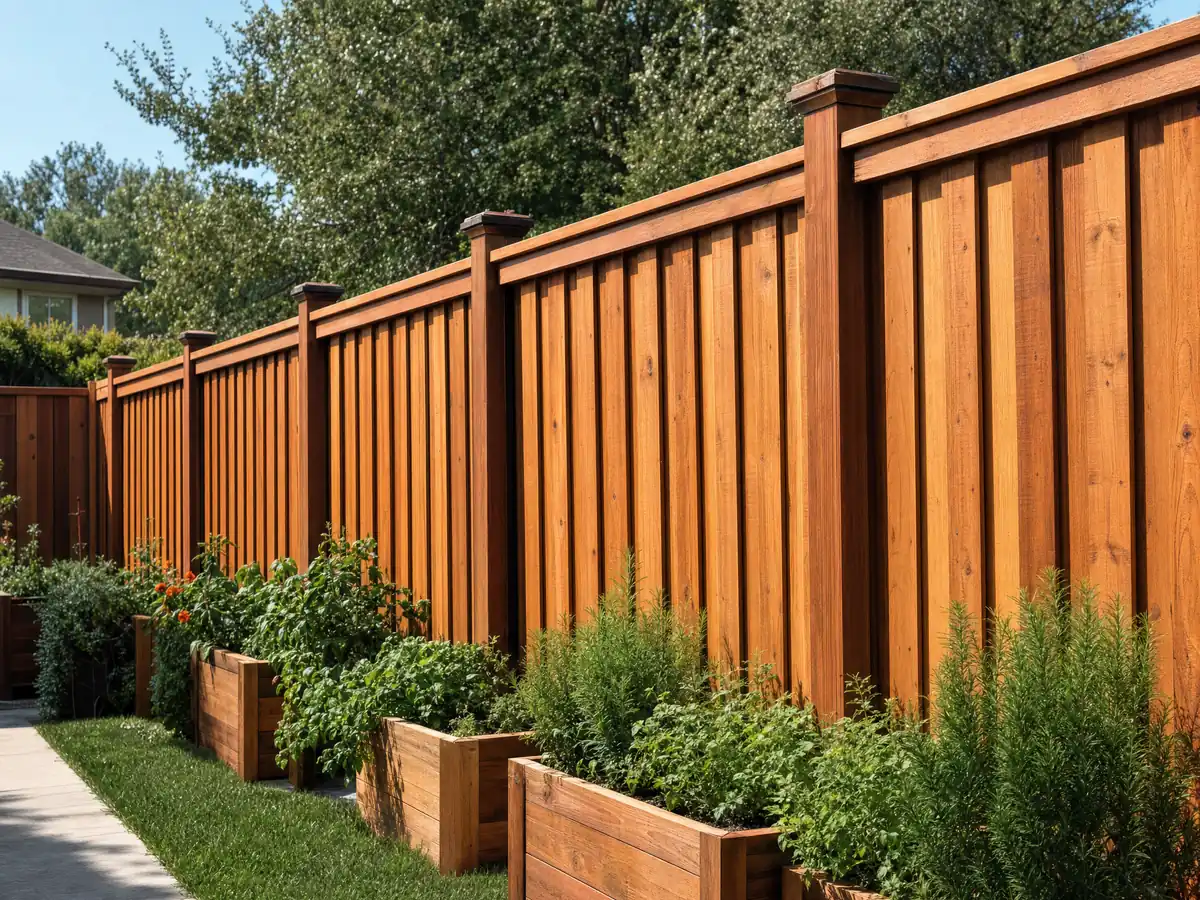
Inside a fire hazard severity zone, yes within 5 feet of a building. Under the City's Wildland-Urban Interface chapter, Sections 8.84.530 to 8.84.560, any new fence or gate within 5 feet of a building, decks included, must be non-combustible. Fencing installed before January 1, 2026 may stay, but if any portion within 5 feet of the building is replaced, all of the fencing in that 5 feet that is not parallel to the building, gates included, must be non-combustible. Fencing beyond 5 feet does not have to change.
The same chapter sets a non-combustible Zone 0 in the first 5 feet around new buildings and additions, bans combustible mulch and firewood there and prohibits vines on structures, decks and fences within 5 feet of a building. Which parcels sit in a zone is the open question: the City adopted moderate, high and very high zones under Ordinance 1024, but the map is an image and we did not read parcel zones, so ask Fire Prevention at 951.413.3370.
Have the proposal say which gates and panels sit inside the 5 feet.
How tall can a fence be in a Moreno Valley front, side or back yard?
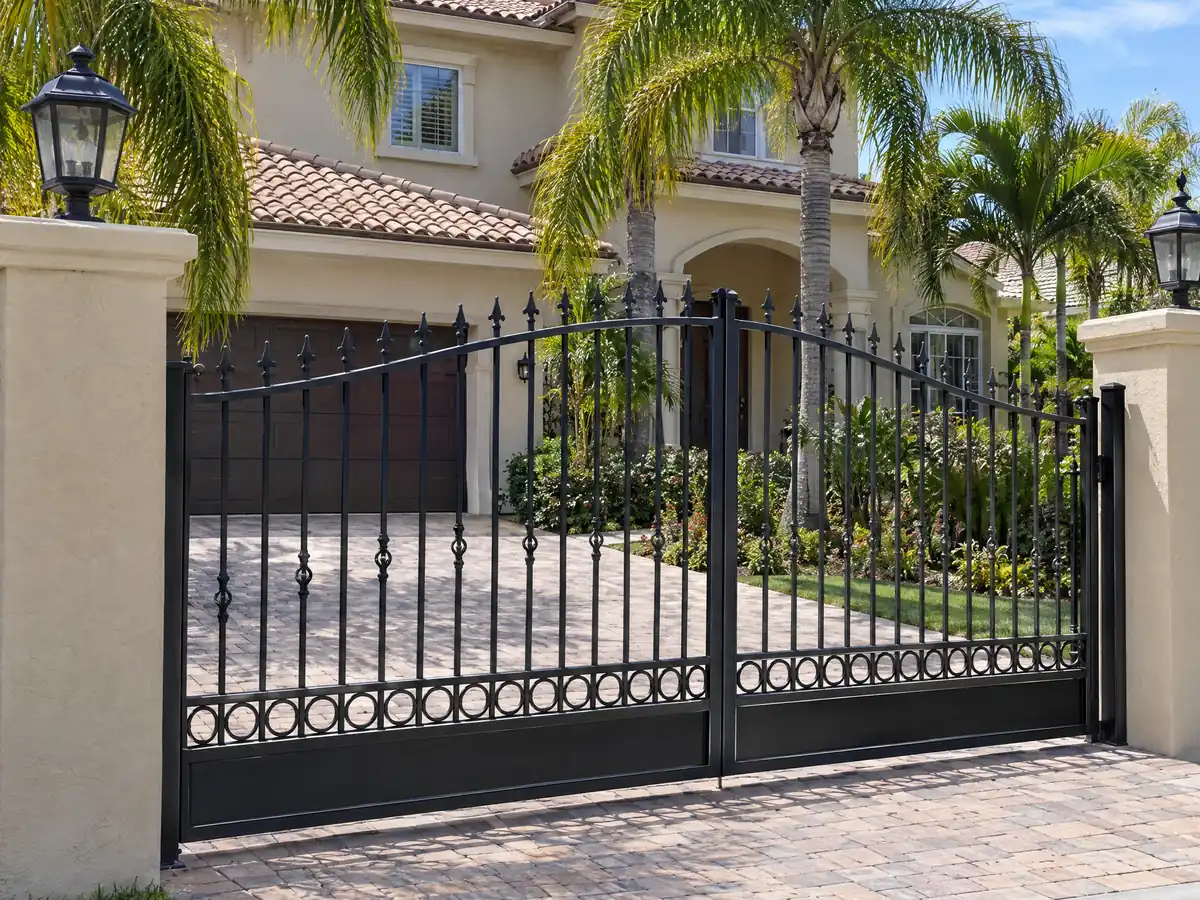
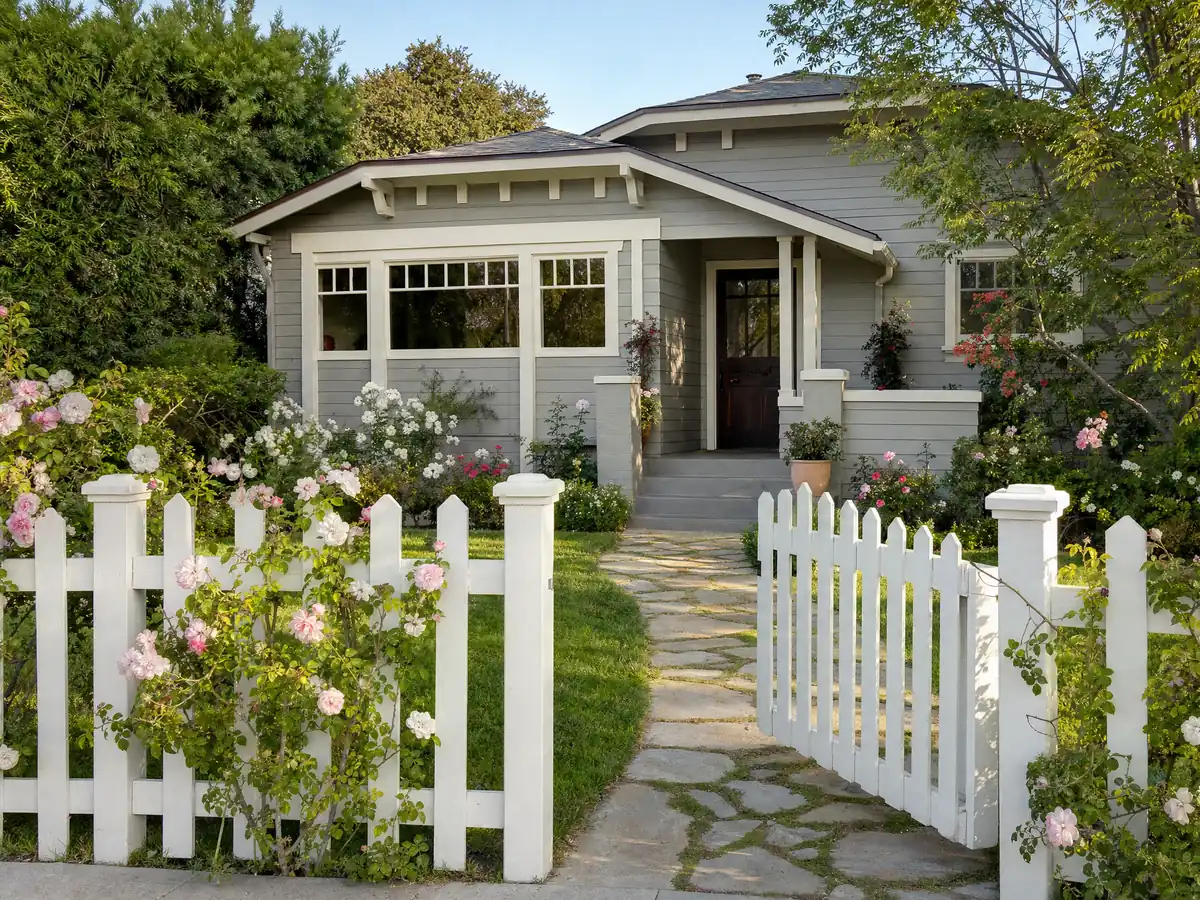
The front yard is the tightest. In required front yards, Section 9.08.070.B and the City's zoning FAQ allow a solid fence or wall up to 3 feet, and an open fence at least 75 percent open above 3 feet up to 6 feet, measured from finished grade. Front yard walls must be decorative and durable, with masonry, wood pickets and tubular metal named, and retaining walls up to 3 feet are allowed there.
Side and rear fences stop at 6 feet. They may reach 8 feet where the elevation difference between adjoining sites warrants it, and higher where the decision-making body finds extra height is needed to mitigate noise or screen arterial streets, freeways or nonresidential uses.
- Front setback, solid: 3 feet maximum
- Front setback, open (at least 75 percent open above 3 feet): 6 feet
- Side and rear lines: 6 feet, or 8 feet where the grade difference warrants it
- Boundary retaining wall between residential lots: 3 feet, and wall plus fence 8 feet of solid surface
Ask Planning to confirm your setback line before panels are ordered.
What materials and block wall rules apply, and when does a wall need a permit?
Fences between residential lots must be wood, decorative metal rail, decorative block or another durable material the community development director approves. Fences facing streets, freeways or other rights-of-way must be decorative metal rail, decorative block or similar and, where practical, use landscaping, berms or texture changes to deter graffiti (Section 9.08.070.B.3).
A block or retaining wall higher than 3 feet from the top of the footing needs a building permit, the permit FAQ says, and the 2014 handout asks the owner to draw the wall on a site plan showing slopes, drainage and distances to property lines. CSLB's C-13 fencing class excludes masonry walls, so a block wall belongs to a masonry contractor. A pool barrier is another path, because pools and spas need their own Pools (BFP) permit and a 5 foot setback from the property line to the water line.
Ask for footing depth and drainage on any wall over 3 feet.
What stops a fence at the property line: right-of-way, hydrants, sight distance and neighbors?
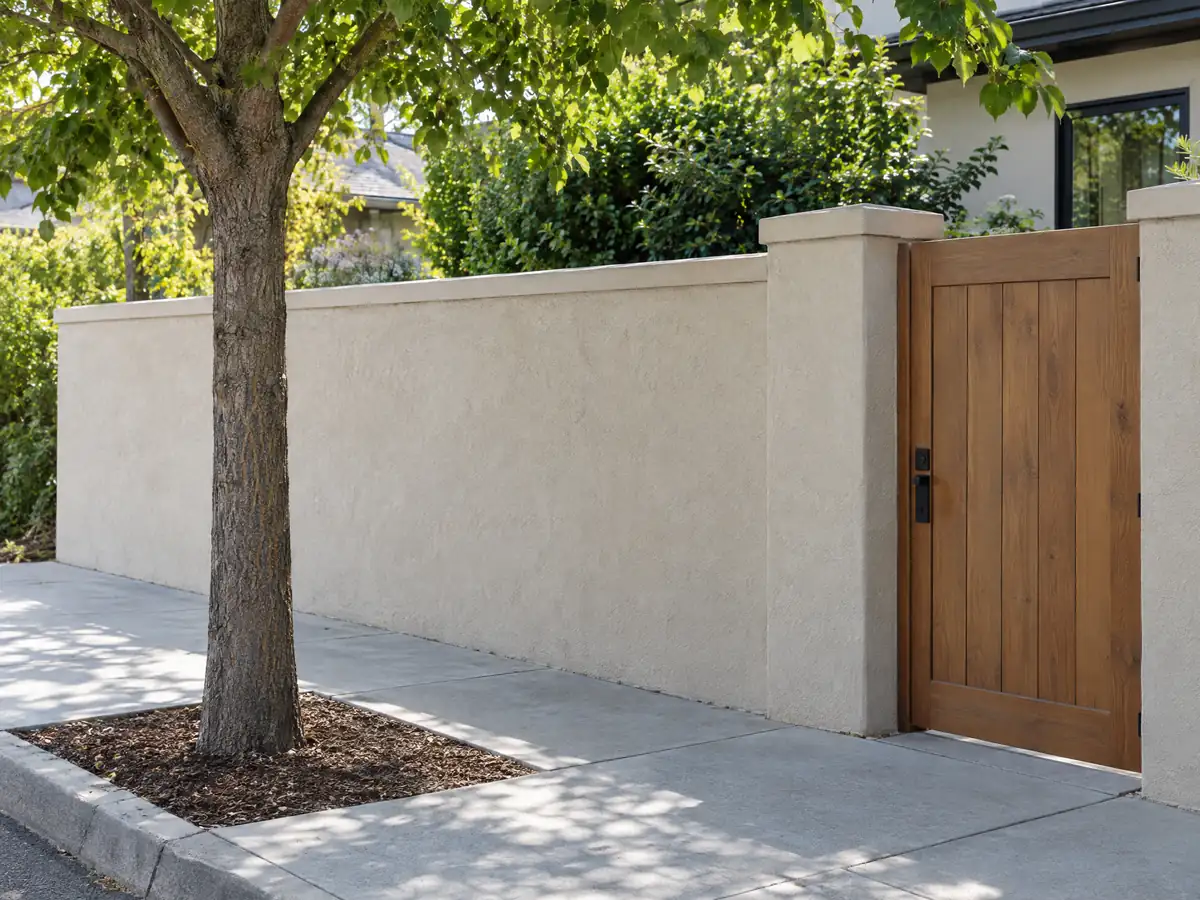
Moreno Valley's fence and wall rules require 3 feet of clearance around any fire hydrant, an encroachment permit from the city engineer for anything in the City right-of-way and compliance with Caltrans sight distance rules (Section 9.08.070.A). Development projects next to State Route 60 need an 8 foot split-face block wall or tubular steel fence along the freeway property line, which concerns new tracts and not a homeowner replacing a backyard run.
A shared fence raises a state question. Civil Code section 841 presumes that adjoining owners share the reasonable cost of a boundary fence equally, and an owner planning to spend money on it should give each neighbor 30 days' written notice, though neighbors can rebut the presumption. Talk first, put the deal in writing and ask a surveyor where the line sits before posts go in.
Mail the 30 day notice before the fence company orders materials.
Do Santa Ana winds, termites and sandy soil change how a Moreno Valley fence is built?
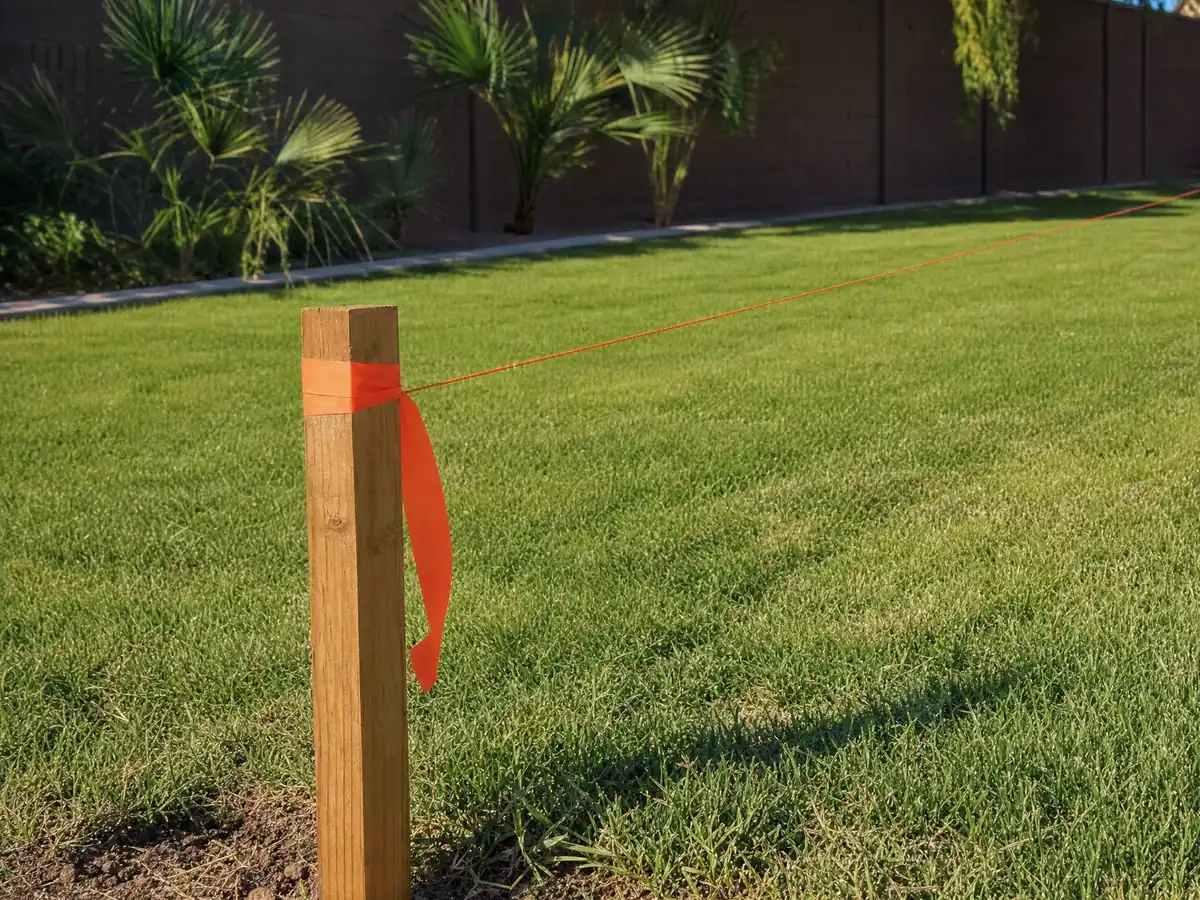
They set what the crew should specify. The Safety Element says Santa Ana winds between October and March can reach 100 miles per hour and have toppled trees and power lines, the City's residential design table assigns a 96 mph wind speed and a very heavy termite rating (Section 8.23.050), and the Safety Element describes soils as coarse Hanford or Cieneba, sandy loam and rockland. We found no City rule on post depth or spacing, so ask the fence contractor for both, plus how panels are braced, in the proposal.
The University of California's pest management guide says drywood termites are most prevalent in southern California and infest decks and fences, and advises termite-resistant wood or concrete footers where wood meets soil. The grading code also requires expansive soil, an expansion index above 20, within 4 feet of a building area to be removed or engineered, which matters for a block wall or tall retaining wall near the house. The design frost line is 12 inches, but we read no rule making it the footing depth for a fence.
How much does fence installation cost in Moreno Valley, and who builds it?
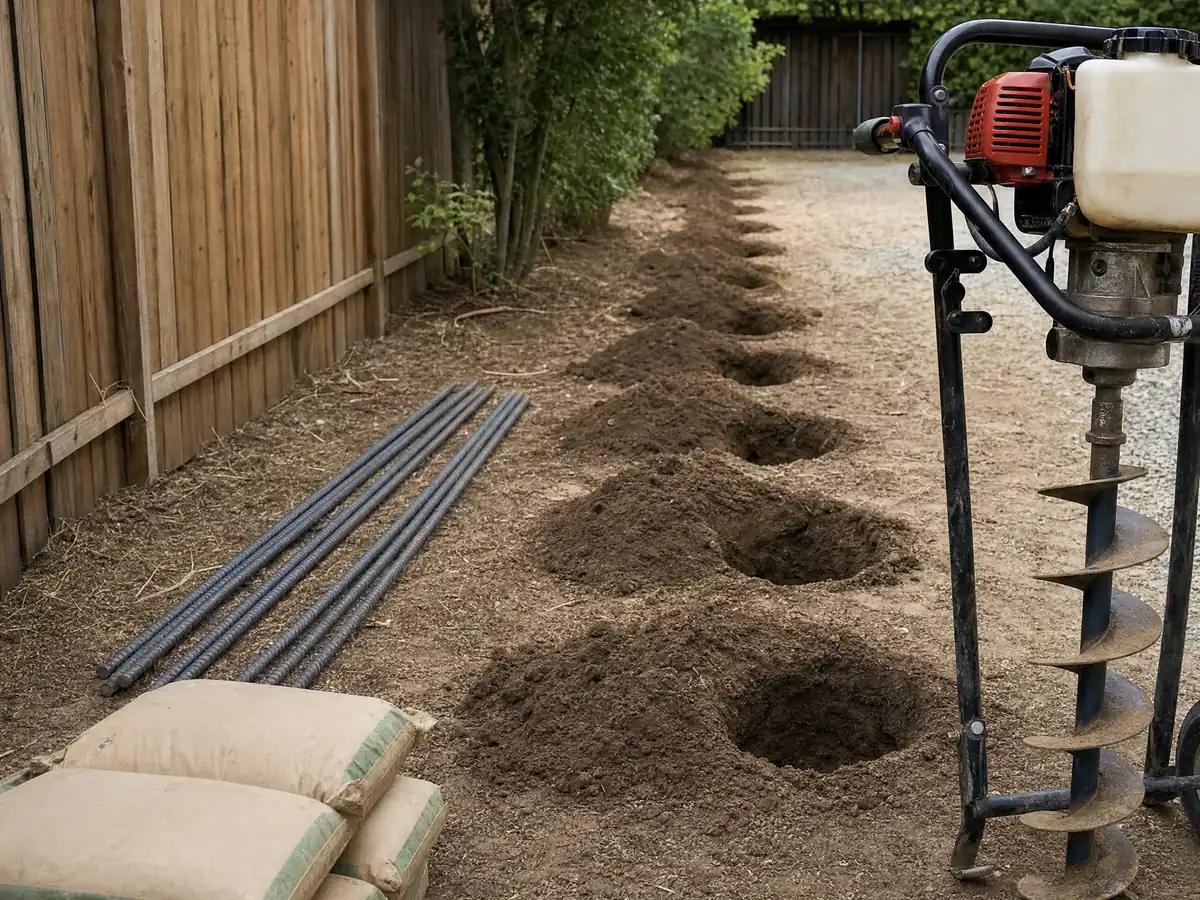
We found no Moreno Valley price survey, so these come from Los Angeles and national sources, and an Inland Empire proposal can differ. Angi's Los Angeles page, dated August 4, 2026, shows $15 to $60 a linear foot and $2,100 to $2,350 for 100 feet, HomeGuide's February 3, 2026 page shows $20 to $60 and Thumbtack's July 1, 2026 page shows $23 to $57 a foot. The federal wage survey lists fence erectors in the Los Angeles metro, not the Riverside area, at a mean $28.00 an hour for May 2025. From those we plan about $25 to $55 a linear foot installed for a 6 foot wood or vinyl privacy fence, $35 to $85 for aluminum or ornamental iron, $12 to $30 for chain link and $2,500 to $5,500 for a 100 foot backyard run. No independent block wall price turned up, so we print none.
Angi's national guide, updated October 13, 2026, lists $150 to $2,000 for a gate and $3 to $5 a foot to remove an old fence. Business and Professions Code 7159 caps a down payment at $1,000 or 10 percent of the price, whichever is smaller. Check the fence contractor's license with our contractor license guide, and see how general contractors use subcontractors for who answers for what.
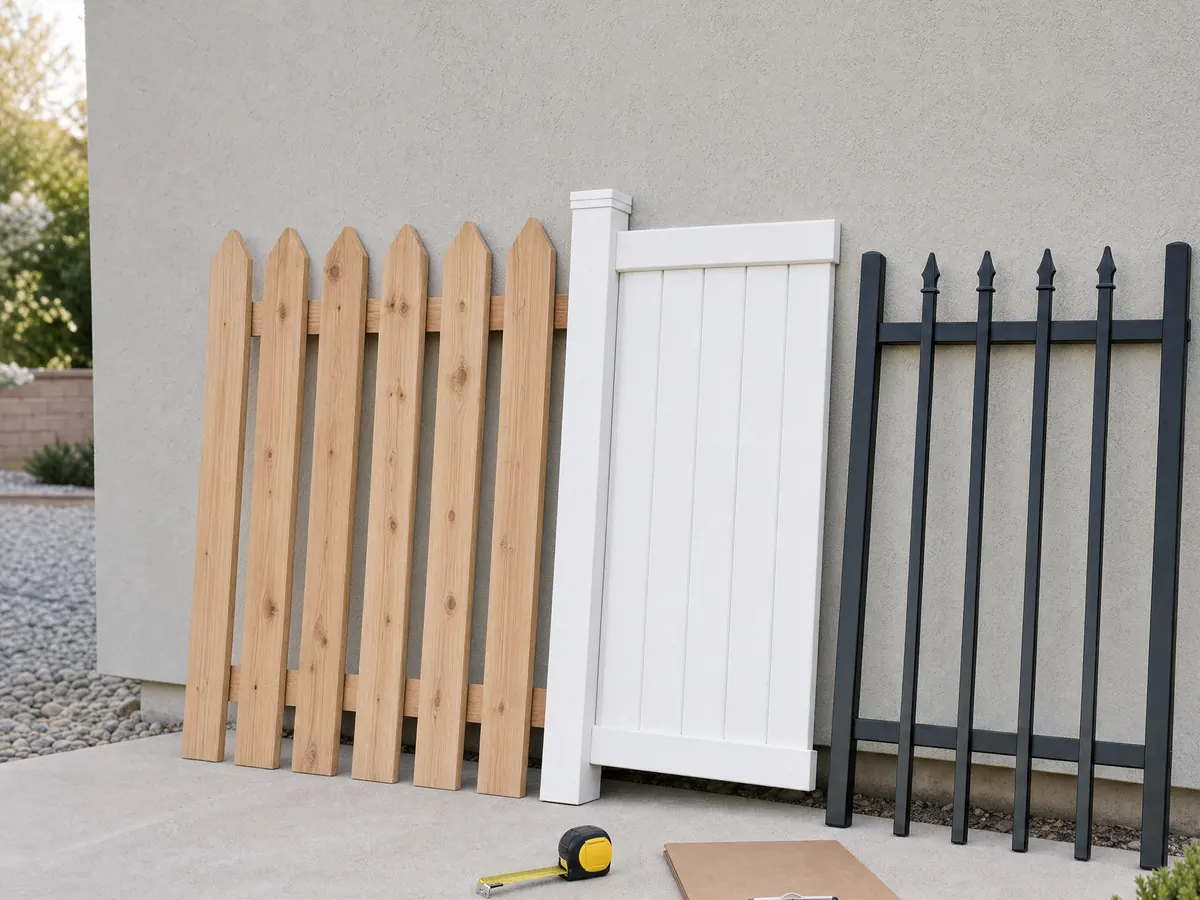
Fence photos from Moreno Valley and nearby communities
Fencing scenes tied to Moreno Valley places such as Sunnymead, Edgemont, Moreno Valley Ranch and Sunnymead Ranch, and to nearby communities like Perris, Riverside, Redlands and Loma Linda, from open iron gates to solid backyard runs.
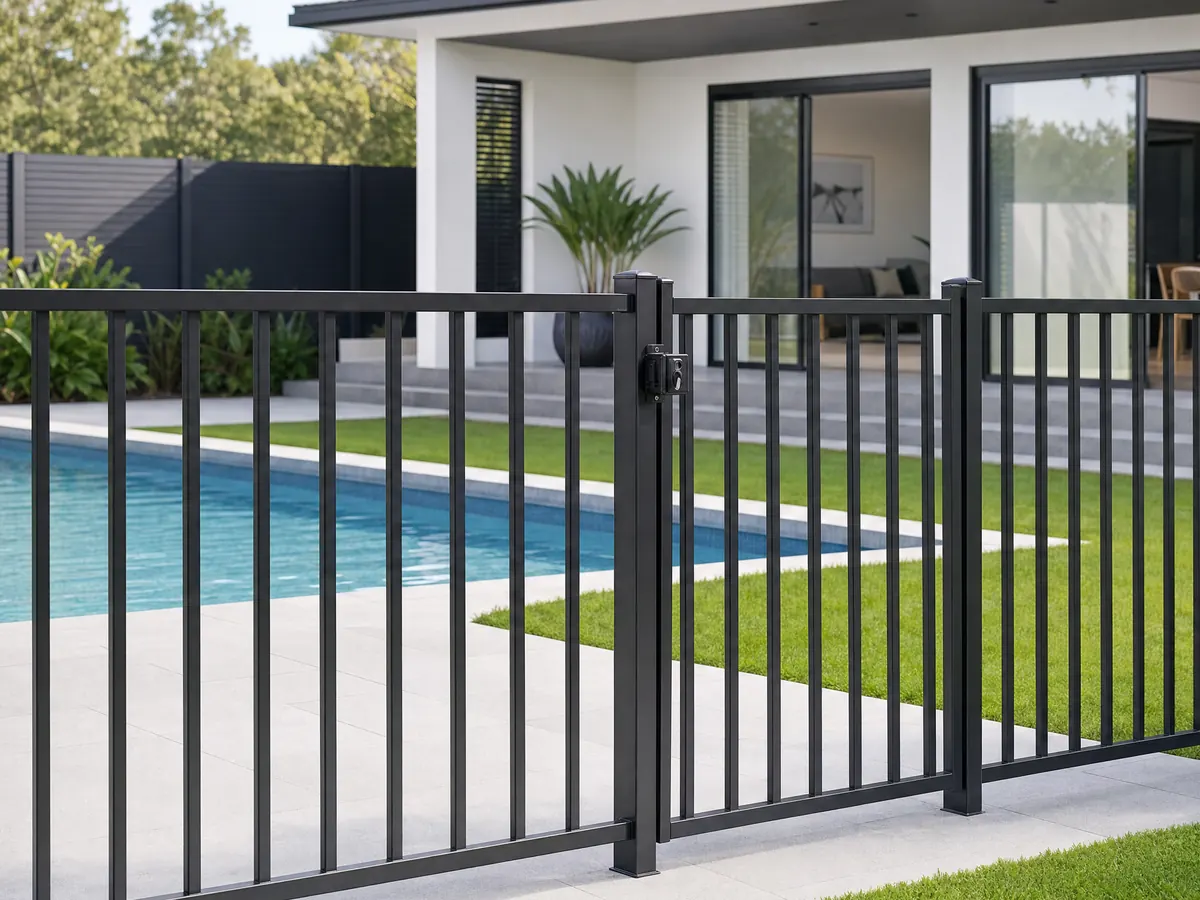
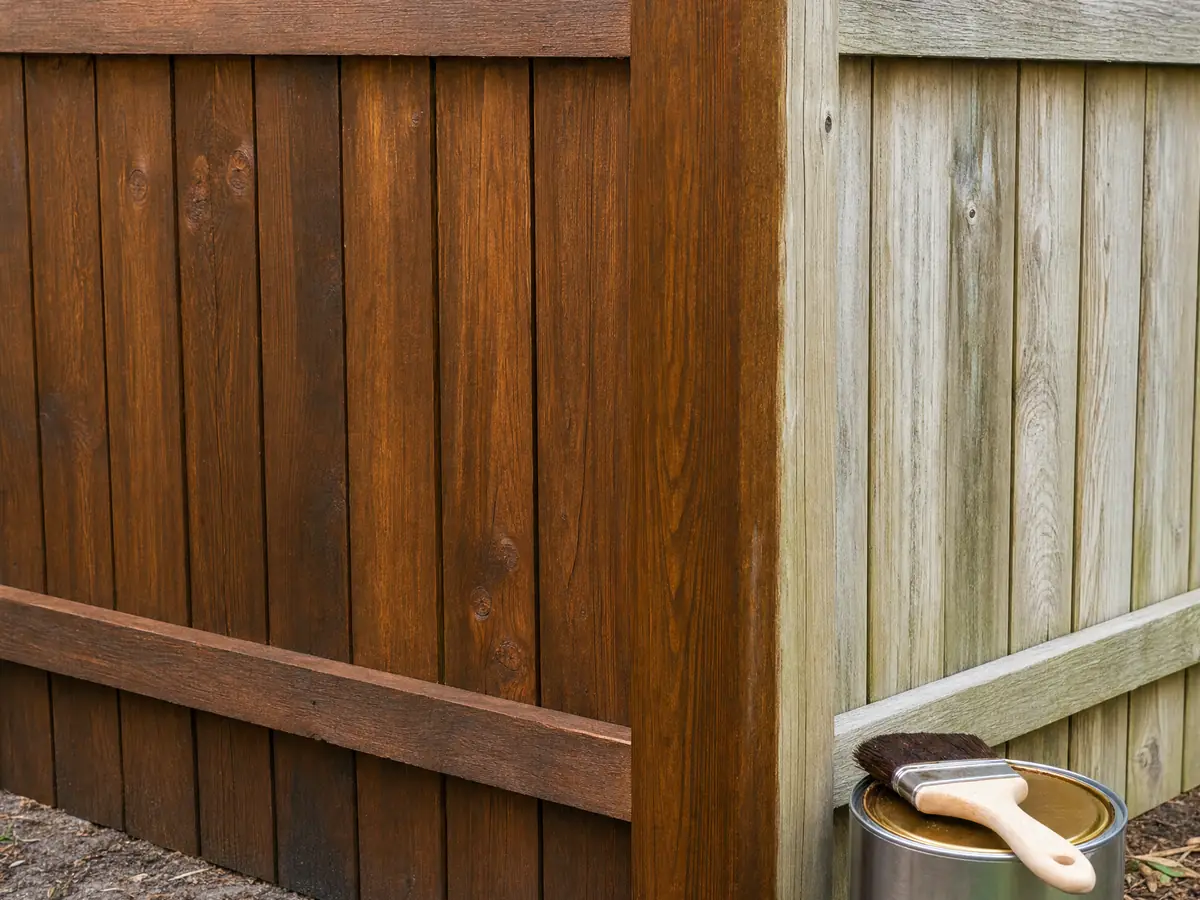
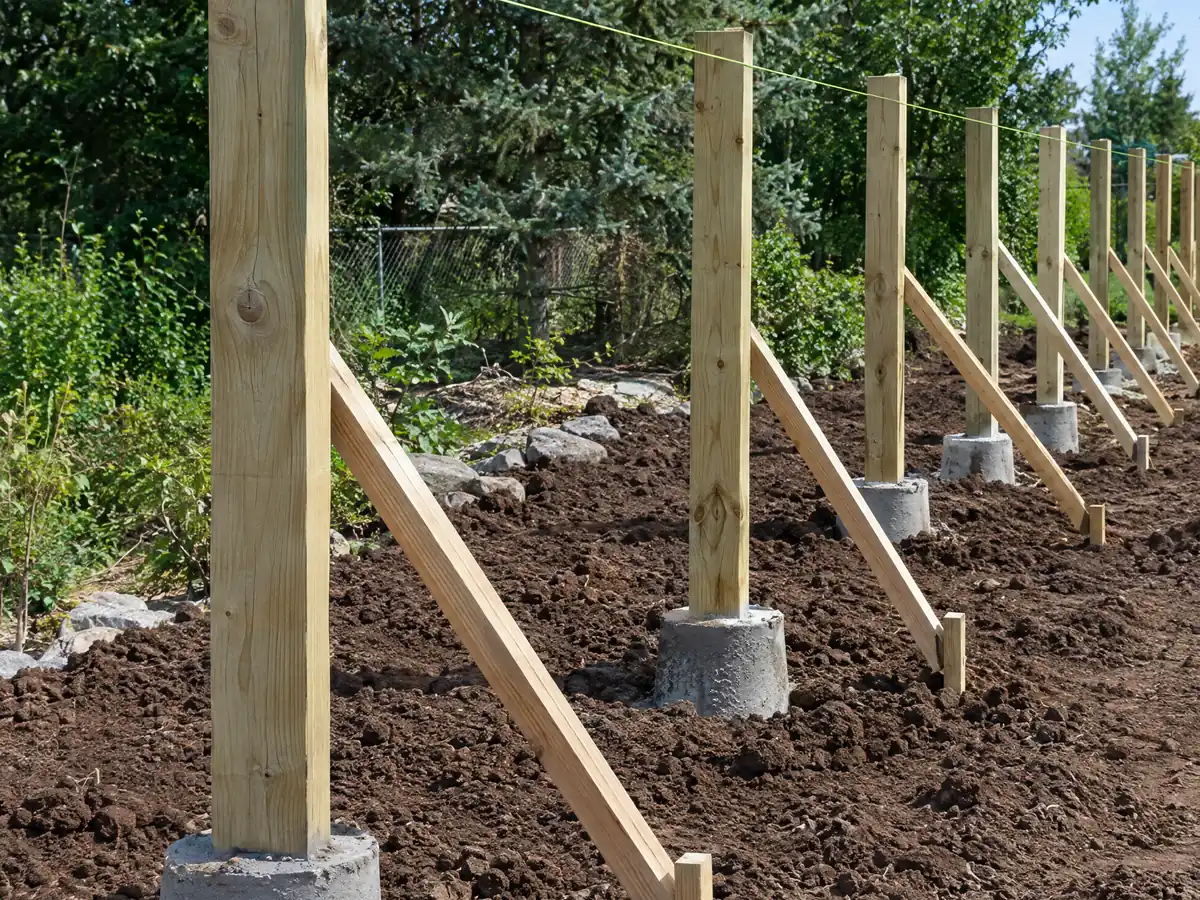
Where these Moreno Valley fence figures come from
Each fence price and its source sits in the table on our fencing page. Fences usually come with other exterior work, and the Moreno Valley guides for those jobs are the roofing page, the painting page and the kitchen remodeling page. To compare how two other cities set their limits, read the fencing guides for Glendale and Pasadena.
| What it covers | Typical range |
|---|---|
| Wood or vinyl privacy fence, 6 feet | $25 to $55 per linear foot |
| Chain-link | $12 to $30 per linear foot |
| Aluminum or ornamental iron | $35 to $85 per linear foot |
| Typical 100-foot backyard run | $2,500 to $5,500 total |
| Block walls, horizontal slat fences, gates and openers, hillside lots | Set by the written proposal |
Other work we manage in Moreno Valley
Moreno Valley fence questions, answered
How much does it cost to have 100 feet of fence installed?
Plan on $2,500 to $5,500 for 100 feet of 6 foot wood or vinyl privacy fence, a blend of Los Angeles price guides, while Angi's Los Angeles page alone lists $2,100 to $2,350. Gates, removal of an old fence, slopes and block walls move the number, and a written proposal after a site visit sets the real price.
Do I need a permit to build a fence in Moreno Valley?
Not up to 6 feet. The City's amended code exempts fences not over 6 feet and block walls under 3 feet from the top of the footing, which is stricter than the state's 7 feet. A taller fence needs a building permit, and Planning approval and zoning limits still apply. Ask Building and Safety at 951.413.3350.
Can I put up a 7ft fence?
Usually not. Side and rear fences stop at 6 feet, rising to 8 feet only where the elevation difference between adjoining sites warrants it or the decision-making body finds extra height is needed for noise or screening. A 7 foot fence would also need a building permit, since the City exempts only fences up to 6 feet.
How tall can a fence be in the front yard?
In Moreno Valley, 3 feet if the fence or wall is solid and up to 6 feet if it is at least 75 percent open above 3 feet, measured from finished grade in the required front yard. Front walls must be decorative and durable, and retaining walls up to 3 feet are allowed. Confirm your setback line with Planning.
Can I put a privacy fence up in my front yard?
Not a solid one taller than 3 feet. In a required front yard a solid fence stops at 3 feet, and anything taller must be open, at least 75 percent open above 3 feet, up to 6 feet. A decorative metal rail with open spacing can meet that test, but a solid wood privacy panel cannot.
Does your neighbor have to pay for half the fence in California?
Often, as a starting presumption. Civil Code section 841 presumes that adjoining owners share the reasonable cost of a boundary fence equally, and an owner planning to spend money should give each neighbor 30 days' written notice. Neighbors can rebut it, so settle the terms in writing before work starts.
What is the maximum height of a retaining wall without a permit in California?
In Moreno Valley, a retaining or block wall needs a permit if it is higher than 3 feet from the top of the footing, according to the City's permit FAQ. A retaining wall on the boundary between two residential parcels may not exceed 3 feet at all. Ask Land Development at 951.413.3120 about grading.
Do you need a permit to build a block wall in California?
In Moreno Valley, a block wall under 3 feet measured from the top of the footing is exempt, and a taller one needs a building permit. The City's handout asks for a site plan showing slopes, drainage and distances to lot lines and says Planning approval comes first. A masonry contractor, not a C-13 fence contractor, builds the wall.
Is it cheaper to install a wood or vinyl fence?
Wood usually costs less up front, though the ranges overlap: Angi's national guide, updated October 13, 2026, shows $10 to $45 a foot for wood and $15 to $40 for vinyl. In a Moreno Valley fire zone, a new fence within 5 feet of a building must be non-combustible, which may rule out wood there, so ask Fire Prevention what qualifies.
Do fire zone rules apply to my fence in Moreno Valley?
Only inside a mapped fire hazard severity zone, and only within 5 feet of a building. There, new fences and gates must be non-combustible, and replacing any part of existing fencing in that 5 feet pulls the rest of it into the rule. We could not read parcel zones, so ask Fire Prevention at 951.413.3370.
Get a fence plan for your Moreno Valley lot
Send your street or neighborhood, whether the fence is front, side or rear, how close it comes to the house and whether you think the lot is in a fire zone. We check the height table, the permit line and the 5 foot rule before we call back.