
Fence Companyin Desert Hot Springs, CA
A fence company in Desert Hot Springs works to a 4 foot limit in the first 10 feet of a front or street-facing yard and 6 feet in side and rear yards. The City's exempt handout frees fences up to 6 feet, yet Planning's fence packet still asks for a plot plan first. Chain link and exposed wood are restricted.
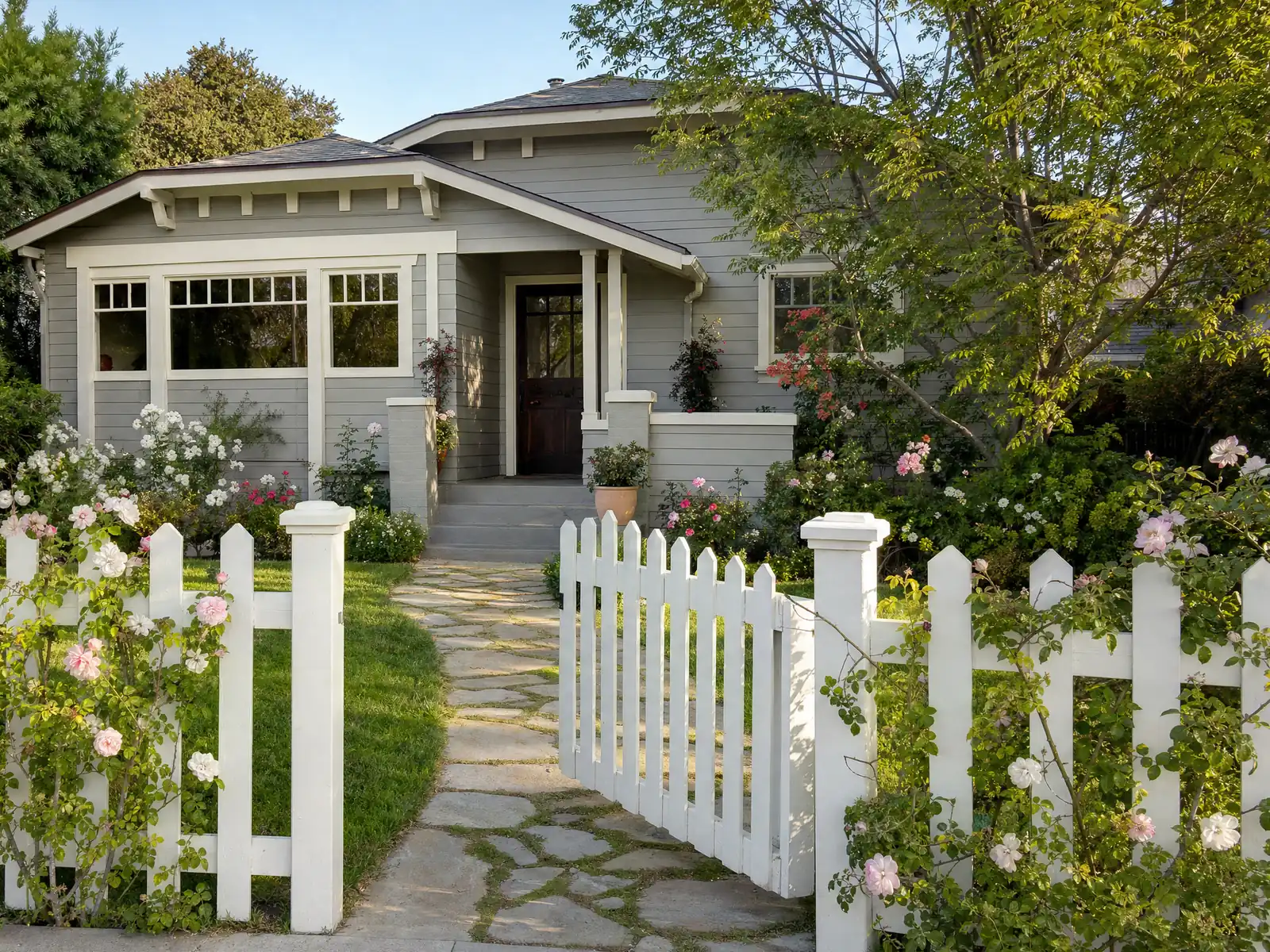
Fences here follow a street grid that speculators laid out in the 1950s over roughly six square miles of lots, and most of the houses behind those fences arrived later. ACS 2024 5-year estimates count 12,474 housing units, 63.9 percent single-family detached, 49.3 percent of occupied homes rented and a median year built of 1990. The City was incorporated on September 17, 1963, and the General Plan describes growth that all but stopped in the 2007 to 2009 recession. Wikipedia adds that the 1980s and 1990s filled most of the vacant lots with houses and duplexes, so a fence job is usually a rear or side run on a lot that has been built on for decades.
For a fence, MDG Builders (CSLB #1040337) handles the contract, the City paperwork and the order of trades, while a licensed C-13 fencing subcontractor sets posts and a licensed C-29 masonry subcontractor lays block, since the fencing class excludes masonry walls. The fencing page lists our sourced prices, and the Desert Hot Springs overview covers every trade we manage here. The City's Building & Safety Division issues permits and its Planning Division sets the zoning limits. The City's own pages and PDFs loaded fine, but ecode360.com returned a 403, so code sections were read in a third-party mirror and need a call to confirm. Compare the fence guides for Palm Springs and Cathedral City, which are separate jurisdictions.
What Desert Hot Springs' fence packets, zoning code and block wall standards say
Where fencing permits come from in Desert Hot Springs: City of Desert Hot Springs Community Development Department, Building & Safety Division.
- Fence permits versus zoning: the City's Work Exempt handout exempts fences up to 6 feet and retaining walls up to 4 feet (footing to top, no surcharge), but the Planning Division's fence packet still says a fence application with a plot plan must be submitted for review and approval before installation, with fence height, material and any vehicular gate shown. Block walls have their own building application, and the new-house fee sheet lists a $215.00 block wall permit fee.
- Fence height and material limits (Planning fence requirements citing Section 17.08.060, and the code at 17.40.110, third-party mirror): 4 feet maximum for the first 10 feet of the front or street-facing yard (hedges too), 6 feet in rear and side yards; allowed in any location are solid masonry in a matching color, solid vinyl, composite, non-reflective corrugated metal, tubular steel and precision block; chain link is prohibited for perimeter fencing except on lots of 1 acre or more (side and rear, out of public view) or 10,000 square feet or more (rear only, screened), and exposed wood is prohibited for perimeter walls unless approved; post and wire up to 48 inches or split rail up to 6 feet only on vacant property; barbed, razor and electrified fencing are barred.
- Corrugated metal fences (City package dated July 2026 in its file name): limited to 6 feet; minimum 24-gauge non-reflective steel or aluminum; support posts on the inside face only; no gap between grade and panels; 2 by 2 tubular steel supports at most 6 feet apart, buried at least one third of the exposed height; panels fastened with #12 by 1 inch self-tap screws at each rib; inspections at footing (after trenching and steel, before the pour) and final.
- Masonry fence standards: the City publishes standard details for a free-standing block wall (3 to 6 feet high with footing widths of 17 to 45 inches depending on footing option and height, rebar and grout only in rebar cells, not a retaining wall if grade differs by more than 6 inches across it, footings next to slopes 5 feet to daylight), a pilaster wall and a retaining block wall up to 6 feet; required inspections are footing, rebar and pre-grout, and final before any decorative cap. The corner traffic safety sight area limits anything over 30 inches high (code 17.40.110 B, third-party mirror).
How tall can a fence be in a Desert Hot Springs front yard, side yard and backyard?
The Planning Division's fence requirements, which cite Section 17.08.060, cap a fence at 4 feet for the first 10 feet of the front or street-facing yard, and hedges are held to the same limit. Rear and side yards go to 6 feet. The zoning code's property standards, Section 17.40.110 in the third-party mirror, add that anything over 30 inches high must stay out of the corner traffic safety sight area.
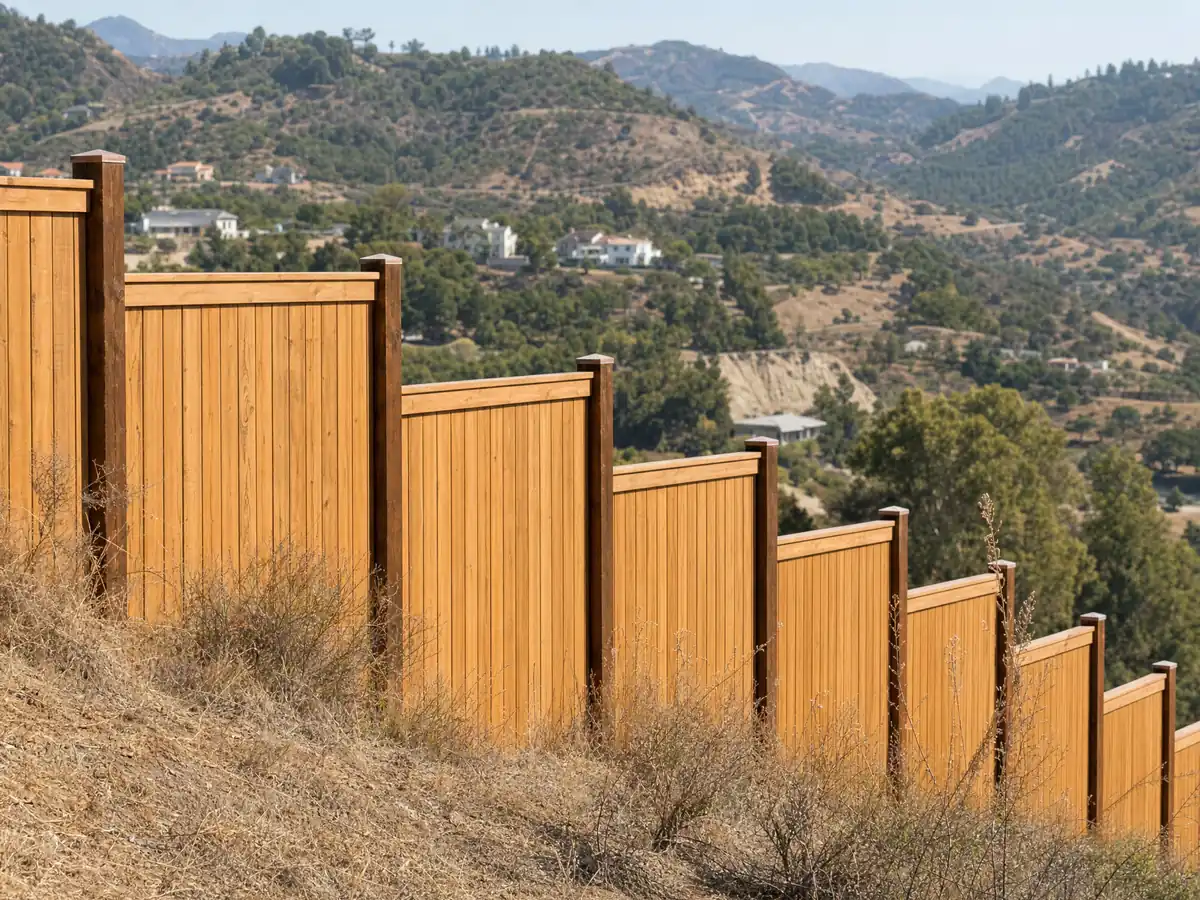
Perimeter walls are to be built at the top of a slope and adjacent to property lines, so a wall set back across a sloping lot is not the default. Barbed, razor and electrified fencing are barred outright. Post and wire up to 48 inches or split rail up to 6 feet is allowed only on vacant property, so a rail fence beside an occupied house is a no.
Write the yard type, the height and the sight area on the proposal.
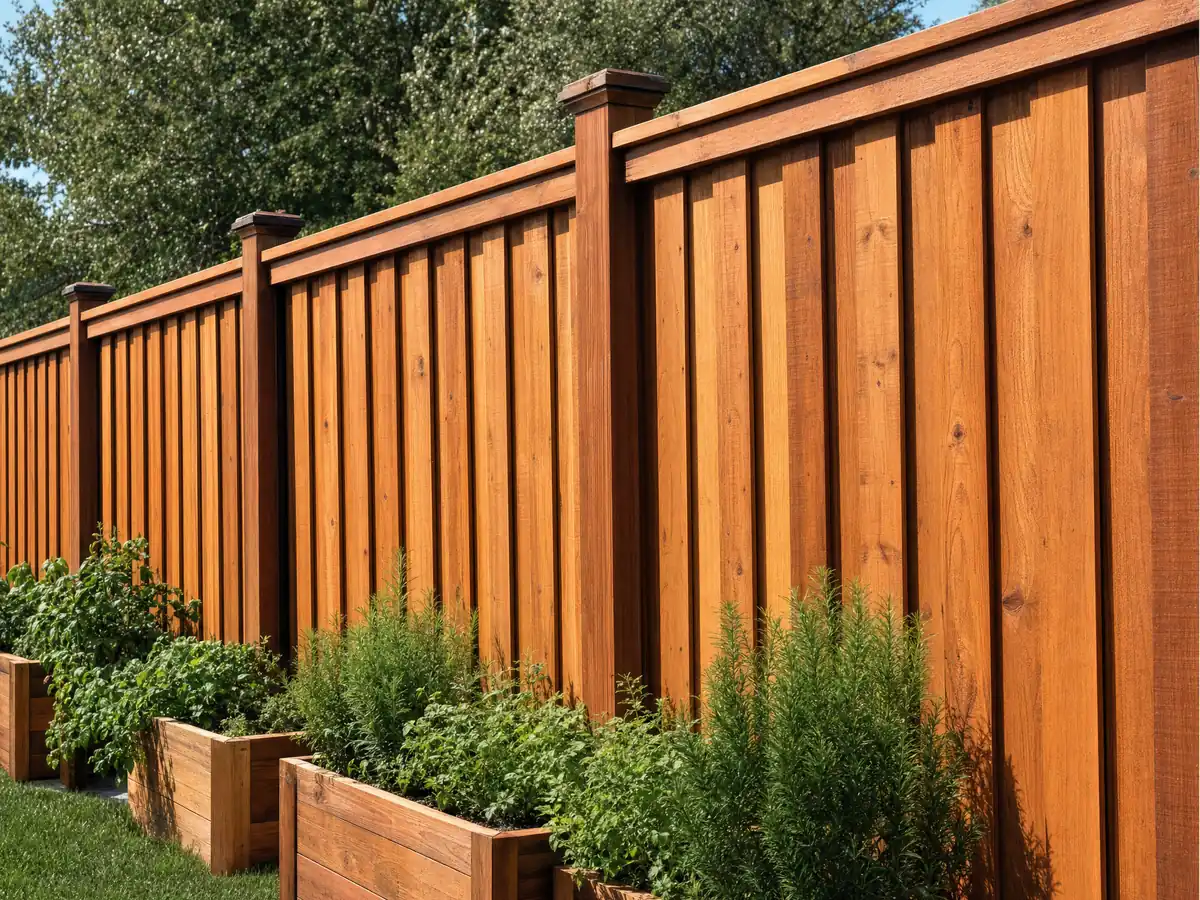
What fence materials are allowed in Desert Hot Springs, and is chain link or wood banned?
Anywhere on a lot the City allows solid masonry in a matching color, solid vinyl, composite, non-reflective corrugated metal, tubular steel and precision block. Chain link is prohibited for a perimeter fence except on lots of 1 acre or more, on the side and rear and out of public view, or on lots of 10,000 square feet or more, rear only and screened. Exposed wood is prohibited for perimeter walls unless approved, which surprises owners who assume a cedar fence is the default.
Corrugated metal has its own City package, dated July 2026 in its file name. It limits height to 6 feet and asks for steel or aluminum of at least 24 gauge in a non-reflective finish, support posts on the inside face only, no gap between grade and panels and 2 by 2 tubular steel supports at most 6 feet apart, buried at least one third of the exposed height. Panels take #12 by 1 inch self-tapping screws at each rib, and the inspections are the footing, after trenching and steel but before the pour, and the final.
Ask for the material, the gauge or grade and the finish color on the proposal.
Do I need a permit for a fence in Desert Hot Springs when the handout and the packet disagree?
Treat it as yes until the counter says otherwise. The City's Work Exempt From Permits handout exempts fences up to 6 feet and retaining walls up to 4 feet, measured from the bottom of the footing, with no surcharge, and adds that an exemption never authorizes work that breaks the code. Yet the Planning Division's fence packet says a fence application with a plot plan must be reviewed and approved before installation, showing height, material and any vehicle gate.
Block walls run on their own building application, and the City's new-house fee estimate lists a $215.00 block wall permit fee. That figure sits on a new-house sheet, and we found no fee schedule for a fence on an existing house. A permit application that is never issued expires after 180 days, and work started first draws an investigation fee equal to the permit fee. Call (760) 329-6411, ask what applies to your wall, and write the answer into the contract.
Put the permit answer on the proposal and say who files it.
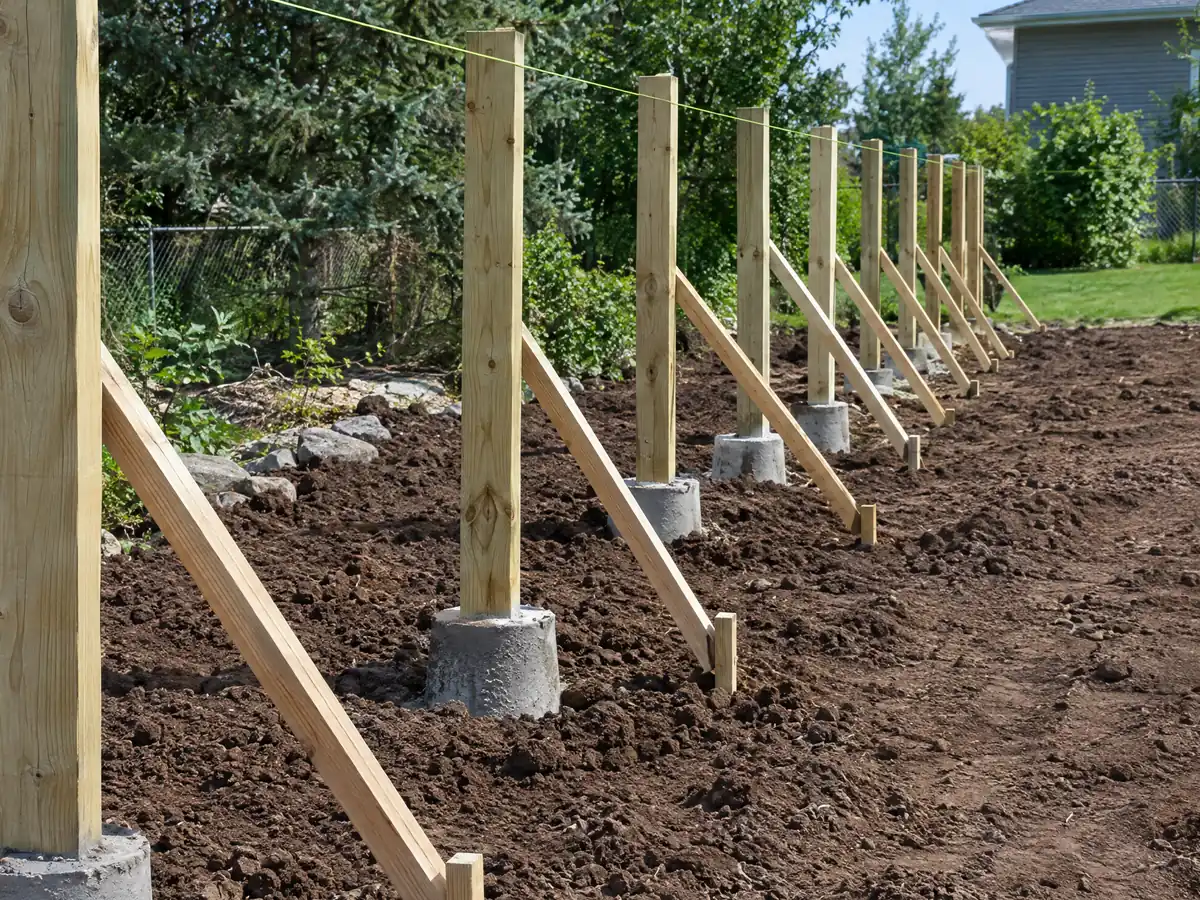
What does a block wall or retaining wall need in Desert Hot Springs, and what about the fault?
The City publishes standard details for a free-standing block wall 3 to 6 feet high, with footing widths of 17 to 45 inches depending on height and footing option, rebar and grout only in the rebar cells, and footings near slopes set 5 feet to daylight. It is not a retaining wall if the grade differs by more than 6 inches across it. The inspections run footing, rebar and pre-grout, then final before any decorative cap. A separate pilaster standard and a block retaining wall standard reach 6 feet.
Those standards carry a 95 mph design wind, while the Division lists 130 mph for houses, so ask which one your engineer should use. Desert Hot Springs also sits on the Mission Creek fault. Section 17.40.090 prohibits development within 50 feet of an active or potentially active fault, and we do not know whether a garden wall counts as development. Parcel fault maps were not researched, and masonry is class C-29, not the fencing class.
Ask whether the wall follows a City standard or needs its own engineering.
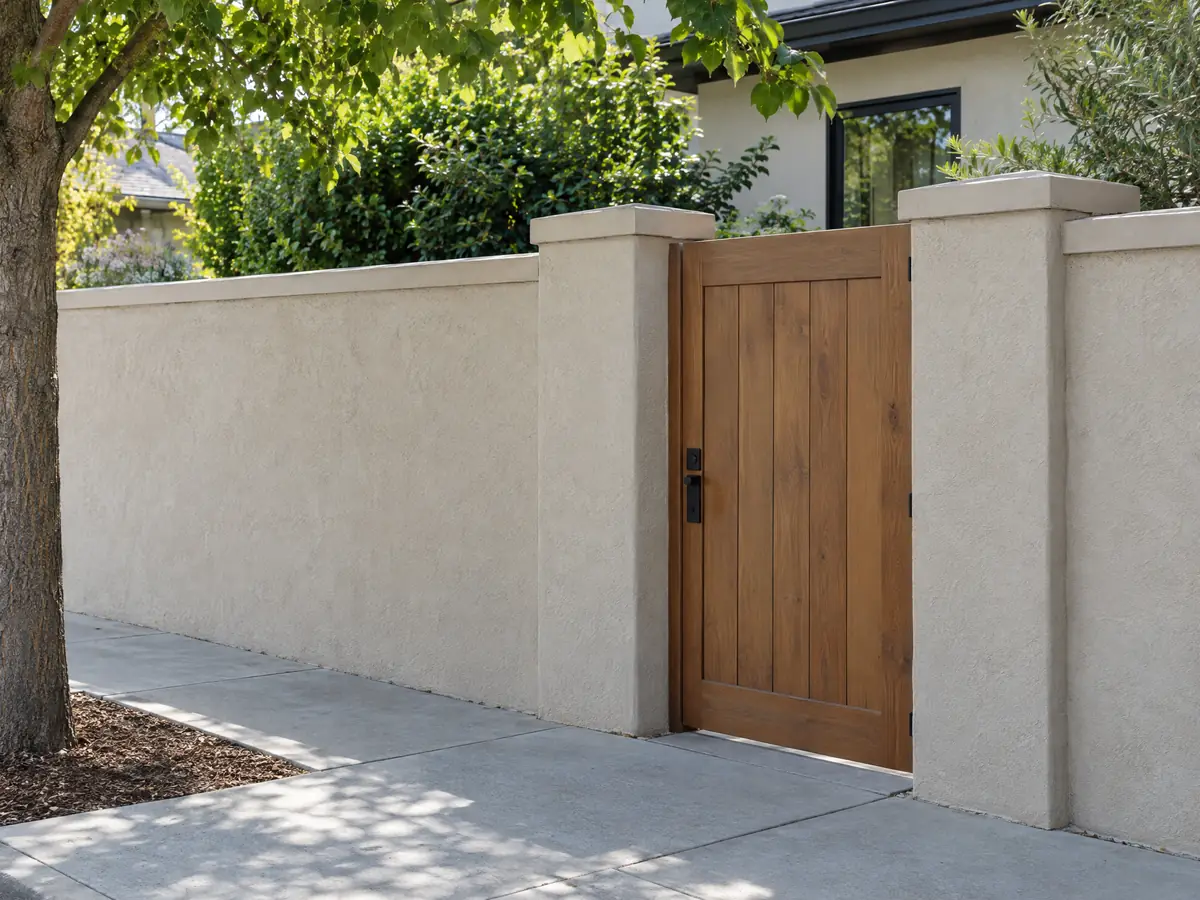
What should a fence crew know about septic fields, blowing sand and wash water in Desert Hot Springs?
The General Plan counts roughly half of households, a 2019 figure, on septic systems, and the City bars ADUs on septic lots under 1 acre. For a fence, the practical risk is a post hole near a tank or leach line. Ask the owner for the septic plan before holes are marked, and if a tank is damaged, repair takes a City building permit and then an application to the Riverside County Department of Environmental Health.
The stormwater chapter, Section 13.08.090, lists concrete pour and cleanup water, stucco fragments and paint waste as prohibited discharges to the storm drain, so footing washout needs a plan. The dust code, Chapter 15.84, asks for a City dust control plan only above 5,000 square feet of disturbed surface, which a single fence line rarely reaches, but Section 17.40.080 says no land use may create measurable dust beyond a parcel boundary. Spring wind makes that line real.
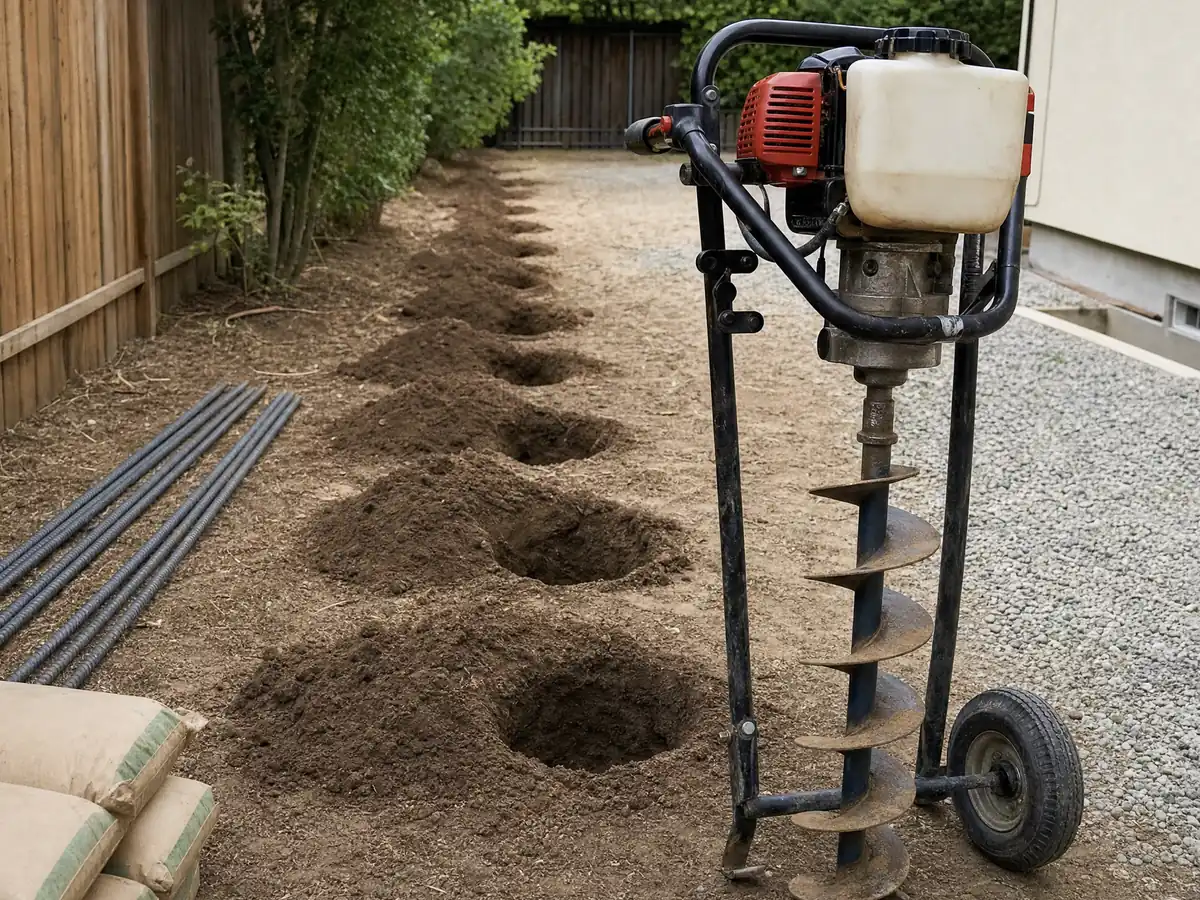
Who pays for a shared fence in Desert Hot Springs, and what does a pool barrier add?
California Civil Code 841 presumes neighbors share the cost of a boundary fence equally and asks an owner who plans to spend money on it to give each affected neighbor 30 days' written notice. The presumption can be rebutted. Settle height, material and cost in writing before a crew is booked, and check whether an owners association has its own wall rule, which we did not research.
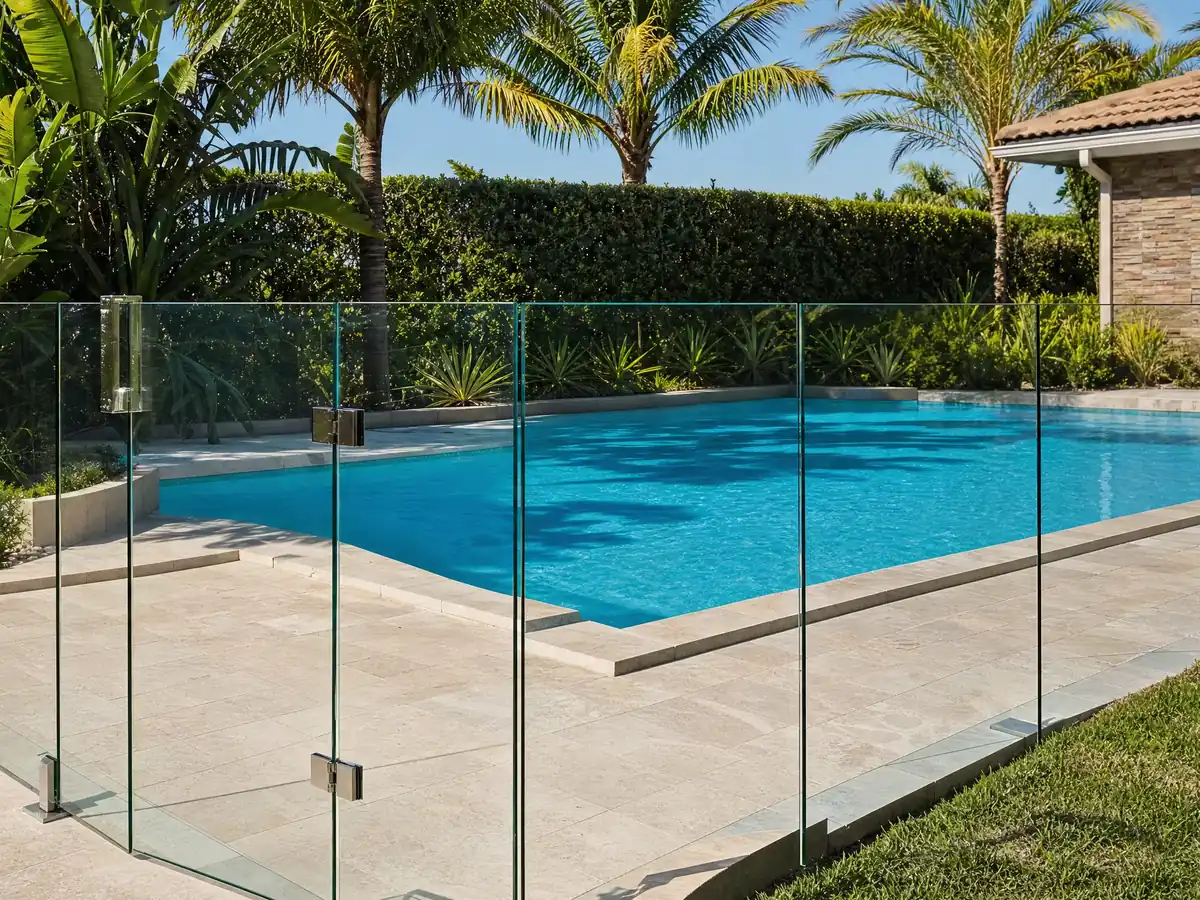
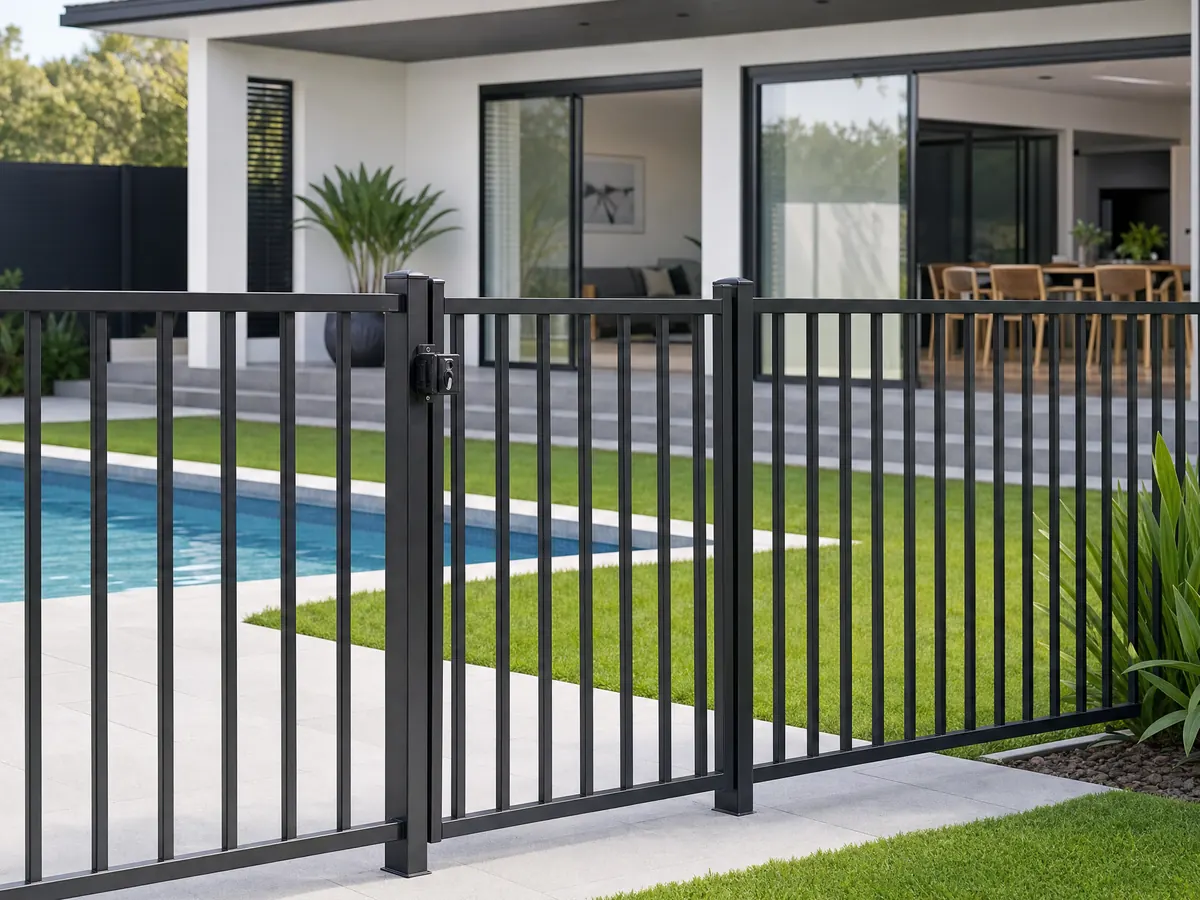
A pool barrier brings the City's pool handout into play. A General B or C-53 contractor license is required to submit, owner-builder pool applications are not accepted, two stamped and signed engineered plans are required and deck work shows positive drainage. The handout is a 2021 posting, so confirm it is current. State law, Health and Safety Code 115922, requires at least two of seven drowning-prevention features with a new or remodeled pool permit. The 60 inch barrier height sits in a section we did not read, so we print no number.
Photograph the old barrier and gate latch before demolition begins.
How much does fence installation cost in Desert Hot Springs, and how do I read a quote?
We found no Desert Hot Springs fence survey, so the figures come from Los Angeles. Angi's Los Angeles guide, updated August 4, 2026, shows a $3,051 average in a $1,734 to $4,422 range and $15 to $60 a foot, with 100 feet at $2,100 to $2,350. Angi's national page adds $150 to $2,000 for a gate and $3 to $5 a foot to haul off an old fence, and federal wage data put fence erectors in the Los Angeles area near $28 an hour. We found no independent block wall price and print none. Our planning ranges are $25 to $55 a foot for wood or vinyl privacy fence, $12 to $30 for chain link where it is allowed and $35 to $85 for aluminum or iron.
Business and Professions Code 7159 caps a down payment at $1,000 or 10 percent of the price, whichever is less, so a quote asking for more is a flag. Compare the license check guide with how general contractors use subcontractors, and read the CSLB contract rules before signing.
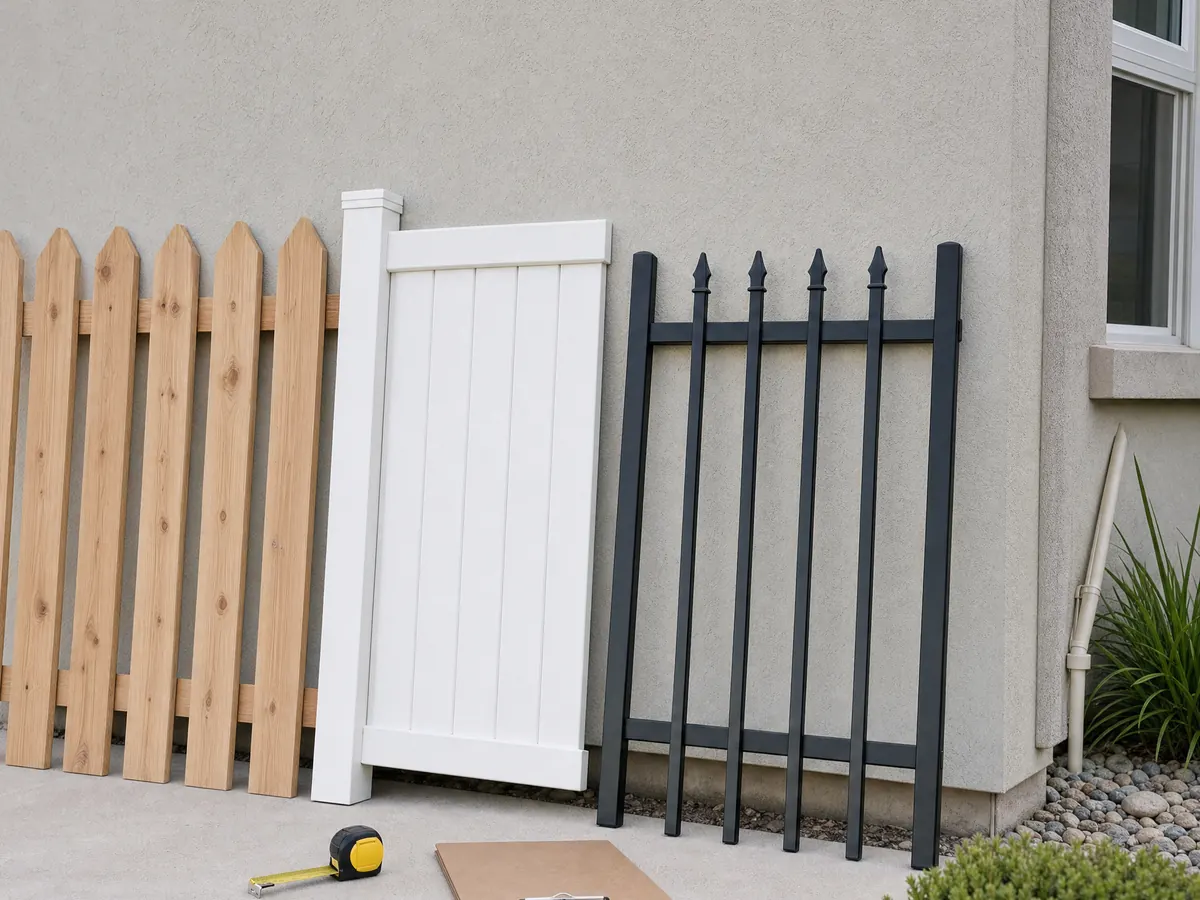
Fencing photos from Desert Hot Springs and nearby communities
Fence scenes tied to Desert Hot Springs places such as downtown, the Hacienda Avenue corridor, Rancho Royale and Mission Lakes, and to nearby communities such as North Palm Springs, Morongo Valley and Cathedral City, from wood privacy runs and block walls to metal panels, gates and pool barriers.
Where these Desert Hot Springs fence figures come from
On the fencing page each price carries its source and date, with the disagreeing numbers shown together. A fence often goes in beside other work, and the local rules for that work are on the roofing page, the painting page and the kitchen remodeling page. For another desert city with its own wall standards, see Palm Desert.
| What it covers | Typical range |
|---|---|
| Wood or vinyl privacy fence, 6 feet | $25 to $55 per linear foot |
| Chain-link | $12 to $30 per linear foot |
| Aluminum or ornamental iron | $35 to $85 per linear foot |
| Typical 100-foot backyard run | $2,500 to $5,500 total |
| Block walls, horizontal slat fences, gates and openers, hillside lots | Set by the written proposal |
Other work we manage in Desert Hot Springs
Desert Hot Springs fence questions, answered
Do I need a permit to build a fence in Desert Hot Springs?
Assume yes until the counter says otherwise. The exempt handout frees fences up to 6 feet, but the Planning fence packet still wants an application and plot plan reviewed before installation, and block walls have their own building application. Call (760) 329-6411 and get the answer in writing.
How tall can my front fence be?
In Desert Hot Springs, 4 feet for the first 10 feet of a front or street-facing yard, hedges included. Rear and side yards can reach 6 feet. Anything over 30 inches stays out of the corner sight area. Ask Planning for the exact setback line on your lot.
Can I put up a 7 foot fence?
Not under the City limits we read. Fences top out at 6 feet in rear and side yards, and corrugated metal is limited to 6 feet. A taller wall would need an approval beyond the packets we found, and the state exempt-list number of 7 feet does not override local zoning.
Is chain link allowed in Desert Hot Springs?
Only in narrow cases. Chain link is prohibited for perimeter fencing except on lots of 1 acre or more, on the side and rear out of public view, or on lots of 10,000 square feet or more, rear only and screened. Exposed wood is also restricted for perimeter walls.
Do you need a permit to build a block wall in California?
In Desert Hot Springs, yes, a block wall has its own City building application and inspections at footing, rebar and pre-grout, and final. Walls up to 4 feet in retaining use can be exempt under the handout. Masonry is licensed as class C-29, not fencing class C-13.
What is the maximum height of a retaining wall without a permit in California?
Desert Hot Springs follows the model list: retaining walls up to 4 feet, measured from the bottom of the footing to the top, are exempt unless they support a surcharge. Block retaining walls up to 6 feet have a City standard, so a taller or surcharged wall means a permit and engineering.
Does your neighbor have to pay for half the fence in California?
Usually the law presumes they share the cost of a boundary fence equally, under Civil Code 841, and a neighbor who plans to spend money gives the other 30 days' written notice. The presumption can be rebutted. Agree on height, material and cost in writing first.
What are the pool fence requirements in California?
State law requires at least two of seven drowning-prevention features with a permit for a new or remodeled pool, under Health and Safety Code 115922. Desert Hot Springs also wants engineered plans and a General B or C-53 contractor. We did not read the barrier height section.
How much should a 100 ft fence cost?
In Angi's Los Angeles guide, 100 feet runs about $2,100 to $2,350, but that is a Los Angeles figure with no Desert Hot Springs survey behind it. Our planning range for a wood or vinyl privacy fence is $25 to $55 a foot, so roughly $2,500 to $5,500 for 100 feet.
Ask for a fence estimate in Desert Hot Springs
Give us the street or neighborhood, the material, which side faces the street and whether a pool, a slope, a septic field or an association is involved. We read the setback limit and the packet for that yard before we call.