
Flooring Installationin San Clemente, CA
Flooring installation in San Clemente usually needs no permit for like-for-like finish work, because the City's exempt list names carpeting and tiling, but plumbing, electrical or subfloor work changes that. Get HOA sign-off first, test the slab for moisture, and test floors from before 1980 for asbestos.
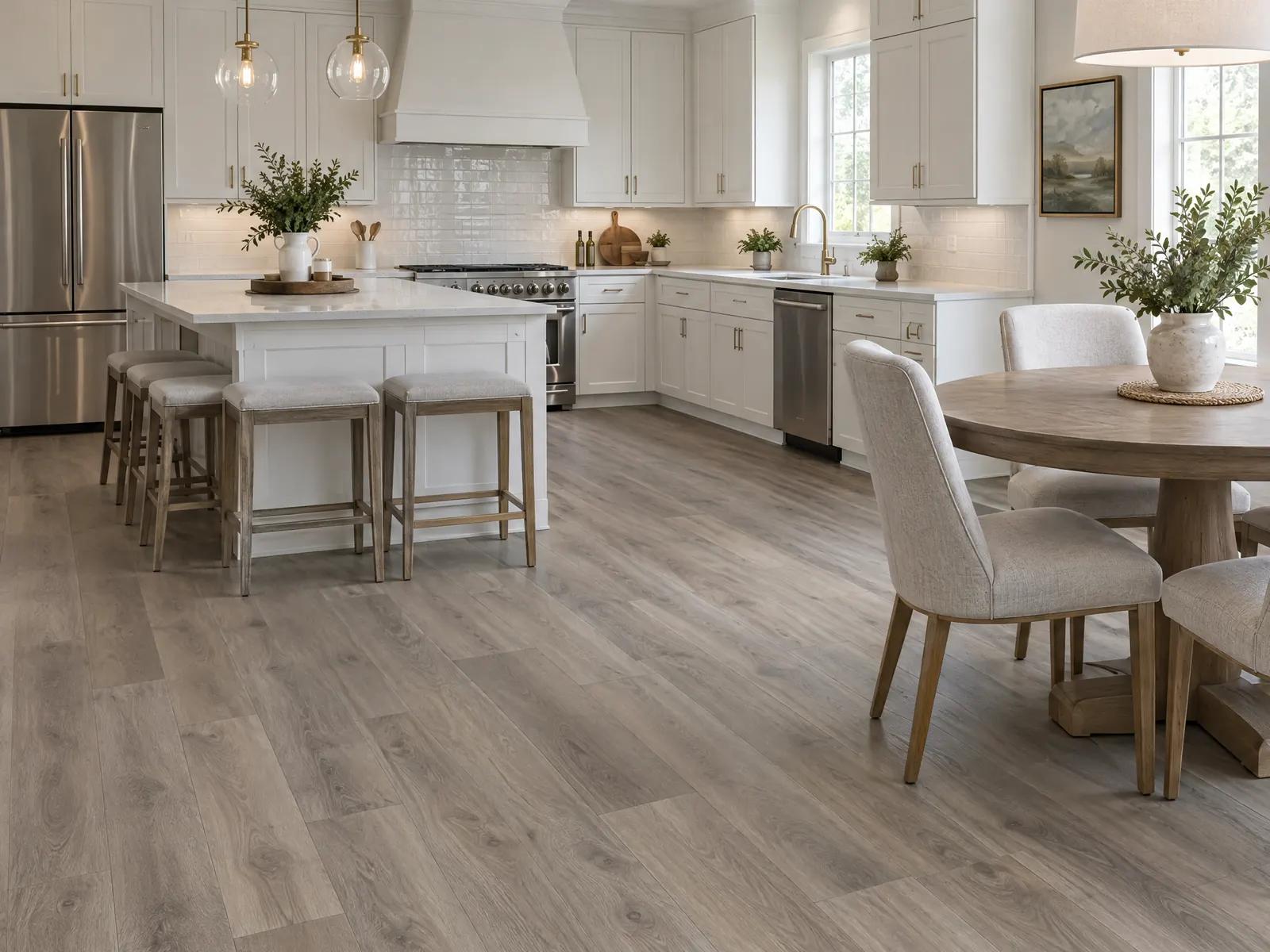
San Clemente's floors come in layers. Per Wikipedia and the San Clemente Historical Society, Ole Hanson bought the land in 1925 and laid out a Spanish village by the sea, and the city incorporated in February 1928. Census estimates for 2020 to 2024 count 27,058 homes with a median build year of 1983, about 43.5 percent of them built before 1980 and only 666 before 1950, so a 1920s plaster cottage near the Pier Bowl and a Talega tract house, where construction began in 1999, call for very different flooring plans.
MDG Builders, CSLB #1040337, is a Tarzana general contractor. We write the scope, take the permit questions to San Clemente's Building Division and hire licensed flooring or tile subcontractors to do the work, and clients can request every subcontractor's license number and insurance certificate before anyone starts. Materials and cost ranges are on the flooring page, and the San Clemente overview lists the other trades we manage here.
What San Clemente's Building Division, HOA paperwork and state law say about flooring work
Where flooring permits come from in San Clemente: City of San Clemente Community Development Department, Building Division (Permits).
- Finish flooring work such as carpeting and tiling (except shower enclosures) is on the exempt-from-permit list when it involves no electrical, mechanical or plumbing work, and the City's Codes page links CALGreen mandatory checklists including a Finish Flooring Materials Declaration and Paints and Coatings Declaration.
- The City amended Building Code 406.2.4 so that the floor area used for parking vehicles must be sloped toward a drain or toward the main vehicle entry doorway, and removed exception 1, with a drainage system of trench or floor drains leading to an approved oil separator required except for R-3 occupancy garages. This applies to Building Code garages, not single-family Residential Code garages.
- CSLB defines the C-15 Flooring and Floor Covering classification as preparing surfaces and installing carpet, resilient sheet goods and tile, wood floors and other flooring materials except ceramic tile, which falls under C-54.
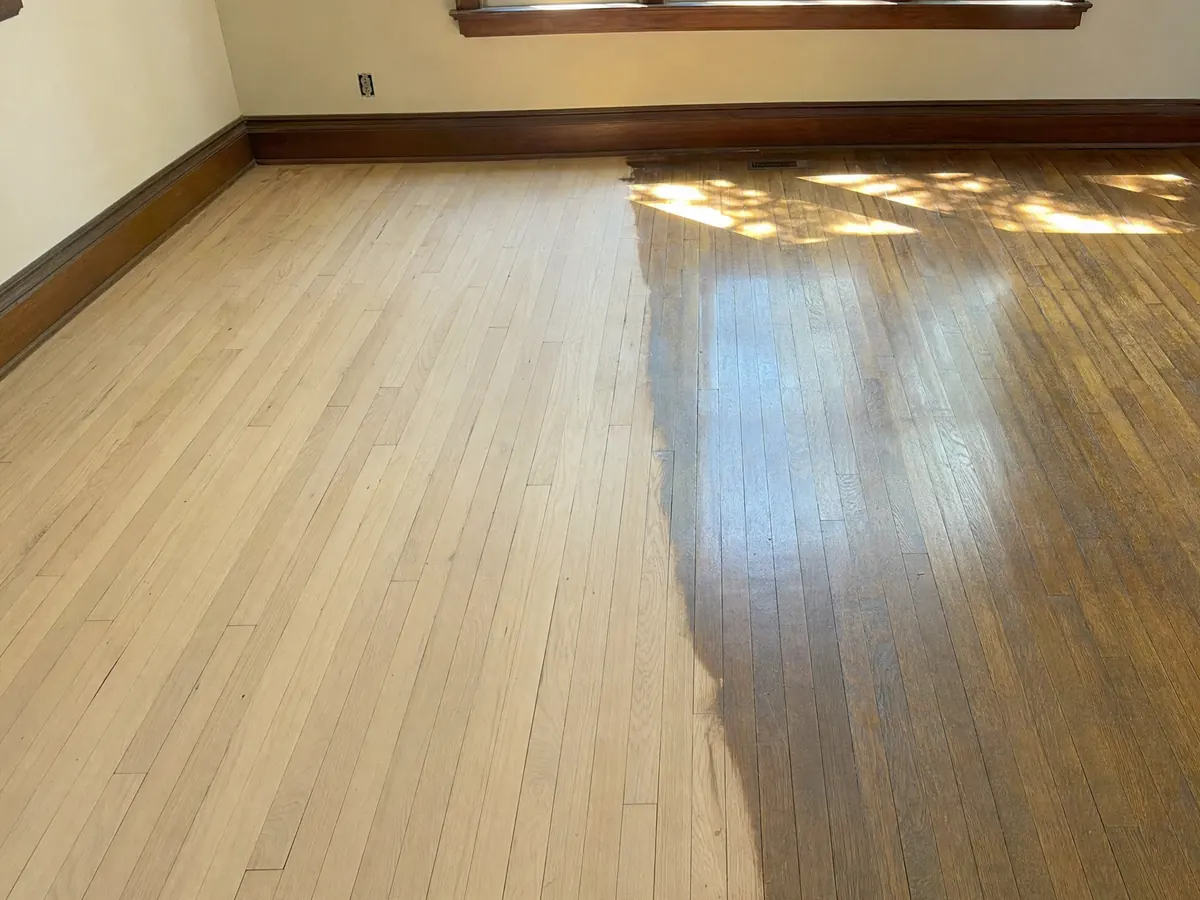
Can you refinish the wood floors in a 1920s San Clemente cottage instead of replacing them?
Sometimes, and the age of the house is the first clue. The Historical Society counts about 500 Spanish-style buildings from Hanson's era, of which 203 remain, and says many were torn down for apartment complexes in the 1970s. Census estimates put 314 homes at 1939 or earlier and 352 more in the 1940s, which is the small group where original wood floors can survive, and the Pier Bowl and Southwest San Clemente cottages fall into it.
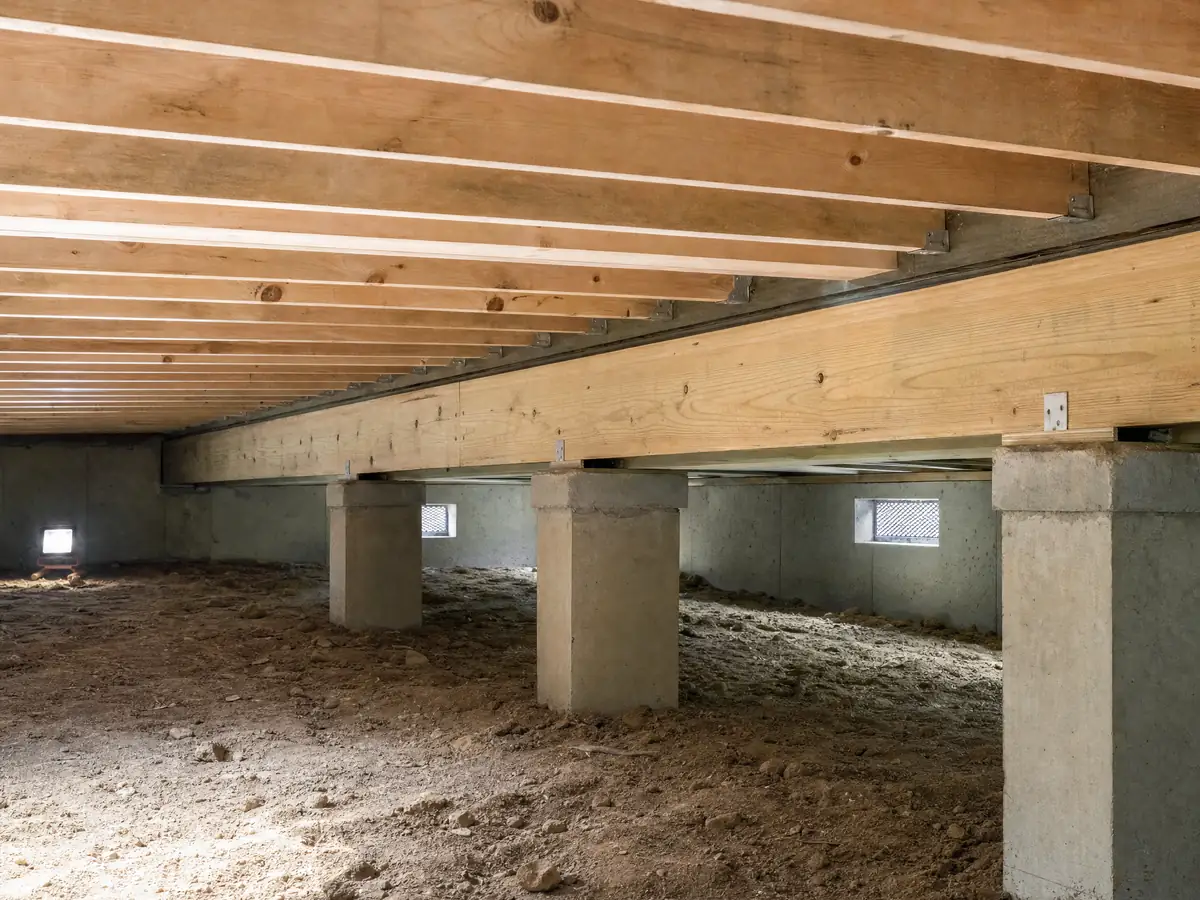
Find out what you have before pricing anything. We found no count of San Clemente homes on slabs against raised foundations, so look at a floor register or a cut edge: wood thick enough to sand shows there, and a raised foundation shows at a crawlspace vent or hatch. Our flooring cost guide sets refinishing beside replacement.
A listed house adds a layer. The City's designated historic list, adopted May 1, 1996 and amended in 2007, sends projects that affect a listed site through Cultural Heritage Permits, and owners can apply for Mills Act tax relief. The rules we read cover roofs, windows, stucco and other exteriors, and none of them names interior floors, so ask Planning Services whether an address is listed before a refinish.
Do you need a permit to replace flooring in San Clemente?
Usually not for the floor covering alone. The Building Code text shown on San Clemente's code mirror lists painting, papering, tiling except shower enclosures, carpeting, cabinets, counter tops and similar finish work as exempt when no electrical, mechanical or plumbing work is involved. Municode returned an access error to our tools, so we read the GoCodebook copy, text as of October 4, 2026, and a written answer from the Building Division is worth having.
The edges are where jobs go wrong. The City's Permits page says permits are generally required for structural work and remodeling, so a floor that needs new subfloor framing, a moved wall or a relocated toilet is a different question from a plank swap. Starting without a required permit costs an investigation fee equal to the permit fee, added to it, whether or not a permit is later issued, under the City's amended Residential Code.
Paperwork is easy to find. Applications go through the e-Trakit portal, by email or at the counter at City Hall, and the City's single-family, roofing, pool and MPE lists each carry an HOA Confirmation Form. We print no fee, because the City's fee schedule is a linked PDF and we did not read a dollar figure in it.
- Does the job touch plumbing, electrical or the subfloor?
- Is a shower enclosure being retiled?
- Has the association signed off in writing?
Does a San Clemente HOA or condo board have to approve new flooring?
Plan on asking. Census estimates count 4,063 San Clemente homes (15.0 percent) in buildings of five or more units, 846 of them in buildings of 50 or more, and 33.5 percent of occupied homes are rented. Talega is a planned community of more than 30 neighborhoods, so ask whether a recorded association covers the house before you order material.
City law backs the check. Municipal Code 15.04.030 has a residential permit applicant certify compliance with recorded CC&Rs and, where those require association or architectural committee approval, hand in a signed document from the association. A permit cannot be refused for missing approval when the association is inactive or does not act within 180 days of the application.
Hard floors above a neighbor draw the most pushback. No sound-rating number we could verify exists in our sources, so read the governing documents and ask the management company in writing whether it wants an underlayment spec or a field sound test. A tenant needs the owner's consent first, and Civil Code section 4765 covers the written decision an association owes on an architectural request.
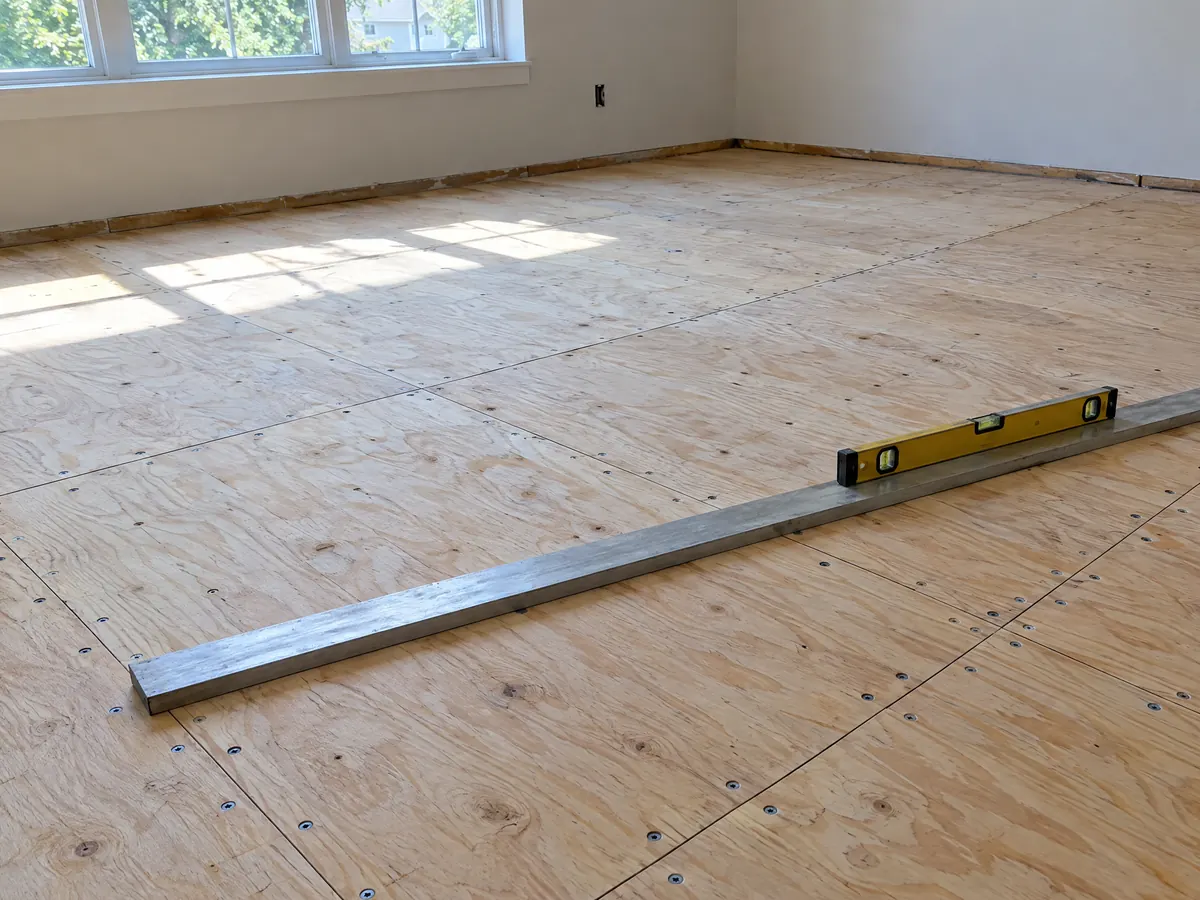
How do you test a San Clemente concrete slab for moisture before installing flooring?
Two tests are standard. ASTM F2170 reads relative humidity from sensors set into drilled holes, and ASTM F1869 weighs the moisture a calcium chloride dish draws from the surface over a set period. Neither standard sets a pass mark: the limit belongs to the maker of the plank, vinyl or adhesive, so ask for the readings printed beside that limit.
Rainfall data points the wrong way. NOAA's 1991 to 2020 normals for the Laguna Beach station, about 11.8 miles up the coast, show 12.68 inches of rain a year, 9.66 of them from December through March, and 0.11 and 0.02 inch in July and August. No station sits inside San Clemente, and the Mission Viejo gauge about 10 miles inland records 15.25 inches, so treat these as regional. A slab does not follow a rain calendar, because a planter, sprinkler or downspout can wet one corner all summer.
Ground conditions here are not neutral. The City's amended Residential Code requires 4500 psi Type 5 concrete in foundations because of corrosive soils, and we found nothing that ties that to adhesive failures. NWFA's concrete subfloor guide strongly recommends a vapor retarder of 0.13 perms or less under wood floors on slabs and says to follow each maker's moisture limit, so ask for readings along exterior walls and near bathrooms.
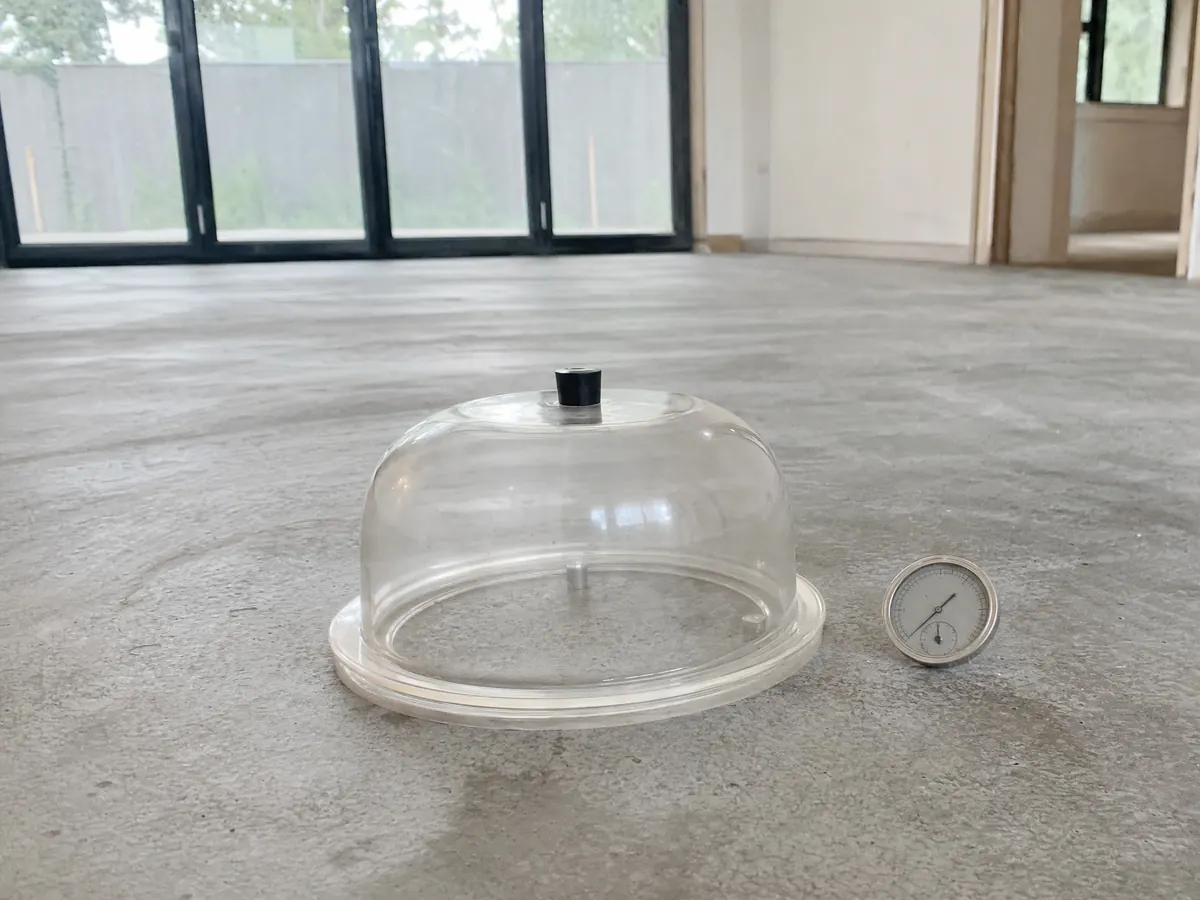
Is there asbestos or lead under the old floors of San Clemente homes built before 1980?
Possibly, in more than four homes in ten. The Census estimates count 11,774 San Clemente homes (43.5 percent) built before 1980, including 5,548 from the 1970s and 3,032 from the 1960s. Old resilient tile, sheet vinyl and the dark adhesive beneath them can contain asbestos, and only a lab result settles it.
The federal OSHA asbestos rule for construction presumes old resilient flooring and its adhesive contain asbestos until a test says otherwise, so a careful crew samples before sanding, lifting sheet goods or scraping glue dry. South Coast AQMD's Rule 1403 covers asbestos in renovation and demolition, and the district includes Orange County; we did not read the rule text, so ask the testing firm which notices apply.
Lead is a separate check. EPA's Renovation, Repair and Painting rule covers paid work that disturbs paint in housing built before 1978, and baseboards pulled for a new floor are painted trim. The Census bins cannot split 1978 and 1979 from the earlier 1970s, so we cannot say how many San Clemente homes fall under it. Ask whether the crew's firm is certified.
- Did a lab test the old tile and adhesive?
- Who removes a layer that tests positive?
- Is the firm certified for lead-safe work?
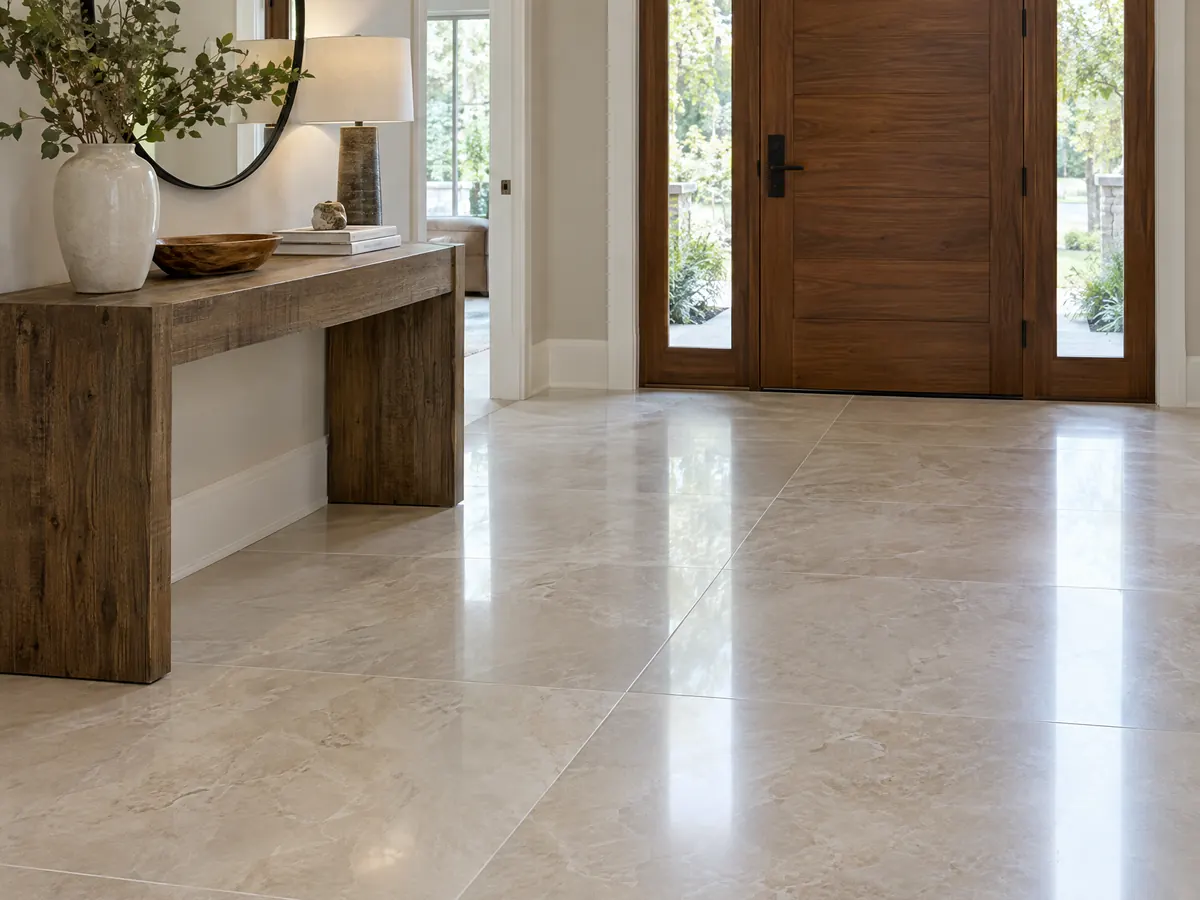
What changes when the new floor is tile in a San Clemente bathroom, entry or Spanish-style house?
Tile is its own trade. CSLB assigns ceramic and stone tile to its C-54 class, and wood, resilient sheet goods and carpet to C-15. Tile in a shower enclosure is the one finish item the City's exempt list carves out, so a shower or tub surround retile is not exempt, and a fixture change in the same room can bring a plumbing permit on the City's MPE form.
Hanson's Spanish village left a taste for tile. Wikipedia says his deed clause called for red tile roofs and white exteriors, though the clause did not last, and describes Talega's tract homes as mostly Spanish-Tuscan in style. A tile entry fits many houses here, but no City rule we read requires it, because the overlay rules we found govern exteriors.
Wet rooms need waterproofing beneath the tile, and the proposal should show it as its own line. The City's Codes page links CALGreen checklists with a Finish Flooring Materials Declaration and a Paints and Coatings Declaration, so ask which product data sheets the crew will hand over for the floor and its adhesive.
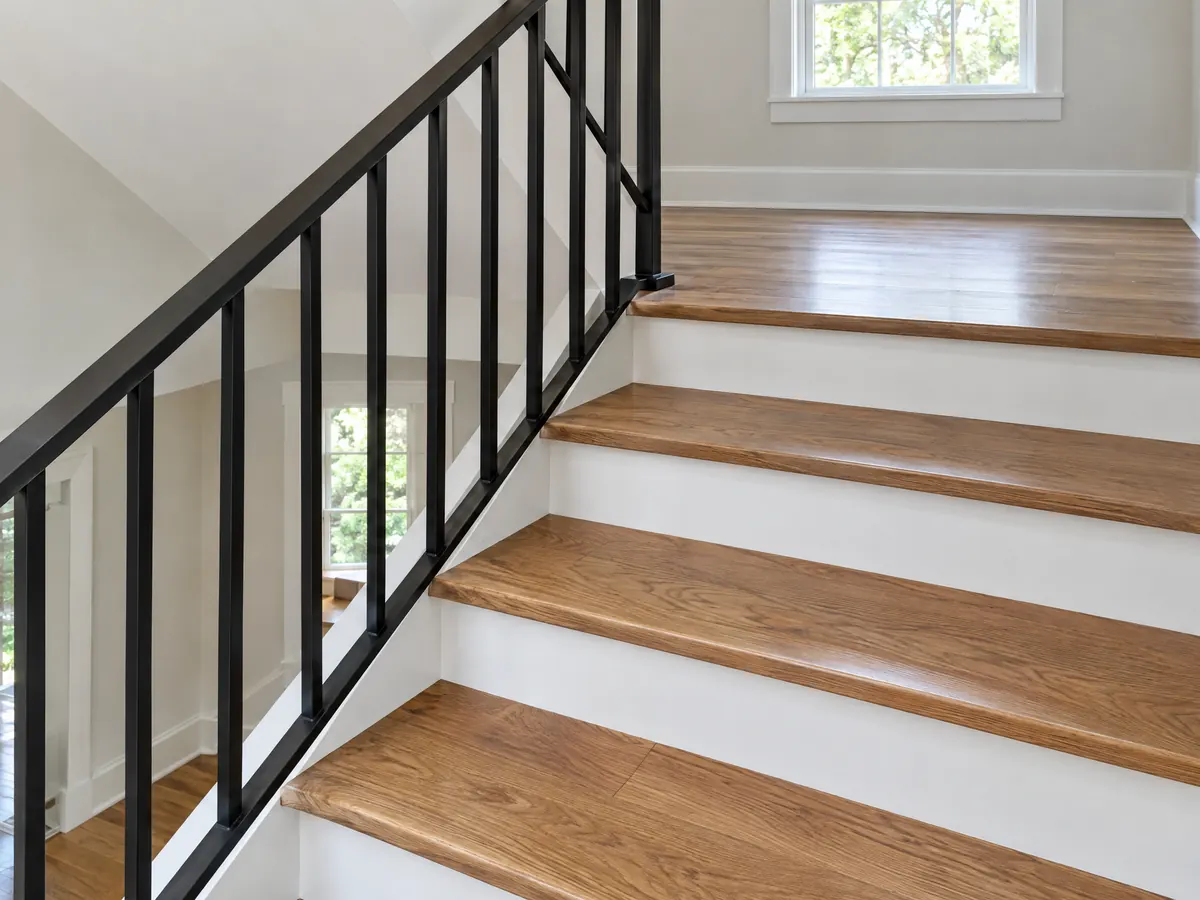
What does a flooring contractor charge in San Clemente, and which license applies?
No San Clemente price study turned up, so these are Los Angeles figures from Angi's July 2026 pages, which we rate medium to low in confidence because no method is shown. On those pages, installer labor is $3 to $9 per square foot, engineered hardwood runs $10 to $18 installed, solid hardwood $12 to $22 and refinishing $4 to $8. The September 2026 laminate page adds $455 to $685 to haul out an old floor, per 200 square feet.
Federal pay data covers Orange County. May 2025 estimates for the Los Angeles-Long Beach-Anaheim metro area show floor layers averaging $33.48 an hour, tile and stone setters $30.72 and carpet installers $27.54, and those are wages and not billing rates. Tear-out, moisture testing, subfloor repair and stairs belong on separate proposal lines.
CSLB's C-15 class covers carpet, resilient sheet goods, tile and wood floors. Our license check guide shows how to look a number up, and the CSLB bulletin on AB 2622 explains that the $1,000 limit on unlicensed minor work, in force since January 1, 2025, never applies once a permit or a hired worker is involved.
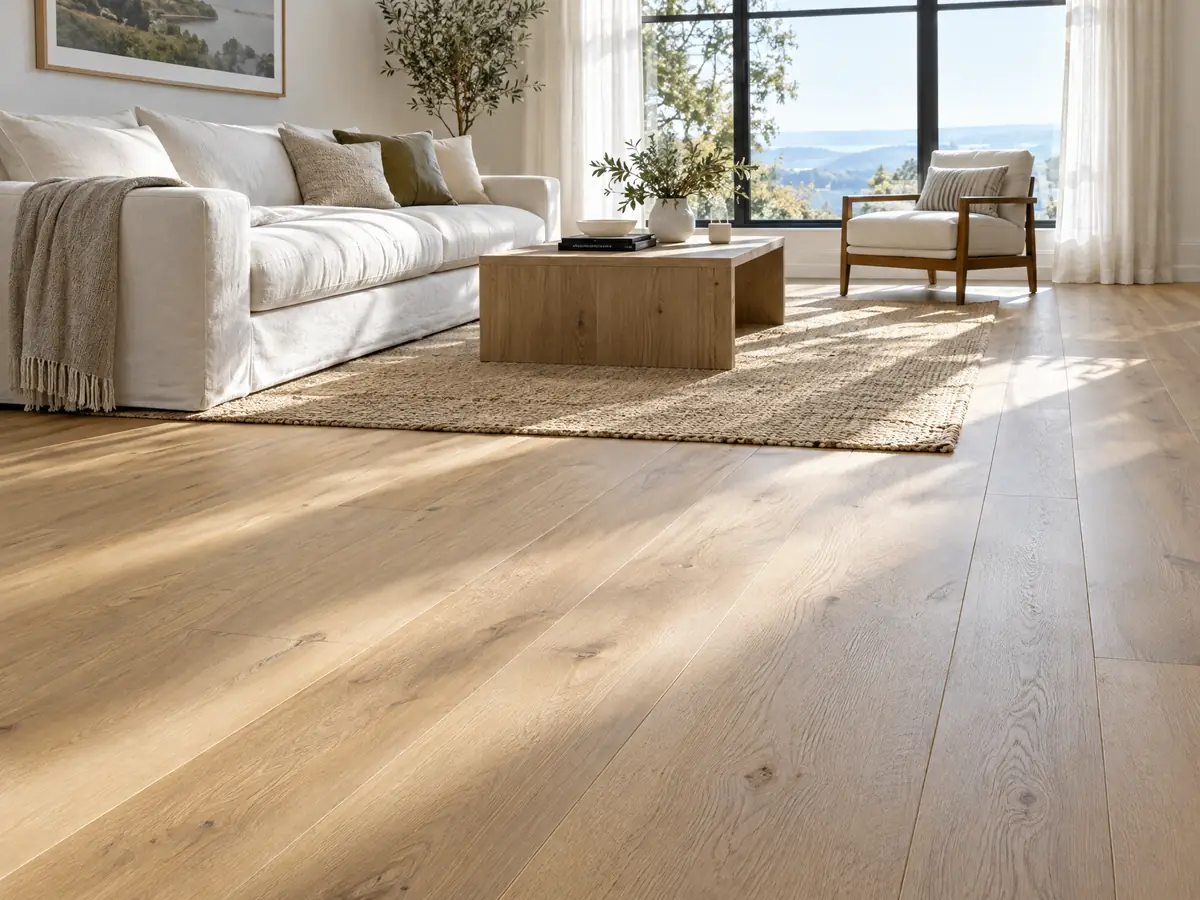
Flooring photos from San Clemente and nearby communities
Plank samples, slab tests, finished floors and tile from San Clemente and towns up the coast, shown at the steps that matter. Tap any photo to enlarge it.
What flooring costs around San Clemente
Dollar figures on this page are Los Angeles planning ranges from our flooring page, not a San Clemente bid, and a proposal should list demolition, testing, subfloor work and stairs on separate lines. For the same property, see concrete work in San Clemente and decks in San Clemente. Elsewhere in Orange County, compare flooring in Mission Viejo, flooring in Laguna Niguel and flooring in Irvine.
| What it covers | Typical range |
|---|---|
| Installation labor only | $3 to $9 per sq ft |
| Solid hardwood, installed | $12 to $22 per sq ft |
| Engineered hardwood, installed | $10 to $18 per sq ft |
| Refinishing existing hardwood | $4 to $8 per sq ft |
| Laminate, whole project | $2,000 to $5,500 |
| Hardwood, whole project | $3,153 to $8,496 |
| Removing the old floor | $455 to $685 per 200 sq ft |
| Tile | No sourced Los Angeles range |
Other work we manage in San Clemente
San Clemente flooring questions, answered
Do I need a permit to replace flooring in San Clemente?
Usually not for finish work alone. The Building Code text on the City's code mirror exempts carpeting, tiling (except shower enclosures) and similar finish work that involves no electrical, mechanical or plumbing work. Subfloor framing and plumbing changes are different, so confirm with the Building Division before you start.
How much does it cost to have flooring professionally installed in San Clemente?
Installer labor is $3 to $9 per square foot on Angi's July 2026 Los Angeles pages, and material comes on top: $10 to $18 installed for engineered hardwood and $12 to $22 for solid hardwood. No San Clemente study turned up and we rate these medium to low in confidence, so a site visit sets the real number.
How much does it cost to refloor a 2000 square feet house in San Clemente?
Labor alone at $3 to $9 per square foot works out to $6,000 to $18,000 for 2,000 square feet. Adding engineered hardwood at Angi's $10 to $18 installed would put the house at $20,000 to $36,000. These multiply Los Angeles ranges and are not a bid, and tear-out and subfloor repair are extra lines.
Can you put flooring over a concrete slab in San Clemente?
Yes, once the slab is tested and prepared. The flooring or adhesive maker sets the moisture limit, so the installer should take ASTM F2170 humidity readings or set an F1869 calcium chloride dish, then patch cracks and level the surface. Ask for the numbers in writing beside the maker's limit.
Does an HOA have to approve new hardwood flooring in a San Clemente condo?
Check the governing documents, because associations commonly control hard floors above a neighbor. San Clemente's code has permit applicants certify compliance with recorded CC&Rs and supply the association's signed approval where the CC&Rs require it. No verified sound-rating number turned up, so ask the management company what it requires.
Is there asbestos under old vinyl flooring in San Clemente homes built before 1980?
Possibly, and nobody can tell by eye. About 43.5 percent of San Clemente's homes, 11,774 units, predate 1980, and OSHA presumes old resilient flooring and its adhesive contain asbestos until tested. Have a lab test a sample before any sanding or tear-out, and settle who removes a layer that tests positive.
Can I refinish hardwood floors instead of replacing them in San Clemente?
Often, if the boards are thick enough above the tongue to survive a sander, which a floor register or cut edge reveals. Angi's Los Angeles pages put refinishing at $4 to $8 per square foot against $12 to $22 for new solid hardwood, both medium to low in confidence. A listed historic house should be checked with Planning first.
Does tile in a San Clemente shower need a permit?
Probably, because the City's exempt finish-work list excludes tiling of shower enclosures. A plain tile entry or kitchen floor with no plumbing, electrical or mechanical work falls on the exempt side, while a shower or tub surround retile does not. Ask the Building Division, and note that tile belongs to CSLB's C-54 class.
What license does a flooring contractor need in San Clemente?
Carpet, resilient flooring and wood floors fall under CSLB's C-15 class, and ceramic tile under C-54. State law lets an unlicensed person take only minor jobs of $1,000 or less in labor and materials, never ones needing a permit. Look the license up on the CSLB site before accepting any quote.
Name the house, the rooms and what the floor is made of now
Tell us whether it is a cottage, a tract house or a condo, which rooms you want done and what you know about the old flooring. Association approval, slab readings and any lab test for asbestos come with us to the first visit.