
Flooring Installationin Santa Monica, CA
Flooring installation in Santa Monica usually needs no building permit for the floor itself, because the municipal code exempts flooring laid on a concrete slab or weighing no more than 4 pounds per square foot. Rentals are the larger local issue: with 74.6 percent of households renting, tenant protection rules can apply before work starts.
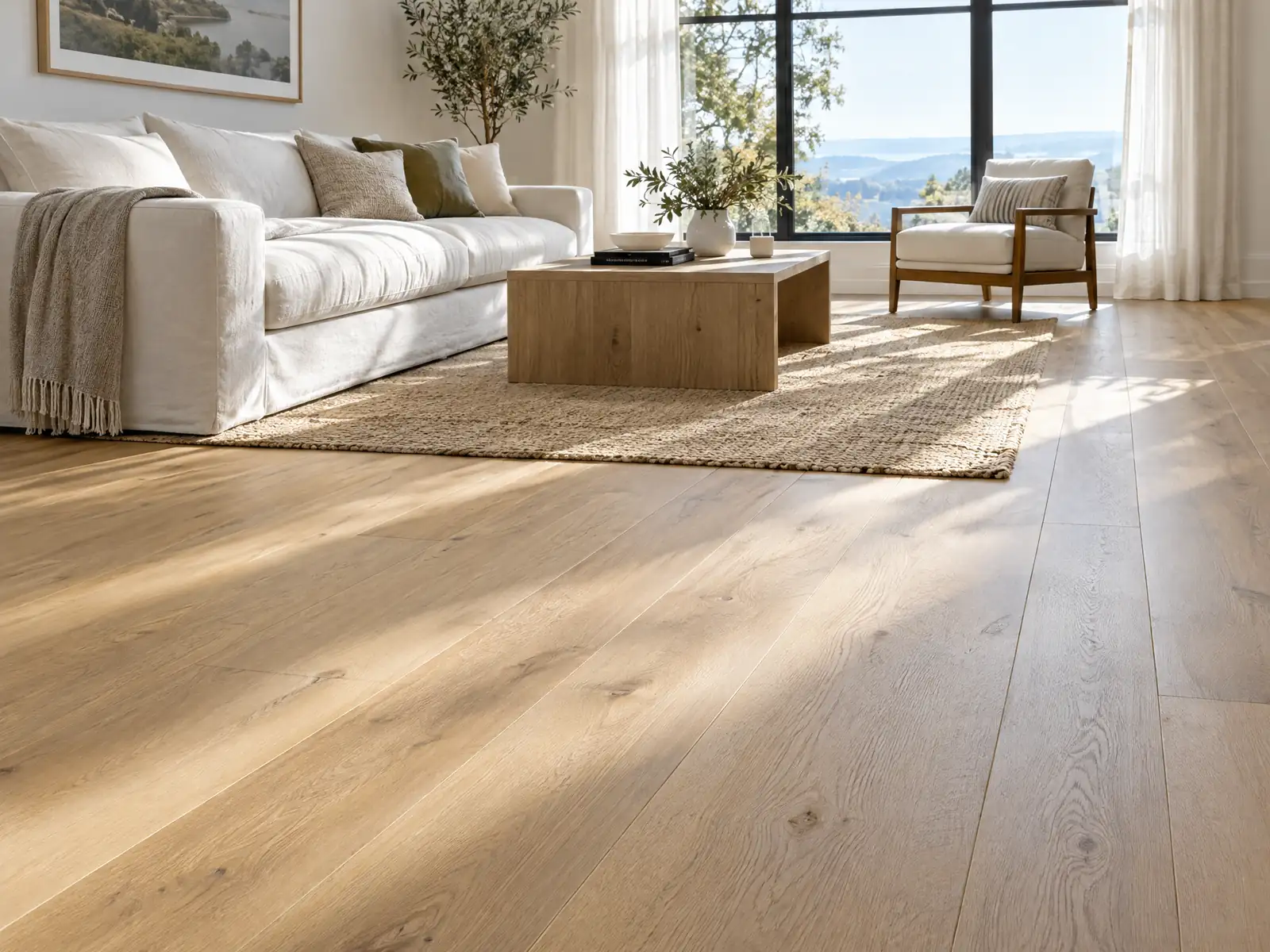
Santa Monica floors sit in a city of renters and older buildings. The Census Bureau's 2024 American Community Survey counts 54,322 homes, 71.7 percent of them built before 1980 and 63.7 percent in buildings of five or more units, and 74.6 percent of households rent at a median gross rent of $2,450. A typical floor job here is a unit in a 1940s bungalow or a 1960s apartment building, often with a neighbor below.
MDG Builders, CSLB #1040337, is a general contractor in Tarzana. We scope the floor, put the permit and tenant questions to the City and keep the schedule, while a licensed flooring or tile subcontractor does the installation, and you may ask that firm for its license number and certificate of insurance. Materials and prices live on our flooring page; the Santa Monica overview shows everything else we manage in the city, from concrete work to deck building.
What Santa Monica's code and Permit Services Center say about floors
Where flooring permits come from in Santa Monica: City of Santa Monica Community Development Department, Building and Safety Division.
- SMMC 8.08.050(c)(9) exempts flooring installed on a concrete floor slab, or flooring weighing not more than 4 pounds per square foot or replacing the same weight per square foot, from a building permit.
- The City lists a single-family kitchen or bath remodel and non-structural interior demolition or remodel that does not affect fire-life safety systems as Same-Day Plan Review, while interior demolition or remodel that affects existing fire-life safety systems and structural interior remodels under 2,500 square feet are Minor Plan Review.
- In the Third Street Neighborhood Historic District, SMMC 9.58.020 says all interior alterations on contributing and noncontributing buildings need only a certificate of exemption if a building permit is required.
- For a rental building where work could affect habitability, SMMC 8.100 requires an approved construction means and method plan before the permit and a hand-delivered tenant notice that the work will not end the tenancy and that tenants can seek mitigation for noise, dust, vibration and utility shut-offs.
Can a floor be replaced in a Santa Monica rental or condo, and what must the owner do first?
Start with who lives in the building. Of the city's 49,229 households, 36,726 rent, so a floor job often happens where someone is home. Chapter 8.100 of the Municipal Code makes an applicant for work on a building with dwelling units say whether tenants live there, and when the Building Officer finds the work could affect habitability, a construction means and method plan must be approved before the permit issues. The rule is tied to permits, so it matters most when a floor rides along with plumbing, wiring or structural repair.
Where a plan is required, tenants get a hand-delivered notice saying the work will not end the tenancy and that they can seek mitigation for noise, dust, vibration and utility shut-offs. Santa Monica's rent control law dates from April 1979 and reaches most rental buildings older than that, so ask the Rent Control Board if a unit is controlled before you set a schedule.
Condominiums add a second approval. The City's code speaks to the building, but the association's governing documents decide whether hard flooring is allowed, and Civil Code 4765 requires an association to answer an architectural request in writing. We found no Santa Monica sound-rating rule, so the association's own number, if it has one, is the one that counts.
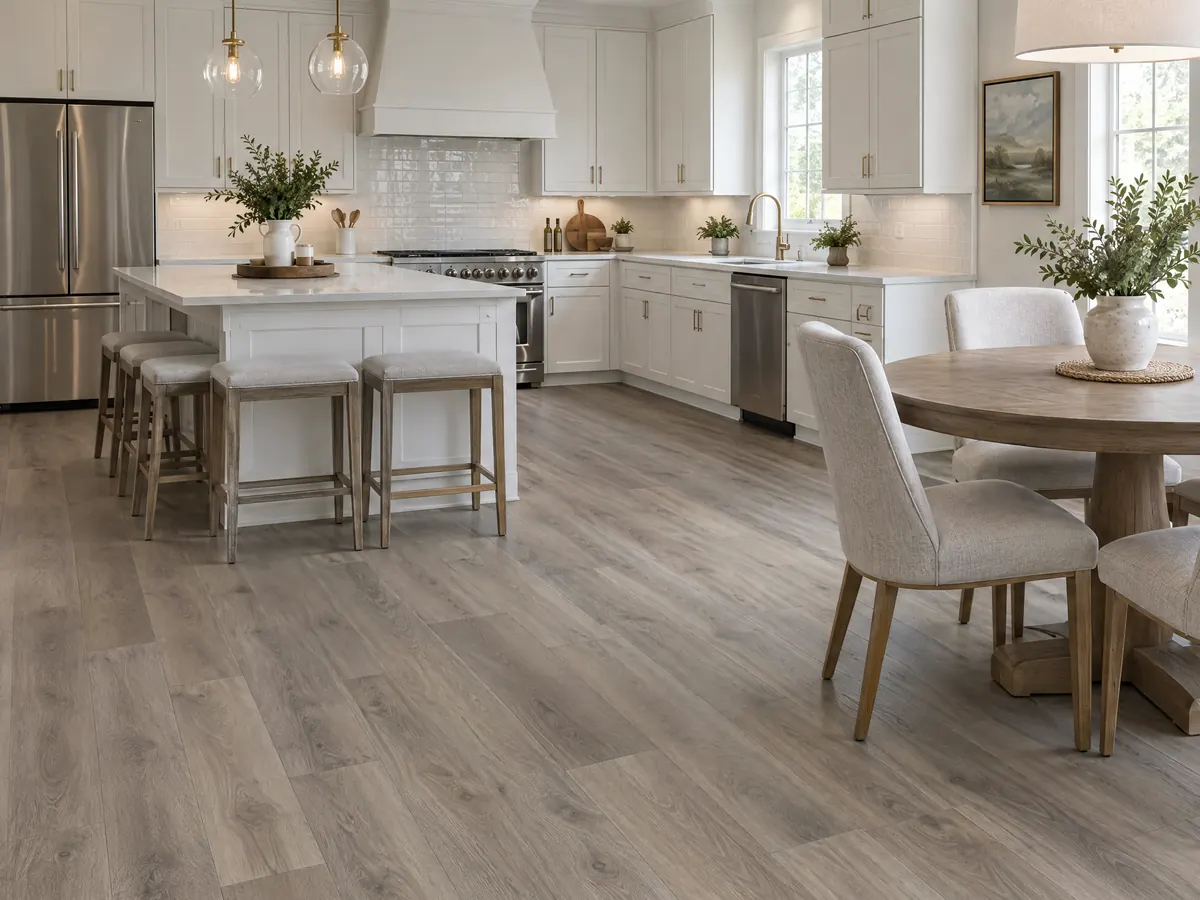
Does a flooring installation job in Santa Monica need a permit, and which floors are exempt?
Often not for the floor itself. Section 8.08.050 of the Municipal Code exempts flooring installed on a concrete floor slab, and flooring that weighs no more than 4 pounds per square foot or replaces the same weight per square foot. The section adds that exempt work must still meet the codes, so zoning and fire rules keep applying.
Weight is the catch on a wood floor. The 4 pound line is a per-square-foot figure for the new surface, so a mortar-bed tile or thick stone scope is the one to confirm, and we found no City table that does the arithmetic. Ask the Permit Services Center for a written answer on your exact materials.
Anything that rides along changes the answer. The City sorts a non-structural interior remodel as Same-Day Plan Review, and a remodel that touches fire-life safety systems, or a structural interior remodel under 2,500 square feet, as Minor Plan Review. Applications go through the paperless Electronic Plan Review system before any counter visit, and submittals have been judged under the 2025 California Standards Code since January 1, 2026.
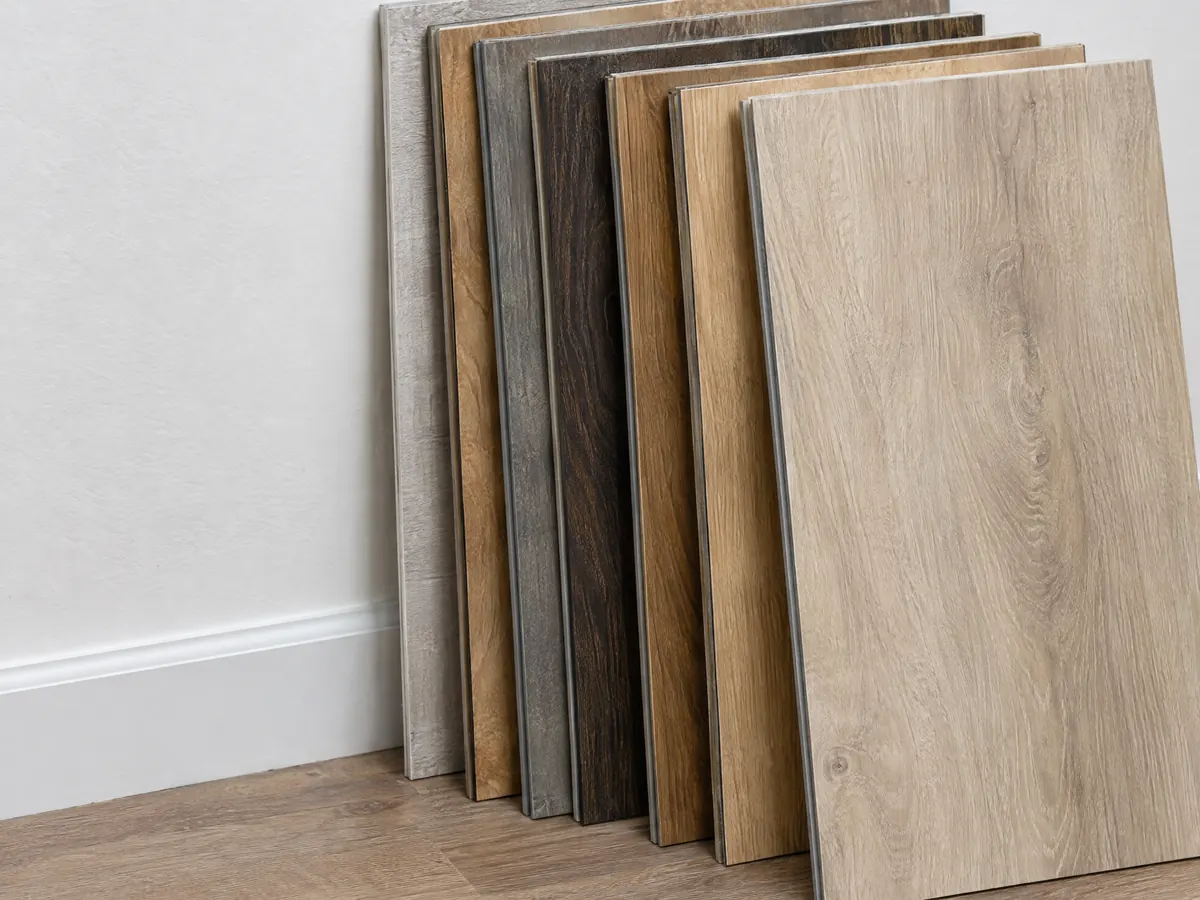
What is under the floor of a 1940s Santa Monica bungalow?
Santa Monica grew fast around Douglas Aircraft. Census counts went from 37,146 in 1930 to 71,595 in 1950, and Wikipedia's neighborhood page describes Sunset Park as mostly small one-story houses from the 1940s, put up for Douglas workers. The 2024 survey puts 11.4 percent of today's homes in the 1940s and 14.9 percent in 1939 or earlier.
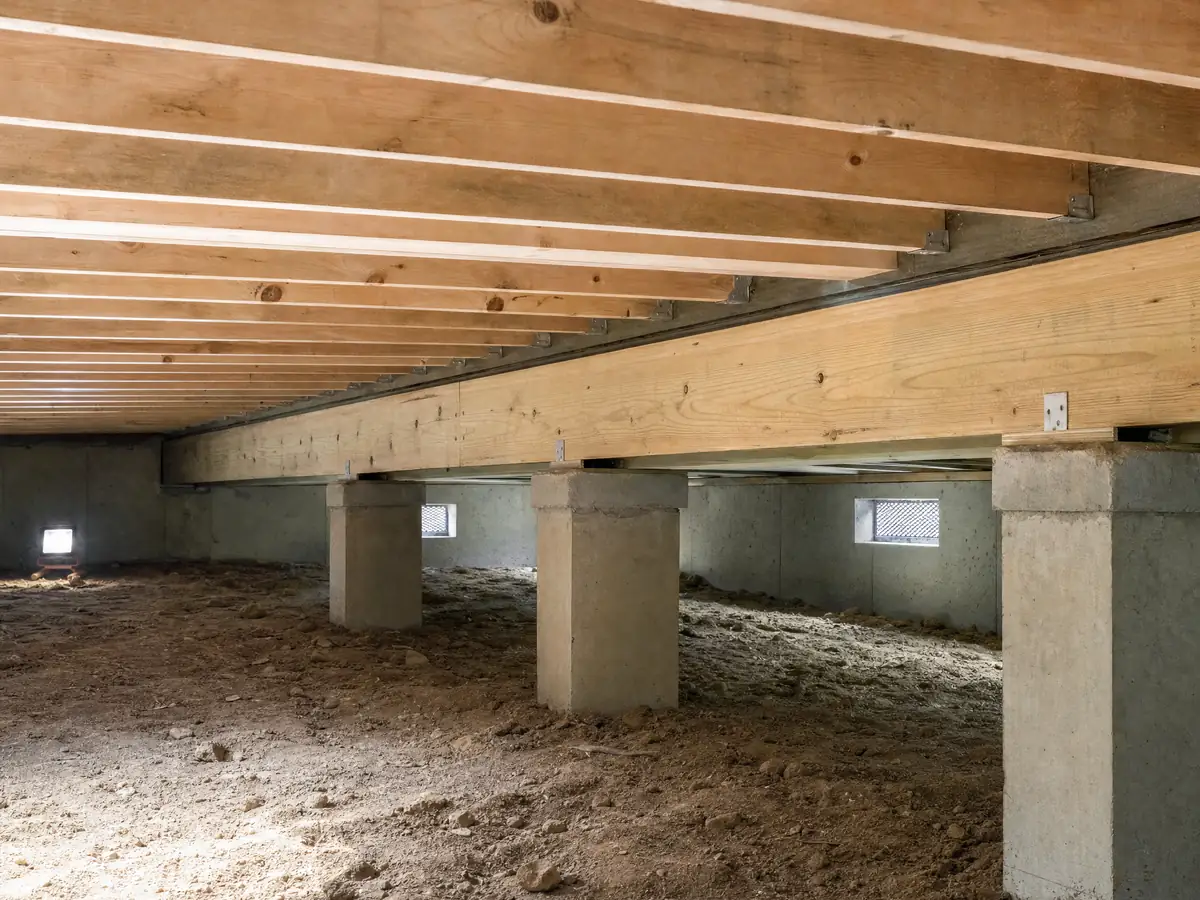
Chapter 8.68 of the Municipal Code describes what that era left behind: many wood-frame houses built before 1960 stand on raised floors over short cripple walls and were never required to be bolted to the foundation, and the City encourages owners to brace them. About 26.3 percent of the city's homes predate 1960. A crawlspace opened for subfloor work is the cheapest time to ask the question.
For the floor itself, look from below before ordering. Look for water marks under a bathroom, a dip beside a heavy wall or boards that give underfoot; each one changes the scope. Replacing joists or structural sheathing is a permit matter rather than a flooring one, and so is any plumbing that moves while the boards are up.
- Who looks under the house before the floor price is fixed?
- How will rot or insect damage found during demolition be priced?
- Is the foundation bolted, and who answers that question?
Could the vinyl tile or glue under an old Santa Monica floor contain asbestos?
It can. EPA's page on asbestos lists vinyl floor tiles, the backing on vinyl sheet flooring and the adhesives used with them among the places the mineral turns up in homes, says you cannot tell by looking, and advises against sanding or leveling such flooring. With 71.7 percent of Santa Monica's homes built before 1980, an old floor deserves a lab test on a sample before anyone scrapes or lifts it.
The City puts the duty on the owner. Responsibility lands on the owner. Under section 8.100.080 of the tenant protection chapter, certified experts must deal with any mold, asbestos or similar hazard found during a job, the safety of the site has to be documented, and the City can bring in its own experts and bill the owner to verify. A bid that assumes old layers can simply be scraped off should be questioned.
Does a coastal city's mild feel mean a dry slab before new flooring?
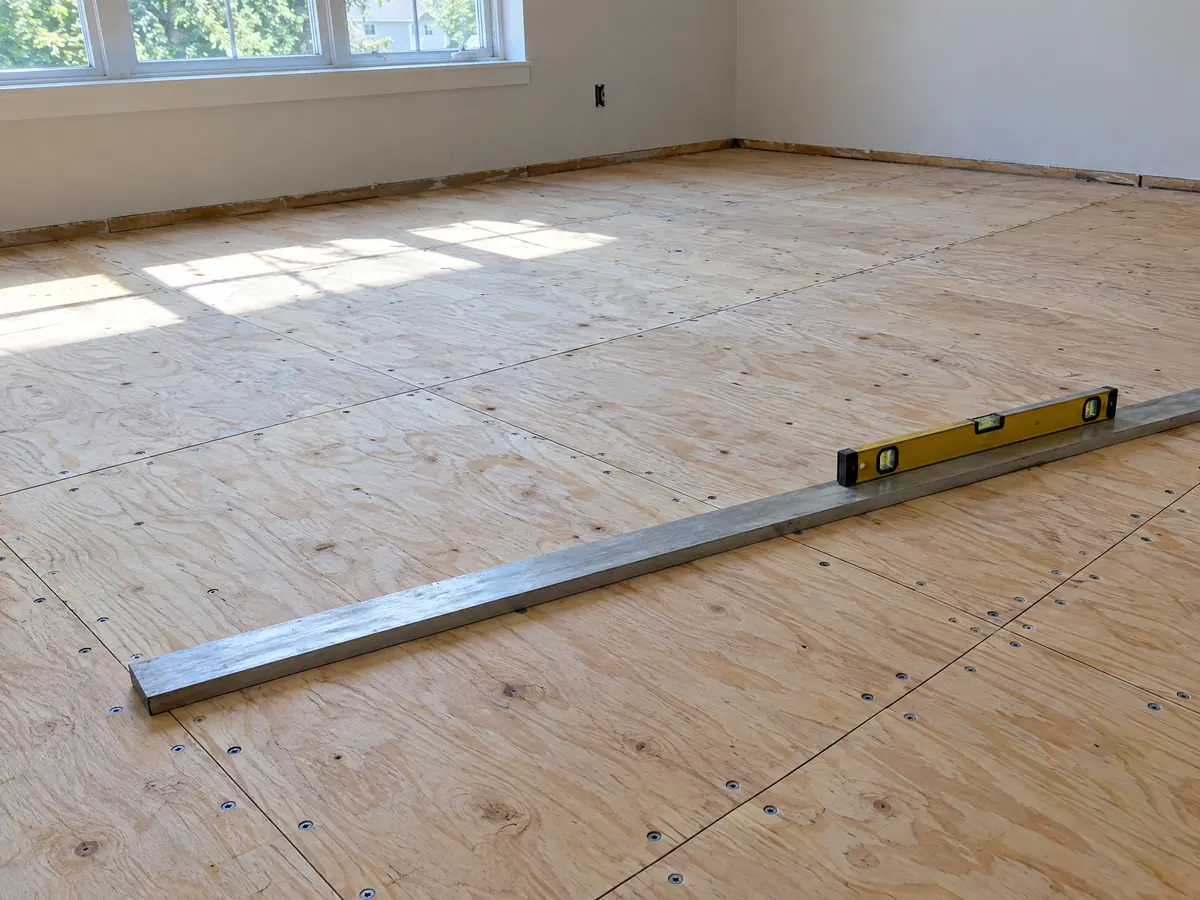
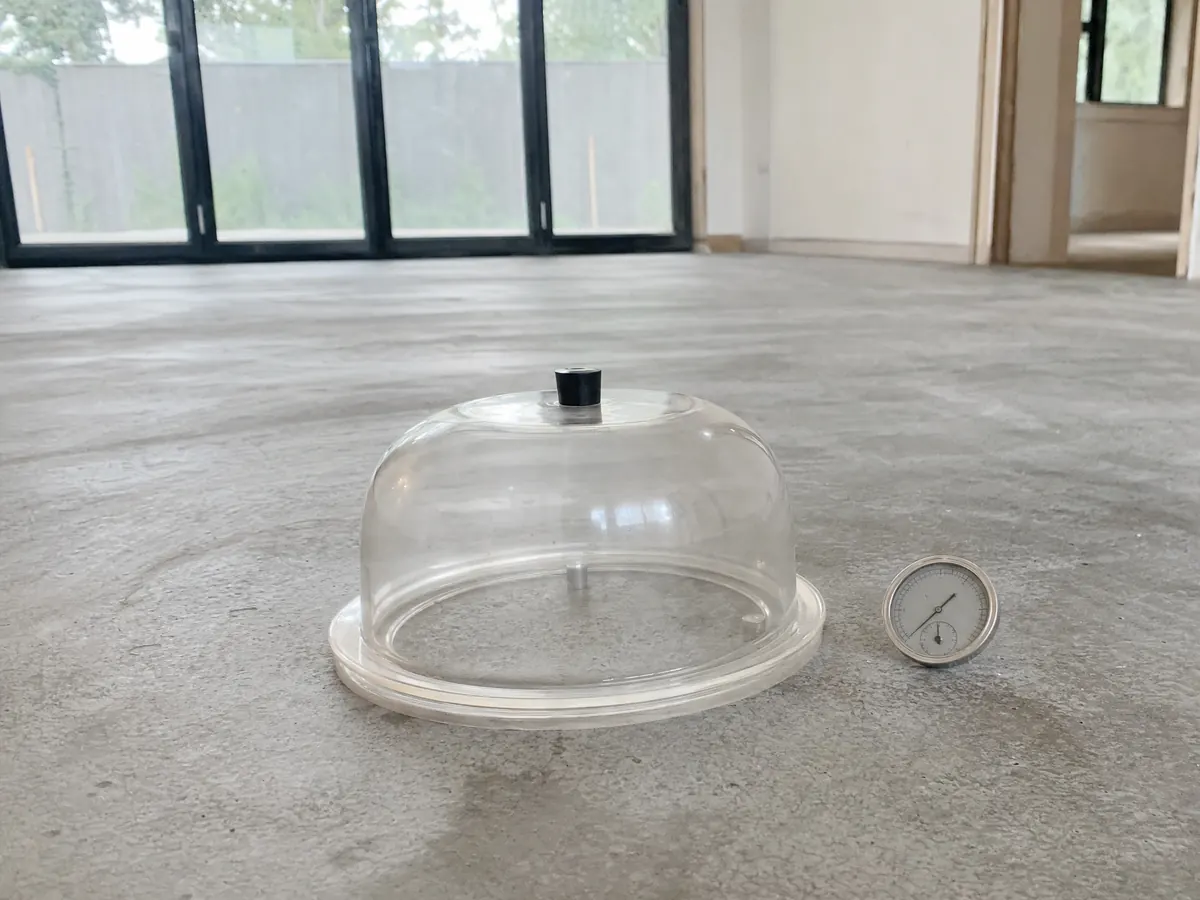
No. At the airport weather station, NOAA's 1991 to 2020 normals record 13.45 inches of rain a year with 11.05 falling between December and March, yet moisture keeps rising from the soil under a slab in the dry months. Weather gives no reading. A test does, and every flooring maker sets its own limit.
In-slab humidity probes (ASTM F2170) and calcium chloride kits (ASTM F1869) are the usual tests. Under wood laid on concrete, the National Wood Flooring Association strongly recommends a retarder rated at or below 0.13 perms, with 6-mil polyethylene the common example. Ask where the probes will go, including near exterior walls, planters, bathrooms and any old leak, and get each number on paper beside the maker's limit.
Many Santa Monica homes are in a building of five or more units, the case for 63.7 percent of them, and there the floor may sit over another unit or a parking level instead of soil. Ask the owner or manager what lies below before choosing a glue-down product.
Do floors in a Third Street or 11th Street bungalow need Landmarks approval?
Five districts carry Landmarks review here, from Third Street Neighborhood (1990) and Bay Street Craftsman Cluster (2000) to San Vicente Boulevard Courtyard Apartments (2015), 11th Street Bungalow (2019) and 4th Street Corner (2019), alongside a landmark list numbered through 143. Under SMMC 9.56.070, altering a landmark or a building in a district needs a certificate of appropriateness from the Landmarks Commission.
Interior work gets the lightest touch in the Third Street Neighborhood: a certificate of exemption, and only if a building permit is involved (SMMC 9.58.020). We found no matching interior line for the other four districts, so ask City Planning about your address before ordering boards. A porch floor or front landing seen from the street is exterior work and follows the certificate rules.
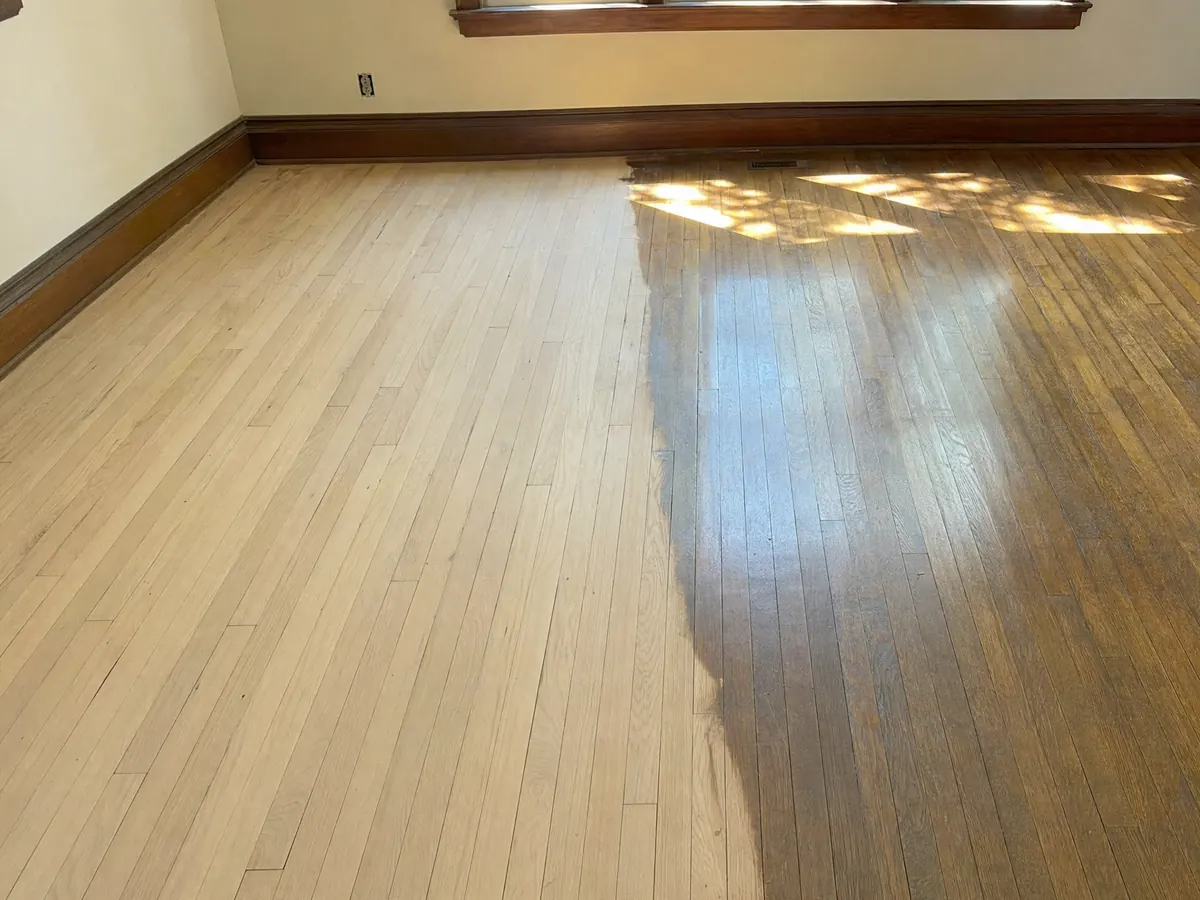
In an older house, weigh refinishing before replacement. Where carpet or vinyl hides an original board floor, check the thickness at a floor register or an edge, and our California flooring cost guide sets sanding beside the price of new boards.
What does flooring installation cost in Santa Monica, and which flooring contractor lays the floor?
Without a Santa Monica study to lean on, we use the Los Angeles figures from our flooring page. They come from Angi's 2026 pages and run $3 to $9 per square foot for installation labor, $10 to $18 installed for engineered hardwood, $12 to $22 for solid hardwood and $4 to $8 for refinishing. Angi shows no method, which is why we rate this medium to low.
Pulling up the old floor costs $455 to $685 per 200 square feet in that source. Rental and condo work can add costs the per-foot figures leave out, such as tenant notices and a narrow work window. SMMC 4.12.110 limits construction to 8 a.m. to 6 p.m. on weekdays and 9 a.m. to 5 p.m. on Saturdays, never Sundays, and every permitted site carries a bilingual English and Spanish sign.
Whoever bids, check the class. CSLB class C-15 covers wood and resilient floors and C-54 covers ceramic tile, and our license check guide shows how to look a number up. Ask for removal, subfloor repair and baseboards as separate lines, and for a signed contract before work starts on any job over $500.
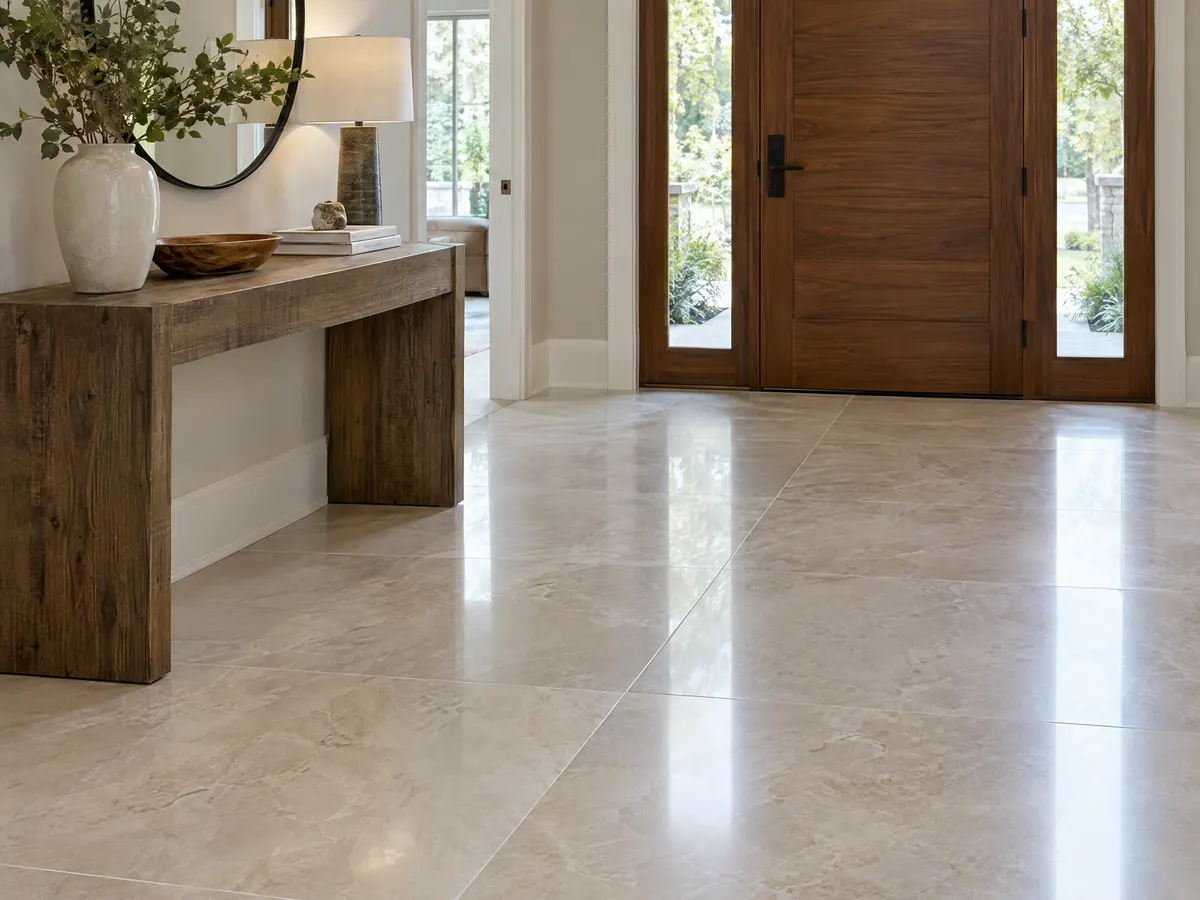
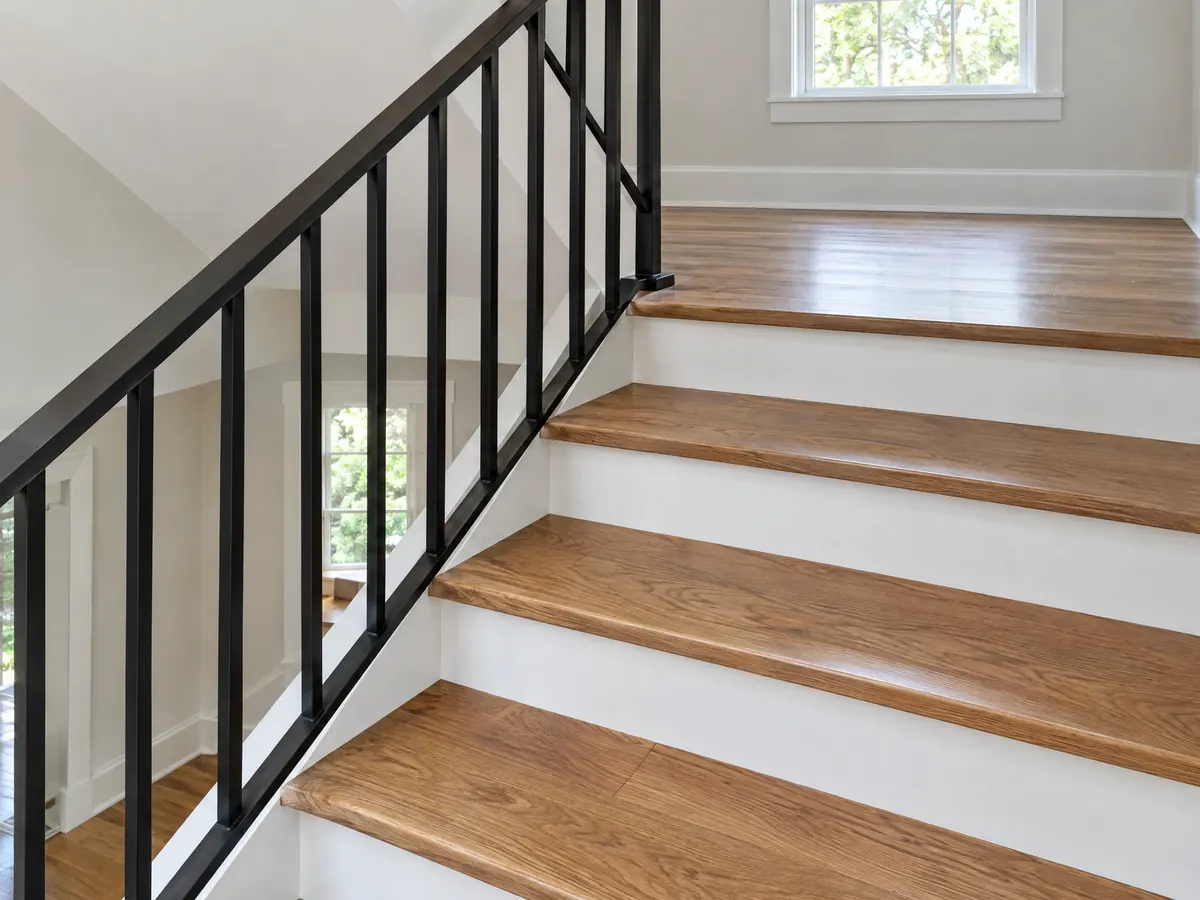
Flooring photos from Santa Monica and nearby Westside communities
Plank, tile and subfloor views from around Santa Monica. Tap any photo to enlarge it.
What flooring costs around Santa Monica
The numbers above are Los Angeles ranges taken from our flooring page, rated medium to low in confidence, and none is a Santa Monica quote. A proposal lists asbestos testing, subfloor repair, stairs and old-floor removal on their own lines. The same lot often needs concrete work in Santa Monica or a Santa Monica deck. Culver City, Beverly Hills and West Hollywood run their own permit counters. For contrast, read flooring in Los Angeles, flooring in Inglewood, flooring in Glendale and flooring in Pasadena.
| What it covers | Typical range |
|---|---|
| Installation labor only | $3 to $9 per sq ft |
| Solid hardwood, installed | $12 to $22 per sq ft |
| Engineered hardwood, installed | $10 to $18 per sq ft |
| Refinishing existing hardwood | $4 to $8 per sq ft |
| Laminate, whole project | $2,000 to $5,500 |
| Hardwood, whole project | $3,153 to $8,496 |
| Removing the old floor | $455 to $685 per 200 sq ft |
| Tile | No sourced Los Angeles range |
Other work we manage in Santa Monica
Santa Monica flooring questions: permits, tenants and old floors
Does flooring installation need a permit in Santa Monica?
Usually not for the floor itself. The municipal code exempts flooring installed on a concrete slab and flooring weighing no more than 4 pounds per square foot, though exempt work must still meet the codes. Moving plumbing, adding circuits or repairing joists still involves permits, so ask the Permit Services Center about your exact scope.
How much does it cost to have flooring professionally installed in Santa Monica?
No Santa Monica figure exists in our sources, so we apply Angi's 2026 Los Angeles ranges: installation labor $3 to $9 per square foot, engineered hardwood $10 to $18 and solid hardwood $12 to $22, installed. Because Angi states no method, confidence is medium to low. Removal and subfloor repair are billed apart.
How much does it cost to install 1000 square feet of hardwood flooring?
Applying the Los Angeles ranges to 1,000 square feet gives roughly $10,000 to $18,000 for engineered hardwood and $12,000 to $22,000 for solid, before removal, subfloor repair and stairs. Treat that as multiplication of medium to low confidence data, not a bid; the real figure comes after someone measures the room.
Can you put flooring over concrete?
Yes. A flat slab that tests below the flooring maker's published moisture limit can take most floors. Probe tests (ASTM F2170) or calcium chloride kits (F1869) produce that reading, and wood on concrete usually needs a retarder at or below 0.13 perms. In an upper-floor unit, find out what the concrete sits on.
Why does moisture come through a concrete floor?
Vapor moves up out of the soil under a slab and passes through the concrete's pores. A leak, a planter against a wall or ponding by the foundation adds more. Santa Monica's rain is concentrated from December through March, yet a dry summer says nothing about the slab.
Can an owner replace flooring while tenants live in a Santa Monica rental?
Yes, but the owner may owe the City a plan first. Under SMMC 8.100, if the work could affect habitability, a construction means and method plan must be approved before the permit issues, and tenants receive written notice of the work. Ask the Rent Control Board whether the unit is controlled as well.
Is there asbestos under my old vinyl floor in Santa Monica?
It is possible. EPA names vinyl floor tiles, the backing of sheet vinyl and their adhesives as possible sources, and 71.7 percent of Santa Monica homes predate 1980. A lab should test a sample before anything is sanded or lifted, and the City leaves abatement by certified experts to the owner.
Do I need approval to replace floors in a Santa Monica historic district?
Inside the Third Street Neighborhood district, a certificate of exemption is the most an interior job needs, and only when a permit is required. We found no matching interior rule for the other four districts, so confirm with City Planning. Exterior floors such as porches and front landings follow the certificate of appropriateness rules.
Does LVP devalue a home?
No Santa Monica study turned up, so there is no figure to quote. Resale effect depends on the price tier, the building's age and what buyers expect nearby. In a 1940s bungalow with original oak under the carpet, ask a local listing agent about comparable sales, and consider refinishing, before covering the boards.
How do I choose a flooring contractor in Santa Monica?
Check the license class first: C-15 covers wood and resilient floors and C-54 covers ceramic tile. Get the license number and a certificate of insurance, then line up written bids that show removal, subfloor repair and baseboards as separate items. In a rental or condo, ask who will handle tenant notices and association approval.
Tell us about the unit, the rooms and the year built
Send the address, the rooms and what covers the floor now, and say whether the building is a house, condo or rental, so the right tests come with us to the first visit.