
Flooring Installationin Manhattan Beach, CA
Flooring installation in Manhattan Beach starts under the floor: 59.1 percent of homes predate 1980, so old vinyl and mastic may hold asbestos, and slabs near the beach can read damp. A floor covering swap is on the state permit-exempt list, but the City's own text could not be read, so confirm with Building and Safety.
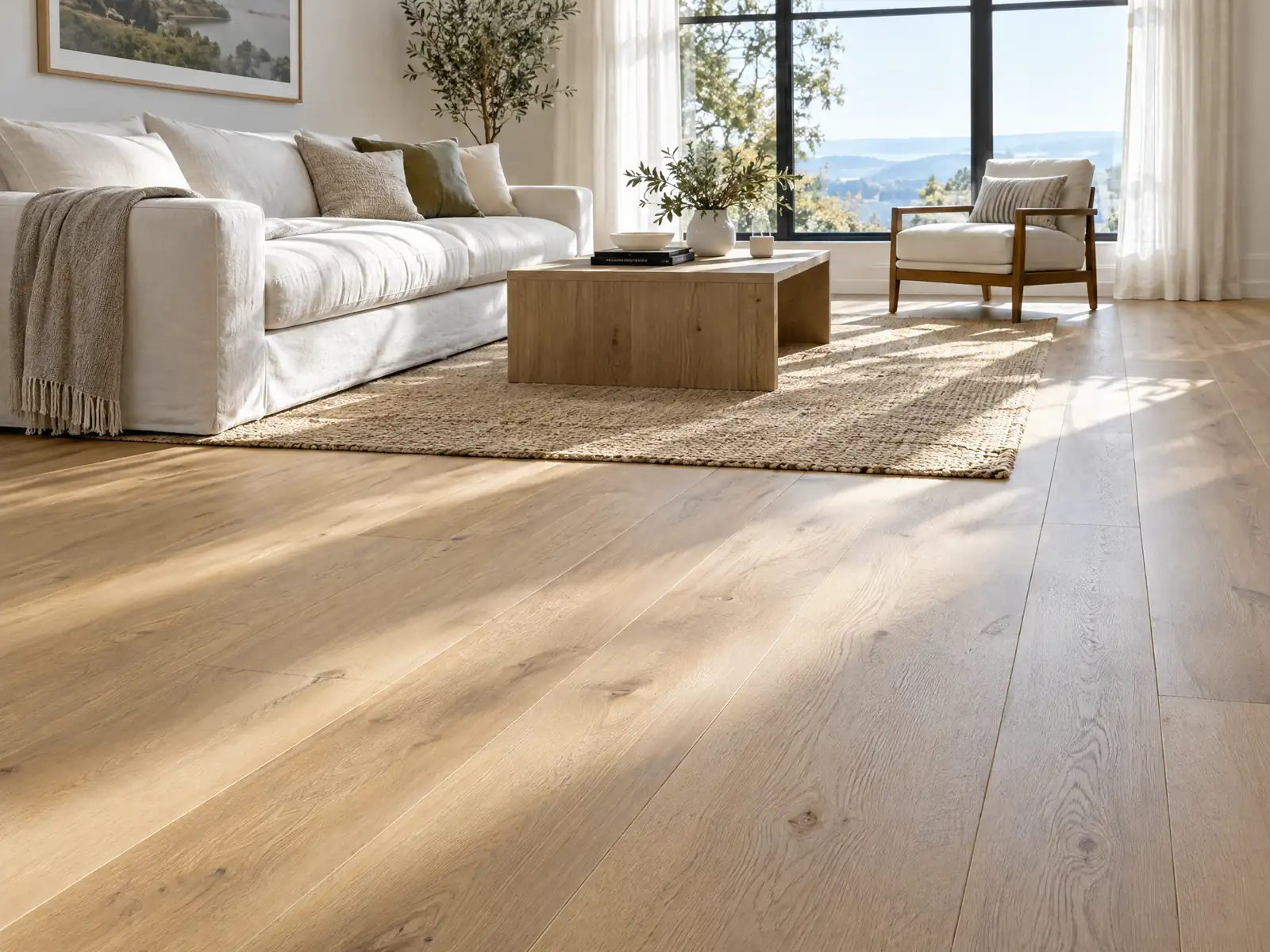
Manhattan Beach incorporated on December 7, 1912 with about 600 residents among dunes that stood 50 to 70 feet high and took decades to level, according to Los Angeles County's beach history. Census counts then climbed from 6,398 in 1940 to 17,330 in 1950 and 33,934 in 1960. Estimates for 2020 to 2024 show the 1950s as the biggest building decade, with 3,416 of 15,281 homes (22.4 percent), and a median year built of 1970, so most floors being replaced today date from the postwar boom or soon after.
MDG Builders, CSLB #1040337, is a Tarzana general contractor. We write the scope, take the permit questions to Building and Safety and schedule a licensed flooring or tile subcontractor to do the laying. Product choices and ranges are on the flooring page, and the Manhattan Beach overview lists the other trades we manage here.
What Manhattan Beach's Building and Safety Division and Municipal Code say about flooring work
Where flooring permits come from in Manhattan Beach: City of Manhattan Beach Community Development Department, Building and Safety Division.
- Tiling, carpeting and similar finish work are on the state permit-exempt list (R105.2 as excerpted by Albany), so a floor covering swap normally needs no building permit, but structural, plumbing or electrical changes do.
- CSLB defines the C-15 Flooring and Floor Covering classification as preparing any surface for flooring and floor coverings and installing carpet, resilient sheet goods, resilient tile, wood floors and other flooring materials, except ceramic tile.
- Near the beach a below-grade floor is a groundwater question: in a 2020 appeal on The Strand the Coastal Commission staff report said the applicant had given no information on the groundwater table or whether a basement would need dewatering, noted that sea level rise could raise groundwater, and recommended denial. In the flood-prone areas of Chapter 9.76 the first floor, including a basement, of new residential structures must be at or above the regulatory flood elevation.
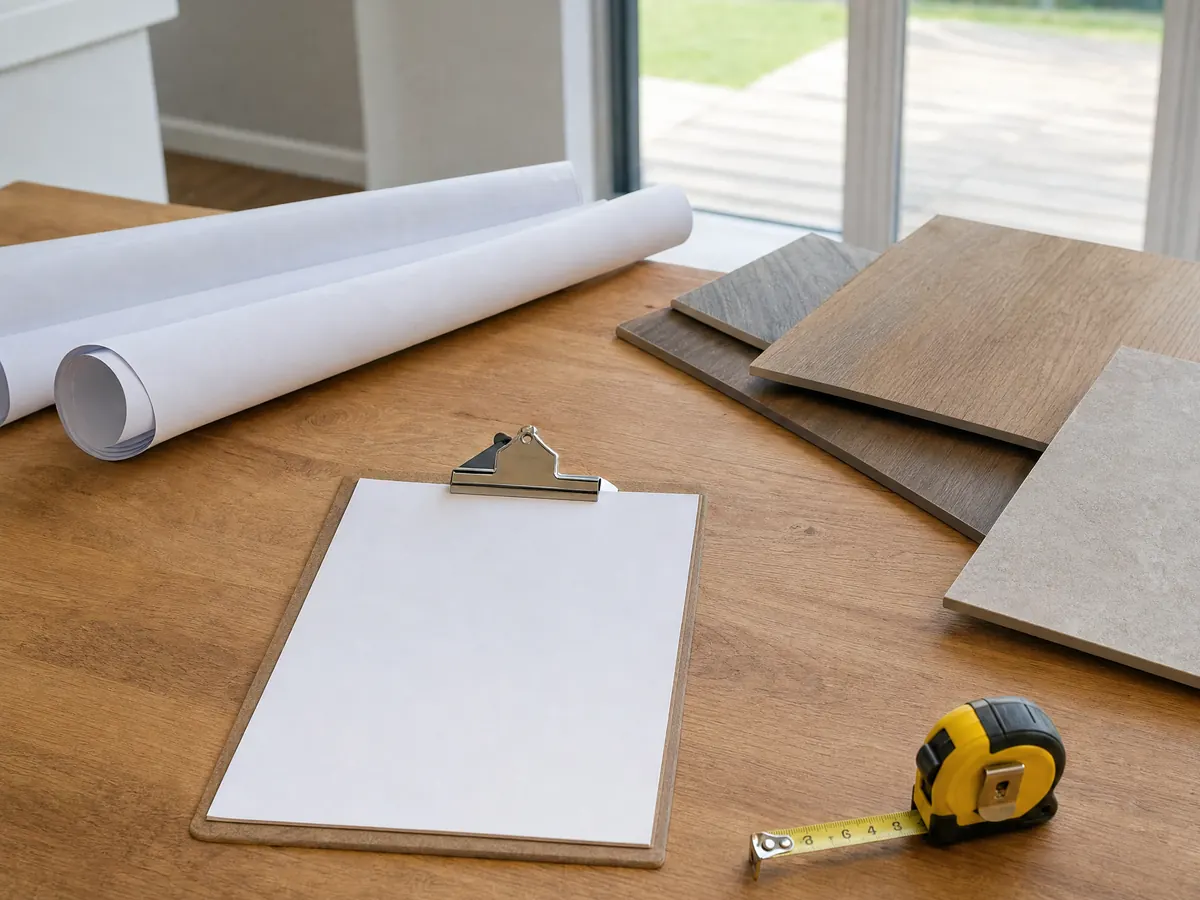
Is there asbestos or lead under old flooring in a Manhattan Beach house?
Possibly, and only a lab result settles it. The Census estimate puts 9,026 of the city's 15,281 housing units (59.1 percent) before 1980, so vinyl tile, sheet goods and black mastic from the 1950s through the 1970s may lie under a newer plank. OSHA's asbestos rule for construction treats resilient flooring, its backing and its adhesive as asbestos-containing until a test says otherwise, which is why a careful crew never dry sands, rips or scrapes old glue.
Lead is the second check. Under EPA's Renovation, Repair and Painting rule, anyone paid to disturb paint in a home built before 1978 must be certified and work lead-safe, and pulling baseboards or door casings for a new floor qualifies. The Census cutoff is 1980, so the covered share is somewhat below 59 percent, but it is still a large part of the housing stock.
- Did a lab test the old tile and mastic before demolition?
- Who pays to remove a layer that tests positive?
- Is the crew certified for lead-safe work on casings?
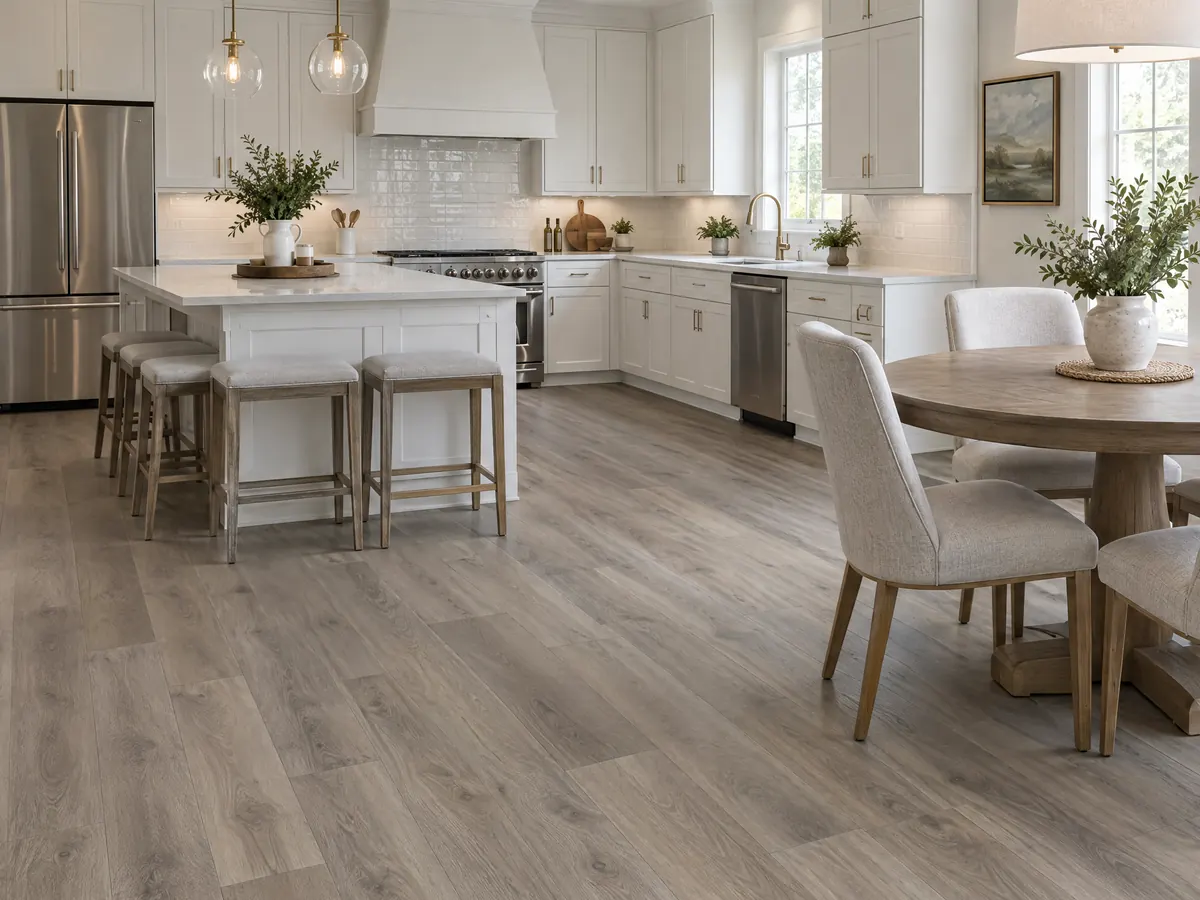
Why does a slab near the beach read damp, and does a basement change the rules?
Start with the sand. Because the city was built over dunes that took decades to level, what lies under one block's slab may not match the next, and we found no soil or groundwater map of the Sand Section. Treat every slab as untested until readings say otherwise.
Two standard tests give those readings. ASTM F2170 measures relative humidity inside drilled holes, and ASTM F1869 weighs vapor under a calcium chloride dish. Neither sets a pass mark, so ask for the numbers written beside the limit that the plank, vinyl or adhesive maker publishes. Rain explains little. The Los Angeles airport gauge, 3.2 miles northeast of the city center, logs 12.23 inches a year in NOAA's 1991 to 2020 normals, 9.81 of them from December through March and almost none in summer, yet a slab can still test wet in August.
Below grade is a bigger question. A 2020 Coastal Commission staff report on an appeal on The Strand noted that the applicant gave no groundwater information for a proposed basement, said rising seas could lift groundwater and recommended denial. For a basement or sunken room near the beach, get a groundwater answer before choosing wood. In flood-prone areas, Chapter 9.76 also holds the first floor, basement included, of new residential structures at or above the regulatory flood elevation.
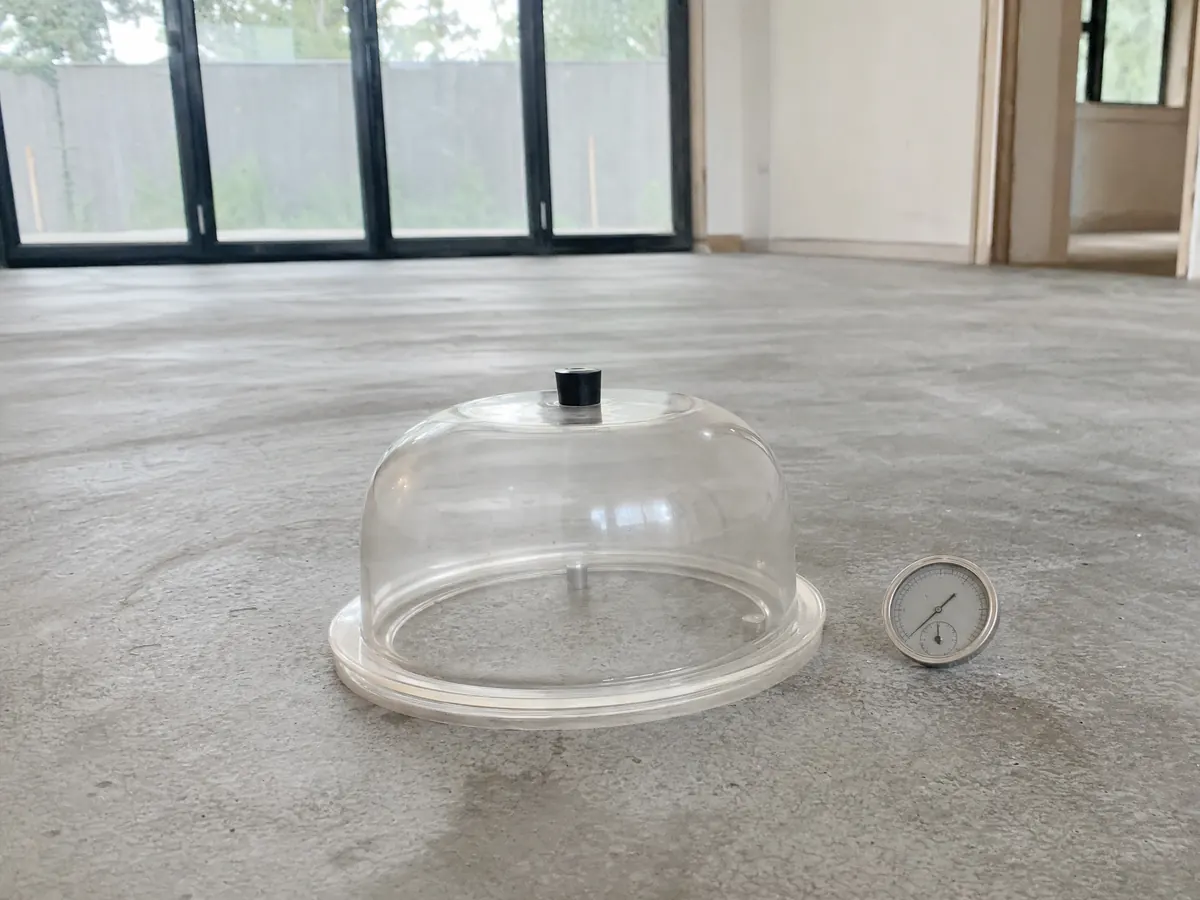
Do you need a permit to replace flooring in Manhattan Beach?
For a floor covering swap alone, normally not, but we cannot prove it from the City's own pages. The state permit-exempt list, as the City of Albany excerpts it from the 2025 code, includes tiling, carpeting and similar finish work, and Manhattan Beach's amendments in Chapters 9.01 and 9.03 change only the fence and prefabricated pool items. The City's site blocked our automated reading, so the code text here comes from the GoCodebook and Zoneomics mirrors, and the edition shown there is 2022.
Structure and services change the answer. Replacing subfloor or joists, or moving plumbing, gas or wiring while the floor is open, is a question for the counter, and the state's 2025 codes took effect statewide on January 1, 2026, so ask which edition of the local amendments governs a new permit.
If a permit is needed, Municipal Code 9.04.010 bars the City from issuing it unless the applicant holds a valid contractor's license in the trade and shows workers' compensation compliance, with a narrow owner-builder exception. An issued permit also lapses if work has not started within 12 months or stops for 180 days (Residential Code R105.5, as amended).
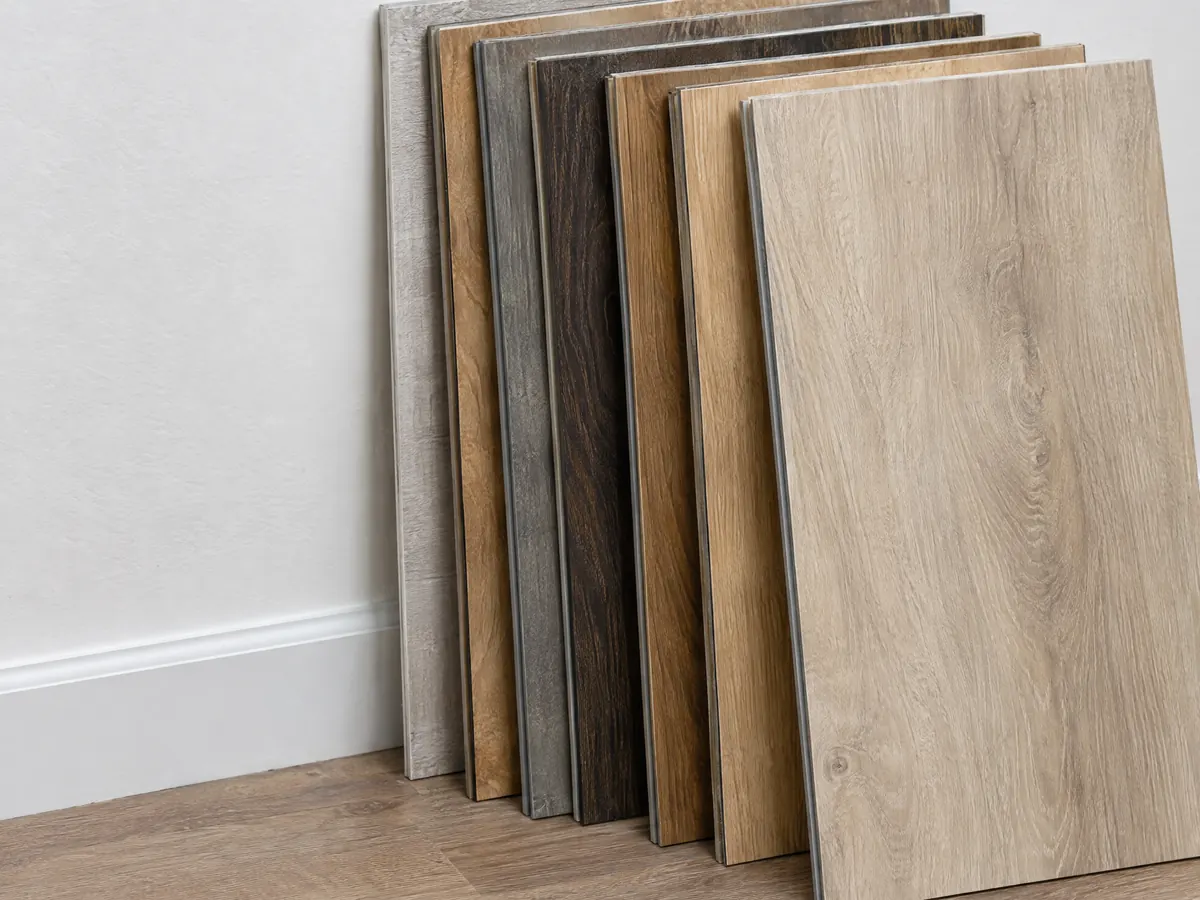
How do you tell if a raised wood floor is sound, and can oak under carpet be refinished?
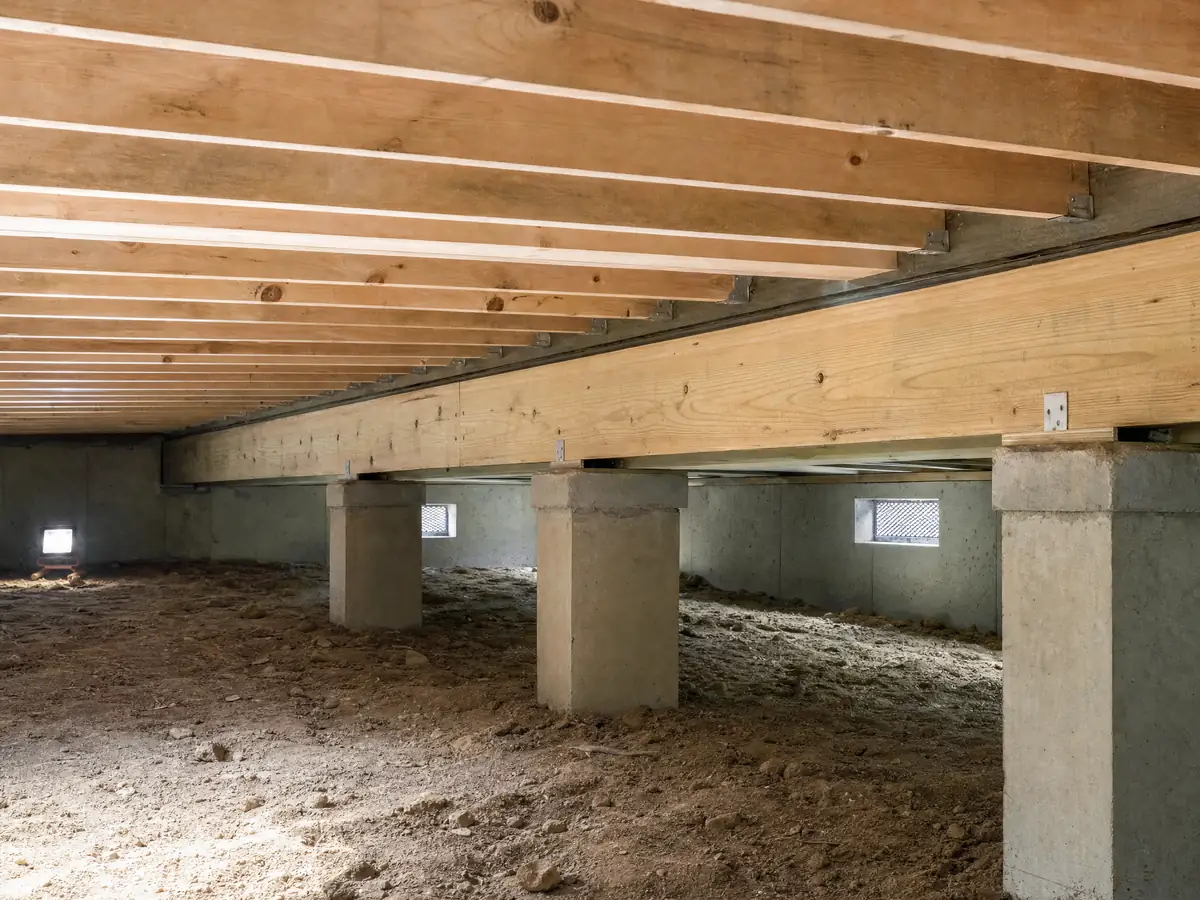
Look from below before you order anything. We found no count of Manhattan Beach homes with raised floors rather than slabs, so check which one you have. On a raised floor, stains under a bath or kitchen, sag near a heavy wall, insect damage and soft spots underfoot change the scope, and none of it shows from a floor register. Ask that subfloor repair appear as its own line with a unit price and that the crawlspace be photographed before and after.
Oak under carpet is a separate question, and often the answer is yes if enough wood stands above the tongue, which a register or cut edge shows. The Census counts 1,145 units (7.5 percent) from 1939 or earlier and 2,284 (14.9 percent) before 1950, so some carpeted rooms may hide boards worth saving. Our flooring cost guide sets refinishing beside replacement.
If the house is a City landmark or sits on a historic register, the code (Municipal Code 10.86.150) excuses ordinary maintenance and projects that need no permit and change nothing outside from a certificate of appropriateness. We did not find the register itself, so ask Planning before sanding a landmark's floors.
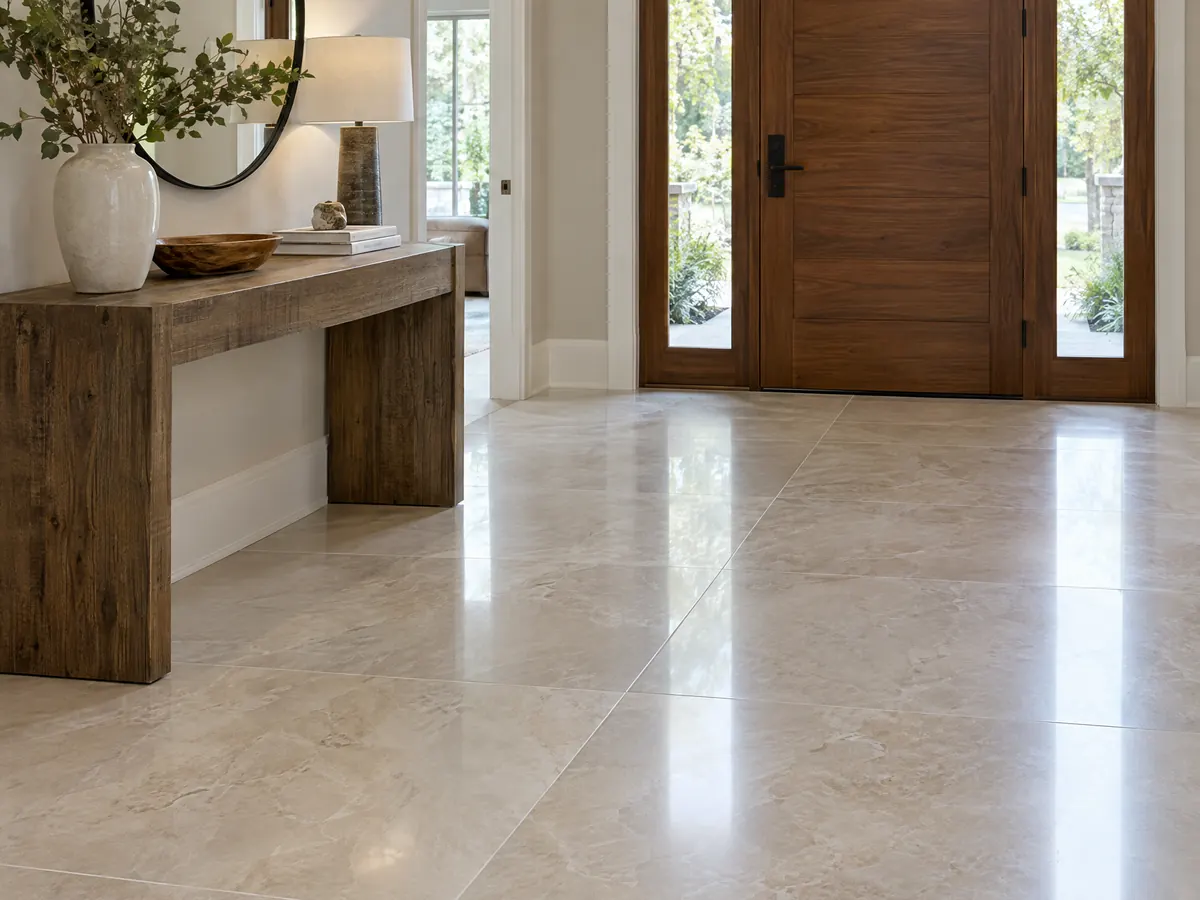
Who approves new flooring in a Manhattan Beach condo or rental, and what about a sale?
The owner or association comes first. Estimates for 2020 to 2024 count 4,707 of 13,369 occupied homes (35.2 percent) as renter-occupied, with 2,407 homes (15.8 percent) in buildings of two to four units and 1,375 (9.0 percent) in buildings of five or more. A tenant needs written consent before material is ordered, and a condo board's documents govern hard surfaces above a neighbor. Civil Code section 4765 sets how a board must answer a change request in writing. Sound-rating numbers differ by source, so we print none.
A sale adds a City step. Municipal Code 9.24.030 to 9.24.060 requires the owner to obtain a Report of Residential Building Record, valid for 6 months, and hand it to the buyer, and its file includes a water conservation form calling for WaterSense toilets at sale unless an exemption applies. A bathroom floor job that pulls the toilet is a handy moment to check that line.
What hours and delivery rules apply to a flooring crew in Manhattan Beach?
Construction activity runs 7:30 a.m. to 6:00 p.m. on weekdays and 9:00 a.m. to 6:00 p.m. on Saturdays, and never on Sundays or City holidays (Municipal Code 9.44.030). Noise from vehicles starting, idling or unloading, and from workers talking near the site, counts. The definition in 9.44.010 covers remodeling that needs a City permit, so ask whether a no-permit floor swap falls under it, and plan around the hours either way.
Deliveries have a gate too. A temporary encroachment permit is needed before materials or debris cross the public right-of-way, except for activity under 2 hours with no street, lane or sidewalk closure, and closures need 72 hours' written notice to affected properties (9.44.050 and 9.44.060). Where the house fronts a walk street, ask the installer how pallets reach the door.
In Area Districts III and IV, work that needs demolition, grading or a building permit also requires an approved Construction Management and Parking Plan and 10 days' notice to every property within 100 feet (9.44.040), though the Director can waive items that do not fit a small job. The code does not say which streets sit in which district; the zoning map does.
What should a flooring contractor charge in Manhattan Beach, and which license applies?
We found no Manhattan Beach price study, so these are Los Angeles figures from Angi's July 2026 pages, which we rate medium to low in confidence because the method is not shown. Angi lists labor at $3 to $9 per square foot and installed prices of $10 to $18 for engineered hardwood and $12 to $22 for solid, with refinishing at $4 to $8. At 1,500 square feet, engineered hardwood multiplies out to $15,000 to $27,000 before demolition, testing, subfloor repair and stairs, which belong on separate lines. Federal wage data for May 2025 put floor layers in the Los Angeles-Long Beach-Anaheim area at a mean of $33.48 an hour, a wage and not a billing rate.
CSLB's C-15 class covers carpet, resilient flooring and wood floors, and ceramic tile is a separate class, C-54. Since January 1, 2025 the state's unlicensed minor work limit is $1,000, but it fails if the job needs any permit or the person hires a worker. A down payment may not exceed $1,000 or 10 percent of the price, whichever is less. Our license check guide shows how to look a number up.
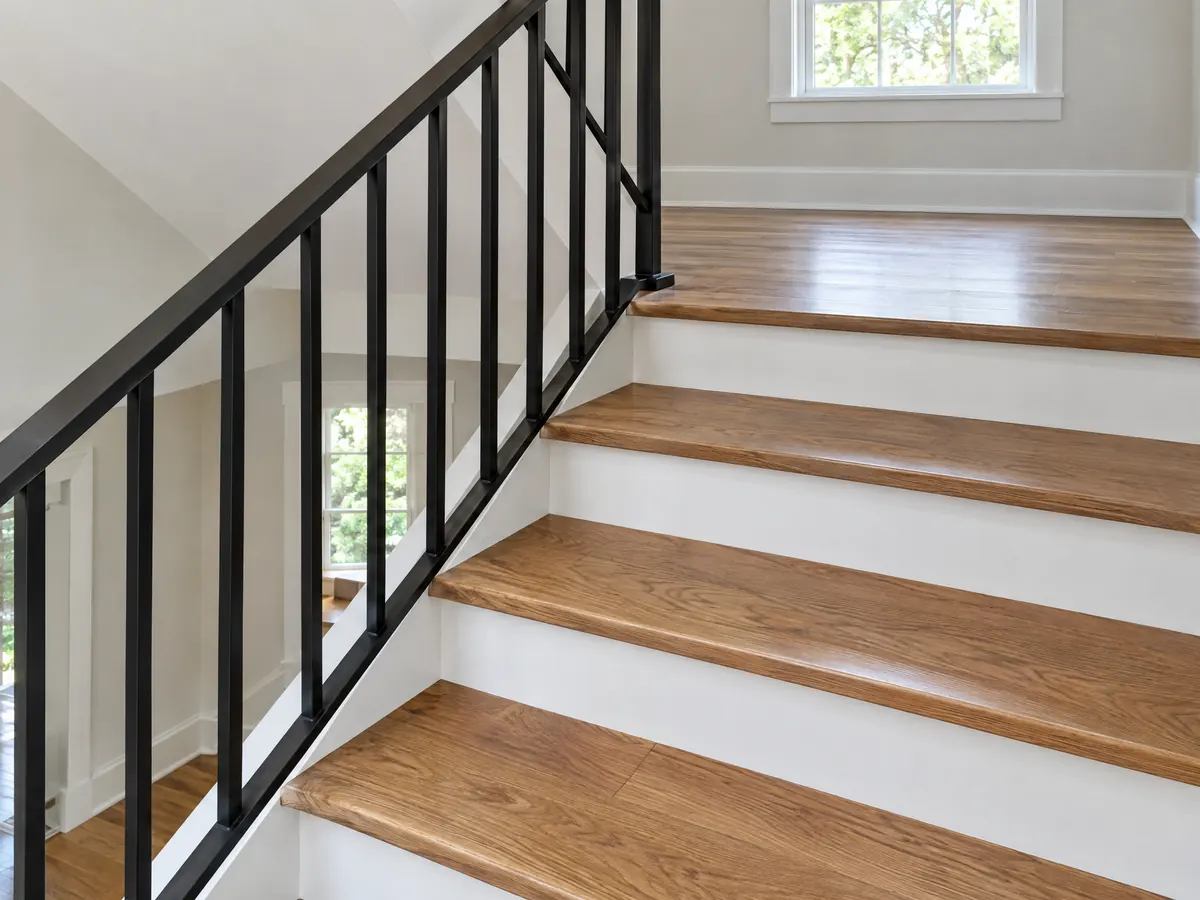
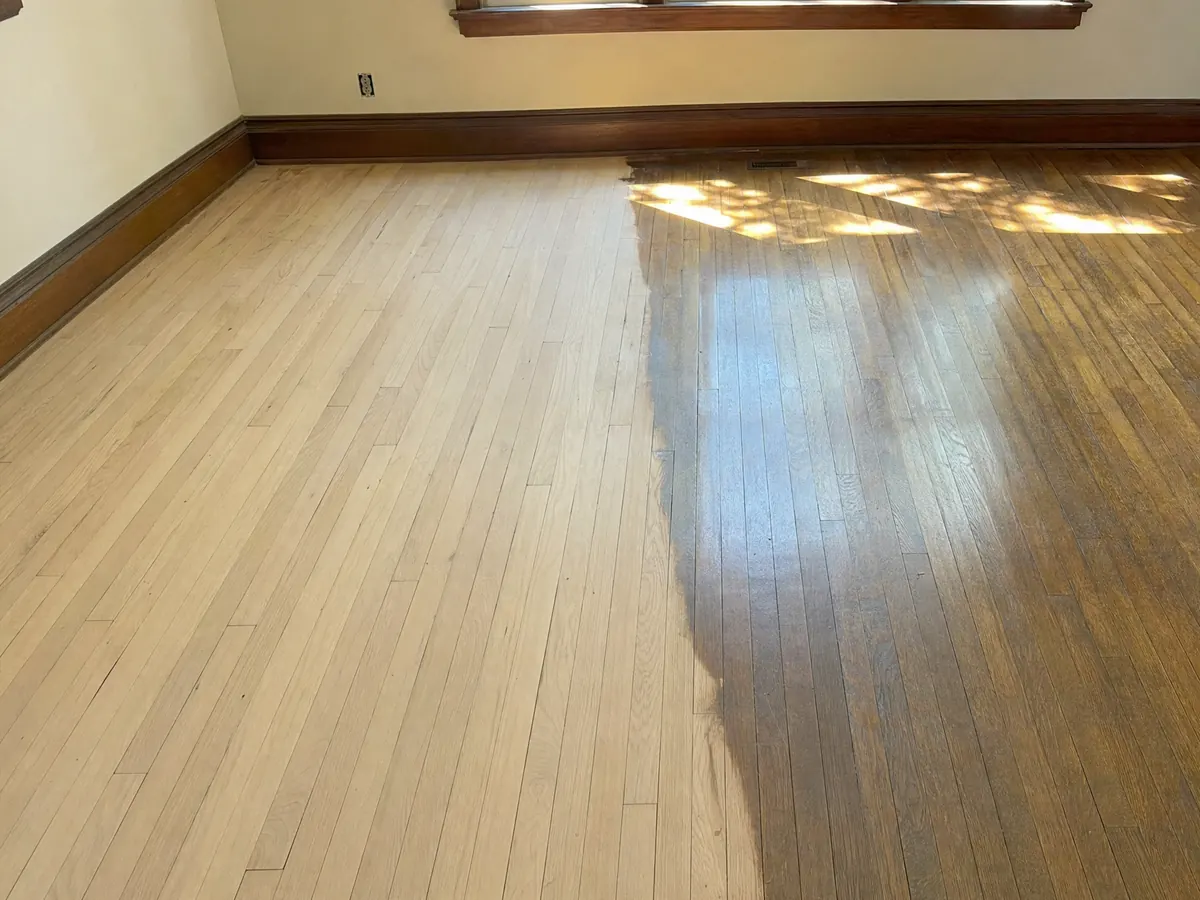
Flooring photos from Manhattan Beach and nearby communities
Prep, plank and tile photos from Manhattan Beach and neighboring beach towns, shown at the stages that matter. Tap any photo to enlarge it.
What flooring costs around Manhattan Beach
Prices here are Los Angeles planning ranges, not a Manhattan Beach bid, and a written proposal should list demolition, testing, subfloor work and stairs one by one. For the same house, see concrete work in Manhattan Beach and decks in Manhattan Beach. Nearby comparisons: flooring in Redondo Beach, flooring in Torrance, flooring in Hawthorne and flooring in Los Angeles.
| What it covers | Typical range |
|---|---|
| Installation labor only | $3 to $9 per sq ft |
| Solid hardwood, installed | $12 to $22 per sq ft |
| Engineered hardwood, installed | $10 to $18 per sq ft |
| Refinishing existing hardwood | $4 to $8 per sq ft |
| Laminate, whole project | $2,000 to $5,500 |
| Hardwood, whole project | $3,153 to $8,496 |
| Removing the old floor | $455 to $685 per 200 sq ft |
| Tile | No sourced Los Angeles range |
Other work we manage in Manhattan Beach
Manhattan Beach flooring questions, answered
Do I need a permit to replace flooring in Manhattan Beach?
Probably not for the floor covering alone, since the state permit-exempt list names tiling, carpeting and similar finish work, but we could not read the City's own text, so confirm with Building and Safety. Replacing subfloor or joists, or moving plumbing, gas or wiring while the floor is open, is a separate question for the counter.
How much does it cost to have flooring professionally installed in Manhattan Beach?
Plan on $3 to $9 per square foot for labor in Angi's July 2026 Los Angeles data, plus material that brings engineered hardwood to $10 to $18 installed and solid hardwood to $12 to $22. We found no Manhattan Beach study and rate these medium to low in confidence. Demolition, testing and subfloor repair come on top, so a visit sets the number.
How much to refloor a 2000 sq. ft house?
In Manhattan Beach, multiplying Angi's Los Angeles ranges gives $6,000 to $18,000 in labor alone for 2,000 square feet, and $20,000 to $36,000 installed for engineered hardwood or $24,000 to $44,000 for solid. These are planning ranges, not a bid. Stairs, removal of old floors and any asbestos or subfloor work are separate lines.
Can you put flooring over concrete?
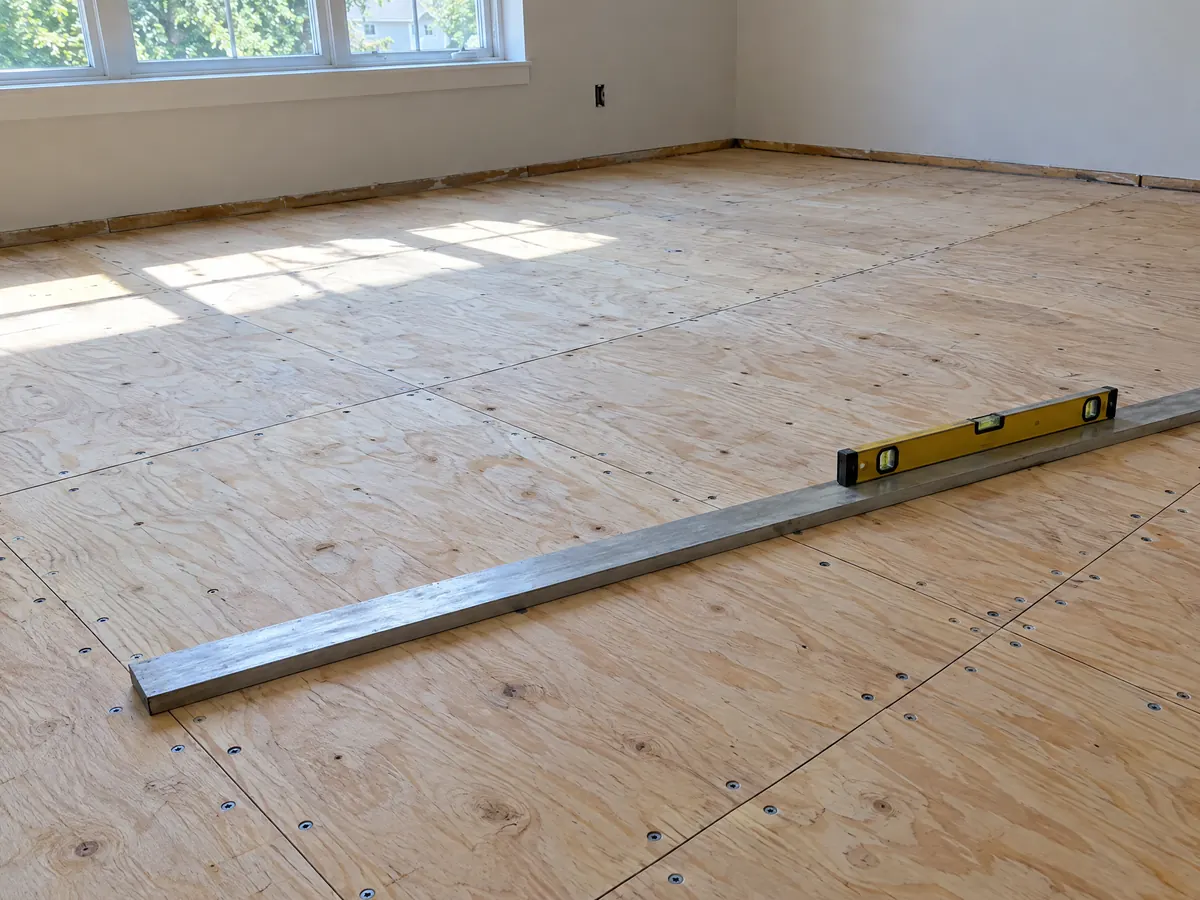
Yes in Manhattan Beach, once the slab has been tested and prepared. The plank, vinyl or adhesive maker sets the moisture limit, so the installer should take ASTM F2170 probe readings or run an F1869 calcium chloride test, then patch cracks and flatten the surface. Near the beach, nobody has mapped the groundwater, so readings beat assumptions.
Why does moisture come through a concrete floor?
Vapor rises from the ground under a slab because concrete is porous, and in Manhattan Beach a leak, planter or downspout beside a wall raises readings in spots. Winter rain, mostly December through March, is only part of it. Near the beach a Coastal Commission report flags rising groundwater, so take a probe or calcium chloride test before laying anything.
Is there asbestos under old vinyl flooring in a Manhattan Beach house?
Possibly, and nobody can tell by eye. OSHA treats resilient flooring, its backing and its adhesive as asbestos-containing until a test shows otherwise, and 59.1 percent of the city's homes predate 1980. Have a lab test a sample first, never sand or tear up the old layer dry, and settle in writing who removes anything that tests positive.
Can I refinish hardwood floors instead of replacing them in Manhattan Beach?
Often, when enough wood remains over the tongue to sand, as a floor register or a cut edge reveals. Angi's 2026 Los Angeles pages run $4 to $8 per square foot to refinish and $12 to $22 for new solid hardwood, both medium to low in confidence. A landmark house needs a Planning check first.
Can I put new flooring in a Manhattan Beach condo or rental?
Only with the owner's or association's written approval. A renter needs written permission from the landlord, and an association's rules govern hard floors above another unit. Under Civil Code 4765 a board must answer a change request in writing. If the unit is being sold, the City's Report of Residential Building Record also goes to the buyer.
What license does a flooring contractor need in Manhattan Beach?
Carpet, resilient flooring and wood floors fall under CSLB's C-15 class, and ceramic tile under C-54. Under Municipal Code 9.04.010 the City will not issue a permit without a valid license in the trade and proof of workers' compensation. Look the number up on the CSLB site before accepting a quote.
What hours can a flooring crew work in Manhattan Beach?
Construction activity is allowed 7:30 a.m. to 6:00 p.m. on weekdays and 9:00 a.m. to 6:00 p.m. on Saturdays, never on Sundays or City holidays, and idling or unloading trucks count as noise. The rule applies to remodeling that needs a City permit, so ask whether a no-permit floor job falls under it.
Tell us the rooms, the building type and what is on the floor now
List the rooms, whether you live in a house, a duplex or a condo, and any floor layers you know are original. The asbestos, moisture and approval questions come with us to the first visit.