
Flooring Installationin Torrance, CA
Flooring installation in Torrance usually needs no building permit for the finish itself, because the City's exempt list names tile, carpet and similar finish work, but plumbing, electrical and structural changes still do. The bigger local question is the clay soil under many North Torrance and Walteria slabs, so ask for a moisture reading before material is ordered.
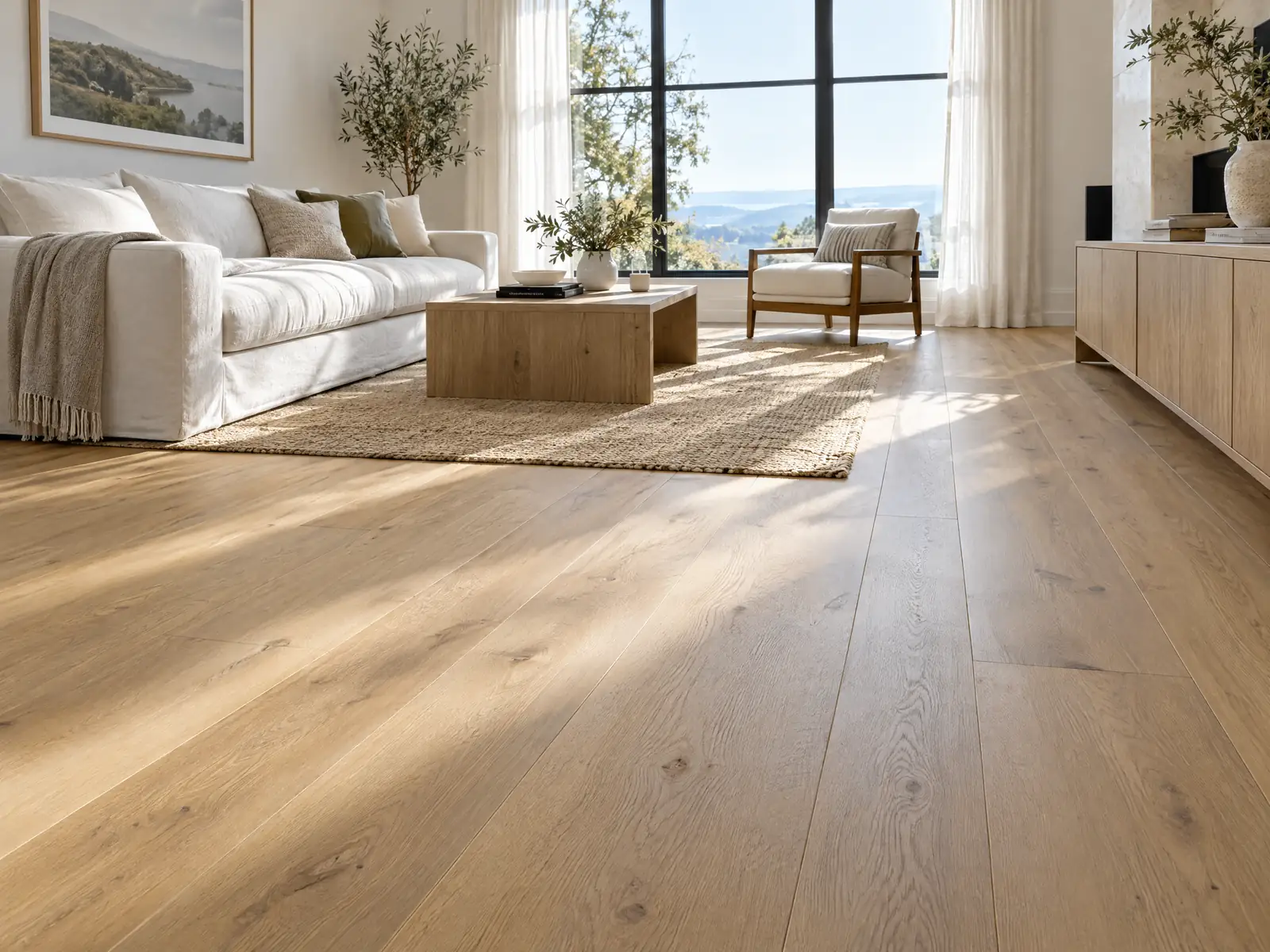
Torrance began in 1912 as a planned industrial city and then more than quadrupled in a single decade. The Census count went from 22,241 people in 1950 to 100,991 in 1960, and the American Community Survey for 2024 shows 52.5 percent of the city's 56,540 homes built in the 1950s and 1960s. A floor job here is usually a floor in a house that is 55 to 75 years old, sitting on ground that the City itself calls expansive in places.
MDG Builders, licensed under CSLB #1040337 and based in Tarzana, acts as the general contractor. We write the scope, ask the Permit Center the permit questions, price the work and keep the calendar, and a licensed flooring or tile subcontractor lays the floor. You can ask for that firm's license number and certificate of insurance before you sign. Materials and prices are on our flooring page, and the Torrance overview lists the other trades we manage in the city.
What Torrance's code and Permit Center say about floors
Where flooring permits come from in Torrance: City of Torrance Community Development Department, Building and Safety Division (Permit Center).
- Installing tile, carpet, cabinets, counter tops and similar finish work is exempt from a Torrance building permit (TMC 81.2.2), so a floor covering swap on its own does not need one, while any structural change to joists, subfloor or walls goes back under the building permit rules.
- On expansive soil, TMC 81.2.30 sets slab requirements (4 inches thick, 1/2-inch bars at 16 inches on center each way, a 6-mil membrane between two layers of 2-inch sand), so a new concrete slab for a floor in North Torrance or Walteria is built to that local standard.
- The City's Expansive Soil Guidelines say a home on expansive soil will likely show more hairline cracks in walls and slabs than a home on sandy soil, and recommend a soil engineer if many ground fissures appear in a short period.
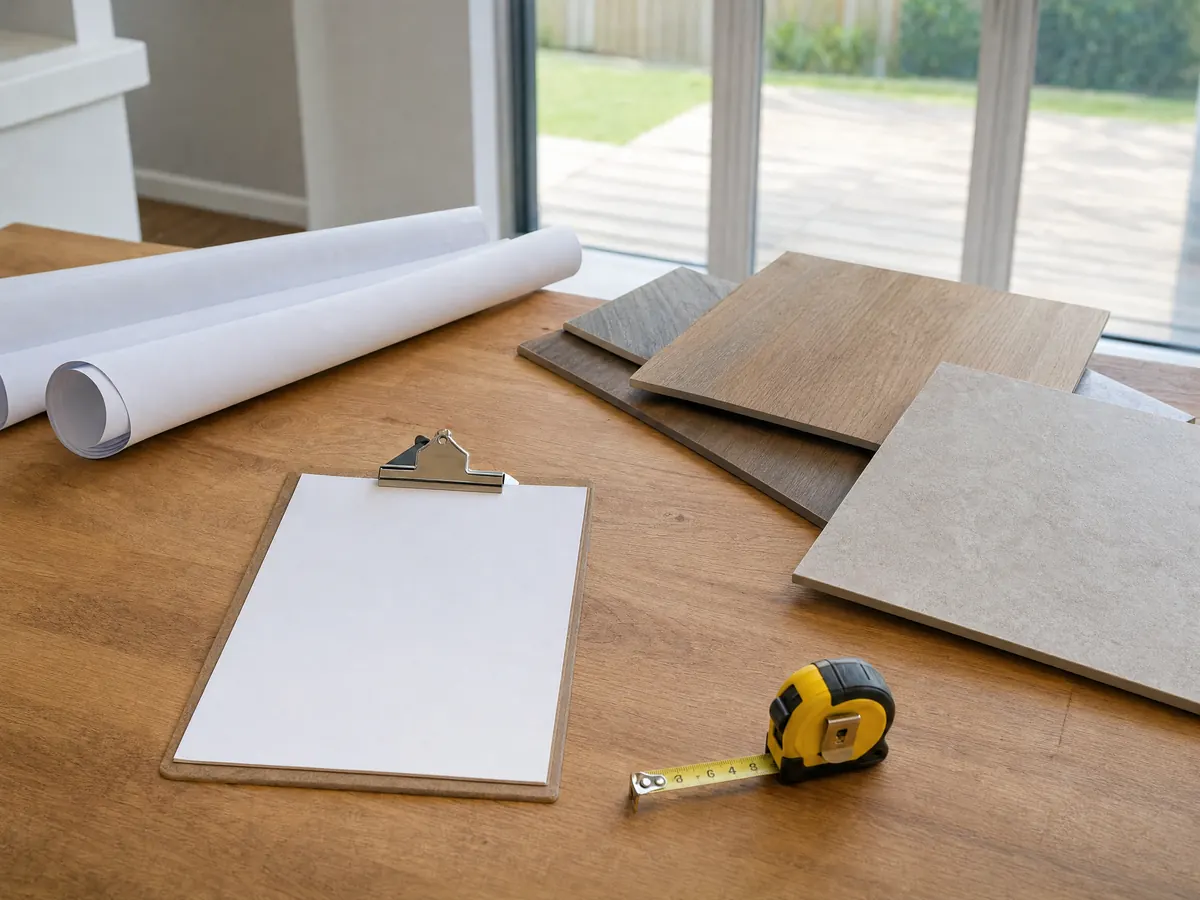
Does Torrance's clay soil change what goes under a new floor?
It can. The City's Expansive Soil Guidelines say adobe or clay soil lies under most of North Torrance and the Walteria Lake area of the southwest, generally where a flood plain or lake once sat. They also say a house on that soil will likely show more hairline cracks in walls and slabs than one on sandy ground, and they recommend a soil engineer when many fissures appear in a short period.
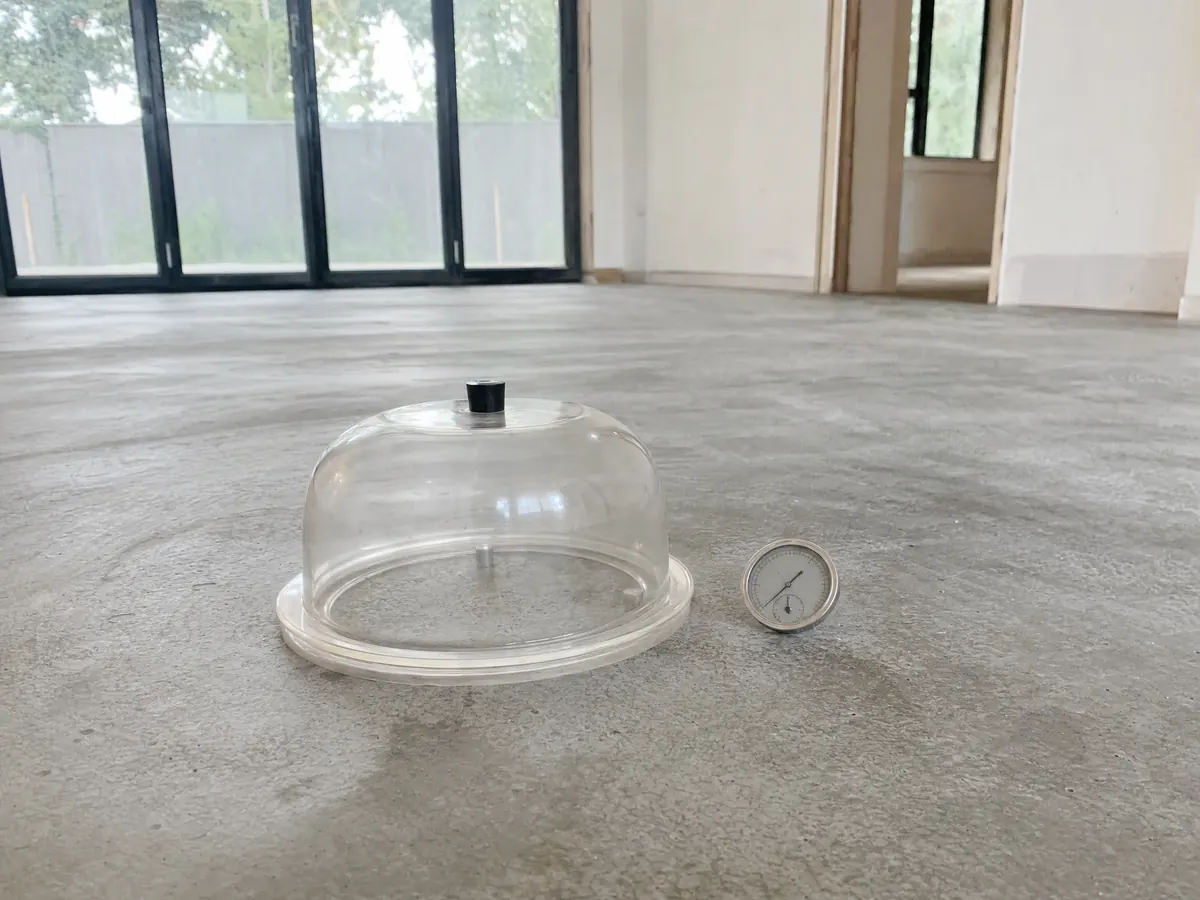
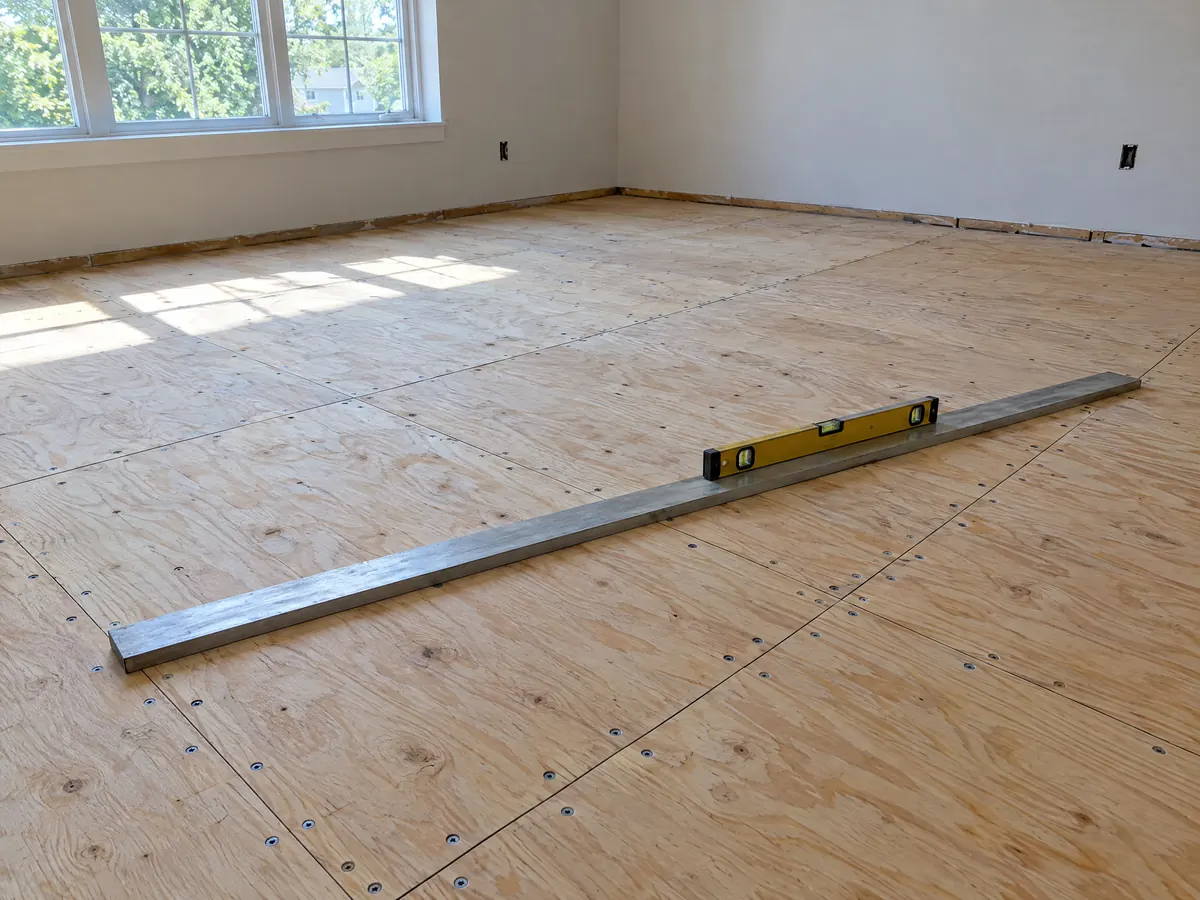
For a flooring contractor, a hairline crack in a slab is a flatness and moisture question before it is a structural one. Rigid tile and glued-down planks care about movement, floating floors tolerate more, and every product maker sets its own limit for slab moisture. The standard checks are ASTM F2170 probes that read humidity inside the slab and ASTM F1869 calcium chloride kits, and the National Wood Flooring Association recommends a vapor retarder rated at 0.13 perms or less, such as 6-mil polyethylene, under wood over concrete.
Rain feeds the soil in a short season here. NOAA's 1991 to 2020 normals for the Torrance Airport station show 13.64 inches a year, with 11.24 of them from December through March. A dry August says nothing about the slab, so get the readings in writing.
- Is my lot in the clay area on the City's expansive soil map?
- Which test locations will be used, and are cracks and exterior walls included?
- What is the flooring maker's written moisture limit for this product?
Does flooring installation need a building permit in Torrance?
Not for the finish itself. The City's published list of work exempt from a building permit, republished on February 25, 2026, names tile, carpet, cabinets, counter tops and similar finish work, and it adds that the exemption never authorizes work that breaks another code. So swapping carpet for plank is not on the permit side of the line, while the Building and Safety FAQ treats structural work on walls, roofs and foundations as permit work.
Three things pull a floor job back toward the counter: moving a pipe, drain or fixture while the floor is open, adding circuits or relocating outlets, and replacing joists or structural sheathing. The plumbing exemption is narrow, and replacing a defective concealed pipe counts as new work. Torrance also takes applications online only, after zoning clearance from Planning, and its Building and Safety Permit Center answers questions at 310-618-5910.
One more rule touches the schedule. The City limits power tools and outside construction work near homes to 7:30 a.m. to 6:00 p.m. on weekdays and 9:00 a.m. to 5:00 p.m. on Saturdays, with nothing on Sundays or City Hall holidays, so a saw set up in the driveway should wait for the window.
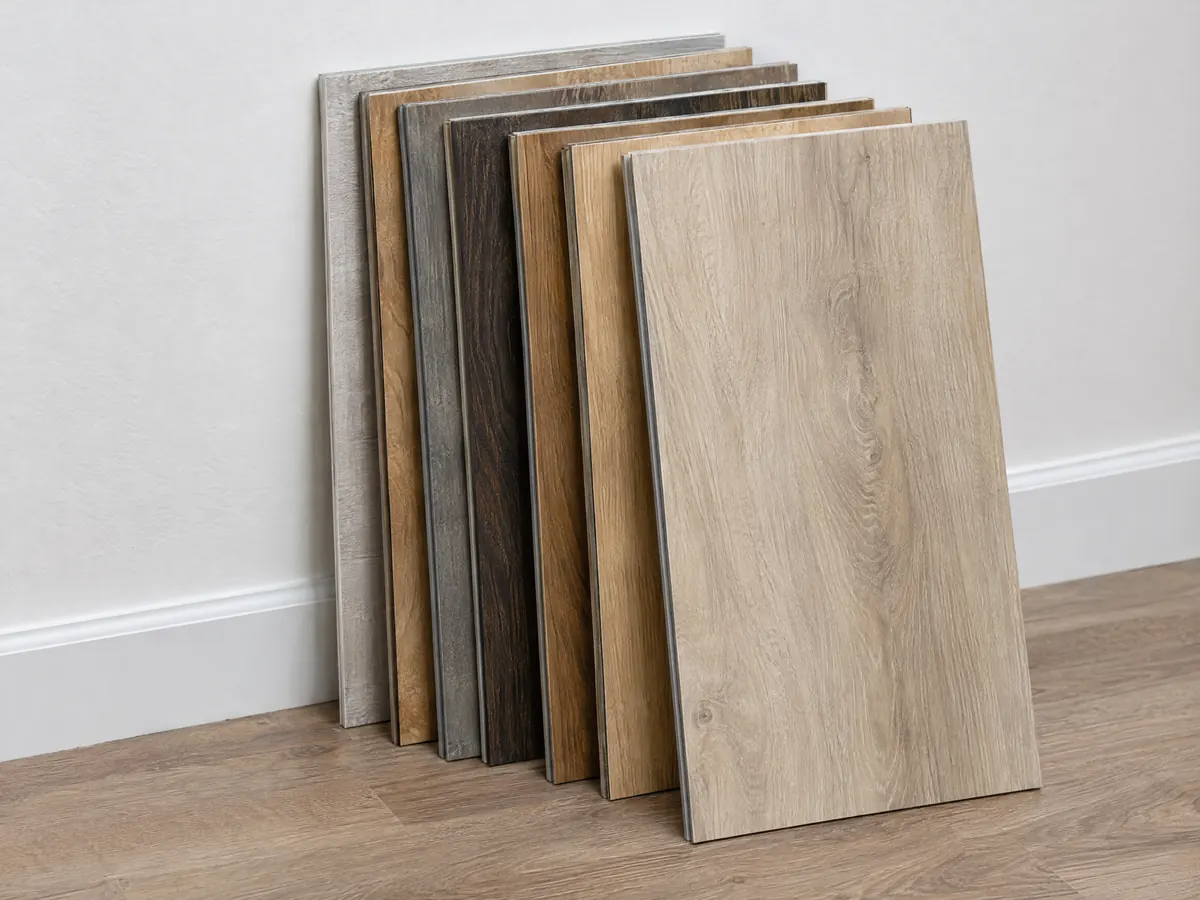
What could be under the old floor in a 1950s or 1960s Torrance house?
Wilson Development built most of Torrance's 1950s and 1960s homes, covering farms, dairies and oil derricks with tracts such as Southwood Riviera Royale, which opened in 1962. By the 2024 Census estimates, 15,988 units date from the 1950s and 13,676 from the 1960s, and 44,994 of the 56,540 total, or 79.6 percent, were built before 1980. Only 20.4 percent have gone up since.
For a floor, that age means layers. EPA's asbestos page lists vinyl floor tiles, the backing on vinyl sheet flooring and adhesives among the places asbestos may be found, and says exposure happens when the material is disturbed or damaged. That is why we ask for a lab test on a sample of old tile or mastic before anyone sands, scrapes or pulls it up. The decade bands stop at 1979, so we use before 1980 as the careful line.
Age can also hide damage. The City's own history says the November 1941 earthquake cracked brick chimneys and foundations in the residential area, which is a reason to look at the framing or slab edge under a floor before covering it.
Do floors in an Olmsted Tract house in Old Torrance need City review?
Old Torrance is the oldest part of the city. Jared Sidney Torrance and the Dominguez Land Company started it in October 1912 on about 3,500 acres from an Olmsted Brothers plan, and the City's 2011 to 2013 survey of the Olmsted Tract counted about 1,800 structures. By our count of that survey table, 861 are contributors or altered contributors. Roughly 80 percent of the original sites were built by World War II, so many of these homes carry oak or fir floors that predate the tracts.
The Torrance Tract Overlay review, under Article 49 of the municipal code, looks at development, demolition, exterior facades and curb cuts, and the Historic Preservation Ordinance in Article 50 reviews exterior work on landmarks and contributing homes. We found nothing in either that names interior floors, and a contractor should not guess. Ask Planning at 310-618-5990 whether an interior-only floor project on your address needs anything, and put the answer in the contract.
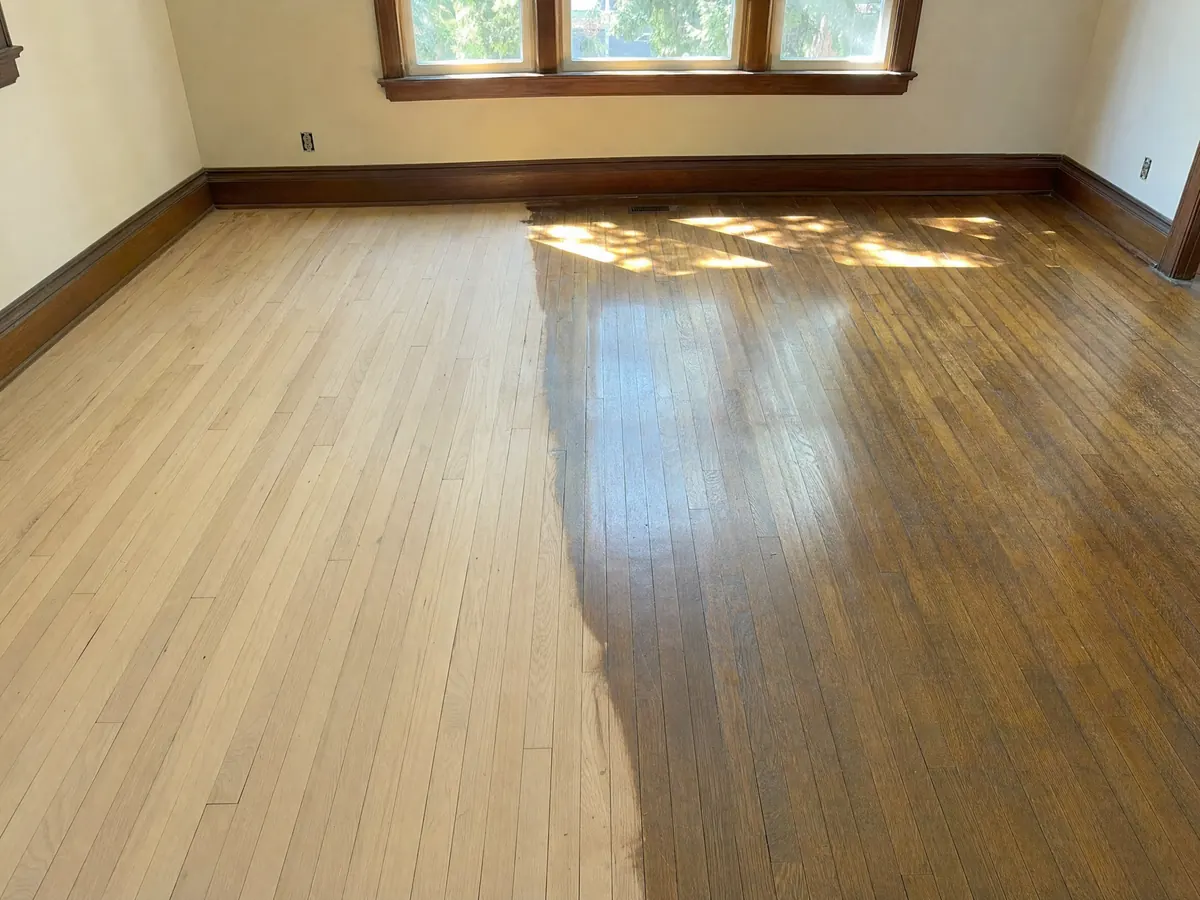
Before replacing, look at refinishing. If carpet hides an original board floor, check the wear layer at a floor register or an edge; boards with enough wood left can often be sanded, and our California flooring cost guide compares the two routes.
Hard floors in a Torrance condo or apartment: whose approval comes first?
Torrance is not only single-family streets. The 2024 Census estimates put 55.6 percent of units in detached houses, while 17,255 units, or 30.5 percent, sit in buildings of five or more units, and 43 percent of the 52,611 households rent. For a share of floor jobs, a neighbor lives below or beside the room.
The City's permit exemption covers the building code and nothing else. If you own a condo, the association's governing documents decide whether hard flooring is allowed, usually through a written alteration request, and California Civil Code 4765 sets the process an association must follow when it decides an architectural request. We found no Torrance source that names specific associations or their rules, so read your own documents.
Renters and landlords have a simpler path: the lease and the owner's written consent. Either way, get the approval in hand before material is ordered, and ask the installer which underlayment the product maker requires over living space.
How much does flooring installation cost in Torrance, and who lays the floor?
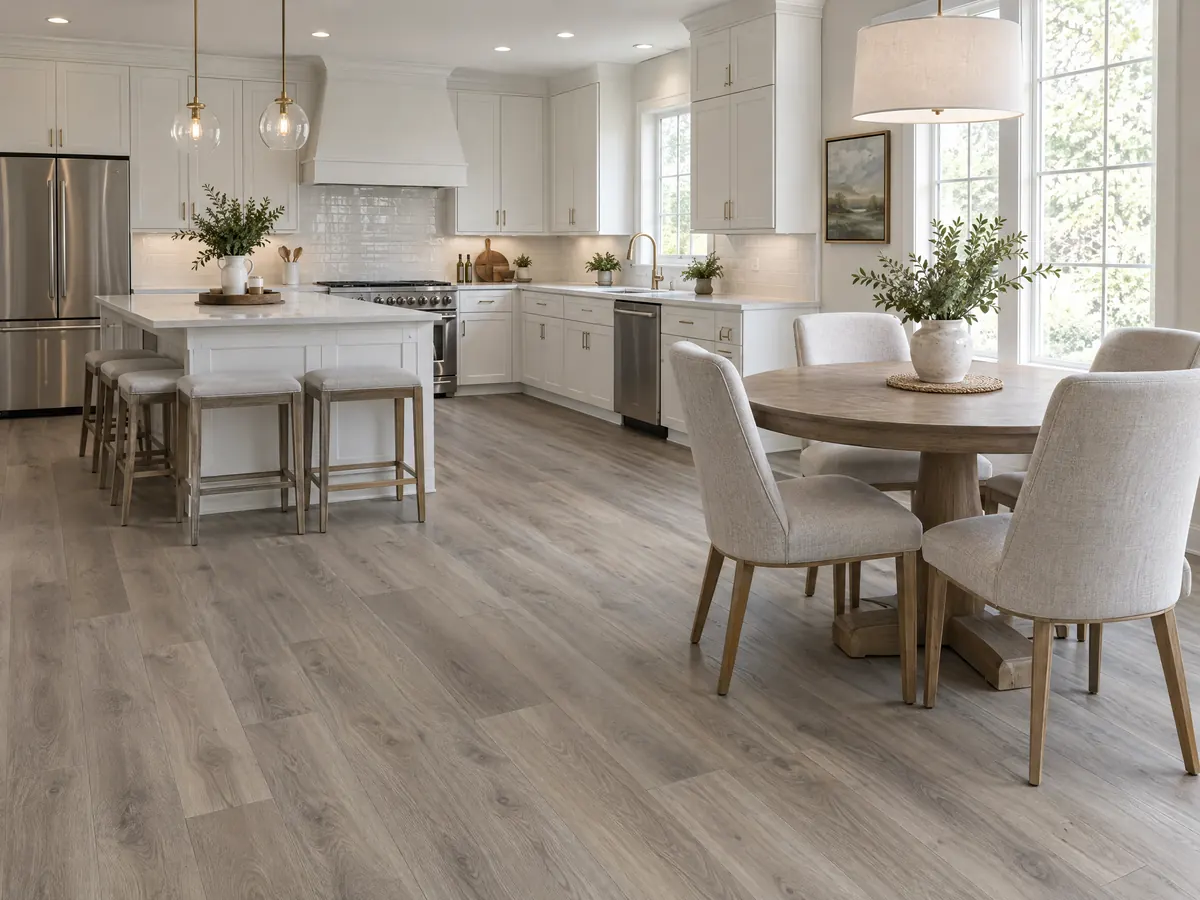
We found no Torrance price study with a stated method. The ranges on our flooring page come from Angi's Los Angeles pages, updated in July 2026: installation labor about $3 to $9 per square foot, engineered hardwood $10 to $18 installed, solid hardwood $12 to $22 and refinishing $4 to $8. Angi shows no method for these figures, and the Cost vs. Value survey from Remodeling magazine tracks no flooring project, so our confidence in the numbers is medium to low. Median owner-occupied home value in Torrance was $1,105,900 in the 2024 Census estimates, which is a market fact, not a floor price.
California's CSLB C-15 classification covers preparing surfaces and installing carpet, resilient flooring and wood floors, and ceramic tile falls under C-54. A contractor who pulls a permit in Torrance also needs a City business license, which the Permit Center lists in its FAQ. Compare bids that price removal, subfloor repair and baseboards on separate lines, and read our license check guide before you sign.
Business and Professions Code 7159 requires a written, signed home improvement contract over $500, with a downpayment capped at $1,000 or 10 percent of the price, whichever is less.
Flooring photos from Torrance and nearby communities
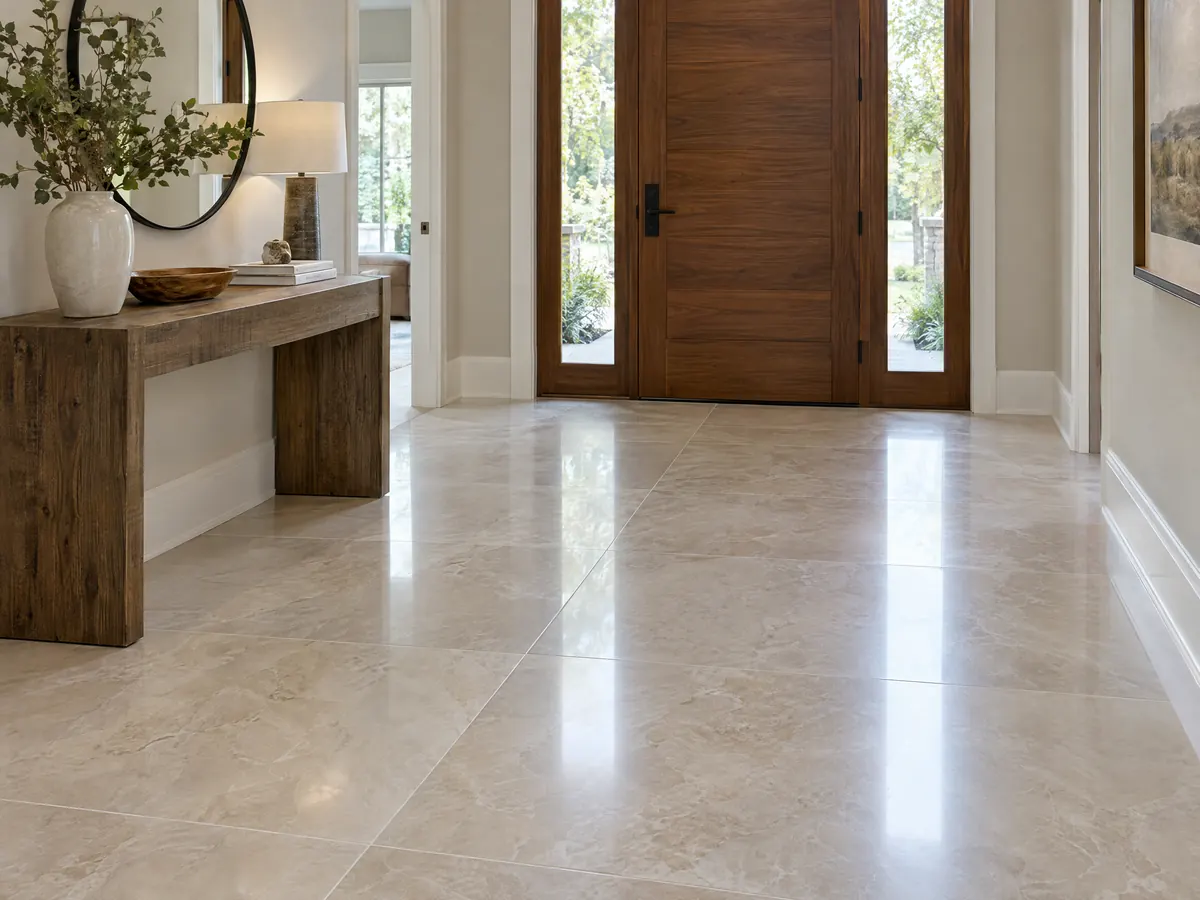
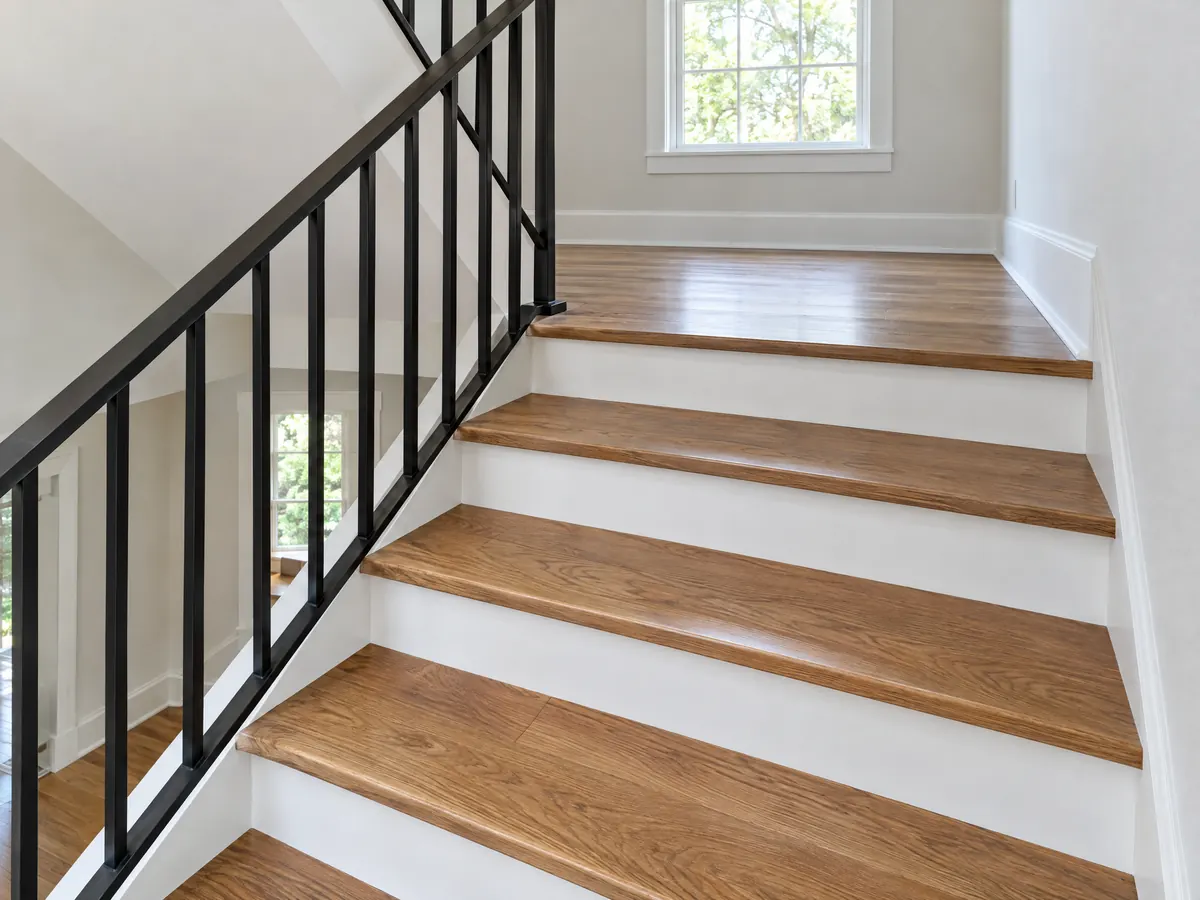
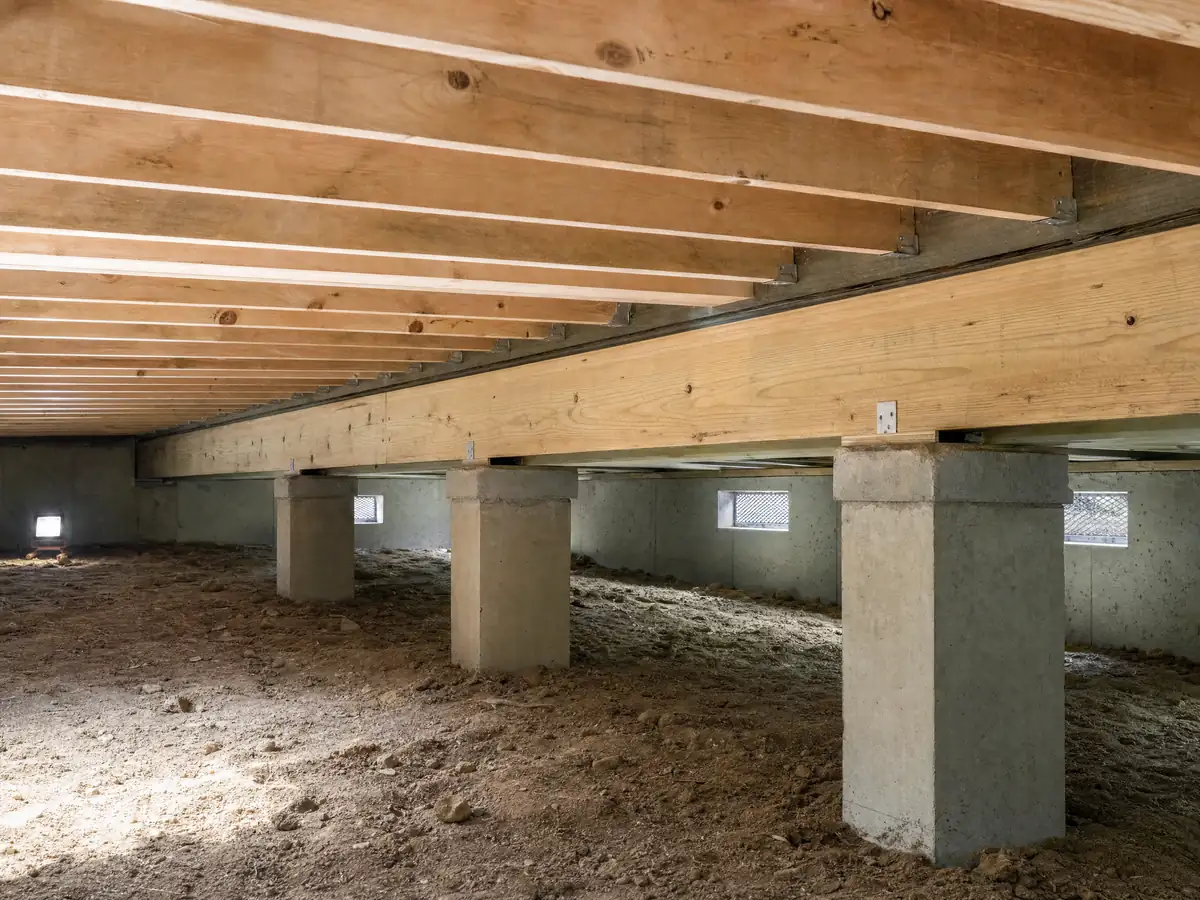
Six photos of floors around Torrance and its neighbors, from subfloors and moisture tests to new planks and tile. Tap a photo to enlarge it.
What flooring costs around Torrance
Dollar figures here are the Los Angeles ranges on our flooring page, not a Torrance quote. Old-floor removal, asbestos testing, subfloor repair, stairs and slab moisture work show up as separate lines in a proposal. A floor often comes with other work, so see concrete work in Torrance, deck building in Torrance and flooring in Los Angeles. Redondo Beach, Lomita, Gardena and Lawndale have their own city halls and rules, and farther afield flooring in Glendale and flooring in Pasadena follow different overlays.
| What it covers | Typical range |
|---|---|
| Installation labor only | $3 to $9 per sq ft |
| Solid hardwood, installed | $12 to $22 per sq ft |
| Engineered hardwood, installed | $10 to $18 per sq ft |
| Refinishing existing hardwood | $4 to $8 per sq ft |
| Laminate, whole project | $2,000 to $5,500 |
| Hardwood, whole project | $3,153 to $8,496 |
| Removing the old floor | $455 to $685 per 200 sq ft |
| Tile | No sourced Los Angeles range |
Torrance flooring questions, answered
Does flooring installation need a permit in Torrance?
Usually not for the finish. The City's exempt-work list names tile, carpet, cabinets and similar finish work. Moving plumbing, adding electrical or repairing joists and structural subfloor still needs permits. Torrance takes applications online only, so call the Permit Center at 310-618-5910 with your exact scope before work starts.
How much does it cost to have flooring professionally installed in Torrance?
We found no Torrance study, so use Los Angeles figures: installation labor about $3 to $9 per square foot, engineered hardwood $10 to $18 installed and solid hardwood $12 to $22. Angi published these in 2026 without a method, so we rate them medium to low in confidence. Removal and subfloor repair are separate lines.
How much to refloor a 2000 sq. ft house in Torrance?
Multiplying our Los Angeles ranges by 2,000 square feet gives about $20,000 to $36,000 for engineered hardwood and $24,000 to $44,000 for solid hardwood, before removal, subfloor repair and stairs. That is arithmetic on medium to low confidence figures, not a quote, and a site visit sets the real price.
Can you put flooring over concrete?
Yes, after the slab is flat and has passed a moisture test measured against the maker's written limit. Probes (ASTM F2170) or calcium chloride kits (F1869) give the number, and wood over concrete usually calls for a retarder rated 0.13 perms or less. In Torrance's clay areas, inspect cracks and drainage first.
Why does moisture come through a concrete floor?
Vapor travels up from the ground beneath the slab, and concrete is porous enough to pass it. A plumbing leak, a planter against the wall or ponding beside the foundation adds more. Torrance gets 11.24 of its 13.64 inches of rain between December and March, so a dry summer is not proof.
Do I need to worry about asbestos in a 1950s Torrance house floor?
It is possible. EPA lists vinyl floor tiles, sheet flooring backing and adhesives as places asbestos may be found, and risk comes when they are disturbed. About 79.6 percent of Torrance homes were built before 1980, so have a lab test a sample before anyone sands or lifts old layers.
Do floors in an Olmsted Tract house need Planning approval?
We found nothing in the City's Torrance Tract rules that names interior floors, which focus on development, exterior facades and curb cuts. Exterior work on a contributing home does need project review. Ask Planning at 310-618-5990 about your address and keep the answer with your contract.
Can I put hard flooring upstairs in a Torrance condo?
Only if your association allows it. The City's exemption covers the building code, but your governing documents decide alteration approvals and sometimes sound limits. Under Civil Code 4765 the association has to answer an architectural request in writing. Get that approval before ordering material.
How do I choose a flooring contractor in Torrance?
Start with the license. CSLB class C-15 covers wood and resilient floors and C-54 covers ceramic tile, so ask for the number and a certificate of insurance. Compare written bids that price removal, subfloor repair and baseboards separately, and expect a signed contract before work starts on jobs over $500.
Does LVP devalue a home?
We found no study for Torrance, so we cannot answer with a number. Resale effect depends on the price tier, the house's age and what buyers on your street expect. In an Olmsted Tract home with original oak, ask a local listing agent about comparable sales before covering the boards.
Send the rooms, the address and the year built
Send the address, the rooms and what covers the floor today, and say whether you know if the house is on a slab or a raised floor. We bring the moisture and subfloor checks to the first visit.