
Concrete Companyin Torrance, CA
A concrete company in Torrance works around three local rules: driveways and sidewalks under 30 inches high are exempt from a building permit, paving more than half of a residential front yard needs the Building Official's approval, and North Torrance and Walteria clay soil has its own slab standard. Check the front yard and soil questions before the pour.
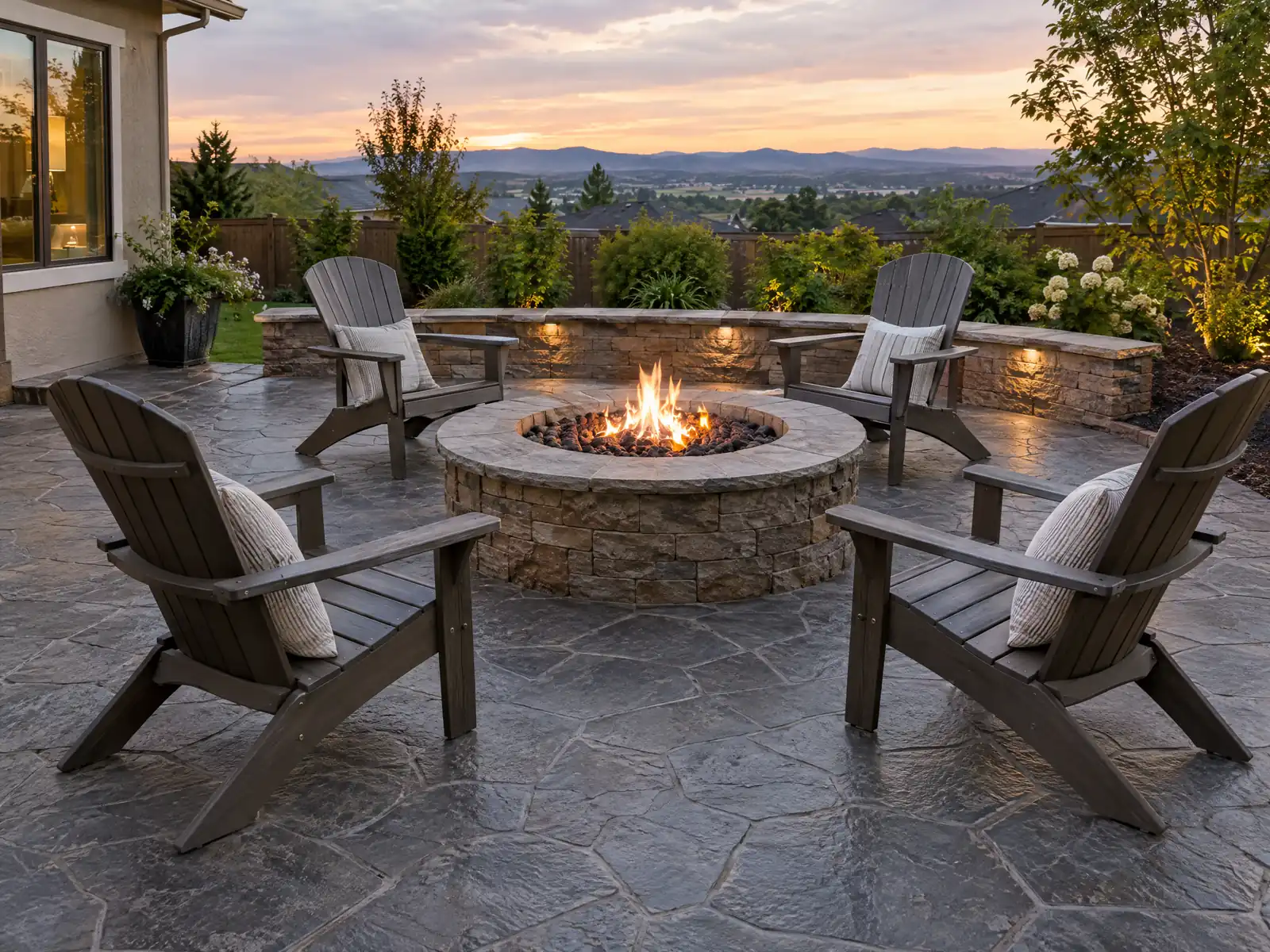
Torrance concrete is mostly about replacing and widening what the 1950s and 1960s left behind. By the 2024 Census estimates, 52.5 percent of the city's 56,540 homes went up in those two decades, and 55.6 percent are single-family detached houses, so a typical job is a driveway, a rear patio or a block wall on a lot with a 55 to 75 year old house.
MDG Builders, CSLB #1040337, a Tarzana general contractor, plans the pour, handles the permit questions and manages the schedule. A licensed concrete or masonry subcontractor forms and places the work, and you can ask for each firm's license and certificate of insurance. Materials and regional prices are on our concrete page, and the Torrance overview lists the rest of our trades here.
What Torrance's code and Permit Center say about concrete
Where concrete permits come from in Torrance: City of Torrance Community Development Department, Building and Safety Division (Permit Center).
- Sidewalks and driveways not more than 30 inches above adjacent grade, not over a basement or story below, and not part of an accessible route are exempt from a building permit, and retaining walls up to 4 feet measured from the bottom of the footing are exempt unless they support a surcharge.
- Under TMC 81.2.50, grading or paving needs a grading permit from the Building Official unless exempt. Exemptions include resurfacing of existing paved areas where the pavement is not removed and the drainage pattern is not changed, and repair of paved areas of less than 1,000 square feet. A grading permit does not cover retaining walls or other structures.
- Paving that needs a permit has timing and site rules: no grading, excavation, filling or paving between 8:00 p.m. and 7:00 a.m., no grading over 200 cubic yards or paving over 5,000 square feet between October 1 and April 5 without an approved winter plan, written consent from an adjacent owner if work must enter their property, and street sweeping to keep soil and debris off paved streets (TMC 81.2.51).
- TMC 92.5.14 says no one may pave more than 50 percent of the front yard of residentially zoned property without prior approval of the Director of Building and Safety, who may approve it only if strict enforcement would cause unreasonable difficulty and the paving would not be materially detrimental. "Pave" is defined to include concrete, and the front yard for a corner lot includes the exterior side yard unless it is screened by a solid fence or wall.
- TMC 92.5.13 prohibits parking or storing any vehicle, including a boat, in the front yard of residentially zoned property other than on a paved driveway or paved parking area with entrances and exits to the street.
- On expansive soil, TMC 81.2.30 requires slabs at least 4 inches thick reinforced with 1/2-inch bars at 16 inches on center in each direction, over two 2-inch layers of sand with a 6-mil moisture barrier between them, on subgrade saturated to 18 inches before the pour.
- The Torrance Tract Overlay Zone review looks to minimize the need for a driveway curb cut (TMC 91.49.050), and a proposed curb cut on the street takes a project out of the exemption from Planning Commission review (TMC 91.49.060(a)).
- The City's guidelines for expansive soil say rain should run off the property as fast as possible, ponding next to the building should be fixed by regrading or a drainage system, and downspouts should discharge onto walkways, driveways or other paved areas away from the building with flow toward the street.
How much of a Torrance front yard can be paved for a driveway?
Half. Under section 92.5.14 of the Torrance Municipal Code, nobody may pave more than 50 percent of the front yard of residentially zoned land without prior approval from the Director of Building and Safety. The code defines paving to include concrete, and on a corner lot the front yard includes the exterior side yard unless a solid fence or wall screens it.
The Director may approve more only if strict enforcement would cause unreasonable difficulty and the paving would not be materially detrimental. That is a high bar, so measure before you design. A second code section, 92.5.13, adds that vehicles, boats included, may be parked in a residential front yard only on a paved driveway or paved parking area with entrances and exits to the street, which is why homeowners ask about widening in the first place.
Bring a sketch of the lot, the lot's front setback and the width you want to the Permit Center before the concrete company orders a truck.
Does a patio, walkway or driveway slab need a permit in Torrance?
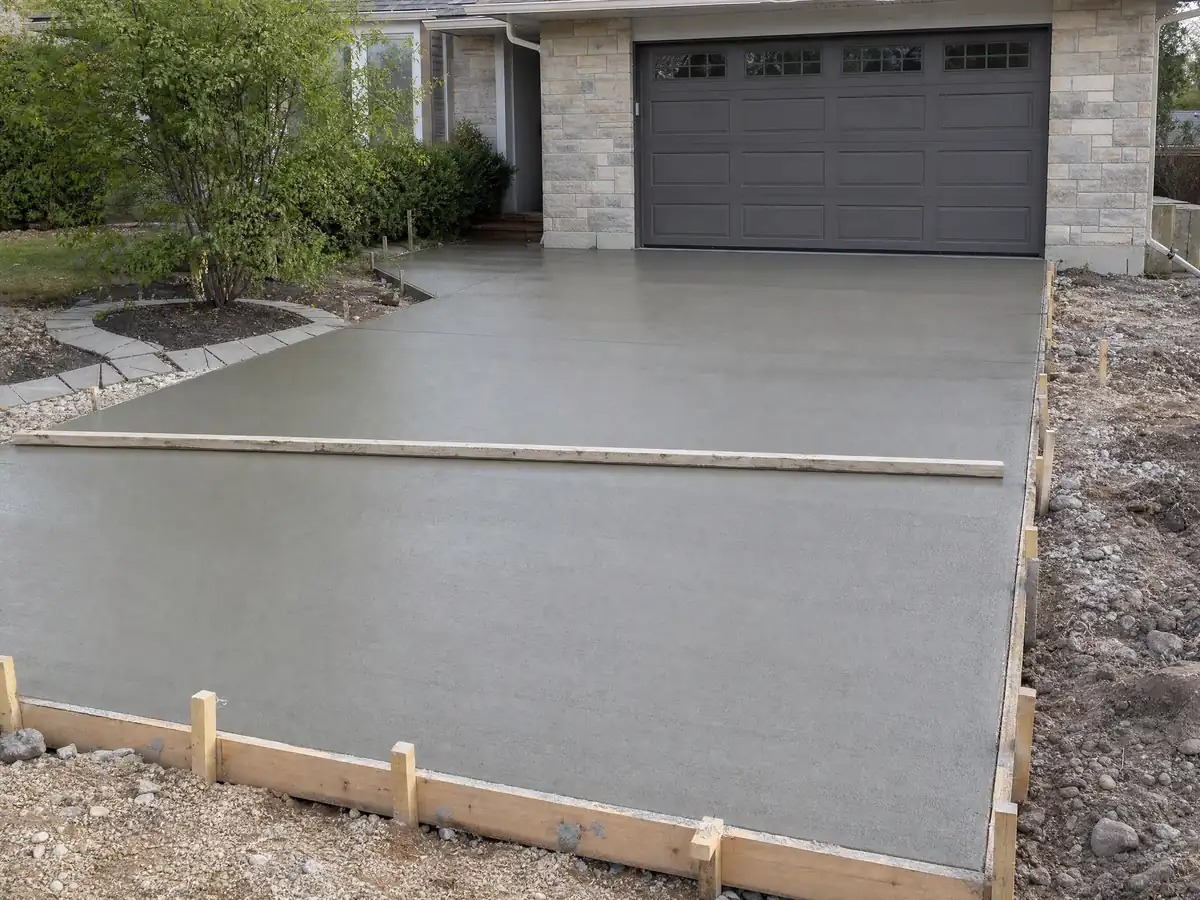
A sidewalk or driveway not more than 30 inches above adjacent grade, not over a basement or a story below, and not part of an accessible route is on the City's list of work exempt from a building permit. A grading permit is a separate question. Under section 81.2.50 of the code, grading or paving needs one from the Building Official unless an exemption applies, and the exemptions include resurfacing existing paved areas where the pavement is not removed and drainage is not changed, and repairing paved areas under 1,000 square feet.
We could not tell from the code text whether a new private patio slab counts as paving under that rule, so we ask the Building and Safety Permit Center at 310-618-5910 and put the answer in the proposal. When a grading permit is needed, section 81.2.51 bars grading, excavation, filling or paving between 8:00 p.m. and 7:00 a.m., requires street sweeping to keep soil off the pavement, and bars grading over 200 cubic yards or paving over 5,000 square feet from October 1 to April 5 without an approved winter plan.
If a pour must enter a neighbor's lot for forms or access, the same section requires the neighbor's written consent. Torrance also limits outside construction work near homes to 7:30 a.m. to 6:00 p.m. on weekdays and 9:00 a.m. to 5:00 p.m. on Saturdays at 50 decibels at the property line, with no work on Sundays or City Hall holidays, so early truck and saw crews belong on a different day.
How is a slab built on Torrance's clay soil?
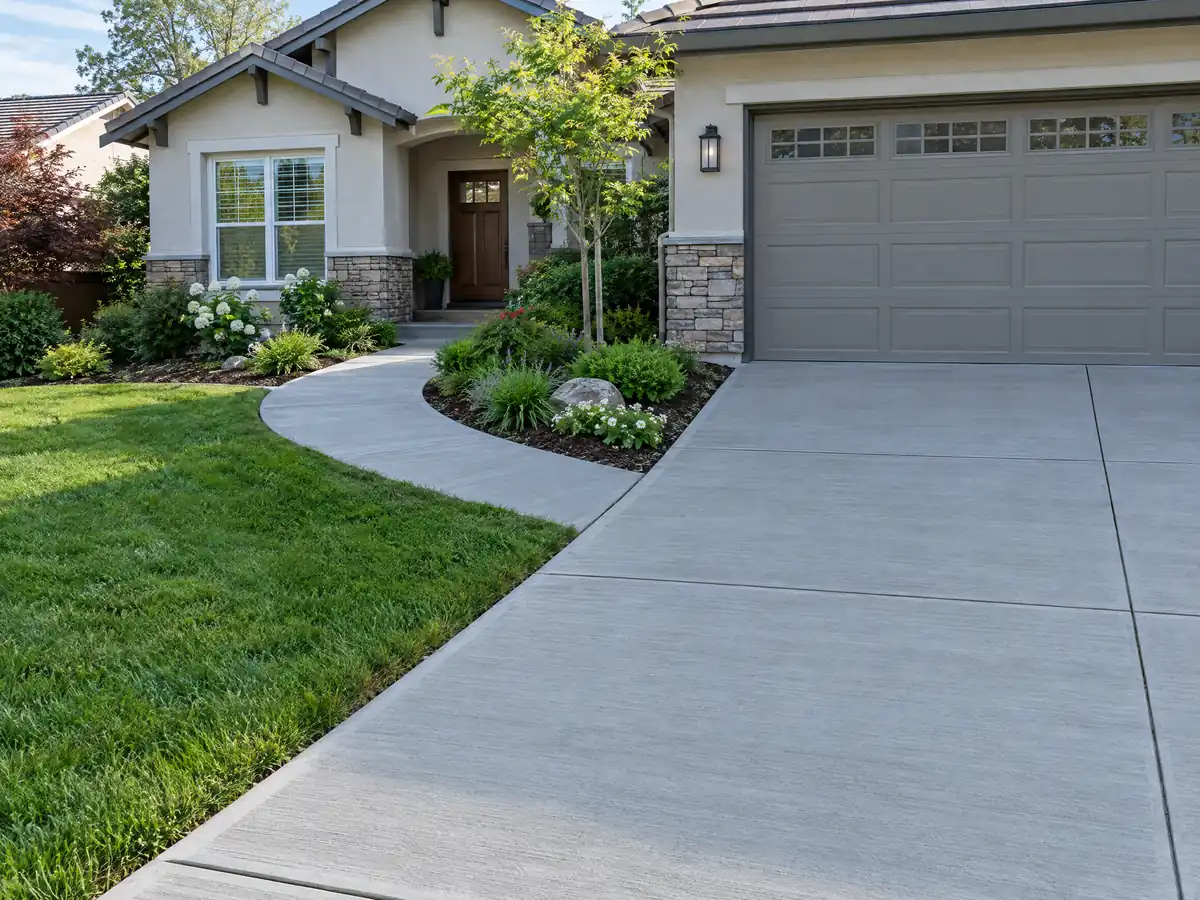
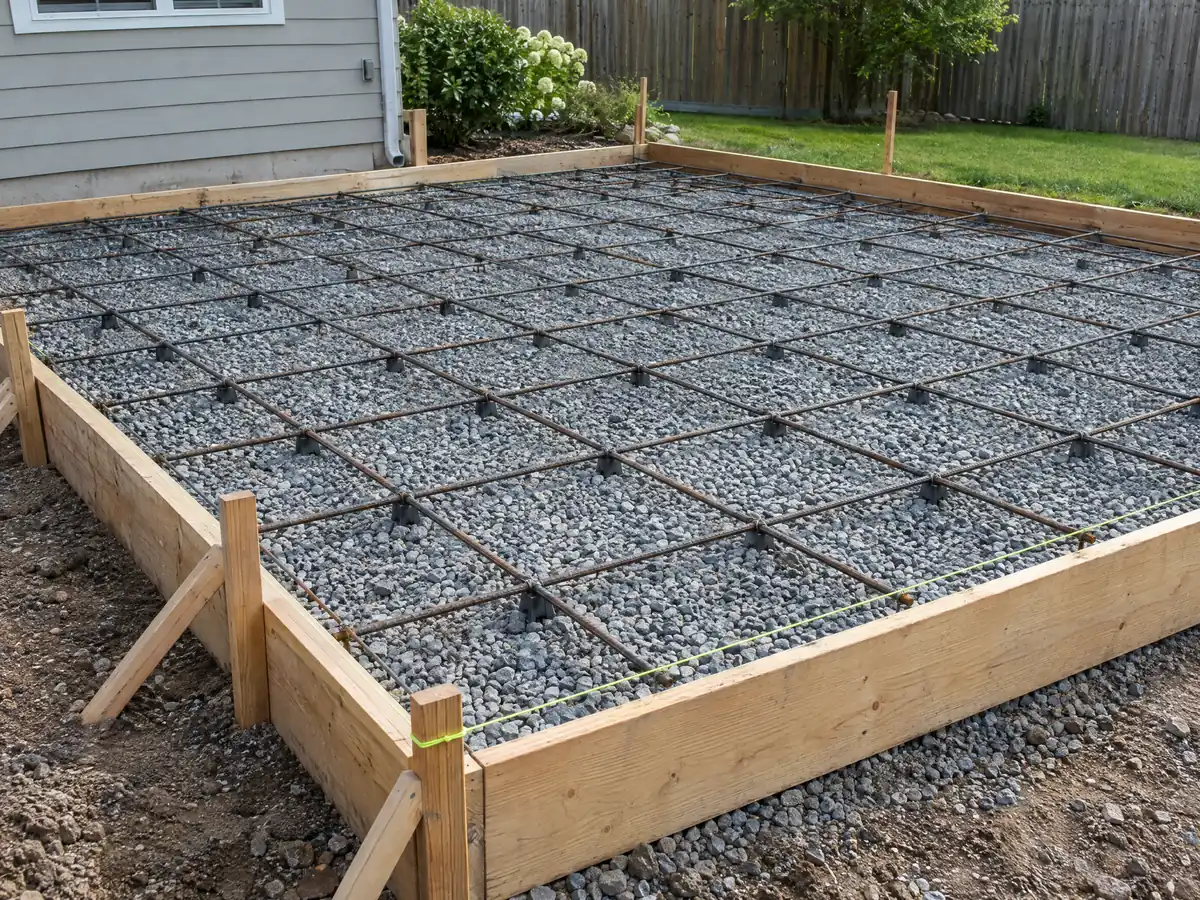
To a local standard. The City's expansive soil guidance places adobe or clay in most of North Torrance and the Walteria Lake area of the southwest, and section 81.2.30 of the code adds footing and slab rules that the Building Official applies where that soil is present. Slabs must be at least 4 inches thick, reinforced with half-inch bars at 16 inches on center each way, laid over two layers of 2-inch sand with a 6-mil membrane between them, on subgrade saturated to a depth of 18 inches before the pour.
Those numbers are written for building slabs and footings, so a driveway or a patio may be held to something different. Ask the counter which standard applies and have the thickness, base and reinforcement written into the proposal. The City also tells owners to drain water off the lot quickly, point downspouts at paved areas that slope away from the house, water lawns lightly two or three times a week in summer and keep trees about 10 feet from the building.
- Is my address in the clay area on the City's expansive soil map?
- Which slab thickness, base and bars apply to this pour?
- Where will roof and yard water drain after the concrete is in?
What are the retaining and block wall rules in Torrance?
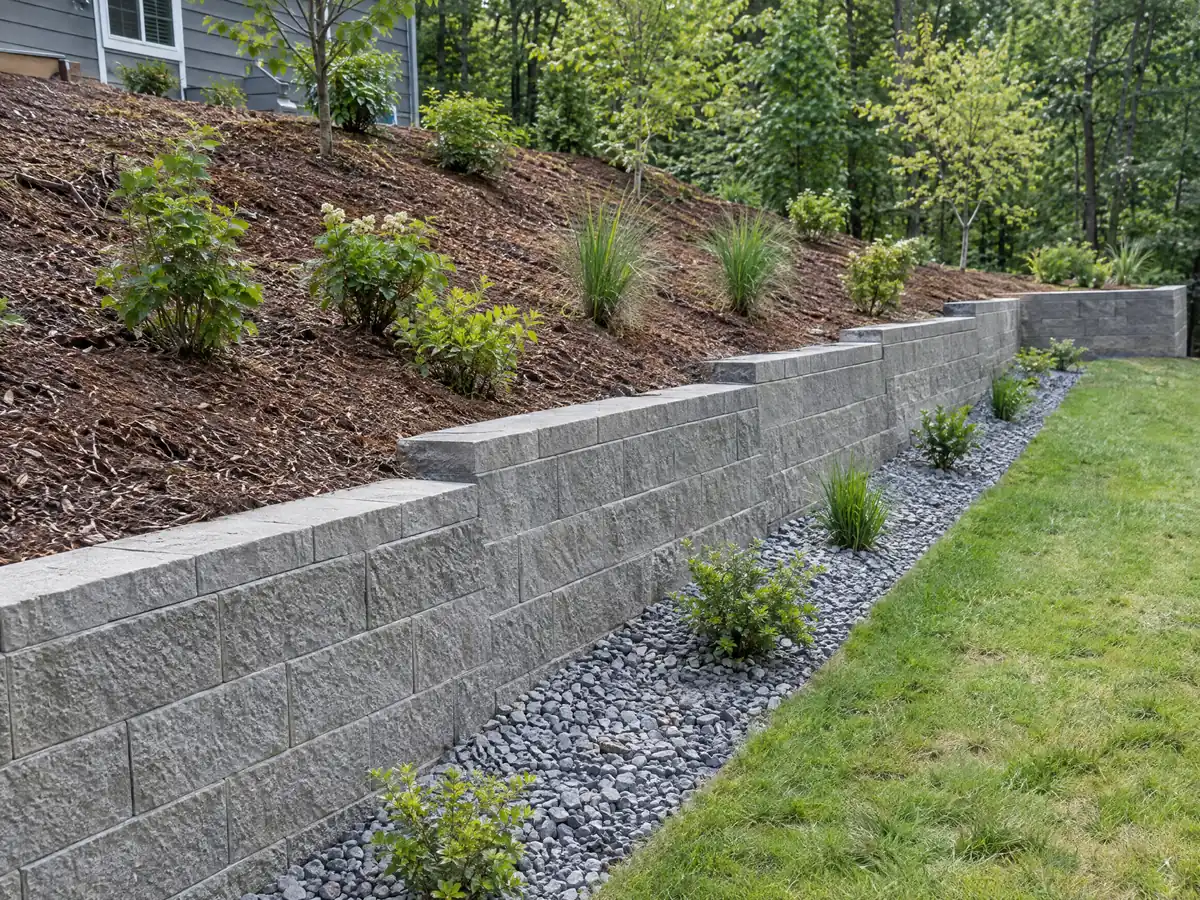
Two different measures apply. For the building code, a wall holding back earth stays off the permit list while it rises no more than 4 feet from the bottom of the footing and carries no surcharge, such as a driveway or a building above it. For zoning, the Planning FAQ caps a single retaining wall at 5 feet, and taller grade changes have to be terraced with at least 2 feet of landscaped space between walls, each wall again limited to 5 feet.
Section 92.13.1(g) adds a safety rule: a retaining wall taller than 3 feet must be topped by a wall or fence of at least 3 feet, unless it is one of the lower walls in a terrace. A retaining wall that holds an earth bank in a rear or interior side setback does not count toward the fence height limit.
On the licensing side, CSLB's C-29 masonry class covers concrete block walls, while poured work falls to C-8. The City posts a Block Wall detail on its standard details page. Our subcontractor guide explains how a general contractor like MDG hires the right class for each wall.
Do curb cuts and walks in the Olmsted Tract need Planning review?
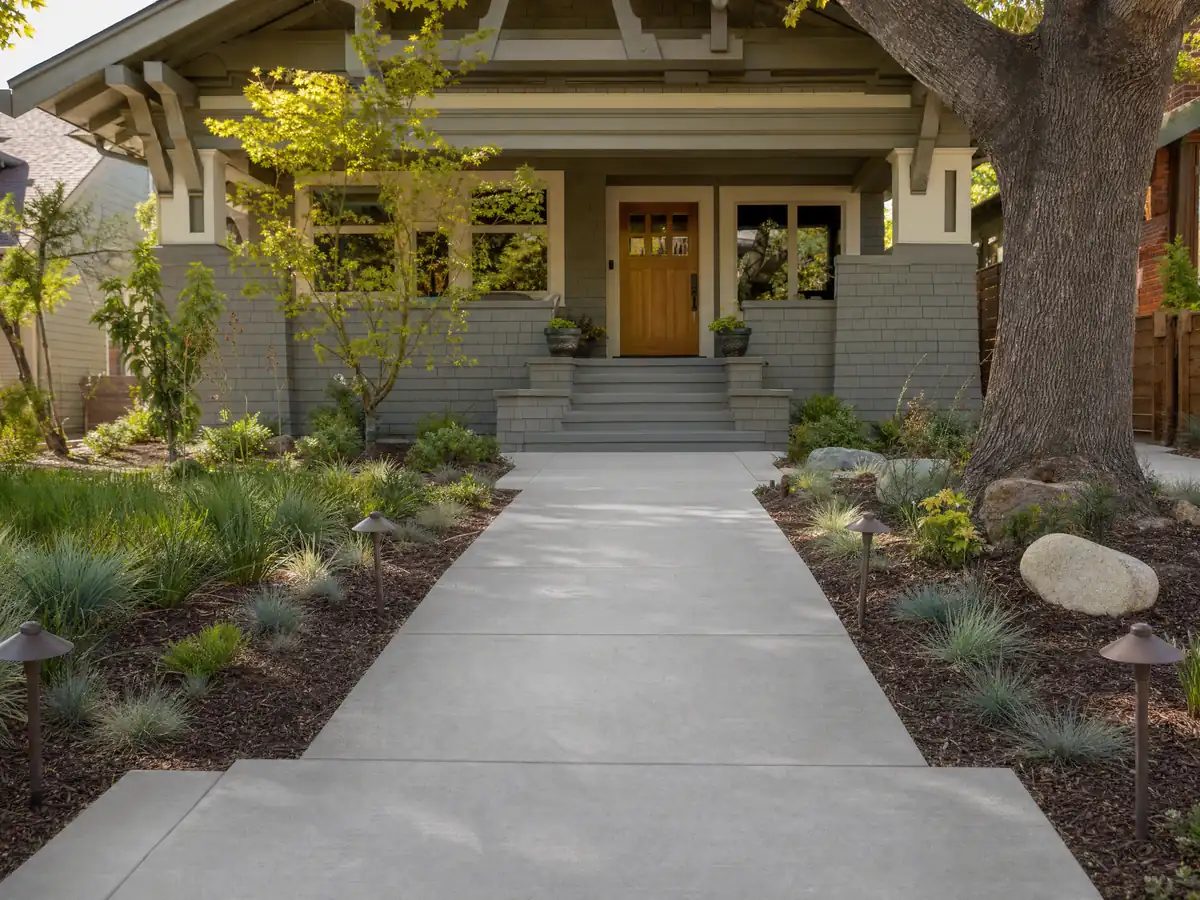
Sometimes. The Torrance Tract Overlay Zone covers residentially zoned lots between Dominguez Street, Western Avenue, Plaza del Amo and Crenshaw Boulevard, and a home there that the City's survey lists as a contributor or altered contributor needs Planning Commission review for development unless it meets a short list of conditions. One of them is that the project adds no driveway curb cut. A new curb cut takes you out of the exemption, and the review is written to minimize them.
That fits the plan. The Olmsted Brothers design of 1912 put utilities in the alleys, and the City's survey counted about 1,800 structures in the tract, 861 of them contributors or altered contributors by our count. Fences and walls need no Planning Commission review before a building permit, but a flat slab that changes a front yard is a question worth asking Planning at 310-618-5990.
A little history helps here: Irving Gill, who designed the Pacific Electric depot and other early buildings for the Dominguez Land Company, worked in tilt-up concrete and hollow brick, and many buyers disliked the look. Concrete has been part of this city since day one, and so has debate about it.
What does a concrete company charge in Torrance, and who should pour it?
We found no Torrance price study. Our concrete page uses Los Angeles figures from Angi's 2026 city pages and HomeGuide: roughly $8 to $14 per square foot for plain patios, walks and slabs of 300 square feet or more, $15 to $30 for stained, stamped or exposed aggregate finishes, and $9 to $20 for a driveway replacement that includes demolishing the old slab. We rate them medium for plain flatwork and lower for decorative work, and small jobs often price above the per-foot range.
The City values a patio at $18.33 per square foot when it computes permit fees, and it adds a 1.5 percent Construction Tax on valuation. Those are fee formulas, not contractor prices, and a City FAQ says small permits can cost under $100 while larger projects can run to several thousand dollars. Labor is real money too: the federal survey of May 2025 puts cement masons in the Los Angeles area at a mean of $33.67 an hour.
Ask any bidder for a C-8 or C-29 license number, check it on CSLB's site and read our license check guide. Demolition, haul-off, drainage and soils work should appear as separate lines in the proposal.
Concrete photos from Torrance and nearby communities
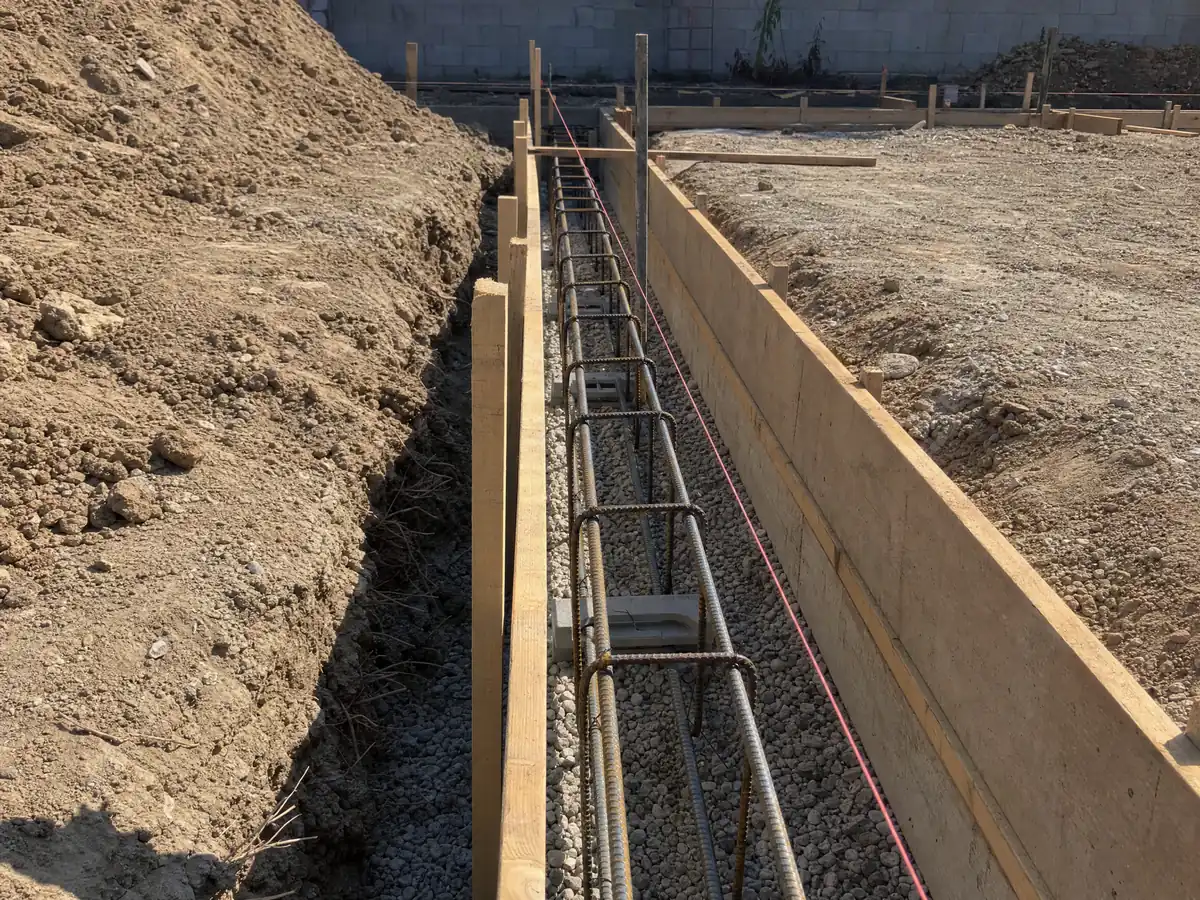
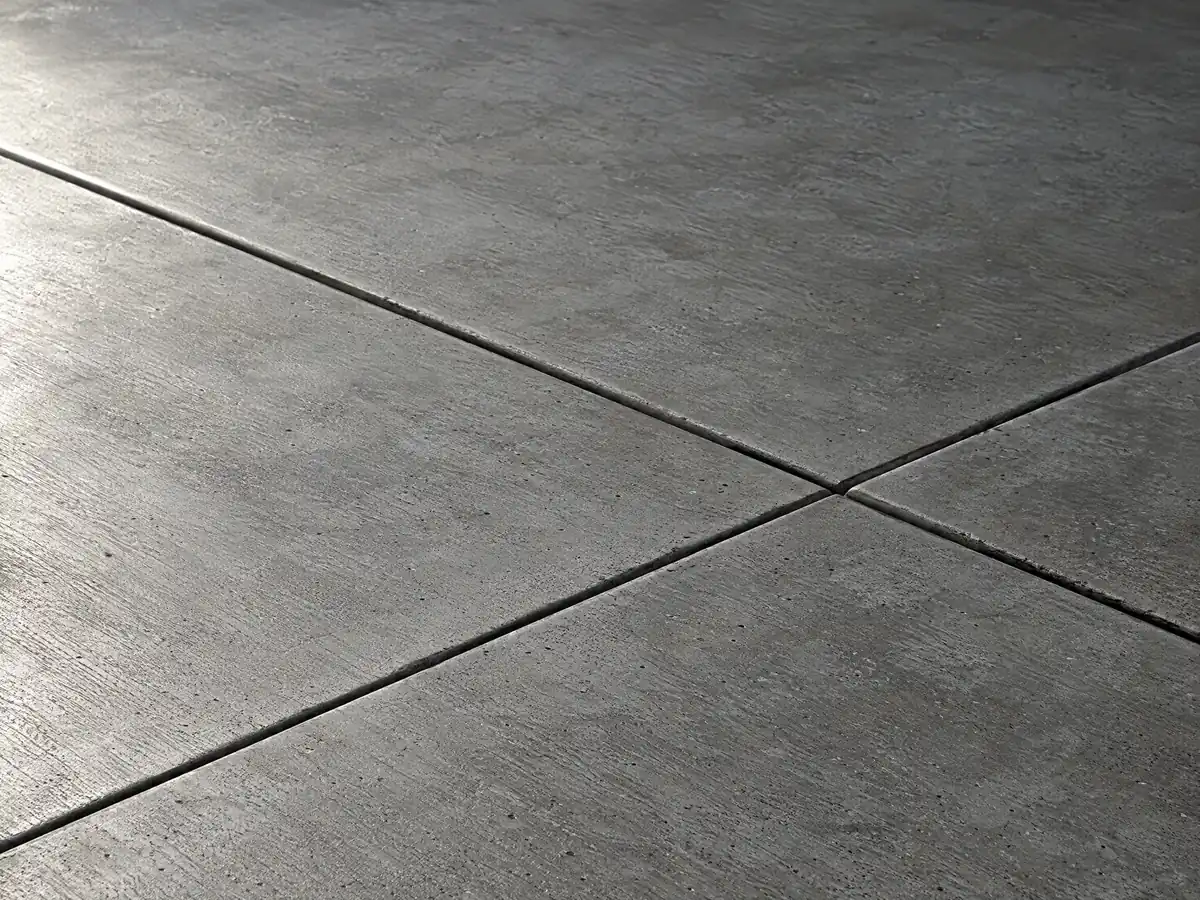
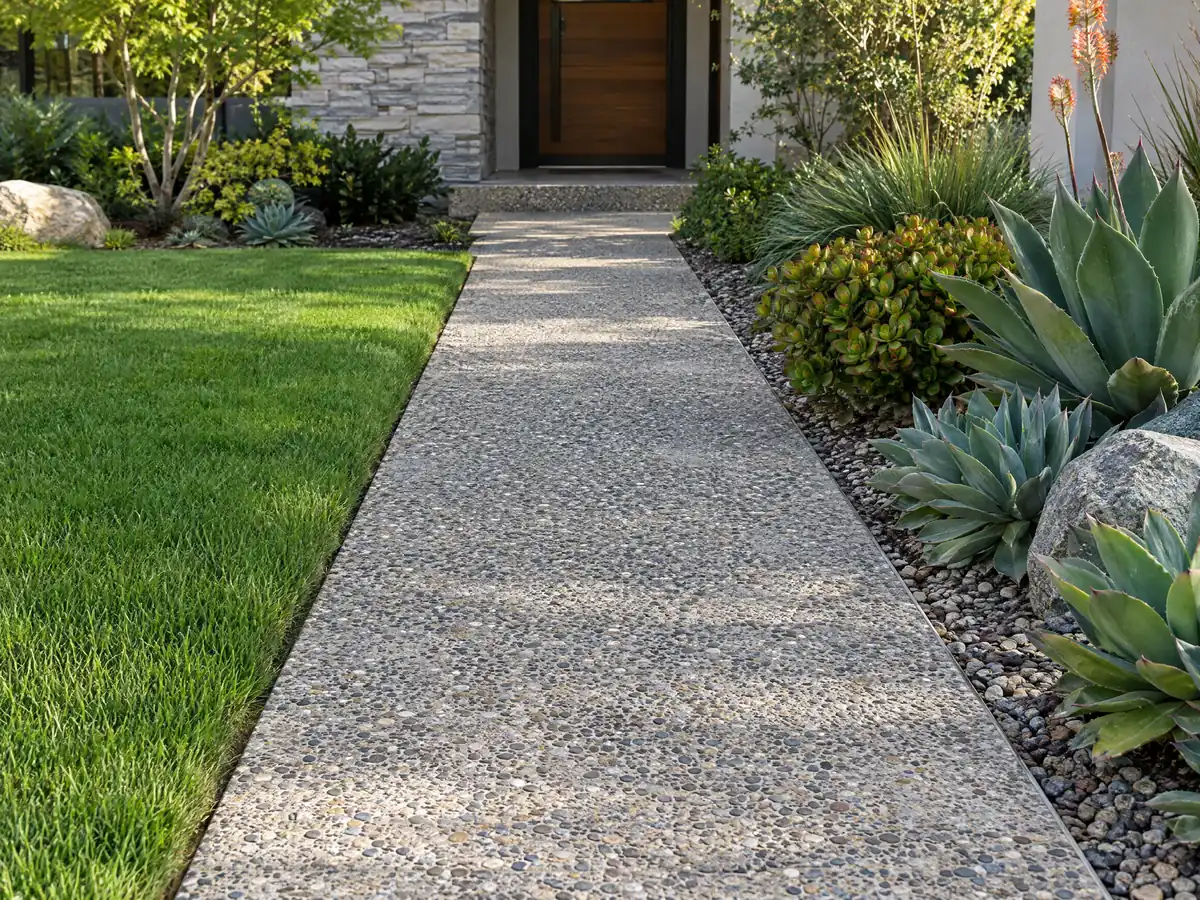
Six photos of concrete work around Torrance and its neighbors, from walks and driveways to forms, rebar and block walls. Tap a photo to enlarge it.
What concrete costs around Torrance
Dollar figures here are the Los Angeles ranges on our concrete page, not a Torrance quote, and the City's valuation rates are fee formulas only. A slab often goes with other work, so see flooring in Torrance, deck building in Torrance and concrete work in Los Angeles. Redondo Beach, Lomita, Carson and Gardena apply their own codes, and concrete in Glendale and concrete in Pasadena show how far the rules can differ inside one county.
| What it covers | Typical range |
|---|---|
| Patio, walkway or slab, broom finish, 300 sq ft or more | $8 to $14 per square foot |
| Decorative: stained, stamped or exposed aggregate | $15 to $30 per square foot |
| Driveway replacement, with demolition of the old slab | $9 to $20 per square foot |
| 20 by 20 foot plain patio (400 sq ft) | About $3,200 to $5,600 |
| 20 by 20 foot decorative patio (400 sq ft) | About $6,000 to $12,000 |
| Small jobs under 300 sq ft | Usually above the per-foot range |
| Retaining walls | Set by the written proposal |
Torrance concrete questions, answered
Can I pour a concrete patio without a permit?
Maybe, in Torrance. Driveways and sidewalks under 30 inches high are exempt from a building permit, but the City's list does not name a patio slab and grading rules may reach paving. Call the Permit Center at 310-618-5910 with your size and drainage plan, and keep the answer with your contract.
Can I expand my driveway without a permit?
Not freely. Torrance bars paving more than 50 percent of a residential front yard without the Director of Building and Safety's approval, and concrete counts as paving. On a corner lot the exterior side yard counts as front yard unless screened. Measure the lot first, then ask the Permit Center.
How much should a 20x20 concrete patio cost in Torrance?
Using our Los Angeles ranges, about $3,200 to $5,600 for a plain broom-finish patio of 400 square feet and $6,000 to $12,000 for a decorative one, before demolition, drainage and permits. That is arithmetic on medium confidence figures, not a quote, and small jobs often price above the per-foot range.
How much does a concrete driveway cost in Torrance?
Our Los Angeles range for replacing a driveway, demolition included, is $9 to $20 per square foot, so a 500 square foot driveway runs about $4,500 to $10,000. We found no Torrance study. Thickness, haul-off, grading, drainage and any curb work move the price, and the proposal should list each.
Is a 4 inch concrete slab thick enough for a driveway?
Four inches is a common thickness for home slabs, and Torrance's clay soil standard calls for at least 4 inches for building slabs. We found no code section that sets a driveway thickness, so we treat it as industry practice. Heavier vehicles, weak soil or roots can justify more.
What is the tallest retaining wall you can build without a permit in California?
In Torrance, 4 feet measured from the bottom of the footing to the top of the wall, if it holds no surcharge. Zoning is separate: the City limits one retaining wall to 5 feet and requires terracing beyond that. Walls over 3 feet also need a fence or wall of 3 feet on top, with terrace exceptions.
Does a 4 ft retaining wall need drainage?
The Torrance rules we read set no drainage line for a 4 foot wall, so we cannot answer from a source. The City's guidance says water should leave the lot quickly and ponding next to a building should be fixed by regrading or a drainage system. Ask your engineer or the Permit Center before you build.
How does Torrance's clay soil affect a concrete slab?
It sets stricter rules. In clay areas the Building Official applies a local standard of slabs at least 4 inches thick, half-inch bars at 16 inches on center each way, two layers of sand around a 6-mil membrane and subgrade saturated to 18 inches. The City says most of North Torrance and Walteria have this soil.
What license should a concrete company have for concrete work in Torrance?
A California C-8 Concrete license covers forming, pouring and finishing, and concrete block walls fall under C-29 masonry. Get the number from every bidder, look it up on CSLB's site and ask for a certificate of insurance. MDG holds a General Building license and hires licensed subcontractors for the pour.
Can you pour concrete in the rain in Torrance?
Light rain is a risk, not a rule, and we found no Torrance ordinance against it. Torrance averages 13.64 inches a year, with 82 percent from December through March, and large paving jobs of over 5,000 square feet that need a grading permit face a winter plan requirement from October 1 to April 5. Ask the crew about rain days.
Send the address and a photo of the area
Tell us the street, the size of the slab or wall, the front yard width and whether the ground is clay or slopes. We look at zoning and soil before we call.