
Concrete Companyin Manhattan Beach, CA
A concrete company in Manhattan Beach works inside City rules on driveway width, front yard planting and street work, with Coastal Zone review near the beach. The state permit-exempt list covers driveways and sidewalks under 30 inches, a ground-level patio slab is not named, and 20 percent of a street-facing front yard must stay planted.
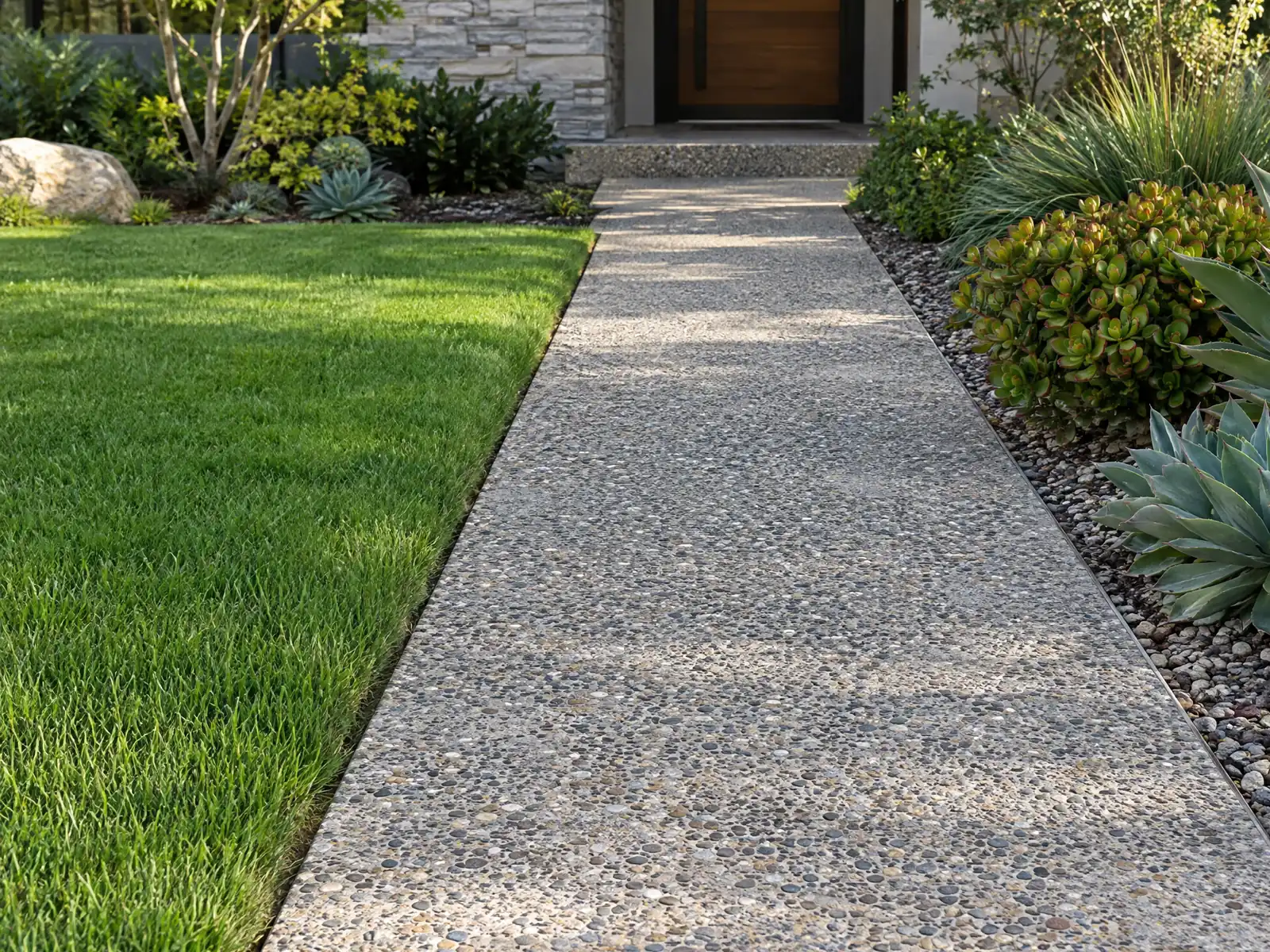
Concrete here is poured on ground that was a dune field. The City incorporated on December 7, 1912, and Los Angeles County's beach history says the early dunes stood 50 to 70 feet high and took decades to level. Growth came late: 6,398 residents in 1940, then 17,330 in 1950 and 33,934 in 1960, about where the city has stayed. Census estimates show 3,416 of 15,281 homes (22.4 percent) from the 1950s and a median year built of 1970, so a walk or drive that was never replaced is roughly 56 to 70 years old.
MDG Builders, CSLB #1040337, is a Tarzana general contractor. We define the scope, ask the City's Community Development staff the permit and zoning questions and book a licensed concrete subcontractor to form, pour and finish. Materials and finishes are explained on the concrete page, and the Manhattan Beach overview shows the other trades we run here.
What Manhattan Beach's Municipal Code and Planning Division say about concrete work
Where concrete permits come from in Manhattan Beach: City of Manhattan Beach Community Development Department, Building and Safety Division.
- The state permit-exempt list covers sidewalks and driveways not more than 30 inches above grade (R105.2 as excerpted by Albany); work in the public right-of-way is separate, and Manhattan Beach requires a temporary encroachment permit for deliveries and hauling there and for any sidewalk closure (Municipal Code 9.44.050 and 9.44.060).
- Driveways must be paved to the minimum widths in Municipal Code 10.64.140 with one extra foot of clearance from any vertical obstruction, and semi-circular driveways in front yards are allowed only on lots 80 feet wide or more, with no more than 50 percent of the front setback paved and visible landscaping equal to 10 percent of the front setback between the driveway and the front property line (Municipal Code 10.12.030(N)).
- No dumping or washing of debris, litter or toxins into storm drains, streets or other places is allowed, perimeter sandbags may be required to stop runoff, and contractors must prevent dust migration under South Coast AQMD and City rules (Municipal Code 9.44.020(G) and (J)), which is the rule that governs concrete washout.
- Municipal Code 9.76.070 requires plans and construction needing building permits to follow the City's Standard Urban Storm Water Mitigation Plan, and at least 20 percent of the visible front or corner side yard adjoining a street must be planting area, which limits how much of a front yard can be paved (Municipal Code 10.12.030(O)).
Why does concrete crack near the beach, and what does liquefaction mean for a slab?
Cracks usually trace to the ground, the base or the cure, and in a city leveled from dunes the ground varies. We found no map of sand or soil conditions by neighborhood, so ask any crew what is under the slab, how the base will be compacted and where the control joints will go. A hairline crack in a 1950s pad is ordinary; a step between two sides is not.
Near the water there is a mapped hazard. The State's seismic layer for the Venice quadrangle, released in 1999, covered 5 of 114 sample points across the city (4.4 percent) for liquefaction, all along the western edge near the beach, and the County tsunami layer covered the same five. The same sampling turned up no landslide, fault zone or flood plain hits, though a sample is not a parcel map, so check an address before assuming either way.
Weather is gentle. NOAA's 1991 to 2020 normals for the airport gauge show 12.23 inches of rain a year and only 4.8 days above 90 F, so most pours are not fighting extreme heat, though a pour just before a December storm still needs cover.
Does a driveway or patio near the sand need Coastal Zone review?
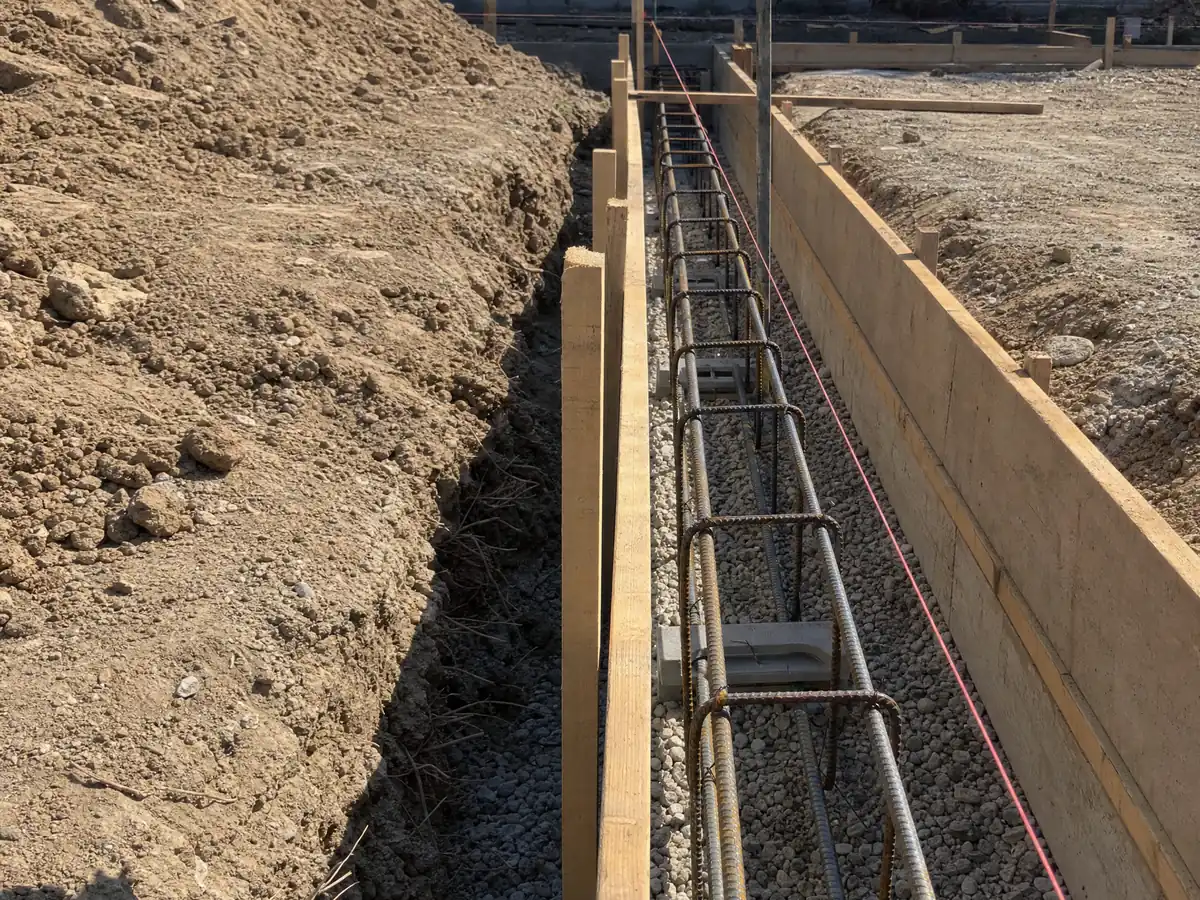
It may, and the City has to be asked. Manhattan Beach has a certified Local Coastal Program: the Land Use Plan was certified in June 1981 and the program in May 1994, according to a 2020 Coastal Commission staff report. The Coastal Zone overlay (Municipal Code Chapter 10.48) sends development in the zone to the City's implementation plan, and a Coastal Development Permit is required unless an exemption in section A.96.050 applies, as City notices cite it.
We could not open that exemption list, so we cannot say whether a driveway, walk or patio is exempt. Sites between the sea and the first public road, such as The Strand, fall in the appealable area. A point sample against the Caltrans boundary put 17 of 114 points (14.9 percent) inside the zone, between about 33.879 and 33.903 north and 118.422 and 118.407 west. Check each address on the City's zoning map, and treat coastal review as a question to ask early, not a certainty.
How wide can a Manhattan Beach driveway be, and how much of the front yard can be paved?
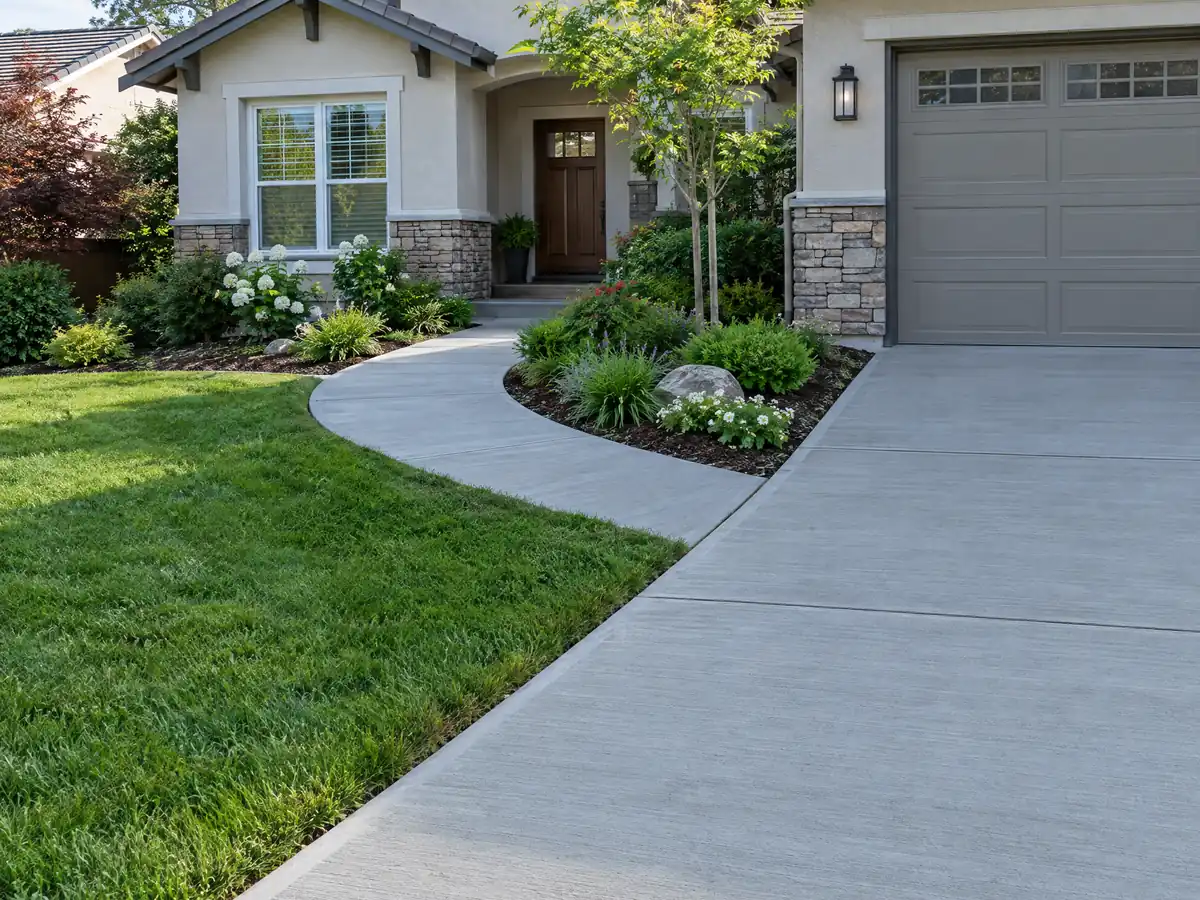
Driveways must be paved to the minimum widths in Municipal Code 10.64.140, with one extra foot of clearance from any vertical obstruction. We did not read a maximum width. Semi-circular driveways in front yards are allowed only on lots 80 feet wide or more, with no more than 50 percent of the front setback paved and visible landscaping equal to 10 percent of the front setback between the driveway and the front property line (10.12.030(N)).
Planting is the bigger cap. At least 20 percent of the visible front or corner side yard adjoining a street must be planting area (10.12.030(O)), which limits how much of a front yard can be paved. How deep that yard is depends on the Area District: the required front setback is 20 feet in Districts I and II and only 5 feet in III and IV, and the code does not say in text which neighborhoods sit where, so the zoning map decides.
Corner lots and driveways also face sight lines, set by Municipal Code 10.60.150 and 10.64.150, so a raised planter or wall beside the apron can fail a check.
- Is the planted share of the street-facing yard at least 20 percent?
- Is the lot 80 feet wide before a semi-circular drive is drawn?
- Does the apron or curb change?
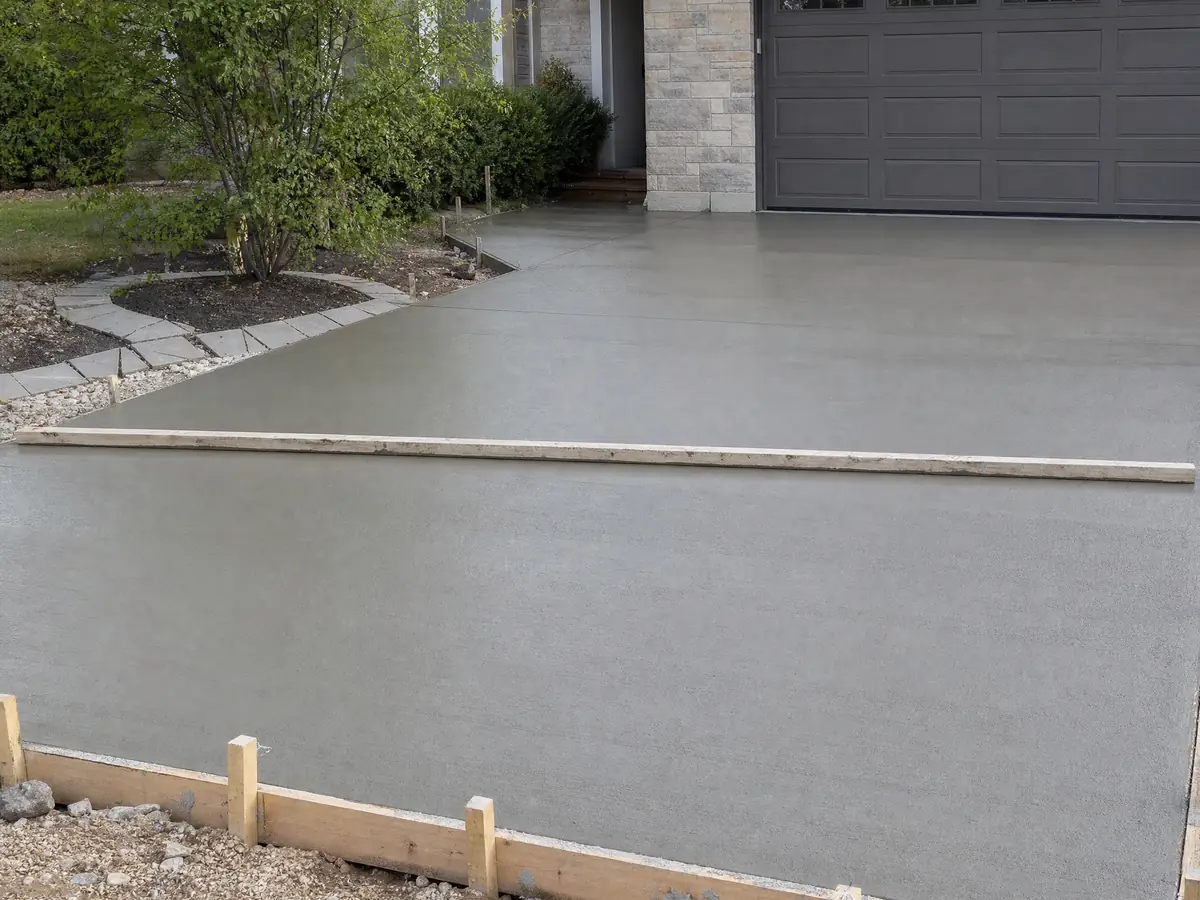
Can you pour a concrete patio in Manhattan Beach without a permit?
We cannot say yes from a City source. The state permit-exempt list, as the City of Albany excerpts it from the 2025 code, names sidewalks and driveways not more than 30 inches above grade, not a ground-level patio slab. A raised landing or porch slab is judged by Municipal Code 10.60.040, which lets uncovered porches, decks and landings that do not rise above the first-story floor project 3 feet into side yards, 4 into front yards and 6 into rear yards, keeping 2 feet from the property line.
Wash water is regulated. Municipal Code 9.44.020 bars dumping or washing debris, litter or toxins into storm drains or streets, allows the City to require perimeter sandbags against runoff and requires contractors to stop dust from migrating, which is the rule that governs washout. Plans that need building permits must also follow the City's Standard Urban Storm Water Mitigation Plan (9.76.070).
The City's site blocked our automated reading, so these sections come from GoCodebook, which shows the 2022 codes. Confirm with Building and Safety which edition applies today.
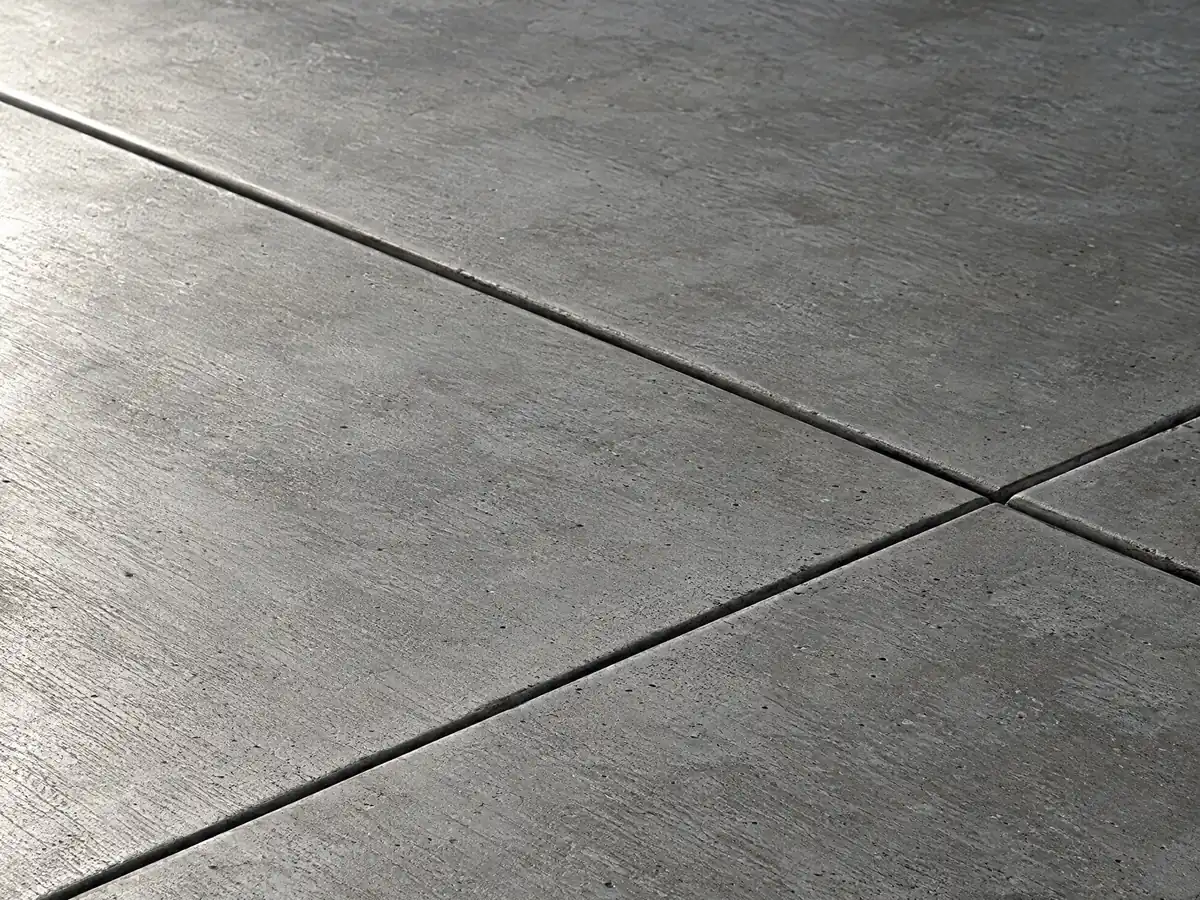
How tall can a retaining wall be in Manhattan Beach before the City wants a permit?
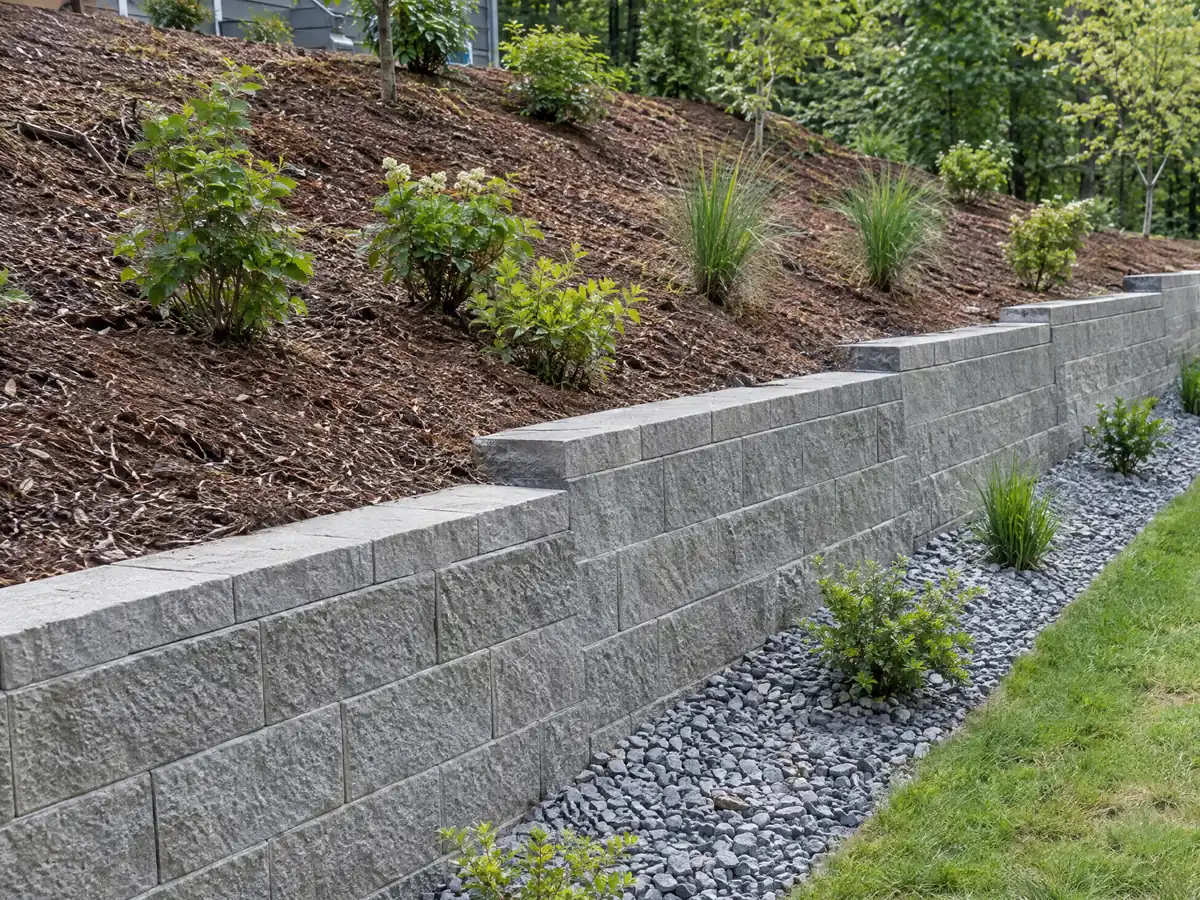
Four feet is the model line, with a catch. The state exempt list passes retaining walls not over 4 feet, measured from the bottom of the footing to the top, unless they support a surcharge. Zoning still applies: fences, walls and hedges top out at 6 feet in side and rear yards and 42 inches in front yards, measured from the lower adjacent finished grade, and stacked walls inside one yard are checked against a 45 degree daylight plane (10.12.030(P)).
Changing grade has two more gates. If any grading or scraping is proposed, Municipal Code 10.80.010 requires a topographic survey of the site and 5 feet beyond its boundaries, with markers inspected before a permit issues. Height matters too: it is measured from the average existing grade at the four lot corners, and no part of a building may exceed the district limit by more than 20 percent above the lower of existing or finished grade (10.60.050), so ask Planning before building up a pad.
Poured walls and block walls may go to different trades. CSLB's C-29 masonry class covers concrete block for walls and fences, and our subcontractor guide explains how a general contractor sorts that out.
When can a concrete truck pour in Manhattan Beach, and where can it park?
Pours are bound by the clock. Construction activity is allowed 7:30 a.m. to 6:00 p.m. on weekdays and 9:00 a.m. to 6:00 p.m. on Saturdays, never on Sundays or on City holidays, and noise from vehicles starting, idling or unloading counts (9.44.030). For a morning pour, ask the crew when the first truck is scheduled and where it will stand.
Hauling and staging need paper. A temporary encroachment permit is required before equipment, materials or debris cross the public right-of-way, unless the activity lasts under 2 hours and closes no street, lane or sidewalk, and before any truck queuing in a residential zone. Closures need 72 hours' written notice to affected properties, and hauling is barred on trash day in Area Districts III and IV (9.44.050 and 9.44.060).
In III and IV, any job needing demolition, grading or a building permit also needs an approved Construction Management and Parking Plan and 10 days' notice to every property within 100 feet, though the Director can waive items that do not fit a small job (9.44.040).
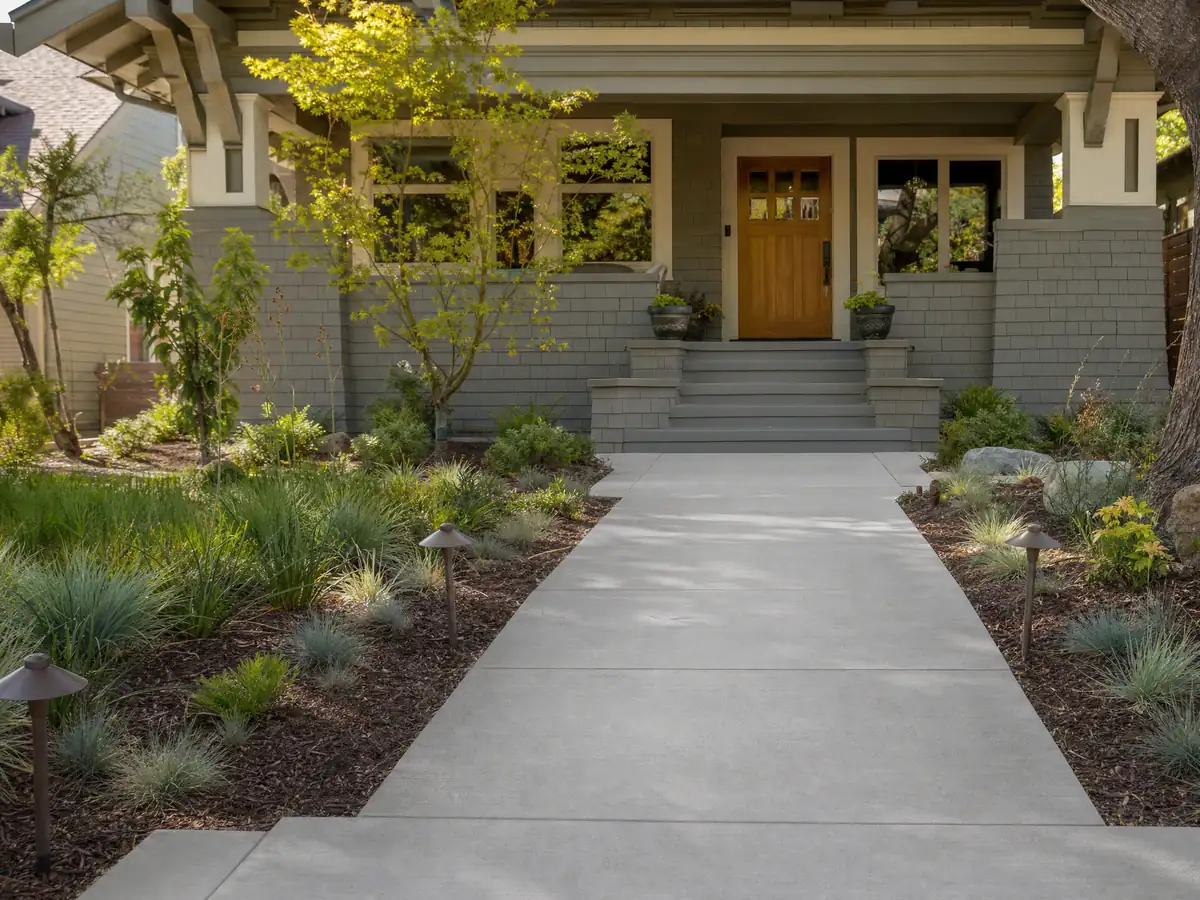
What does concrete work cost in Manhattan Beach, and what license should the crew hold?
No Manhattan Beach price study turned up, so these are Los Angeles figures from Angi's 2026 pages, which state customer surveys and pro data as their basis. A patio runs $4 to $13 per square foot and averages $5,248, a 20 by 20 foot slab $1,600 to $5,200, stamped work $15 to $30 per square foot, a driveway $8 to $20 per square foot (average $7,270) and a general slab $4,090 to $8,179 around an average of $6,134. Retaining walls average $7,140 with a range of $2,674 to $11,842, and we print no per-foot figure for them because the spread is wide. Small jobs cost more per foot because of minimum charges.
Federal wage data for May 2025 show cement masons in the Los Angeles-Long Beach-Anaheim area at a mean of $33.67 an hour, a wage and not a billing rate. Demolition, haul-off, base, rebar, street permits and any coastal review should sit on separate proposal lines.
CSLB's C-8 class covers forming, pouring, placing and finishing concrete, with rebar-only placement excluded. Manhattan Beach also refuses a building permit to anyone lacking a valid license in the trade and proof of workers' compensation (Municipal Code 9.04.010). Our license check guide shows how to verify one.
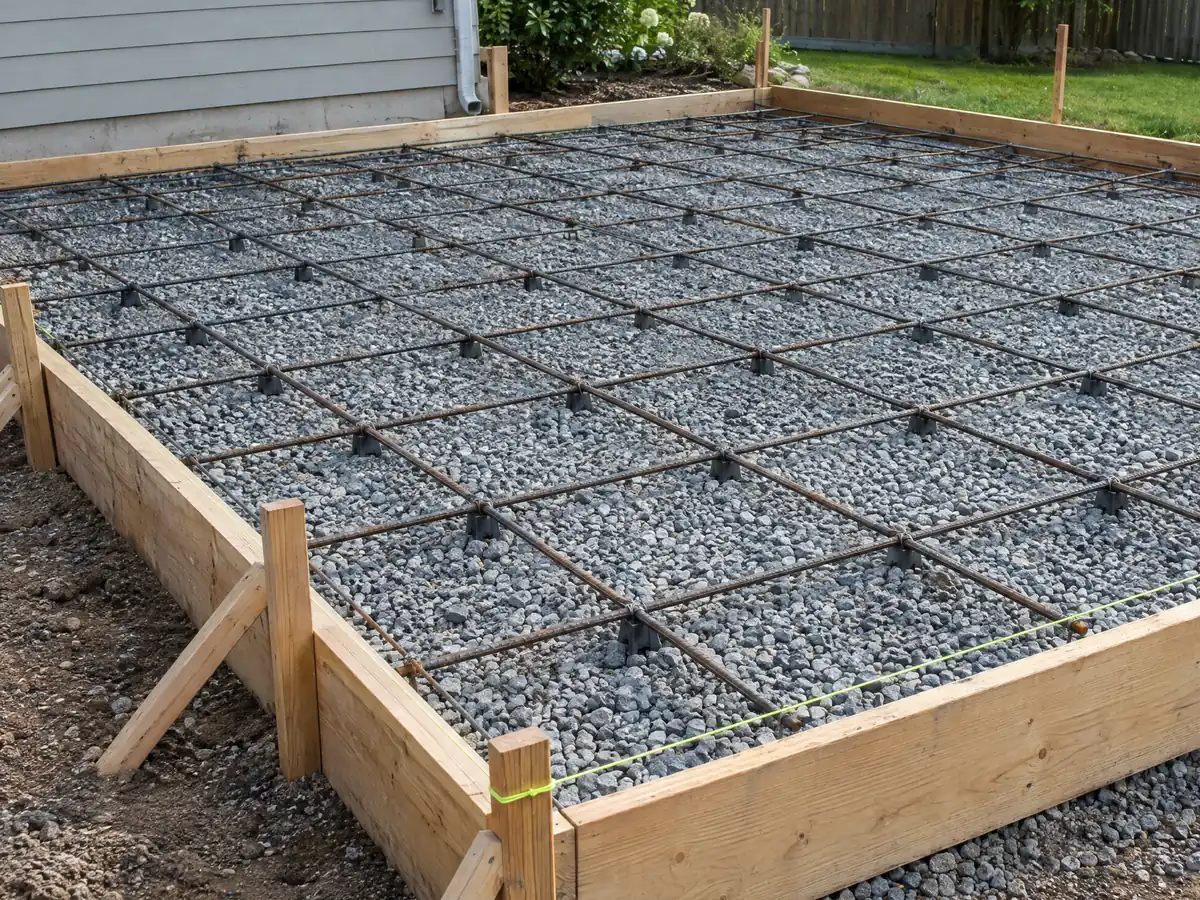
Concrete photos from Manhattan Beach and nearby communities
Forms, flatwork, walls and finished walks from Manhattan Beach and neighboring towns, shown at the stages that matter. Tap any photo to enlarge it.
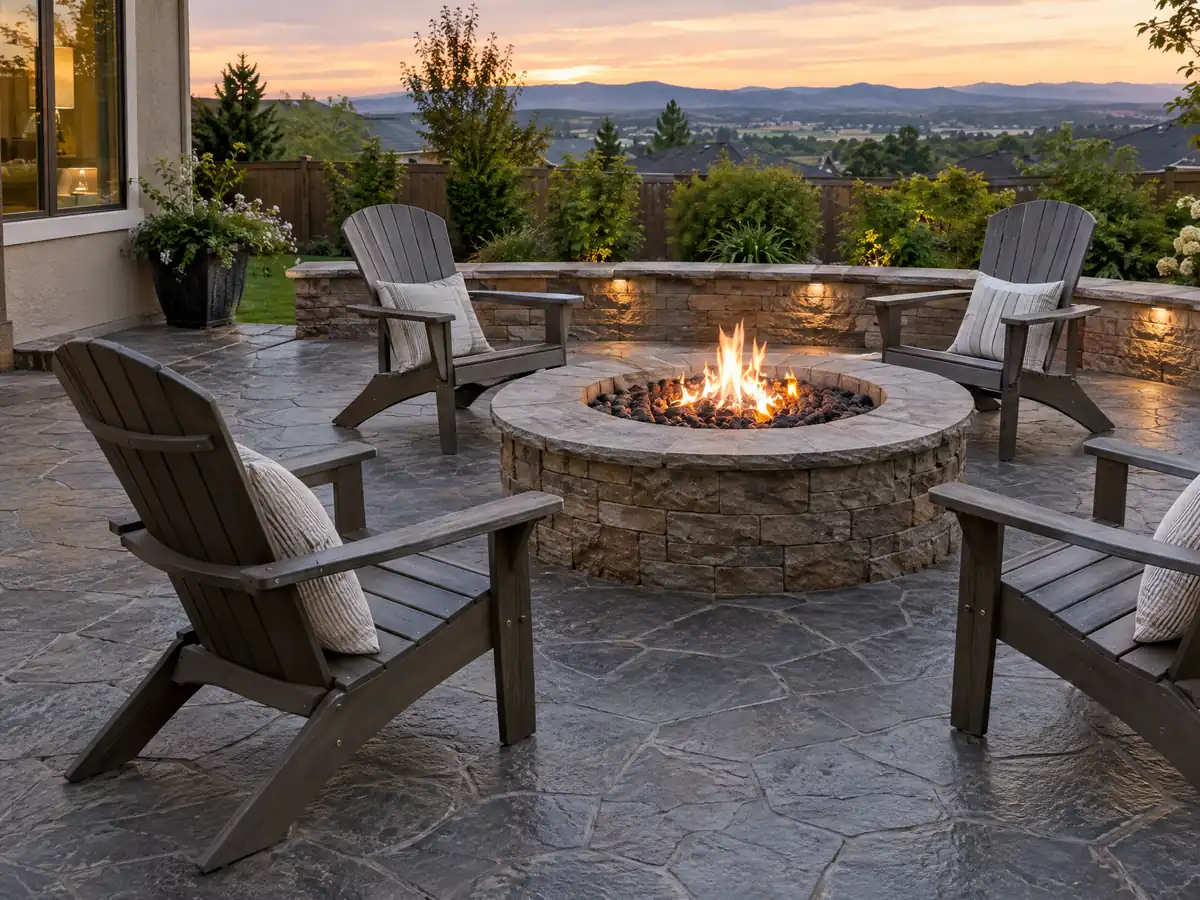
What concrete costs around Manhattan Beach
These dollar figures are Los Angeles planning ranges, not a Manhattan Beach bid, and the proposal should break out demolition, base, street permits and any coastal review. For the same property, see flooring in Manhattan Beach and decks in Manhattan Beach. Nearby comparisons: concrete work in Redondo Beach, concrete in Torrance, concrete in Hawthorne and concrete in Los Angeles.
| What it covers | Typical range |
|---|---|
| Patio, walkway or slab, broom finish, 300 sq ft or more | $8 to $14 per square foot |
| Decorative: stained, stamped or exposed aggregate | $15 to $30 per square foot |
| Driveway replacement, with demolition of the old slab | $9 to $20 per square foot |
| 20 by 20 foot plain patio (400 sq ft) | About $3,200 to $5,600 |
| 20 by 20 foot decorative patio (400 sq ft) | About $6,000 to $12,000 |
| Small jobs under 300 sq ft | Usually above the per-foot range |
| Retaining walls | Set by the written proposal |
Other work we manage in Manhattan Beach
Manhattan Beach concrete questions, answered
Can I pour a concrete patio without a permit?
We cannot confirm that for Manhattan Beach from a City source. The state permit-exempt list names sidewalks and driveways under 30 inches above grade, not a ground-level patio slab. Near the beach a Coastal Development Permit question may also apply. Call Building and Safety with the slab size and its distance from each property line before ordering a pour.
Can I expand my driveway without a permit?
Do not assume so in Manhattan Beach. Driveways and sidewalks under 30 inches are on the state exempt list, but zoning still sets paved widths and a planted share: at least 20 percent of a street-facing front yard must stay planting area. Semi-circular drives need a lot 80 feet wide or more. Ask Planning before widening.
How much should a 20x20 concrete patio cost?
Angi's 2026 Los Angeles page gives $1,600 to $5,200 for a 20 by 20 foot patio, which is 400 square feet, within a general range of $4 to $13 per square foot. We found no Manhattan Beach study. Demolition, base work, decorative finishes and minimum charges move the number, so a site visit sets the price.
How much do contractors charge for concrete in Manhattan Beach?
Angi's 2026 Los Angeles figures run $4 to $13 per square foot for a patio, $8 to $20 for a driveway and $15 to $30 for stamped work. We rate plain flatwork medium and decorative finishes lower in confidence. Small jobs cost more per foot, and demolition, rebar and street permits belong on their own lines.
What is the maximum height of a retaining wall without a permit in Manhattan Beach?
The state exempt list passes walls up to 4 feet, measured from the bottom of the footing to the top, unless they carry a surcharge. Zoning separately caps walls and fences at 42 inches in front yards and 6 feet in side and rear yards. Grading adds a survey requirement, so confirm before digging.
Is 4 inches of concrete thick enough for a driveway in Manhattan Beach?
Four inches is the common thickness for patios and walks, and many contractors go thicker where vehicles drive, but we found no City rule that sets a thickness. Because liquefaction is mapped near the beach and the ground varies, ask how the base will be prepared, where joints go and whether reinforcement is planned.
How much does a 20x20 stamped concrete patio cost in Manhattan Beach?
At Angi's 2026 Los Angeles rate of $15 to $30 per square foot, 400 square feet of stamped concrete comes to $6,000 to $12,000. We rate that lower in confidence than plain flatwork. Ask for pattern, color and sealer on the proposal so bids compare.
Do concrete trucks need a permit to block the street in Manhattan Beach?
Yes, a temporary encroachment permit is needed before equipment or materials cross the public right-of-way, except for activity under 2 hours with no street, lane or sidewalk closure, and before truck queuing in a residential zone. Closures need 72 hours' written notice to affected properties. Pours stop at 6:00 p.m.
What license does a concrete company need in Manhattan Beach?
A concrete company should hold CSLB's C-8 class, and block walls fall under C-29. The City's permit rule, Municipal Code 9.04.010, requires a valid license plus proof of workers' compensation before any building permit issues. Look the number up on the CSLB site and ask for the certificate of insurance first.
Describe the pour and what is there now
Tell us what you want poured, the rough size, whether the lot is near the beach and what stands there today, such as a cracked drive or a bare side yard. We bring the width, planting and coastal questions to the first visit.