
Roof Repairin Aliso Viejo, CA
Roof repair in Aliso Viejo starts with two approvals, not one: the City wants Planning sign-off on form PS-240, with owner and residential association signatures, before plans reach Building and Safety. The code sets at least a Class B covering, while the City's checklist says Class A on additions, so settle the class first.
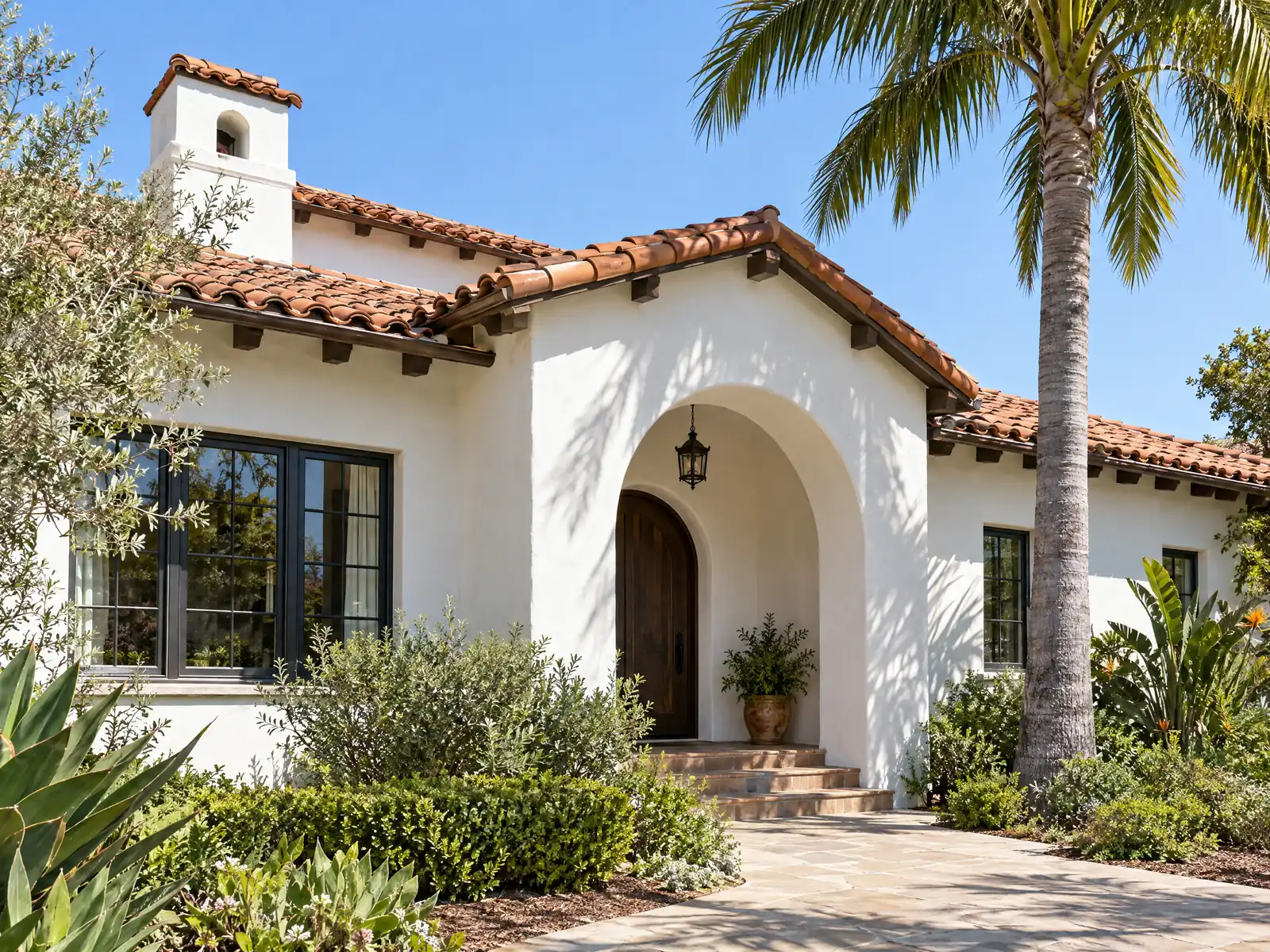
Aliso Viejo is young, and its roofs share a birthday. The land belonged to the 22,000-acre Moulton Ranch until the Mission Viejo Company bought the last 6,600 acres in 1976, Orange County approved the plan in 1979, and the first homes went on sale in March 1982. The Census Bureau's ACS 2024 five-year estimates count 20,507 housing units, about 75 percent of them built since 1990 and about 51 percent in the 1990s alone, while only about 5.6 percent predate 1980.
A roof here is therefore a question about coverings that are three decades old, shared buildings and association rules more than about historic houses. On a roofing project, MDG Builders (CSLB #1040337) writes the scope, takes the Planning, Building and HOA questions to the right counter and runs the schedule, and a licensed C-39 roofing subcontractor does the tear-off and installation. Our roofing page holds the sourced prices and the Aliso Viejo overview lists every trade we manage here. For neighbors, see the roofing guides for Laguna Niguel, Mission Viejo and Lake Forest. Laguna Hills, Laguna Woods and Laguna Beach also border the city, so ask each city's counter before assuming a rule carries over.
What Aliso Viejo's Planning form, code amendments and hazard plan say about roofs
Where roofing permits come from in Aliso Viejo: City of Aliso Viejo Community Development Department, Building & Safety Division.
- The City's Forms, Permits and Regulations page has no re-roofing handout, so ask Building & Safety at 949-425-2540 whether a given re-roof needs a permit before pricing it as exempt. The Planning form PS-240 does carry a 'Roof-mounted Equipment/Re-Roof' check box in its non-residential column.
- The state exempt-work list in R105.2 of the 2025 California Residential Code, as shown on a third-party code site, does not name roofing among the exempt items, which include fences up to 7 feet, retaining walls up to 4 feet, sidewalks and driveways and finish work, and it says an exemption never authorizes work that violates the code or local law.
- Exhibit A of the City's code ordinance amends the building code so that the entire roof covering of an existing structure where more than 50 percent of the roof area is replaced within one year, the roof covering of every new structure, and any roof covering applied in the alteration, repair or replacement of an existing roof, must be a fire-retardant covering of at least Class B (CBC 1505.1.3 and CRC R902.1.2). The residential section applies this outside the Fire Hazard Severity Zones and wildland-urban interface areas.
- The same exhibit amends CRC R902.1 to allow only Class A or B roofs. It lists brick, masonry, exposed concrete deck, ferrous or copper shingles or sheets, metal sheets and shingles, clay or concrete tile and slate on noncombustible decks as Class A assemblies, and allows treated wood shakes and shingles only where qualified for Class A or B.
- The City's residential submittal checklist (updated 12/31/2025) is stricter than the code amendment for additions: it says Class A roofing is required on all additions, that an addition of 50 percent or more of the roof means the whole roof is replaced with Class A, and that no wood shake or shingles are allowed. The two documents differ, so confirm the class with the Building Division.
- The City's patio cover handout says that in the High and Very High Fire Severity Zones a patio cover or other accessory structure within 50 feet of the primary structure must be built of noncombustible or ignition-resistant materials under Wildland-Urban Interface Code 504.11, with 4x6 minimum rafters, 6x8 beams and columns, and either 2x tongue and groove planks or 1 1/8 inch tongue and groove plywood for solid covers.
- The City lists 2 inches of rainfall per hour as a design criterion on its Building & Safety page, which is the intensity roof drainage and gutter sizing on a re-roof should be checked against. The City's yard structure code also requires roofs of patio covers and sheds to be built so rooftop water does not drain onto an adjacent parcel.
- The City's residential submittal checklist says plumbing vents must end at least 6 inches above the roof surface and at least 1 foot from any vertical surface or roof valley, and at least 10 feet from or 3 feet above any openable window, door or air intake, which matters when roofing is redone around existing vents.

Who approves a roof in Aliso Viejo, and does a re-roof need a permit?
The City's Planning Services page asks applicants to get Planning approval before plans go to Building, starting with a Zoning Compliance Application, form PS-240, signed or backed by a letter from the property owner and the applicable residential management association. The form's project list covers additions, doors and windows, fences, patio covers and exterior architectural modifications, and a 'Roof-mounted Equipment/Re-Roof' box appears only in its non-residential column. The City's papers differ on the HOA: the form and the Planning page want association sign-off except for like-for-like work, while the checklist updated December 31, 2025 says no HOA letter is required at submittal.
Whether a re-roof needs a permit at all, we could not confirm. The City's Forms, Permits and Regulations page has no re-roofing handout, and the state exempt-work list in R105.2 of the 2025 California Residential Code, as shown on a third-party code site, does not name roofing among its exempt items. Call Building and Safety at 949-425-2540 before pricing a re-roof as permit-free, and ask Planning at 949-425-2525 about the HOA. A change of material or color is the case most likely to need the association's yes.
Get the association's written answer and Planning's answer before a roofer orders a single bundle.
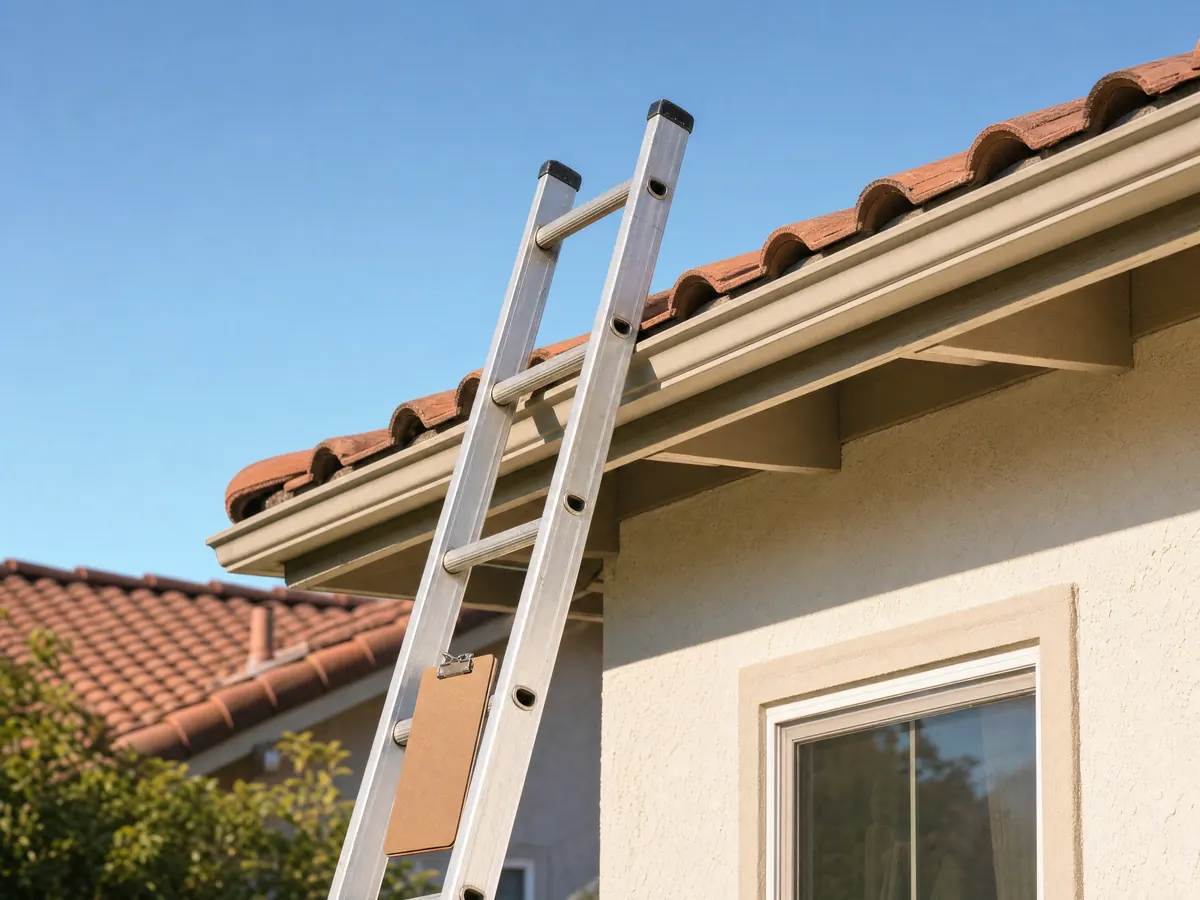
Does an Aliso Viejo roof have to be Class A or Class B?
The City's documents give two answers, so treat it as a conflict to settle before anyone bids. Exhibit A of the City's code ordinance requires a fire-retardant covering of at least Class B on the whole roof when more than 50 percent is replaced within one year, on every new structure and on any covering applied in an alteration, repair or replacement, citing CBC 1505.1.3 and CRC R902.1.2. The residential section applies that rule outside the Fire Hazard Severity Zones and wildland-urban interface areas.
The same exhibit amends CRC R902.1 to allow only Class A or B roofs. It names brick, masonry, clay or concrete tile, slate, and metal sheets and shingles on noncombustible decks as Class A assemblies, and it allows treated wood shakes only where qualified for Class A or B. The residential submittal checklist is stricter for additions: Class A on all additions, Class A on the whole roof when an addition is 50 percent or more of it, and no wood shake or shingles. Ask the Building Division which document governs your scope.
Write the required class, and the class of any roofing that stays, into the contract.
Is my Aliso Viejo home in a Very High Fire Hazard Severity Zone?
Possibly, if it sits near the canyons. The City's 2024 Local Hazard Mitigation Plan says the western and southern borders of Aliso Viejo lie within a Very High Fire Hazard Severity Zone in the Local Responsibility Area, beside Very High and High zones in the State Responsibility Area along the city limits, and that parts of the city are in the wildland-urban interface of the San Joaquin Hills. We could not confirm whether the City has adopted the State Fire Marshal's 2025 map, and the plan describes the older zones, so look up your parcel through the CAL FIRE and OCFA maps linked from the City's Protecting Your Home page, which also lists 22 evacuation zones.
The history explains the concern. The plan records the October 27, 1993 Laguna Beach Firestorm, which burned about 16,000 acres just west of what is now Aliso Viejo and damaged or destroyed over 400 homes, and the June 2, 2018 Aliso Fire, which started on a trail in Aliso Woods Canyon near Soka University of America, burned over 200 acres and prompted evacuations. Inside the zones, the City's patio cover handout requires noncombustible or ignition-resistant framing within 50 feet of the house, but we found no City roofing handout that spells out a roof-covering rule for the zones, so ask Building and Safety and OCFA.
Copy your parcel's mapped zone onto the proposal before a roofer picks a covering.
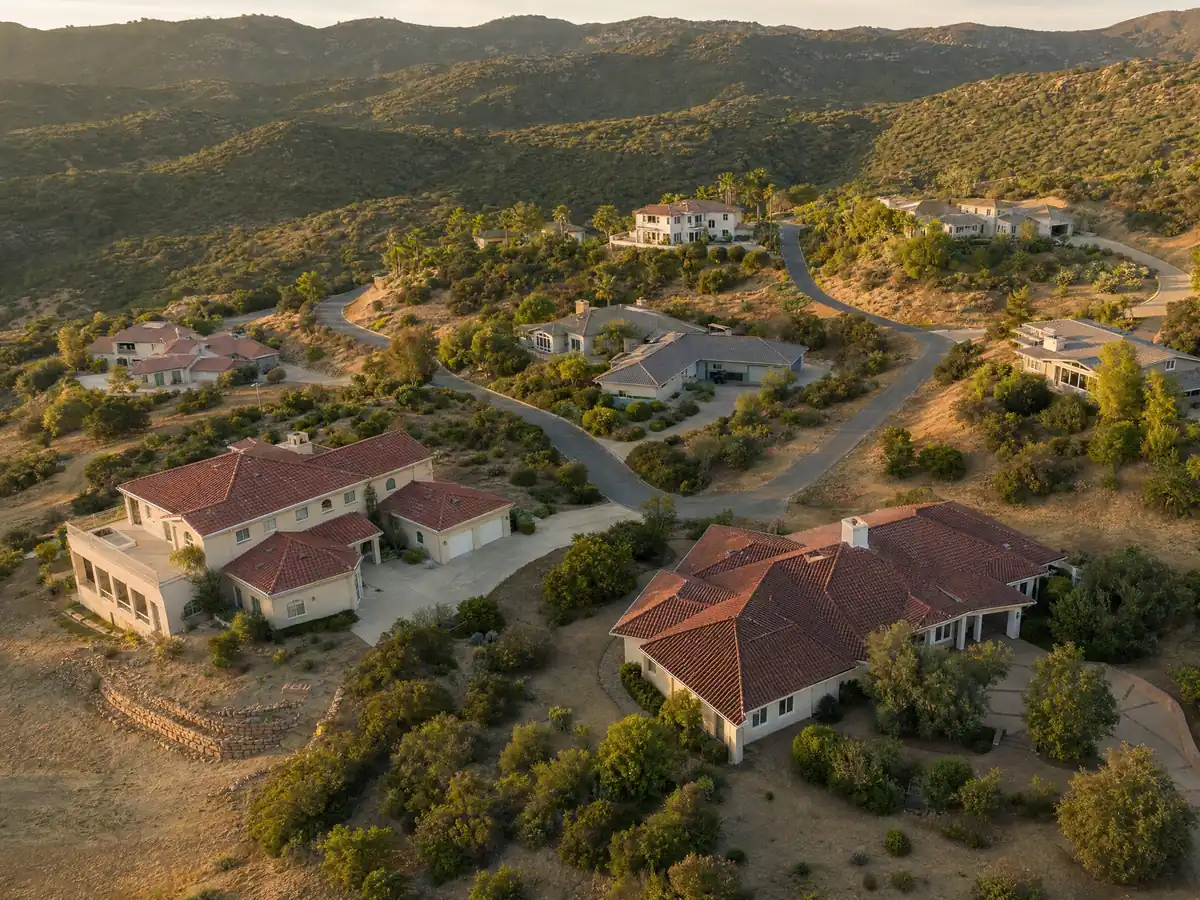
Should I repair or replace the roof on a 1990s Aliso Viejo house?
Most roofs here come from one building boom. About 51 percent of units, 10,497 homes, date from the 1990s and about 19 percent from the 1980s, so many original coverings are past thirty years old, while only 1,153 units, 5.6 percent, predate 1980. We found no Aliso Viejo roof survey and no sourced lifespan for a local roof, so we print no number of years. The real question is how far the damage runs.
Repair suits local damage over a sound deck, such as lifted ridge caps or flashing that has opened at a vent. Replacement suits a covering failing across whole slopes, leaks that keep appearing in new places or a deck that flexes underfoot. Ask for photographs of the damage, the flashing and the attic side of the deck. Attached housing changes the question: 24.5 percent of units are single-family attached and 33.5 percent sit in buildings of five or more, so a condominium roof is often the association's to repair. Ask the board before you call a roofer.
- Stains or damp insulation under the deck
- Granules in the gutters or bare patches on a slope
- Lifted ridge caps or open flashing at vents and walls
- Soft spots, sag or daylight in the deck
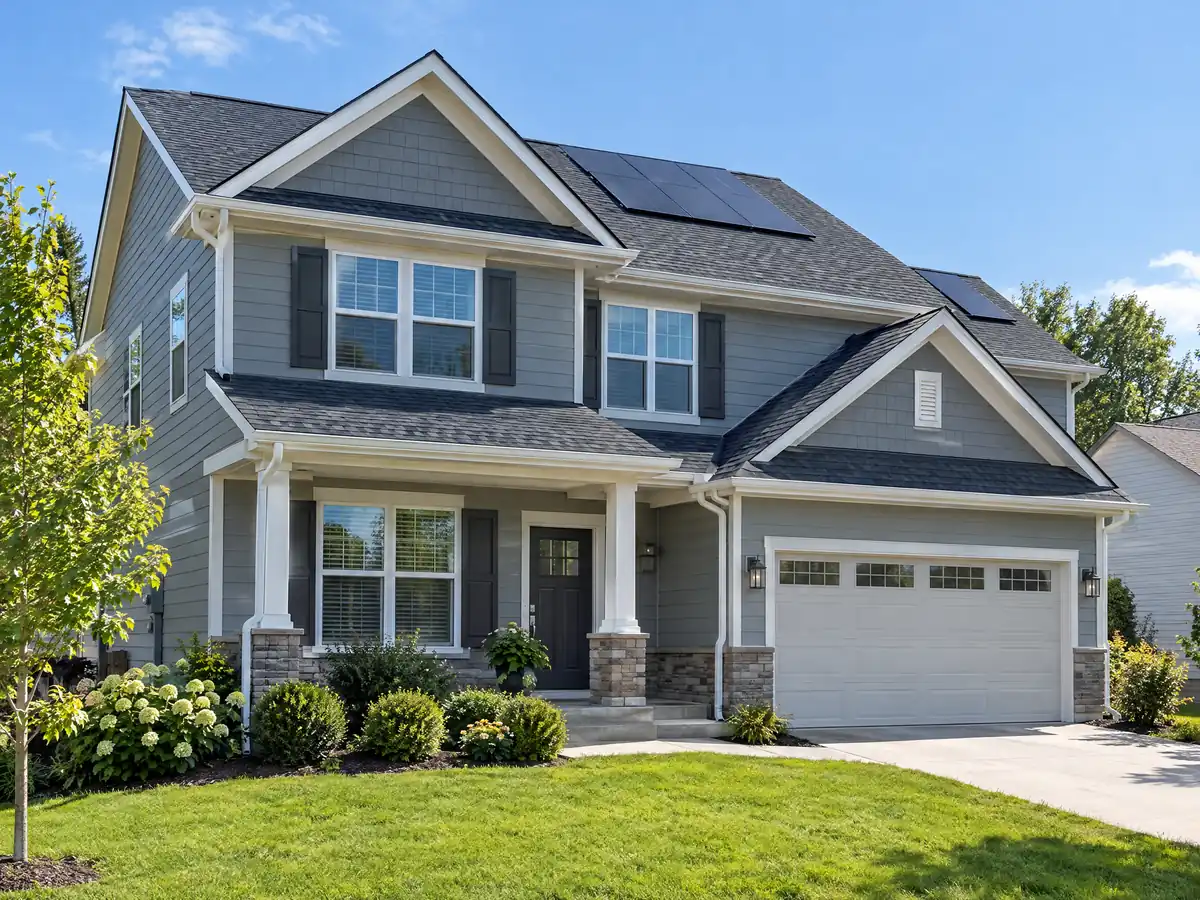
What else must an Aliso Viejo re-roof get right besides the covering?
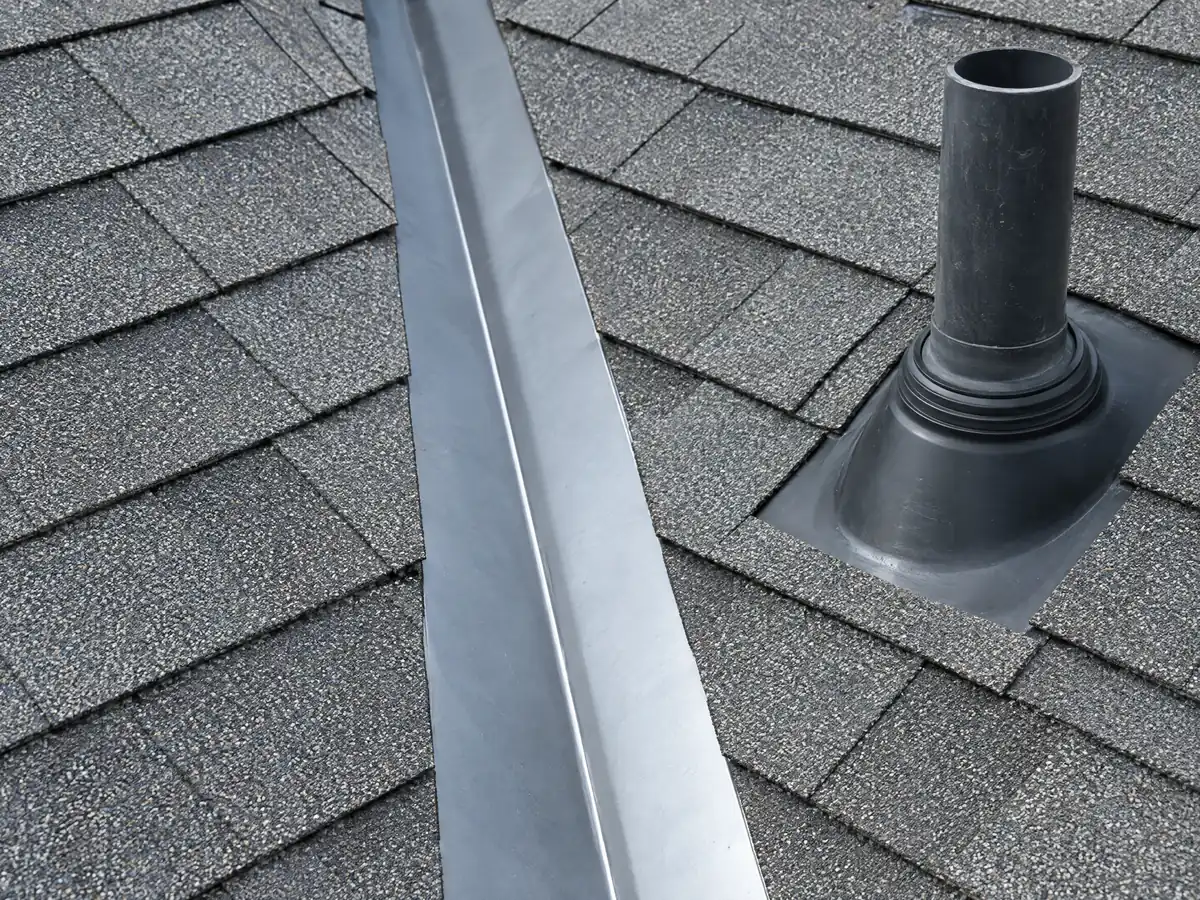
The City's submittal checklist sets vent clearances that matter when a roof is redone around existing pipes: plumbing vents end at least 6 inches above the roof surface and at least 1 foot from any vertical surface or roof valley, and at least 10 feet from or 3 feet above any openable window, door or air intake. The Building and Safety page lists a design rainfall of 2 inches per hour, the intensity gutters and drainage should be checked against, and the yard structure code requires patio cover and shed roofs to shed water without draining onto an adjacent parcel.
Tear-off waste has its own rules. The City's Construction and Demolition Permit packet, effective July 1, 2025, requires 65 percent of waste to be recycled, reused or diverted, a Recycling and Waste Reduction form and CR&R as the only hauler, with no dumpsters on public streets. Posted construction hours run Monday to Friday 7 a.m. to 8 p.m. and Saturday 8 a.m. to 8 p.m., with no work on Sundays and federal holidays. A newer packet may exist, so confirm with Public Works at 949-425-2530. A permit also lapses if work does not start within 12 months or stops for 180 days.
What is the best time of year to replace a roof in Aliso Viejo?
The city sits in the San Joaquin Hills, so weather depends on the slope. NOAA's 1991 to 2020 normals for the Laguna Beach station, about 3.8 miles southwest of the city center point in our data file, show 12.68 inches of rain a year, 9.66 inches of it from December through March, and 0.11 and 0.02 inch in July and August. Highs average 68.4 F in January and 81.2 F in August, with only 4.4 days a year at or above 90 F.
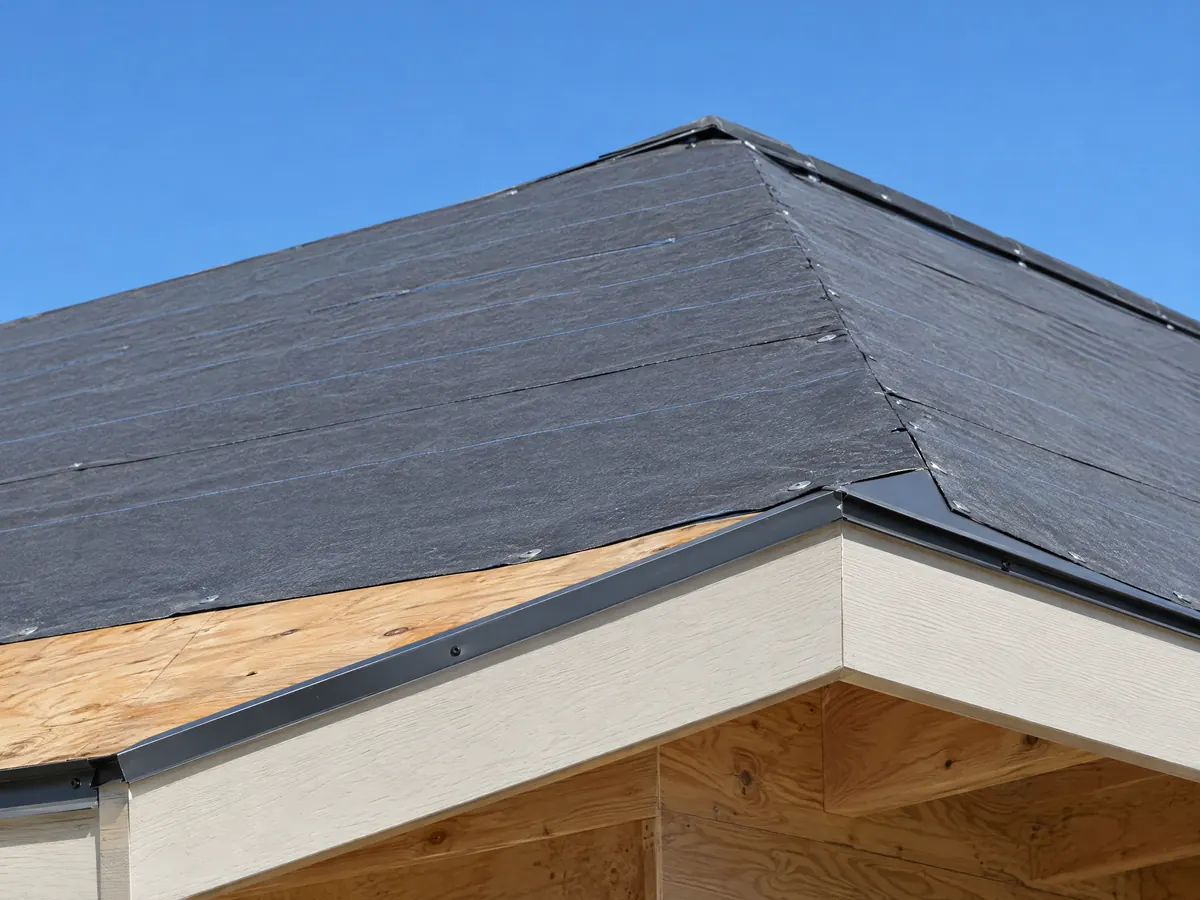
The Irvine Ranch station, about 9.7 miles north and farther from the coast, averages 61.6 days a year at or above 90 F, 7.5 at or above 100 F and an August high of 90.2 F. Neither station is inside the city. Summer is nearly dry at both, which suits an open deck, but a roof farther from the ocean bakes underlayment and sealants harder. Ask what covers the deck each night of a multi-day tear-off and how early the crew starts.
How much does roof replacement cost in Aliso Viejo, and how do I hire a roofer?
We found no Aliso Viejo price survey, so these are Los Angeles figures and a local proposal will differ. Angi's Los Angeles page, updated July 31, 2026, puts asphalt at $4 to $12 a square foot, tile at $7 to $15 and metal at $7 to $16, with tear-off adding $1,000 to $3,000 and solar panel removal and reinstallation $500 to $1,000. Its average re-roof is $17,271, while Remodeling magazine's Cost vs. Value 2025 report prices a reference Los Angeles roof at $36,417 in asphalt and $62,069 in metal without publishing the roof's size. The $917,900 median home value here says nothing about a roof's price, which follows area, pitch, material and deck condition.
Roofing is CSLB class C-39. California's exemption for unlicensed minor work stops at $1,000 and never covers a job that needs a permit or any hired help, and Business and Professions Code 7159 caps a down payment at $1,000 or 10 percent of the price, whichever is less. Our contractor license guide walks through checking a C-39 license, and how general contractors use subcontractors explains who answers for the roofing crew.
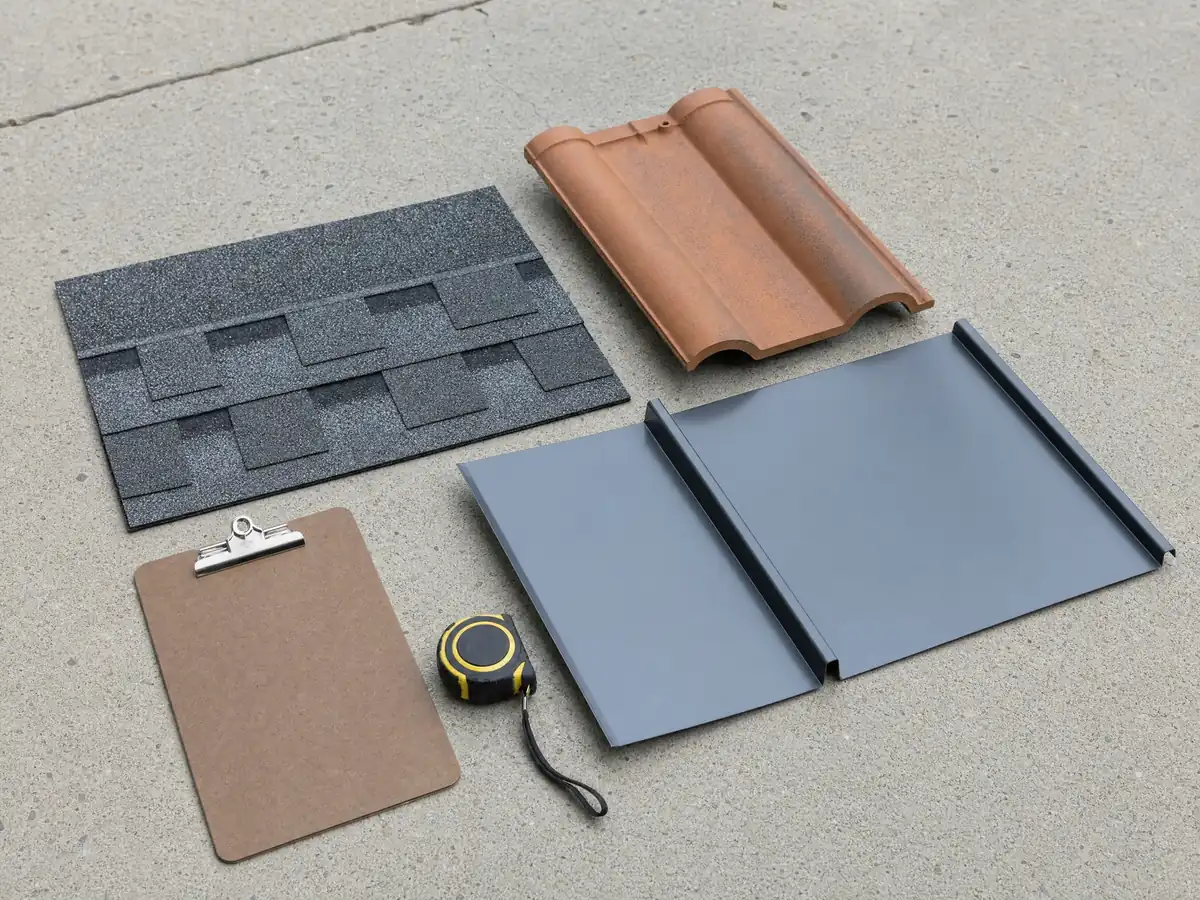
Roofing photos from Aliso Viejo and nearby communities
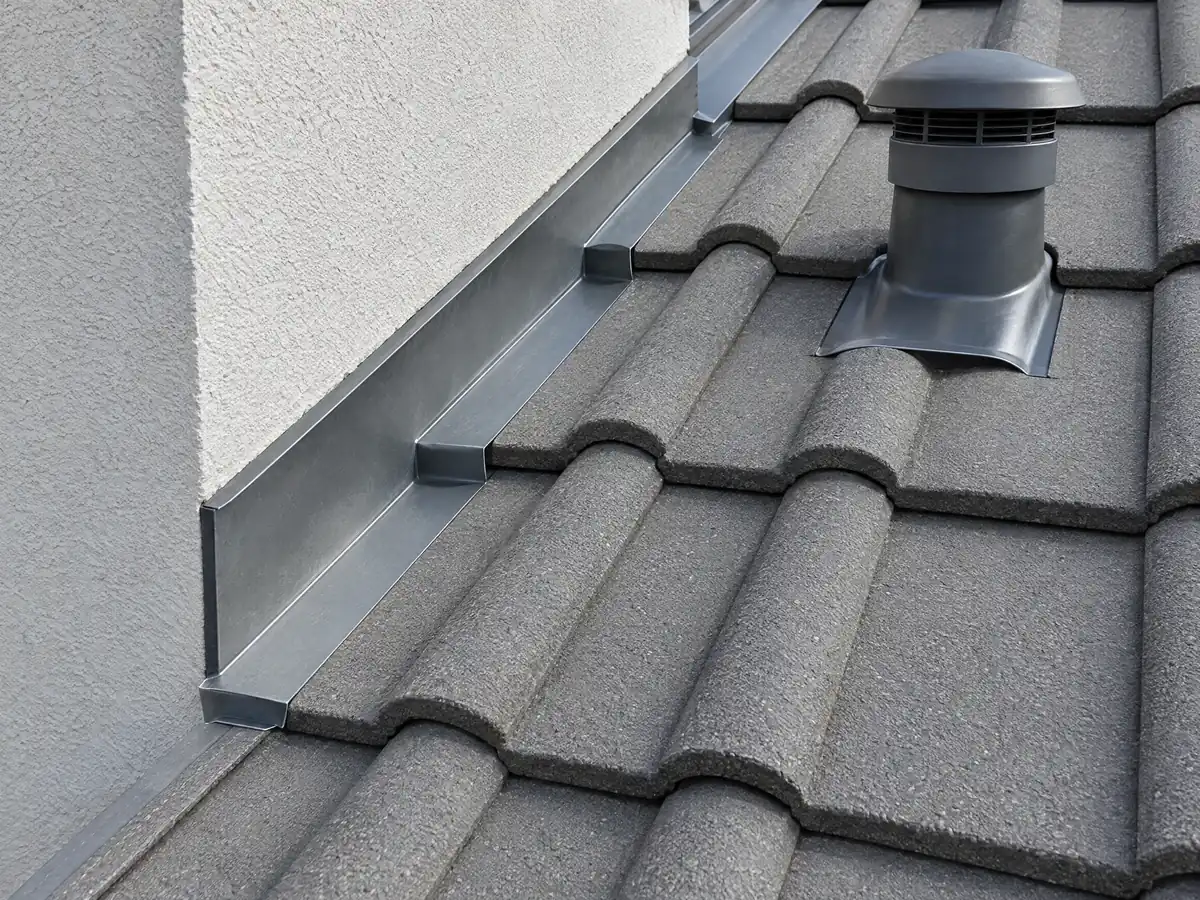
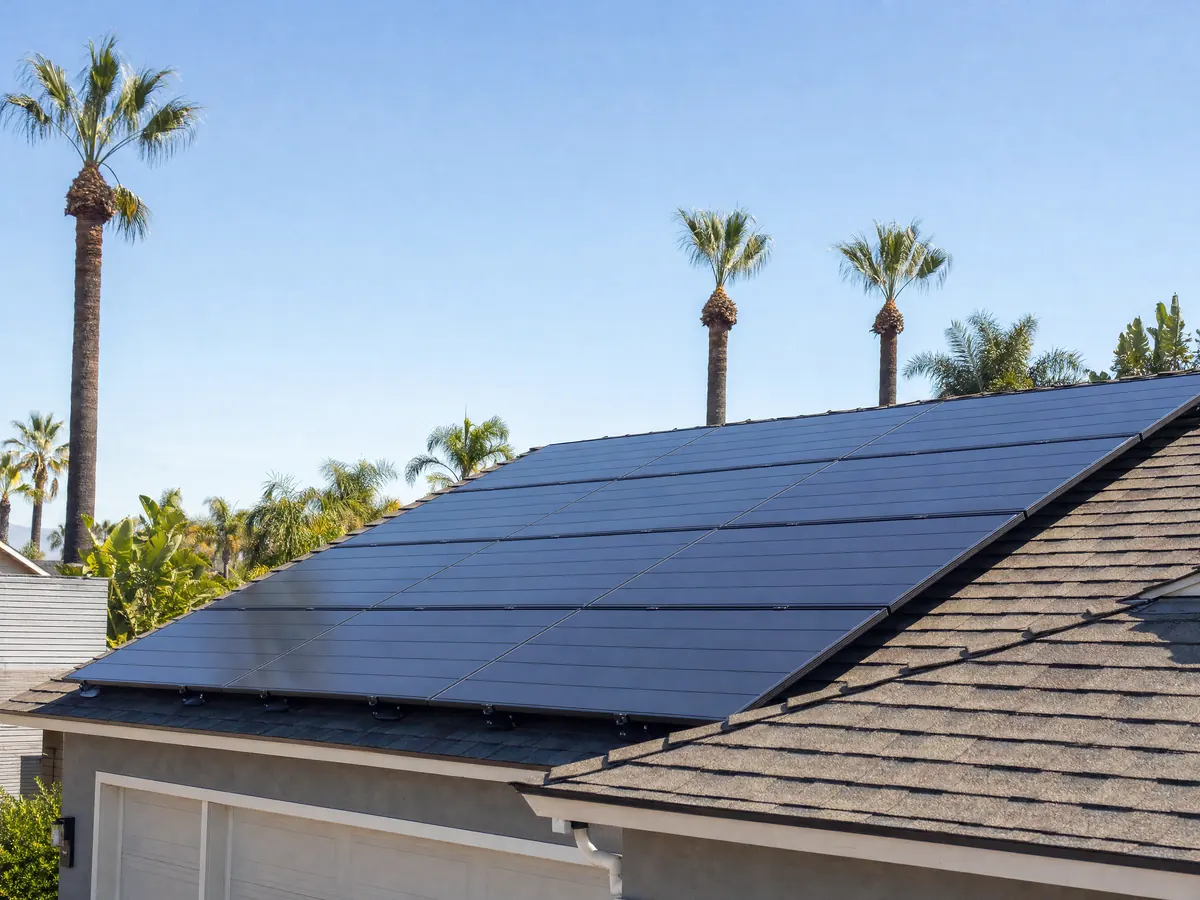
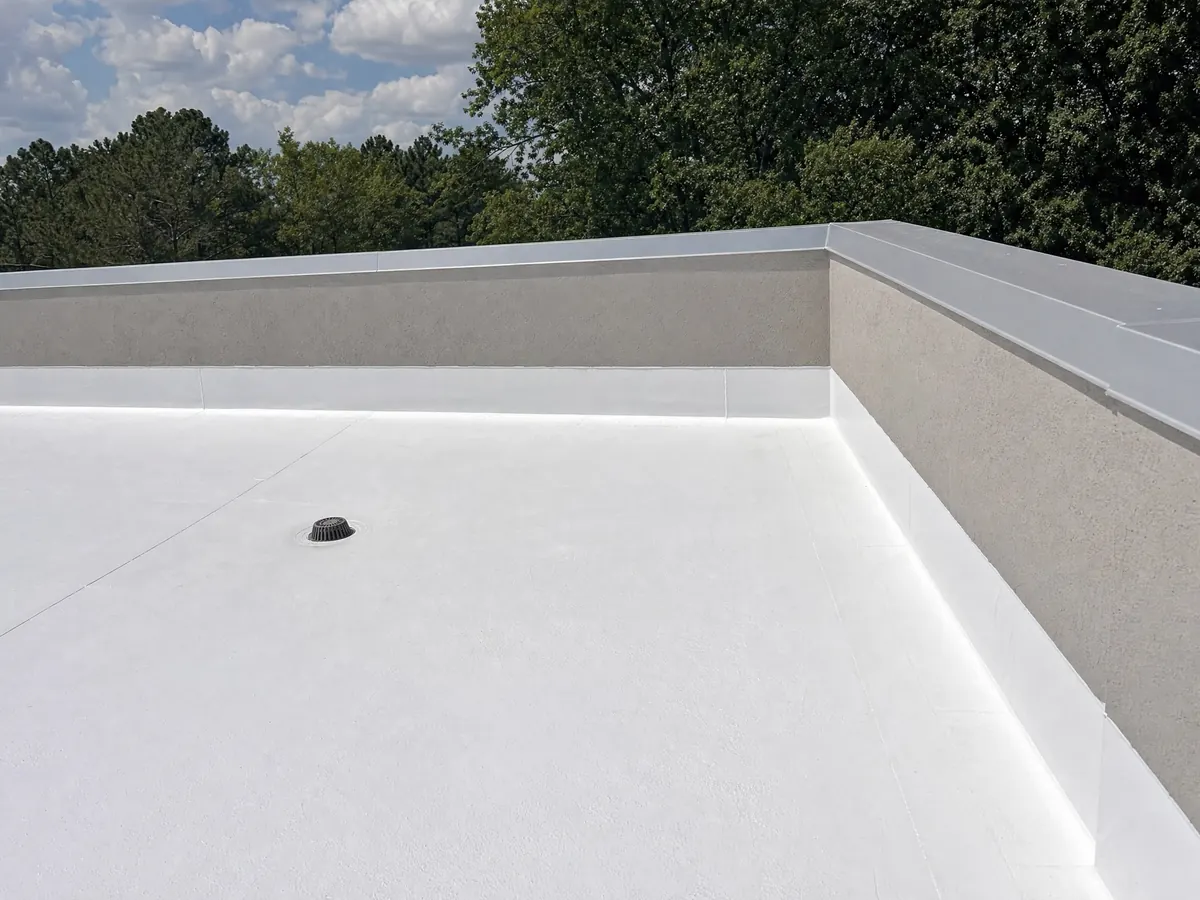
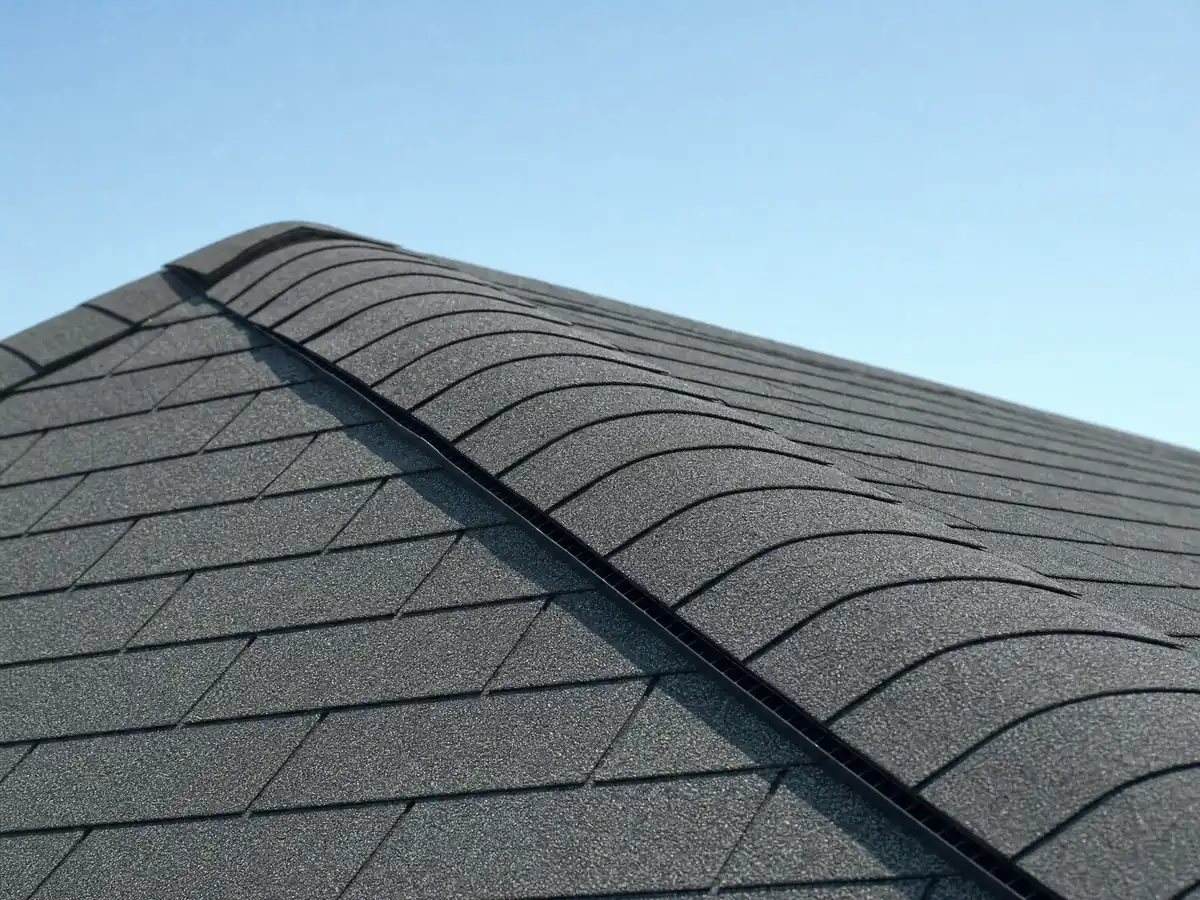
Roofing scenes tied to Aliso Viejo and to nearby places such as Laguna Niguel, Mission Viejo, Lake Forest and Laguna Hills, from tile flashing to hillside roofs near the canyons.
Where these Aliso Viejo roof figures come from
Each roofing price, with its source and date, sits in the table on our roofing price page, and the California roof replacement cost guide explains why the two surveys differ. A roof job here often pulls other trades along, and the local rules for them are on the fencing page, the painting page and the kitchen remodeling page. For two foothill cities with their own fire maps to compare, see the roofing guides for Glendale and Pasadena.
| What it covers | Typical range |
|---|---|
| Asphalt shingle, typical single-family roof | $10,000 to $25,000 |
| Concrete or clay tile | $7 to $15 per sq ft |
| Metal | $7 to $16 per sq ft |
| Remodeling Cost vs. Value 2025, Los Angeles | Asphalt $36,417. metal $62,069. |
| Extras | Tear-off $1,000 to $3,000. solar detach and reset $500 to $1,000. |
Other work we manage in Aliso Viejo
Aliso Viejo roofing questions, answered
Do I need a permit to replace my roof in Aliso Viejo?
We could not confirm it. The City publishes no re-roofing handout, and the state exempt-work list does not name roofing. Call Building and Safety at 949-425-2540 before assuming a re-roof is permit-free. Planning's PS-240 form, with owner and association signatures, comes first for work that needs plans, so ask Planning about it too.
What is a Class A roof, and does Aliso Viejo require one?
Class A is the top fire-test rating, and the City's documents conflict. Its code amendment requires at least Class B when over 50 percent of a roof is replaced in a year, while its checklist asks for Class A on additions and on the whole roof when an addition is 50 percent or more. Ask Building which governs your job.
What is the 25 percent rule for roof repairs?
We found no Aliso Viejo or state code section by that name, and the sites that quote it rarely cite one. The threshold in the City's amendment is 50 percent of the roof replaced within one year. Ask Building and Safety how that percentage is measured before you split a job into phases.
Should I repair or replace my roof?
Repair when damage is local and the deck is sound, and replace when the covering is failing across whole slopes or the deck is soft. With about 75 percent of homes built since 1990, many original roofs are now old, but we print no lifespan because we found no sourced local figure. Ask for photographs first.
How much does it cost to reroof a house in Aliso Viejo?
Price it by roof area, not house size. Angi's Los Angeles figures for asphalt are $4 to $12 a square foot, for tile $7 to $15 and for metal $7 to $16, while Cost vs. Value 2025 prices a reference asphalt roof at $36,417. We found no Aliso Viejo survey, so a measured written proposal is the real price.
Is my Aliso Viejo roof in a fire hazard zone?
Possibly. The City's 2024 hazard plan puts the western and southern borders in a Very High zone, next to High and Very High state zones along the city limits. We could not confirm whether the City adopted the 2025 State Fire Marshal map, so check your parcel on the CAL FIRE and OCFA maps.
Does my HOA control my roof even if the City approves the permit?
It can. The City's checklist says a building permit never relieves owners of recorded CC&Rs or of master and sub-HOA rules, and Planning's PS-240 form asks for association approval of exterior changes other than like-for-like work. In a condominium the board may own the roof. Get the written answer first.
Can you stay in your house during roof replacement?
Usually yes, since the crew works on the roof, but expect noise and people around the house all day. The City's posted construction hours are Monday to Friday 7 a.m. to 8 p.m. and Saturday 8 a.m. to 8 p.m., with no work on Sundays. Ask the roofer for a daily schedule.
What is the best time of year to replace your roof?
Summer is the driest choice. At the Laguna Beach station about 9.66 of the year's 12.68 inches of rain falls from December through March, and July and August average 0.11 and 0.02 inch. Inland slopes run hotter, with 61.6 days a year at or above 90 F at the Irvine Ranch station, so ask crews to start early.
Can a general contractor do roofing in California?
A general contractor can run a roofing job, but roofing itself is CSLB class C-39 work. MDG holds the contract and brings in a licensed C-39 subcontractor, and you can ask for that license number and certificate of insurance. Whether a Class B license may take a roofing-only contract is a question for CSLB.
Ask for a roof inspection in Aliso Viejo
Tell us your street or village, the year the house was built and whether a homeowners association governs the roof. We check the roof class, the fire map and the Planning step before we call back.