
Roof Repairin Mission Viejo, CA
Roof repair in Mission Viejo needs no permit when the work covers under 10 percent of the roof and the framing stays the same. A full re-roof needs a permit, and neighborhood review under Municipal Code Chapter 9.43 comes first. Permits are filed online only, and the east and north edges sit in the 2025 Very High fire zone.
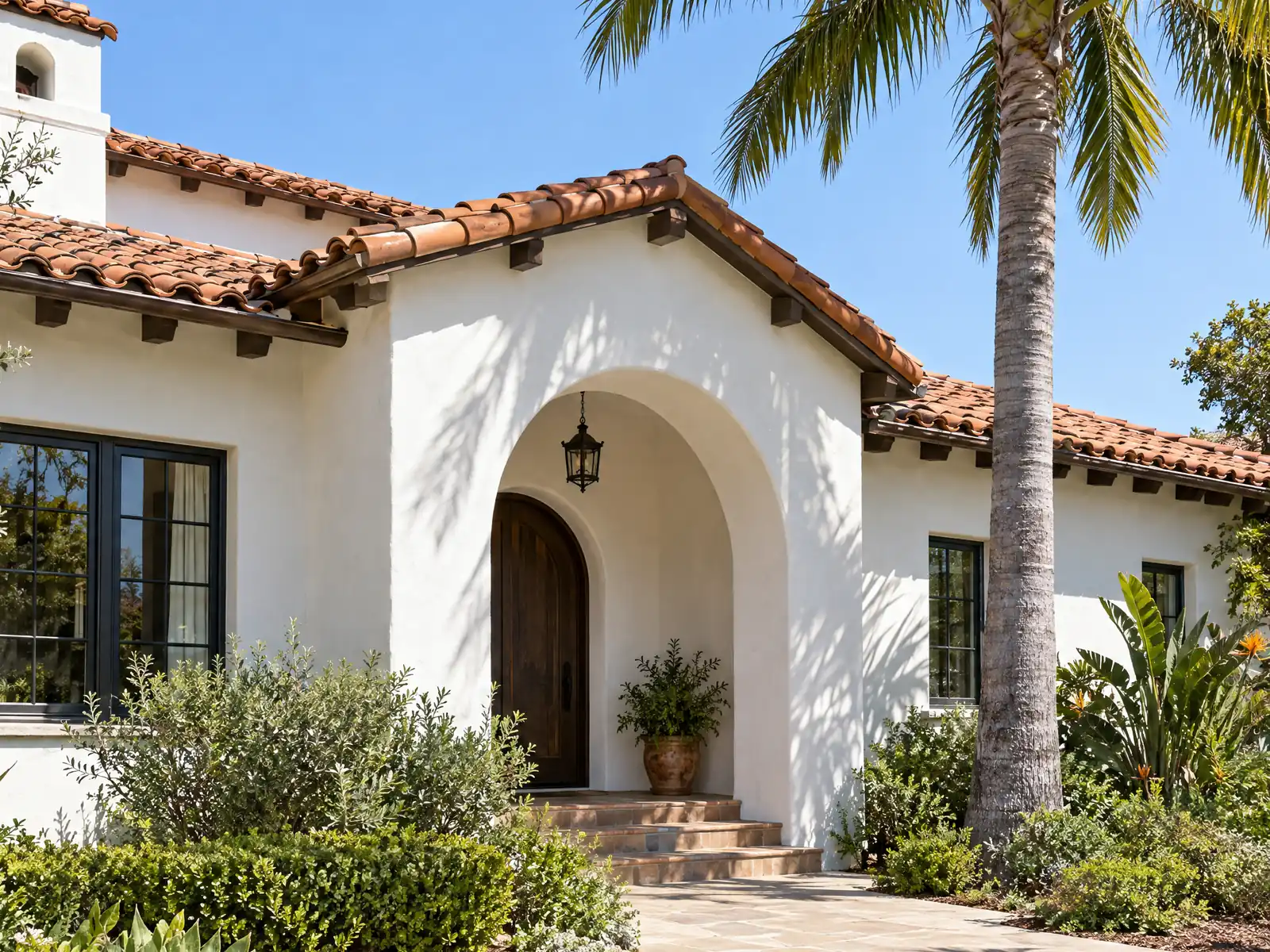
Mission Viejo was drawn on a drafting table before it was built. In 1963 Donald Bren, Philip Reilly and James Toepfer bought the northern 10,000 acres of Rancho Mission Viejo and formed the Mission Viejo Company, Orange County approved a plan for 30,000 homes and businesses in 1965, the first families moved in during 1966, and the city incorporated on March 31, 1988. Census Bureau ACS 2024 one-year estimates count 34,794 housing units, about 65 percent of them built in the 1970s and 1980s and about 55 percent before 1980, and Wikipedia describes the houses as almost uniformly Spanish mission style, with stucco walls and barrel-tile roofs.
On a roof job, MDG Builders (CSLB #1040337) writes the scope, files the portal paperwork and keeps the schedule, while a licensed C-39 roofing subcontractor handles the tear-off and the new covering. Our roofing page shows the sourced prices and the Mission Viejo overview lists every trade we manage here. For other Orange County rulebooks compare the guides for Irvine and Orange, and for a county-based system see Glendale. Lake Forest, Laguna Hills, Rancho Santa Margarita, Laguna Niguel, Aliso Viejo and San Juan Capistrano border or sit near the city, so confirm each city's rules before assuming one carries over.
What Mission Viejo's exempt list, Chapter 9.43 and fire maps say about roofs
Where roofing permits come from in Mission Viejo: City of Mission Viejo Community Development Department, Building Services Division.
- The City's Work Exempt from Building Permits handout (updated March 2026) exempts roof repairs or replacements under 10 percent of the total roof area when the underlying framing is not changed, so a full re-roof needs a permit and a small patch repair does not. The handout adds that exemptions never authorize work that violates the code and that any project affecting structural integrity needs a permit regardless.
- The portal has a dedicated 'Residential Reroof (BROOF)' permit. Its listed attachments are the Construction and Demolition Waste Diversion form, the Owner-Builder Notification (for homeowners), the Permit Disclosure Form (contractor or owner builder) and the contractor's pocket card or letter of authorization.
- The City's re-roof C&D deposit is $500 in the April 1, 2023 fee schedule (removal of existing roof), while the C&D form's Exempt option lists 'lift and relay of existing roofs' as exempt from the deposit. Either way a roofer should expect to document recycling of tear-off material.
- The City's wildfire workshop slides say that in Very High and High fire hazard severity zones the home hardening rules of Chapter 7A of the California Building Code apply, including Class A fire-rated roofing (which the slides call 'already required'), ignition-resistant exterior walls, dual-pane or tempered windows, ember-resistant vents with enclosed eaves, and fire-resistant decking.
- The City's room addition checklist (an older version revised 2008, repeated in a 2017 version) says a Class A roofing assembly is required when an addition equals more than 50 percent of the existing structure. Neither checklist says what rating applies to a stand-alone re-roof outside a hazard zone, so ask Building Services at 949-470-3054.
- Chapter 9.43's list of work that must be found compatible with the neighborhood includes installing a new roof on any structure in a residential zone when a permit is required, so a re-roof can be reviewed by the HOA's architectural committee (or the Director if there is none) before it goes to plan check.
- The City's Housing Rehabilitation Program flier lists roofing among eligible repairs for deferred payment loans at 0 percent interest of up to $40,000 for qualifying owner-occupied households, with income limits that depend on household size.
- CSLB defines the C-39 Roofing classification as installing products and repairing surfaces that seal, waterproof and weatherproof structures, including shingles, roof tile, slate and metal roofing systems.
Sources for these rules
- missionviejo.gov: work exempt from building permits
- missionviejo.gov: client self service
- missionviejo.gov: building fee schedule 4 1 23
- missionviejo.gov: calfire fhsz adoption presentation
- missionviejo.gov: residential room additions alterations checklist
- missionviejo.gov: neighbor awareness form
- missionviejo.gov: housing rehab flier
- cslb.ca.gov: Licensing Classifications Detail

Does roof repair in Mission Viejo need a permit, or only a full re-roof?
It depends on how much roof you touch. The City's exempt-work handout, updated in March 2026, lists roof repair or replacement of less than 10 percent of the total roof area, with no change to the framing underneath, as work that needs no building permit. A full re-roof does need one, and the City's portal has its own Residential Reroof permit (BROOF) for it. The handout warns that an exemption never allows work that breaks the code, and that anything affecting structural integrity needs a permit regardless.
That 10 percent line is where repairs get tricky. A patch of slipped tiles above one bedroom sits comfortably under it, while three leaking valleys and a rotted deck may not, and a job split into several small tickets to stay under the line is a bet on how an inspector reads the rule. Ask the roofer to measure the affected area in square feet and write the percentage on the proposal. When the number is close, call Building Services at 949-470-3054 before the tear-off, not after.
Get the roof area, the repaired area and the percentage in writing before any work starts.
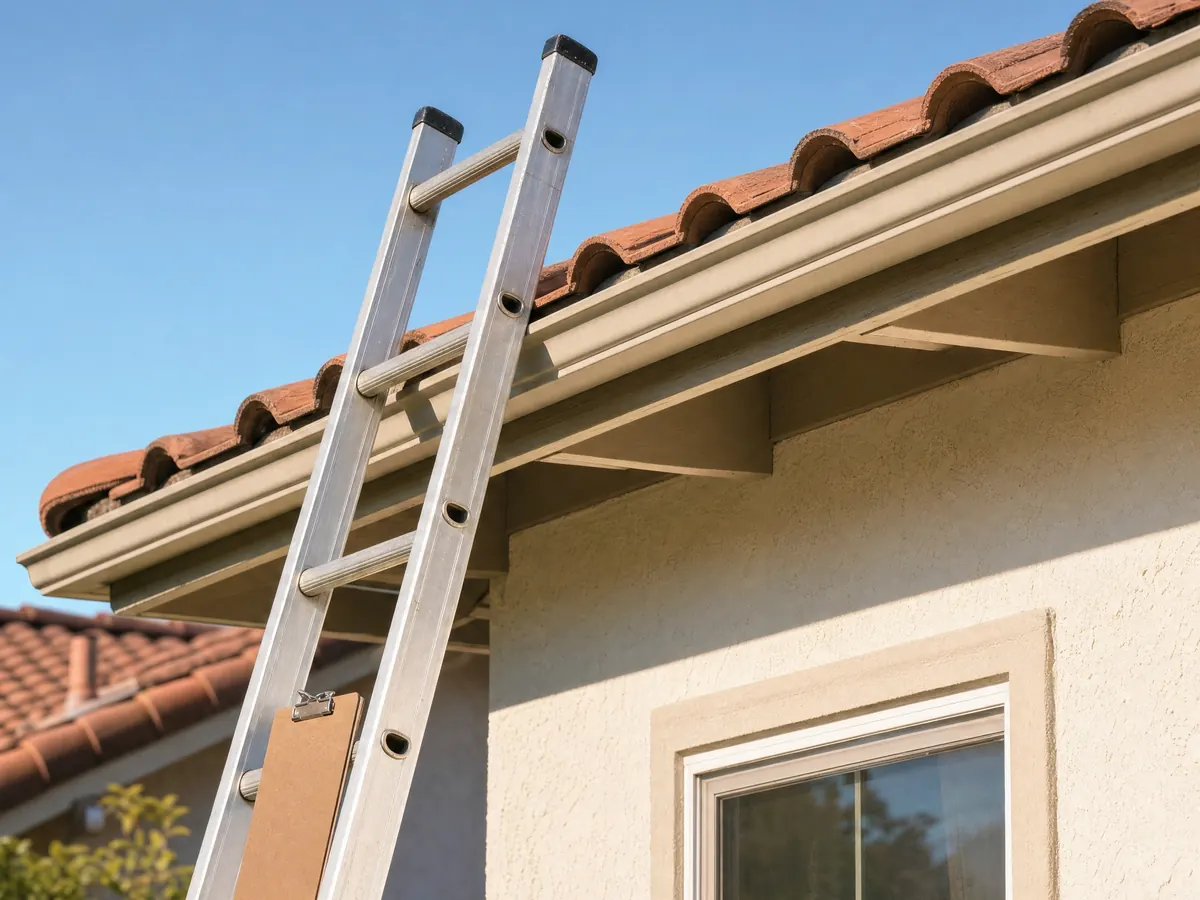
Does a new roof in Mission Viejo need HOA or neighbor approval?
Often, because Mission Viejo layers a design review on top of the permit. Municipal Code Chapter 9.43, as printed on the City's Neighbor Awareness Form, lists installing a new roof among the permit-required residential work that must be found compatible with the neighborhood. The application goes to the HOA's architectural committee when the recorded CC&Rs name one, and to the City's Director when there is no active committee or no HOA. Reviewers weigh natural amenities, neighborhood character, the privacy of adjacent parcels and neighbors' views.
The chapter also runs a clock. If the committee or Director and every adjoining owner approve in writing within 60 days, or simply do not act in that time, the application is deemed approved and can go to plan check. A disapproval sends it to the Planning and Transportation Commission, with a City Council appeal due within 15 days. We could not confirm how this works for a like-for-like tile re-roof, and the form is a 2019 upload that may have been amended since, so ask the committee and Planning (949-470-3053) what they want to see. No City page we read says the Mission Viejo Company still reviews designs today.
Get the committee's written approval, or the 60-day deemed-approval date, before any tile is ordered.
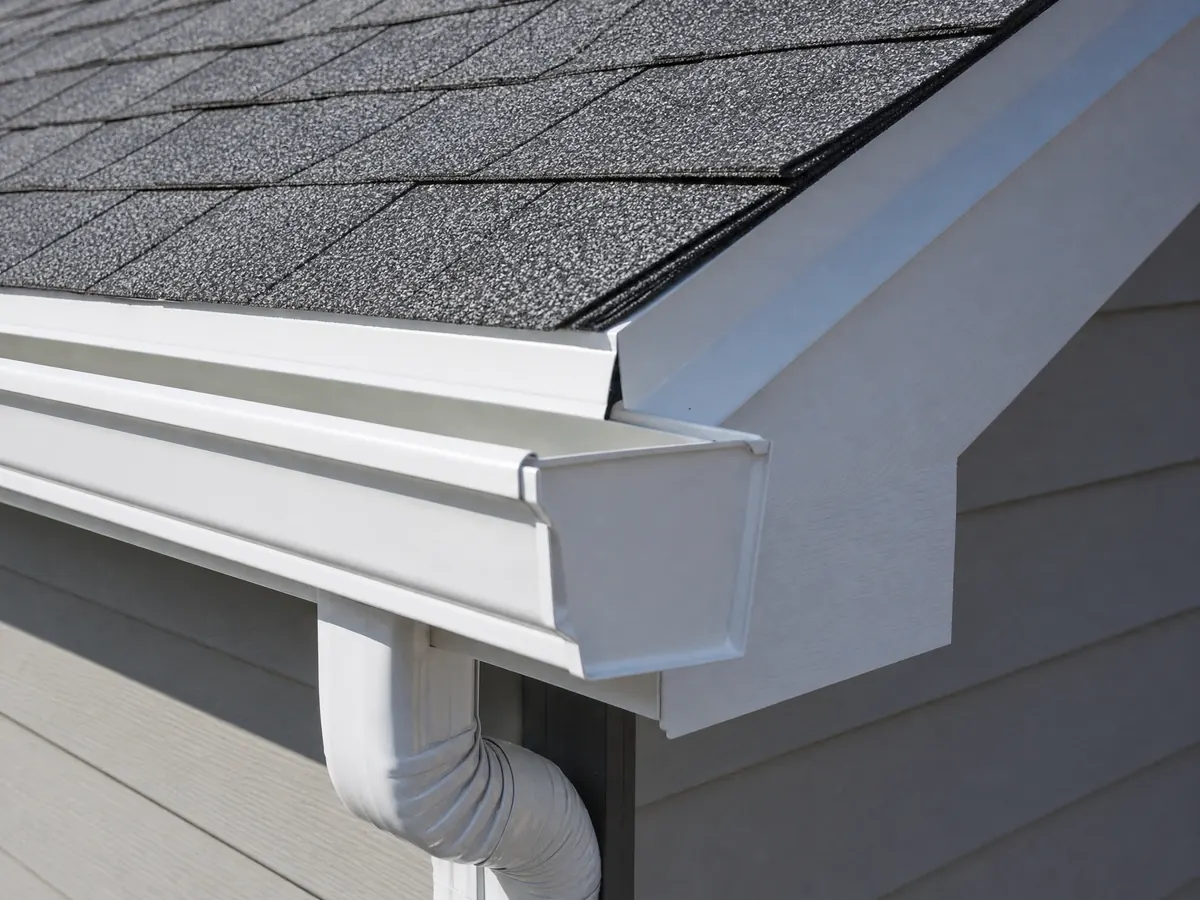
Is my Mission Viejo roof in a Very High fire hazard severity zone?
Parts of the city are. CAL FIRE released its 2025 Local Responsibility Area maps on March 24, 2025, the City Council held its hearing on May 27, 2025 to consider adopting them without revisions, and the City says the maps changed the Very High zones and added High zones. The Safety Element places the eastern and northern borders in the Very High zone, the wildland-urban interface where it sees the highest fire risk. We could not find the ordinance number, the effective date or the tier of any named neighborhood, so look up the parcel on the City's fire hazard severity zone page instead of guessing from a tract name.
For Very High and High zones, the City's workshop slides say Chapter 7A of the California Building Code applies, including Class A roofing, which they call already required, plus ignition-resistant walls, ember-resistant vents with enclosed eaves and dual-pane or tempered windows. Very High zone owners need 100 feet of defensible space and must disclose the zone when selling. Outside those zones no City page we read requires Class A on every re-roof, and the local code amendments sit in scanned PDFs we could not read, so ask Building Services which class applies to your slope.
Write the parcel's mapped zone on the proposal so the roofer prices the right roof.
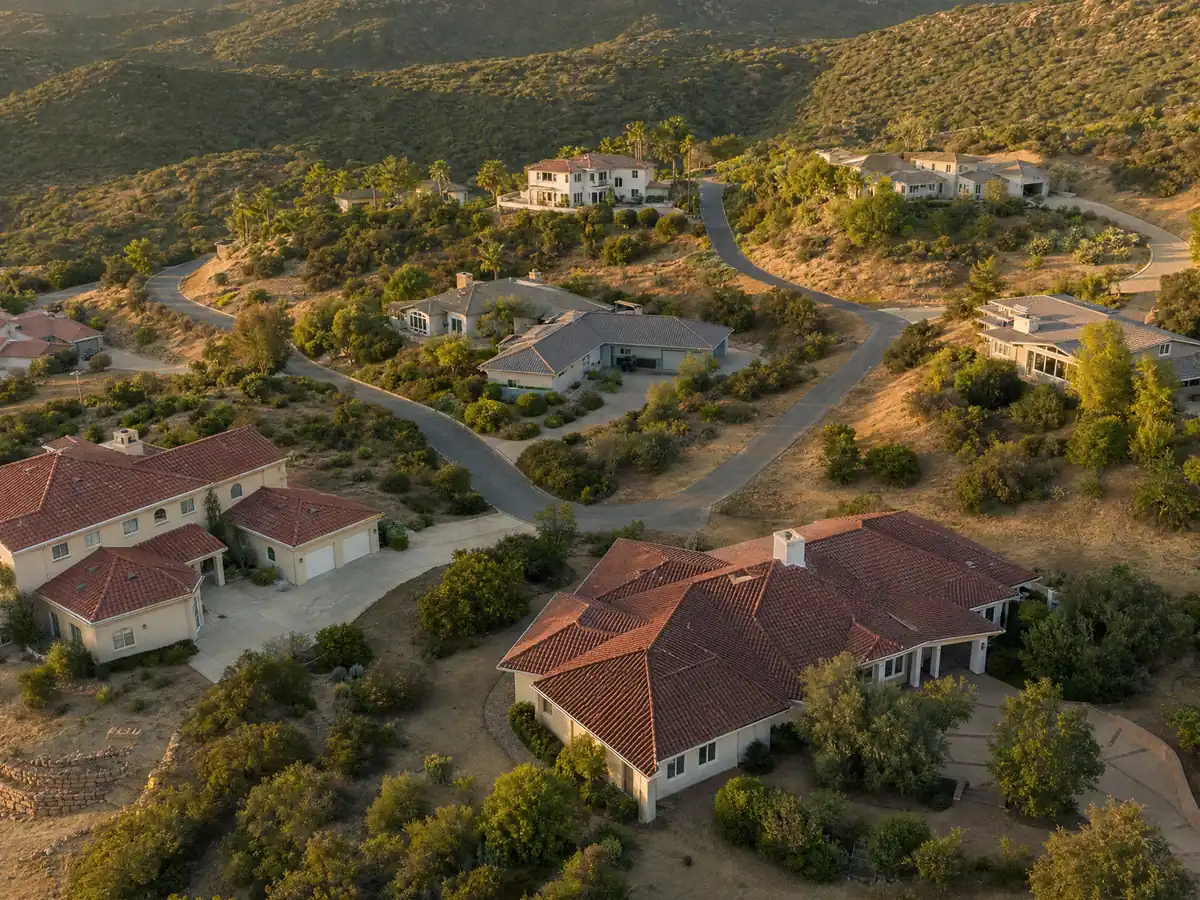
How old are Mission Viejo roofs, and when does repair stop making sense?
Age here is measured in decades. About 39.7 percent of the city's units, 13,824 homes, went up in the 1970s and 25.6 percent, 8,916, in the 1980s, while only about 6 percent date from 2000 or later. The City's own timeline shows tracts opening in waves, with El Dorado and Monterey Master in 1967, Granada and Mission Ridge in 1968, Madrid and Aliso Villa in 1971, Barcelona in 1972, Castille in 1973 and Cordova in 1975. A tile roof on a house from one of those first tracts is now between roughly 50 and 60 years old if it was never replaced, so ask the seller or the HOA what is known about it.
We found no Mission Viejo roof survey and no sourced lifespan for a local roof, so we print no number of years. Repair suits local damage over a sound deck: slipped or cracked tiles, a failed vent boot, one leaking valley. Replacement suits a covering failing across whole slopes, leaks that keep moving, or deck boards that flex underfoot. Ask for photographs of the flashing and the attic side of the deck, and have any deck repair priced apart from the covering.
- Stains or damp spots on ceilings below the roof
- Slipped, cracked or missing tiles, or loose ridge caps
- Rusted or cracked flashing at valleys, walls and vents
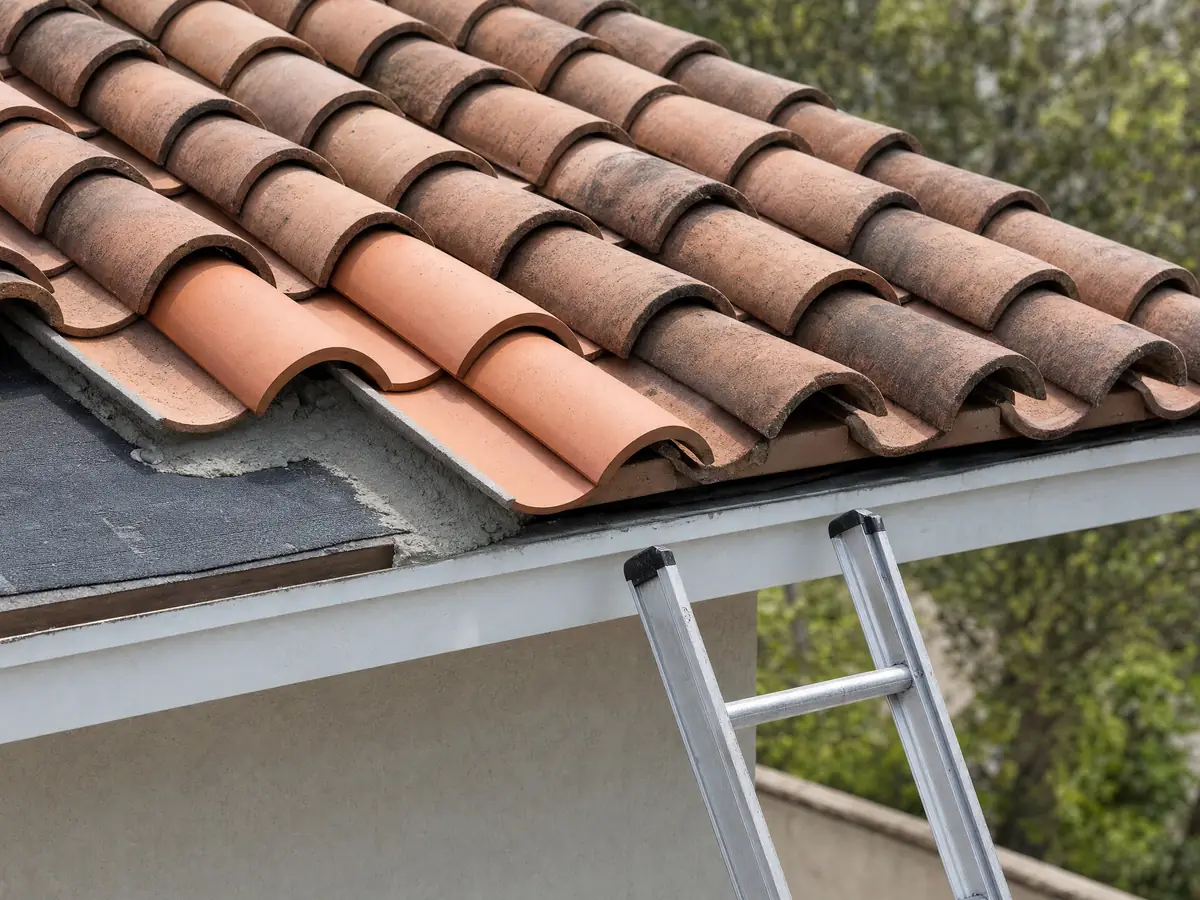
How do Mission Viejo's inland heat, Santa Ana winds and winter rain affect a roof?
NOAA's 1991 to 2020 normals for the Mission Viejo precipitation station, about 1.2 miles from the city center point in our data, show 15.25 inches of rain a year, 11.40 of them from December through March and 0.07 and 0.01 inch in July and August. That station has only 10 to 11 years behind it and records no temperature, so heat comes from the Irvine Ranch station about 8.6 miles northwest, with August highs averaging 90.2 F and 61.6 days a year at or above 90 F. The coastal Laguna Beach station, about 8.4 miles southwest, logs just 4.4 such days, so inland foothill roofs bake harder.
The City's Safety Element sets the extreme heat threshold at 90.7 F and says Santa Ana winds usually arrive in fall and can do significant damage. Ask how the roofer secures ridge caps and loose tile against them, and what covers an open deck overnight. Summer is nearly dry, which suits a tear-off, while winter storms arrive from December through March, so a roof opened in autumn needs a firm finish date.
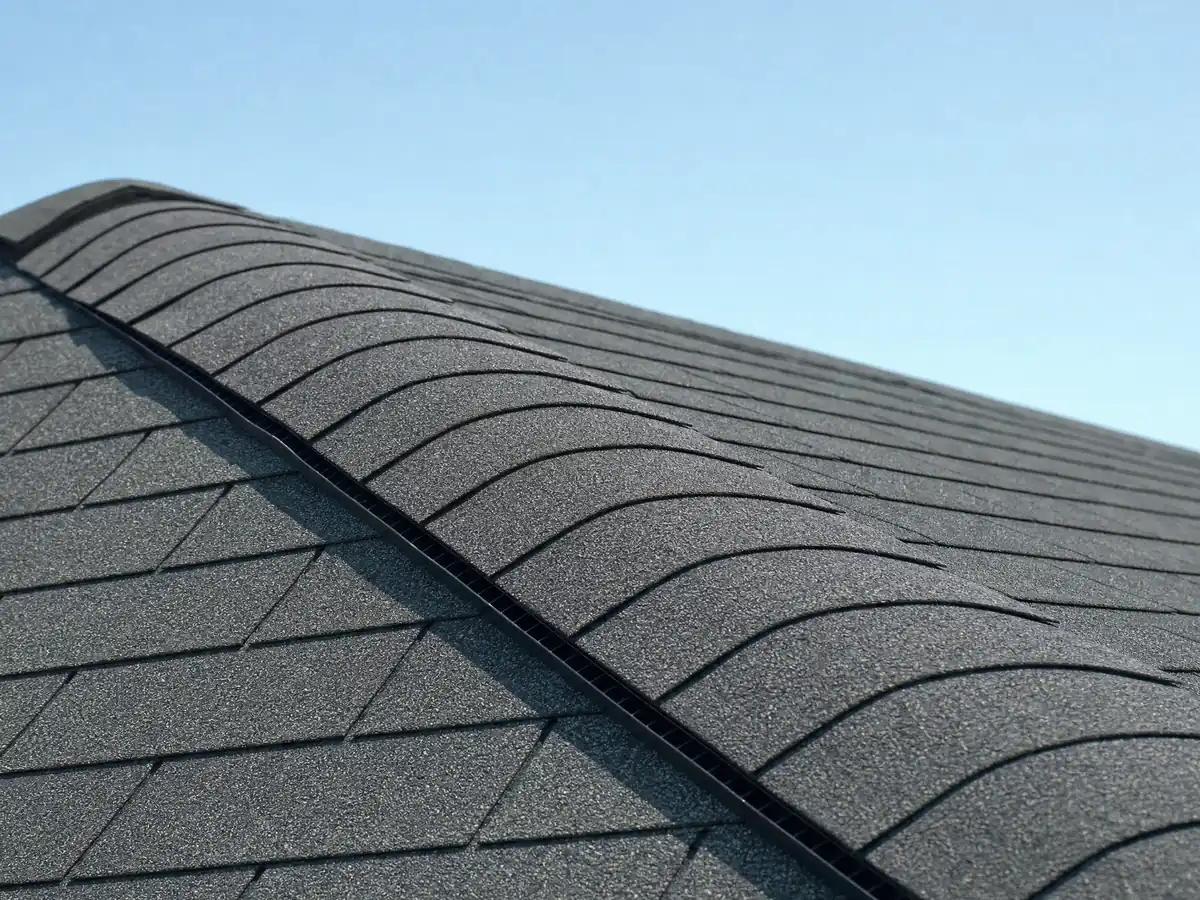
What does Mission Viejo's online permit portal require for a re-roof?
Everything goes through the Client Self Service portal, because the City stopped taking permits and plans in person on September 7, 2023. Whoever needs to see the permit, whether owner, contractor or designer, needs a portal account and is added by the applicant. The BROOF permit lists a Construction and Demolition Waste Diversion form, the Owner-Builder Notification for homeowners, a Permit Disclosure Form and the contractor's pocket card or letter of authorization. The disclosure form carries a license declaration and a workers' compensation declaration, both signed under penalty of perjury.
Recycling is part of the paperwork. The April 2023 fee schedule sets a $500 deposit for removing an existing roof on work of 250 square feet and $10,000 in valuation or more, with a 75 percent diversion target, while lift and relay of an existing roof sits on the exempt option with no deposit. That schedule is over three years old, so run the portal's Fee Estimator for today's figure. Inspections happen the next business day when requested before 4 p.m. the day before, and results are emailed to the contractor.
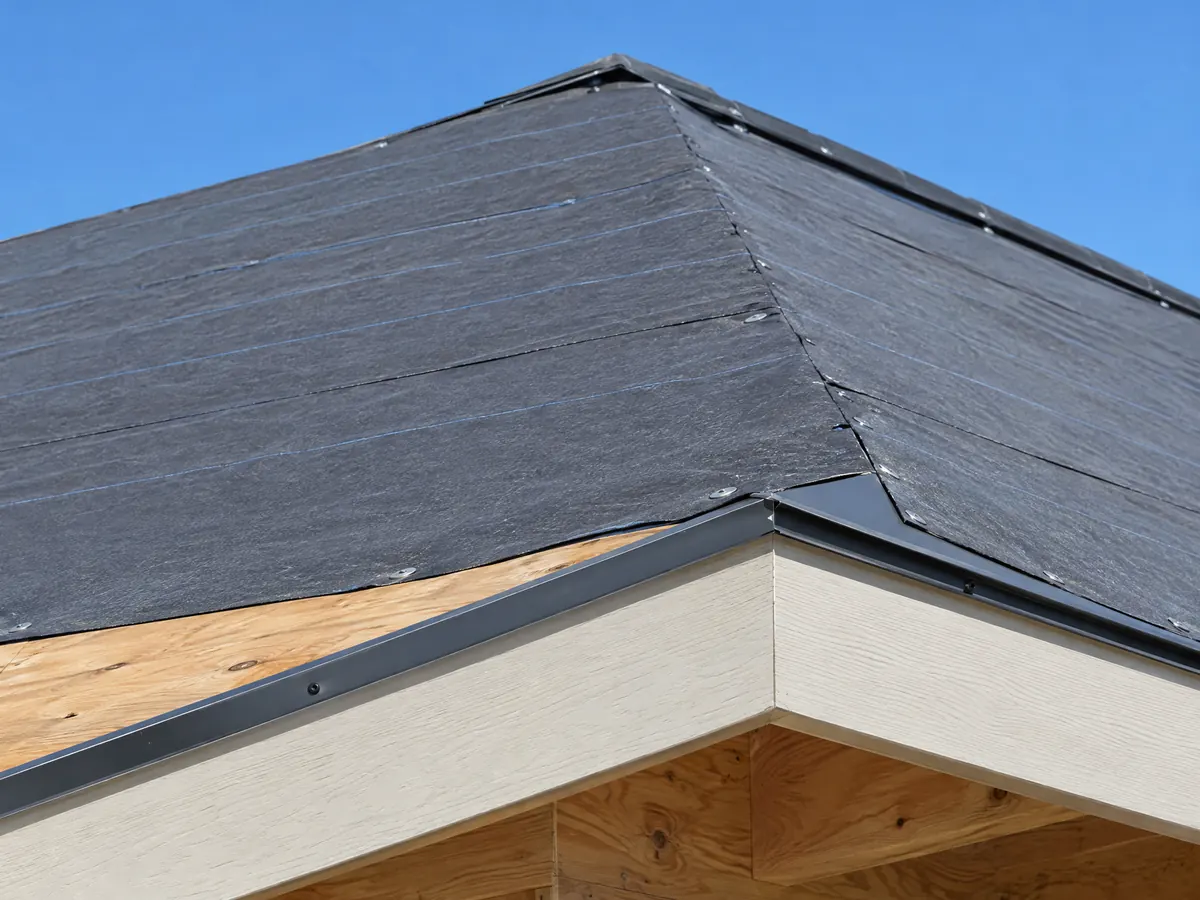
How much does roof replacement cost in Mission Viejo, and how do I hire a roofer?
Treat these as Los Angeles figures, since no Mission Viejo survey turned up and a local proposal will differ. Angi's Los Angeles page, updated July 31, 2026, gives per-square-foot ranges of $4 to $12 for asphalt, $7 to $15 for tile and $7 to $16 for metal, tear-off adds $1,000 to $3,000, and taking solar panels off and putting them back adds $500 to $1,000. Remodeling magazine's Cost vs. Value 2025 report uses a fixed reference roof, $36,417 in asphalt, and does not publish its size, while Angi's real-job average is $17,271, so the two surveys differ by about double.
The City's Housing Rehabilitation Program lists roofing among repairs eligible for 0 percent deferred payment loans of up to $40,000 for qualifying owner-occupied households, with income limits by household size. On hiring, roofing is CSLB class C-39, and the state's $1,000 unlicensed work limit never applies when a permit is needed. Business and Professions Code 7159 requires a written, signed contract and caps a down payment at $1,000 or 10 percent, whichever is less. Look the license up with our contractor license guide, and read how general contractors use subcontractors before you sign.
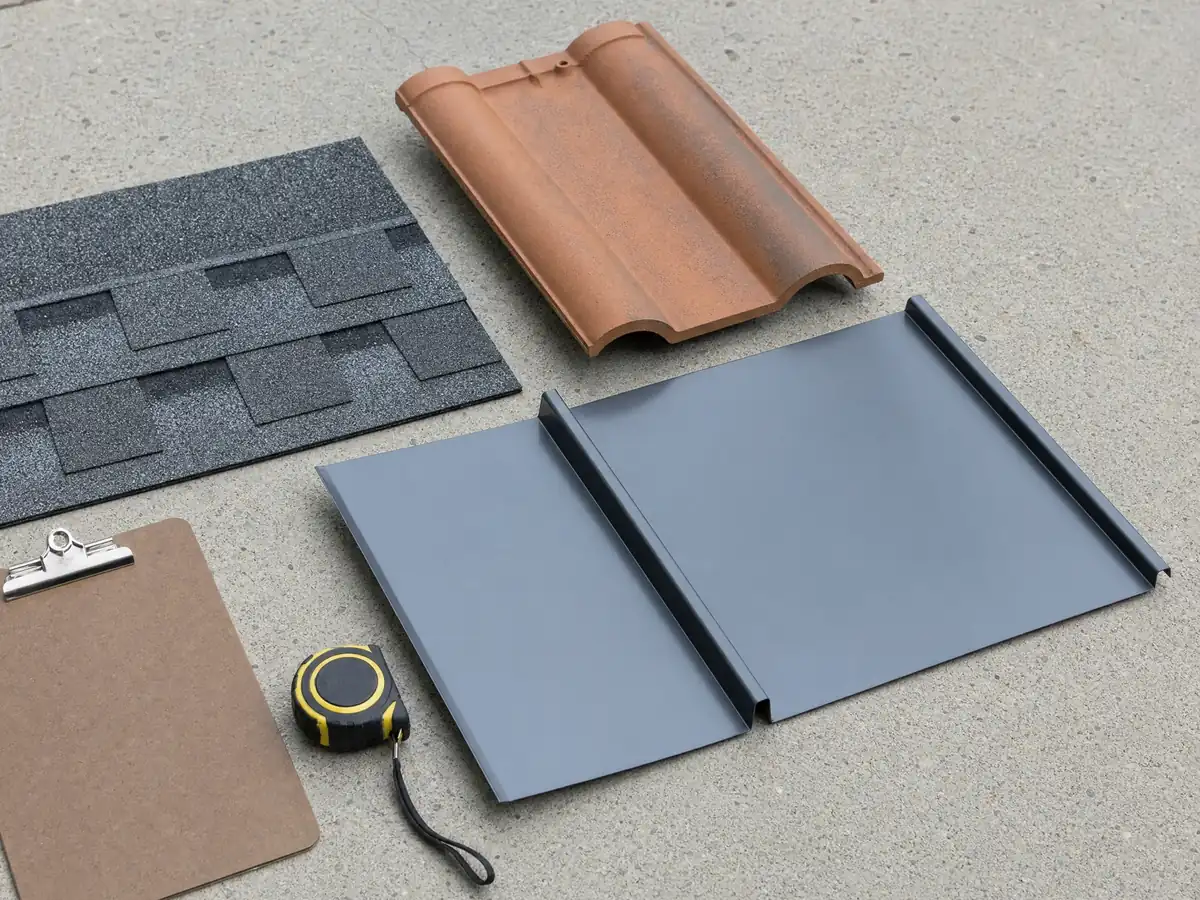
Roofing photos from Mission Viejo and nearby communities
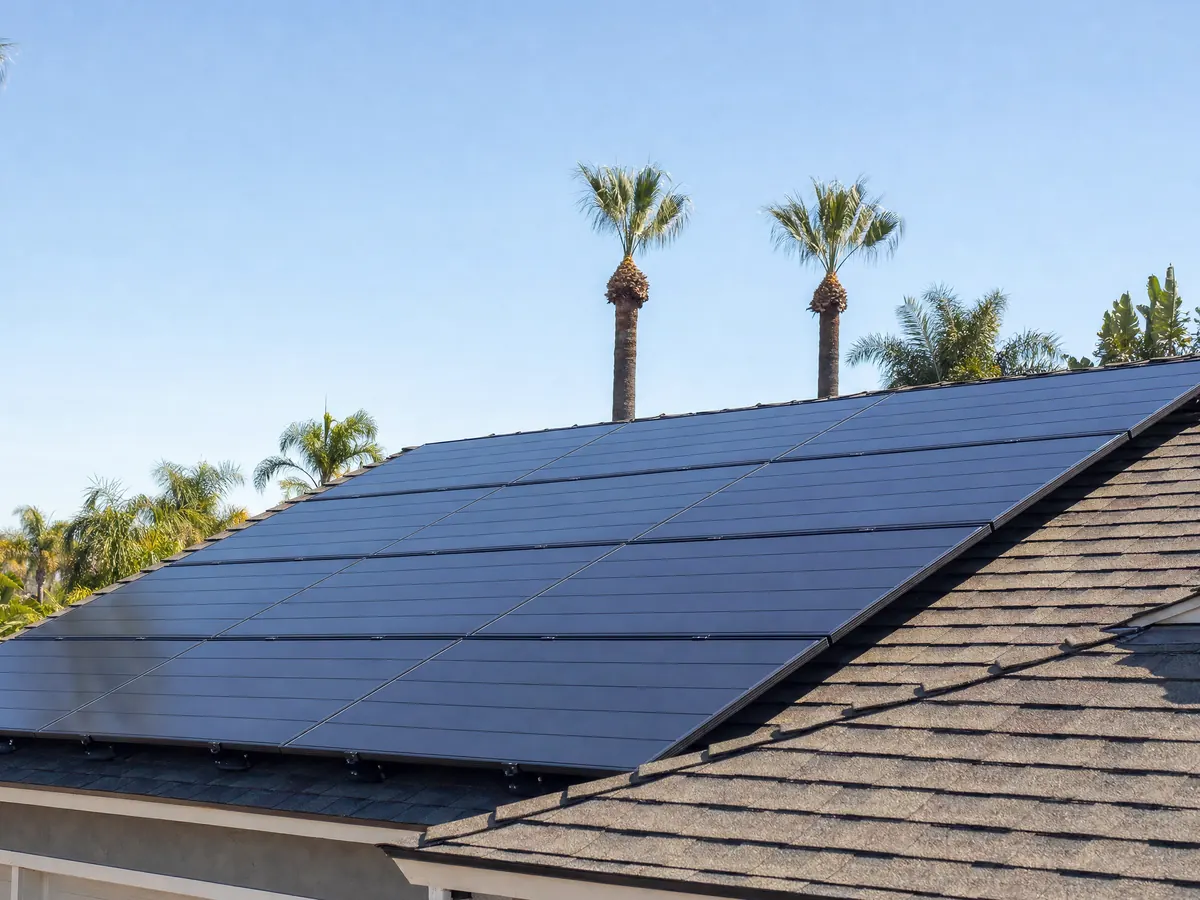
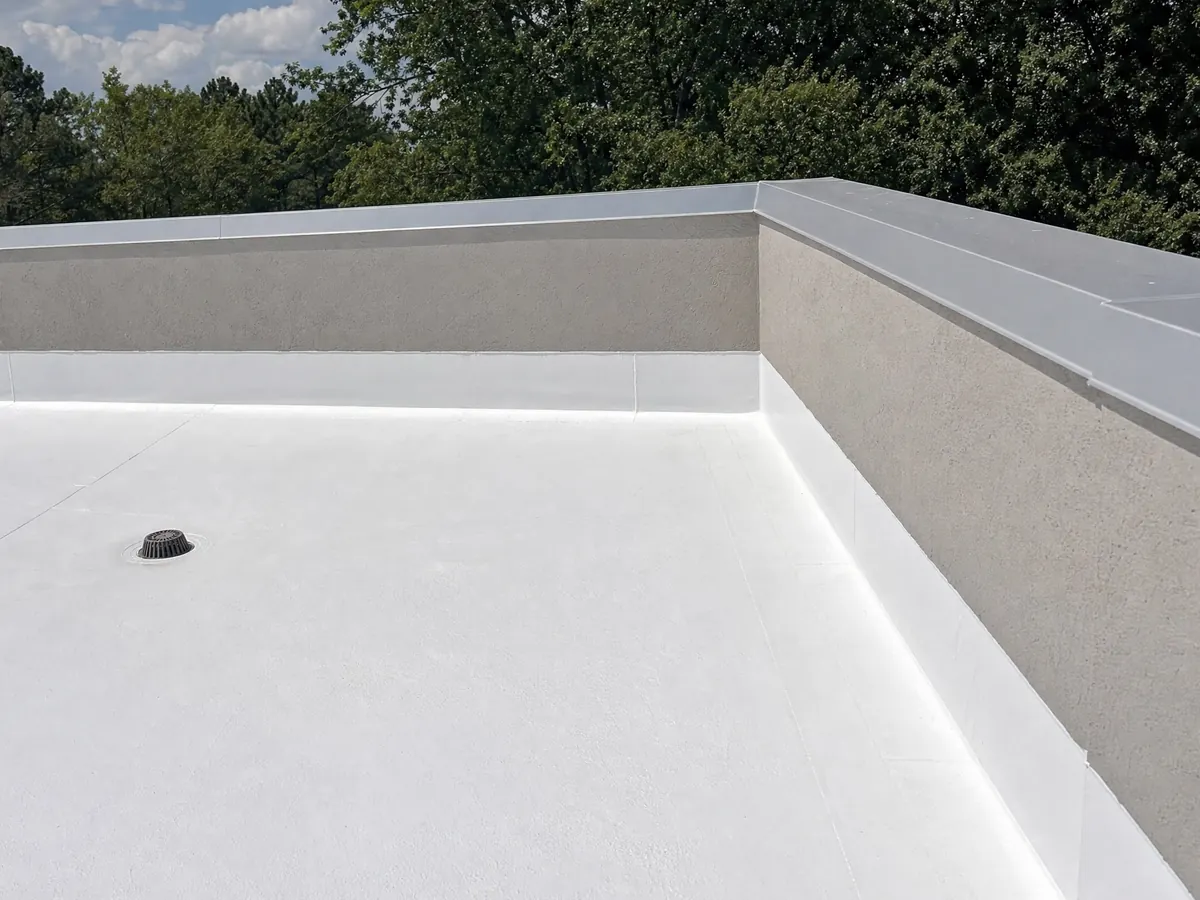
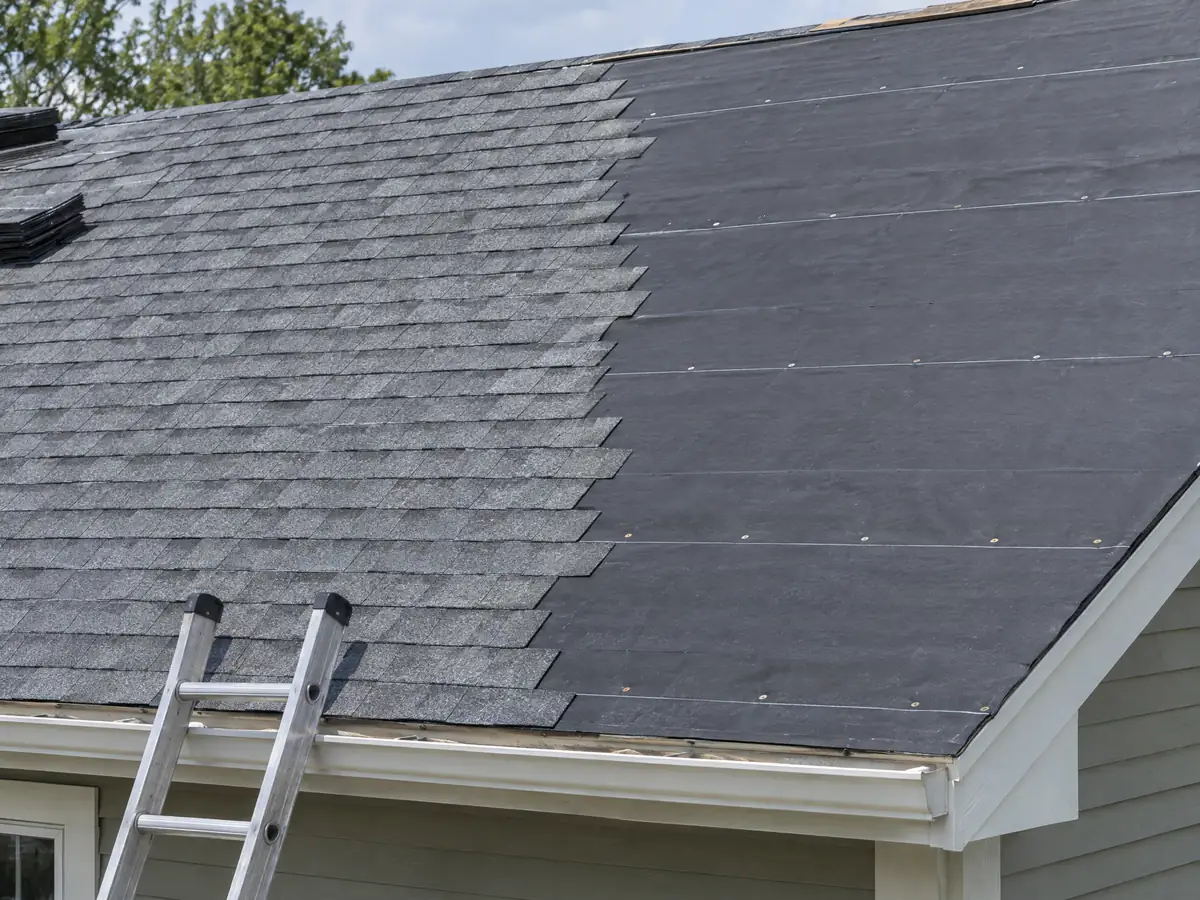
Roofing scenes tied to Mission Viejo tracts such as El Dorado, Granada and Cordova and to nearby places such as Lake Forest, Laguna Hills and Aliso Viejo, from tile repairs to shingle tear-offs under inland sun.
Where these Mission Viejo roof figures come from
Each roofing price, with its source and date, sits in the table on our roofing price page, and the California roof cost guide explains why the two surveys differ. A re-roof often brings other exterior work along, and the Mission Viejo rules for it are on the fencing page, the painting page and the kitchen remodeling page. For another Orange County city with its own roof rulebook, read the guide for Irvine.
| What it covers | Typical range |
|---|---|
| Asphalt shingle, typical single-family roof | $10,000 to $25,000 |
| Concrete or clay tile | $7 to $15 per sq ft |
| Metal | $7 to $16 per sq ft |
| Remodeling Cost vs. Value 2025, Los Angeles | Asphalt $36,417. metal $62,069. |
| Extras | Tear-off $1,000 to $3,000. solar detach and reset $500 to $1,000. |
Other work we manage in Mission Viejo
Mission Viejo roofing questions, answered
Do I need a permit to replace my roof in Mission Viejo?
Yes for a full re-roof, no for a small repair. The City's March 2026 exempt list covers roof repair or replacement under 10 percent of the roof area when the framing is unchanged, and a full re-roof goes through the portal's Residential Reroof permit. Where a permit is needed, Chapter 9.43 neighborhood review comes first, so ask your HOA committee early.
What is the 25 percent rule for roofing?
We found no Mission Viejo code section with that name. The City's own thresholds are the 10 percent permit exemption and, in an older addition checklist, a 50 percent trigger for Class A roofing when an addition is large. Ask Building Services at 949-470-3054 how your repair is measured before you split a job into stages.
Does Mission Viejo require a Class A roof?
Inside the Very High and High fire zones, yes: the City's wildfire slides call Class A roofing already required under Chapter 7A. We found no City page that requires it citywide on every re-roof, and the local amendments sit in scanned PDFs we could not read, so confirm the class for your parcel with Building Services.
Is my Mission Viejo home in a fire hazard zone?
Possibly. The Safety Element puts the eastern and northern borders in the Very High zone, and the 2025 maps added High zones. We could not read which tracts fall in which tier, so check your address on the City's interactive map and copy the result into your contract.
Does my HOA control my roof even if the City approves the permit?
It can. Chapter 9.43 sends a permit-required roof to the HOA's architectural committee first, and the association's recorded CC&Rs apply on top of the City's rules. The City's form may also need neighbor signatures. Get approval in writing before ordering materials, and note the 60-day deemed-approval date.
How much does roof replacement cost in Mission Viejo?
Roof area sets the price, not house size. Los Angeles figures from Angi are $4 to $12 a square foot for asphalt, $7 to $15 for tile and $7 to $16 for metal, while Cost vs. Value 2025 prices a reference asphalt roof at $36,417. We found nothing specific to Mission Viejo, so a measured written proposal is the real number.
What time of year is cheapest to replace a roof?
We found no price data by month, but summer is the driest choice. At the nearest rain station about 11.40 of the year's 15.25 inches fall from December through March, and July and August see almost none. Heat is the tradeoff, with 61.6 days a year at or above 90 F at the Irvine Ranch station, so ask crews to start early.
Can you stay in your house during roof replacement?
Usually yes, since the work happens on the roof, though it is loud and crews will be around the house all day. We did not find the City's construction-hours rule in the sources we read, so ask the roofer for a daily schedule and confirm the permitted hours with Building Services.
Can a general contractor do roofing in California?
Yes, with a licensed roofer doing the roofing. Roofing is CSLB class C-39, so MDG signs the contract and manages the job while a licensed C-39 subcontractor installs the roof; ask for that subcontractor's license number and certificate of insurance. Whether a Class B license can take a roofing-only contract is a question for CSLB.
Is there help paying for a roof repair in Mission Viejo?
Possibly. The City's Housing Rehabilitation Program lists roofing among eligible repairs for 0 percent deferred loans of up to $40,000 for qualifying owner-occupied households, with income limits that depend on household size. Call the Housing Rehabilitation Office at 949-470-3026 to ask whether you qualify.
Ask for a roof inspection in Mission Viejo
Tell us your tract or street, the roof material and what you see on the ceiling or in the attic. We look up the parcel's fire zone and the HOA step before we call you back.