
Concrete Companyin Mission Viejo, CA
A concrete company in Mission Viejo starts with the dirt. The City's own checklist says sulfates and expansive soils are common, calling for 4,500 psi Type V concrete and 24 inch footings unless a soils report says otherwise. Driveways and walks up to 30 inches above grade are permit-exempt, but retaining wall rules conflict.
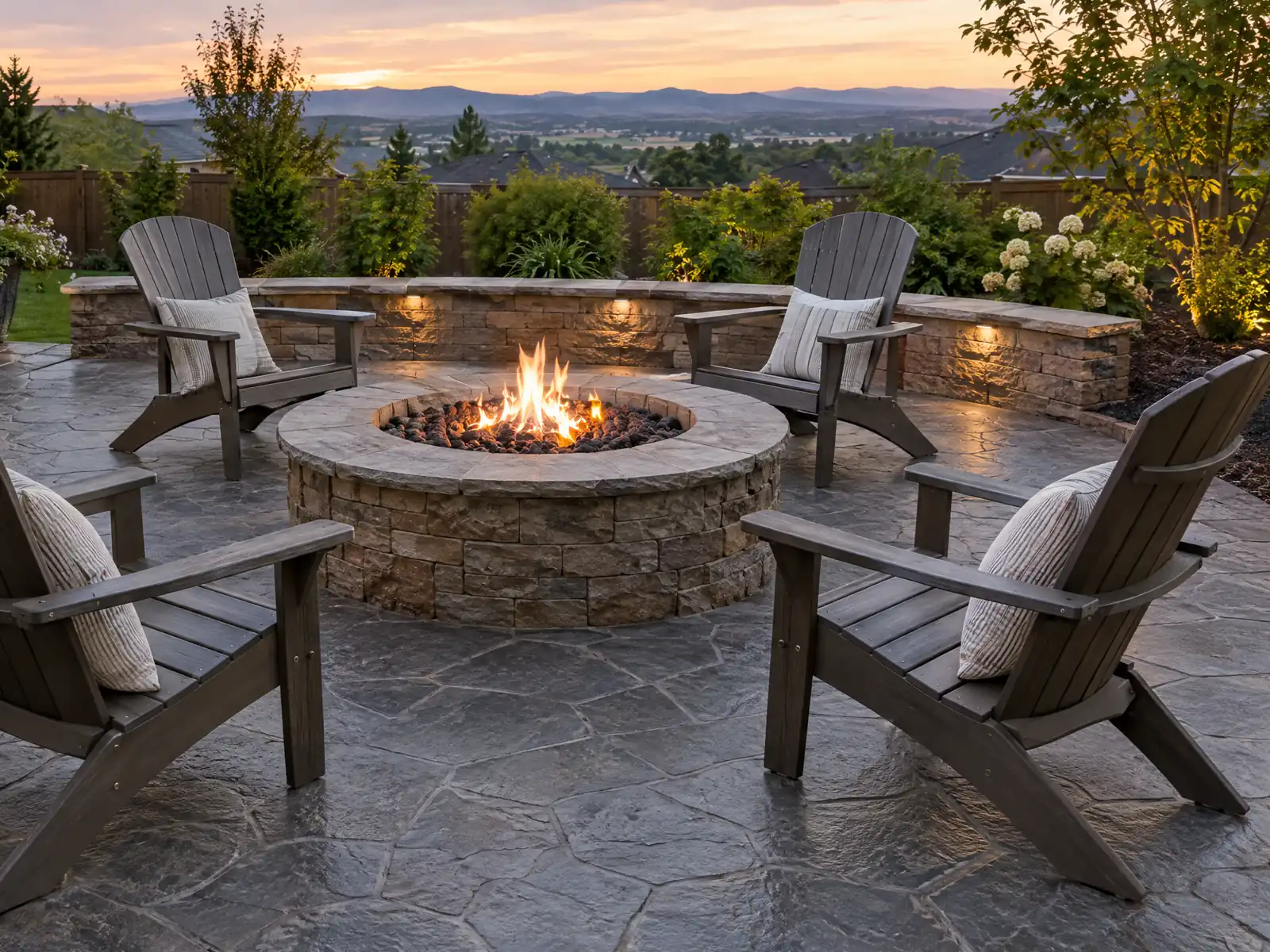
Mission Viejo sits on ground its early developers called undevelopable, and most of its concrete is now 40 to 55 years old. Census estimates for 2024 put 13,824 of the 34,794 homes in the 1970s and 8,916 in the 1980s, with only about 6.4 percent built in 2000 or later. A driveway poured in Granada in 1968 or Castille in 1973 has had decades of clay movement, sprinkler water and Santa Ana heat, and that history shapes what a replacement needs.
MDG Builders, CSLB #1040337, is a Tarzana general contractor, which means we plan the pour, put the permit and review questions to Mission Viejo Building Services and book a licensed concrete subcontractor for the forms, the placement and the finish. Finishes and ranges are on the concrete page, and the Mission Viejo overview covers the other trades we run here.
What Mission Viejo's Building Services, Chapter 9.43 review and local soils say about concrete work
Where concrete permits come from in Mission Viejo: City of Mission Viejo Community Development Department, Building Services Division.
- The City's Work Exempt from Building Permits handout exempts driveways and walkways not exceeding 30 inches above grade, but it warns that zoning, grading and environmental rules may still apply.
- The City's checklist asks for 4,500 psi concrete, a 0.45 water-cement ratio and Type V cement for concrete in contact with soil because sulfates are common in Mission Viejo soils, and 24 inch minimum footings because expansive soils are common, unless a soils report says otherwise.
- The City's Water Quality Compliance form (acknowledging best management practices) must be signed by owner and contractor before permit issuance, so erosion and runoff controls have to be in place and maintained on a concrete job.
- The City's fee schedule (April 2023) lists a Water Quality Management code compliance inspection for projects disturbing 120 square feet or more of earth; the amount is not stated here because the PDF columns are misaligned.
- The City's retaining wall guidelines apply to concrete and block walls: permits are required over 48 inches (footing bottom to wall top), plans must be stamped by a design professional, and the soils report and field memo requirements depend on the project type.
- CSLB defines the C-8 Concrete classification as forming, pouring, placing, finishing and installing mass, pavement, flat and other concrete work, excluding contractors whose sole business is plaster coatings or placing reinforcing steel.
Sources for these rules
Does Mission Viejo soil need a special concrete mix?
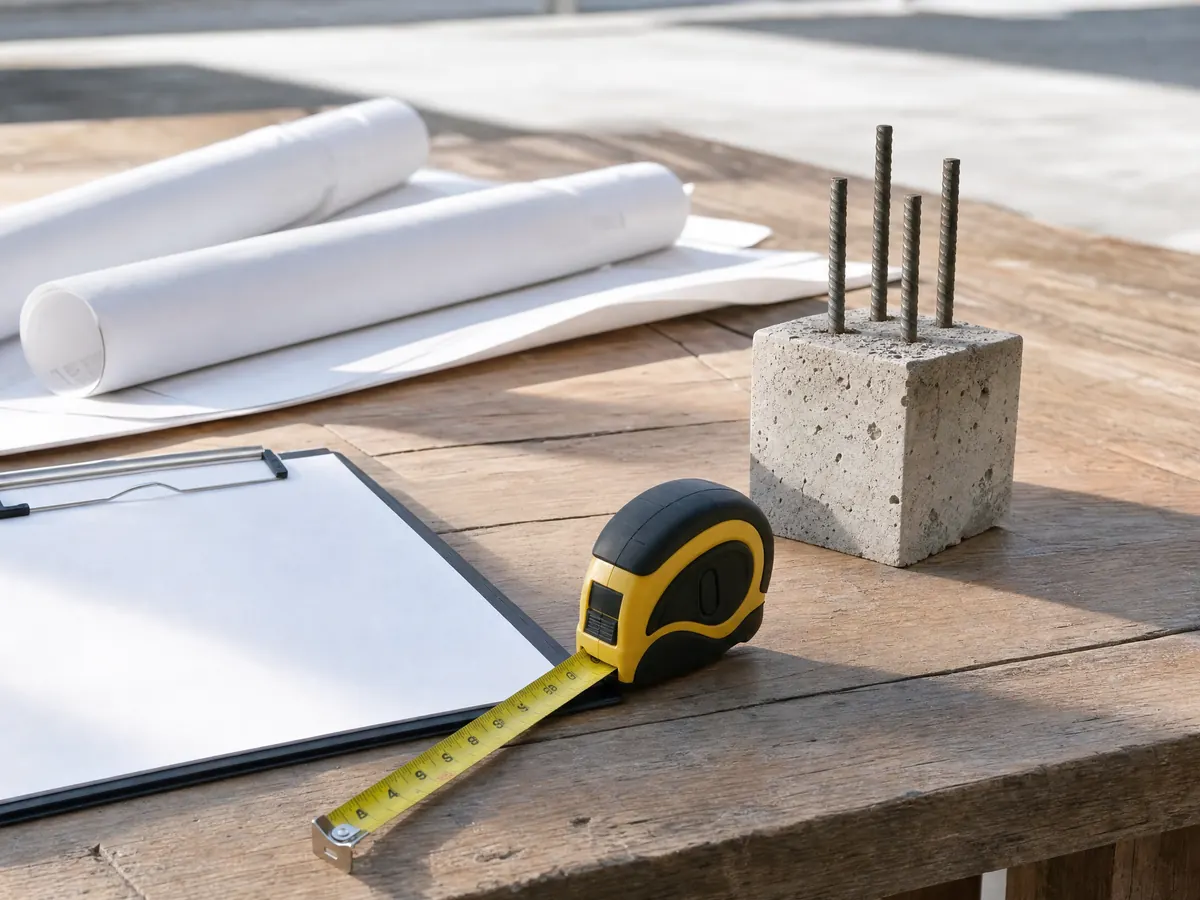
The City's own paperwork says it often does. Its room addition checklist states that high sulfate levels are common in Mission Viejo, and asks for concrete in contact with soil to reach 4,500 psi with a 0.45 water-cement ratio and Type V cement, unless a soils report recommends something else. Sulfates in soil and groundwater attack ordinary cement over the years, which is why the mix matters more than the surface finish.
That checklist was written for additions, and it is dated, revised in 2008 and repeated in a 2017 version. We found no City sentence that applies the Type V requirement to a stand-alone patio or driveway, so ask the concrete subcontractor to name the mix on the proposal and ask Building Services whether a soils report changes it.
Water-cement ratio is the number to watch on pour day. A crew that adds water at the truck to make the concrete easier to finish weakens the slab, and a ticket from the batch plant shows what was ordered. Ask to see it, and keep a copy with the permit papers, because it is the only record of what actually went into the forms.
- What psi and cement type are on the proposal?
- Is there a soils report for the lot?
How deep should footings go in Mission Viejo's expansive soil?
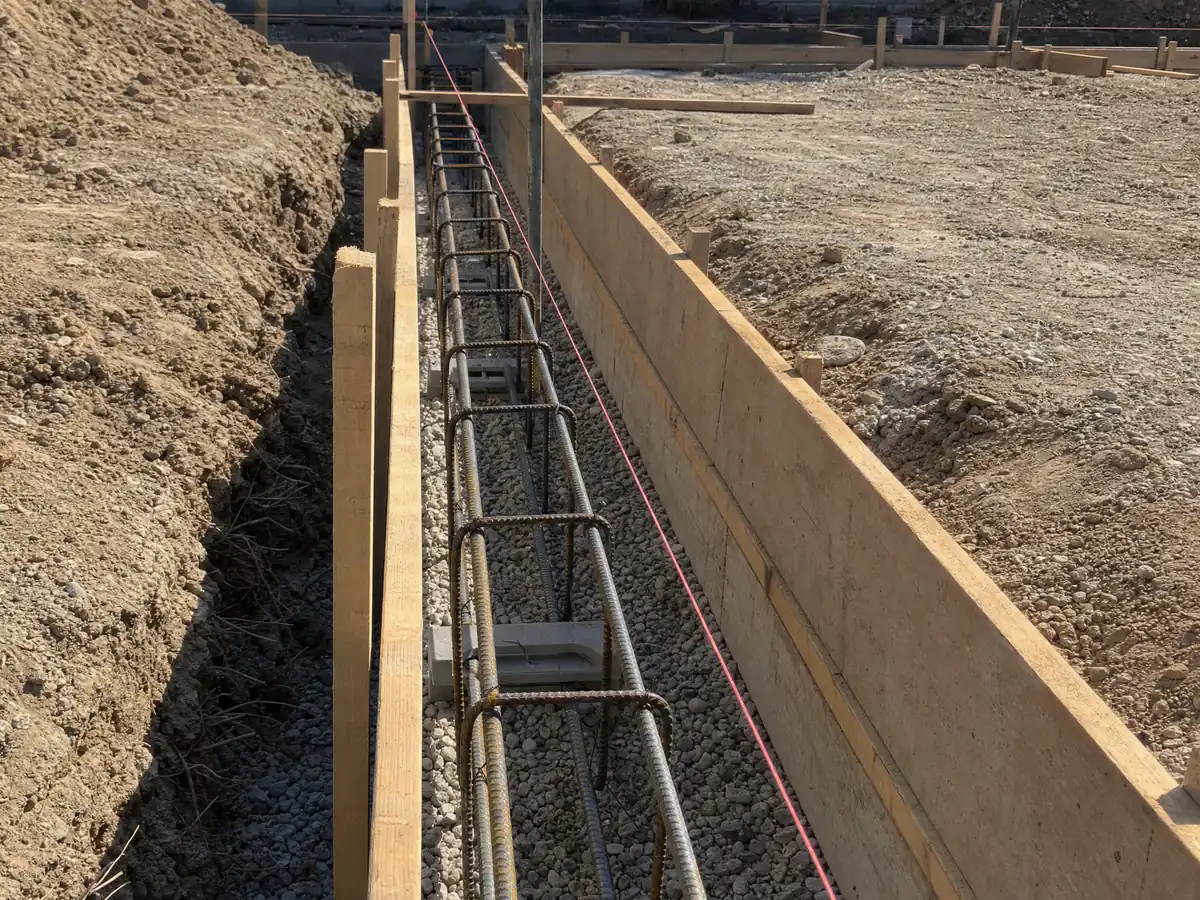
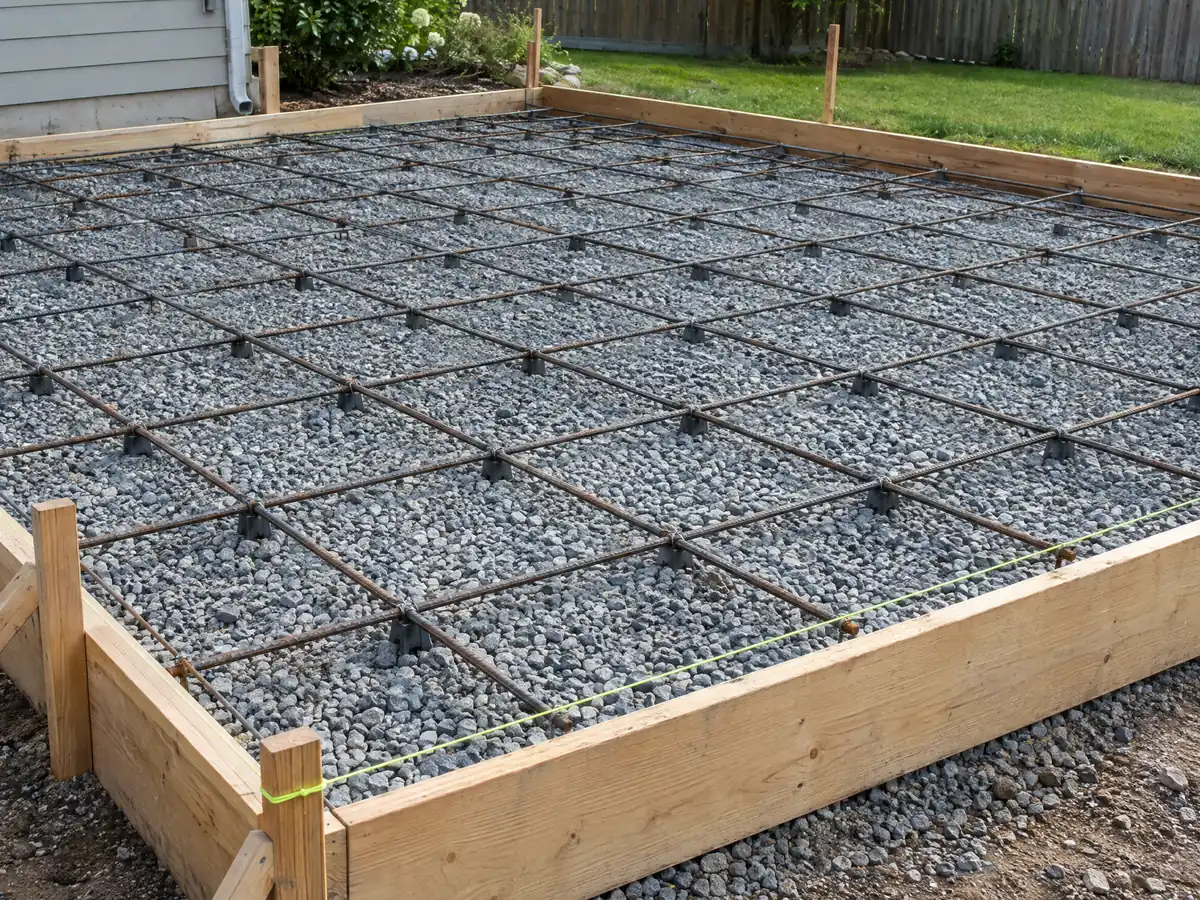
The City's checklist says 24 inches. It reports that expansive soils are common and asks for footings at least 24 inches deep, plus a 4 inch slab with number 3 bars at 18 inches on center each way, a 6 mil moisture barrier and 4 inches of sand, or a soils report from a licensed civil or geotechnical engineer that sets other values. Those are the numbers for a room addition slab, so read them as the City's view of local clay, not as a flatwork rule.
Clay swells when wet and shrinks when dry, and sprinklers, planters and downspouts decide where it moves. A slab that cracks along one edge near a hose bib is often a drainage story, so ask the crew where roof water goes before the forms go in.
Rebar placement is its own skill, and CSLB's concrete class excludes contractors whose sole business is placing reinforcing steel. Our subcontractor guide explains why a proposal may name two crews.
Do you need a permit or HOA review to pour a driveway, walkway or patio in Mission Viejo?
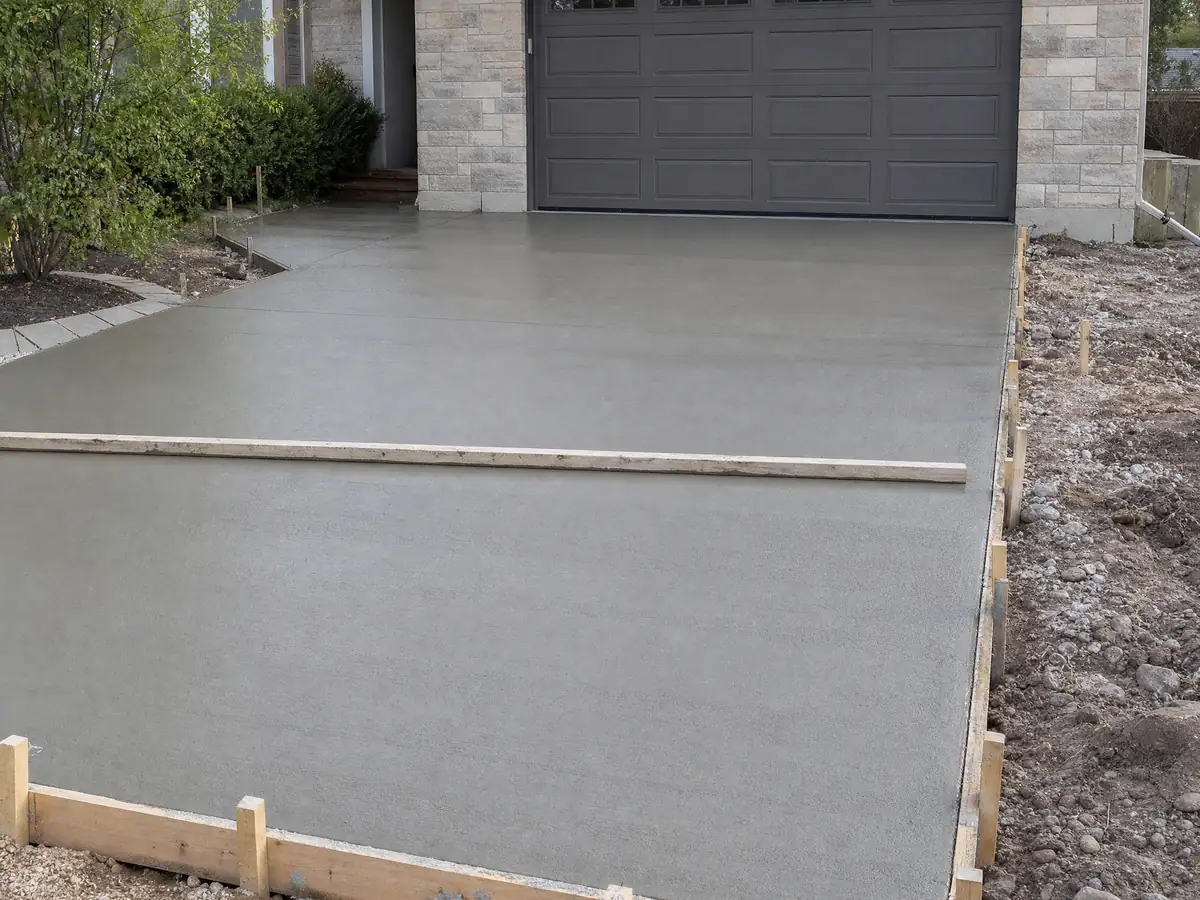
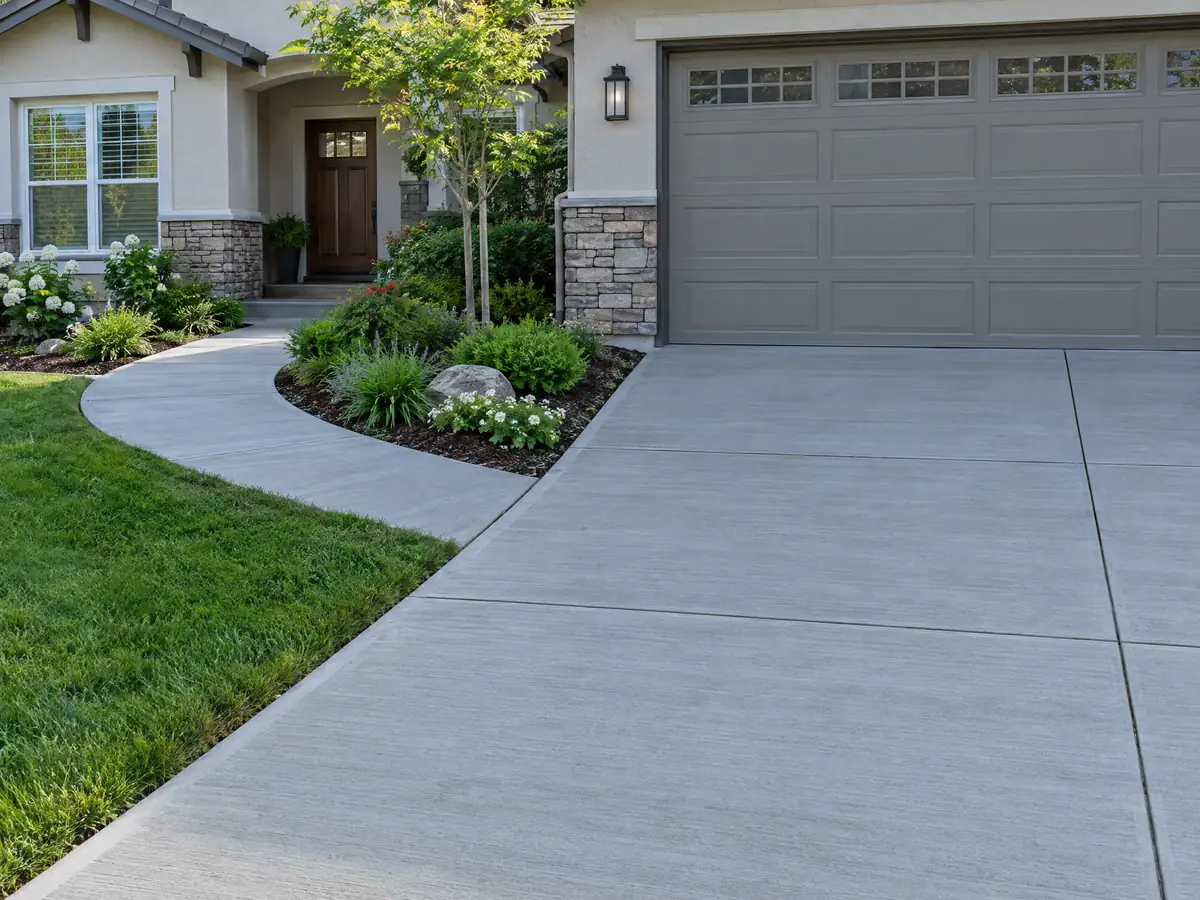
For many slabs, no building permit. The City's March 2026 handout exempts driveways and walkways not exceeding 30 inches above grade, and it warns that zoning, grading and environmental rules can still apply. It does not mention patio slabs, so a decorative patio is a question for Building Services at 949-470-3054, with the size and the distance to each property line.
Chapter 9.43 is the layer that surprises people. It sends permit-required residential work, including walls, patio covers, decks, spas and additions, through a neighborhood compatibility review run by the HOA's architectural committee or, where there is none, the City, with neighbors signing a Neighbor Awareness Form and a 60 day deemed-approved clock. A slab that is permit-exempt does not trigger the chapter by its own terms, but a patio cover or wall added to it does.
Everything that does need a permit goes through the online Client Self Service portal. The City's Water Quality Compliance form must be signed by owner and contractor before issuance, so runoff and erosion controls are part of the job.
- Is the surface 30 inches or lower above grade?
- Will a wall or cover be added later?
- Does the HOA's own document list paving?
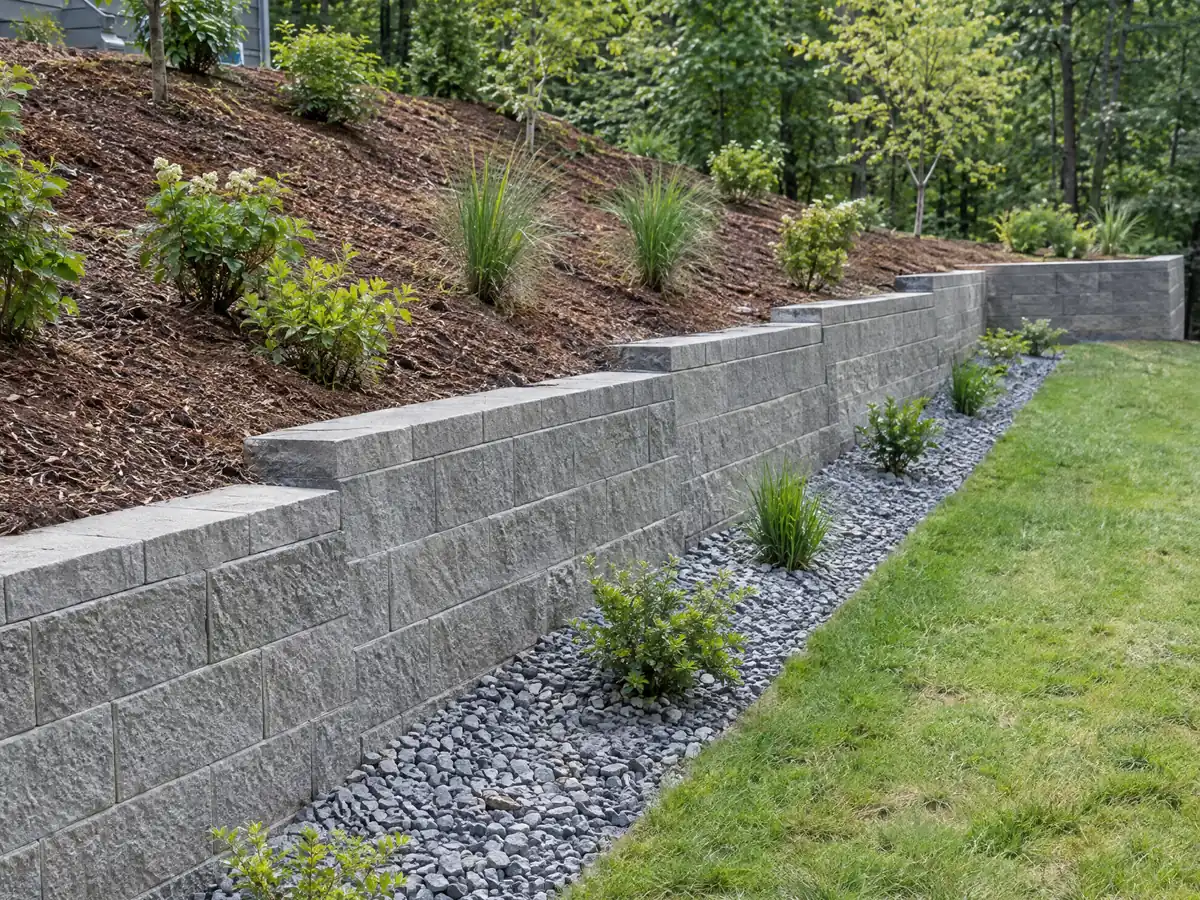
What is the maximum height of a retaining wall without a permit in Mission Viejo?
The City's two documents disagree, so ask before you build. Its March 2026 exempt-work handout exempts retaining walls up to 3 feet, while its Retaining Wall Submittal and Permitting Guidelines say a permit is required for walls greater than 48 inches, measured from the bottom of the footing to the top of the wall. A wall between 3 and 4 feet falls in the gap, and Building Services at 949-470-3054 can say which one governs.
A permitted wall is engineered work. The guidelines ask for a site plan, footing and drainage details, drawings stamped by a design professional, structural calculations that may be required and possibly a soils report, with standard plan review of about 10 business days. The City's standard wall detail shows a wall of about 2 feet 8 inches to 3 feet and the note that no surcharge is allowed.
Walls also fall under Chapter 9.43 when a permit is needed. Block walls belong to a different trade: CSLB's C-29 masonry class covers concrete block for walls and fences.
Is it a bad idea to pour concrete on a Mission Viejo slope or in Santa Ana heat?
Slopes need care, not a ban. The City's Safety Element says foothill areas can be unstable and that some older homes were built along drainage courses or steep slopes before the stronger grading rules of the 1970s, with geotechnical studies called for in high-susceptibility areas. A pad or wall at the top or toe of a slope is a case for a geotechnical opinion, and the City's fee schedule lists a water quality inspection for work that disturbs 120 square feet or more of earth.
Heat is a finishing problem, and Mission Viejo's inland foothill neighborhoods can run much hotter than the coast. The Safety Element sets the extreme heat threshold at 90.7 F and says Santa Ana winds usually arrive in fall, while NOAA's Irvine Ranch station, about 8.6 miles away, averages 61.6 days a year at or above 90 F. Wind and sun pull water from fresh concrete fast, so ask how the crew will keep the surface damp and who finishes before it stiffens.
Rain is the other limit. The Mission Viejo 1.3 SSE station shows 11.40 of its 15.25 inches falling from December through March, so a winter pour needs a cover plan and a backup date.
What does concrete work cost in Mission Viejo, and what license should the crew hold?
No Mission Viejo price study turned up, so these are Los Angeles figures from Angi's 2026 pages, which Angi builds from customer surveys and pro data, and Orange County prices may differ. Angi lists a patio at $4 to $13 per square foot with a $5,248 average, a 20 by 20 foot patio at $1,600 to $5,200, stamped work at $15 to $30 and a driveway at $8 to $20, averaging $7,270. A retaining wall averages $7,140 within a range of $2,674 to $11,842, and we print no per-foot wall price because height and drainage drive it.
Federal wage data for the Los Angeles-Long Beach-Anaheim metro area, which includes Orange County, show cement masons averaging $33.67 an hour in May 2025, a wage and not a billing rate. Demolition, base, rebar, haul-off and the City's recycling deposit belong on their own lines. The deposit is $500 for renovating an existing structure and $750 for an accessory structure or addition in the April 2023 fee schedule, for 250 square feet or more and $10,000 or more.
A concrete company should hold CSLB's C-8 class, and our license check guide shows how to verify the number, since Mission Viejo issues no business license.
Concrete photos from Mission Viejo and nearby communities
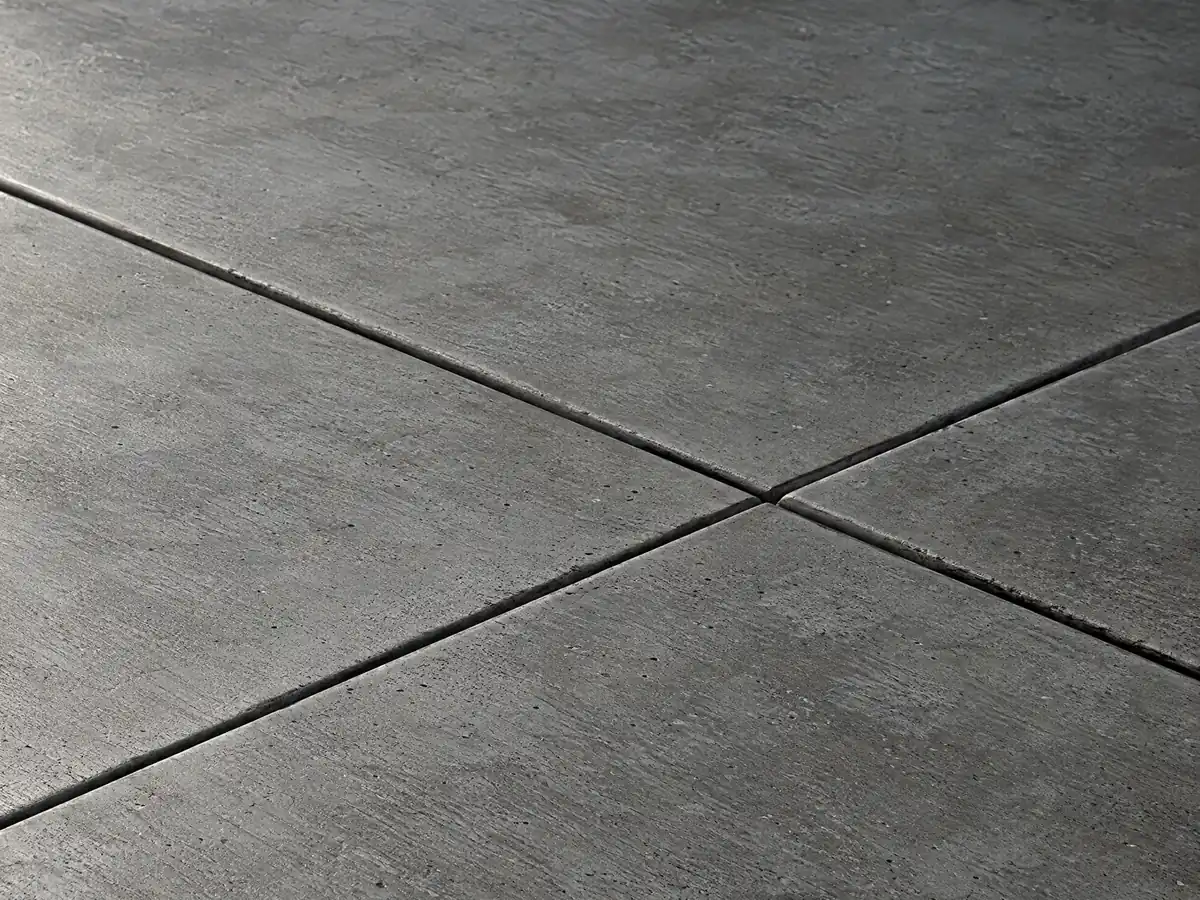
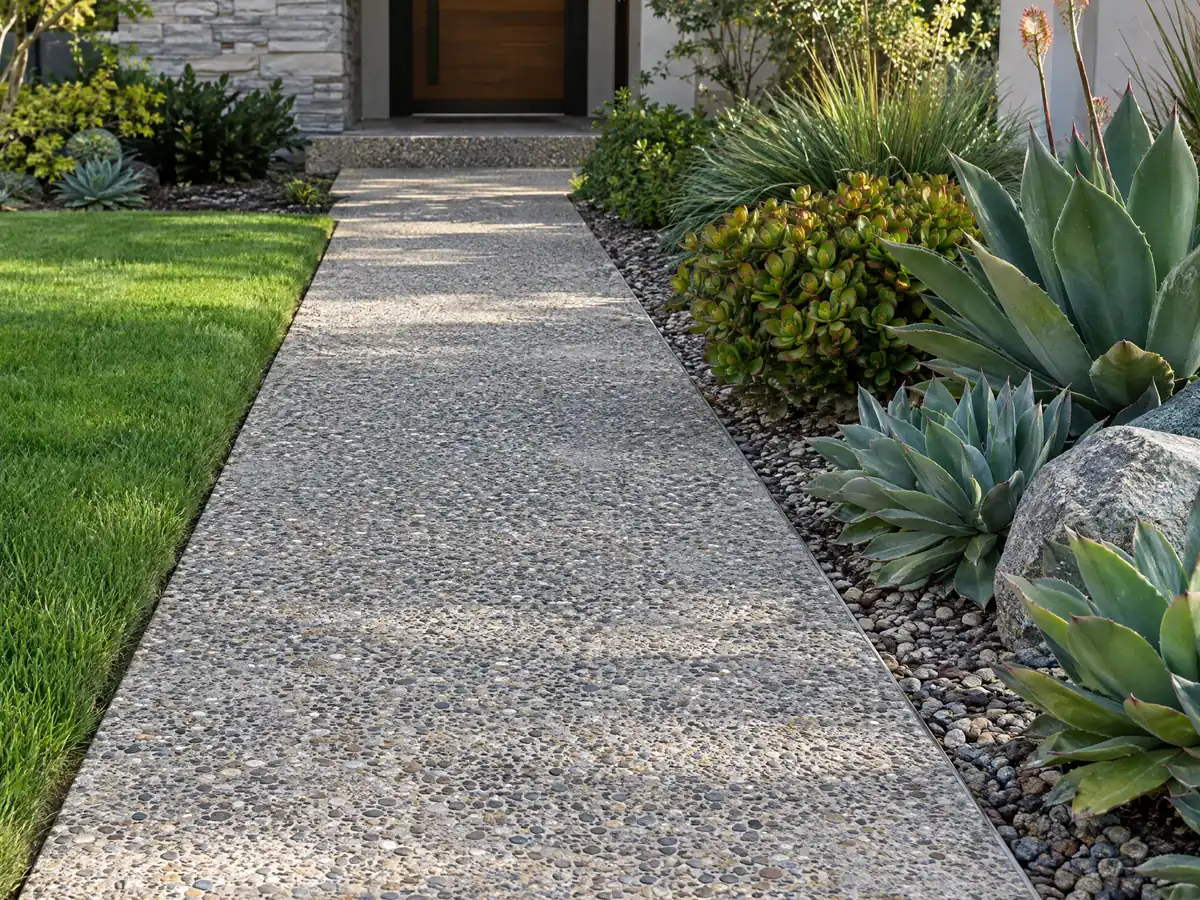
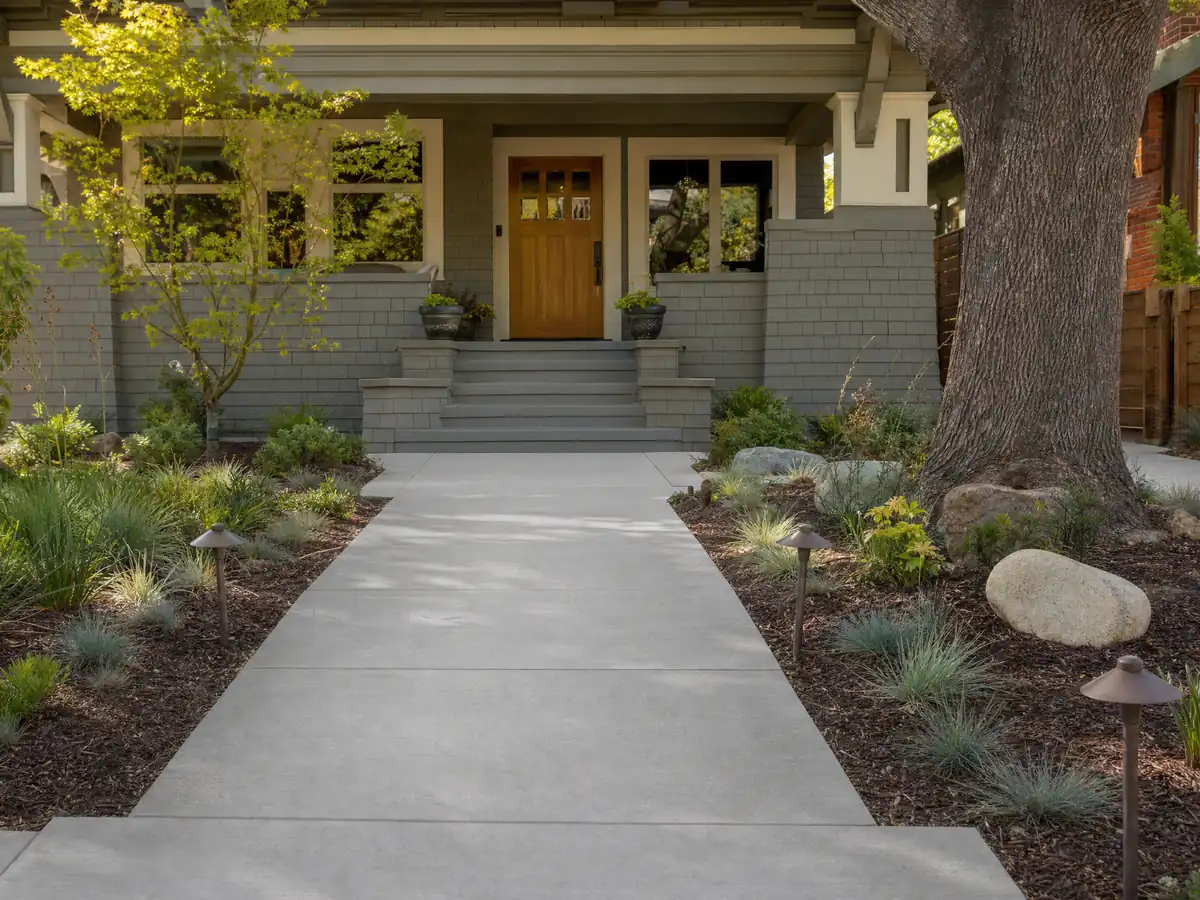
Forms, rebar, finished flatwork and block walls from Mission Viejo and nearby towns, shown at the steps that matter. Tap any photo to enlarge it.
What concrete costs around Mission Viejo
Dollar figures on this page are Los Angeles planning ranges from our concrete page, not a Mission Viejo bid, and the proposal should show demolition, base, rebar, the mix and any City review on separate lines. For the same property, see flooring in Mission Viejo and decks in Mission Viejo. Nearby, compare concrete work in Irvine, concrete in Anaheim and concrete in Los Angeles.
| What it covers | Typical range |
|---|---|
| Patio, walkway or slab, broom finish, 300 sq ft or more | $8 to $14 per square foot |
| Decorative: stained, stamped or exposed aggregate | $15 to $30 per square foot |
| Driveway replacement, with demolition of the old slab | $9 to $20 per square foot |
| 20 by 20 foot plain patio (400 sq ft) | About $3,200 to $5,600 |
| 20 by 20 foot decorative patio (400 sq ft) | About $6,000 to $12,000 |
| Small jobs under 300 sq ft | Usually above the per-foot range |
| Retaining walls | Set by the written proposal |
Other work we manage in Mission Viejo
Mission Viejo concrete questions, answered
Can I pour a concrete patio without a permit in Mission Viejo?
Possibly. The City exempts driveways and walkways up to 30 inches above grade but does not mention patio slabs, so call Building Services at 949-470-3054 with the size and the distance to each property line. A patio cover or wall added later does need a permit and review.
Do I need a permit to replace my driveway in Mission Viejo?
Often not for the slab, since the City's list covers driveways not exceeding 30 inches above grade. Zoning, grading and environmental rules can still apply, and the apron and sidewalk sit in the public right of way, which we did not research. Ask which permit covers the apron before the old slab comes out.
What is the maximum height of a retaining wall without a permit in Mission Viejo?
The City says two things: its exempt list allows walls up to 3 feet, and its retaining wall guidelines require a permit above 48 inches from footing bottom to wall top. For a wall between 3 and 4 feet, ask Building Services at 949-470-3054 which applies. Taller walls need stamped plans.
How much should a 20x20 concrete patio cost in Mission Viejo?
Angi's 2026 Los Angeles page puts a 400 square foot patio between $1,600 and $5,200, inside a general $4 to $13 per square foot, and no Mission Viejo study turned up. The sulfate-rated mix, tear-out, base work and any decorative finish move the total, so a site visit sets the price.
How much does a concrete driveway cost in Mission Viejo?
Angi's 2026 Los Angeles page shows $8 to $20 per square foot, averaging $7,270 across a $3,067 to $16,472 range. Removing the old slab, grading and apron work change that, and an HOA may need to be asked first. Ask the contractor who files what.
How much does a stamped concrete patio cost in Mission Viejo?
Angi's 2026 Los Angeles page lists stamped work at $15 to $30 per square foot, averaging $5,948. Pattern, color and sealer swing the price a lot, so trust that range less than the plain flatwork one, write each choice into every bid and check your HOA's color rules.
Does Mission Viejo soil need Type V concrete?
The City's addition checklist says high sulfate levels are common and asks for 4,500 psi, 0.45 water-cement ratio, Type V cement for concrete in contact with soil unless a soils report says otherwise. It is dated and written for additions, so ask the City and your concrete crew what applies to your slab.
Is 4 inches of concrete thick enough for a driveway in Mission Viejo?
The City's checklist asks for a 4 inch slab with number 3 bars at 18 inches on center for addition floors, but we found no City thickness rule for driveways. Vehicle loads, soil and reinforcement drive the choice, so ask the concrete subcontractor to put thickness and rebar on the proposal.
Can I widen my driveway without a permit in Mission Viejo?
The City exempts driveways up to 30 inches above grade from a building permit, but widening is also a zoning question, and we could not read the Municipal Code's paving or setback limits because its host returned an access error. Ask Planning at 949-470-3053 for the width allowed before the old edge is cut.
Does my HOA have to approve concrete work in Mission Viejo?
Check your documents, because the City's Chapter 9.43 sends permit-required work such as walls and patio covers through the HOA's architectural committee. A permit-exempt slab does not trigger the chapter by its own terms, but your CC&Rs may still list paving or color. Ask in writing before you order.
Send the address, a photo and a note about the slope or soil
Describe what you want poured, the rough size and whether the lot slopes or has an HOA. The mix, footing and review questions come with us to the first visit.