
Concrete Companyin San Juan Capistrano, CA
A concrete company in San Juan Capistrano starts with depth. An archaeological monitor is required for excavation deeper than 18 inches unless the Planning Director exempts the project. Driveways and walks up to 30 inches high skip a building permit, retaining walls of 48 inches or less usually do, and HOA and landmark rules can still apply.
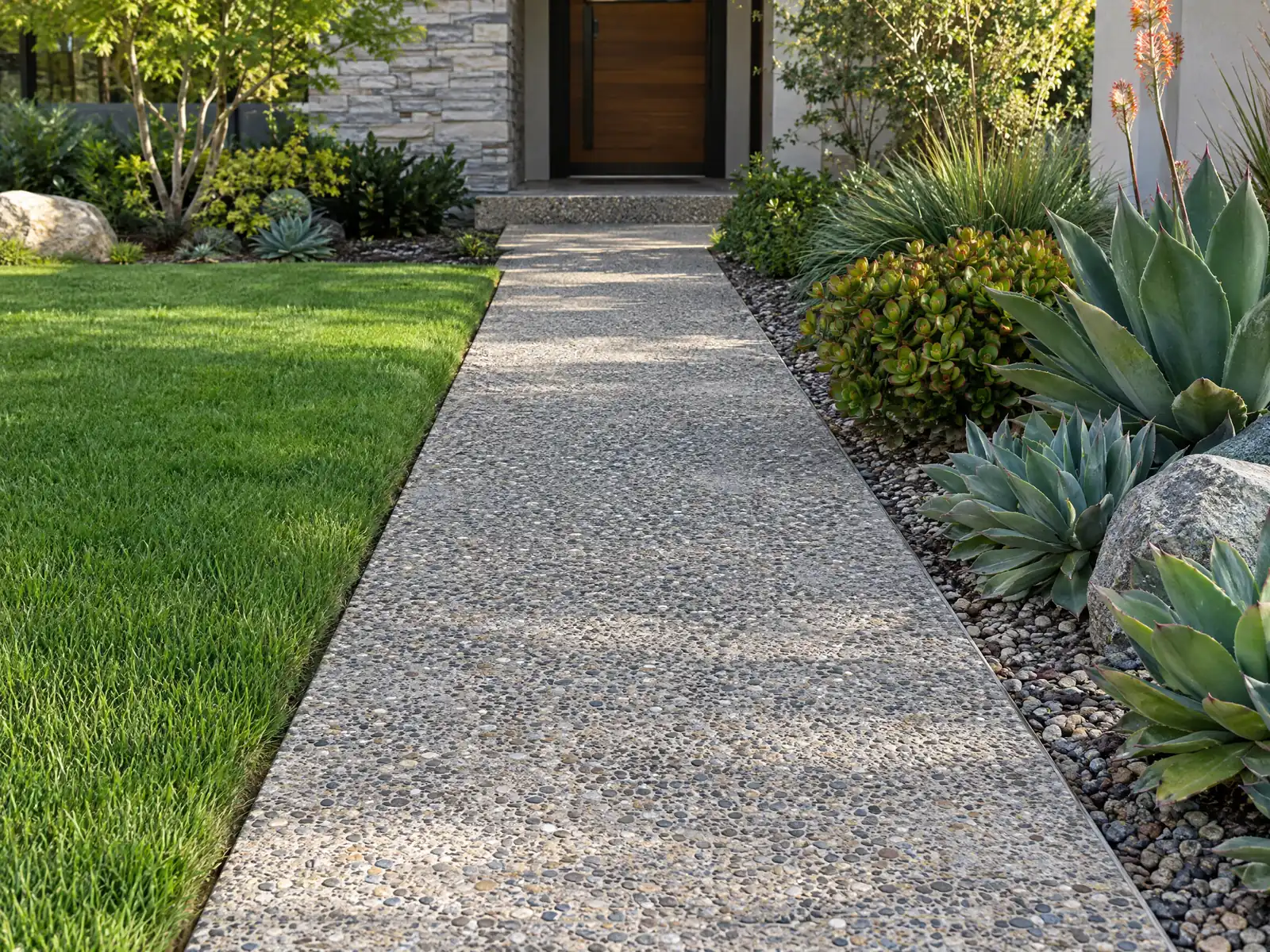
San Juan Capistrano's ground has a longer record than most Orange County cities'. The mission was founded in 1776, the City adopted a General Plan in 1974 to preserve historic resources and open space and protect ridgelines, and Council Policy 601 notes that archaeological resources have been found downtown since the City began extensive studies there in 1985. Census estimates (ACS 2024 5-year) count 13,071 homes, about 52.7 percent built before 1980 and 36.0 percent in the 1970s, so many tract-era driveways and walks are now about half a century old.
MDG Builders, CSLB #1040337, is a general contractor in Tarzana and does not pour concrete with its own crew. We plan the job, check dig depth, easements and approvals with the City's Building Division and the Planning Division, and bring in a licensed concrete subcontractor to form, pour and finish. Finishes and ranges are on the concrete page, and the San Juan Capistrano overview lists the other trades we manage here.
What the City's Building Division, Planning Division and Engineering rules say about concrete work in San Juan Capistrano
Where concrete permits come from in San Juan Capistrano: City of San Juan Capistrano Development Services Department, Building Division.
- The City's exempt list (residential code version) exempts sidewalks and driveways, and the building code version exempts walkways, sidewalks and driveways not more than 30 inches above adjacent grade, not over a basement or story below and not part of an accessible route or egress. It also exempts retaining walls of 48 inches or less (no surcharge) and masonry or concrete fences of 36 inches or less.
- The City's grading page says all projects involving grading and visible site improvements must first be approved by the Planning Department, then go to Engineering electronically with a grading permit application, an OCFA screen check form, a preliminary engineer's cost estimate and electronic grading plans. San Juan Capistrano has adopted the most current Orange County Grading and Excavation Code through Municipal Code Section 8-2.01, and projects that disturb one acre or more also need coverage under the State Water Board construction general permit.
- The City's plan check requirements for rough and precise grading list a geotechnical report up to one year old (wet-stamped), a Water Quality Management Plan or low impact development measures, a drainage report, a title report up to six months old, and a grading bond and surety agreement before permit issuance.
- City Council Policy 601 lists projects that will not excavate deeper than 18 inches or more than 50 cubic yards of earth among those exempt from the historic or paleontological report requirement (unless a historic resource is already identified or the Planning Director finds one may exist), so footing, slab and trench work for concrete often sits near that threshold.
- The City's Single Family Design Guidelines say decorative paving is encouraged on private driveway entries and walkways, pavers that allow water infiltration are encouraged, stone and brick are acceptable, and stamped and color concrete treatments are discouraged but may be considered case by case. They recommend driveways at least 18 feet long and an 8 foot landscaped strip between adjacent driveways.
- The City's Floodplain pages say San Juan Capistrano has participated in the National Flood Insurance Program since 1978 and serves properties along San Juan, Trabuco, Horno and Oso Creeks, that the Engineering and Environmental Services Department (949-443-6337) provides flood zone determinations and base flood elevations, and that flood insurance is mandatory for structures in a 100-year zone with a federally backed loan.
- CSLB defines the C-8 Concrete classification as forming, pouring, placing, finishing and installing mass, pavement, flat and other concrete work, excluding contractors whose sole business is plaster coatings or placing reinforcing steel.
Does concrete work in San Juan Capistrano need an archaeological monitor?
Sometimes, and depth is the trigger. The City's Construction Information page says Council Policy 601 puts an archaeological monitor on site for all excavation deeper than 18 inches unless the Planning Director finds the project exempt, and the Grading and Site Improvement page repeats the rule. Footings, trenches, drainage runs, pool digs and grading can all cross 18 inches, while a 4 inch slab does not.
Policy 601 also lists permitted projects that will not dig deeper than 18 inches or move more than 50 cubic yards among those exempt from the historic or paleontological report, unless a historic resource is already identified or the Planning Director finds one may exist. A shallow flatwork pour likely sits under both numbers; a wall footing or a sunken patio may not.
Ask the Planning Division at 949-443-6331 whether the lot is exempt before the dig is priced. A monitor is a schedule item as well as a cost, and we found no City fee or monitor rate, so ask for it by name in the proposal.
- How deep will the deepest footing, trench or drain go?
- Has the Planning Director exempted the lot in writing?
- Who books the monitor, and how far ahead?
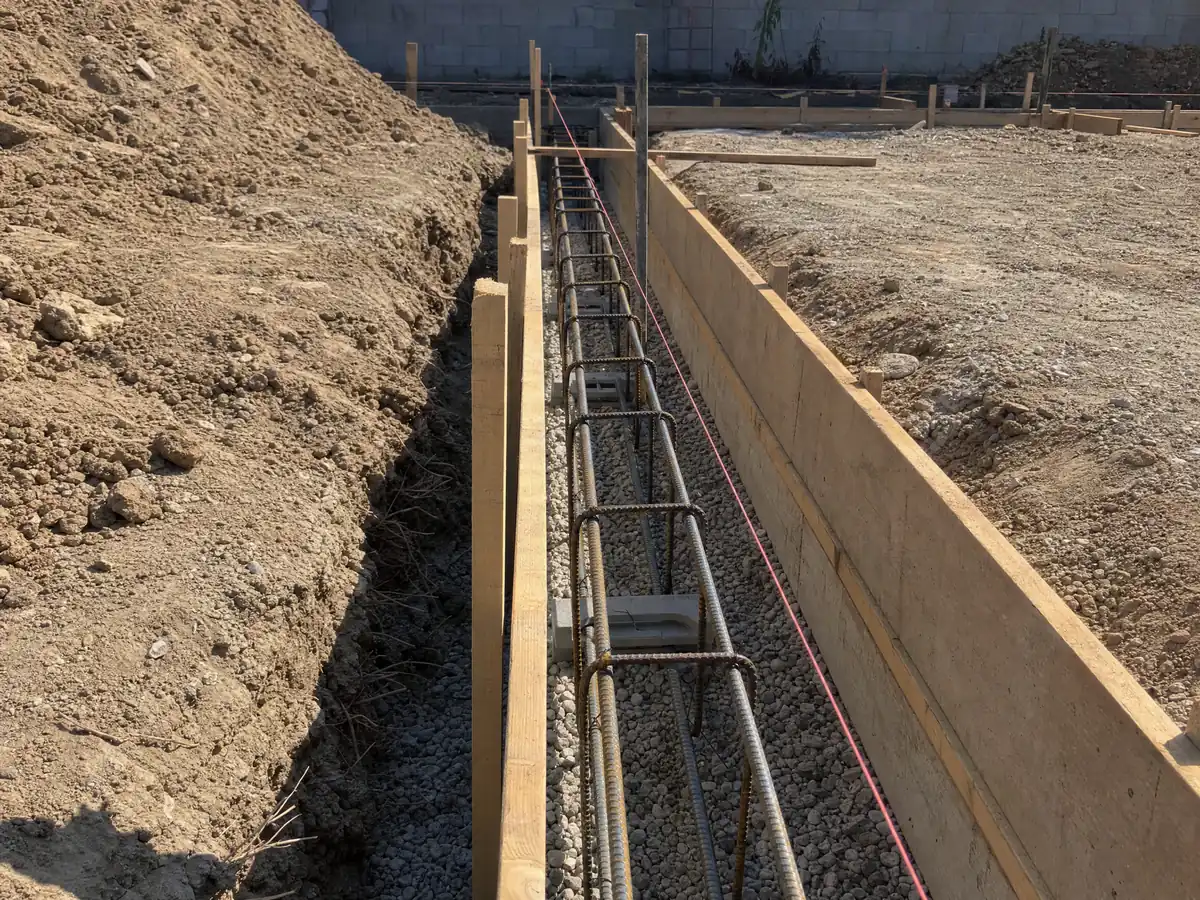
Do you need a permit to pour a driveway, walkway or patio in San Juan Capistrano?
Often not for the slab itself. The City's exempt list covers sidewalks and driveways in its residential code version, and walkways, sidewalks and driveways not more than 30 inches above adjacent grade, not over a basement or story below and not part of an accessible route or egress in its building code version. The City adds that exempt work must still meet zoning standards, and we could not open Title 9 of the Municipal Code, so we state no setback or coverage numbers.
That leaves a gap we will not fill by guessing. Whether a free-standing patio slab counts as a walkway under that list is a reading for the Building Division at 949-443-6347, and the City says to assume a permit is required when a project is not on the list.
A permitted job carries local extras. The plan check requirements want an NPDES stormwater best management practices note sheet in the plan set, and site plans must show equestrian trails, easements, flood hazard areas, trees 6 inches or more in diameter and any fence, wall, screen or hedge over 36 inches tall.
- Is the surface 30 inches or lower above grade?
- Does the slab cross an easement or a trail edge?
- Is any of it in the public right of way?
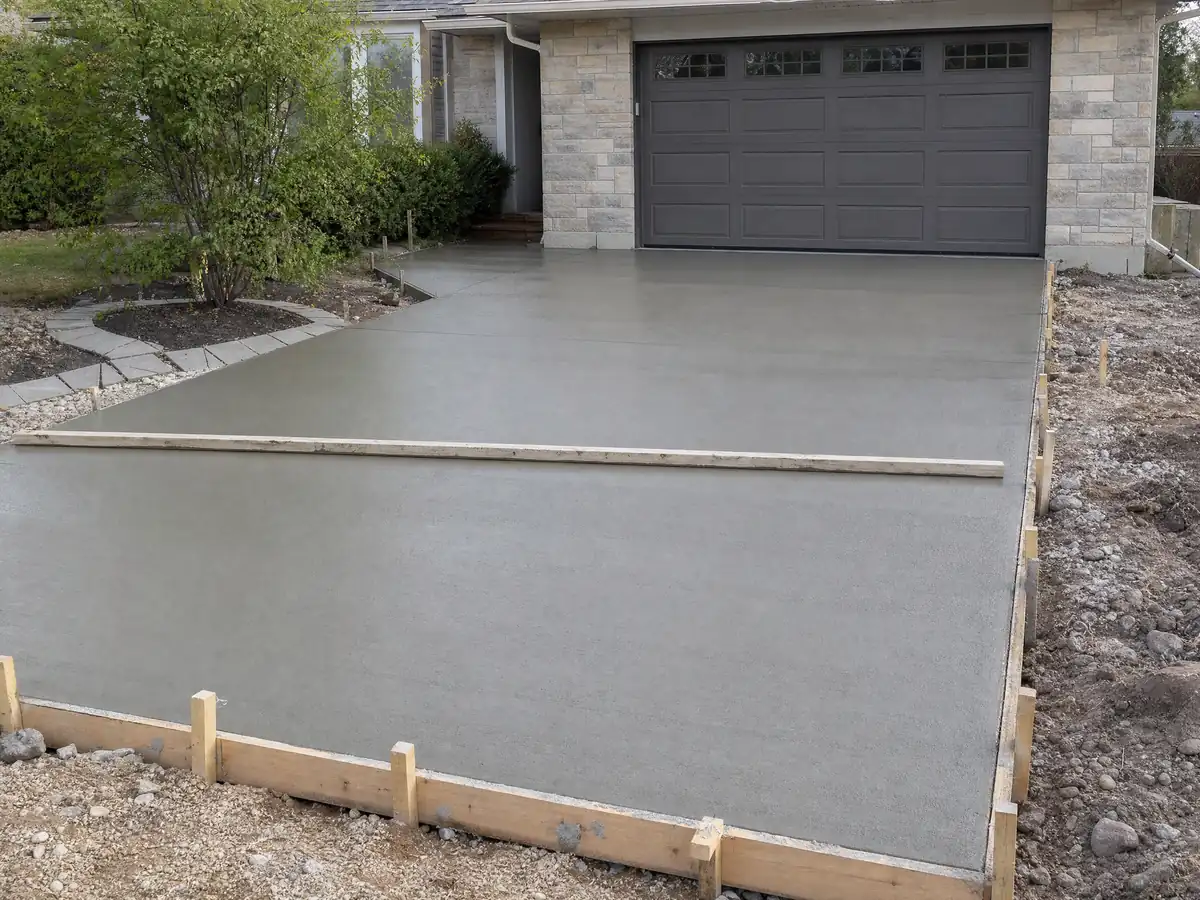
Can you stamp or color a driveway in San Juan Capistrano, and what about the historic streets?
Stamped and colored concrete are discouraged but may be considered case by case, per the City's Single Family Design Guidelines, which encourage decorative paving at driveway entries and walkways, favor pavers that let water soak in and accept stone and brick. They also recommend driveways at least 18 feet long and an 8 foot landscaped strip between adjacent driveways. Those are design review guidelines for subdivision and infill work and not zoning numbers, so ask the Planning Division how they apply to a replacement on an existing lot.
Downtown adds history. The Los Rios Historic District, Little Hollywood on Ramos and Mission Streets and the Historic Town Center sit within about a quarter mile of each other, and structures on the landmark Inventory need City discretionary review before any grading or building permit. Policy 602 sends permits to alter a building or auxiliary structure to the Cultural Heritage Commission, so ask whether a wall or apron beside a listed adobe falls under it.
Put the mix, color, finish and sealer in the proposal in writing so bids compare, and see our subcontractor guide for who is responsible for what on a job like this.
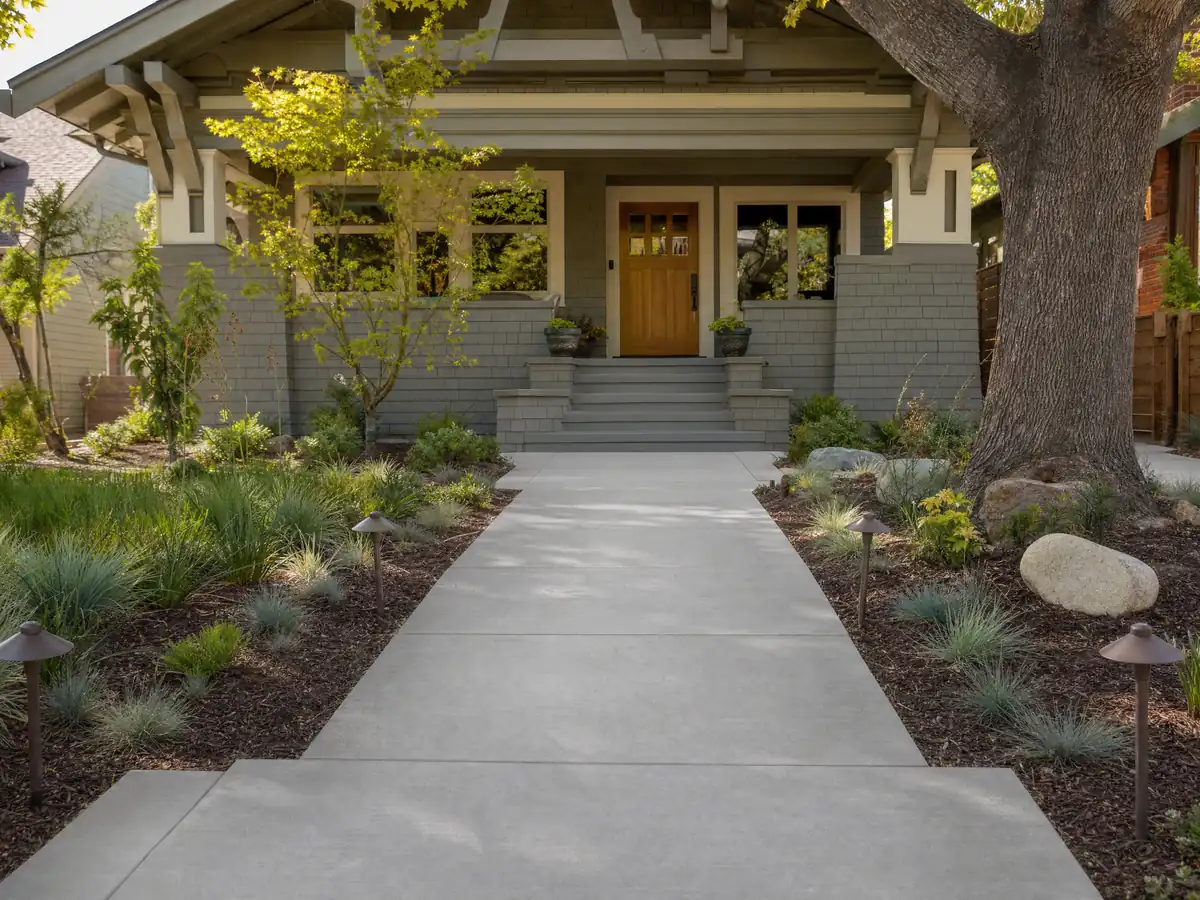
When does a San Juan Capistrano concrete project become a grading project?
When it reshapes the lot or its drainage in a visible way. The City's grading page says every project involving grading and visible site improvements goes to the Planning Department first, then to Engineering electronically with a grading permit application, an OCFA screen check form, a preliminary engineer's cost estimate and grading plans. The City has adopted the current Orange County Grading and Excavation Code through Municipal Code Section 8-2.01, and projects that disturb one acre or more also need State Water Board construction permit coverage.
Rough and precise grading carry a heavier package. Plan check requirements list a wet-stamped geotechnical report no more than a year old, a Water Quality Management Plan or low impact development measures, a drainage report, a title report no more than six months old and a grading bond with a surety agreement before the permit issues. We found no sentence that sets a cubic yard line for a homeowner's patio, so ask Engineering at 949-443-6337 whether yours is exempt.
Hours and dust rules apply on site: construction, deliveries and hauling run Monday through Friday 7:00 a.m. to 6:00 p.m. and Saturday 8:30 a.m. to 4:30 p.m., with earth hauling on Saturday only until 12:30 p.m. and no work on Sundays or federal holidays. Dust control under Section 9-3.513(b) includes a 15 mile per hour limit and wheel scrubbing before trucks leave.
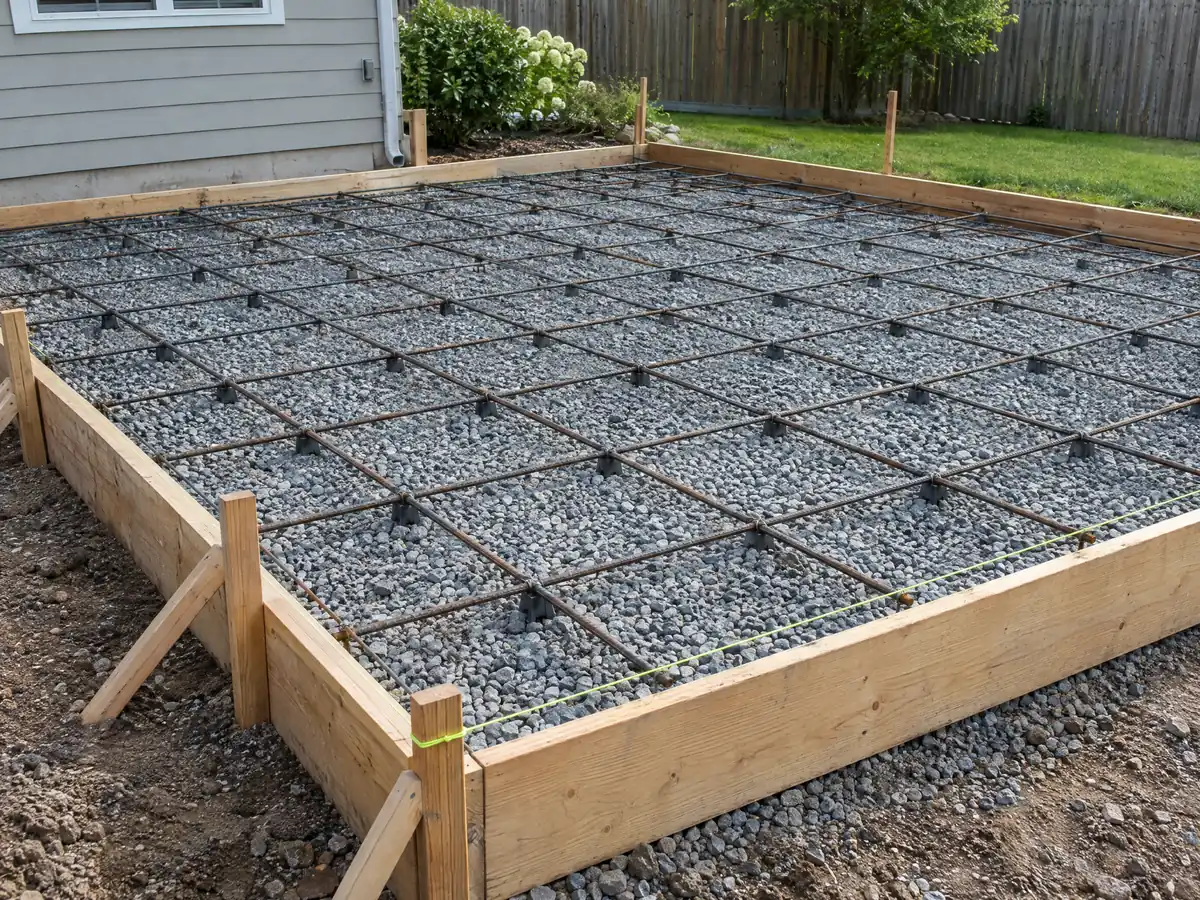
How tall can a retaining wall or block wall be in San Juan Capistrano without a permit?
The building exemptions use different numbers for different walls. A retaining wall of 48 inches or less, measured from the bottom of the footing to the top of the wall, is exempt unless it supports a building or a slope surcharge, sits at the top of a slope or impounds Class I, II or II-A liquids. Masonry or concrete fences are exempt only up to 36 inches from the top of the footing to the top of the wall, while wood, vinyl or wrought iron fences are exempt to 7 feet.
Those are permit lines and not zoning limits. We could not read the Municipal Code's fence, wall and hedge section, so we state no height limit for a yard wall. A gate or wall that changes vehicle access can also need an OCFA-approved fire master plan before architectural plans go to the City.
Hillsides raise the stakes. The Design Guidelines, written for infill and master planned projects, say grading should not substantially alter natural grades to add buildable area, prohibit grading of ridgelines, unique hillside features and creeks, and ask that retaining walls be minimized and screened. Block walls fall under CSLB's C-29 masonry class, so ask which license the crew holds for your wall.
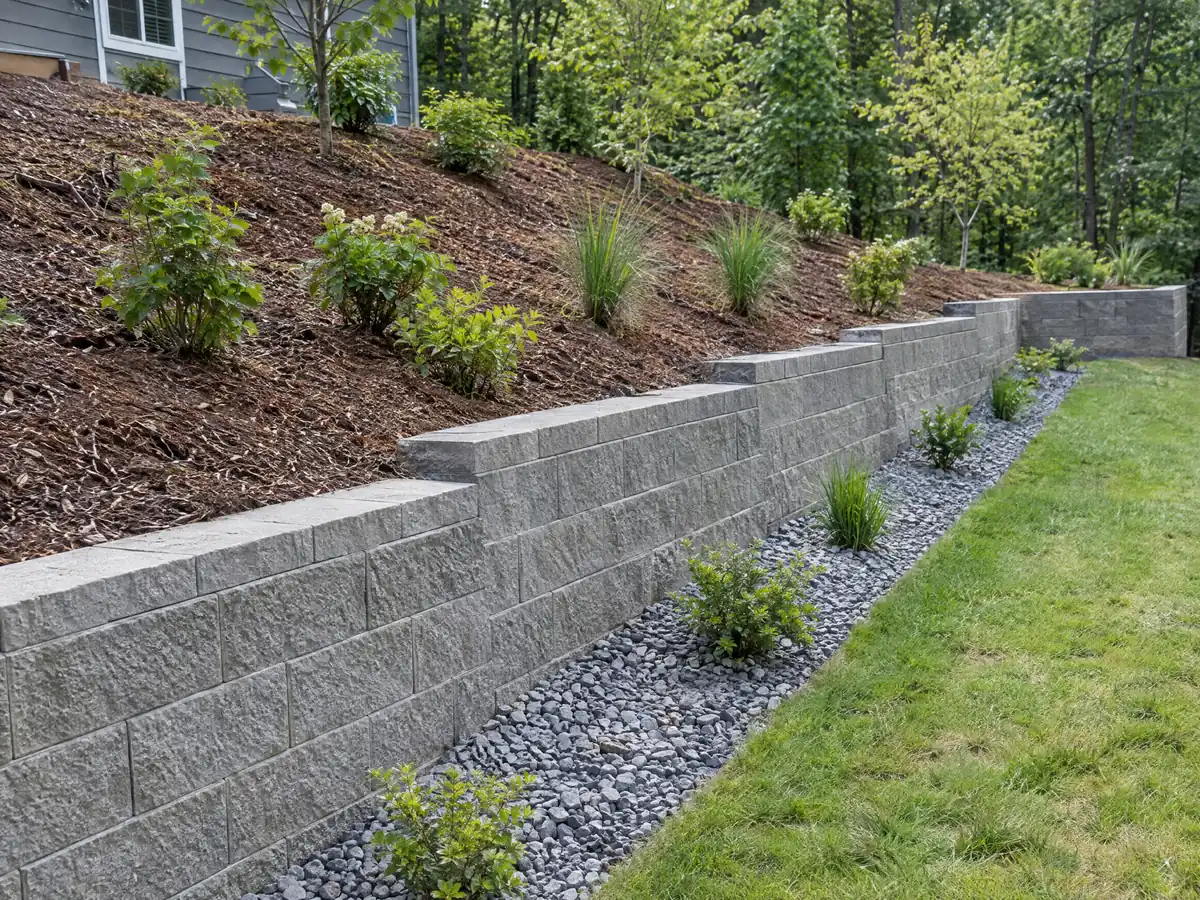
How do creeks, flood zones and the Norte Fire burn scar affect concrete work in San Juan Capistrano?
Drainage comes first. The City has been in the National Flood Insurance Program since 1978, serves properties along San Juan, Trabuco, Horno and Oso Creeks, and says Engineering and Environmental Services provides flood zone determinations and base flood elevations. Flood insurance is mandatory for a structure in a 100-year zone with a federally backed loan, and plan title sheets must state the flood zone.
The Norte Fire changed some hillside lots. The City's Norte Fire page, last updated October 30, 2026, says the fire is 100 percent contained, evacuation orders for zones SJC04, SJC05 and SJC10 were lifted and the burn scar is an active fire hazard area closed until further notice. Erosion control focused on Calle Delgado, Avenida de Agua, Calle Miramar and Via Cerro Rebal ahead of rain, with mud, flood and debris flow risks continuing until vegetation recovers. A slab, wall or driveway below or beside a burned hillside should start with a drainage conversation, and the page may change, so read it again before you schedule.
Weather finishes the thought. Laguna Beach normals put 9.66 of 12.68 inches of yearly rain in December through March, and the Mission Viejo gauge records 15.25 inches, so a winter pour needs a cover plan and a fallback date. Laguna Beach sits at 13 feet on the coast, so inland summer heat is not quantified here; ask how the crew will cure a slab on a hot afternoon.
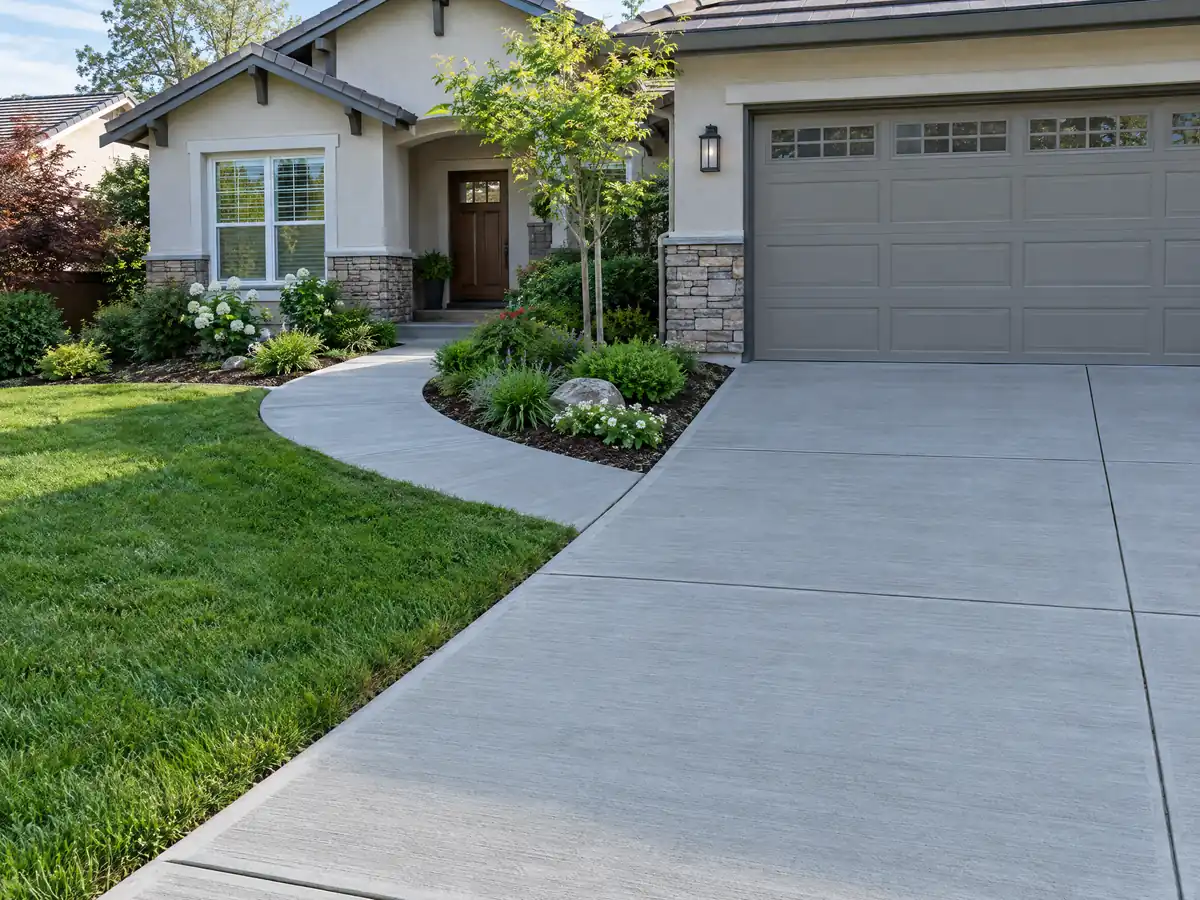
What does concrete work cost in San Juan Capistrano, and what license should the crew hold?
No San Juan Capistrano price study turned up, so the figures here are Los Angeles numbers from Angi's 2026 pages, built from customer surveys and pro data, and Orange County bids can differ. Angi lists a patio at $4 to $13 per square foot with a $5,248 average, a 20 by 20 foot patio at $1,600 to $5,200, stamped work at $15 to $30 and a driveway at $8 to $20 with a $7,270 average. A retaining wall averages $7,140 across a $2,674 to $11,842 range, and we print no per-foot wall price because height and drainage drive it.
Add the local line items: a possible archaeological monitor below 18 inches, drainage work on a hillside lot and any OCFA or HOA paperwork. Federal wage estimates for May 2025 show cement masons in the Los Angeles-Long Beach-Anaheim area averaging $33.67 an hour, which is a wage and not a billing rate. Demolition, base, rebar and haul-off belong on separate proposal lines.
CSLB's C-8 class covers forming, pouring, placing and finishing concrete, and excludes firms whose only business is plaster coatings or placing reinforcing steel. Our license check guide shows how to look a number up.
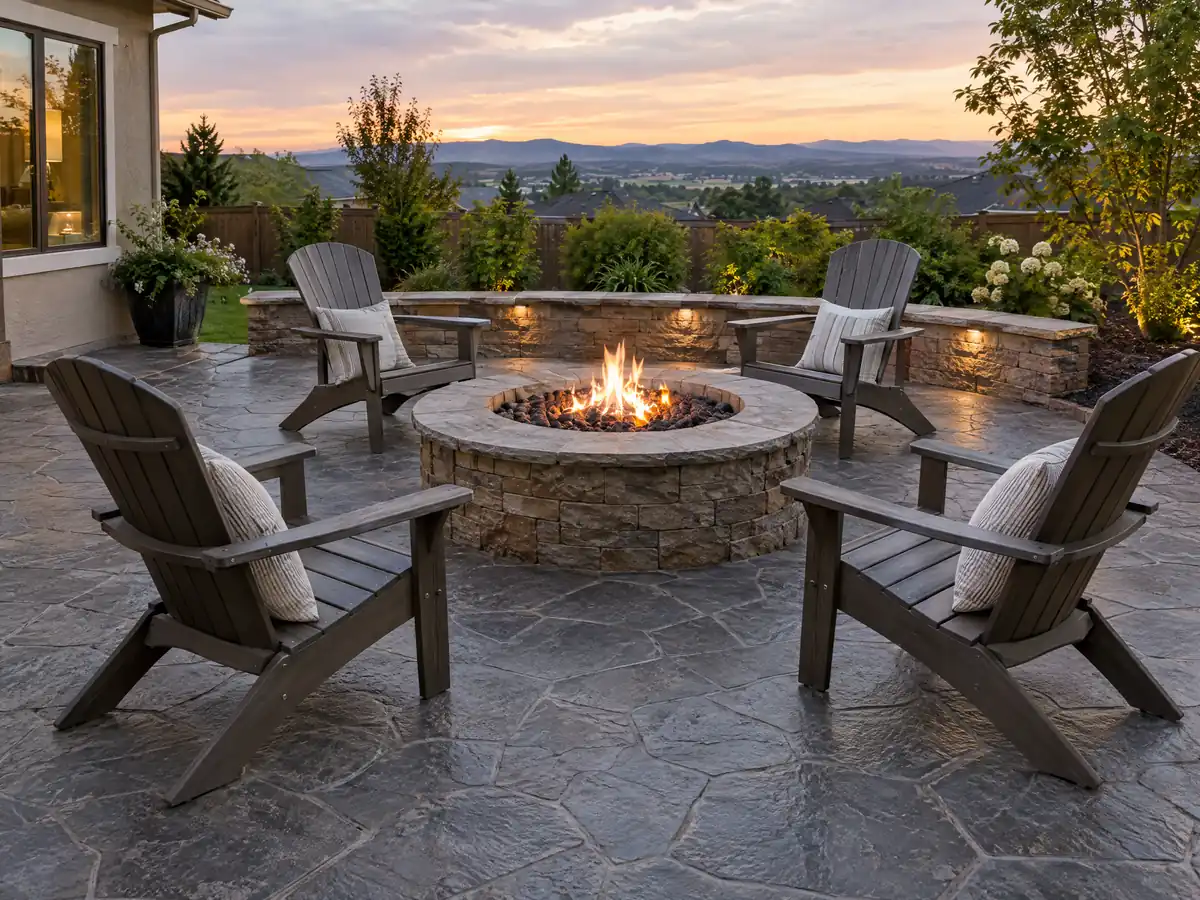
Concrete photos from San Juan Capistrano and nearby communities
Footings, formwork, finished flatwork and block walls from San Juan Capistrano and nearby towns, shown at the steps that matter. Tap any photo to enlarge it.
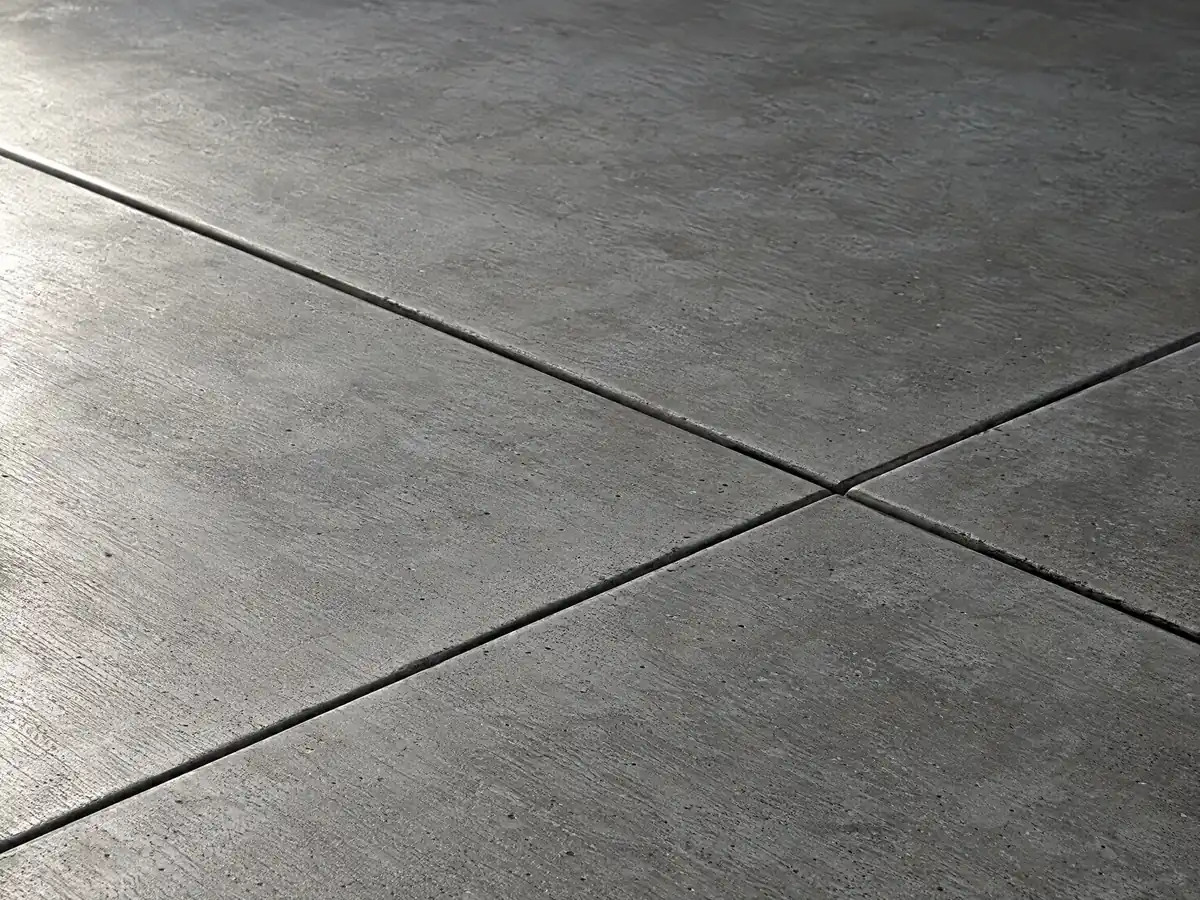
What concrete costs around San Juan Capistrano
Dollar figures on this page are Los Angeles planning ranges from our concrete page, not a San Juan Capistrano bid, and the proposal should show demolition, base, rebar, monitoring and any City review on separate lines. For the same property, see flooring in San Juan Capistrano and decks in San Juan Capistrano. Nearby, compare concrete work in Laguna Niguel, concrete in San Clemente and concrete in Mission Viejo, or concrete in Los Angeles.
| What it covers | Typical range |
|---|---|
| Patio, walkway or slab, broom finish, 300 sq ft or more | $8 to $14 per square foot |
| Decorative: stained, stamped or exposed aggregate | $15 to $30 per square foot |
| Driveway replacement, with demolition of the old slab | $9 to $20 per square foot |
| 20 by 20 foot plain patio (400 sq ft) | About $3,200 to $5,600 |
| 20 by 20 foot decorative patio (400 sq ft) | About $6,000 to $12,000 |
| Small jobs under 300 sq ft | Usually above the per-foot range |
| Retaining walls | Set by the written proposal |
Other work we manage in San Juan Capistrano
San Juan Capistrano concrete questions, answered
Can I pour a concrete patio without a permit here?
Possibly, but we cannot confirm it from a City sentence. The exempt list covers sidewalks, driveways and walkways up to 30 inches above grade and says exempt work must still meet zoning. Describe the slab to the Building Division at 949-443-6347 and ask about your setbacks, because we could not read Title 9.
Can I replace my driveway without a permit in San Juan Capistrano?
Often the slab is exempt, since the City's list covers driveways not more than 30 inches above adjacent grade. Digging deeper than 18 inches can still bring an archaeological monitor, and an HOA may need to approve a change. Ask Engineering whether the apron or sidewalk edge needs its own review.
What is the maximum height of a retaining wall without a permit here?
Forty-eight inches, measured from the bottom of the footing to the top of the wall, unless it supports a building or a slope surcharge, sits at the top of a slope or impounds certain liquids. That is a building permit line, not a zoning height, and we could not read the zoning text.
Does concrete work in San Juan Capistrano need an archaeological monitor?
If anything is dug deeper than 18 inches, yes, unless the Planning Director exempts the project, under Council Policy 601. A shallow slab may not reach that depth, but footings, trenches and grading can. Call the Planning Division at 949-443-6331 before the dig is priced.
How much should a 20x20 concrete patio cost here?
Angi's 2026 Los Angeles page puts a 400 square foot patio at $1,600 to $5,200 within a general $4 to $13 per square foot, and no local study turned up. Tear-out, base work and finish move the total, so the real price follows a site visit.
How much does a concrete driveway cost in San Juan Capistrano?
Angi's 2026 Los Angeles page shows $8 to $20 per square foot and a $7,270 average across a $3,067 to $16,472 range. Removing the old slab, grading and any monitoring change that, and an HOA may need to approve first, so ask who files what.
How much does a stamped concrete patio cost in San Juan Capistrano?
Expect $15 to $30 per square foot and a $5,948 average on Angi's 2026 Los Angeles page, a range we trust less than plain flatwork because patterns, colors and sealers vary so widely. The City's design guidelines discourage stamped and color concrete but allow it case by case.
Can I build a new slab or wall below the Norte Fire burn scar?
Ask Engineering first. The City's Norte Fire page, last updated October 30, 2026, says the burn scar is closed until further notice and mud, flood and debris flow risks continue until vegetation recovers. Properties below or beside burned hillsides face drainage questions before any wall or concrete work.
Does my HOA have to approve a new driveway or patio in San Juan Capistrano?
The City requires written HOA approval before it issues a permit for exterior work, with the letter at or before issuance. An exempt slab may not need a permit, but covenants still apply, so get the association's approval in writing either way before the crew arrives.
What license does a concrete company need in San Juan Capistrano?
Concrete work falls under CSLB's C-8 class, and block walls under C-29. Look the number up on the CSLB site before accepting a quote and ask for a certificate of insurance. Rebar placement alone is excluded from C-8, so ask who handles the steel.
Send the address, a photo and any easement or HOA notes
Describe what you want poured, the rough size, how deep any footing goes and whether the lot has an HOA, a trail edge or a creek. The monitor and drainage questions come with us to the first visit.