
Roof Repairin Rancho Santa Margarita, CA
A roof repair or replacement in Rancho Santa Margarita needs a City building permit for a re-roof, and it can need a second approval from SAMLARC or a sub-association before work starts. Fire rules depend on where a parcel sits on the 2025 hazard map, which the City showed covering about 70 percent of the city in June 2025.
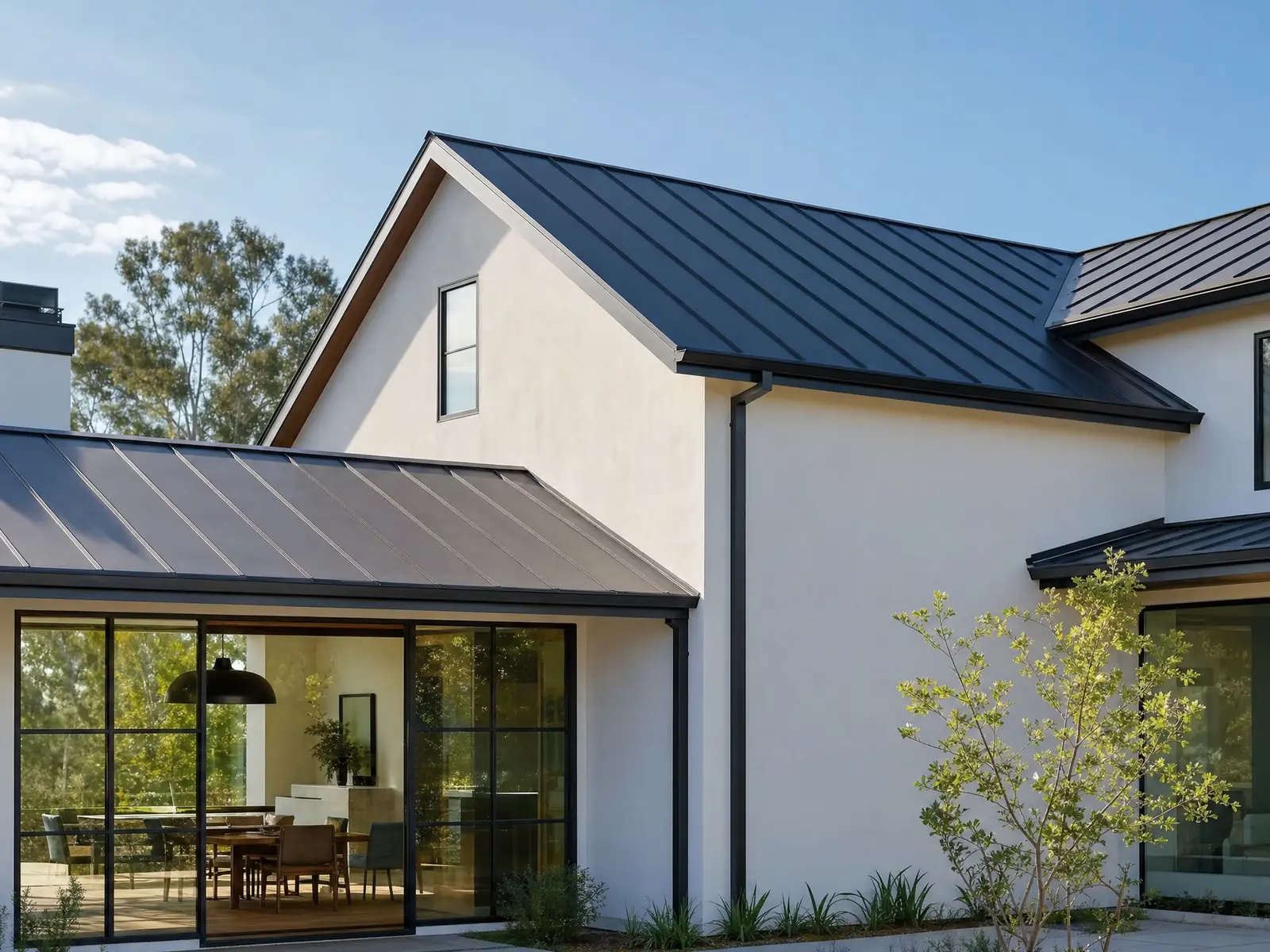
Rancho Santa Margarita is young enough that its roofs mostly belong to one era. The land sat inside the Spanish and Mexican era ranchos around Mission San Juan Capistrano, James Flood and Jerome O'Neill bought all three ranchos in 1882, and the O'Neill family created the Mission Viejo Company in 1963. Ground was broken in the mid-1980s on an Urban Village master planned by Richard Reese, and the city incorporated on January 1, 2000. The Census Bureau's ACS 2024 five-year estimates count 17,498 housing units here, 86.0 percent of them built from 1980 to 1999 and only 4.3 percent before 1980.
On a roofing job, MDG Builders (CSLB #1040337) writes the scope, takes the permit and HOA questions to the right office and runs the schedule, while a licensed C-39 roofing subcontractor does the tear-off and the new covering. Our roofing page holds the sourced prices, and the Rancho Santa Margarita overview lists every trade we manage here. Mission Viejo, Lake Forest, Laguna Hills, Aliso Viejo, Laguna Niguel and San Juan Capistrano are the neighbors, so compare the guides for Mission Viejo and Lake Forest before assuming a rule crosses a city line. For a city with a different fire map, see Glendale.
What Rancho Santa Margarita's building office and OCFA say about roofs
Where roofing permits come from in Rancho Santa Margarita: City of Rancho Santa Margarita Development Services Department, Building and Safety Division.
- The City lists re-roofing and roof repairs among the work that requires a building permit, and the Permit Exceptions list does not exempt roofing, so a re-roof needs a permit pulled by the contractor or owner.
- The Master Fee Schedule effective October 12, 2026 lists a residential re-roof building permit fee of $177.41 each, and a residential photovoltaic system permit fee of $450.00 (listed under the AB 1414 fee structure).
- Ordinance 25-05 adopts the 2025 California Wildland-Urban Interface Code (with Appendices F and G) as part of the City's building standards, and the notice lists the project location as citywide. Which parcels it governs depends on the fire hazard severity zone map, and the text of the City's local amendments was not available to read.
- OCFA's roof flyer says Class A roof assemblies give the highest protection and lists concrete tile, clay tile, asphalt composition shingles and metal shingles as Class A coverings. It points to CBC Chapter 7A and CRC R337 for permits and requirements and advises 1/8 inch noncombustible mesh over attic and foundation vents and plugging gaps between roof covering and deck with noncombustible material.
- OCFA's home hardening page calls the roof the most vulnerable part of a home because embers that land on it can lodge and start a fire, and says the roofing material strongly affects whether the home survives a wildfire.
- The City's June 25, 2025 presentation on the 2025 Local Responsibility Area fire hazard map showed Very High, High and Moderate zones covering approximately 70 percent of the city, and listed what the zones are used for: building standards for new construction and some remodels (CBC Chapter 7A), property development standards, defensible space requirements and natural hazard disclosure. The map was proposed in that document, so check the adopted map for a parcel.
- For accessory structures that need a building permit, the zoning code (per a third-party mirror of Title 9) requires roofs of concrete, slate, tile, asphalt shingle or similar material compatible with the house, eaves and gables of at least 12 inches, exterior colors matching the house, and bans cloth, canvas, plastic sheeting, corrugated fiberglass and corrugated metal on roofs.
- The City's posted climate and geographic design criteria sheet (a 2010 California Residential Code Table R301.2(1)) lists ground snow load zero, 85 mph wind design speed, no topographic wind effects, seismic design category D2 or E and no ice barrier underlayment required. The sheet is labelled with the 2010 code, so confirm the current values with Building and Safety.
Sources for these rules
- cityofrsm.org: Permit Process
- cityofrsm.org: User Fee Schedule EFFECTIVE OCTOBER 12 2026
- ceqanet.lci.ca.gov: 2025100435
- storageocfaprod001.blob.core.windows.net: OCFA RSG Roofs
- ocfa.org: home hardening
- cityofrsm.org: Archive
- zoneomics.com: chapter 4
- cityofrsm.org: Climate and Geographic Design Criteria for the City PDF

Is my Rancho Santa Margarita roof in a fire hazard zone, and does it have to be Class A?
Possibly, and it depends on the parcel. The City's June 25, 2025 council presentation on the state's new fire hazard map showed Very High, High and Moderate zones over about 70 percent of the city, with the Very High areas in the west, south and east. That document described a proposed ordinance, and we could not confirm that the council adopted the map or where the final boundaries fall. Look up your parcel on the City's fire hazard severity zone page and copy the result onto the proposal.
OCFA's roof flyer calls Class A the highest protection and lists concrete tile, clay tile, asphalt composition shingles and metal shingles as Class A coverings. Ordinance 25-05 adopted the 2025 California Wildland-Urban Interface Code, and its notice lists the project location as citywide, but which parcels it governs depends on the mapped zone. We could not read the ordinance, so its effective date and local amendments are unconfirmed, and we found no City re-roof handout.
- OCFA advises 1/8 inch noncombustible mesh over attic and foundation vents
- Gaps between the roof covering and the deck should be plugged with noncombustible material
Write the mapped zone, the fire class of the new covering and the vent mesh on one page of the proposal.
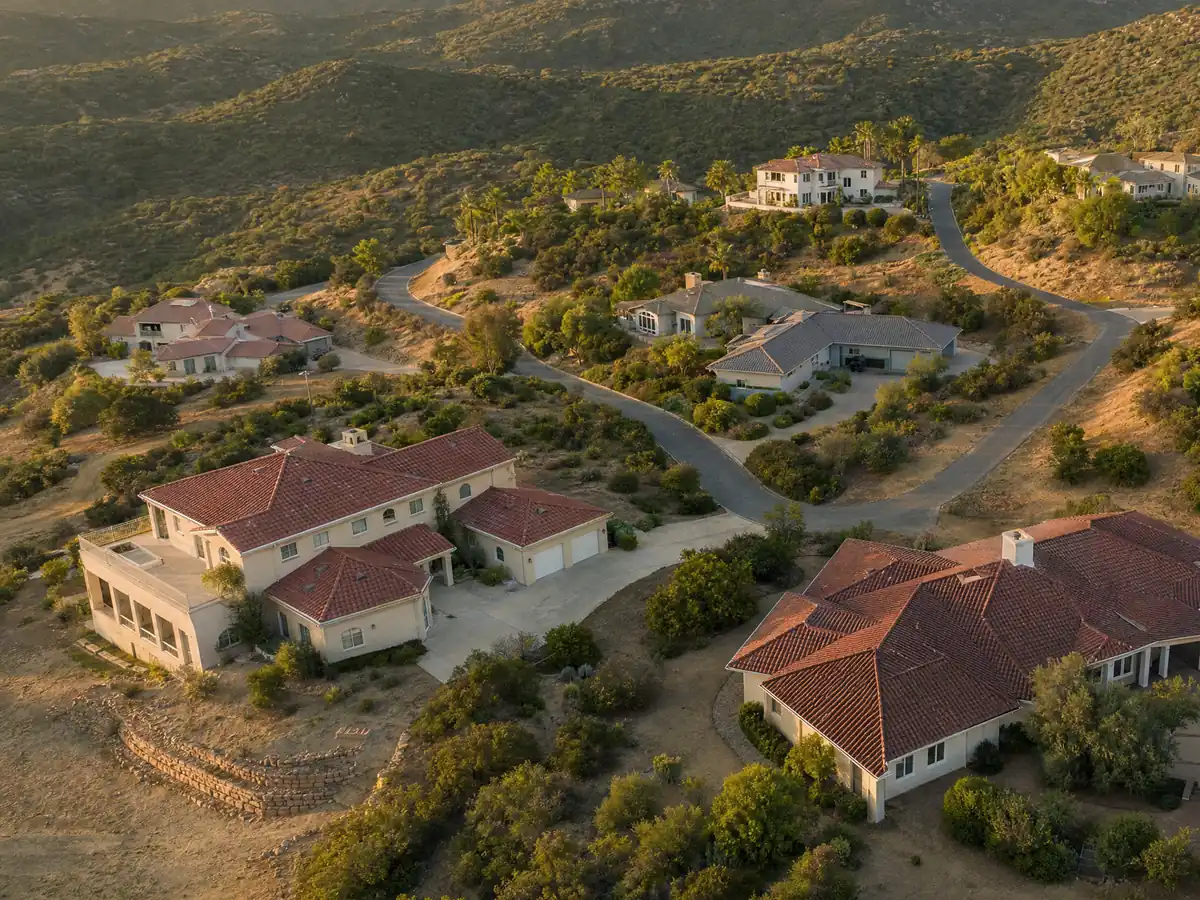
Does a roof repair or replacement need a permit in Rancho Santa Margarita?
A re-roof does. The City's Permit Process page names re-roofing and roof repairs among the work that needs a building permit, and its exempt-work list has no roofing line. The fee schedule effective October 12, 2026 lists a residential re-roof permit at $177.41, which is the City's charge and not the price of the job. The building FAQ says plan review can take up to 10 business days from submittal, and resubmittals come back within five.
A permit lapses if work has not started within one year of issuance, and it can be extended once for up to 180 days. Inspections are requested by phone at ext. 6100, and the job card and approved plans must be on site. The Inspections page gives 8:30 a.m. to 3 p.m. while the FAQ says about 9 a.m. to 3 p.m., so confirm when you book. Questions go to the permit technician at 949-635-1800 ext. 6101 or through the City's Building and Safety page.
Construction noise is exempt from the City's noise code only from 7 a.m. to 8 p.m. Monday to Saturday, so ask the crew for a start time.
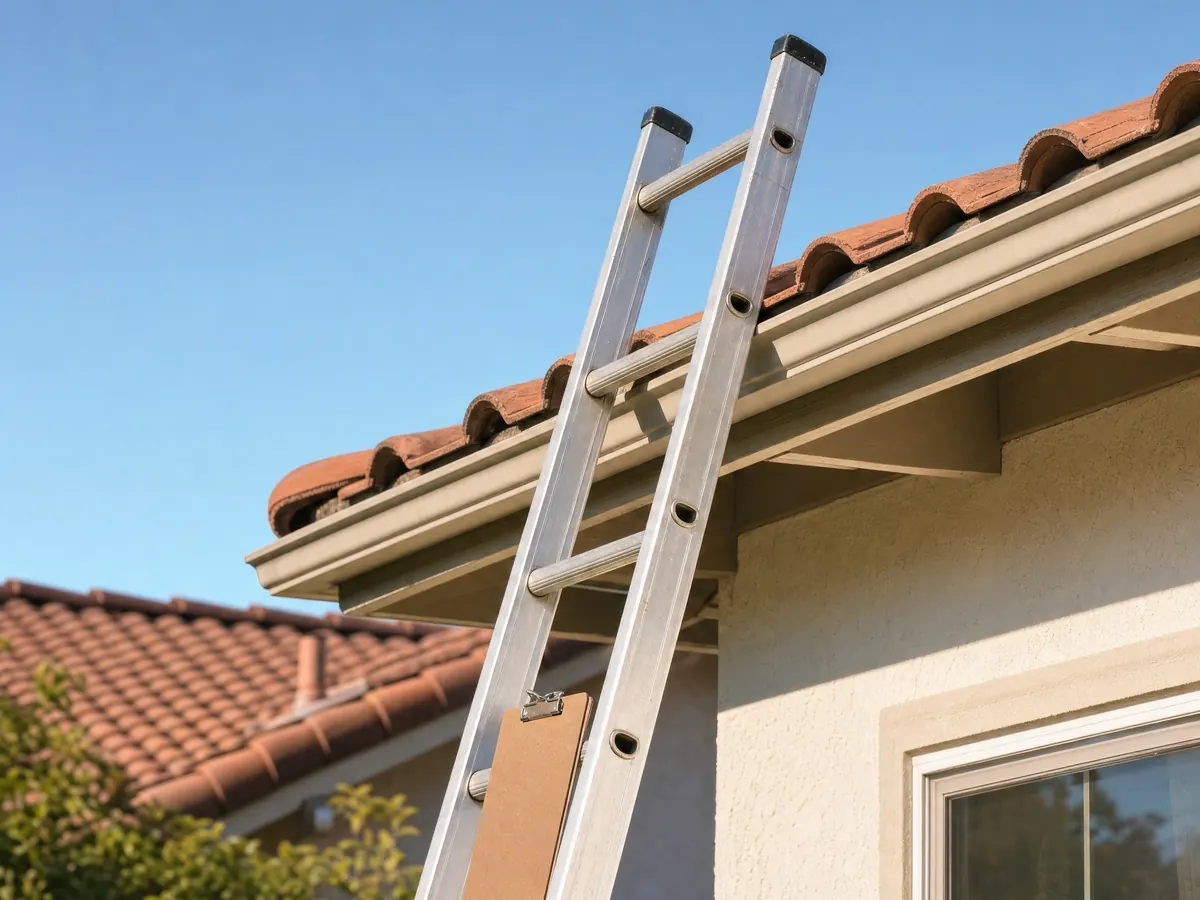
Do SAMLARC or my sub-association have to approve a new roof?
Often, and before you order materials. SAMLARC, the master association, says improvements to the front of a home and those in rear and side yards above the fence line need its approval, and a roof rises above every fence line. A member inside one of its 53 sub-association tracts must get the sub-association's approval first. We found no SAMLARC page that says whether a same-material replacement counts, so ask the management office before assuming either way.
The calendar matters. The Architectural Review Committee meets on the second and fourth Mondays, and an application needs neighbor notification signatures from adjacent, facing and impacted neighbors. SAMLARC's standards are inspired by Spanish Mediterranean design, so expect questions about color and profile even when the material stays the same. Dove Canyon, Rancho Cielo, Robinson Ranch, Trabuco Highlands and Walden run their own associations, and we did not read their roofing rules.
A City permit never replaces HOA approval, so get both in writing before the tear-off date.
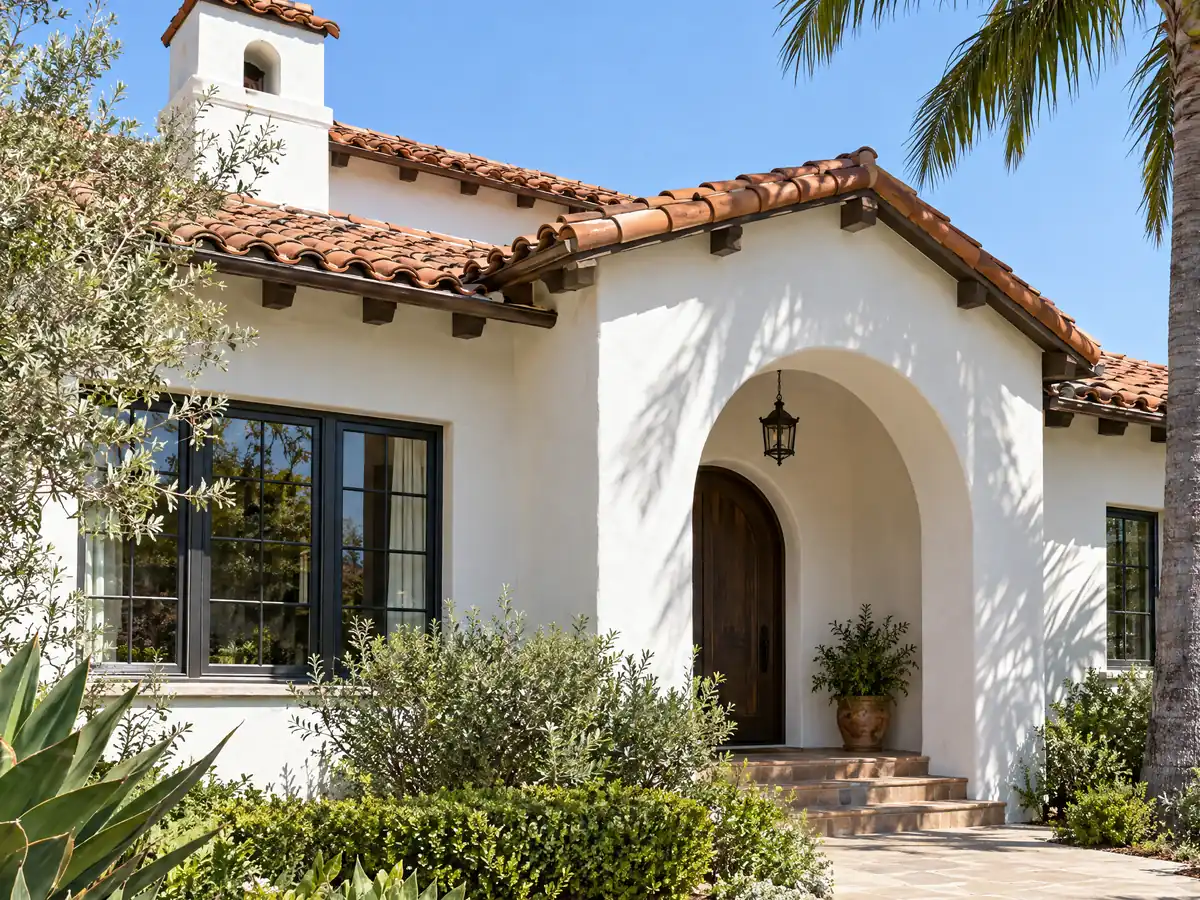
Should I repair or replace the roof on a 1980s or 1990s home here?
Most roofs here are original or second generation. The Census Bureau counts 50.6 percent of units as built from 1990 to 1999 and 35.4 percent from 1980 to 1989, against 1,710 units from 2000 on and 744 from before 1980. The City's 2022 Housing Element says units built after 1970 may need new roofs and windows and calls the city essentially built out, so replacement, not new construction, is the roofing work here.
We found no local survey of roof condition and no sourced roof lifespan, so we print no number of years. Condition decides it. Repair suits damage confined to flashing, a few units or one valley over a sound deck, and replacement suits a covering failing across whole slopes or a deck that flexes underfoot. Ask for photographs of the damage and of the underside of the deck, and have any decking priced per sheet and apart from the covering.
- Stains, damp insulation or daylight in the attic
- Granules in the gutters or bare patches on a slope
- Lifted ridge caps or cracked flashing at vents and walls
Some contractor pages call local homes 1960s houses, but only 1.6 percent of units here predate 1970, so ask what age the roofer assumes.
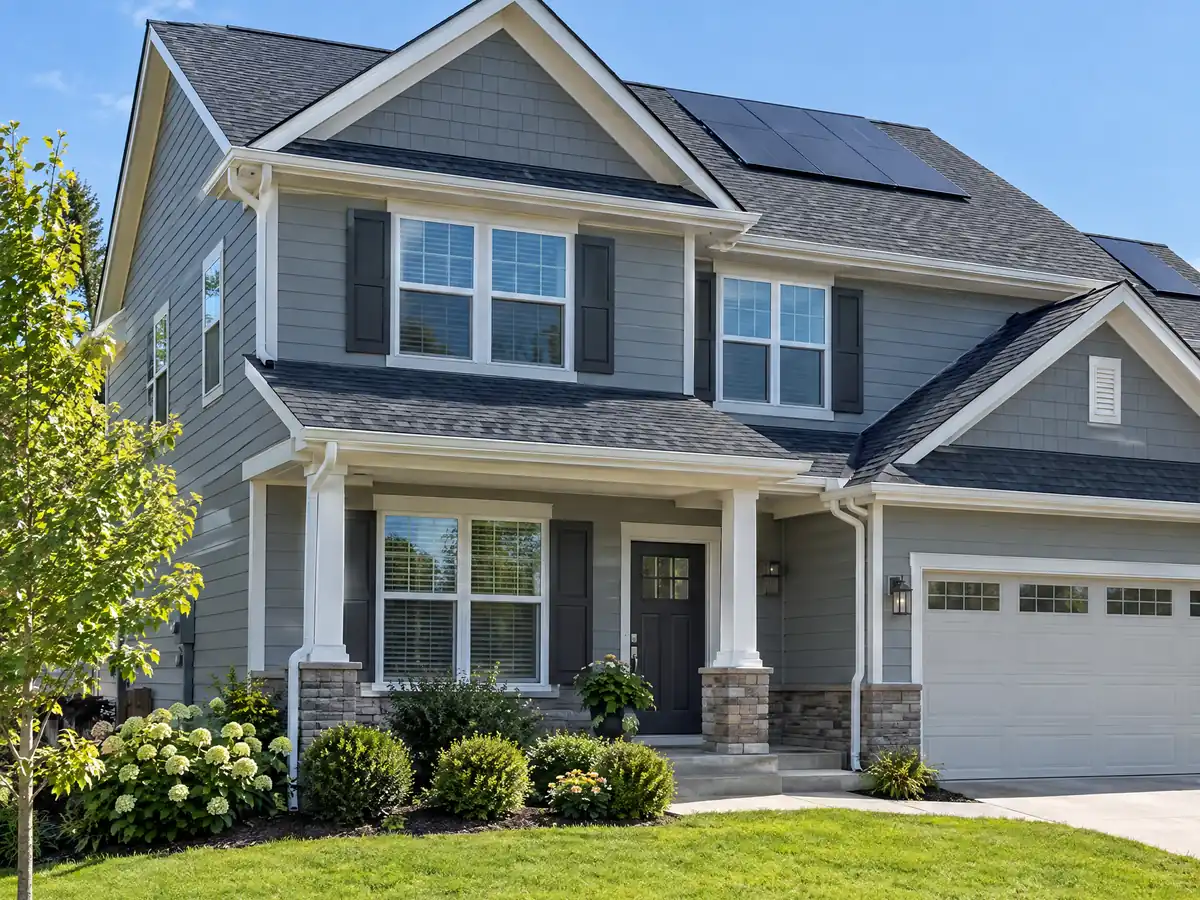
What happens to my solar panels when the roof is replaced?
They often come off and go back on. Angi's Los Angeles page, updated July 31, 2026, puts panel removal and reinstallation at $500 to $1,000, a cost separate from the roofing itself. The City handles residential solar through its online Permit Center, and its fee schedule lists a residential photovoltaic permit at $450.00, so ask the permit technician whether a panel reset needs a permit of its own.
Sequence is the risk to plan around. The deck and underlayment go first, the panels return after the new covering, and inspections bracket the job. Panels left off for weeks over open underlayment, or a system reconnected by someone nobody named in the contract, are the problems to ask about up front. Ask the roofer who disconnects and reconnects the system and who warrants the reset.
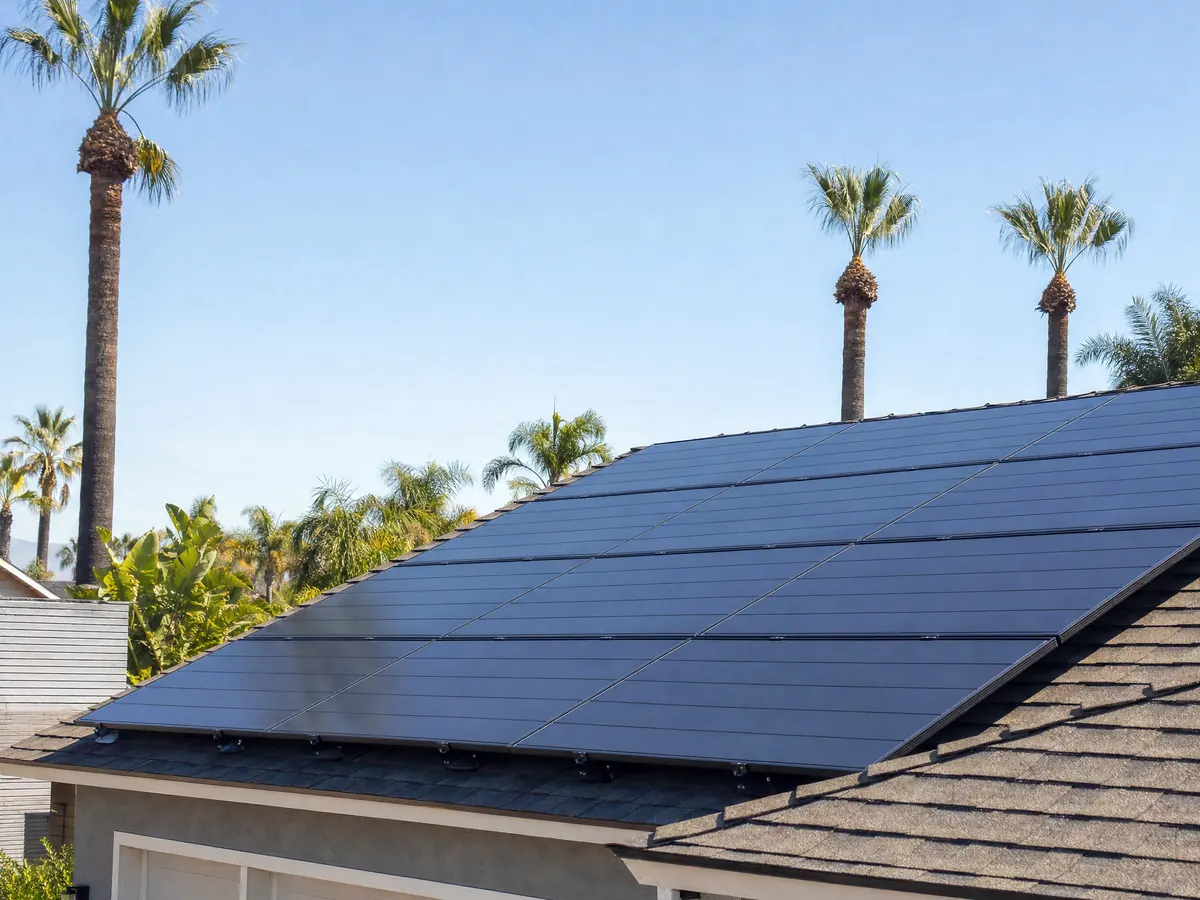
When is the best time to replace a roof in Rancho Santa Margarita?
Rain is concentrated in winter, so a summer tear-off is usually dry. NOAA's 1991 to 2020 normals for the Mission Viejo station, about 3.6 miles southwest of the city center point in our data file, show 15.25 inches of rain a year, 11.40 inches of it from December through March, and 0.07 and 0.01 inch in July and August. That station reports precipitation only and its monthly normals rest on 10 to 12 years of data, so treat the totals as a guide.
Heat is the tradeoff. The nearest station with temperature normals is Irvine Ranch, about 9.4 miles northwest, where highs average 69.0 F in January and 90.2 F in August, with 61.6 days a year at or above 90 F and 7.5 at or above 100 F. It is a valley station, so ridge and canyon neighborhoods are not measured directly. The Safety Element ties the worst local fires to fall Santa Ana winds, and the City's posted design sheet, a 2010 table, lists 85 mph design wind, so ask how loose material is secured each night.
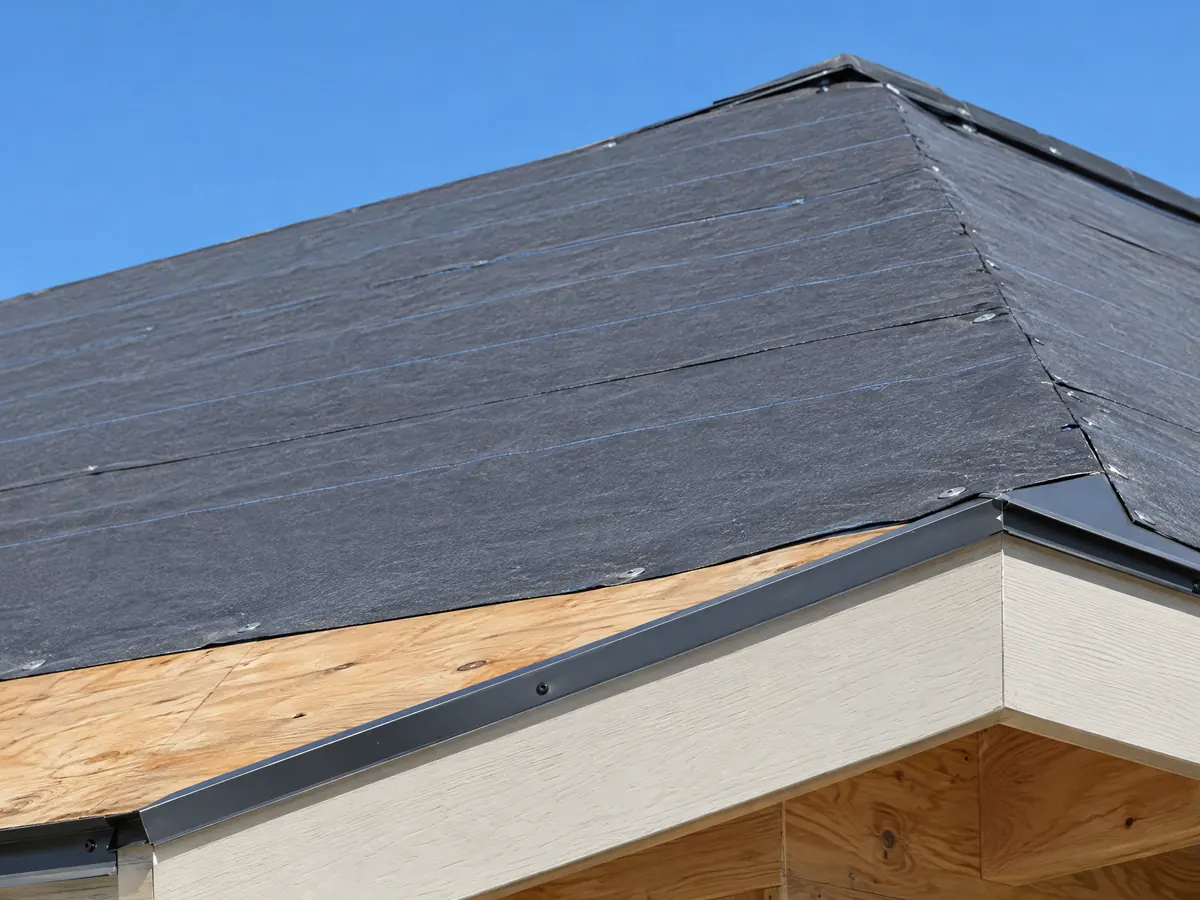
How much does roof replacement cost here, and who should I hire?
We found no Rancho Santa Margarita price survey, so these are Los Angeles figures and a measured proposal here will differ. Angi's Los Angeles page, updated July 31, 2026, shows $4 to $12 a square foot for asphalt, $7 to $15 for tile and $7 to $16 for metal, with $1,000 to $3,000 more for tear-off. Cost vs. Value 2025 from Remodeling magazine uses one fixed Los Angeles reference roof, $36,417 in asphalt and $62,069 in metal, and does not publish its size. Angi's $17,271 average blends real jobs of every size, which explains most of the gap.
Roofing is CSLB class C-39 work. The state's $1,000 limit on unlicensed minor work does not apply when a permit is needed or a worker is hired, and a re-roof here needs a permit. Business and Professions Code 7159 asks for a written contract and caps the down payment at the lesser of $1,000 or 10 percent. Check the license with our contractor license guide and read how general contractors use subcontractors to see who answers for what.
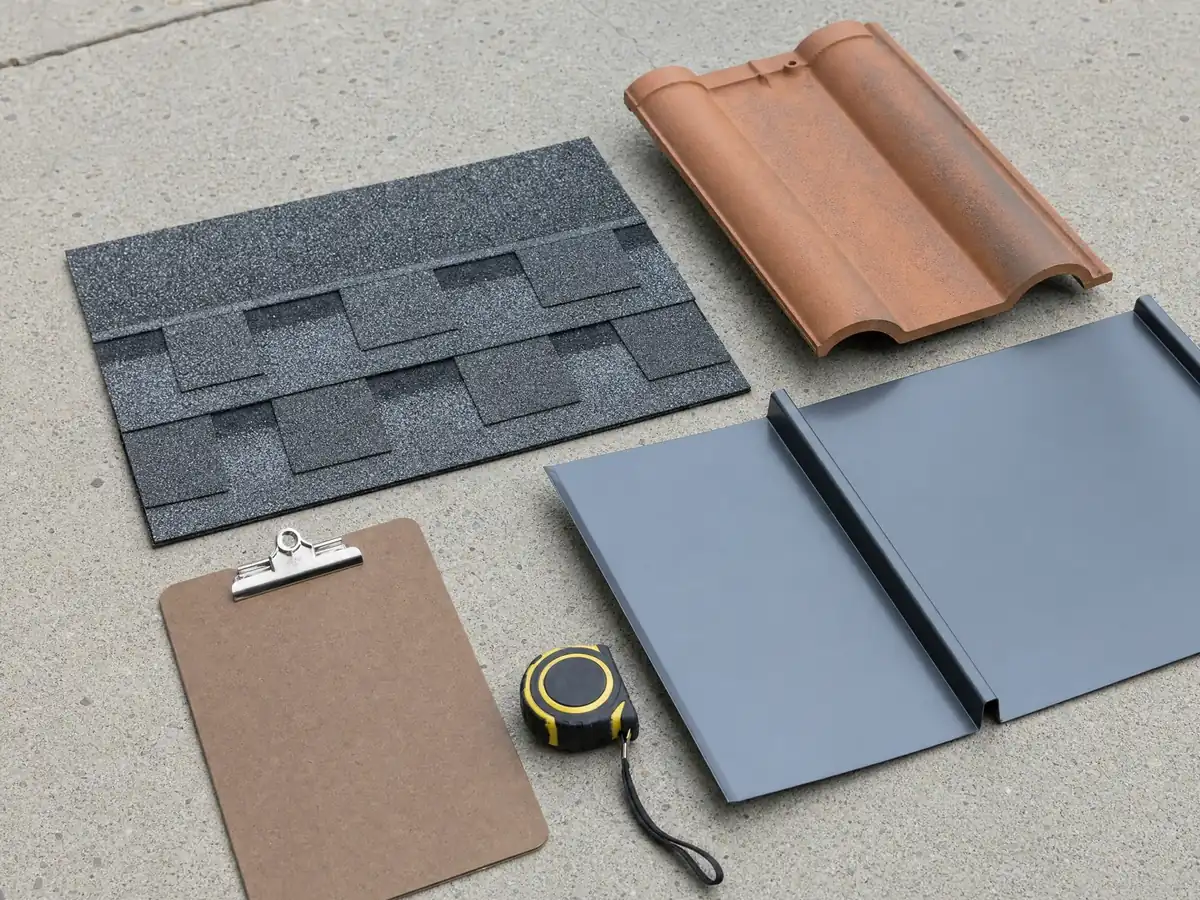
Roofing photos from Rancho Santa Margarita and nearby communities
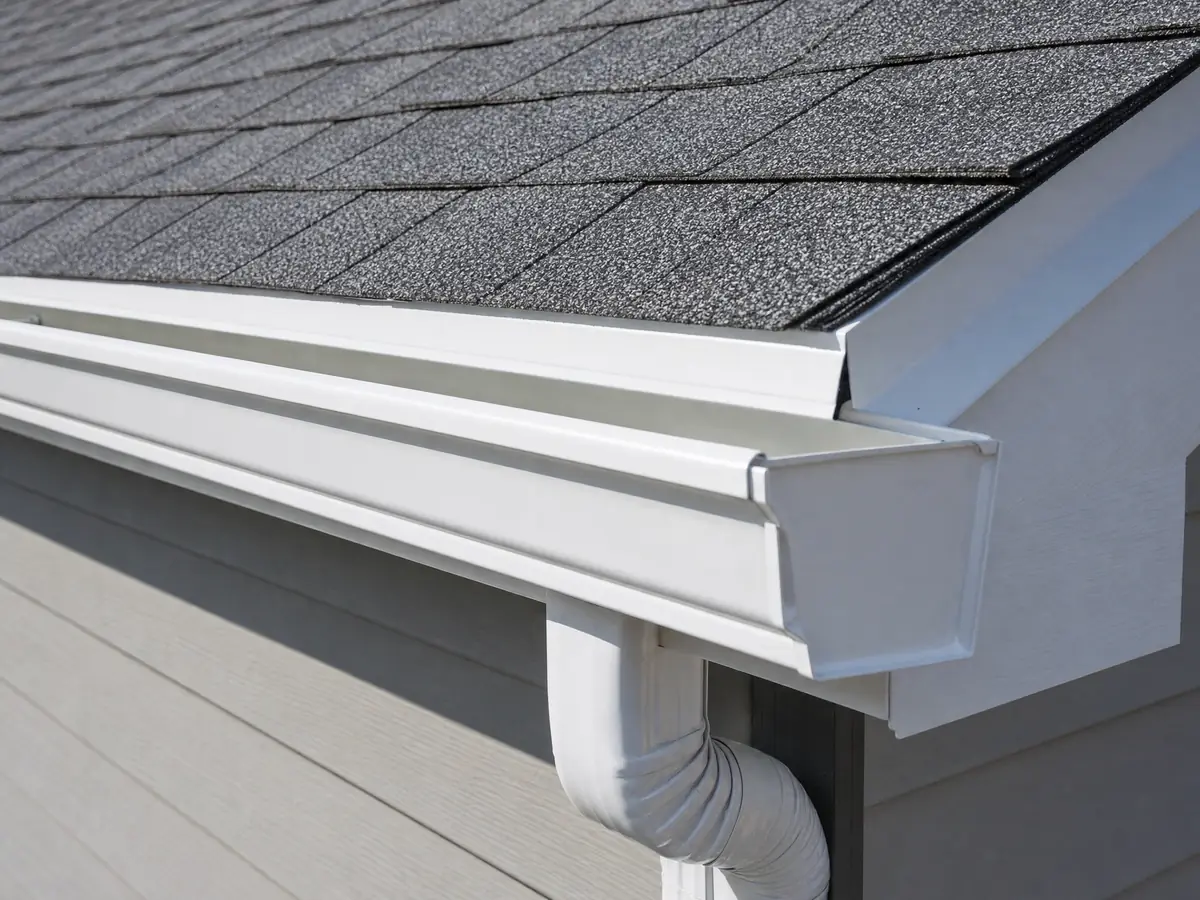
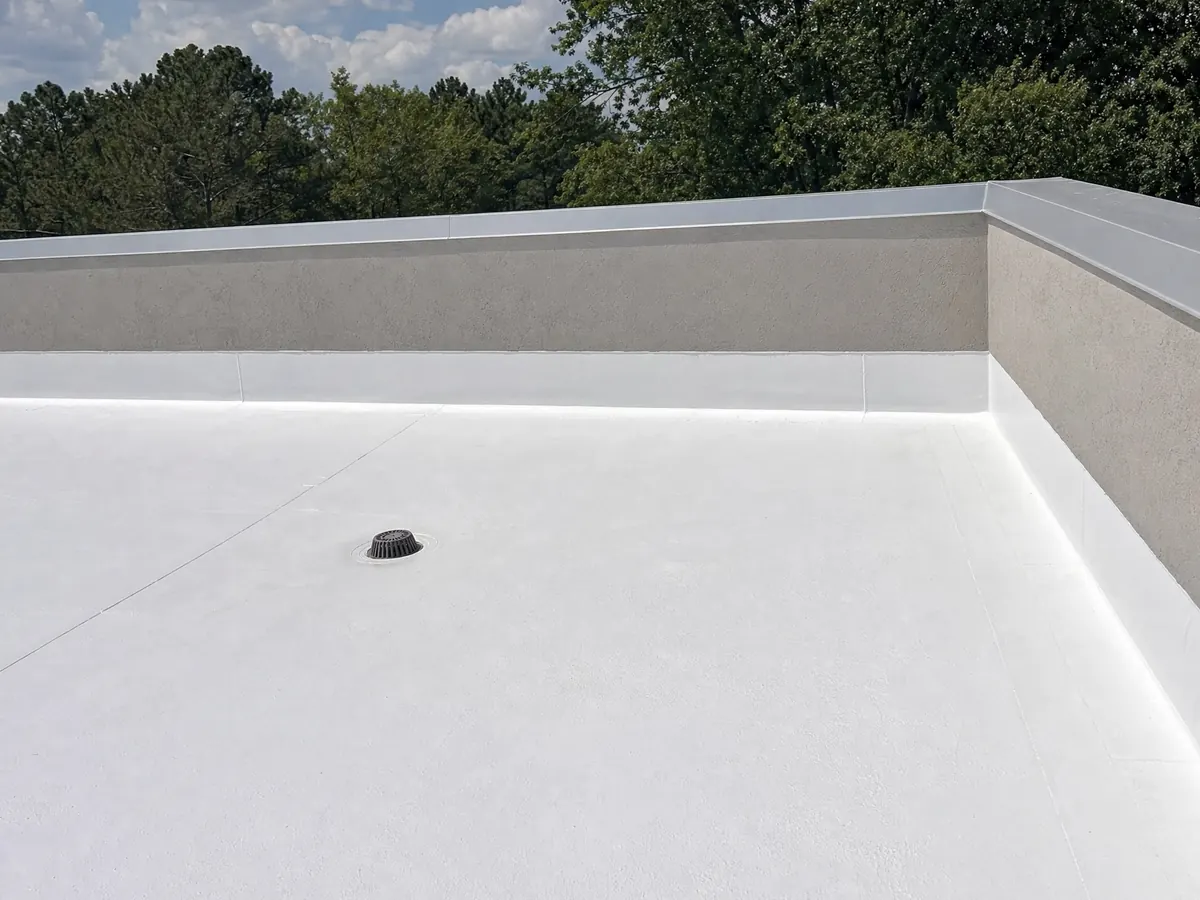
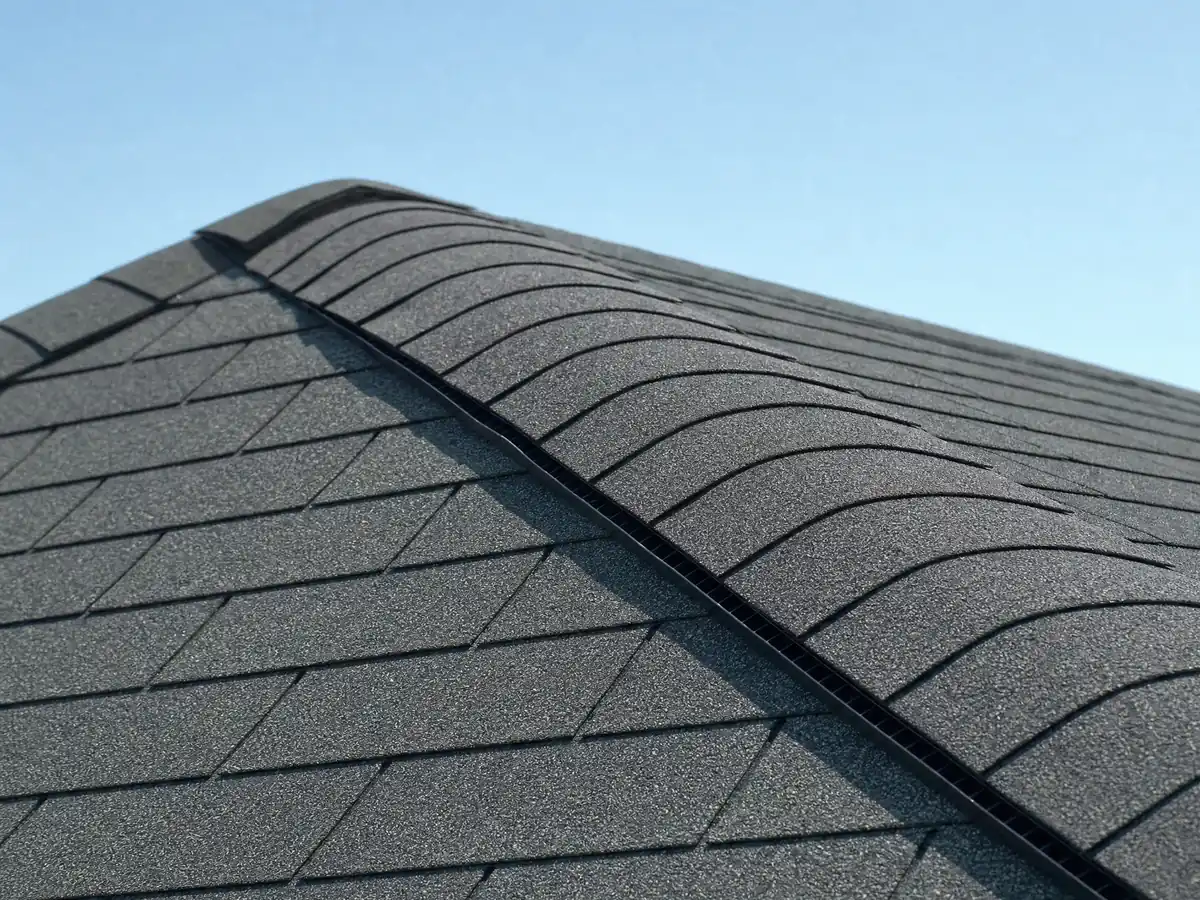
Roofing scenes tied to Dove Canyon, Robinson Ranch and Plano Trabuco and to nearby places such as Trabuco Canyon, Coto de Caza and Mission Viejo, from tile flashing to shingle tear-offs under fire-zone rules.
Where these Rancho Santa Margarita roof figures come from
The sourced roofing prices are in the table on our roofing page, and the roof cost guide for California explains the gap between the two surveys. A new roof often comes with other exterior work, and the local rules for it are on the fencing page, the painting page and the kitchen remodeling page. For another Orange County fire-map city, read the roofing guides for Laguna Niguel and Aliso Viejo.
| What it covers | Typical range |
|---|---|
| Asphalt shingle, typical single-family roof | $10,000 to $25,000 |
| Concrete or clay tile | $7 to $15 per sq ft |
| Metal | $7 to $16 per sq ft |
| Remodeling Cost vs. Value 2025, Los Angeles | Asphalt $36,417. metal $62,069. |
| Extras | Tear-off $1,000 to $3,000. solar detach and reset $500 to $1,000. |
Other work we manage in Rancho Santa Margarita
Rancho Santa Margarita roofing questions, answered
Do I need a permit to replace my roof in Rancho Santa Margarita?
Yes. The City lists re-roofing and roof repairs among the work that needs a building permit, and its exempt list has no roofing line. The fee schedule effective October 12, 2026 shows $177.41 for a residential re-roof permit, a City charge and not a project price. Call the permit technician at 949-635-1800 ext. 6101 to confirm what to submit.
What is a Class A roof, and does Rancho Santa Margarita require one?
Class A is the highest fire-test rating for a roof assembly, and OCFA lists concrete tile, clay tile, asphalt composition shingles and metal shingles as Class A coverings. We could not read Ordinance 25-05, which adopted the 2025 Wildland-Urban Interface Code, so ask Building and Safety whether it requires Class A on your parcel, and choose a Class A covering anyway.
Is my Rancho Santa Margarita roof in a fire hazard zone?
Possibly. The City's June 2025 presentation showed Very High, High and Moderate zones over about 70 percent of the city, but that document was a proposed ordinance. We could not confirm adoption or the final boundaries, so check your parcel on the City's fire hazard severity zone page and write the result into your contract.
How much does it cost to replace a roof in Rancho Santa Margarita?
Price it by roof area, because house size misleads. Los Angeles data from Angi shows asphalt at $4 to $12 a square foot, tile at $7 to $15 and metal at $7 to $16, and Cost vs. Value 2025 prices a reference asphalt roof at $36,417. We found no Rancho Santa Margarita survey, so only a measured written proposal gives the real price.
Does my HOA control my roof even if the City approves the permit?
It can. SAMLARC requires approval for front-of-home changes and for rear and side work above the fence line, and sub-association members need that tract's approval first. We found no SAMLARC rule written for roofs, so ask the management office whether a like-for-like replacement needs an application before you schedule.
Should I repair or replace my roof?
Repair when the damage is local and the deck is sound, and replace when the covering is failing across whole slopes or the deck flexes. Most roofs here sit on homes built from 1980 to 1999, so many have been patched or redone once already. Ask for photographs of the damage and the deck underside, with decking priced separately.
What is the best time of year to replace a roof here?
Summer is usually the driest window. The Mission Viejo rain station about 3.6 miles away records 11.40 of its 15.25 inches from December through March and almost none in July and August. Heat is the tradeoff: the Irvine Ranch station logs 61.6 days a year at or above 90 F, so ask crews to start early.
What happens to solar panels during a roof replacement?
They often have to come off and go back on. Angi's Los Angeles page puts removal and reinstallation at $500 to $1,000, separate from the roofing. The City's fee schedule lists a $450 residential solar permit, so ask the permit technician whether a reset needs one, and name who disconnects and reconnects the system in the contract.
Can a general contractor do roofing in California?
A general contractor can run a roofing job, but the roofing itself is CSLB class C-39 work. MDG holds the contract and brings in a licensed C-39 subcontractor, and you can ask for that license number and certificate of insurance. Whether a Class B license may take a roofing-only contract is a question for CSLB.
Ask for a roof inspection in Rancho Santa Margarita
Tell us your tract or street, the year the house was built and what you see in the attic or the gutters. We check the fire map, the Class A rating and the SAMLARC step before we call back.