
Roof Repairin Cypress, CA
Roof repair in Cypress carries a local rule: any roof covering applied in an alteration, repair or replacement must be at least Class B. A re-roof needs a building permit, and a re-roof that replaces sheathing must use radiant barrier sheathing. Confirm each point with the Building Division before you sign.
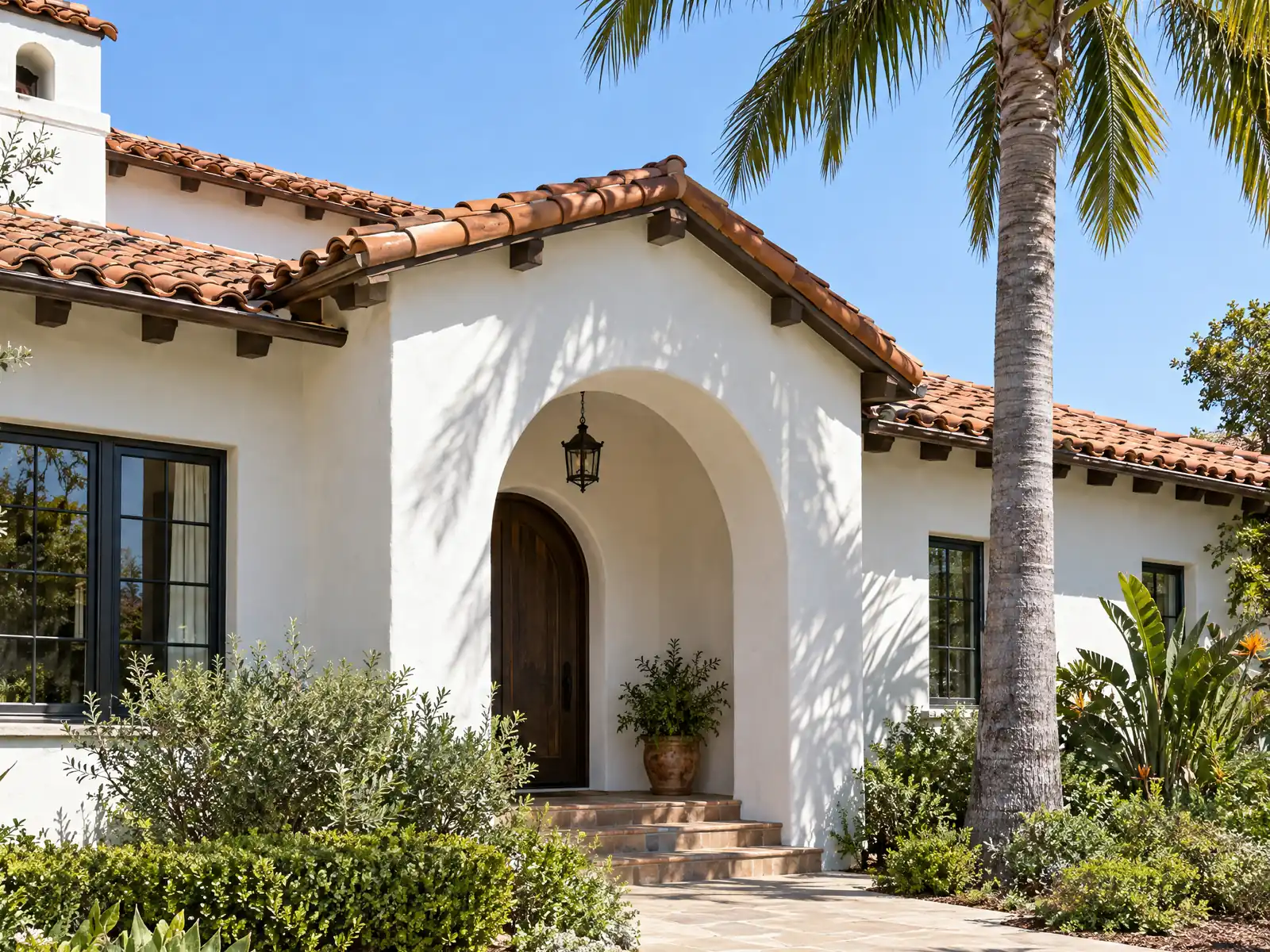
Cypress started as open sandy farmland and became dairy country. Dairymen incorporated the city as Dairy City on July 24, 1956, residents renamed it Cypress in 1957, and the population climbed from 1,753 in 1960 to 31,569 in 1970. The Census Bureau's ACS 2024 five-year estimates count 16,920 housing units, 6,574 of them from the 1960s and 4,856 from the 1970s, so about 76 percent of the stock predates 1980. On those homes the deck under the shingles is at least 46 years old, whatever covering sits on top.
On a roofing job, MDG Builders (CSLB #1040337) writes the scope, takes the permit questions to the Building Division and sequences the work, while a licensed C-39 roofing subcontractor does the tear-off and installation. Our roofing page holds the sourced prices and the Cypress overview lists every trade we manage here. Neighbors with their own guides include Buena Park, Garden Grove, Lakewood and Cerritos. The City's website blocked our tools, so we read its pages as Internet Archive copies from 2025 and 2026 and the code text through a mirror, which is why we say to confirm.
What Cypress's code amendments say about roofs
Where roofing permits come from in Cypress: City of Cypress Building Division, Public Works Department (Planning Division handles zoning).
- The City lists re-roofs among the projects that require a building permit, and the City's amended exempt-work list (Building Code 105.2 as amended by Ordinance 1225) has no roofing item, so a re-roof is not an exempt job.
- Cypress amends the roof rules in the California Building Code: Section 1505.1 requires every roof covering to be at least Class B, the replacement table lists Class B for every construction type, and Section 1505.1.3 requires the entire roof covering to be Class B or better on every new structure, on any roof covering applied in an alteration, repair or replacement, and on an existing structure when more than 50 percent of the roof is replaced in any one year. The text comes from a mirror of the Municipal Code (text as of October 5, 2026).
- For houses under the Residential Code, Cypress amends Sections R902.1 through R902.2 to read that not less than Class B roofing is permitted and that a minimum of Class A or B roof covering is required.
- Cypress's amendment to Building Code Section 1511.3 allows no more than one overlay of asphalt shingles over an existing asphalt shingle roof, and no more than one overlay of asphalt shingles over wood shingles, with an overlay underlayment of not less than Type 30 nonperforated felt over the wood.
- The City's Design Criteria page says a re-roof that requires replacing roof sheathing must use radiant barrier type sheathing, and the final inspection requires a completed Smoke Detector Verification form left for the inspector or emailed to the Building Division before the final is called.
- Zoning code 3.11.040 requires the type and color of roof materials used on additions, detached garages and remodeling projects to match the roof materials on the main structure.
- Zoning Table 3-1 lets architectural adornments such as cornices, eaves and sills project 4 feet into front and rear setbacks and not more than one-half of the required side setback, and it bars pop-up canopies from any setback.
- Cypress amends Residential Code R337.1.3 so the wildfire exposure chapter applies to new buildings in any Fire Hazard Severity Zone or designated Wildland-Urban Interface area and to additions, remodels and accessory structures within 100 feet of a fuel modification zone, vegetation management area or similar hazardous-vegetation area, even outside a mapped zone, when the City or fire official previously required wildfire materials at that property. New structures adjoining hazardous vegetation must follow OCFA Guideline C-05 under added R301.9.

Does a Cypress roof have to be Class B, even for a repair?
Yes for anything that counts as an alteration, repair or replacement. Cypress amends California Building Code Section 1505.1 so every roof covering is at least Class B. Section 1505.1.3 then requires the entire covering to be Class B or better on every new structure, on any covering applied in an alteration, repair or replacement, and on an existing structure once more than 50 percent of the roof is replaced in one year. For houses, amended Residential Code R902.1 through R902.2 permits not less than Class B and requires Class A or B covering.
A patch is the open question. The wording ties the class to the covering you apply, so new shingles on a single slope must be Class B or better even if the rest is older. We found no City handout on how the inspector measures the 50 percent line. The code text came from a mirror of the Municipal Code dated October 5, 2026.
- Class B or better on any covering applied in a repair
- At most one asphalt overlay, over asphalt or wood shingles
- Type 30 nonperforated felt before an overlay on wood shingles
Ask the Building Division how it counts the 50 percent line before anyone splits a job into phases.
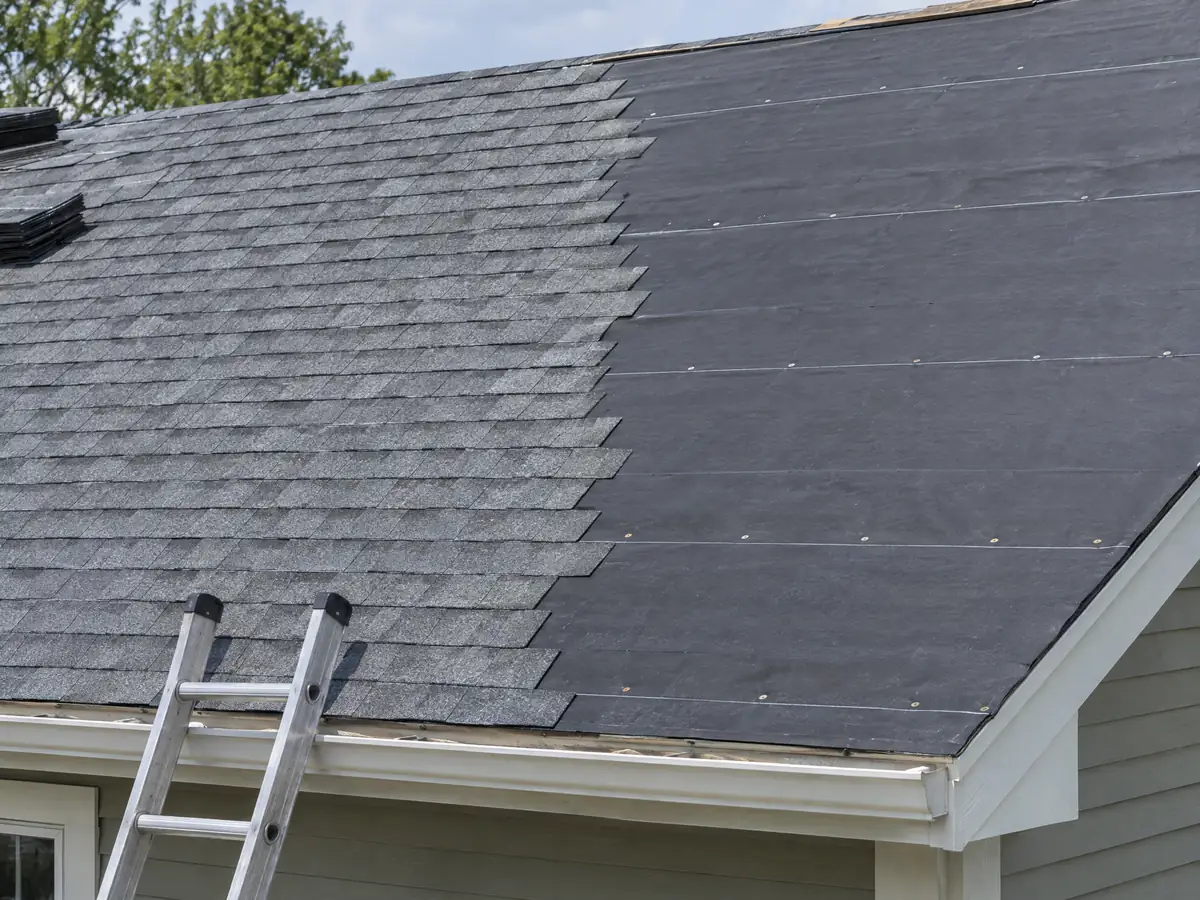
Does roof replacement need a permit in Cypress, and who inspects it?
A re-roof is not exempt work. The Building Division sits inside the Public Works Department and lists re-roofs among the projects that need a building permit, and the amended exempt list in Building Code 105.2 has no roofing item. Applications and inspection calls go to (714) 229-6730. The City says inspections run Monday to Friday, 8:00 a.m. to 4:00 p.m., with two days' notice recommended and a morning or afternoon window on request. Start at the City's Building Division page.
Two details catch roofers out. The final inspection needs a completed Smoke Detector Verification form, left for the inspector or emailed to the Building Division before the final is called. And the counter takes only check and credit card payments. We could reach only a 2021 fee schedule, so we print no permit fees. Ask the counter for today's amount.
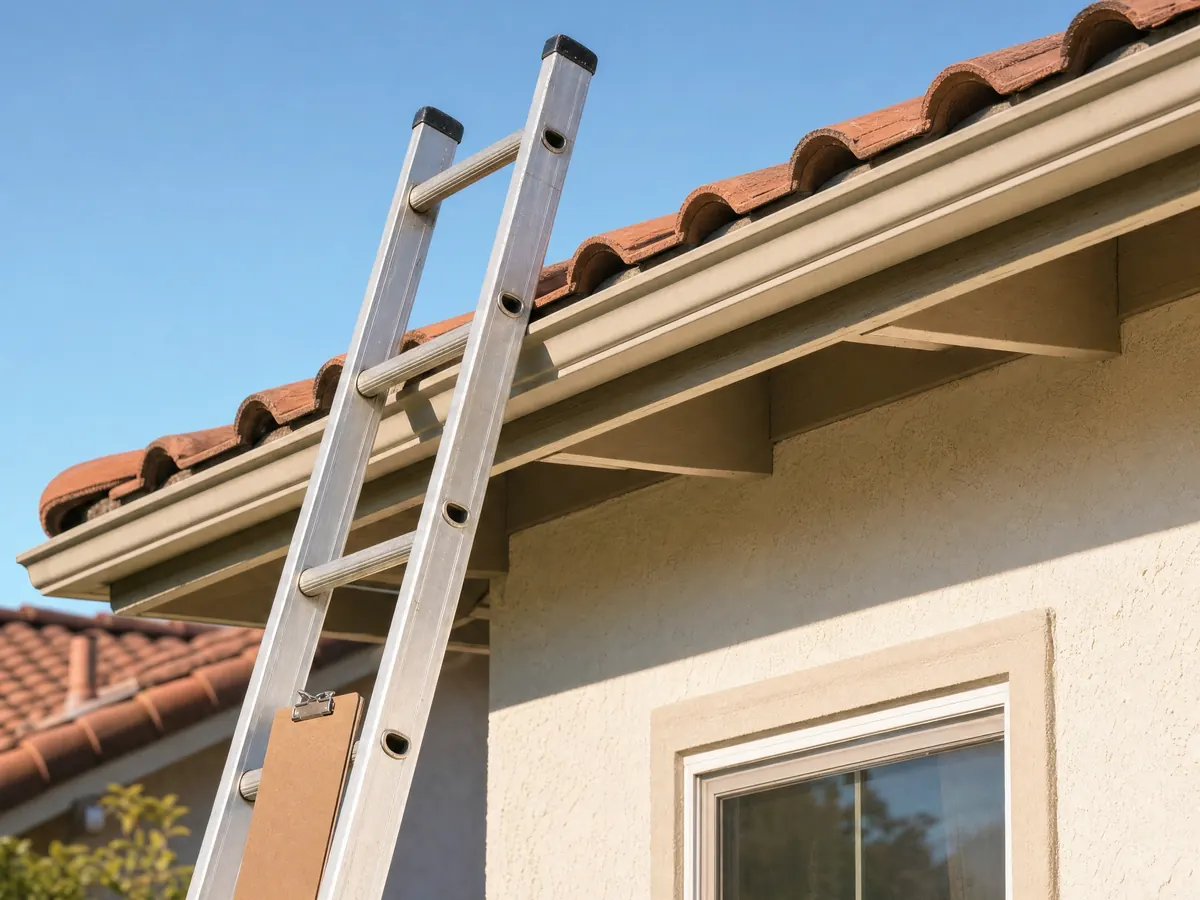
How old are Cypress roofs, and should I repair or replace mine?
Age here follows the 1960s boom. The City's history says zoning changed within about four years of incorporation to allow residential tracts, and ACS 2024 counts 12,826 of the 16,920 units, 75.8 percent, as built before 1980. A March 2022 draft of the City's housing element, written before the newer Census tables, says about 95 percent of the stock will be more than 30 years old by 2029.
We found no Cypress survey of roof condition and no sourced lifespan, so we print no number of years. Repair suits local damage over a sound deck. Replacement suits a covering that is failing across whole slopes, leaks that keep appearing in new places, or boards that flex underfoot. Have the roofer photograph the flashing and the underside of the deck from the attic, and get any deck replacement priced per sheet, apart from the covering.
A repair price that cannot grow into a replacement without your signature is worth writing into the proposal.
Is Cypress in a fire hazard severity zone, and does fire code still touch my roof?
Cypress is not in CAL FIRE's Phase 4 Orange County list of recommended Local Responsibility Area zones, dated March 24, 2025. The City's amendments still reach past mapped zones. Cypress adopted the California Wildland-Urban Interface Code and amended Residential Code R337.1.3 so the wildfire chapter applies to additions, remodels and accessory structures within 100 feet of a fuel modification zone or similar vegetation area when the City or fire official previously required wildfire materials at that property.
Fire plan review comes from the Orange County Fire Authority, which serves Cypress and 22 other cities. The City's code findings point to hot, dry Santa Ana winds in fall and spring and to fuels such as wood shingles that ignite quickly, and the General Plan says Cypress has no large tracts of wood or shake roofs, though a few older apartment complexes still have them. Ask the Building Division whether your parcel carries any wildfire material requirement.
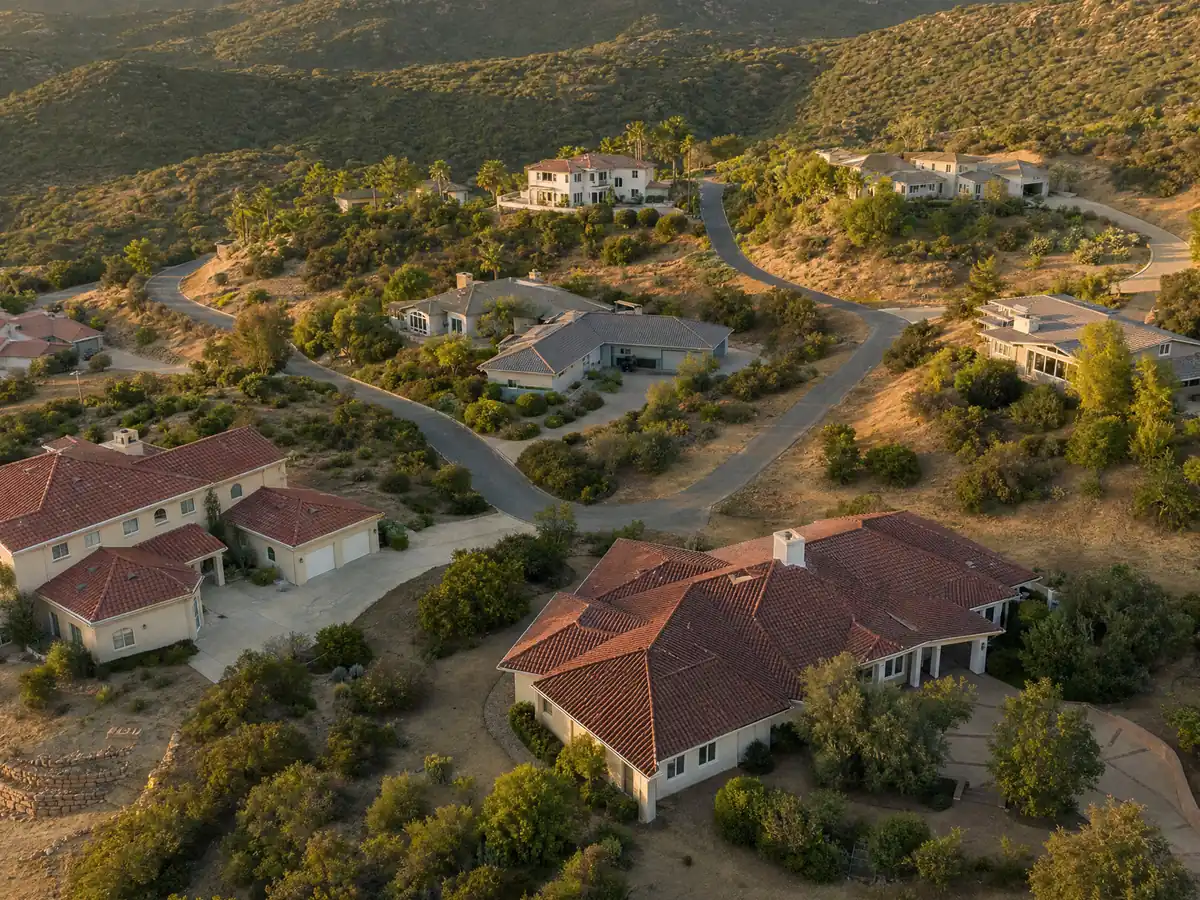
What do radiant barrier decking and the rainy months mean for a Cypress re-roof?
When a re-roof replaces sheathing, the City's Design Criteria page requires radiant barrier type sheathing, so the deck becomes a code item and not only a repair. Ask the roofer to mark every sheet to be replaced on a photo before tear-off, because the inspector sees the deck. The same page lists a 110 mph ultimate wind speed and mostly exposure C, but it cites older ASCE and 2013 code tables, so confirm the figures against the 2025 code the City now enforces.
NOAA's 1991 to 2020 normals for Fullerton Municipal Airport, the nearest normals station at about 5.0 miles northeast, show 11.86 inches of rain a year, 9.47 inches of it from December through March and 0.02 inch each in July and August. Average highs run from 68.8 F in January to 86.7 F in August, with 39.2 days at or above 90 F. Summer leaves an open deck dry, so ask who covers it each night and who watches the forecast.
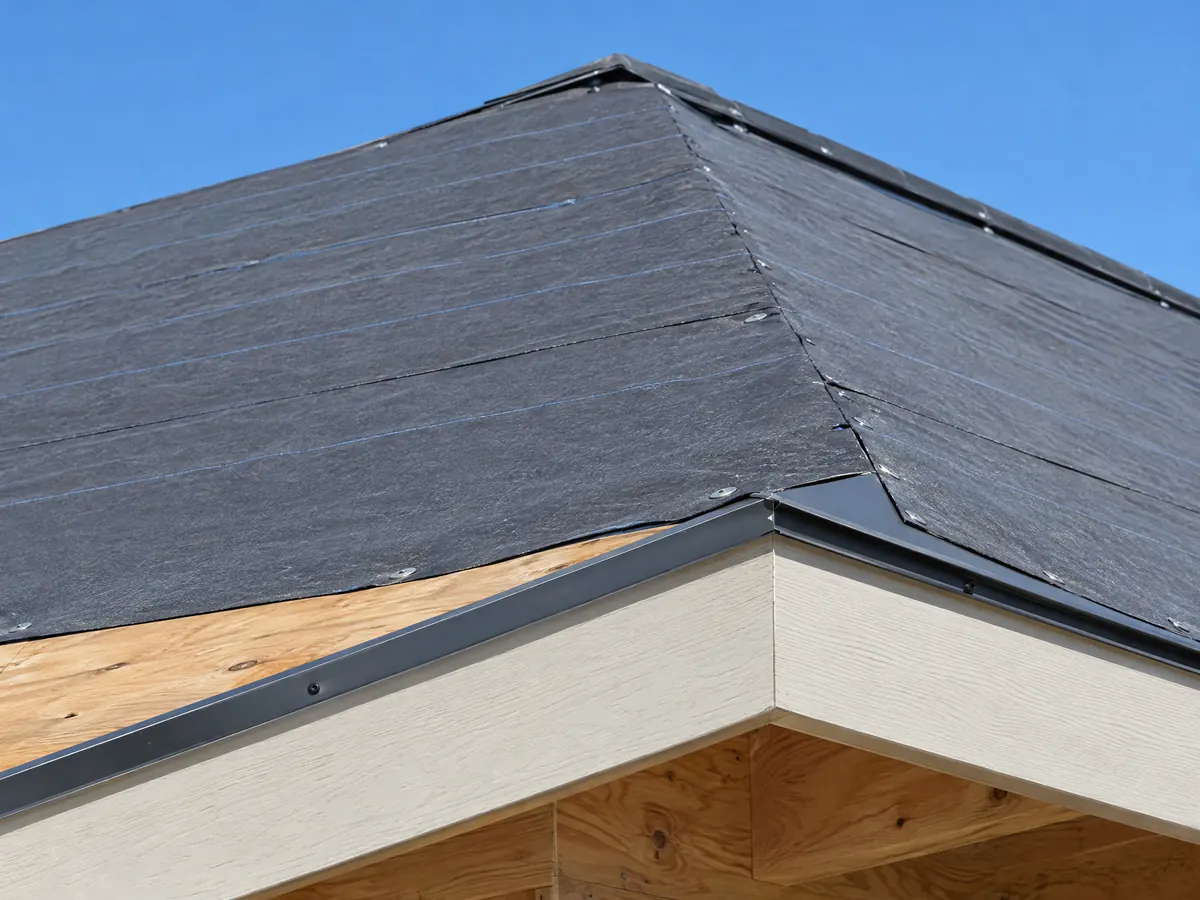
Does a new roof have to match the house, and how do solar panels fit?
Zoning code 3.11.040 requires the type and color of roofing on additions, detached garages and remodeling projects to match the main structure, so a patch cannot introduce a new look. Zoning Table 3-1 lets cornices, eaves and sills project 4 feet into front and rear setbacks and no more than half of the required side setback, which caps how far a new eave detail can reach.
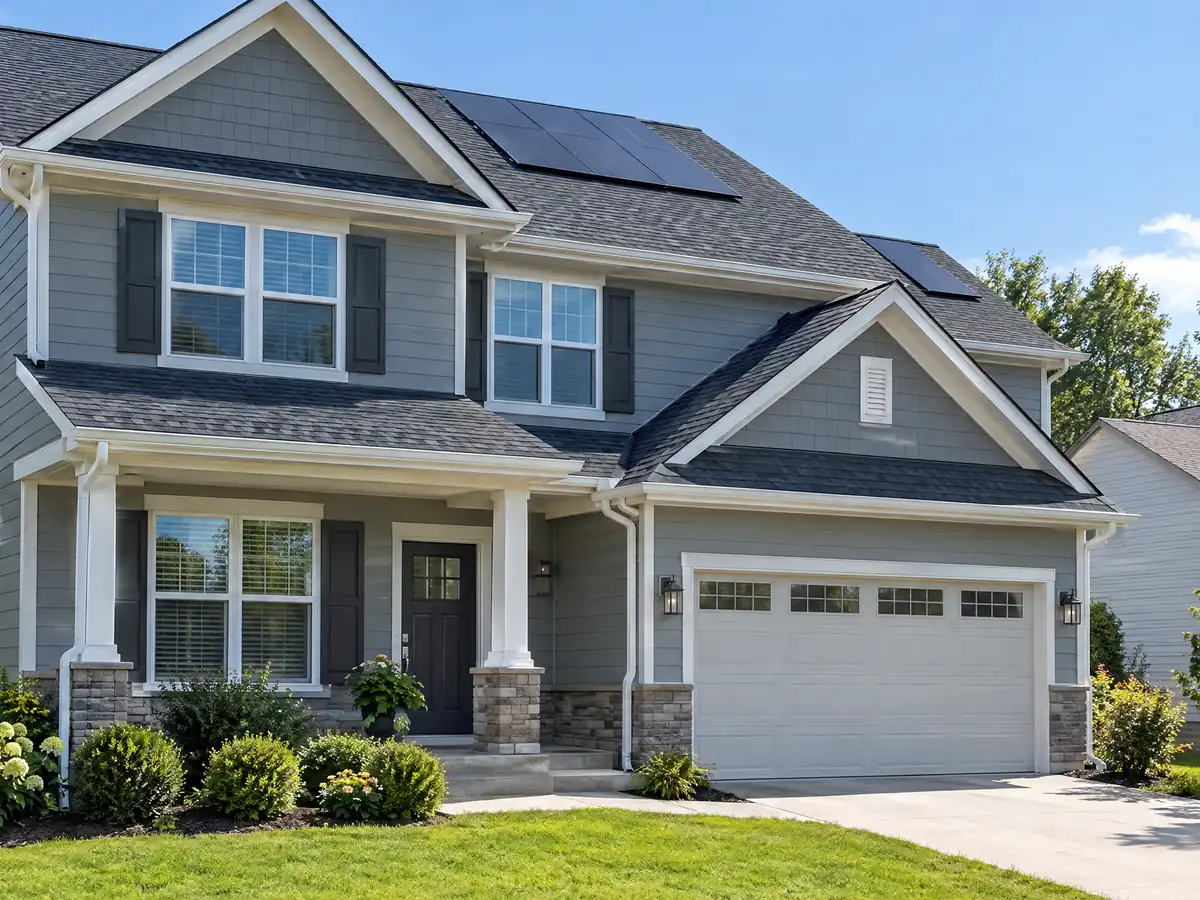
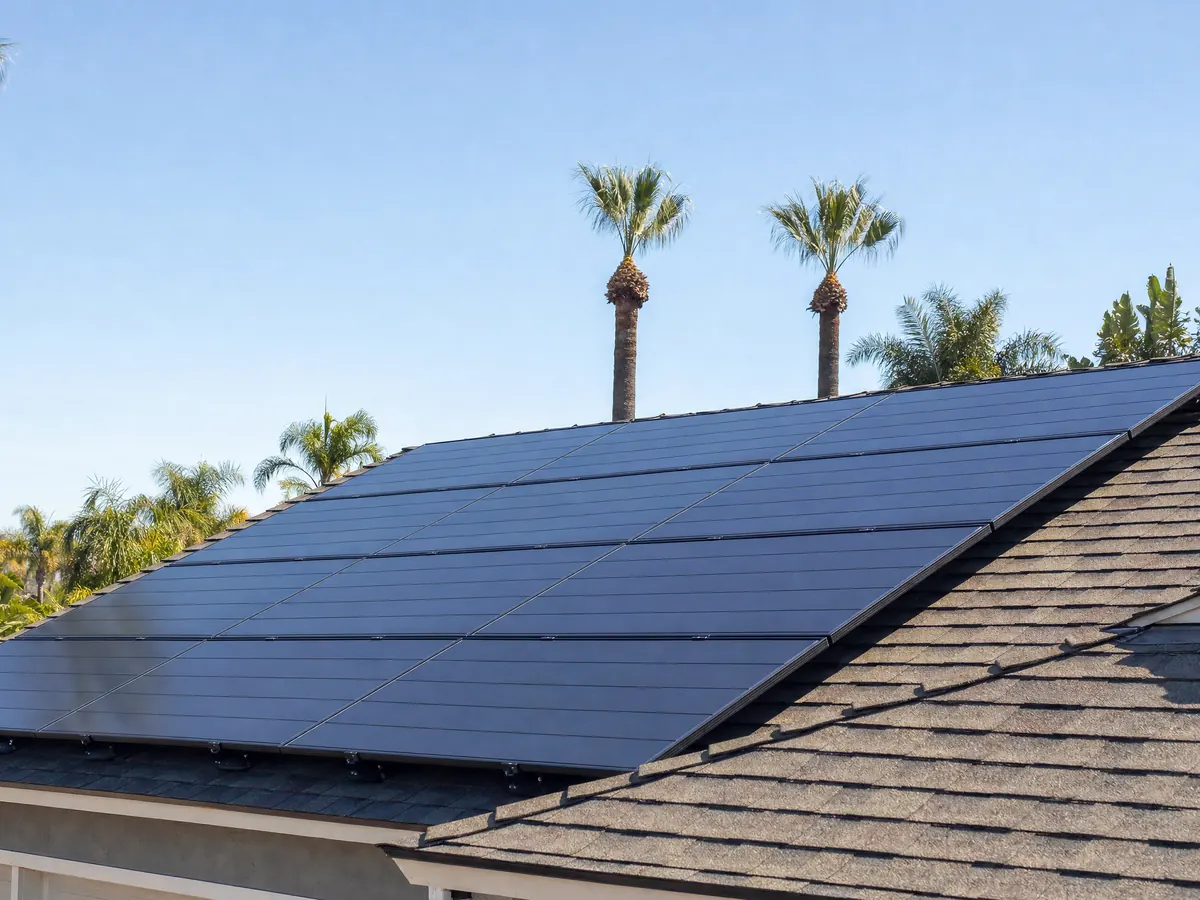
Rooftop solar has its own lane. Licensed contractors apply through the SolarAPP+ platform for automated review of standard residential systems, then apply on the City's portal and call for the inspection. Municipal Code 5-69 to 5-74 covers systems of 10 kW AC or less on a single or duplex dwelling and requires the permit the same day when the City checklist is met, or within three business days for a complete electronic submittal. Zoning code 3.11.100 allows panels in public view if the associated plumbing is painted to match the roof. Angi's Los Angeles page prices removing and reinstalling panels at $500 to $1,000.
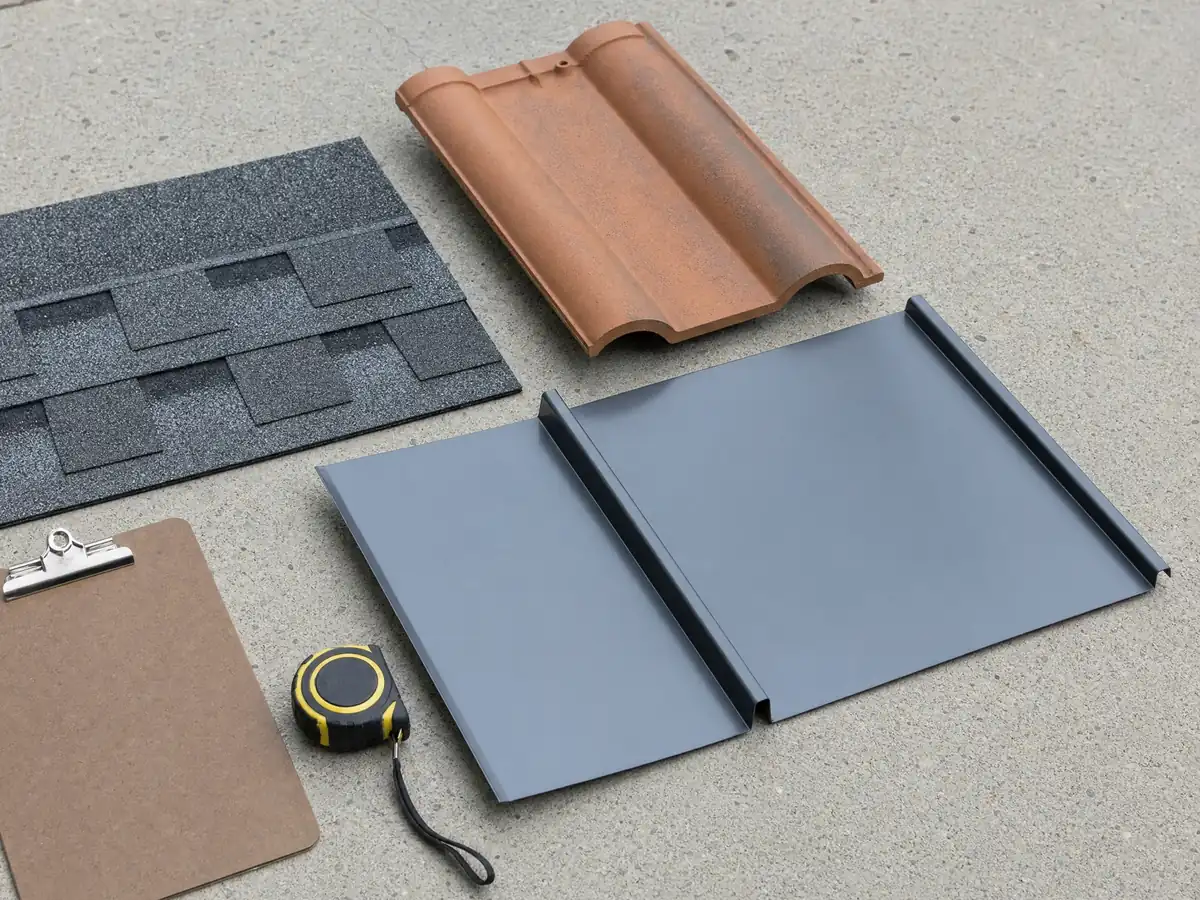
How much does roof replacement cost in Cypress, and how do I hire a roofer?
We found no Cypress price survey, so these are Los Angeles figures and a Cypress proposal will differ. Angi's Los Angeles page, updated July 31, 2026, shows asphalt at $4 to $12 a square foot, tile at $7 to $15 and metal at $7 to $16, adds $1,000 to $3,000 for tear-off and puts the average job at $17,271. Remodeling magazine's Cost vs. Value 2025 report prices a reference Los Angeles roof at $36,417 in asphalt and $62,069 in metal without publishing its size, which explains much of the gap.
Roofing is CSLB class C-39, defined as installing products and repairing surfaces that seal, waterproof and weatherproof structures, such as shingles, tile, slate and metal. A permitted Cypress re-roof needs a licensed contractor even under $1,000, because the state's minor work exemption never covers permitted work or a hired worker. The contract itself falls under Business and Professions Code 7159: it must be written, and the down payment may not top $1,000 or 10 percent of the price, whichever is smaller. Our contractor license guide shows how to look up a license, and how general contractors use subcontractors explains who answers for what.
Roofing photos from Cypress and nearby communities
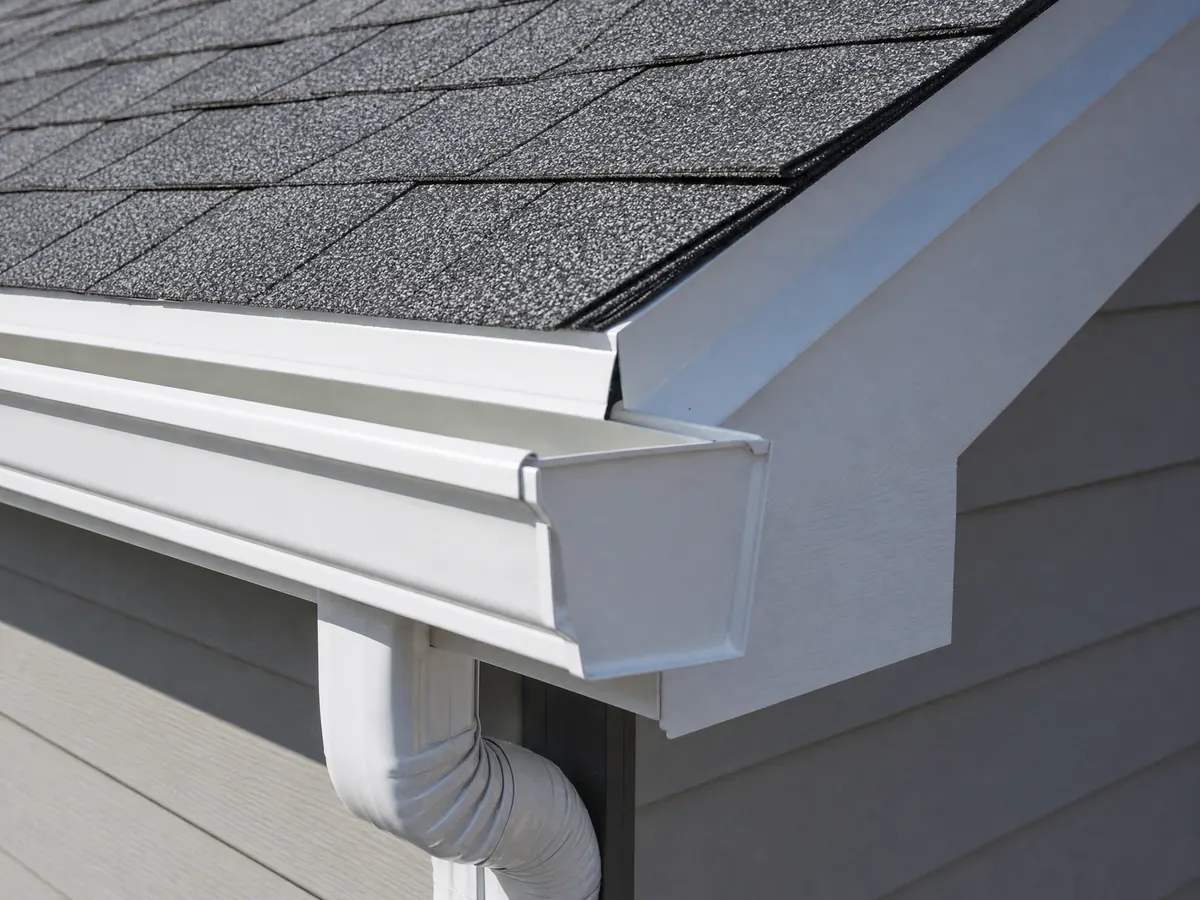
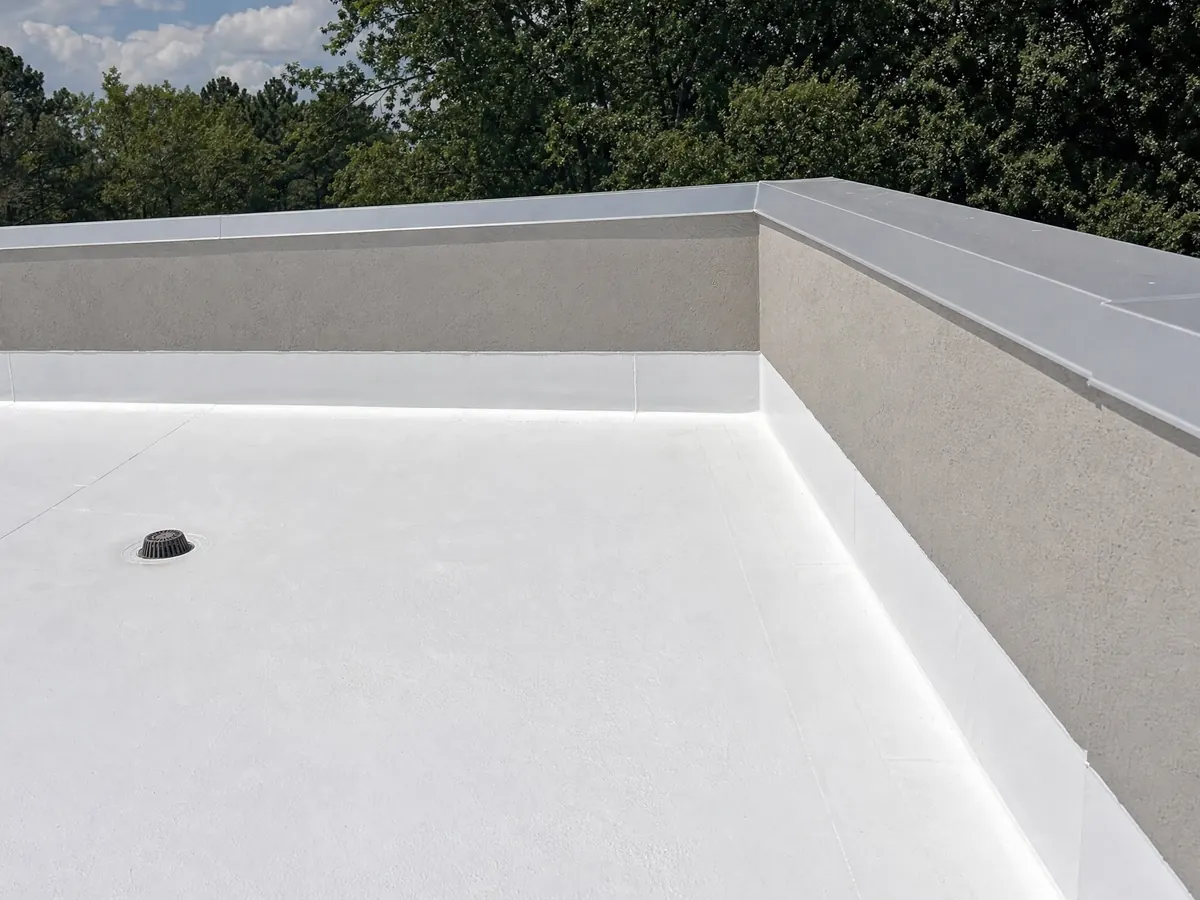
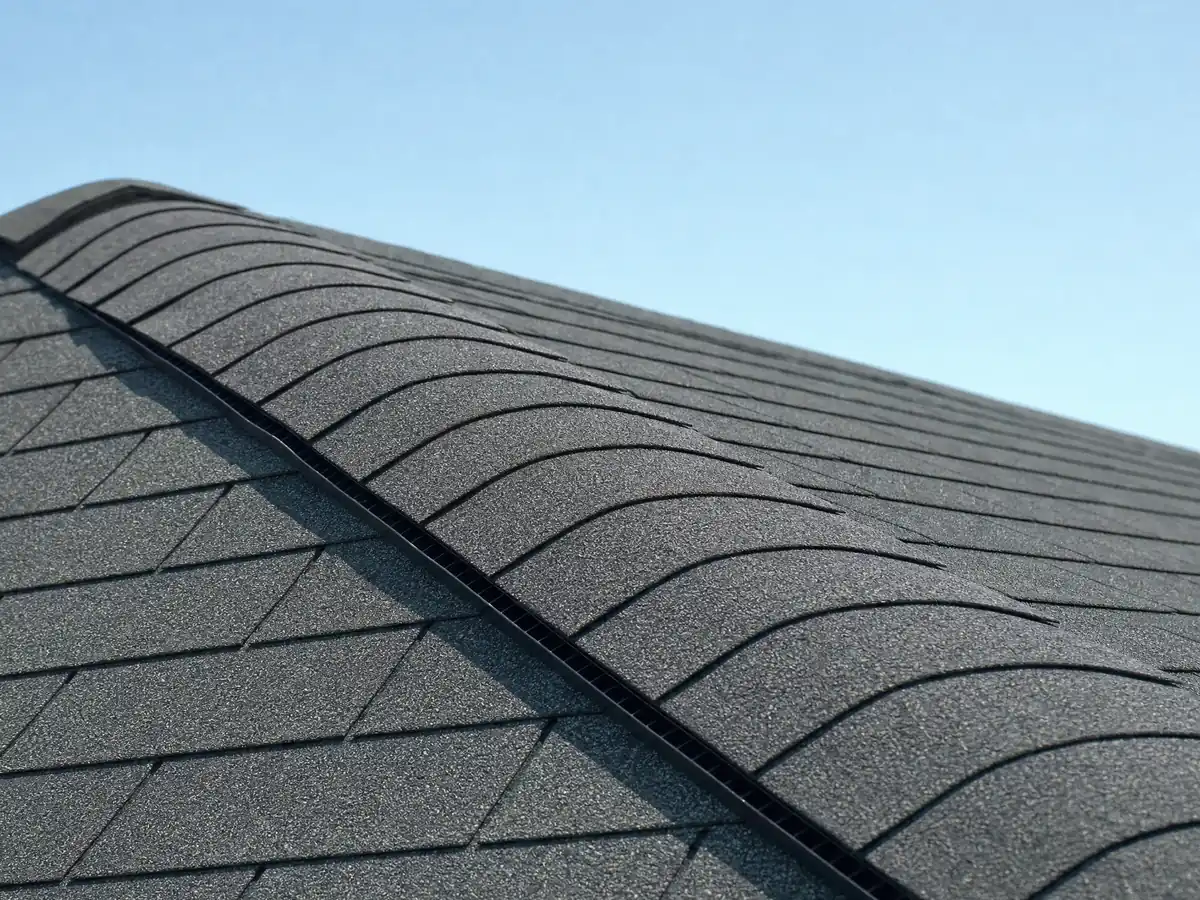
Roofing scenes tied to Cypress tracts and to nearby places such as Los Alamitos, La Palma and Buena Park, from shingle tear-offs and deck work to tile flashing and solar.
Where these Cypress roof figures come from
The sources and dates behind every roofing price sit in the table on our roofing price page, and the California roof cost guide explains why the two surveys sit so far apart. Roof work often travels with other trades, and the Cypress rules for them are on the fencing page, the painting page and the kitchen remodeling page. For a fire-map city to compare, see the roofing guides for Los Angeles and Glendale.
| What it covers | Typical range |
|---|---|
| Asphalt shingle, typical single-family roof | $10,000 to $25,000 |
| Concrete or clay tile | $7 to $15 per sq ft |
| Metal | $7 to $16 per sq ft |
| Remodeling Cost vs. Value 2025, Los Angeles | Asphalt $36,417. metal $62,069. |
| Extras | Tear-off $1,000 to $3,000. solar detach and reset $500 to $1,000. |
Cypress roofing questions, answered
Do I need a permit to replace my roof in Cypress, California?
Yes. The City's Building Division lists re-roofs among the projects that need a building permit, and its amended exempt-work list has no roofing item. Apply through the Building Division at (714) 229-6730. A re-roof that replaces sheathing must use radiant barrier sheathing, and the final inspection needs a Smoke Detector Verification form.
What is the 25% rule for roofing?
We found no Cypress code section with that name, and the sites that quote it rarely cite one. Cypress's real thresholds are different: Class B or better on any covering applied in a repair, and the whole covering Class B or better once more than 50 percent of the roof is replaced in a year. Ask how the inspector counts it.
What class of roof does Cypress require?
Class B at minimum, on every roof covering. Cypress amends Building Code Sections 1505.1 and 1505.1.3 so any covering applied in an alteration, repair or replacement must be Class B or better, and amended Residential Code R902.1 and R902.2 say the same for houses. Class A also satisfies the rule.
Should a 20-year-old roof be replaced?
Not automatically, because condition matters more than age. We found no sourced Cypress lifespan, so we give no number of years. Replace when the covering is failing across whole slopes, leaks keep moving or the deck is soft. Repair when the damage is local and the deck is sound, and ask for photographs either way.
How much does it cost to replace a roof in Cypress?
Price it by roof area. In Angi's Los Angeles data, asphalt runs $4 to $12 a square foot, so a 2,000 square foot roof surface works out to $8,000 to $24,000 by simple multiplication, before tear-off of $1,000 to $3,000. We found no Cypress survey, so a measured written proposal is the real price.
Is Cypress in a fire hazard zone for roofing?
Cypress is not in CAL FIRE's Phase 4 Orange County list of recommended zones from March 24, 2025. The City still adopted the Wildland-Urban Interface Code and applies its wildfire chapter within 100 feet of a fuel modification zone in some cases, so ask the Building Division whether your parcel carries wildfire material rules.
What is the best month to replace a roof in Cypress?
Summer is the driest window. At the Fullerton Municipal Airport station about 9.47 of the year's 11.86 inches of rain fall from December through March, and July and August average 0.02 inch each. We found no Cypress data on which month is cheapest, so ask roofers whether their schedule changes the price.
Can you stay in your house while the roof is being replaced?
Usually yes, though expect noise all day. Cypress exempts construction noise from its limits only outside 8:00 p.m. to 7:00 a.m. on weekdays, before 9:00 a.m. and after 8:00 p.m. on Saturday, and never on Sunday or a federal holiday. Ask the roofer for a daily schedule that fits those hours.
Can I add solar panels when I replace my Cypress roof?
Yes, and the permit can be fast. Cypress requires the permit the same day for small residential systems of 10 kW AC or less that meet its checklist, or within three business days for a complete electronic submittal. Licensed contractors can also use SolarAPP+ for review. Ask whether the panels must come off during the re-roof.
Can a general contractor do roofing in California?
A general contractor can run a roofing job, but the roofing itself is CSLB class C-39 work. MDG holds the contract and brings in a licensed C-39 subcontractor, and you can ask for that license number and certificate of insurance. Whether a roofing-only contract fits a Class B license is a question for CSLB.
Tell us about your Cypress roof
Give us your street or tract, the year the house was built and any stains or leaks you can see. We check the Class B rule, the sheathing requirement and the permit route before we call back.