
Fence Companyin Cypress, CA
A fence company in Cypress works to a 42 inch cap in front and street side yards and 7 feet in rear and interior side yards. The City's amended permit exemptions cover wood fences up to 6 feet and block walls up to 3 feet 5 inches, so 6 to 7 feet is a question for the Building Division.
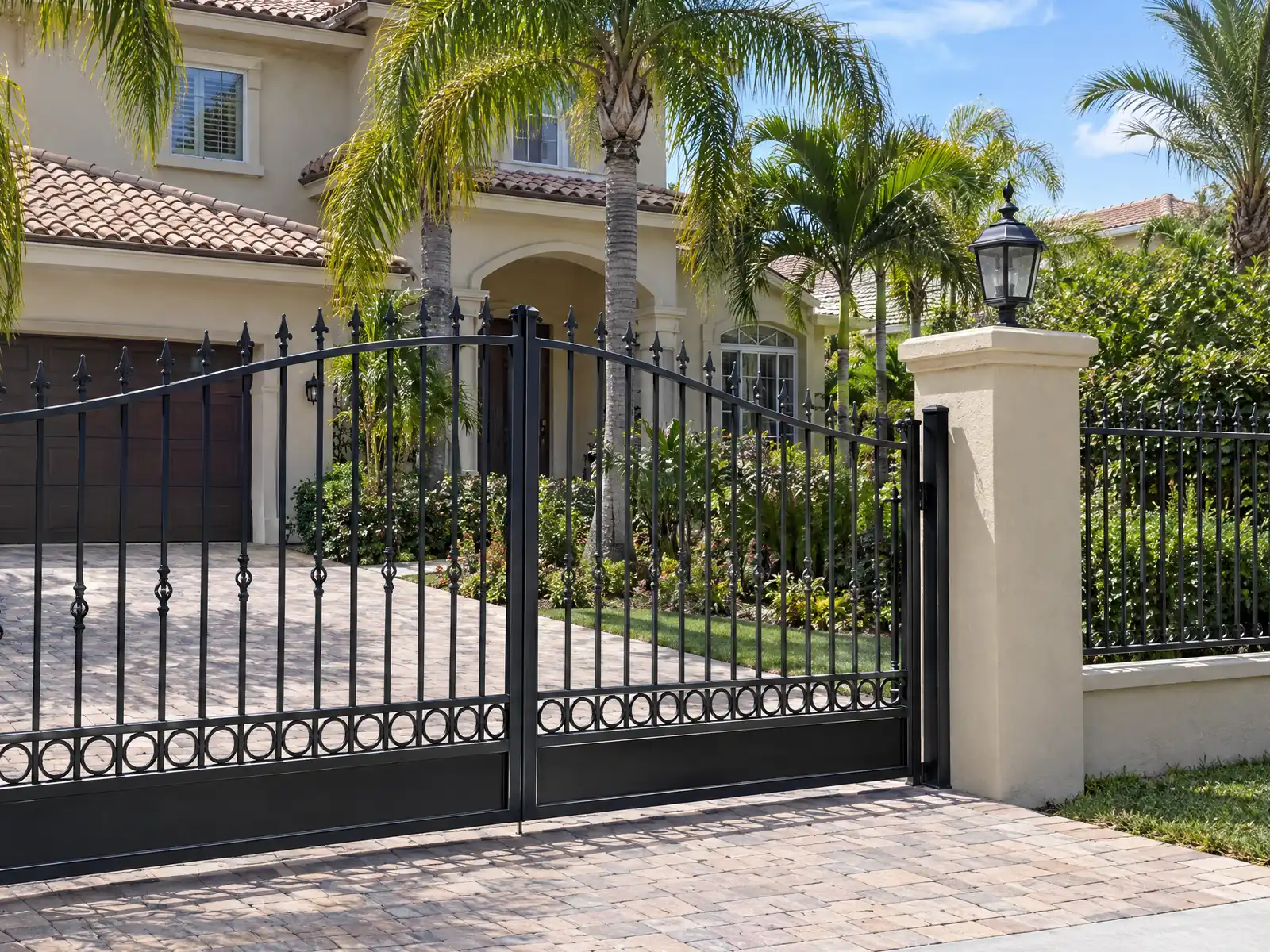
Cypress was sandy farmland long before it was a suburb, growing white and sweet potatoes, sugar beets and sorghum. The Cypress School District formed in 1895, the Pacific Electric station took the Cypress name in 1906, and by the 1940s dairies had earned the area the nickname Moo Valley, with more than 13,000 cows and about 1,000 residents. Zoning changed to allow residential tracts within about four years of incorporation. The Census Bureau's ACS 2024 five-year estimates count 10,500 single-family detached homes, 62.1 percent of the units, and another 2,906 attached homes, so most Cypress fences run along a lot line between neighbors.
On a fencing project, MDG Builders (CSLB #1040337) handles the plan, the City questions and the schedule, and a licensed C-13 fencing subcontractor builds it; block walls go to a licensed masonry subcontractor because C-13 excludes them. Our fencing page has the sourced prices and the Cypress overview lists every trade here. Nearby guides cover Buena Park, Garden Grove, Lakewood and Cerritos. The City's website blocked automated access, so we read its pages as Internet Archive copies and its code through a mirror. Confirm anything that decides a build with the City.
What Cypress's zoning table and building code say about fences
Where fencing permits come from in Cypress: City of Cypress Building Division, Public Works Department (Planning Division handles zoning).
- Cypress Zoning Table 3-4 caps fences, hedges and walls at 42 inches in front and street side yards, at 7 feet in rear and interior side yards in residential zones (6 feet in commercial and 8 feet in industrial), at 8 feet in rear and side yards next to parks and nonresidential uses, and at 42 inches inside traffic sight areas at street, alley and driveway intersections.
- Fence height in Cypress is measured from finished grade at the fence location, and where two adjacent parcels sit at different levels the height along the property line is figured from the finish grade of the higher contiguous parcel.
- Cypress bans barbed wire, electrical fences, razor wire and similar objects on top of fences or walls in residential zones, and swimming pools and spas must be fenced under the City's building code.
- The traffic safety visibility area on a corner lot is the triangle formed by measuring 15 feet from the intersection of the front and street side property lines (or an alley or driveway), and nothing over 42 inches high, including fences, walls, hedges, shrubbery and earth mounds, may stand in it unless the director approves after the Public Works director confirms the view stays clear.
- Cypress's amended Building Code 105.2 exempts block walls 3 feet 5 inches or less and wood fences not over 6 feet high from a building permit, and retaining walls not over 4 feet from the bottom of the footing to the top of the wall unless they carry a surcharge. The same section says exemption from a permit does not authorize work that violates other City ordinances. Because zoning allows 7 feet in rear yards, a 6 to 7 foot wall or fence falls outside the listed exemptions, so ask the Building Division.
- Zoning code 3.11.110.B exempts fences or walls built within the height limits from the setback requirements and exempts retaining walls less than four feet high above finish grade.
- Where a masonry or concrete block perimeter wall along a public right-of-way was built as part of a subdivision or planned development, Cypress requires it to be maintained in original condition, including the color and texture of the block and the cap, and fences and walls may be extended only with like materials and colors subject to the director's approval.
- The City's Building Forms and Applications page lists two residential handouts named Block Wall Detail and Block Wall Neighbor Consent Form, plus Retaining Wall Details. The City's PDFs returned access denied to automated requests, so their contents were not read.
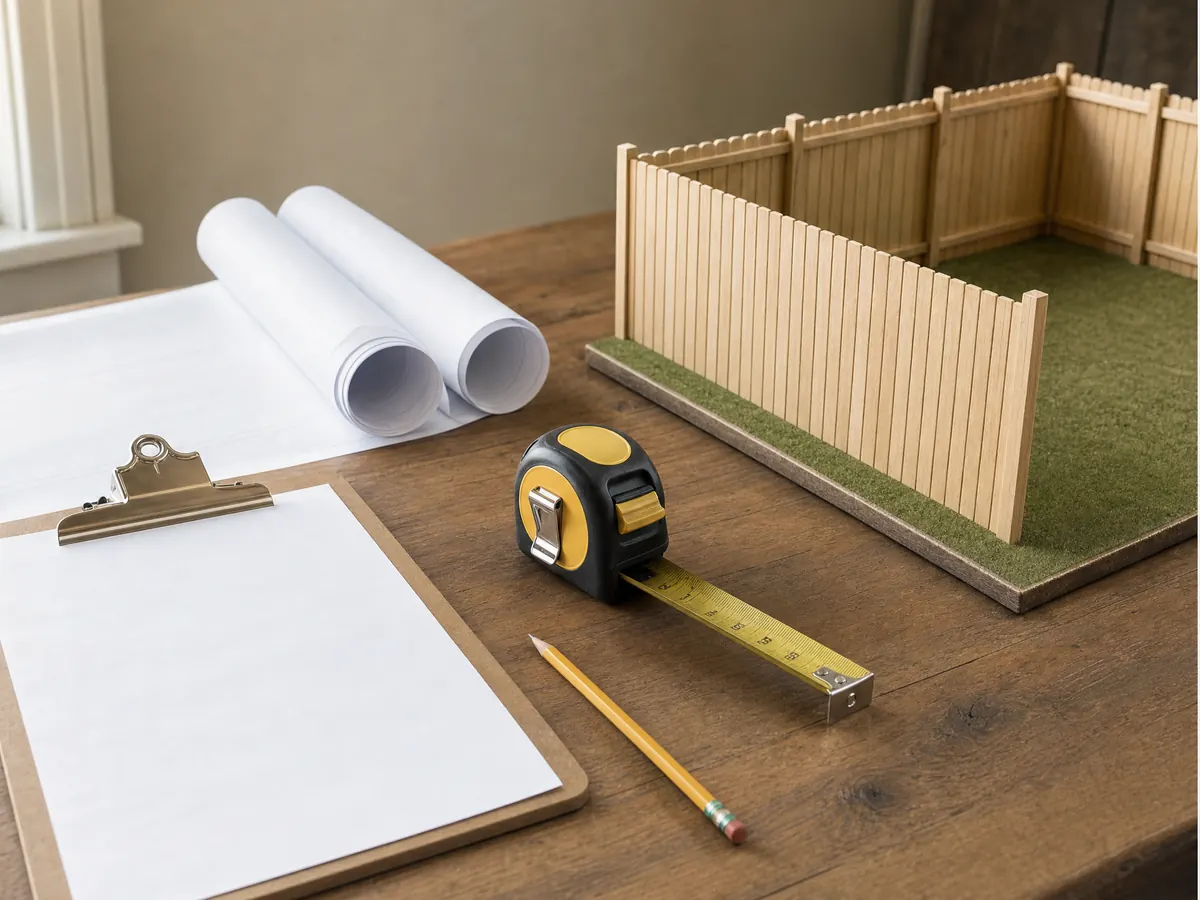
How tall can a fence be in Cypress, from the front yard to the backyard?
Zoning Table 3-4 sets the limits. Fences, hedges and walls stop at 42 inches in front and street side yards. Rear and interior side yards in residential zones allow 7 feet, with 6 feet in commercial zones and 8 feet in industrial ones, and yards next to parks and nonresidential uses may go to 8 feet. Inside the traffic sight areas at street, alley and driveway intersections the cap drops back to 42 inches.
Height is measured from finished grade at the fence location. Where two neighboring parcels sit at different levels, the height along the shared line is figured from the finish grade of the higher parcel, so measure from the higher parcel and write that starting grade into the proposal. The City also bans barbed wire, electrical fences and razor wire on top of fences or walls in residential zones. The table sits in the zoning ordinance, which a mirror presents as Chapter 29, Article 3, section 3.11.
On a corner lot the street side carries the 42 inch cap too, so ask which sides of your fence line face a street.
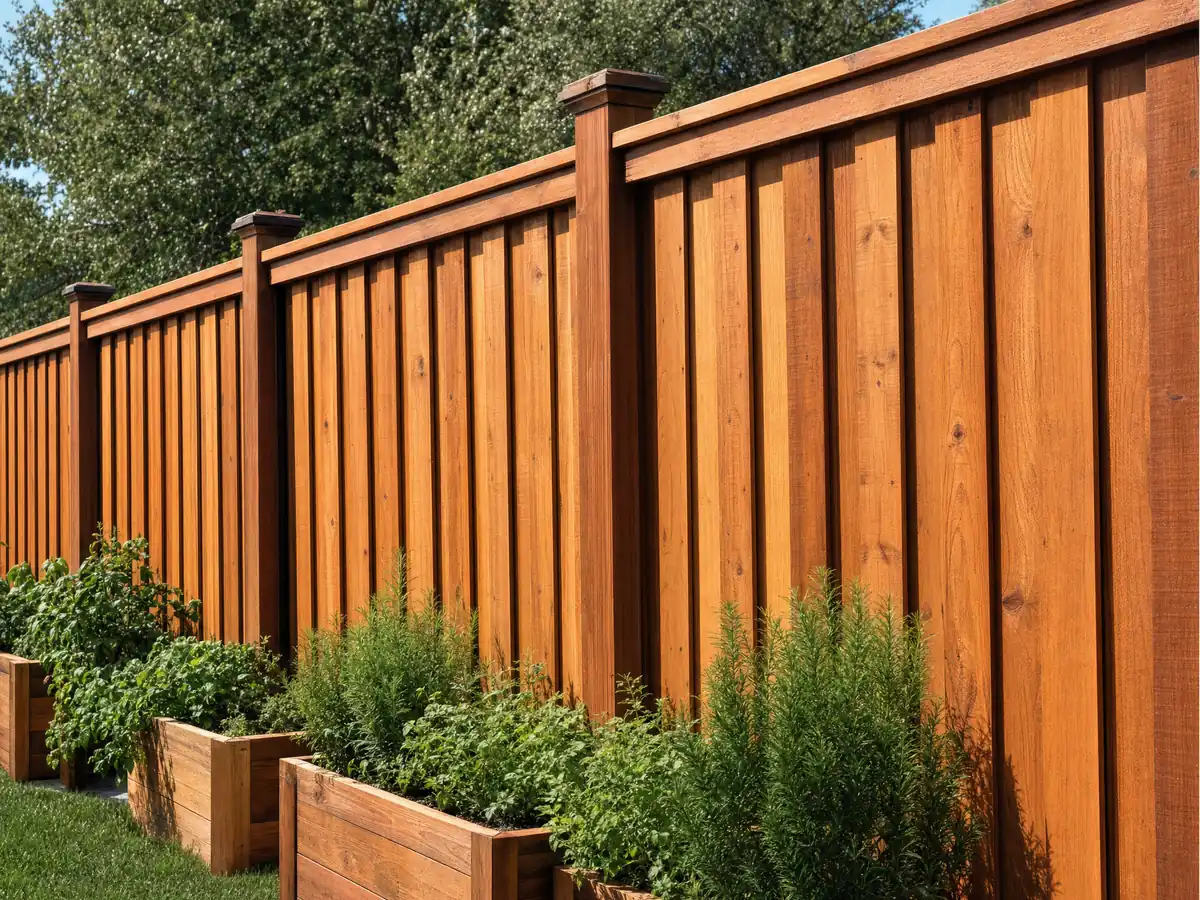
Does a fence need a permit in Cypress, and what happens between 6 and 7 feet?
Part of the answer is a gap. Cypress's amended Building Code 105.2 exempts wood fences not over 6 feet high and block walls of 3 feet 5 inches or less from a building permit, and retaining walls not over 4 feet from the bottom of the footing to the top of the wall unless they carry a surcharge. Zoning allows 7 feet in a rear yard. A 6 to 7 foot wall or fence therefore falls outside the listed exemptions, and our reading is a question for the Building Division at (714) 229-6730, not a ruling.
The same section says an exemption from a permit does not authorize work that breaks another City ordinance. The City's forms page lists residential handouts titled Block Wall Detail, Block Wall Neighbor Consent Form and Retaining Wall Details, but those PDFs blocked our tools and we did not read them. Start at the City's Building Division page.
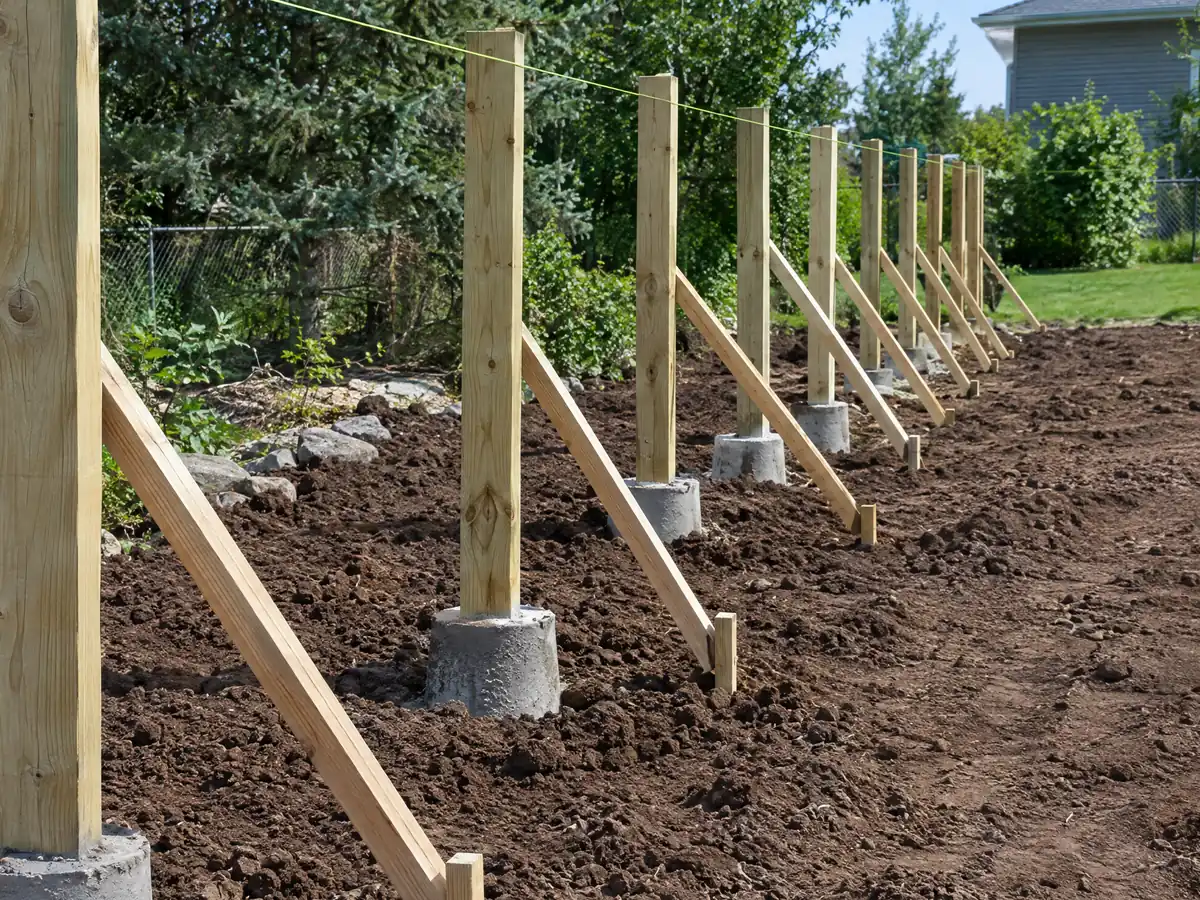
What is the 15 foot corner triangle, and where does my fence line sit?
Corner lots carry a visibility rule. The traffic safety area is the triangle formed by measuring 15 feet from the intersection of the front and street side property lines, or from an alley or driveway, and nothing over 42 inches high may stand in it. That includes fences, walls, hedges, shrubs and earth mounds, unless the director approves after the Public Works director confirms the view stays clear.
Setbacks are gentler. Zoning code 3.11.110.B exempts fences and walls built within the height limits from the setback requirements, and it exempts retaining walls less than four feet high above finish grade. That does not tell you where the property line is. A fence built a few inches onto a neighbor's land stays a dispute whatever the City allows, so ask for a survey or stakes from a licensed surveyor before posts go in, and mark the line on the proposal.
Can I replace or extend a tract block wall in Cypress?
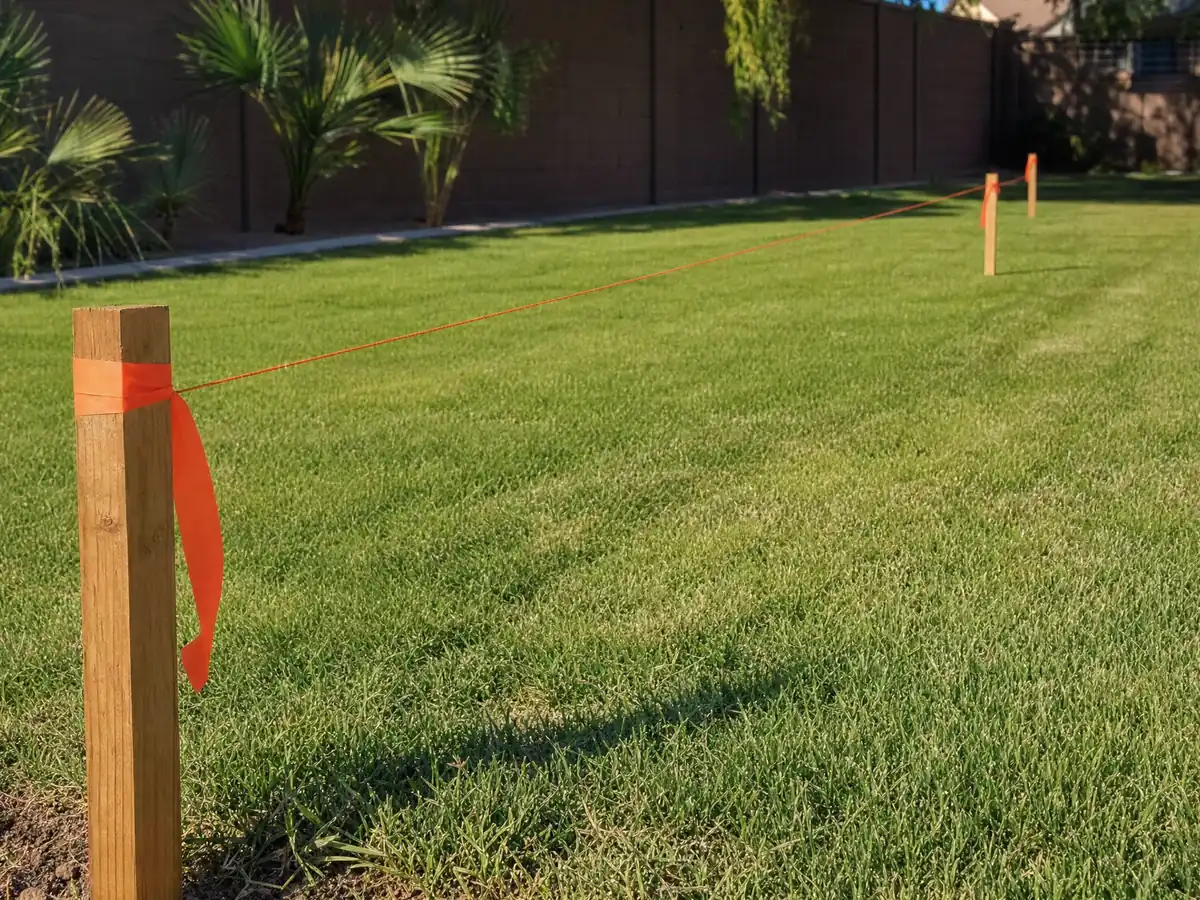
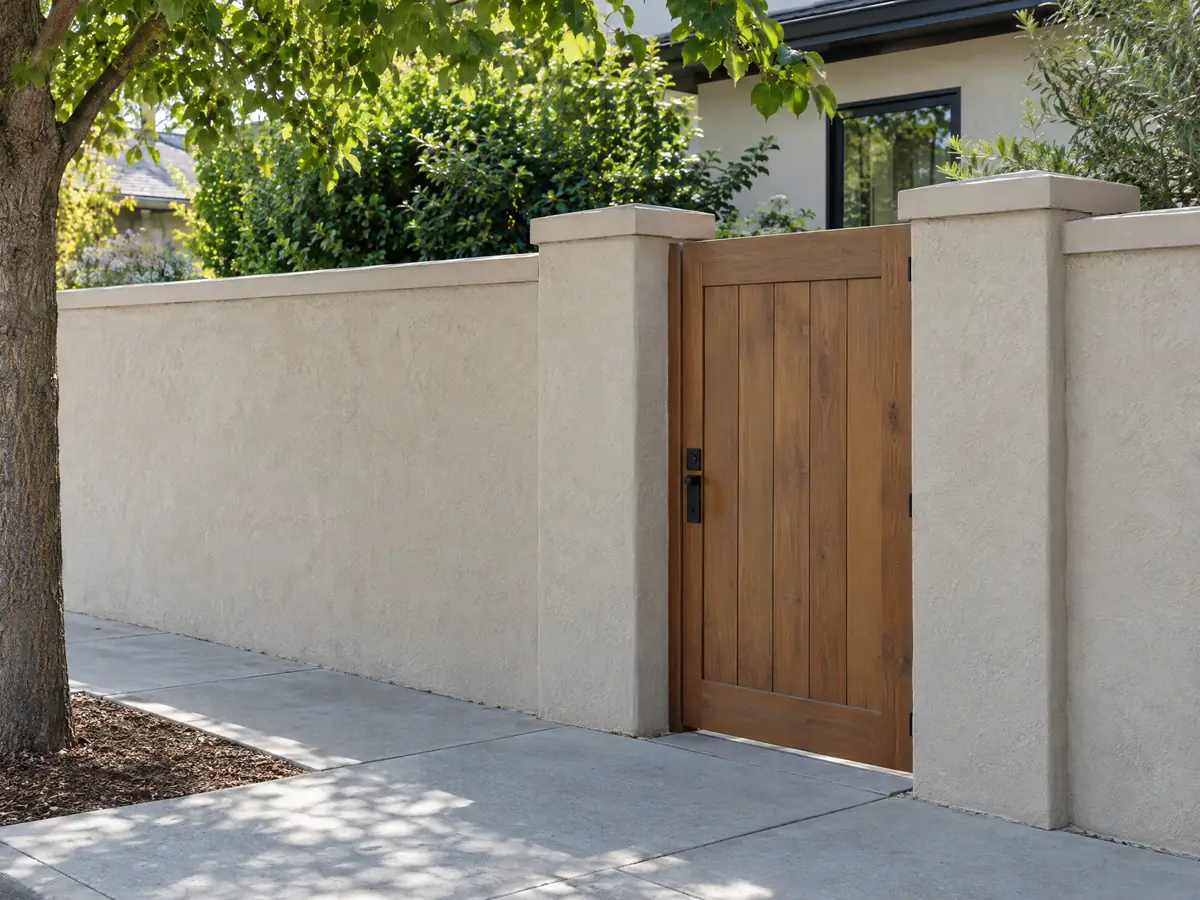
Perimeter walls from the tract era come with a rule. Where a masonry or concrete block wall along a public right-of-way was built as part of a subdivision or planned development, Cypress requires it to be maintained in original condition, including the color and texture of the block and the cap. Fences and walls can be extended only with like materials and colors, subject to the director's approval, so a sleek new wall beside an old tan one is not a safe plan.
Soils and engineering matter more here than in most places. The General Plan describes granular sandy soil with high water content and calls for soils review and borings when needed, and the City's Design Criteria use 100 pounds per square foot per foot of depth for lateral soil pressure on retaining walls. Block work is C-29 masonry, not C-13 fencing, so ask who holds that license. Tracts from 1968 were laid out as optional design tracts under Ordinance No. 365 and are legally nonconforming, so ask the City which standards govern your street.
What kind of fence does a swimming pool need in Cypress?
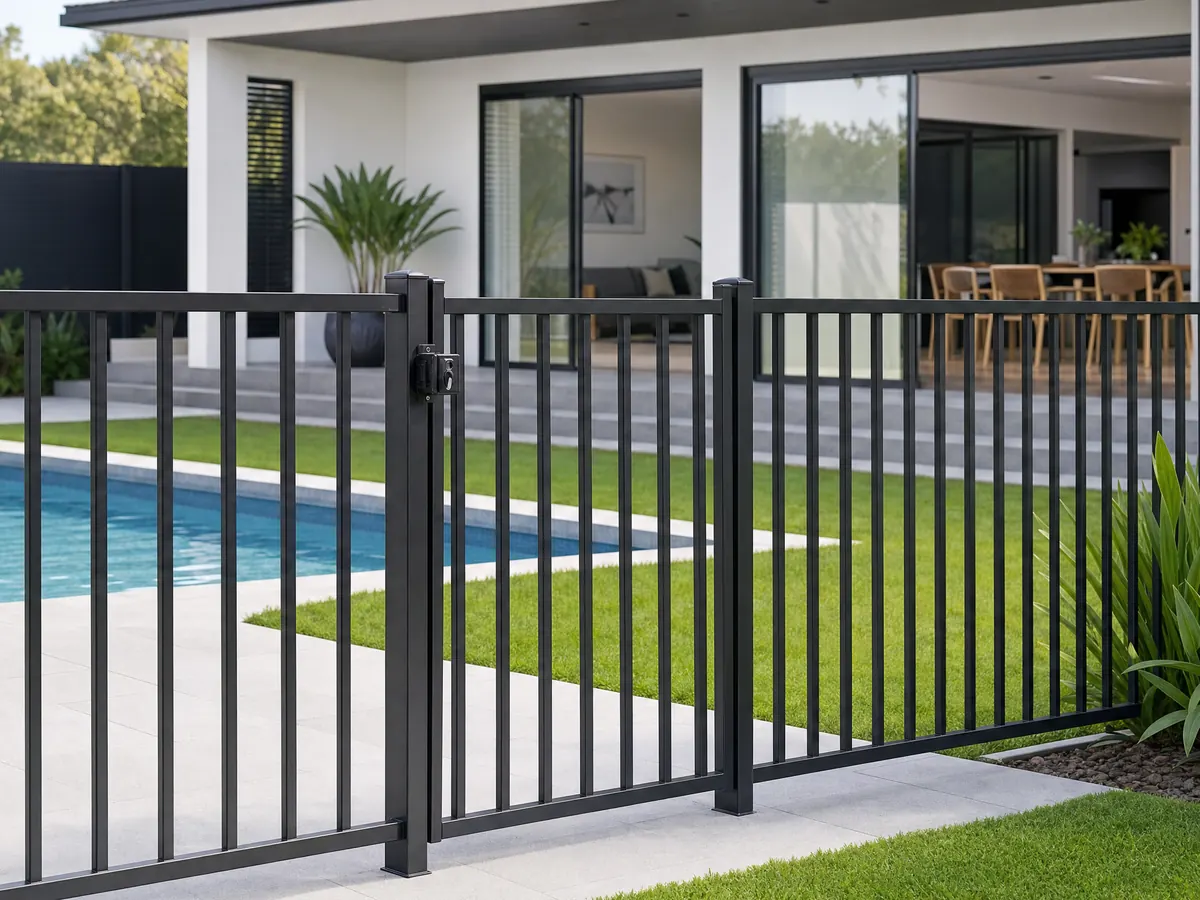
Pool barriers get their own code. Municipal Code 19-11 requires an enclosure at least five feet high above the highest adjacent grade with no opening over four inches, bars a chain link fence or a combination masonry and wrought iron wall as the enclosure, and limits a gate to four feet wide with no double gates. Section 19-12 requires self-closing, self-latching gates with the latch at least four feet six inches above grade on the outside.
The Building Code amendment says the top of a pool barrier must be at least 60 inches above grade, measured from the side facing away from the pool, and it defines a private pool as any constructed pool, permanent or portable, for noncommercial use by not more than three owner families and guests. Section 19-3 calls for temporary fencing from the start of excavation, and zoning keeps permanent pools and spas 4 feet from side and rear lot lines and from buildings. Ask the Building Division whether the barrier is inspected with the pool permit.
Which fence material suits Cypress's sandy soil and termites, wood or vinyl?
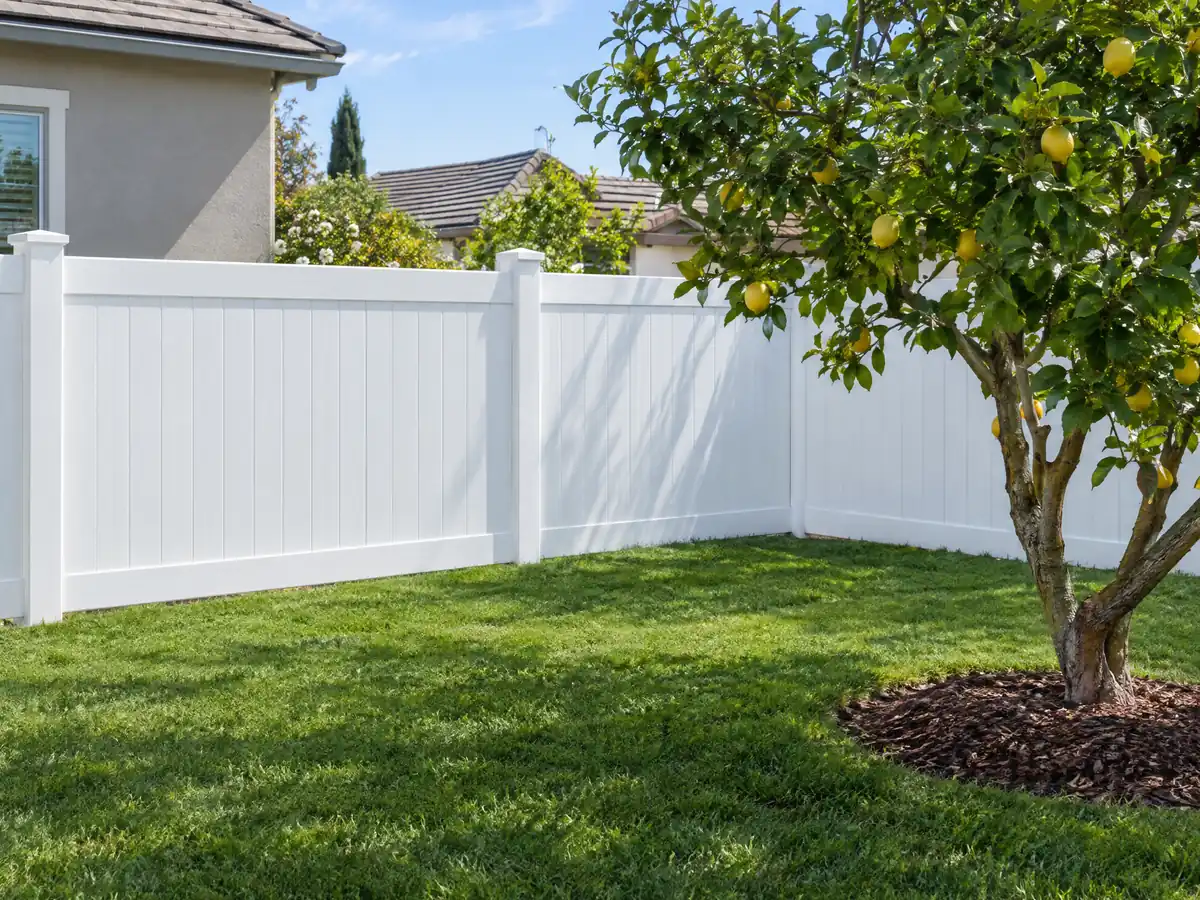
We found no Cypress rule on materials beyond the ban on barbed and razor wire, so the choice is about site and budget. According to UC Integrated Pest Management, drywood termites are common across southern California, attack decks and fences, and are best resisted with termite-resistant lumber or concrete footers at the soil line. Vinyl and metal are not food for termites, but we found no sourced lifespan for any fence material and print no number of years.
Ask each bidder three things in writing: how deep the posts go and what holds them in sandy soil, whether the footing is concrete where wood touches ground, and what the gate hardware is. The climate is dry for much of the year, with 11.86 inches of rain a year at the nearest NOAA normals station in Fullerton, 9.47 of it from December through March. A fence with open pickets in a 42 inch front yard and a solid privacy run in a 7 foot rear yard can be two different jobs on one lot.
How much does fence installation cost in Cypress, and how do I choose a fence company?
We found no Cypress price survey, so these are Los Angeles area figures. Angi's Los Angeles page, updated August 4, 2026, puts the average fence job at $3,051, with a typical span of $1,734 to $4,422, and a 100 foot run at $2,100 to $2,350. Angi's national page of October 13, 2026 lists wood at $10 to $45 a linear foot, vinyl at $15 to $40, aluminum at $17 to $90, wrought iron at $25 to $55 and gates at $150 to $2,000. The Bureau of Labor Statistics put fence erectors in the Los Angeles-Long Beach-Anaheim area at a mean $28.00 an hour in May 2025.
Our own working range for a 6 foot privacy run is $25 to $55 a linear foot, which means roughly $2,500 to $5,500 for 100 feet. Block walls are the weak spot: we found no independent per-foot source for a reinforced wall. Fencing is CSLB class C-13, and a permitted fence needs a licensed contractor, since the state's $1,000 unlicensed work limit does not apply when a permit is required. Our contractor license guide shows how to verify a bidder, and how general contractors use subcontractors explains who answers for what.
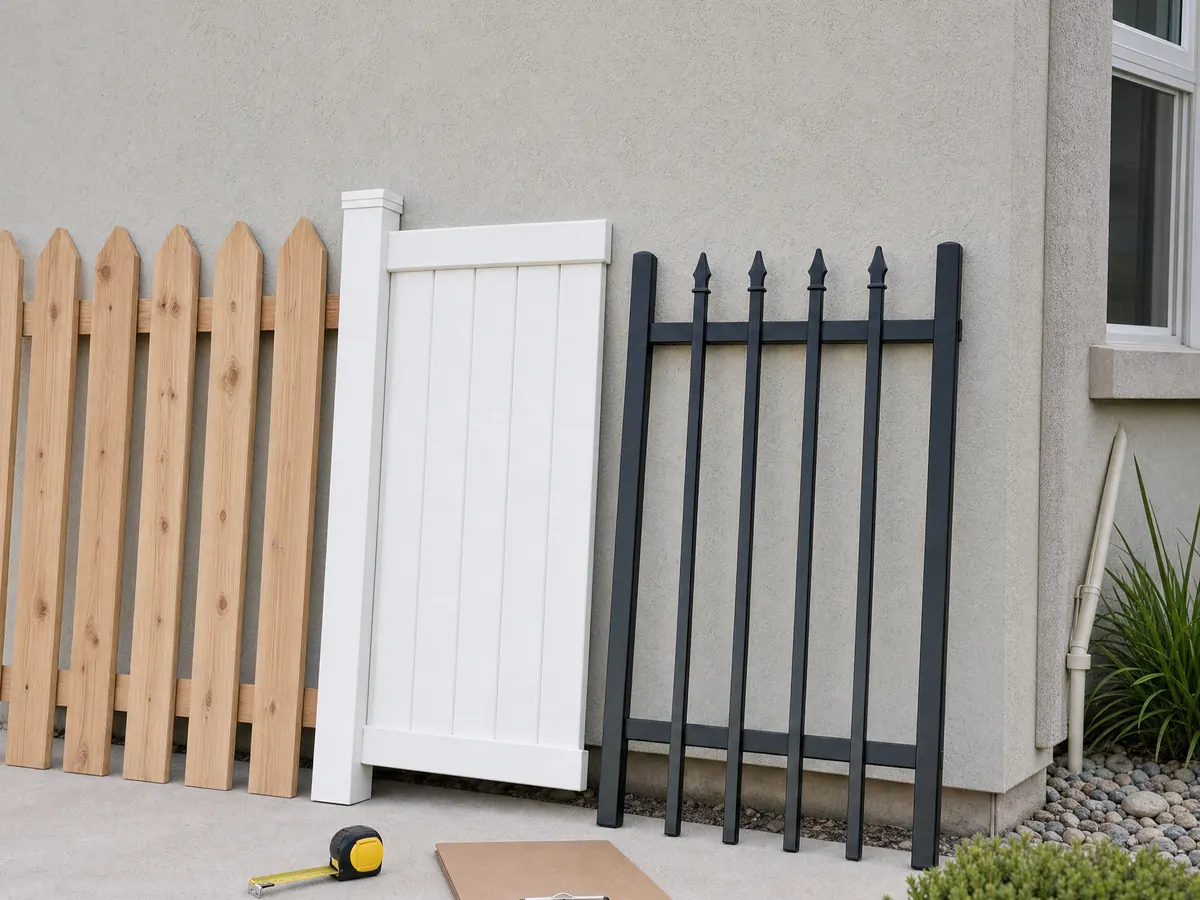
Fence photos from Cypress and nearby communities
Fence scenes tied to Cypress tracts and to nearby places such as Los Alamitos, Stanton and Buena Park, from low front yard pickets and privacy runs to block walls and pool barriers.
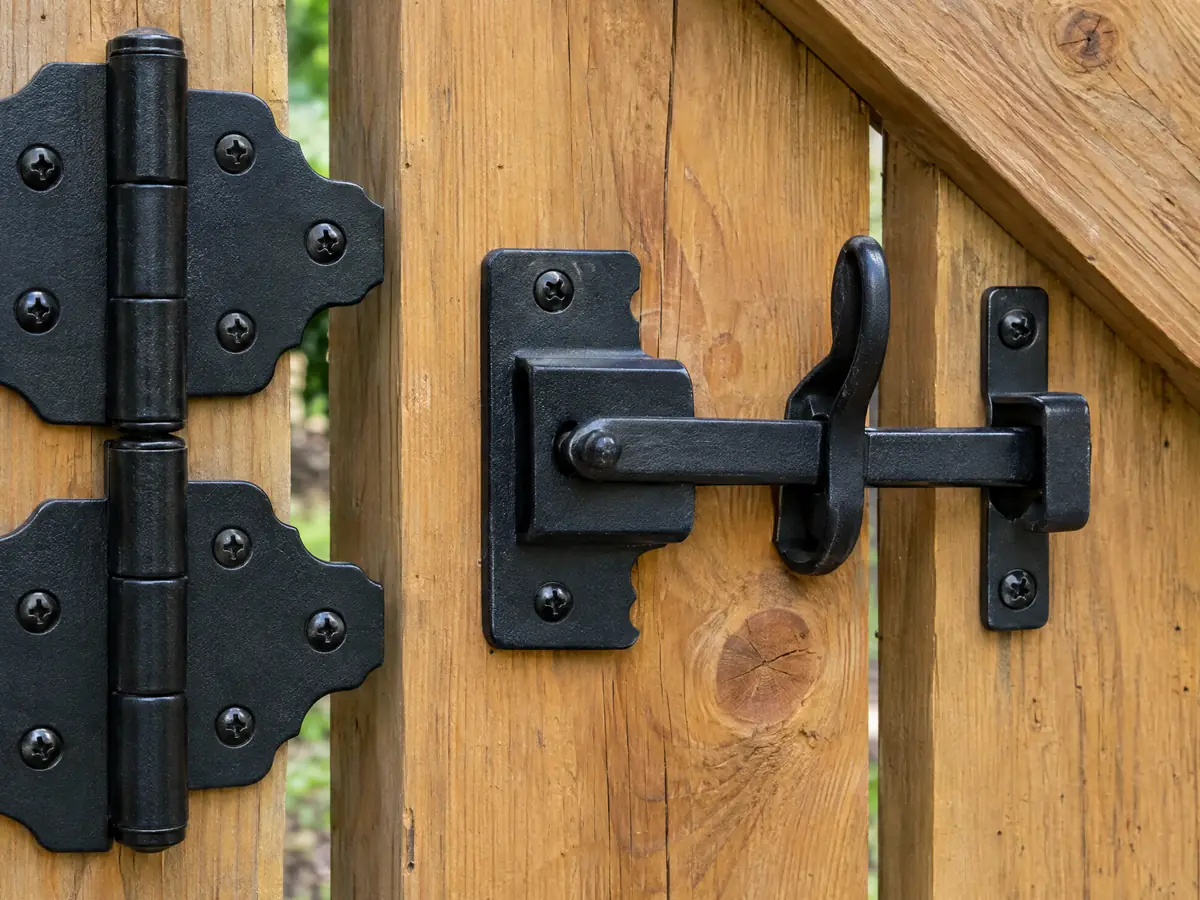
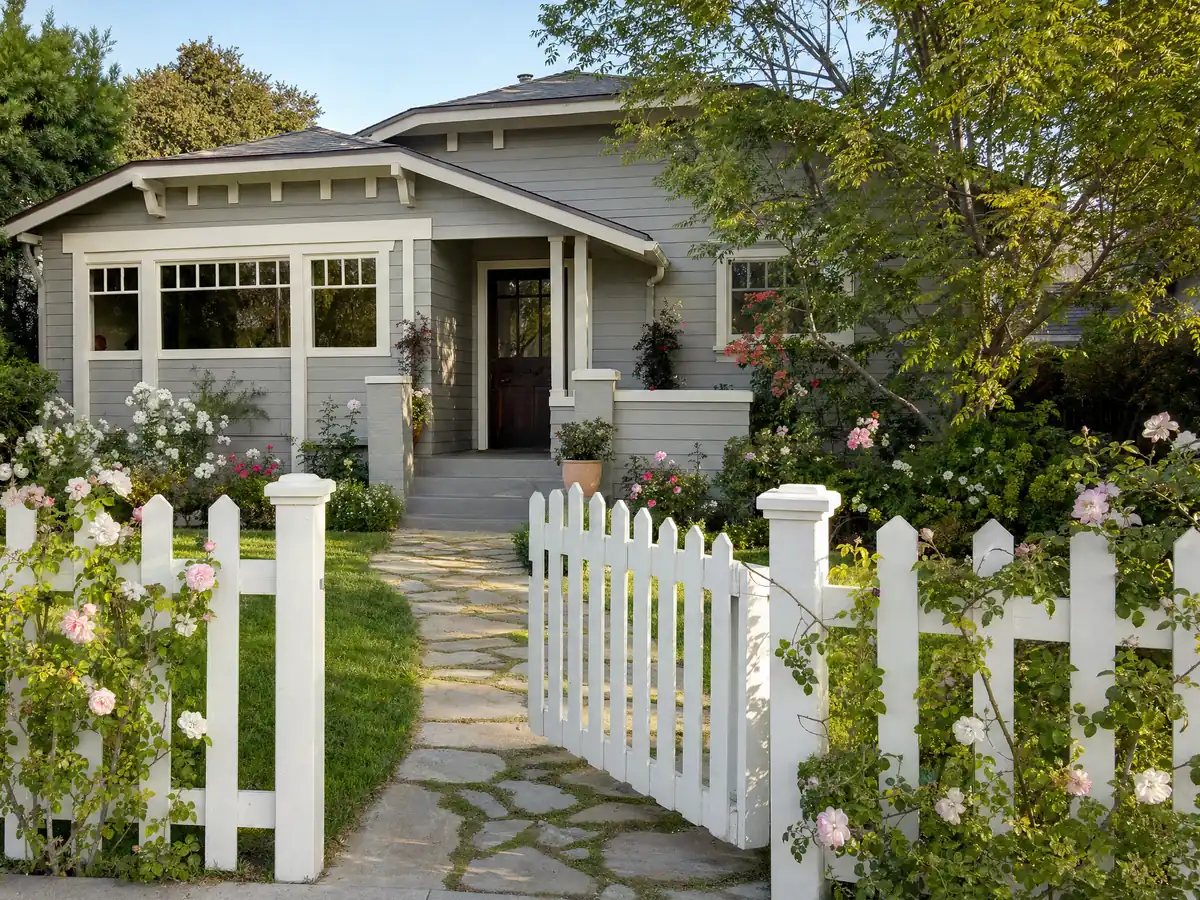
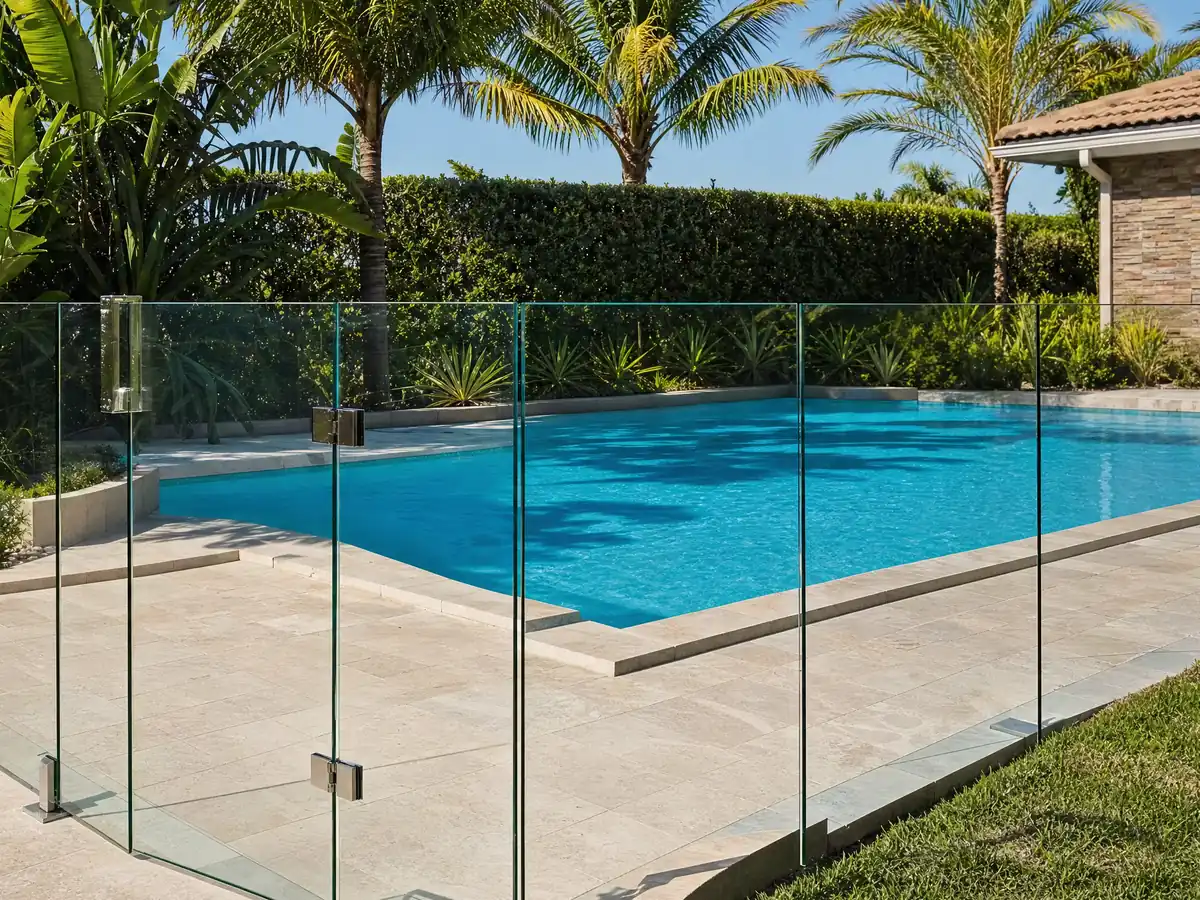
Where these Cypress fence figures come from
Every per-foot range, with the source and date behind it, is listed in the table on our fencing price page. A fence often goes in beside other exterior work, and the Cypress rules for that are on the roofing page, the painting page and the kitchen remodeling page. To see how other cities set front yard heights, read the fencing guides for Glendale and Pasadena.
| What it covers | Typical range |
|---|---|
| Wood or vinyl privacy fence, 6 feet | $25 to $55 per linear foot |
| Chain-link | $12 to $30 per linear foot |
| Aluminum or ornamental iron | $35 to $85 per linear foot |
| Typical 100-foot backyard run | $2,500 to $5,500 total |
| Block walls, horizontal slat fences, gates and openers, hillside lots | Set by the written proposal |
Cypress fence questions, answered
Do I need a permit to build a fence in Cypress?
Sometimes. Cypress's amended Building Code exempts wood fences up to 6 feet and block walls up to 3 feet 5 inches from a building permit, but zoning allows 7 feet in rear yards, so a 6 to 7 foot fence is outside the listed exemptions. Call the Building Division at (714) 229-6730.
What is the maximum height for a backyard fence in Cypress?
Seven feet in rear and interior side yards of residential zones, under Zoning Table 3-4. Yards next to parks and nonresidential uses may go to 8 feet. Front and street side yards are capped at 42 inches. Height is measured from finished grade, using the higher parcel when neighbors sit at different levels.
Can I put up a 7ft fence?
In a rear or interior side yard, yes under zoning, but the permit exemption for wood fences stops at 6 feet. That leaves 6 to 7 feet as a question for the Building Division, which can tell you whether the fence needs a building permit. A 7 foot fence is never allowed in a front or street side yard.
How high can a fence be on a corner lot in Cypress?
Forty-two inches inside the corner triangle. The triangle is measured 15 feet along both property lines from the intersection, and nothing over 42 inches, including hedges and earth mounds, may stand there unless the director approves. The street side yard of a corner lot is also capped at 42 inches.
How much does fence installation cost in Cypress?
We found no Cypress survey. Angi's Los Angeles page, updated August 4, 2026, puts the average job at $3,051 and a 100 foot run at $2,100 to $2,350. Our working range for a 6 foot privacy fence is $25 to $55 a linear foot. A measured written proposal is the real price.
Does your neighbor have to pay for half the fence in California?
Nothing in the Cypress sources we read sets cost sharing, and we do not cite a state rule here. Treat it as a matter between neighbors and agree in writing before posts are set. The City lists a Block Wall Neighbor Consent Form, but we could not read it, so ask the Building Division what it requires.
What fence does a swimming pool need in Cypress?
A barrier at least five feet high, measured from the highest adjacent grade, with no opening over four inches. Gates must be self-closing and self-latching, no wider than four feet, with the latch at least four feet six inches above grade on the outside. Chain link is not allowed as the enclosure.
Can I replace a block wall in a Cypress subdivision?
Yes, but a tract perimeter wall along a public right-of-way must be maintained in its original block color, texture and cap, and any extension must use like materials and colors with the director's approval. A block wall over 3 feet 5 inches is outside the permit exemption, so ask the Building Division.
Which is better, a wood or vinyl fence?
It depends on the site, and we found no sourced lifespan for either. UC Integrated Pest Management says drywood termites infest fences in southern California, so wood needs termite-resistant lumber or concrete footers where it meets soil. Vinyl avoids termites, and the choice then comes down to height, look and budget.
Can a general contractor build a fence in California?
A general contractor can manage the job, but the fence is CSLB class C-13 work, and block walls fall under masonry. MDG holds the contract and uses licensed subcontractors, and you can ask for each license number and certificate of insurance. Whether a fence-only contract fits a Class B license is a question for CSLB.
Describe your Cypress fence
Give us the street or tract, whether the fence faces the street or a backyard, and the height you want. We check the 42 inch cap, the 6 to 7 foot permit question and any sight triangle before we visit.