
Fence Companyin Stanton, CA
Fence installation in Stanton needs Planning review and a Building Permit for any new, replaced or repaired fence or wall under the zoning code, even though the amended building code exempts fences up to 6 feet. The two rules disagree, so confirm with the Building Division at (714) 890-4286. A solid front yard fence stops at 42 inches.
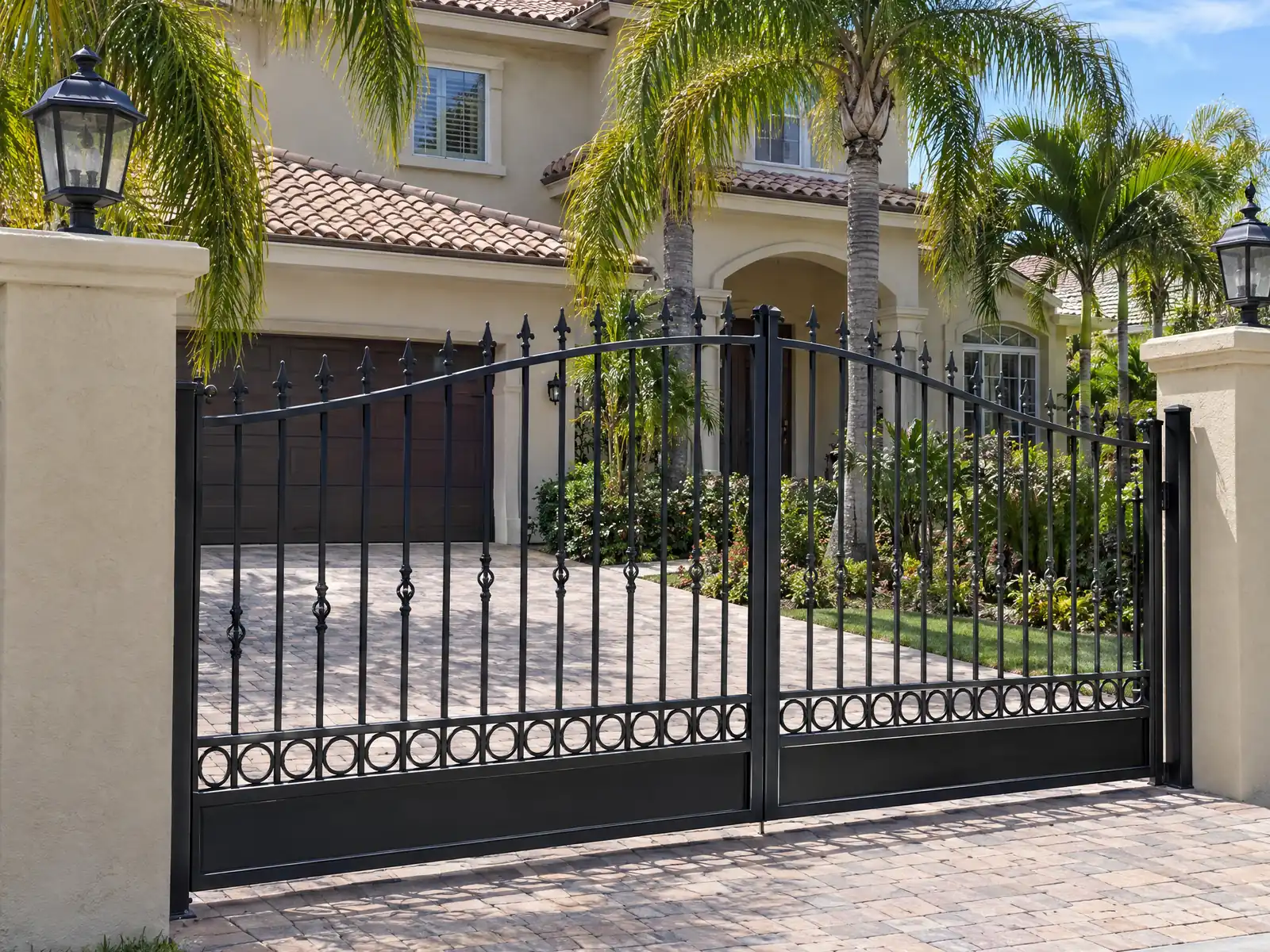
Stanton packs 13,269 housing units into 3.1 square miles, so a fence here is rarely a long run across open land. About 26.8 percent of units are detached houses and 14.1 percent are attached houses, while 31.3 percent sit in buildings of five or more units and 14.2 percent are mobile homes. Many fence questions therefore involve a landlord, a park owner or an association before they involve the City. The land was part of Rancho Los Alamitos and Rancho Los Coyotes, and the City that incorporated on June 4, 1956 works with small lots: newly created single-family lots must be at least 6,500 square feet, and structures may cover 40 percent of an interior lot.
On a fence job, MDG Builders (CSLB #1040337) writes the scope, takes the permit question to the City and manages the schedule, while a licensed fencing subcontractor builds it. CSLB's C-13 class covers wood, vinyl and metal fences and gates but excludes masonry walls, so block walls go to a licensed masonry subcontractor instead. Our fencing page holds the sourced prices, the Stanton overview lists every trade here, and the guides for Garden Grove, Westminster and Anaheim show how neighbors write their rules. The City's official code host blocked our tools, so the code text below comes from the GoCodebook mirror, a third-party site. Confirm what you rely on with the City.
What Stanton's zoning and building codes say about fences
Where fencing permits come from in Stanton: City of Stanton Community & Economic Development Department, Building Division.
- Stanton's zoning code requires Planning review and a Building Permit for any new fence or wall and for replacing or repairing an existing one: the applicant submits a scaled plot plan showing lot lines, rights-of-way, driveways and buildings plus a dimensioned detail with materials and height from existing and finished grade, the Director approves it only if it meets Chapter 20.310, and replacement fences must meet current standards.
- Stanton's amended Building Code exempts fences not over 6 feet high and block walls not over 3 feet high from a building permit, but the zoning code (Section 20.310.060) separately says a fence or wall may be installed only after a Building Permit is issued. The two rules do not line up, so ask the Building Division at (714) 890-4286 before assuming a fence or block wall is exempt.
- Table 3-3 of the zoning code sets residential fence heights: in the front setback up to 42 inches solid, or 42.1 to 54 inches if open (not blocking more than 25 percent of the view), or a privacy screen up to 60 inches set back at least 10 feet from the front lot line; outside the front setback 6 feet; within the street side setback up to 30 inches (measured above the nearest curb) or up to 54 inches if open, and 6 feet outside it (8 feet next to a nonresidential zone); and at the rear and interior sides 6 feet, or 8 feet where an RE or RL lot abuts RM, RH, a public right-of-way or a nonresidential zone.
- In every zone a fence, wall or hedge may not block the Traffic Visibility Area, where the limit is 30 inches for solid fencing and 54 inches for open fencing. Open fencing means more than 75 percent open between 30.1 inches above ground and the top, and solid fencing means 50 percent or less open.
- Stanton prohibits barbed wire, razor wire and electrified fencing in every zone except barbed or razor wire in the General Industrial zone, bars chain link, stakes and sharp edges on pilasters and chain link, stakes, sharp edges and broken glass on privacy screens, and requires solid masonry block walls to be at least 6 inches wide. Pilasters may reach 54 inches if no more than 2 feet wide and at least 12 feet apart with open fencing between.
- Stanton measures fence height from the highest finished grade on either side of the fence and bars raising grades to gain height. On sloping ground or on a retaining wall a solid fence may be 6 feet from the up-slope property as long as the total with the retaining wall is no more than 10 feet from the down-slope property, and a retaining wall under 30 inches high may sit anywhere in a setback.
- A minimum 36 inch wide passageway must stay clear in at least one side setback next to the house, free of fences, walls and equipment, with no reduction allowed, and accessory structures may not be structurally attached to a fence or wall on a lot line.
- Pools and spas 18 inches or deeper must be enclosed by walls or fences at least 6 feet high on exterior lot lines, and Stanton's Building Code amendment requires new or remodeled pools at single-family homes to have an enclosure meeting Appendix CI of the amended Residential Code.
Do I need a permit to build a fence in Stanton?
Plan on a permit and confirm it. Stanton's zoning code says any new fence or wall, and any replacement or repair of an existing one, needs Planning review and a Building Permit before it goes up. The application carries a scaled plot plan showing lot lines, rights-of-way, driveways and buildings, plus a dimensioned detail of materials and height measured from existing and finished grade. The Director approves it only if it meets the fence chapter, and a replacement fence must meet today's standards, not the old fence's.
Then the code disagrees with itself. Stanton's amended Building Code exempts fences not over 6 feet and block walls not over 3 feet from a building permit, yet the zoning section says a fence may be installed only after a Building Permit is issued. We cannot tell which one governs a plain 6 foot wood fence. Call the Building Division at (714) 890-4286 and Planning at (714) 890-4232, and keep the answer in writing. Do not accept a quote that says no permit under 6 feet without it.
Timing facts apply once a permit exists. It lapses if work does not start within 12 months or stalls for 180 days, and inspections need 48 hours notice at (714) 890-4252. We found no fee schedule and print no fee.
Get the permit ruling for your fence in writing before the contractor orders posts or panels.
How tall can a fence be in the front, side and back yard in Stanton?
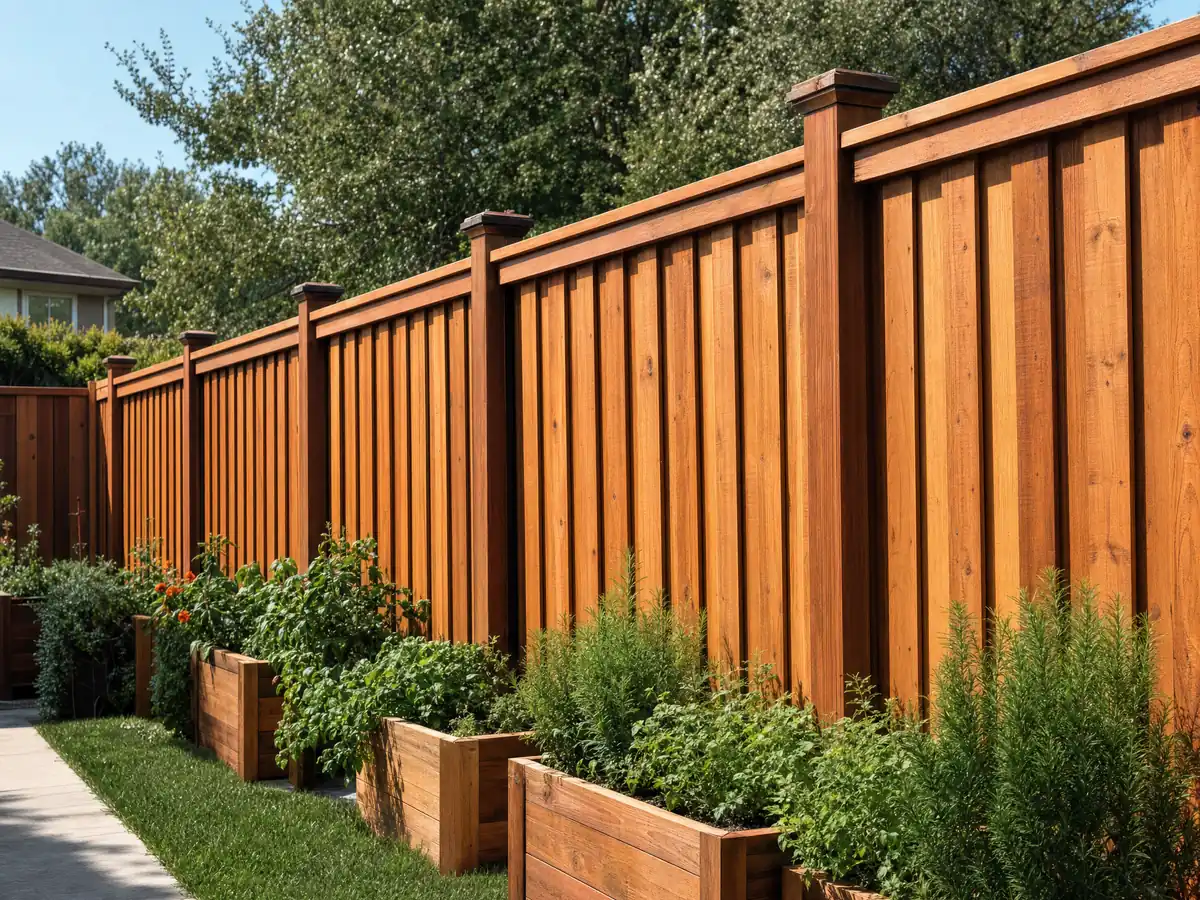
The front is the tight zone. In the front setback a solid fence tops out at 42 inches, an open fence may reach 54 inches if it blocks no more than 25 percent of the view, and a privacy screen up to 60 inches must sit at least 10 feet back from the front lot line. Beyond the front setback the limit is 6 feet. On the street side of a corner lot, a fence inside the street side setback is held to 30 inches above the nearest curb, or 54 inches if open, and 6 feet outside that setback.
At the rear and interior sides the limit is 6 feet, rising to 8 feet where an RE or RL lot abuts a medium or high density zone, a public right-of-way or a nonresidential zone. Height is measured from the higher finished grade on either side, and raising the grade to gain height is barred. A 7 foot fence is therefore legal only at a line that meets one of those 8 foot conditions.
Which fence materials and block walls does Stanton allow?
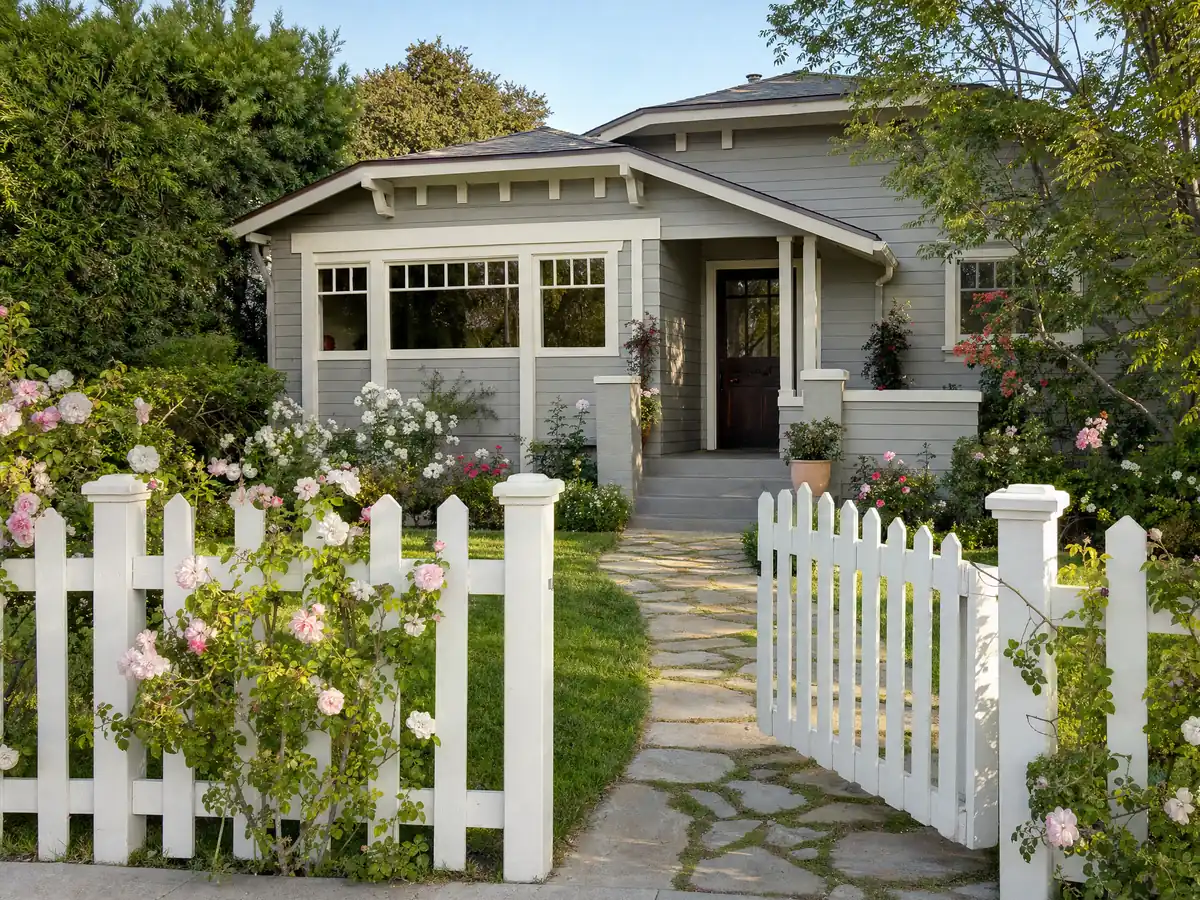
Stanton bans more than most buyers expect. The fence chapter prohibits barbed wire, razor wire and electrified fencing in every zone, with barbed or razor wire allowed only in the General Industrial zone. It also keeps chain link, stakes and sharp edges off pilasters, and chain link, stakes, sharp edges and broken glass off privacy screens.
Block walls follow their own numbers. Solid masonry walls must be at least 6 inches wide, and pilasters may rise to 54 inches if they are no wider than 2 feet and at least 12 feet apart with open fencing between. Block walls up to 3 feet high sit on the Building Code's exempt list, yet the zoning section still points to a permit, so the same conflict applies.
Every zone also keeps a traffic visibility area clear, where solid fencing stops at 30 inches and open fencing at 54 inches. Open means more than 75 percent open between 30.1 inches above ground and the top, and solid means 50 percent or less open. Hedges count here too.
Name the material, the height and the open percentage on the plot plan so the reviewer is not guessing.
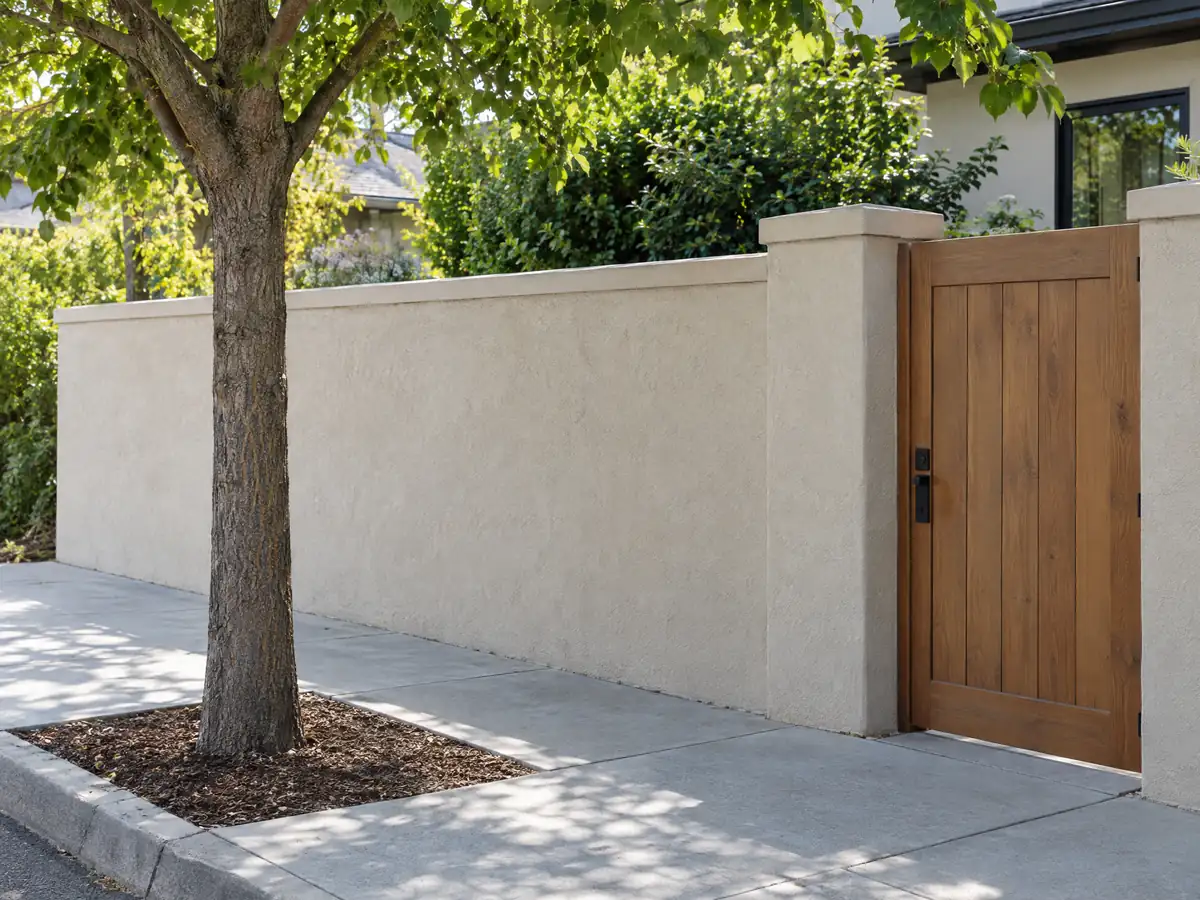
How does Stanton measure a fence on a slope or on top of a retaining wall?
Stanton is flat, but small grade changes between lots still matter, and the code has a rule for them. On sloping ground or on a retaining wall, a solid fence may be 6 feet from the up-slope property as long as the total with the wall is no more than 10 feet from the down-slope property. A retaining wall under 30 inches high may sit anywhere in a setback. The amended Building Code exempts retaining walls up to 4 feet, measured from the bottom of the footing to the top of the wall, unless they support a surcharge or impound certain liquids.
Soil is the other factor. The City's Housing Element places the entire city in a liquefaction hazard zone, and the Building Code amendment lets the Building Official require a geologic or geotechnical report. For a plain fence that is unlikely to matter. For a tall wall it is worth asking early, since a soils report adds time and cost before any footing is poured.
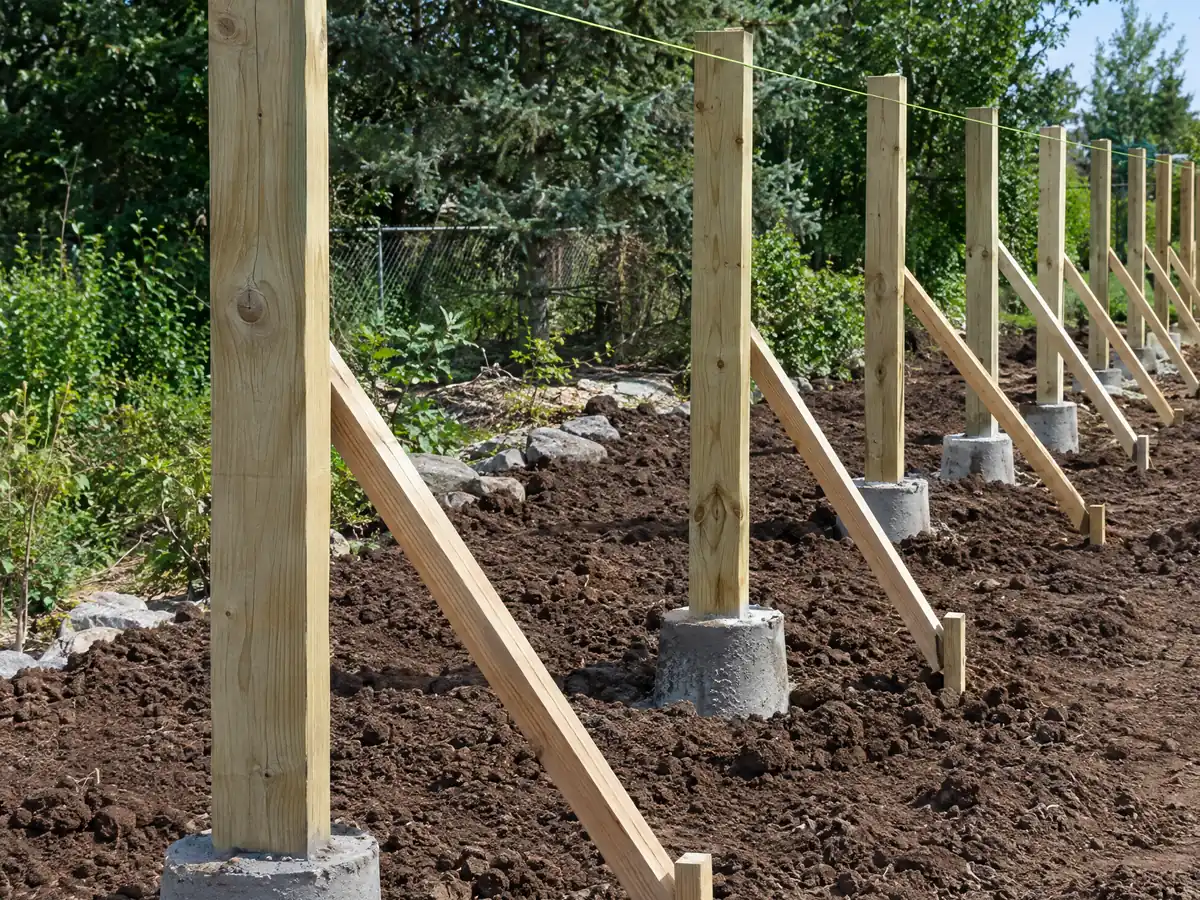
What should I know about property lines, side passageways and shared fences?
The first step is knowing where the line is. The City's plot plan must show lot lines, so a doubtful boundary is worth settling with a survey before posts go in. One more Stanton rule affects what touches the fence: at least one side setback beside the house must keep a clear passageway 36 inches wide, free of fences, walls and equipment, and accessory structures may not be fastened to a fence or wall on a lot line.
State law has a cost-sharing rule for boundary fences, but every legal site we tried returned an error, so we did not verify it for this page and we quote none of it. Talk to the neighbor first, put any split in writing and read the statute before you send a notice. In a rental, a mobile home park or an association, ask the owner or the board for written consent, since the City's plan check list also asks for homeowners association approval documents.
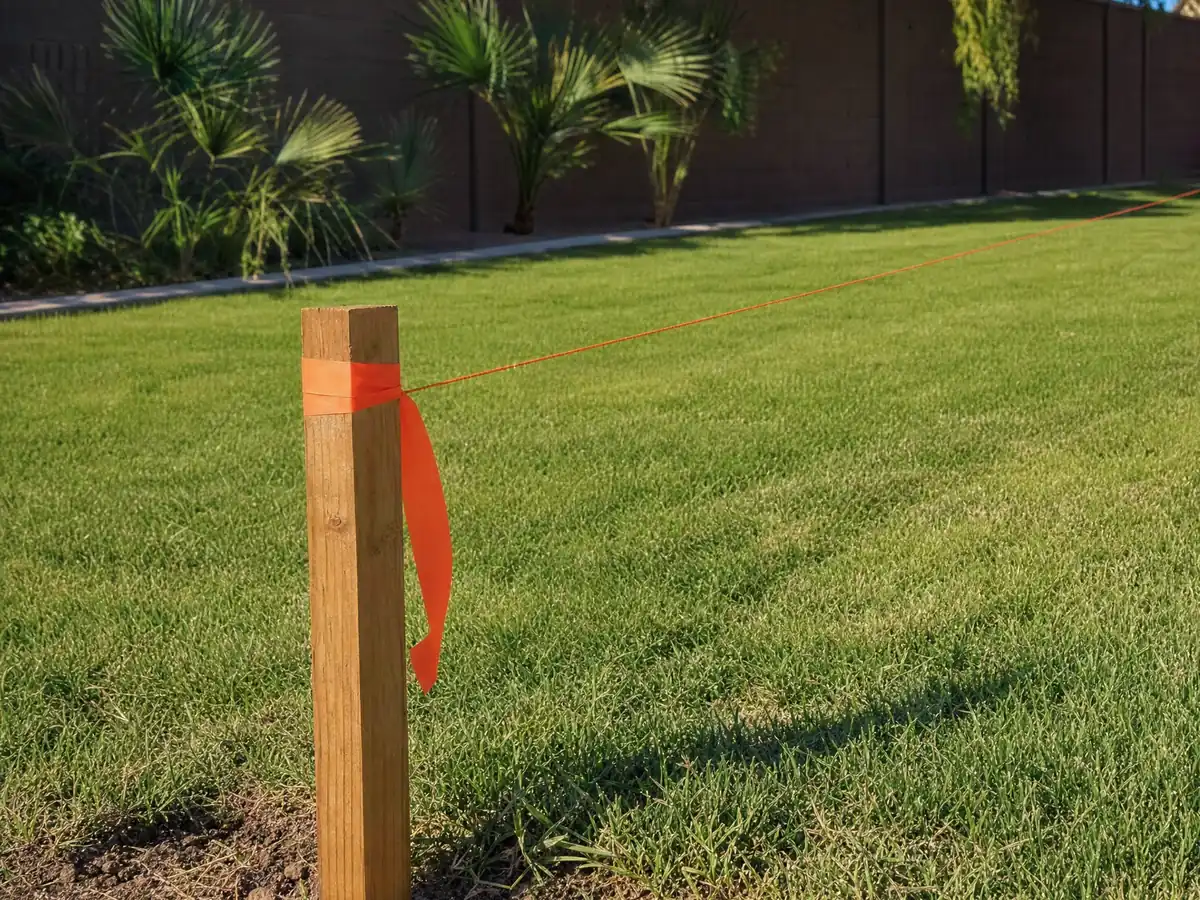
What fence does a Stanton pool or spa need?
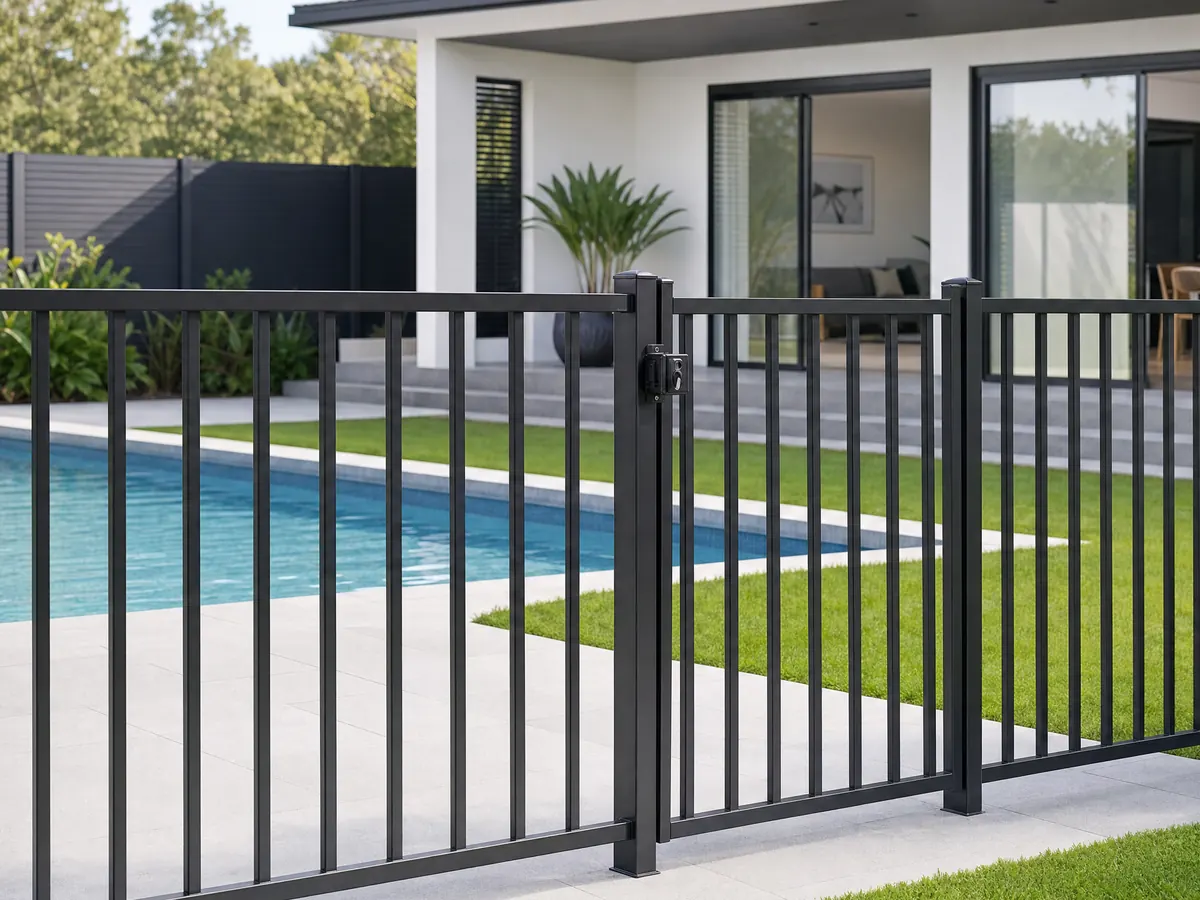
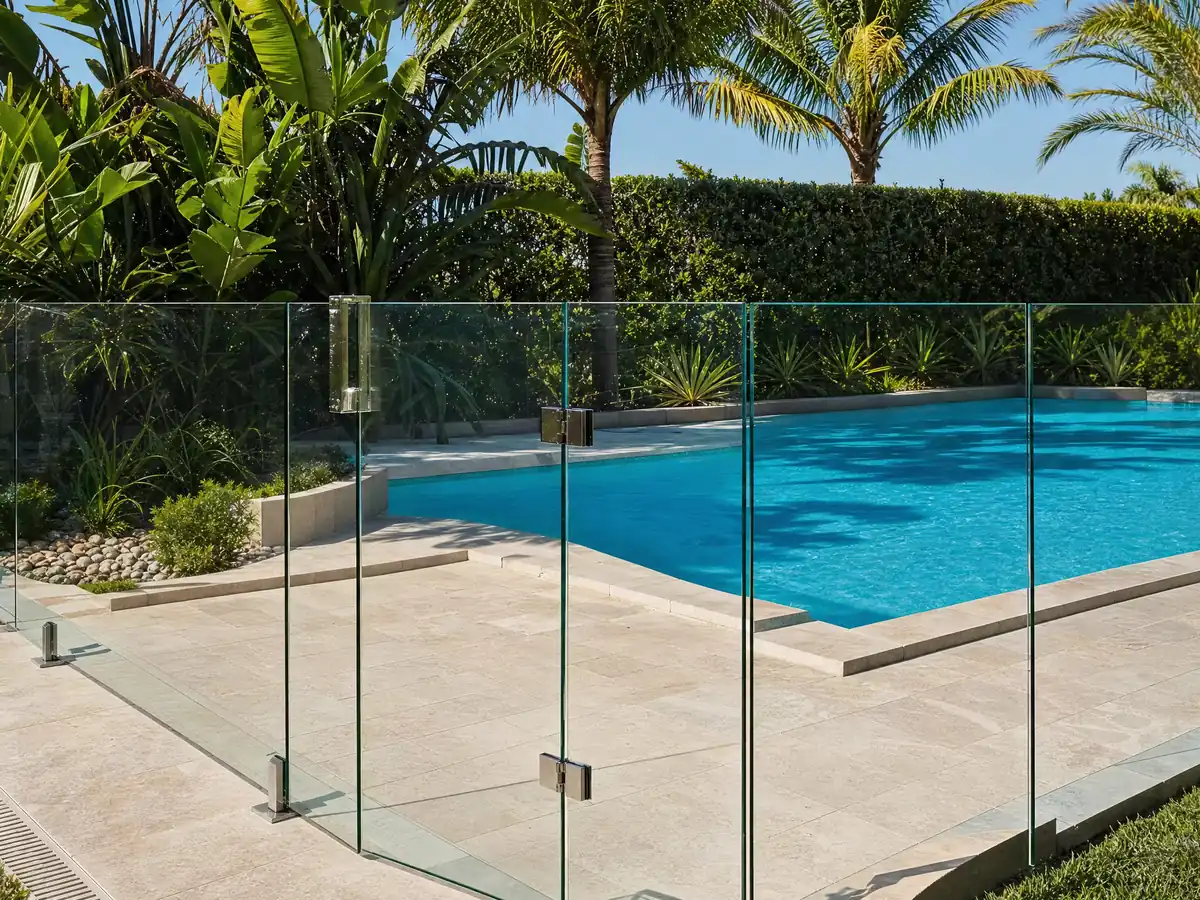
A pool changes the fence. Stanton's code requires pools and spas 18 inches or deeper to be enclosed by walls or fences at least 6 feet high on exterior lot lines, and its Building Code amendment requires new or remodeled pools at single-family homes to have an enclosure that meets Appendix CI of the amended Residential Code. The City counts any artificial body of water deeper than 18 inches as a pool, spas, hot tubs and above-ground pools included.
Setbacks come with it. A pool 18 inches or deeper sits 5 feet from lot lines in RE and RL zones and 3 feet in RM and RH. Separately, the state's Health and Safety Code section 115922 asks for at least two of seven drowning-prevention features when a permit is issued for a new or remodeled pool. We did not read the barrier height section, so ask the Building Division which fence height applies to your pool.
How much does fence installation cost in Stanton, and how do I hire a fence company?
We found no Stanton fence survey, so these are Los Angeles area figures. Angi's Los Angeles page, updated August 4, 2026, shows an average of $29 a linear foot within a $15 to $60 range, and a 100 foot run at $2,100 to $2,350. HomeGuide reports $20 to $60 a foot, Thumbtack $23 to $57, and the surveys overlap enough for us to plan wood or vinyl privacy fence at about $25 to $55 per foot installed, chain link at $12 to $30 and aluminum or iron at $35 to $85. A 100 foot backyard run lands near $2,500 to $5,500.
Labor is a check on any quote. The Bureau of Labor Statistics puts mean pay for fence erectors in the Los Angeles, Long Beach and Anaheim area at $28.00 an hour for May 2025. Read our license check guide before you sign, remember that Business and Professions Code 7159 needs a written contract and caps a down payment at $1,000 or 10 percent, whichever is less, and see how general contractors use subcontractors for who answers for what.
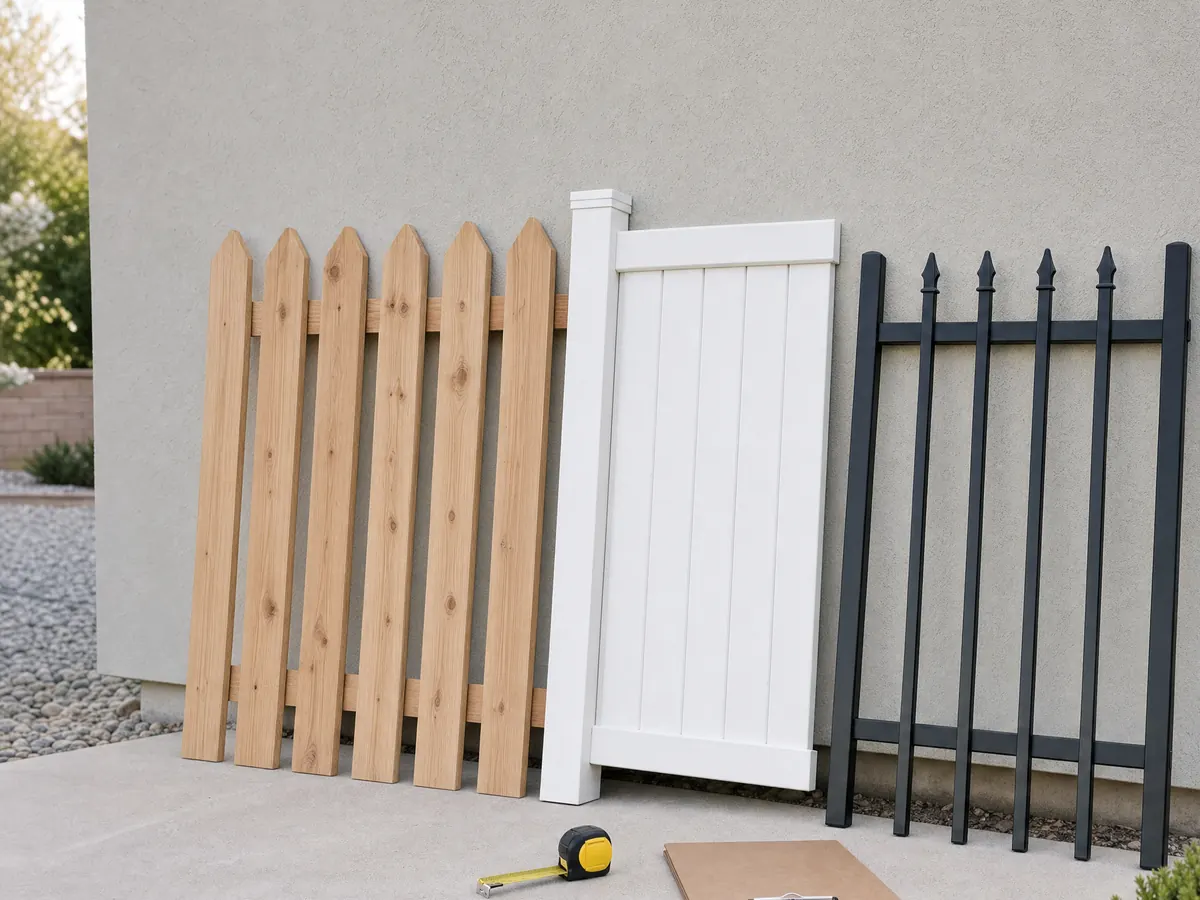
Fence photos from Stanton and nearby communities
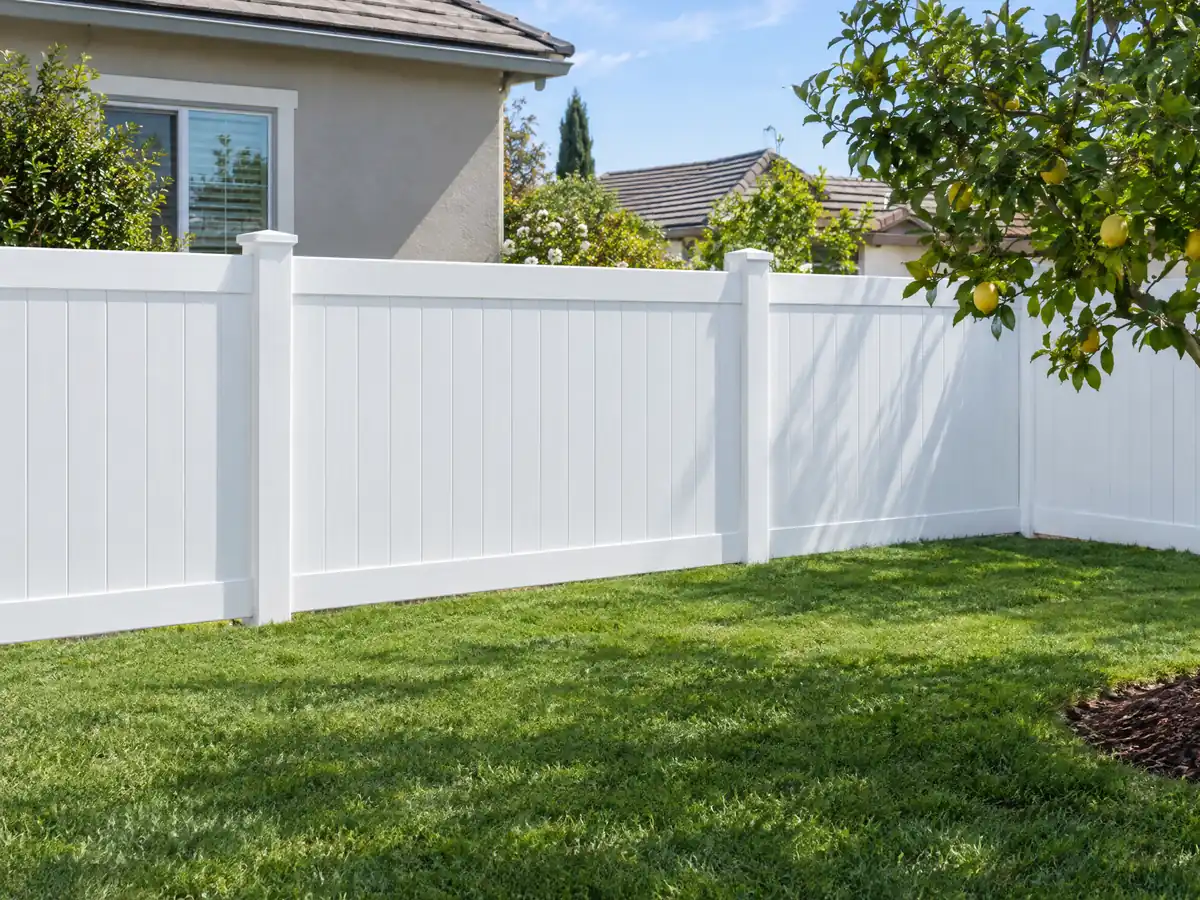
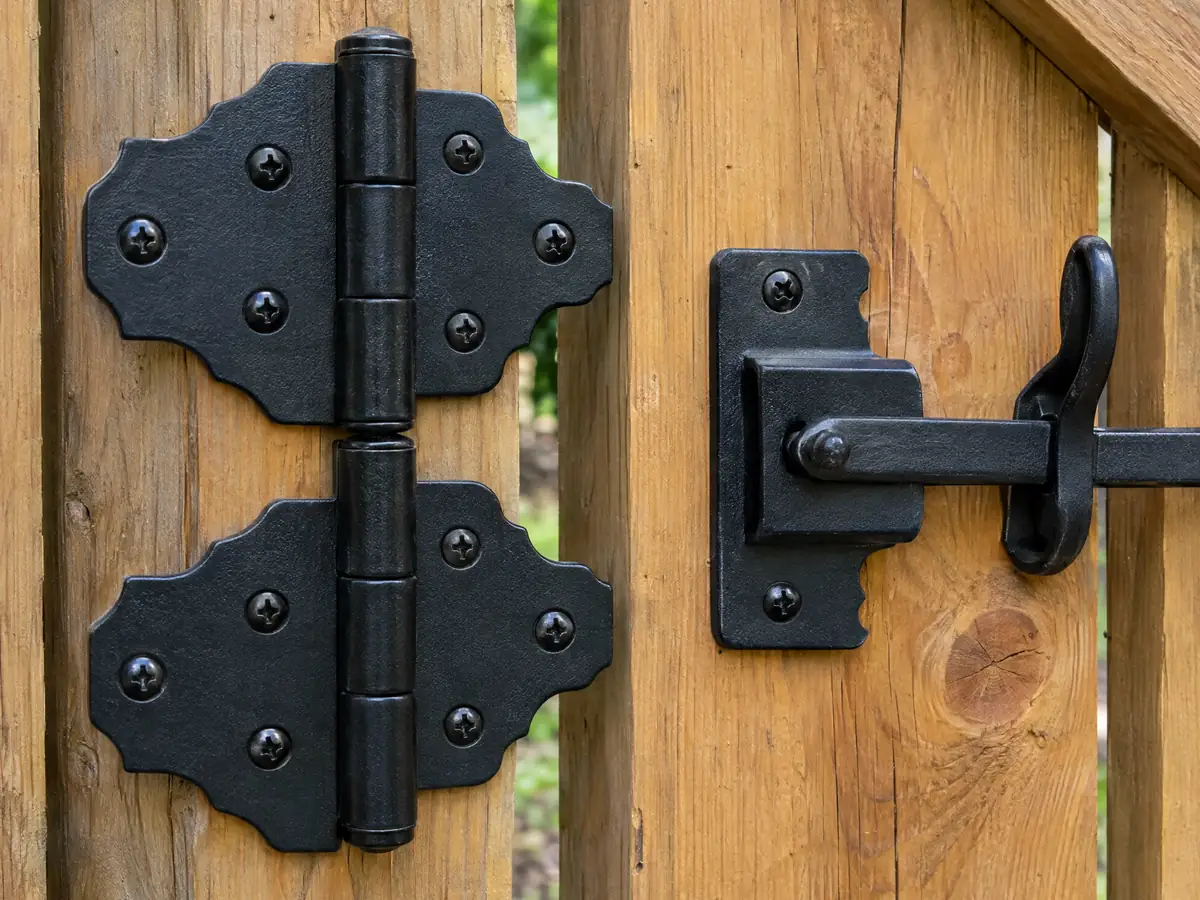
Fence scenes tied to Stanton and to nearby places such as Garden Grove, Cypress and Westminster, from cedar privacy runs and block walls to pool barriers and footings.
Where these Stanton fence figures come from
The fencing price table on our fencing price page lists every source and date behind the ranges above. A fence often goes in alongside other work, and the local rules for those jobs are on the roofing page, the painting page and the kitchen remodeling page. For nearby cities with different fence rules, compare the guides for Cypress and Buena Park.
| What it covers | Typical range |
|---|---|
| Wood or vinyl privacy fence, 6 feet | $25 to $55 per linear foot |
| Chain-link | $12 to $30 per linear foot |
| Aluminum or ornamental iron | $35 to $85 per linear foot |
| Typical 100-foot backyard run | $2,500 to $5,500 total |
| Block walls, horizontal slat fences, gates and openers, hillside lots | Set by the written proposal |
Stanton fence questions, answered
Do I need a permit to build a fence in Stanton?
Plan on yes. Stanton's zoning code requires Planning review and a Building Permit for any new, replaced or repaired fence or wall. The amended Building Code, though, exempts fences up to 6 feet, so the two rules disagree. Call the Building Division at (714) 890-4286 and get the answer in writing.
Can I put up a 7ft fence?
Only at a rear or interior side line that meets an 8 foot condition. Stanton's limit is 6 feet, rising to 8 feet where an RE or RL lot abuts a medium or high density zone, a public right-of-way or a nonresidential zone. Everywhere else a 7 foot fence exceeds the limit.
How tall can a fence be in the front yard in Stanton?
In the front setback a solid fence may be 42 inches, an open fence 54 inches if it blocks no more than 25 percent of the view, and a privacy screen 60 inches if set back 10 feet from the front lot line. Past the setback the limit is 6 feet.
How much should a 100 ft fence cost?
Roughly $2,500 to $5,500 for wood or vinyl privacy fence in the Los Angeles area, based on our reading of Angi, HomeGuide and Thumbtack. Angi's Los Angeles page shows $2,100 to $2,350 for 100 feet. No Stanton fence survey turned up, which makes a measured written proposal the real price.
Is it cheaper to install a wood or vinyl fence?
Wood is usually cheaper at the start. Angi's Los Angeles page shows $1,600 to $2,500 for a wood fence and $1,850 to $3,400 for vinyl. Vinyl trades a higher price for less upkeep, and we found no Stanton data on how long either lasts.
Do you need a permit to build a block wall in California?
In Stanton, plan on yes. The zoning code requires a Building Permit for a new wall, even though the amended Building Code exempts block walls up to 3 feet high. Masonry walls must be at least 6 inches wide, and block work is done by a licensed masonry subcontractor, not under CSLB's C-13 fencing class.
What is the maximum height of a retaining wall without a permit in California?
In Stanton the amended Building Code exempts retaining walls up to 4 feet, measured from the bottom of the footing to the top of the wall, unless they support a surcharge or impound certain liquids. The zoning code separately lets a wall under 30 inches sit anywhere in a setback.
What are the pool fence requirements in California?
Stanton requires pools and spas 18 inches or deeper to be enclosed by walls or fences at least 6 feet high on exterior lot lines, and new or remodeled single-family pools must meet Appendix CI of the amended Residential Code. State law also asks for two drowning-prevention features on a permitted pool.
Can I get a permit after the work is done?
We found no Stanton process for after-the-fact fence permits, so ask the Building Division. Stanton's code treats building contrary to its rules as a misdemeanor, a separate offense each day, which is a reason to ask before work starts instead of after.
How do I choose a fence company in Stanton?
Check the CSLB license first, ask for the permit ruling in writing and read the contract against Business and Professions Code 7159. Ask who builds masonry, because C-13 excludes it. MDG holds the contract and manages licensed subcontractors, and you can ask for each license number and certificate of insurance.
Describe your Stanton fence
Tell us your street or neighborhood, the length and height you want, whether it faces the street and whether a pool, a slope or a neighbor is involved. We check the permit question before we quote.