
Concrete Companyin Calabasas, CA
A concrete company in Calabasas works around trees and terrain: an oak tree permit governs digging inside an oak's protected zone, a grading permit applies when a pad changes drainage, and on an RS lot no more than half the required front setback may be paved. Flat driveways under 30 inches are on the state exempt list.
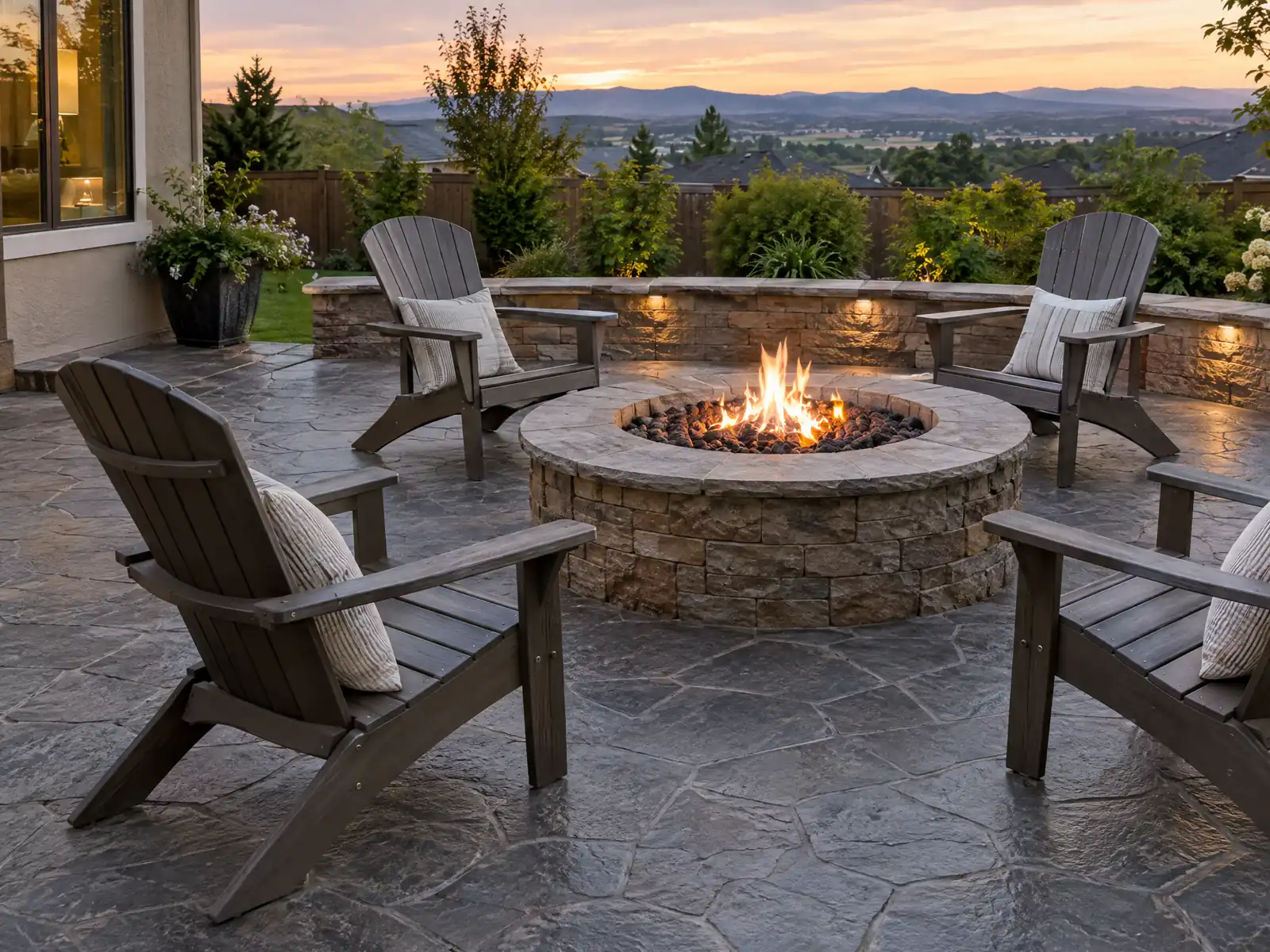
A Calabasas slab is usually newer than the ground it sits on. The Leonis Adobe in Old Town dates to about 1844 and Park Moderne to the 1920s, and the area stayed a rural enclave well into the 20th century, but Calabasas incorporated only on April 5, 1991, with Mont Calabasas annexed in 2011. Census estimates for 2020 to 2024 put 3,173 of 9,431 homes in the 1980s and 1,348 in the 1990s, so an original driveway on a 1985 house is about 41 years old.
MDG Builders, CSLB #1040337, is a Tarzana general contractor. We draw the scope, take the grading, oak and drainage questions to Building and Safety and Planning, and hire a licensed concrete subcontractor to form, pour and finish. Mixes and finishes are on the concrete page, and the Calabasas overview shows our other trades here.
What Calabasas Building and Safety, Planning and the Municipal Code say about concrete work
Where concrete permits come from in Calabasas: City of Calabasas Community Development Department, Building and Safety Division.
- The state exempt list covers sidewalks and driveways not more than 30 inches above grade (R105.2, as excerpted by Albany). Calabasas's land use permit exemption (Municipal Code 17.02.020(B)) covers driveways, paths and decks only if they need no building or grading permit, are not over 18 inches above natural grade and are not over a basement, and 17.02.040 says an exempt structure may still need other permits.
- On an RS lot with a single-family dwelling, no more than 50 percent of the required front setback may be paved with asphalt, cement or any other impervious surface (Municipal Code 17.20.180(B)).
- Under Municipal Code 15.10.030, earthwork, paving or surfacing that alters an existing drainage pattern, including the direction, velocity or volume of flow, needs a grading permit, so a new or widened concrete pad that redirects runoff is a grading question as well as a building one.
- An RS driveway must be at least 18 feet wide within 20 feet of the garage and at least 12 feet wide beyond that, no wider than 27 feet for a double or triple garage, and at least 20 feet long from the back of the sidewalk (17.28.080(C)). A driveway curb cut must stay at least 3 feet from the property line and from the centerline of a hydrant, utility pole or drop inlet, at least 10 feet from the end of a curb return on single-family lots, street trees must be at least 10 feet from the access, and one access point per parcel is allowed unless the city engineer or fire department requires more (Municipal Code 17.28.080).
- Calabasas's stormwater chapter (Municipal Code 8.28) prohibits discharging concrete or cement wash water from trucks, pumps, tools and equipment to the storm drain, and requires on every construction project that the owner certify best management practices before a building or grading permit issues, that soil piles be bermed or covered between October 1 and April 15, and that no vehicle washing happen next to the site.
- Under the stormwater chapter's definition, redevelopment of an existing single-family home and its accessory structures means creating or replacing 10,000 square feet or more of impervious surface, which is the size where the low impact development rules apply.
- Any concrete work inside an oak tree's protected zone is an encroachment that the director can approve only up to 10 percent of the protected zone (Municipal Code 17.32.010(D)), and more than that goes to the Planning Commission with an arborist's oak tree report.
- CSLB defines the C-8 Concrete classification as forming, pouring, placing, finishing and installing mass, pavement, flat and other concrete work.
Sources for these rules
- gocodebook.com: chapter 17.02 land use permit requirements
- gocodebook.com: chapter 17.20 general property development and use standards
- gocodebook.com: chapter 15.10 grading permit requirements and procedures
- gocodebook.com: chapter 17.28 parking and loading
- gocodebook.com: chapter 8.28 storm water management and discharge control 2
- gocodebook.com: chapter 17.32 oak tree regulations
- cslb.ca.gov: Licensing Classifications Detail
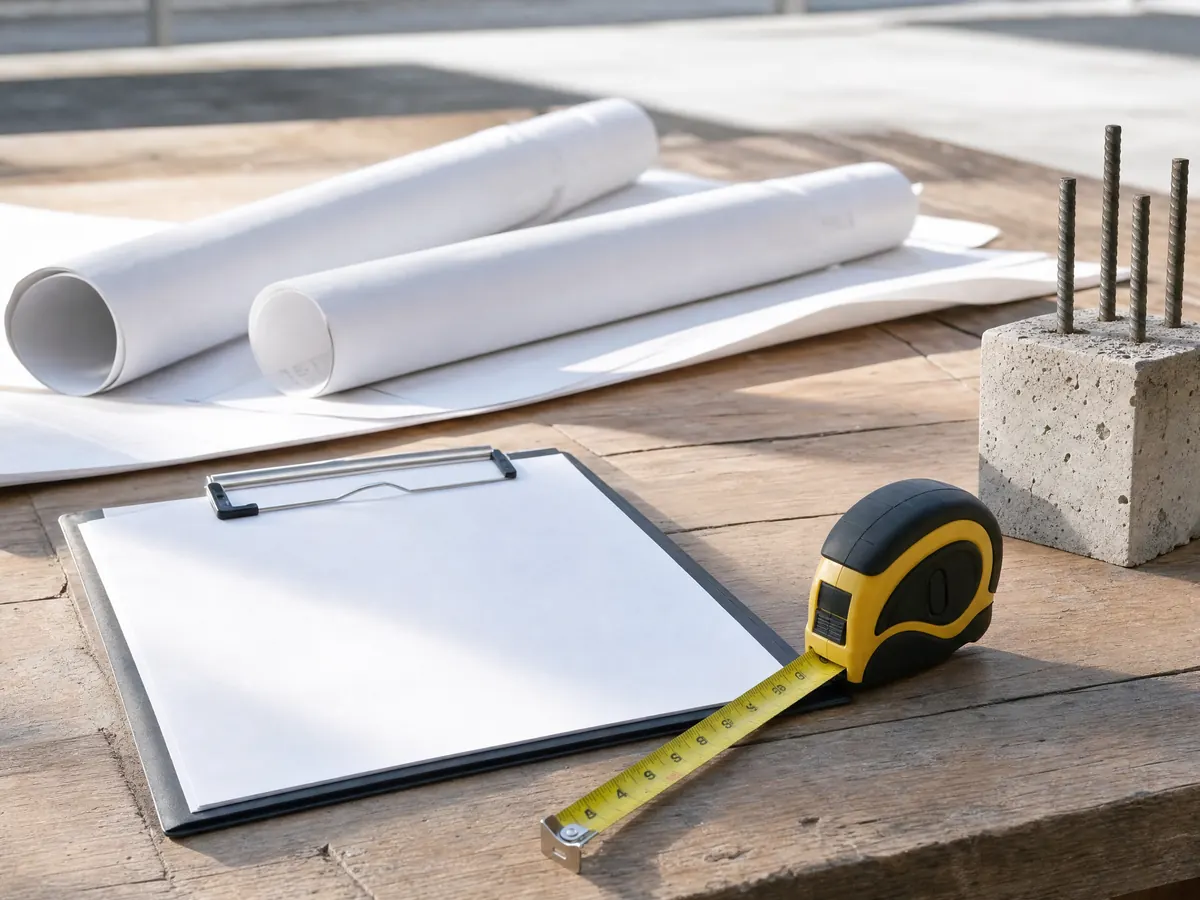
Can you pour a driveway or patio near an oak tree in Calabasas?
Only with the City's approval if the work reaches an oak's protected zone. Municipal Code 17.32.010 says no one may alter any oak tree or scrub oak habitat without an oak tree permit, and every other development permit must also comply with it. Concrete work inside a protected zone counts as an encroachment, so the first question for a contractor is where the oaks stand and how far their zones reach.
The community development director can approve encroachments that affect up to 10 percent of the protected zone, fence installations among them. Anything larger goes to the Planning Commission with an oak tree report from a city-qualified arborist, and a project that removes a living heritage oak goes to City Council. A tree under 2 inches in diameter is exempt unless it stands in scrub oak habitat or was planted as mitigation.
Violations are costly. The code allows an immediate stop-work order and a building moratorium of up to 10 years that binds later owners, and mitigation can mean one inch of new oak diameter planted for each inch removed plus five years of monitoring. Ask Planning how the zone is measured on your lot before the forms go in.
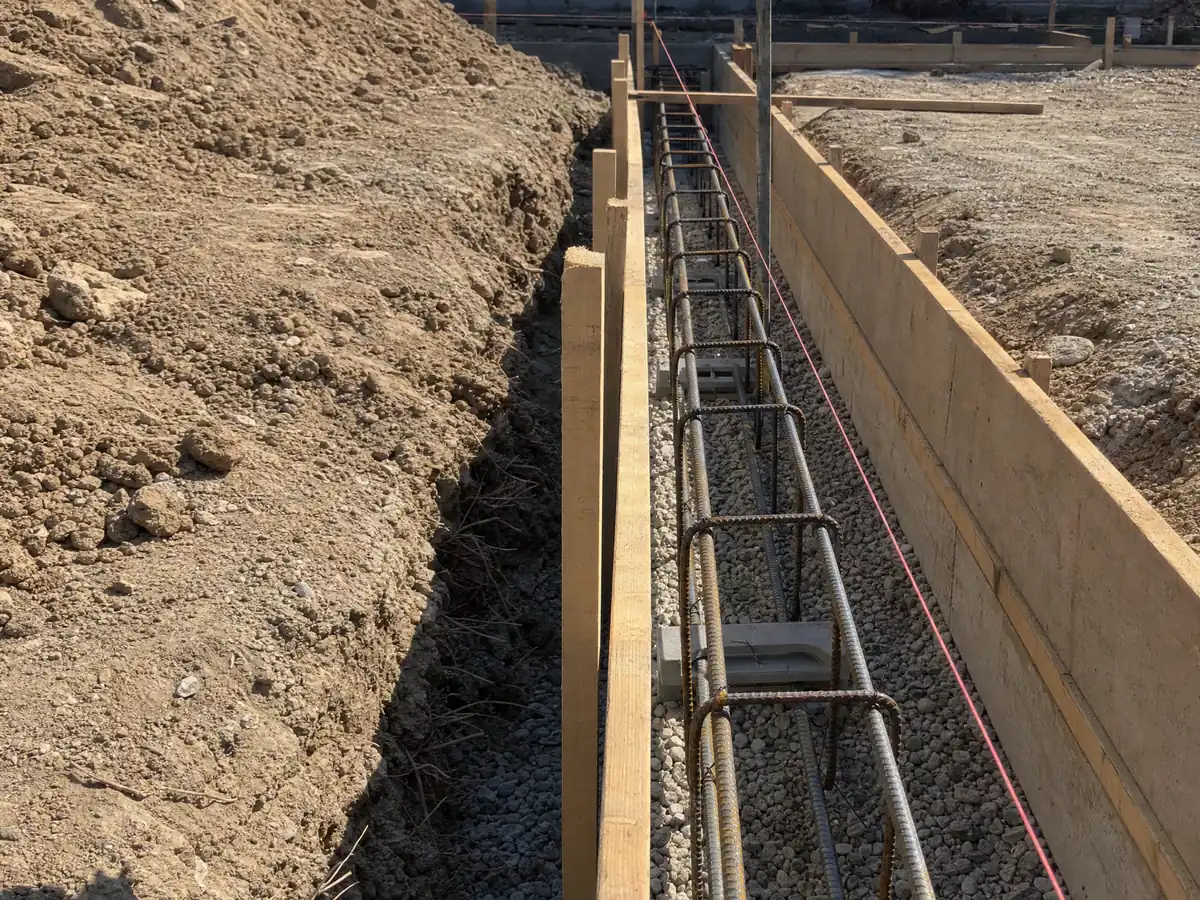
Can you pour a concrete patio without a permit in Calabasas?
A flat walk or driveway is the easy case; a patio is less certain. The state list of permit-exempt work, as the City of Albany excerpts it, covers sidewalks and driveways not more than 30 inches above grade, and Municipal Code 17.02.020(B) exempts driveways, paths and decks from land use permits only when they need no building or grading permit, stand no more than 18 inches above natural grade and are not over a basement. Section 17.02.040 adds that an exempt structure may still need other permits.
Drainage is the hidden trigger. Under Municipal Code 15.10.030 a grading permit is needed for earthwork, paving or surfacing that alters an existing drainage pattern, so a new or widened pad that redirects runoff is a grading question as well as a building one. The small excavation exemption applies only on natural slopes of 20 percent or less, under 50 cubic yards and at least 100 feet from a drainage course, and the City still wants written certification of the exemption.
In the Old Topanga, Calabasas Highlands and Park Moderne overlays, a Public Works encroachment permit comes before any building or grading permit for a project with 50 cubic yards or more of grading or an in-ground pool. The City's site was blocked to us, so these sections come from a third-party mirror of the code; confirm each with the counter.
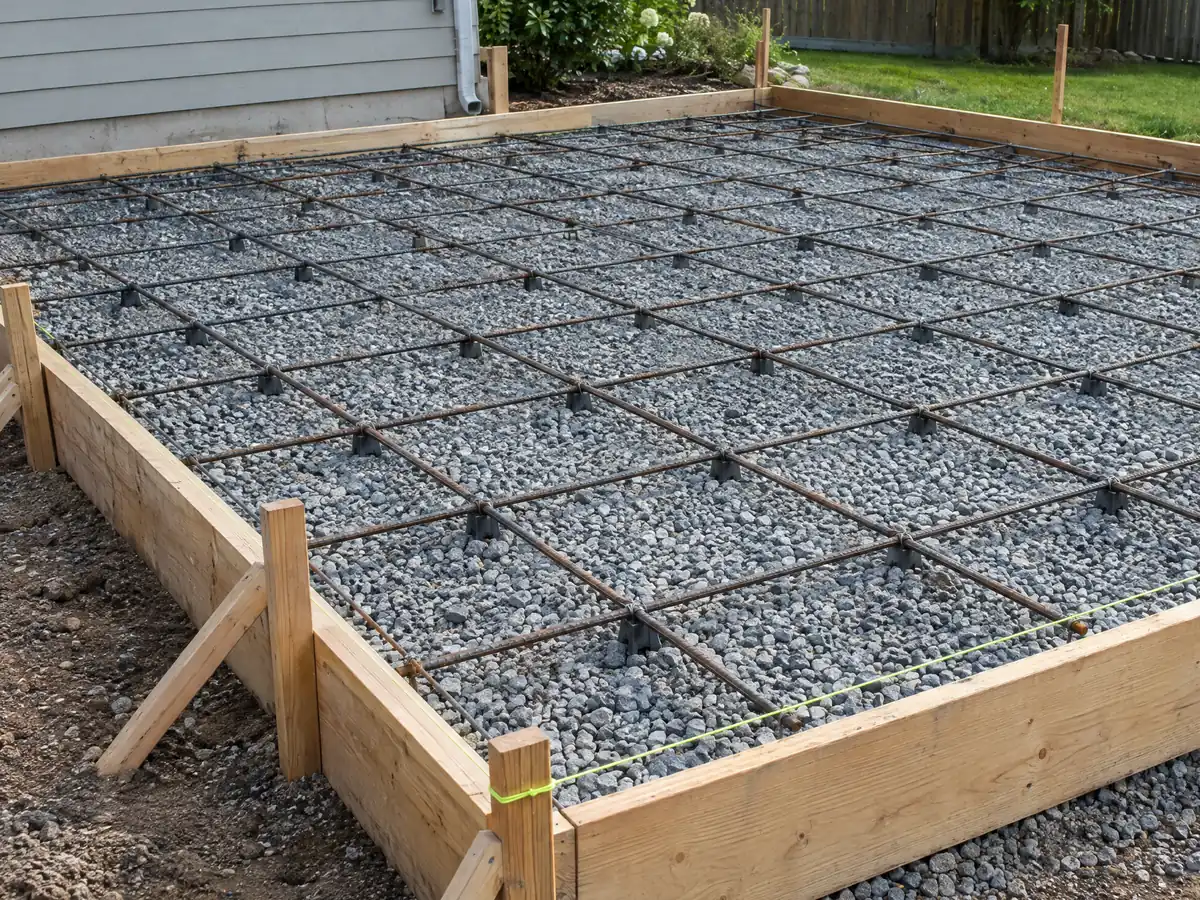
How tall can a retaining wall be in Calabasas, and does a 4 foot wall need drainage?
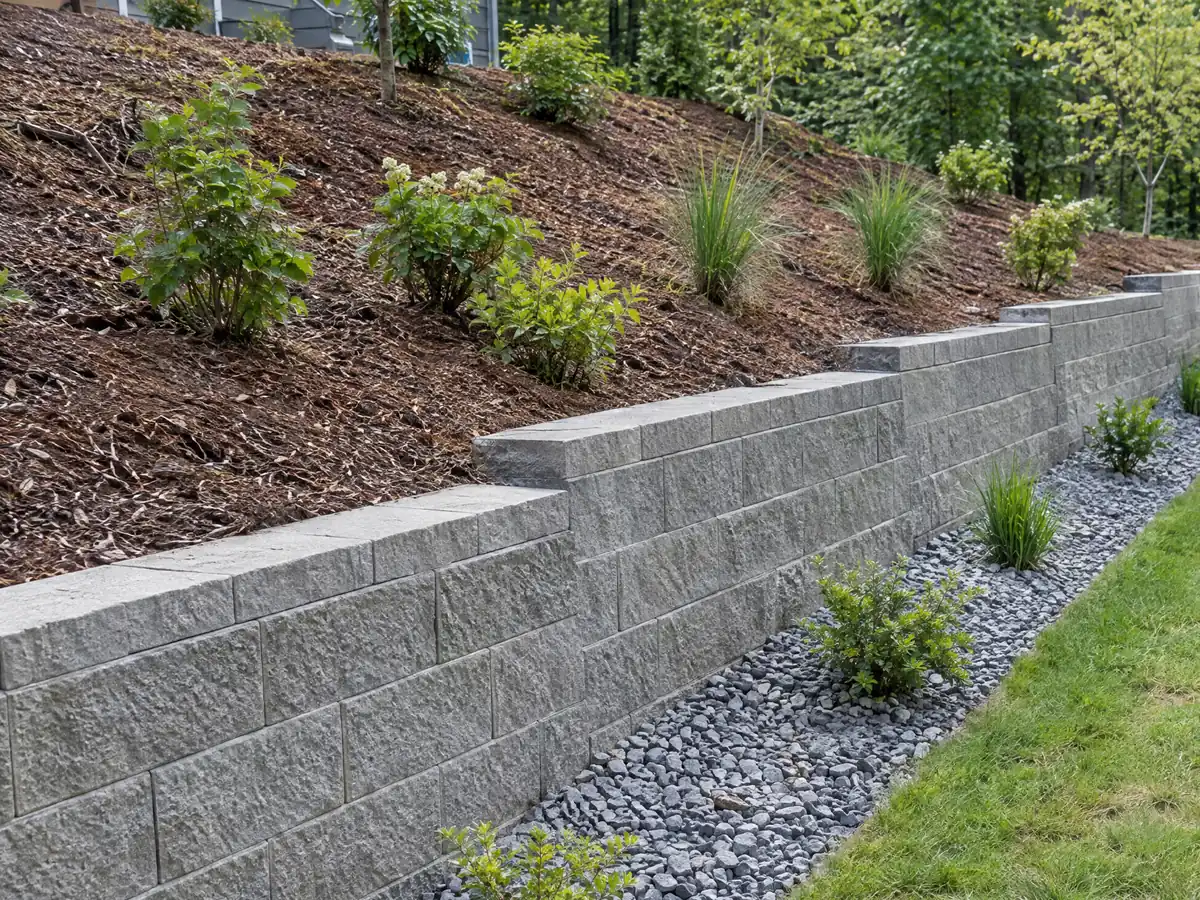
Four feet is the state line, and Calabasas stacks its own limits on top. The state exempt list, as Albany excerpts it, covers retaining walls not over 4 feet from the bottom of the footing unless they support a surcharge, while Municipal Code 17.20.100(B)(3) caps a retaining wall at 6 feet unless the director approves, limits outward-facing walls in a front setback to 4 feet and asks for 4 feet of horizontal distance between tiers. Section 17.02.020(B) exempts walls that retain 36 inches or less of grade change when no grading permit is needed.
We found no Calabasas rule that says a 4 foot wall needs drainage, but the hazards standard in 17.20.130 asks for site-specific soils studies with permits for new development, and 45 of 99 sample points on the County's layers sat in earthquake-induced landslide zones, a sample and not a parcel check. On a lot with an average slope of 20 percent or more, 17.20.140(D) also limits any downhill wall to 15 feet above grade.
Block and poured walls can go to different crews. CSLB's C-29 masonry class covers concrete block walls for structures and fences, and our subcontractor guide shows how the crews are lined up.
How wide can a Calabasas driveway be, and how much of the front yard can be paved?
On an RS lot, Municipal Code 17.28.080(C) asks for a driveway at least 18 feet wide within 20 feet of the garage and at least 12 feet wide beyond that, no wider than 27 feet for a double or triple garage and at least 20 feet long from the back of the sidewalk. A curb cut must stay at least 3 feet from the property line and from the centerline of a hydrant, utility pole or drop inlet, at least 10 feet from the end of a curb return on single-family lots, and one access point per parcel is allowed unless the city engineer or fire department requires more.
Paving has a ceiling too. Section 17.20.180(B) says no more than 50 percent of the required front setback on an RS lot with a single-family dwelling may be covered with asphalt, cement or another impervious surface, so count the driveway, the walk and any parking pad together. Street trees must stay at least 10 feet from the access.
Corner lots add a sight line: nothing over 42 inches above the curb may stand in the traffic safety visibility area under 17.20.100 and 17.20.140(F). RR, RC and the overlay zones change these numbers, so check the lot's zoning first.
Can you replace an old front walk or slab in Old Town Calabasas or Park Moderne?
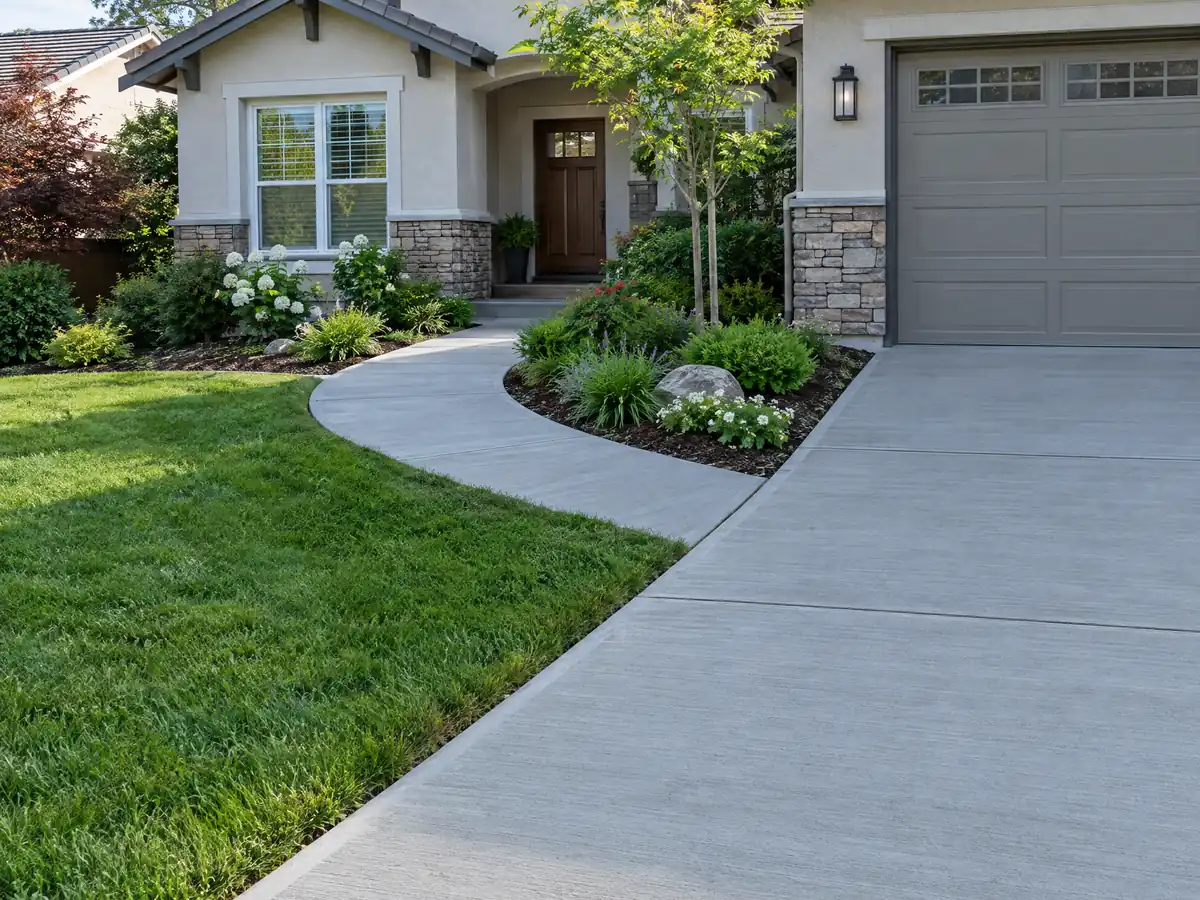
Usually, but the City wants repairs to look like the original. Municipal Code 17.02.020(B) exempts repair and maintenance of existing lawful structures from land use permits, yet it requires exterior repair work to use the same materials and design as the original structure, so a new look can fall outside the exemption.
The number of old lots is small. Census estimates count only 84 of 9,431 housing units built before 1950, while Park Moderne dates from the 1920s and the Leonis Adobe from about 1844. Chapter 17.36 requires a certificate of appropriateness for changes to listed historical resources, and section 17.36.220 excuses ordinary maintenance of an exterior feature that changes no design, material or appearance. We found no list of Calabasas Register properties, so ask Planning whether a lot is listed before ordering demolition.
Where does concrete wash water go, and what hours can a crew pour in Calabasas?
Not to the street. Calabasas's stormwater chapter, Municipal Code 8.28, prohibits discharging concrete or cement wash water from trucks, pumps, tools and equipment to the storm drain, and it requires the owner of every construction project to certify best management practices before a building or grading permit issues. Soil piles must be bermed or covered between October 1 and April 15, and no vehicles may be washed next to the site. The chapter's redevelopment definition for a single-family home starts at 10,000 square feet of new or replaced impervious surface, the size where low impact development rules apply, which a typical patio does not reach.
Weather sets the pour day. At the Woodland Hills Pierce College station, about 6.2 miles east of central Calabasas, NOAA's 1991 to 2020 normals show 35.6 days a year at or above 100 F and 16.41 inches of rain, 13.67 of them from December through March, so ask how the crew will cure a slab on a hot afternoon. Noise from construction is limited to 7 a.m. to 6 p.m. on weekdays and 8 a.m. to 5 p.m. on Saturdays, with Sundays and federal holidays off (Municipal Code 17.20.160(C)).
What does concrete work cost in Calabasas, and what license should the crew hold?
We found no Calabasas price study, so the anchors are Angi's 2026 pages for Los Angeles, built from customer surveys and pro data. For a patio, Angi shows $4 to $13 per square foot and an average of $5,248, and a 20 by 20 foot slab runs $1,600 to $5,200. Stamped work is $15 to $30 per square foot and driveways $8 to $20, averaging $7,270 within a $3,067 to $16,472 spread. Plain flatwork rates medium in confidence, driveways and decorative finishes lower, and minimum charges push small jobs above the per-foot averages.
Labor sets a floor: federal wage data for May 2025 show cement masons in the Los Angeles-Long Beach-Anaheim area averaging $33.67 an hour, a wage and not a billing rate. Demolition, haul-off, base, rebar, permits and any oak report belong on separate proposal lines.
CSLB's C-8 class covers forming, pouring, placing and finishing mass, pavement, flat and other concrete work, and block walls fall under C-29. CSLB bulletin 24-07 closes the $1,000 exemption for any job that needs a permit, so permitted flatwork needs a licensed contractor at any price. Our license check guide shows how to verify a number.
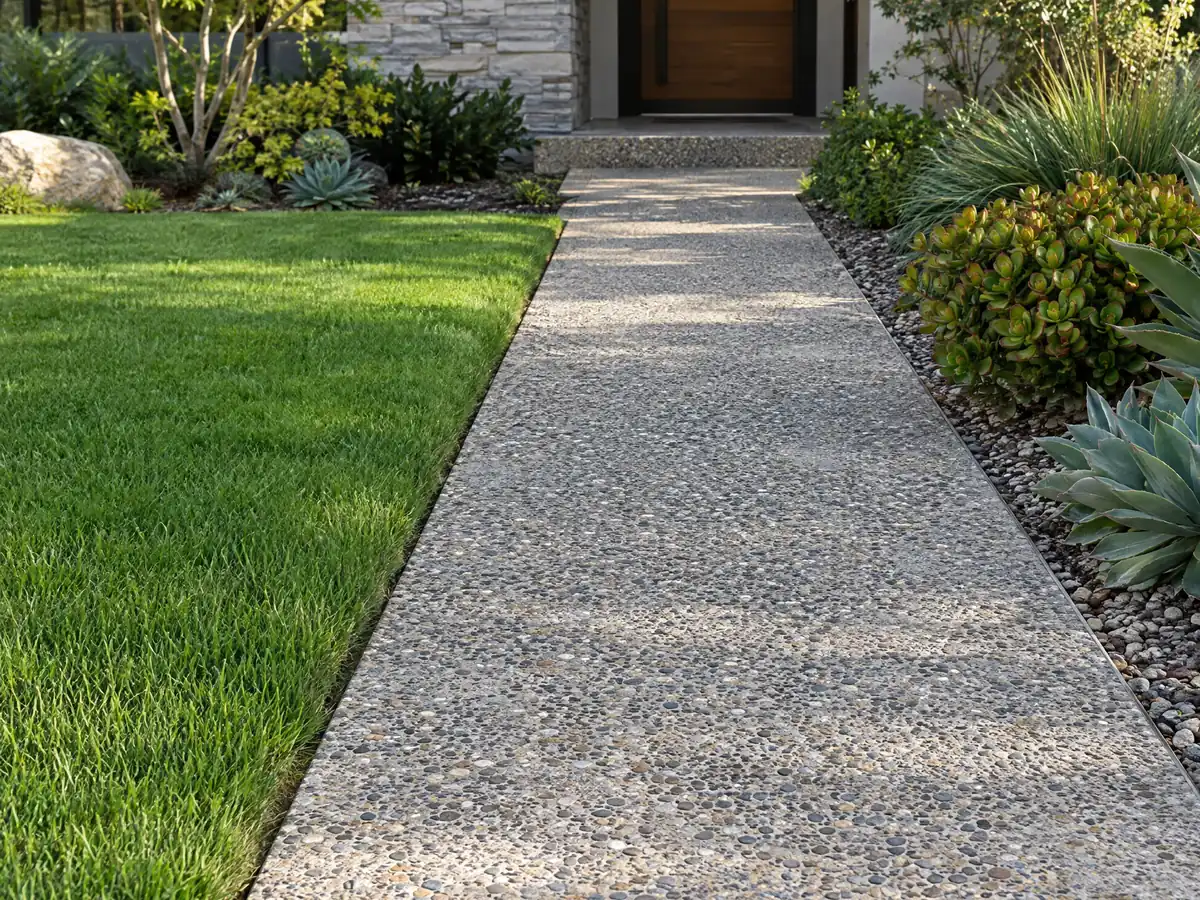
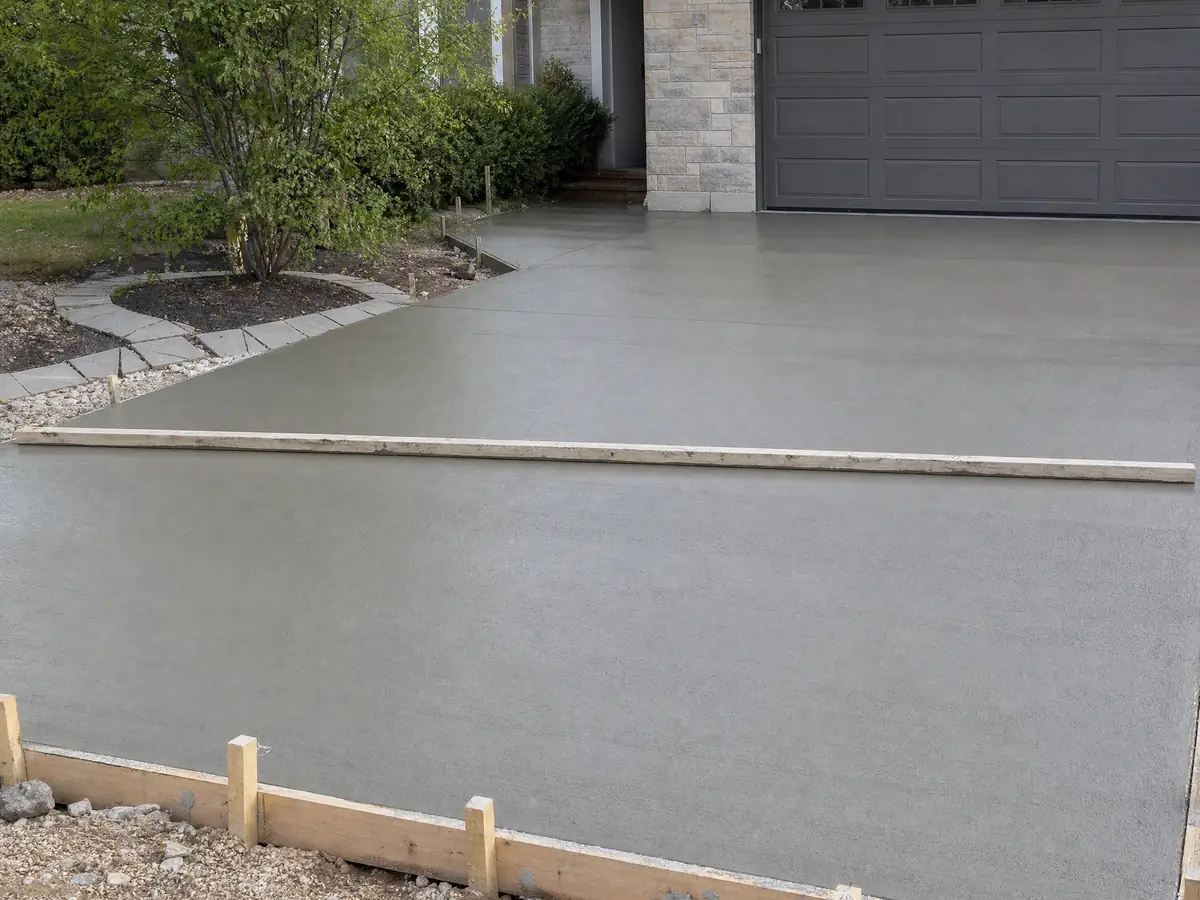
Concrete photos from Calabasas and nearby communities
Driveways, walks, patios and forms from Calabasas and the neighboring hill communities, shown at the stages that matter. Tap any photo to enlarge it.
What concrete costs around Calabasas
Dollar figures on this page are Los Angeles planning ranges from our concrete page, not a Calabasas bid, and the proposal should show demolition, base work, grading and any oak report on separate lines. For the same lot, see flooring in Calabasas and decks in Calabasas. Nearby comparisons: concrete in Santa Monica and concrete in Los Angeles.
| What it covers | Typical range |
|---|---|
| Patio, walkway or slab, broom finish, 300 sq ft or more | $8 to $14 per square foot |
| Decorative: stained, stamped or exposed aggregate | $15 to $30 per square foot |
| Driveway replacement, with demolition of the old slab | $9 to $20 per square foot |
| 20 by 20 foot plain patio (400 sq ft) | About $3,200 to $5,600 |
| 20 by 20 foot decorative patio (400 sq ft) | About $6,000 to $12,000 |
| Small jobs under 300 sq ft | Usually above the per-foot range |
| Retaining walls | Set by the written proposal |
Calabasas concrete questions, answered
Can I pour a concrete patio without a permit in Calabasas?
Possibly, but confirm first. The state exempt list names sidewalks and driveways up to 30 inches above grade, not a patio, and Calabasas's zoning exemption covers driveways and paths only if no building or grading permit is needed and the surface stays under 18 inches above natural grade. A pad that changes drainage needs a grading permit, so call the counter with the size and slope.
Can I expand my driveway without a permit in Calabasas?
Probably not without City review. An RS driveway must be at least 18 feet wide within 20 feet of the garage and no wider than 27 feet for two or three garages, a new curb cut has setbacks of its own, and paving is capped at half the required front setback. A pad that alters drainage also needs a grading permit, so bring a plan to Building and Safety.
What is the maximum height of a retaining wall without a permit in Calabasas?
The state exempt list stops at 4 feet from the bottom of the footing, and not at all if the wall supports a surcharge such as a driveway or slope. Calabasas zoning exempts walls retaining 36 inches or less of grade change when no grading permit is needed, and a wall over 6 feet needs the director's approval. Confirm with the counter before digging.
How much should a 20x20 concrete patio cost in Calabasas?
Angi's 2026 Los Angeles data runs $1,600 to $5,200 for a 20 by 20 foot patio, 400 square feet, inside a general range of $4 to $13 per square foot. We found no Calabasas study. Demolition, base preparation, oak or grading requirements and decorative finishes move the number, so a site visit sets the price.
How much does a concrete driveway cost in Calabasas?
Angi's 2026 Los Angeles figures are $8 to $20 per square foot and an average of $7,270, with a spread of $3,067 to $16,472, and we rate them lower in confidence than plain flatwork. Removing the old slab, grading and apron work change the total, and a wider drive may run into the 27 foot cap.
Is 4 inches of concrete thick enough for a driveway in Calabasas?
Four inches is the common thickness for patios and walks, and slabs that carry cars are often poured thicker, but we found no Calabasas rule that sets a thickness. Ask the crew to put the thickness, base, joint layout and any reinforcement in writing, since those details decide how the slab handles heat and soil movement.
Can I pour concrete near an oak tree in Calabasas?
Only if the work stays out of the protected zone or the City approves it. Municipal Code 17.32.010 requires an oak tree permit to alter an oak, the director can approve encroachments up to 10 percent of the zone, and anything larger needs the Planning Commission and an arborist's report. Violations can bring a stop-work order and a building moratorium.
Where can concrete wash water go in Calabasas?
Not into the storm drain. Municipal Code 8.28 bars discharging concrete or cement wash water from trucks, pumps, tools and equipment to the storm drain, and owners must certify best management practices before a building or grading permit issues. Ask the crew where the washout will sit and how the solids will be hauled away.
How much does a 300 sq ft stamped concrete patio cost in Calabasas?
At Angi's 2026 Los Angeles range of $15 to $30 per square foot, 300 square feet works out to $4,500 to $9,000. Angi's stamped patio average is $5,948 within a range of $2,915 to $8,982. We rate decorative work lower in confidence, so write the pattern, color and sealer into the proposal and compare bids on those terms.
What license does a concrete company need in Calabasas?
Poured flatwork falls under CSLB's C-8 concrete class and block walls under C-29. Work that needs a permit must go to a licensed contractor even under $1,000. Look the license up on the CSLB site, and if a general contractor hires the concrete crew, ask for the crew's name and a license number you can check.
Send the address, a photo of the yard and any oaks nearby
Tell us what you want poured, its rough size and what stands there now, such as a cracked drive or a bare slope. Oak, grading and setback questions come with us to the first visit.