
Fence Companyin Coachella, CA
A fence company in Coachella starts with the soil: every block wall needs a liquid membrane up to 8 inches above grade because sulfate and selenium eat block. Fences over 2 feet need a building permit, side and rear yards allow 6 feet, front yard walls stop at 30 inches, and razor, chain-link and barbed wire are banned.
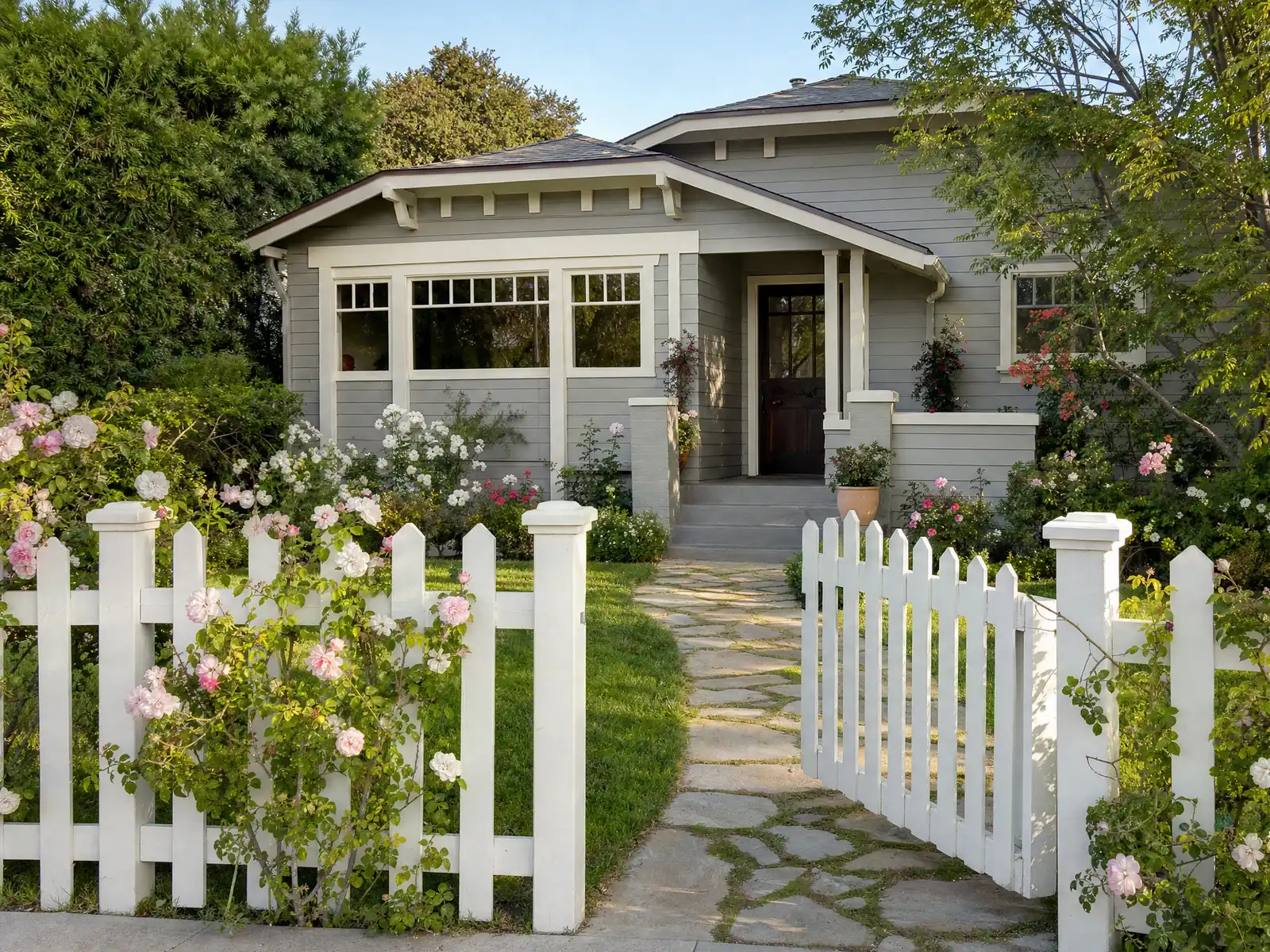
Coachella is mostly single-family yards. Census ACS 2024 five-year estimates count 12,683 housing units, 9,024 of them single-family detached (margin of error plus or minus 576), with 50.2 percent of all units built in 2000 or later and only 2.3 percent before 1950. The City began as a 2.5 square mile town that incorporated on December 13, 1946, and its Housing Element draft counts 4,419 more single-family units in 2020 than in 2000. That is a lot of property lines to wall. The City's own code says local soil is the enemy of those walls.
On a fence job, MDG Builders (CSLB #1040337) acts as the general contractor, coordinating the scope, the permit path and the schedule while licensed specialty subcontractors do the field work. Wood, vinyl and iron fences are C-13 work, and masonry walls are C-29, so a block wall has its own licensed sub. The fencing page holds sourced prices and the Coachella overview lists our other trades here. Permits come from the City's Building Division. coachella.org refused our requests with an access error, so City pages are archived Wayback Machine copies and the Municipal Code is a third-party mirror, GoCodebook edition 2026-09. Confirm each section with the City. Neighbors with their own rules are Indio and Palm Desert.
What Coachella's soil chapters, zoning heights and block wall sheet say about fences
Where fencing permits come from in Coachella: City of Coachella Development Services Department, Building Division.
- Permit exemptions for walls (Municipal Code 15.04.020, replacing CBC 105.2 items 2, 4 and 6, third-party mirror): fences that conform to Title 17 and do not exceed 2 feet, retaining walls not over 2 feet measured from the top of the footing to the top of the wall (unless supporting a surcharge), and side or rear yard sidewalks not more than 30 inches above grade are exempt. Anything taller needs a building permit.
- Fence and wall heights (Municipal Code 17.60.010 D, third-party mirror): fences or walls up to 6 feet may occupy any part of a side or rear yard; walls and low plants along front-yard property lines are limited to 30 inches and must be approved by staff; a front-yard wall that blocks the view of the front lawn must be built as a courtyard (6 feet maximum, pedestrian entrance, wall return to the house, recorded landscape maintenance agreement, findings); corner visibility areas have a 6-foot limit with no visual obstruction; fences and walls may not extend beyond the property line.
- Materials and upkeep (Municipal Code 17.60.010 D, third-party mirror): razor, chain-link and barbed wire are prohibited in residential districts; precision concrete block may not be used unless faces visible from outside the property are covered by stucco, paint or texture coating approved by the community development director; existing nonconforming walls may stay until a building permit is pulled for construction on the property, at which point the walls must be brought into compliance; owners get 30 days to repair a wall after notice.
- Block wall permit and inspections (City Block Wall handout, Wayback copy): a building permit is required, with inspections for footing (trench clean, steel supported), rebar and pre-grout (vertical rebar before grout) and final (after grout, before decorative caps). The standard detail covers walls up to 6 feet with pilasters spaced no more than 20 feet when infill fencing is attached, only open fencing such as wrought iron attached to pilasters, gates limited to 200 pounds and 4 feet wide per pilaster, and the first two courses protected under Municipal Code 15.53.060 as printed on the sheet. Fence heights are regulated by zoning, and any electrical circuit or lighting in a wall needs an electrical permit.
Why does a Coachella block wall need a liquid membrane on the first 8 inches?
Because the ground eats block. Municipal Code 15.53 says all concrete block used for retaining, freestanding, fence and structural walls must be protected from sulfate and selenium erosion with a liquid-applied, surface-bonding rubberized, polymer or asphalt membrane. The coat runs from the top of the footing to 8 inches above finished soil grade without a break, including mortar and head joints. Preformed membrane papers are not allowed.
The ordinance explains itself: its findings say sulfate and selenium wore block "down to its aggregate content", and it puts the extra cost at about $1 to $2 per linear foot of wall. That is the City's estimate in a 2020 ordinance, not a current bid. The Cement Protection handout speaks of protecting the first 2 courses, while the ordinance says up to 8 inches above soil, so treat the ordinance as the rule and ask the inspector.
Footings, foundations and walls that retain earth also fall under Chapter 15.52, which calls for sulfate-resistant Type V cement at no less than 5 sacks per cubic yard. The Design Criteria handout tells designers to assume the soil is highly corrosive to metals and concrete and that termites are abundant, so steel hardware and any wood that meets soil deserve a second look.
Ask the wall sub to show the membrane product and where it stops before the wall is stuccoed.
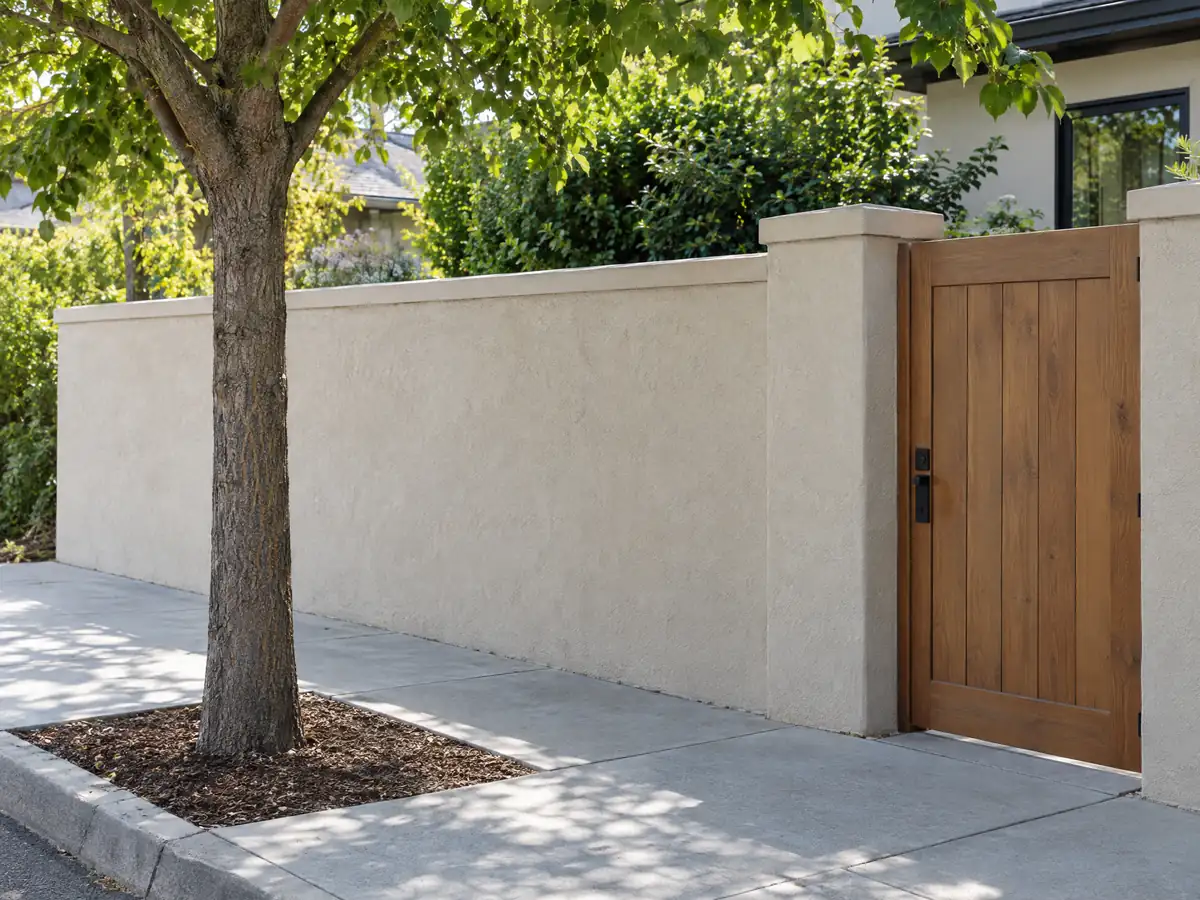
Do I need a permit for a fence in Coachella if zoning allows 6 feet?
Yes for the usual back yard fence. Municipal Code 15.04.020 replaces the state exemption list: fences that conform to Title 17 and do not exceed 2 feet, and retaining walls not over 2 feet from the top of the footing, are exempt, and anything taller needs a building permit. Zoning allows fences up to 6 feet in side and rear yards, so a standard privacy fence or wall sits well past the exemption. A 3 to 6 foot fence is a permit job.
Block walls get inspections at three points: the footing with the trench clean and steel supported, rebar and pre-grout with the vertical bars in place, and a final after grout and before decorative caps. Post-tension masonry walls are prohibited. Any circuit or lighting built into a wall needs a separate electrical permit.
The City's soils report exemption covers fences and block walls of 10 feet or less and retaining walls holding back 6 feet or less of level grade with no surcharge, though the Building Official can still ask for a report where soil or slope looks questionable. Applications go by email to buildingservices@coachella.org, and inspections are booked at (760) 501-8150 before 4:00 pm.
Ask Building to confirm in writing which exemption list it applies to your height.
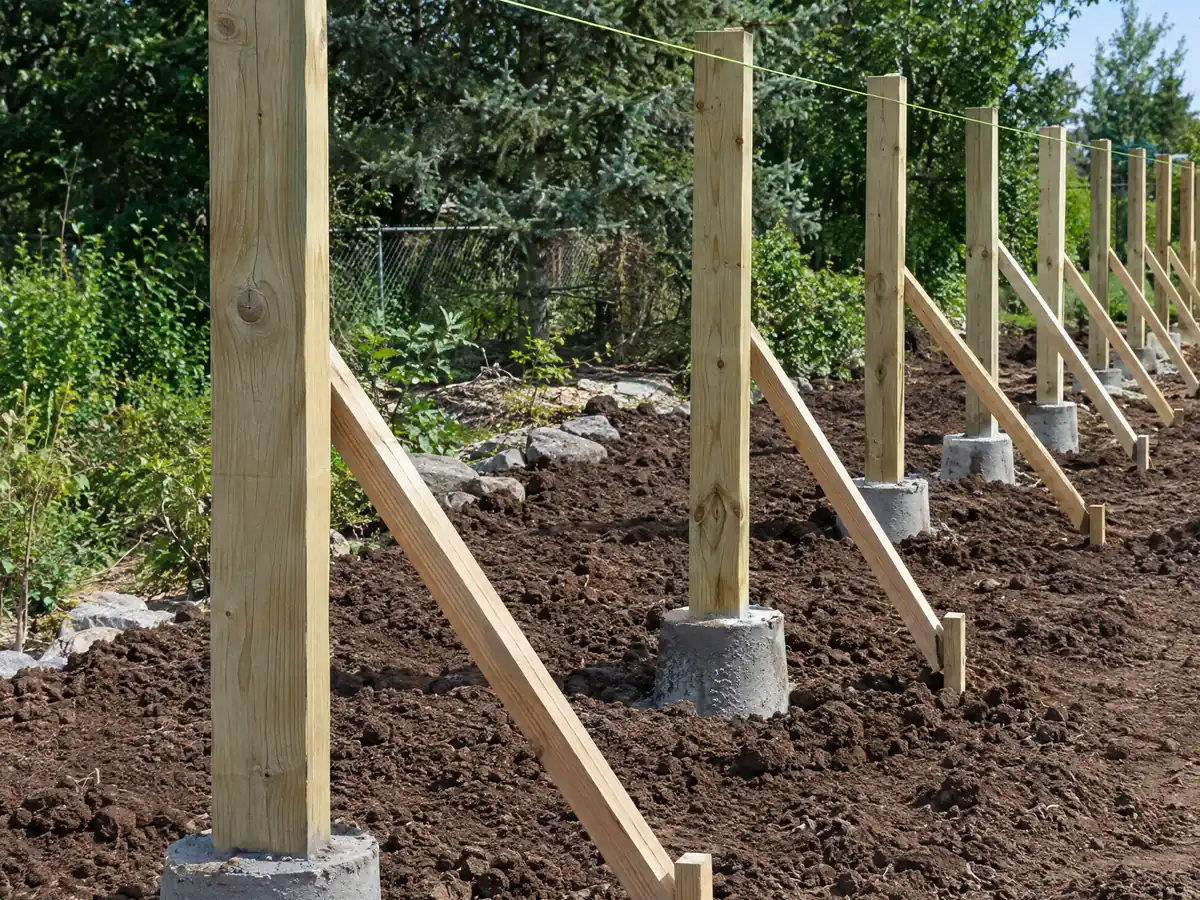
How tall can a fence be in a Coachella front yard, and which materials are banned?
Zoning, read in the mirror of Chapter 17.60, lets a fence or wall reach 6 feet in any part of a side or rear yard. Walls and low plants along a front-yard property line are limited to 30 inches and need staff approval. A front wall that blocks the view of the front lawn must be built as a courtyard: 6 feet at most, a pedestrian entrance, a wall return to the house, a recorded landscape maintenance agreement and findings. Corner visibility areas also top out at 6 feet with nothing blocking sight, and no fence may cross the property line.
Razor wire, chain-link and barbed wire are prohibited in residential districts. Precision concrete block may not be used unless every face visible from outside the lot is covered by stucco, paint or a texture coating approved by the community development director. An existing nonconforming wall can stay until a building permit is pulled for construction on the property, and then it must be brought into compliance. Owners get 30 days to repair a wall after notice.
Photograph the wall faces and the property line before an addition permit is filed.
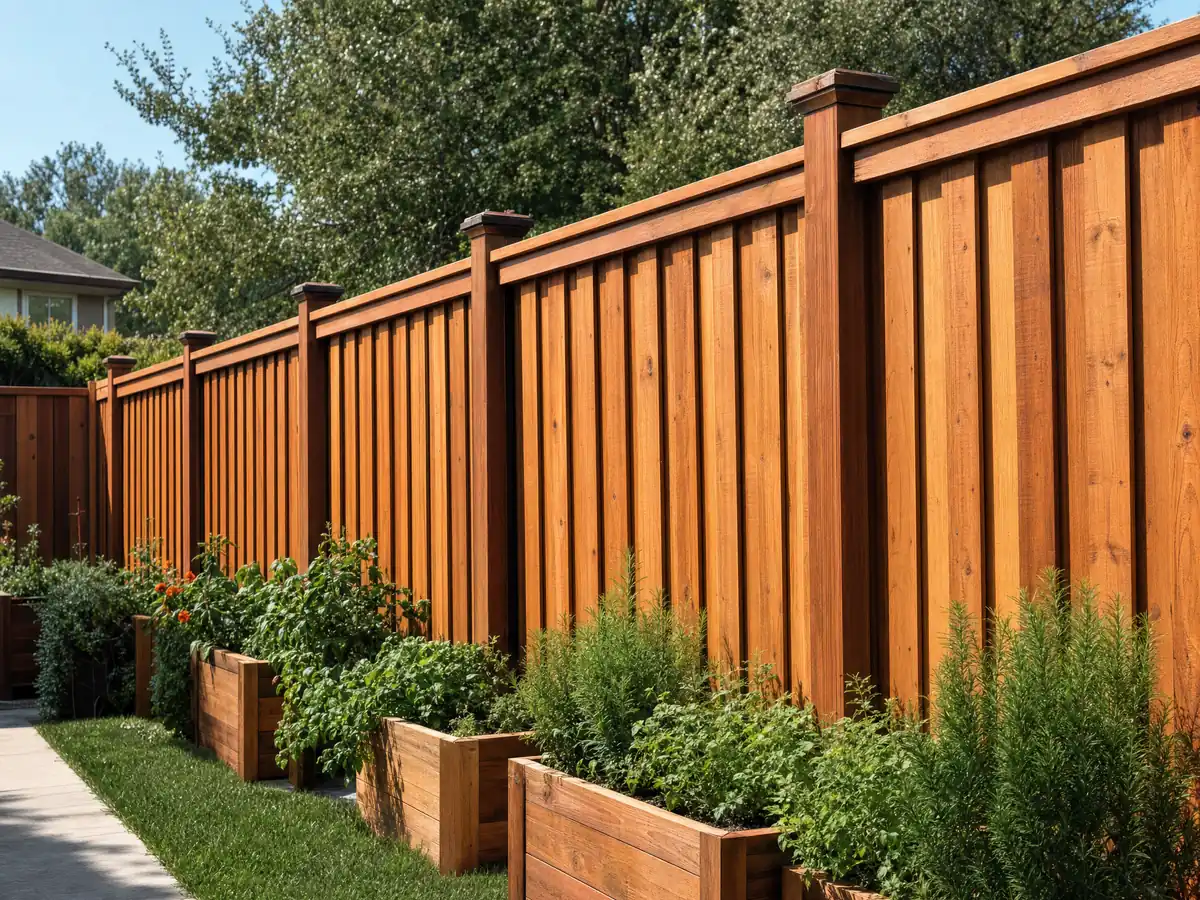
What does the City's block wall sheet require, and why does it print 85 mph and Category E?
The City's standard block wall detail covers walls up to 6 feet. Pilasters are spaced no more than 20 feet apart when infill fencing is attached, only open fencing such as wrought iron attaches to the pilasters, and a gate is limited to 200 pounds and 4 feet wide per pilaster. The first two courses are protected under the membrane section printed on the sheet. Anything beyond those limits needs engineering.
The sheet carries a 1/1/2008 detail stamp and prints 85 mph wind, Seismic Design Category E and Site Class D. The newer Design Criteria handout lists 123 mph for residential design, Category D (D2 under the Residential Code) and 1,500 psf allowable bearing without a soils report. The two disagree, so we follow the newer handout and ask Building to name the governing numbers before a wall is engineered.
Code editions disagree too. Chapter 15.08, adopted in 2023, names the 2022 California Building Code, while Chapter 15.04 from 2020 still says the 2019 codes. Ask Building which edition your permit is checked against.
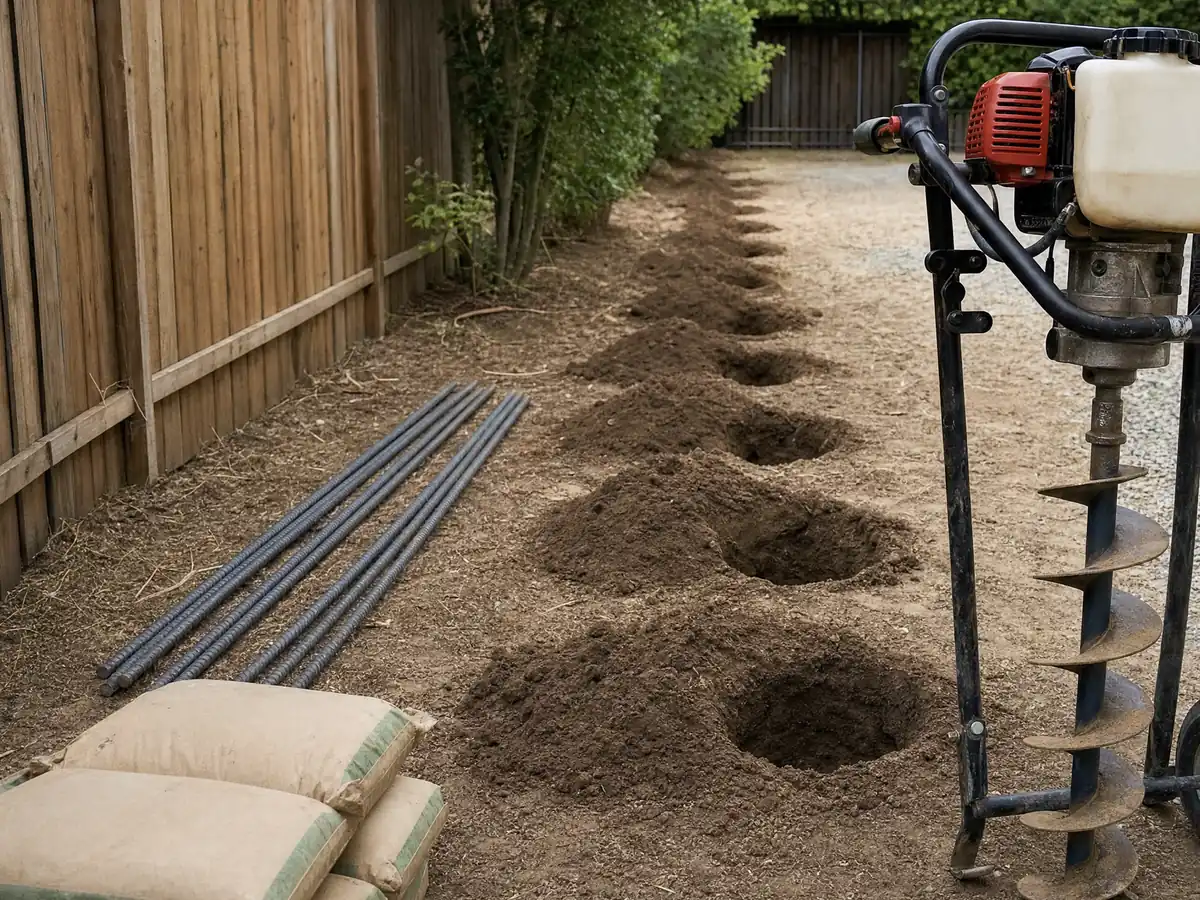
What does a Coachella gate or pool fence need beyond the fence itself?
New motorized gates must open automatically for emergency vehicles under Riverside County Fire standards, according to the sprinkler and fire code sections in the mirror of Chapters 15.08 and 15.24. The Fire Chief is defined there as the Fire Chief of Riverside County, and Station 79 is the local engine. Gate openers also need power, and an electrical permit for wall lighting or circuits is separate from the wall permit.
Pools and spas may sit in a side or rear yard if they are at least 5 feet from any property line, and pool equipment needs 3 feet in a front or side yard and 12 inches in a rear yard. State law, Health and Safety Code 115922, requires two of seven drowning-prevention features when a permit is issued for a new or remodeled pool. We found no Coachella handout for a pool barrier permit, so ask Building before ordering a glass or iron barrier. The Cement Protection handout also calls for a plastic membrane between pools and soil.
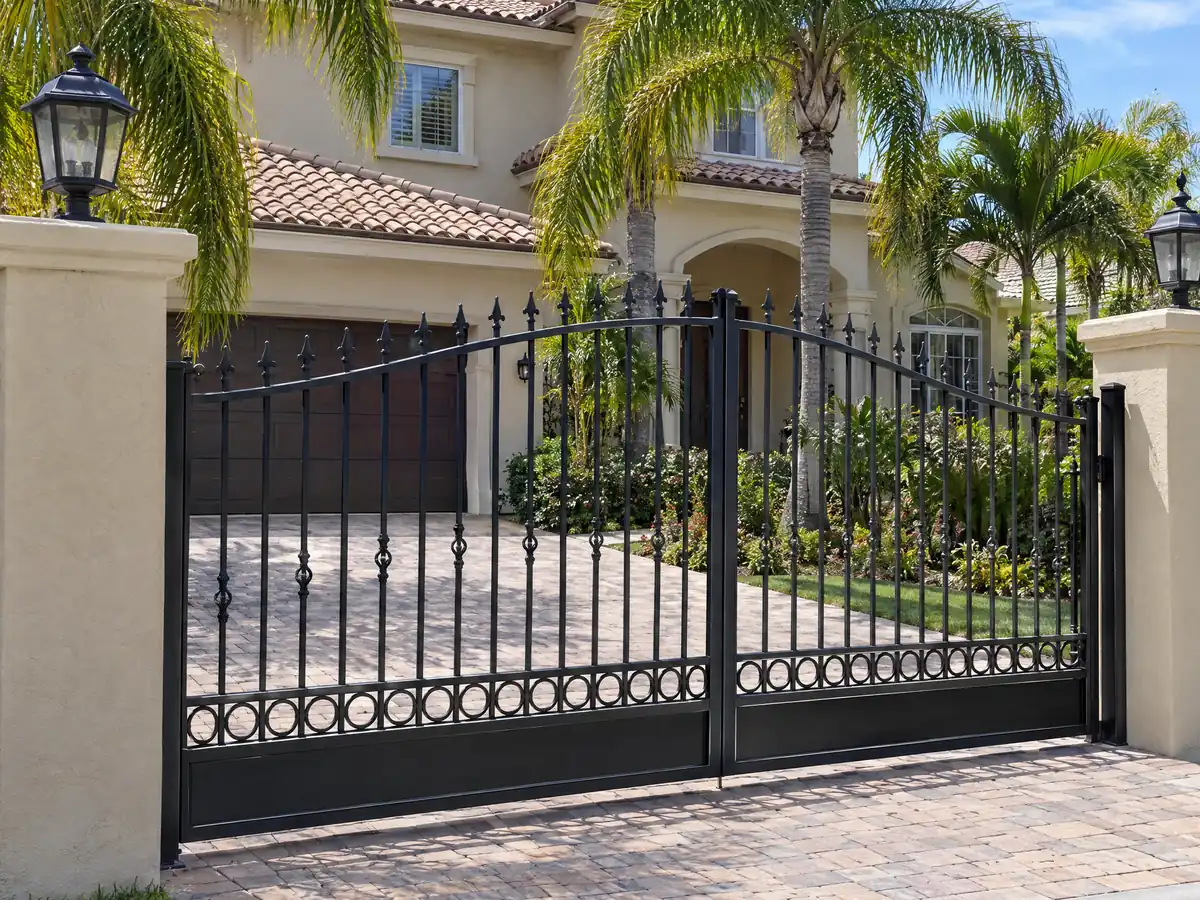
Who pays for a shared fence in Coachella, and does a Thermal address change the rules?
California Civil Code 841 presumes neighbors share the cost of a boundary fence equally, and it asks for 30 days' written notice before you incur costs. The presumption can be rebutted. Coachella's zoning also bars any fence from crossing the property line, so get a survey stake or a recorded map before you split a bill.
Date palms are part of the landscape, and Municipal Code 12.28 makes owners remove dead fronds from trunks at least once a year, with the City trimming after a 10-day notice and charging the owner. Plan gate swings and wall caps around fronds. If the lot has a homeowners association, Civil Code 4765 requires a written decision process, and the association approves separately from the City.
A ZIP code is not proof of jurisdiction. Coachella Valley High School and the airport are in Thermal, the public cemetery sits on county land and the Housing Element draft lists Shady Lane and Cocopah as unincorporated communities nearby. Confirm the City, not the County, issues the permit for your parcel.
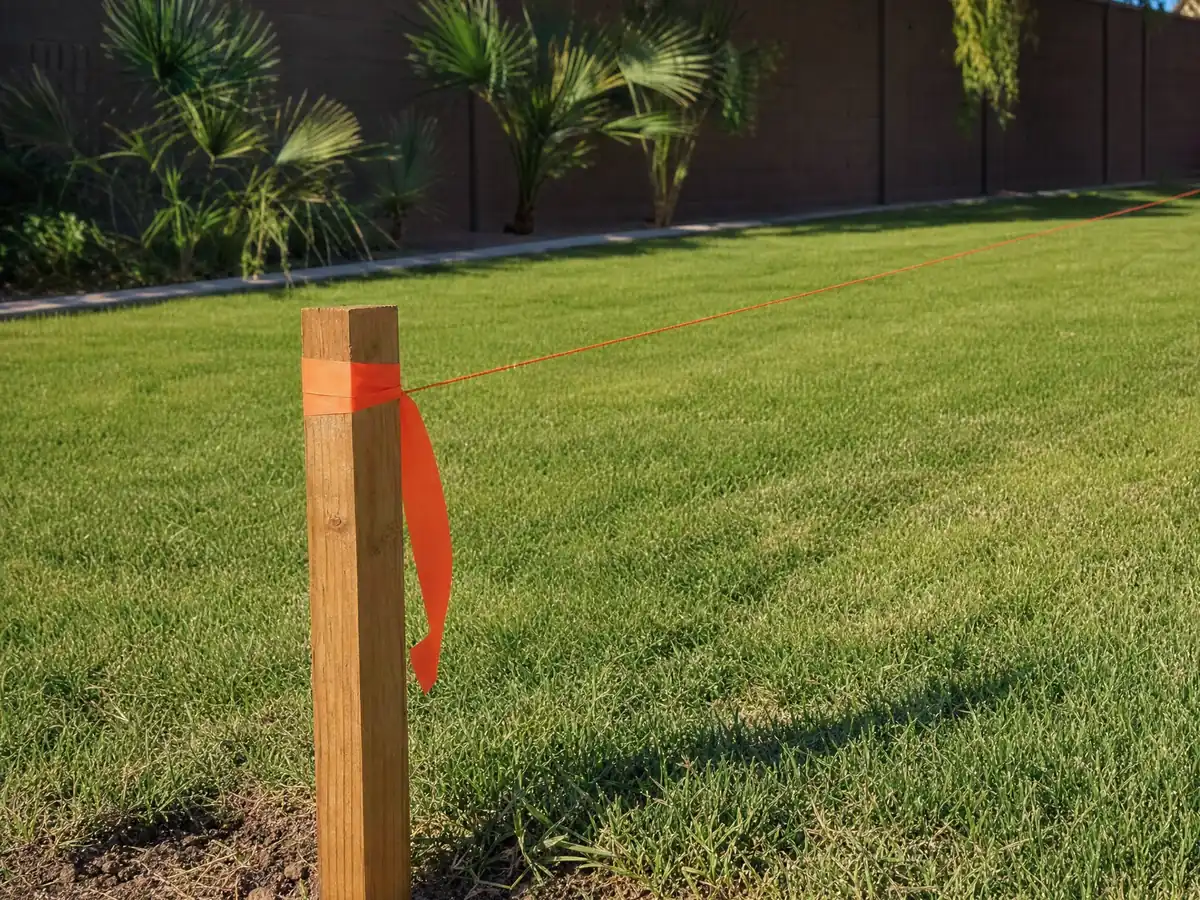
How much does fence installation cost in Coachella, and how do I read a quote?
No Coachella fence survey turned up, so these figures come from Los Angeles and national sources. Angi's Los Angeles fence guide, updated August 4, 2026, shows an average of $3,051 with a range of $1,734 to $4,422, wood at $1,600 to $2,500 and vinyl at $1,850 to $3,400 for a standard run. Angi's national guide, updated October 13, 2026, gives $10 to $30 per linear foot for block, though that looks low for a reinforced 6 foot wall. Chain-link is banned in residential districts here, so ignore its cheap line. We plan on about $25 to $55 per linear foot for wood or vinyl privacy, $35 to $85 for ornamental iron, and about $2,500 to $5,500 for a 100 foot back yard run.
A block wall quote should list the footing, the grout, the stucco and the liquid membrane as separate lines, since the membrane is required by the City. Fence erectors in the Los Angeles area average $28.00 an hour in the Bureau of Labor Statistics' May 2025 survey, a labor check rather than a bid. A fence is CSLB class C-13 and a masonry wall is C-29. Read how general contractors use subcontractors and how to check a license before you sign.
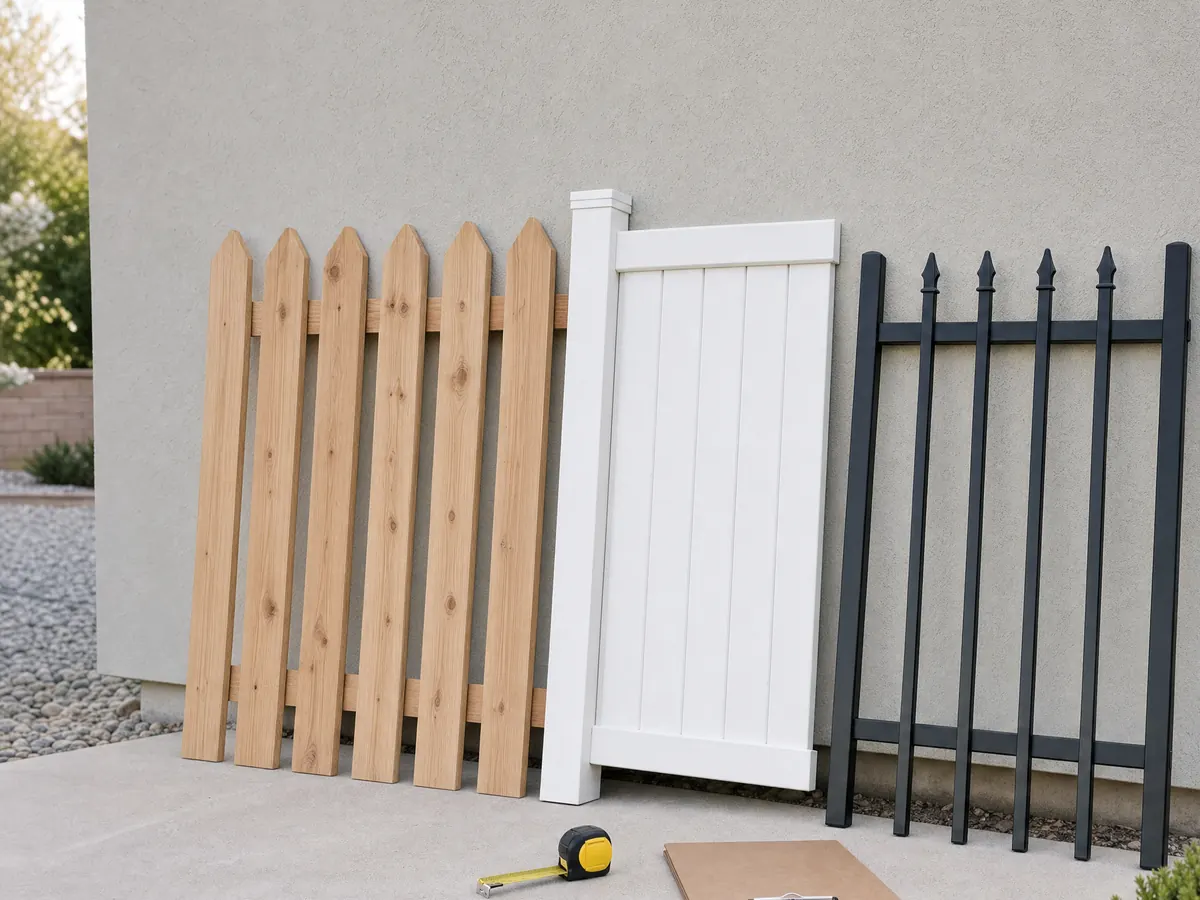
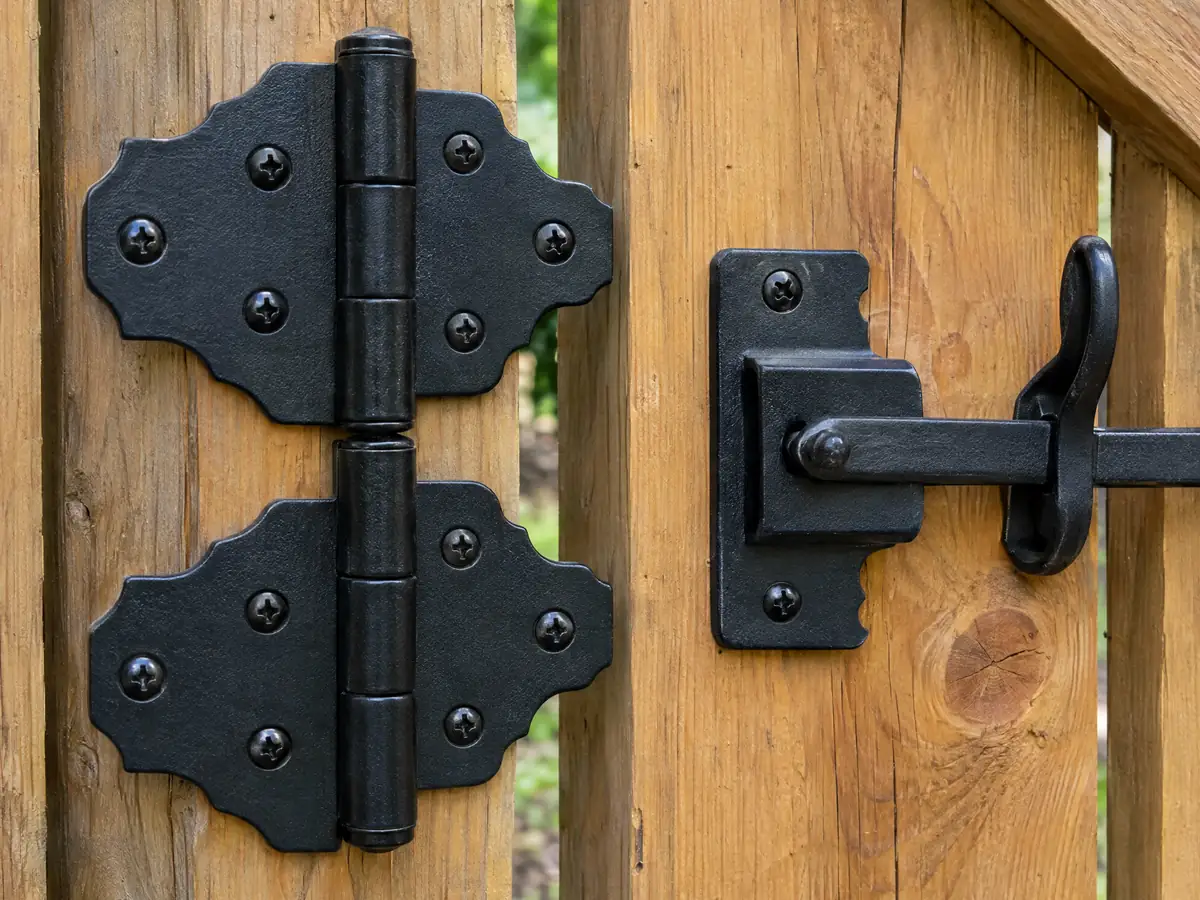
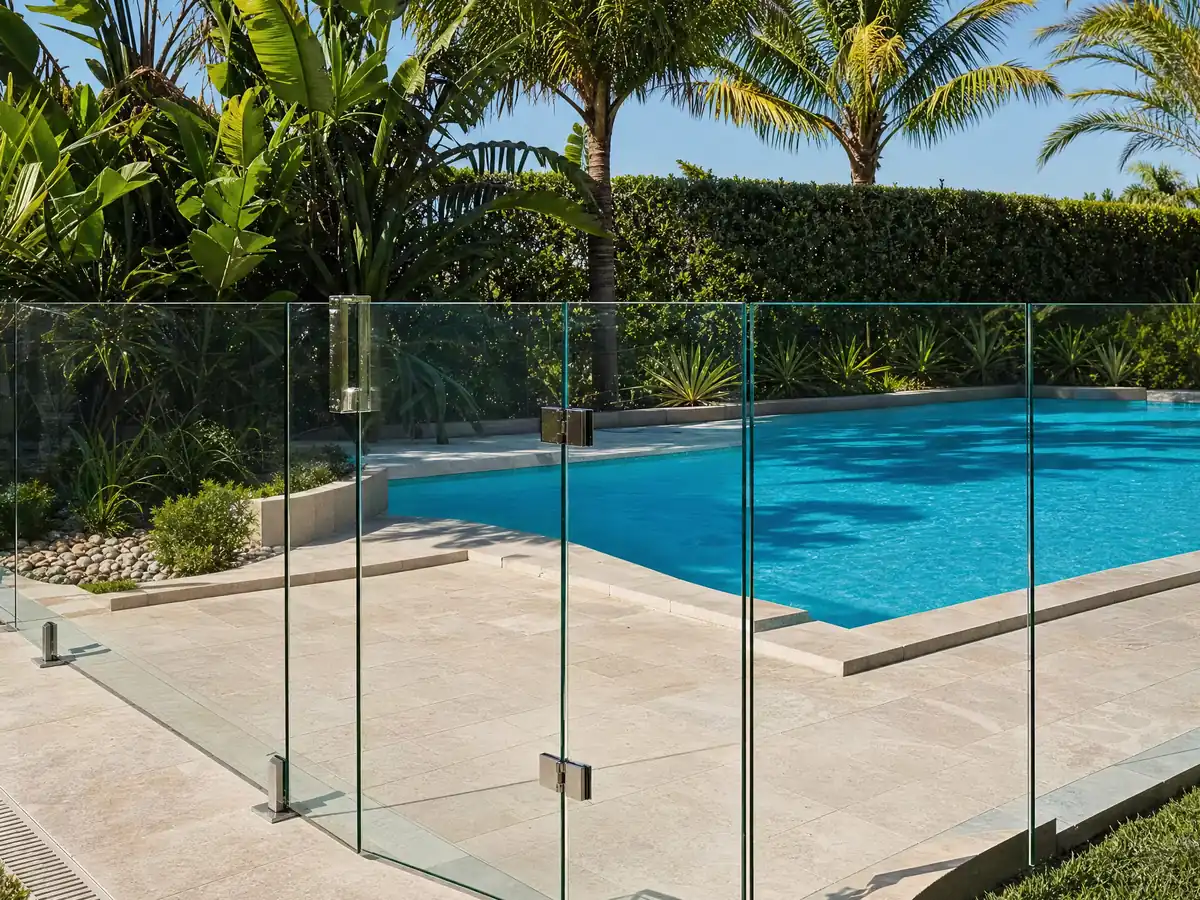
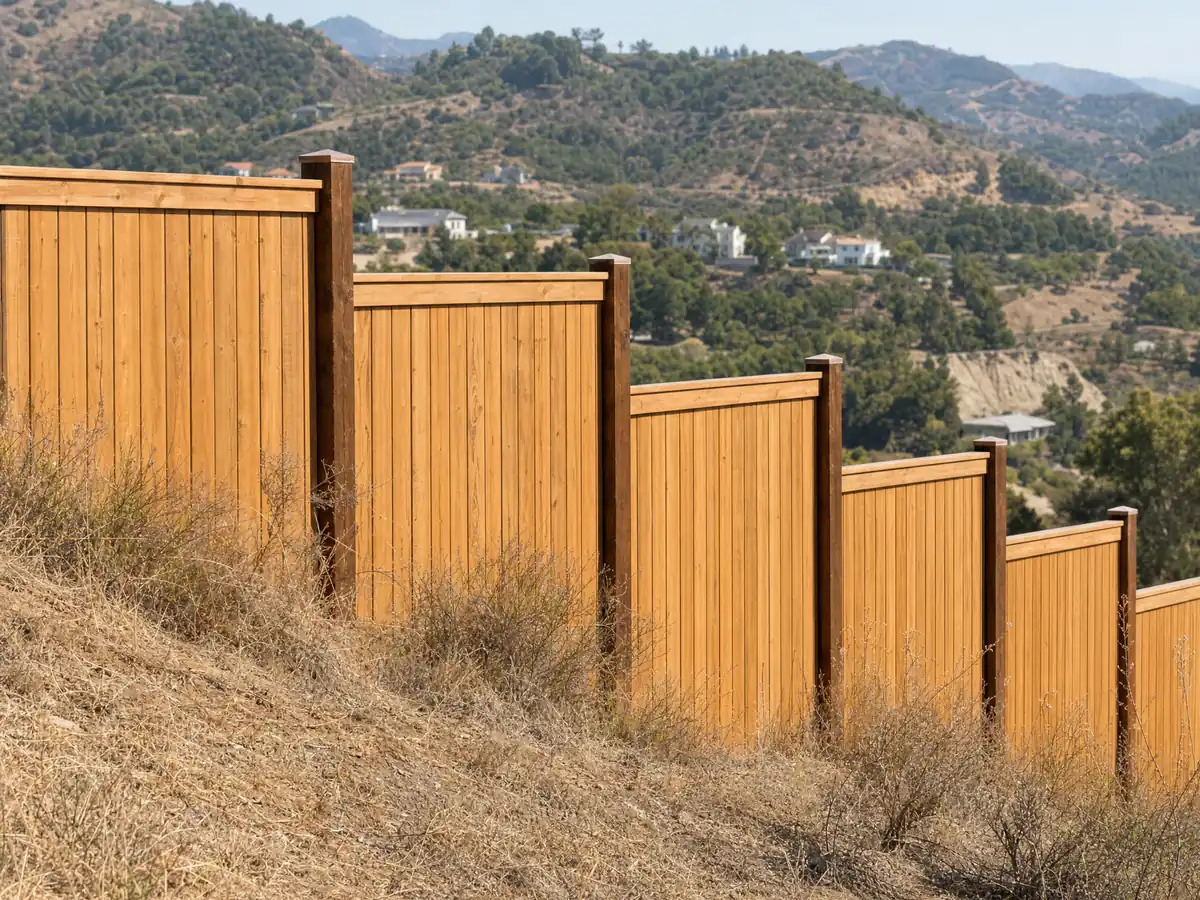
Fencing photos from Coachella and nearby communities
Fence scenes tied to Coachella places such as Pueblo Viejo, Sierra Vista, Rancho de Oro and the Dateland Park area, and to nearby communities such as Indio and La Quinta, from block walls and wood privacy runs to gates and pool barriers.
Where these Coachella fence figures come from
Every fence price on the fencing page comes with a source, a date and the figures that conflict. Fences often share a site with other jobs, and the Coachella rules for it are on the roofing page, the painting page and the kitchen remodeling page. For another desert city that reads its wall exemptions differently, see Indio.
| What it covers | Typical range |
|---|---|
| Wood or vinyl privacy fence, 6 feet | $25 to $55 per linear foot |
| Chain-link | $12 to $30 per linear foot |
| Aluminum or ornamental iron | $35 to $85 per linear foot |
| Typical 100-foot backyard run | $2,500 to $5,500 total |
| Block walls, horizontal slat fences, gates and openers, hillside lots | Set by the written proposal |
Coachella fencing questions, answered
Do I need a permit to build a fence in Coachella?
Yes for anything taller than 2 feet. Coachella's amended exemption list in Municipal Code 15.04.020 exempts only fences up to 2 feet that conform to zoning, and zoning allows 6 feet in side and rear yards. Block walls get footing, rebar and final inspections. Email buildingservices@coachella.org to apply.
How tall can a fence be in the front yard in Coachella?
Thirty inches along the front property line, with staff approval. A taller front wall must be a courtyard: 6 feet at most, with a pedestrian entrance, a wall return to the house and a recorded landscape maintenance agreement. Corner visibility areas allow 6 feet only if nothing blocks the view.
Can I put up a 7 foot fence in Coachella?
Not on the zoning pages we read. Chapter 17.60 allows fences and walls up to 6 feet in side and rear yards, and the pages we read name no 7 foot allowance. State exemption lists do not override the City's permit rule. Ask Planning before you design anything taller than 6 feet.
Do I need a permit for a block wall in Coachella?
Yes. A building permit is required, with inspections for the footing, for rebar before grout and a final after grout. Every block wall also needs the City's liquid membrane from the footing to 8 inches above soil, and post-tension masonry walls are prohibited. Walls 10 feet or less need no soils report.
What is the difference between a fence company and a masonry contractor in California?
Fence companies hold CSLB class C-13, which excludes masonry walls. Block, brick and stucco walls are class C-29 masonry work. A general contractor like MDG can manage both, with each licensed sub doing its own trade. Ask each sub for its license number and check it on the CSLB site.
How much does it cost to have 100 feet of fence installed in Coachella?
Roughly $2,500 to $5,500 for a standard wood or vinyl privacy fence, by our synthesis of Los Angeles and national sources. Angi's Los Angeles guide shows $2,100 to $2,350 for 100 feet in its table. A block wall costs more and must include the City's membrane.
Who pays for a shared fence in California?
Neighbors are presumed to share the cost of a boundary fence equally under Civil Code 841, and the owner who wants the work must give 30 days' written notice before incurring costs. The presumption can be rebutted. Get a survey stake first and put the cost split in writing before work starts.
What do I need for a pool fence or gate in Coachella?
Check with Building before you order. State law requires two of seven drowning-prevention features when a permit is issued for a new or remodeled pool, and a barrier is one of them. We found no Coachella pool barrier handout, and pool zoning requires a 5 foot setback from any property line.
Can I use barbed wire or razor wire on a fence in Coachella?
No in residential districts. Razor, chain-link and barbed wire are prohibited in the zoning code's fence rules for those zones. Precision block must also have its visible faces covered with stucco, paint or a texture coating approved by the community development director. Check the rules for commercial or industrial lots separately.
What are the new fence rules in California in 2026?
Two state items matter, and neither replaces Coachella's local rules. The Zone 0 ember-resistant rules for the first 5 feet around a home were reported adopted in August 2026, but sources disagree on their status. Business and Professions Code 7048 sets a $1,000 threshold for unlicensed work from January 1, 2026.
Ask for a fence estimate in Coachella
Give us the neighborhood, the material, which side faces the street and whether block, a pool or an association is involved. We read the height limit, the membrane rule and the permit text for that yard before we call back.