
Flooring Installationin Coachella, CA
Flooring installation in Coachella starts with the slab: the City's code puts a 10-mil membrane and Type V cement under new concrete because of sulfate soil, and July highs average 106.9 F. The City pages we could read do not say whether a floor covering alone needs a permit, so ask the Building Division first.
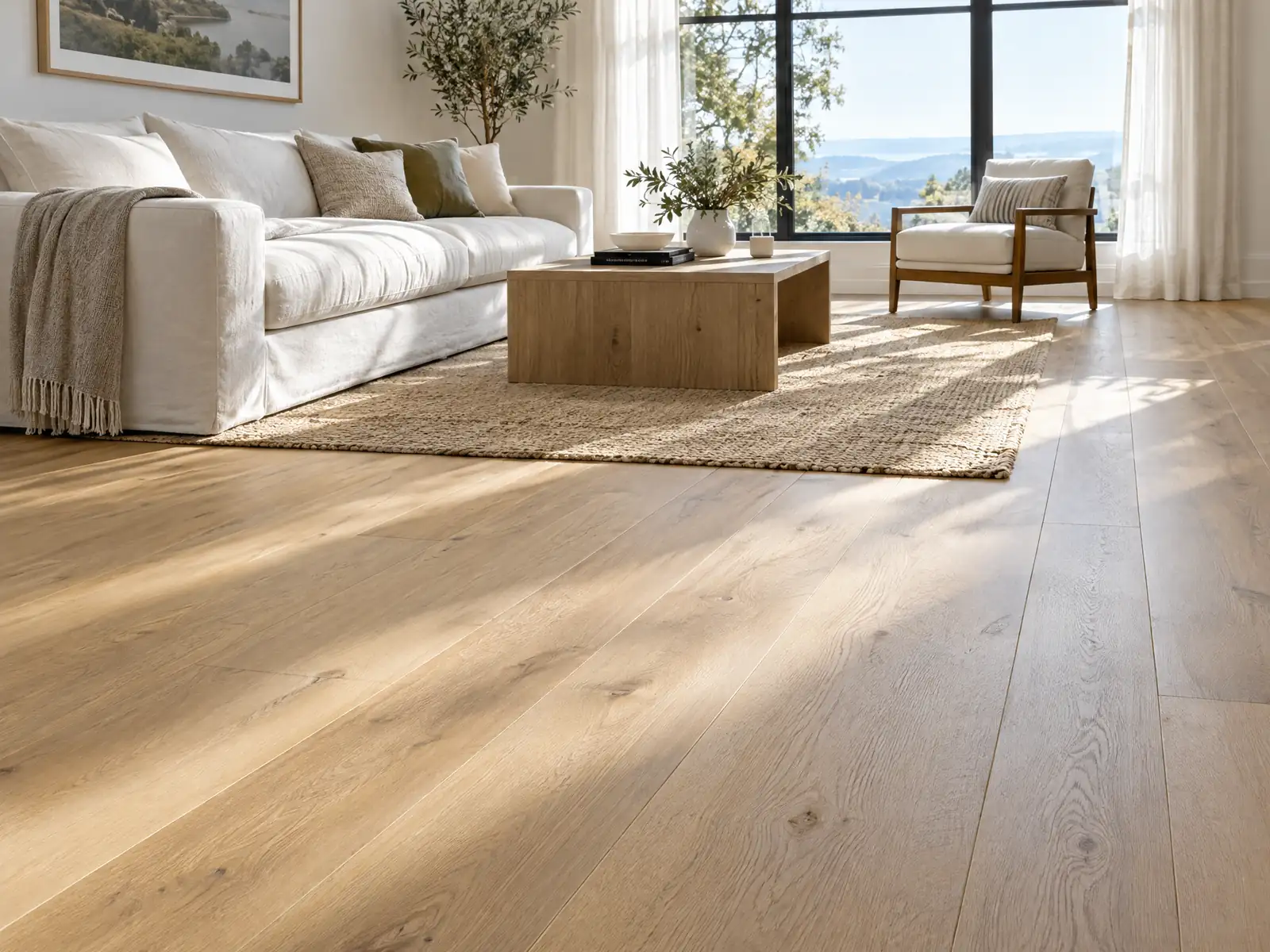
Coachella began as a townsite laid out in January 1901 beside the Woodspur rail siding, stayed a town until it incorporated on December 13, 1946 after a 5-to-1 vote and started out at 2.5 square miles, according to the City's history page. Its floors are mostly recent. The Census Bureau's 2020 to 2024 estimates count 12,683 homes, half of them built in 2000 or later, with a median year built of 2000.
MDG Builders (CSLB #1040337) is a general contractor in Tarzana. On a Coachella floor we write the scope, take the permit questions to the City's Building Division and run the schedule, while licensed flooring and tile subcontractors lay the material. coachella.org blocked our requests, so the City pages below come from Internet Archive copies and the code from a third-party mirror, and each rule should be confirmed with the City. The flooring page covers products, and the Coachella overview lists the other trades we manage here.
What Coachella's Building Division, Municipal Code, South Coast AQMD and state law say about flooring work
Where flooring permits come from in Coachella: City of Coachella Development Services Department, Building Division.
- Slab prep and coatings sit on the City's sulfate-soil rules: any new or replaced slab on earth must meet Municipal Code 15.52 (Type V cement, 4-inch base, 2 inches of dry washed sand and a 10-mil membrane), and the Cement Protection handout requires a plastic membrane between flatwork and cement. A coating over an existing slab is not described in any City handout opened, so ask Building whether a vapor retarder question arises.
- Garage conversions (City ADU page FAQ, Wayback 2026-08-24): if the existing garage has no building permit on record, the conversion needs a new construction permit and must meet current code as if new (foundation and lateral system verified); if previously permitted it is an alteration permit; a converted garage wall within 5 feet of the property line must be upgraded to the fire-rating and opening-protection rules; the door opening needs a new continuous footing (the expansive-soil requirement may be waived if the existing footing and slab are undamaged); and the concrete floor needs a vapor retarder, with the City listing approved membrane products for an existing slab with none.
- Garages and conversions in the Suburban Neighborhood zone (Municipal Code 17.13.030 F, Ord. 1204 and 1220, third-party mirror): all new single-family homes provide a two-car garage with a clear 20 by 20 feet; an approved two-car carport in the rear yard can satisfy parking for an existing home and qualify it for a garage conversion into habitable space only if the driveway and drive approach to the garage are completely removed and replaced with front yard landscaping. (Chapter 17.19 separately calls for a clear 20 by 22 foot two-car garage, so the two sections differ.)
- Floor coatings fall under AQMD Rule 1113 (definition 24: opaque coatings for flooring including garages, decks and porches, plus clear coatings on concrete flooring). The Rule 1113 PDF was opened for the definition and amendment date only; its VOC limit table was not readable in text, so no limit is stated.
How old are Coachella's homes, and what is under their floors?
Younger than most of Southern California. The Census Bureau's 2020 to 2024 estimates show 6,368 of 12,683 homes (50.2 percent) built since 2000, 5,089 of them in the 2000s alone, and a median home value of $367,600. The City's Housing Element draft counts only 7.1 percent of units as older than 60 years. For most owners the job is replacing a builder-grade floor about a quarter century old, not restoring an antique.
The older core is small but real. About 24.6 percent of homes (3,118) predate 1980, 15.0 percent (1,897) predate 1970 and only 292 (2.3 percent) predate 1950. Old resilient tile and the mastic under it can contain asbestos, which nobody identifies by eye in a house from before 1980, so the proposal should say who takes the sample and who pays if a layer tests positive. We did not open any City or District asbestos form, so ask the Building Division what applies.
Painted trim comes up with the floor. The Census table cannot separate 1978 from 1979, so we cannot count homes under EPA's pre-1978 line, but baseboards in a house that old are painted surfaces, and paid work that disturbs them falls under EPA's lead-safe renovation rule. Photograph any raised wood floor before it is touched.
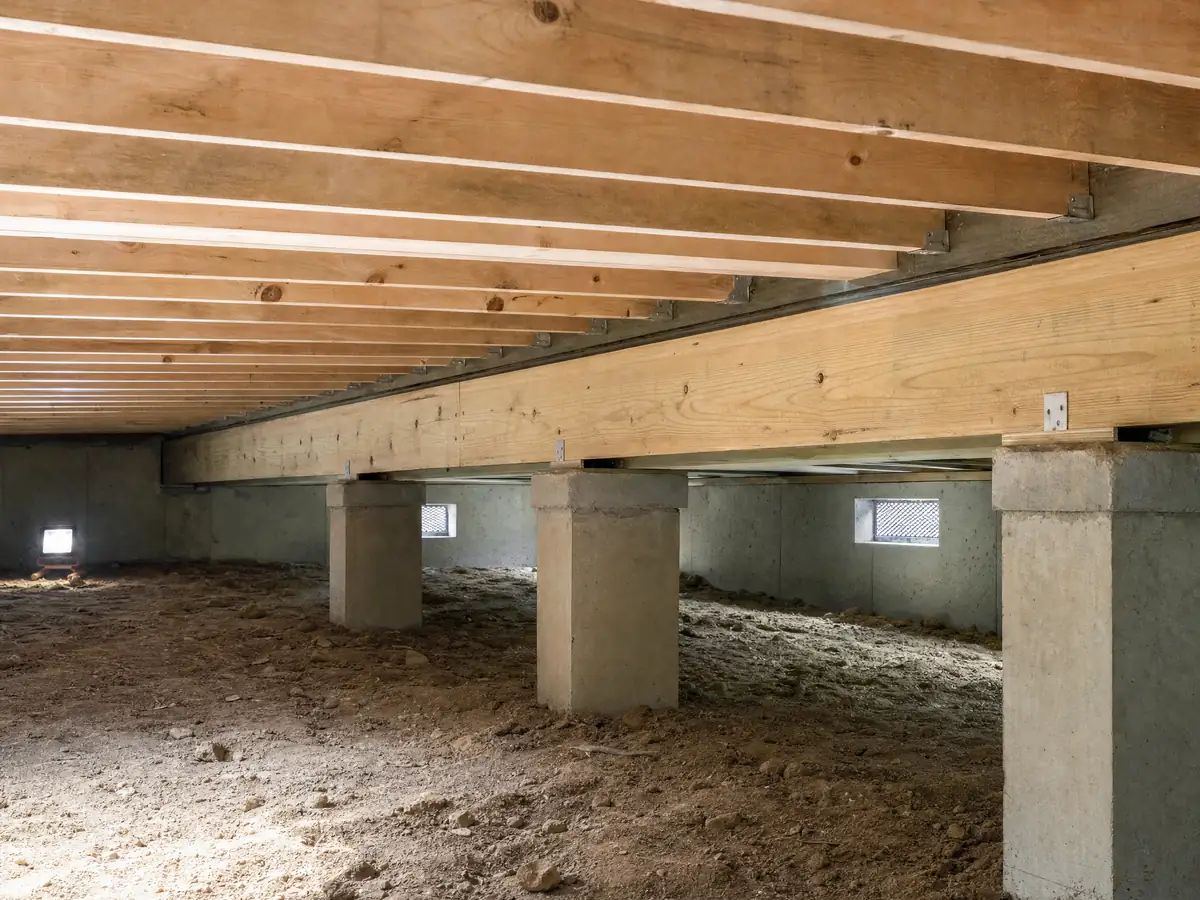
What is under a Coachella slab, and does it still need a moisture test?
The City wrote the answer into code. Under Municipal Code 15.52, a new slab on earth sits on at least 4 inches of clean gravel, 2 inches of dry washed sand and a 10-mil membrane, is poured with Type V sulfate-resistant cement and stands at least 8 inches above finish grade. The City's Cement Protection handout adds a plastic membrane between flatwork and cement. Both reached us as copies, so confirm them with the City.
A membrane is not a moisture reading. Irrigation, pool plumbing and downspouts feed ground that gets only 2.96 inches of rain a year in NOAA's 1991 to 2020 normals for the Desert Resorts airport station, and an older slab may predate the rule. A humidity probe under ASTM F2170 or a calcium chloride dish under ASTM F1869 gives the number, and the plank, vinyl or adhesive maker sets the limit it will warrant.
Ask about the soil as well. The City's design handout tells engineers to assume local soil is highly corrosive to metals and concrete, and its block wall ordinance says sulfate and selenium had eroded walls. We found no Coachella source on salts surfacing through a finished floor, so ask the flooring maker whether it wants a sealer or vapor reducer, and have leveling priced as its own line.
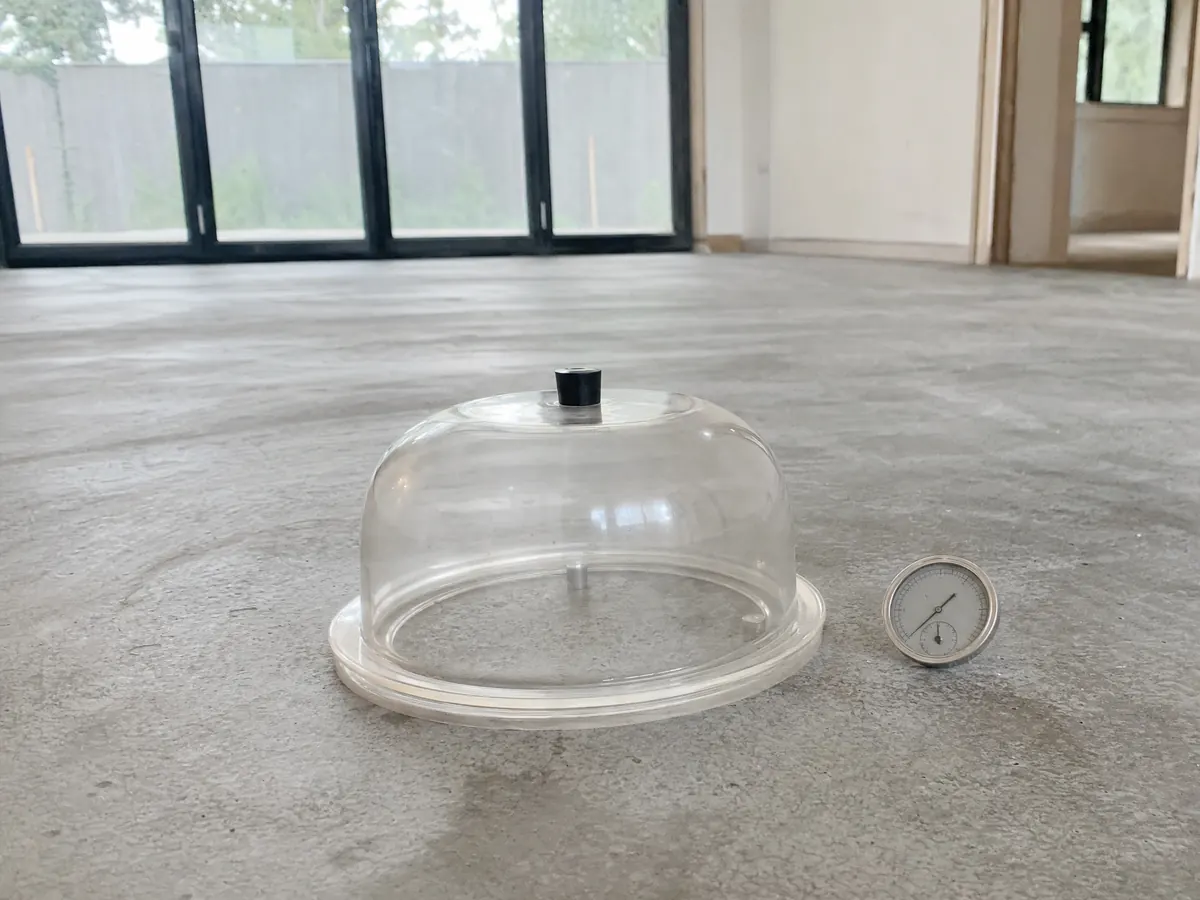
How do 120 days at 100 degrees change when and how a floor goes in?
Heat is the main working condition. NOAA's 1991 to 2020 normals for Desert Resorts Regional Airport, about 4.5 miles south-southwest of the city center in Thermal, show July highs of 106.9 F, July lows of 75.6 F, about 120 days a year at or above 100 F and roughly 187 days at or above 90 F.
Product sheets set the limits. Adhesive working time, board acclimation and the temperature range for vinyl or laminate come from the manufacturer, and we found no Coachella source that states them. Ask the installer when the home will be air conditioned before, during and after the job, whether materials are stored indoors first and what the sheet says about sun through west-facing glass.
Hours are an open question. The code index we read shows no construction-hours or noise chapter, so we state no start time; ask the Building Division whether one applies and whether an HOA limits delivery trucks. Wind is the other local habit: the City's code findings call hot dry winds of 70 mph or more common, so crews that cut or prep outdoors need a plan for blowing dust.
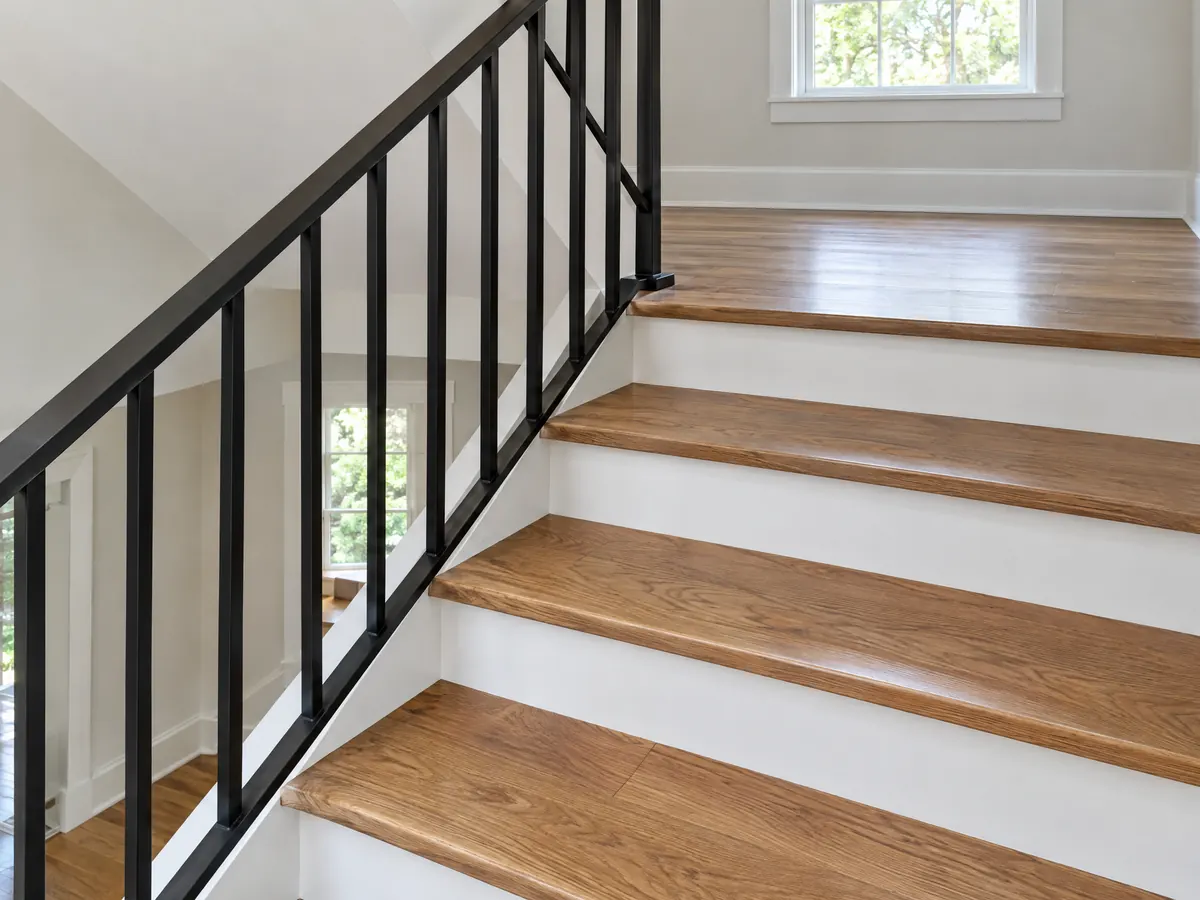
Can you coat, tile or convert a Coachella garage floor?
A coating is a finish choice, but a conversion is a permit. The City's ADU page FAQ says a garage with no permit on record needs a new construction permit and must meet current code as if new, while a permitted garage is an alteration. A wall within 5 feet of a property line must be upgraded, the door opening needs a new continuous footing, and the concrete floor needs a vapor retarder, with the City listing approved membrane products for an existing slab that has none.
Parking rules come first in the Suburban Neighborhood zone. Municipal Code 17.13.030 asks for a two-car garage with a clear 20 by 20 feet on new homes, while chapter 17.19 says 20 by 22, so the two sections disagree. A rear-yard carport can replace garage parking for a conversion only if the driveway and drive approach are removed and replaced with front yard landscaping, which is demolition work before it is flooring work.
Coatings have an air rule. South Coast AQMD Rule 1113, last amended February 5, 2016, counts opaque garage, deck and porch floor coatings and clear coatings on concrete as floor coatings, so epoxy and polyaspartic systems fall under it. The VOC table would not extract from the PDF we opened, so we quote no limit; ask the coating subcontractor to name the product and show its Rule 1113 compliance.
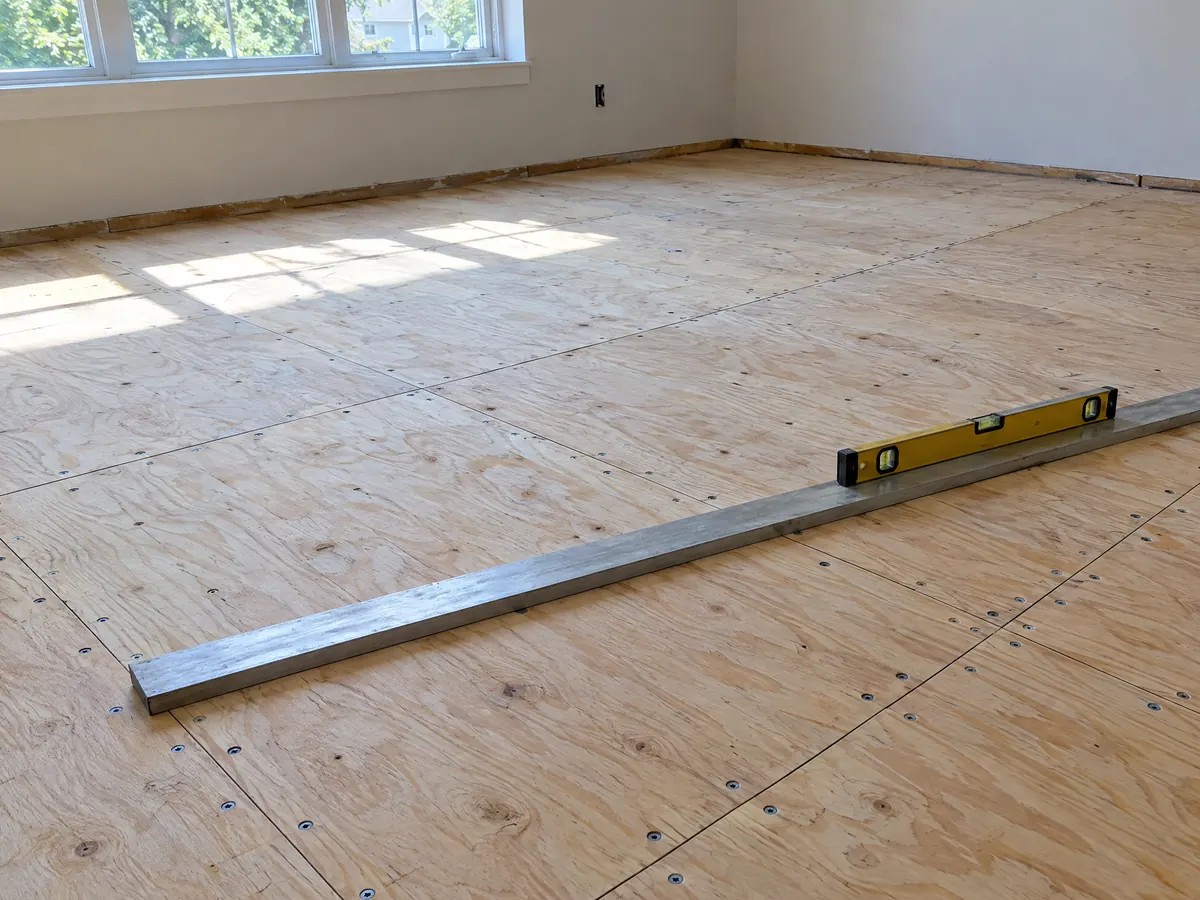
What changes when the floor is in a Coachella rental or a mobile home?
Renters are more than a third of households. The Census counts 4,526 of 12,473 occupied homes (36.3 percent) as renter-occupied at a median gross rent of $1,144, give or take $76, and 71.2 percent of all units are single-family detached houses. An owner of a rental house should ask the proposal to price each room separately, so a bedroom of carpet and a kitchen of hard flooring can be done on separate visits.
Multi-unit buildings add neighbors. About 13.1 percent of units (1,662) are in buildings of five or more and 10.3 percent (1,306) in buildings of two to four. For any unit above another, the lease or HOA documents decide which hard floors and underlayments are allowed, and the City pages we read describe no sound rule, so read the documents before ordering.
Mobile homes are a smaller piece. The Census counts 378 (3.0 percent) while the State's 2020 estimate counts 629, so the share is about 3 to 6 percent depending on the source. The City's Housing Element draft says complaints go to the State's housing department where the State is the permitting agency, and we found no sentence about replacing a floor covering inside a coach, so ask the park and HCD.
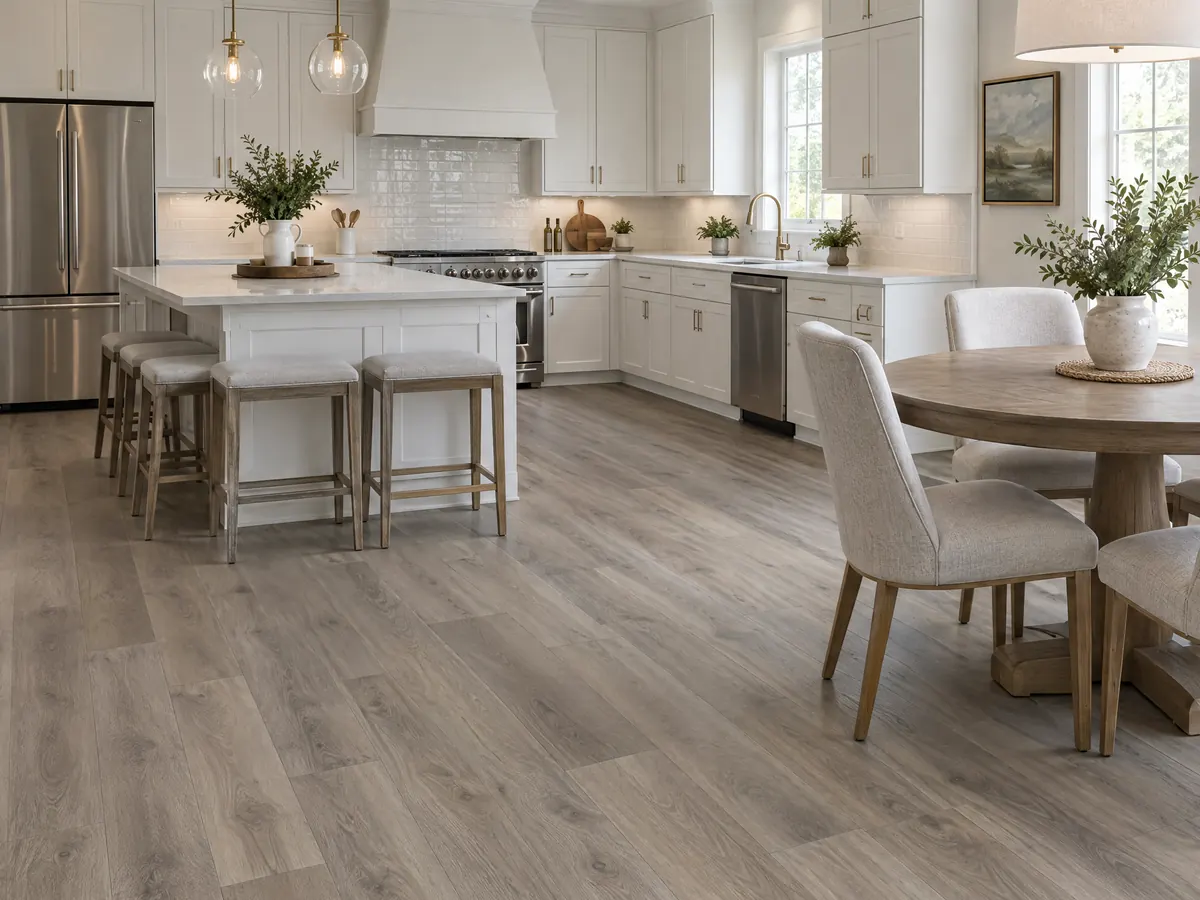
Does replacing flooring need a permit in Coachella?
We could not confirm either answer for a floor covering alone, so ask. Municipal Code 15.04.020 requires a permit before anyone constructs, alters or repairs a building or changes a plumbing, mechanical or electrical system. The City's bathroom remodel handout calls toilets, mirrors, paint and floor coverings maintenance when nothing else is included, but it also cites another city's codes, so we treat it as a hint, not a ruling.
Anything beneath the surface is permit work. The kitchen handout, which still cites the 2019 codes, wants a building permit when lower cabinets or more than 32 square feet of wall or ceiling finish are removed and replaced. The City's application asks for the contractor's state license number and a workers' compensation declaration, and says a permit expires if work does not start within 180 days or stops for 180 days.
Applications are emailed to buildingservices@coachella.org, and inspections are booked on (760) 501-8150 before 4 p.m., 24 hours ahead. The City's fee schedule PDF is titled January 2014 and its impact fee sheet is undated, so we quote no fee; ask for the current figure in writing.
What does a flooring contractor charge in Coachella, and which license applies?
No Coachella price study turned up, so the anchor is Angi's Los Angeles pages, which we rate medium to low in confidence because a single publisher supplies them and shows no method. Its July 8, 2026 page puts installer labor at $3 to $9 a square foot, engineered hardwood at $10 to $18 installed, solid hardwood at $12 to $22 and refinishing at $4 to $8, and its September 15, 2026 laminate page puts removing an old floor at $455 to $685 per 200 square feet. Desert prices may differ.
Wage data show only a floor under the price. The federal May 2025 survey for the Los Angeles area lists floor layers at a mean $33.48 an hour, which is pay, not a bill. Separate lines should cover slab testing, leveling, tear-out, stair treads, transitions and any sealer or vapor reducer the maker requires on concrete.
CSLB puts carpet, resilient flooring and wood floors under class C-15 and ceramic tile under C-54. A deposit may not exceed $1,000 or 10 percent of the price, whichever is less, under Business and Professions Code 7159.5, and our license check guide shows how to read a CSLB record.
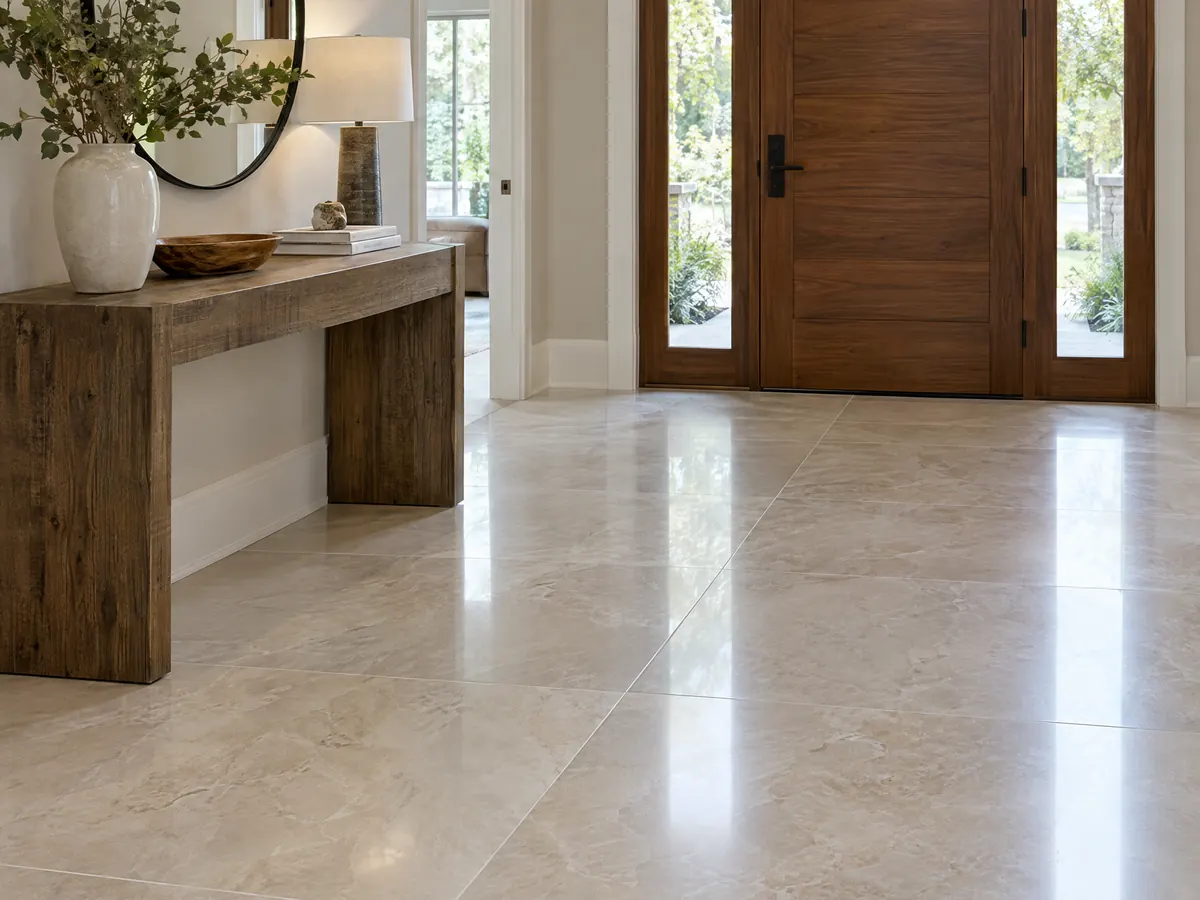
Flooring photos from Coachella and nearby communities
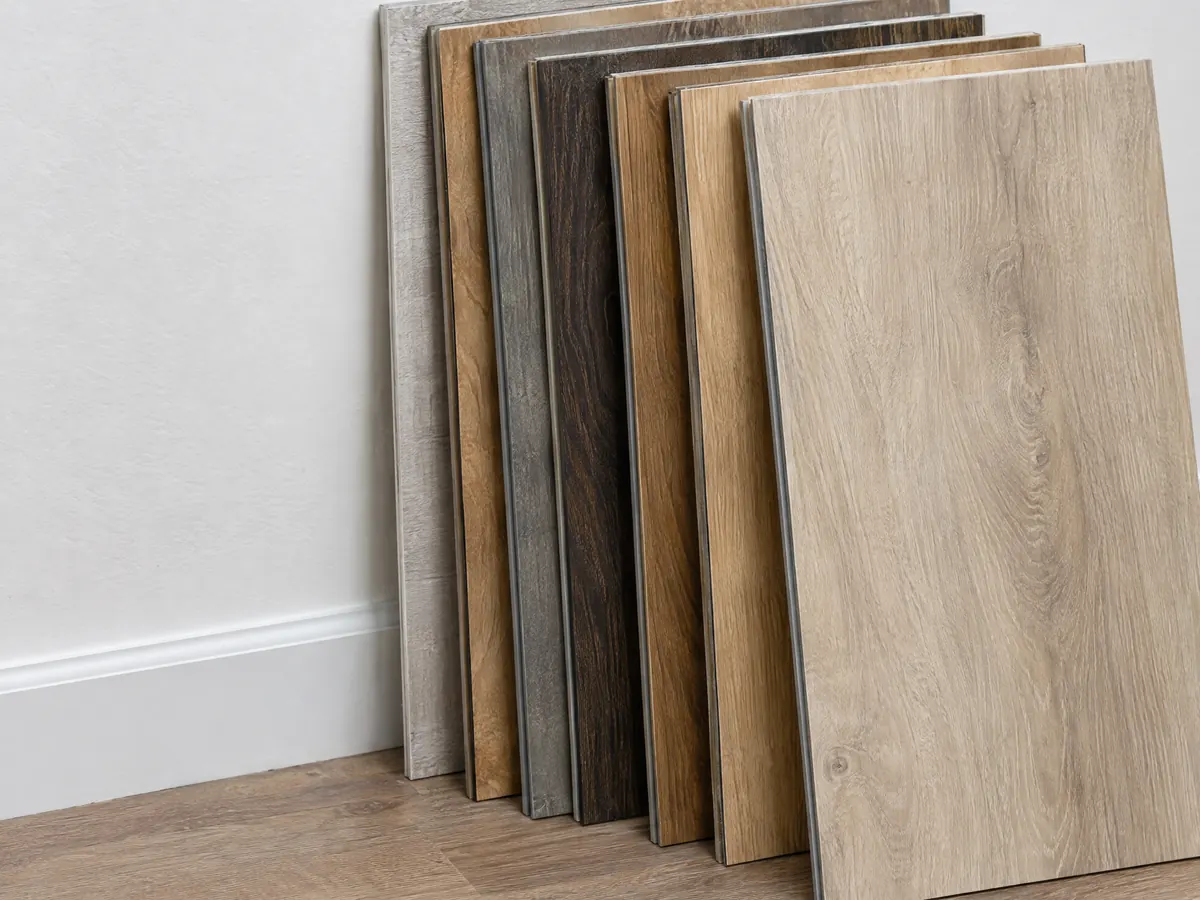
Plank samples, slab tests, tile and finished rooms from Coachella and the valley towns beside it, shown at the steps where the choices get made. Tap any photo to enlarge it.
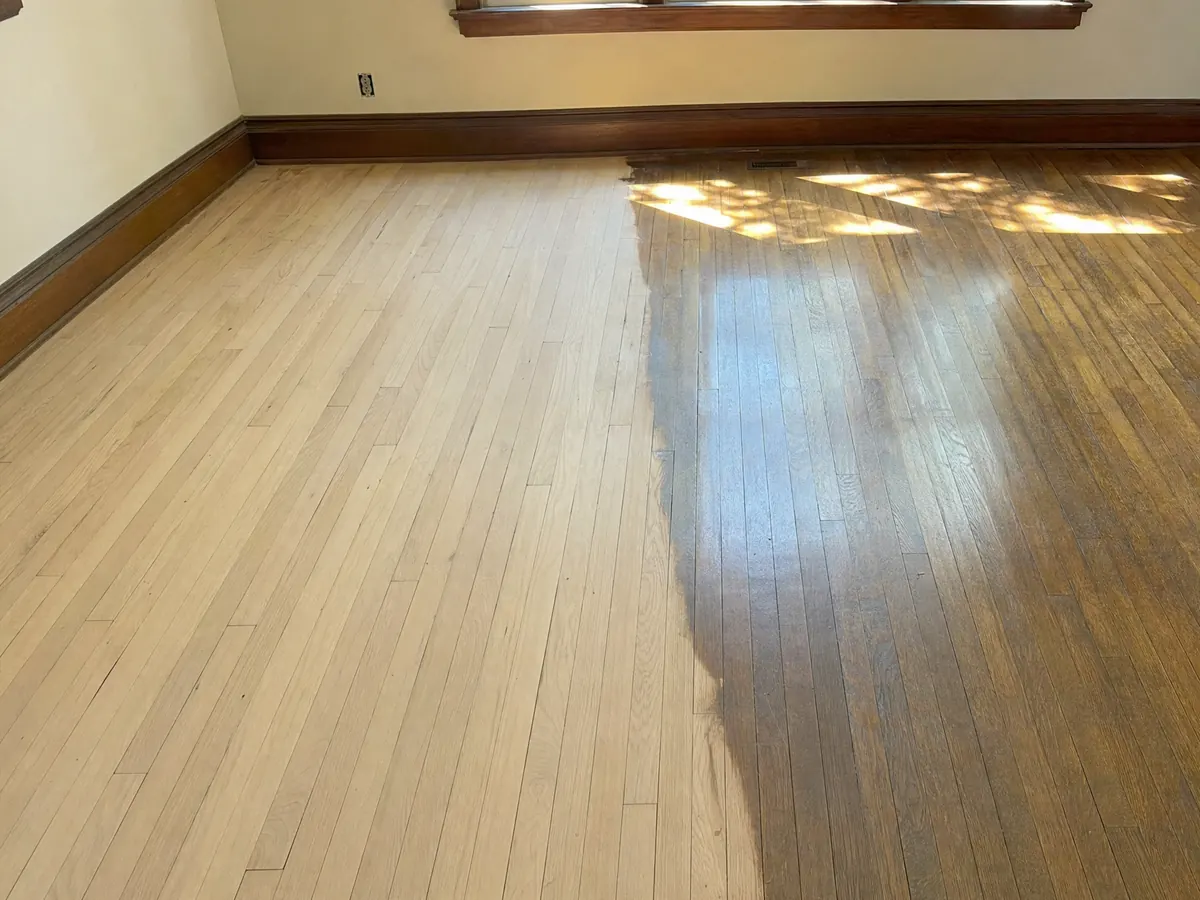
What flooring costs around Coachella
Dollar figures here are Los Angeles planning ranges from our flooring page, not a Coachella bid, and slab testing, leveling and tear-out belong on separate lines of the written proposal. The same property may need concrete work in Coachella or decks in Coachella. Down the valley, compare flooring in Indio and flooring in Palm Desert; farther inland, flooring in Hemet, with flooring in Los Angeles as the benchmark. Our flooring cost guide sets refinishing against replacement, and the subcontractor guide shows who lays which layer.
| What it covers | Typical range |
|---|---|
| Installation labor only | $3 to $9 per sq ft |
| Solid hardwood, installed | $12 to $22 per sq ft |
| Engineered hardwood, installed | $10 to $18 per sq ft |
| Refinishing existing hardwood | $4 to $8 per sq ft |
| Laminate, whole project | $2,000 to $5,500 |
| Hardwood, whole project | $3,153 to $8,496 |
| Removing the old floor | $455 to $685 per 200 sq ft |
| Tile | No sourced Los Angeles range |
Coachella flooring questions, answered
How much does it cost to have flooring professionally installed?
Angi's Los Angeles page, updated July 8, 2026, puts installer labor at $3 to $9 a square foot, engineered hardwood at $10 to $18 installed and solid hardwood at $12 to $22. No Coachella study turned up, so treat the numbers as medium to low confidence. Tear-out, leveling and stairs normally appear as separate lines.
How much to refloor a 2000 sq. ft house?
Using Angi's Los Angeles rates, installer labor for a 2,000 square foot house comes to $6,000 to $18,000, installed engineered hardwood to $20,000 to $36,000 and installed solid hardwood to $24,000 to $44,000. These are Los Angeles ranges, not a Coachella bid, and stairs, demolition and slab repair change the total.
Can you put flooring over concrete?
Yes, once the slab is tested and prepared. Moisture limits come from the flooring or adhesive maker, so the installer should read the slab with ASTM F2170 probes or an F1869 dish before any patching or leveling starts. A slab poured under Coachella's current rules sits on sand and a membrane, which helps but does not replace the test.
Should I put plastic under my concrete slab?
For a new or replaced slab in Coachella the City already requires it: a 10-mil membrane over 2 inches of dry washed sand on a 4-inch base under Municipal Code 15.52, and the City's Cement Protection handout asks for plastic between flatwork and cement. For a floor over an existing slab, ask the flooring maker whether it wants a vapor reducer.
Why does moisture come through a concrete floor?
Vapor rises from the soil beneath the slab, and irrigation, pool plumbing and downspouts keep that soil damp even though Coachella gets only 2.96 inches of rain a year. An older slab may have no membrane at all. A probe or dish reading shows the real number, so a dry climate is no substitute for a test.
Do I need a permit to replace flooring in Coachella?
Possibly not for the floor covering alone, but we could not confirm it. Municipal Code 15.04.020 requires a permit to alter or repair a building, and the City's bath handout lists floor coverings as maintenance only when no other work is included. Moved plumbing, new circuits and structural repairs need one. Email buildingservices@coachella.org with the scope first.
Can I turn my Coachella garage into a room and floor it?
Yes, but as a conversion permit, not a finish job. The City's ADU page says a garage with no permit on record needs a new construction permit, the door opening needs a new footing and the concrete floor needs a vapor retarder. A conversion that relies on a rear-yard carport also removes the driveway and approach. Confirm the plan with the Building Division.
Is there asbestos under old vinyl flooring in Coachella homes?
Possibly in homes built before 1980, which the Census counts at about 3,118 of Coachella's 12,683. Old resilient tile, sheet vinyl and mastic cannot be identified by eye. Send a sample to a lab before sanding or pulling a layer, and ask the Building Division what notice applies to the work.
What license does a flooring contractor need in Coachella?
Floor installers work under a current California license, most often C-15 for carpet, resilient flooring and wood, or C-54 for ceramic and stone tile. The City's permit application asks for the contractor's state license number and a workers' compensation declaration. Check the number on the CSLB site and ask each subcontractor for a license and certificate of insurance.
Tell us the age of the house, what is under the floor and which rooms
Say whether the home is a tract house, a rental, a mobile home or a garage, which rooms need new flooring and what is on the floor now. Slab testing, old adhesive and permit questions come with us to the first visit.