
Flooring Installationin Cathedral City, CA
Flooring installation in Cathedral City mostly means refinishing 1980s and 1990s houses in a desert where 115 days a year reach 100 F. The City pages we could read do not say whether a floor covering alone needs a permit, so ask Building & Safety, and test old adhesive in any home built before 1980.
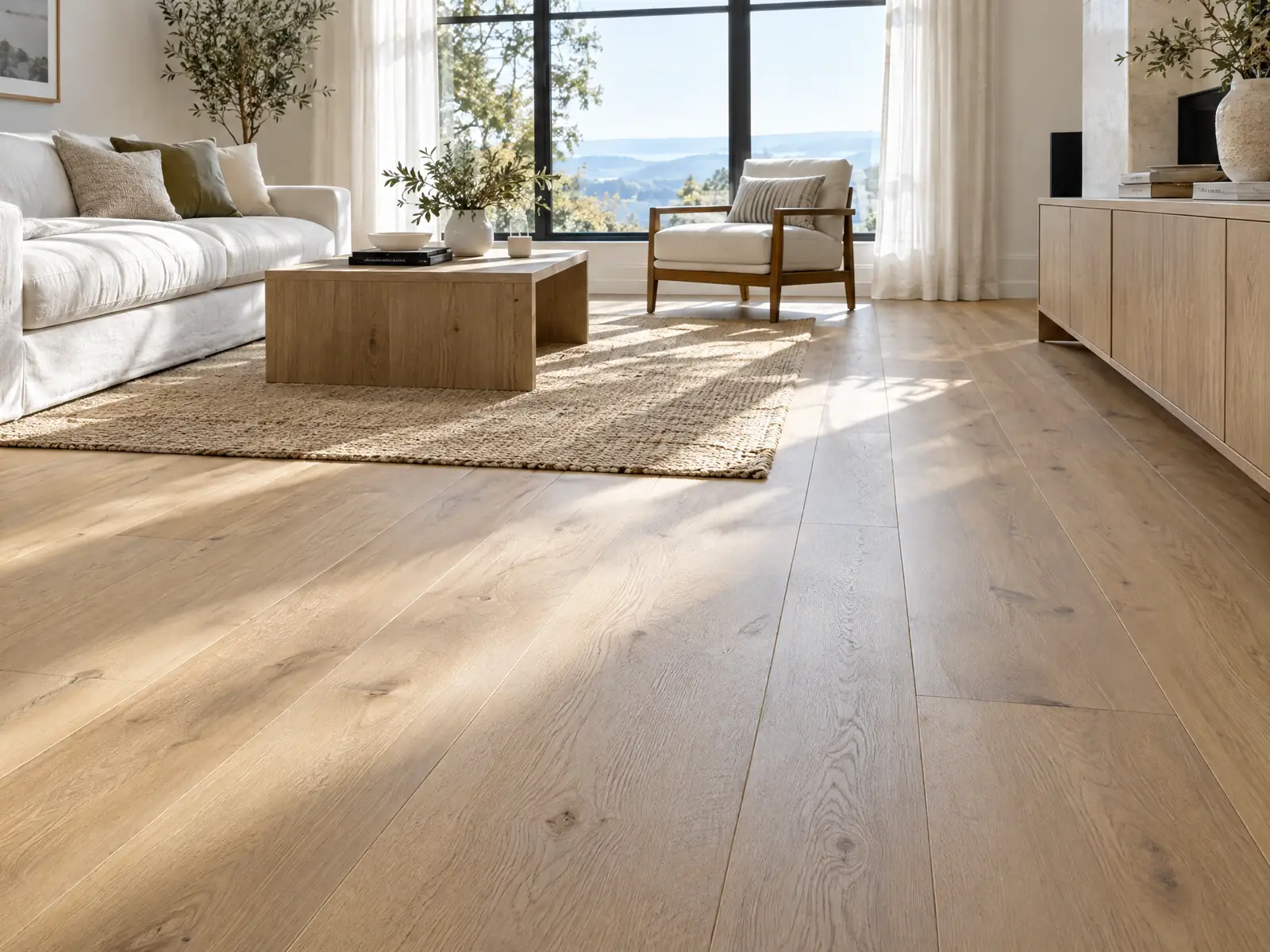
Cathedral City's first subdivision was laid out in 1925, yet almost every floor in town came later: the city incorporated in 1981, and the Census Bureau's 2020 to 2024 estimates count 22,599 homes with a median year built of 1988. The 1980s alone produced 6,860 of them, about 30.4 percent, and 56.8 percent predate 1990, so a typical floor here is a builder-grade tile, carpet or vinyl layer that has been underfoot for 35 years or more.
MDG Builders (CSLB #1040337) is a general contractor in Tarzana and does not lay floors itself. We write the scope, put the permit questions to the City's Building & Safety Division and run the schedule, while licensed flooring and tile subcontractors do the field work. Products are on the flooring page, and the Cathedral City overview lists the other trades we manage in town.
What Cathedral City's Building & Safety Division, the Municipal Code, South Coast AQMD and state law say about flooring work
Where flooring permits come from in Cathedral City: City of Cathedral City Community and Economic Development Department, Building and Safety Division.
- AQMD Rule 1113 defines floor coatings as opaque coatings for flooring including garages, decks and porches, and clear coatings for concrete flooring, so garage epoxy, polyaspartic and sealer products are regulated as floor coatings in this district; the VOC limit for the category was not read from the garbled table (AQMD rule text, definition (24)).
- Rule 403.1's definition of disturbed surface area excludes areas that are already paved or covered by a permanent structure, so the 5,000 square foot dust plan trigger is about disturbed soil (grading, trenching, demolition), not about coating an existing slab; however, the City's debris rule (CBC Section 117) stops inspections, including the final, while construction rubbish is accumulated on the site (AQMD rule text, definition (9), and Municipal Code Chapter 8.04; third-party mirror).
Sources for these rules
What is under the floors of a 1980s Cathedral City house, and what about the older core?
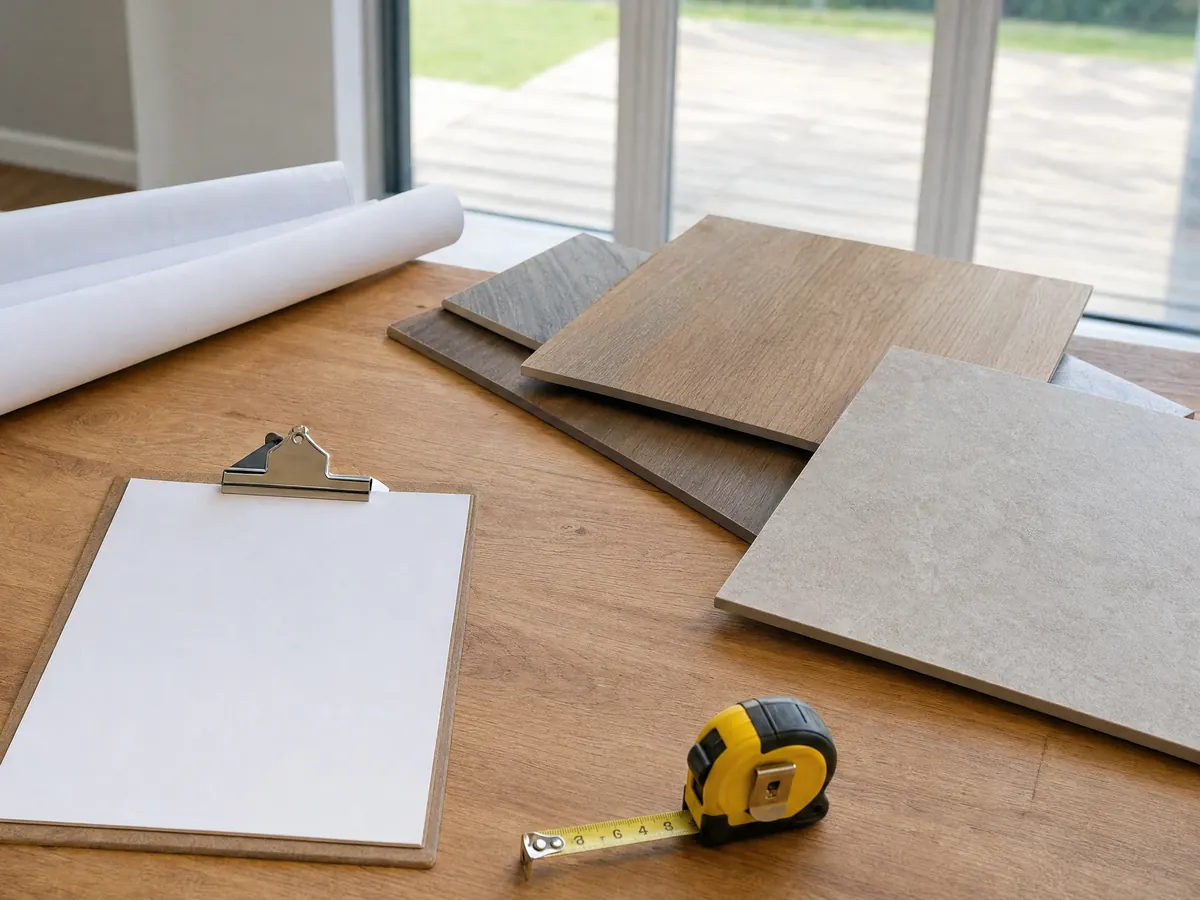
Mostly 1980s and 1990s construction with its original finish layers. The Census estimates put 6,860 homes in the 1980s and 4,201 in the 1990s, against 5,979 built before 1980, 3,129 before 1970 and only 384 before 1950. The City's Housing Element places the oldest homes, from before 1940, Downtown and the 1940s homes in the Cove, with 1950s homes spread across Downtown, the Cove and the Outpost.
Anything built before 1980 can hide old resilient tile and black mastic, and nobody can call either asbestos-free by eye. Ask the proposal to say who takes the sample, which lab tests it and who pays when it comes back positive. The City code points demolition to AQMD Rule 1403, whose text we did not open, so ask Building & Safety whether pulling a floor falls under it.
Painted baseboards and door casings come out with the floor. The Census table splits at 1980, not 1978, so we cannot count homes under EPA's pre-1978 line, though about 2,850 homes date from the 1970s. Paid work that disturbs paint in a house of that age falls under EPA's lead-safe renovation rule.
How do 115 days at 100 degrees change the way a Cathedral City floor is installed?
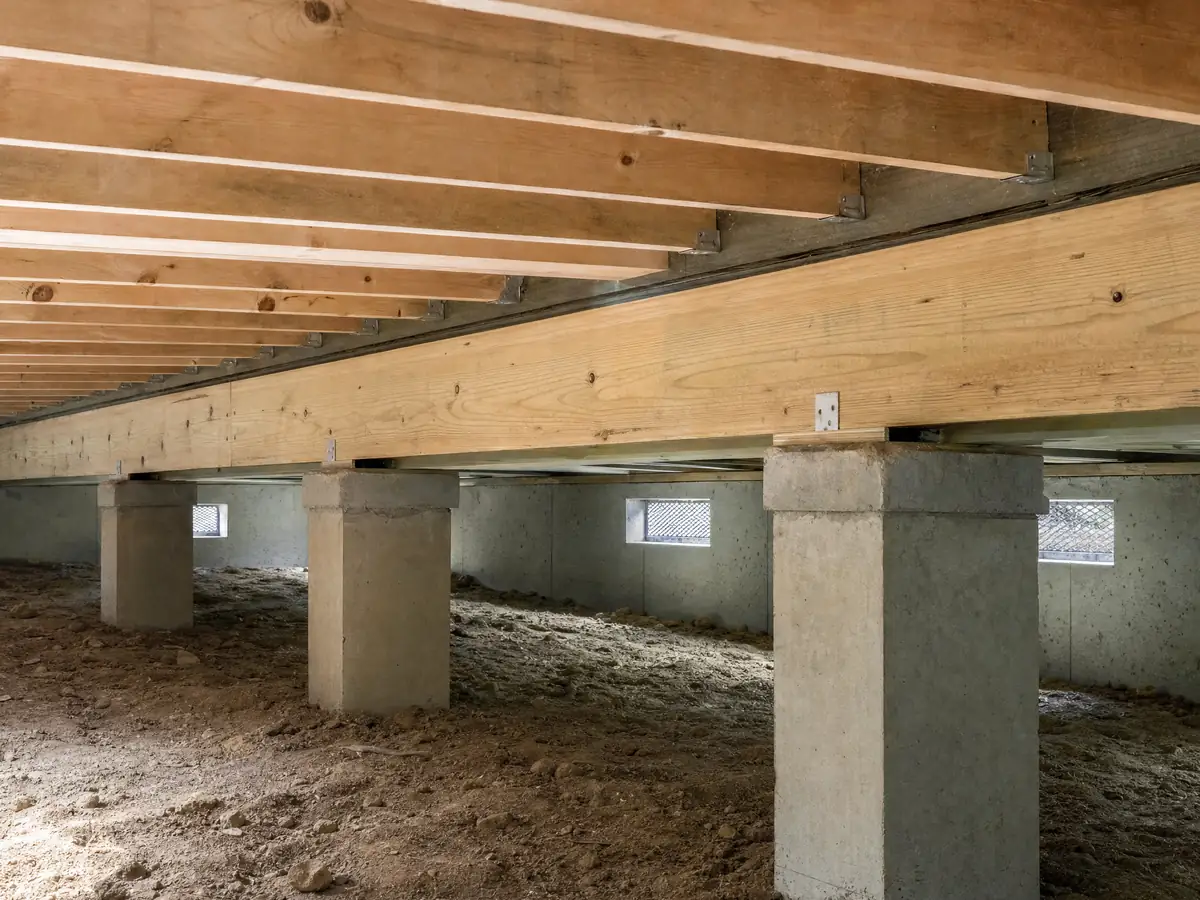
They change the schedule more than the product. NOAA's 1991 to 2020 normals for Palm Springs Regional Airport, about 2.5 miles from the city center point, show July highs of 108.6 F, July lows of 79.4 F and 115 days a year at or above 100 F, about 80 of them from June through August. Nights barely cool in summer, so ask the installer how material is stored, acclimated and laid while the interior is hot.
Cooling is written into the code. The City amends the Residential Code (R303.11) so every dwelling has air conditioning able to hold habitable rooms at 80 F, and its design sheet sets California Energy Code Climate Zone 15. Whether the system must run before, during and after a floor goes down is a question for the flooring maker's installation sheet, and no Cathedral City source answers it.
Work hours follow the season. The City's posted schedule is 6:00 a.m. to 7:00 p.m. on weekdays from May 1 to September 30, 7:00 a.m. to 5:30 p.m. from October 1 to April 30, 8:00 a.m. to 5:00 p.m. on Saturdays and nothing on Sundays or Government Code holidays. An early summer start is the usual way to beat the afternoon heat.
Does a Cathedral City slab need a moisture test when groundwater is 150 feet down?
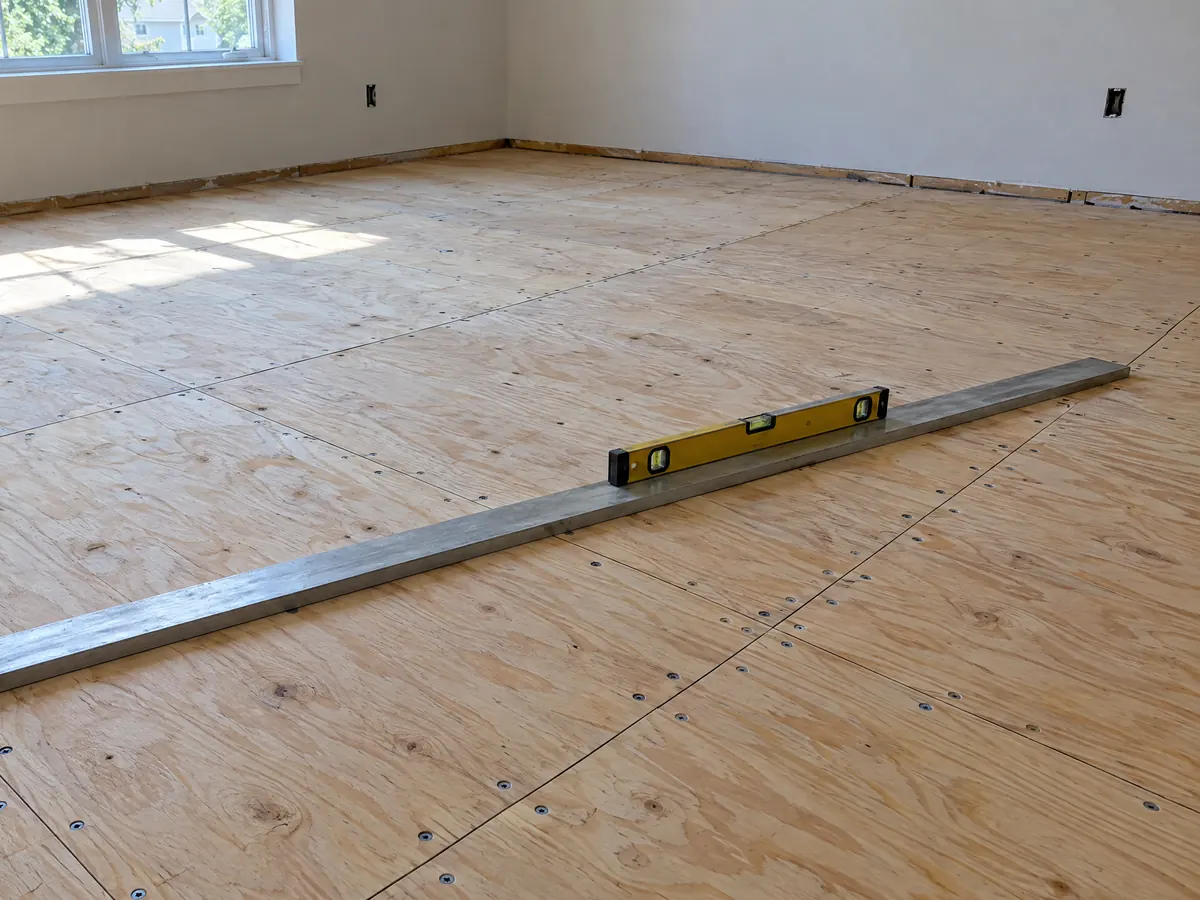
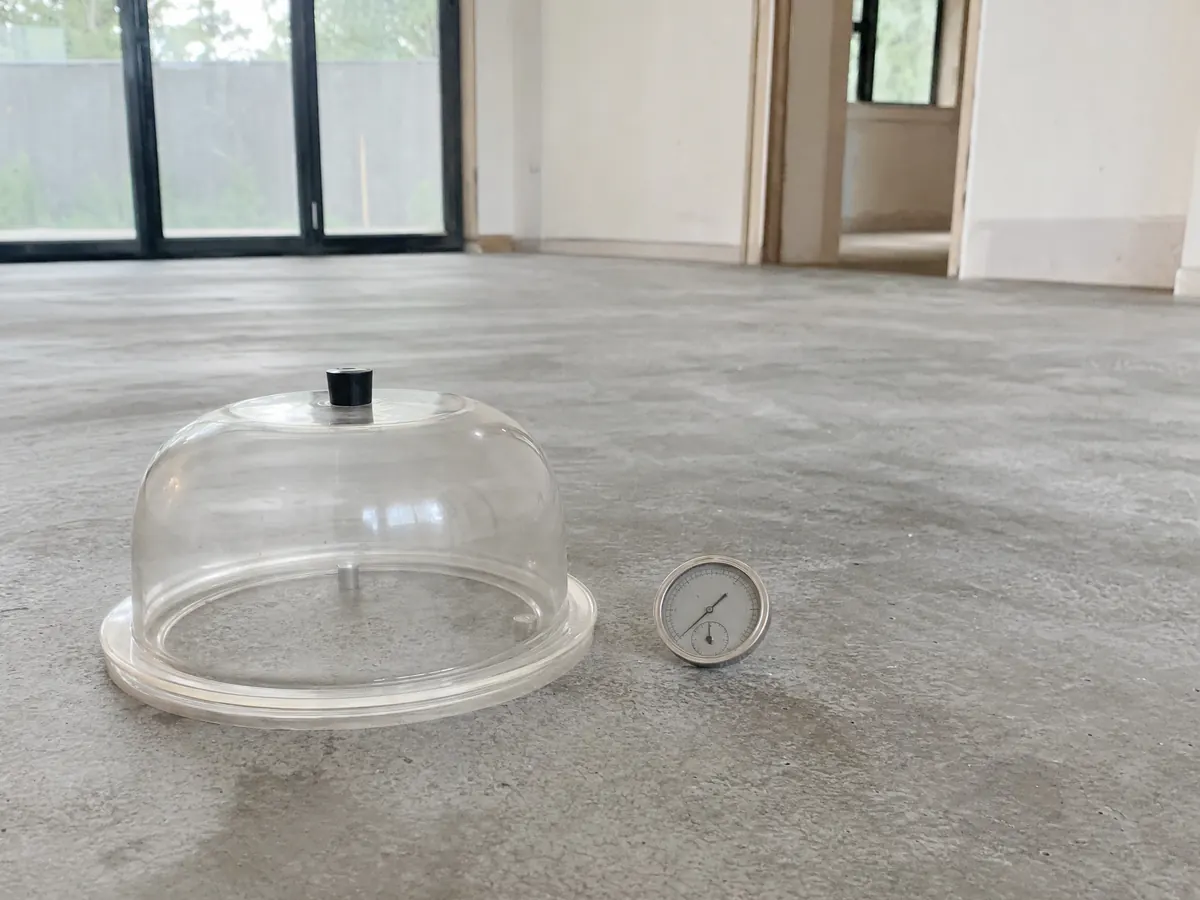
Yes, because groundwater is not the only water a slab meets. The City's Safety Element says groundwater typically sits 150 to 200 feet down across most of the city, and NOAA's normals give 4.61 inches of rain a year with none in June. Irrigation, pool plumbing, leaking supply lines and downspouts still wet the soil under a floor, so an ASTM F2170 probe or an ASTM F1869 dish is how you find out.
The pass mark belongs to the flooring or adhesive maker, not to ASTM and not to us. Desert water arrives in bursts: the Safety Element says summer thunderstorms flood more than winter storms, uses 6.45 inches in 6 hours as a benchmark event, and records that the July 20, 2008 storm sent mud into a mobile home park and an auto dealership. Any slab that has been wet should be tested before it is covered.
Drainage differs block by block. The Safety Element names poorly drained spots including McCallum Way at Avenida Maravilla, Date Palm at Ramon and Tortuga and Dinah Shore between Date Palm and Cathedral Canyon, and the Cove sits between two canyon channels. We mapped no flood zone for any address, because the City's exhibit is not for parcel use, so a house near those spots deserves a slab check and a record of past water.
What should you know before flooring a mobile home, a rental or a golf-community house in Cathedral City?
Mobile homes are a large share of the housing. The Census Bureau counts 2,446 of them, about 10.8 percent of units (margin of error plus or minus 206), and the Housing Element counts 2,120 mobile home spaces on 2019 operating permits. We did not research whether the City or the state housing department permits an in-park alteration, and nothing we read mentions floor coverings, so ask the park manager before material is bought.
Rentals are a third of the market. About 33.5 percent of the 18,979 occupied homes are renter-occupied (6,363 units) at a median gross rent of $1,601, plus or minus $90, and 2,471 units sit in buildings of five or more. The Housing Element names Cathedral Palms, with 224 senior affordable units, and Casa Victoria, with 50 low-income senior units, so for a turn or a senior building, ask for each room priced separately and read the owner's rules on hours and noise.
Golf communities add a second approval. Wikipedia lists the Cathedral Canyon, Date Palm, Cimarron and Desert Princess golf resorts in the city and says Date Palm sits on land leased from the Agua Caliente reservation. HOA architectural approval is separate from the City permit, and the City pages do not describe it, so get the association's answer in writing before hard flooring is ordered.
Can you coat a Cathedral City garage floor, and how do dust and debris rules touch a floor job?
You can, and the coating itself is regulated. South Coast AQMD's architectural coatings rule, Rule 1113 (last amended February 5, 2016), defines floor coatings to include opaque coatings for garages, decks and porches and clear coatings on concrete floors, so epoxy, polyaspartic and sealer products fall under it. We did not read the VOC limit for that category, so ask the subcontractor to name the product and show its Rule 1113 compliance.
Dust plans are about soil, not slabs. Rule 403.1 counts only disturbed surface area, and its definition leaves out ground that is already paved or under a permanent structure, so the 5,000 square foot trigger shared with the City's Chapter 8.54 concerns grading, trenching and demolition rather than recoating a garage slab. Grinding still makes dust, so ask who contains it and who vacuums.
Debris is the rule that can stall a permitted job. Under the City's building code amendment (Section 117, repeated in the Residential Code), a site needs a lidded container of at least three cubic yards, emptied weekly, and inspectors will not inspect, the final included, while construction debris has piled up, with a re-inspection fee after that. Old flooring is bulky, so put tear-out and haul-off on the proposal.
Does replacing flooring need a permit in Cathedral City, and does the parcel's jurisdiction matter?
We could not confirm either answer, so ask. The building pages and handouts we read do not say whether finish flooring needs a permit, and the model-code exemption list was not opened, though the amendments we read touch only fences and retaining walls on it. The City's photo-based Digital Inspection Program covers HVAC changeouts, re-roofs, window and door changeouts, sewer connections and water heater changeouts, and flooring is not on that list.
Anything beyond the surface is permit work in the ordinary way, and the paperwork has deadlines. Applications go online through the City's Citizen Self-Service portal, and an application is deemed abandoned 180 days after filing unless it is pursued. Inspections run Monday to Thursday with none on Fridays, and the City asks you to call (760) 770-0340 between 7:00 and 7:30 a.m. to coordinate a time window.
For some addresses the first question is who permits the parcel. The City says the Agua Caliente Band's reservation covers approximately 28 percent of Cathedral City, and Wikipedia says the Tribal Council governs parts of the city where reservation jurisdictions overlap. An address here is therefore not proof that City rules apply, and we did not research what applies on trust land, so ask before paying for plans.
What does a flooring contractor charge in Cathedral City, and who holds which license?
No Cathedral City price study turned up, so the anchor is Angi's Los Angeles pages, which we rate medium to low in confidence because one publisher supplies them and shows no method. Its July 8, 2026 page lists installer labor at $3 to $9 a square foot, with engineered hardwood installed at $10 to $18, solid hardwood at $12 to $22 and refinishing at $4 to $8, and a September 15, 2026 laminate page adds $455 to $685 for taking out 200 square feet of old floor.
Wages give a floor, not a price. The federal May 2025 survey for the Los Angeles area shows floor layers at a mean $33.48 an hour and tile and stone setters at $30.72, and those are pay rates, not billing rates. In a 1980s Cathedral City house, a fair proposal prices tear-out, slab testing, leveling, door transitions and haul-off as separate lines.
CSLB assigns carpet, resilient flooring and wood floors to its C-15 class and ceramic tile to C-54. A down payment is capped at $1,000 or 10 percent of the price, whichever is less, under Business and Professions Code 7159.5, and the license check guide shows how to read a CSLB record.
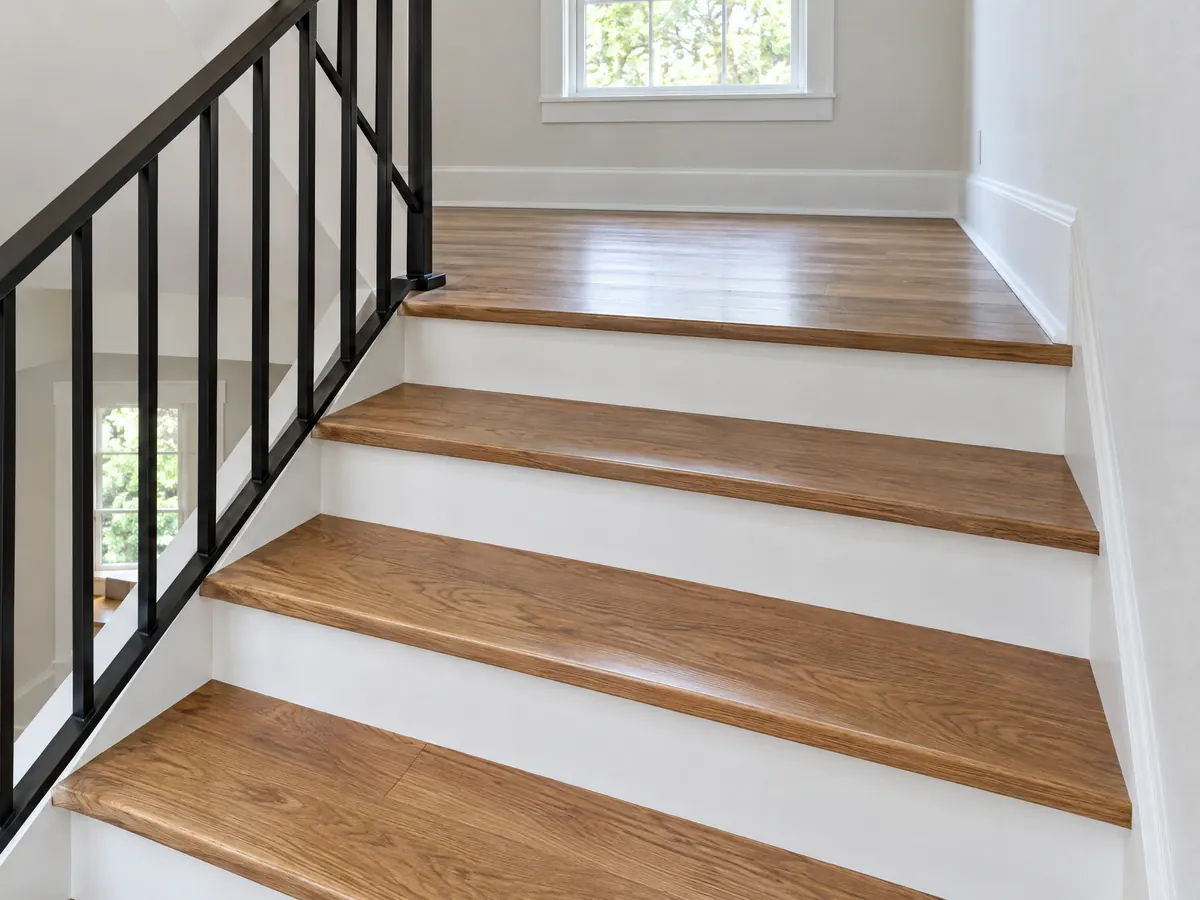
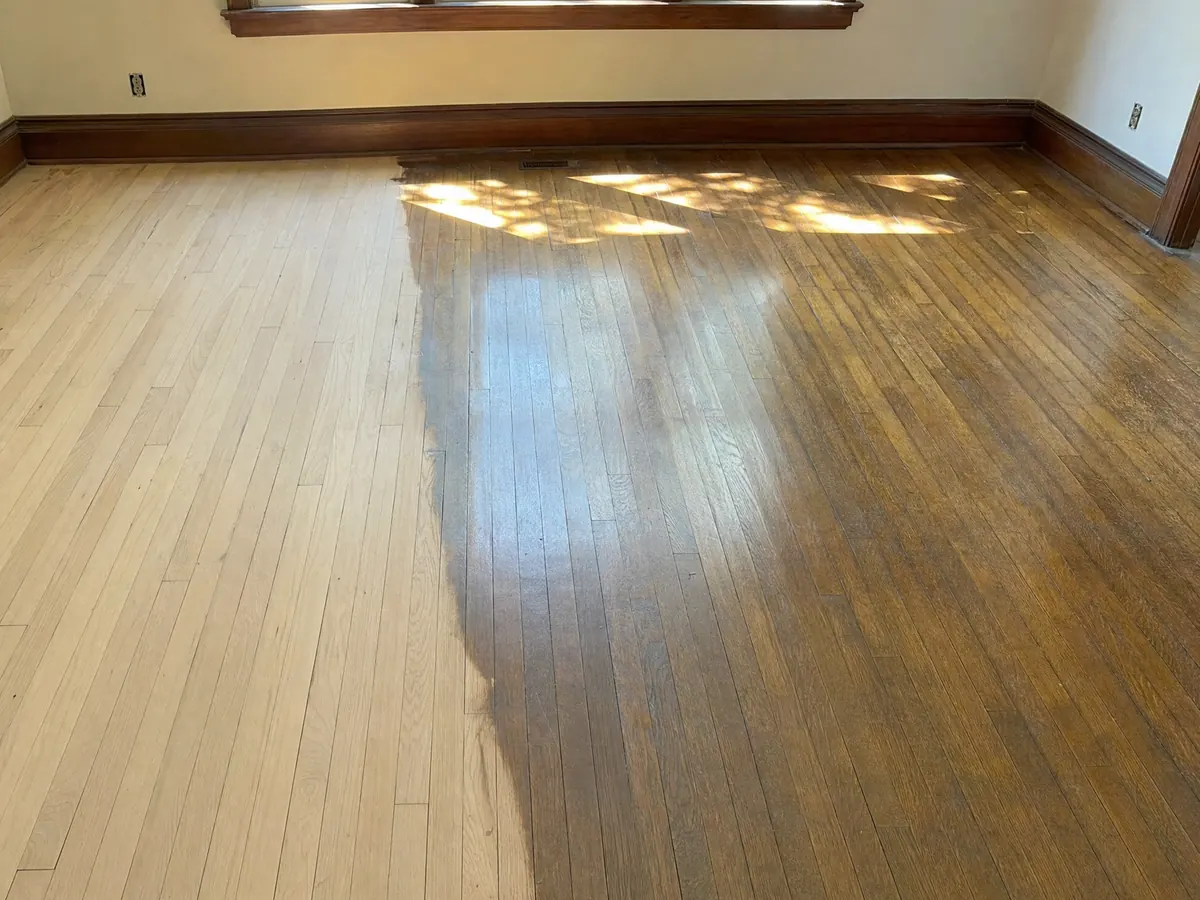
Flooring photos from Cathedral City and the Coachella Valley
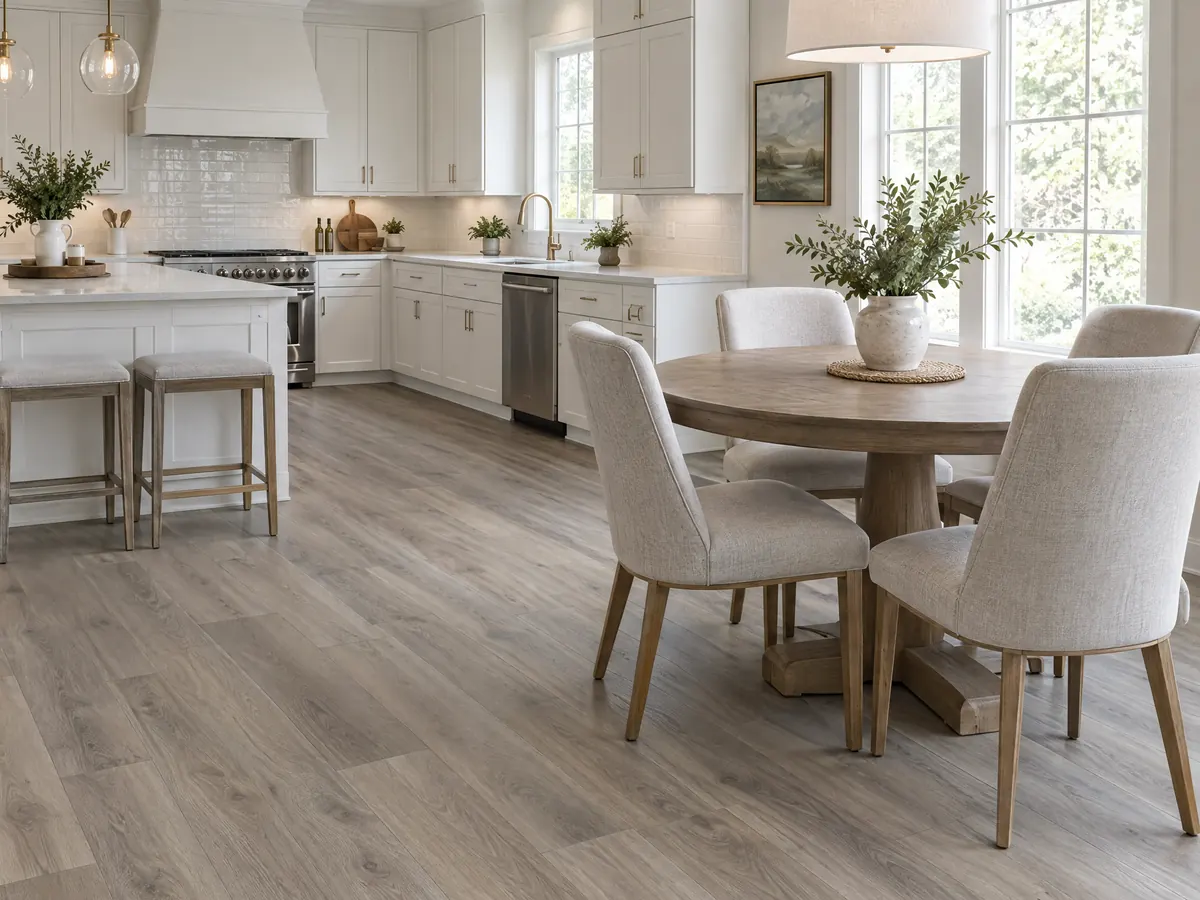
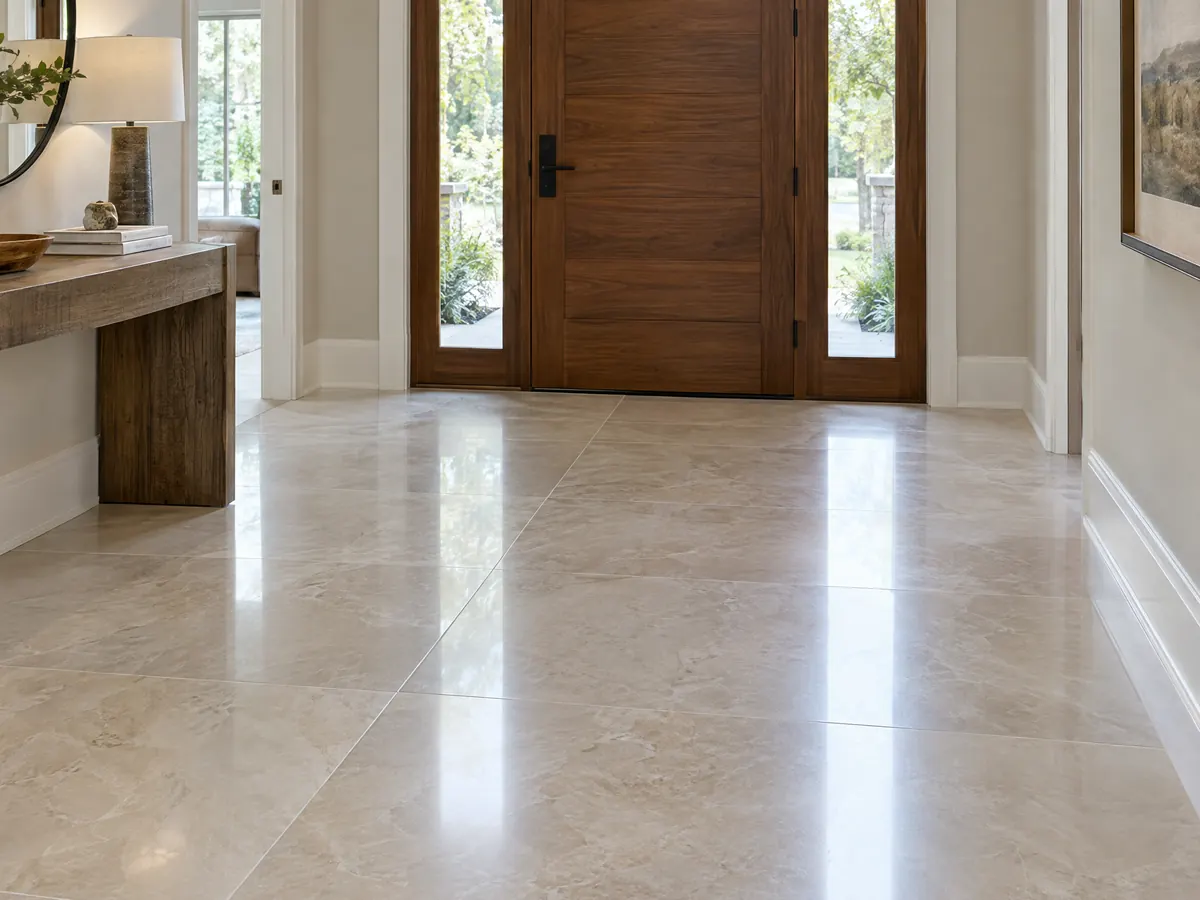
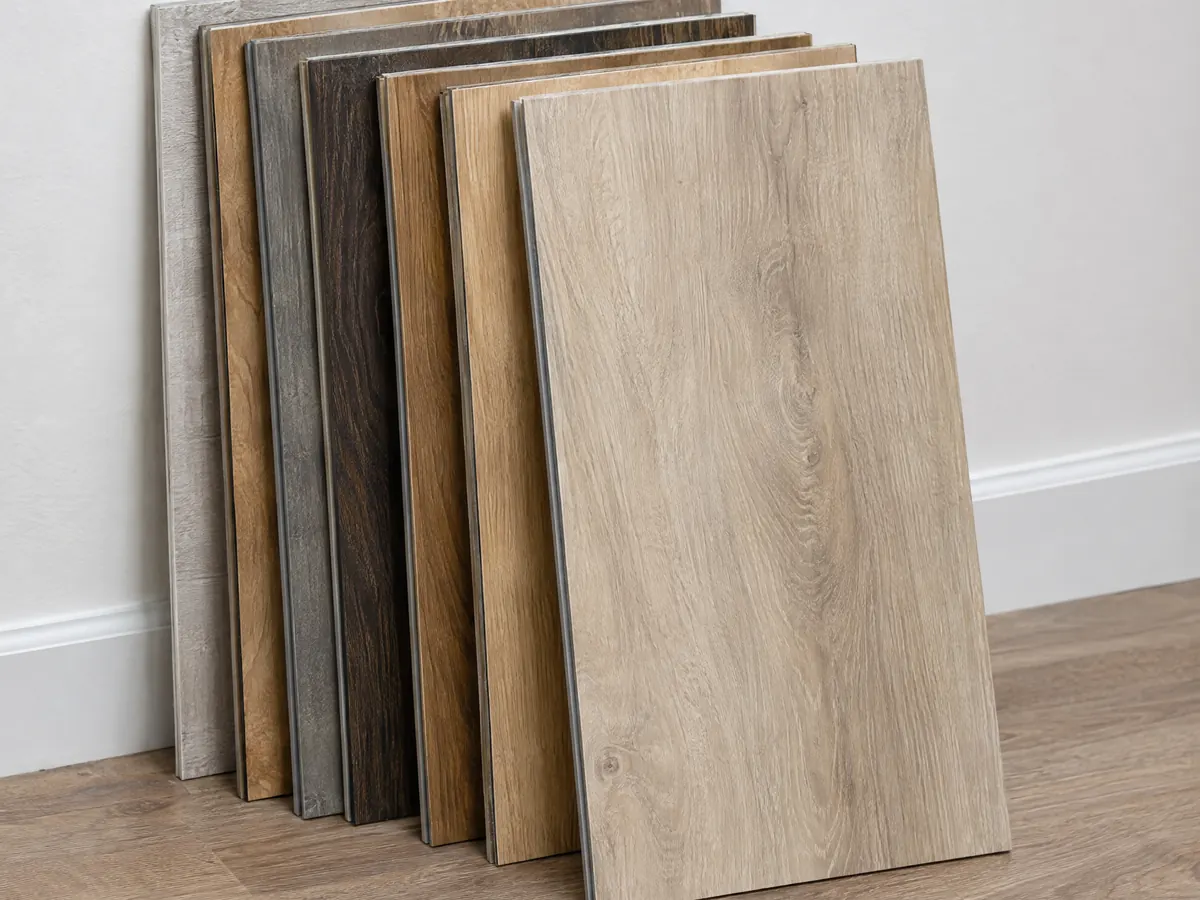
Samples, moisture tests, tile and finished rooms from Cathedral City and the valley towns beside it, photographed at the steps where the choices get made. Tap any photo to enlarge it.
What flooring costs around Cathedral City
Dollar figures here are Los Angeles planning ranges from our flooring page, not a Cathedral City bid, and tear-out, testing, leveling and haul-off belong on separate lines of the written proposal. The same property may need concrete work in Cathedral City or decks in Cathedral City. Valley neighbors to compare are flooring in Palm Desert and flooring in Indio, with flooring in Hemet as another Riverside County city and flooring in Los Angeles as the big-city benchmark. The flooring cost guide sets refinishing against replacement, and the subcontractor guide shows who lays which layer.
| What it covers | Typical range |
|---|---|
| Installation labor only | $3 to $9 per sq ft |
| Solid hardwood, installed | $12 to $22 per sq ft |
| Engineered hardwood, installed | $10 to $18 per sq ft |
| Refinishing existing hardwood | $4 to $8 per sq ft |
| Laminate, whole project | $2,000 to $5,500 |
| Hardwood, whole project | $3,153 to $8,496 |
| Removing the old floor | $455 to $685 per 200 sq ft |
| Tile | No sourced Los Angeles range |
Other work we manage in Cathedral City
Cathedral City flooring questions, answered
Do I need a permit to replace flooring in Cathedral City?
We could not confirm it. The City pages and handouts we read do not say whether finish flooring needs a permit, so the call goes to Building & Safety at (760) 770-0340. Moved plumbing, new circuits and structural repair clearly do need one. Ask before you order material, and remember that inspections are not held on Fridays.
How much does it cost to have flooring professionally installed?
Angi's Los Angeles page, updated July 8, 2026, lists installer labor at $3 to $9 a square foot, engineered hardwood installed at $10 to $18 and solid hardwood at $12 to $22. We found no Cathedral City study with a stated method, so treat these as medium to low confidence. Removal, leveling and stairs usually appear as separate lines.
How much to refloor a 2000 sq. ft house?
On Angi's Los Angeles rates, a 2,000 square foot house is about $6,000 to $18,000 for labor alone, $20,000 to $36,000 with engineered hardwood installed and $24,000 to $44,000 with solid hardwood installed. These are Los Angeles ranges, not a Cathedral City bid, and tear-out, stairs and subfloor repair move the total.
Can you put flooring over concrete?
Yes, once the slab is tested and prepared. The moisture limit comes from the flooring or adhesive maker, so the installer should take ASTM F2170 probe readings or set an F1869 dish before any patching or leveling. In a house built before 1980, old adhesive on the slab may need a lab test before anything is ground or sanded.
Why does moisture come through a concrete floor?
Water vapor rises from the soil under the slab, and in Cathedral City that soil gets irrigation, pool plumbing, leaks and downspouts even though rain is only 4.61 inches a year and groundwater is typically 150 to 200 feet down. A probe or dish test gives the actual reading, so a dry climate is no substitute for it.
Does Cathedral City's heat affect flooring installation?
It affects scheduling and site conditions, and the maker's installation sheet governs the rest. July highs average 108.6 F and July lows 79.4 F, and the City requires air conditioning able to hold rooms at 80 F. Ask the installer when the system must run, how material is acclimated and whether the product states a temperature range.
Can I coat my Cathedral City garage floor with epoxy?
Yes, as a floor coating, but the product must meet South Coast AQMD Rule 1113, which covers opaque garage floor coatings and clear coatings on concrete. We did not read the VOC limit, so ask the subcontractor to name the product and show compliance. A garage still has to park cars, and a conversion is a separate permit path.
Is there asbestos under old vinyl flooring in Cathedral City homes?
Possibly in homes built before 1980, which the Census counts at about 5,979 of Cathedral City's 22,599. Old resilient tile, sheet vinyl and mastic cannot be judged by eye. Send a sample to a lab before sanding or pulling a layer, and ask Building & Safety whether Rule 1403 or any City notice applies to the removal.
What license does a flooring contractor need in Cathedral City?
A flooring contractor needs a current California license, usually C-15 for carpet, resilient flooring and wood or C-54 for ceramic and stone tile. The City's own contractor paperwork was not part of what we read. Check the number on the CSLB site and ask each subcontractor for a license and a certificate of insurance.
Tell us the house type, the year it was built and which rooms need floors
Say whether the home is a tract house, a mobile home in a park, a rental or a golf-community property, and what covers the floor now. Slab testing, old adhesive, HOA approval and permit questions can be sorted at the first visit.