
Flooring Installationin La Quinta, CA
Flooring installation in La Quinta is shaped by empty houses and young slabs: 27.7 percent of homes are held for seasonal use, the median house dates from 1999, and the City's code exempts tiling, carpeting and similar finish work from a building permit. Plumbing, electrical and structural changes still go through the Building Division.
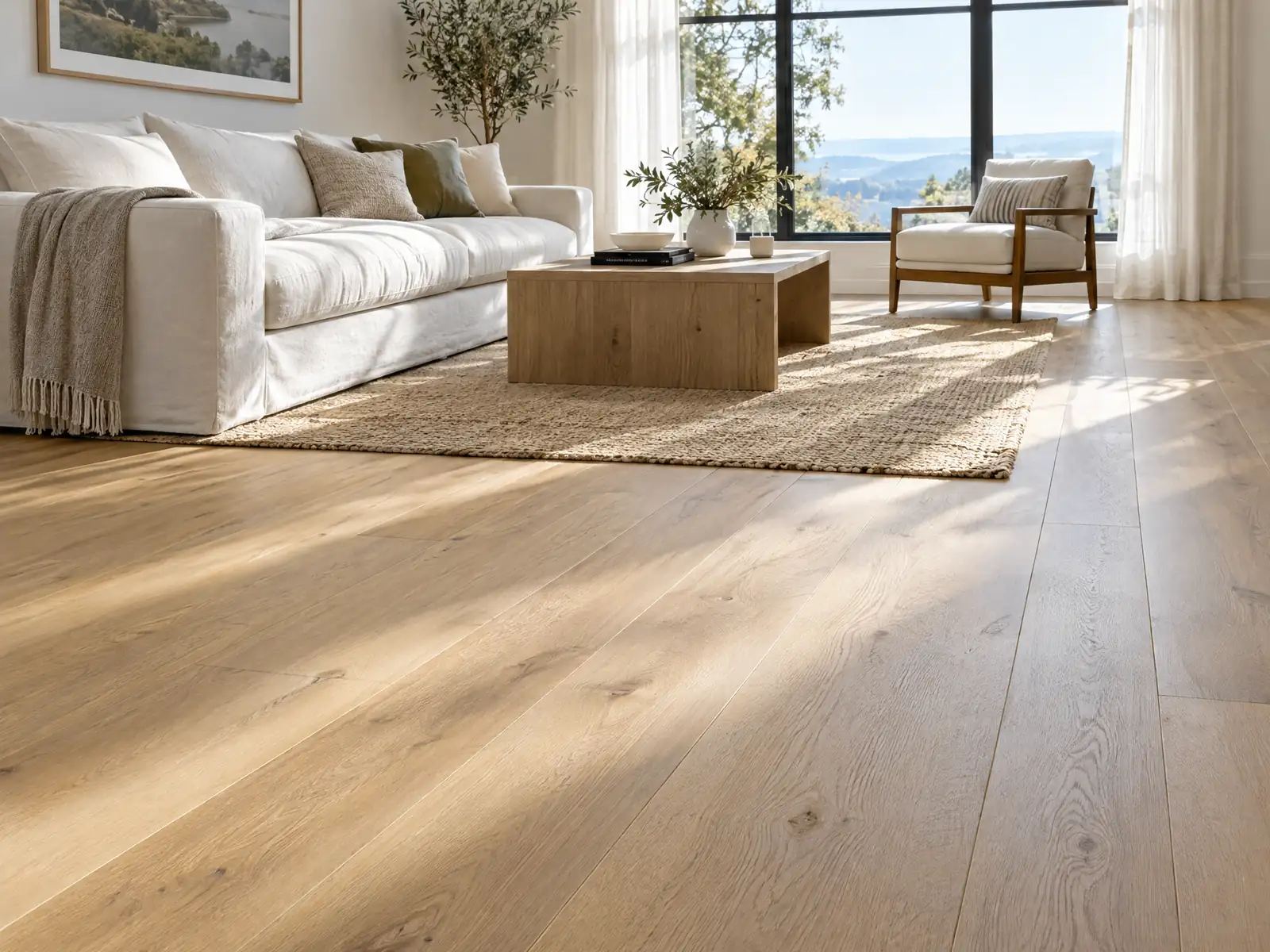
La Quinta takes its name from the La Quinta Resort, established in 1926, and the city was incorporated on May 1, 1982. The Cove was platted in 1933 as a winter vacation subdivision, yet the Census Bureau's 2024 five-year estimates describe a young housing stock: 24,770 units, a median year built of 1999 and 47.6 percent built in 2000 or later. Most floors here belong to golf-resort and tract houses.
MDG Builders (CSLB #1040337) is a general contractor in Tarzana. On a La Quinta floor we write the scope, bring the permit questions to the City's Building Division and keep the schedule, while licensed flooring and tile subcontractors install the material. The flooring page covers products, and the La Quinta overview lists the other trades we manage in town.
What La Quinta's Building Division, the Municipal Code, South Coast AQMD and state law say about flooring work
Where flooring permits come from in La Quinta: City of La Quinta Design and Development Department, Building Division.
- Tiling, carpeting and similar finish work is exempt from a building permit (Municipal Code 8.06.020, GoCodebook mirror). New slab-on-grade or garage floor work that disturbs soil is a different matter: the dust and grading rules apply once more than 5,000 square feet is disturbed, and the residential plan checklist asks for slab thickness and compressive strength on foundation plans.
- Floor coatings for garages and patios fall under AQMD Rule 1113, which lists a floor coatings category among its VOC limits; the City's permit exemption list does not mention coatings by name, so ask the Building Division whether a given coating job counts as exempt finish work. Rule read as a PDF from AQMD.
Sources for these rules
How do you run a flooring job in a La Quinta house that sits empty for half the year?
Plan it as a remote job, because the owner may not be in town. The Census Bureau counts 6,852 of La Quinta's 24,770 housing units, 27.7 percent with a margin of plus or minus 533, as vacant but held for seasonal, recreational or occasional use, and the City's history page mentions a large population of snowbirds. A summer floor swap is common for that reason.
Put the handoffs in writing. The proposal should name who holds the key, who meets the delivery truck, who moves furniture out and back and who photographs each room at the end, and it should record the product name and lot numbers so a damaged board can be matched later. A home improvement contract must be in writing before work starts, and the deposit is capped at $1,000 or 10 percent of the price, whichever is less.
Summer hours help. Municipal Code 6.08.050, quoted on the City's FAQ, allows work from 6:00 a.m. to 7:00 p.m. Monday to Friday between May 1 and September 30, and from 7:00 a.m. to 5:30 p.m. the rest of the year, with Saturdays 8:00 a.m. to 5:00 p.m. and no Sundays or listed holidays. We found no La Quinta source on adhesive handling at 100 degrees, so ask the installer and the manufacturer.
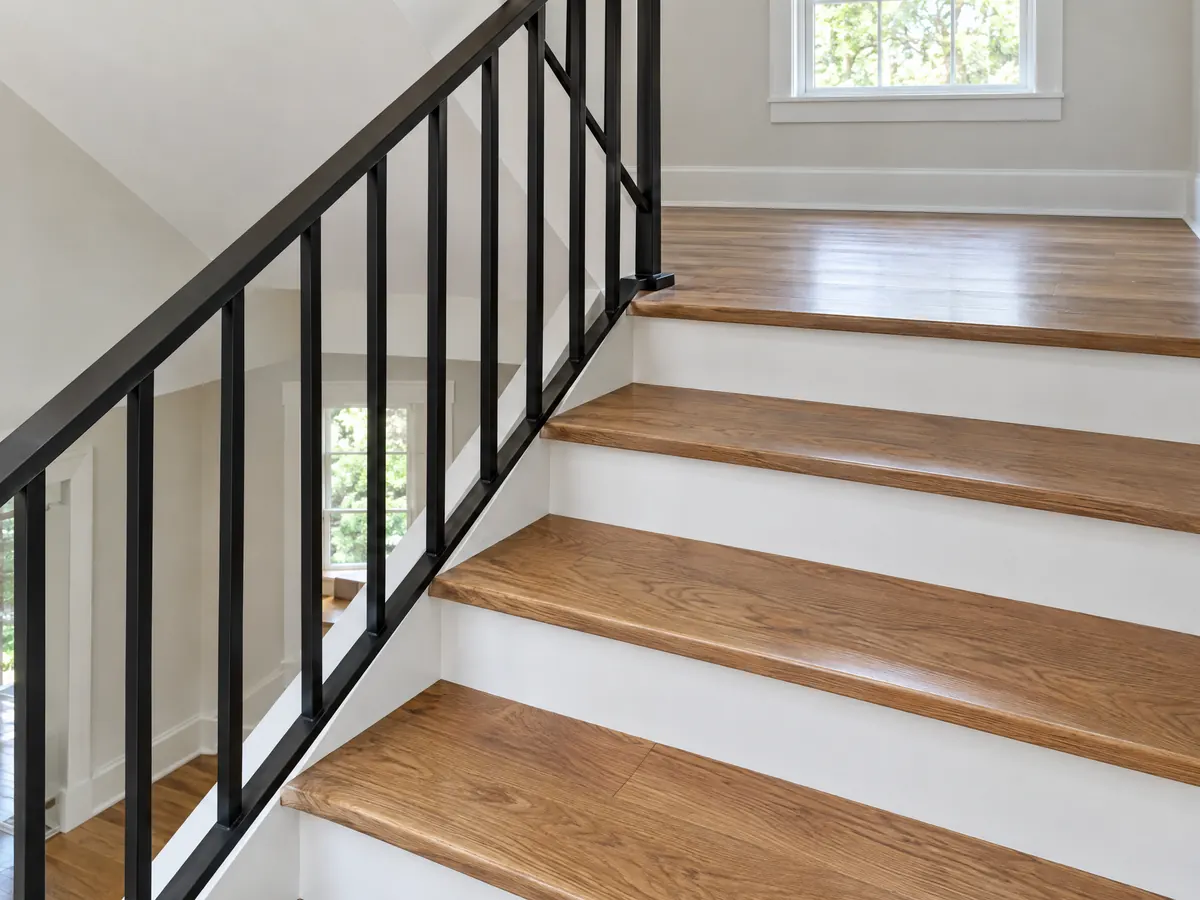
Does replacing flooring need a permit in La Quinta?
The finish itself often does not, but the rest of the job might. La Quinta's residential code, read in GoCodebook's third-party copy of Municipal Code 8.06.020, exempts painting, papering, tiling, carpeting, cabinets, counter tops and similar finish work from a building permit, while plumbing, electrical and mechanical permits are still required for those items where not otherwise exempt.
Anything under the surface follows the normal route. Moved fixtures, new circuits, a replaced air conditioner and structural subfloor repair each carry their own permit, and the City's FAQ says an A/C replacement needs one partly because an insurer may refuse a fire claim for unpermitted work. Applications for new projects go through the Hub Online Portal, since the City says it cannot take them in person at this time.
The City website blocked direct requests, so we read its pages from Wayback Machine copies made between June and October 2026. Call the Building Division at (760) 777-7125, open 7:30 a.m. to 4:30 p.m. Monday to Thursday and 8:00 a.m. to 4:30 p.m. Friday, and describe the scope before any material is ordered.
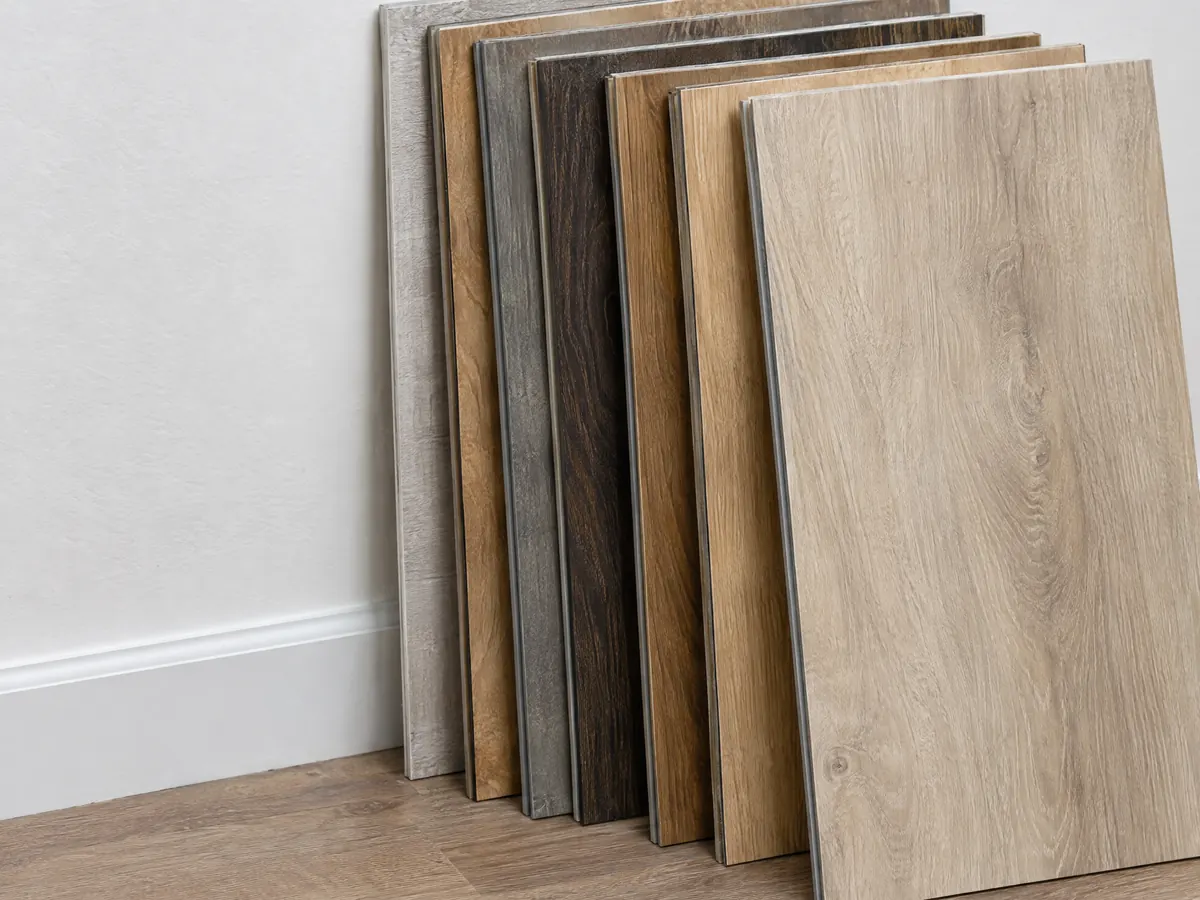
What is under the floors of La Quinta's Cove cottages and golf-community houses?
Two very different kinds of house share the city. The City's 2023 Historic Resource Survey says developer Harry Kiener platted the Cove in 1933, with about 95 houses built there between 1935 and 1949 and roughly 250 by the early 1970s. Highland Palms, a 76-home tract platted on September 13, 1960, and Indian Springs, a 124-lot tract from 1961, were the first tract subdivisions. The rest is mostly golf-resort construction.
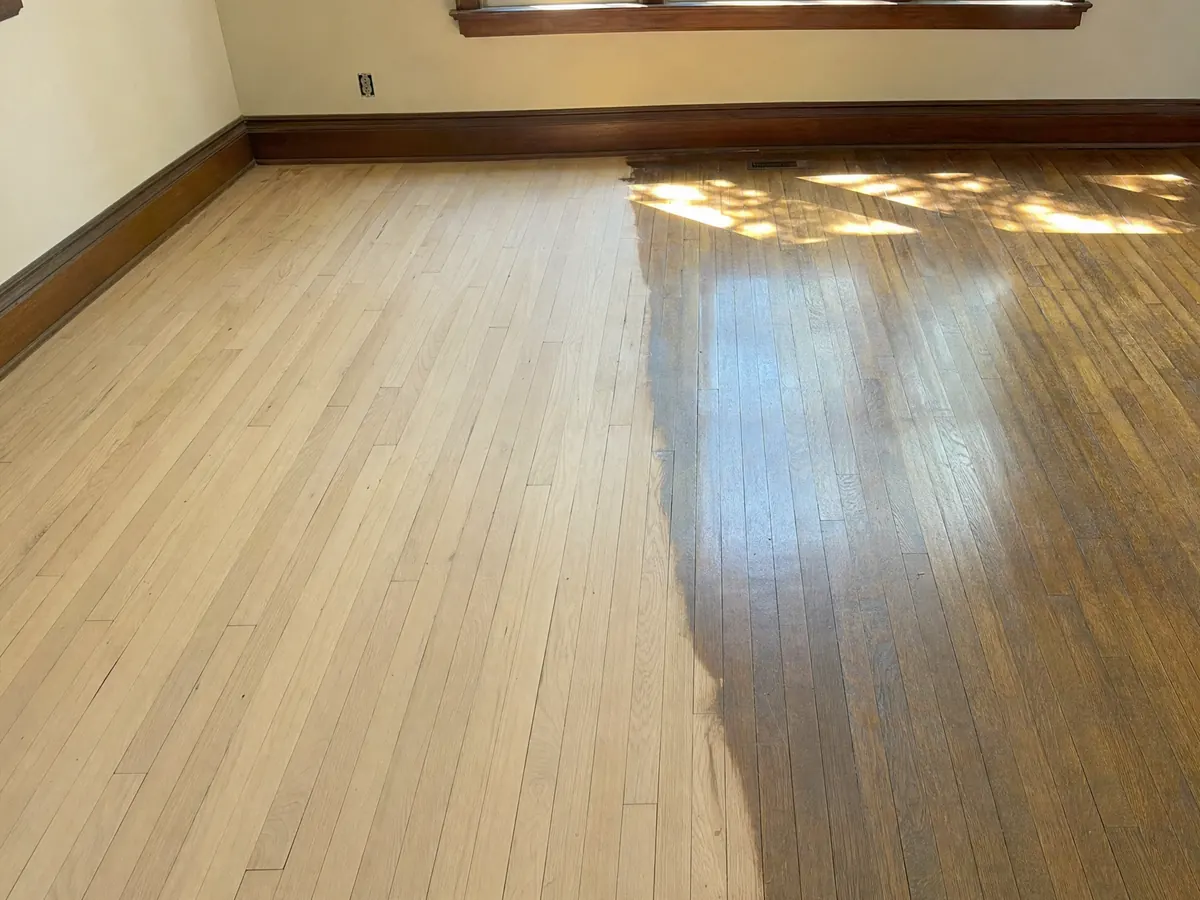
The counts show how rare the old houses are. The Census figures put 3,480 units (14.0 percent) before 1980, 1,538 (6.2 percent) before 1970 and only 213 (0.9 percent) before 1950, all with margins of error. In that older slice, resilient tile or black mastic may hide under carpet and cannot be identified by eye, so ask who takes the sample and who pays if a layer tests positive.
Historic status is a separate gate. Municipal Code 7.08.010 requires a permit through the planning department and city council before anyone alters a designated landmark or an improvement inside a historic district, and it exempts ordinary maintenance that changes no style, color or character. The survey judged 103 properties eligible, but a survey finding is not a designation, so ask the Planning Division before pulling an original floor.
Does a La Quinta slab need a moisture test with only 3 inches of rain a year?
Yes, because rain is not the only water. NOAA's 1991 to 2020 normals for Indio Fire Station, about 5.7 miles from the city centroid, give 2.92 inches a year, with 0.65 inch in the wettest month and none in June, while the rain-only gauge at Deep Canyon Lab, at the foot of the Santa Rosa Mountains, records 5.04 inches. Irrigated lawns, pool plumbing and downspouts feed the soil under a slab whatever the sky does.
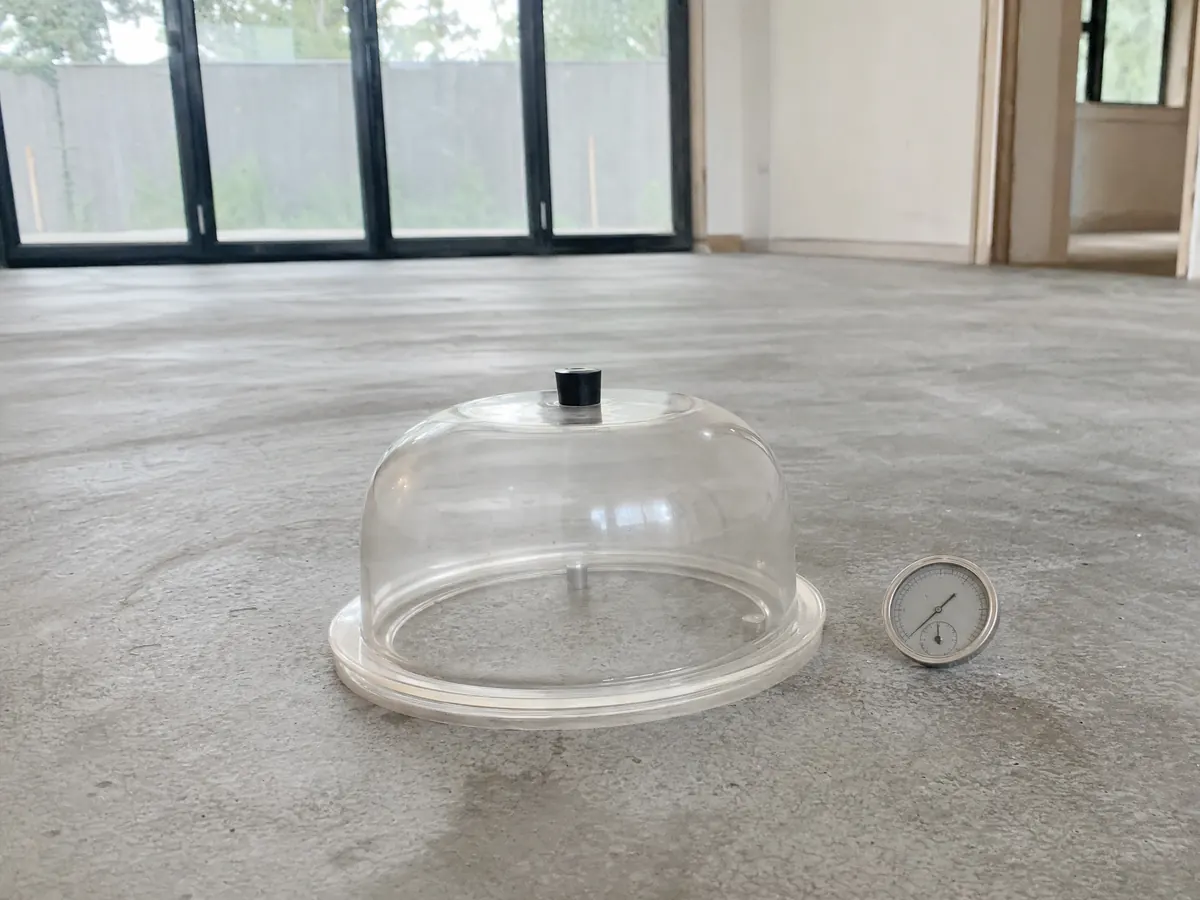
The Village sits on made ground. The survey says the Village commercial district was built on a former dry lake bed that had to be graded and drained with culverts before the county would approve it, so look at slab flatness and cracks in older Village and Cove buildings before boards, vinyl or large tile are ordered. The usual tests are an ASTM F2170 probe or an ASTM F1869 dish, and the flooring or adhesive maker sets the pass mark.
Flood rules apply only where the map says so. The Floodplain district follows FEMA's 100-year A and AO zones, and Chapter 8.11 asks for flood-resistant materials and raised mechanical and electrical gear in new construction there. We did not check any parcel, so ask the Building Division whether Chapter 8.11 reaches your floor before you choose a wood product.
Can you tile or coat a La Quinta garage floor, and when does the garage become living space?
You can, and the garage rules sit mostly on the zoning side. Municipal Code 9.60.060 lets a side-entry garage become living space only if it meets the front-entry 20 foot setback, so a floor that turns the garage into a bedroom is a conversion, not a finish choice. The ADU route under 9.60.090 allows conversions of existing space with no added side or rear setback.
Coatings answer to an air rule. South Coast AQMD Rule 1113, amended February 5, 2016, sets VOC limits for floor coatings, driveway sealers and concrete sealers applied in the District, and La Quinta lies inside it. We did not restate the per-category limits, so ask the coating subcontractor to name the product and show its label. The City's exemption list does not mention coatings, so ask the Building Division whether a coating job counts as exempt finish work.
New slab work is a different matter. A new garage or patio slab that disturbs soil meets the dust and grading rules once the disturbed area passes 5,000 square feet, and the residential plan checklist asks for slab thickness and compressive strength on foundation plans. That side of the job is covered under concrete work in La Quinta.
What does a flooring contractor charge in La Quinta, and which license applies?
No La Quinta price study turned up, so the anchor is Angi's Los Angeles pages, which we rate medium to low in confidence because one publisher supplies them and shows no method. Its hardwood page, updated July 8, 2026, lists installer labor at $3 to $9 a square foot and finishing at $4 to $8, its flooring page of the same date shows $10 to $18 for engineered wood and $12 to $22 for solid hardwood installed, and a September 15, 2026 laminate page puts old-floor removal at $455 to $685 per 200 square feet.
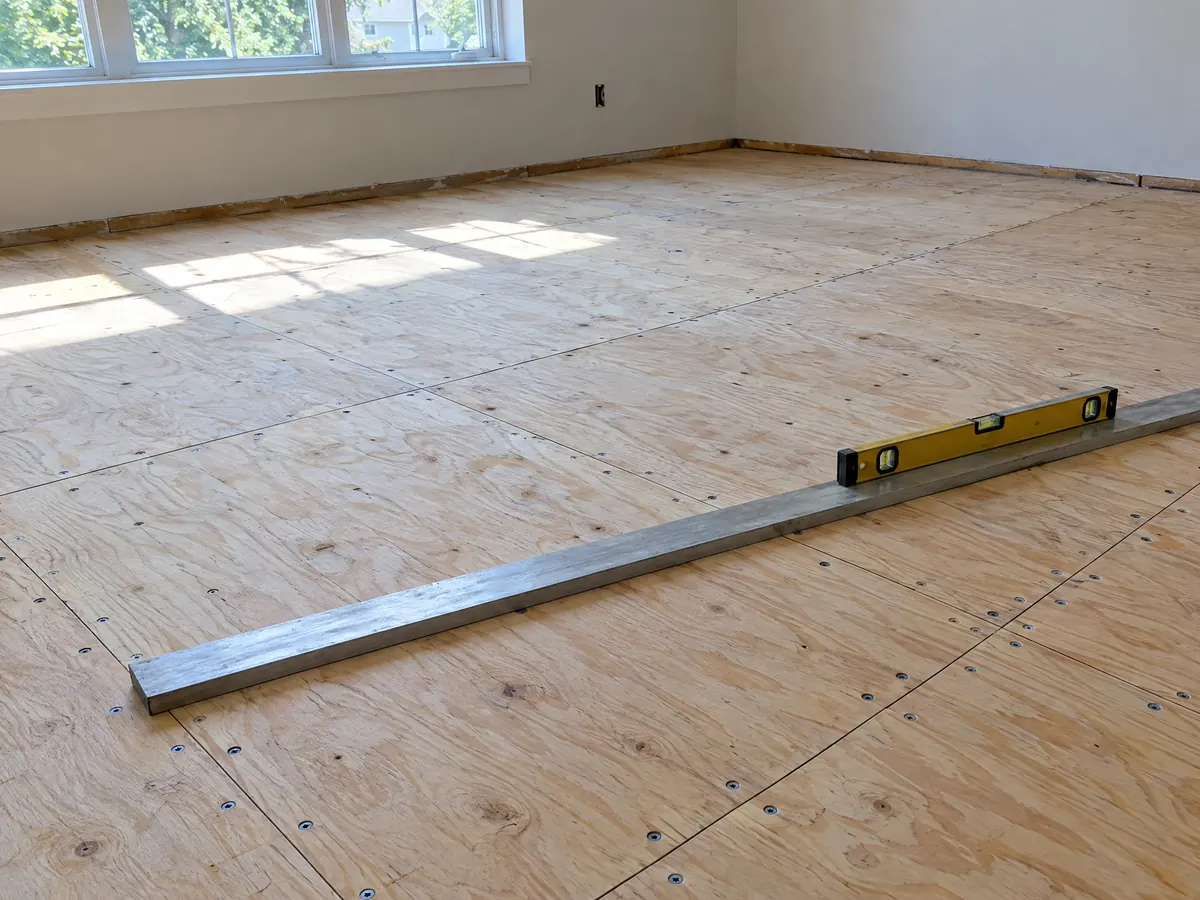
Wages set a floor under the price, not the price. The federal May 2025 survey for the Los Angeles area lists floor layers at a mean $33.48 an hour and tile and stone setters at $30.72. A proposal should carry demolition, probe testing, leveling, stair treads and door transitions as separate lines, whatever the material.
CSLB gives carpet, resilient flooring and wood floors to its C-15 class and ceramic tile to C-54. The deposit cap sits in Business and Professions Code 7159.5, and our license check guide walks through reading a CSLB record.
Flooring photos from La Quinta and nearby communities
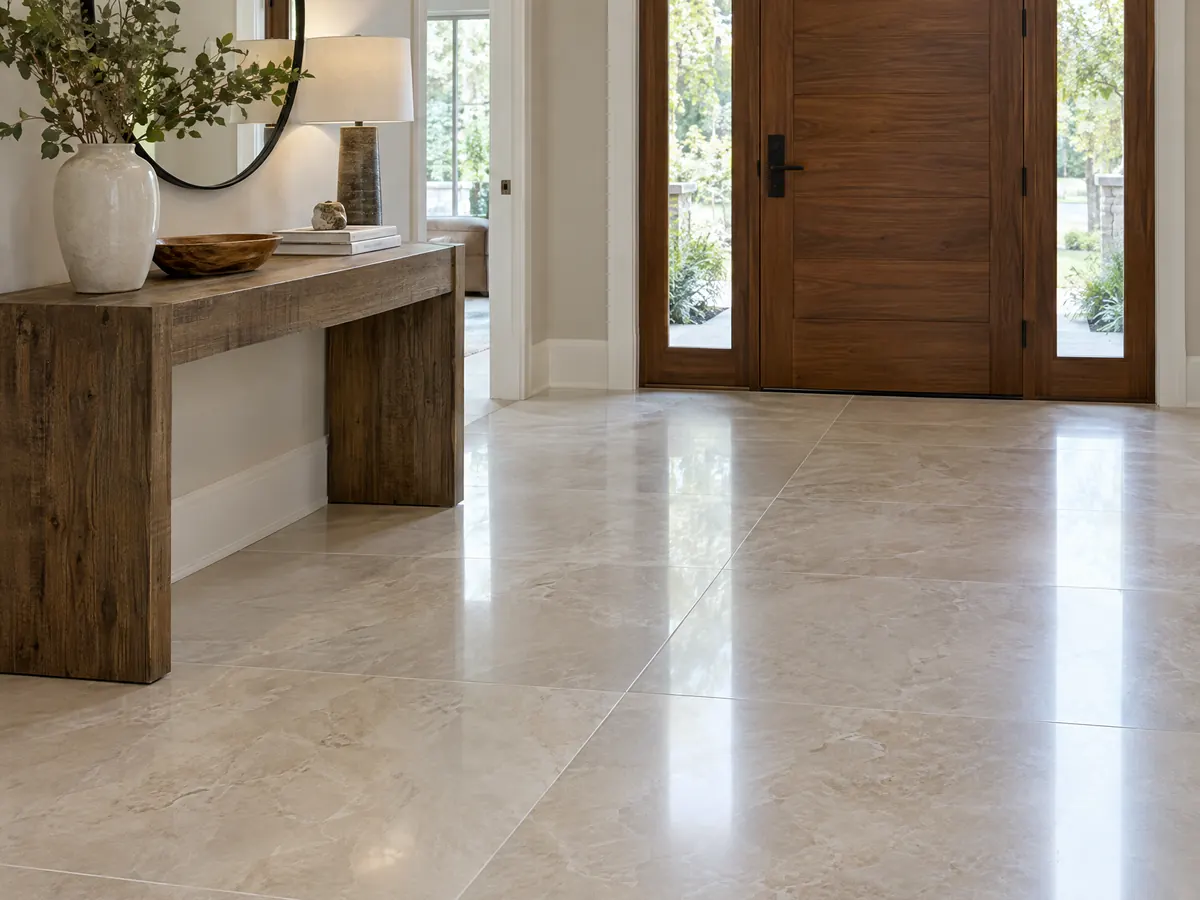
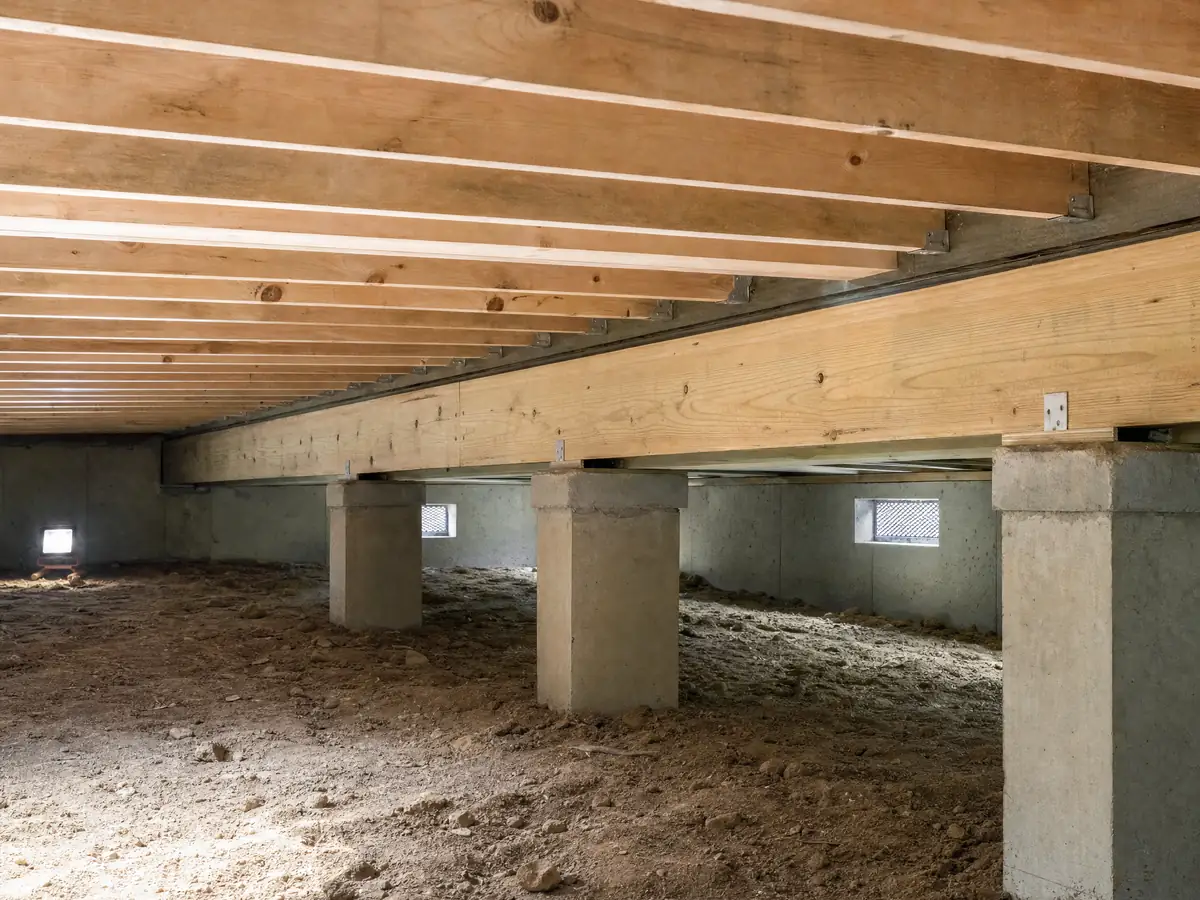
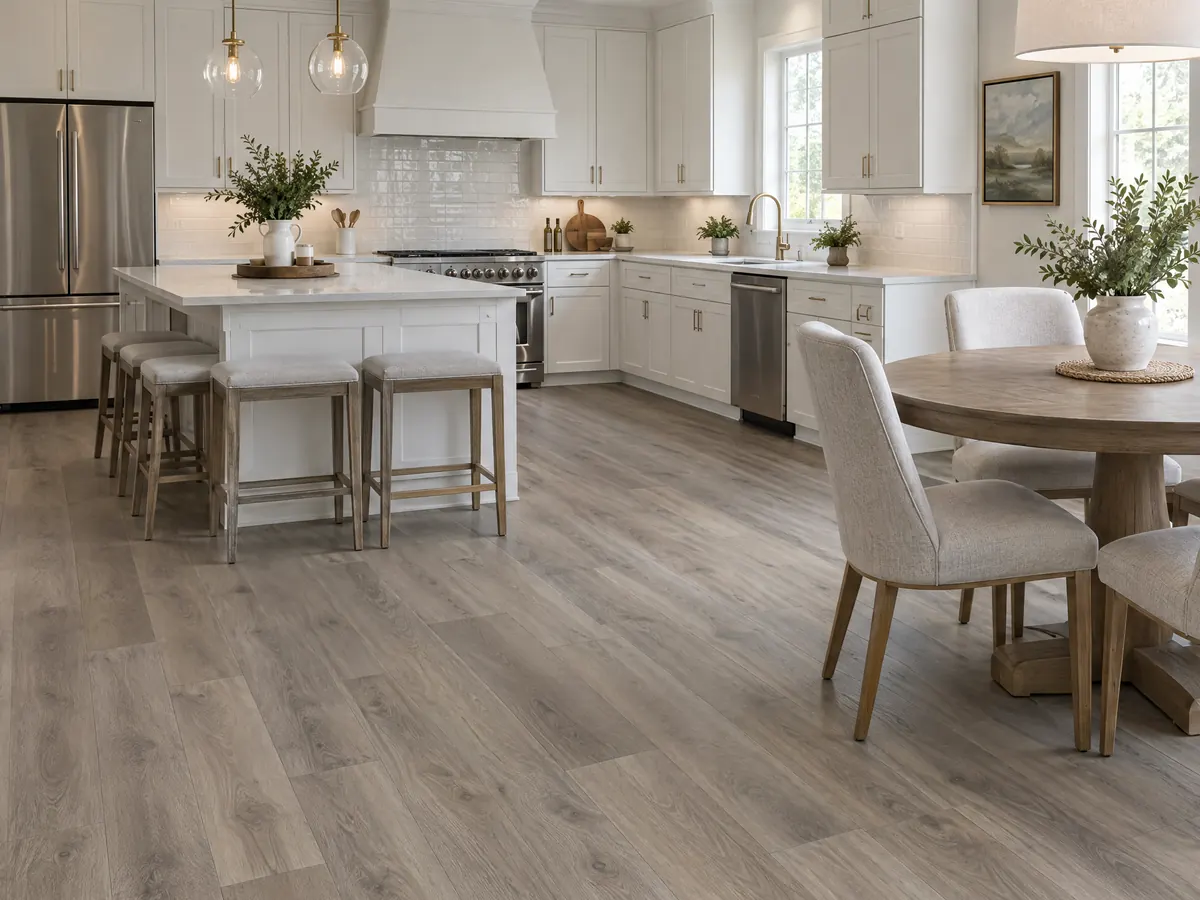
Plank samples, moisture tests, tile and finished rooms from La Quinta and the Coachella Valley towns around it, shown at the steps where the choices get made. Tap any photo to enlarge it.
What flooring costs around La Quinta
Dollar figures here are Los Angeles planning ranges from our flooring page, not a La Quinta bid, and demolition, moisture testing, leveling and subfloor repair belong on their own lines of the written proposal. The same property may need decks in La Quinta. Valley comparisons are flooring in Indio and flooring in Palm Desert, with flooring in Los Angeles as the big-city benchmark. Our flooring cost guide puts refinishing beside replacement, and the subcontractor guide shows who lays which layer.
| What it covers | Typical range |
|---|---|
| Installation labor only | $3 to $9 per sq ft |
| Solid hardwood, installed | $12 to $22 per sq ft |
| Engineered hardwood, installed | $10 to $18 per sq ft |
| Refinishing existing hardwood | $4 to $8 per sq ft |
| Laminate, whole project | $2,000 to $5,500 |
| Hardwood, whole project | $3,153 to $8,496 |
| Removing the old floor | $455 to $685 per 200 sq ft |
| Tile | No sourced Los Angeles range |
La Quinta flooring questions, answered
Do I need a permit to replace flooring in La Quinta?
Usually not for the finish alone. The City's residential code exempts tiling, carpeting and similar finish work from a building permit, but plumbing, electrical and mechanical changes need their own permits. The code text came from a third-party mirror, so call the Building Division at (760) 777-7125 with the scope before ordering material.
How much does it cost to have flooring professionally installed?
Angi's Los Angeles pages from July 2026 show installer labor at $3 to $9 a square foot, engineered hardwood at $10 to $18 installed and solid hardwood at $12 to $22. We found no La Quinta study with a stated method, so treat these as medium to low confidence. Tear-out, leveling and stairs usually appear as separate lines.
How much to refloor a 2000 sq. ft house?
On Angi's Los Angeles rates, a 2,000 square foot house costs $6,000 to $18,000 for labor alone, $20,000 to $36,000 for engineered hardwood installed and $24,000 to $44,000 for solid hardwood installed. These are Los Angeles ranges, not a La Quinta bid, and stairs, demolition and subfloor repair move the total.
Can you put flooring over concrete?
Yes, after the slab is tested and prepared. The flooring or adhesive maker sets the allowed moisture level, so the installer should read an ASTM F2170 probe or set an F1869 dish first, then patch and level. In one of the few pre-1980 La Quinta houses, old adhesive may need a lab check before grinding.
Why does moisture come through a concrete floor in the desert?
Water vapor rises from the soil under the slab, and irrigated landscaping, pool plumbing and roof runoff keep that soil damp even though the Indio station records only 2.92 inches of rain a year. A probe or dish test gives the real reading. Dry weather is not a substitute for it.
How should I plan flooring for a La Quinta home I only use in winter?
Treat it as a managed job with named handoffs. About 27.7 percent of La Quinta's housing units are held for seasonal use, so the proposal should say who has the key, who receives material, who moves furniture and who sends dated photos of each room. Summer work may start at 6 a.m. on weekdays under the City's construction hours.
Is there asbestos under old flooring in La Quinta houses?
Possibly in the older slice of the stock: the Census counts about 3,480 of 24,770 units built before 1980. Old resilient tile and mastic cannot be identified by eye, so send a sample to a lab before sanding or pulling a layer. Most La Quinta homes are newer, since 47.6 percent date from 2000 or later.
Can I tile or coat my La Quinta garage floor?
Yes, as a surface finish, but not as a way to make the garage a room. A side-entry garage can become living space only if it meets the 20 foot front-entry setback, and coatings fall under South Coast AQMD Rule 1113. Ask the Building Division whether your coating counts as exempt finish work.
What license does a flooring contractor need in La Quinta?
Expect C-15 for carpet, resilient flooring and wood, or C-54 when the floor is ceramic or stone tile, and a license in good standing either way. Look the number up on the CSLB site, then ask each subcontractor for a license number and a certificate of insurance before day one.
Tell us when the house is occupied, which rooms and what the floor sits on
Say whether you live here year round or only part of it, which rooms you want finished and what is on the floor now. Access, key handoff, slab testing and the permit questions go along with us to the first visit.