
Concrete Companyin La Quinta, CA
A concrete company in La Quinta deals with dust before the pour: the City's dust chapter, Municipal Code 6.16, and South Coast AQMD Rule 403.1 both call for a plan before earth-moving on more than 5,000 square feet. Driveways and sidewalks are exempt from a building permit, while walls, grading, floodplain lots and foothills carry their own rules.
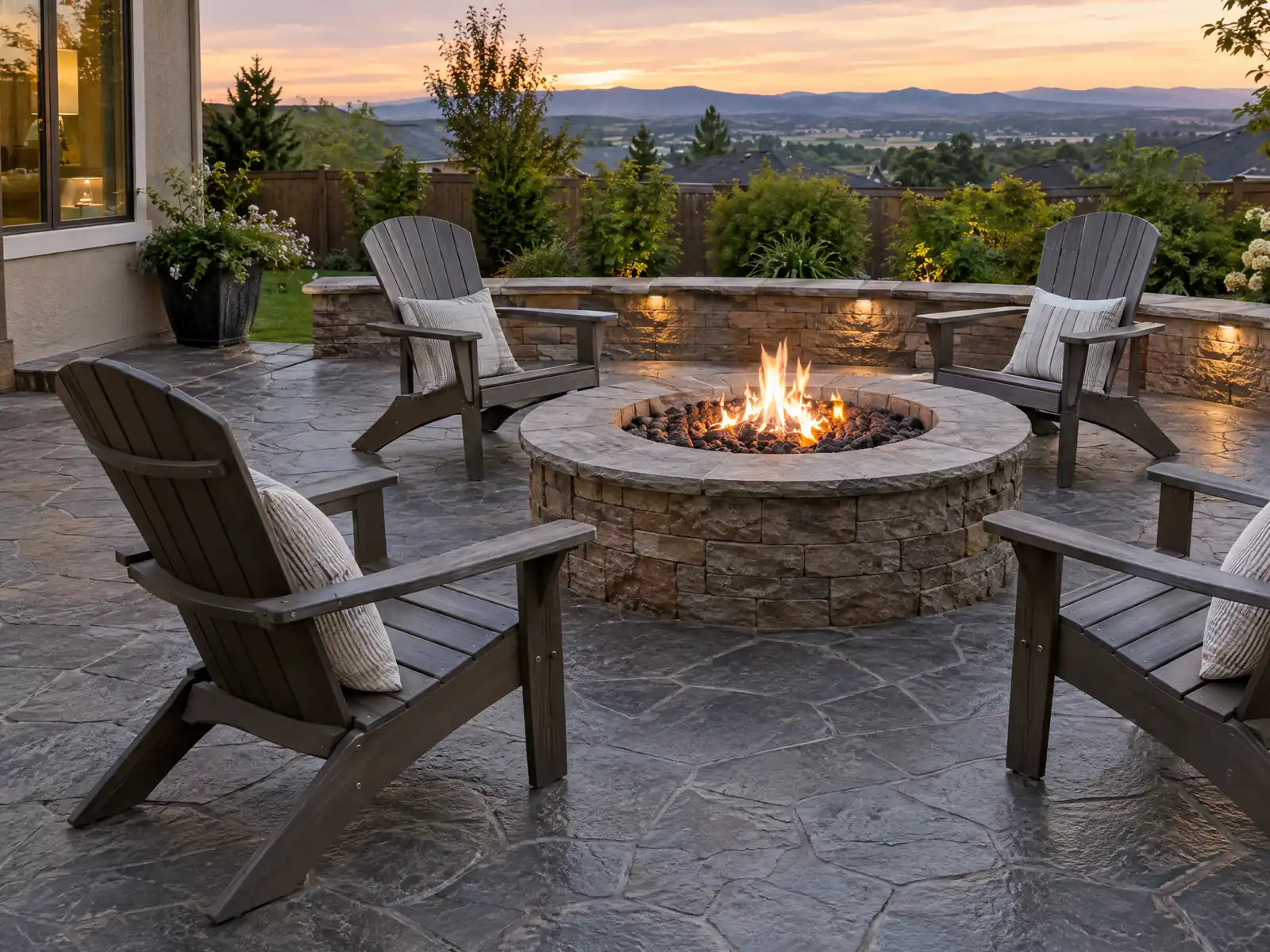
La Quinta's ground has a short and particular history. The Village commercial district was built on a former dry lake bed that developers graded and drained with culverts, the Cove was platted in 1933 as a winter subdivision, and PGA West went onto former ranch land sold in 1976. The Census Bureau's 2024 estimates date 71.3 percent of the city's 24,770 homes to 1990 or later, so most walks, driveways and patio slabs here are young.
MDG Builders, CSLB #1040337, is a general contractor in Tarzana. On a La Quinta pour we draft the scope, take the dust, grading and wall questions to the City's Building Division and hire a licensed concrete subcontractor to form, place and finish. The concrete page explains finishes, and the La Quinta overview shows the other trades we manage here.
What La Quinta's Building Division, Public Works, South Coast AQMD and state law say about concrete work
Where concrete permits come from in La Quinta: City of La Quinta Design and Development Department, Building Division.
- Sidewalks and driveways are exempt from a building permit in the Residential Code list and, in the Building Code list, when not more than 30 inches above adjacent grade, not over a basement and not part of an accessible route; separate permits and zoning rules (garage setbacks, lot coverage, drainage) still apply. GoCodebook third-party mirror (8.02.020 and 8.06.020).
- Grading permits (Municipal Code 8.80.040) are required from the city engineer for any grading or import or export of earth, with exceptions for excavation under 2 feet deep or cut slopes of 5 feet or less steeper than 2 to 1, fills under 1 foot on flat natural terrain, fills under 3 feet and 100 cubic yards not supporting structures, footing and basement excavation under a building permit, retaining wall excavation under 6 feet outside hillside areas (under 3 feet inside), and utility trenches. GoCodebook third-party mirror, text as of 2026-10-04.
- Concrete, grading and pool jobs trigger the dust rules: a City-approved fugitive dust control plan before earth-moving on more than 5,000 square feet (Municipal Code 6.16.040 and AQMD Rule 403.1), an exit device at the site entrance for projects of 5 or more acres or hauling 100 or more cubic yards a day, and no dust crossing the property line. Residential sites under 5,000 square feet still need dust measures (damp soil, watering or a suppressant). GoCodebook mirror and AQMD PDF.
- Heat and concrete: the NOAA normals show about 118 days a year at or above 100 F at Indio Fire Station, 29 or more in each of July and August, and the City allows construction from 6:00 a.m. on weekdays from May 1 to September 30 (7:00 a.m. from October to April). Rain is only about 3 inches a year at that station, so dust control and hot-weather curing matter more than rain delays. NOAA normals files and Wayback City FAQ.
- Block walls follow City standards: the Building Division forms page offers City Standard Block Wall, Combo Wall and Pilaster details and a City Standard Site Plan template for wall and fence applications, and the residential plan check asks for every garden and retaining wall on the site plan. Wayback snapshot 2026-04-12.
Does a patio, walk or driveway need a building permit or a grading permit in La Quinta?
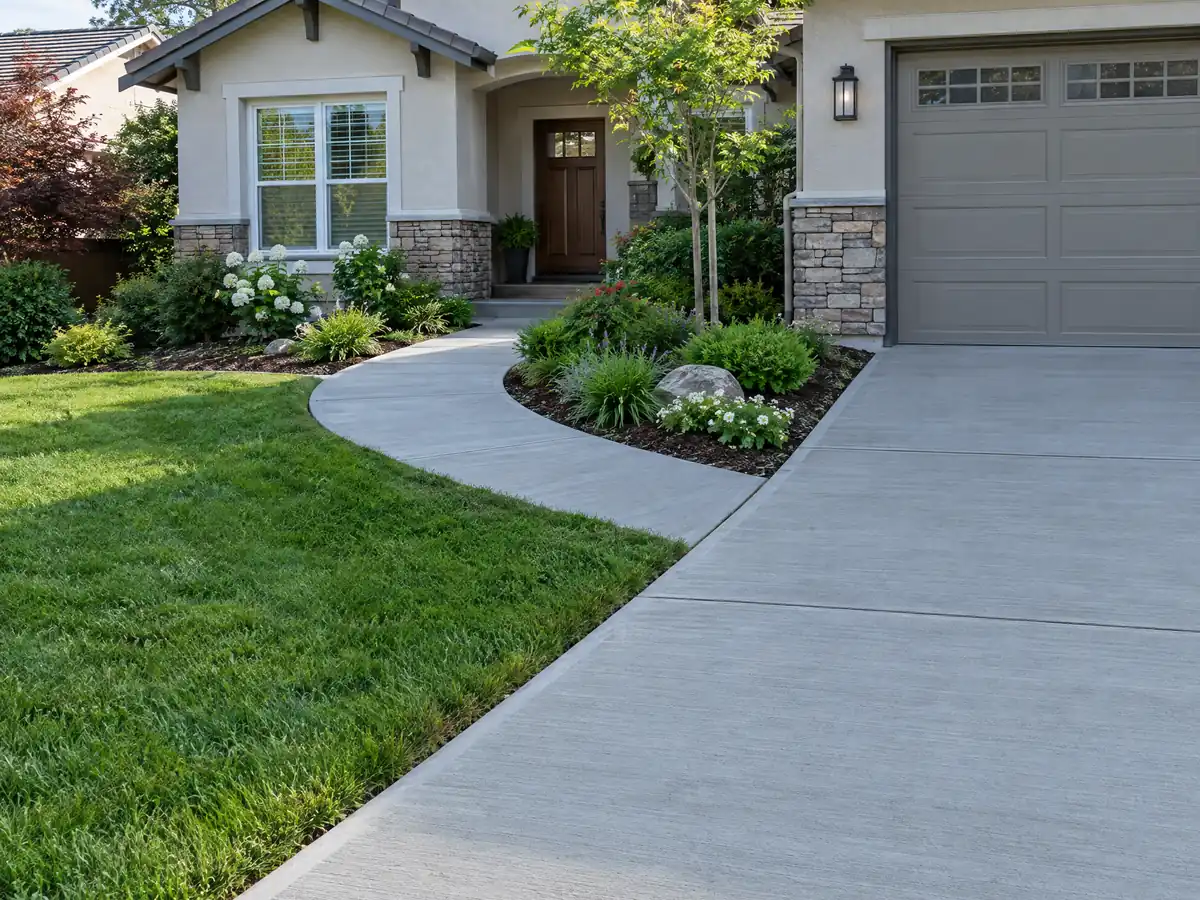
Walks and driveways are exempt from a building permit, with limits. The Residential Code list in Municipal Code 8.06.020 names sidewalks and driveways, and the Building Code list does too when they are no more than 30 inches above adjacent grade, not over a basement and not part of an accessible route. Zoning still applies: garage setbacks, lot coverage and drainage do not step aside, and a ground-level patio slab is not named, so ask.
Grading has its own list. Section 8.80.040 requires a city engineer's permit for any grading or import or export of earth, and excuses excavation under 2 feet deep, small cut slopes, fills under 1 foot on flat natural terrain, fills under 3 feet and 100 cubic yards that carry no structure, footing and basement digging under a building permit and utility trenches.
Public Works comes first. Before the Building Division releases a permit, the City wants clearance on its green sheet forms and, for projects under one acre per lot or infill, a Fugitive Dust Control PM10 project information form. Applications go through the Hub Online Portal. The CVAG transportation fee and the habitat plan fee are collected at permit issuance, and we did not open the fee PDFs, so no amounts appear.
What do La Quinta's dust chapter and Rule 403.1 require before a pour?
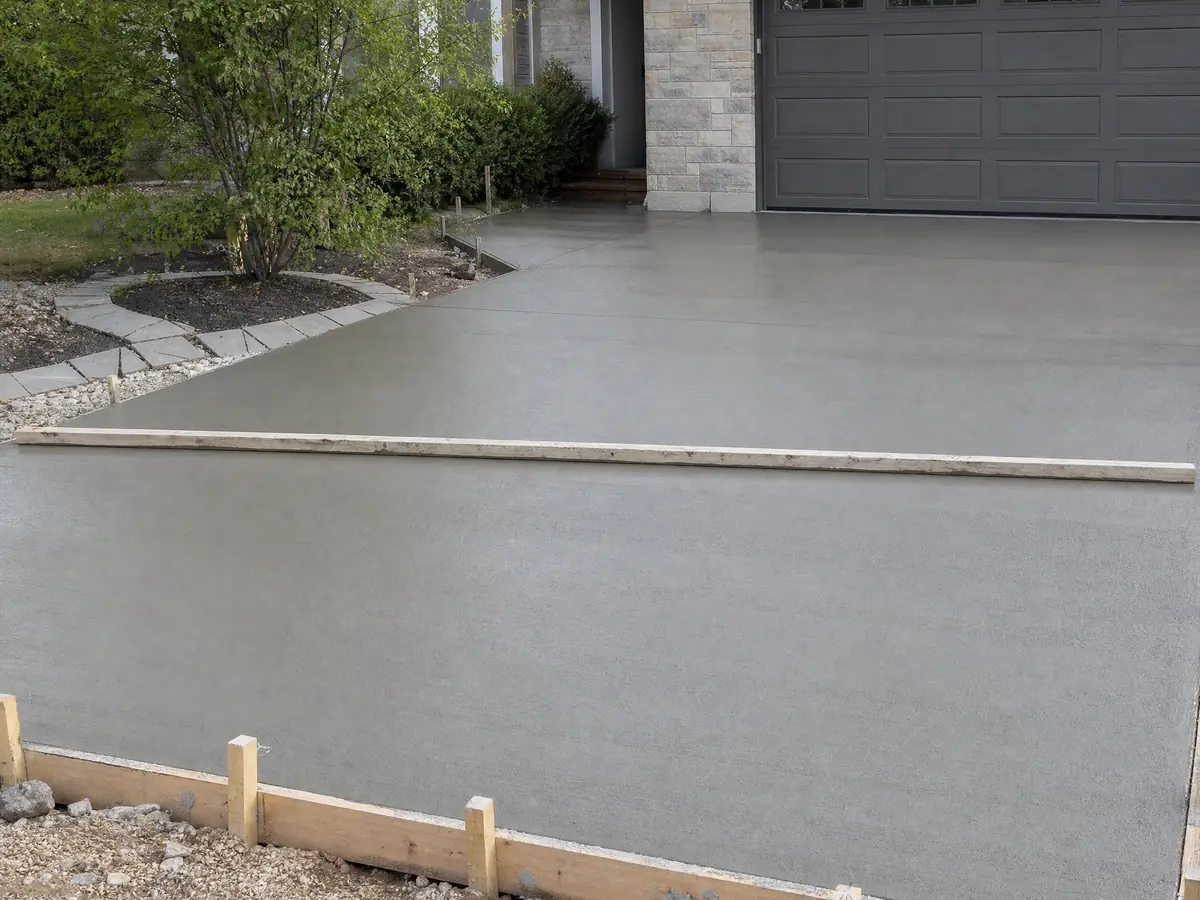
A plan, once earth-moving passes 5,000 square feet. Municipal Code 6.16, read in GoCodebook's third-party mirror with text as of October 4, 2026, asks for a City-approved fugitive dust control plan when a grading or building permit covers more than that area, and AQMD Rule 403.1, the Coachella Valley supplement amended April 2, 2004, uses the same trigger unless the plan goes to a city whose ordinance the District has approved. Whether the District has approved La Quinta's, we could not confirm.
The operating limits are specific. Visible dust may not pass 20 percent opacity, travel 100 feet or cross the property line, and bare soil must be kept damp, watered or chemically stabilized outside working hours. Ground idle for 30 days needs long-term stabilization within 10 days, and mud tracked more than 25 feet onto a paved road must be removed within one hour and again at the end of each workday. Plan projects post a sign with a 24-hour contact number.
Wind is not an excuse by itself. An exceedance when gusts top 25 mph is still a violation unless the operator shows every plan measure was in place and documents the wind, and the code points demolition to AQMD Rule 1403 and 40 CFR Part 61 for asbestos. Rule 403.1 maps a Blowsand Zone two miles either side of the I-10 centerline, and we did not check whether it touches your lot. Smaller residential sites still need damp soil, watering or a suppressant.
How do 118 days at 100 degrees and half-empty summers change a pour in La Quinta?
Heat is the daily constraint and rain barely registers. NOAA's 1991 to 2020 normals for Indio Fire Station show about 118 days a year at or above 100 F, 29 or more in each of July and August, highs of 105.8 F in July and 2.92 inches of rain a year. We found no La Quinta source on placing temperatures, so ask the concrete subcontractor how the crew will place, finish and cure at 105 F and what time the truck arrives.
The calendar helps early starts. Municipal Code 6.08.050, quoted on the City's FAQ, allows construction from 6:00 a.m. to 7:00 p.m. Monday to Friday between May 1 and September 30 and from 7:00 a.m. to 5:30 p.m. from October to April, with Saturdays 8:00 a.m. to 5:00 p.m. and no work on Sundays or listed holidays. Dust control and hot-weather curing matter more here than rain delays.
Summer is also when many owners are gone. The Census Bureau counts 27.7 percent of La Quinta's housing units, 6,852 of them, as held for seasonal use, so ask who will water the curing slab, who opens the gate and who signs off on the finish when the owner is two states away.
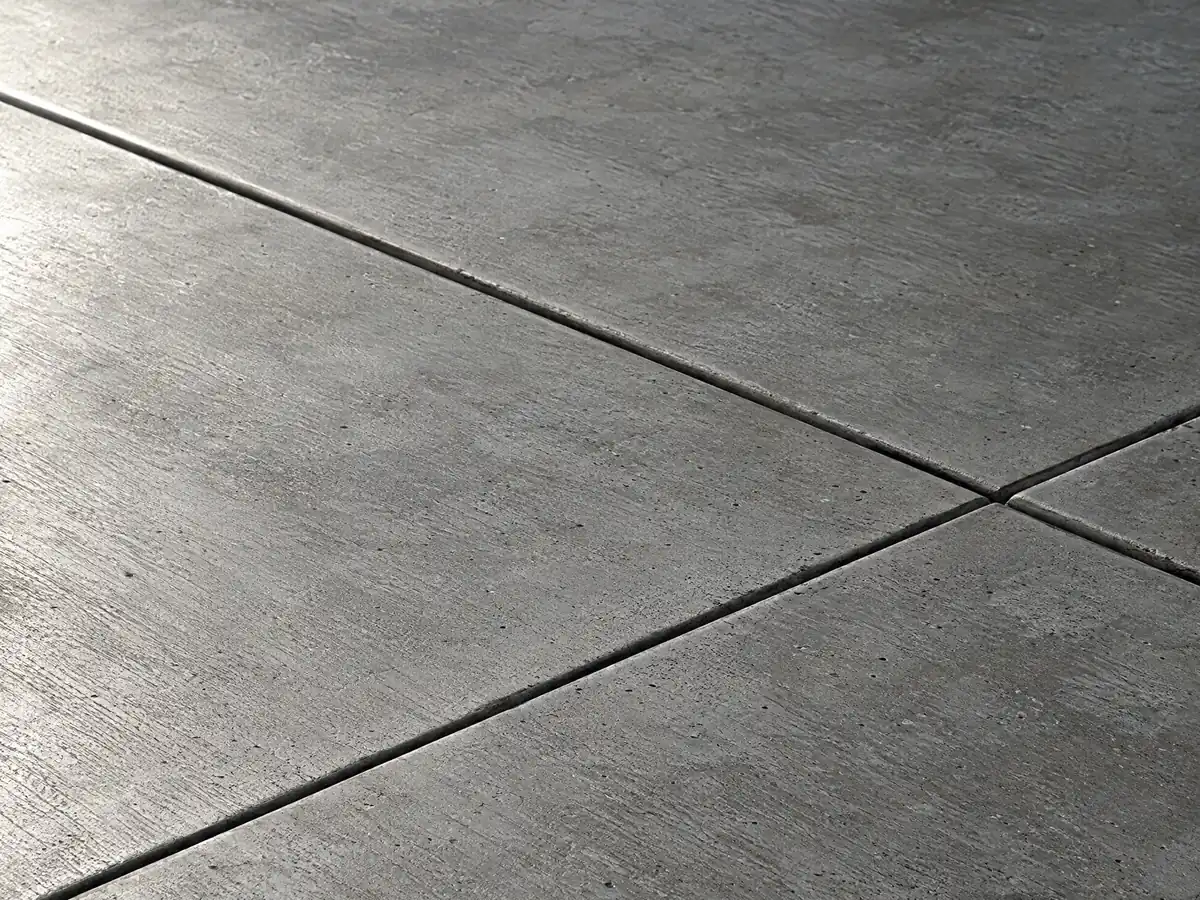
How did the June 5, 2025 fence and wall change affect block walls in La Quinta?
Every residential wall now gets one of two approvals. Since June 5, 2025, under Ordinance No. 622, a wall exempt from a building permit gets a Planning Fence Approval and every other wall gets a Wall/Fence Building Permit, with a City checklist and standard site plan template explaining the paperwork. The building exemption covers non-retaining masonry walls up to 3 feet from the top of footing and retaining walls up to 2 feet that carry no surcharge, and it is a building rule only.
Zoning heights stay separate. Section 9.60.030 sets 6 feet in a required setback, up to 8 feet measured from the side where a neighbor's pad is higher, 12 feet inside the buildable area and 30 inches inside the sight triangle at corners and driveways, and masonry is allowed anywhere if the color matches. In the Cove district a combination wall may reach 4 feet of retaining wall plus 6 feet of garden wall.
Old walls follow older rules. The City FAQ says homes built before incorporation on May 1, 1982 were under Riverside County, so an existing wall such as an eight-foot front yard wall may stay as a nonconforming structure while new work follows the current code. The forms page offers standard block wall, combo wall and pilaster details, and CSLB's C-29 class covers block walls and fences.
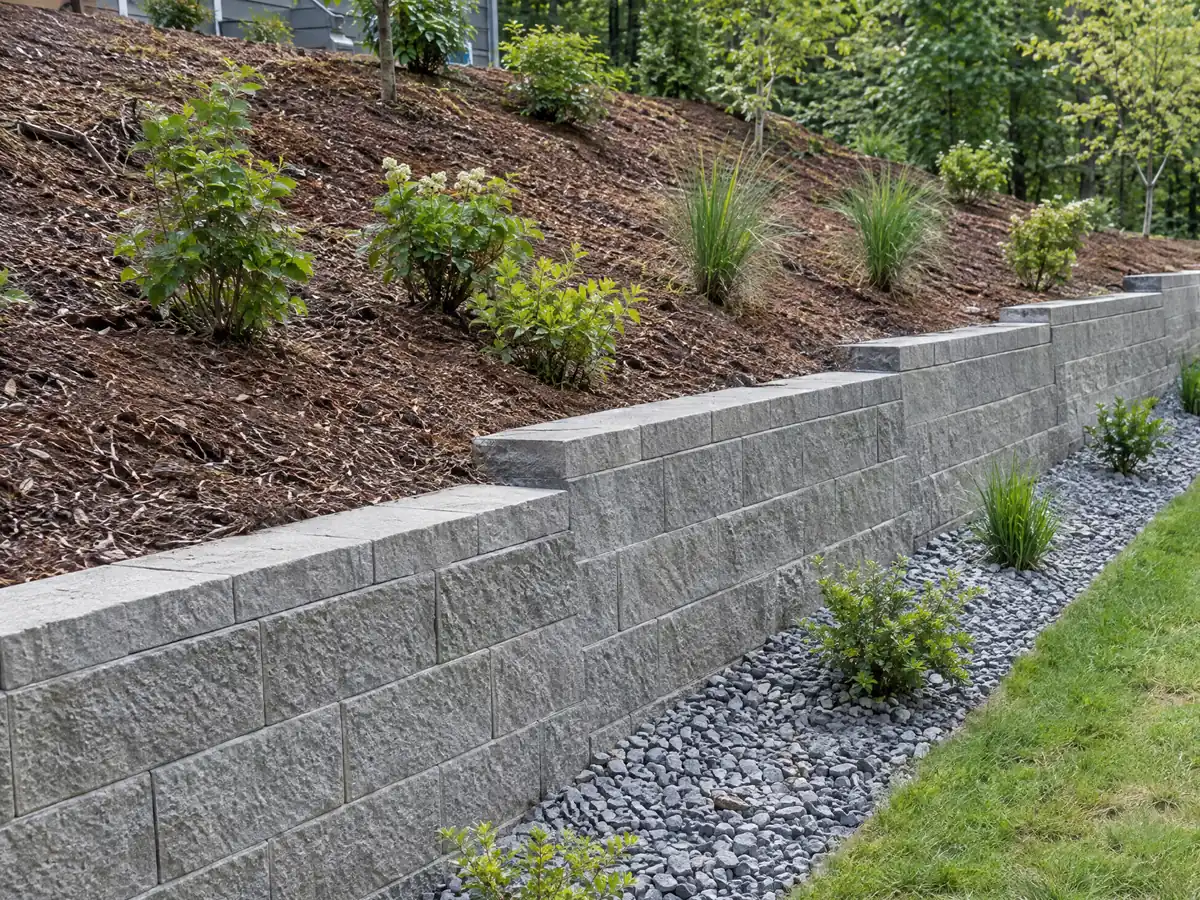
What do the Floodplain district and the Hillside Conservation overlay change for concrete?
The Floodplain district follows FEMA's 100-year A and AO zones. Chapter 8.11 requires a floodplain development permit before building in a special flood hazard area, with lowest-floor elevation and floodproofing certificates, anchoring, flood-resistant materials and raised heating, plumbing and electrical gear. The adopted FEMA study and map date from August 19, 1991 with later revisions, and the Building Codes page lists flood hazards as A, AO and X. We checked no parcel, so look yours up on the FEMA map.
The Hillside Conservation overlay begins above the toe of the slope in the Santa Rosa Mountains. Density is one dwelling per 10 acres, nothing is built on slopes over 20 percent except trails and non-visible access roads up to 15 percent grade, and every project needs a conditional use permit and planning commission site development review, heavy equipment access included. The retaining wall excavation exemption shrinks from 6 feet to 3 feet inside it.
Design criteria sit under every slab. The Building Codes page sets Seismic Design Category D2 for residential work and winds of 95 to 100 mph with Exposure C, and the plan checklist wants a geotechnical report with a foundation review letter. The archived General Plan hazards chapter was cut off, so parcel-level flood, fault and liquefaction findings are not summarized here.
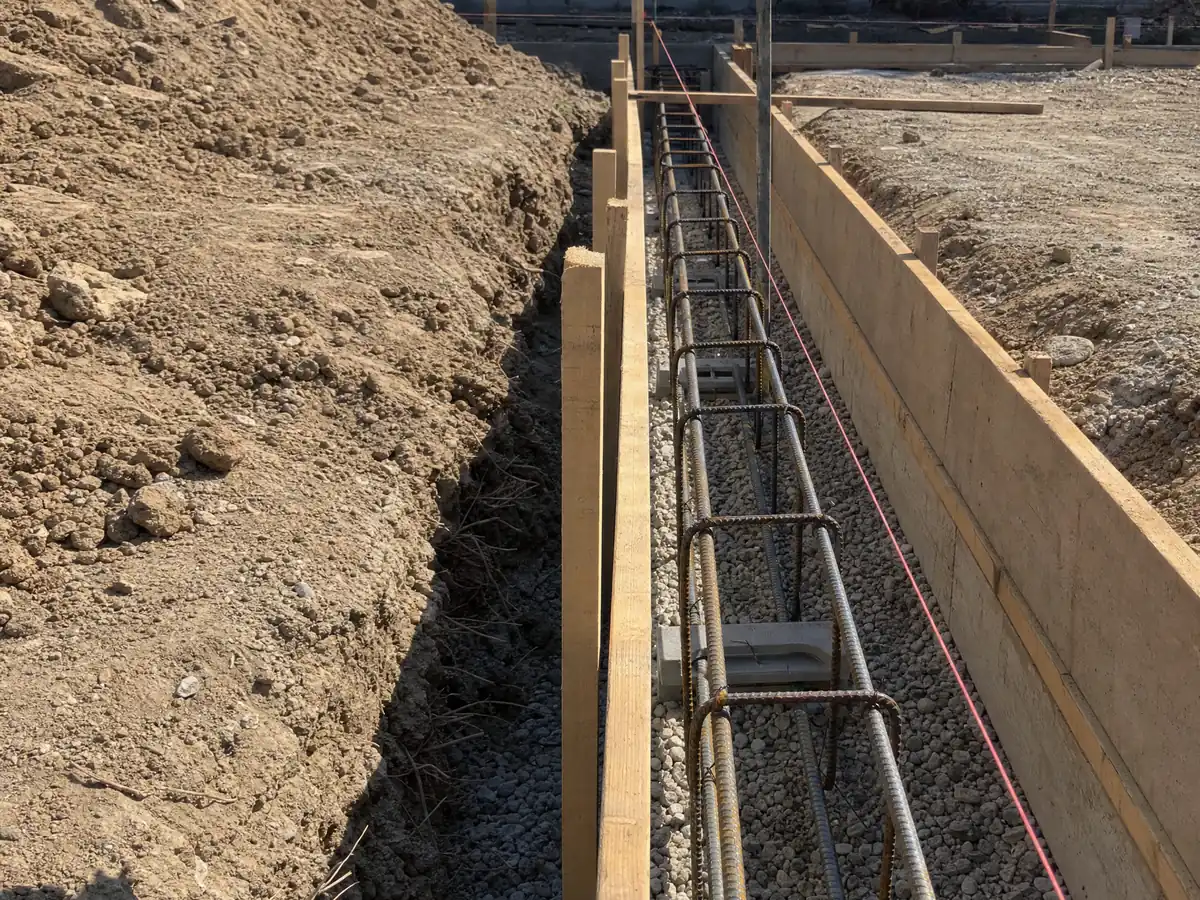
What does concrete work cost in La Quinta, and which license covers it?
No La Quinta price study turned up, so the anchor is Angi's Los Angeles pages. Its August 4, 2026 patio page shows $4 to $13 a square foot with a $5,248 average, a July 20, 2026 page puts stamped work at $15 to $30 and a May 5, 2026 page puts driveways at $8 to $20. Federal wage data for May 2025 give cement masons in the Los Angeles area a mean $33.67 an hour. Desert bids can differ.
Our planning ranges for Los Angeles are $8 to $14 a square foot for plain flatwork of 300 square feet or more, $15 to $30 for stained, stamped or exposed aggregate and $9 to $20 for a driveway replacement with demolition. A plain 400 square foot patio therefore lands near $3,200 to $5,600, and small jobs cost more per foot because of minimum charges. Dust control, water, haul-off and rebar belong on their own lines.
CSLB's C-8 class covers forming, pouring and finishing concrete, and Business and Professions Code 7048 bars unlicensed work on a job that needs a permit. The license check guide shows how to read a record.
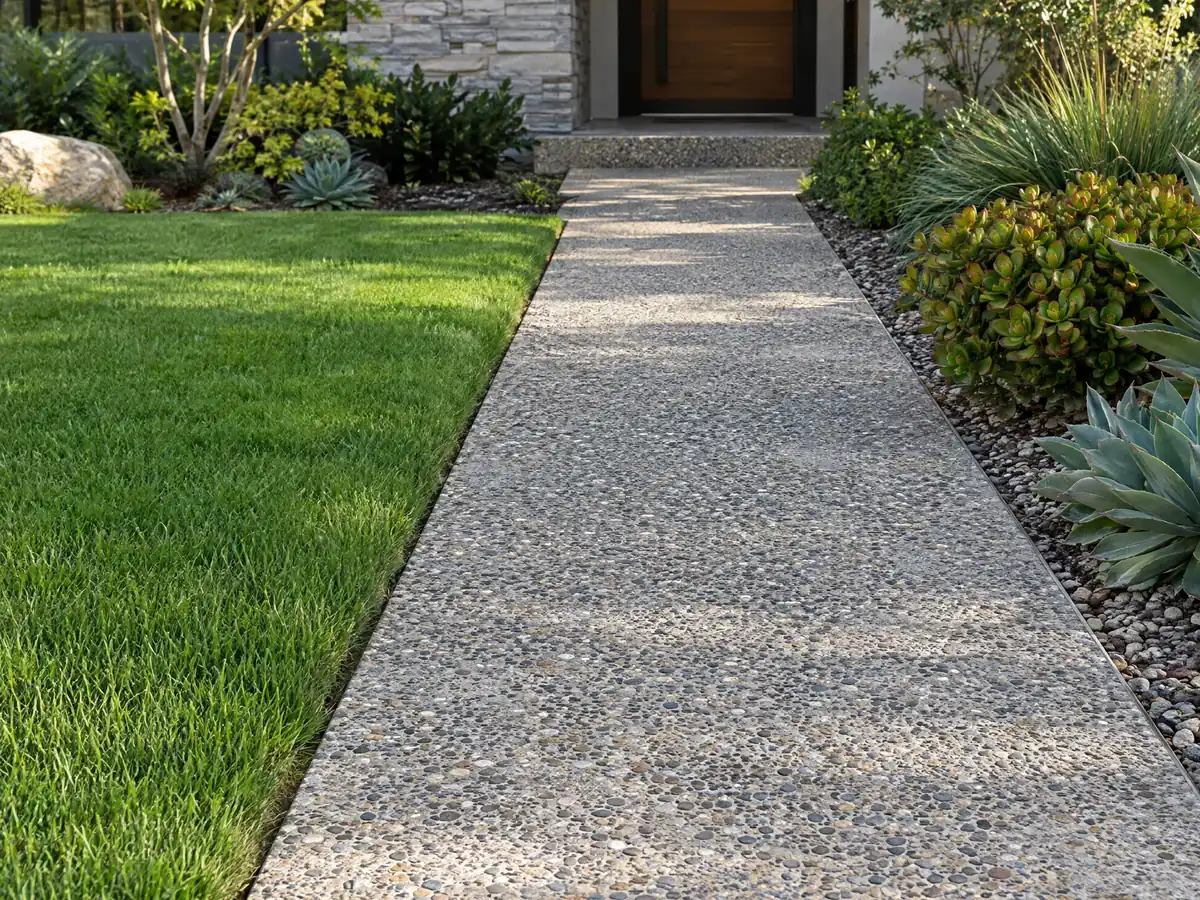
Concrete photos from La Quinta and nearby communities
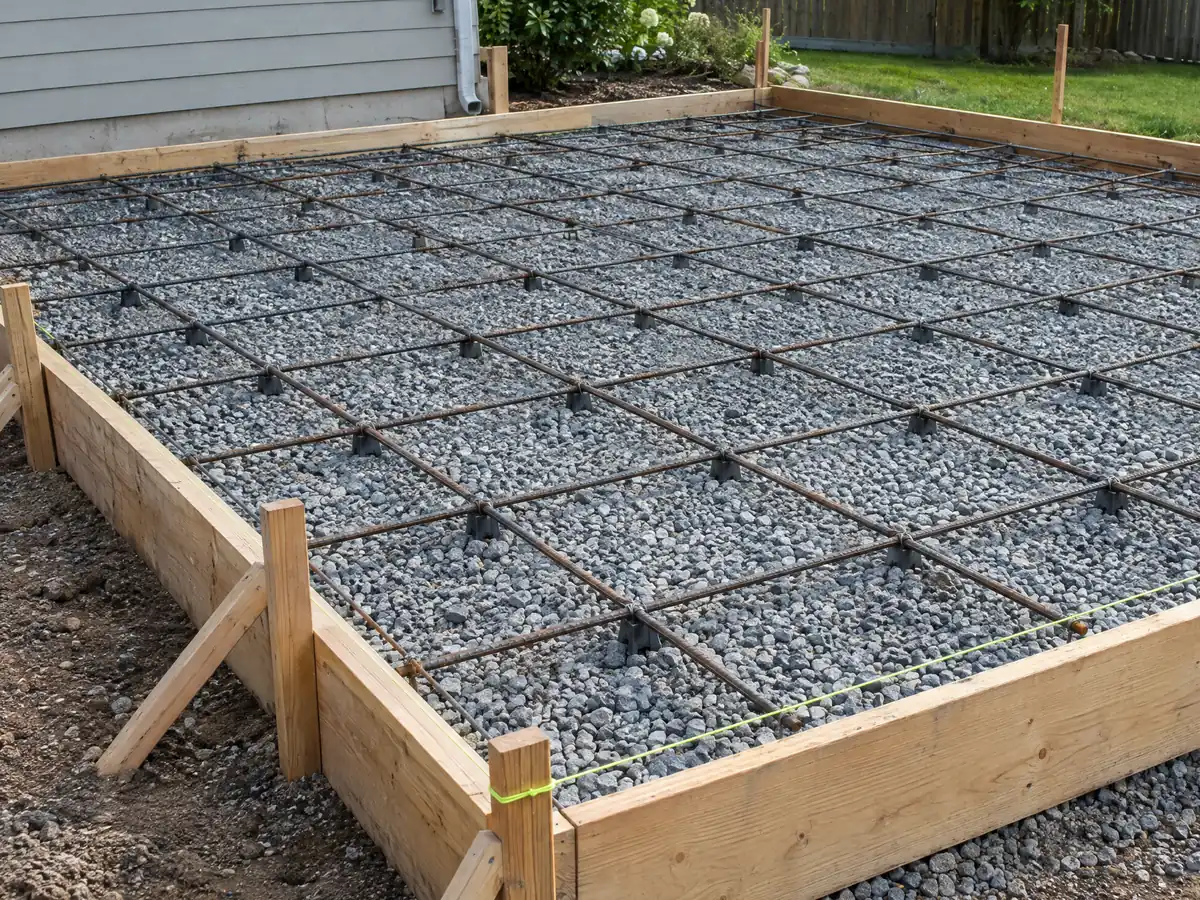
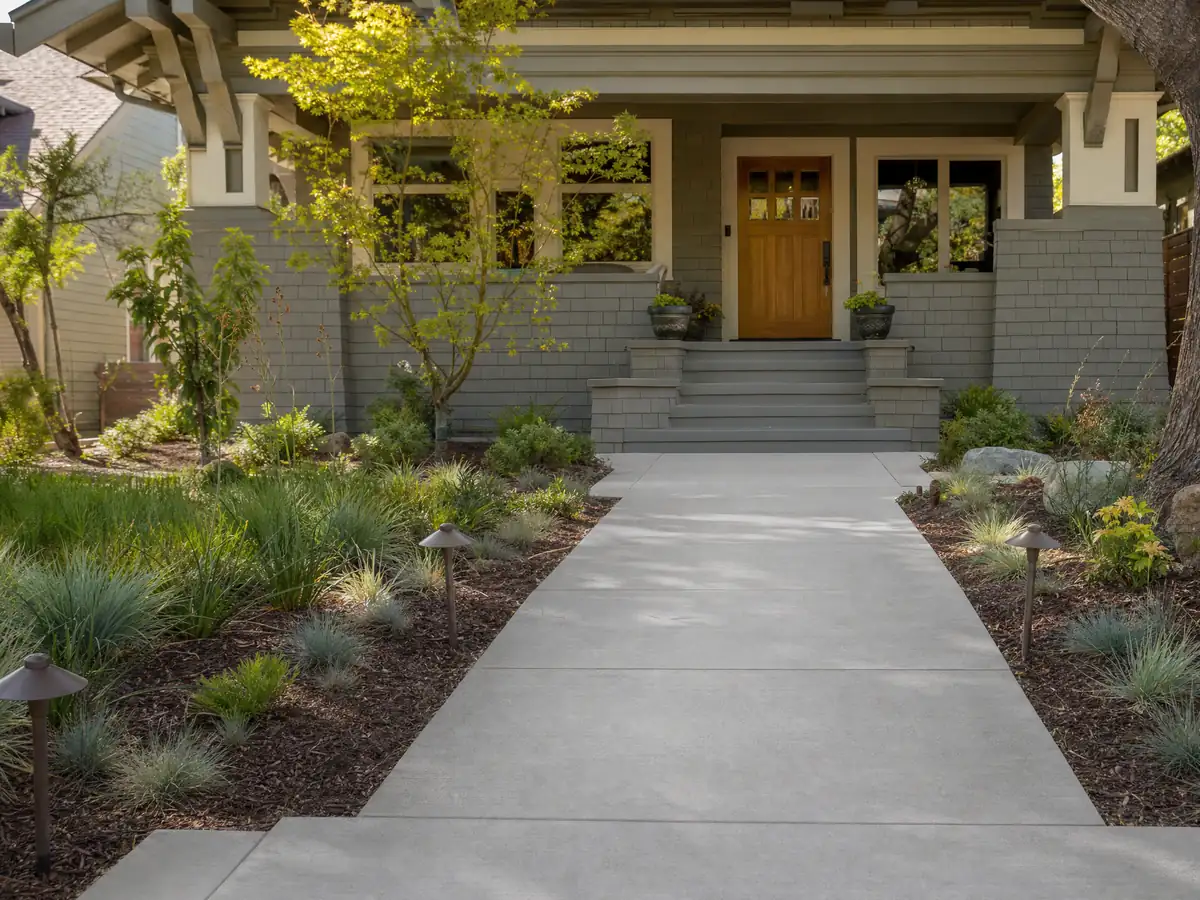
Footings, rebar, screeded slabs and finished walks, patios and block walls from La Quinta and the Coachella Valley towns around it, shown at the steps where the rules bite. Tap any photo to enlarge it.
What concrete costs around La Quinta
Dollar figures here are Los Angeles planning ranges, not a La Quinta bid, and the dust plan, water, demolition, haul-off, rebar and any grading or wall permit should be separate lines on the written proposal. The same property may need flooring in La Quinta or decks in La Quinta. Valley comparisons are concrete in Indio and concrete in Palm Desert, with concrete in Los Angeles as the benchmark city. For who does what on site, the subcontractor guide splits forming from finishing, and the flooring cost guide prices surfaces that go on top of a slab.
| What it covers | Typical range |
|---|---|
| Patio, walkway or slab, broom finish, 300 sq ft or more | $8 to $14 per square foot |
| Decorative: stained, stamped or exposed aggregate | $15 to $30 per square foot |
| Driveway replacement, with demolition of the old slab | $9 to $20 per square foot |
| 20 by 20 foot plain patio (400 sq ft) | About $3,200 to $5,600 |
| 20 by 20 foot decorative patio (400 sq ft) | About $6,000 to $12,000 |
| Small jobs under 300 sq ft | Usually above the per-foot range |
| Retaining walls | Set by the written proposal |
La Quinta concrete questions, answered
Can I pour a concrete patio without a permit in La Quinta?
Possibly, but the code does not name a ground-level patio slab. It exempts sidewalks and driveways from a building permit, and zoning, drainage and dust rules still apply. Call the Building Division at (760) 777-7125 with the size, height and location before you order a truck, since our copy of the code is a third-party mirror.
How much should a 20x20 concrete patio cost?
At our Los Angeles planning range of $8 to $14 a square foot, a plain 400 square foot patio costs about $3,200 to $5,600, while Angi's August 2026 Los Angeles page shows a 20 by 20 slab at $1,600 to $5,200. No La Quinta study turned up. Dust control, demolition and drainage add to either figure.
Can I expand my driveway without a permit?
The paving itself is exempt from a building permit under the City's residential code, but zoning is a separate gate. Garage setbacks, lot coverage and drainage still apply, and we found no La Quinta page on driveway width or curb cuts, so ask Planning and Public Works before saw cuts or forms.
What is the maximum height of a retaining wall without a permit in California?
The model code uses 4 feet, but La Quinta's code is tighter: retaining walls up to 2 feet measured from the top of footing are exempt unless they support a surcharge. Walls over that height need a building permit, and every wall now gets either a Planning Fence Approval or a Wall/Fence Building Permit.
Is 4 inches of concrete thick enough for a driveway?
Four inches is the thickness our price ranges assume for patios and walks, but we found no La Quinta code line on driveway thickness. Vehicle weight, base preparation and soil decide it, so ask the subcontractor to state the thickness, base and joint plan in writing, especially for an RV or delivery trucks.
How much does a 300 sq ft stamped concrete patio cost?
Angi's Los Angeles stamped page prices the work at $15 to $30 a square foot, so 300 square feet runs about $4,500 to $9,000. The page is dated July 20, 2026, shows no method and has no La Quinta counterpart. Pattern, color, sealer and removal of an old slab decide where a job lands.
Do I need a dust control plan to pour concrete in La Quinta?
Only when a grading or building permit covers more than 5,000 square feet of disturbed surface, though smaller sites still need damp soil, watering or a suppressant. The plan is approved before earth-moving starts, by the City under Code 6.16 or by South Coast AQMD under Rule 403.1. Ask which office takes it.
Can concrete be poured in extreme desert heat?
It can be done with planning, though we found no La Quinta source on temperature limits. Ask the subcontractor how it will place, finish and cure at 105 F, when the truck arrives and who waters the slab. Weekday work may begin at 6 a.m. from May 1 to September 30 under the City's construction hours.
What license does a concrete company need in La Quinta?
A concrete company needs a current California license, usually C-8 for poured and finished concrete or C-29 for block walls. Check the number on the CSLB site, and ask each subcontractor for a license number and a certificate of insurance. Work that needs a permit cannot be done by an unlicensed contractor.
Tell us the lot, the slab size and where the water runs
Say what you want poured, roughly how big it is, whether it touches a wall, a pool or the street and where sprinkler or storm water goes now. The dust, soil and permit questions come with us to the first visit.