
Concrete Companyin Indio, CA
A concrete company in Indio starts with dust, not the pour: South Coast AQMD Rule 403.1 requires an approved dust plan before anyone disturbs more than 5,000 square feet, and the City's own ordinance requires perimeter sprinklers or water trucks on permitted sites. Slabs on grade skip special inspection, but walls go through the permit counter.
Indio's first heavy construction served a railroad. Southern Pacific built its water stop here in 1876, the USDA Date Station opened in 1907 and the date-growing town became the first city incorporated in the Coachella Valley on May 16, 1930. The Census Bureau's 2024 estimates say 39.6 percent of Indio's 36,310 homes (14,383) predate 1990, so a large share of the walks, driveways and patio slabs here are 37 years old or more.
MDG Builders, CSLB #1040337, is a general contractor in Tarzana. On an Indio pour we draft the scope, put the dust, grading and permit questions to the City's Building & Safety Division and hire a licensed concrete subcontractor to form, place and finish. The concrete page explains finishes, and the Indio overview shows the other trades we manage in town.
What Indio's Building & Safety Division, Public Works, South Coast AQMD and state law say about concrete work
Where concrete permits come from in Indio: City of Indio Community Development Department, Building & Safety Division.
- Indio's own dust ordinance (Municipal Code 152.01, a 1961-era rule still in the code, third-party mirror) says no one may disturb soil for excavation, grading or building construction without dust control: water trucks to keep the surface stable, a portable sprinkler system around the perimeter of any permitted construction site, and sprinklers or water trucks through the interior until the soil is permanently stabilized; a soil bonding agent may be required for sandy soils. Contractors must start sprinklers or trucks within one hour of a City notice, or the City does it and liens the property.
- Wind erosion rule (Municipal Code 155.01): anyone disturbing land whose soil, because of strong prevailing winds, is likely to blow onto roads or other property must provide windbreaks, walls, fences, planting, covering or water so soil is not blown off site; the Public Works Director can remove blown sand after five days' notice and lien the cost (third-party mirror).
- Grading permit exemptions (Municipal Code 162.040, third-party mirror) include footing and basement excavation authorized by a building permit, an excavation that is under 2 feet deep and 50 cubic yards or less and does not change drainage, and a fill under 1 foot deep and 50 cubic yards or less on a slope flatter than 5 to 1 that does not block a drainage course. Everything else needs a grading permit, and the permittee, not the City, answers for dust and blowing sand (162.630) and for grading hours (162.440, the same hours as 151.160 within a half mile of an occupied building).
- Single-family parking rule (Municipal Code 3.03.07): parking is only permitted in the approved driveway, parking may not sit in a required front or street-side yard, and there is no expansion of parking areas by adding paved areas in front, side or rear yards. A wider driveway or a new parking pad in a yard is a zoning question before it is a concrete question.
- Paving standard in the parking chapter (3.03.08): paved parking areas use 4 inches of Portland cement concrete on 3 inches of aggregate base (or 2 inches of asphalt on 4 inches of base, or pavers of equal strength) with concrete approaches at ingress and egress; a 'Hollywood driveway' with a 3-foot landscape strip is allowed; driveways to a garage must be at least 19 feet deep and no wider than needed for the permitted spaces. The text is written for parking lots, so ask whether it is applied to a single-family driveway. Resurfacing, slurry coating and re-striping with identical stall layout is exempt from zoning clearance but may still need a building permit (3.03.04).
- Special inspection exception: Indio's amended CBC 1705.3 says special inspections and tests are not required for nonstructural concrete slabs on the ground and for concrete patios, driveways and sidewalks on grade, and 151.185 requires a permit for any fence, wall or retaining wall, so walls go through the permit counter even when a slab, patio or driveway on grade does not need special inspection (Municipal Code mirror).
- Flood hazard permit: any construction or other development in a FEMA special flood hazard area needs a development permit from the Floodplain Administrator (the Director of Public Works) before work starts. New or substantially improved homes must have the lowest floor at or above the base flood elevation (or 2 feet above the highest adjacent grade in an AO zone), certified by an engineer or surveyor, and the Code adopts FEMA's May 1, 1985 City of Indio flood study and maps 'and all subsequent amendments and/or revisions' (Municipal Code Chapter 153, third-party mirror).
When does Rule 403.1 require a dust control plan for a concrete job in Indio?
When the disturbed surface passes 5,000 square feet. Rule 403.1, amended April 2, 2004, is a supplement to South Coast AQMD's Rule 403 that applies only to Coachella Valley dust sources, and it bars earth-moving until a fugitive dust control plan is approved. The District answers within 30 calendar days, the plan stays valid for one year and it must be kept on site with project signage. A plain backyard patio disturbs far less than that, but an ADU pad, a pool yard or a regraded lot can add up.
The plan can go to the City instead. The rule drops the District filing when the operator must give a plan to a city or county that has a District-approved dust ordinance, and then two copies of the approved plan go to the District within 10 days. We could not confirm that Indio's ordinance counts, so ask the City which route applies. The District's dust control page lists the Dust Hotline, (866) 861-3878, for classes.
The I-10 corridor has its own rule. Rule 403.1 maps a Coachella Valley Blowsand Zone two miles either side of the I-10 centerline, from the SR-111 junction southeast to the Jefferson Street interchange in Indio. Inside it, new bulk material deposits must be stabilized within 24 hours by water on at least 70 percent of the surface three times a day, a chemical stabilizer for six months or windbreaks, and those timelines do not apply to deposits or disturbed areas under 2,500 square feet.
What does Indio's own dust ordinance require on a permitted construction site?
Water, around the whole perimeter. Municipal Code 152.01, a rule dating from about 1961 that is still in the code, says no one may disturb soil for excavation, grading or building without dust control, which means water trucks to keep the surface stable, a portable sprinkler system around the perimeter of any permitted site and sprinklers or trucks across the interior until the soil is permanently stabilized. A soil bonding agent may be required on sandy soils.
The clock is short. A contractor must start sprinklers or trucks within one hour of a City notice, or the City does it and liens the property. Section 155.01 adds that anyone disturbing land likely to blow onto roads or neighbors must use windbreaks, walls, planting, covering or water, and Public Works can remove blown sand after five days' notice and lien the cost. Both texts come from GoCodebook's third-party copy of Chapter 152, so confirm with the City.
Debris has a rule too. Municipal Code 151.161 requires a trash container on every permitted site until construction ends, names concrete among the debris that must go to a legal dump site and makes violations cause to suspend or revoke the permit. Ask the proposal who supplies the water, who supplies the bin and who pays for a washout.
Does a patio or slab on grade need a permit or a grading permit in Indio?
We could not confirm that a ground-level patio needs a building permit, so ask. Indio's amended CBC 1705.3 says nonstructural slabs on the ground and concrete patios, driveways and sidewalks on grade need no special inspections or tests, which is a statement about inspections, not about permits. Zoning clearance is required for every structure that needs a building permit and runs inside plan check (Municipal Code 6.04.02).
Grading has clear exemptions. Section 162.040 exempts footing and basement excavation authorized by a building permit, an excavation under 2 feet deep and 50 cubic yards or less that does not change drainage, and a fill under 1 foot deep and 50 cubic yards or less on a slope flatter than 5 to 1 that does not block a drainage course. Everything else needs a grading permit.
The permittee carries the dust and sand duties (162.630), and grading hours match the construction hours in 151.160 within half a mile of an occupied building (162.440). Applications go online through the City's CSS portal, and a contractor must show a license, a City business license and workers' compensation details or an exemption.
Can you widen a driveway or add a parking pad in an Indio front yard?
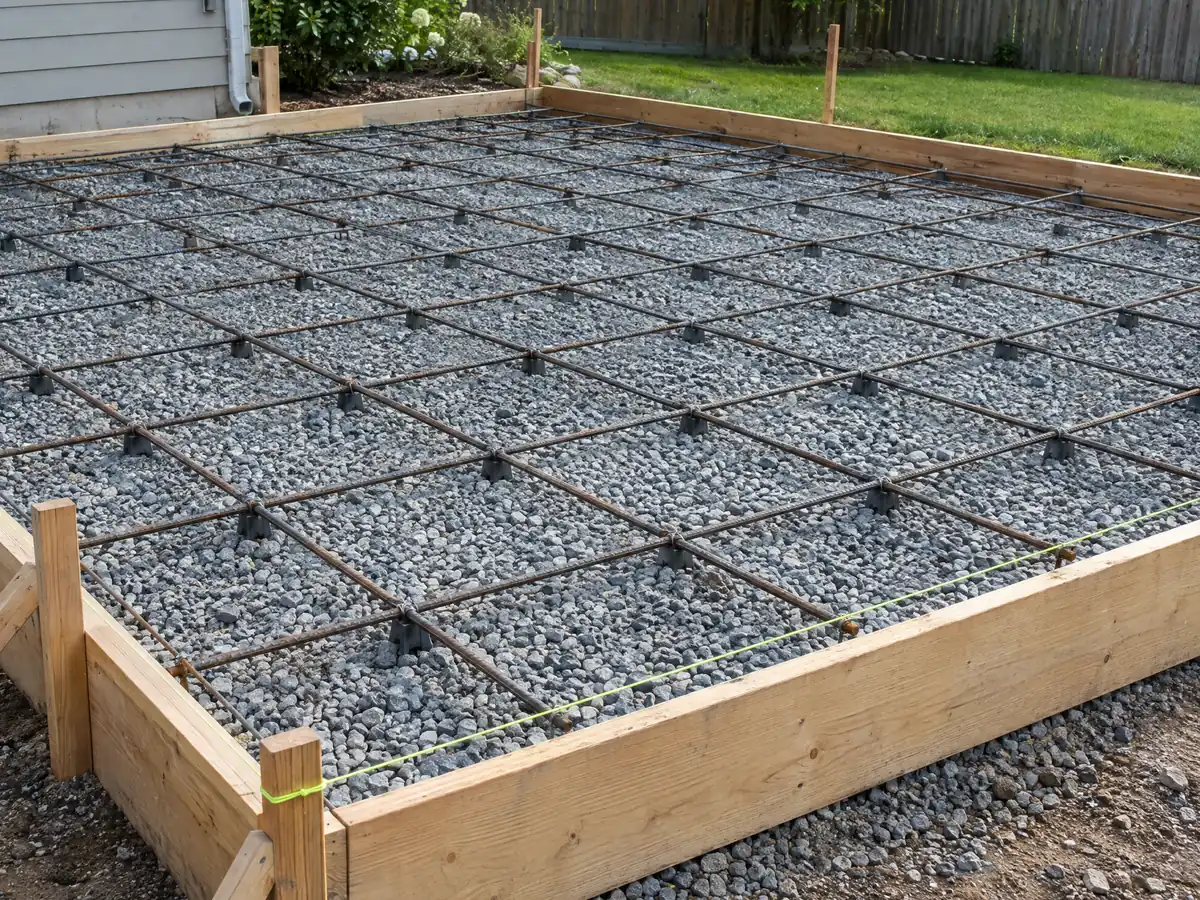
Probably not by paving more yard. Municipal Code 3.03.07 allows single-family parking only in the approved driveway, keeps it out of any required front or street-side yard and bars expanding parking by adding paved areas in front, side or rear yards. A wider driveway or a new pad is a zoning question before it is a concrete question, so settle it with Planning first.
The paving standard is written for parking lots. Section 3.03.08 calls for 4 inches of Portland cement concrete on 3 inches of aggregate base for paved parking areas, with concrete approaches at ingress and egress, allows a Hollywood driveway with a 3 foot landscape strip and asks that a driveway to a garage be at least 19 feet deep. Ask whether the City applies those lines to a house driveway.
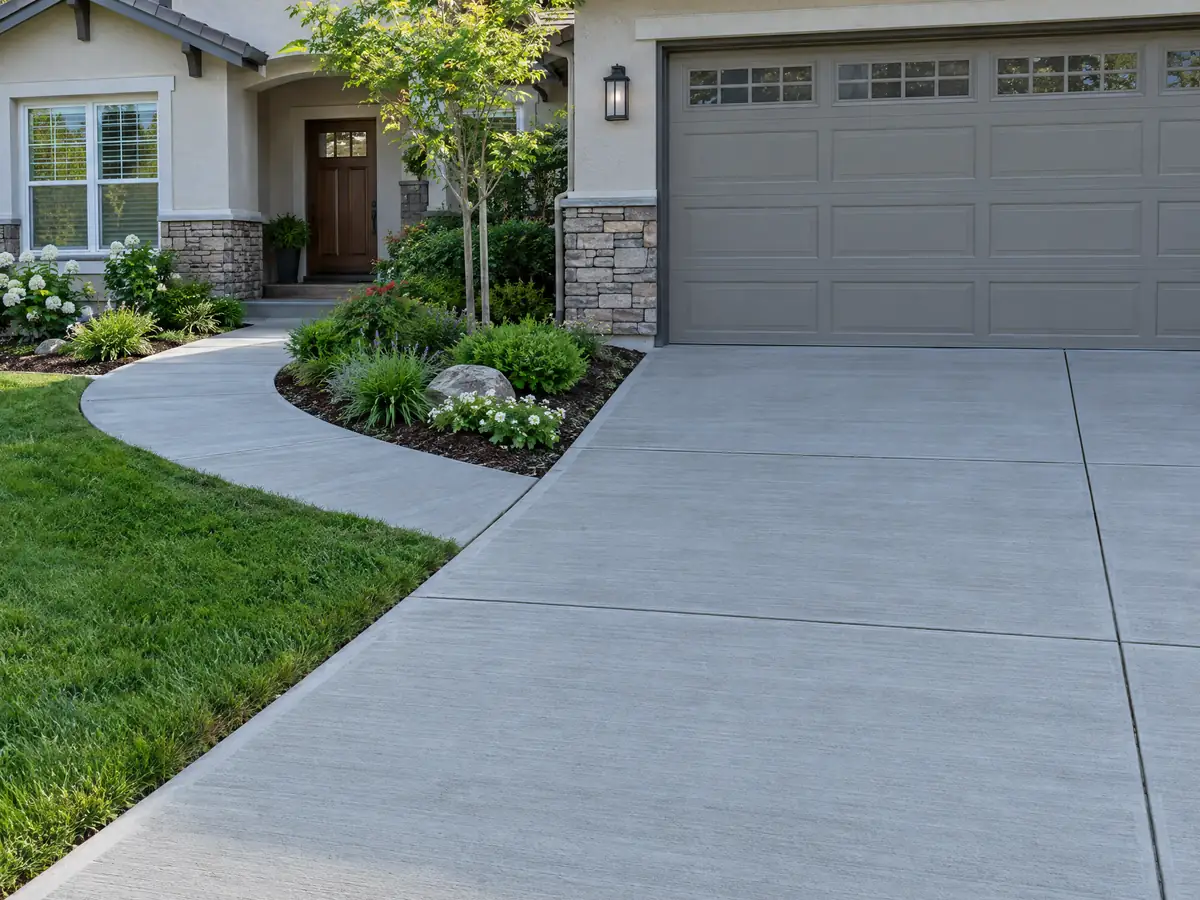
Replacement is easier than expansion. Resurfacing, slurry coating and re-striping with an identical layout is exempt from zoning clearance under 3.03.04 but may still need a building permit. We found no City page on curb cuts or driveway aprons in the public right-of-way, so ask Public Works before the saw cuts the sidewalk.
How tall can a block wall or retaining wall be, and does it need a permit in Indio?
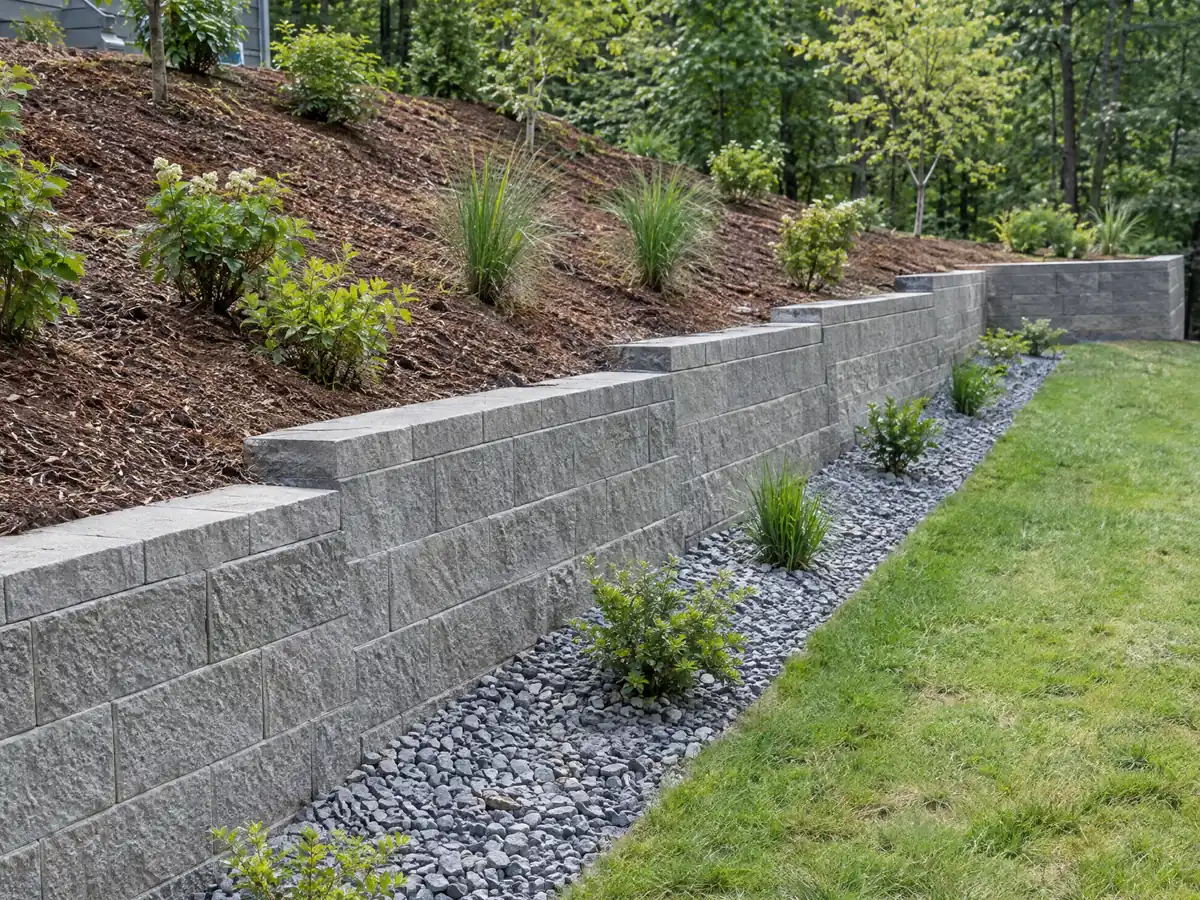
The City's two texts disagree. Municipal Code 151.185 says no one may build any fence, wall or retaining wall without a City permit, excluding only raised planters 24 inches or lower that are not on or next to a property line. The Building & Safety FAQ instead says fences and masonry walls not over 2 feet high, and retaining walls not over 2 feet high without a surcharge, need no permit. Call the counter before ordering block.
Zoning sets the height in any case. Municipal Code 3.02.10 allows 3 feet in a required front setback, or 4 feet if everything above 3 feet is at least 50 percent open, and 6 feet in street-side, interior side and rear setbacks, or 7 feet where the part above 6 feet is lattice or other non-solid material. Posts and columns may rise 4 inches higher, and a retaining wall is required wherever grade differs by more than 12 inches between properties.
Block itself is masonry. CSLB's C-29 class covers concrete block walls and fences, and the City's block wall handout was a scanned image we could not read. No per-foot wall price appears here, because engineered walls are priced by height, drainage and soil after a visit.
How do 118 days at 100 degrees, sandy soil and flash floods change a slab in Indio?
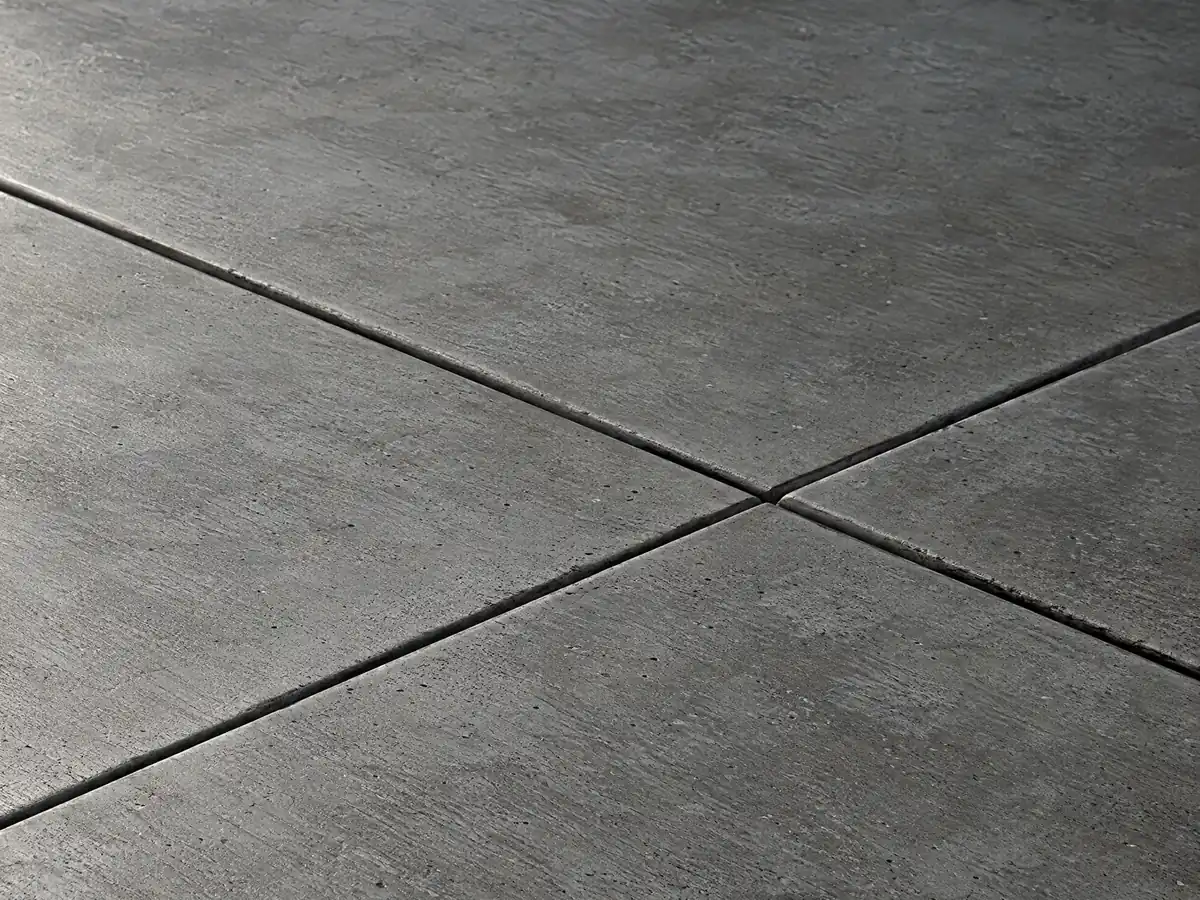
Heat is the daily constraint. NOAA's 1991 to 2020 normals for Indio Fire Station show about 118 days a year at or above 100 F, July highs near 105.8 F and only 2.92 inches of rain a year. We found no Indio source on placing temperatures, so ask the concrete subcontractor how the crew will place, finish and cure at 105 F, and when the truck arrives. Daylight-time work may start at 6 a.m. on weekdays under the Municipal Code.
Water still matters. Parts of Indio sit in the 100-year floodplain, mainly northwest of I-10 and the Whitewater River, and any construction in a FEMA special flood hazard area needs a floodplain development permit from the Director of Public Works before work starts. Tropical Storm Hilary in August 2023 eroded the Coachella Valley Stormwater Channel, so ask how a new slab will shed water instead of pooling it against the house.
The ground under the slab has a history. The General Plan says Indio sits in an area of historic subsidence from groundwater pumping, requires liquefaction studies in susceptible areas and says the southern San Andreas fault runs through the city. Soil reports go with grading and foundation designs, and a surface slab on sandy fill deserves a question about base thickness and joints.
What does concrete work cost in Indio, and which license covers it?
No Indio price study turned up, so the anchor is Angi's pages for Los Angeles. Its August 4, 2026 patio page shows $4 to $13 a square foot with a $5,248 average, its July 20, 2026 stamped page shows $15 to $30 and its May 5, 2026 driveway page shows $8 to $20. Government wage data from May 2025 list cement masons in the Los Angeles area at a mean $33.67 an hour. Indio bids may differ.
Our planning figures for Los Angeles are $8 to $14 a square foot for plain flatwork of 300 square feet or more, $15 to $30 for stained, stamped or exposed aggregate and $9 to $20 for driveway replacement including demolition. A plain 20 by 20 slab therefore lands near $3,200 to $5,600, and small jobs cost more per foot because of minimum charges. Water trucks, a dust plan, haul-off and rebar belong on their own lines.
CSLB's C-8 class covers forming, pouring and finishing flat and other concrete work, and a job that needs a permit needs a licensed contractor under Business and Professions Code 7048. Our license check guide shows how to read a record.
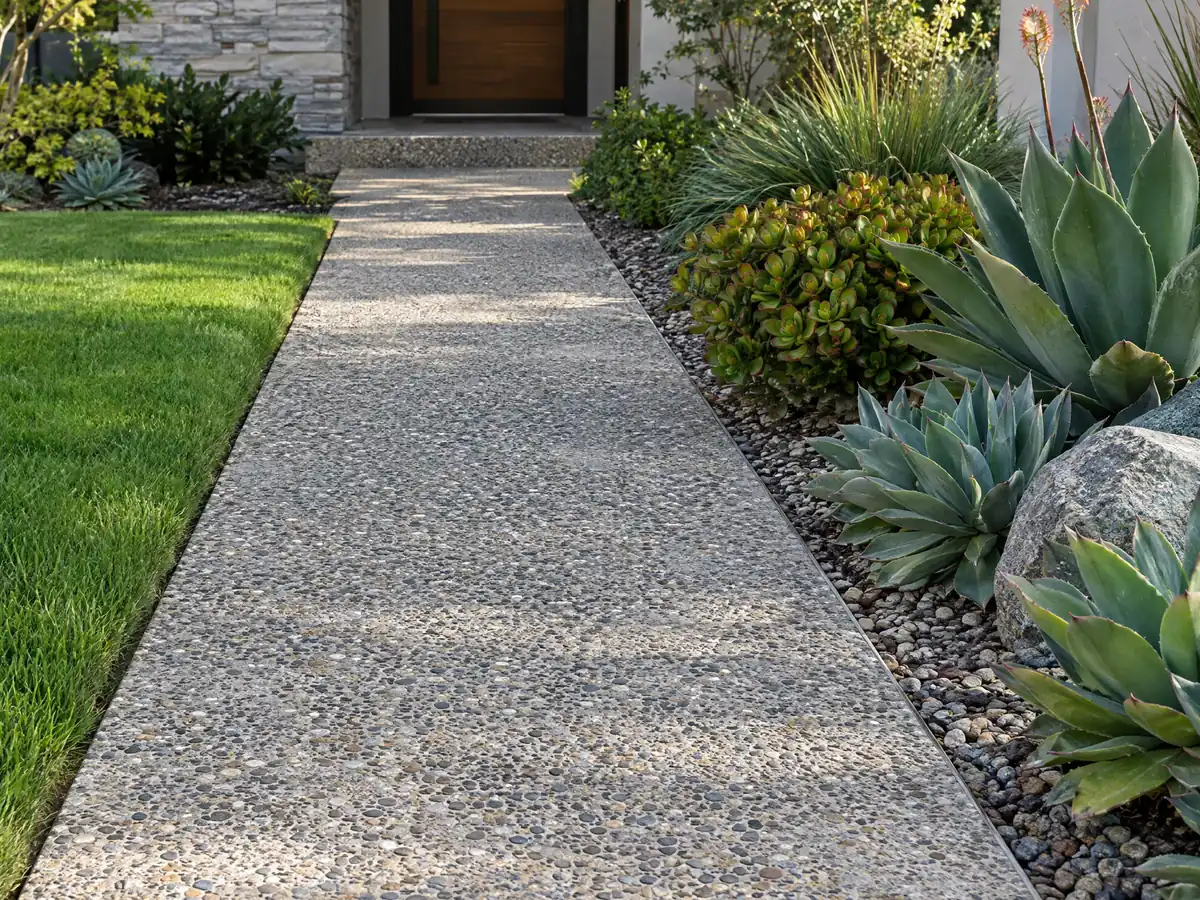
Concrete photos from Indio and nearby communities
Footings, rebar, screeded slabs and finished walks and patios from Indio and the Coachella Valley towns around it, shown at the steps where the rules bite. Tap any photo to enlarge it.
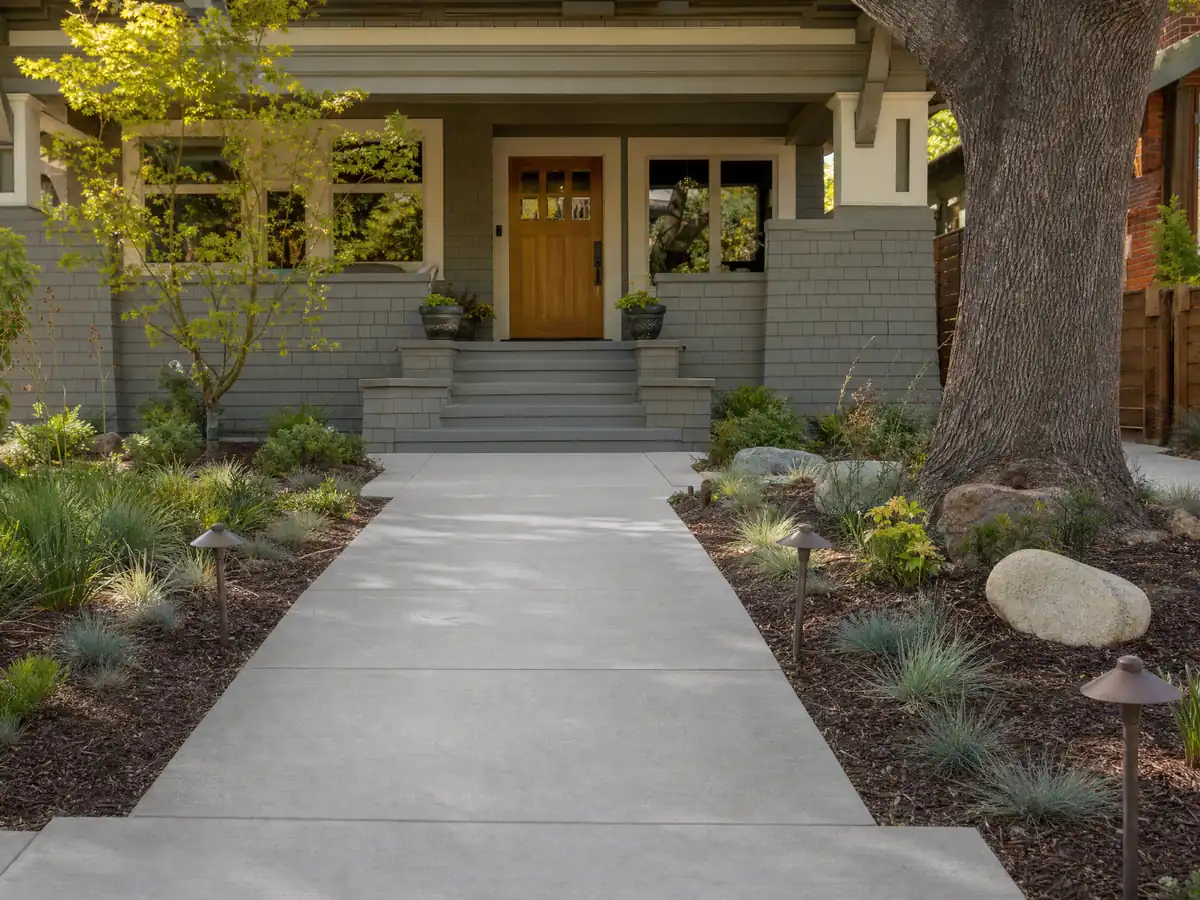
What concrete costs around Indio
Dollar figures here are Los Angeles planning ranges, not an Indio bid, and the dust plan, water, demolition, haul-off, rebar and any grading or wall permit should be separate lines on the written proposal. The same property may need flooring in Indio or decks in Indio. Inland neighbors to compare are concrete in Riverside, concrete in Moreno Valley and concrete in Menifee, with concrete in Los Angeles as the benchmark city. The subcontractor guide shows which trade forms the slab and which finishes it, and the flooring cost guide prices surfaces that go over one.
| What it covers | Typical range |
|---|---|
| Patio, walkway or slab, broom finish, 300 sq ft or more | $8 to $14 per square foot |
| Decorative: stained, stamped or exposed aggregate | $15 to $30 per square foot |
| Driveway replacement, with demolition of the old slab | $9 to $20 per square foot |
| 20 by 20 foot plain patio (400 sq ft) | About $3,200 to $5,600 |
| 20 by 20 foot decorative patio (400 sq ft) | About $6,000 to $12,000 |
| Small jobs under 300 sq ft | Usually above the per-foot range |
| Retaining walls | Set by the written proposal |
Indio concrete questions, answered
Can I pour a concrete patio without a permit in Indio?
Maybe, but we could not confirm it. Indio's code exempts slabs, patios, driveways and sidewalks on grade from special inspection, which is not the same as exempting them from a permit. Dust control, grading limits, zoning setbacks and any wall still apply. Call Building & Safety at (760) 391-4110 with the size, height and location first.
How much should a 20x20 concrete patio cost?
At our Los Angeles planning range of $8 to $14 per square foot, 400 square feet of plain concrete costs about $3,200 to $5,600, and Angi's August 2026 Los Angeles page shows a 20 by 20 slab at $1,600 to $5,200. No Indio study turned up. Dust control, demolition and drainage add to either number.
Can I expand my driveway without a permit?
Not by paving more yard. Indio's parking rule allows single-family parking only in the approved driveway and bars adding paved parking areas in front, side or rear yards, so widening is a zoning question first. Like-for-like resurfacing is exempt from zoning clearance but may still need a building permit, so ask before you start.
What is the maximum height of a retaining wall without a permit in California?
The model code exempts retaining walls up to 4 feet measured from the bottom of the footing, unless they carry a surcharge. Indio is stricter on paper: its FAQ exempts retaining walls up to 2 feet, and Municipal Code 151.185 asks for a permit for every retaining wall. Confirm with the counter before digging.
Is 4 inches of concrete thick enough for a driveway?
For parking areas, Indio's code names 4 inches of Portland cement concrete on 3 inches of aggregate base, with concrete approaches. That text is written for parking lots, so ask whether the City applies it to a house driveway. Heavier loads such as delivery trucks or an RV may call for a thicker section, which the subcontractor should state.
How much does a 300 sq ft stamped concrete patio cost?
At Angi's Los Angeles stamped range of $15 to $30 a square foot, 300 square feet costs about $4,500 to $9,000. That figure comes from a July 20, 2026 page that shows no method, and we found no Indio study. Pattern, color, sealer and demolition of an old slab decide where the job lands.
Do I need a dust control plan to pour concrete in Indio?
Only if the disturbed surface exceeds 5,000 square feet under Rule 403.1, though the City's dust ordinance asks every permitted site for perimeter sprinklers or water trucks. A plan must be approved before earth-moving starts. Whether the City or South Coast AQMD takes it depends on the ordinance, so ask the City.
Can you pour concrete in 105 degree heat?
It can be done with planning, though we found no Indio source on temperature limits, so ask the concrete subcontractor how it will place, finish and cure, what time the truck arrives and who waters the site. Daylight-time work may begin at 6 a.m. on weekdays under the Municipal Code.
What license does a concrete company need in Indio?
A concrete company needs a current California license, usually C-8 for poured and finished concrete or C-29 for block walls, plus a City of Indio business license and workers' compensation details when a permit is pulled. Check the number on the CSLB site and ask each subcontractor for a license and certificate of insurance.
Tell us the lot, the slab size and where the water runs
Say what you want poured, roughly how big it is, whether it touches a wall, a pool or the street and where rain or sprinkler water goes now. The dust, soil and permit questions come with us to the first visit.