
Concrete Companyin Palm Desert, CA
A concrete company in Palm Desert starts with dust: the City's Chapter 24.12 and South Coast AQMD Rule 403.1 both require an approved dust plan before earth-moving on a grading permit or over 5,000 square feet of disturbance. Summer crews may start at 5:30 a.m., and walls to 3 feet 6 inches skip the building permit but need Planning approval.
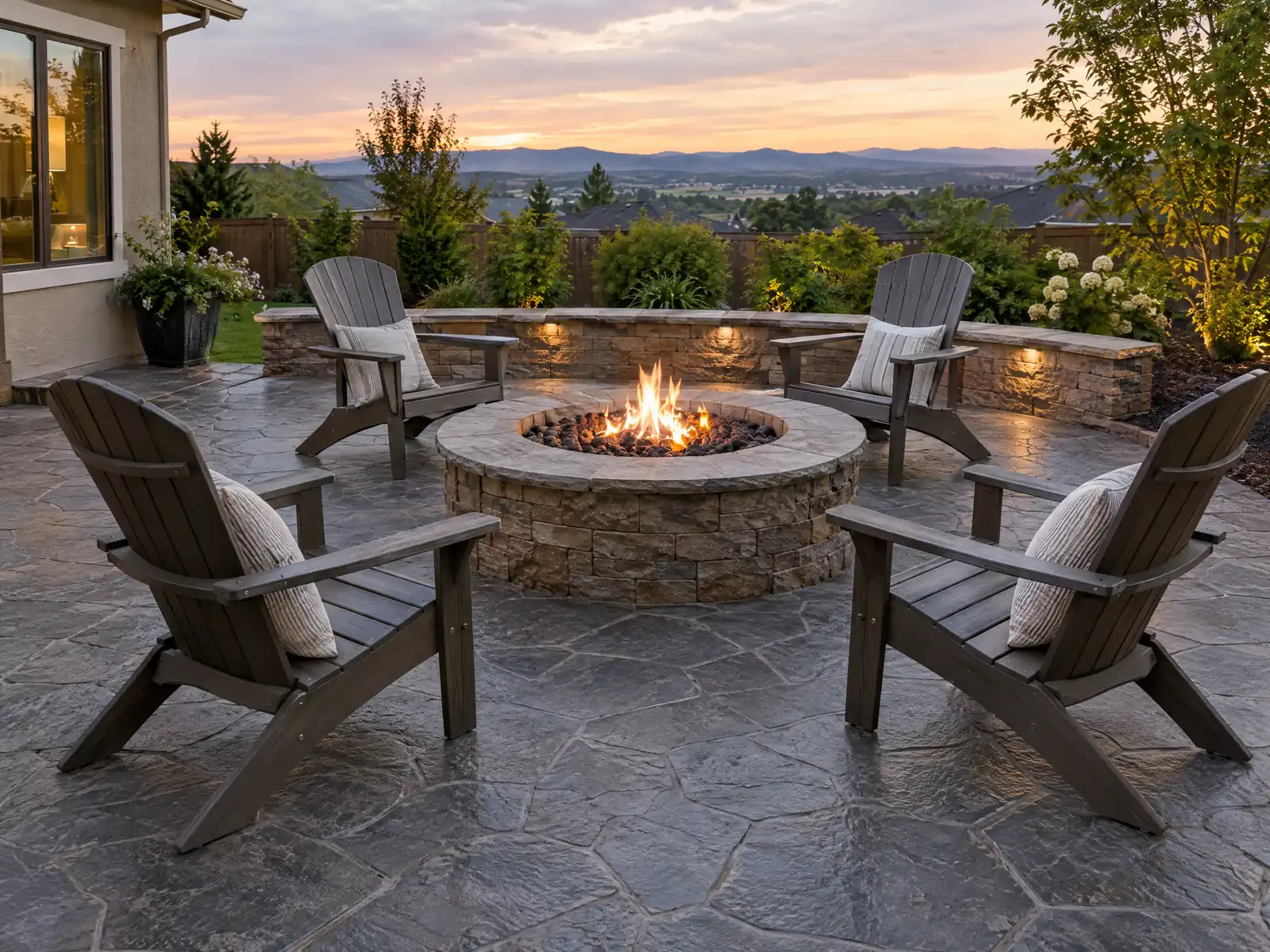
Palm Desert incorporated on November 26, 1973 as the 17th city in Riverside County and became a charter city in 1997, according to the City's About page. Its golf-community pattern started earlier, with Shadow Mountain in 1948, Marrakesh in 1954, Palm Desert Greens in 1961 and the Country Club in 1962. The Census Bureau's 2020 to 2024 estimates put 65.6 percent of the city's 37,028 homes before 1990, so many patios, walks and driveways here are 35 years old or more.
MDG Builders (CSLB #1040337) is a general contractor based in Tarzana. On a Palm Desert pour we draft the scope, take the dust, grading and wall questions to the City's Building & Safety Division and bring in a licensed concrete subcontractor to form, place and finish. The concrete page explains finishes, and the Palm Desert overview shows the other trades we manage here.
What Palm Desert's Building & Safety Division, Public Works, South Coast AQMD and state law say about concrete work
Where concrete permits come from in Palm Desert: City of Palm Desert Building & Safety Division.
- Wiring under slabs: Palm Desert amends the California Electrical Code table 300.5(A) so that wiring under a building must sit 6 inches beneath the bottom of the slab in every corresponding column (Municipal Code 15.10.020, third-party mirror), which matters when a slab is cut, replaced or added over existing conduit.
- Front-yard paving (Municipal Code 25.52.030, third-party mirror): in residential districts at least 25 percent of the lot must stay pervious and no more than 40 percent of the front yard may be non-pervious surface such as a driveway. Two 24-inch box shade trees are required in every single-family front yard setback, and turf must sit 24 inches off driveways and sidewalks. A wider driveway or new front-yard paving is a zoning question before it is a concrete question.
- Grading permit exemptions (Municipal Code 27.20.010, third-party mirror): a cut no deeper than 1.5 feet, an embankment no deeper than 1.5 feet on a slope flatter than 5 to 1 with no drainage change and a 3-foot toe setback, excavation for building, basement or swimming pool foundations authorized by a building permit, and minor alteration or remodeling of an existing structure as determined by the City Engineer. Anything beyond that needs a land alteration permit.
- Grading permit requirements (Municipal Code 27.12, third-party mirror): a grading permit application needs two sets of plans prepared and signed by a civil engineer plus a soils engineering and geology report as the City Engineer specifies (27.12.015), developments or redevelopments of one acre or more must retain a 100-year, 24-hour storm on site (27.12.056), and all land alteration inside a hillside overlay goes through a conditional use permit before work starts (27.12.060).
- Slab inspection (City Inspections page, Wayback copy snapshot 2026-08-13): the concrete slab inspection comes after grading, vapor barrier, sand and reinforcement are in place, with piping and conduit protected before the pour, and the foundation inspection requires forms and steel in place, underground plumbing passing a 10-foot water test and the UFER grounding electrode installed. Inspections run Monday to Friday 7:30 a.m. to 3:30 p.m., and online cancellations are accepted until 6:30 a.m. on the day.
- Dust plan trigger under the City's own ordinance (Municipal Code Chapter 24.12, Ord. 1056, third-party mirror): anyone applying for a grading permit, or a building permit for more than 5,000 square feet of disturbed surface, may not start earth-moving until a fugitive dust control plan prepared to the Coachella Valley handbook is approved by the City and kept on site with project signage. The plan requirement does not apply to work entirely inside an enclosed structure or to building-permit projects that disturb 5,000 square feet or less, and the plan preparer and a representative of each earth-moving contractor must hold the AQMD Coachella Valley Fugitive Dust Control Class certificate.
- Dust work practices (Municipal Code 24.12.040, third-party mirror): visible dust may not exceed 20 percent opacity, travel more than 100 feet, or cross a property line; disturbed surfaces stay damp or stabilized in non-working hours; stabilization within ten days of stopping work for 30 days or more; track-out onto paved roads is removed within one hour once it spans more than 25 feet and at the end of every workday; sites over one acre that choose watering must run a water application system. A 25 mile per hour wind defines a high-wind episode. Fines are up to $100 for a first violation and $400 for a second within a year, then a misdemeanor, and a violation not fixed within one hour lets the City step in.
Sources for these rules
Can concrete be poured through a Palm Desert summer, and when can the crew start?
It can, with early starts and a plan for the heat. NOAA's 1991 to 2020 normals for Indio Fire Station show July highs of 105.8 F, about 118 days a year at or above 100 F and 2.92 inches of rain. The City's General Plan sets 112.1 F as its extreme heat threshold and says winds funnel down the valley and speed up through the narrow San Gorgonio Pass, which drives wind erosion.
Municipal Code 9.24.070 lets weekday work run from 5:30 a.m. to 7:00 p.m. between May 1 and September 30, and from 7:00 a.m. to 5:30 p.m. between October 1 and April 30. Saturdays are 8:00 a.m. to 5:00 p.m. all year, and Sundays and Government Code holidays are off. For other hours the contractor sends the Director of Building and Safety a written request with a map showing the distance to the nearest homes, and the City says to allow five working days. These hours come from a third-party copy of the code, so confirm them with the City.
We found no Palm Desert source on placing temperature, retarders or curing methods, so those are questions for the subcontractor: what time the truck arrives, how the finish is timed before the surface skins, how the slab is cured and who supplies the water.
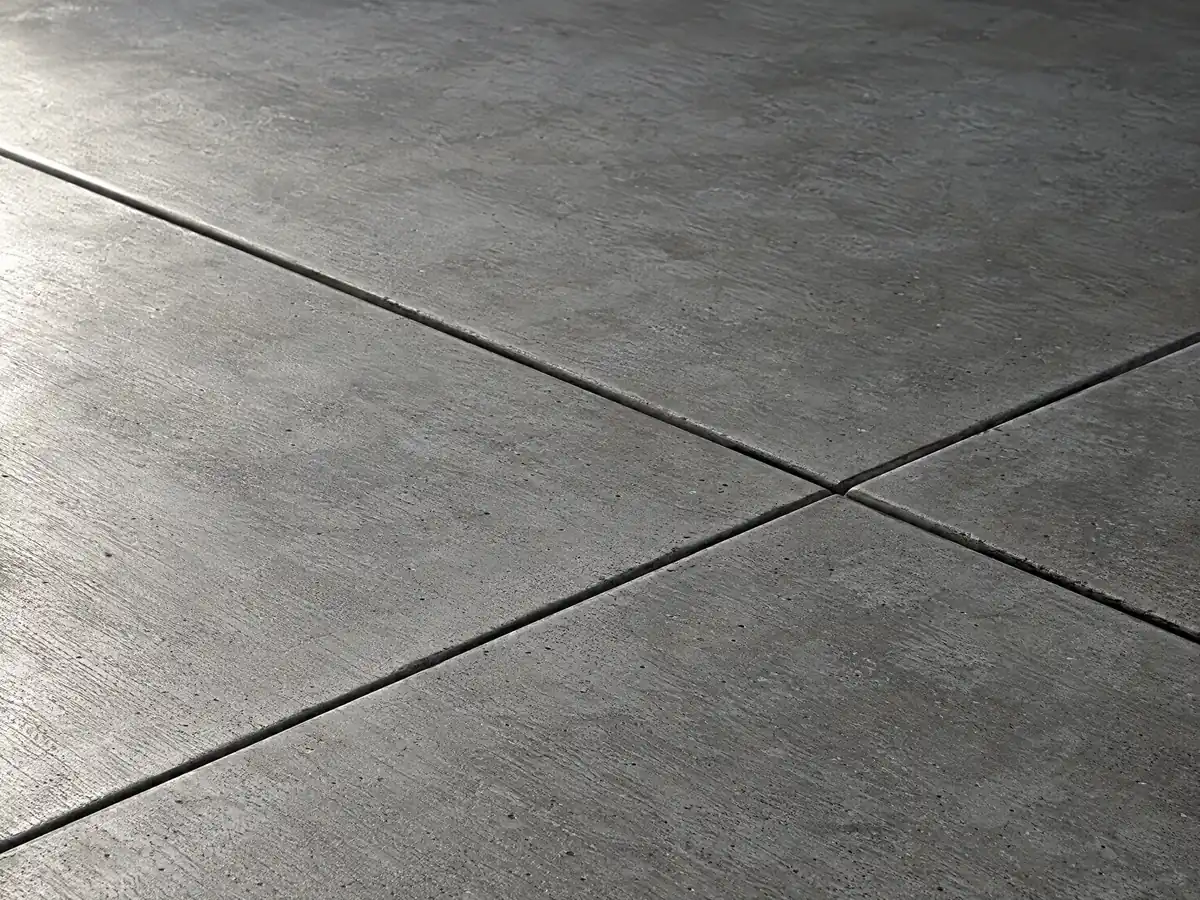
What does Palm Desert's Chapter 24.12 require before concrete work moves any dirt?
A City-approved dust plan, once the job is large enough. Under Municipal Code Chapter 24.12 (Ordinance 1056, read in GoCodebook's third-party copy), anyone applying for a grading permit, or for a building permit that disturbs more than 5,000 square feet, may not start earth-moving until a fugitive dust control plan written to the Coachella Valley handbook is approved and kept on site with project signage. Work entirely inside an enclosed structure, and building-permit jobs disturbing 5,000 square feet or less, fall outside the plan requirement.
The plan needs trained people. Its preparer and a representative of each earth-moving contractor must hold the South Coast AQMD Coachella Valley Fugitive Dust Control Class certificate, so ask whether the foreman has one before signing. The City's site security chapter also asks for a 6 foot perimeter fence with at least 94 percent blackout screening on any new building, addition, alteration or pool project, plus a debris container until final inspection. Ask whether a slab-only pour counts.
Section 24.12.040 sets the daily limits. Visible dust may not exceed 20 percent opacity, travel more than 100 feet or cross a property line, disturbed surfaces stay damp or stabilized after hours, and track-out onto paved roads comes up within one hour once it spans more than 25 feet and at the end of every workday. Fines reach $100 for a first violation and $400 for a second within a year, then a misdemeanor.
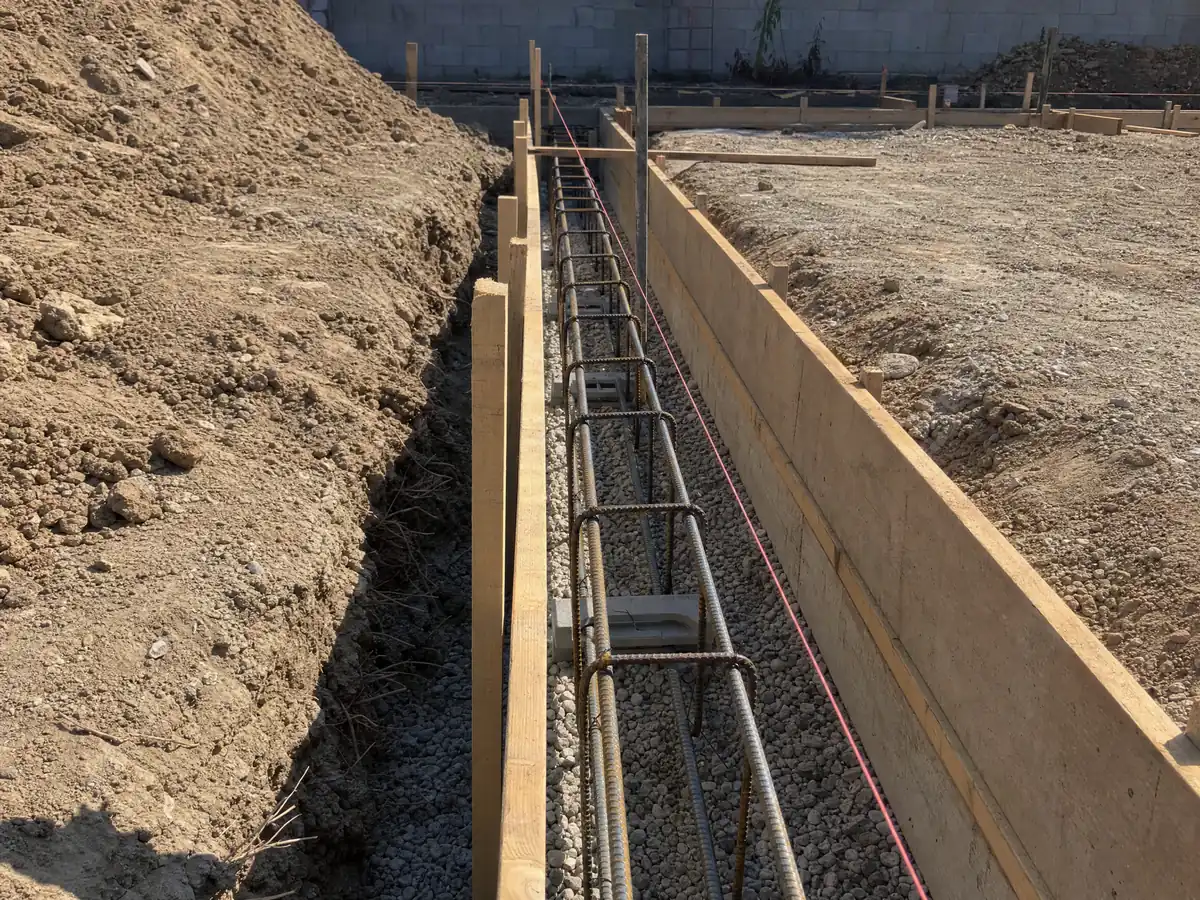
How does Rule 403.1 apply to a Palm Desert concrete job, and where is the Blowsand Zone?
Rule 403.1 is the District's Coachella Valley supplement to Rule 403, amended April 2, 2004, and it covers only Coachella Valley sources. A disturbed surface of more than 5,000 square feet needs an approved plan before earth-moving, but the District's own plan is not required when the operator must file one with a city or county that has a District-approved dust ordinance. Whether Chapter 24.12 counts as District-approved is something we could not confirm, so ask the City which route applies.
If the District takes the plan, the 2026 to 2027 fee is $447.08 for a non-Title V source and the plan is valid for one year. Where a city ordinance applies, the plan goes to the city first and two copies of the approved plan reach South Coast AQMD within 10 days. The District's dust control page explains the filing.
The rule also maps the Blowsand Zone, a corridor two miles either side of the I-10 centerline from the SR-111 junction southeast to the Jefferson Street interchange in Indio, where new man-made bulk material deposits must be stabilized within 24 hours. The General Plan puts the worst wind-blown sand beside the I-10 dunes and the Whitewater River, and I-10 runs along the north side of the city, so northern parcels are likeliest to fall inside. We mapped no parcel, so ask the City about any lot.
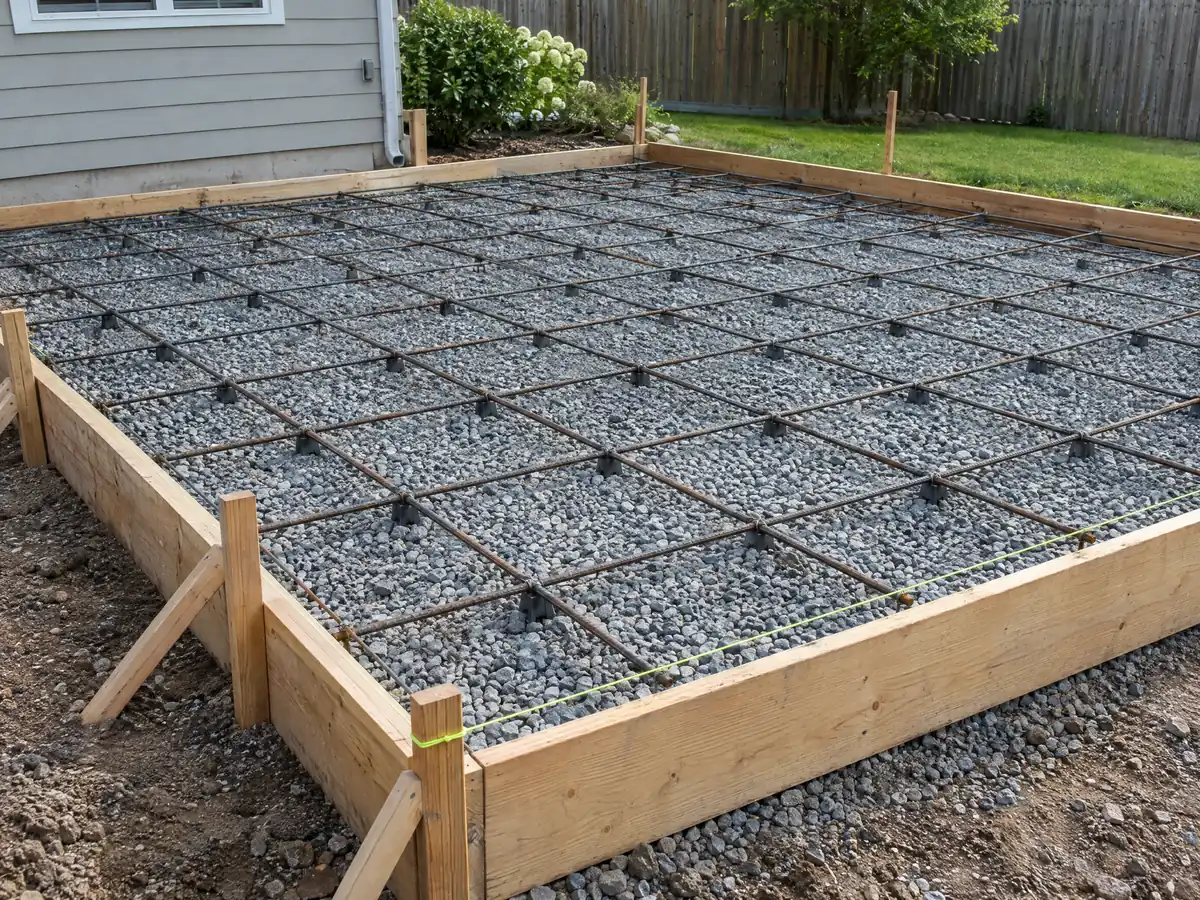
How tall can a block wall or retaining wall be in Palm Desert, and does it need a permit?
Up to 3 feet 6 inches no building permit is needed, but approval still is. Municipal Code 105.2 as amended exempts block walls, pilasters and gravity interlocking walls not over 3 feet 6 inches high, and retaining walls not over 3 feet 6 inches measured from the top of the footing, unless the wall is part of a pool or spa barrier or carries a structure or landscape surcharge. Planning must still approve the location and materials of every wall or fence, and retaining walls also need Public Works approval.
Zoning sets the ceiling. Table 25.40-2 allows a 6 foot fence behind the front building setback, retaining walls on rear and side lines are limited to 6 feet, and fences are banned in the public right-of-way. A fill-slope retaining wall topped with wrought iron may reach 9 feet from the lower grade only when the combined height stays within 6 feet above the higher grade.
A wall beside a public street gets design rules. Section 25.40.080 asks for a City-approved landscape plan, an 18 inch offset or a pilaster at least every 30 feet and a desert color finish, and a gated community whose HOA runs a genuine architectural review can have the City's review waived once the HOA approves. Block is masonry under CSLB's C-29 class, and engineered walls are priced after a visit, so no per-foot wall price appears here.
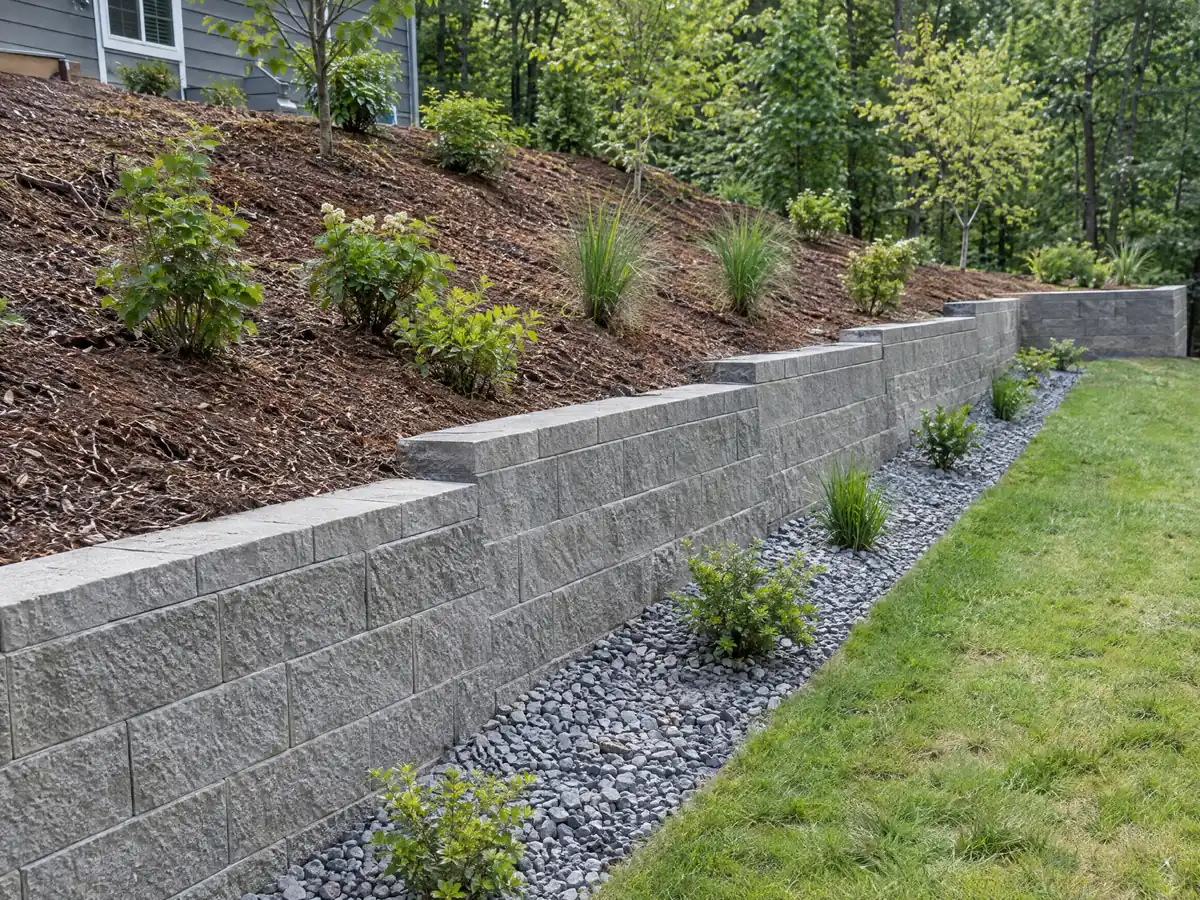
Can you widen a driveway or pave more of the front yard in Palm Desert?
Only within limits. Municipal Code 25.52.030 says at least 25 percent of a residential lot must stay pervious and no more than 40 percent of the front yard may be non-pervious surface such as a driveway. Every single-family front setback also needs two 24 inch box shade trees, and turf must sit 24 inches off driveways and sidewalks, so a wider driveway is a zoning question before it is a concrete question.
Replacing what exists is a smaller question than adding to it, but we found no City page on driveway aprons or curb cuts in the public right-of-way, so ask Public Works before the saw cuts anything near the sidewalk. Single-family homes also need two parking spaces under Municipal Code 25.46.040, which is worth remembering before a garage apron is narrowed.
HOAs sit on top of all this. Many Palm Desert homes are in gated and golf communities where architectural approval comes in addition to the City permit, and the City does not publish individual HOA rules. Get the association's decision in writing before the crew is booked.
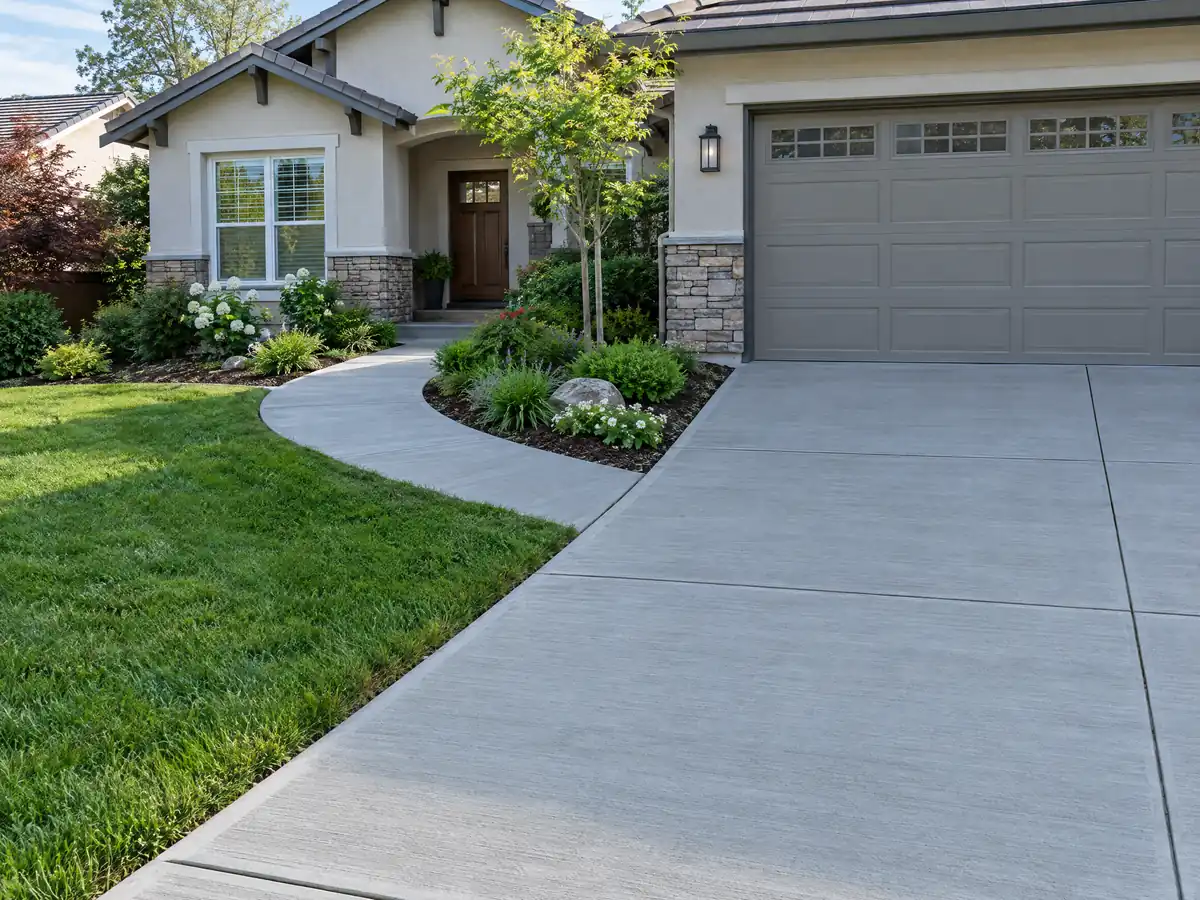
Does concrete work like a patio slab need a permit or a grading permit in Palm Desert?
We could not confirm whether a plain ground-level patio slab needs a building permit, so ask. The City's permit-type list names pool decking, patio covers and walls but no plain slab, and its remodel checklist asks for a precise grading plan only on additions over 1,000 square feet. For permitted foundations the Inspections page says the slab inspection comes after grading, vapor barrier, sand and reinforcement are in place, and the foundation inspection needs forms and steel, a 10 foot water test on underground plumbing and the UFER grounding electrode.
Grading has exemptions. Section 27.20.010 exempts a cut no deeper than 1.5 feet, an embankment no deeper than 1.5 feet on a slope flatter than 5 to 1 with no drainage change and a 3 foot toe setback, foundation excavation authorized by a building permit and minor alteration of an existing structure as the City Engineer decides. Beyond that, a land alteration permit takes two sets of plans signed by a civil engineer and a soils and geology report, and projects of one acre or more must hold a 100 year, 24 hour storm on site.
Slabs can hide wiring. Palm Desert amends the Electrical Code so wiring under a building sits 6 inches below the bottom of the slab (Municipal Code 15.10.020), which matters when a slab is cut, replaced or poured over conduit. Inspections run weekdays from 7:30 a.m. to 3:30 p.m., with online cancellations accepted until 6:30 a.m. that day.
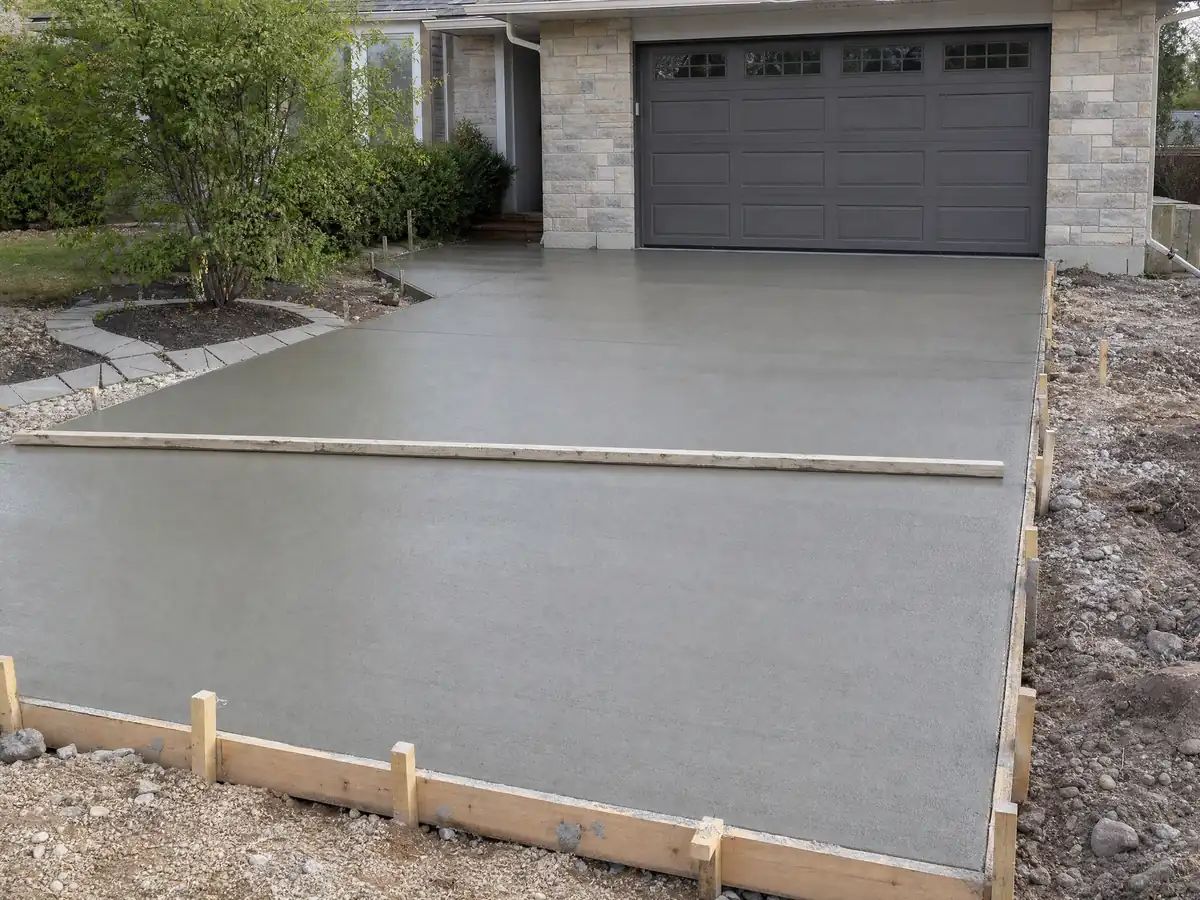
What does a concrete company charge in Palm Desert, and which license covers concrete work?
No Palm Desert price study turned up, so the anchor is Angi's Los Angeles pages. Its August 4, 2026 patio page shows $4 to $13 a square foot with a $5,248 average, its July 20, 2026 stamped page $15 to $30 and its May 5, 2026 driveway page $8 to $20. Federal wage data for May 2025 put Los Angeles area cement masons at a mean $33.67 an hour. A desert bid may differ.
Our Los Angeles planning figures are $8 to $14 a square foot for plain flatwork of 300 square feet or more, $15 to $30 for stained, stamped or exposed aggregate and $9 to $20 for driveway replacement including demolition. Small jobs cost more per foot because of minimum charges. A Palm Desert proposal should list the dust plan, water, perimeter fence, haul-off and rebar on separate lines, and the District fee only applies if the plan is filed with the District.
CSLB's C-8 class covers forming, pouring and finishing concrete, and a job that needs a permit needs a licensed contractor under Business and Professions Code 7048. Our license check guide shows how to read a record.
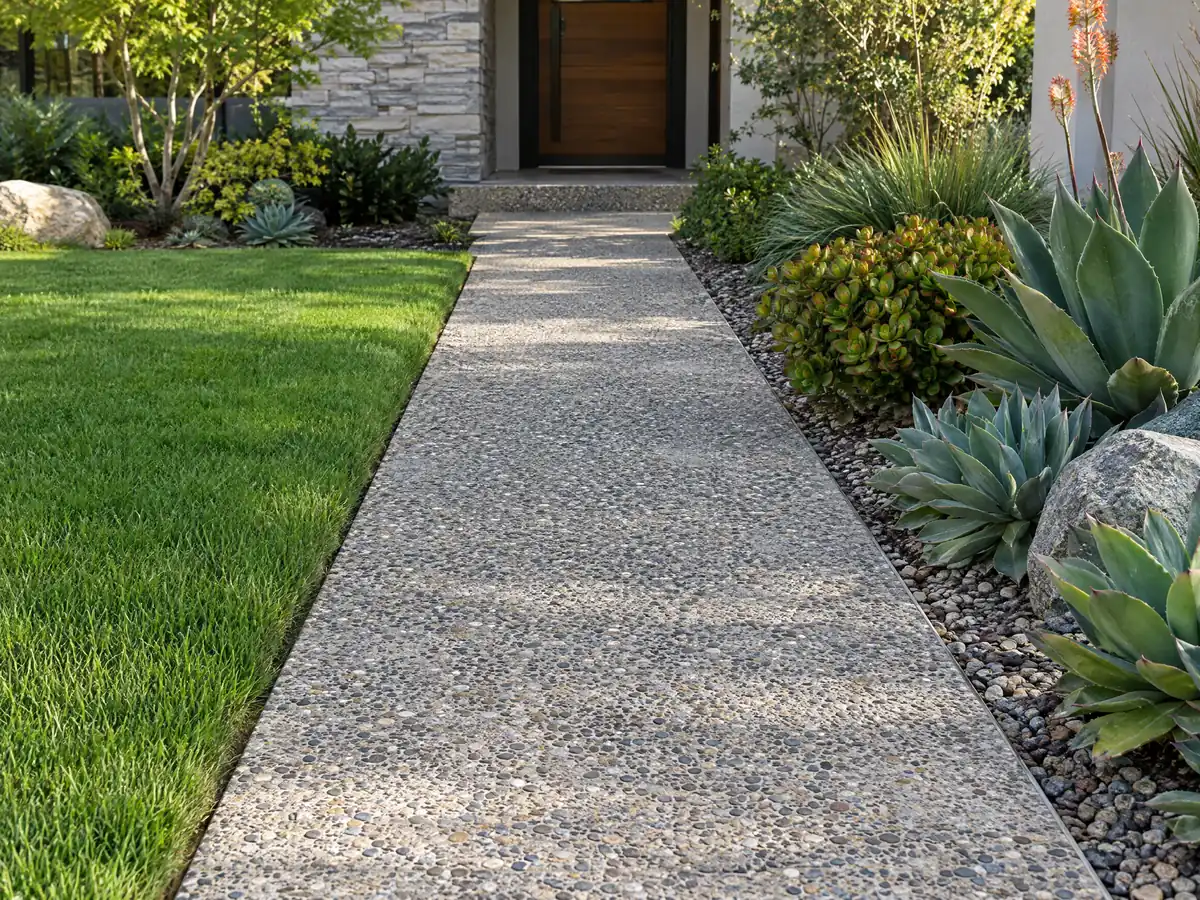
Concrete photos from Palm Desert and the Coachella Valley
Forms, rebar, pours, finishes and walls from Palm Desert and the cities beside it in the Coachella Valley, shown at the stages where the decisions are made. Tap any photo to enlarge it.
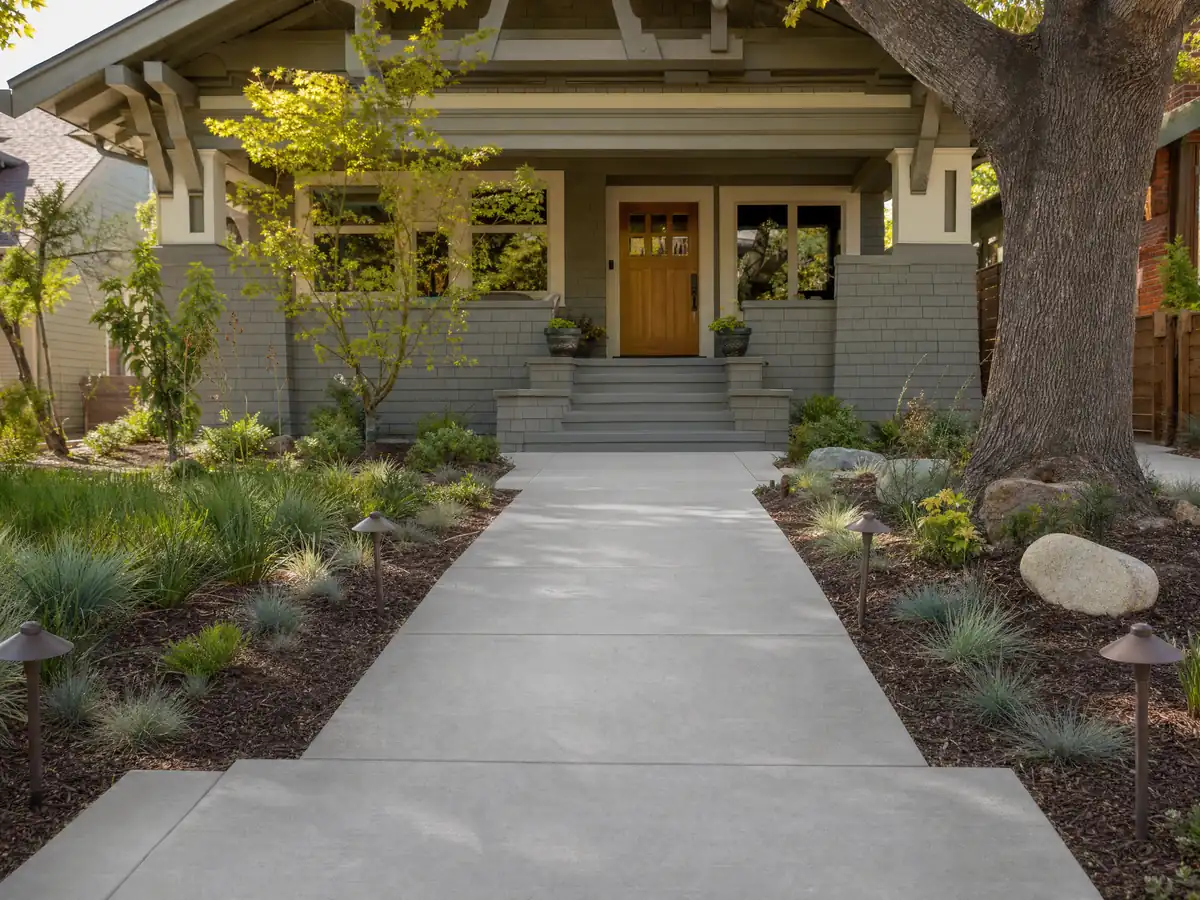
What concrete costs around Palm Desert
Dollar figures here are Los Angeles planning ranges, not a Palm Desert bid, and the dust plan, water, perimeter fence, demolition, haul-off, rebar and any grading or wall permit should be separate lines on the written proposal. The same property may need flooring in Palm Desert or decks in Palm Desert. Valley pricing context sits on the Indio concrete page, other Inland comparisons are concrete in Riverside and concrete in Hemet, and concrete in Los Angeles is the benchmark city. Who forms the slab and who finishes it is laid out in the subcontractor guide, and the flooring cost guide prices surfaces that go over a slab.
| What it covers | Typical range |
|---|---|
| Patio, walkway or slab, broom finish, 300 sq ft or more | $8 to $14 per square foot |
| Decorative: stained, stamped or exposed aggregate | $15 to $30 per square foot |
| Driveway replacement, with demolition of the old slab | $9 to $20 per square foot |
| 20 by 20 foot plain patio (400 sq ft) | About $3,200 to $5,600 |
| 20 by 20 foot decorative patio (400 sq ft) | About $6,000 to $12,000 |
| Small jobs under 300 sq ft | Usually above the per-foot range |
| Retaining walls | Set by the written proposal |
Other work we manage in Palm Desert
Palm Desert concrete questions, answered
Can I pour a concrete patio without a permit in Palm Desert?
Maybe, but we could not confirm it. The City's permit-type list names pool decking, patio covers and walls but no plain slab, and the grading chapter exempts a cut or embankment of 1.5 feet or less. Dust control, zoning limits and any wall still apply. Call Building & Safety at (760) 776-6420 with the size, thickness and location first.
How much should a 20x20 concrete patio cost?
At our Los Angeles planning range of $8 to $14 per square foot, 400 square feet of plain concrete runs about $3,200 to $5,600, while Angi's August 2026 Los Angeles page shows a 20 by 20 slab at $1,600 to $5,200. No Palm Desert study turned up. Demolition, dust control and drainage push either number higher.
Do I need a dust control plan to pour concrete in Palm Desert?
Only for a grading permit or more than 5,000 square feet of disturbed surface. Chapter 24.12 and Rule 403.1 start at that size, the plan must be approved before earth-moving, and work entirely inside an enclosed structure is outside it. A small patio usually falls below the line, yet visible dust still may not pass 20 percent opacity or cross the property line.
Can I expand my driveway without a permit?
Not freely. Municipal Code 25.52.030 keeps at least 25 percent of a residential lot pervious and caps non-pervious surface at 40 percent of the front yard, so widening is a zoning question first. Two box shade trees are also required in each single-family front setback. Ask Planning with a sketch before any saw cuts begin.
What is the maximum height of a retaining wall without a permit in California?
The model code exempts retaining walls up to 4 feet from the bottom of the footing, but Palm Desert's amended text says 3 feet 6 inches measured from the top of the footing, unless the wall carries a surcharge or is part of a pool barrier. Planning still approves location and materials, and Public Works approves retaining walls.
How much does a 300 sq ft stamped concrete patio cost?
Angi's Los Angeles stamped range of $15 to $30 per square foot puts 300 square feet at roughly $4,500 to $9,000. The page is dated July 20, 2026 and shows no method, and no Palm Desert study turned up. Pattern, color, sealer and removal of an old slab decide where the job lands.
Can you pour concrete in 105 degree heat?
Yes, with planning, though no Palm Desert source gives temperature limits. Ask the concrete subcontractor what time the truck arrives, how the slab is finished and cured and who supplies water. Summer weekday work may start at 5:30 a.m. under Municipal Code 9.24.070, and Sunday work is not allowed.
Does the Blowsand Zone affect a Palm Desert concrete job?
It governs dirt piles and disturbed ground more than the pour itself. The zone reaches two miles either side of I-10, and inside it new man-made bulk material deposits must be stabilized within 24 hours. Northern Palm Desert is likeliest to fall inside, but no parcel was mapped, so ask the City whether a lot is in the zone.
What license covers concrete work in Palm Desert?
Poured and finished concrete work falls under a current California C-8 license, while block walls fall under C-29, plus a City of Palm Desert business license before a permit is issued. Check the number on the CSLB site and ask each subcontractor for a license and a certificate of insurance.
Tell us what you want poured, how big it is and what is there now
Describe the slab, wall or driveway, the rough size, whether the lot sits in a gated community and what must be removed first. Dust rules, wall height, front-yard limits and HOA approval are all easier to settle before a crew is booked.