
Flooring Installationin Lancaster, CA
Flooring installation in Lancaster may not need its own permit, because the City's no-permit list names painting, papering and similar finish work but never mentions flooring, so ask Building & Safety first. About 62 percent of homes date from 1980 to 2009, which makes slab moisture, old adhesive and rental permit rules matter more than the boards.
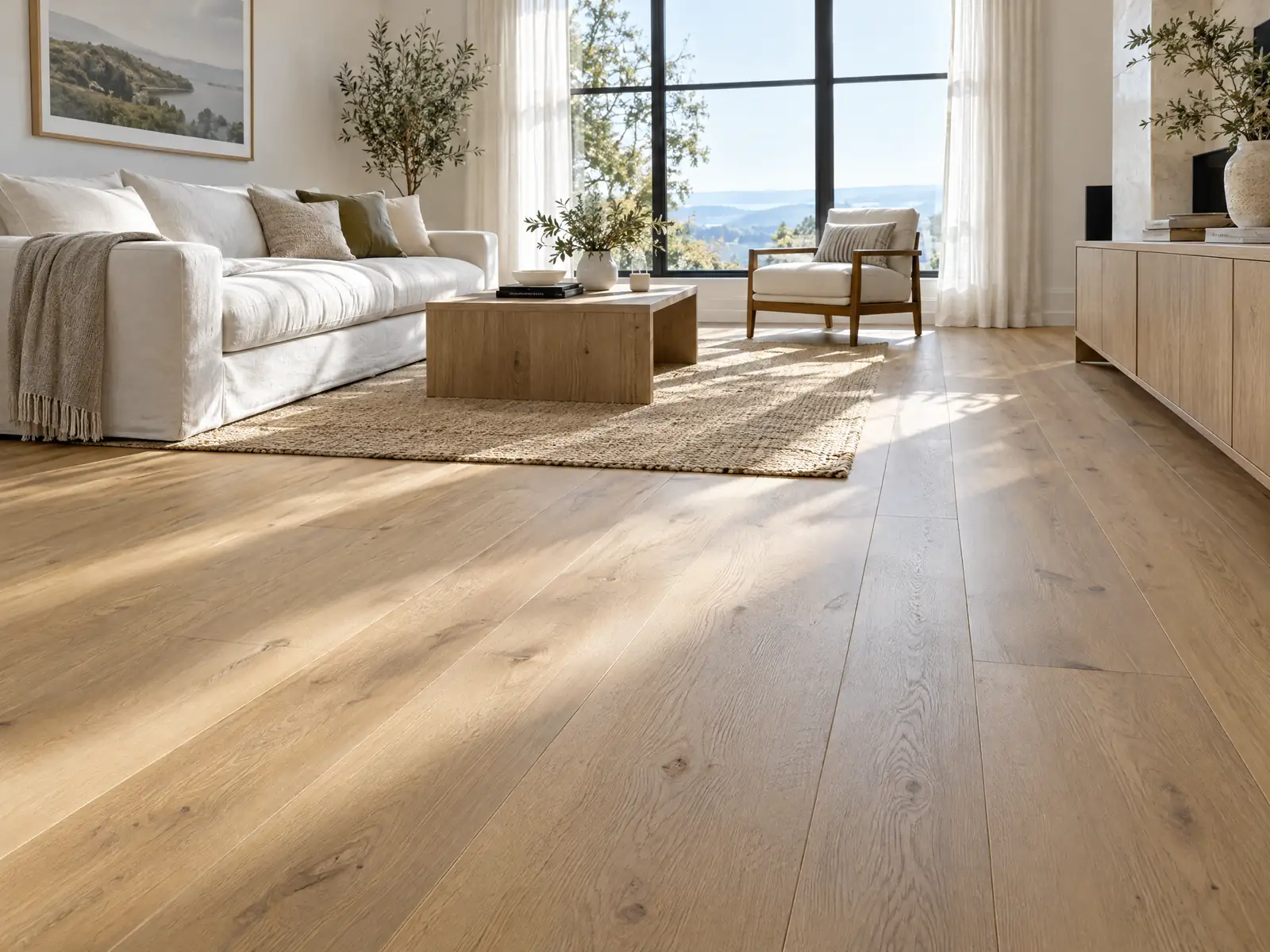
Lancaster is a young city on old railroad ground. The City's own history credits the Southern Pacific Railroad, completed in 1876, and M.L. Wicks' 1884 purchase of railroad land for the town, and the city incorporated in 1977. The census count then climbed from 48,027 in 1980 to 97,291 in 1990 and 173,516 in 2020, so most floors here lie in tract houses built during that growth. Census estimates for 2024 count 53,646 housing units in the city with a median year built of 1989.
From its Tarzana base, MDG Builders (CSLB #1040337) acts as the general contractor on a floor job. We write the scope, put the permit questions to the City and schedule the job, while a licensed flooring subcontractor lays the floor. Materials and prices are explained on our flooring page, and the Lancaster overview lists the other trades we manage in the city.
What Lancaster's permit page, Ordinance 1139 and the Antelope Valley air district say about floors
Where flooring permits come from in Lancaster: City of Lancaster Community Development, Building & Safety Division (Permit Technician staff).
- Lancaster's list of work not needing a building permit names painting, papering and similar finish work and does not name flooring; the permit page also says a residential alteration or remodel needs plans approved by Community Development and Building & Safety.
- AVAQMD Rule 1113 defines a floor coating as an opaque coating for floors, including decks, porches, steps and garage floors, and its Table 1 lists floor coatings at 100 grams of VOC per liter effective June 18, 2014 (stepped down from earlier limits).
Sources for these rules
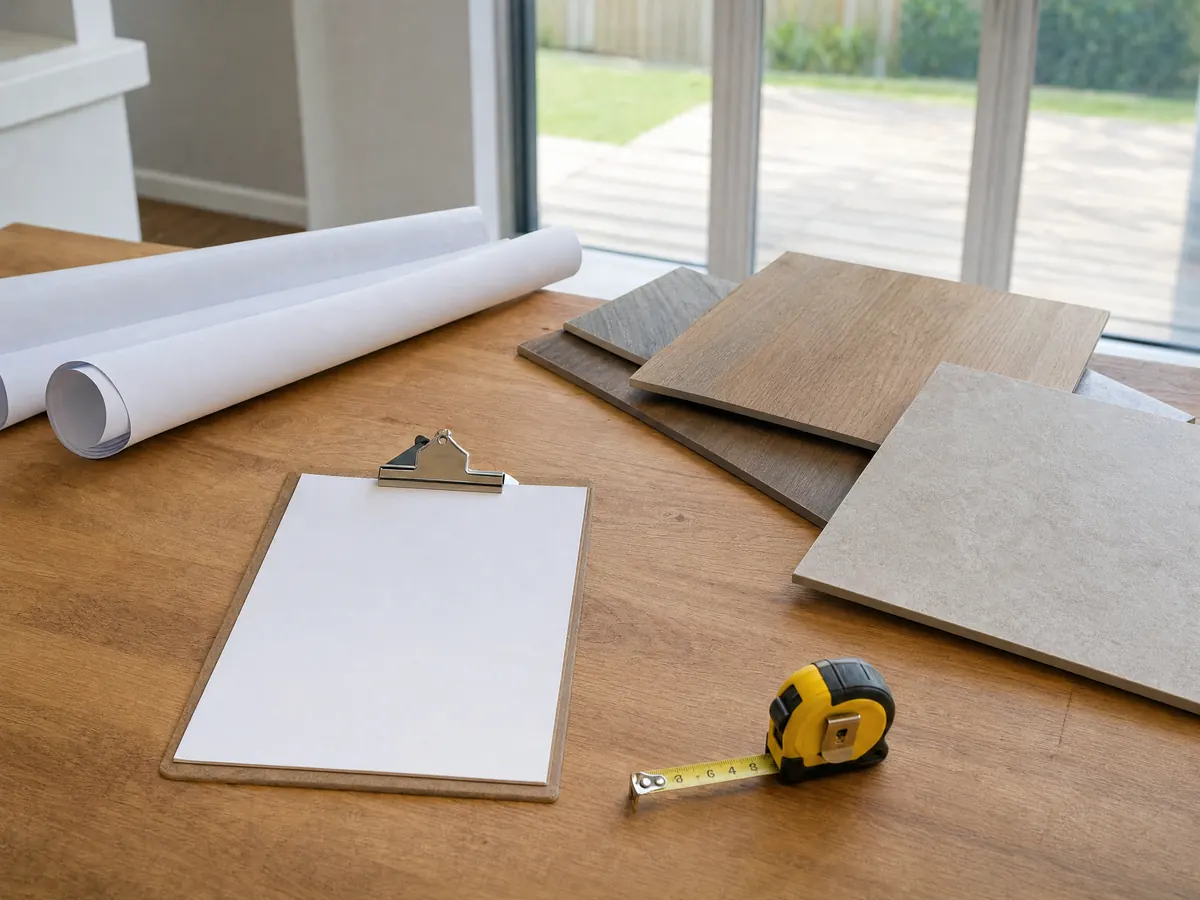
What is under the floor of a Lancaster house built in 1989?
The Census ACS 2024 estimates put about 23 percent of Lancaster's housing units in the 1980s, 17 percent in the 1990s and 22.5 percent in 2000 to 2009. In a house from that window, a new floor is usually the second or third the home has had, so the real question is what the last one left behind: old adhesive, a patched slab, or a subfloor that was never quite level.
The older end of the stock asks different questions. About 18 percent of units, roughly 9,857, went up before 1970, including 1,575 from 1939 or earlier and 5,330 from the 1950s. About 72 percent of units are detached houses, 16 percent sit in buildings of five or more units, and 2,917 are mobile homes. Floors in an apartment or a manufactured home rest on different structures, so ask Building & Safety who permits a change before anyone prices it.
- What was the last floor, and how was it glued or nailed down?
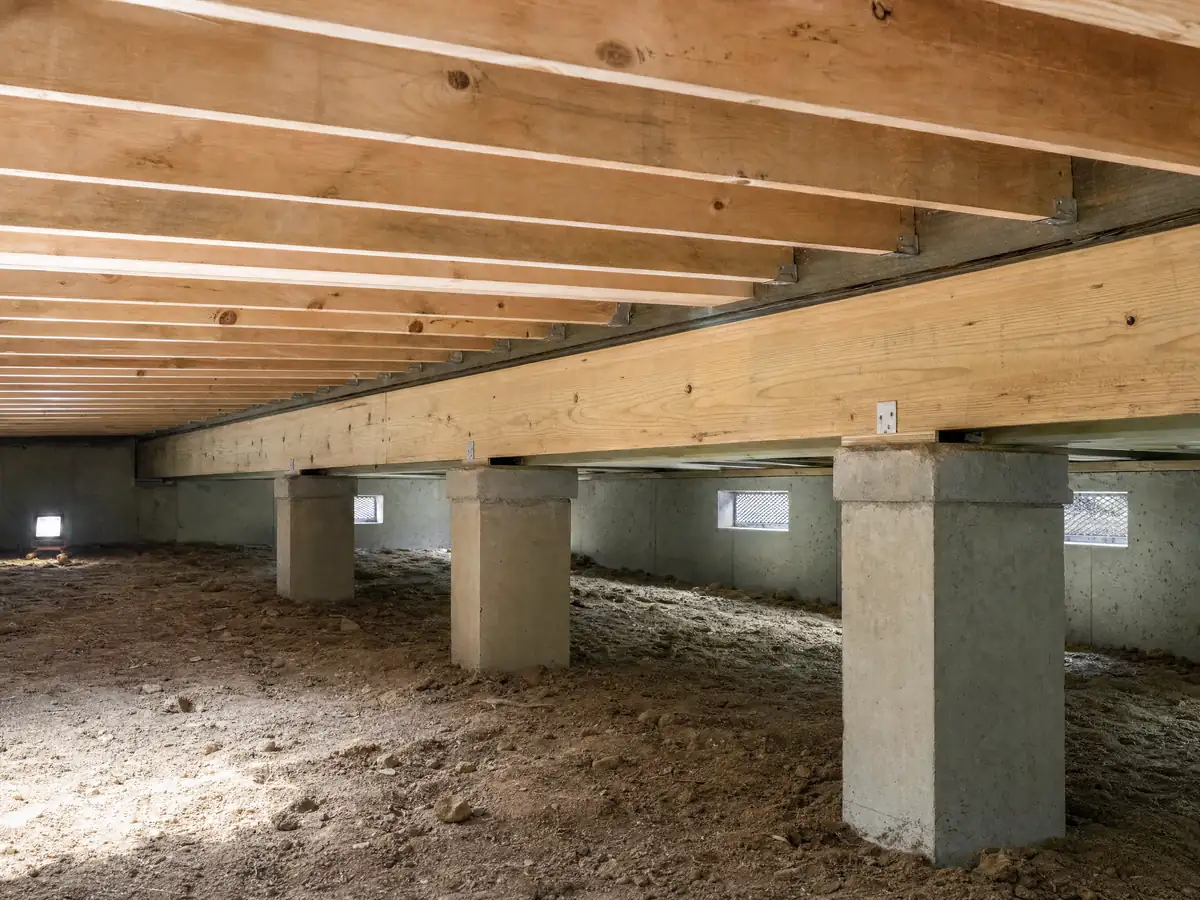
- Is the house on a slab or a raised floor, and who checked?
- Will the quote list removal of the old floor as its own line?
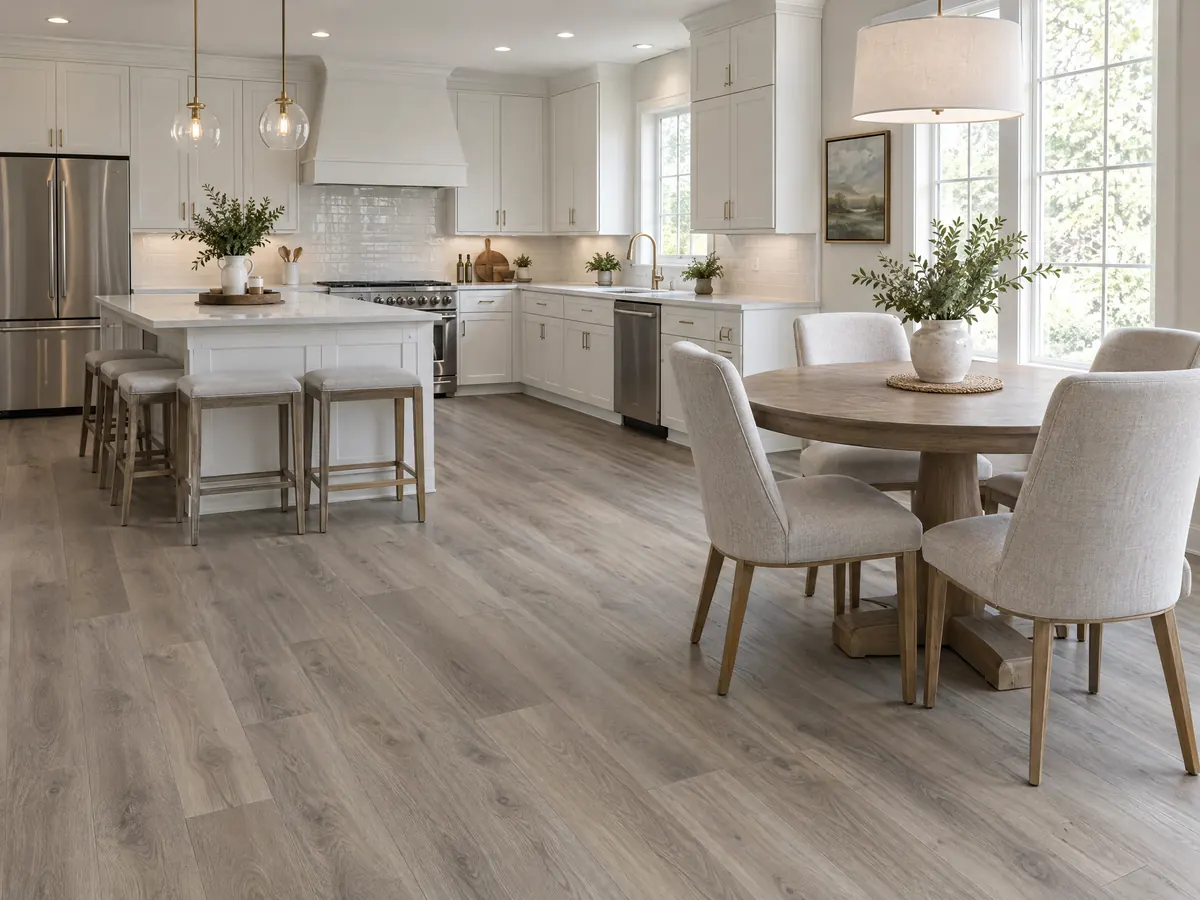
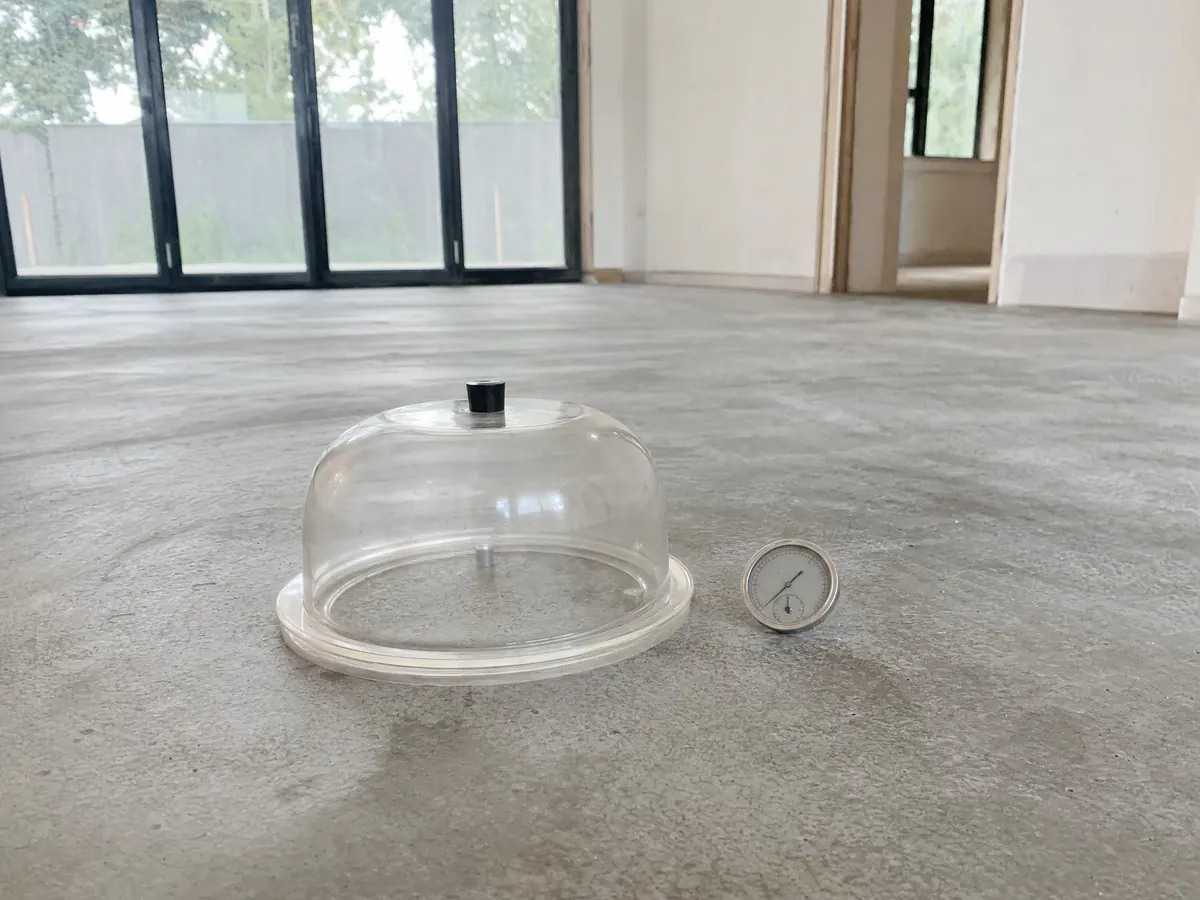
Does a concrete slab need a moisture test in a desert city like Lancaster?
Yes. A dry climate does not mean a dry slab, because the moisture that matters rises from the soil under the concrete and arrives from nearby sprinklers, planters and slow leaks. Wikipedia, citing NOAA's 1991 to 2020 normals at Fox Field, gives Lancaster 6.81 inches of rain a year on 27.8 days. That says the air is dry. It says nothing about what a particular slab holds, and only a test does.
The usual tests are ASTM F2170 humidity probes set into the slab and F1869 calcium chloride kits, and the pass line is the flooring maker's written limit, not a number from the ASTM standard. The National Wood Flooring Association strongly recommends a vapor retarder of 0.13 perms or less, such as 6-mil polyethylene, under wood over concrete. Ask for readings at several spots, including by exterior doors and any wall that backs onto a bathroom or a sprinkler line.
Heat is the Lancaster factor on the other side of the job. The July mean daily high at Fox Field is 97.6 F, and the record is 115 F. Floor product sheets name a room temperature range for installation and after, so ask who keeps the house in that range during the work.
Is there asbestos or lead paint to deal with before an older Lancaster floor comes up?
Possibly, in an older house. EPA lists vinyl floor tiles, the backing on vinyl sheet flooring and adhesives among the places asbestos may be found, and says exposure occurs when the material is disturbed or damaged. Pulling up layers is exactly that. We did not find a Lancaster rule on testing, so ask the installer who takes the sample, which lab reads it, and what happens to the old material if it tests positive.
Baseboards and door casings usually come off during a floor job, which is where lead paint enters. EPA's renovation rule says anyone paid to disturb painted surfaces in a home built before 1978 must be certified, and that roughly three quarters of U.S. homes from before 1978 still have some lead-based paint. Lancaster's 5,467 units from the 1970s straddle that line, so the exact year built matters more than the decade.
Landlords carry extra weight here. EPA says the rule applies when you rent out all or part of a home, and Lancaster has 16,907 renter households.
In a house old enough to worry about, settle testing before the demolition date goes on the calendar.
Do Antelope Valley air rules limit floor coatings and finishes in Lancaster?
Lancaster sits in the Antelope Valley Air Quality Management District, a separate air district from the one covering most of the Los Angeles basin, and its Rule 1113 limits the volatile organic compounds in architectural coatings. Its Table 1, amended June 18, 2013, lists floor coatings at 100 grams of VOC per liter. The rule defines a floor coating as an opaque coating for floors, including decks, porches, steps and garage floors, and puts primers, sealers and undercoaters at 100 as well.
In practice that reaches the painted porch, the opaque stain on a patio or the coated garage slab more than a clear finish on oak, which falls under other categories we did not look up. The rule applies to anyone who sells, supplies or applies a coating in the district, so ask the flooring subcontractor which category the finish belongs to and read the can label together.
The slab itself, from a garage apron to a driveway, is covered on our Lancaster concrete page.
Does flooring installation need a permit in Lancaster, and who may pull it?
The City's list of work that needs no building permit names painting, papering and similar finish work and does not name flooring, so the page alone cannot tell us that a new floor needs none. The same page says a residential alteration or remodel needs plans approved by Community Development and Building & Safety, and the fee schedule effective October 1, 2026 lists a remodel at $484. Put your actual scope to the permit technicians at (661) 723-6144; the City's FAQ says fee estimates come by email within 24 hours.
Structure is the likelier trigger: replacing joists or structural subfloor, or moving a toilet or a dishwasher line while the floor is open. The City adds that plumbing, electrical and mechanical work is permitted separately, even where a building permit is exempt.
Who may pull the permit is a Lancaster wrinkle. Ordinance 1139, section 15.08.040, lets a bona fide owner pull one for a single-family home the owner lives in, but not for rental property, so a landlord needs a licensed contractor. The City also asks contractors for a City business license, and a workers' compensation certificate where applicable, before it issues a permit.
How do you choose a flooring contractor in Lancaster, and what should a floor cost?
We found no Lancaster price study that states a method; the Lancaster ranges on directory pages show none. The figures here are Los Angeles ones from Angi's July 2026 pages, which do not show how they were built: installation labor about $3 to $9 per square foot, solid hardwood $12 to $22 installed, engineered hardwood $10 to $18 and refinishing $4 to $8. Our confidence in them is medium to low. The Bureau of Labor Statistics put the mean wage of floor layers across the Los Angeles area at $33.48 an hour in May 2025, enough to check labor against but not to quote from.
CSLB's C-15 class covers installing carpet, resilient sheet goods, resilient tile and wood floors, and tile is C-54. Ask any bidder for the license number, a certificate of insurance and separate prices for removing the old floor, repairing the subfloor and replacing baseboards. Business and Professions Code 7159 requires a signed written contract before a home improvement over $500 and caps the downpayment at $1,000 or 10 percent, whichever is less.
Flooring photos from Lancaster and the Antelope Valley
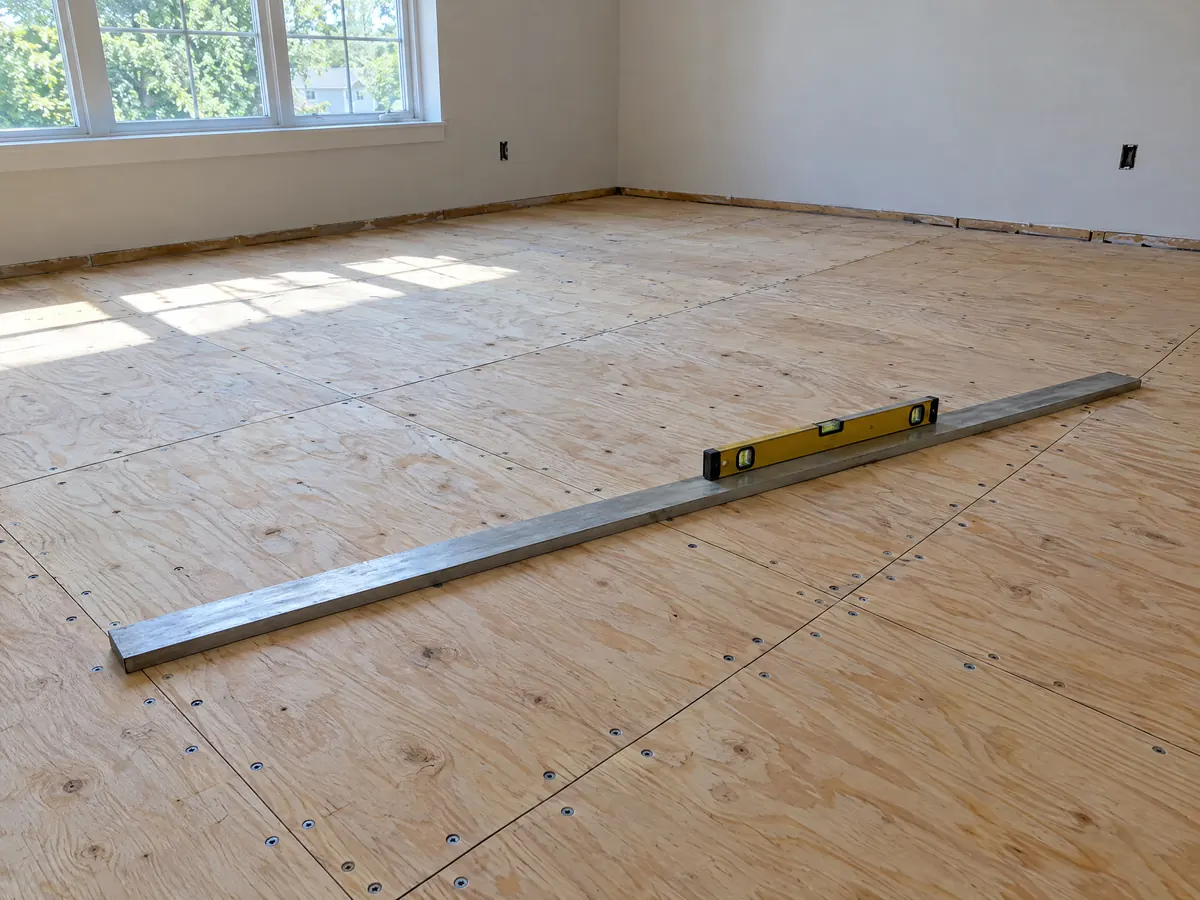
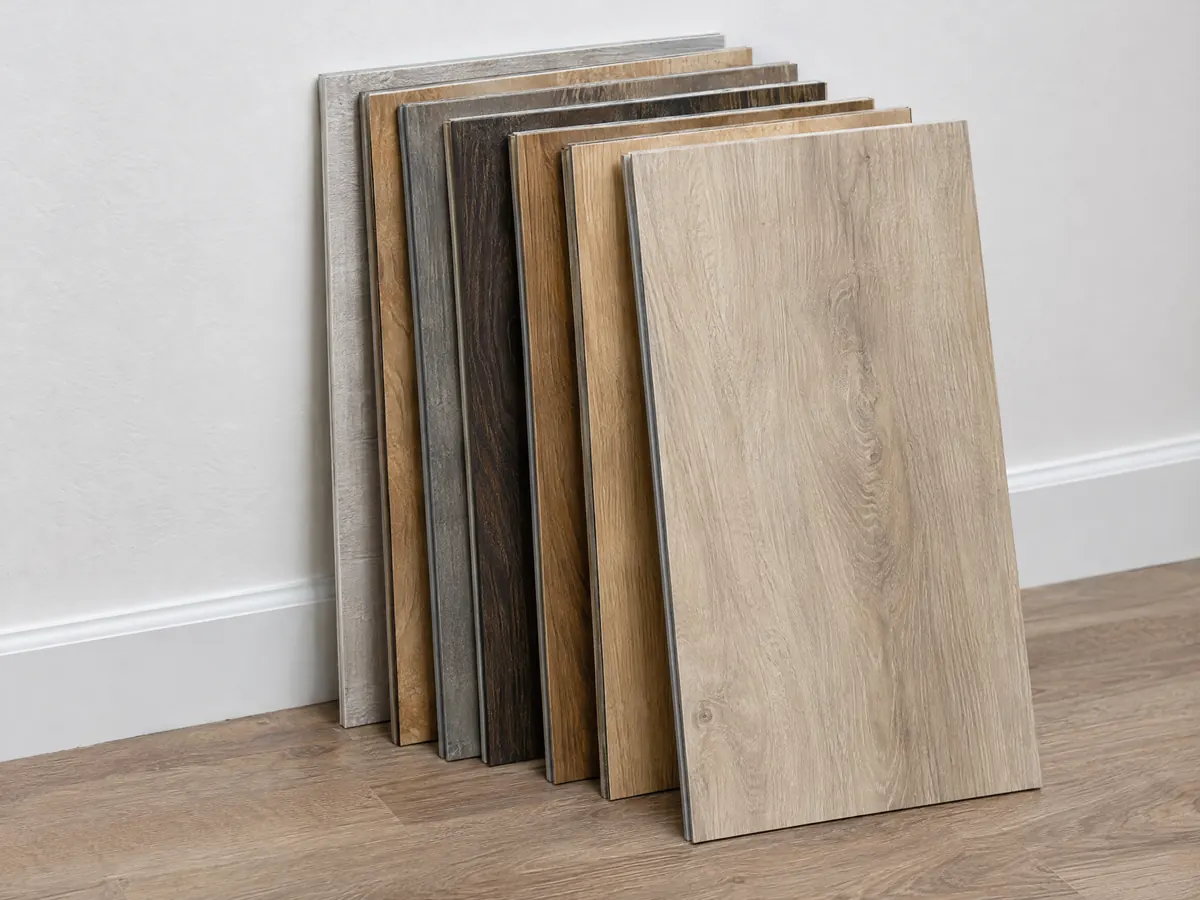
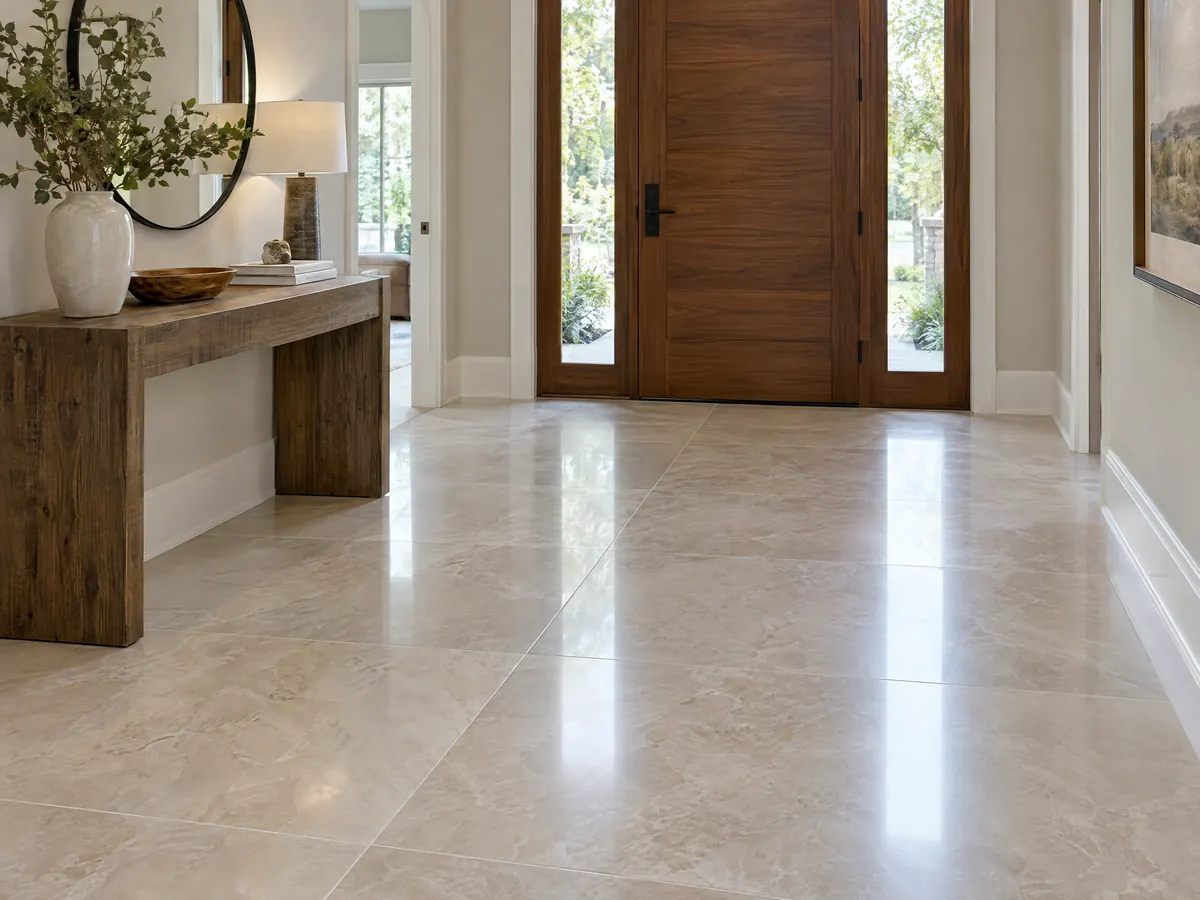
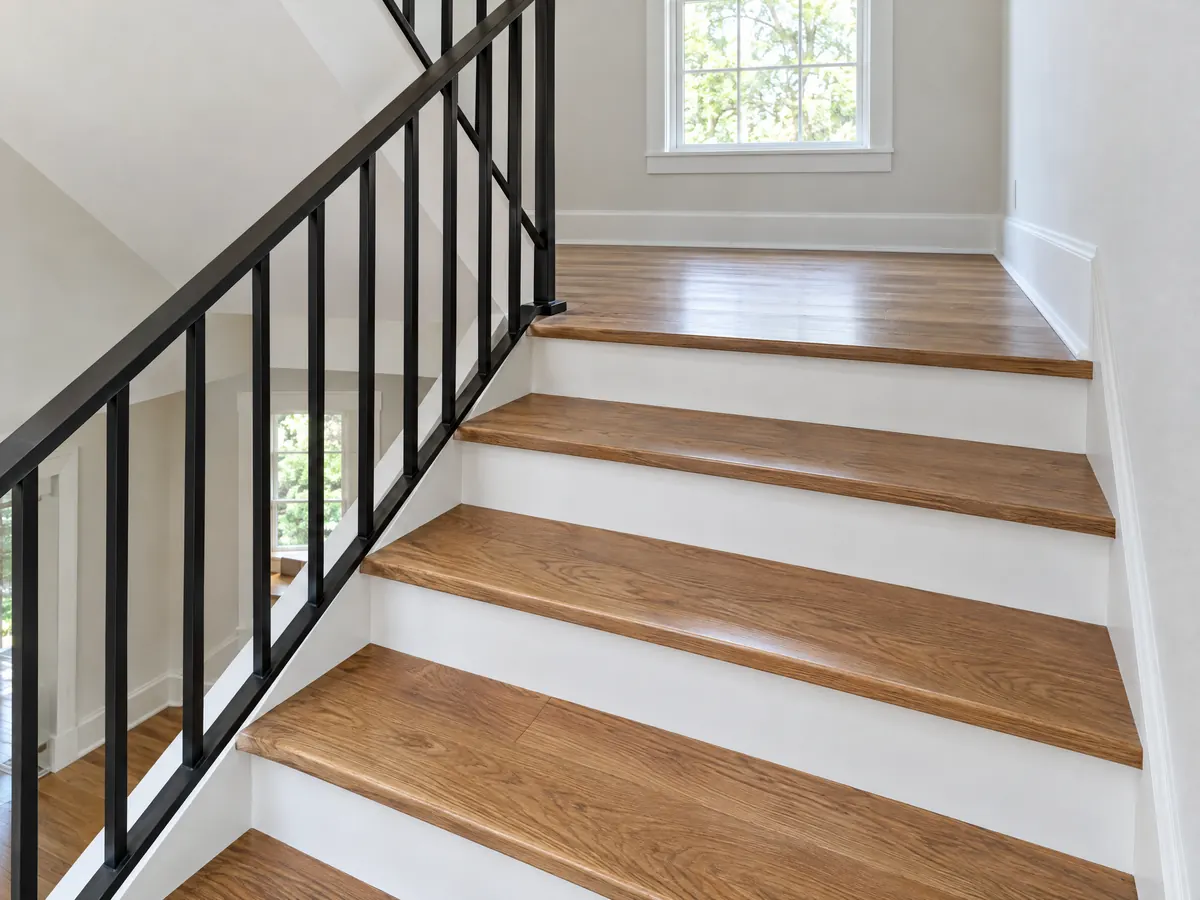
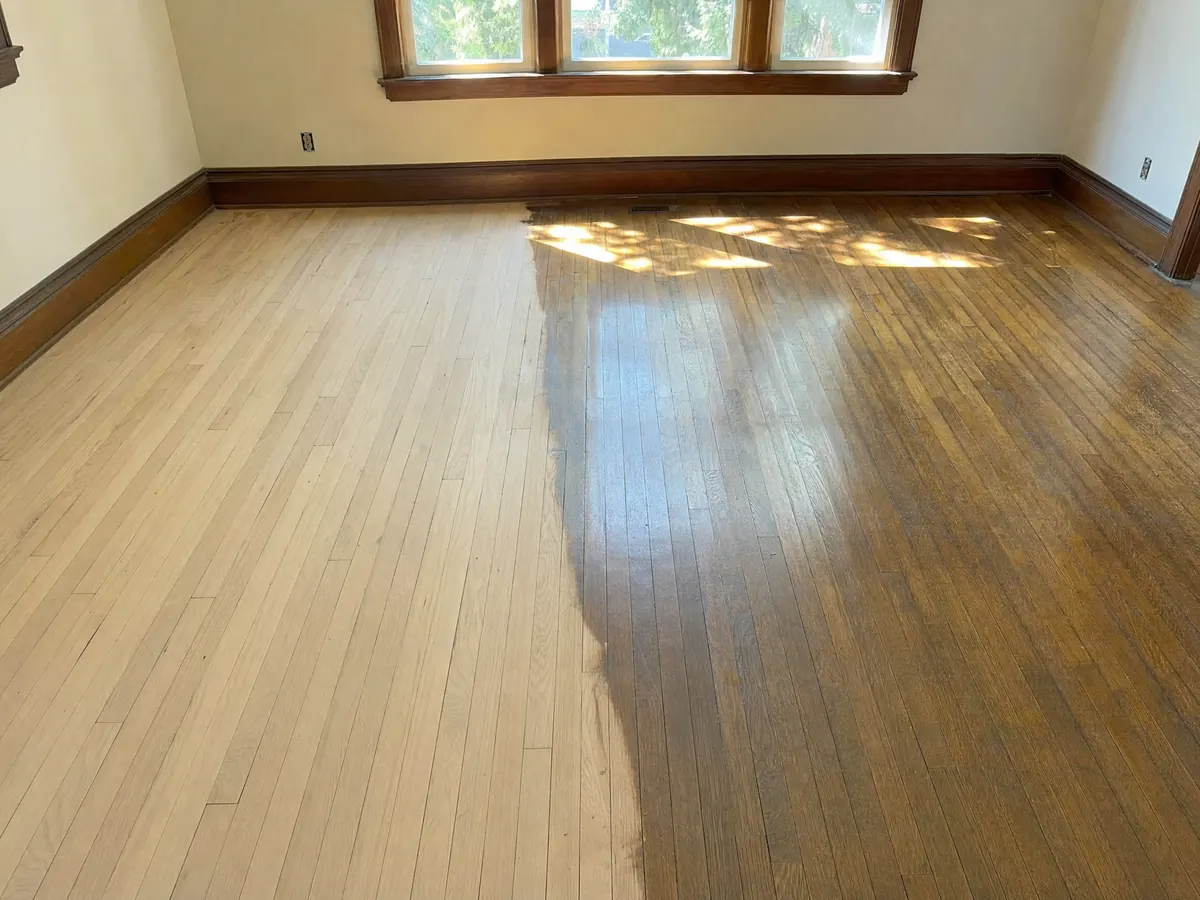
Six photos of floors from Lancaster and nearby desert communities, from subfloors and slab tests to finished planks. Tap a photo to enlarge it.
What flooring costs around Lancaster
The flooring price table lists the Los Angeles ranges used here, rated medium to low in confidence, and the flooring cost guide shows each source. Removing the old floor, asbestos testing, subfloor repair and stairs are separate lines in a proposal, and our license check guide shows how to verify a bidder. Palmdale, next door, has its own city hall and rules. For comparison see flooring installation in Pasadena, flooring installation in Glendale and flooring installation in Los Angeles, or the other Lancaster jobs we manage: concrete work and decks.
| What it covers | Typical range |
|---|---|
| Installation labor only | $3 to $9 per sq ft |
| Solid hardwood, installed | $12 to $22 per sq ft |
| Engineered hardwood, installed | $10 to $18 per sq ft |
| Refinishing existing hardwood | $4 to $8 per sq ft |
| Laminate, whole project | $2,000 to $5,500 |
| Hardwood, whole project | $3,153 to $8,496 |
| Removing the old floor | $455 to $685 per 200 sq ft |
| Tile | No sourced Los Angeles range |
Lancaster flooring questions, answered
Does flooring installation need a permit in Lancaster?
Possibly not for the finish itself, but we cannot say so from the City's pages. Its no-permit list names painting, papering and similar finish work and never mentions flooring. Send your exact scope to the permit technicians at (661) 723-6144, and expect permit questions if joists, subfloor sheathing or plumbing change.
Can I pull my own permit for a floor remodel in Lancaster?
Only for a single-family home you live in. Ordinance 1139, section 15.08.040, lets a bona fide owner pull a permit for an owner-occupied home or a duplex with one owner-occupied unit, but not for rental property. A landlord, or anyone working on a rental, needs a licensed contractor to be issued the permit.
Can you put flooring over concrete in a Lancaster house?
Yes, provided the slab is flat enough for the product and tests dry enough. The reading comes from in-slab humidity probes (ASTM F2170) or calcium chloride kits (F1869), and the limit is whatever the flooring maker prints. For wood, the National Wood Flooring Association strongly recommends a vapor retarder rated 0.13 perms or less underneath.
Why does moisture come through a concrete floor in a dry desert climate?
Water vapor rises from the soil beneath the slab, and concrete is porous enough to pass it, so dry air above does not dry the ground below. Irrigation beside the house, planters and old leaks add more. Lancaster averages only 6.81 inches of rain a year, which is why a test, not the weather, tells you what the slab holds.
How much does it cost to have flooring professionally installed in Lancaster?
We found no Lancaster study with a stated method, so use Los Angeles figures: installation labor about $3 to $9 per square foot, solid hardwood $12 to $22 installed and engineered $10 to $18. They come from Angi and are medium to low in confidence. Removing the old floor, repairing the subfloor and doing stairs each get their own line in a written proposal.
How much does it cost to refloor a 2,000 sq ft house in Lancaster?
Take Angi's Los Angeles installed ranges and multiply by 2,000 square feet: about $20,000 to $36,000 for engineered hardwood and $24,000 to $44,000 for solid hardwood, leaving out removal, subfloor repair and stairs. This is simple arithmetic on a range we rate medium to low, so it is a ballpark and not a quote. The visit sets the price.
Is there asbestos in old vinyl flooring in a Lancaster home?
Yes, it can be, in an older house. EPA lists vinyl floor tiles, the backing on vinyl sheet flooring and adhesives as places asbestos may be found, and exposure happens when the material is disturbed. About 18 percent of Lancaster's units predate 1970, so have a lab test a sample before anyone sands or pulls up old layers.
Does LVP devalue a home in Lancaster?
We found no study that measures it for Lancaster, so we cannot answer with a number. The median owner-occupied home value is $473,800 in the Census estimates, but resale effect depends on the buyer and the house. If original wood sits under old carpet, ask a local listing agent before covering it.
What are the downsides of luxury vinyl plank flooring in a hot climate?
Heat is the one to ask about. Product sheets set a temperature range for installation and use, and Lancaster's July mean daily high is 97.6 F, with a record of 115 F. Check that range for rooms with big west-facing glass, and ask the installer how the planks are allowed to settle before they are laid.
How do I choose a flooring contractor in Lancaster?
Check the license first. Floors are CSLB class C-15 and tile is C-54, so ask any bidder for the number and a certificate of insurance. Compare bids that price removal, subfloor repair and baseboards separately, and read the written contract, which California law requires before work on a home improvement over $500.
Tell us which rooms and when the house went up
Give us the address and the rooms, say what the floor is now and whether you know if it sits on a slab or a raised foundation, and we will arrange the right tests for the walkthrough.