
Roof Repairin Beverly Hills, CA
Roof repair in Beverly Hills starts with the City's roofing page: any roof change needs a permit, and the roof must be Class A fire rated and not wood. Lots north of Sunset Boulevard sit in a Very High Fire Hazard Severity Zone, and Central Area homes may also face Design Review. Confirm your lot's area before choosing a material.
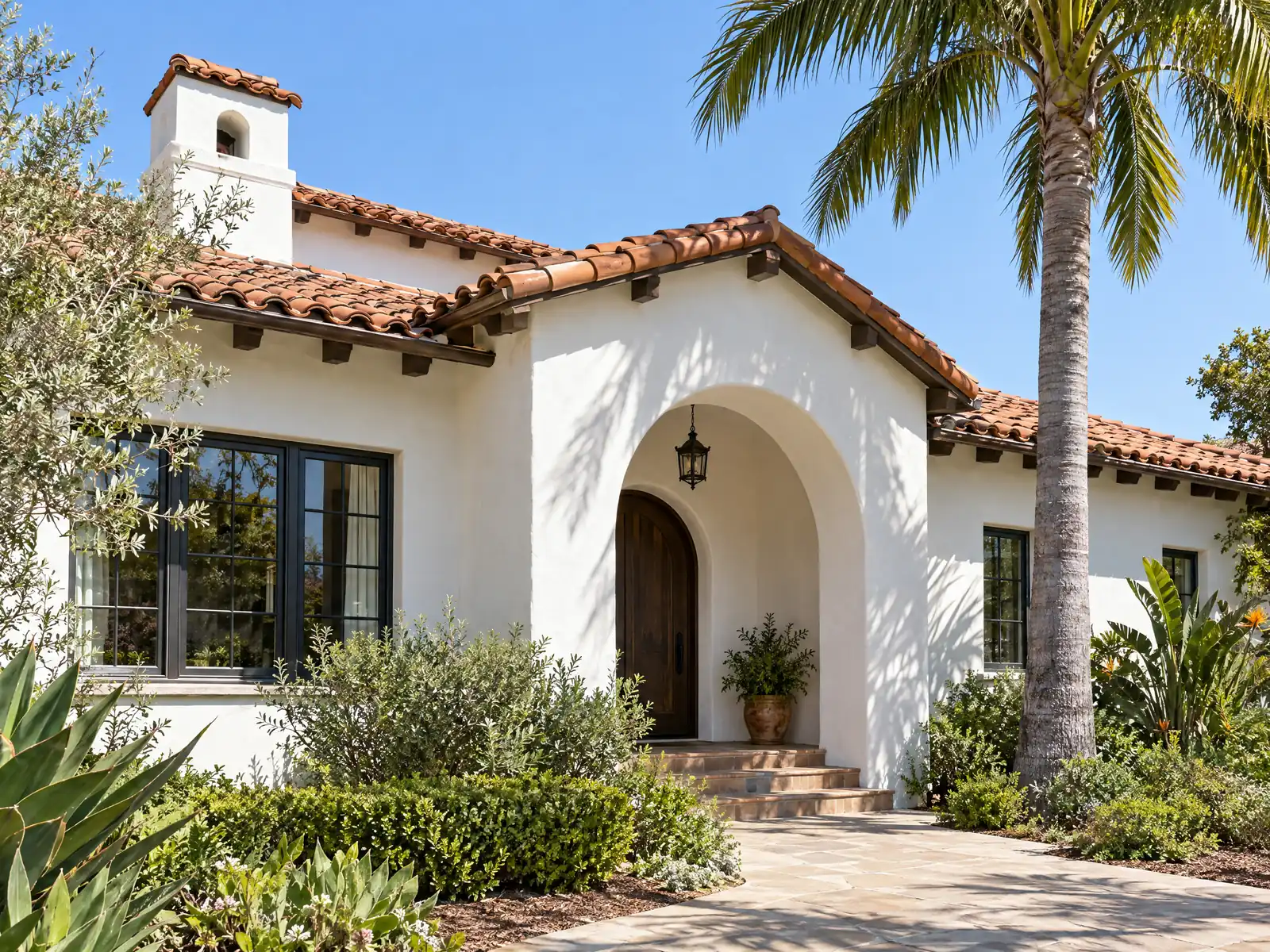
Beverly Hills began as Rancho Rodeo de las Aguas, which was sold in 1854, cut into 75 acre parcels by the 1880s and farmed for lima beans. A group led by Burton Green bought it in 1900 to drill for oil, and in 1906 the Rodeo Land and Water Company renamed it Beverly Hills and started selling lots. The first house went up in 1907 and the Beverly Hills Hotel followed in 1911 and 1912, according to Wikipedia's history of the city. The Census Bureau's 2020 to 2024 estimates count 16,552 housing units here, with 28 percent built in 1939 or earlier, 79 percent before 1980 and a median year built of 1958, so many roofs sit on structures older than today's fire rules.
On a roofing job MDG Builders (CSLB #1040337) works as the general contractor: we collect the photos and material reports the City asks for, settle the permit questions and hold the schedule, and a licensed C-39 roofing subcontractor does the tear-off and installation. Prices are on our roofing page, the Beverly Hills overview lists every trade we manage here, and the neighbors write different rules, as the guides for West Hollywood and Culver City show.
What Beverly Hills' roofing page, zoning code and fire rules say about roofs
Where roofing permits come from in Beverly Hills: City of Beverly Hills Community Development Department, Building & Safety (Permit Center).
- The City of Beverly Hills roofing page says any roof change needs a permit, the application needs photos of the existing roof and building, the roofing material with its ICC-ES report number and a Cool Roof Rating Label, and the material must be installed per the ICC-ES report. The City requires Class A fire-rated, non-wood roofs, each structure (for example house and detached garage) needs its own application, and work that reaches City property needs a separate Public Right-of-Way permit. Applications go in online or at the Permit Center counter.
- The City's Roofing Permit Application form asks whether the job is a re-roof, partial re-roof, tear-off, repair, replacement with existing material type or cover-over, whether the roof is historical, for a fire-resistance spray option (spray type and effectiveness period), and for a Class A approval report number (ICBO report, UL listing and so on). It states that after-hours work is not permitted in residential areas, that a Public Right-of-Way permit must be obtained before work starts, and that the existing roof deck is subject to pre-inspection.
- In the Central Area, the Zoning Code roofing section 10-3-2424 prohibits reflective, glossy, polished or roll-formed metal roofing, and the director can authorize otherwise prohibited materials on specific findings (10-3-2424(C)). I could only read this section on a third-party code mirror, because the official code host blocked automated access, and the section also lists wood shake, which conflicts with the City's Class A non-wood rule on its roofing page, so ask Planning which materials are acceptable.
- The City's Single-Family Regulations page says visible aesthetic changes in the Central Area, including new roofing, need some level of review by staff or the Commission, and the Design Review application requires plan submittals to label the proposed roofing material and roof pitches. The page gives no roofing-only threshold, so confirm with the Design Review planner.
- Zoning Code 10-3-2426(B) exempts only remodels of single-family homes in a Central R-1 zone that 'do not materially change the appearance of the structure as viewed from the street' from R-1 Design Review (Article 44), so a like-for-like roof on a Central Area home may or may not need review depending on whether the look changes.
- An older City General Plan technical background report says flammable wood roofs in Beverly Hills were numerous and a significant wildfire problem, and that an ordinance required all non-Class A roof coverings to be replaced by 2013. Because that report is old, treat it as history and rely on the City's current roofing page.
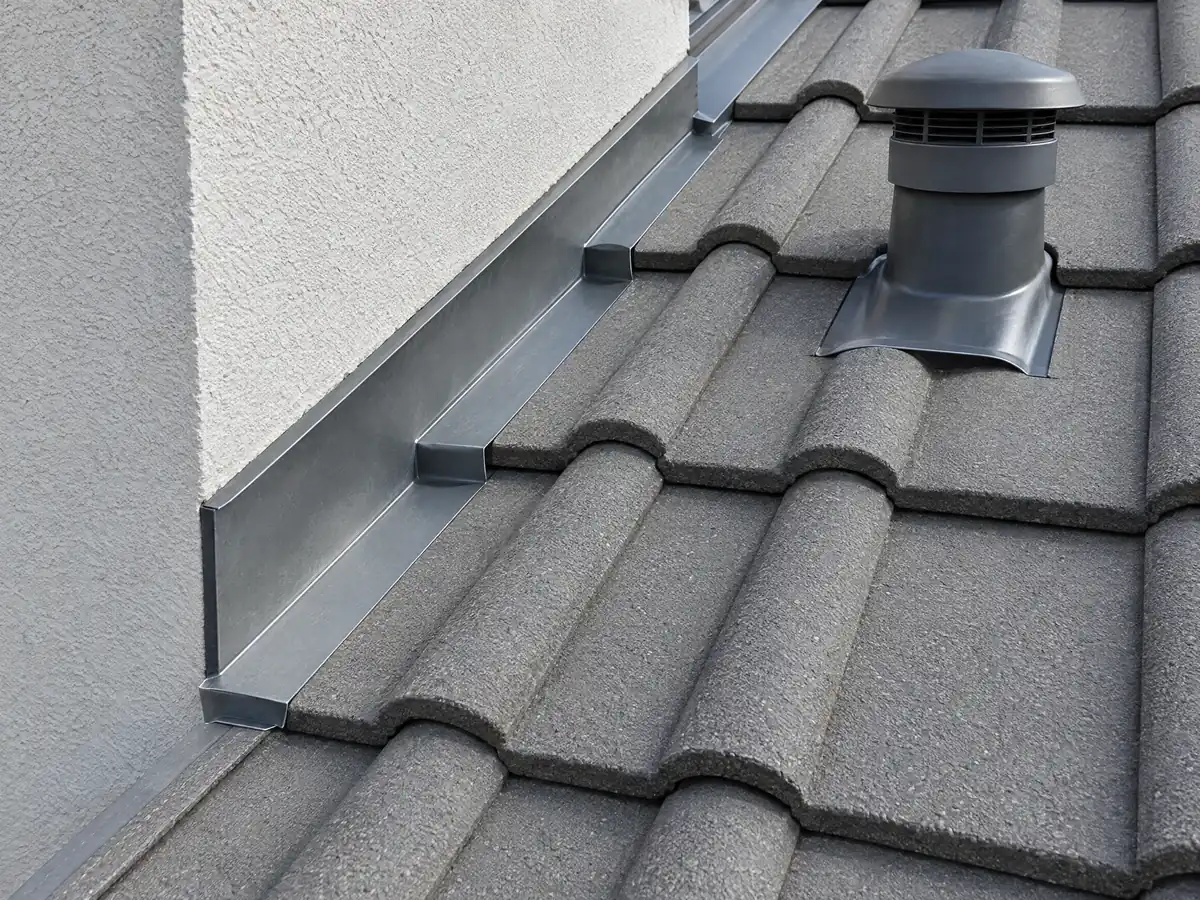
- The Beverly Hills Fire Department's home hardening page recommends composition, metal or tile roofs, blocking gaps between roof decking and covering, 1/16 to 1/8 inch metal mesh over vents, ember- and flame-resistant (WUI) vents, and enclosed or clear gutters. This is guidance, not a permit rule, and the page does not name the code sections.
- CSLB defines the C-39 Roofing classification as installing products and repairing surfaces that seal, waterproof and weatherproof structures, including shingles, roof tile, slate and metal roofing systems.
Sources for these rules
- beverlyhills.org: Roofing
- beverlyhills.org: Roofing Permit Application PDF
- gocodebook.com: article 24 single family residential development standards f
- beverlyhills.org: Single Family Regulations
- beverlyhills.org: General Plan Technical Background Report Chapter 7 PDF
- beverlyhills.org: Home Hardening
- cslb.ca.gov: Licensing Classifications Detail

Is my Beverly Hills roof in a Very High Fire Hazard Severity Zone?
Probably, if the house is north of Sunset Boulevard. The City's FAQ says the zone covers the area north of Sunset and a few blocks south of it, and the Fire Department inspects the zone on or after April 1 each year without appointments. A Beverly Hills Courier report says CAL FIRE's March 2025 maps designate about 260 additional acres of the city as very high. We could not confirm that the City has adopted those maps, so a lot near the line needs a direct answer from the Fire Department or Building & Safety.
The Fire Department's home hardening page asks for more than a fire-rated shingle. It recommends blocking gaps between the roof decking and the covering, covering vents with 1/16 to 1/8 inch metal mesh or using ember and flame resistant vents, and choosing enclosed or clear gutters. That page is guidance and does not name code sections. The 2025 Wildland-Urban Interface Code did take effect on January 1, 2026 with City amendments, so ask the counter which of those items a plan reviewer will expect on a re-roof.
Put the vents, the eave gaps and the gutters in the written scope, not just the shingle.
Does Beverly Hills require a Class A roof, and are wood shakes allowed?
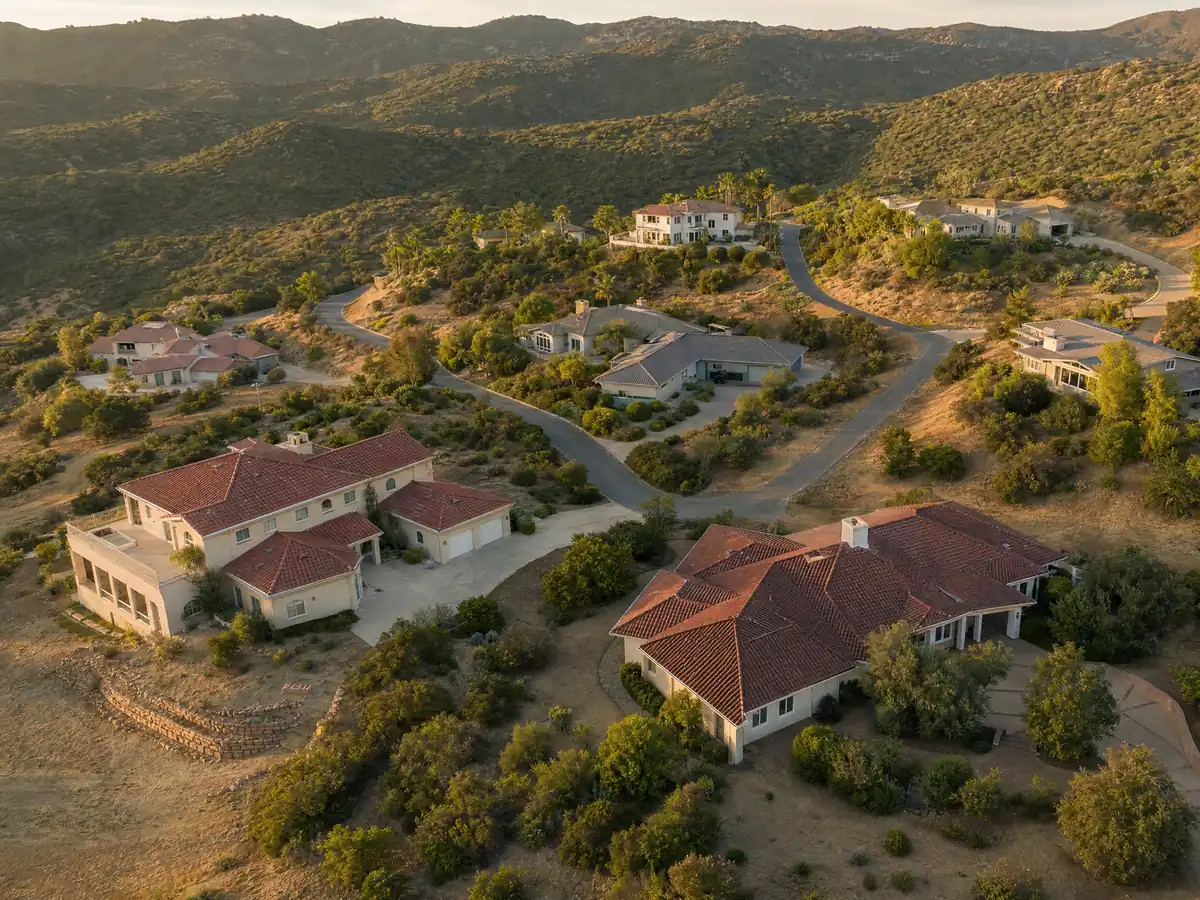
The City requires Class A fire-rated roofs that are not wood, according to its roofing page, and wood shakes do not meet that test. An older City General Plan background report calls flammable wood roofs numerous and a significant wildfire problem and says an ordinance required every non-Class A roof covering to be replaced by 2013. Treat that report as history, since it is old, and the roofing page as the current rule.
One source points the other way. The Central Area roofing section of the Zoning Code, 10-3-2424, lists wood shake among its materials on the GoCodebook mirror, the only place we could read it because the City's official code host blocked our tools. We cannot say which text controls on a given lot, so write the Class A, non-wood requirement into the contract and ask Planning to confirm the material list. Fire Department guidance leans toward composition, metal or tile.
Ask the roofer to name the Class A listing, not only the product.
Does a Central Area roof need Design Review in Beverly Hills?
Sometimes. The City says visible aesthetic changes in the Central Area, new roofing among them, need some level of review by staff or the Commission, and the Design Review application asks that the roofing material and roof pitches be labeled. The page gives no roofing-only threshold. Zoning Code 10-3-2426(B) exempts only remodels that do not materially change how the structure looks from the street, so a like-for-like roof may or may not need review depending on whether the look changes.
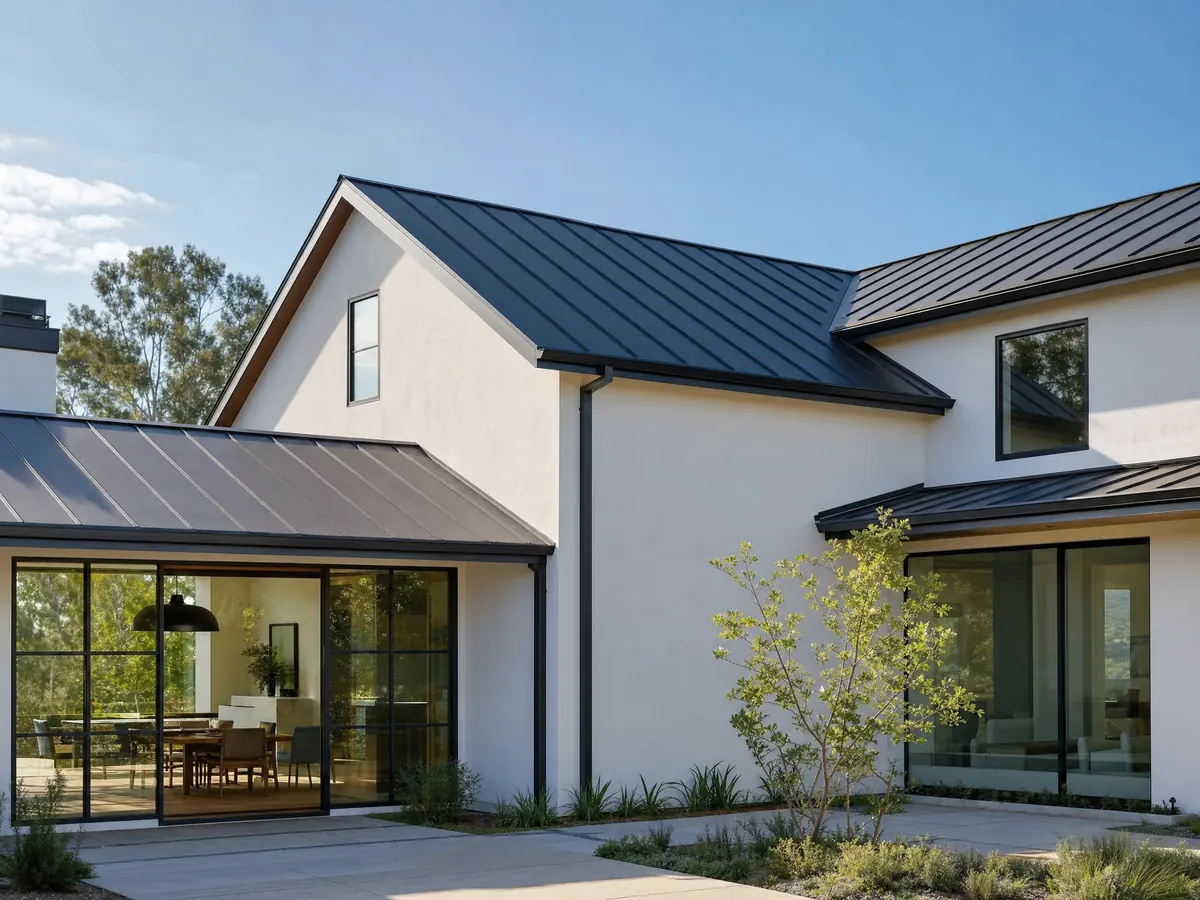
Trousdale Estates and the Hillside Area are not subject to Design Review, though the Class A rule still applies there. In the Central Area, section 10-3-2424 as shown on the mirror prohibits reflective, glossy, polished or roll-formed metal roofing, and the director can authorize prohibited materials on specific findings under 10-3-2424(C). A metal roof is therefore a Planning conversation before it is a price conversation. The permit form also asks whether the roof is historical, and 45 properties were on the Beverly Hills Register of Historic Properties as of 2025.
Do I need a permit for roof repair or roof replacement in Beverly Hills?
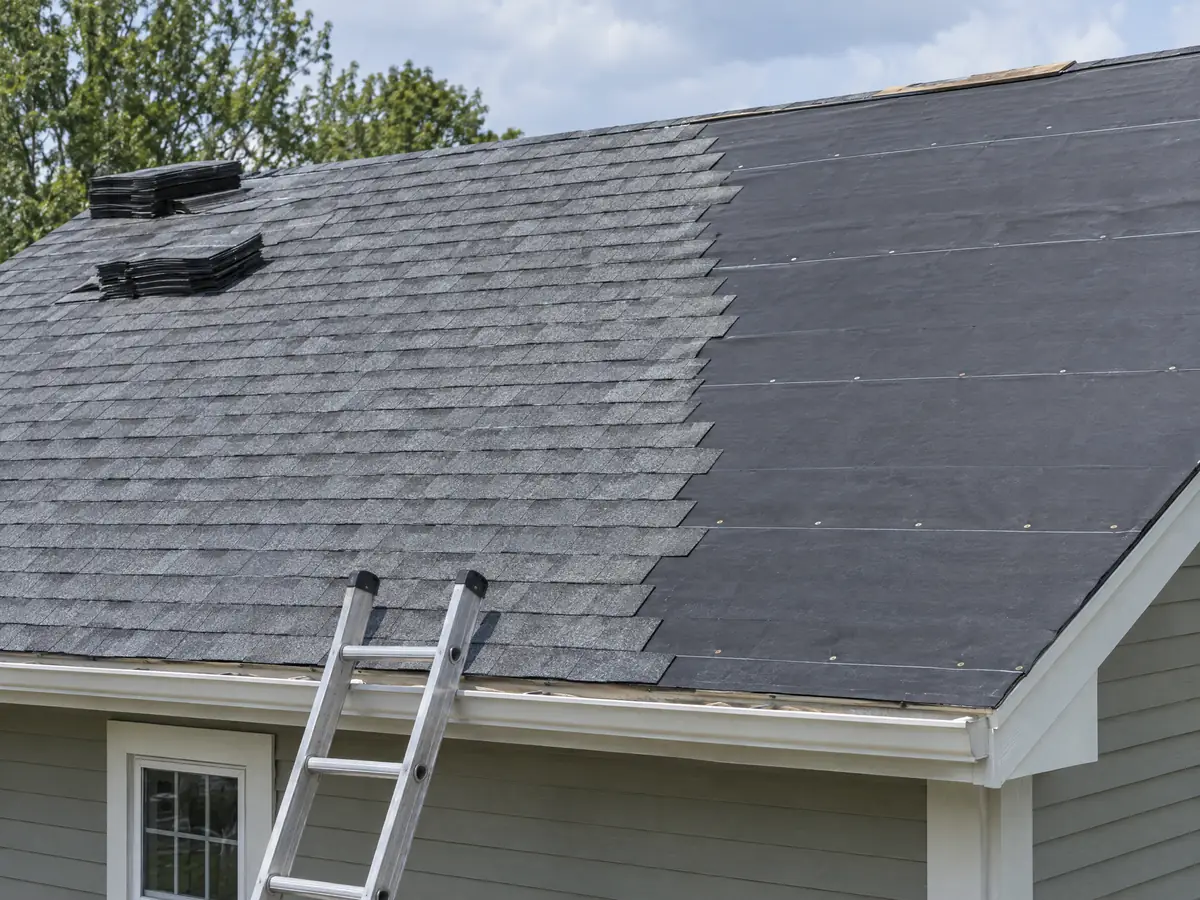
Yes, for any roof change, according to the City's roofing page. The application asks for photos of the existing roof and building, the roofing material with its ICC-ES report number and a Cool Roof Rating Label, and installation per that report. Each structure, such as a house and a detached garage, needs its own application. The form also asks whether the job is a re-roof, partial re-roof, tear-off, repair or cover-over, and it says the existing roof deck is subject to pre-inspection.
Anything that reaches City property, such as a dumpster at the curb, needs a separate Public Right-of-Way permit before work starts, and after-hours work is not permitted in residential areas. A licensed contractor is required for any project valued at $1,000 or more, and owner-builder permits cover only owner-occupied single-family homes. Apply online or at the Permit Center, where the walk-in counter runs Monday to Thursday, 8 to 10 AM.
A permit is valid for 365 days from issue and the expiration moves out 180 days after each successful inspection. We could not read the exemption list in Municipal Code 9-1-107(B), so we call no roofing job exempt. Fees depend on valuation and are worked out at an appointment, so we print none.
What do Beverly Hills' older buildings and rentals mean for a roof?
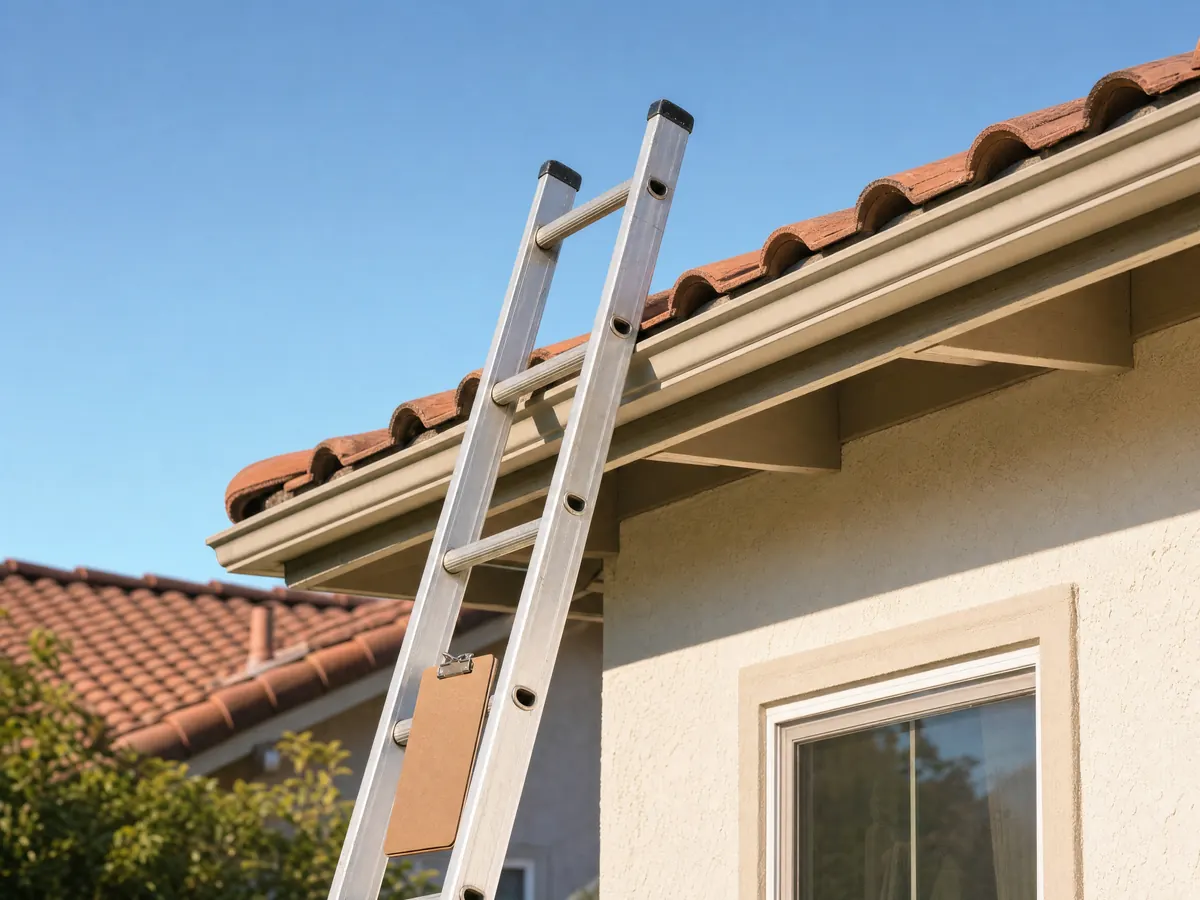
Age and ownership shape the job. The Census Bureau counts 4,715 of 16,552 units from 1939 or earlier, 6,276 from before 1950 and 13,075 from before 1980. About 52 percent of units sit in buildings of five or more units and 59 percent of occupied units are rented, so the roof's owner is often an association or a landlord while the person living below only hears the noise. Trousdale Estates went up mainly in the 1950s and early 1960s, after Paul Trousdale bought the Doheny Ranch in 1956, so its roofs have a different story from the roofs of the Flats. We found no City count of roof ages.
Tenants add paperwork. Where construction could affect a unit's habitability for more than one day, the City's FAQ requires a Means and Method Plan filed with the Rent Stabilization Division before the permit issues, and the roofing application asks the same question, citing BHMC 9-1-108L. The Permit Center also lists an HOA authorization letter signed by the HOA president, and a property owner letter where Design Review applies.
When is the best time to replace a roof in Beverly Hills, and what happens to solar panels?
Summer is the dry window. At the UCLA station, about 2.4 miles west of central Beverly Hills, NOAA's 1991 to 2020 normals show 17.73 inches of rain a year, with 14.53 inches falling from December through March and only 0.03 inch in July and 0.01 inch in August. Highs average 67.0 degrees in February and 78.8 in August, and the station counts 10.4 days a year above 90. Because it sits in Westwood, Trousdale and the Hillside Area can differ.
Construction is allowed Monday through Friday, 8 AM to 6 PM, and not on holidays, per the City's FAQ. Municipal Code 5-1-205 bars permit-required work between 6 PM and 8 AM, all day Sunday, on six listed holidays and, inside or within 500 feet of a residential zone, on Saturdays, unless the building official issues an after-hours permit. A weekend sprint ahead of a storm is not on the menu.
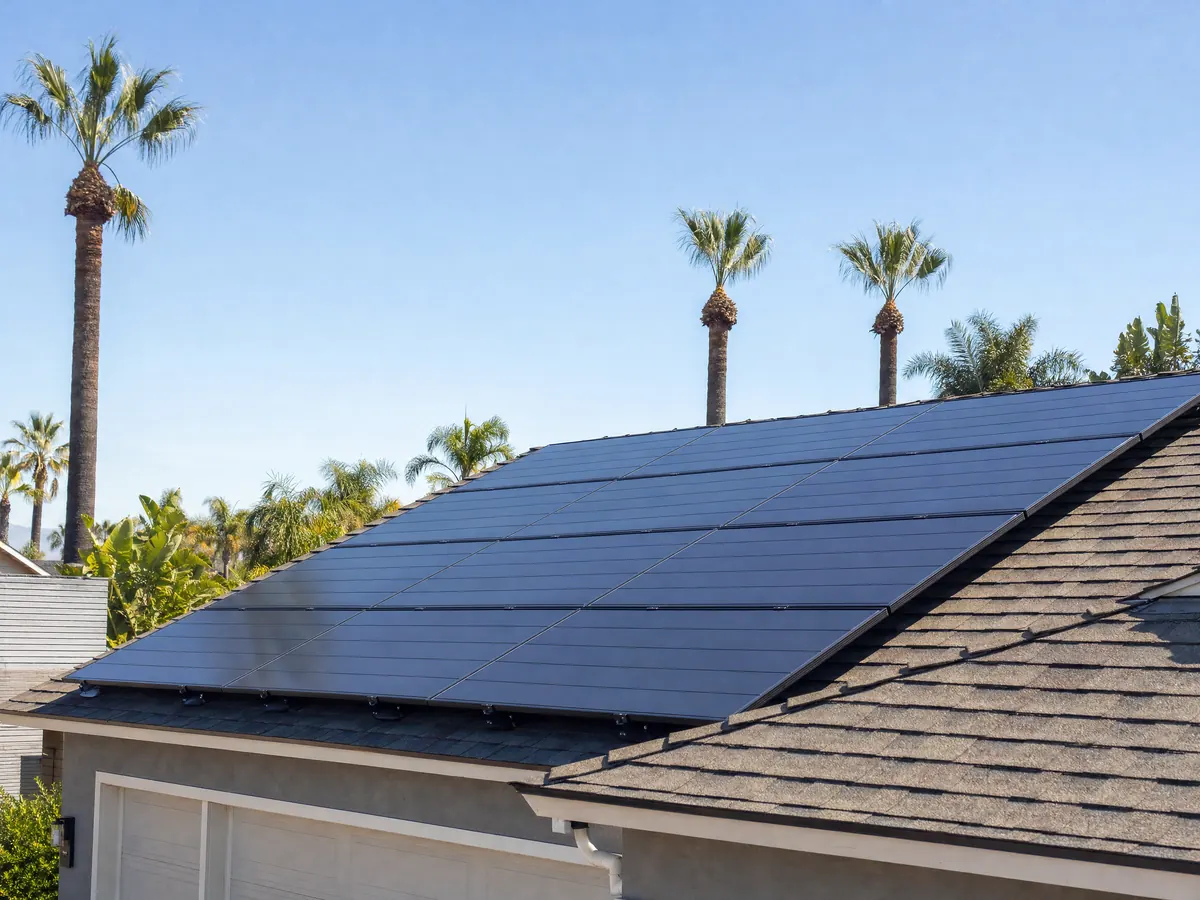
Rooftop solar needs a plan too. Angi's Los Angeles page puts removing and reinstalling panels at $500 to $1,000, and we found no Beverly Hills rule on whether a detach and reset needs its own permit. Ask the counter, and have the proposal say who disconnects, who reconnects and who pulls any permit.
How much does roof replacement cost in Beverly Hills, and how do I hire a roofer?
We found no Beverly Hills price survey, so the figures are for Los Angeles, and roof area drives them more than anything else. Angi's Los Angeles page, updated July 31, 2026, lists asphalt at $4 to $12 a square foot, tile at $7 to $15 and metal at $7 to $16, plus $1,000 to $3,000 for tear-off. Remodeling magazine's Cost vs. Value 2025 report prices a reference asphalt roof at $36,417 and a metal roof at $62,069 without publishing the roof's size. The median owner-occupied home value here is reported only as $2,000,001, the Census top code, so scaling those numbers up would be a guess. Deck repair and solar handling belong on separate lines.
Roofing is CSLB class C-39, defined as installing products and repairing surfaces that seal, waterproof and weatherproof structures, including shingles, roof tile, slate and metal roofing systems. Verify any license with our contractor license guide, and read how general contractors use subcontractors to see who answers for what. Under Business and Professions Code 7159 the down payment is capped at $1,000 or 10 percent, whichever is less.
Roofing photos from Beverly Hills and nearby communities
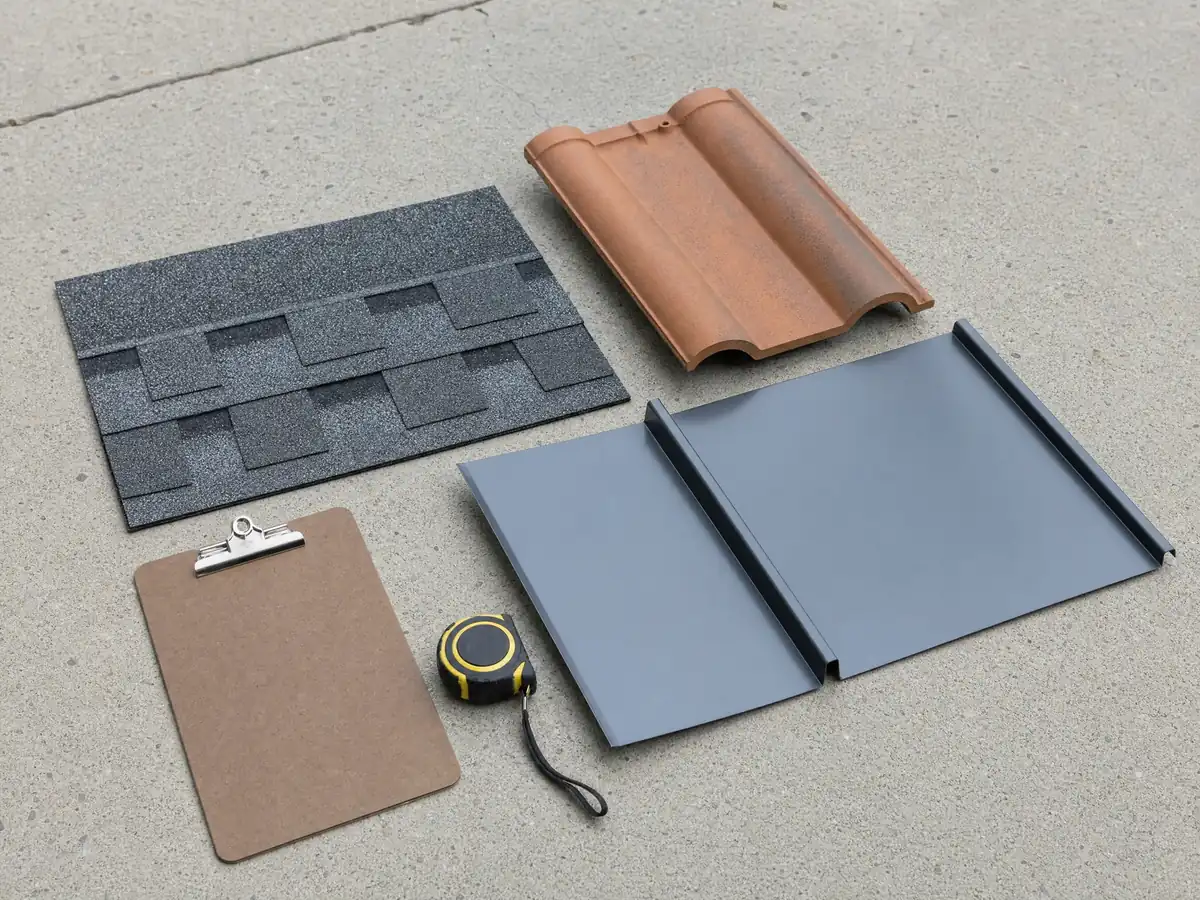
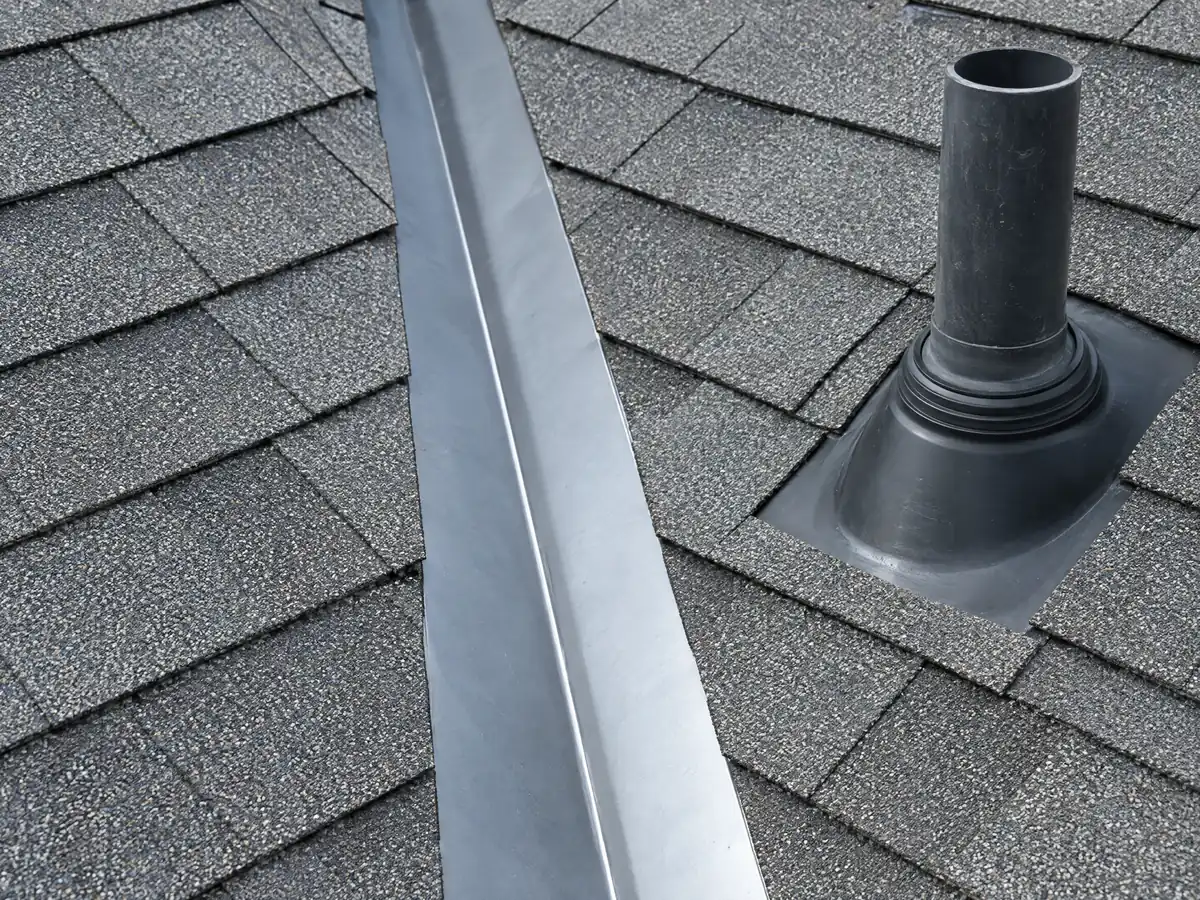
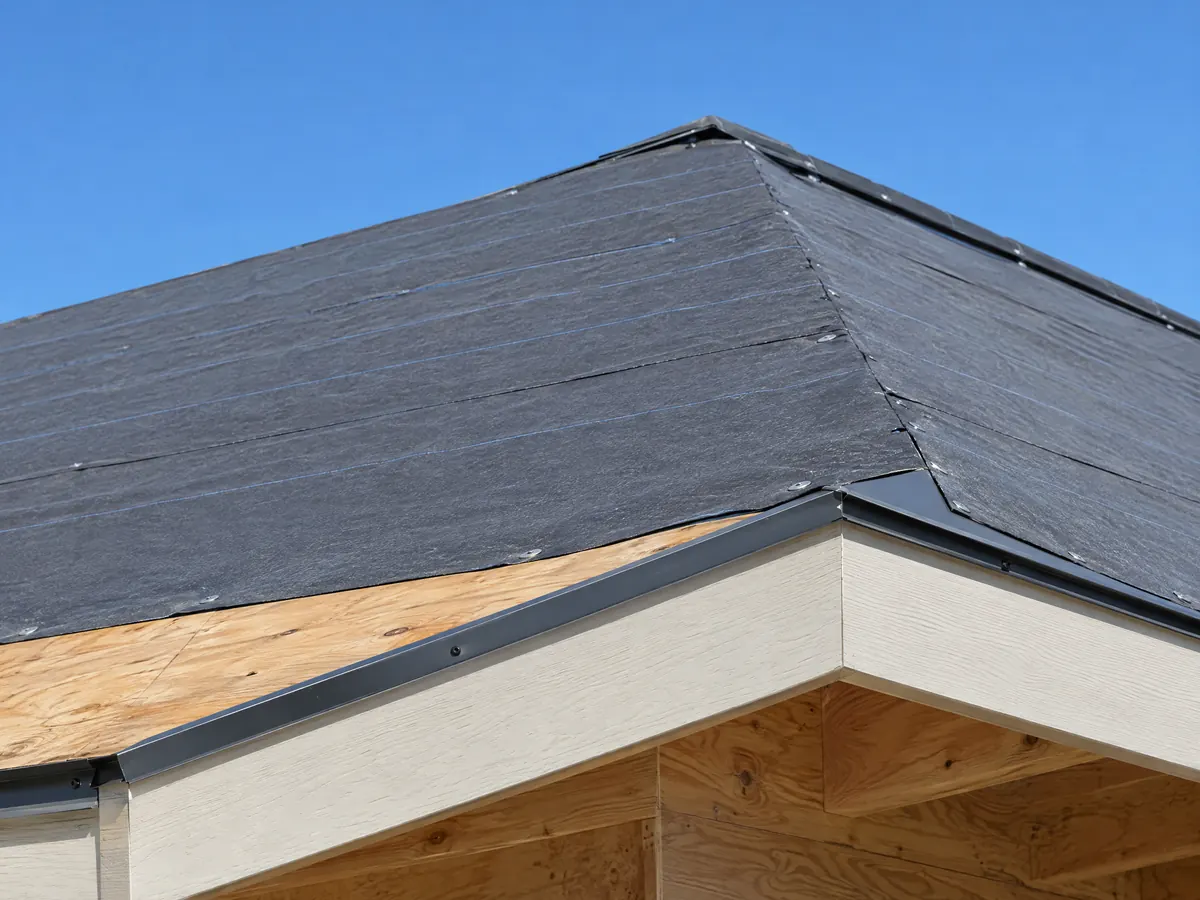
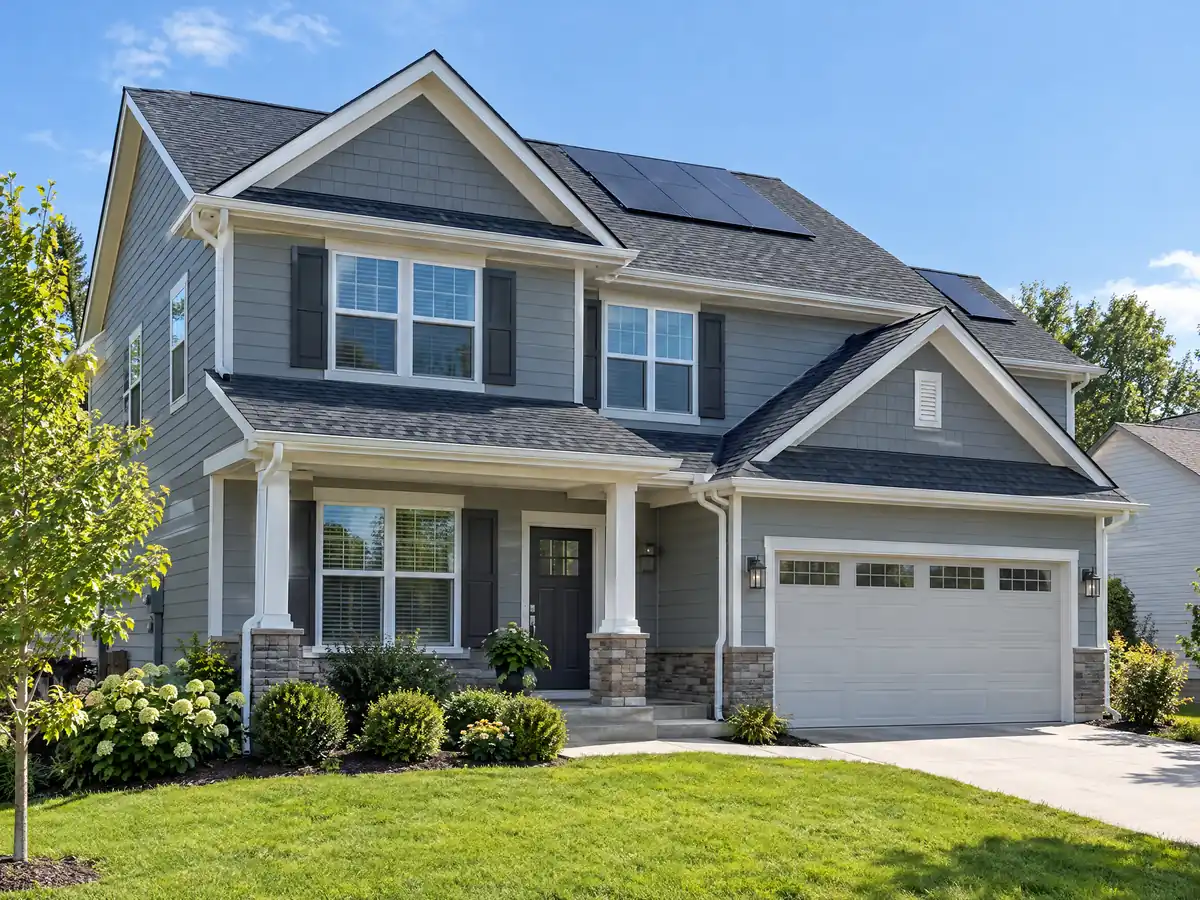
Seven roofing scenes tied to Beverly Hills streets and to nearby places such as Holmby Hills, Century City and West Hollywood, from tile and shingle work to hillside roofs and solar.
Where these Beverly Hills roof figures come from
The sourced roofing table is on our roofing price page, and the California roof replacement cost guide shows why Angi and Cost vs. Value sit so far apart. A new roof often travels with other work, and the Beverly Hills rules for it are on the fencing page, the painting page and the kitchen remodeling page. To compare how other westside cities treat roofs, read the guides for Santa Monica and Los Angeles.
| What it covers | Typical range |
|---|---|
| Asphalt shingle, typical single-family roof | $10,000 to $25,000 |
| Concrete or clay tile | $7 to $15 per sq ft |
| Metal | $7 to $16 per sq ft |
| Remodeling Cost vs. Value 2025, Los Angeles | Asphalt $36,417. metal $62,069. |
| Extras | Tear-off $1,000 to $3,000. solar detach and reset $500 to $1,000. |
Other work we manage in Beverly Hills
Beverly Hills roofing questions, answered
How much does it cost to reroof a house in Beverly Hills?
Price it by roof area and material. Angi's Los Angeles page runs $4 to $12 a square foot for asphalt, $7 to $15 for tile and $7 to $16 for metal, plus $1,000 to $3,000 for tear-off. We found no Beverly Hills survey, so a measured written proposal is the real price.
Do I need a permit for roof repair or roof replacement in Beverly Hills?
Yes. The City's roofing page says any roof change needs a permit, and each structure, such as a house and a garage, needs its own application. We could not read the code's exemption list, so we call no roofing job exempt. Apply online or at the Permit Center counter, and ask about a Public Right-of-Way permit for any dumpster.
What is a Class A roof, and does Beverly Hills require one?
A Class A roof is the top fire-resistance rating, and the City requires Class A, non-wood roofs. The application asks for the approval report number, such as an ICBO report or UL listing. The Zoning Code mirror still lists wood shake for the Central Area, so confirm acceptable materials with Planning.
What is the 25% rule for roofing?
We found no 25 percent rule in the Beverly Hills material we read, and the sites that quote one rarely cite a section. The City's roofing page says any roof change needs a permit, so a small repair is not exempt by percentage on that text. Ask the Permit Center how it treats a partial re-roof.
Should I repair or replace my roof?
Judge it by condition, not age. A sound deck with local damage can be repaired, while failure across a slope, leaks that keep moving or a soft deck points to replacement. The City inspects the existing deck before work, so ask the roofer for photographs of the flashing, underlayment and deck.
What is the best time of year to replace your roof in Beverly Hills?
Summer. NOAA's normals for the nearby UCLA station show 14.53 of the year's 17.73 inches of rain from December through March, with July at 0.03 inch and August at 0.01. Work is limited to weekdays from 8 AM to 6 PM, so a dry week is the only calendar you have.
Can you stay in your house while the roof is being replaced?
Usually yes, since the work happens above the ceiling, though it is loud. In a rental or condo, a Means and Method Plan goes to the Rent Stabilization Division when habitability could be affected for more than one day. Ask the contractor for the schedule and any days the water or power will be off.
Do roofers need to be licensed in Beverly Hills?
Yes. The City requires a licensed contractor for any project valued at $1,000 or more, and roofing is CSLB class C-39. The state's $1,000 minor work exception applies only when no permit is needed and the person employs no one, and a roof change needs a permit here. Check the number on the CSLB site.
Can you negotiate roof pricing?
Yes, but settle scope before price. Get written proposals that list roof area, the Class A covering, deck repair, solar handling and debris removal as separate lines, then compare line by line. California caps a down payment at $1,000 or 10 percent, whichever is less, so a request for more is a reason to walk away.
Ask for a roof inspection in Beverly Hills
Give us the address, say whether the house sits north of Sunset or in a condo building and describe what the ceiling or gutters show. Before we call back we check which roof class and review questions apply to your lot.