
Concrete Companyin Loma Linda, CA
A concrete company in Loma Linda works around an Alquist-Priolo fault zone and a hillside ordinance in the southern third of the city. The City publishes no permit rule for a ground-level patio or walk, but walls over 18 inches, grading above 50 cubic yards and anything in the street all need approval. Ask before you pour.
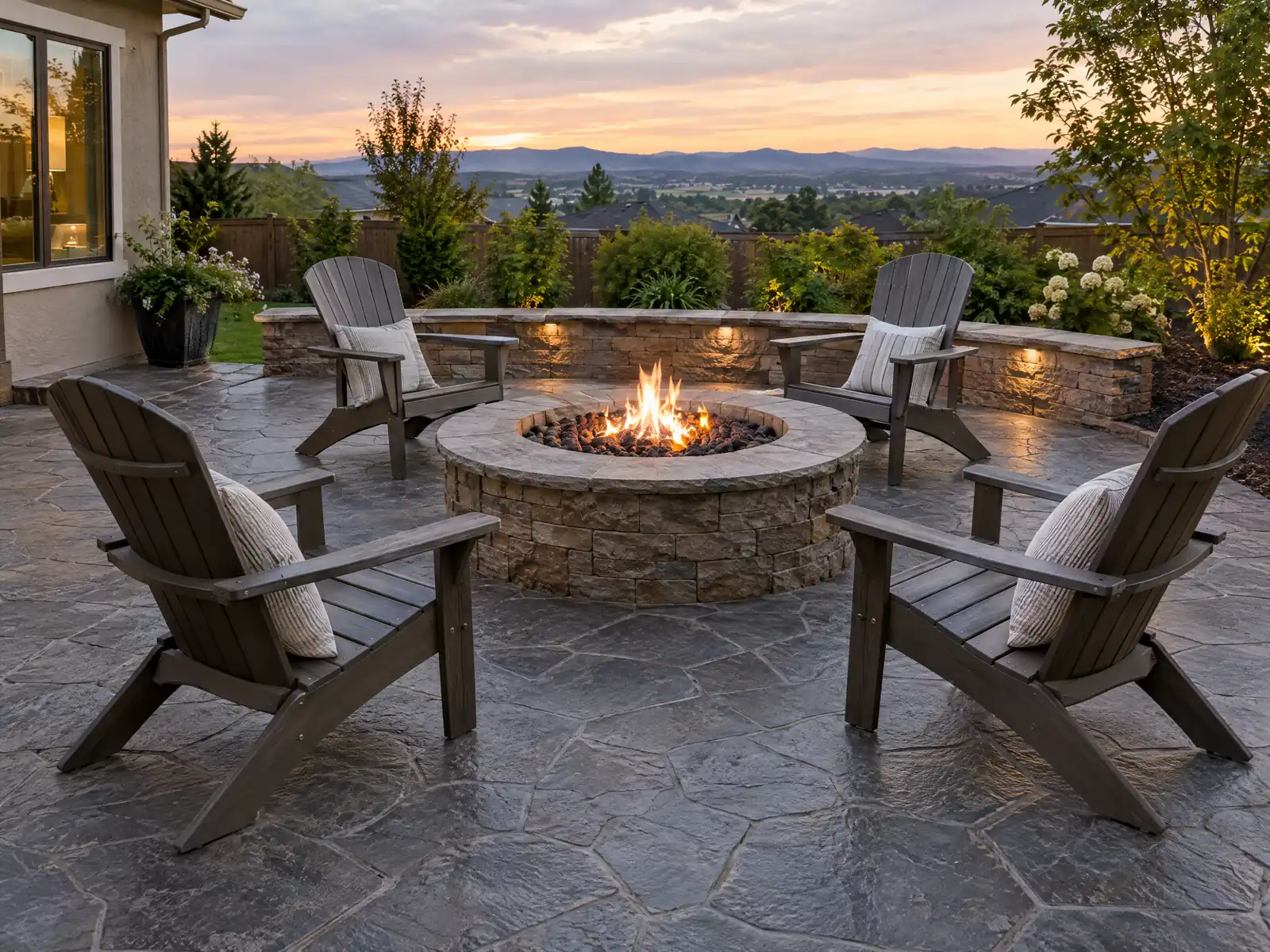
Loma Linda's concrete follows its growth. The City's history page describes orange groves giving way to homes, and the Census Bureau's 2024 estimates credit the 1970s with 2,134 homes and the 1980s with 1,851, so 6,173 of the city's 10,181 units, about 61 percent, predate 1990. Many walks, driveways and block walls are now more than 35 years old, and the southern third of town climbs into the South Hills, where slopes, faults and fire zones shape every pour.
MDG Builders, CSLB #1040337, is a general contractor in Tarzana that writes the concrete scope, takes the permit and slope questions to Building and Safety and brings in a licensed concrete subcontractor to form, place and finish. The concrete page explains finishes, the Loma Linda overview lists every trade we take here, and slabs often pair with flooring in Loma Linda or a deck in Loma Linda.
What Loma Linda's Building and Safety Division, Public Works, South Coast AQMD and state law say about concrete work
Where concrete permits come from in Loma Linda: City of Loma Linda Community Development Department, Building and Safety Division.
- Dust: South Coast AQMD Rule 403 (amended June 3, 2005) bars fugitive dust from an active operation, open storage pile or disturbed surface area that remains visible in the atmosphere beyond the property line of the emission source, which applies to grading, saw-cutting and demolition of slabs on residential lots.
- Concrete in the street: a driveway apron, curb, gutter or sidewalk in a public street, alley or easement needs a written construction permit from the city engineer under 12.04.030. (Read in GoCodebook's third-party mirror of the Municipal Code, text as of 2026-10-04; the City's own code pages returned a Cloudflare 403.)
- Concrete flatwork on private lots: no flatwork-specific permit rule was found on the pages read; the Building FAQ says walls over 18 inches need a building permit, patios and decks have their own handouts, and Chapter 17.24 requires parking spaces and access driveways to be graded, drained and surfaced to City standards, with precise plan of design approval before a new parking area is used. (Read in GoCodebook's third-party mirror of the Municipal Code, text as of 2026-10-04; the City's own code pages returned a Cloudflare 403.)
- Foundations and soils: the City's new-house plan check sheet says allowable soil pressure without a soil report is 1,000 psf including the weight of the footing, and its standard wall handouts assume 1,500 psf allowable bearing; the Safety Element adds that geologic and soil reports are required for development sites and that liquefaction susceptibility is moderate to moderately high in parts of the planning area.
- Defective soils: Municipal Code 15.04.060 conditions a building permit on an approved corrective measure where a lot has been found to have defective soils, and a preliminary soil report is required for subdivision maps. (Read in GoCodebook's third-party mirror of the Municipal Code, text as of 2026-10-04; the City's own code pages returned a Cloudflare 403.)
Does the San Jacinto fault zone change how a slab or footing is poured in Loma Linda?
It can change what the City asks for before approval. The Safety Element says an Alquist-Priolo Earthquake Fault Zone follows the San Jacinto Fault in the southern part of the city, calls for a geologic report before project approval there and bars a habitable structure from sitting across an active trace. The Reche Canyon fault is potentially active, and the Geologic Hazards overlay lets the City apply the state's approval authority inside the study zones. The San Andreas Fault, about five miles northeast, carries a 19.5 percent chance of a magnitude 6.7 or larger quake in 20 to 25 years, against 5 percent for the San Jacinto.
The pages we read do not say whether a backyard patio slab triggers a geologic report, so give the counter the address and ask. Soils matter off the fault too. The City's new-house plan check sheet limits allowable soil pressure to 1,000 pounds per square foot without a soil report, its wall handouts assume 1,500, and Municipal Code 15.04.060, read in GoCodebook's third-party mirror, makes a permit depend on corrective measures where a lot has defective soils.
Liquefaction is the other soil question. The Safety Element maps moderate to moderately high susceptibility in the northwest and north-central parts of the planning area and the southern reaches of Reche Canyon, and its policies require geologic and soil reports on development sites. Footings are where a pour meets all of this, so ask the engineer which depth and steel the report supports.
What do the South Hills hillside rules mean for a pour, a footing or a grading cut?
Hillside rules begin at a 10 percent grade. Chapter 19.08 defines a hillside area as grade of 10 percent or more on the City's hillside map and calls for a civil engineer's slope analysis, in bands of 10 to 15, 15 to 25, 25 to 35 and over 35 percent, before grading is approved. The HR zones in Chapter 17.36 bar mass grading on primary ridgelines and north-facing slopes and require foundations to follow the natural slope where it is 15 percent or more.
Density and design add limits. The (H) suffix zone applies where average slope is steeper than five to one and sends development plans to the Planning Commission with grading, drainage and erosion drawings, though its detailed standards skip one house and its accessory buildings on a parcel of record from 1974. Measure V and Chapter 20.12 hold about 1,157 acres of the southern hills to one home per 10 acres, with a bonus to one per five where criteria are met.
The grading threshold is the number to remember. Municipal Code 15.08.020(D) exempts only an isolated, self-contained area of 50 cubic yards or less with under 12 inches of fill or 2 feet of cut, and the new-house sheet asks for a permit once fill passes one foot or 50 cubic yards moves. A driveway cut into a slope can cross that line quickly, so get the grading answer in writing.
Can I pour a patio, walkway or driveway in Loma Linda without a permit?
We found no flatwork rule for private lots, so the honest answer is to ask. The Building FAQ says most buildings and structures need a permit, including fences and walls over 18 inches, that electrical, plumbing and mechanical work each carry their own permit and that even work needing none must meet development standards. It lists no exempt table for slabs, walks or driveways, though patio covers and decks have their own City handouts.
Parking surfaces have a rule. Chapter 17.24 requires parking spaces and access driveways to be graded, drained and surfaced to City standards, asks for precise plan of design approval before a new parking area is used and expects two garage spaces for a single-family house, so widening a driveway is a zoning question first. The R-1 table also sets a 40 percent maximum footprint coverage, and whether paving counts toward it is a question for Planning.
The street side belongs to Public Works. Chapter 12.04 requires a written construction permit from the city engineer to build driveways, curbs, gutters or sidewalks in a public street, alley or easement, plus a separate street opening permit to dig the street for utilities. Municipal Code 15.44 lets the City require right-of-way dedication and street, drainage and sanitary improvements as a condition of a building permit. Anything touching the apron, curb or sidewalk needs that answer before the pour.
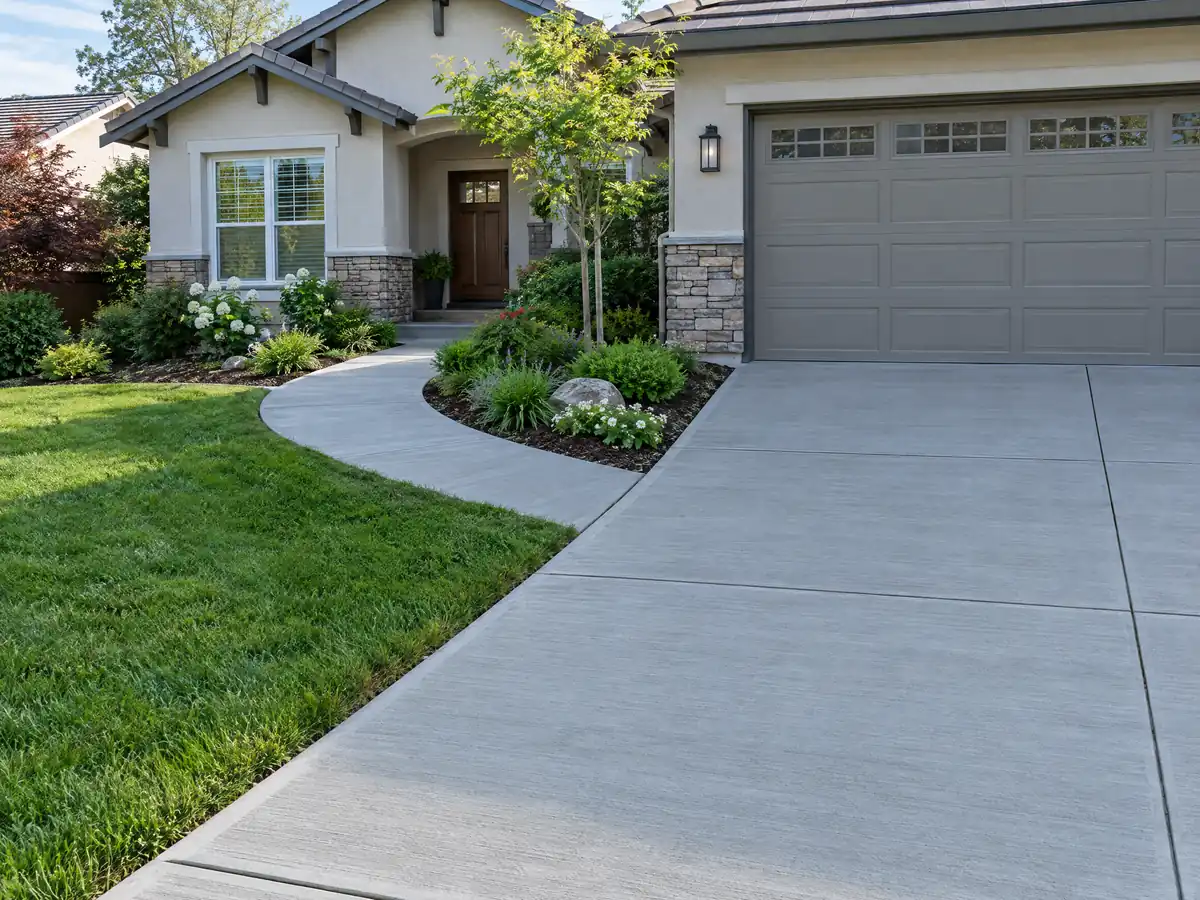
How tall can a block wall, garden wall or retaining wall be in Loma Linda?
Heights depend on the yard. Chapter 17.14 allows no fence over 4 feet and no wall or hedge over 3 feet in a required front yard, 6 feet in interior side and rear yards, and up to 8 feet at the rear where the director finds that grades differ. The fee schedule lists Fence/Wall Review at $125, and a plot plan is required for walls in front or exterior side yards.
The permit text conflicts, and we say so plainly. The City amended its building codes so fences not over 6 feet are exempt from a building permit, yet the Building FAQ lists fences and walls over 18 inches among the items needing one and the Planning FAQ says a fence needs zoning clearance or a building permit. We read them separately, so have the Building Division say which route applies before block is ordered. Retaining walls need a Building Department permit and inspection.
The City's handouts show what inspectors expect. The block wall handout covers walls up to 6 feet with number 4 rebar, bond beam block and a retaining portion limited to 2 feet, assuming 1,500 psf soil and 80 mph wind. The retaining wall handout calls for 2,500 psi footing concrete, grouted block, a cubic foot per foot of clean gravel with 4 inch perforated pipe at 1 percent fall and inspections of trench, steel and drainage before grouting. Both say they are used at the user's risk, so an engineer may be wiser on a slope.
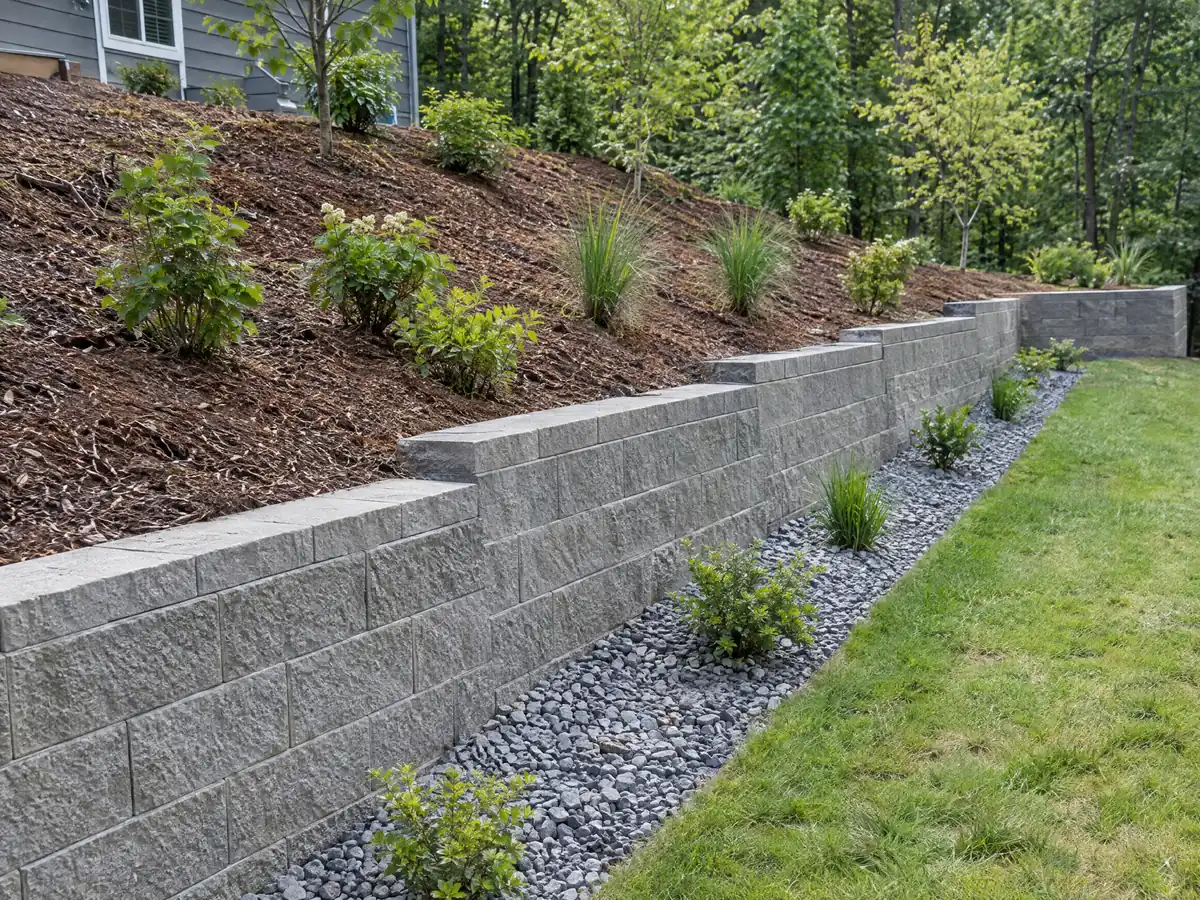
Do the Mission Road overlay, street trees or old orange groves change a concrete job in Loma Linda?
They can. Chapter 17.74 requires a Public Works permit to excavate within the drip line of a street or landmark tree, or within 10 feet of it, whichever is greater, and the urban forestry committee can advise on the removal of orange, grapefruit or other significant groves. A footing trench or a new walk beside an old tree needs that call first.
The Historic Mission Overlay District covers the Mission Road area between Redlands Boulevard, San Timoteo Creek, California Street and Mountain View Avenue, and its theme is the zanja, a mission-era irrigation ditch. Cultural resources more than 50 years old fall under review there. Chapter 17.80 says deteriorated features in the overlay must be repaired rather than replaced, and replacements must match in design, color and texture, so an old walk or step at a designated property belongs in a Planning conversation. A Certificate of Appropriateness is listed at $645.
Elsewhere, age is the practical guide. The Housing Element says City staff found Code Enforcement complaints mostly cosmetic, and with 62.1 percent of occupied homes rented, many owners patch rather than replace. Let the crack, the slope and the drainage decide, not the calendar.
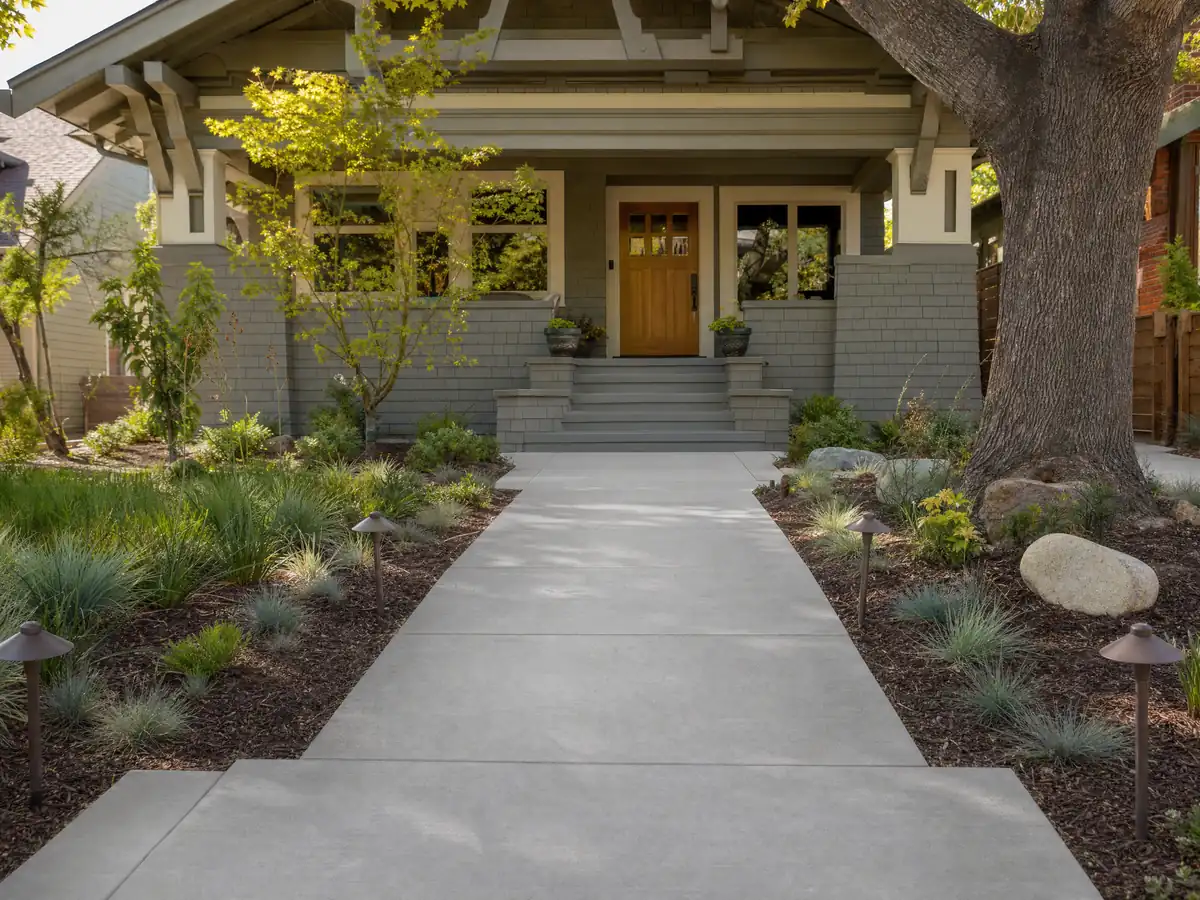
What do dust, washout, noise and recycling rules mean for a pour in Loma Linda?
South Coast AQMD governs here, not the Mojave district. Rule 403, amended June 3, 2005, bars fugitive dust that stays visible beyond the property line from an active operation, a storage pile or a disturbed surface, which covers grading, saw cutting and slab demolition on a residential lot. Rule 1113 separately defines floor coatings, including clear coatings made for concrete floors, so ask for the product data sheet before a sealer goes on.
Washout belongs in a pit, not the street. Chapter 13.26 allows only stormwater and a short list of discharges, such as landscape irrigation and de-chlorinated pool water, into the storm drain system or any street or ditch leading to it. Chapter 9.20 sets 7 a.m. to 8 p.m., Monday through Friday, as the window when building construction may exceed noise limits and bars heavy construction on weekends and national holidays. Remember the pump truck and the mixer drum.
Debris needs a plan. A project of 500 square feet or more must submit a waste management plan and divert at least 60 percent by tonnage unless it wins an exemption as infeasible, and covered demolition must first be offered for salvage, so a 600 square foot driveway replacement qualifies. NOAA's Redlands normals show about 104 days a year at 90 F or hotter and 26 at 100 F or hotter, so ask how curing will be handled in August.
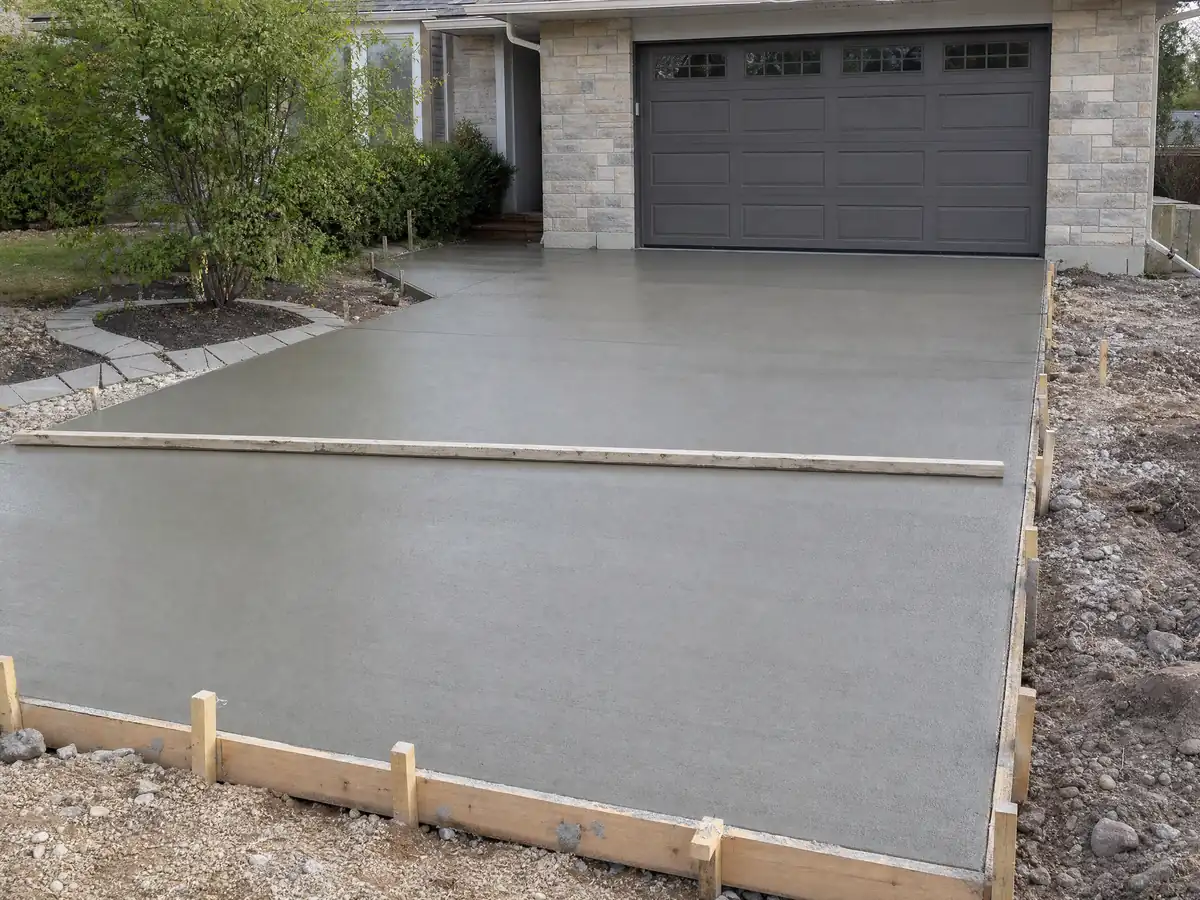
What does concrete work cost in Loma Linda, and which license does a concrete company need?
No Loma Linda price study states its method, so the anchor is Angi's Los Angeles pages, which we rate medium confidence for plain flatwork. They show patios at $4 to $13 per square foot with an average of $5,248 (August 4, 2026), stamped patios at $15 to $30 (July 20, 2026) and driveways at $8 to $20 (May 5, 2026). Our working range for patios, walks and slabs of 300 square feet or more is $8 to $14 per square foot, stained, stamped or exposed aggregate runs $15 to $30, and a driveway replacement runs $9 to $20 with demolition. Small jobs cost more per foot because of minimum charges.
Retaining walls get no per-foot figure from us, because engineering, drainage and height decide the price. In May 2025 the federal wage survey recorded a mean of $33.67 an hour for cement masons in the Los Angeles area, which sets the labor floor for a pour. State law, in Business and Professions Code 7159.5, lets a contractor collect no more than $1,000 or 10 percent of the contract price up front, whichever is smaller.
CSLB's C-8 class covers forming, pouring and finishing concrete, and its C-29 class covers concrete block walls, so a poured wall and a block wall can need different licensed subcontractors. Loma Linda's permit application asks for a contractor license declaration and a workers' compensation declaration, and our license check guide shows how to read a CSLB record.
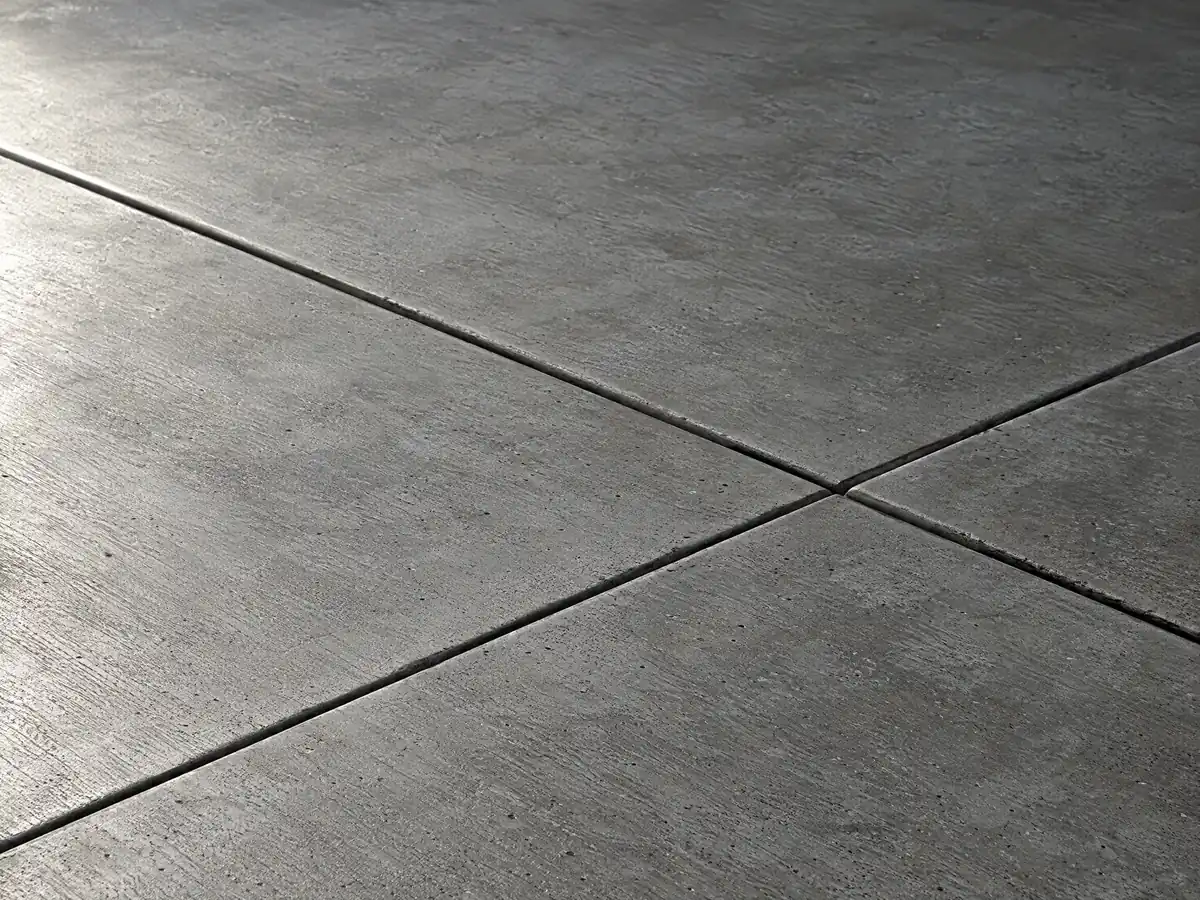
Concrete photos from Loma Linda and nearby communities
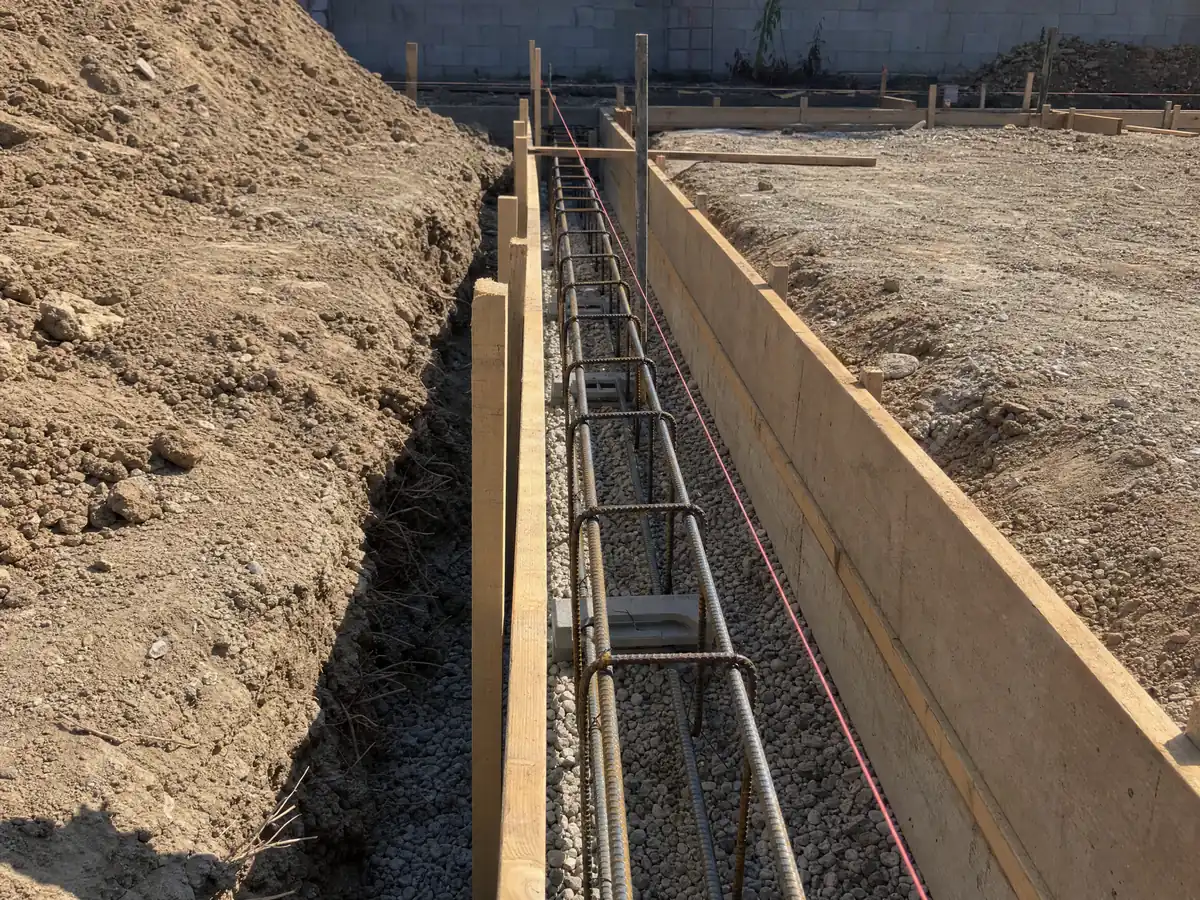
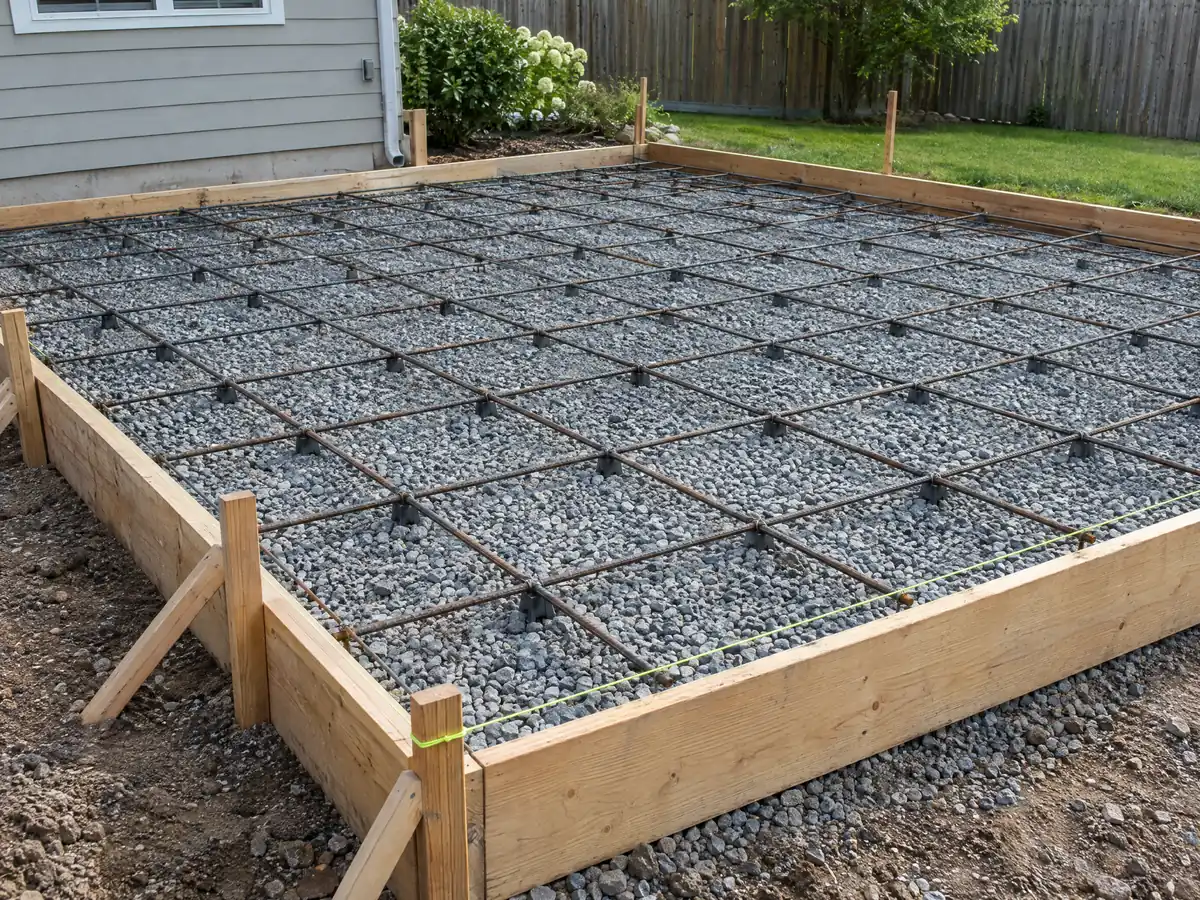
Forms, rebar, finished flatwork and block walls from Loma Linda and the cities around it, shown at the steps where the permit lines matter. Tap any photo to enlarge it.
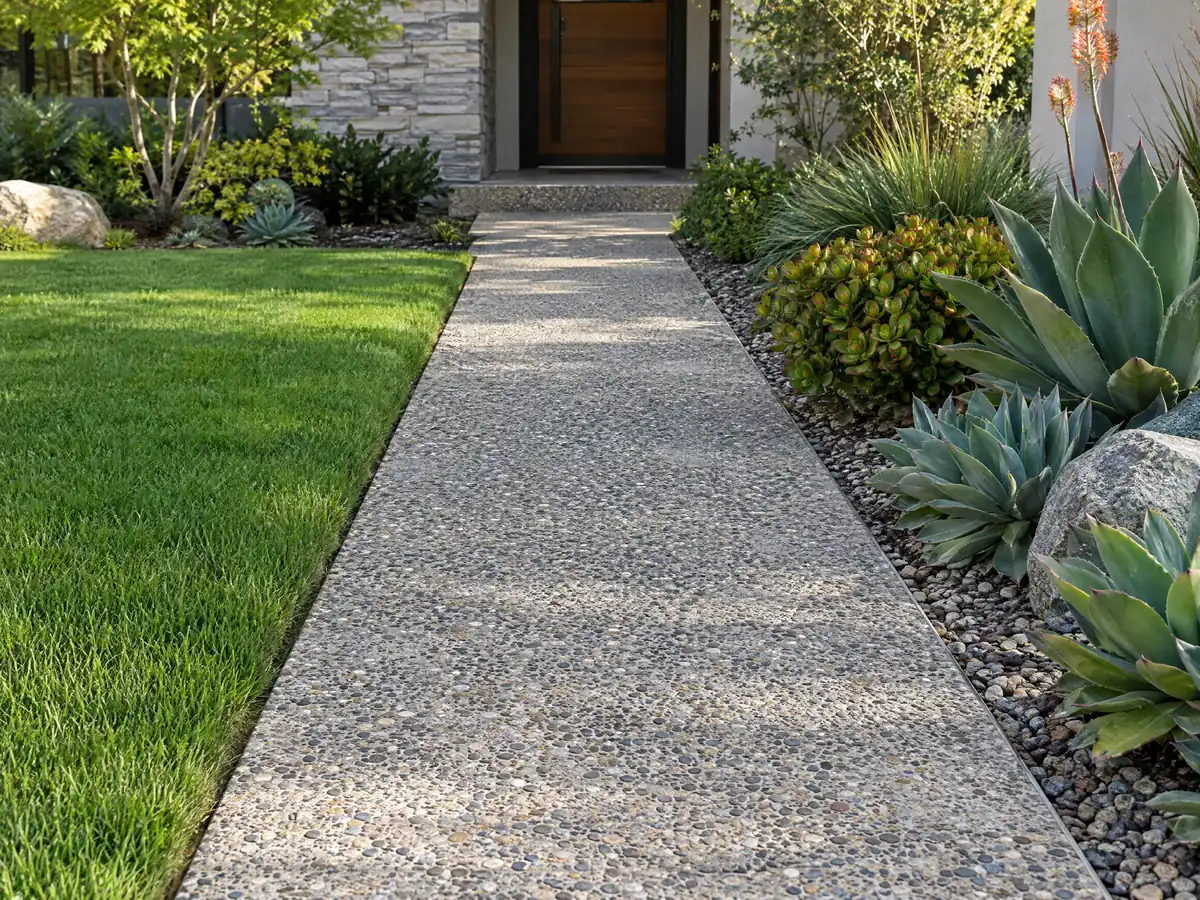
What concrete costs around Loma Linda
The dollar figures on this page are Los Angeles planning ranges from our concrete page, not a Loma Linda bid, so ask the proposal to list demolition, hauling, base, steel, engineering and any street permit as separate lines. Loma Linda borders Redlands, Colton and San Bernardino, and each has its own page: concrete in Redlands, concrete in Colton, concrete in San Bernardino, concrete in Highland and concrete in Rialto, with concrete in Los Angeles as the big-city benchmark. Our subcontractor guide shows which trade forms, places and finishes, while the flooring cost guide covers what can be laid on a slab afterward.
| What it covers | Typical range |
|---|---|
| Patio, walkway or slab, broom finish, 300 sq ft or more | $8 to $14 per square foot |
| Decorative: stained, stamped or exposed aggregate | $15 to $30 per square foot |
| Driveway replacement, with demolition of the old slab | $9 to $20 per square foot |
| 20 by 20 foot plain patio (400 sq ft) | About $3,200 to $5,600 |
| 20 by 20 foot decorative patio (400 sq ft) | About $6,000 to $12,000 |
| Small jobs under 300 sq ft | Usually above the per-foot range |
| Retaining walls | Set by the written proposal |
Other work we manage in Loma Linda
Loma Linda concrete questions, answered
Can I pour a concrete patio without a permit?
We found no Loma Linda rule that exempts or requires a permit for a ground-level slab, so call first. The Building FAQ lists walls over 18 inches among permit items, patio covers and decks have their own handouts, and work needing no permit must still meet development standards. Call (909) 799-2836 with the size, height and address.
How much should a 20x20 concrete patio cost?
A 20 by 20 patio is 400 square feet, which at our $8 to $14 working range is about $3,200 to $5,600 with a plain broom finish. Angi's Los Angeles patio page shows a 20 by 20 at $1,600 to $5,200, and decorative finishes run $15 to $30 per square foot. Access, base and demolition move a Loma Linda bid.
How much does a 300 sq ft stamped concrete patio cost?
At $15 to $30 per square foot, the range on Angi's Los Angeles stamped patio page of July 20, 2026, a 300 square foot stamped patio runs about $4,500 to $9,000. That page shows an average of $5,948. Pattern, color, sealer and access change a Loma Linda bid, and no local study states its method.
What is the maximum height of a retaining wall without a permit in California?
The 2022 California Building Code exempts retaining walls up to 4 feet, measured from the bottom of the footing to the top, unless they hold back a surcharge. Loma Linda's pages say retaining walls need a Building Department permit and inspection, and its Building FAQ lists walls over 18 inches, so confirm which line applies before digging.
Is 4 inches of concrete thick enough for a driveway?
Four inches is the usual depth for a residential patio or driveway in the trade, but we found no Loma Linda code section that sets driveway thickness. Heavier trucks, weak soil or a hillside cut can call for more depth or steel. Ask the proposal to state thickness, base, rebar or mesh and joint spacing.
Can I expand my driveway without a permit?
Ask first, because widening is a zoning question as well as a building one. Chapter 17.24 requires driveways and parking spaces to be graded, drained and surfaced to City standards and asks for precise plan approval before a new parking area is used. Work in the apron, curb or sidewalk needs a Public Works permit from the city engineer.
Do I need a grading permit to pour concrete in Loma Linda?
Possibly, if the site work moves enough soil. Municipal Code 15.08.020(D) exempts only isolated grading of 50 cubic yards or less with under 12 inches of fill or 2 feet of cut, and the new-house sheet asks for a permit above one foot of fill. Hillside lots at 10 percent grade or more also need an engineer's slope analysis.
Does a slab near the San Jacinto Fault need a geologic report in Loma Linda?
Possibly, inside the Alquist-Priolo zone, which follows the San Jacinto Fault in the southern part of the city. The Safety Element calls for a geologic report before project approval there, and the pages we read do not say whether a patio slab counts. Ask Building and Safety with the address, and check the City's Geologic Hazards overlay.
Does concrete washout break any Loma Linda rules?
It can. Chapter 13.26 allows only stormwater and listed discharges such as landscape irrigation into the storm drain system and any street or ditch that leads to it, so washout, slurry and saw water must be captured. South Coast AQMD Rule 403 also bars dust that stays visible past the property line.
What license does a concrete company need for work in Loma Linda?
Concrete work falls under CSLB's C-8 class, and block walls under C-29. The City's building permit form makes a contractor declare a license number and workers' compensation status. Check the number on the CSLB site and ask each subcontractor for a license and certificate of insurance.
Tell us the size, the slope and whether the work touches the street
Say what you want poured, roughly how many square feet, whether the lot is flat or on a hillside and whether the slab, wall or driveway reaches the curb or sidewalk. The fault zone, grading and street permit questions come with us to the first visit.