
Concrete Companyin Temecula, CA
A concrete company in Temecula can pour a slab on grade without a building permit, according to the City, but setbacks still apply. Retaining walls over 3 feet, work inside a protected oak zone and any pour in a mapped fire zone have their own rules, and stormwater practices cover every site.
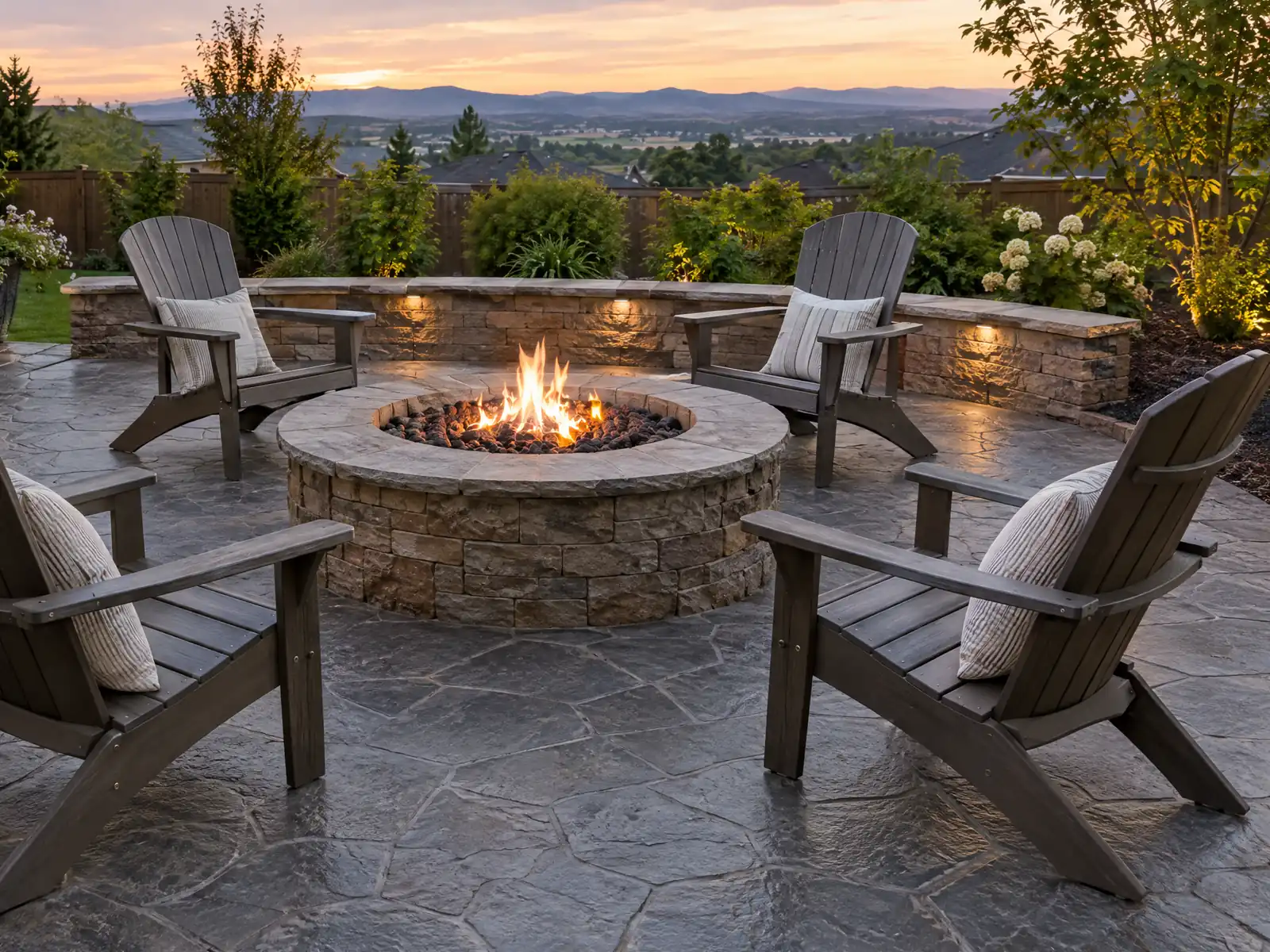
Temecula poured most of its concrete in a hurry. Rancho California began after the 1964 sale of the Vail Ranch, Interstate 15 was finished in 1985, and the city incorporated on December 1, 1989 with 27,099 people, then grew to 110,003 by 2020. Census estimates for 2024 count 39,835 homes, about 75 percent built in 1990 or later, so most driveways, walks and patios here are between 5 and 35 years old rather than 50, and Old Town holds the older slabs.
MDG Builders, CSLB #1040337, is a Tarzana general contractor. We draft the scope, put permit and tree questions to the City's Building and Safety Division and hire a licensed concrete subcontractor to form, pour and finish. The concrete page covers finishes, and the Temecula overview lists the other trades we manage here.
What Temecula's Building and Safety Division, the tree ordinance and the stormwater rules say about concrete work
Where concrete permits come from in Temecula: City of Temecula Community Development Department, Building and Safety Division.
- The City's Patio and Decks page says building permits are not required for slabs on grade (setbacks still apply) and that freestanding decks not connected to a structure and not over 30 inches above adjacent grade need no permit regardless of size. The state model California Building Code 105.2 text also exempts sidewalks and driveways not more than 30 inches above adjacent grade (read on a gocodebook.com page, third party), but the City's own pages read do not list driveways.
- Temecula's amended building code exemption covers retaining walls not over 3 feet high (footing bottom to top of wall) unless they support a sloped surcharge, and garden walls not over 4 feet high; anything taller needs a permit. The state model text read on a gocodebook.com page uses 4 feet for retaining walls, so Temecula's threshold is lower. Municipal Code text read on the gocodebook.com mirror (third party).
- Temecula's amended section 1907A.2.1 requires slab connections from an existing slab to new construction to use dowels at least 24 inches on center, of one-half inch minimum diameter steel, 18 inches long, embedded at least 6 inches into the existing concrete. Text read on the gocodebook.com mirror (third party).
- Concrete work near a tree is regulated: a Protected Tree encroachment includes trenching, excavating, paving and grading inside the protected zone (5 feet beyond the drip line, at least 15 feet from the trunk) and needs a City permit unless an exception applies, and each action that damages a protected tree is a separate violation.
- Stormwater rules reach every Temecula concrete job: the City's stormwater best management practices (limit wet-season grading, cover erosion-prone areas, keep sediment and debris on site, keep materials out of the public right-of-way) are enforced under Title 18 for all construction sites regardless of size.
- CSLB defines the C-8 Concrete classification as forming, pouring, placing, finishing and installing mass, pavement, flat and other concrete work, and placing and setting screeds for pavements or flatwork, excluding contractors whose sole business is plaster coatings or placing reinforcing steel.
Do you need a permit to pour a concrete patio or slab in Temecula?
Not for a slab on grade, according to the City. Its Patio and Decks page says building permits are not required for slabs on grade, but setback requirements still apply, so a patio cannot creep to the lot line just because no permit is needed. The same page exempts freestanding decks of 30 inches or less above grade. The state model code also exempts sidewalks and driveways not over 30 inches above grade, but the City pages we read do not list driveways, so ask before you assume.
Raised or attached work is different. A slab that ties into existing concrete must follow Temecula's amended section 1907A.2.1, which calls for dowels of one-half inch steel, 18 inches long, at no more than 24 inches on center and embedded at least 6 inches into the old slab. Many wineries and large parcels with Temecula addresses sit in unincorporated Riverside County, so use the City's address lookup first to learn who issues the permit.
- Does the pour tie into an existing slab or foundation?
- Is the address inside the city limits?
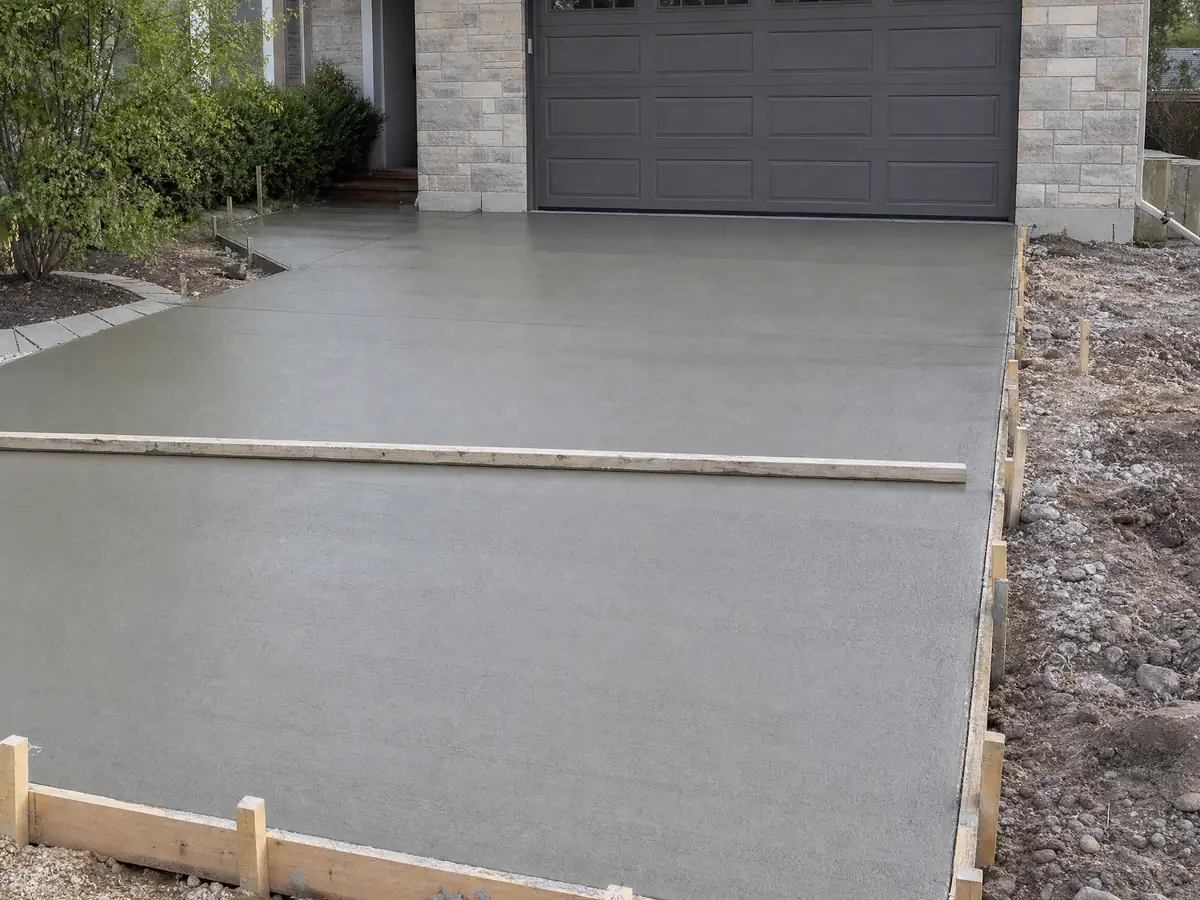
Can a concrete company trench, grade or pave near an oak or sycamore in Temecula?
Only with a permit when the tree is protected. Chapter 8.48 covers oaks, California sycamore, California bay laurel, California black walnut and toyon with a trunk of 12 inches or more measured 4.5 feet above grade. The protected zone runs 5 feet past the drip line and never less than 15 feet from the trunk, and trenching, excavating, paving, grading, parking vehicles or storing materials inside it counts as encroachment that needs a Protected Tree Removal or Relocation Permit unless an exception applies.
Each action that damages a protected tree is a separate violation, so a footing trench and a wheelbarrow route can add up. Specific plan areas keep their own tree rules, and the code text came from the gocodebook.com mirror, so the City's tree contact should confirm before a footing is dug. A cheaper route is often to move the slab outside the zone.
- Is the trunk 12 inches or more across at 4.5 feet above the ground?
- Does the slab, trench or truck route fall inside the protected zone?
- Is the lot in a specific plan with its own tree rules?
Measure from the drip line, not the trunk, when you mark where concrete may go.
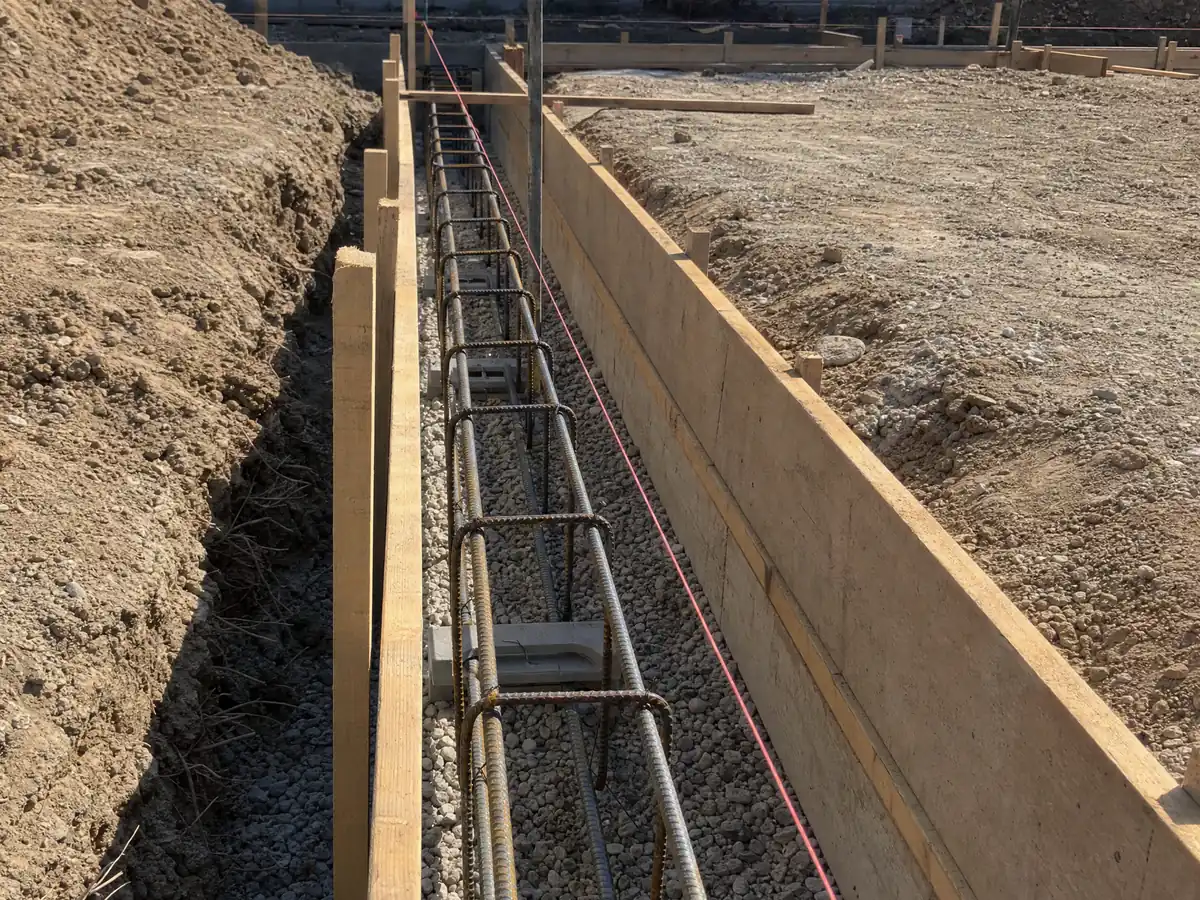
How tall can a retaining wall be in Temecula before it needs a permit?
Three feet, measured from the bottom of the footing to the top of the wall. Temecula's amendment to section 105.2 exempts retaining walls up to 3 feet unless they support a sloped surcharge, lower than the 4 feet in the state model text, and garden walls up to 4 feet. Anything taller needs a permit, and a wall holding up a driveway or a slope counts as taller in effect.
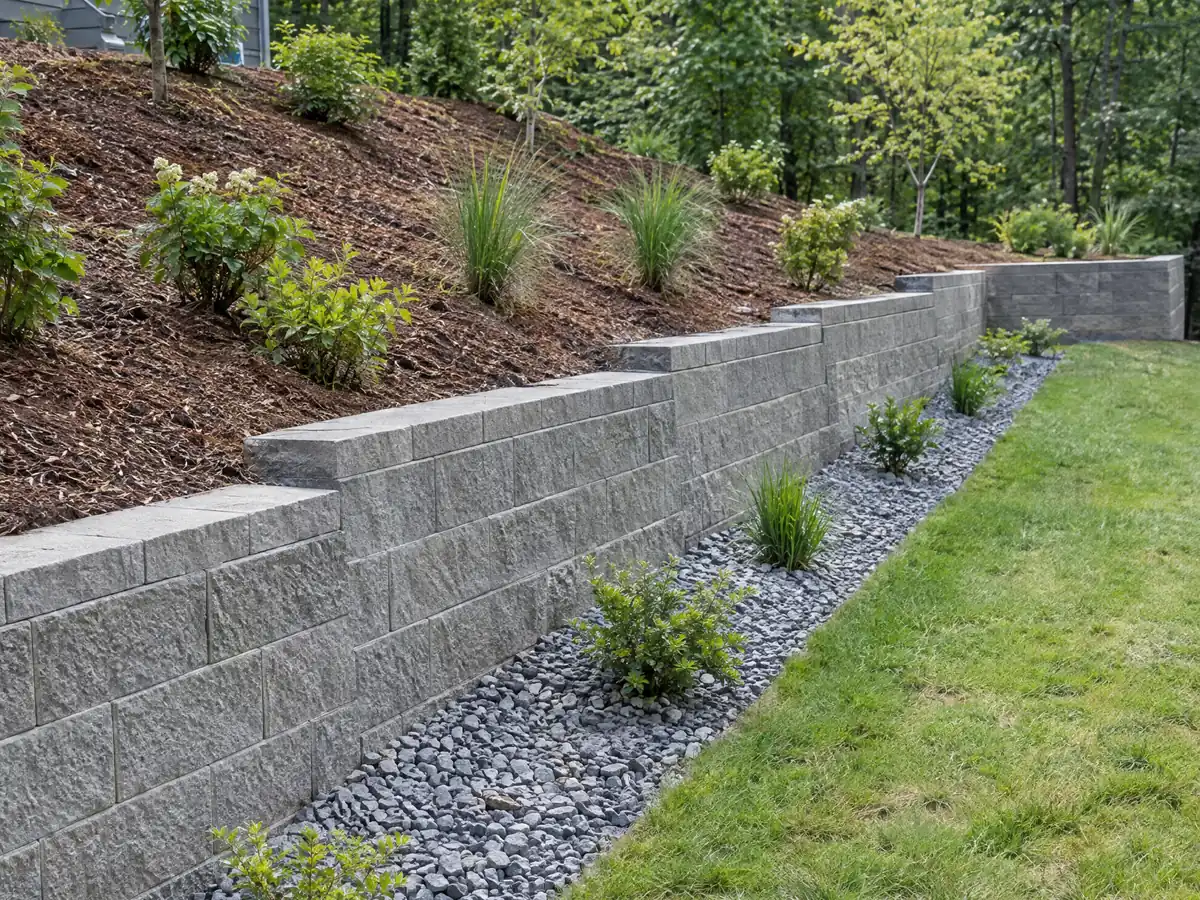
Freestanding block walls are a different path. The City's CD-24 handout gives a standard design for walls and pilasters 3 to 6 feet high with #4 rebar, and it is not a retaining wall design because it does not allow more than 6 inches of grade difference between the two sides. Zoning limits solid fences in the front setback to 3 feet and most others to 6 feet. Block is masonry work, which CSLB assigns to its C-29 class rather than C-8. When a permit is required for a block wall, the inspections run footing, then rebar and pre-grout, then final before any cap.
Does Temecula's Zone 0 rule make a concrete patio the safer choice next to the house?
It can, but only the City or the fire department can say how a given surface is judged. Chapter 15.17 keeps the first 5 feet around a new building or addition free of combustible material, with Zone 1 out to 30 feet (50 feet on slopes over 20 percent) and Zone 2 to 100 feet, and the City adopted it on November 18, 2025. Concrete does not burn, but the code text we read does not rank patio surfaces, so ask Riverside County Fire, which enforces fire rules here.
Whether an address is in a mapped zone is a separate question. The City Council adopted the State Fire Marshal's updated map by Ordinance 2025-08 on June 10, 2025 (Chapter 15.14) with moderate, high and very high tiers, and the City posts a PDF and an address lookup on its fire hazard map page. We found no count of parcels by tier, and a zone can not be lowered once adopted.
- Is the address on the City's fire map, and in which tier?
- Does the patio sit within 5 feet of the house?
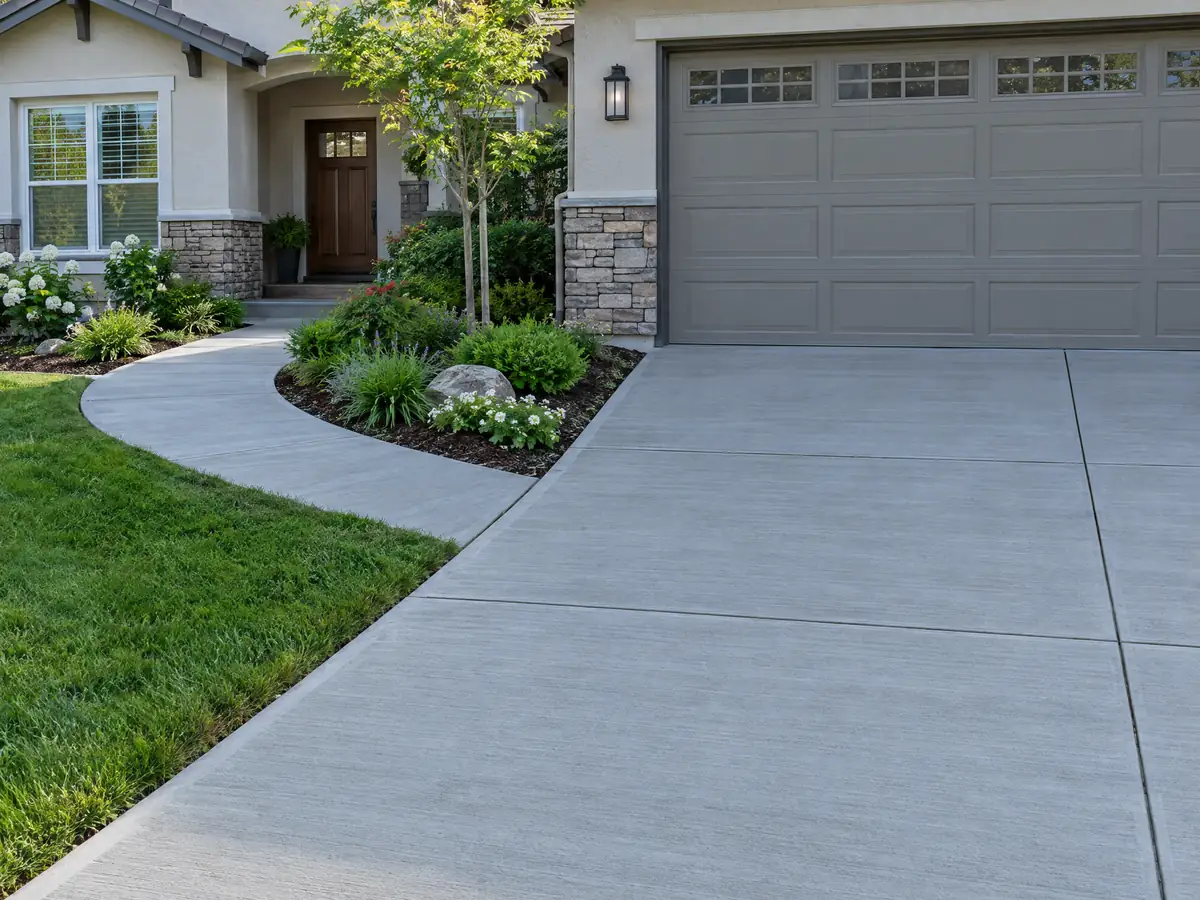
What do Temecula's stormwater rules and summer heat mean for a pour day?
Every site is covered, however small. Temecula drains to the Santa Margarita River watershed, and the City's pool handout cites San Diego Region MS4 Order R9-2013-0001 and says Title 18 enforces best management practices on all construction sites regardless of size. Those practices include covering erosion-prone areas, keeping sediment on the property and keeping materials out of the public right of way, where no supplies may be stored.
Heat is the other variable. The nearest NOAA station with temperatures, Fallbrook 5 NE, counts 60.3 days a year at or above 90 F, while Elsinore, in a hotter valley, counts 123. We found no City rule on pour timing, so ask the finisher how a hot afternoon changes the schedule. Work hours follow Municipal Code 9.20.060(D), which keeps weekday crews to 7 a.m. through 6:30 p.m. near occupied homes.
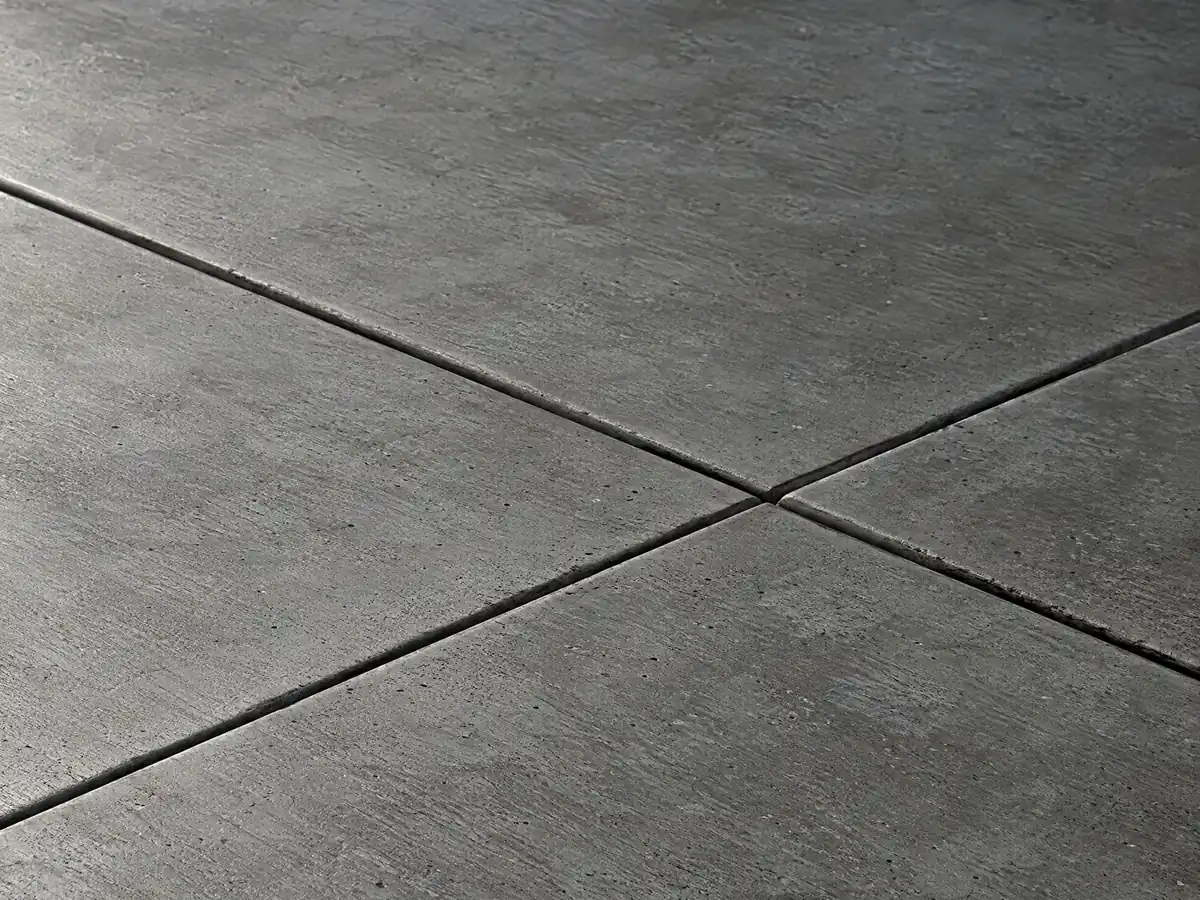
Do Old Town walks and HOA tracts have different concrete rules in Temecula?
They can. Old Town sits inside the Old Town Temecula Historical Preservation District, where a Certificate of Historical Appropriateness is required to alter, demolish or construct, and only about 3 percent of the city's units (1,214) predate 1970. We found no source on whether a walk or driveway counts, so call Planning at 951-694-6400 before breaking out old concrete there.
Elsewhere the layers are specific plans and associations. The City lists 14 active specific plans, including Redhawk, Wolf Creek, Harveston and Roripaugh Ranch, that set their own standards, and its ADU table treats HOA review as a separate approval. A written request for a decision on an architectural change is covered by Civil Code section 4765. Floodplain rules in Chapter 15.12 apply by address.
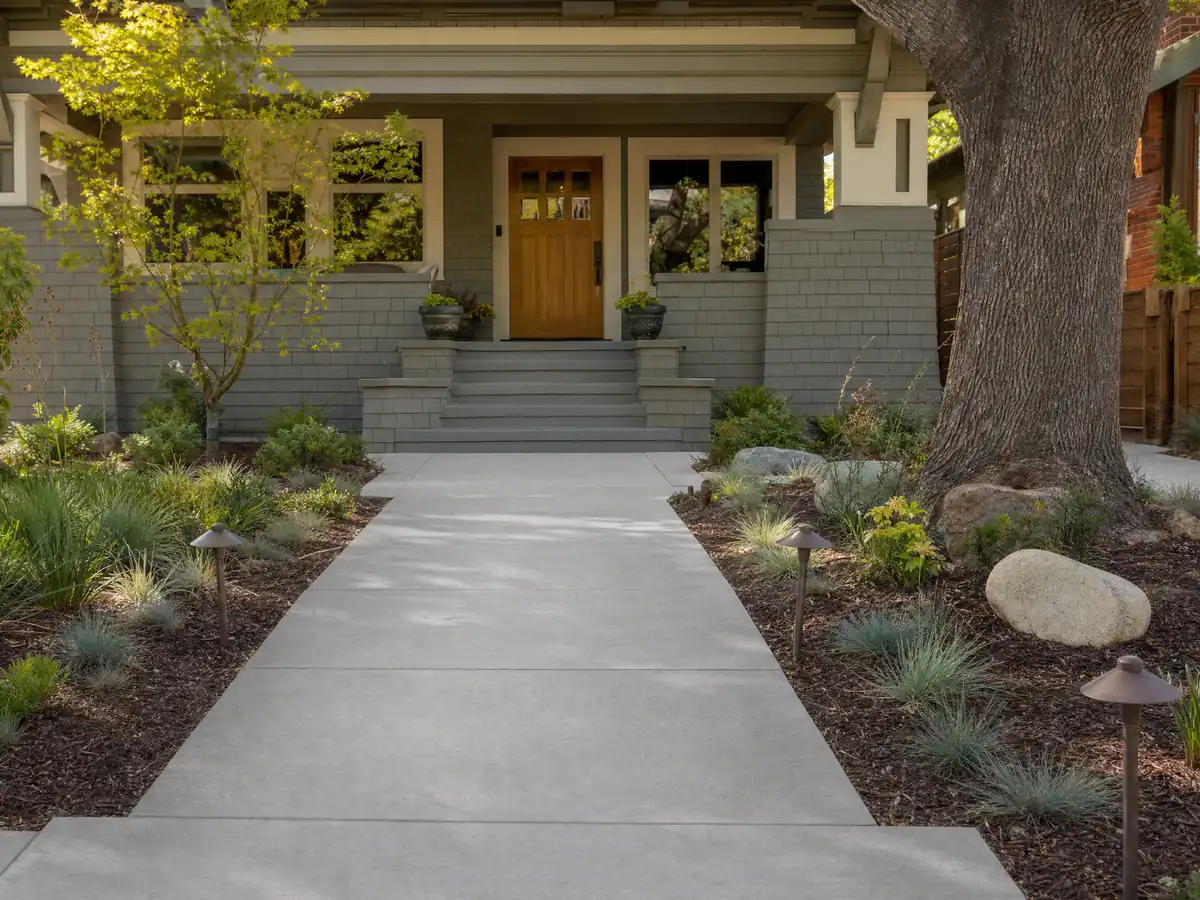
How much does concrete work cost in Temecula, and who needs which license?
We found no Temecula price study, so these are Los Angeles figures. Angi's Los Angeles patio page, updated August 4, 2026, shows $4 to $13 per square foot, an average of $5,248 and $1,600 to $5,200 for a 20 by 20 slab. Its stamped page shows $15 to $30 per square foot and its driveway page $8 to $20, with 200 square feet at about $2,500. Federal wage data puts cement masons in the Los Angeles area at a mean $33.67 an hour in May 2025. Our planning range is $8 to $14 per square foot for flatwork of 300 square feet or more. Retaining walls are priced by height and drainage, so we print no per-foot figure for them.
Poured work belongs to CSLB's C-8 class, and Temecula requires every contractor and subcontractor to hold a City business license. The state's unlicensed limit is $1,000 and does not apply when a permit is needed. Our license check guide shows how to verify a number.
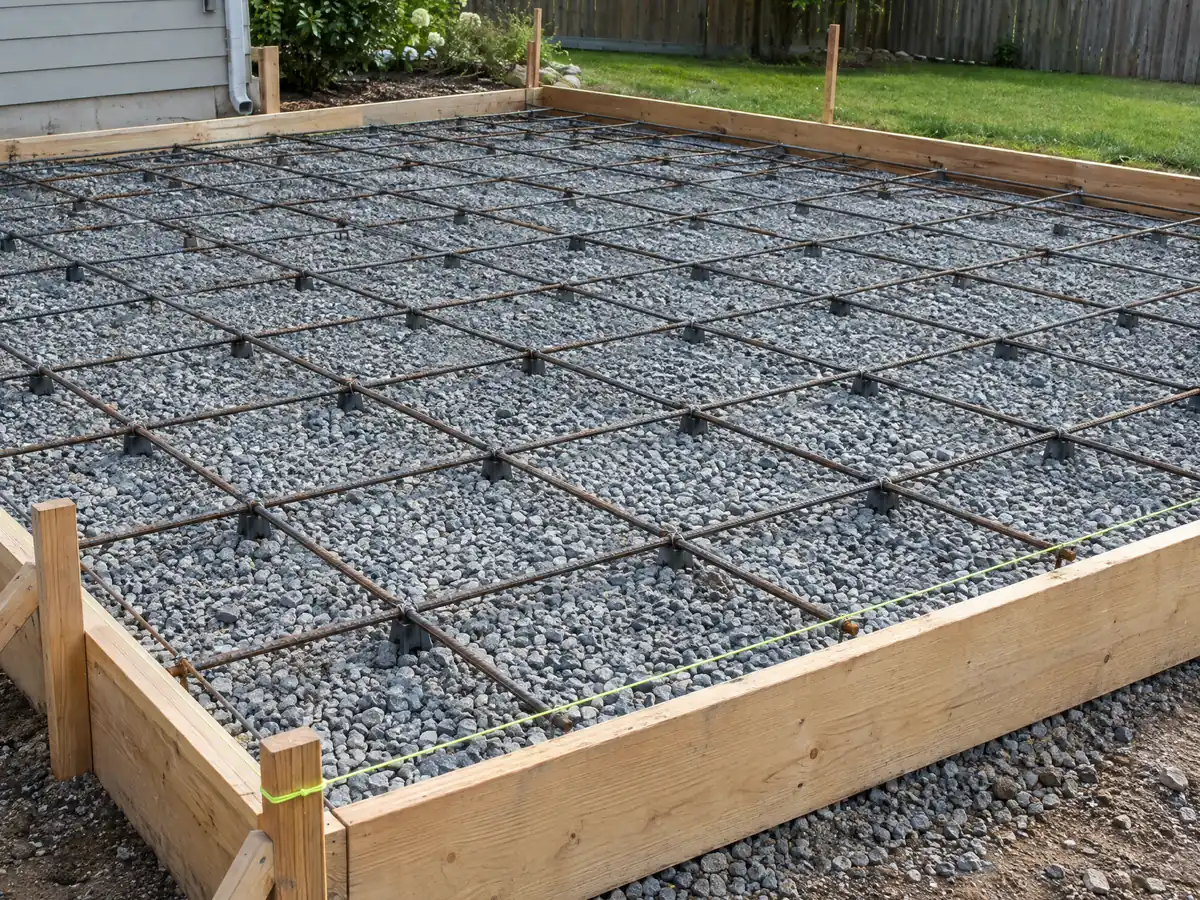
Concrete photos from Temecula and nearby communities
Pours, forms, walks, walls and finished flatwork from Temecula and neighboring towns, shown at the steps that matter. Tap any photo to enlarge it.
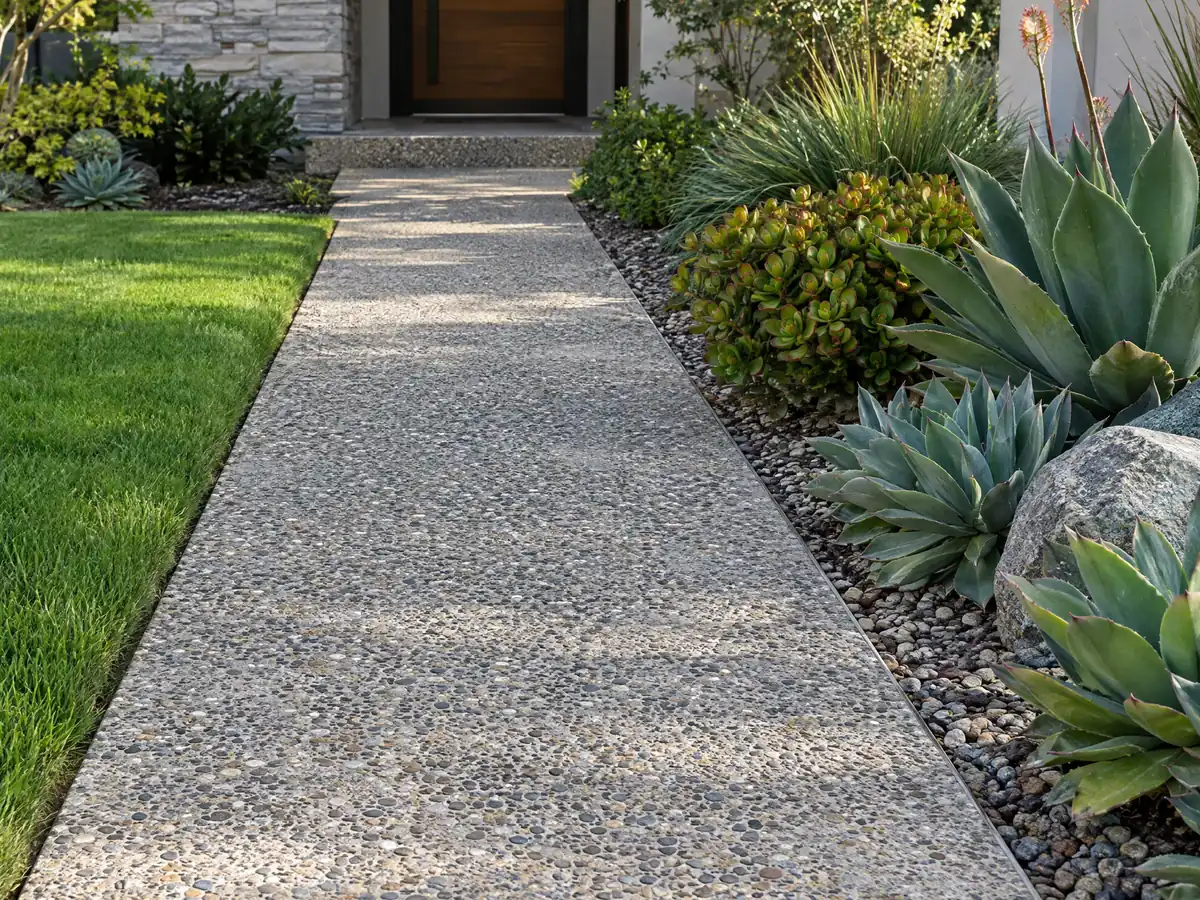
What concrete costs around Temecula
Prices here are Los Angeles planning ranges from our concrete page and are a yardstick for comparing bids, not a Temecula quote; a written proposal should show demolition, base, rebar, any engineering and tree permit work on separate lines. The same lot may need flooring in Temecula or decks in Temecula. For nearby comparisons read concrete in Escondido and concrete in San Marcos, and concrete in Los Angeles for the big-city benchmark. The subcontractor guide explains who forms and who pours.
| What it covers | Typical range |
|---|---|
| Patio, walkway or slab, broom finish, 300 sq ft or more | $8 to $14 per square foot |
| Decorative: stained, stamped or exposed aggregate | $15 to $30 per square foot |
| Driveway replacement, with demolition of the old slab | $9 to $20 per square foot |
| 20 by 20 foot plain patio (400 sq ft) | About $3,200 to $5,600 |
| 20 by 20 foot decorative patio (400 sq ft) | About $6,000 to $12,000 |
| Small jobs under 300 sq ft | Usually above the per-foot range |
| Retaining walls | Set by the written proposal |
Temecula concrete questions, answered
Can I pour a concrete patio without a permit in Temecula?
Yes for a slab on grade, according to the City's Patio and Decks page, but setback requirements still apply. A pour that ties into an existing slab must use Temecula's dowel detail, and a patio inside a protected oak zone needs a tree permit. Call the Permit Center before you order the truck.
How much should a 20x20 concrete patio cost in Temecula?
Angi's Los Angeles page shows $1,600 to $5,200 for a 20 by 20 slab, and our planning range of $8 to $14 per square foot gives $3,200 to $5,600 for 400 square feet. Small jobs run above per-foot averages because of minimum charges, and no Temecula study exists.
How much does a 300 sq ft stamped concrete patio cost in Temecula?
At Angi's Los Angeles range of $15 to $30 per square foot, 300 square feet of stamped concrete comes to $4,500 to $9,000. Stamping, color and sealing set where in that range a job falls. These are Los Angeles planning figures, not a Temecula bid.
How much does a concrete driveway cost in Temecula?
Angi's Los Angeles driveway page shows $8 to $20 per square foot, an average of $7,270 and about $2,500 for 200 square feet. Replacing an old driveway runs $9 to $20 on our planning range, which includes breaking out the old slab. Grading, base and any permit are extra lines.
What is the maximum height of a retaining wall without a permit in Temecula?
Three feet, measured from the bottom of the footing to the top of the wall, unless the wall supports a sloped surcharge. Temecula's amendment is lower than the 4 feet in the state model text. Garden walls are exempt up to 4 feet, and anything taller needs a permit.
Can I pour concrete near an oak tree in Temecula?
Only outside the protected zone unless you have a permit. The zone extends 5 feet past the drip line and never less than 15 feet from the trunk of an oak, sycamore, bay laurel, black walnut or toyon of 12 inches or more. Trenching and paving inside it count as encroachment.
Does Temecula's Zone 0 rule affect a concrete patio next to the house?
Possibly. Chapter 15.17 keeps the first 5 feet around new buildings and additions free of combustible material, and concrete does not burn. The code text we read does not rank patio surfaces, so ask Riverside County Fire how your address is treated, and check the City's fire map.
What stormwater rules apply to a small concrete job in Temecula?
All of them, regardless of size. The City enforces Title 18 best management practices on every construction site, citing the San Diego Region MS4 order, so sediment stays on the lot, erosion-prone areas get covered and materials stay out of the public right of way.
Do HOAs or specific plans change a concrete job in Temecula?
They can. Temecula has 14 active specific plans with their own standards, and the City treats HOA review as a separate approval. It does not list which communities have associations, so read the governing documents and ask in writing before you order materials.
What license does a concrete company need in Temecula?
Poured flatwork falls under CSLB's C-8 class, and block walls under C-29. Temecula also requires every contractor and subcontractor to hold a current City business license. Verify the CSLB number online and ask for a certificate of insurance before accepting a bid.
Tell us the lot, the slab size and any trees nearby
Say what you want poured, roughly how big it is, whether it touches the house or an existing slab and whether an oak or sycamore stands near. The permit, tree and stormwater questions come with us to the first visit.