
Concrete Companyin Yucca Valley, CA
A concrete company in Yucca Valley should ask Building and Safety about almost every pour, because the Town publishes no flatwork exemption and every ground-disturbing permit needs a Native Plant Permit. Sewer phases, Joshua tree reports, blowing dust and 100 degree days all shape the slab.
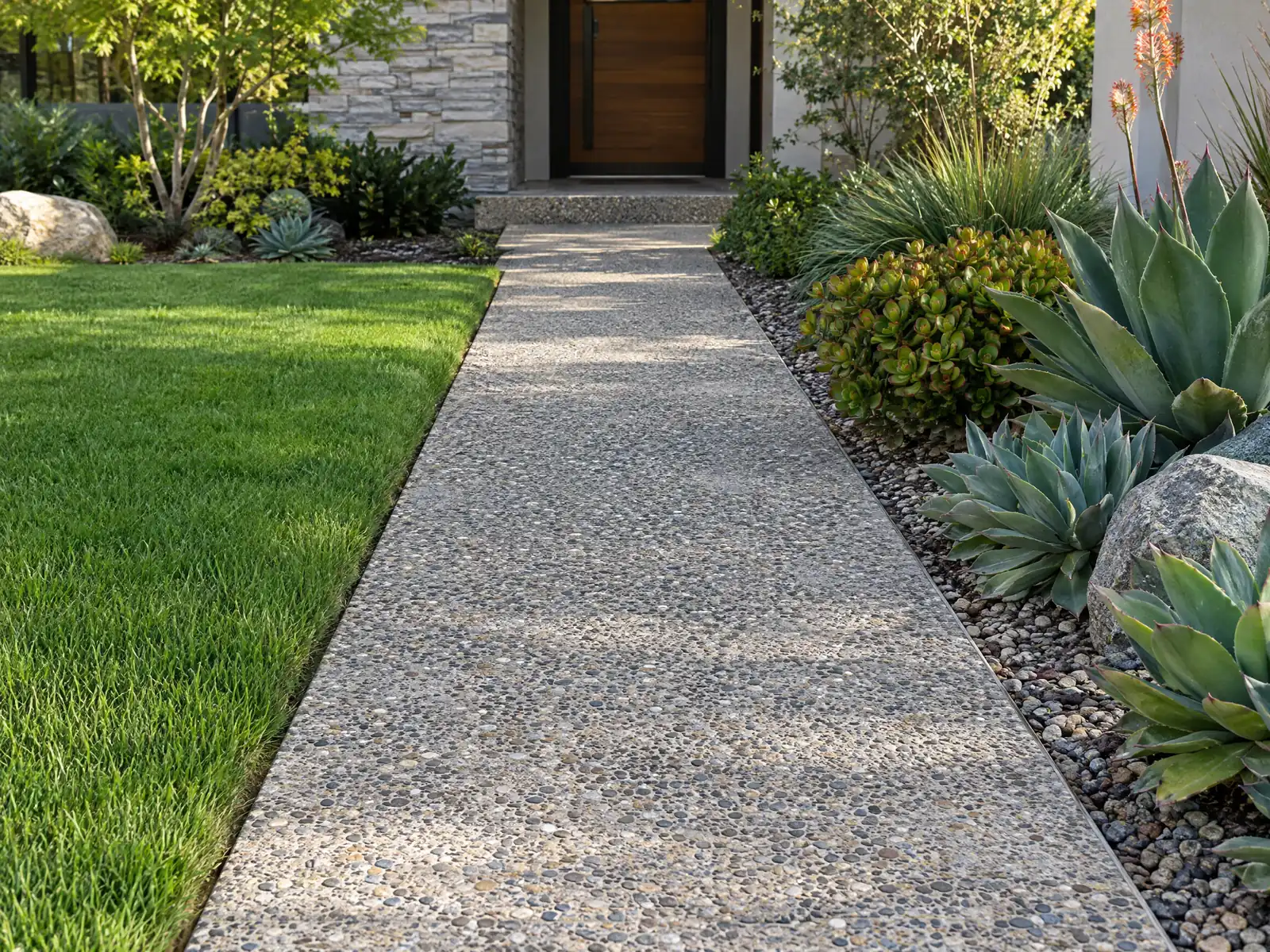
Yucca Valley paved its way slowly. The Town's 2021 housing study says residential development once happened without paving roads or sidewalks and that improvement requirements changed over the decades, so one block can differ from the next. Lots run from 6,000 square feet (RS-5) to 5 acres and more (RL), 8,145 of the 10,204 homes in the Census Bureau's 2024 five-year estimates are single-family detached and the median year built is 1978. Most concrete work here is a driveway, a patio, a wall or a slab beside a house nearly 50 years old.
MDG Builders (CSLB #1040337) handles concrete as a Tarzana general contractor: we scope the pour, take permit and street questions to the Town's Building and Safety Division and hire a licensed concrete subcontractor to form, place and finish it. The concrete page covers mixes and finishes, and the Yucca Valley overview lists our other trades in town.
What the Town of Yucca Valley, Hi-Desert Water District, the Mojave Desert AQMD and state law say about concrete work
Where concrete permits come from in Yucca Valley: Town of Yucca Valley Community Development Department, Building and Safety Division.
- Driveways and street frontage: Chapter 12.60 (third-party mirror) governs work in the public right of way and covers driveway approaches (it lets the Town order abandoned approaches removed and curb and gutter restored), and a single-family permit may require paved access, curbs, gutters or drainage improvements as set by the director (Municipal Code 9.07.100). No flatwork exemption or fee was found on the pages read.
- Concrete near drainage and dust: new construction must direct drainage away from structures, retain the runoff increment plus 10 percent on site, and clear no more than needed for pads, driveways and yards (Municipal Code 9.07.080); because the Town code counts gravel or paved driveways as accessory structures (9.56.020), a Joshua tree within 75 feet of the work area triggers the specialist report even for a driveway.
- Slabs on desert soils: the geologic overlay names hydrocollapsible, expansive and corrosive soils as adverse conditions that require a geotechnical report by a registered engineer inside the overlay (Municipal Code 9.19.030); the County's study of one Joshua Lane parcel found non-expansive sandy silt and sand there, which says nothing about other lots.
Where do septic tanks, sewer laterals and street frontage sit when you pour a driveway or slab in Yucca Valley?
Ask Hi-Desert Water District which sewer phase the address is in before drawing a patio or driveway. A 2011 Regional Water Quality Control Board resolution set a three-phase septic prohibition in the Town. Phase 1 is mostly connected, and Phase 2, about 1,991 homes in parts of Country Club, Storey Park and Sky Harbor, was under construction in November 2026, with crews paving and restoring concrete in Storey Park south of Onaga Trail the week of November 2.
Owners in Phase 2 get 180 days after notice to connect, hire their own contractor and pay about $5,000 on average to connect and abandon the tank, according to the District's Phase 2 page. The Town issues the permit and the Town and District inspect. Concrete sits in the middle of that: a lateral trench crosses yards and driveways, and a tank lid or leach line should not end up under a new slab without a plan. Homes outside the sewer areas still run septic.
Streets are the second variable. In GoCodebook's third-party mirror of the Municipal Code, a single-family permit can require paved access, curbs, gutters or drainage as the director sets them, and Chapter 12.60 creates an encroachment permit for work in the public street or parkway, with a permit fee, a signed indemnity agreement, a stated start and finish time and restoration to original condition. It also lets the Town order abandoned driveway approaches removed. We found no dollar figure for either, so ask the counter.
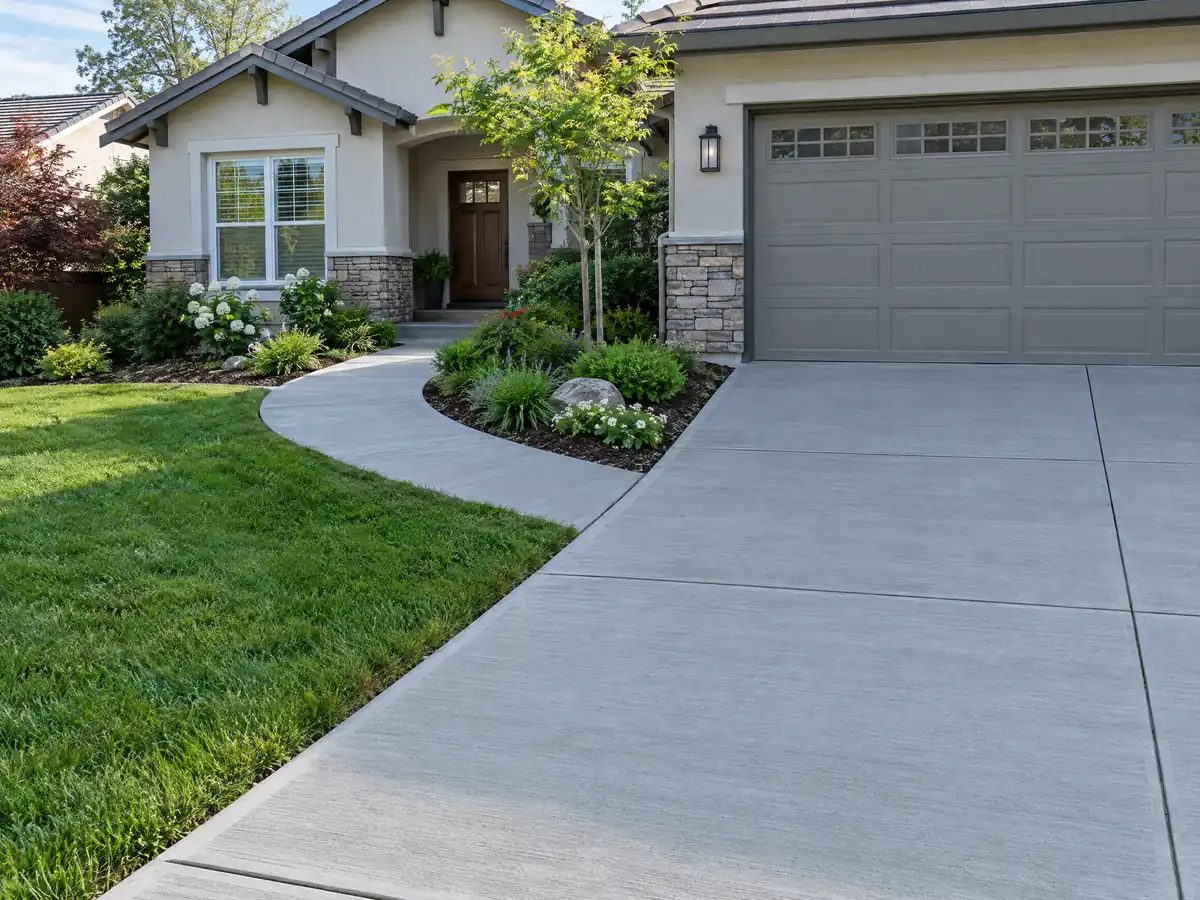
How do Joshua tree rules change a driveway, patio or footing in Yucca Valley?
The Town cannot issue a take permit for a Western Joshua tree, and has not been able to since May 10, 2022, according to its Western Joshua Tree page, read in a Wayback copy. Every ground-disturbing permit goes in with a Native Plant Permit and photos, plus a report from a Desert Native Plant Specialist unless corner photographs and a signed statement show no Western Joshua tree within 75 feet of the disturbance. Closer than 40 feet, a specialist has to attest that the project avoids the tree.
Concrete counts. The Town's code defines accessory structures to include patios, swimming pools, septic tanks, sewer connections and gravel or paved driveways, so a driveway extension with a tree 60 feet away still needs the report. A project that would take a tree must be redesigned or obtain a California Department of Fish and Wildlife Incidental Take Permit. The free Hazard Management Permit covers only dead trees and trimming of living ones, and each stem or trunk can count as a separate tree.
Other plants are regulated too. Municipal Code 9.07.130 requires a Town permit to remove, transplant or damage Mojave yucca, Parry's nolina, California juniper, Our Lord's candle or pinyon pine. CDFW's Joshua tree page lists three amending bills signed October 23, 2026 that we could not read, and the Town's code text for Chapter 9.56 still describes an older Planning Commission process, so the Town page and handout govern. A sewer connection inside the District's 180-day window falls under the District's own permit and tree census.
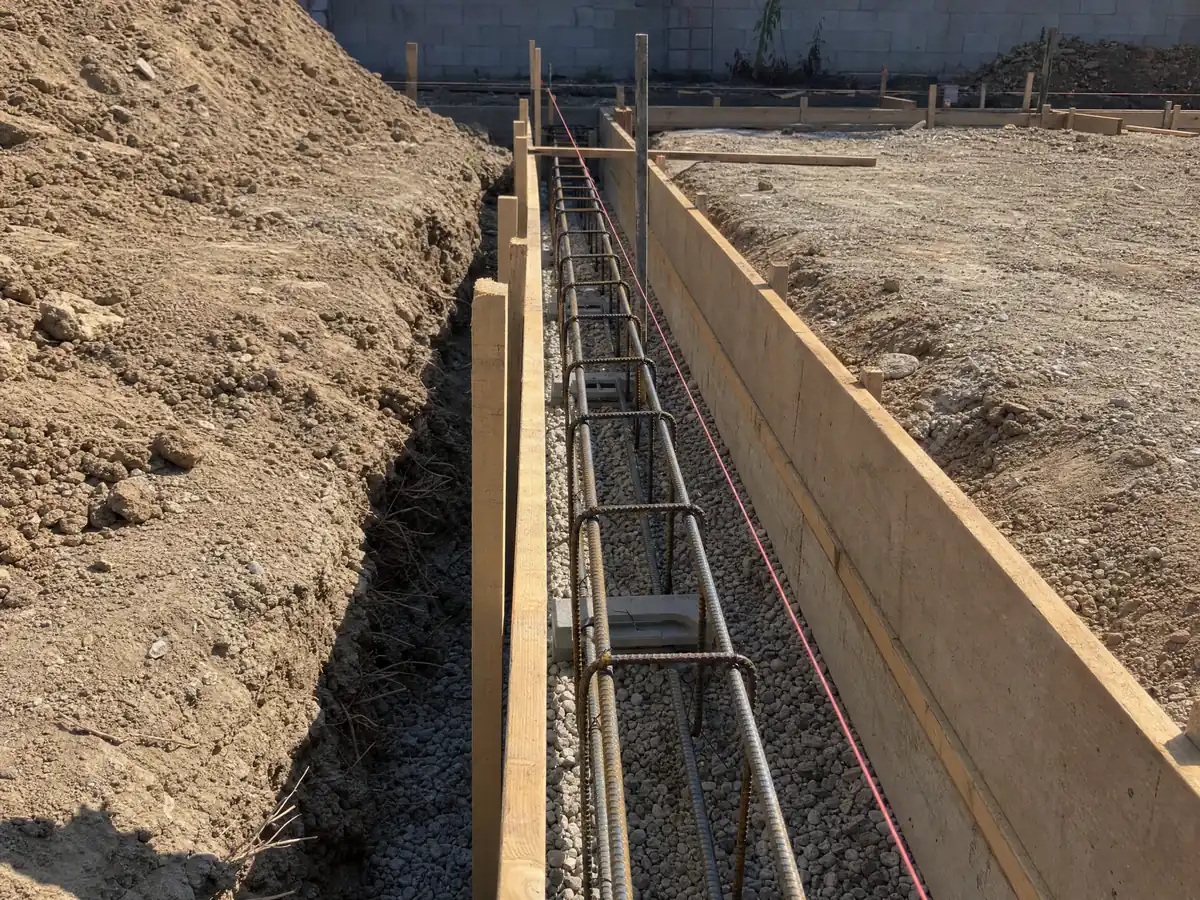
Does a patio, slab or driveway in Yucca Valley need a permit or grading review?
Treat a permit as likely, because the Town pages we read show no flatwork exemption list and no flatwork fee. Permits are taken in person by appointment, and every ground-disturbing project goes in with the Native Plant Permit and photos. Under Chapter 8.02's version of the grading appendix, all grading that supports a structure is engineered grading, with a soils engineering report and an engineering geology report.
Single-lot plans also go to the Town Engineer when cuts or fills pass 4 feet, when 13,000 square feet or more is graded or when slopes are 15 percent or steeper. A retention area holding more than 18 inches of water must percolate within 72 hours. Municipal Code 9.07.080 adds that new development must keep its runoff increment plus 10 percent on site and direct drainage away from structures.
Coverage is a limit too. Driveways, patios and pools count toward maximum lot coverage, 25 percent in the RL zones and 40 percent in the RS zones, so a big slab on a 6,000 square foot RS-5 lot can use up its allowance before an acre lot does. Permits lapse after 365 days without a start, and an expired permit is reissued at half the original or current fee.
Does the Town dust rule apply to a small concrete pour in Yucca Valley?
In spirit yes, and sometimes in law. Municipal Code 9.37 finds that hazardous wind erosion exists because of coarse, sandy soil and strong prevailing winds, calls it a public nuisance and requires anyone with a development permit to take reasonable measures to keep dust on the property. Grading permit duties stay open until the Town releases the permittee in writing.
Chapter 8.02 adds a written wind erosion control plan before any grading permit, built from small grading phases, water trucks, approved soil-crust additives or hydroseeding, and a clearing permit for any vacant lot or developed lot over half an acre. The permit is denied if clearing would damage a Western Joshua tree or cause blowing dust or topsoil erosion. On parcels of an acre or more, clearing is limited to pads, driveways, yards and similar residential uses.
The air district's rule is a ceiling, not a floor. Mojave Desert AQMD Rule 403, read in a Wayback copy stamped February 2025, calls for a Dust Control Plan at 10 residential acres or 5 non-residential acres and bars visible dust past the property line except in High Winds, meaning gusts above 25 mph or a 15-minute average above 15 mph. A backyard slab sits far below those acreages, but the nuisance clause and the Town's rules still apply, so ask the crew how it will hold dust down and when it will stop pouring in wind.
What do faults, flood overlays and rocky slopes mean for a Yucca Valley footing or wall?
Faults run through the area. Wikipedia says fault lines criss-cross the Town and the Morongo Basin and names the 1992 Joshua Tree and Landers earthquakes and the 1999 Hector Mine earthquake. The Geologic and Seismic Hazards overlay requires a geologic study inside it, with exemptions for most one- and two-story homes and for alterations or additions up to 50 percent, and a structure for human occupancy must sit at least 50 feet from an active fault trace unless a study shows less.
Water arrives in short storms. The Town's own findings cite severe thunderstorms and flooding with the desert location, and the Floodplain Safety overlay follows FEMA's San Bernardino County study, with lowest floors in A zones one foot above base flood elevation and a development permit from the floodplain administrator. A County study of one Joshua Lane parcel found Flood Zone X there, and no other address was checked.
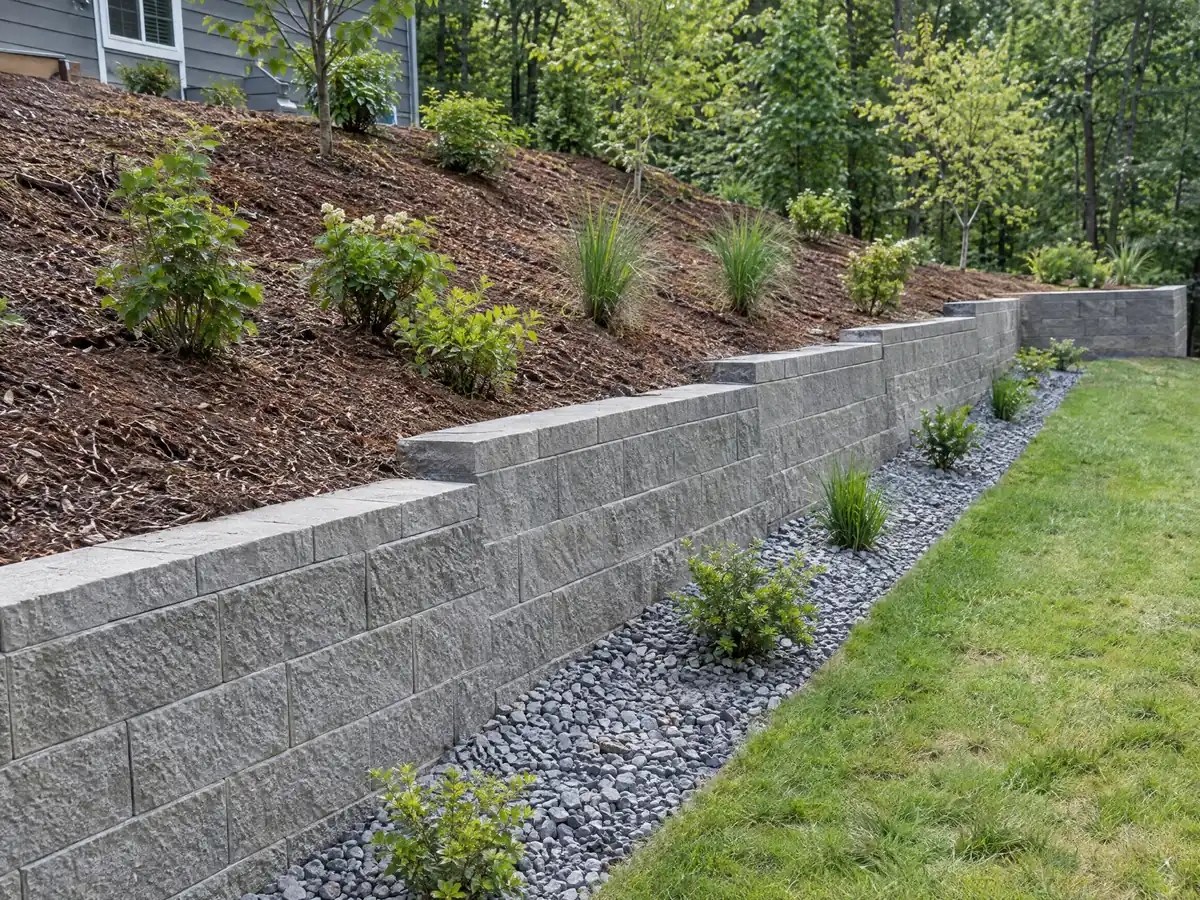
Slopes and rock get their own review. The Hillside overlay applies at slopes of 15 percent or more and triggers a full grading review at 500 cubic yards per lot or when visible retaining walls or slopes pass 15 feet, and its purpose names swales, ridgelines and rock outcrops. We found no rule written for boulders themselves. Walls and fences may reach 4 feet in a required front yard and 6 feet on interior side and rear lines, and the retaining wall height that needs a permit is a question for the counter.
What do 3,249 feet of elevation, 100 degree days and freezing nights do to new concrete in Yucca Valley?
They stress a pour at both ends. NOAA's 1991 to 2020 normals for the Yucca Valley station, at about 3,249 feet, show 109.3 days a year above 90 F, 22.7 above 100 F (7.8 in July and 8.5 in August) and about 30.9 nights at 32 F or lower, 10.4 of them in December. The station also logs a provisional 1.7 inches of snow a year. Every normal rests on only 10 years of data, so read them as approximate. A midday summer pour loses water fast, and a winter pour can meet frost before it has gained strength.
We found no Town rule on slab thickness, joint spacing or curing, so those are industry practice and the proposal has to state them: thickness (four inches is common for houses), base, reinforcement, joint layout, cure method and the weather in which the crew will not pour. San Bernardino County's IB-0003 bulletin uses an 18 inch frost depth only for its Mountain Region, and we could not confirm that the Town follows the bulletin, so ask for footing depth in writing.
Sealers carry air rules. Rule 1113 limits concrete and masonry sealers to 100 grams of VOC per liter and driveway sealers to 50. Decorative surfaces suit patios, and Angi's Los Angeles stamped page prices them at $15 to $30 a square foot, but we found no local source on how color or sealer behaves in this sun, so ask the maker for its warranty limits.
How much does concrete work cost in Yucca Valley, and which license applies?
No Yucca Valley study with a stated method turned up, so the anchor is Angi's Los Angeles pages. Angi lists patio concrete at $4 to $13 a square foot (August 4, 2026), stamped work at $15 to $30 (July 20, 2026) and driveways at $8 to $20 (May 5, 2026). The Bureau of Labor Statistics lists $33.67 an hour as the mean wage for cement masons in the Los Angeles metro area as of May 2025, a labor benchmark that a High Desert bid may not match.
Our planning figures are $8 to $14 a square foot for plain flatwork over 300 square feet, $15 to $30 for decorative finishes and $9 to $20 to replace a driveway with demolition included. A plain 400 square foot slab therefore lands near $3,200 to $5,600. Ask whether dust control, a soils report, a Joshua tree specialist report and any street restoration are separate lines. Walls are priced after a visit, by height and drainage.
Poured concrete falls under CSLB's C-8 class and block walls under its C-29 masonry class. State law caps the down payment on a home improvement contract at the lesser of $1,000 or 10 percent of the price (Business and Professions Code 7159.5). Our license check guide shows how to read a CSLB record first.
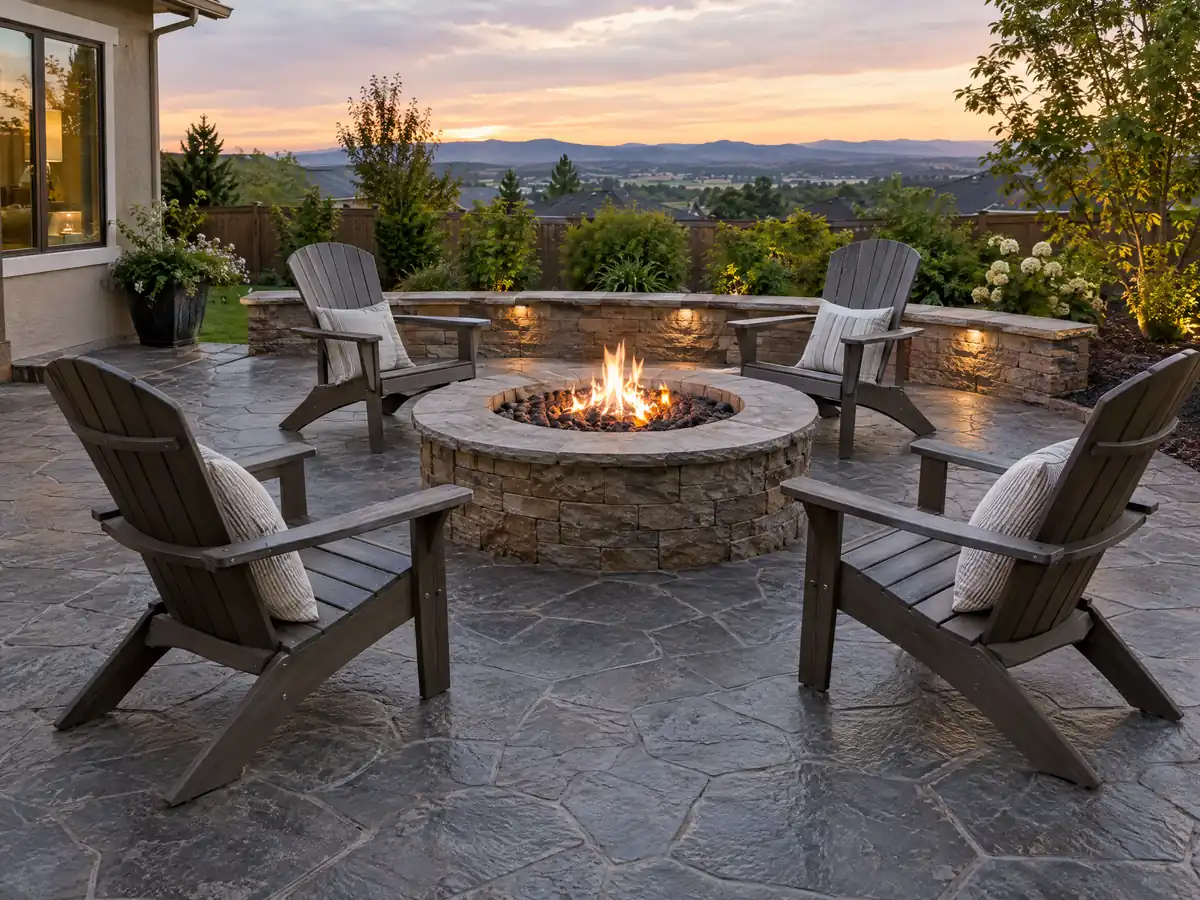
Concrete photos from Yucca Valley and nearby communities
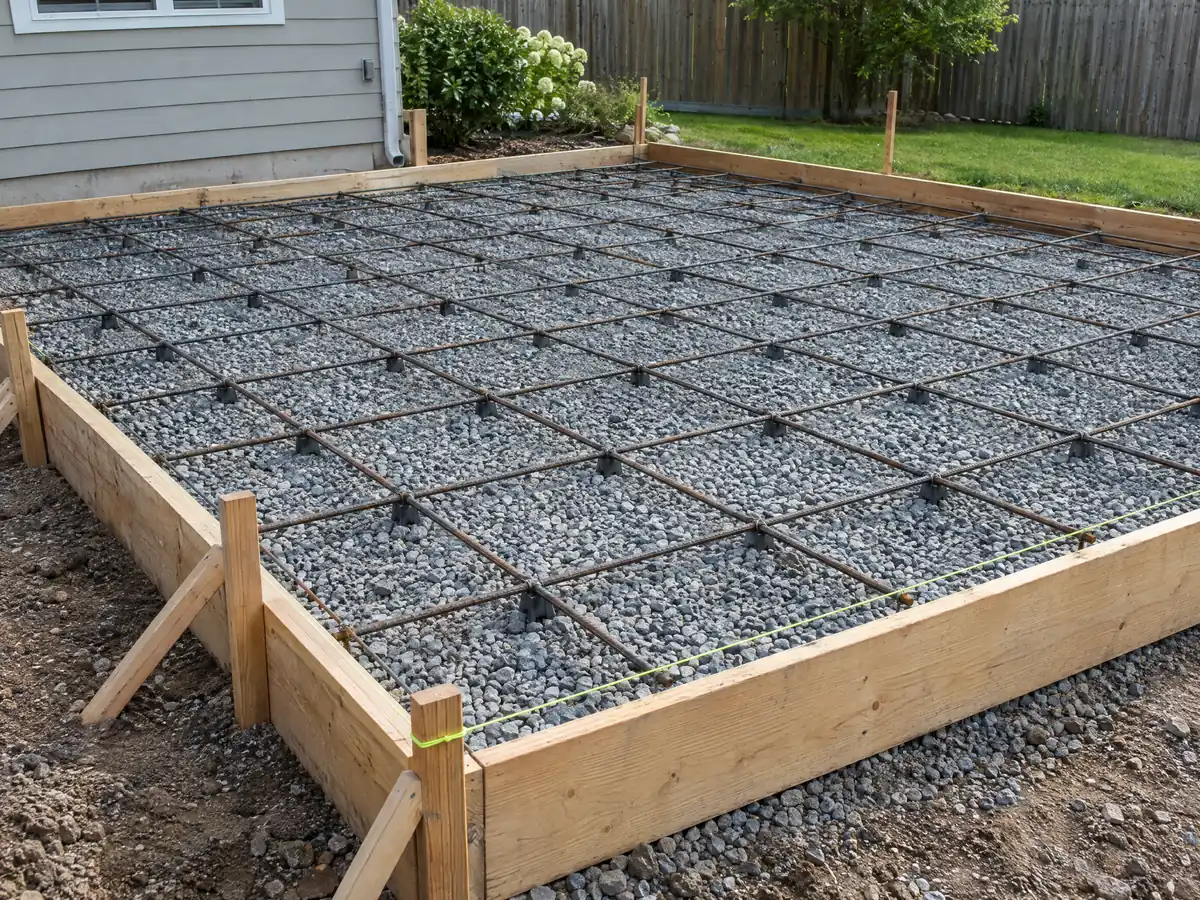
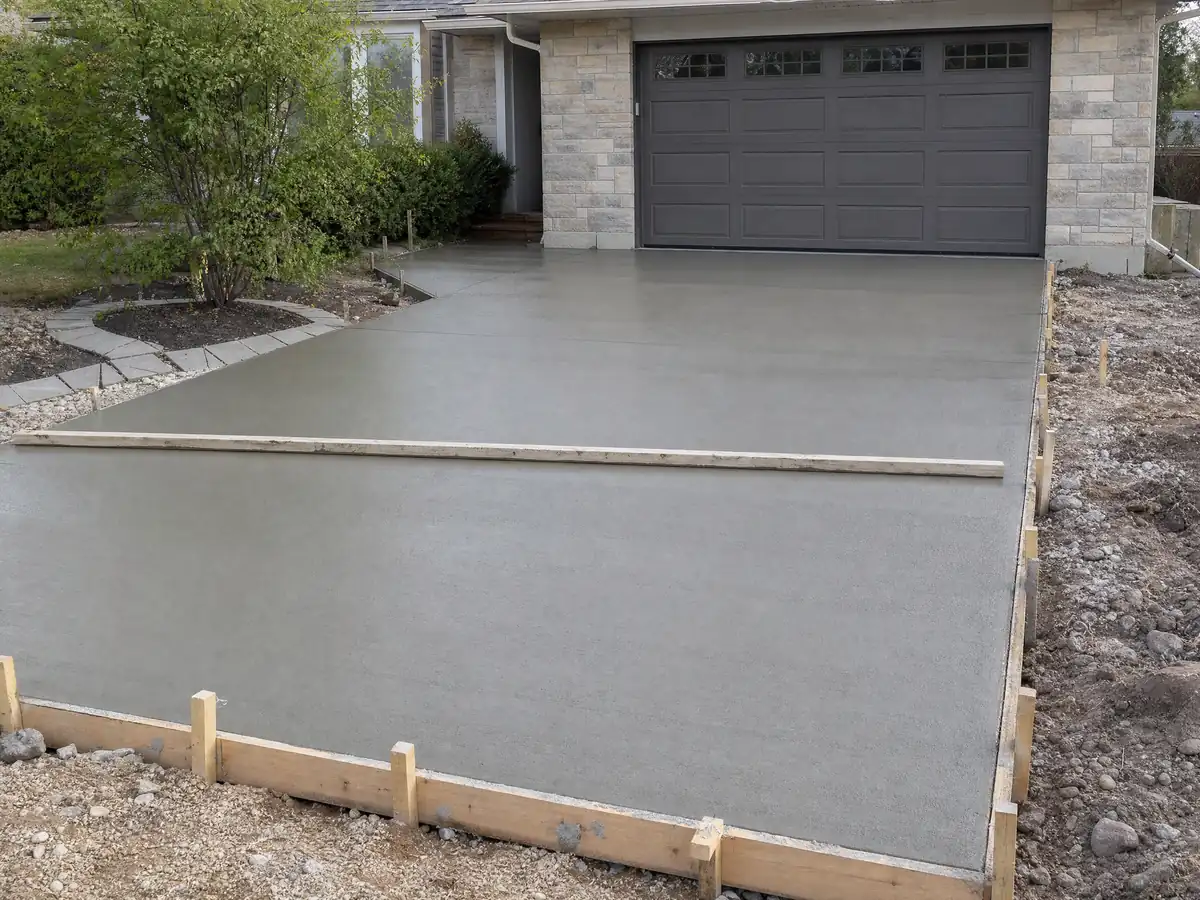
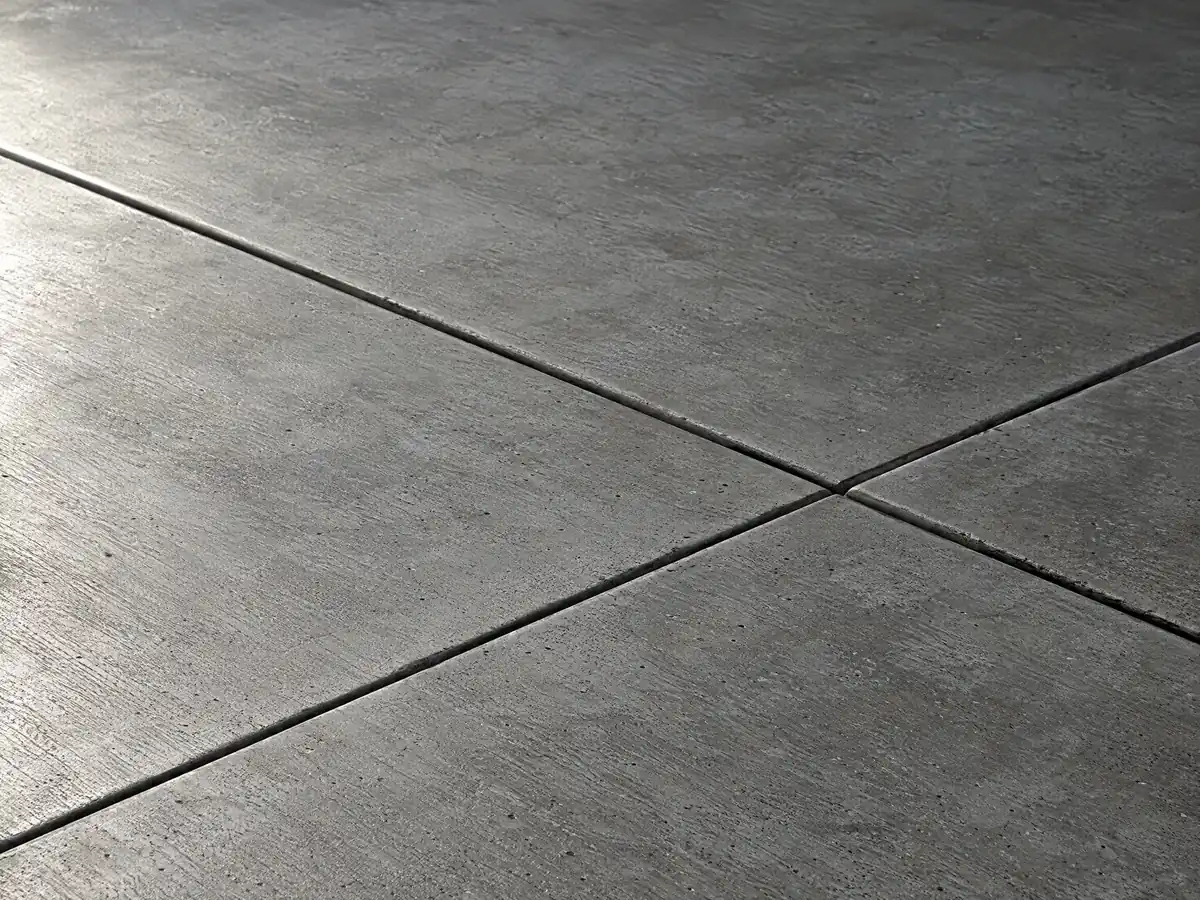
Footings, rebar, screeded slabs and finished walks and patios from Yucca Valley and the Morongo Basin communities around it, shown at the steps where the rules bite. Tap any photo to enlarge it.
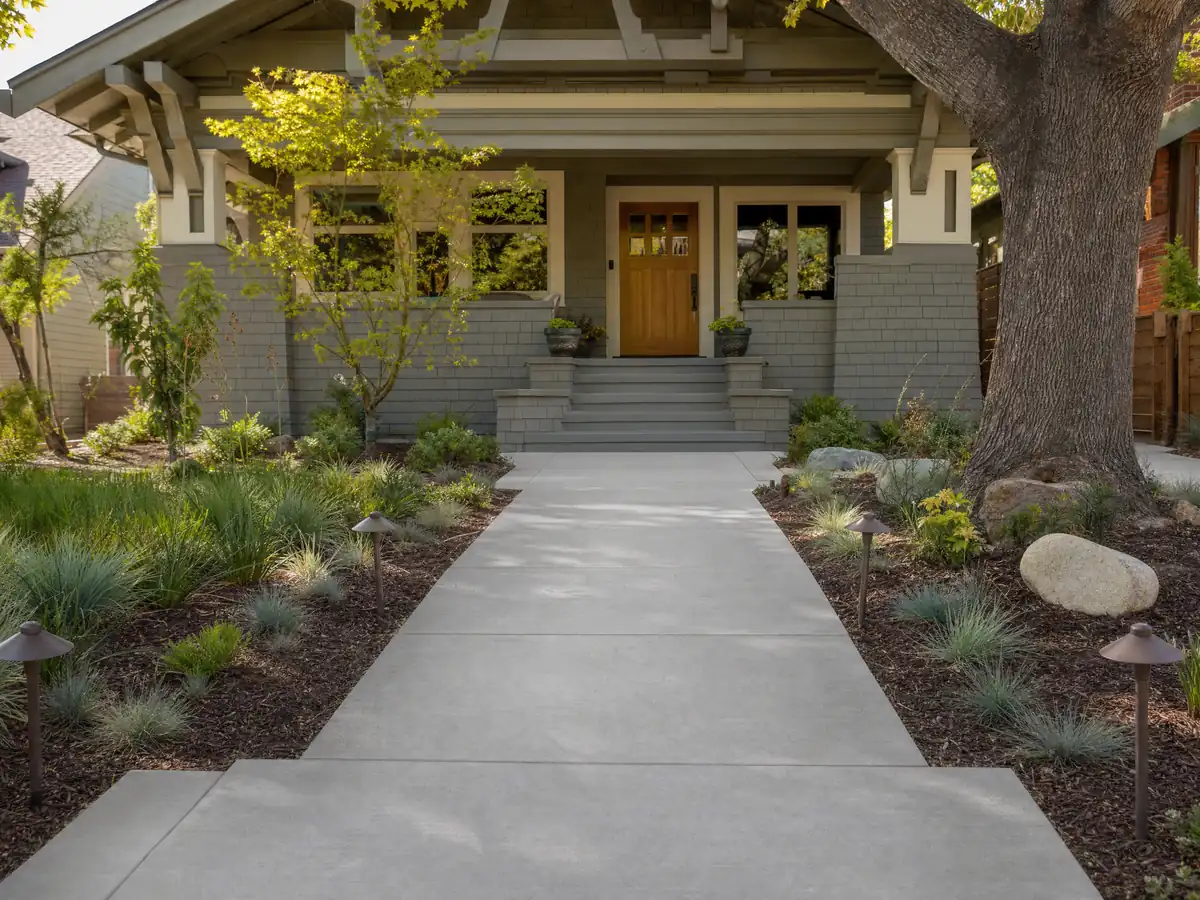
What concrete costs around Yucca Valley
These dollar figures are Los Angeles ranges, not a Yucca Valley bid, so ask for demolition, haul-off, rebar, drainage, dust control and any grading or street permit as separate lines. The same property may need flooring in Yucca Valley or decks in Yucca Valley. For other desert slabs, compare concrete in Twentynine Palms, concrete in Palm Springs and concrete in Desert Hot Springs, or the High Desert pages for concrete work in Victorville and concrete in Apple Valley, with concrete in Los Angeles as the benchmark. Joshua Tree, Landers, Morongo Valley and Pioneertown are outside the Town, so a pour there is a County permit question. Our subcontractor guide shows which crew handles forming, placing and finishing.
| What it covers | Typical range |
|---|---|
| Patio, walkway or slab, broom finish, 300 sq ft or more | $8 to $14 per square foot |
| Decorative: stained, stamped or exposed aggregate | $15 to $30 per square foot |
| Driveway replacement, with demolition of the old slab | $9 to $20 per square foot |
| 20 by 20 foot plain patio (400 sq ft) | About $3,200 to $5,600 |
| 20 by 20 foot decorative patio (400 sq ft) | About $6,000 to $12,000 |
| Small jobs under 300 sq ft | Usually above the per-foot range |
| Retaining walls | Set by the written proposal |
Other work we manage in Yucca Valley
Yucca Valley concrete questions, answered
Can I pour a concrete patio without a permit?
Not safely in Yucca Valley until you ask. The Town pages we read publish no flatwork exemption, every ground-disturbing project needs a Native Plant Permit and photos, and grading that supports a structure is engineered. Call Building and Safety at (760) 365-0099, extension 302, with the size, the slope and what the slab will carry.
How much should a 20x20 concrete patio cost?
Multiply 400 square feet by our Los Angeles planning range of $8 to $14 and plain concrete lands near $3,200 to $5,600, while Angi's August 2026 Los Angeles page shows $1,600 to $5,200 for a 20 by 20 slab. No Yucca Valley study turned up. Stamping, demolition, drainage and dust control raise the price.
Can I expand my driveway without a permit?
Widening on your own lot still goes through the Town, and a Joshua tree within 75 feet brings a specialist report because the code counts paved driveways as accessory structures. A new apron or curb cut crosses the public street and needs an encroachment permit under Chapter 12.60. Ask the counter before breaking ground.
What is the maximum height of a retaining wall without a permit in California?
The 2022 model code text we read exempts retaining walls up to 4 feet, measured from the bottom of the footing to the top, unless they hold a surcharge. Yucca Valley's pages list no retaining wall exemption of their own, and its Hillside overlay adds review on slopes of 15 percent or more, so use the lower number and ask the counter.
Is 4 inches of concrete thick enough for a driveway?
Four inches is a common residential thickness, but we found no Yucca Valley code section that sets it, so treat it as industry practice. Heavy trucks, soft soil and long spans call for more. Put thickness, base, reinforcement and joint layout in the written proposal, or on an engineer's drawing for heavy loads.
How much does a 300 sq ft stamped concrete patio cost?
Stamped work at Angi's Los Angeles range of $15 to $30 a square foot comes to roughly $4,500 to $9,000 for 300 square feet, against a July 2026 Angi average of $5,948 there. These are Los Angeles numbers, not a Yucca Valley bid. Demolition, grading, sealer and dust control are extra, and small patios often carry minimum charges.
Does a small concrete job in Yucca Valley need a dust control plan?
If it involves grading, the Town requires an approved wind erosion control plan before the grading permit. Mojave Desert AQMD Rule 403's Dust Control Plan starts at 10 residential acres, far above a backyard pour, but visible dust still may not cross the property line in ordinary wind. We read both texts in Wayback or mirror copies, so confirm them.
Do Joshua trees block a concrete project in Yucca Valley?
They can. The Town cannot issue a take permit, and any ground-disturbing permit needs a specialist report unless no Western Joshua tree stands within 75 feet. A slab or driveway may have to curve around a tree or get a California Fish and Wildlife Incidental Take Permit. Ask before cutting or digging near one.
Can I pour concrete over my septic tank in Yucca Valley?
Do not, without a plan. Homes outside the sewer areas still use septic tanks, and in Phase 2 owners abandon the tank under a Town permit when they connect. Ask Hi-Desert Water District which phase your address is in, find the tank and leach lines, and have the proposal say how the slab will avoid or protect them.
What license does a concrete company need in Yucca Valley?
Look for a current CSLB license in the C-8 concrete class for poured work, or C-29 masonry for block walls. Check the number on CSLB's site and ask each subcontractor for a certificate of insurance. The Town pages we read state no separate concrete requirement, so ask the counter whether a permit brings extra paperwork.
Tell us the lot, the slab size and where the septic tank and trees sit
Say what is going in, about how big it is, whether the street is paved, whether the lot has a septic tank or a Joshua tree and whether the work touches a wall or the public street. Sewer phase, dust and permit questions come with us to the first visit.