
Fence Companyin Carson, CA
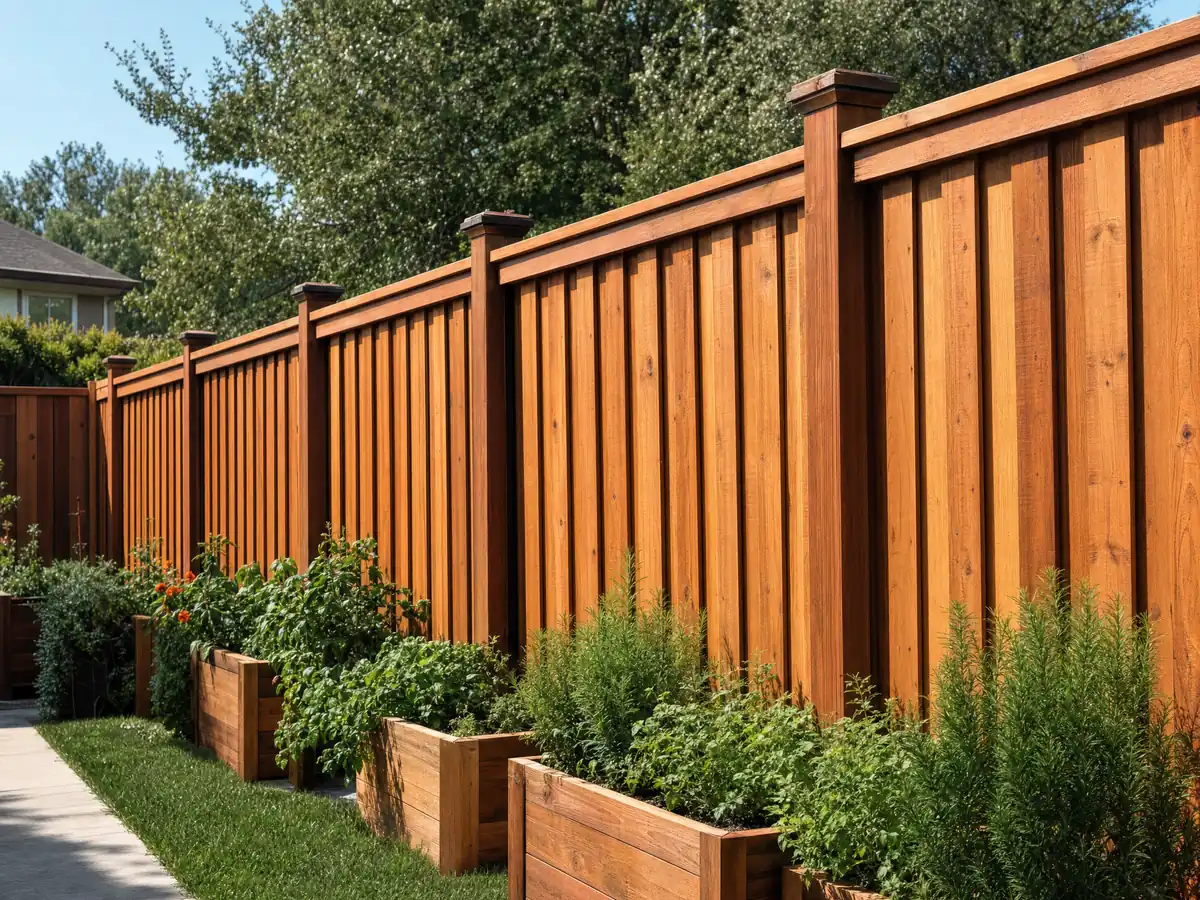
A fence company working in Carson, California has to hold residential fences to 4 feet in the required front yard and 6 feet in side, street side and rear yards, with 7 feet only for a decorative finish under conditions. Carson Municipal Code 8103 exempts wood and masonry fences up to 6 feet from a building permit.
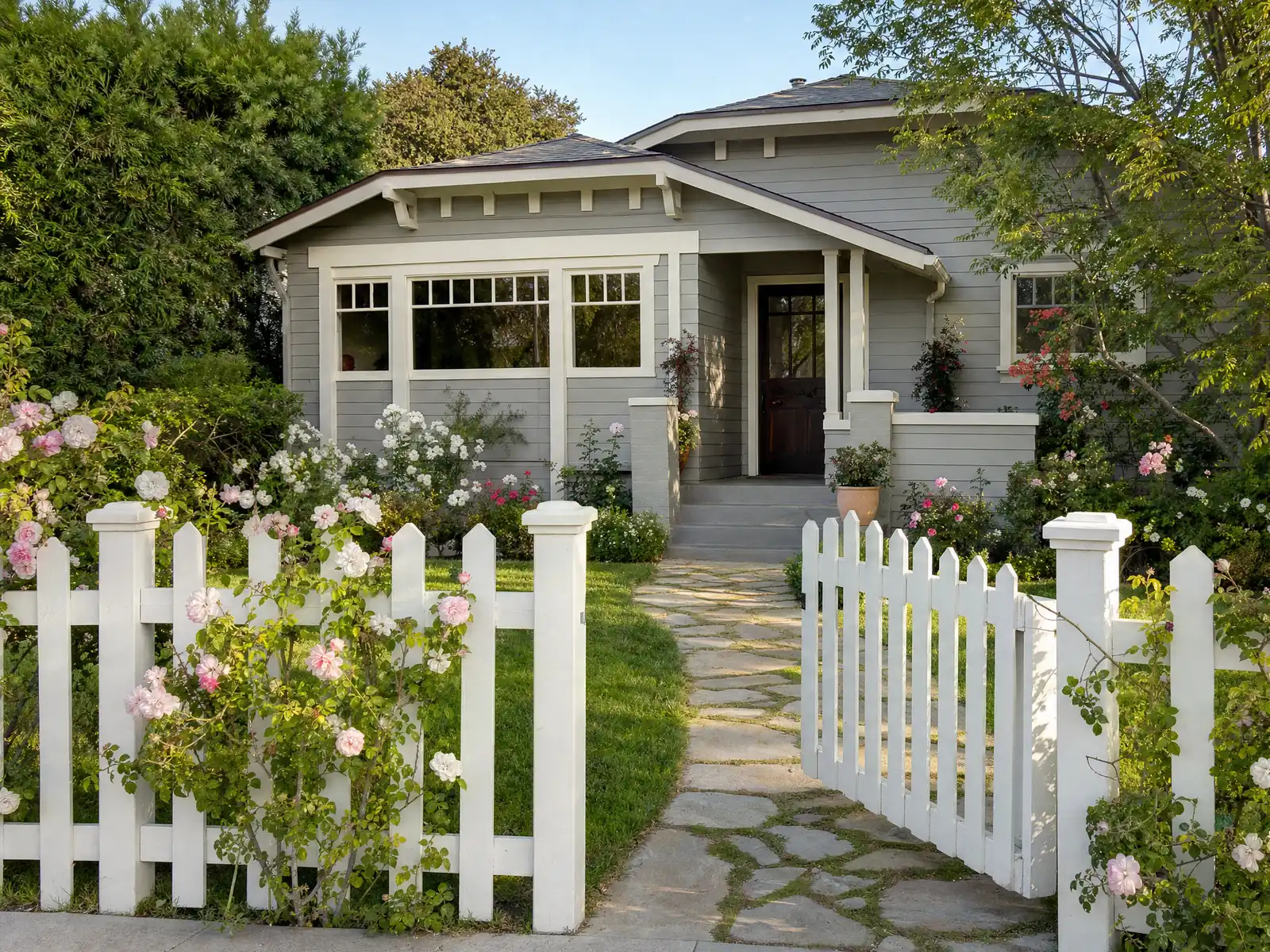
Fences here are tied to how Carson was built. The Census Bureau's ACS 2024 tables show 70.9 percent of the city's 29,300 housing units are detached houses, and 52.6 percent date from the 1950s and 1960s, the tract-building decades when Rancho San Pedro farmland and oil land turned into streets of small lots. The City's Housing Element also records that in 2021 about 42.3 percent of Carson's land was designated industrial against 28.2 percent residential, so a backyard here often ends at a different kind of neighbor than it does in a bedroom suburb. Fence height rules turn on exactly that. Carson itself incorporated on February 20, 1968, partly to gain control over land uses after refuse dumps, landfills and auto dismantling plants had gathered in the unincorporated area, according to the County library's local history page, so the mix of homes beside heavy industry is a feature of the city's origin and not an accident.
MDG Builders (CSLB #1040337) handles the plan and the paperwork on a fence job, and a licensed fence subcontractor sets the posts and panels; a masonry wall goes to a mason instead, and you can ask for either subcontractor's license number and certificate of insurance. Our fencing page has the sourced cost table. Nearby guides cover Los Angeles, Compton, Torrance and Long Beach, and the city overview is on the Carson area page.
What Carson's zoning code and building code say about fences
Where fencing permits come from in Carson: City of Carson Building & Safety Division.
- CMC 8103(a) exempts from a building permit chain-link, wrought-iron and similar fences up to 12 feet, masonry, concrete, wood and similar fences up to 6 feet, wood fences up to 8 feet if at least 60 percent open, and retaining walls retaining no more than 4 feet measured from the bottom of the footing (unless supporting a surcharge). A taller solid fence or wall is outside the exemption.
- Phase 1 code Table 9312.4 caps residential fences at 4 feet in the required front yard, and at 6 feet in side, street side and rear yards, or 7 feet with a decorative finish such as lattice. The 7 foot height is allowed only if an abutting residential structure has at least 10 foot side setbacks or the lot abuts a mixed-use, commercial or industrial use.
- Front yard fences above 4 feet are allowed outside the required front yard. The Director can grant an exception to front yard fence height after notice to abutting owners and findings that the fence will not create a public safety hazard, and a front fence that blocks access to the home must have a doorbell device (Phase 1 code 9312.3). Under Ordinance 25-2514 the Director needs City Manager concurrence first.
- Visibility rule (Phase 1 code 9311.11): no fence, wall, hedge or planting may block visibility of vehicles entering or leaving an alley, driveway or intersection, and no obstruction is allowed within five feet of where a parcel line meets a driveway, garage door or street or alley corner unless it is under 24 inches high or specially authorized.
- Temporary construction fencing may be chain link up to 8 feet, cannot be installed until a building or grading permit has issued, and must come down before final inspection; temporary fencing around occupied structures is prohibited (Phase 1 code 9312.4).
- Swimming pools must be walled or fenced to prevent access from the street or adjacent properties, with fencing meeting the Uniform Swimming Pool, Spa, and Hot Tub Code (Phase 1 code 9311.9).
- CMC Article 3 Chapter 9 (City Tree Preservation) says contractors should avoid removing tree roots and, where block wall footings or other subsurface work are needed, should avoid the tree's drip line, and that root pruning within 8 feet of a trunk may make tree removal the better option. Planting or trimming City trees in the right of way needs a City permit.
- Property maintenance: a fence that is unsightly because of its condition or location, and vacant lots not fenced to protect against entry, are listed nuisances under CMC 5702(f) and (q).
How tall can a fence be in a Carson front yard?
Four feet, inside the required front yard. Table 9312.4 of Carson's Phase 1 zoning code caps residential fences at 4 feet there. On Low Density Residential lots the required front yard is 20 feet or 20 percent of the lot depth, whichever is less, so the 4 foot line runs from the front property line back to that setback. A taller fence is allowed on the house side of that line, outside the required front yard.
Section 9312.3 lets the Planning Director grant an exception to the front yard height after notice to abutting owners and findings that the fence will not create a public safety hazard, and a front fence that blocks access to the home must have a doorbell device. Ordinance 25-2514, adopted July 15, 2025, now requires the Director to get the City Manager's concurrence first, and an approval issued without it is void. Treat an exception as a Planning application, not a favor at the counter.
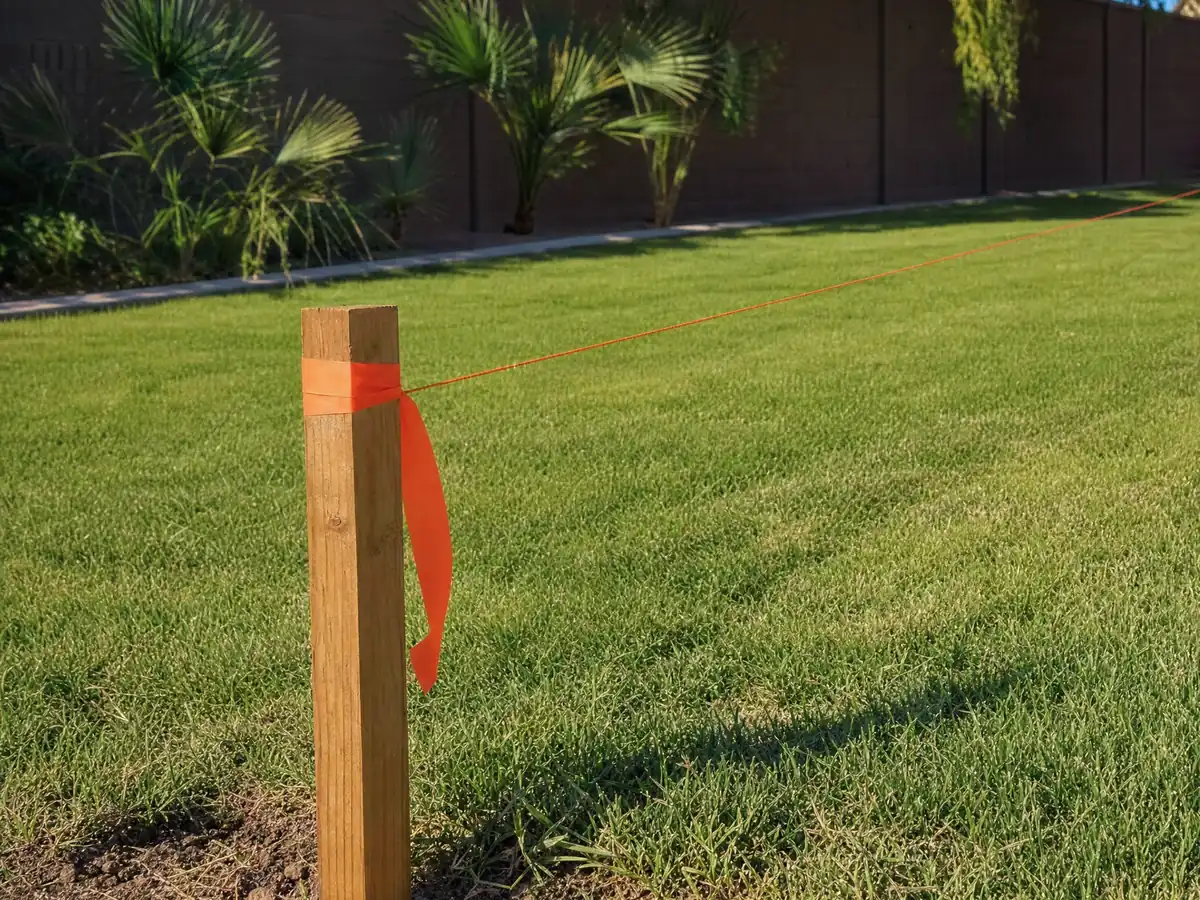
Measure the front setback from the property line before you design the gate and the pillars.
Do I need a permit to build a fence or block wall in Carson?
Often not, but the exemption has edges. Carson Municipal Code 8103(a) exempts chain-link, wrought-iron and similar fences up to 12 feet, masonry, concrete, wood and similar fences up to 6 feet, wood fences up to 8 feet if at least 60 percent open, and retaining walls holding back no more than 4 feet measured from the bottom of the footing, unless they carry a surcharge. A taller solid fence or wall is outside the list. Under CMC 8103 an exemption never excuses work that violates zoning or other rules, so the zoning height caps still apply.
A block wall also changes who builds it. The CSLB fencing class, C-13, excludes masonry walls, which fall under class C-29, so a wall goes to a mason. Applications for work that does need a permit go through the Carson Civic Access Portal, and the City's Building & Safety Division page is the place to start. We could not confirm how the Building Official treats a wall topped with lattice, so ask before you design one. Condition counts after the build too: the property maintenance ordinance, CMC 5702, lists a fence that is unsightly because of its condition or location as a nuisance, and it lists vacant lots not fenced against entry as well, so a leaning fence is a code item as well as a safety one.
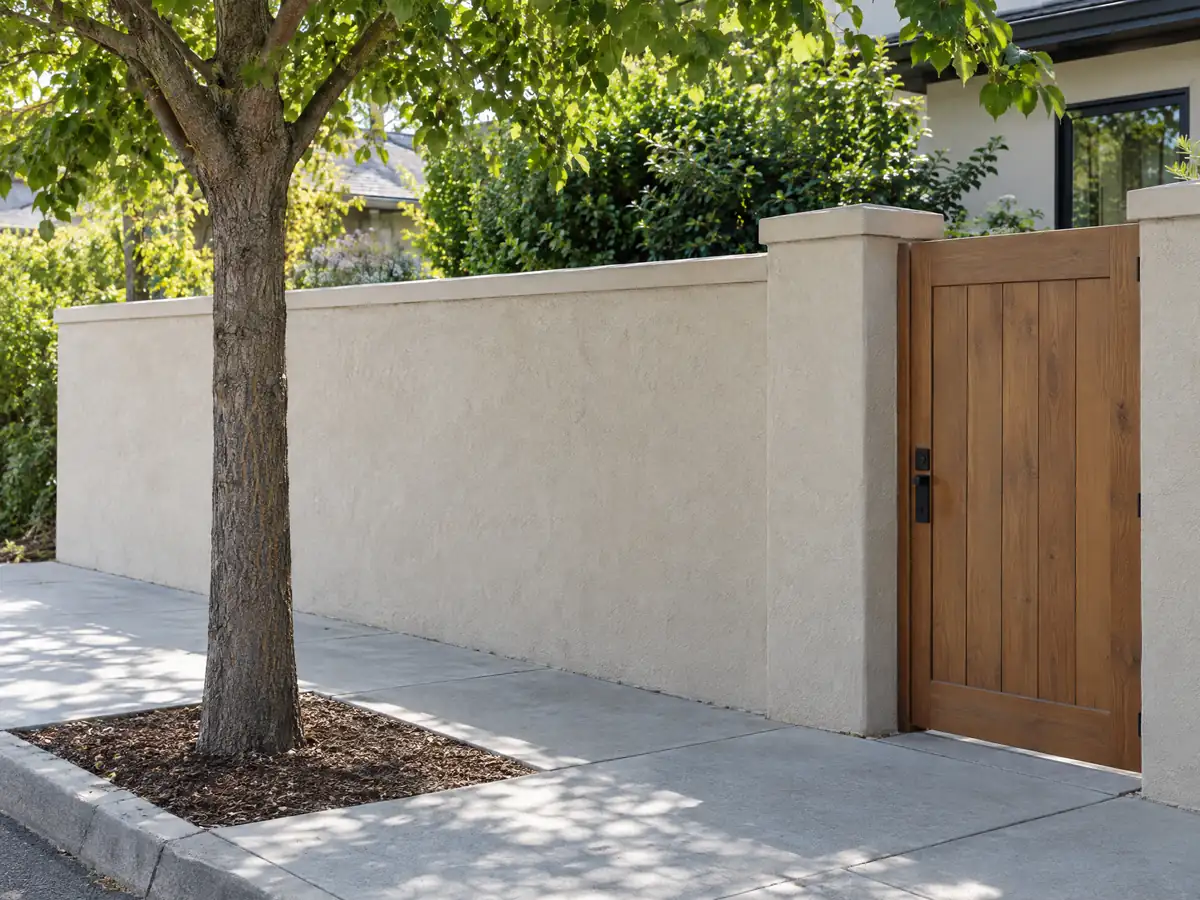
Can I put up a 7 foot fence in a Carson backyard?
Only with a decorative top and a qualifying neighbor. The same Table 9312.4 sets 6 feet in side, street side and rear yards, and allows 7 feet where a decorative finish such as lattice is added. The 7 foot height is allowed only if the abutting residential building has side setbacks of at least 10 feet, or if the lot abuts a mixed-use, commercial or industrial use.
That second condition matters in a city where industrial land is so common. A lot that backs onto a warehouse or a yard may qualify for the taller fence, while a lot between two houses with narrow side yards may not. The numbers describe residential lots under the Phase 1 code adopted by Ordinance 24-2405 in March 2024. Industrial and commercial zones were left under the older 1977 chapter, which we did not read, so a fence on that kind of land is a question for Planning.
Where must a Carson fence stay low near a driveway, alley or street corner?
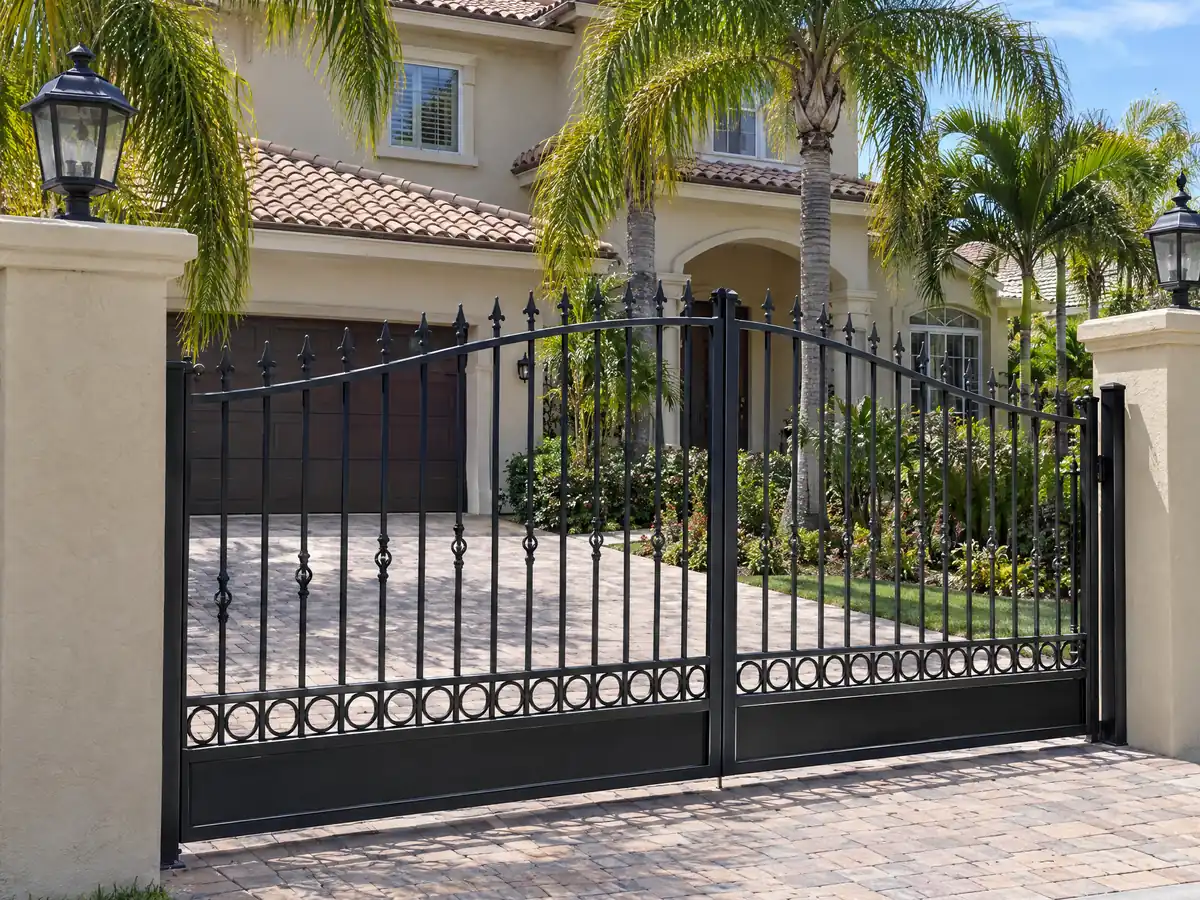
Section 9311.11 of the Phase 1 code says no fence, wall, hedge or planting may block the view of vehicles entering or leaving an alley, driveway or intersection. Within 5 feet of where a parcel line meets a driveway, a garage door or a street or alley corner, nothing may rise above 24 inches unless it is specially authorized. A solid gate pillar set right at the sidewalk edge is the classic mistake.
Temporary construction fencing follows a separate rule: chain link up to 8 feet, not installed until a building or grading permit has issued, and removed before final inspection. Plan a driveway gate with that clear zone in mind: where it swings, where the operator sits and how far back a car stops while it opens. We did not confirm which CSLB class covers gate operators and their wiring, so ask each bidder who is licensed for the electrical part.
- Pillars and posts set back from the driveway edge
- Gate swing that clears the sidewalk
- A line on the plan marking the 5 foot clear zone
What do Carson's clay soil, street trees and termites mean for fence posts?
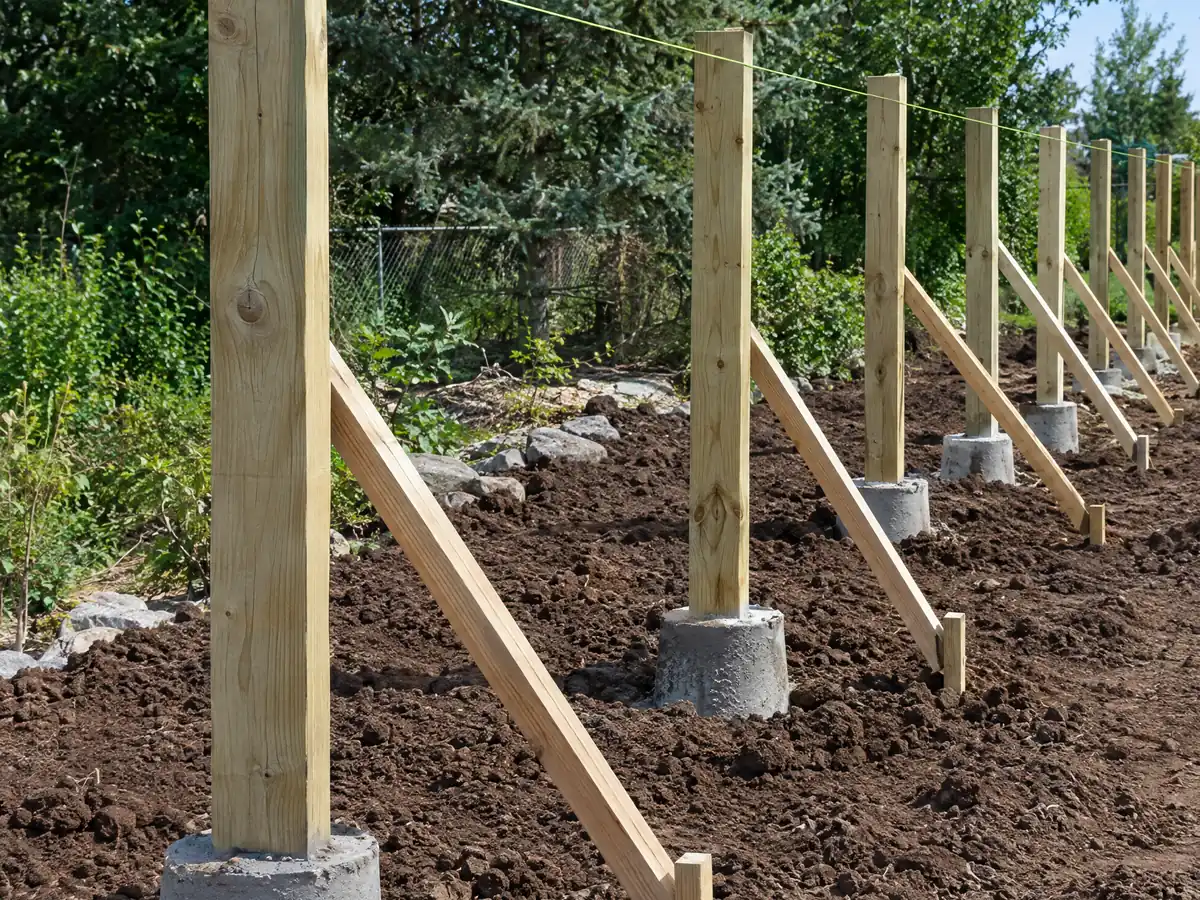
The City's Safety Element says most Carson soils have low to moderate shrink-swell potential, but Ramona clay loam is high, and clay areas can crack and heave shallow foundations, slabs and pavement. Sandy soils erode more readily when exposed. We found no Carson post-depth rule, so ask each bidder what footing depth they plan for your soil and why.
Trees add their own rules. The City's tree preservation chapter tells contractors to avoid removing roots and to keep block wall footings out of a tree's drip line, and it says root pruning within 8 feet of a trunk may make removal the better choice. City trees in the parkway cannot be pruned or planted without a City permit. On wood fences, the University of California's pest program says drywood termites are most common in Southern California and attack fences, and advises termite-resistant wood or concrete footers where wood meets soil.
Who pays for a shared fence in Carson, and what does a pool barrier require?
California Civil Code 841 presumes neighbors share the cost of a boundary fence equally, and it asks the owner who plans to spend money to give 30 days' written notice first. The presumption can be rebutted, so a survey and a written agreement are worth the trouble. We did not find a Carson survey service, so a licensed surveyor is the way to settle where the line runs.
For pools, Section 9311.9 of the Phase 1 code requires walls or fences that prevent access from the street or neighboring properties, built to the Uniform Swimming Pool, Spa, and Hot Tub Code. The same section keeps the pool wall at least 5 feet from property lines. We did not read the barrier height text, so confirm it before ordering panels, and note that a permit for a new pool is a separate Building and Safety application.
Fence installation in Carson: what does it cost and who should build it?
We found no Carson cost survey, so the numbers are Los Angeles ones. Angi's August 2026 Los Angeles page puts the average at $29 per linear foot inside a $15 to $60 range, with a 100 foot run at $2,100 to $2,350. HomeGuide's February 2026 page shows $20 to $60 per foot, and Thumbtack's July 2026 page shows $23 to $57 nationally. Block walls have no independent per-foot source we trust, so we print none. The federal wage survey puts fence erectors in the Los Angeles area at a mean of $28.00 an hour for May 2025.
Compare written bids by length, height, material, gate count and old fence removal. Work hours matter too: Carson limits short-term construction noise at single-family homes to 75 dBA from 7:00 a.m. to 8:00 p.m., except Sundays and legal holidays. Fence work is CSLB class C-13, so check the number on the CSLB site. Read our guide to checking a contractor's license and the page on how general contractors use subcontractors before you sign.
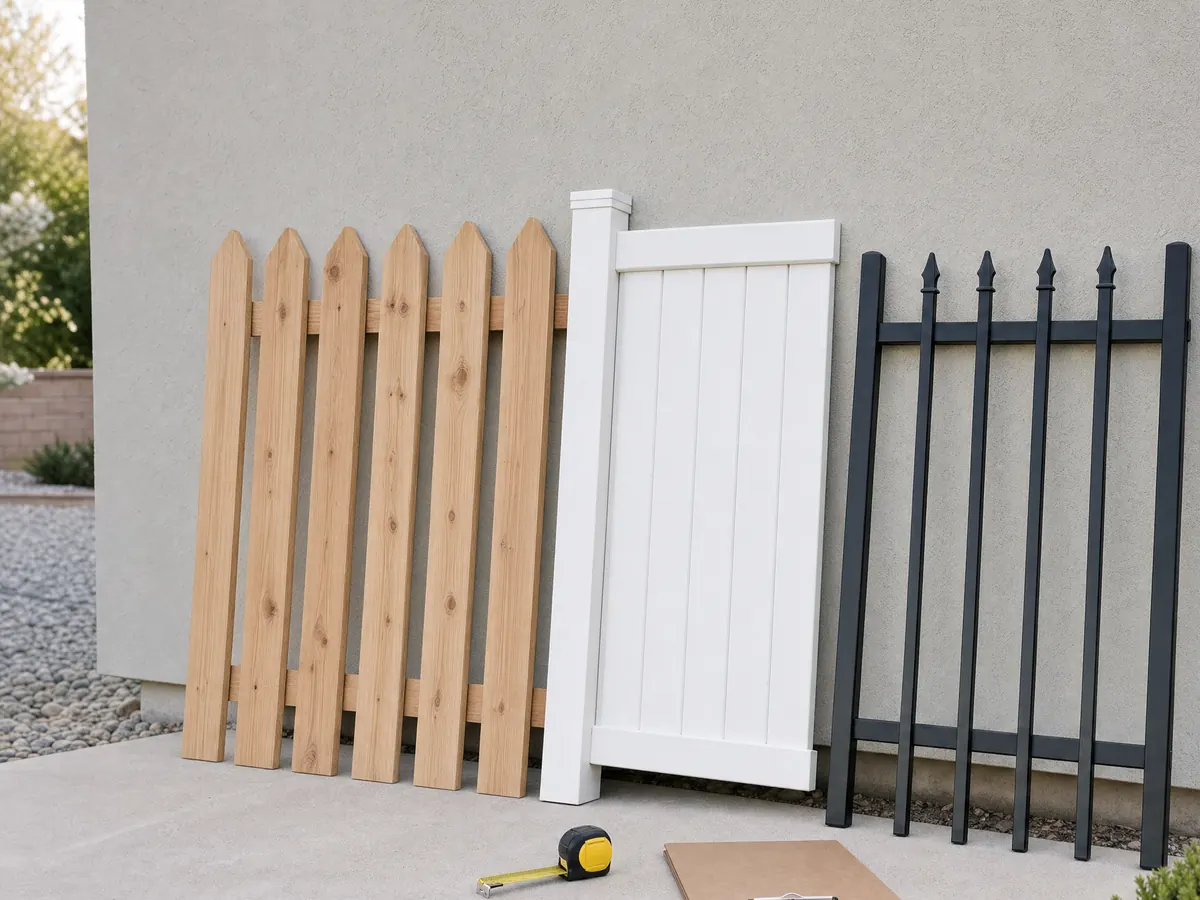
Fence and gate photos from Carson and nearby communities
Six fence scenes tied to Carson blocks and to neighboring areas such as Rancho Dominguez and West Carson, from wood privacy runs to metal gates and block wall details.
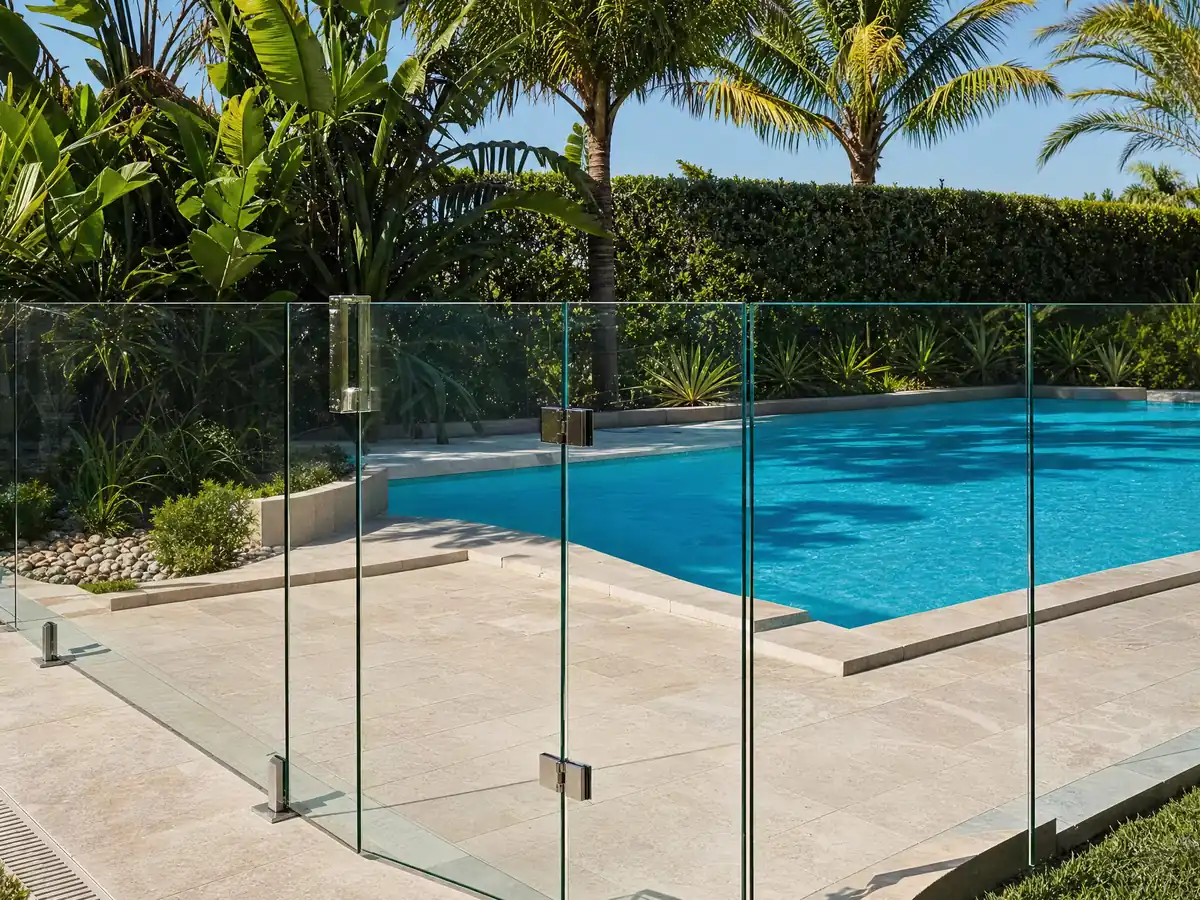
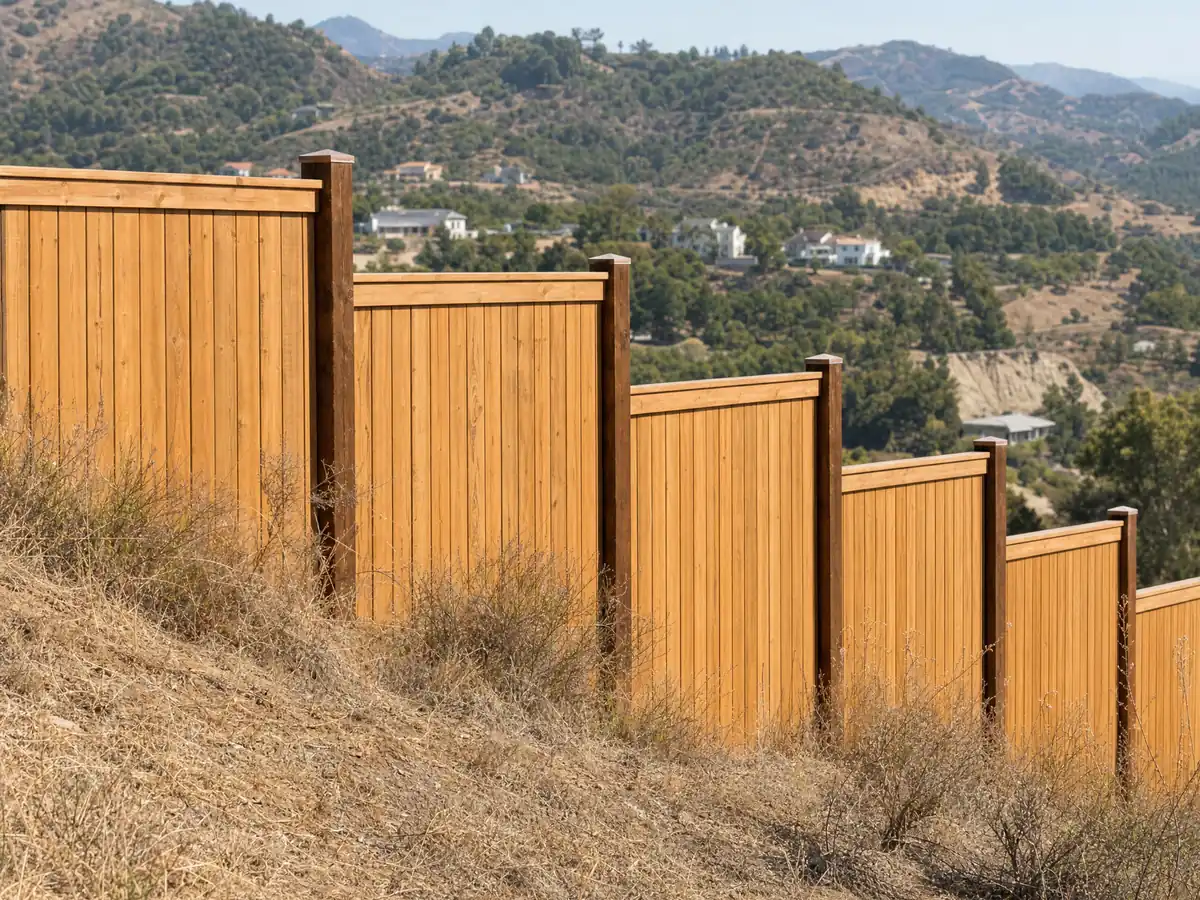
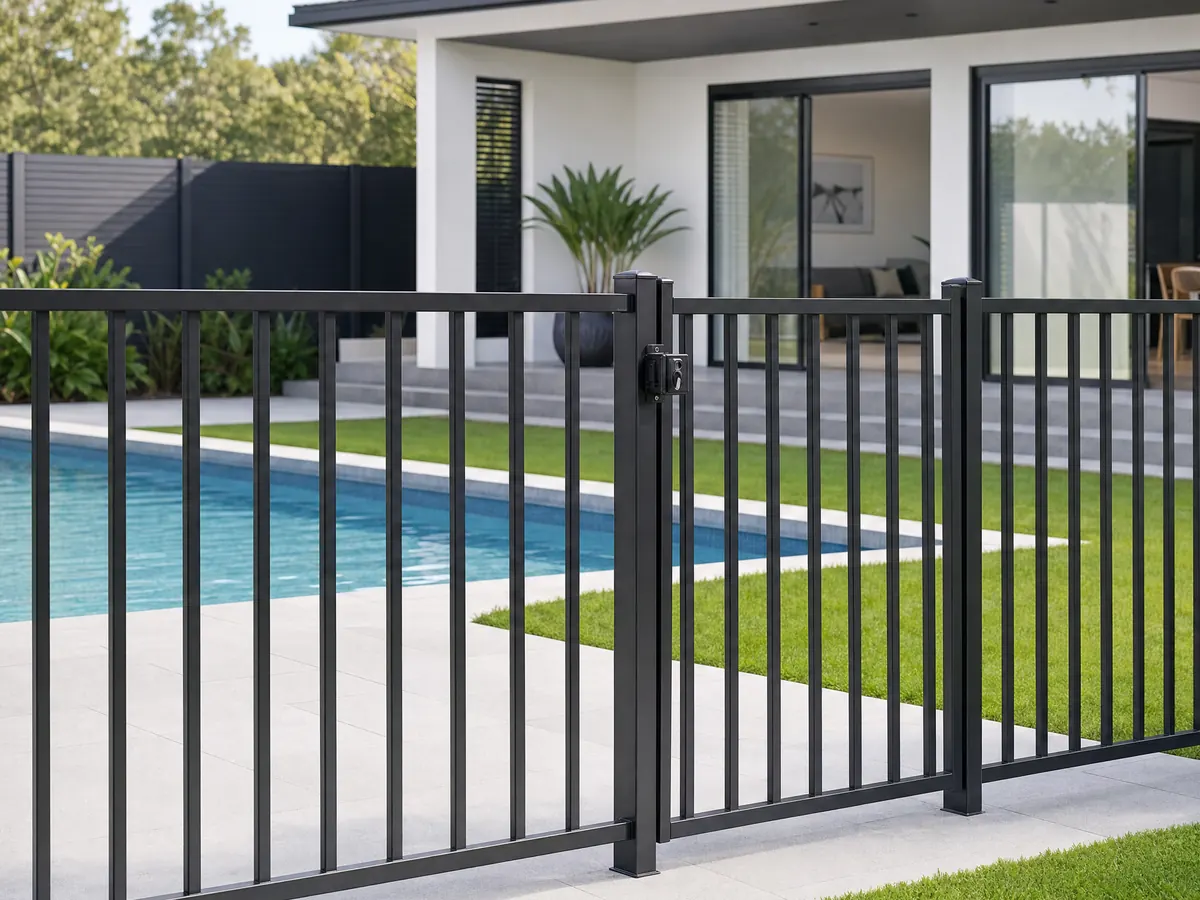
Where the fence numbers come from
Carson has no published fence cost survey, so each per-foot figure here comes from a Los Angeles source named in the table on our fencing price page, and the sources disagree at the low end. Permit fees are not in them. A new fence often follows a new roof or fresh paint, and the Carson rules for those are on the roofing page and the painting page.
| What it covers | Typical range |
|---|---|
| Wood or vinyl privacy fence, 6 feet | $25 to $55 per linear foot |
| Chain-link | $12 to $30 per linear foot |
| Aluminum or ornamental iron | $35 to $85 per linear foot |
| Typical 100-foot backyard run | $2,500 to $5,500 total |
| Block walls, horizontal slat fences, gates and openers, hillside lots | Set by the written proposal |
Carson fence questions, answered
How much should a 100 ft fence cost?
Angi's August 2026 Los Angeles page shows $2,100 to $2,350 for a 100 foot run, inside an average of $29 per foot and a $15 to $60 range. Material, height, gates and old fence removal move the price. We found no Carson survey, so a measured written proposal is the number to trust.
Do I need a permit to build a fence in Carson?
Often not for a standard fence. Municipal Code 8103(a) exempts wood and masonry fences up to 6 feet and chain-link or wrought-iron fences up to 12 feet, but zoning height caps still apply. Anything taller, a retaining wall over 4 feet or a pool barrier needs a closer look at the counter.
How tall can my front fence be in California?
The answer depends on the city's own zoning. In Carson, the Phase 1 zoning code caps residential fences at 4 feet in the required front yard. A fence above 4 feet is allowed outside that required yard, and a front yard exception goes through the Planning Director.
Can I put up a 7ft fence?
Sometimes. Carson allows 7 feet in side and rear yards only with a decorative finish such as lattice, and only if the abutting residential building has side setbacks of at least 10 feet or the lot abuts a mixed-use, commercial or industrial use. Otherwise the limit is 6 feet.
Do you need a permit to build a block wall in California?
It depends on the city and the height. In Carson, masonry and concrete fences up to 6 feet are exempt from a building permit under Municipal Code 8103(a), and a retaining wall of 4 feet or less is exempt unless it carries a surcharge. Block walls also need a mason, CSLB class C-29.
Does your neighbor have to pay for half the fence in California?
Usually the law presumes so for a boundary fence. California Civil Code 841 treats adjoining owners as sharing the cost equally and asks the owner who plans to spend money to give 30 days' written notice first. Either side can rebut the presumption, so put the agreement in writing.
Is it cheaper to install a wood or vinyl fence?
Wood is usually cheaper in the sources we read. Angi's Los Angeles page lists wood at $1,600 to $2,500 and vinyl at $1,850 to $3,400 for the projects it describes, though its fence lengths are not stated. Wood in Southern California also faces drywood termites, so footing and wood choice matter.
What happens if I don't have a permit for a fence?
For a fence that needed one, Carson's Municipal Code 8108 requires a special investigation fee before a permit can issue and lets the Building Official record a notice of violation against the property. An owner-builder who did not know a permit was needed has an exception from the fee. Check the exemption list first.
Should I repair or replace my fence?
Repair when posts are sound and only panels or rails are damaged, and replace when posts are rotted, leaning or termite-damaged. We found no sourced cutoff, so ask for both options priced in writing. In Carson, a fence unsightly from its condition is a listed nuisance under Municipal Code 5702.
What are the new fence rules in California in 2026?
We found no single new state fence rule we could verify. What changed on January 1, 2026 is the home improvement contract law, with a down payment cap of $1,000 or 10 percent, whichever is less. Carson also adopted the 2025 State building codes in November 2025 by Ordinance 25-2520.
Plan your fence in Carson
Send the address, the length you want to enclose and whether any of it faces the street or a driveway. We check the height and corner rules for the lot before we call back.