
Fence Companyin Lemon Grove, CA
A fence company in Lemon Grove builds to a 6 foot permit line, not the state's 7 feet: fences and walls up to 6 feet that meet the code need no building permit in the main residential zones. In a front yard, solid fences stop at 42 inches, and anything taller must be at least 90 percent open.
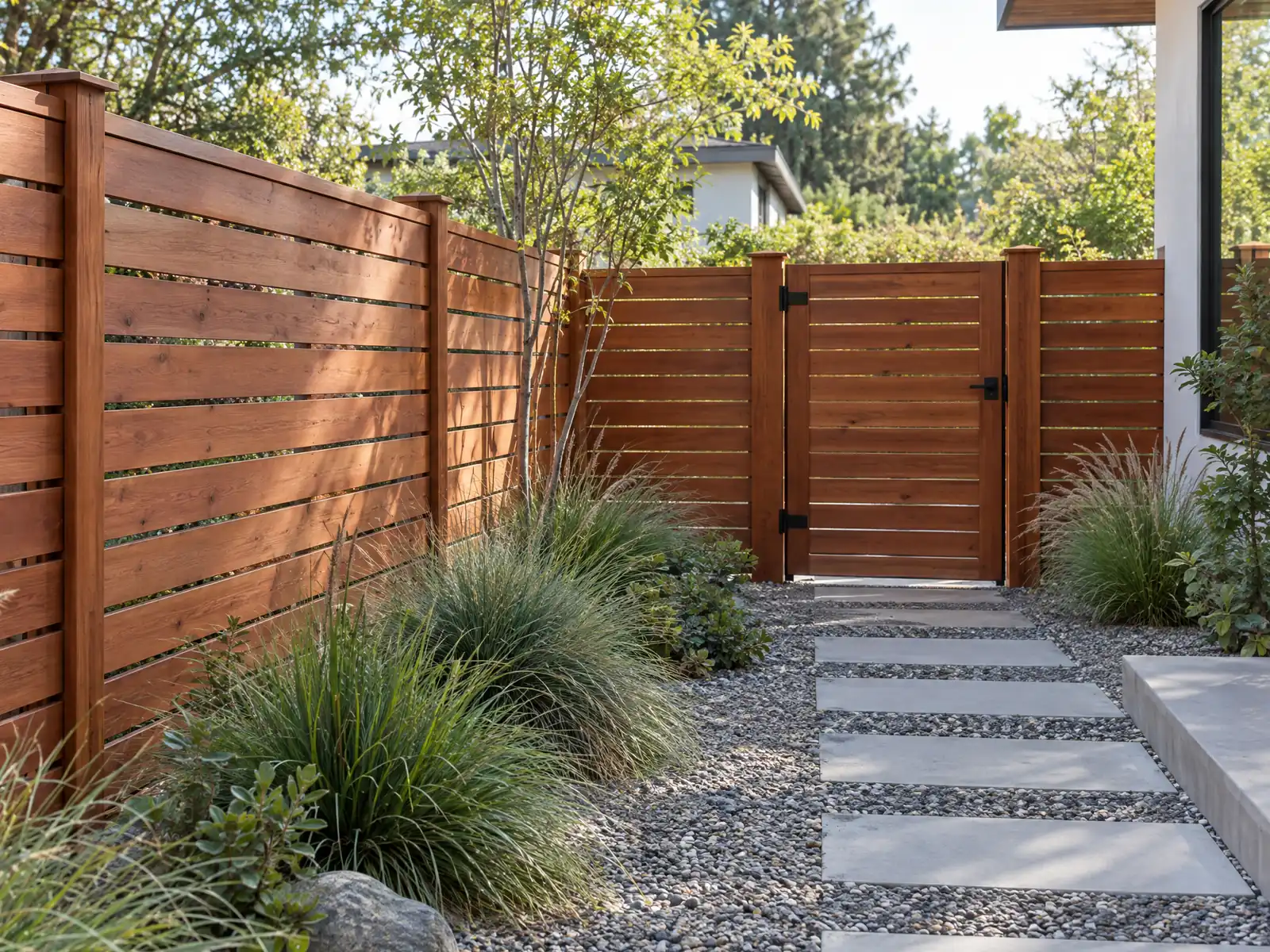
Lemon Grove fences mark the edges of a postwar suburb. The Census Bureau's ACS 2024 five-year estimates count 9,391 housing units, with 61.5 percent single-family detached and 47.5 percent of occupied homes rented, so a fence request often passes through a landlord first. The 1950s are the biggest build decade at 26.4 percent, and the General Plan describes well-established single-family neighborhoods south of Broadway with a mix of architectural styles. The City is about 3.9 square miles, with elevations from roughly 280 to 528 feet, and its steeper ground lies south of Federal Boulevard and around parts of Lemon Grove Avenue.
On a fence job, MDG Builders (CSLB #1040337) reads the zoning table, draws the layout and runs the schedule, while licensed subcontractors build: a C-13 fencing contractor for wood, vinyl and metal, and a masonry specialist for block. Our fencing page holds the sourced prices, the Lemon Grove overview covers the other trades, and the guides for El Cajon and San Diego show how neighbors set their limits. The City's Building Division and Planning Division share one office. Code text here comes from GoCodebook, a third-party mirror, because the official code site blocked our tools, so confirm each rule with the City.
What Lemon Grove's zoning chapter says about fences, walls and street frontage
Where fencing permits come from in Lemon Grove: City of Lemon Grove Community Development Department, Building Division.
- Fences and walls up to six feet that meet the code's requirements can be built without a building permit on residential property in the RL, RLM, RM, RMH and RP zones, which is stricter than the state's seven foot exemption; the director may still require a permit for entryway elements over six feet in masonry, wood, metal or other heavy material (Municipal Code 17.24.040).
- In the required front yard and street side setback, solid wood, masonry or other solid fences and walls stop at 42 inches unless a variance is approved; anything above 42 inches must be open material (at least 90 percent open, such as wrought iron or open metal) or durable transparent material, wood or plastic lattice that blocks visibility is not allowed, and hedges next to those fences are capped at 42 inches.
- On a corner lot nothing within the triangle formed 20 feet back from the intersecting property lines may exceed three and one-half feet. On non-arterial corner lots a six foot side-street fence is allowed, while on Four-Lane Major and Class I to III Collector streets the City Engineer can require a lower height or a traffic engineer's sight-distance study first.
- Residential fences over six feet are prohibited unless the community development director approves them under variance-style findings tied to topography, lot design, easements, driveway location or sight distance, and a fence or wall may sit on top of a retaining wall that holds earth to its full height.
- Fences must be built to the City's Wood and Masonry Fence detail, and the code prohibits plywood or OSB, bamboo mat, corrugated metal or fiberglass, tarp or shade cloth, barbed wire or razor ribbon in residential zones, chain link above 42 inches in the front yard, and any fence in an easement or blocking emergency access. Fences need a three foot clearance from fire hydrants.
- Concrete block walls must be painted or covered with neutral-colored stucco that is consistent with the colors of the structures on the property, and the owner must remove graffiti from fences and walls within 48 hours of discovery. The strip between a fence and the property line in a front or street side yard must be planted with low, drought-tolerant plants.
- On a through lot in a residential zone, a fence on the secondary (non-entrance) frontage may be six feet high and solid.
- California Civil Code 841 presumes that neighbors who share a dividing fence split the reasonable cost of building, maintaining or replacing it equally, unless they agree otherwise in writing. An owner who plans such costs must give each affected neighbor 30 days' prior written notice with the presumption, the problem, the proposed solution, estimated costs, the proposed cost split and a timeline.
Sources for these rules
Do I need a permit to build a fence in Lemon Grove, and is it 6 feet or 7?
Six feet is the Lemon Grove line, and it conflicts with state law. On residential property in the RL, RLM, RM, RMH and RP zones, a fence or wall up to 6 feet that meets the code's requirements can go up without a building permit under Municipal Code 17.24.040. The state residential code's exemption list, R105.2, reaches 7 feet, so a 7 foot rule you read online is the state's, not the City's.
The City's text adds a catch for entryways: the director may still require a permit for entry elements over 6 feet built of masonry, wood, metal or other heavy material. A gate pier or an arbor over a driveway is the typical case. No permit does not mean no rules, since every fence still has to meet the height, material and setback sections of the zoning chapter.
Ask the Planning Division to confirm your zone and the permit answer in writing before posts are ordered.
How tall can a front yard fence be in Lemon Grove, and can I put up a privacy fence?
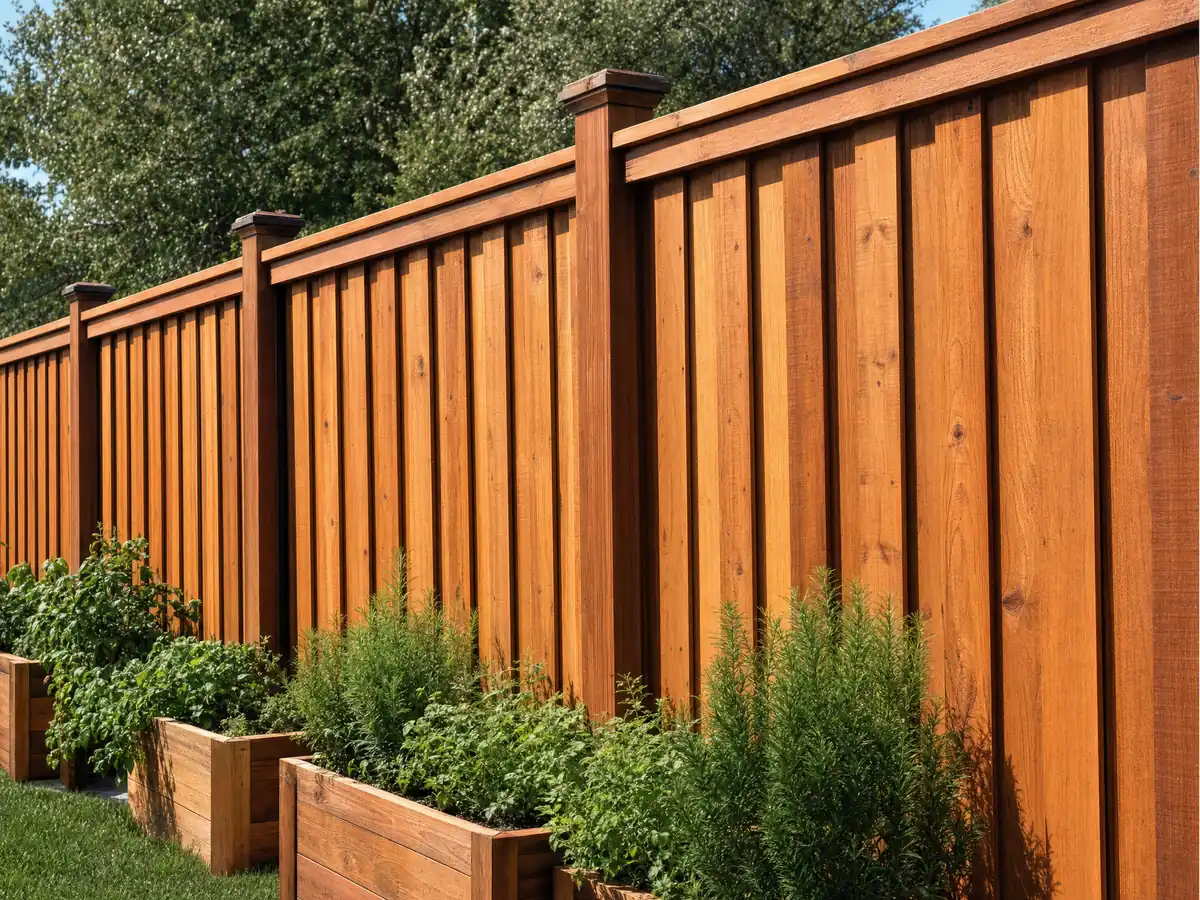
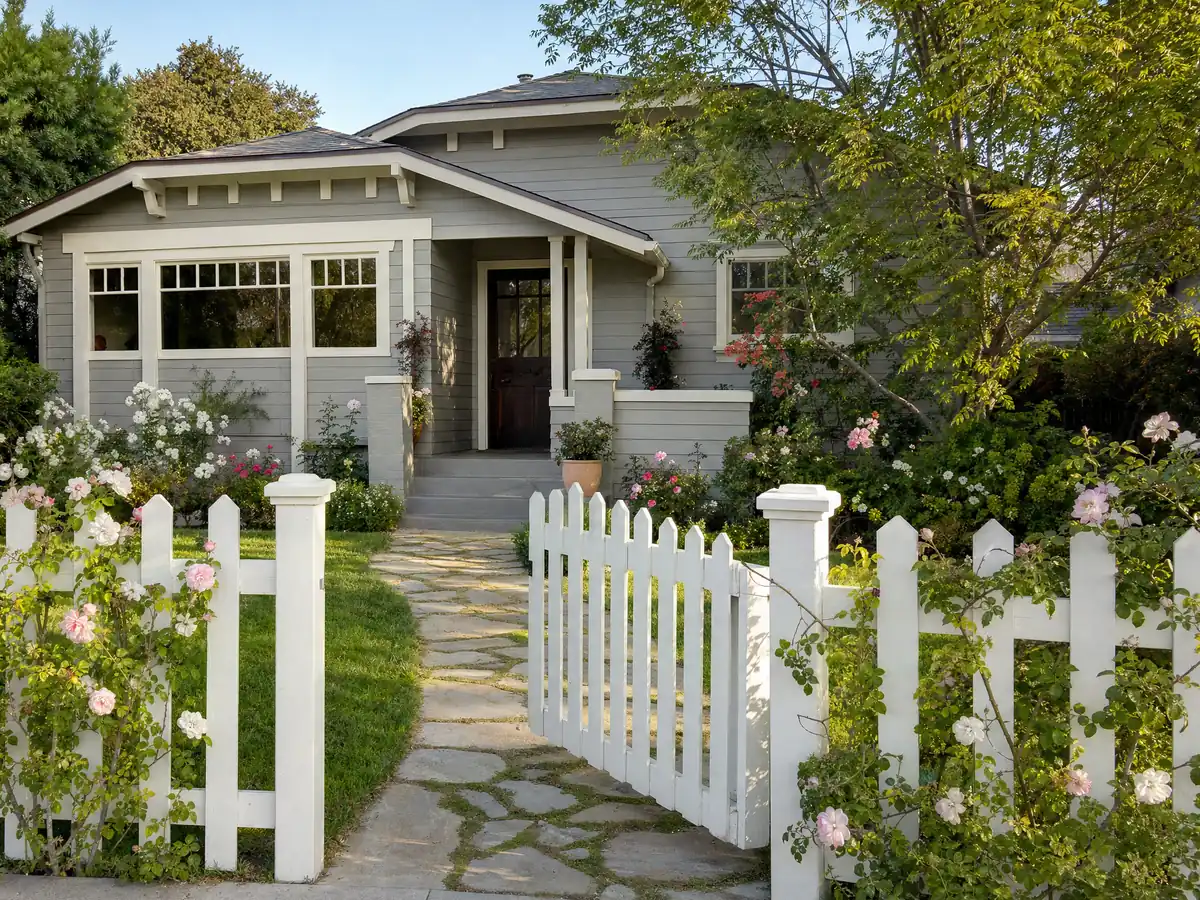
A solid one tops out at 42 inches. In the required front yard and the street side setback, solid wood, masonry or other solid fences and walls stop at 42 inches unless a variance is approved. Anything above that height has to be open material, meaning at least 90 percent open, such as wrought iron or open metal, or durable transparent material. Wood or plastic lattice that blocks visibility does not count, and a hedge beside such a fence is capped at 42 inches too.
A through lot gets a different answer. On a through lot in a residential zone, the fence on the secondary, non-entrance frontage may be 6 feet and solid, which helps a backyard that faces a second street. Along a front or street side yard, the strip between the fence and the property line has to be planted with low, drought-tolerant plants, so budget for that landscaping.
Ask the fence company to mark the front setback line on the site plan.
What is the corner lot sight triangle, and how tall can a fence be on a street side?
Nothing in the triangle may rise above three and one-half feet. That triangle is measured 20 feet back from where the two property lines meet at the corner, and it covers fences, walls and hedges alike. Outside it, a corner lot on a non-arterial street may carry a 6 foot fence on the street side.
Busier streets change the answer. On Four-Lane Major streets and Class I to III Collector streets, the City Engineer can require a lower height or a traffic engineer's sight-distance study before the fence is approved. That makes a corner on a collector the one lot type where the zoning table alone cannot tell you the height so ask the City Engineer before drawing a plan.
Ask the City Engineer whether your street is a collector before a street side fence is designed.
What fence materials are banned in Lemon Grove, and do block walls need paint?
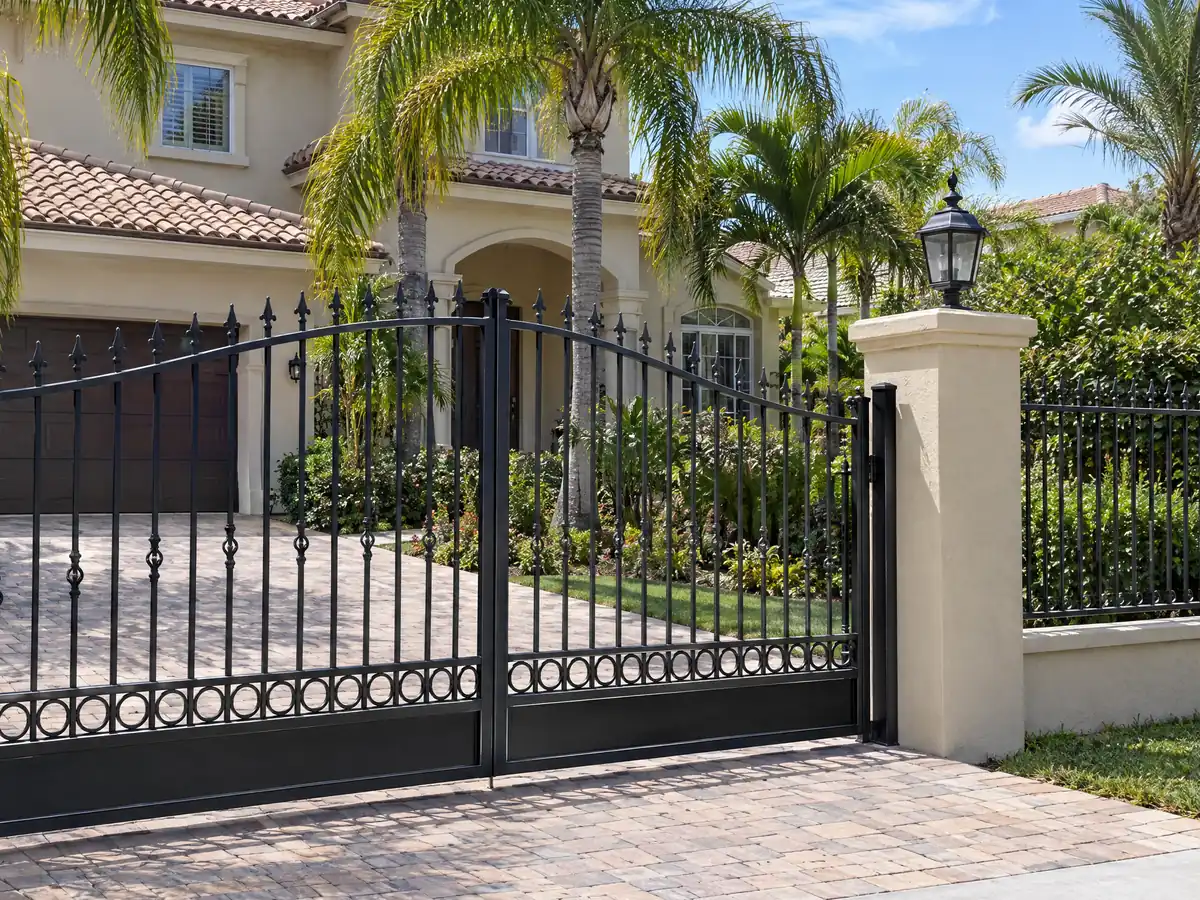
The code lists what a residential fence cannot be made of, and the list is long. It bars plywood and OSB, bamboo mat, corrugated metal or fiberglass, tarp or shade cloth, and barbed wire or razor ribbon, and it bars chain link above 42 inches in a front yard. Fences must follow the City's Wood and Masonry Fence detail, and they cannot sit in an easement, block emergency access or crowd a fire hydrant, which needs a three foot clearance.
Block walls carry an appearance rule. Concrete block must be painted or covered with neutral-colored stucco consistent with the colors on the property, and the owner must remove graffiti from any fence or wall within 48 hours of discovering it. That means a bare gray block wall is not a finished product here, and a block wall belongs to a masonry contractor, since CSLB's C-13 fencing class excludes masonry walls.
Ask the proposal to say who paints or stuccoes the block and in what color.
How high can a fence go on a slope or a retaining wall in Lemon Grove?
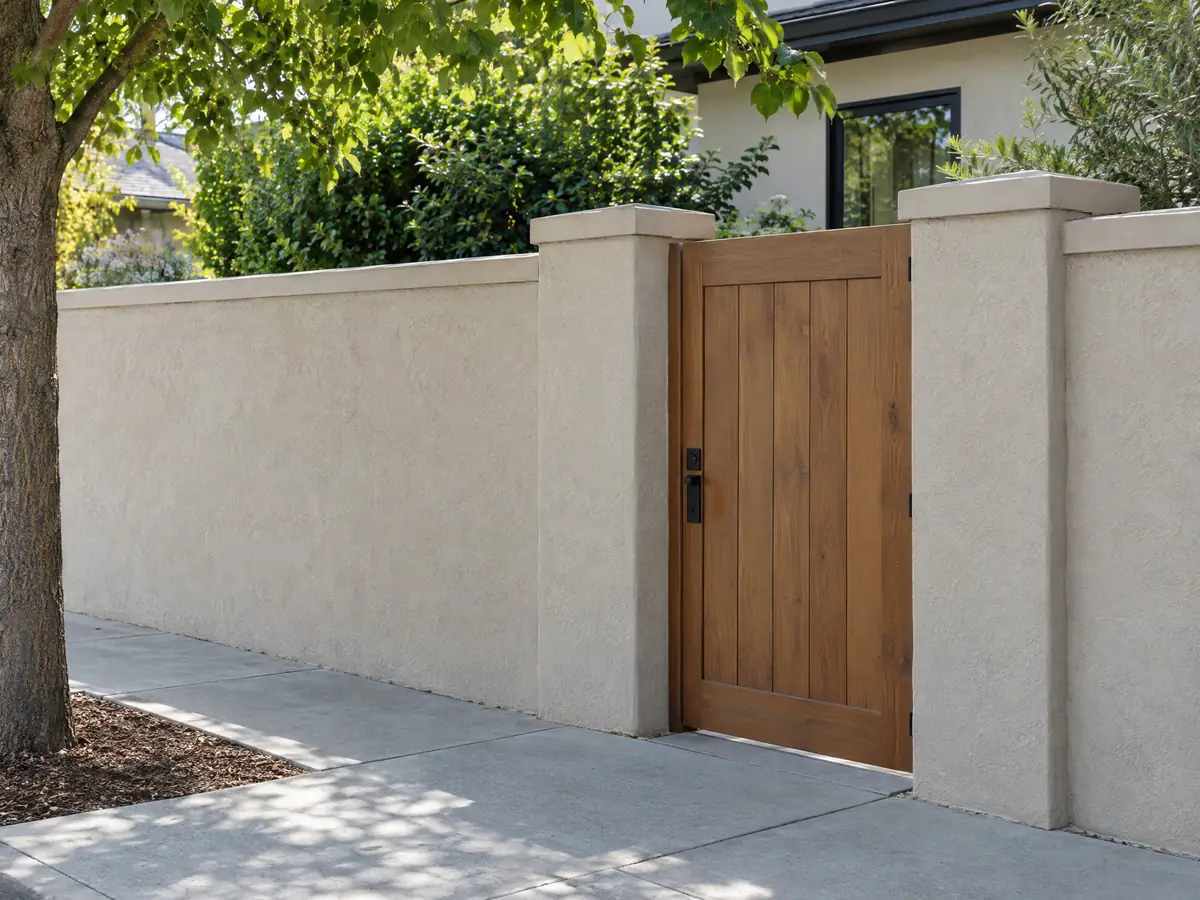
Over 6 feet is generally prohibited in a residential zone. The community development director can approve one under variance-style findings tied to topography, lot design, easements, driveway location or sight distance. A fence or wall may sit on a retaining wall, but only when the retaining wall holds earth to its full height, a detail that stops owners from stacking a tall fence on a low wall.
The ground itself is a design issue. The 1996 General Plan says nearly all soils except those in the east Broadway area are high-clay with strong shrink-swell, and residents report localized slope instability on the steeper ground. Retaining walls up to 4 feet, measured from the bottom of the footing, are exempt from a permit under the state residential code unless they carry a surcharge, and a grading permit is needed above 50 cubic yards moved. Ask your fence builder how deep the footings go on clay.
Who pays for a shared fence, and does Lemon Grove's street rule touch fences?
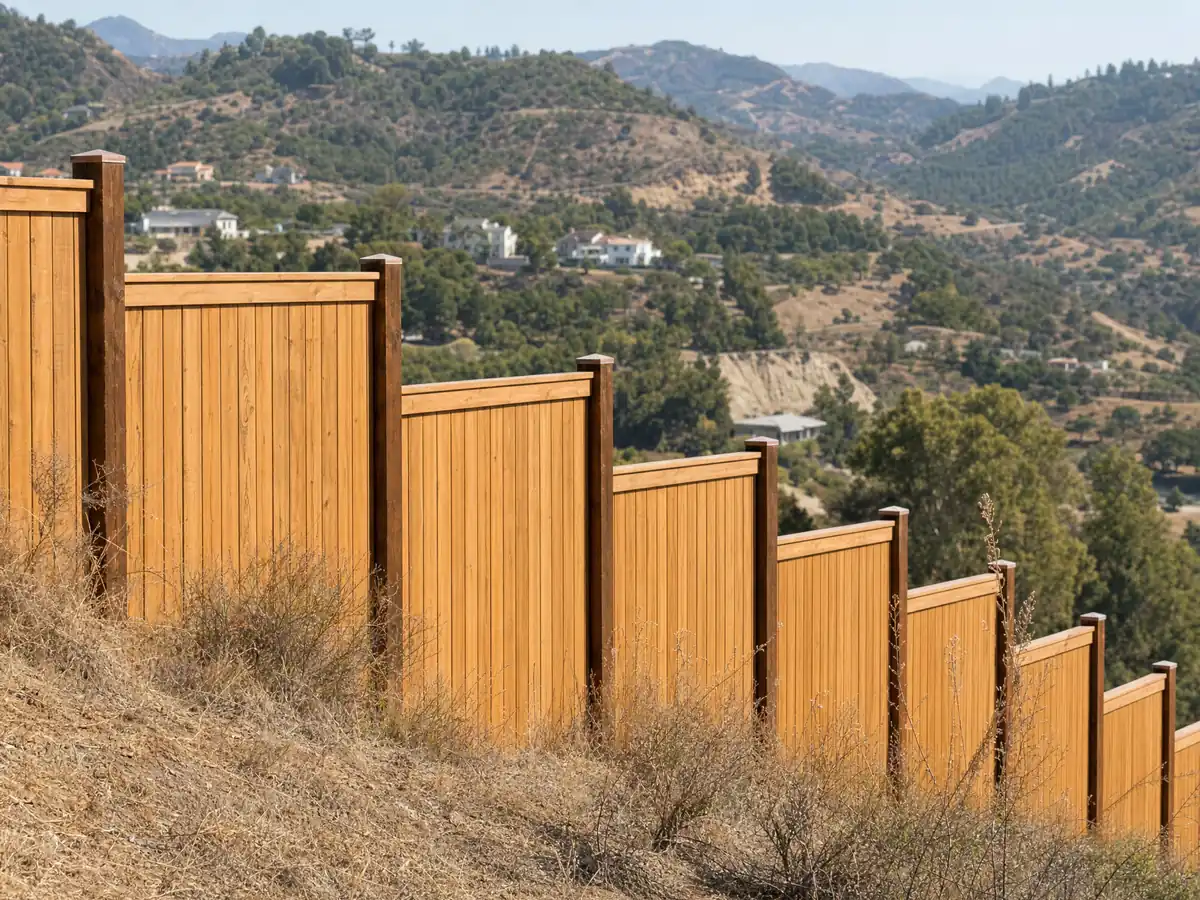
California Civil Code 841 presumes adjoining owners share equally in the reasonable cost of building, maintaining or replacing a dividing fence unless they agree otherwise in writing. An owner who plans to share costs must give each neighbor 30 days' written notice that sets out the problem, the proposed solution, estimated costs, the proposed split and a timeline. A survey is cheap insurance on narrow lots where the posts could land on the wrong side. A post line that drifts into the public right-of-way is a separate problem, since curb cuts, sidewalks and trenching there need an encroachment permit from Engineering, with fees paid in person at City Hall.
The City's street rule is keyed to building permit valuation. Municipal Code 12.10 can require half-street dedication at $85,000 and half-street improvements at $100,000, adjusted yearly from 2026, and its exempt list names roofing, decks, patio covers, pools, sheds, garages, carports, solar and ADUs but not fences. A fence that needs no building permit has no valuation to count, so the rule has nothing to act on. A permitted masonry wall or a fence bundled into a larger permit is the question to put to the Building Division.
Ask the Building Division whether a permitted wall on your lot would count toward the street thresholds.
How much does fence installation cost in Lemon Grove, and what should a quote say?
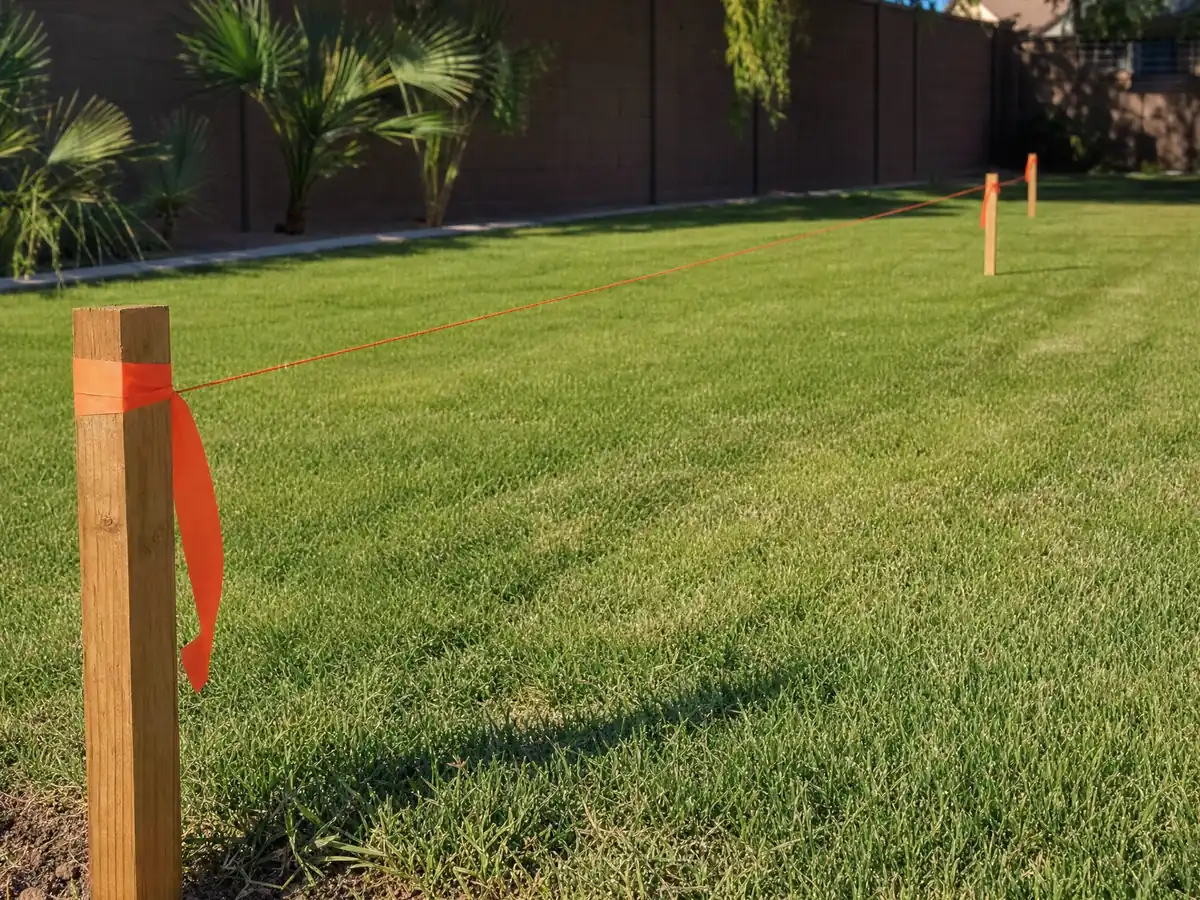
We found no Lemon Grove fence survey, so these figures come from Los Angeles sources and a San Diego County bid may differ. Angi's Los Angeles page, dated August 4, 2026, shows $15 to $60 a foot, and HomeGuide, Thumbtack and Fixr overlap that range. A federal wage survey for the Los Angeles area puts the mean fence erector at $28.00 an hour. Our planning ranges are about $25 to $55 a linear foot installed for a 6 foot wood or vinyl privacy fence, $12 to $30 for chain link and $35 to $85 for aluminum or ornamental iron. A 100 foot backyard run lands near $2,500 to $5,500, and we print no block wall price because we found no independent source.
A written quote should name the height, the posts and their depth, the gate hardware and the haul-away of the old fence. Our guide to how general contractors use subcontractors explains who answers for each trade, and check any contractor with the license guide. State contract law, Business and Professions Code 7159, limits the deposit to $1,000 or 10 percent of the price, whichever is smaller.
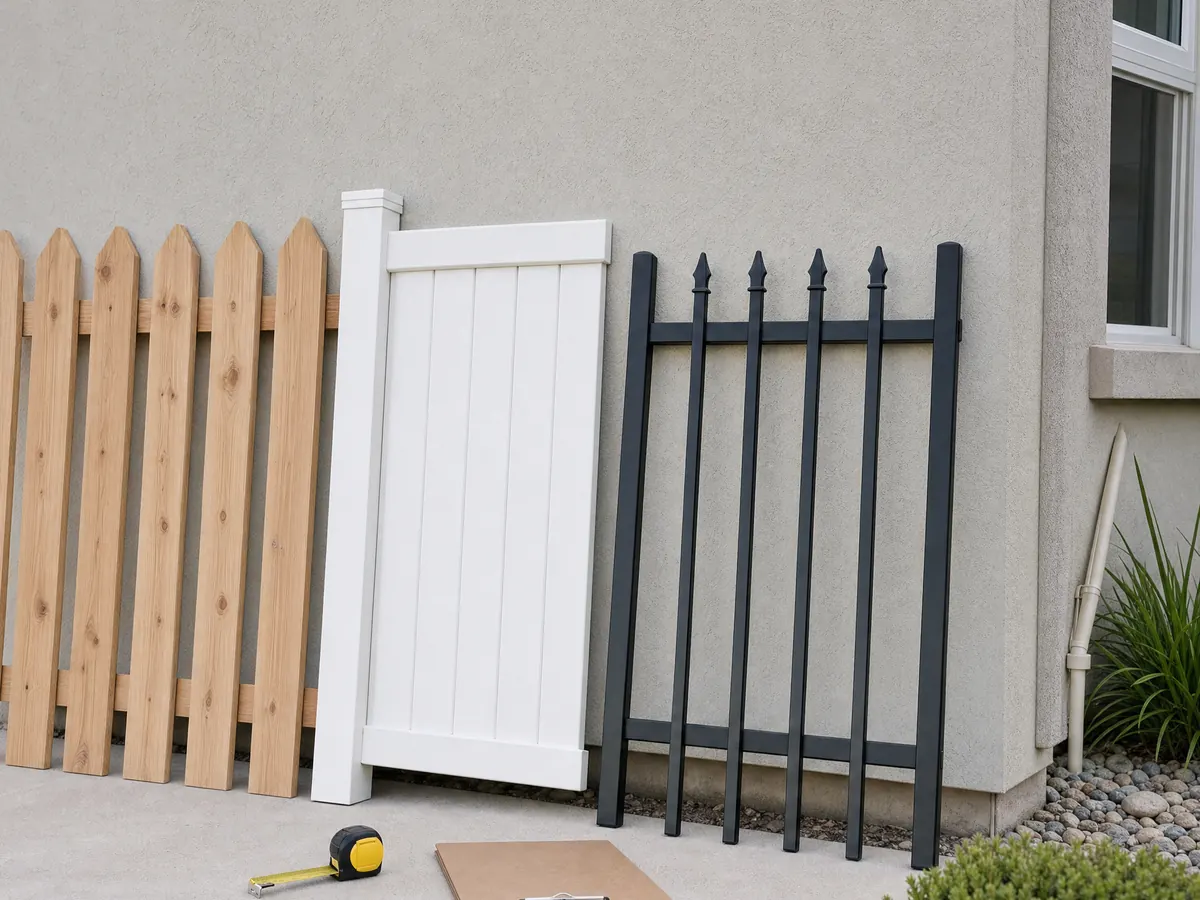
Fence photos from Lemon Grove and nearby communities
Fence scenes tied to Lemon Grove places such as Eastern Central Avenue, Western Central Avenue and Village Grove, and to nearby communities like La Mesa, Spring Valley, Encanto and Oak Park, from open front gates to block walls and hillside runs.
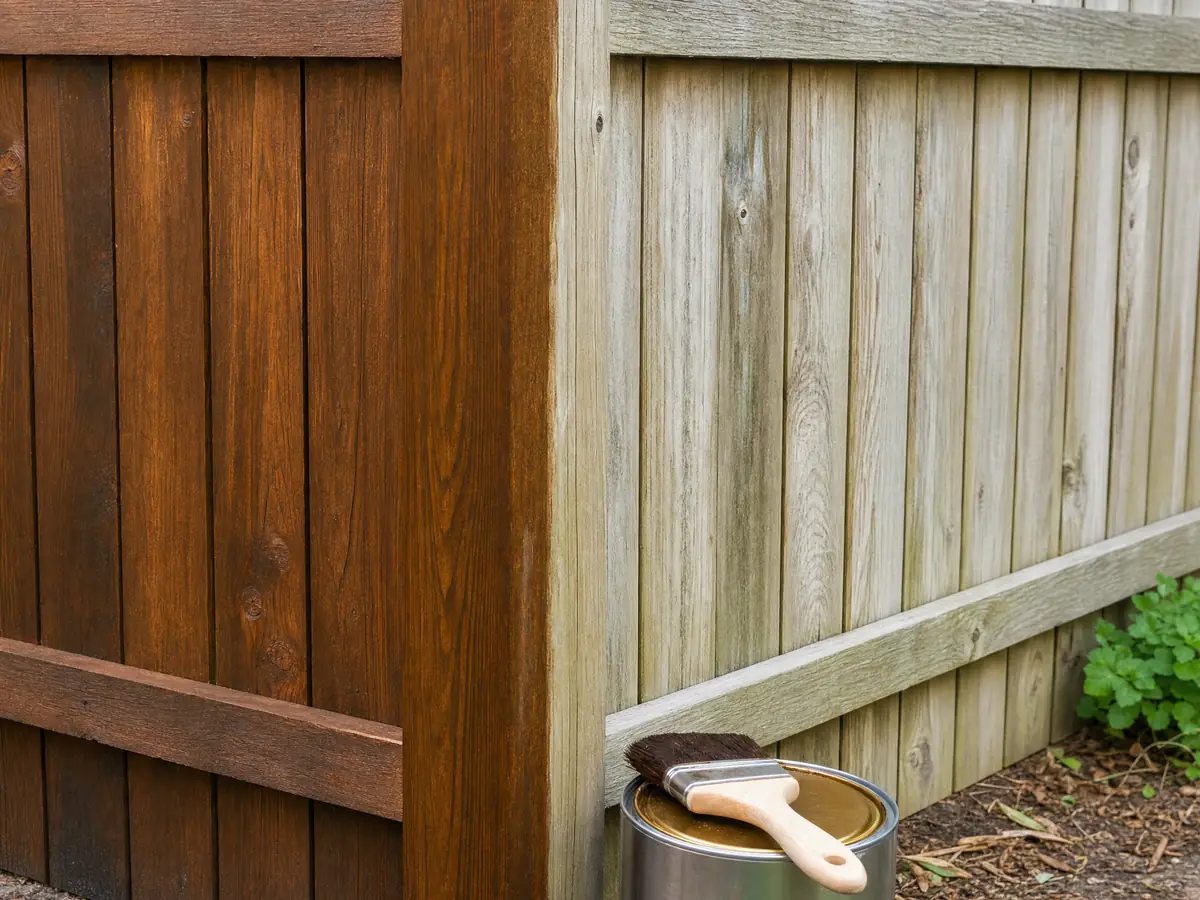

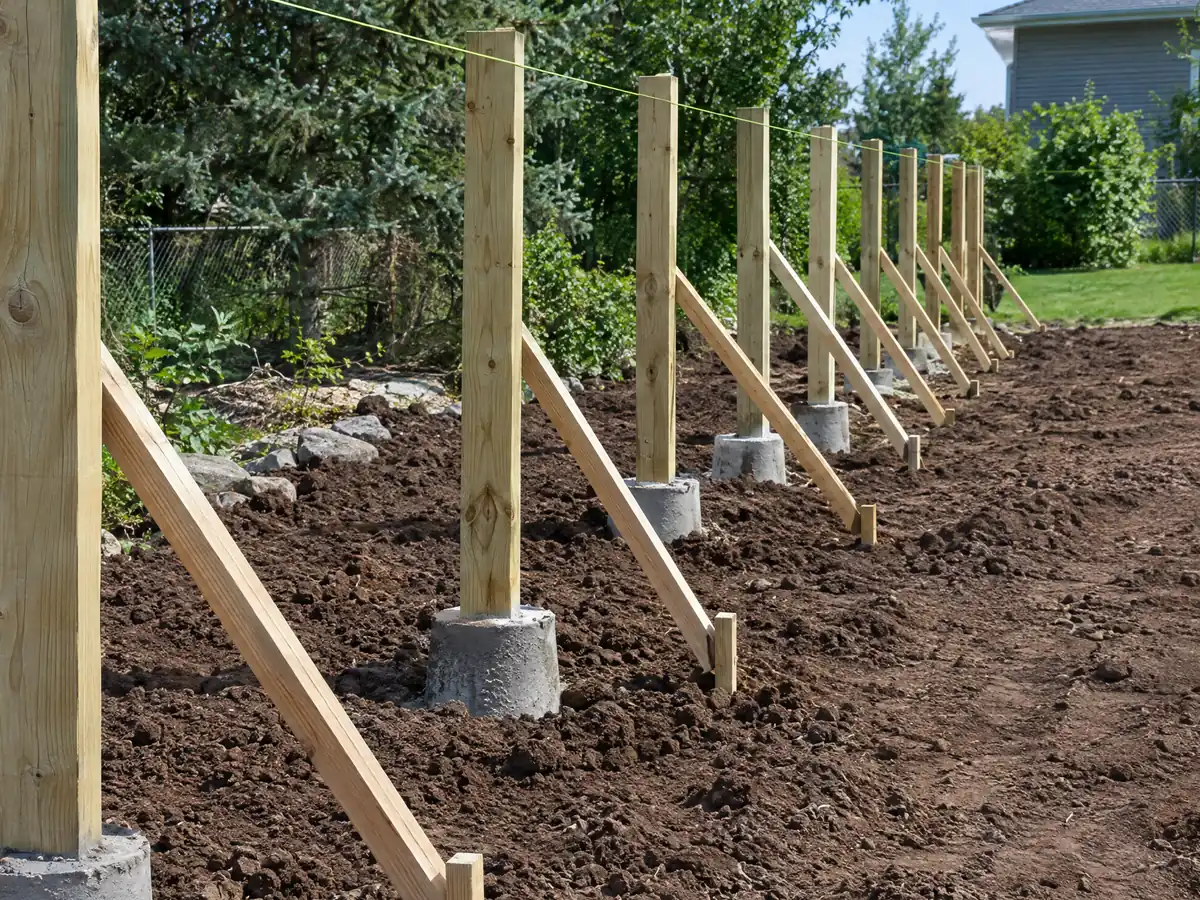
Where these Lemon Grove fence figures come from
Each fence price and its source sits in the table on our fencing price page, and the California roofing cost guide shows the same sourcing method on a larger job. A new fence often goes up with other work, and the Lemon Grove rules for it are on the roofing page, the painting page and the kitchen remodeling page. Compare two other counters in Escondido and Chula Vista.
| What it covers | Typical range |
|---|---|
| Wood or vinyl privacy fence, 6 feet | $25 to $55 per linear foot |
| Chain-link | $12 to $30 per linear foot |
| Aluminum or ornamental iron | $35 to $85 per linear foot |
| Typical 100-foot backyard run | $2,500 to $5,500 total |
| Block walls, horizontal slat fences, gates and openers, hillside lots | Set by the written proposal |
Other work we manage in Lemon Grove
Lemon Grove fence questions, answered
Do I need a permit to build a fence in Lemon Grove?
Not up to 6 feet in the RL, RLM, RM, RMH and RP zones if the fence meets the code, under Municipal Code 17.24.040. Entryway elements over 6 feet in heavy materials can still need one. Zoning applies either way, and the Building Division, which takes permits in person only, can confirm your zone.
Can I put up a 7ft fence?
Usually not in Lemon Grove. Residential fences over 6 feet are prohibited unless the community development director approves them on findings about topography, lot design, easements, driveway location or sight distance. State law exempts fences to 7 feet from a building permit, but that exemption does not override the City's height limit.
Can I put a privacy fence up in my front yard?
Not a solid one past 42 inches. In the required front yard and street side setback, solid fences stop at 42 inches unless a variance is approved, and anything taller must be at least 90 percent open, like wrought iron. Lattice that blocks visibility is not allowed, and hedges beside such fences are capped at 42 inches.
Does your neighbor have to pay for half the fence in California?
Usually yes, under Civil Code 841, which presumes adjoining owners share equally in the reasonable cost of a dividing fence unless they agree otherwise in writing. The owner planning the work must give each neighbor 30 days' written notice with the problem, the proposal, the costs and the split. Put any deal in writing.
How much does it cost to have 100 feet of fence installed?
Plan on about $2,500 to $5,500 for fence installation of 100 feet of 6 foot wood or vinyl privacy fence, a Los Angeles blend of four published price guides. Angi's Los Angeles page alone lists $2,100 to $2,350. Gates, slopes, old fence removal and block walls move the number, and your written proposal sets the real price.
What is the maximum height of a retaining wall without a permit in California?
Four feet, measured from the bottom of the footing to the top of the wall, unless it supports a surcharge, under the state residential code's exemption list. Lemon Grove's fee schedule has separate valuation lines for concrete and masonry retaining walls, and grading above 50 cubic yards needs a City Engineer permit.
How tall can a fence be on a corner lot?
Three and one-half feet inside the triangle formed 20 feet back from the intersecting property lines. Outside it, a non-arterial corner lot can have a 6 foot side street fence. On Four-Lane Major and Collector streets the City Engineer can require a lower fence or a sight-distance study first.
Can I use plywood, chain link or barbed wire for a residential fence?
Plywood, OSB, bamboo mat, corrugated metal or fiberglass, tarp, shade cloth, barbed wire and razor ribbon are prohibited in residential zones, and chain link is limited to 42 inches in the front yard. Fences also cannot sit in an easement or block emergency access.
Do block walls have to be painted in Lemon Grove?
Yes, or covered with stucco. The code requires concrete block walls to be painted or finished in neutral-colored stucco that is consistent with the colors of the structures on the property. Owners must also remove graffiti from walls and fences within 48 hours of discovering it. A masonry contractor, not a C-13 fencer, builds the block.
Get a fence plan for your Lemon Grove lot
Send the cross streets, whether the fence is front, side or rear and whether the lot is a corner or a through lot. We check the height table, the sight triangle and the permit step before we call back.