
General Contractor in Lemon Grove, CA
A general contractor in Lemon Grove deals with a City that issues its own permits, takes them only in person on paper, and can add half-street dedication or improvements to a large permitted job on a street-facing lot. Roofs, decks and ADUs are exempt from that rule. MDG Builders (CSLB #1040337) schedules all eleven trades through licensed subcontractors.
Eleven trades, sorted by what the Lemon Grove counter and its street rule ask of each
Choose the job you are weighing. Every guide names the City page or code section behind its answer, flags the places where code text came from a third-party mirror, and treats each dollar range as a regional planning figure, never as a quote for your house.
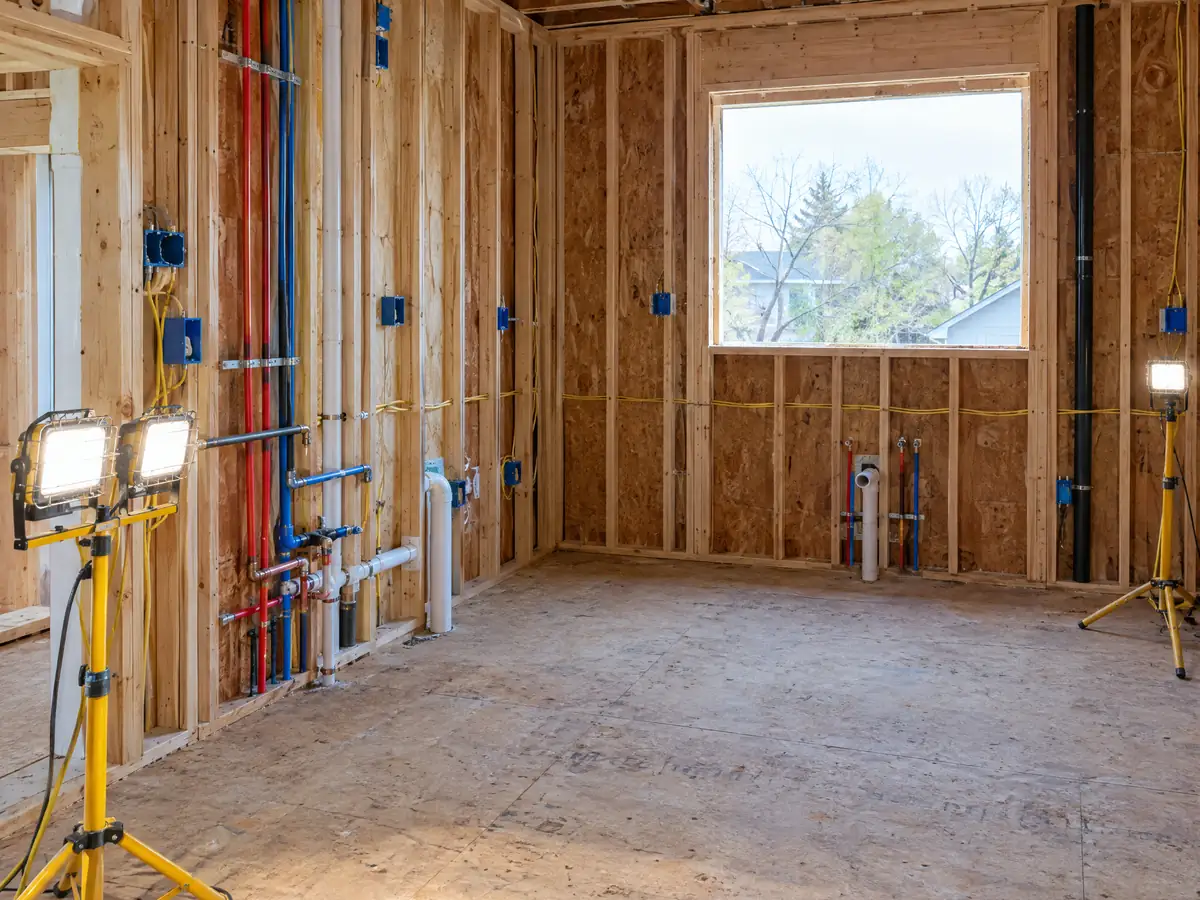
Kitchen Remodeling in Lemon Grove
Paper-only permit plans, a street rule that counts kitchen valuation, clay soil, 30 day review cycles and 1950s kitchens in Lemon Grove.
See Lemon Grove kitchen remodeling →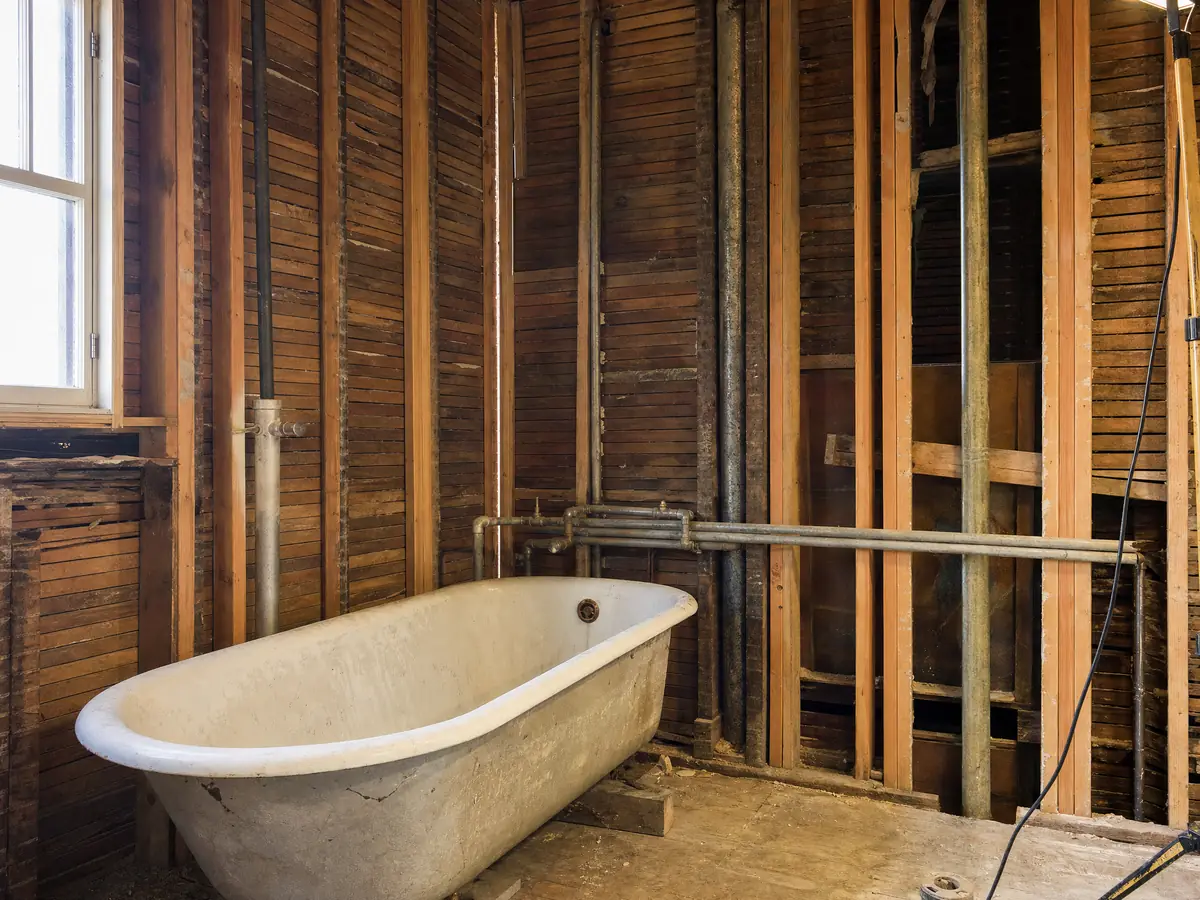
Bathroom Remodeling in Lemon Grove
Lemon Grove's in-person permit counter, 1950s to 1970s walls on clay soil, the half-street valuation rule, valley heat and renter-heavy buildings.
See Lemon Grove bathroom remodeling →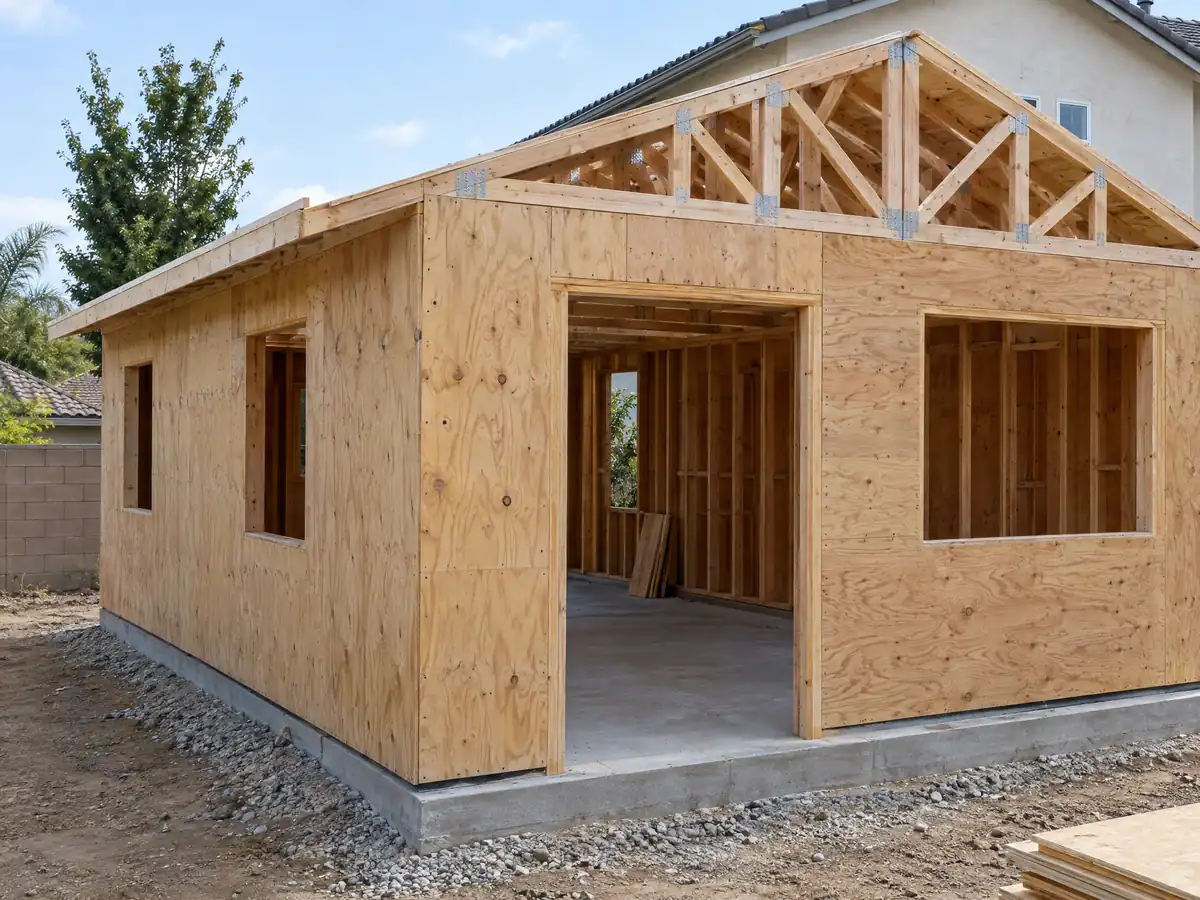
ADU Construction in Lemon Grove
Lemon Grove's ADU handout, HCD's December 2025 findings letter, the exemption from street dedication, garage conversions and clay-soil lots.
See Lemon Grove ADU construction →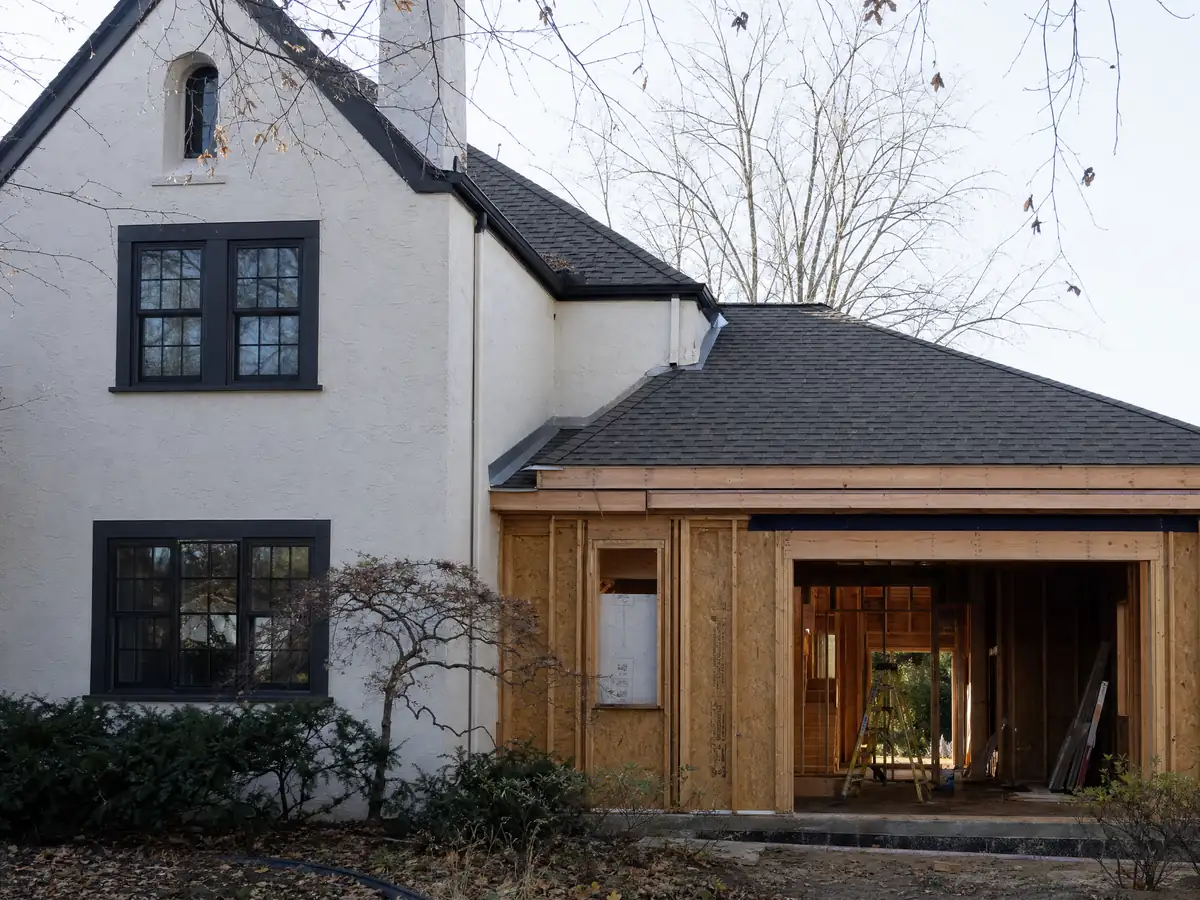
Room Additions in Lemon Grove
Lemon Grove's $85,000 and $100,000 street thresholds, setbacks, clay soil and slopes, hard-copy permits and Special Treatment Areas.
See Lemon Grove room additions →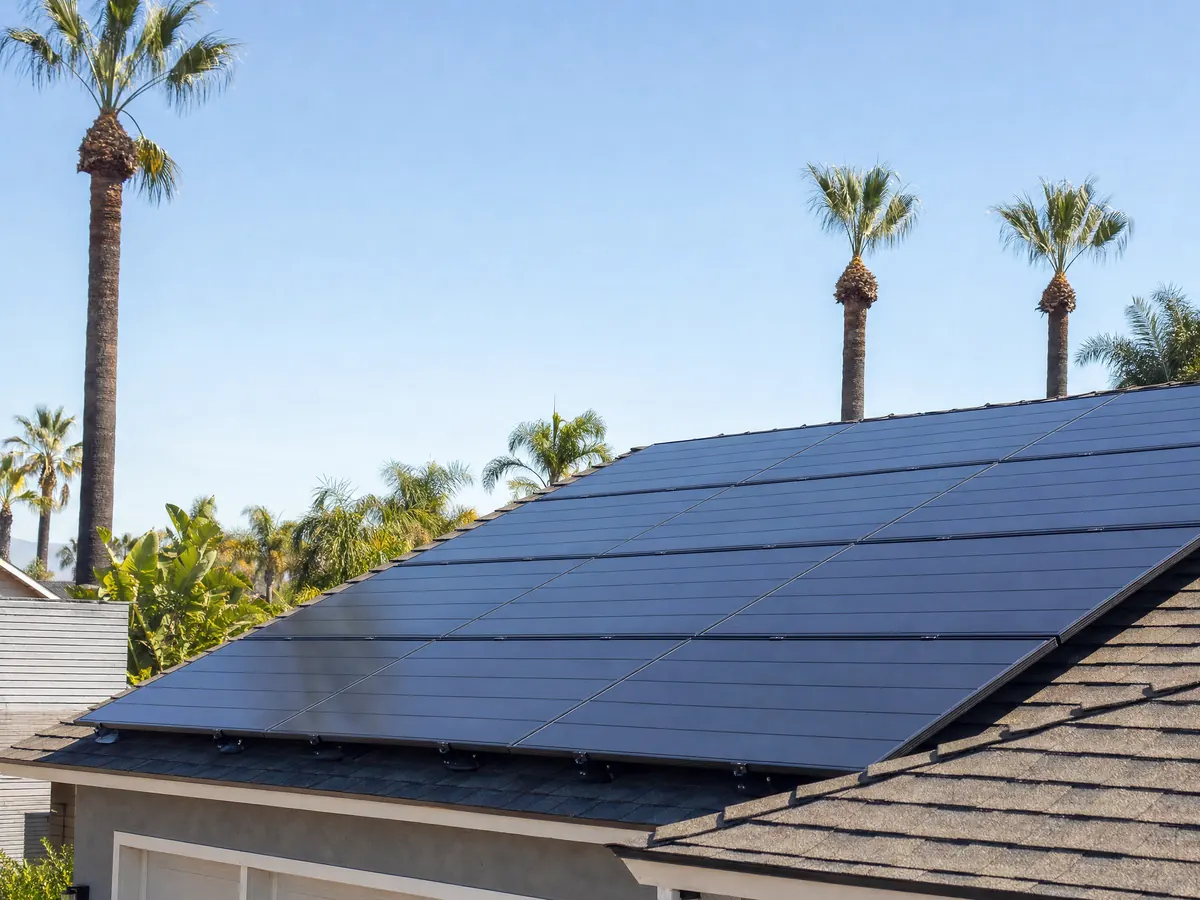
Roofing in Lemon Grove
Roofs are exempt from the half-street trigger, fire-rated roofing is required but its class is unconfirmed, and permits are paper only in Lemon Grove.
See Lemon Grove roofing →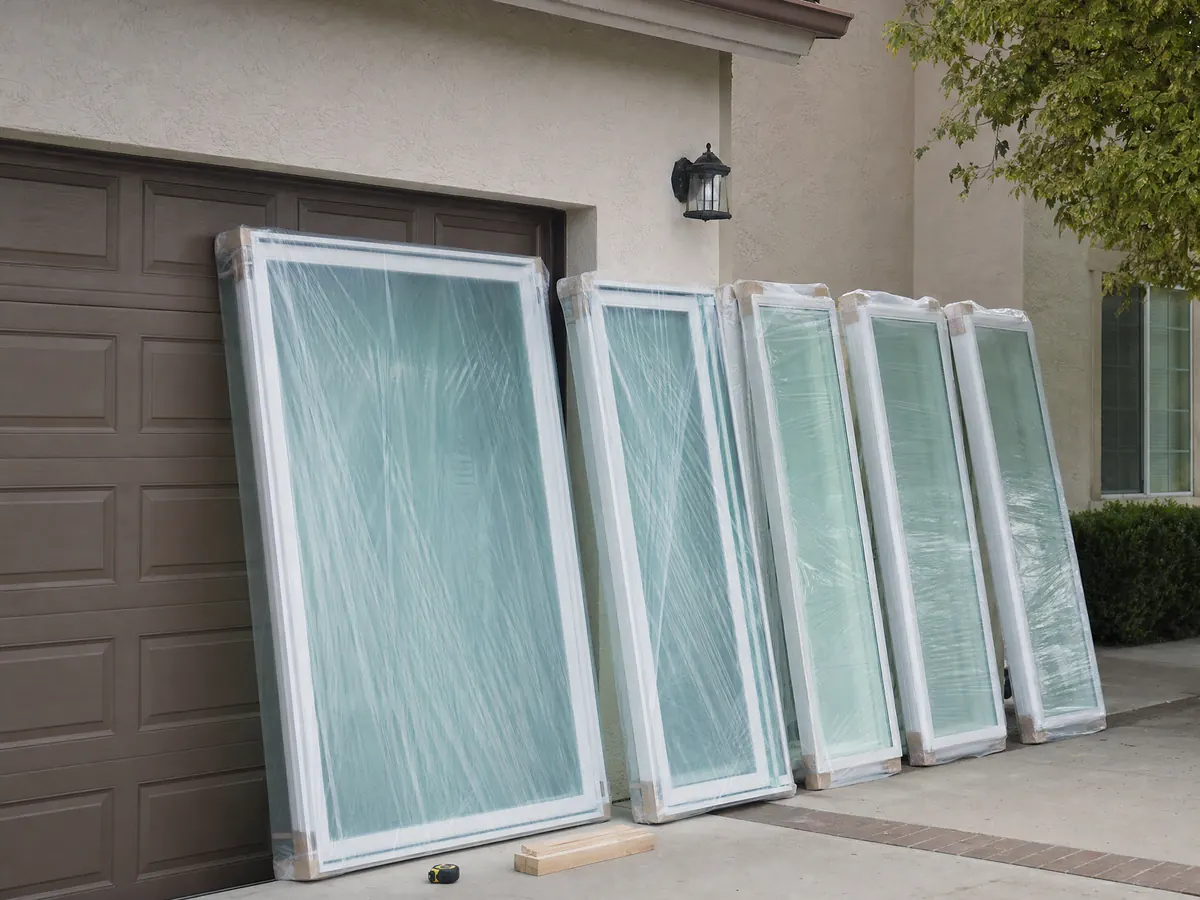
Windows in Lemon Grove
An open permit question for Lemon Grove windows, lead-safe rules for 1950s to 1970s homes, the downtown Historic Overlay, valley heat and fire maps.
See Lemon Grove window replacement →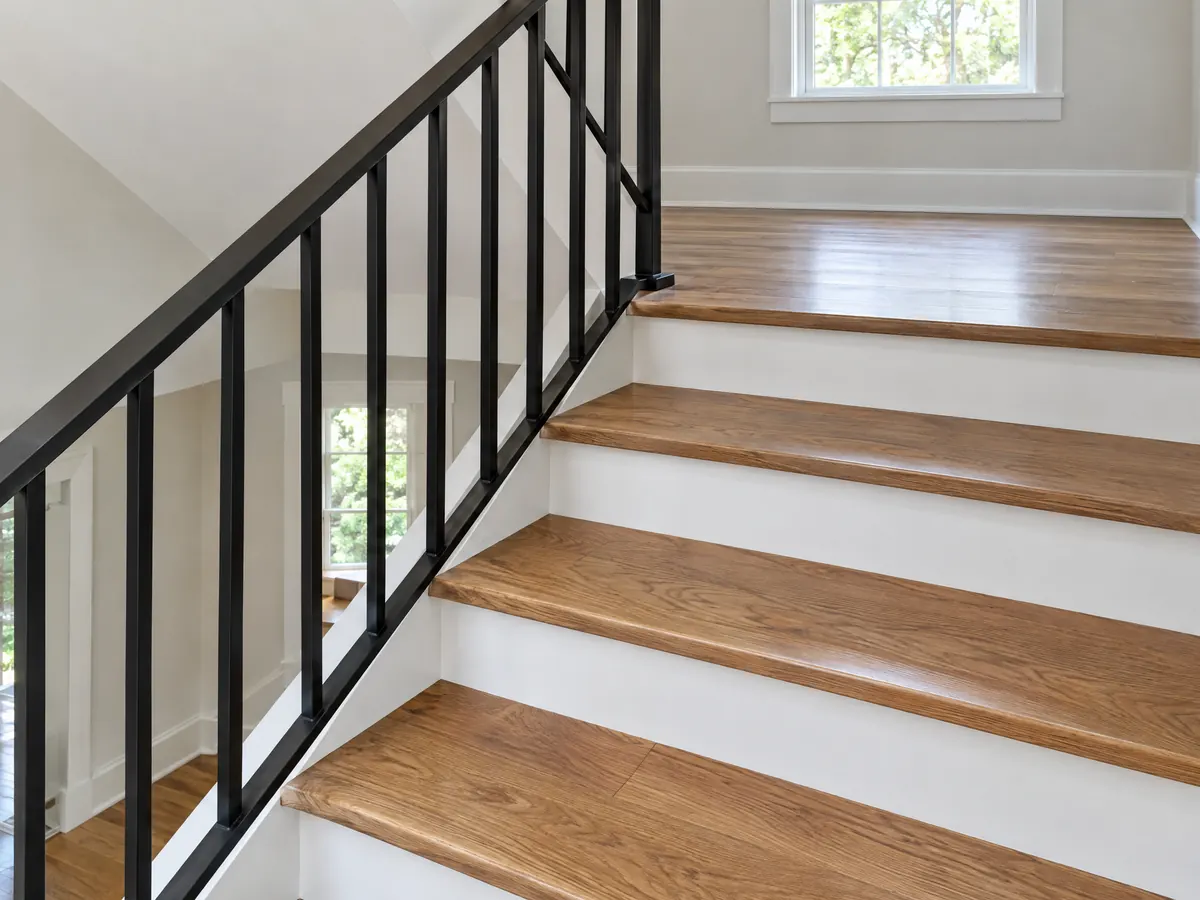
Flooring in Lemon Grove
Permit status, 1950s to 1970s slabs on clay soil, lead and moisture checks, condo and rental limits and costs for flooring in Lemon Grove.
See Lemon Grove flooring →
Painting in Lemon Grove
No permit for paint alone, lead-safe rules for the 72 percent of homes built before 1980, a 50 g/L paint limit and 48 hour graffiti cleanup in Lemon Grove.
See Lemon Grove painting →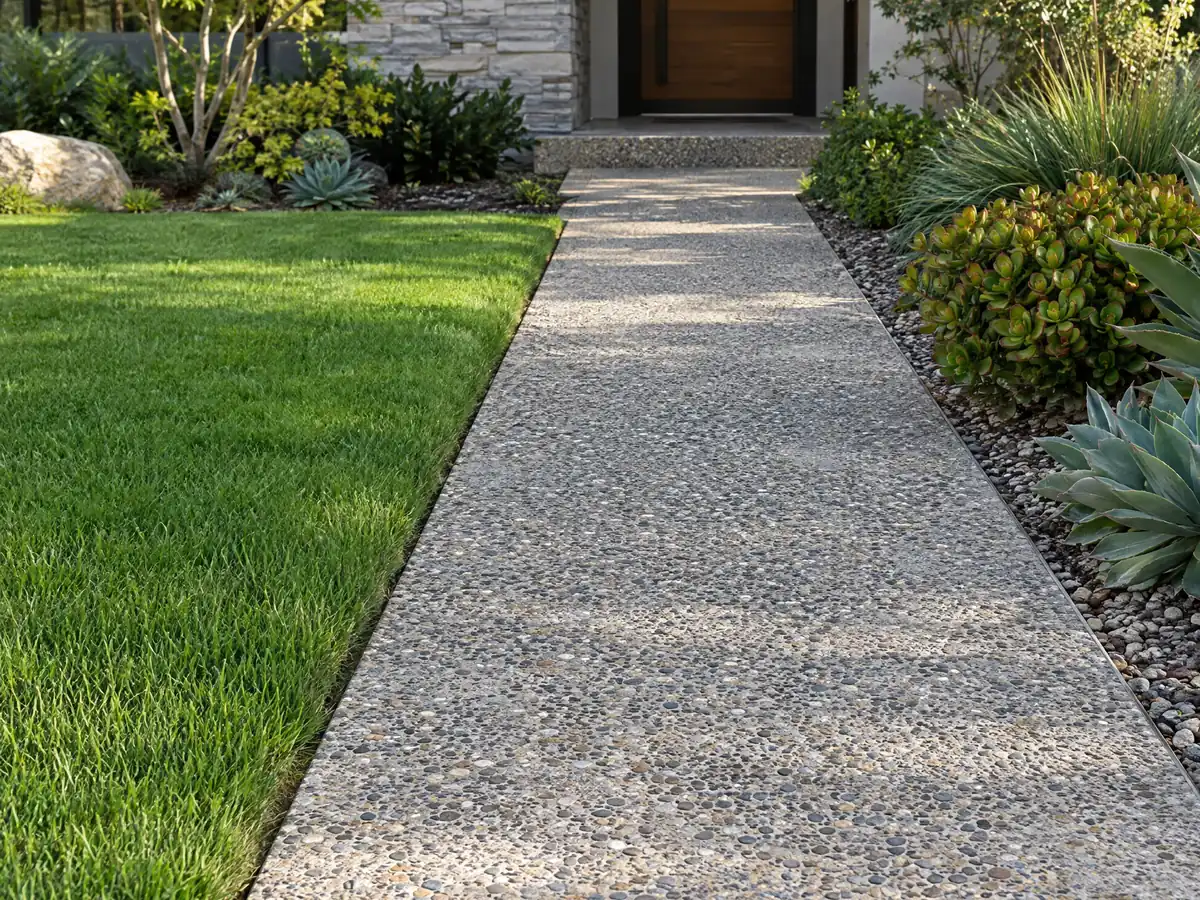
Concrete in Lemon Grove
Street frontage rule, driveway apron permits, clay soil, slopes, wall limits and pour costs for concrete work in Lemon Grove.
See Lemon Grove concrete work →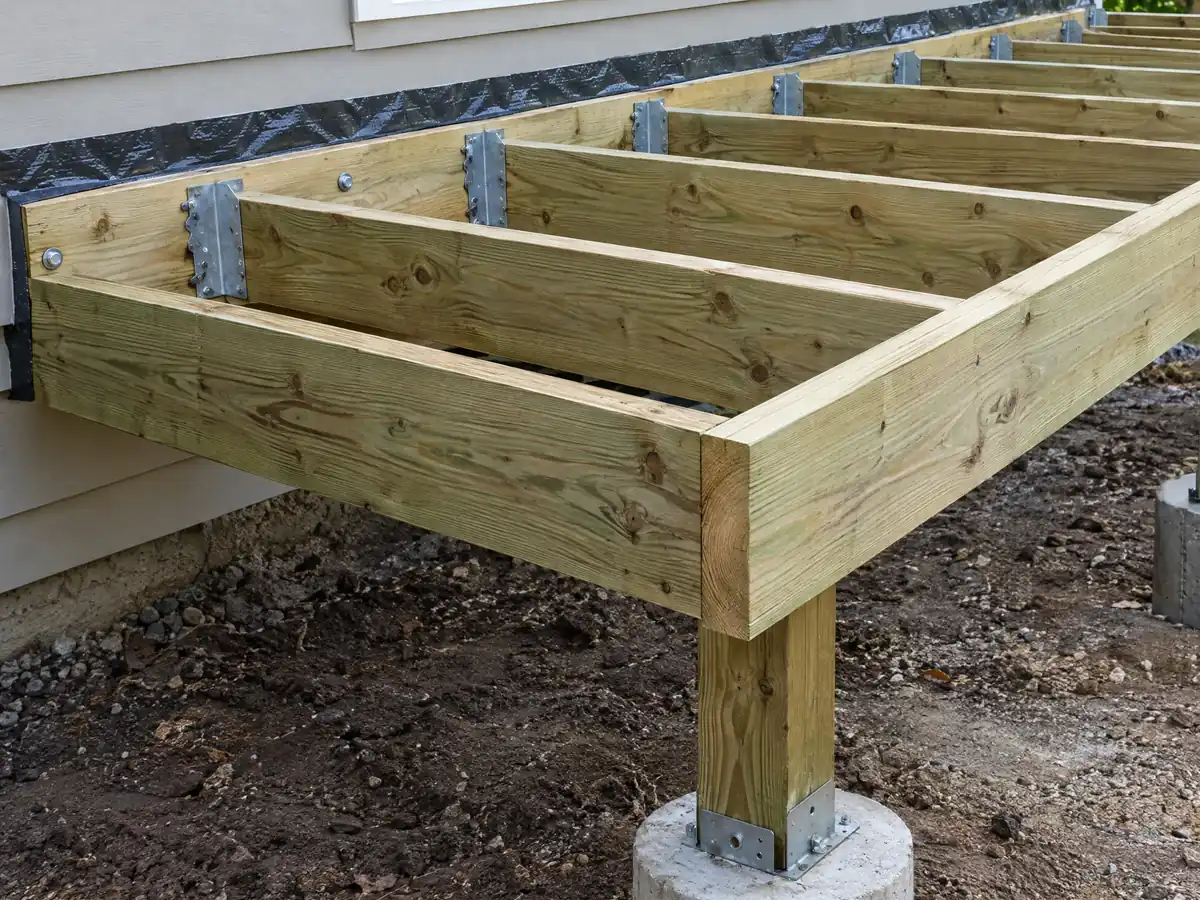
Decks in Lemon Grove
Permit line, the street frontage exemption, slopes, clay soil, fire maps, railings, deck repair and costs for decks in Lemon Grove.
See Lemon Grove deck building →
Fencing in Lemon Grove
A 6 foot permit line where state law says 7, 42 inch solid fronts, a 20 foot corner triangle and a street rule that never names fences in Lemon Grove.
See Lemon Grove fencing →What changes about hiring a general contractor in Lemon Grove when the street rule, the clay and the age of the houses all count?
Lemon Grove's story starts in 1869, according to the City's 1996 General Plan, when Robert Allison bought part of Rancho Mission San Diego. A rail line arrived in 1890, the first subdivision followed in 1892 with 15 to 20 structures, and by 1912 about 500 people lived among five citrus packing plants and ten-acre grove homes, a setting that earned the label 'Pasadena of San Diego County' in 1905. The 3,000 pound Big Lemon was made in 1928. After World War II the orchards gave way to single-family streets, and the plan says that boom ran until about 1970, by which time the town held about 7,500 housing units and about 20,000 people. It stayed unincorporated until July 1, 1977, when it became California's 414th city, inheriting narrow streets without sidewalks, curbs, gutters or street lights. The Census Bureau's 2024 five-year estimates count 9,391 housing units, 61.5 percent of them single-family detached and 20.9 percent in buildings of five or more units, with 47.5 percent of occupied units rented. The 1950s account for 26.4 percent of all units, the 1960s for 12.0 percent and the 1970s for 20.6 percent, so about 72 percent predate 1980, about 51 percent predate 1970 and only 2.7 percent date from 1939 or earlier. The table cannot separate 1978 from 1979, so we do not print a pre-1978 count. The City's 2021 to 2029 Housing Element, working from older Census data, put the share built before 1960 at about 46 percent, a different vintage than the 2024 table, and the median owner-occupied home is now valued at $705,400. For an owner, that mix means kitchens, baths, windows and roofs that are often more than four decades old, original paint that may carry lead, and a General Plan that says much of the city was built before modern seismic codes.
The permit counter belongs to the City. The Building Division at City Hall, 3232 Main Street, accepts building permit applications only in person and in hard copy: a printed form plus, typically, four full-size 24 by 36 inch plan sets folded to 9 by 24 inches, with no online or digital submittals. Call Planning at (619) 825-3805 first to confirm the project is allowed, because a zoning clearance comes before or with the permit, then book a submittal appointment at (619) 825-3847. The counter is open 7:30 a.m. to noon Monday to Thursday and closed Fridays. One review cycle takes about 30 days across Building, Engineering, Fire and Planning, and any comments mean a resubmittal that restarts the clock. Inspections are requested by leaving a message on a line nobody answers, a request in before 3 p.m. is inspected the next business day, no confirmation call comes back, and the signed inspection card serves as the certificate of occupancy. The City's code cycle is the 2025 California codes, adopted by Ordinance 473 on April 7, 2026. The official municipal code site on ecode360 returned an HTTP 403 to our tools, so section numbers on these pages come from GoCodebook, a third-party mirror with text as of October 22, 2026, and deserve a second look at the counter. One more gate comes before any permit: a construction and demolition debris deposit, with at least 75 percent of the debris diverted by weight, and the code counts a roof tear-off as demolition.
The rule that sets Lemon Grove apart sits in Municipal Code 12.10, amended by Ordinance 467 in April 2025. As we read it on the mirror, building permit valuation of $85,000 triggers dedication of half the abutting street right-of-way, and $100,000 triggers half-street improvements across the full frontage, with both figures adjusted each year from 2026 by the California Construction Cost Index. Valuations of every non-exempt permit on one property within five years are added together, and homes in the RL and RLM zones are exempt from the improvement rule unless they build a new house. The exempt list names roof repair and replacement, decks and patio covers, pools, sheds, garages, carports, solar and ADUs. That leaves a big room addition or a gut kitchen remodel and bathroom remodel as the jobs whose valuation is worth adding up before drawings begin. An ADU can reach 1,200 square feet under the City's handout, but HCD's December 10, 2025 letter listed 16 findings that the City's ADU rules fall short of state law, so the state rules set the floor. Finish work such as tile, cabinets, counter tops, carpet and paint needs no building permit under the state residential code, which covers a cosmetic refresh and most flooring installation and house painting, although re-siding and stucco are permitted categories and moving plumbing, gas or wiring is not exempt. Window replacement is unsettled, since the state exemption list has no entry for it and the City pages we read are silent, so ask before ordering glass. A fence up to six feet that meets the code needs no building permit in the main residential zones, but solid fences stop at 42 inches in a front yard. Concrete in the public right-of-way, meaning an apron, curb or sidewalk, needs an Engineering encroachment permit even though a private patio or walk does not need a building permit, which is why a concrete job often starts at the curb. Coatings follow San Diego County APCD Rule 67.0.1, which caps flat and nonflat paint at 50 grams per liter.
The lot matters as much as the paperwork. The General Plan says nearly all soils except those in the east Broadway area are high-clay with high shrink-swell potential, that steeper slopes lie south of Federal Boulevard, north and east of Golden Avenue, east of Lawton Drive and Camino de las Palmas and around parts of Lemon Grove Avenue, and that grading projects need geotechnical studies; grading over 50 cubic yards needs a City Engineer permit. The primary FEMA flood zone follows Federal Boulevard, where the plan says significant flooding happens nearly every year, and Chapter 15.50 requires a floodplain development permit inside mapped flood areas. Fire is the point where sources disagree. CAL FIRE released updated fire hazard severity zone maps on March 24, 2025, and the City's map legend shows High and Moderate zones. The City introduced Ordinance 468 to adopt that map in May 2025, but we could not confirm adoption. Its building code findings cite brush-covered hillsides and Santa Ana winds as the reason for more fire retardant roof coverings, while the 1996 General Plan rated wildland fire risk low, and the mirror text skips from section 15.08.040 to 15.08.060, so the required roof class is not stated here and belongs to a call to the Building Division. Heartland Fire and Rescue, a joint powers authority that also serves La Mesa and El Cajon, covers the city. Downtown has its own layer: a City release dated November 5, 2026 says the Council adopted the Downtown Specific Plan on November 3, and the final draft we read, dated October 28, 2026, puts alterations to historic properties under Historical Society review and Special Treatment Area IV, Western Central Avenue Residential, under a master development plan. Neighbors La Mesa, San Diego, El Cajon and Chula Vista have their own pages here, Spring Valley and National City are close by as well, and an answer from one city's counter does not carry over to another. MDG Builders, CSLB #1040337, acts as the general contractor: it writes the scope, handles the permit paperwork and schedules licensed specialty subcontractors, then walks the finished job with you. Before signing anything, read how contractors use subcontractors and how to check a contractor's license.
- Lemon Grove issues its own permits, but only in person with hard-copy plans, and one review cycle runs about 30 days.
- Municipal Code 12.10, as the third-party mirror reads, ties half-street dedication to $85,000 of permit valuation and half-street improvements to $100,000.
- Roofing, decks, patio covers, pools, sheds, garages, carports, solar and ADUs are on the exempt list for that street rule.
- About 72 percent of the 9,391 housing units predate 1980, and the 1950s lead at 26.4 percent.
- The 2025 California codes took effect locally through Ordinance 473, adopted April 7, 2026.
- We found no stated roof class, and we could not confirm that Ordinance 468 adopted the March 2025 fire map.
Cities near Lemon Grove we also build in
Lemon Grove questions we hear before a contract is signed
Does Lemon Grove issue its own building permits?
Yes. The Building Division at City Hall, 3232 Main Street, issues permits itself and accepts applications only in person with hard-copy plans, never online. Call Planning at (619) 825-3805 first to confirm the project is allowed, then book a counter appointment at (619) 825-3847. Expect about 30 days for each review cycle.
What is Lemon Grove's half-street dedication rule?
It is Municipal Code 12.10, which can require a lot owner to dedicate half the street at $85,000 of permit valuation and build half-street improvements at $100,000. Both figures adjust yearly from 2026. Roofs, decks, patio covers, pools, sheds, garages, carports, solar and ADUs are exempt. Our text comes from a third-party mirror, so confirm it with the City.
Which Lemon Grove jobs need no building permit?
Finish work such as painting, tile, cabinets, counter tops and carpet needs none under the state residential code, and neither do fences up to six feet that meet the City's rules in the main residential zones. Moving plumbing, gas or wiring does need permits, and we found no City answer on windows, so ask before ordering them.
Does Lemon Grove require a fire-rated roof?
The City requires more fire retardant roof coverings than the base state code, but we could not find the required class, because the mirror text of that chapter skips a section. Ask the Building Division what applies to your address. A re-roof is also exempt from the street rule, and a tear-off needs a debris diversion deposit first.
Is my Lemon Grove house in a fire hazard zone?
Possibly, and the City's map is the place to check. CAL FIRE's updated maps of March 24, 2025 show High and Moderate zones, where the 2007 map had only Very High. The City introduced Ordinance 468 to adopt it in May 2025, but we could not confirm adoption, so ask the Building Division and Heartland Fire and Rescue.
How old are Lemon Grove homes, and does lead paint matter?
Most are old: about 72 percent of the 9,391 units predate 1980, and the 1950s lead at 26.4 percent. The Census table cannot isolate 1978, yet EPA's lead-safe rule reaches paid work that disturbs paint in older housing, and window replacement is always covered. Request the firm's EPA lead-safe certification before work starts.
Does the Downtown Specific Plan change a remodel or repaint?
Only inside its area, and mainly for historic properties. A City release says the Council adopted the plan on November 3, 2026. In the final draft we read, minor alterations that keep historic materials and style need a zoning clearance and Historical Society review, while major ones need a planned development permit. Ask Planning whether your address is covered.
What does a general contractor do on a Lemon Grove job?
A general contractor holds the contract, writes the scope, prepares the permit paperwork and orders the trades. MDG Builders, CSLB #1040337, hands field work to licensed specialty subcontractors, requests inspections and walks the finished job with you. Check each firm's license on the CSLB site and request its certificate of insurance.
Tell us what your Lemon Grove house needs
Tell us the street or area, the rough year the house went up and every job you are weighing, from a single window to a full addition. Ahead of the call we look up the permit route, whether the frontage rule could apply and what the City's hazard maps show for your area.