
General Contractor in San Diego, CA
A general contractor in San Diego answers to the City's own Development Services Department, a Class A rule for every roof, a new wildfire code and a 45-year historic screen. Painting, flooring and cabinets need no permit. MDG Builders, CSLB #1040337, coordinates all eleven trades and brings in licensed subcontractors to do the field work.
Eleven trades, each read against the Land Development Code
Pick the job on your list. Every guide names the City bulletin or Municipal Code section behind its answer, flags where two City documents disagree, and labels its dollar ranges as regional planning numbers rather than a quote for your lot.
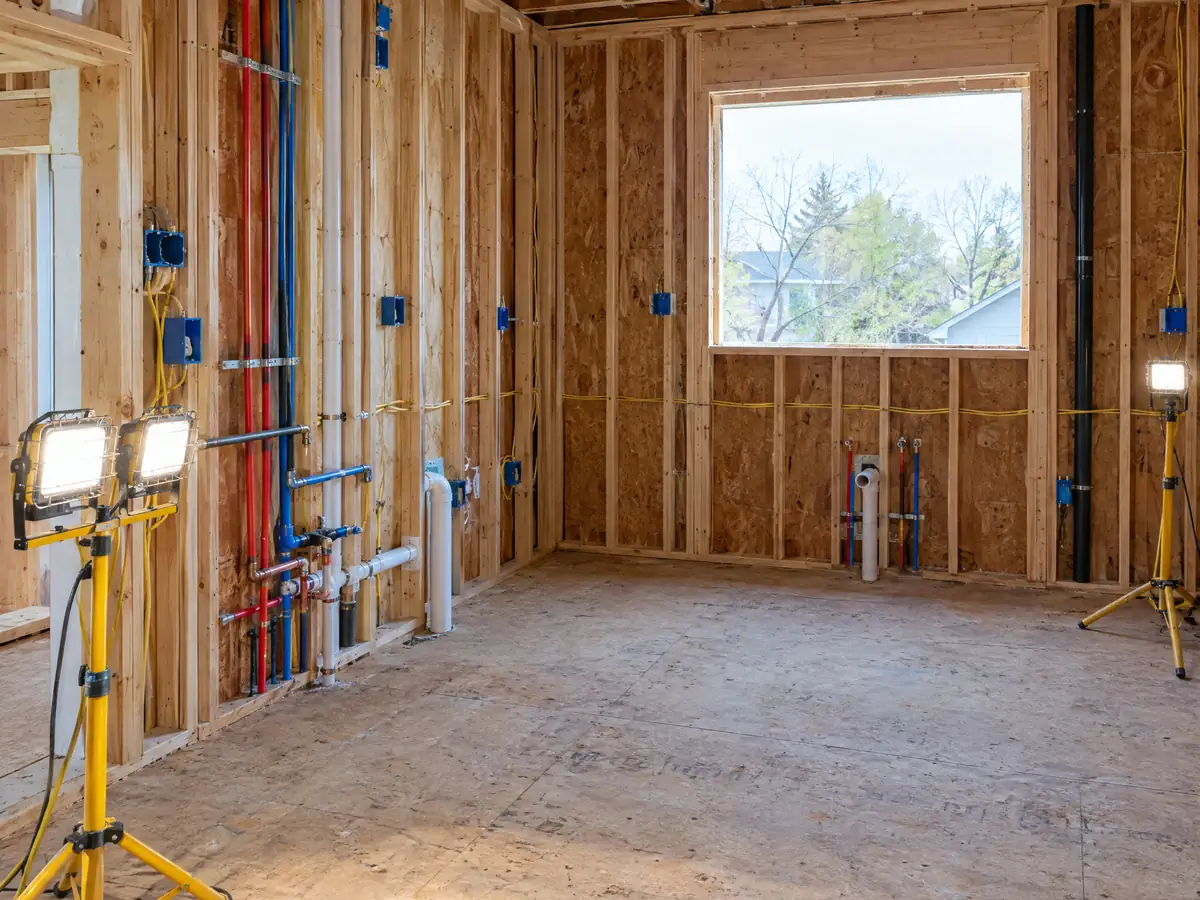
Kitchen Remodeling in San Diego
Cabinets and flooring exempt, moved plumbing permitted, No-Plan and Rapid Review routes, a 45 year historic screen and coastal limits in San Diego.
See San Diego kitchen remodeling →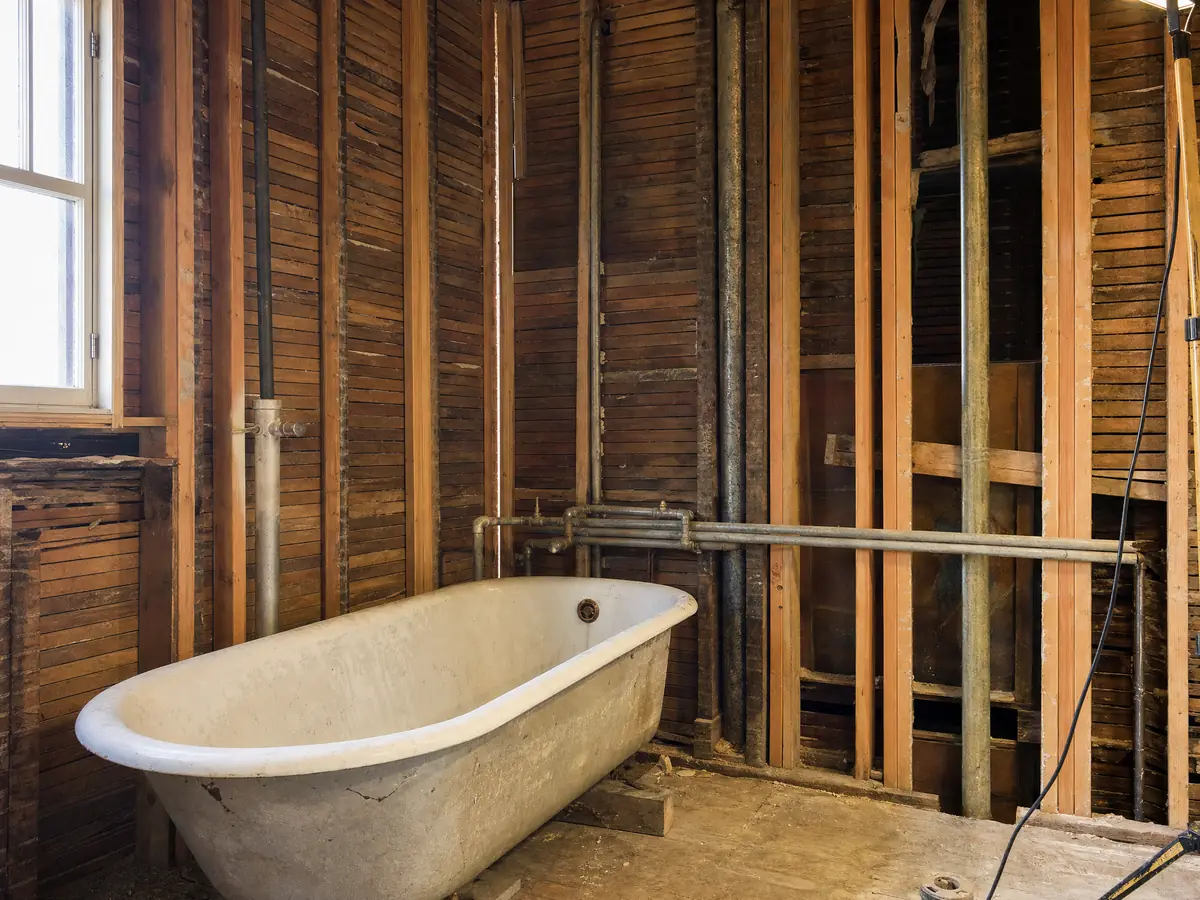
Bathroom Remodeling in San Diego
San Diego's no-plan and Rapid Review permit paths, the 45-year historic screen, 1970s homes, coast-to-inland humidity and condo rules.
See San Diego bathroom remodeling →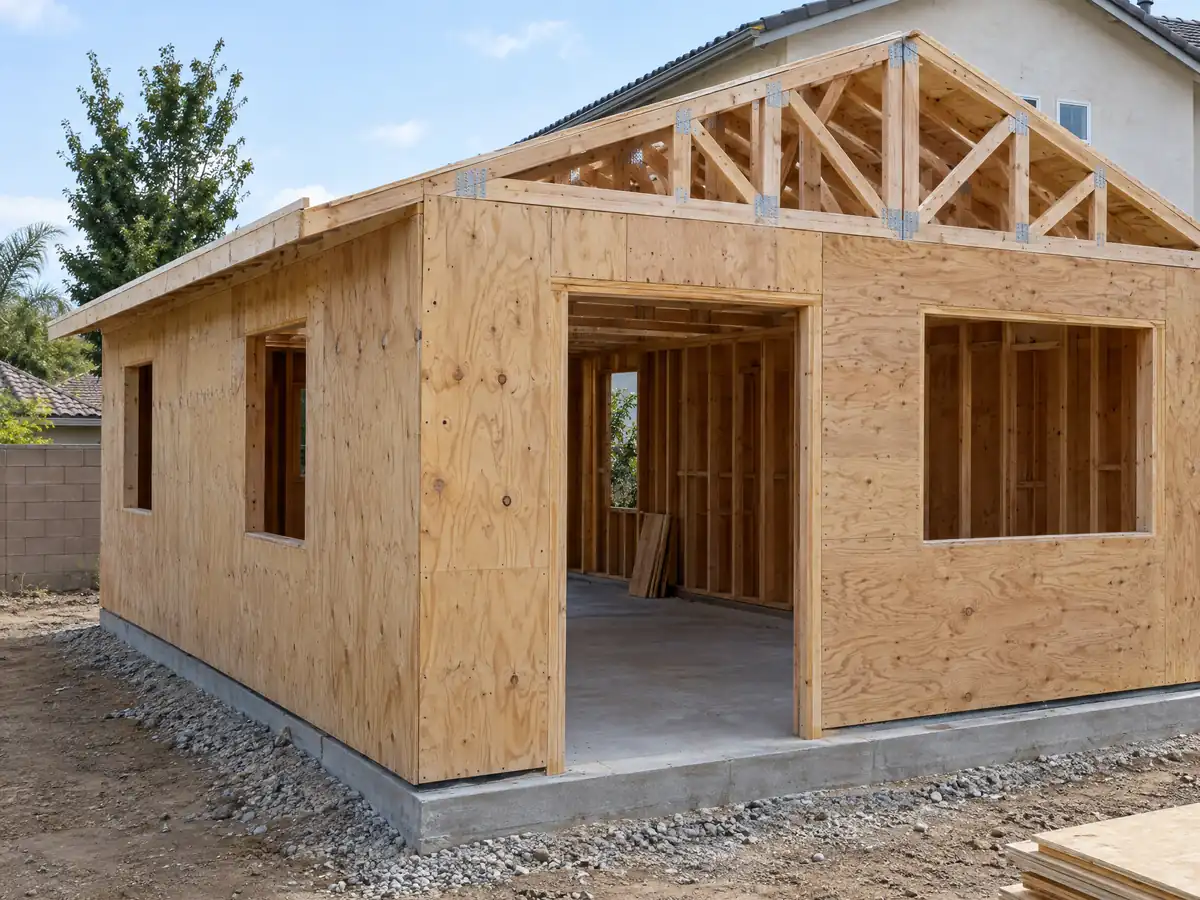
ADU Construction in San Diego
San Diego's Information Bulletin 400 rules, the ADU Home Density Bonus Program, coastal certification lag, fire zones, garage conversions and condo sales.
See San Diego ADU construction →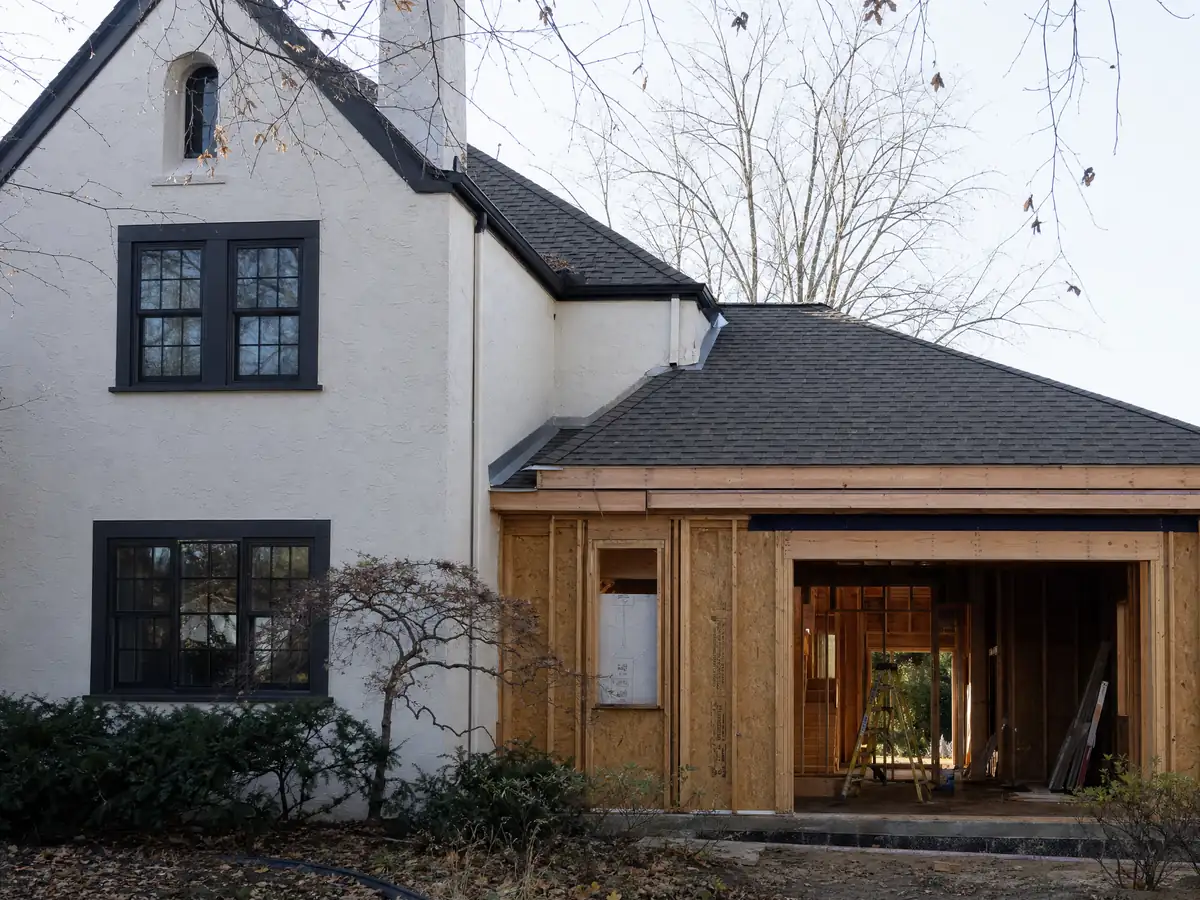
Room Additions in San Diego
San Diego's Bulletin 140 plan set, Rapid Review, canyon and hillside permits, soils and fault checks, the coastal 10 percent test and fire zones.
See San Diego room additions →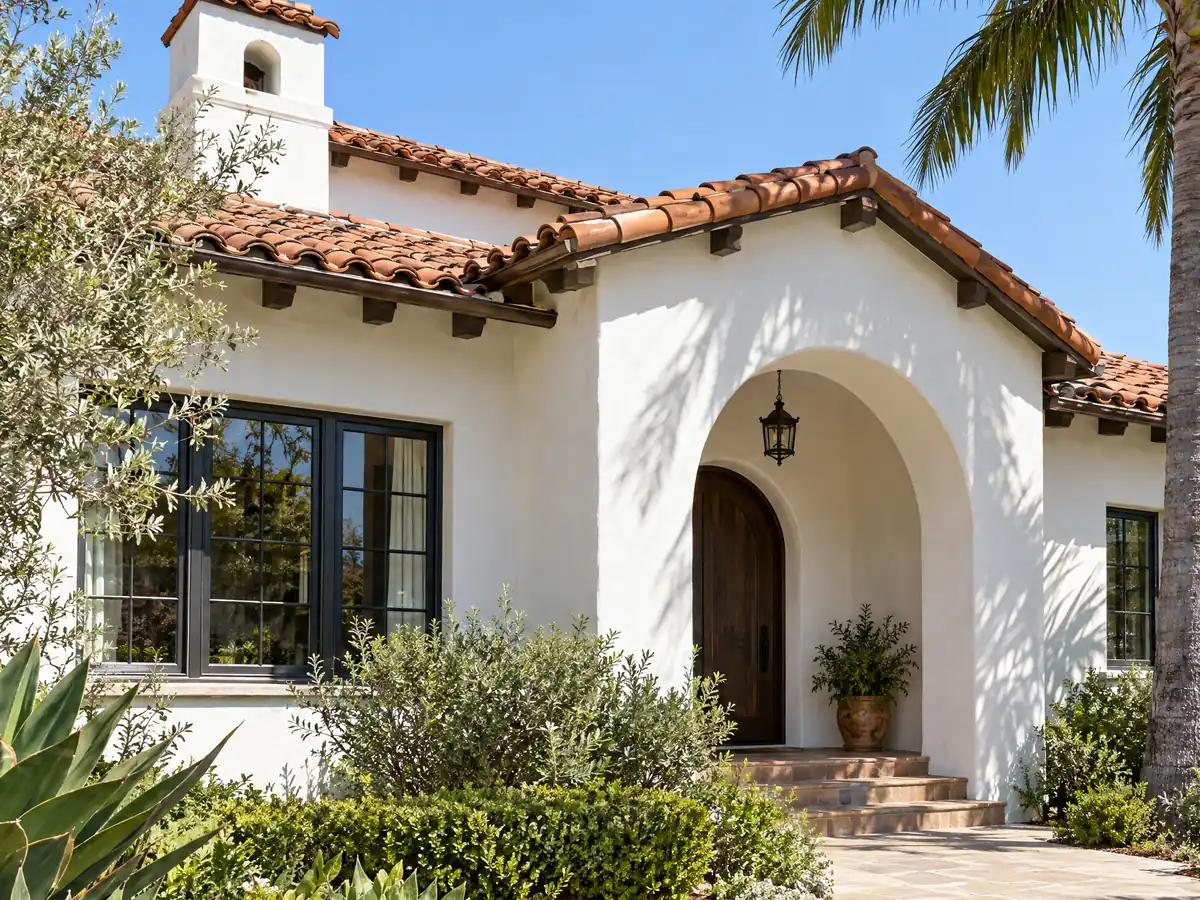
Roofing in San Diego
Class A on every roof, a 25 percent whole-roof trigger, a 45 year historic screen and a new WUI Code with a 5 foot ember zone in San Diego.
See San Diego roofing →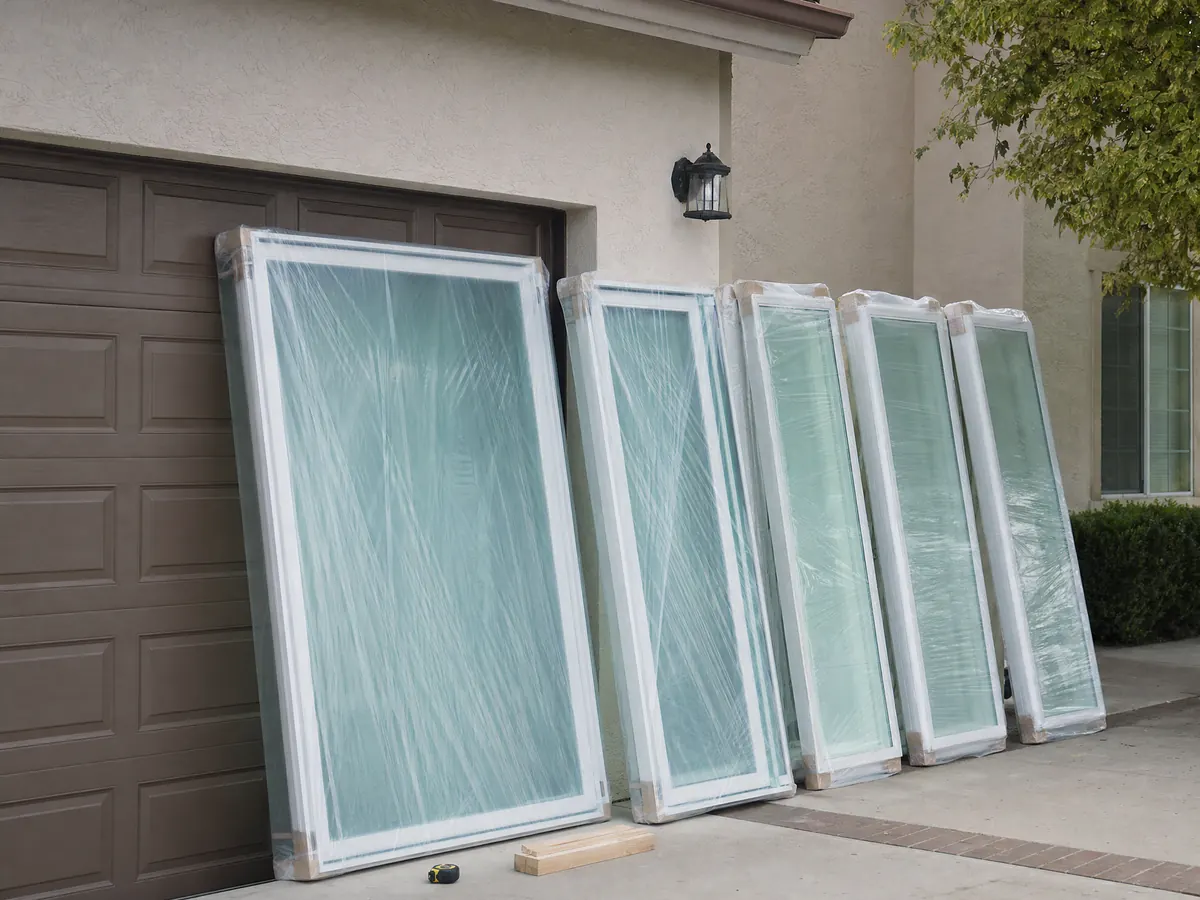
Windows in San Diego
San Diego's same-opening permit line, the 45-year historic screen, WUI vinyl frames, lead-safe work and a coast-to-inland heat split.
See San Diego window replacement →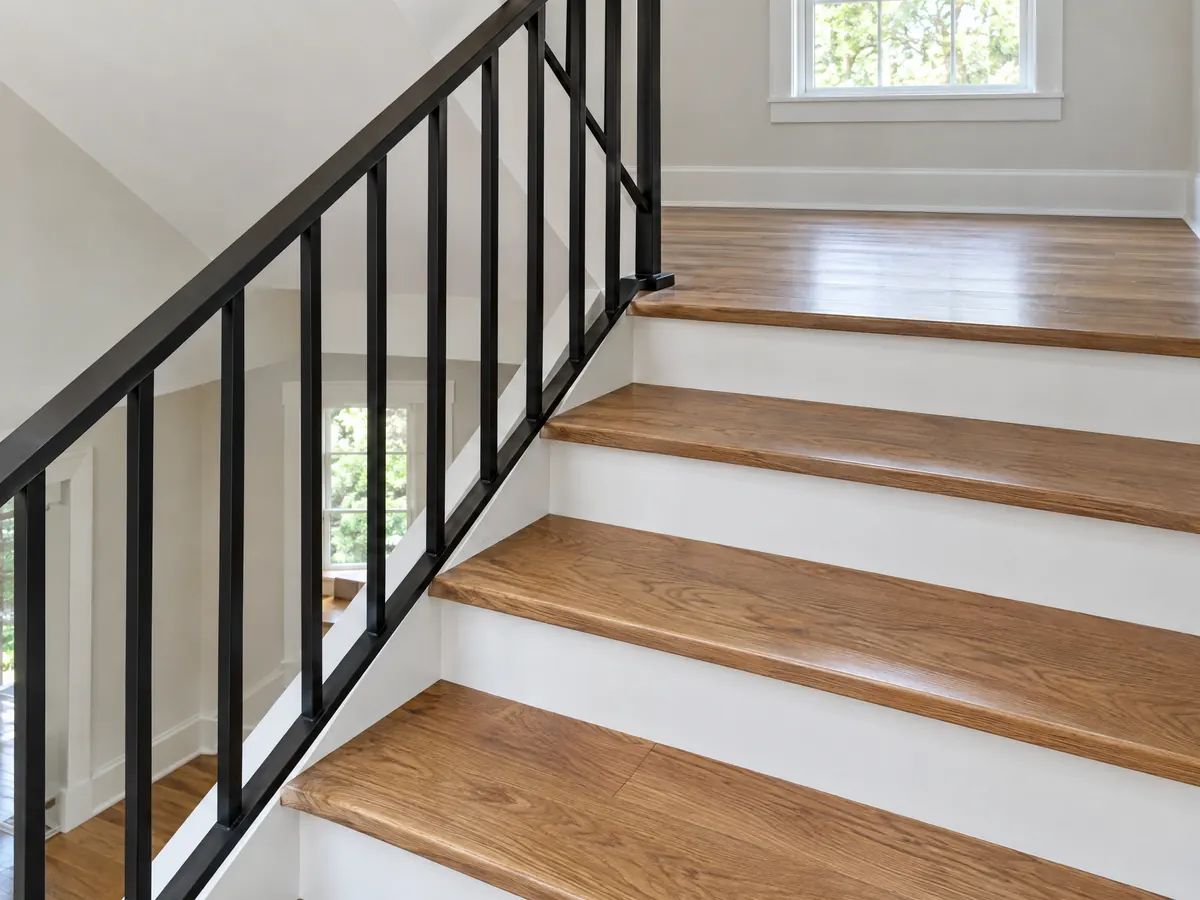
Flooring in San Diego
Permit-exempt floor covering, 1970s slabs, coast and inland moisture, historic districts, condo and rental limits and costs for flooring in San Diego.
See San Diego flooring →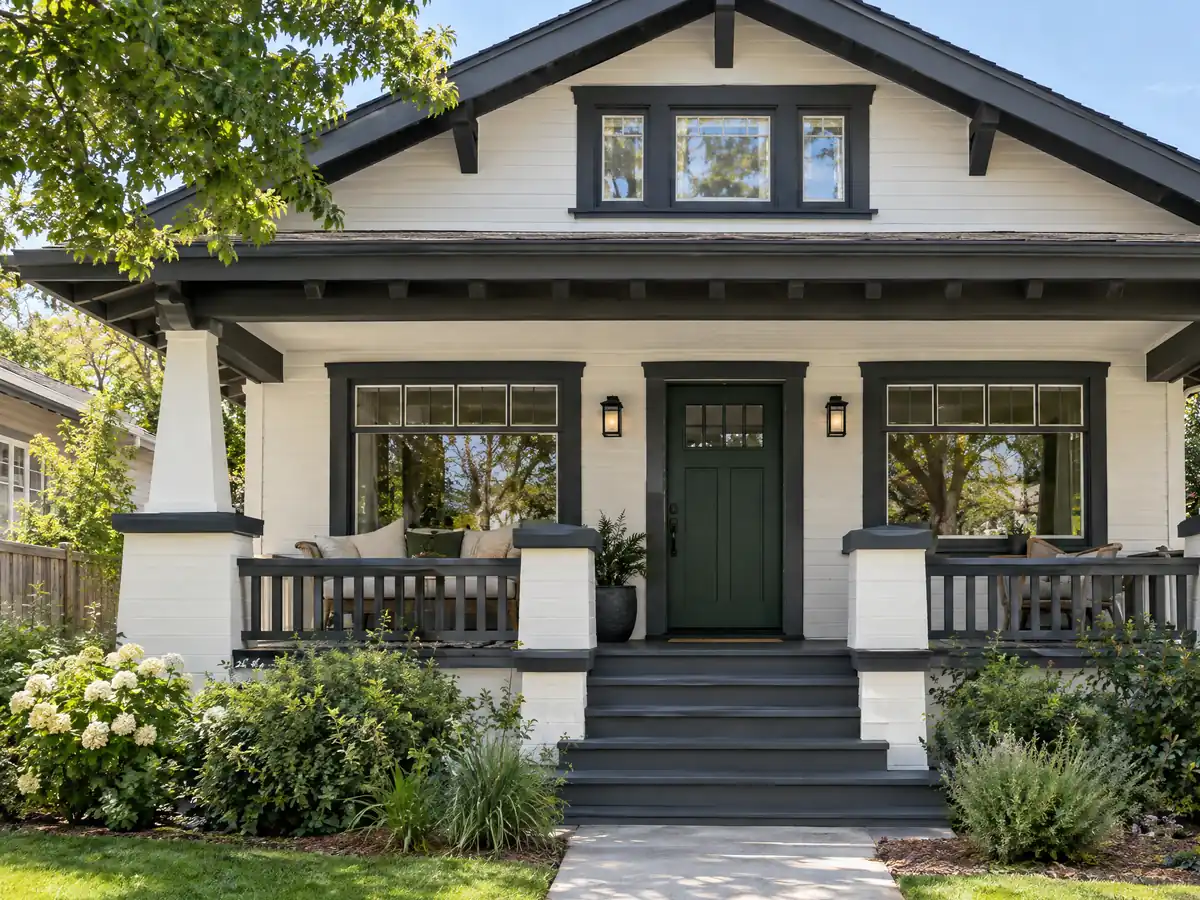
Painting in San Diego
No permit for paint alone, lead-safe rules for the 49.8 percent of homes built before 1980, the County's 50 g/L paint limit and a 45 year historic screen in San Diego.
See San Diego painting →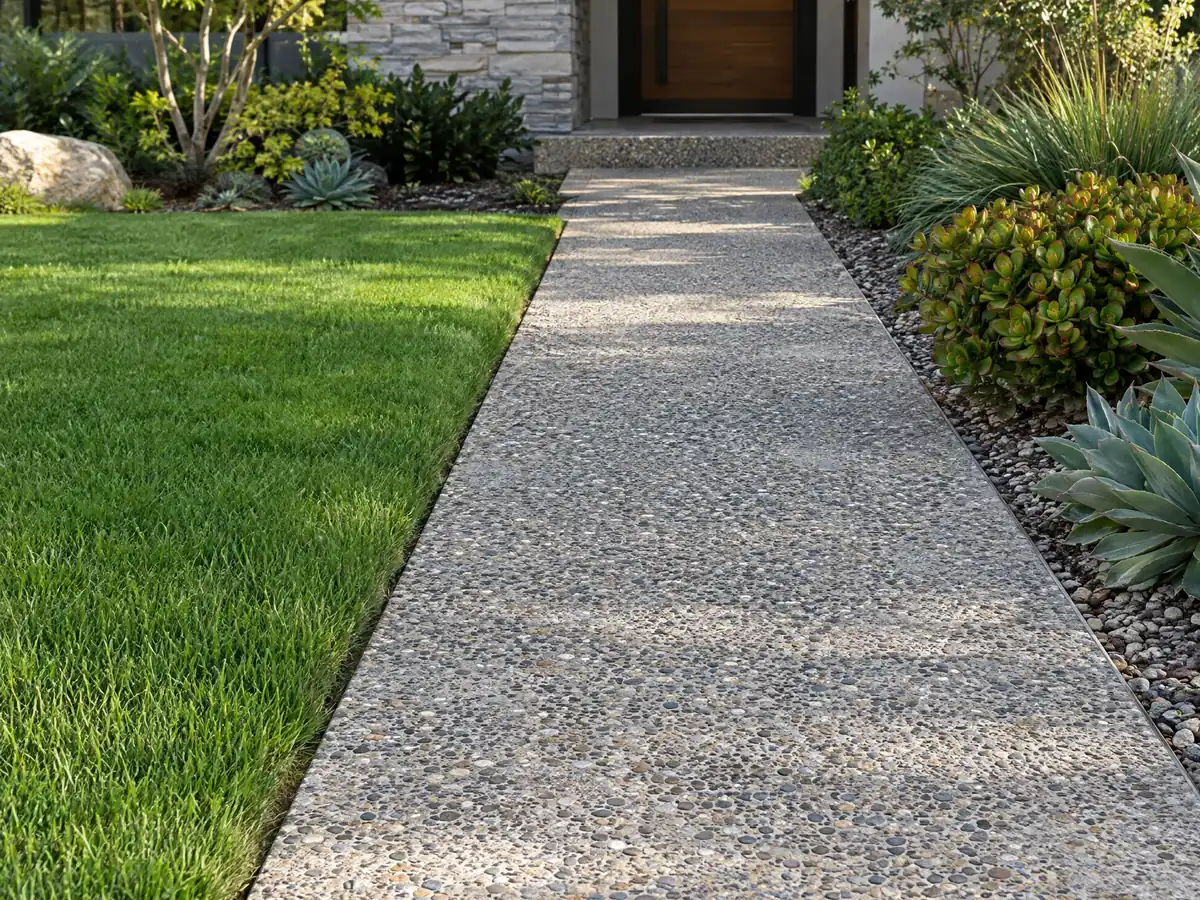
Concrete in San Diego
Flatwork exemptions, sidewalk and driveway approach permits, retaining walls, canyon and coastal lots, Zone 0 hardscape and pour costs in San Diego.
See San Diego concrete work →
Decks in San Diego
Permit lines, fire zone and Zone 0 rules, canyon and coastal lots, patio covers, deck repair and wood or composite costs in San Diego.
See San Diego deck building →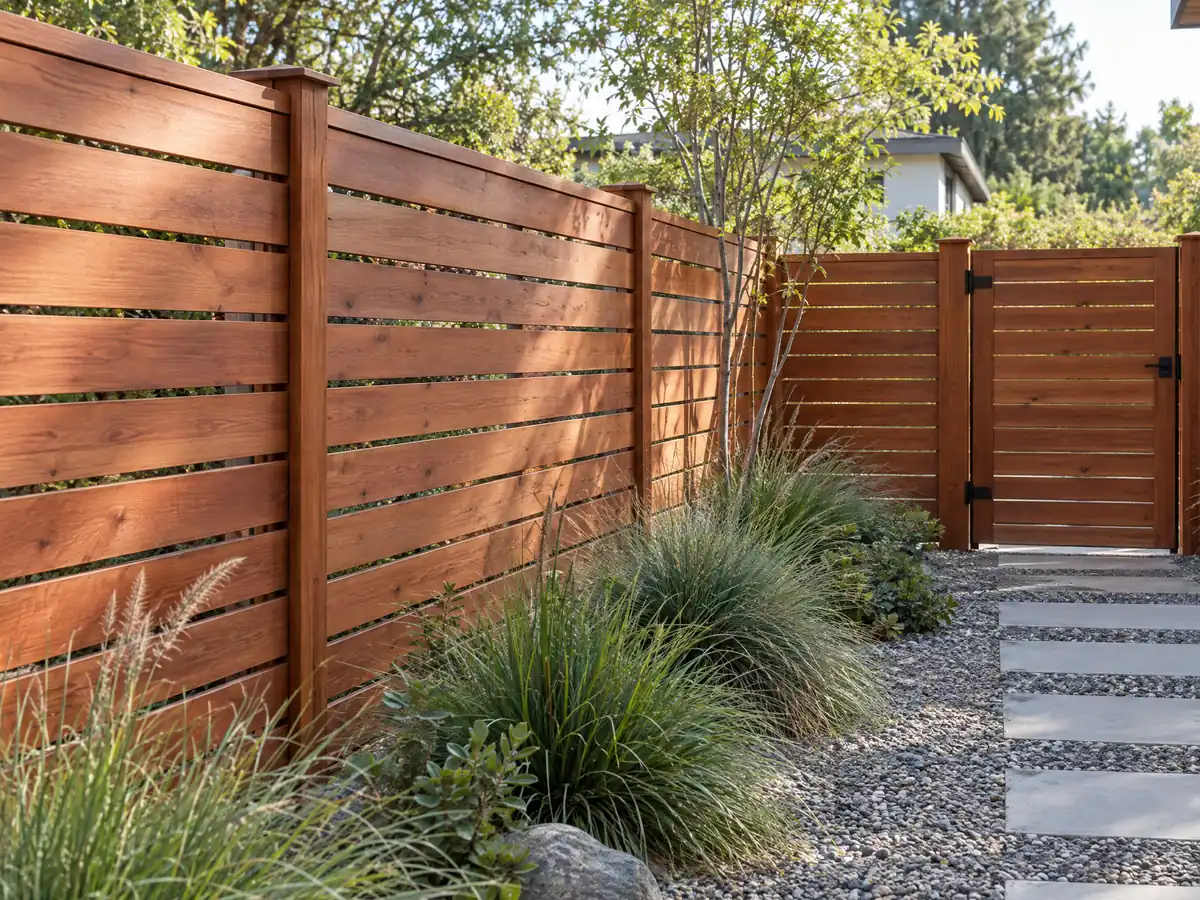
Fencing in San Diego
A 7 foot permit conflict between City documents, 3 foot visibility areas, 75 percent open coastal fences and canyon lot limits in San Diego.
See San Diego fencing →How do canyons, the fire map and a half-century-old housing stock change a general contractor job in San Diego?
San Diego's story starts before California was a state. Wikipedia's account of the city's past dates the Presidio and Mission San Diego de Alcala to 1769 and the first incorporation to 1850, then notes that the city lost its charter and regained it in 1889 before adopting the current charter in 1931. Balboa Park hosted the 1915 Panama-California Exposition. Between 1930 and 1950 the population more than doubled, from 147,995 to 333,865, as military and defense work boomed, and later growth annexed large stretches of land to the north for suburbs. The same source says about 200 deep canyons and hills separate the city's mesas, and the City counts 49 community plans across 52 planning areas, so a lot in La Jolla, North Park or Otay Mesa can sit under a different plan than the next street over. The Census Bureau's 2024 one-year estimates count 588,866 housing units, and 53.5 percent of the occupied ones are rented. Houses standing alone make up 42.5 percent of the stock, and apartment and condo buildings of five or more units hold 38.2 percent. The 1970s built the most, at 20.0 percent, followed by the 1980s at 17.6 percent. About 49.8 percent date from before 1980, about 29.9 percent from before 1970 and about 8.6 percent from before 1950, with only 22.2 percent built in 2000 or later. The median owner-occupied home is valued at $980,700, give or take $16,456. For an owner, that profile means most kitchens, bathrooms, roofs and windows are now four or five decades old, and the old paint under them can trigger the federal lead-safe rule. Census age bands stop at the decade, which blurs the 1978 cutoff, so we count everything before 1980 and leave the exact lead-era share open.
Start with the counter, because San Diego does not borrow a county. The Development Services Department reviews and inspects building work inside the city limits, and the City asks that every new permit and approval be filed online through a user account, with plans uploaded as PDFs that meet its format checks. The phone line is 619-446-5000, and most in-person services need an appointment. Any project filed from January 1, 2026 onward is judged by the 2025 state building code, and San Diego's local amendments to it are printed in Chapters 12 and 14 of the Land Development Code. The City posts a weekly timeline, and its November 6, 2026 snapshot listed about 7 business days for a Building Permit and 3 for Rapid Review, a track that DSD assigns at no added cost to eligible minor jobs. Timing matters after issuance too. A permit for a detached one- or two-family home expires three years after it is issued, goes void if an inspection has not validated the work within 12 months, and goes void again if the job sits idle for 180 days. A homeowner who acts as their own contractor files an Owner-Builder Verification Form, DS-3042, and the state's $1,000 allowance for unlicensed small jobs never covers permitted work, because it ends the moment any permit is required. After-hours work is its own permit: the City's Construction Noise Permit covers 7 p.m. to 7 a.m. on weekdays and, per one DSD page, all day on weekends and holidays, though a second page omits Saturdays, so confirm that day before scheduling a pour or a tear-off.
What the counter wants depends on the trade. Painting, floor coverings and cabinet work are exempt under Municipal Code section 129.0203, so painting and flooring rarely meet a plan checker, unless the building is a historical resource or the lot carries sensitive land. Like-for-like window replacement in a detached home or townhouse can skip the permit when the openings and wall envelope stay put, and a new circuit or a moved sink turns a kitchen remodel or bathroom remodel into permit work, often through the no-plan track. A roof repair or replacement needs no permit when the structure is untouched, yet the covering must be Class A either way. A room addition always needs plans under DSD's Information Bulletin 140, and a first-floor addition up to 750 square feet can qualify for Rapid Review. On a single-dwelling lot an ADU can sit beside one converted ADU and one junior ADU, and a City bonus program can add more units. A fence hits a puzzle at exactly 7 feet, where the exempt list and the fence table disagree. A deck avoids a permit only when it is small (200 square feet), low (30 inches above grade), freestanding and not the way out of the house. A concrete patio or low driveway can be exempt, but anything in the public right-of-way takes its own permit. Paint answers to the county air district's Rule 67.0.1, which caps flat and nonflat coatings at 50 grams of VOC per liter, and not to the South Coast district that governs Los Angeles and Orange counties.
Several layers sit on top of the permit. Fire hazard mapping came first: Ordinance O-21992, effective August 30, 2025, adopted the State Fire Marshal's 2025 map and layered on areas the City chose itself, and KPBS reported in January 2026 that the Very High zones cover roughly two-thirds of the city, from Scripps Ranch and Carmel Valley to parts of downtown, Bankers Hill and Hillcrest. The City does not publish that percentage, so check the parcel on its map. The new Wildland-Urban Interface Code took effect February 28, 2026 and adds Zone 0, the first 5 feet around a structure, plus a non-combustible drip edge and reinforced vinyl windows. Its Zone 0 start date for existing homes is stated three ways: one year after the effective date in the code, a February 2027 target on the Fire-Rescue page, and still being finalized according to KPBS. In the Coastal Overlay Zone a Coastal Development Permit, or a written exemption, can come from the City or the California Coastal Commission, open fences must be 75 percent open to light, and patio covers and ADUs lose exemptions that inland lots enjoy. Historic screening starts at 45 years rather than 50, and in-kind roof replacement is exempt from the survey step, while North Park, Uptown and Golden Hill hold designated districts such as South Park and Spalding Place. Canyon edges bring Environmentally Sensitive Lands and brush management, and the weather splits sharply, since NOAA's normals give Lindbergh Field 3.0 days of 90 F or hotter each year and Miramar 20.4. Reading those layers before a bid is the general contractor's work here. MDG Builders, CSLB #1040337, defines the scope, handles the filings and books licensed specialty firms, and ahead of any contract you may ask to see each firm's license and its insurance certificate. Our blog explains how contractors use subcontractors and the steps for checking a contractor's license. If your lot is near the bay, Chula Vista runs on a different city's rules, and so does El Cajon to the east, so never carry an answer across a boundary.

- San Diego runs its own permit counter, so the Development Services Department, reachable at 619-446-5000, is the single office that approves building work inside the city limits.
- New roofs and every repair or replacement must be Class A anywhere in the city, and once a job touches over a quarter of the roof in twelve months, the whole roof has to be Class A.
- Census 2024 estimates put 49.8 percent of the 588,866 housing units before 1980, with the 1970s as the largest decade at 20.0 percent.
- Painting, flooring, cabinets and same-size window swaps are on the exempt list, but historic districts and sensitive lands lift those exemptions.
- The City's historic screen reaches parcels whose buildings are 45 years or older, a lower bar than the 50 years many owners assume.
- Paint chemistry is regulated by the county air district instead of the South Coast district, and its Rule 67.0.1 holds both flat and nonflat paint to 50 grams per liter.
Cities near San Diego we also build in
San Diego questions we hear before a contract is signed
Does San Diego issue its own building permits?
Yes, the City's Development Services Department reviews and inspects building work inside San Diego, using its own Municipal Code and no county layer. New permits are filed online through a user account, and most in-person help needs an appointment. Questions go to 619-446-5000, and a Rapid Review track speeds eligible minor residential jobs.
Which jobs in San Diego do not need a building permit?
Painting, flooring, cabinets, fences under 7 feet, decks of 200 square feet or less and roof replacement without structural change are on the exempt list. Section 129.0203 lifts every exemption for historical resources and sensitive lands. It also leaves electrical, plumbing and mechanical permits separate, so ask DSD before starting.
Does every roof in San Diego have to be Class A?
Yes. The City's local residential amendment demands Class A coverings for new roofs and for any replacement, repair or alteration, with or without a fire zone. When more than 25 percent of a roof is touched in any 12 months, the entire roof must be Class A. Wood shakes and shingles are banned.
Is my San Diego home in a Very High Fire Hazard Severity Zone?
That depends on the parcel, so check the City's map first. San Diego adopted the State Fire Marshal's 2025 map with some extra areas, and KPBS reported that the zones cover roughly two-thirds of the city. A parcel in a zone brings in the City's WUI Code, including Zone 0 for the first 5 feet around a structure.
Does a house built 45 years ago need historic review in San Diego?
It can. When a permit is filed, the City can screen any parcel where a building has reached 45 years, using photographs and County Assessor records. Interior work, electrical or plumbing permits with no exterior change and in-kind roof replacement skip the survey, and a designated landmark or historic district always needs a permit and historic review.
Does the Coastal Overlay Zone change a remodel, fence or ADU in San Diego?
Often, yes. Most coastal neighborhoods need a Coastal Development Permit or a written exemption, from either the City or the California Coastal Commission depending on the map. Open fences must be 75 percent open to light, and patio covers and ADUs lose exemptions that apply inland. DSD's zoning portal shows the overlay on your parcel.
How old are San Diego homes, and does lead paint matter?
Half the housing stock is older than 1980, so lead matters on many jobs. Census 2024 estimates show about 49.8 percent of units before 1980, though the table cannot isolate 1978. Under EPA's rule, a paid firm disturbing paint in a pre-1978 home must be certified, and window replacement is always covered.
What does a general contractor do on a San Diego job?
The general contractor holds the contract and answers for the whole job: scope, permit filings, trade scheduling and the final walkthrough. MDG Builders, CSLB #1040337, passes the field work to licensed specialty subcontractors, and any of those licenses can be verified on the state board's website.
Describe your San Diego project
Share your San Diego neighborhood, roughly when the home was built and each job you are weighing, whether that is one window or a full ADU. Ahead of our call we look at the zoning portal, the fire map, the coastal overlay and any canyon or historic flag on the parcel.