
Roof Repairin San Diego, CA
Roof repair in San Diego needs no building permit when the roof structure is untouched, but every repair, replacement or alteration must use Class A roofing in any neighborhood, and wood shakes are banned. Once more than 25 percent of a roof is replaced, altered or repaired within 12 months, the entire roof must be Class A.
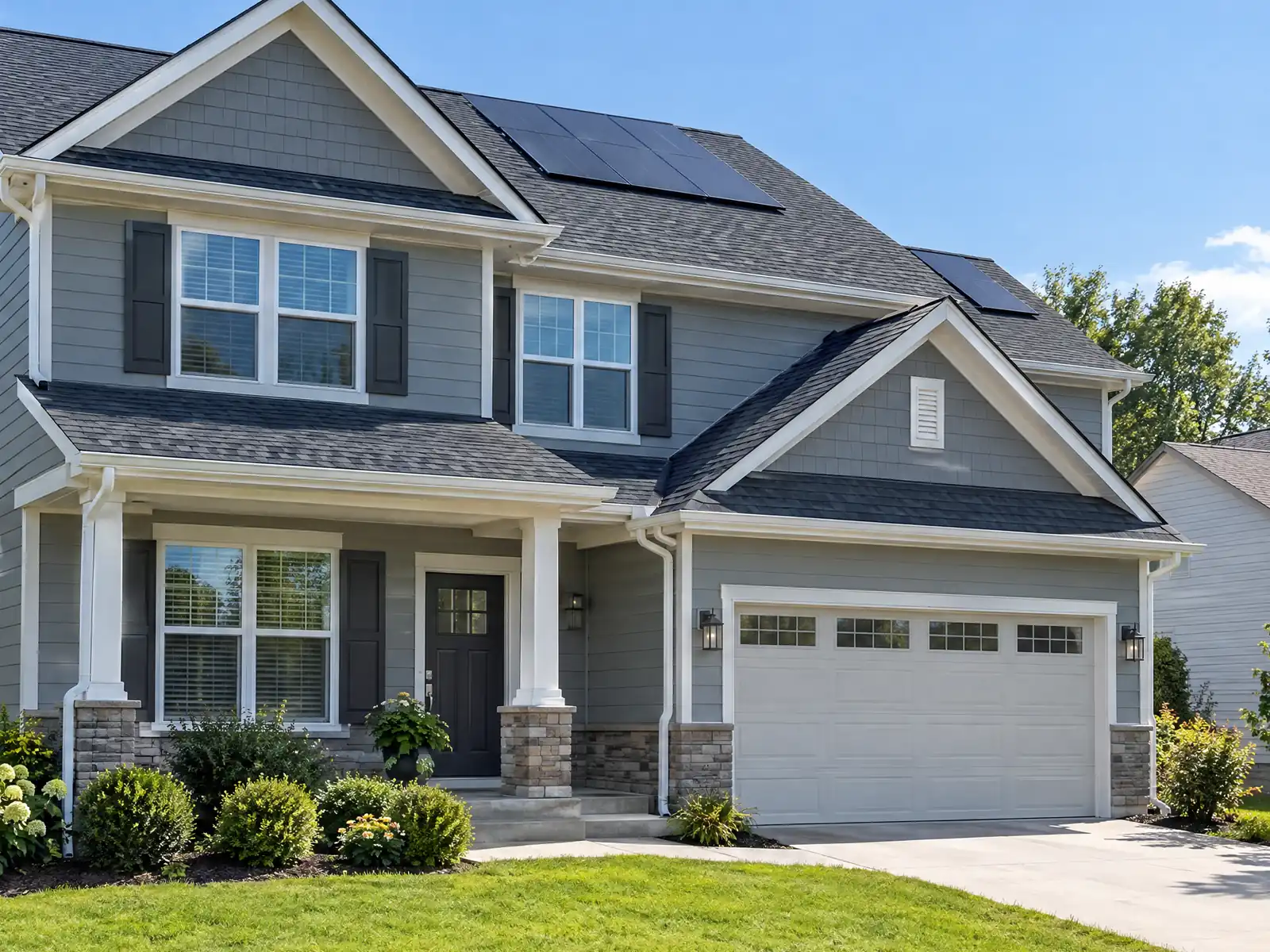
San Diego roofs cover a large and varied housing stock. The Census Bureau's ACS 2024 one-year estimates count 588,866 housing units, with 42.5 percent single-family detached and 38.2 percent in buildings of five or more units, and the median owner-occupied home is worth $980,700. The City says 49 community plans cover 52 planning areas, so a house in La Jolla, Hillcrest, Mira Mesa or San Ysidro can sit under a different plan and different overlays than the next one over.
On a roofing job, MDG Builders (CSLB #1040337) writes the scope, files whatever the City asks for and keeps the calendar, while a licensed C-39 roofing subcontractor does the tear-off and the new covering. Our roofing page holds the sourced prices, the San Diego overview lists every trade we manage here, and the guides for Chula Vista and El Cajon show how two neighboring cities handle the same work. National City, Coronado, La Mesa, Santee and Poway have their own counters, so call each one before assuming a rule carries over. The City's Development Services Department issues permits inside city limits. Several City documents disagree with each other on roofs, and we point out each conflict where it appears.
What San Diego's roof bulletin, fire rules and historic code say about roofs
Where roofing permits come from in San Diego: City of San Diego Development Services Department (DSD).
- San Diego Municipal Code 129.0203(a)(16) exempts renewal of roof coverings on any building permitted under the California Building Code or Residential Code where the existing roof structure, including the roof diaphragm, is not altered. DSD's handout repeats it as 'simple re-roofing without structural changes is exempt' and flags that permits are required in historic districts and environmentally sensitive lands.
- DSD Information Bulletin 123 (September 2026 version) says a re-roof permit is required when structural framing, sheathing or decking has to be altered or replaced, when wood shakes, wood shingles or asphalt shingles are replaced with a covering weighing more than 6 pounds per square foot, when spaced skip sheathing is replaced with solid sheathing, or when the site has a designated historical resource or sits in an adopted historic district.
- Information Bulletin 123 also lists exemptions: for single-family homes, duplexes and townhouses, damaged sheathing may be replaced in kind without a permit up to 25 percent of the roof surface, and new plywood or OSB laid over existing skip sheathing is exempt if the covering plus the panel weighs no more than 6 pounds per square foot.
- San Diego's local residential code requires every newly constructed roof to be at least Class A, requires all re-roof replacements, alterations and repairs to be Class A, and requires the entire roof to be a Class A assembly when more than 25 percent of the roof area is replaced, altered or repaired in any 12-month period (or when an addition exceeds 25 percent of the original floor area). The Residential Building Regulations apply to privately owned buildings throughout the City, so this is not limited to fire zones.
- IB 123 Table A summarizes the minimum roof covering classification: Class A for all newly constructed roofs, Class A for all replacements, alterations and repairs, an entire Class A roof assembly where more than 25 percent of the roof area is replaced, altered or repaired within any 12-month period (or an addition exceeds 25 percent of the floor area), and Class A for attached, detached or prefabricated listed patio covers.
- San Diego does not allow wood shakes or wood shingles for new or replacement roofs, except as provided in California Historical Building Code section 8-408; the Municipal Code text also cites its section 149.0908 for the exception while IB 123 cites section 145.1510, so ask DSD which citation controls. IB 123 also bars laying new roofing over existing wood shakes or shingles and requires removal down to the deck where two layers of asphalt shingles or built-up roofing already exist.
- For a building 45 years or older, IB 123 says plans must go through historic review unless the work is 'in kind roof repair and replacement,' which section 143.0212 exempts; the review typically takes ten business days and uses Information Bulletin 580. A roof on a designated historical resource or inside a historic district always needs a permit and historic review.
- Re-roofing a building in a Very High Fire Hazard Severity Zone must meet Chapter 5 of the California Wildland-Urban Interface Code as amended by San Diego Municipal Code Chapter 5, Article 12, but IB 123 says those provisions apply only to buildings originally constructed on or after August 27, 2009; the owner checks the zone on the City's ZAPP map.
Sources for these rules

Does every San Diego roof have to be Class A, and what is the 25 percent rule?
Yes, and no fire map is needed to trigger it. San Diego's local amendment to the Residential Code, in Municipal Code Chapter 14, Article 9, Division 9, requires every new roof to be at least Class A and every replacement, alteration or repair of an existing roof to be Class A too. The Residential Building Regulations apply to privately owned buildings throughout the City, so a roof in Point Loma or Rancho Bernardo meets the same standard whether or not a zone is mapped.
The 25 percent figure is real here. When more than 25 percent of the roof area is replaced, altered or repaired within any 12-month period, the whole roof must become a Class A assembly, and the same applies when an addition exceeds 25 percent of the original floor area. A repair that stays under the line still needs Class A material, and two small repairs in one year can add up.
Wood shakes and wood shingles are barred on new and replacement roofs, and Information Bulletin 123 forbids laying new roofing over existing shakes. The one exception is California Historical Building Code section 8-408, and two City documents conflict on the citation: the Municipal Code cites its section 149.0908, while the bulletin cites section 145.1510.
Ask the roofer to keep a dated list of every roof repair done on the house within a 12-month window.
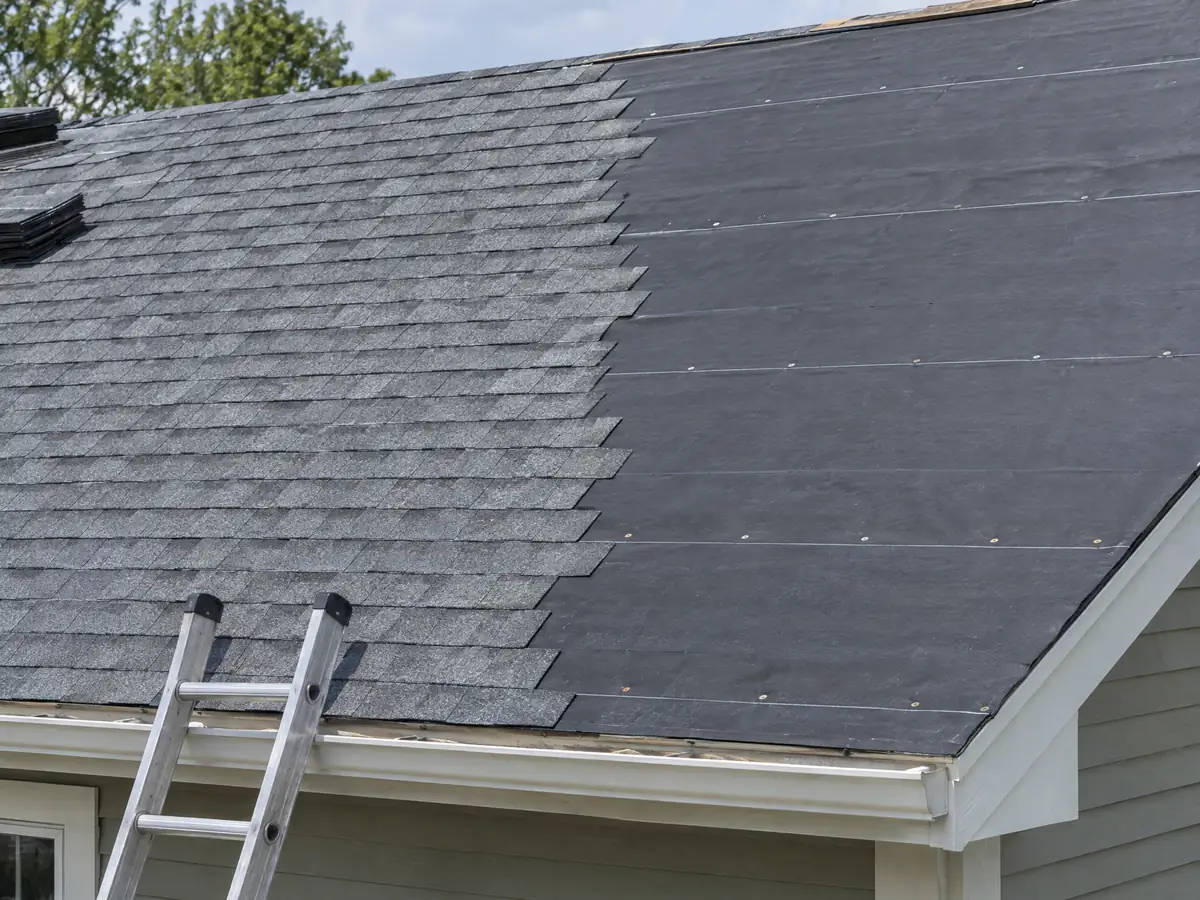
Does San Diego require a permit to replace a roof, and what can still trigger one?
Often not, if the structure stays as it is. Municipal Code 129.0203(a)(16) exempts renewal of roof coverings on buildings permitted under the California Building Code or Residential Code when the existing roof structure, including the diaphragm, is not altered. Information Bulletin 123, in its September 2026 version, then lists what pulls a re-roof back into permit territory:
For single-family homes, duplexes and townhouses, damaged sheathing may be replaced in kind without a permit up to 25 percent of the roof surface. Every exemption is lifted for a historical resource, a lot with environmentally sensitive lands that need a development permit, or a building with unreinforced masonry bearing walls or parapets. Taking solar off to renew the covering means an electrical permit to reinstall it, and the bulletin warns that a new covering can trigger the California Energy Code, citing section 150.2(b)1I. When a permit is needed, DSD takes it online, and its November 6, 2026 snapshot showed Building Permit issuance near 7 business days, which the City calls an estimate.
- Altering or replacing structural framing, sheathing or decking
- Replacing wood shakes, wood shingles or asphalt shingles with a covering heavier than 6 pounds per square foot
- Replacing spaced skip sheathing with solid sheathing
- A designated historical resource or an adopted historic district on the site
Ask DSD in writing whether your scope is exempt, and keep the answer with the contract.
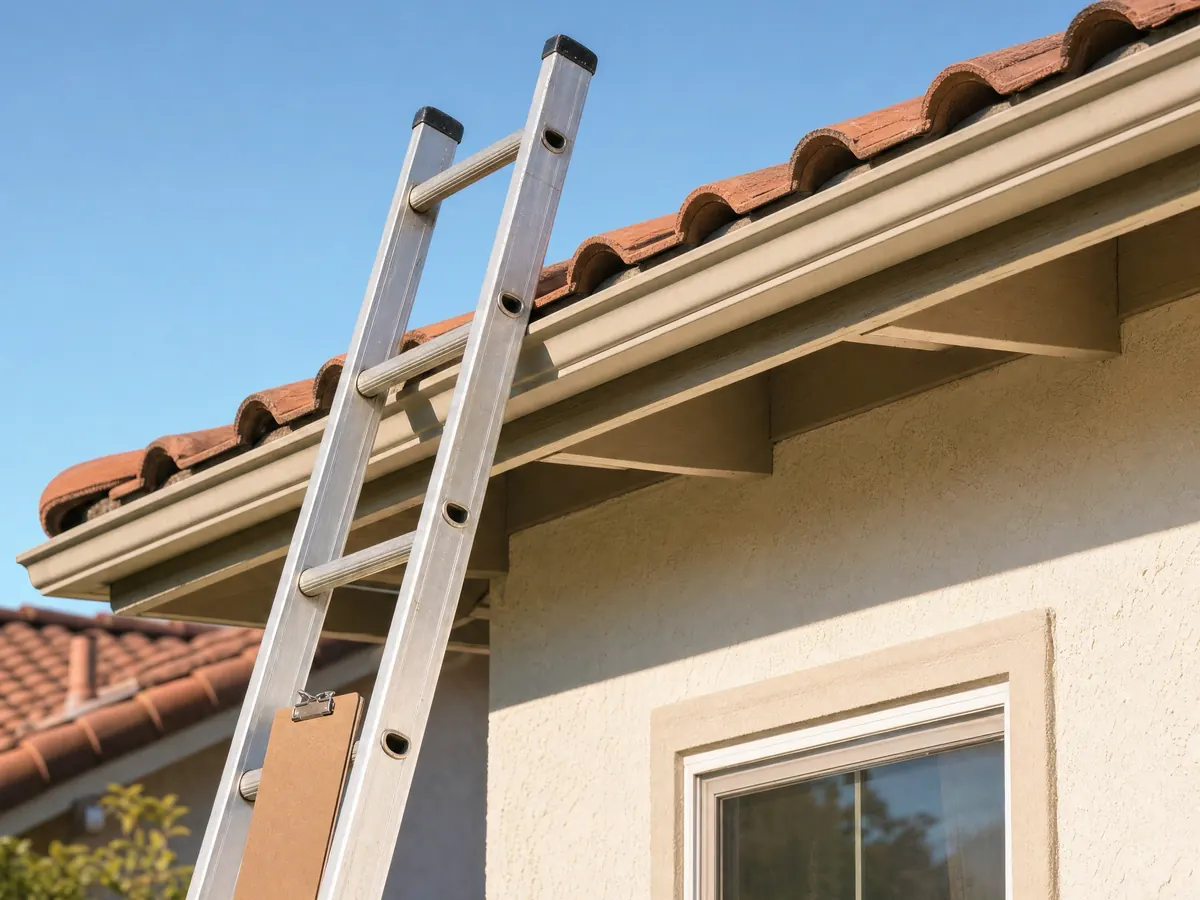
Is my San Diego roof in a Very High Fire Hazard Severity Zone, and what does the WUI Code add?
We cannot place your lot on the map, and the City says to check the parcel before quoting any rule. San Diego Fire-Rescue adopted the State Fire Marshal's 2025 Local Responsibility Area map by Ordinance O-21992, effective August 30, 2025, with extra areas of its own. KPBS reported in January 2026 that the zones cover roughly two-thirds of the city, including Scripps Ranch, Carmel Valley and parts of downtown, Bankers Hill and Hillcrest. That share is the news outlet's figure, not the City's.
The City's own Wildland-Urban Interface Code, Municipal Code Chapter 5, Article 12, took effect February 28, 2026. For roofs, drip edge flashing used at free edges must be non-combustible, and chimneys serving fireplaces, barbecues and decorative heating appliances need a spark arrestor of woven or welded wire with openings no larger than 1/2 inch. Bulletin 123 adds that the code's roof provisions reach only buildings first constructed on or after August 27, 2009.
Zone 0, the first 5 feet around a structure, has three timelines. The WUI Code reaches existing structures one year after its effective date, Fire-Rescue says owners should aim for February 2027, and KPBS said the State Board of Forestry was still finalizing details.
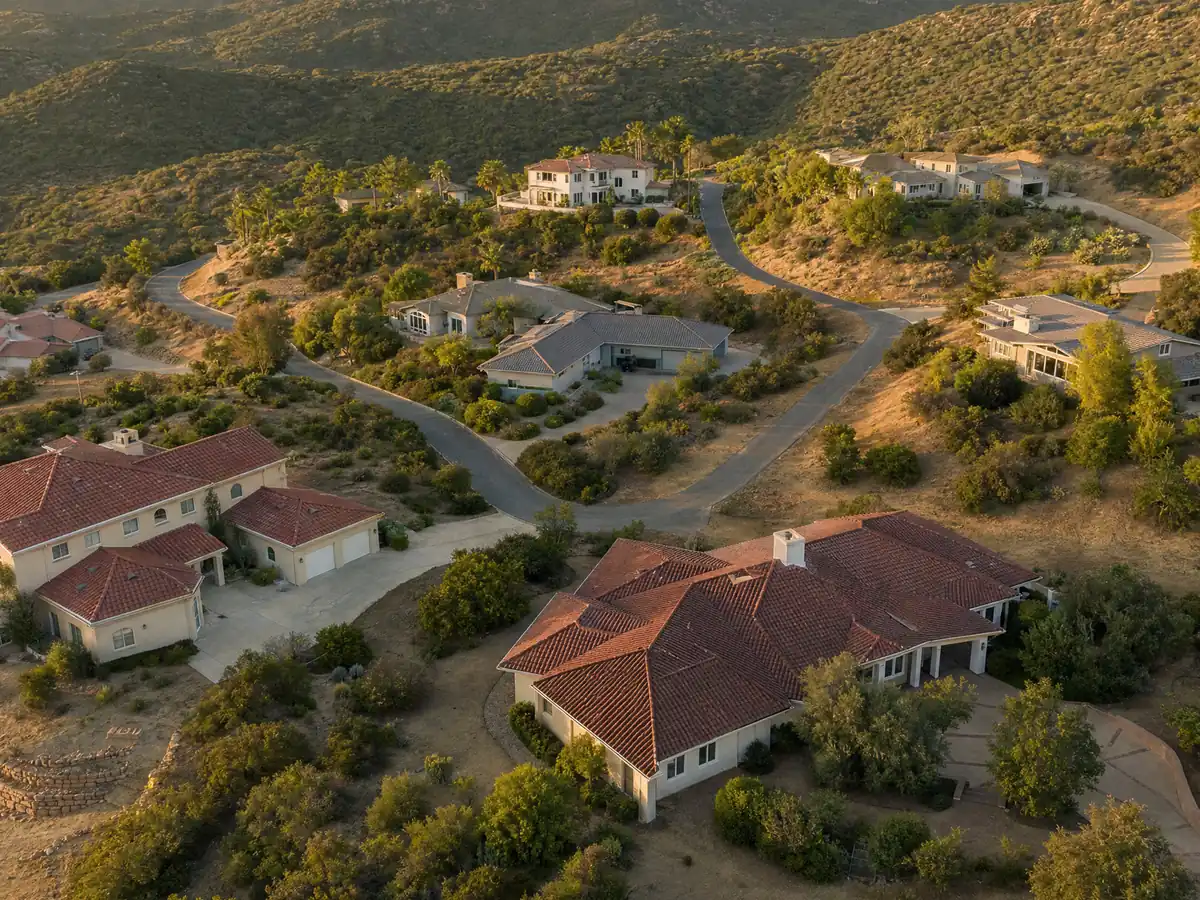
Does a roof on a house 45 years or older need historic review in San Diego?
Only when the work is not in kind. Municipal Code 143.0212 lets the City Manager require a survey for development on any parcel with a structure 45 or more years old, so San Diego's screen starts at 45, not 50. In-kind roof repair and replacement is exempt from that survey, and Bulletin 123 says plans for an older building go through historic review unless the work is in kind, a review that typically takes ten business days and uses Information Bulletin 580. We found no definition of in kind, so ask DSD whether a change of material qualifies.
A roof on a designated historical resource or inside an adopted historic district always needs a permit and historic review. The Planning page dates Spalding Place (July 27, 2017), Valle Vista Terrace (November 16, 2017), South Park (October 26, 2017) and Melhorn and Son (October 25, 2018), and lists other districts as in process on a page that may lag recent hearings. ACS 2024 puts about 49.8 percent of units before 1980, and every one of those is past 45 years in 2026.
Ask Historical Resources at 619-235-5224 whether your address is in a district before material is ordered.
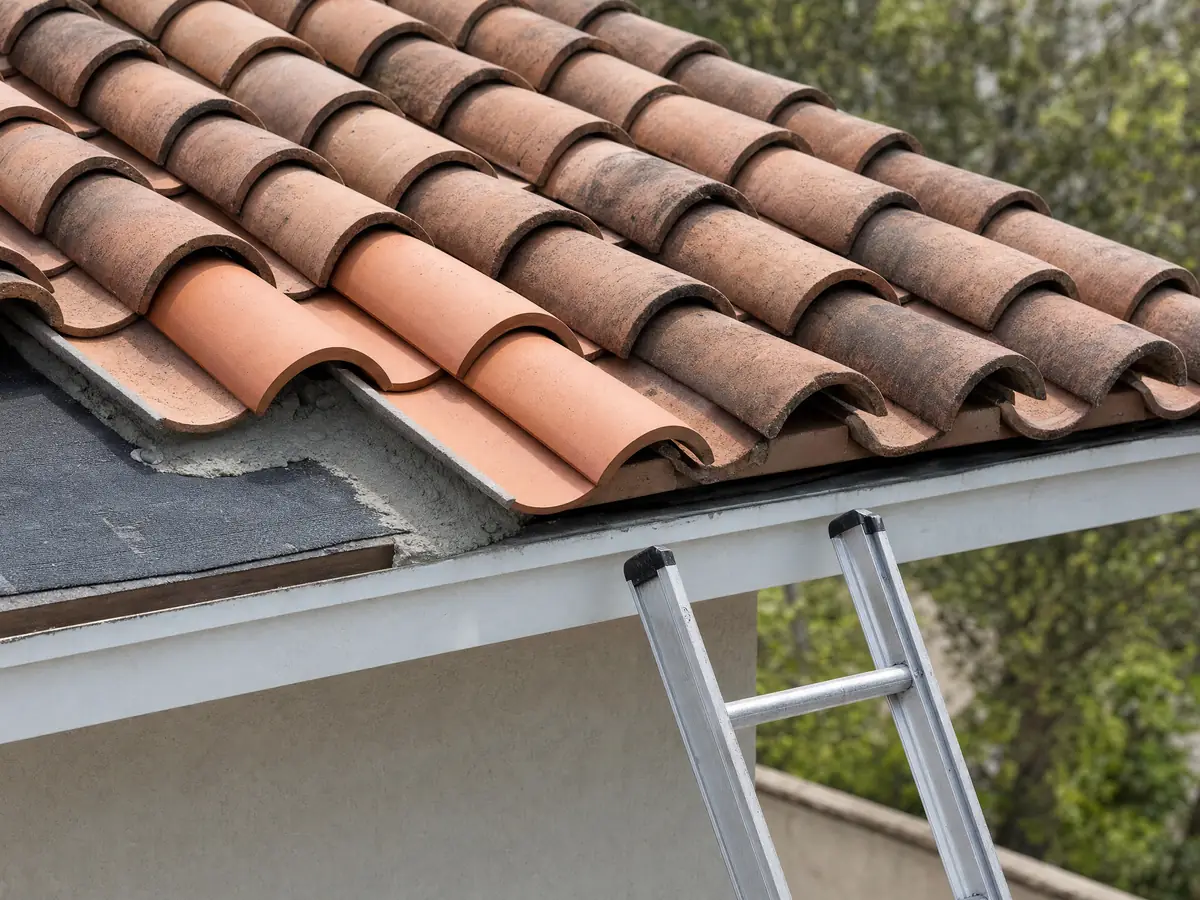
Does a roof job near the coast or a canyon need coastal or sensitive land approval?
Usually not for a like-for-like roof on an existing house, but location can change that. The Coastal Overlay Zone requires a City-issued Coastal Development Permit unless the work is exempt, and projects wholly inside the Coastal Commission's permit jurisdiction or the Deferred Certification Area go to the Commission. Improvements to existing structures are exempt unless they sit within 50 feet of a coastal bluff edge, add 10 percent or more interior floor area, or are significant detached structures. A re-roof adds no floor area, but a house within 50 feet of a bluff edge falls into the first exception by position alone.
Canyon lots carry another layer. DSD says residences next to canyons are highly likely to have environmentally sensitive lands, meaning steep hillsides, sensitive biology, coastal beaches and bluffs or Special Flood Hazard Areas, and Wikipedia, a third-party source, counts about 200 deep canyons and hills in the city. Brush management dates conflict too: Fire-Rescue allows clearing in coastal sage scrub and similar habitat only from August 16 through January 31, while the Municipal Code bars it from March 1 through August 15.
Ask Fire-Rescue which brush dates apply if the roof job touches trees or slope plants.
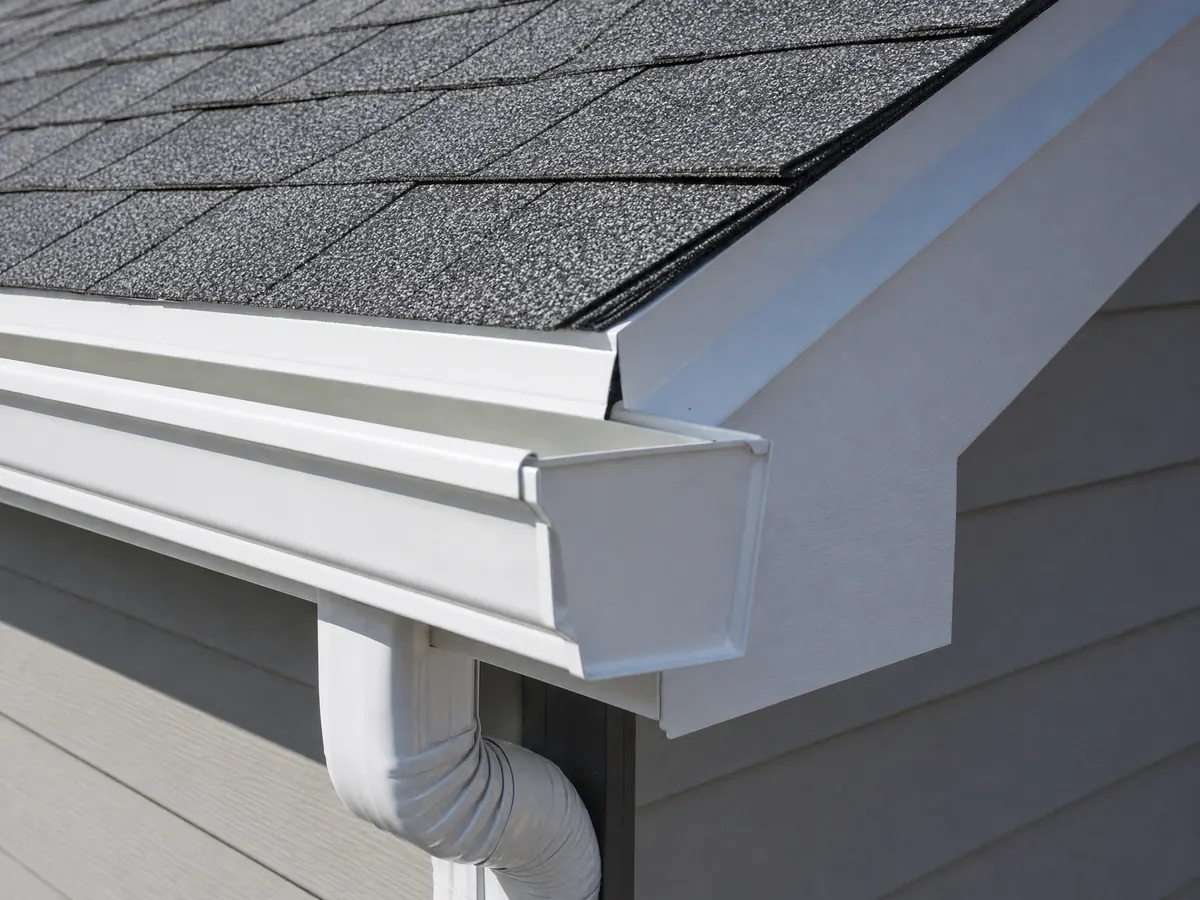
How old is a San Diego roof likely to be, and when is the dry window?
The city began with the Presidio and Mission San Diego de Alcala in 1769, was incorporated in 1850 and hosted the 1915 Panama-California Exposition in Balboa Park. Wikipedia, a third-party source, says it grew from 147,995 people in 1930 to 333,865 in 1950 as military and defense work boomed. ACS 2024 shows what followed: the 1970s are the largest decade with 117,627 units, or 20.0 percent, 17.6 percent date from the 1980s, about 29.9 percent were built before 1970 and only about 8.6 percent before 1950. We found no San Diego roof survey, so we print no lifespan in years. A permit history and a look at the deck show a roof's real age.
Weather splits by distance from the water. NOAA's 1991 to 2020 normals give Lindbergh Field 9.79 inches of rain a year, 7.31 of them from December through March, and 3.0 days at or above 90 F. Montgomery Field averages 11.02 inches and 16.0 such days, and Miramar NAS runs 20.4. August rain is 0.01 inch at both Lindbergh and Montgomery, so late spring through early fall is the dry window.
- Water marks on ceilings below the roof deck
- Cracked, slipped or missing tiles and shingles
- Flashing pulling away at walls, chimneys and vents
- Deck boards that flex underfoot
Ask the roofer to photograph the deck once the old covering is off.
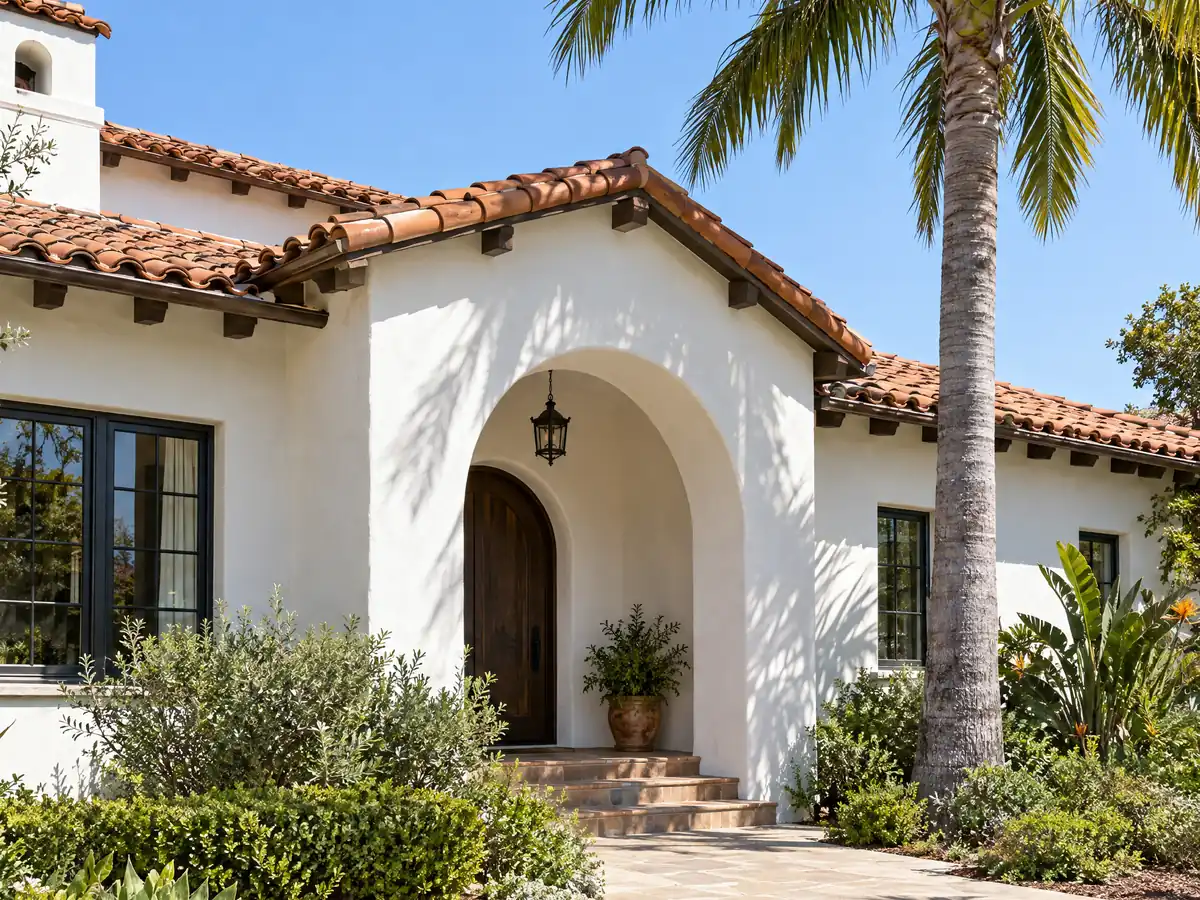
How much does roof replacement cost in San Diego, and how do I hire a roofer?
We found no San Diego price survey, so these figures come from Los Angeles and a San Diego bid may land elsewhere. Angi's Los Angeles guide, updated July 31, 2026, quotes asphalt at $4 to $12 a square foot, tile at $7 to $15 and metal at $7 to $16, and adds $1,000 to $3,000 for tear-off and $500 to $1,000 to detach and reset solar panels. Remodeling magazine's 2025 Cost vs. Value report prices a Los Angeles reference asphalt roof at $36,417 and a metal one at $62,069 without stating the roof size. Our planning ranges are about $10,000 to $25,000 for asphalt, $15,000 to $37,000 for tile and from about $20,000 for metal.
Rooftop solar has its own lane. A single-family, duplex or townhouse system built to the City's template, up to 38.4 kW AC, is self-issued with no plan review when nothing structural changes. Roofing is CSLB class C-39, and Business and Professions Code 7159 caps a down payment at $1,000 or 10 percent, whichever is less. See our contractor license guide, how general contractors use subcontractors and the California roofing cost guide.
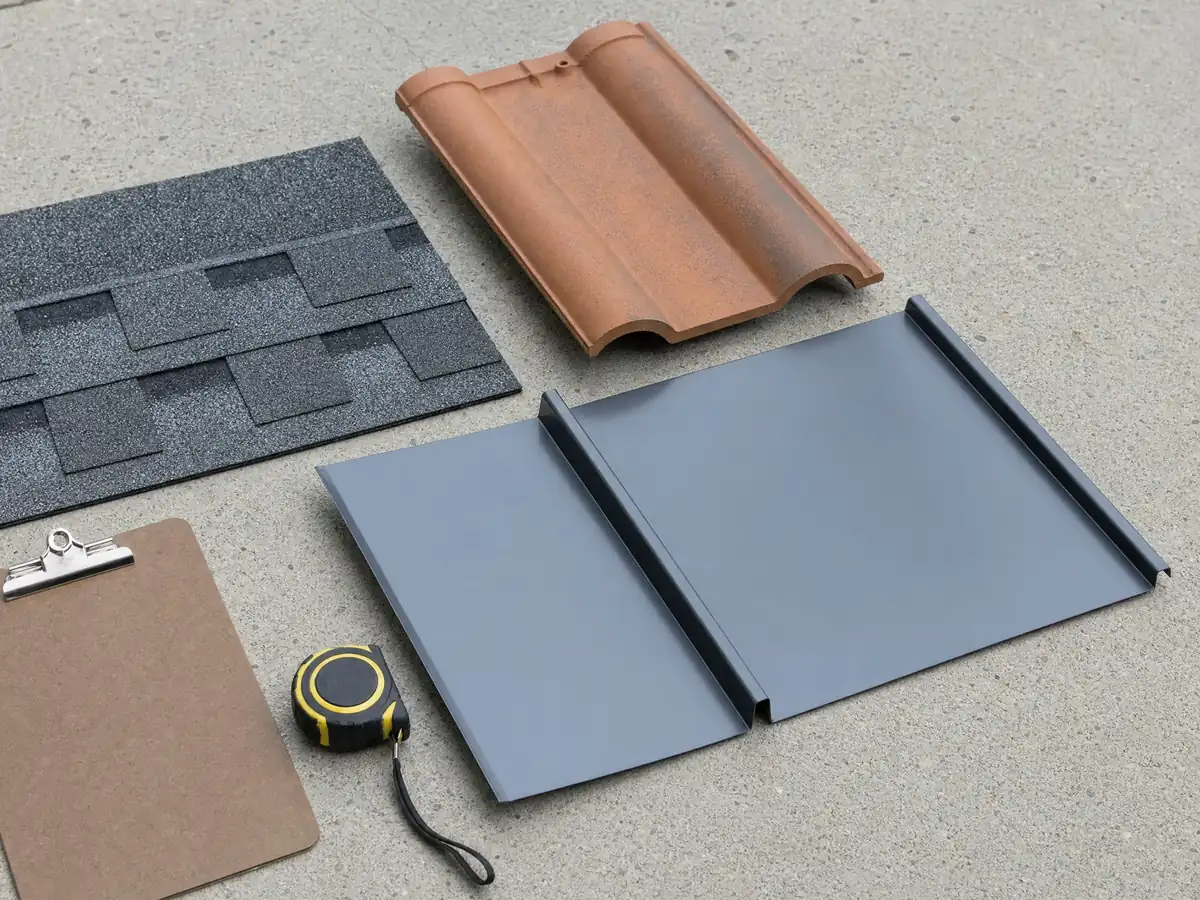
Roofing photos from San Diego and nearby communities
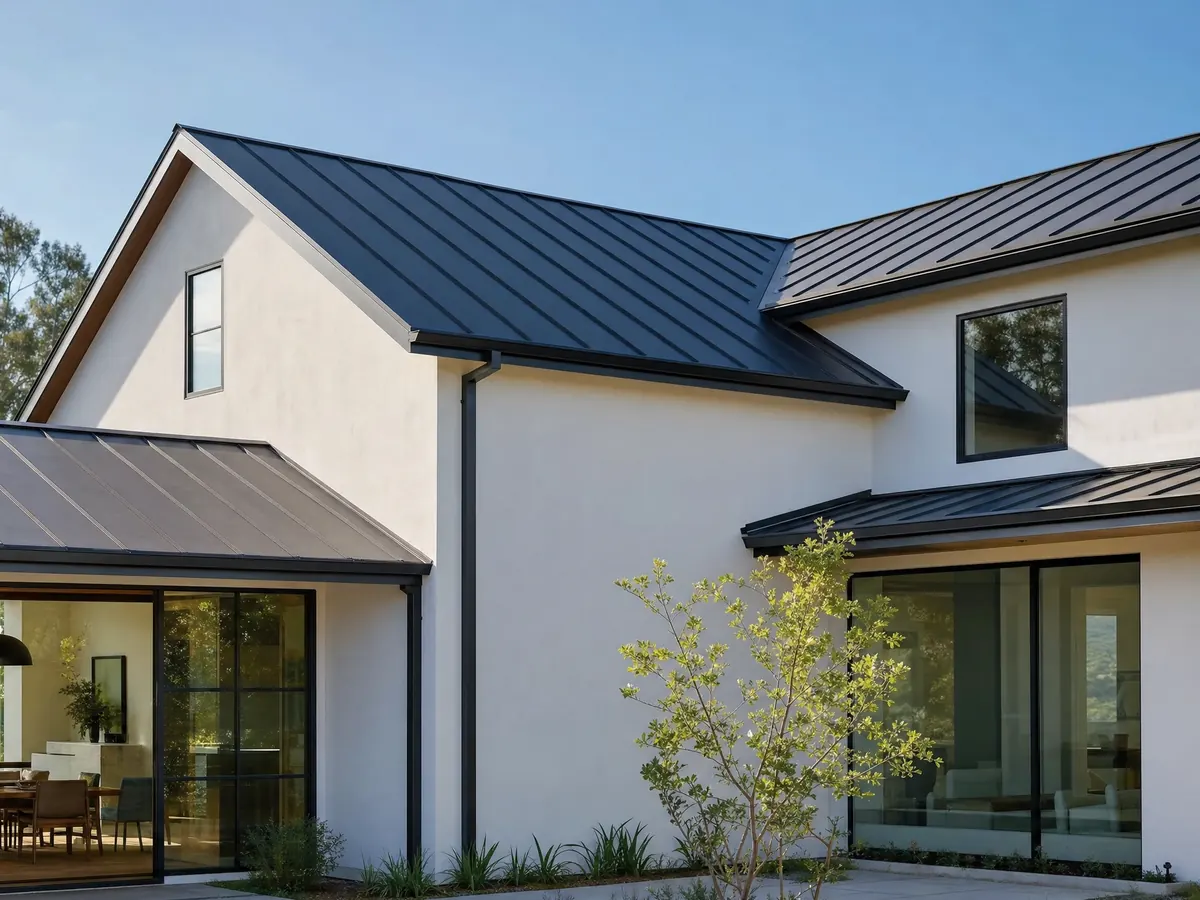
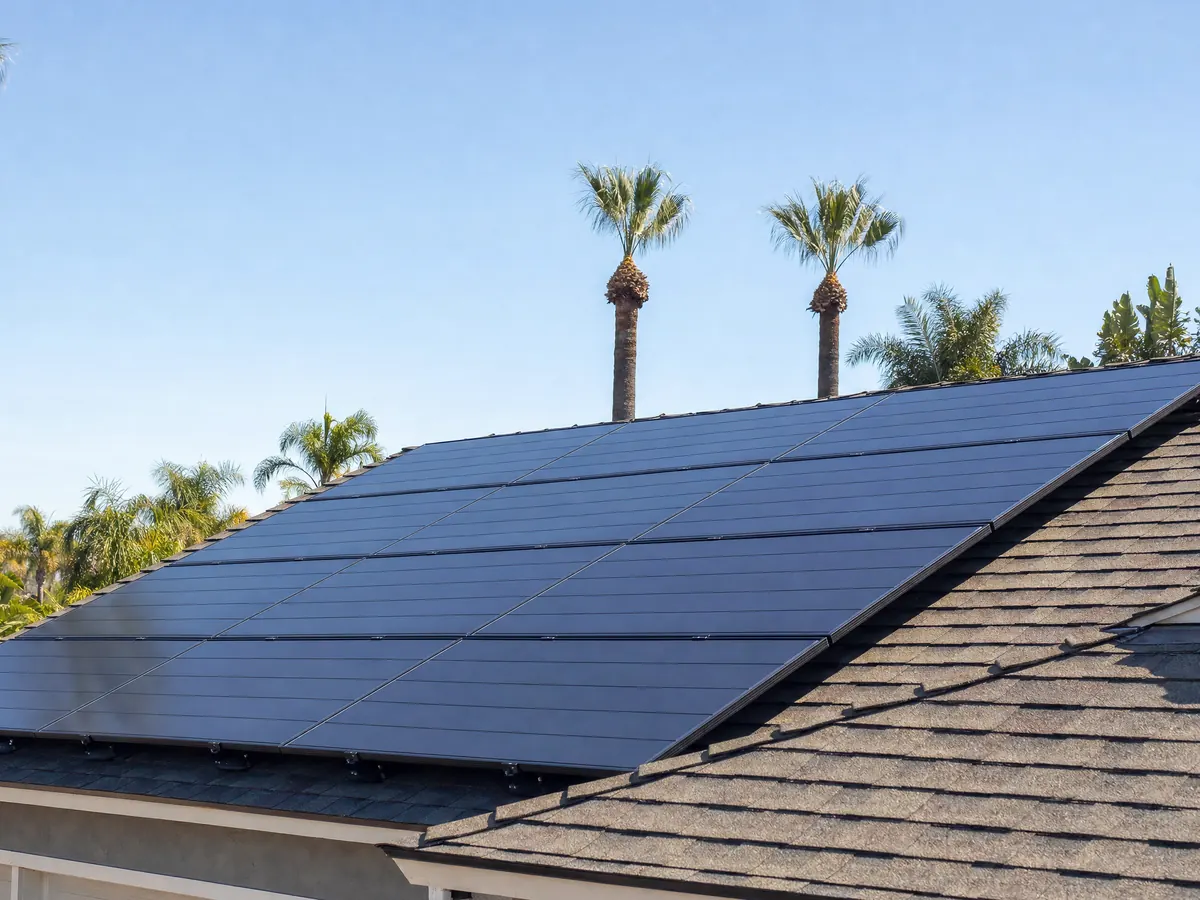
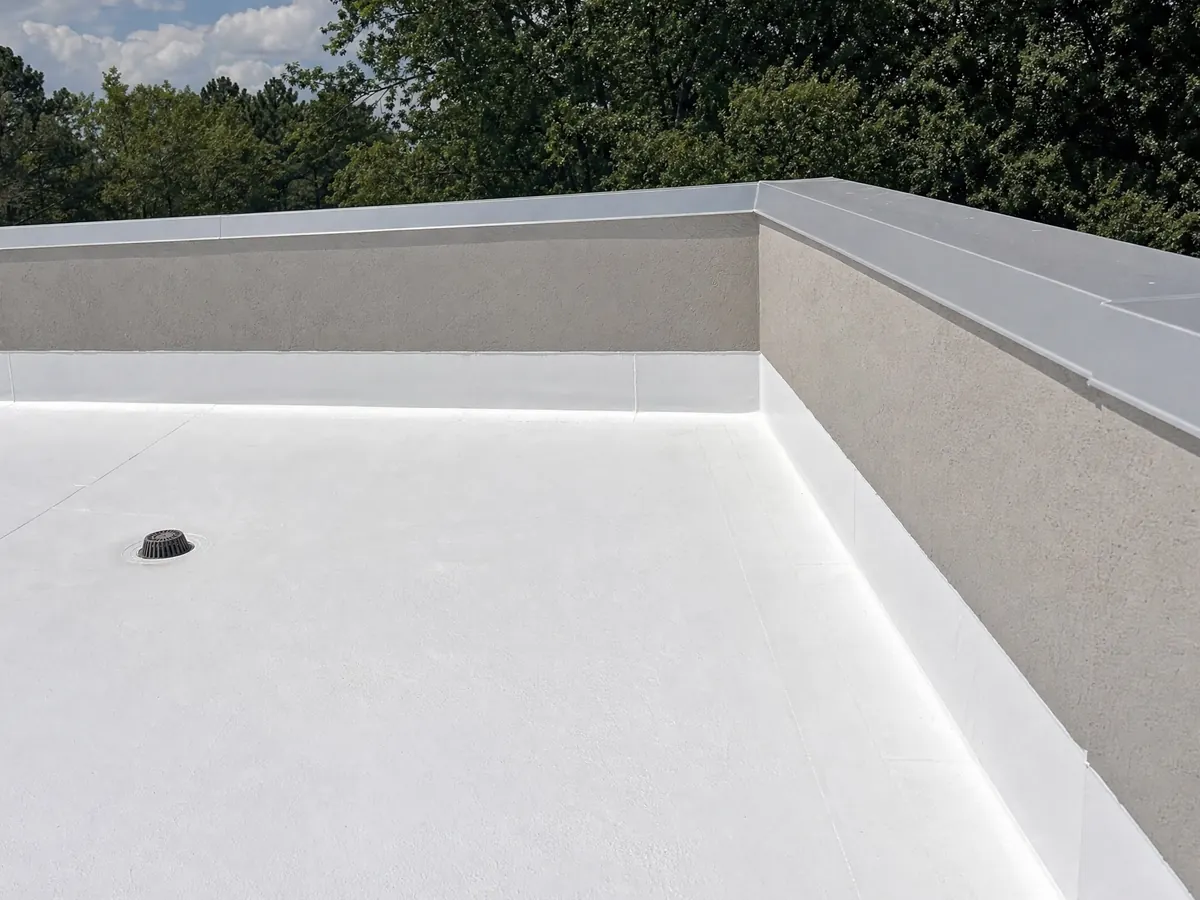
Roofing scenes tied to San Diego places such as La Jolla, Point Loma, Scripps Ranch and Rancho Bernardo, and to nearby communities like Coronado, National City, La Mesa and Poway, from tile repair to shingle tear-offs and hillside roofs.
Where these San Diego roof figures come from
Our roofing page lists every roofing price with its source and date. Roof work seldom travels alone, and the San Diego rules for the jobs around it are on the fencing page, the painting page and the kitchen remodeling page. For a city that sets roof class by the share of the roof replaced and by fire map, read the guide for Glendale, or see Chula Vista for the next city south.
| What it covers | Typical range |
|---|---|
| Asphalt shingle, typical single-family roof | $10,000 to $25,000 |
| Concrete or clay tile | $7 to $15 per sq ft |
| Metal | $7 to $16 per sq ft |
| Remodeling Cost vs. Value 2025, Los Angeles | Asphalt $36,417. metal $62,069. |
| Extras | Tear-off $1,000 to $3,000. solar detach and reset $500 to $1,000. |
San Diego roofing questions, answered
Does roof replacement need a permit in San Diego?
Not when the roof structure is untouched, because Municipal Code 129.0203(a)(16) exempts renewal of roof coverings. A permit is needed when framing, sheathing or decking is altered, when the new covering is heavier than 6 pounds per square foot, or when the house is a historical resource or in a historic district. Ask DSD about your scope.
What is the 25% rule for roofing?
In San Diego it is a Class A trigger: once more than 25 percent of a roof is replaced, altered or repaired in any 12-month period, the entire roof must be a Class A assembly. It also applies when an addition is over 25 percent of the original floor area. Other cities use different numbers, so check the local code.
Can I put a wood shake roof on my San Diego house?
No for new and replacement roofs. The City bans wood shakes and wood shingles, with one exception under California Historical Building Code section 8-408. The Municipal Code and Information Bulletin 123 cite different sections for that exception, so ask DSD which controls before you price shakes on a historic home.
What is a Class A roof in California?
It is the highest fire rating for a roof assembly, tested under ASTM E108 or UL 790. In San Diego every new roof and every replacement, alteration or repair must be Class A, and listed patio covers must be too. Ask the roofer for the listing of the whole assembly, not only the top layer.
Is my San Diego roof in a fire hazard zone?
Possibly, and we cannot say for your lot. The City adopted the State's 2025 map by Ordinance O-21992 with extra areas of its own, and KPBS reported the zones cover about two-thirds of the city. Check your parcel on the City's map. Class A applies either way, and the WUI Code adds rules in the zones.
How much should a 2000 sq ft roof cost?
Using Angi's Los Angeles per square foot figures on 2,000 square feet of roof area, asphalt runs about $8,000 to $24,000, tile $14,000 to $30,000 and metal $14,000 to $32,000, before tear-off and deck repair. Roof area is not floor area. We found no San Diego survey, so a measured, written proposal is the price.
Does a roof in San Diego's Coastal Overlay Zone need a coastal development permit?
Usually not for work on an existing house, since improvements to existing structures are exempt in most cases. The exemption fails within 50 feet of a coastal bluff edge, when 10 percent or more interior floor area is added, and for significant detached structures. Ask DSD to confirm the zone and the exemption for your parcel.
Do I need historic review to replace a roof on an older San Diego house?
Not for in-kind roof repair and replacement, which the historical resources code exempts from the 45 year survey. A designated historical resource or a house in an adopted historic district always needs a permit and review. If you change materials, ask DSD whether the work still counts as in kind.
What is the best time of year to replace a roof?
Late spring through early fall is driest. NOAA normals show about 7.31 of Lindbergh Field's 9.79 yearly inches falling from December through March, and only 0.01 inch in August. Inland sites run hotter, with 16.0 days at or above 90 F at Montgomery Field and 20.4 at Miramar, so ask the crew how it handles heat.
How do I check a roofing contractor's license in California?
Enter the license number on the Contractors State License Board site, confirm the C-39 roofing classification is active and match the name on the card to your contract. Our license guide shows each step, including what to ask a general contractor about the roofing subcontractor it hires.
Ask for a roof inspection in San Diego
Give us your neighborhood, the roofing material, an approximate house age and the spot where water shows up inside. We look at the Class A rule, the 25 percent trigger and any historic, coastal or canyon step before we ring you back.