
Roof Repairin El Cajon, CA
Roof repair in El Cajon starts with two local rules: wood shake and shingle roofs are banned citywide except for repairs of one roofing square or less, and a Very High fire hazard zone brings the state wildland code, which calls for at least a Class A covering. A re-roof almost certainly needs a permit.
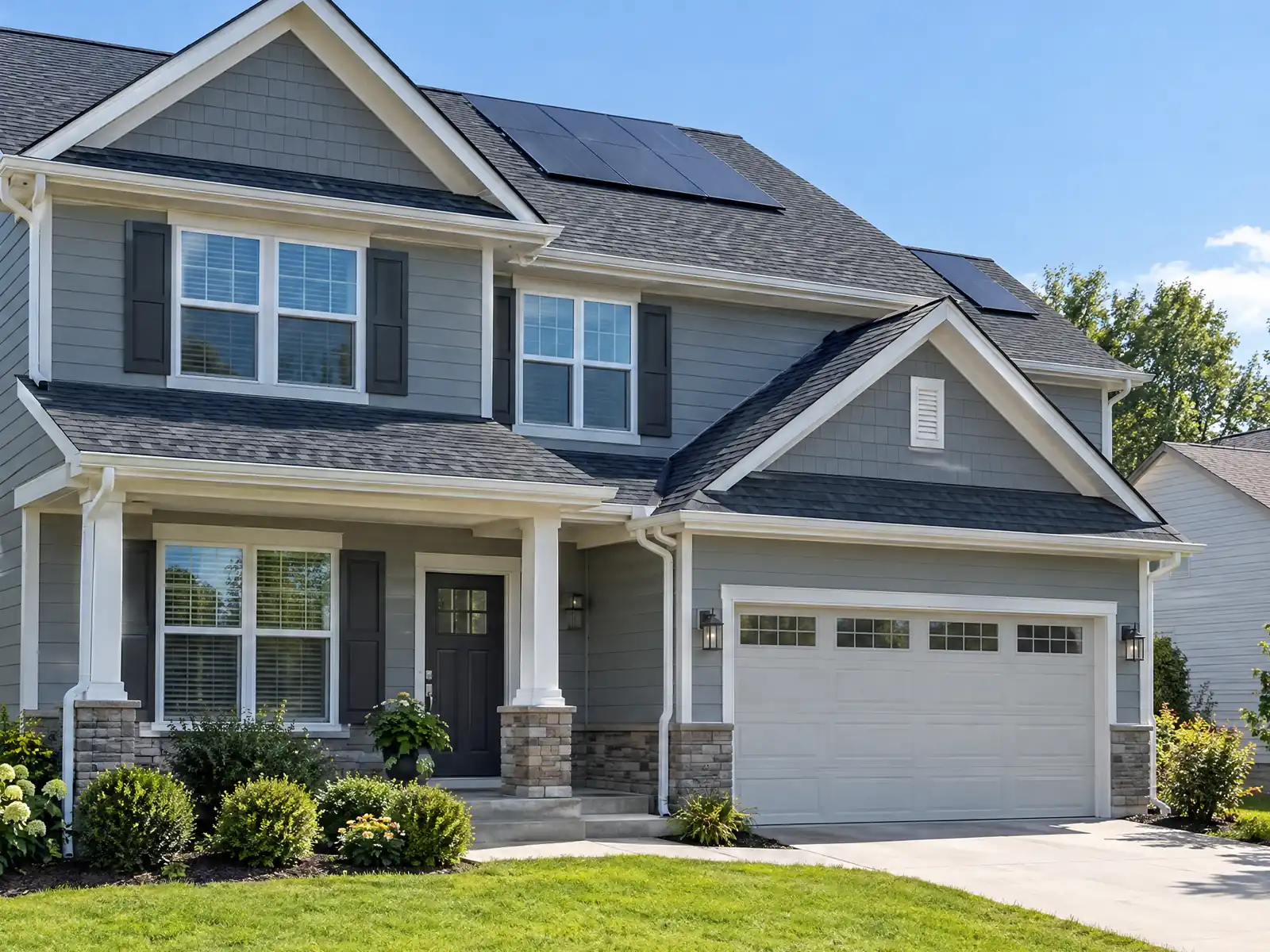
El Cajon's roofs belong to a city that grew almost all at once. Wikipedia, a third-party source, reports that Governor Pio Pico granted about 48,800 acres of the valley to Maria Antonio Estudillo in 1845, that Isaac Lankershim bought most of Rancho El Cajon in 1868, that about 25 families lived in the valley in 1878 and that the city incorporated on November 12, 1912, with grape, avocado and citrus farms dominant into the 1900s. Census counts then leap from 1,471 people in 1940 to 5,600 in 1950 and 37,618 in 1960. The Census Bureau's ACS 2024 one-year estimates count 33,340 housing units, 69.6 percent built before 1980 and 64 percent between 1950 and 1979, so most El Cajon roofs cover buildings roughly 45 to 75 years old.
On a roofing job, MDG Builders (CSLB #1040337) writes the scope, files the permit paperwork and keeps the calendar, while a licensed C-39 roofing subcontractor does the tear-off and installation. Our roofing page holds the sourced prices and the El Cajon overview lists every trade we manage here. The City's official code site and its web pages returned errors to our tools, so the code text below comes from GoCodebook, a third-party mirror that wraps the code in AI summaries. Read each rule as a pointer, check it against the official code and confirm it with the City's Building and Fire Safety Division. Bostonia and Fletcher Hills straddle the city line, so we write about El Cajon's Bostonia area, and unincorporated places such as Granite Hills answer to the County of San Diego.
What El Cajon's code and the state wildfire code say about roofs
Where roofing permits come from in El Cajon: City of El Cajon Community Development Department, Building and Fire Safety Division.
- On October 28, 2025 the City, by Ordinance 5167, designated Very High Fire Hazard Severity Zones and Wildland Urban Interface Areas on a map titled City of El Cajon Fire Hazard Severity Zones, dated March 25, 2025, under Government Code section 51179. The map is kept at the Fire Department Administrative Office and at the Building and Fire Safety Division in City Hall, and it replaces the City's earlier high fire hazard maps.
- Section 15.57.010 (Ordinance 5166, October 28, 2025) adopts the 2025 California Wildland-Urban Interface Code, which the City applies to Local Responsibility Areas designated Very High Fire Hazard Severity Zone. The printed section carries no local amendments, so the state text governs roofs, eaves and vents on those parcels.
- The 2025 California Wildland-Urban Interface Code section 507.1, as shown on a third-party code site, says an existing roof that is replaced, or that has 50 percent or more replaced in a 12 month period, must be brought to the new construction standard, and all roof covering applied in an addition, alteration or repair must be at least Class A. The text comes from a third-party code mirror, so confirm the wording with the Building and Fire Safety Division.
- Wood shake and shingle roofs are not permitted in El Cajon except for minor repairs no larger than one roofing square in area (Municipal Code 15.54.040, amending Residential Code R902.2, Ordinance 5093, 2019; section 15.04.080 says the same for non-residential buildings). The residential chapter lists no citywide Class A or Class B amendment, so outside the Very High zone the state roof classification rules apply.
- The 2025 California Wildland-Urban Interface Code requires the exposed underside of enclosed eaves and soffits to be protected with listed methods such as noncombustible or ignition-resistant materials (section 504.3), and the underside of open eaves to be made of listed materials (section 504.3.1). The appendix recommends noncombustible gutters and ember and flame resistant vents, or vent openings covered with 1/16 inch to 1/8 inch noncombustible mesh, but marks the appendix as informational and not for adoption.
- The state list of permit-exempt work (Residential Code R105.2, as excerpted by the City of Albany from the 2025 code) has no roofing item, and El Cajon's residential code chapter does not amend R105.2, so a re-roof falls under the general rule that alterations need a permit. The City's own re-roof handout could not be read, so confirm the re-roof process with the Building and Fire Safety Division.
- El Cajon's Chapter 15.92 gives small residential rooftop solar (10 kW AC or 30 kW thermal or less, on a single or duplex dwelling that stays within the Title 17 height limit) an expedited permit with electronic submittal, a standard plan and checklist, no homeowner association approval and one consolidated building inspection.
- The California Energy Commission's 2022 single-family cool roof fact sheet says the prescriptive cool roof requirement applies to alterations where more than 50 percent of the roof is replaced and that rated products carry a Cool Roof Rating Council label. The 2025 Energy Code took effect after that sheet, and the climate zone values for El Cajon were not confirmed, so ask the Division for current values.
Sources for these rules
- gocodebook.com: chapter 15.86 fire hazard severity zones
- gocodebook.com: chapter 15.57 california wildland urban interface code
- gocodebook.com: roof assemblies coverings
- gocodebook.com: chapter 15.54 california residential code
- gocodebook.com: eaves soffits gutters vents
- albanyca.gov: work exempt from permit 2025 cbc
- gocodebook.com: chapter 15.92 expedited processing of permitting for small r
- energy.ca.gov: 2022 Res SF Cool Roof ada

Can I repair a wood shake roof in El Cajon, or does it have to be replaced?
Only a small repair is allowed. El Cajon bars wood shake and shingle roofs citywide, and the one exception is a minor repair no larger than one roofing square, which is 100 square feet of roof (Municipal Code 15.54.040, amending Residential Code R902.2; section 15.04.080 repeats the ban for non-residential buildings). The amendment dates from Ordinance 5093 in 2019, and the residential chapter lists no citywide Class A or Class B amendment, so outside the Very High zone the state classification rules apply.
That turns the first question on an old shake roof into a measuring job: is the damage one square or a whole slope? Past one square the work becomes a replacement with another material, and the proposal should name the new covering, the underlayment and what happens to any bad deck boards. We found no El Cajon count of shake roofs, so we print no estimate of how many remain.
Ask the roofer to measure the damaged area in squares and write it on the proposal.
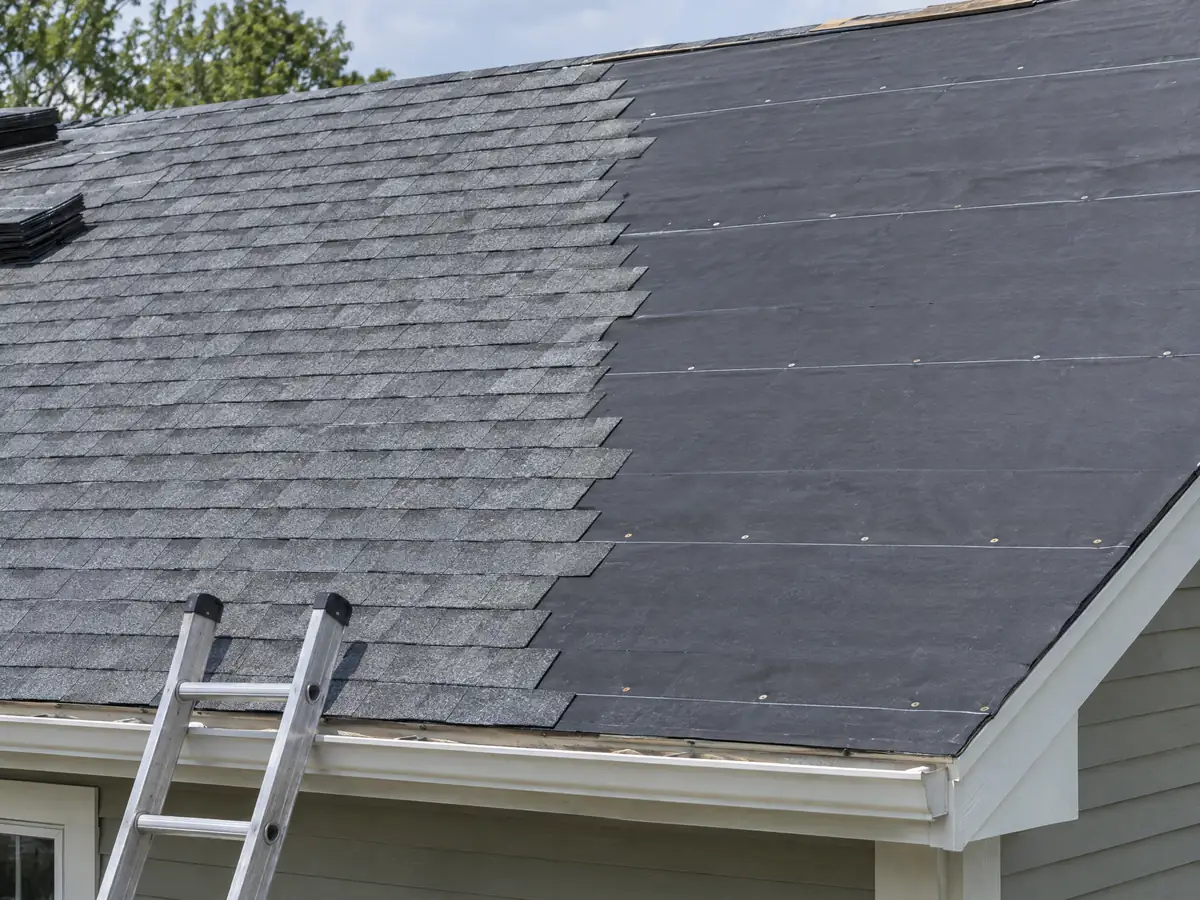
Is my El Cajon roof in a Very High fire hazard zone, and what does Class A mean?
We cannot say for your street. What we read is the law behind the map: by Ordinance 5167 on October 28, 2025, the City designated Very High Fire Hazard Severity Zones and Wildland Urban Interface Areas on a map dated March 25, 2025, kept at the Fire Department Administrative Office and the Building and Fire Safety Division, and by Ordinance 5166 it applies the 2025 California Wildland-Urban Interface Code to Local Responsibility Areas designated Very High. We could not confirm whether High or Moderate tiers exist locally or which parcels are mapped, so ask the Division by address before a covering is chosen.
Inside a Very High zone the state code does the work. Section 507.1 of the 2025 Wildland-Urban Interface Code, as shown on a third-party site, says a roof that is replaced, or that has 50 percent or more replaced in a 12 month period, must meet the new construction standard, and any covering applied in an addition, alteration or repair must be at least Class A. Class A is the top fire rating for a roof assembly, tested to ASTM E108 or UL 790, so ask for the product listing for the whole assembly, not only the shingle.
Put the parcel's zone answer and the roof class on the written proposal.
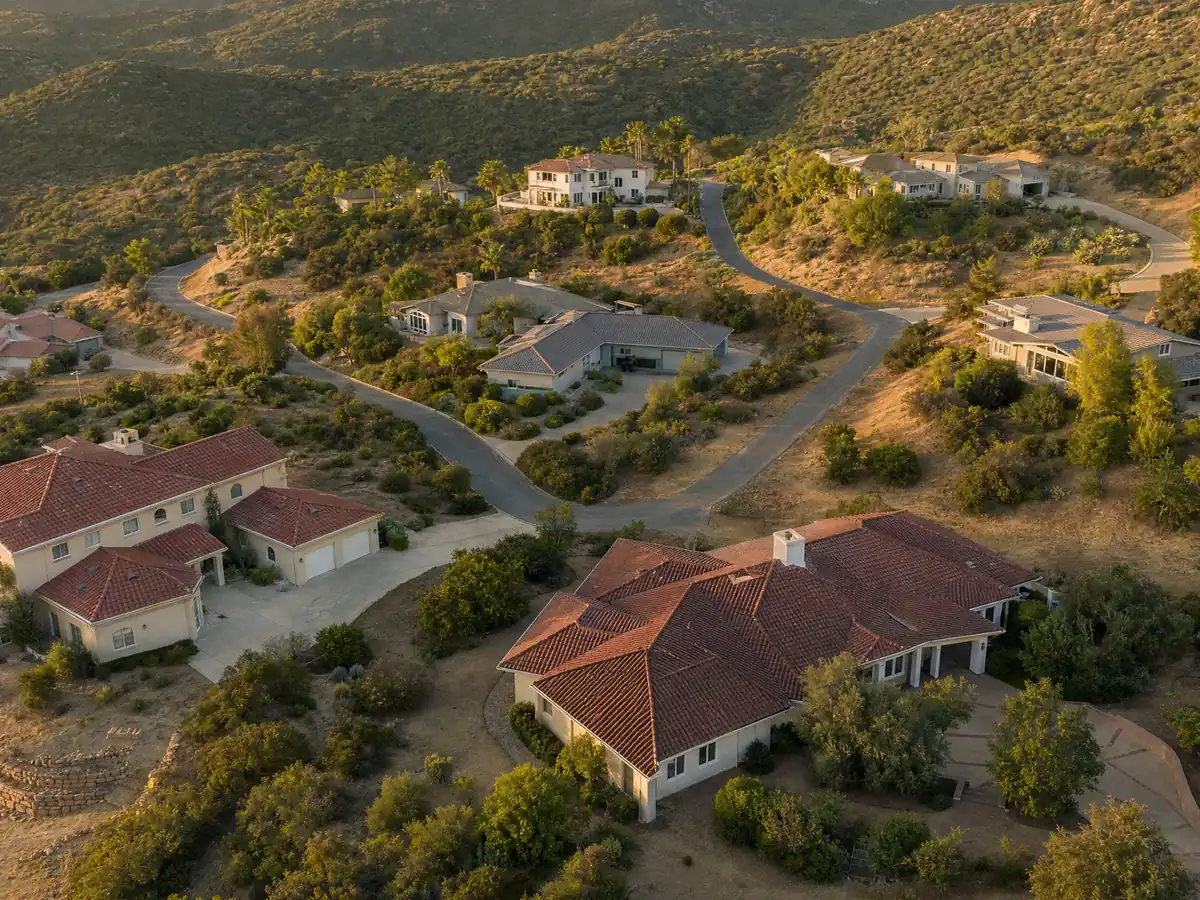
Does a re-roof need a building permit in El Cajon, and who do I ask?
Almost certainly, though we could not read the City's re-roof handout. The state list of permit-exempt work in Residential Code R105.2, as excerpted by the City of Albany from the 2025 code, has no roofing item, and El Cajon's residential chapter does not amend R105.2, so a re-roof falls under the general rule that alterations need a permit. Fire questions go to Heartland Fire & Rescue, the joint agency of El Cajon, La Mesa and Lemon Grove that has run fire service since January 1, 2010, so a hillside job can involve two counters.
Several details we saw only in search snippets stay off this page, including permit times, application portals, validity periods and any rule that sends heavy tile roofs to engineering. Ask the Division about each, and ask who files the application. A permit also keeps the job clear of the state's $1,000 limit on unlicensed minor work, which does not apply when a permit is needed or the unlicensed person hires any worker (AB 2622, CSLB bulletin 24-07).
Ask for the permit number before the dumpster arrives.
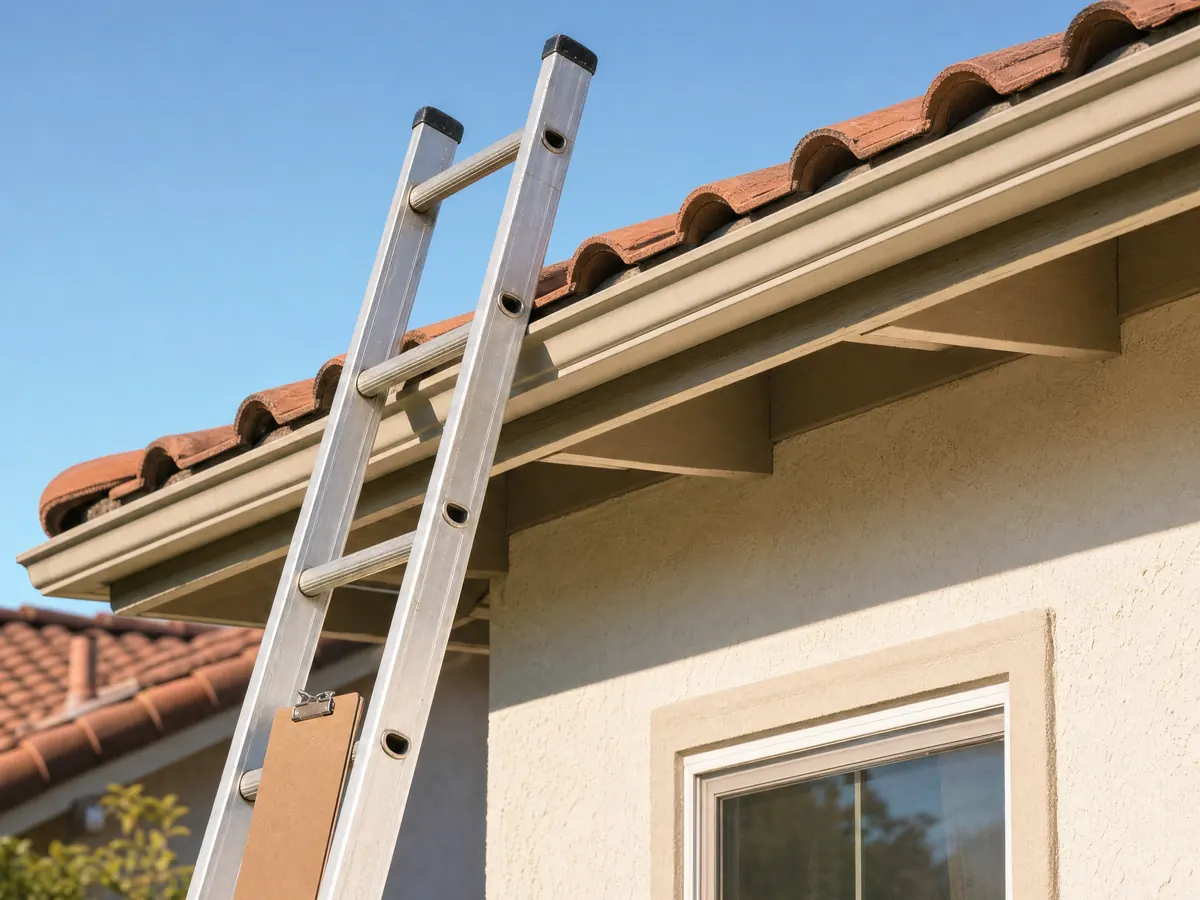
How does El Cajon's heat age a 1960s or 1970s roof, and is repair enough?
The valley floor is hot and dry. NOAA's 1991 to 2020 normals for the El Cajon station show 56.8 days a year at or above 90 F, 6.9 at or above 100 F, August highs averaging 88.6 F and only 0.18 inch of rain in July and August together, so sun does most of the aging. Rain comes late: 8.68 of the year's 11.63 inches fall from December through March. The station sits on the valley floor, so hillside neighborhoods can differ.
Age decides what a repair can do. About a third of the city's homes, 32.9 percent, date from the 1970s and another 15.7 percent from the 1960s, and we found no El Cajon roof survey or sourced roof lifespan, so we print no years. Condition decides. Damage in one spot over a sound deck points to repair, while failure across whole slopes, leaks that keep moving or deck boards that flex underfoot point to replacement. Chapter 15.16 of the Municipal Code lists dry rot as a substandard condition, one more reason not to let a slow leak run.
- Stains or damp insulation under the deck
- Curling, cracked or missing shingles, or slipped tile
- Flashing that has failed at chimneys, walls and vents
- Soft or sagging deck boards
Have any deck repair priced per sheet on its own line.
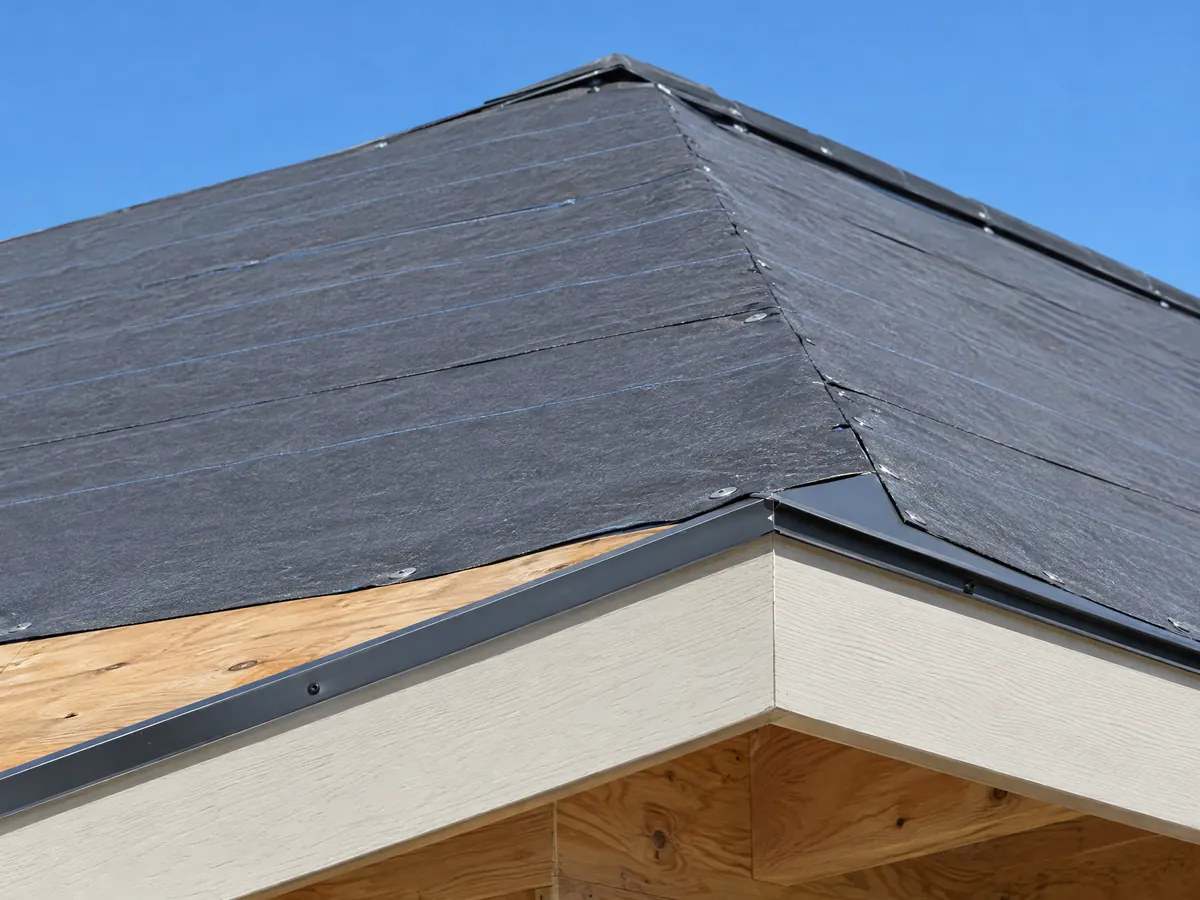
Can I add solar to a new El Cajon roof, and does the roof need to be cool rated?
Time the two together if you can. Chapter 15.92 gives small residential rooftop solar, up to 10 kW AC or 30 kW thermal on a single or duplex dwelling that stays within the Title 17 height limit, an expedited permit with electronic submittal, a standard plan and checklist, no homeowner association approval and one consolidated building inspection. Angi's Los Angeles guide, updated July 31, 2026, prices removing and reinstalling existing panels at $500 to $1,000, so a reroof under panels carries a cost line of its own.
The energy rules need a question to the counter. The California Energy Commission's 2022 single-family fact sheet says the prescriptive cool roof requirement applies to alterations where more than 50 percent of the roof is replaced and that rated products carry a Cool Roof Rating Council label. The 2025 Energy Code took effect after that sheet and we could not confirm El Cajon's climate zone values, so ask the Division for current numbers before shingle colors are picked.
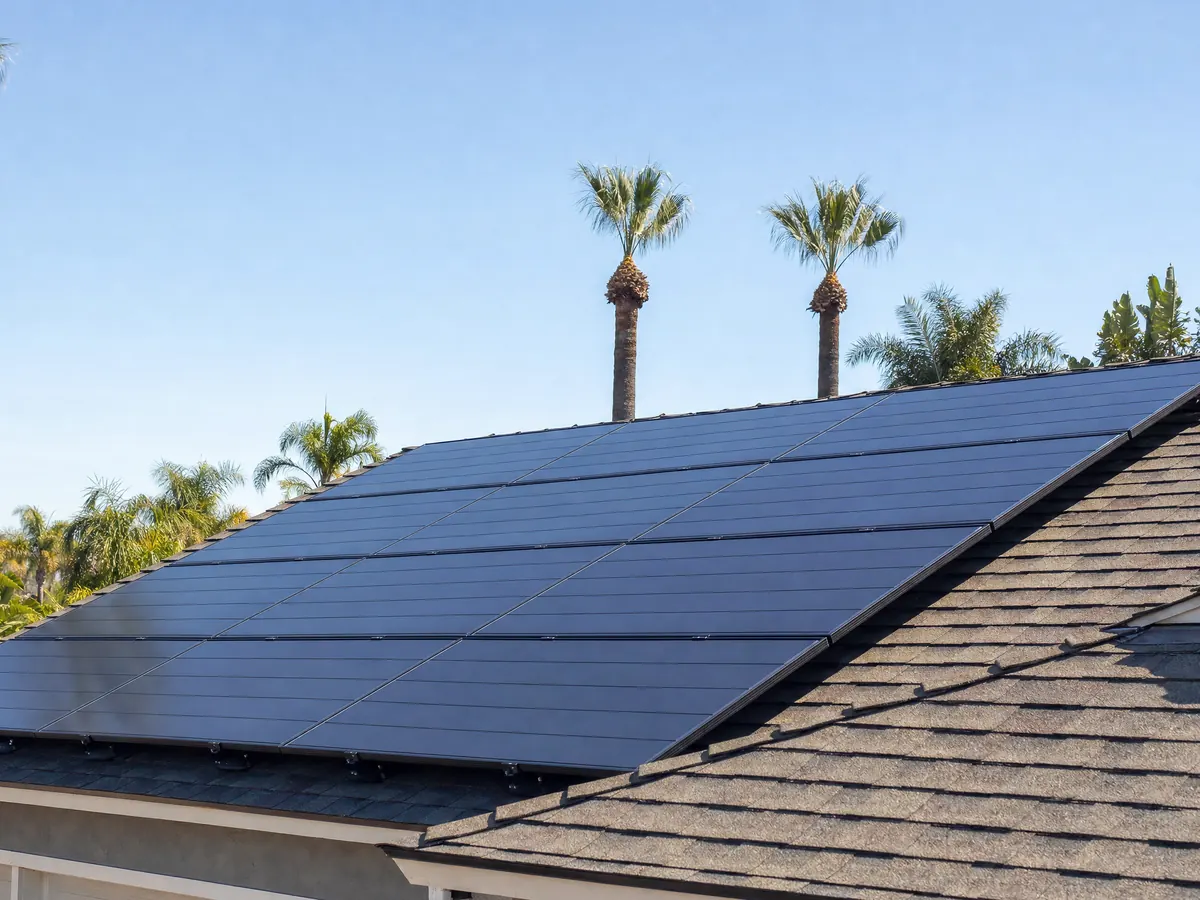
What do eaves, soffits, gutters and vents have to do with a roof job in El Cajon?
In a Very High zone, a good deal. The 2025 Wildland-Urban Interface Code requires the exposed underside of enclosed eaves and soffits to be protected with listed methods such as noncombustible or ignition-resistant materials (section 504.3) and the underside of open eaves to be made of listed materials (section 504.3.1). Gutters and vents appear in an appendix that recommends noncombustible gutters and ember and flame resistant vents, or vent openings covered with 1/16 inch to 1/8 inch noncombustible mesh, but the appendix is marked informational and not for adoption.
We did not get the text of the valley, gutter and vent sections of the adopted chapter, so we state no requirement for them. A roof job is the cheapest moment to settle the question, because rotted fascia, wavy gutters and open attic vents are all visible once the old covering is off. Ask the proposal to price eave and soffit work, vents and gutters as separate lines, with a note on whether the parcel is mapped.
Ask who confirms the vent product with the plan checker before it is ordered.
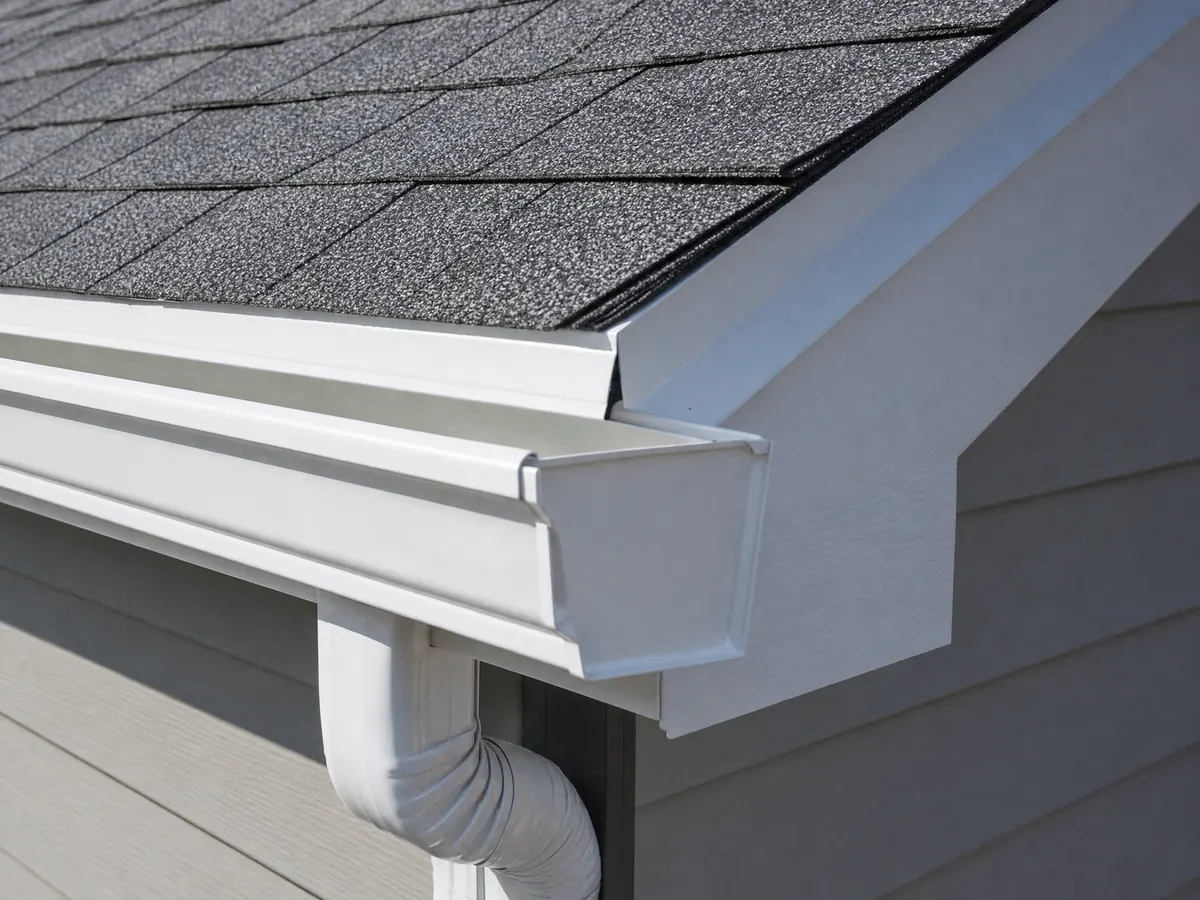
How much does roof repair or roof replacement cost in El Cajon, and how do I hire a roofer?
We found no El Cajon price survey, so these are Los Angeles numbers and a San Diego County proposal will differ. Angi's Los Angeles page, updated July 31, 2026, averages $17,271 for a replacement, with a typical range of $10,256 to $24,963 and about $8.60 a square foot, and it lists asphalt at $4 to $12 a square foot, tile at $7 to $15, metal at $7 to $16 and tear-off at $1,000 to $3,000. Remodeling magazine's Cost vs. Value 2025 report prices a reference Los Angeles asphalt roof at $36,417 and metal at $62,069 on a roof size it does not publish, which is why it runs about double Angi. We plan around $10,000 to $25,000 for a typical asphalt roof, $15,000 to $37,000 for tile and from about $20,000 for metal, and a repair costs far less than any of these.
A roof is CSLB class C-39. Business and Professions Code 7159 calls for a signed written contract, a down payment of no more than $1,000 or 10 percent of the price, whichever is less, and payments that follow finished work. Look up any license on the CSLB site using our contractor license guide, and read how general contractors use subcontractors to see who answers for what.
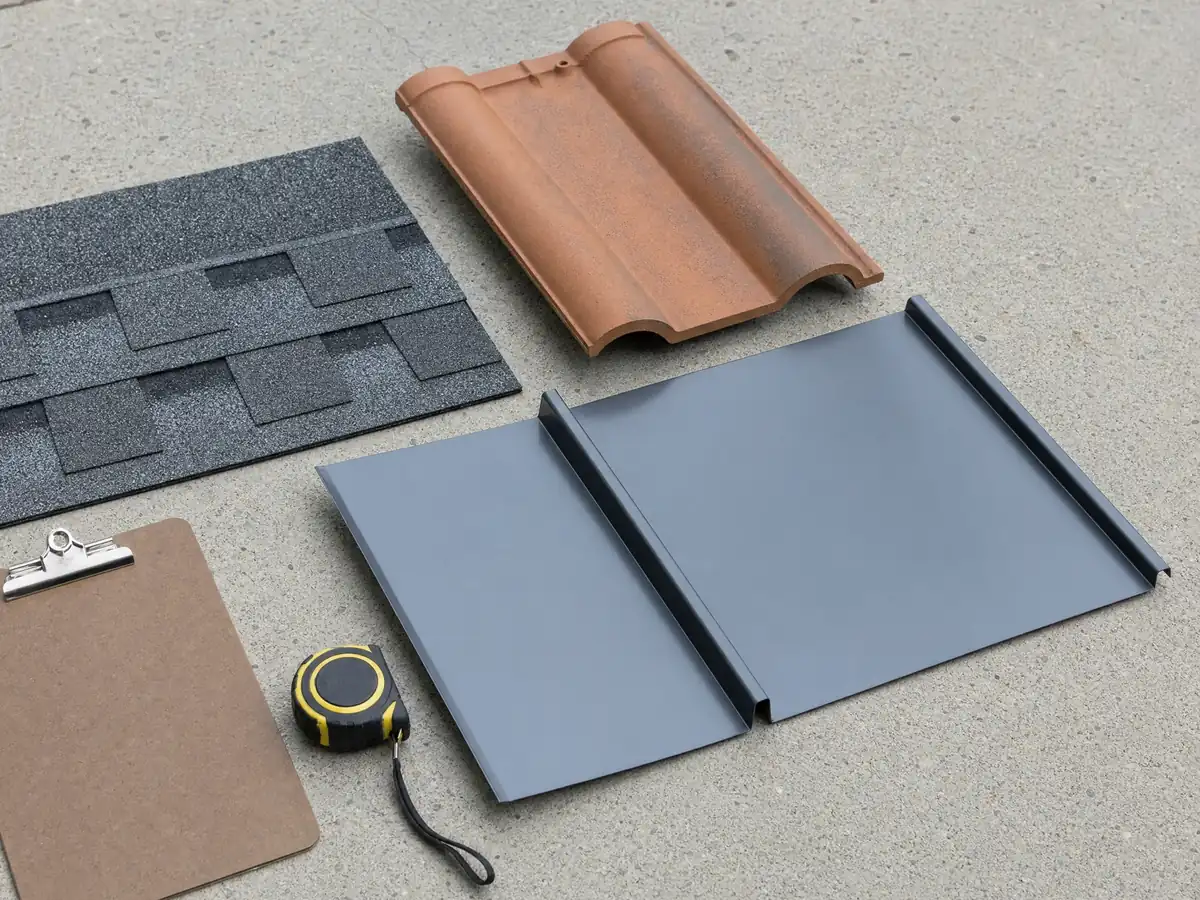
Roofing photos from El Cajon and nearby communities
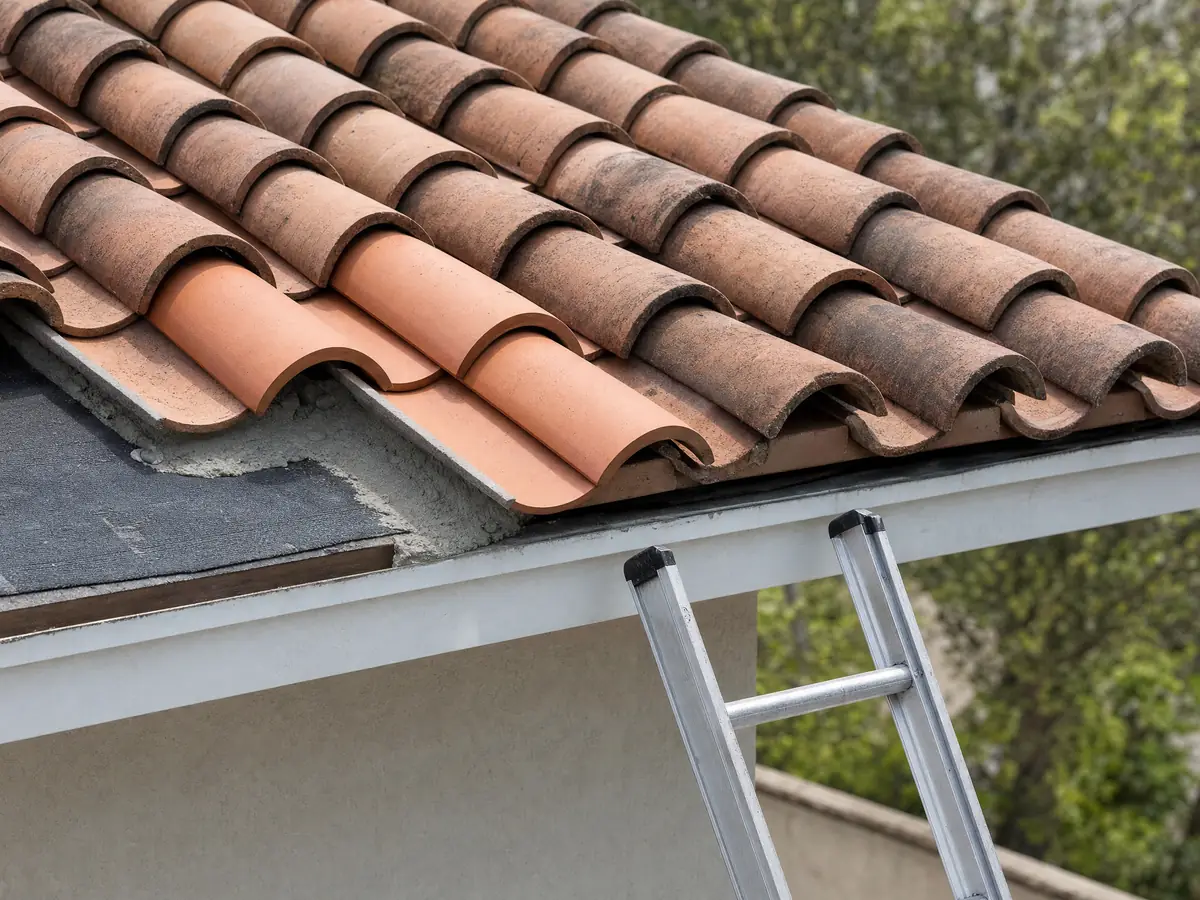
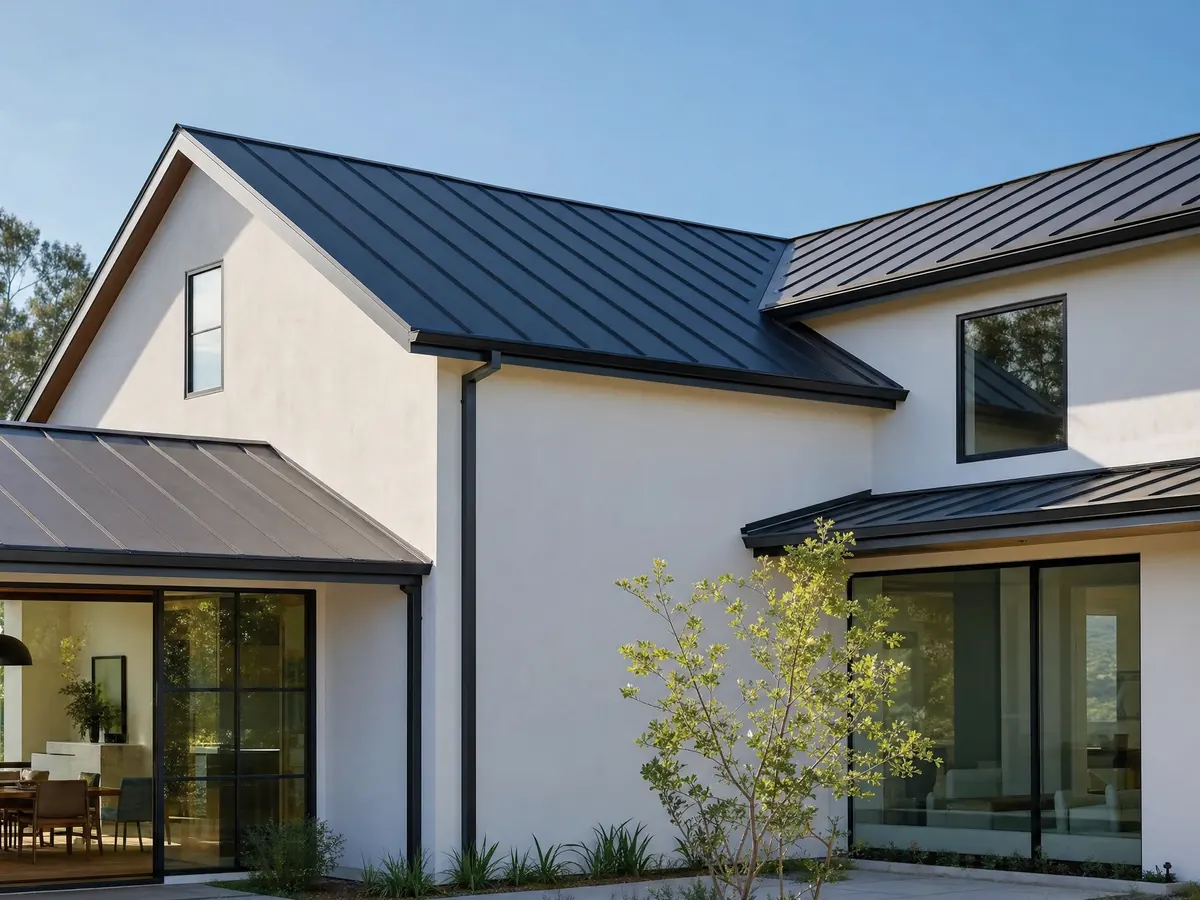
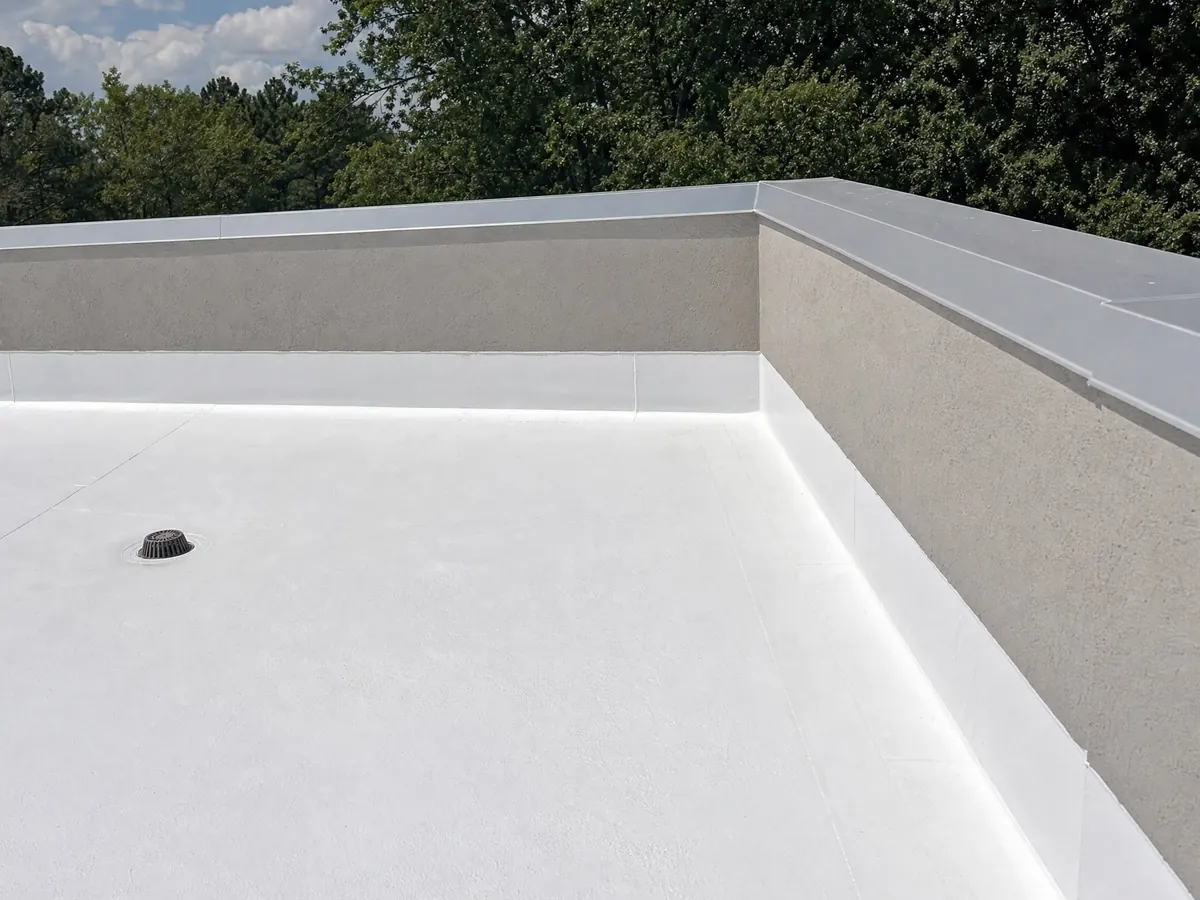
Roofing scenes tied to El Cajon places such as Downtown El Cajon, Hillsdale and Cajon Heights, and to nearby communities such as La Mesa and Santee, from shingle tear-offs and tile flashing to hillside roofs.
Where these El Cajon roof figures come from
Each roofing price and its source sits in the table on our roofing page, and the California roofing cost guide explains why two surveys can land far apart. Roof work often leads to other jobs, and the El Cajon rules for them are on the fencing page, the painting page and the kitchen remodeling page. Cities that handle roof fire classes differently make a useful comparison, so read the guides for Glendale, Irvine and Dana Point.
| What it covers | Typical range |
|---|---|
| Asphalt shingle, typical single-family roof | $10,000 to $25,000 |
| Concrete or clay tile | $7 to $15 per sq ft |
| Metal | $7 to $16 per sq ft |
| Remodeling Cost vs. Value 2025, Los Angeles | Asphalt $36,417. metal $62,069. |
| Extras | Tear-off $1,000 to $3,000. solar detach and reset $500 to $1,000. |
El Cajon roofing questions, answered
Do I need a permit to replace my roof in El Cajon?
Almost certainly, though we could not read the City's re-roof handout. The state exempt list has no roofing item and El Cajon does not amend it, so a re-roof falls under the general permit rule. Ask Building and Fire Safety about your exact scope, and ask for the permit number before work starts.
Are wood shake roofs allowed in El Cajon?
Not for new work. Municipal Code 15.54.040 bars wood shake and shingle roofs citywide, with one exception for minor repairs of one roofing square or less. Past that size the job is a replacement in another material, and inside a Very High fire zone the new covering must be at least Class A under the state wildland code.
What is a Class A roof?
The top fire rating a roof assembly can earn is Class A, measured by ASTM E108 or UL 790 testing. In El Cajon the rating matters most inside a Very High fire zone, where the state wildland code calls for at least a Class A covering on replacements and repairs. Ask the roofer for the listing for the full assembly.
Is my roof in a fire hazard zone in El Cajon?
Possibly, and we cannot say for your lot. The City adopted a Very High and Wildland Urban Interface map dated March 25, 2025 through Ordinance 5167, but we could not read parcel boundaries or confirm any High or Moderate tiers. Ask Building and Fire Safety, and put the answer in your contract.
How much does it cost to replace a roof in El Cajon?
Price it by roof area, not house size. We found no El Cajon survey, so use Los Angeles figures: Angi shows asphalt at $4 to $12 a square foot, tile at $7 to $15 and metal at $7 to $16, with a Los Angeles average of $17,271. A measured written proposal is the real price.
What is the 25% rule for roofing?
We found no El Cajon or state code section by that name, and the sites that quote it rarely cite one. The percentage that does appear in the wildland code is 50: a roof with 50 percent or more replaced in 12 months must meet the new construction standard in a Very High zone. Ask the Division how it counts partial repairs.
Can you stay in your house while the roof is being replaced?
Usually yes, since the work is on the roof, though it is loud and the attic can get dusty. We read no El Cajon construction noise limit, so ask the roofer for daily start and finish times, which days the crew will be on site and how cars, pets and patio furniture are protected.
What is the best time of year to replace a roof?
The dry months, with a heat check. NOAA normals for the El Cajon station show 8.68 of the year's 11.63 inches of rain from December through March and only 0.18 inch in July and August. August highs average 88.6 F, so ask how the crew schedules around the afternoon sun.
How do I check a roofing contractor's license in California?
Search the license number on the CSLB site, confirm that C-39 roofing is listed and active, and make sure the name on the card matches the contract. Our contractor license guide shows each step, and it also lists what to ask a general contractor about the roofer it hires.
Does solar change a roof replacement in El Cajon?
Yes, in cost and paperwork. Panels often have to come off and go back on, which Angi's Los Angeles guide prices at $500 to $1,000, and El Cajon's Chapter 15.92 gives small rooftop systems an expedited permit with electronic submittal. Ask the roofer to schedule the roof and the solar contractor together.
Ask for a roof inspection in El Cajon
Tell us the street, the year the house was built, the roof material and where it leaks. We look up the fire zone question and the permit path before we call you back.