
Flooring Installationin El Cajon, CA
Flooring installation in El Cajon starts with what lies under the old floor: about 70 percent of the city's homes predate 1980, so vinyl, mastic and paint need testing before anything is torn out. Replacing floor covering is exempt on the state model list, but the City's own text was not confirmed, so ask Building and Fire Safety.

El Cajon grew from a stop on the road between San Diego and Julian. Amaziah Lord Knox opened a hotel for travelers there in 1876, about 25 families lived in the valley by 1878, and the railway arrived in the 1880s. The floors most people walk on today came much later. Census counts show 5,600 residents in 1950 and 37,618 in 1960, and the 2024 estimates say 21,386 of the city's 33,340 homes (64 percent) date from 1950 to 1979, so most floors here are 45 to 75 years old and have usually been covered at least once.
MDG Builders, CSLB #1040337, is a Tarzana general contractor that writes the scope, takes the permit questions to the City's Building and Fire Safety Division and books the trades, while a licensed flooring or tile subcontractor lays the floor. Prices and materials are on the flooring page, and the El Cajon overview lists the other trades we manage in town.
What El Cajon's Building and Fire Safety Division, Municipal Code and state rules say about flooring work
Where flooring permits come from in El Cajon: City of El Cajon Community Development Department, Building and Fire Safety Division.
- The state exempt list (Residential Code R105.2, as excerpted by the City of Albany) covers tiling, carpeting and similar finish work, so replacing floor covering is exempt from a building permit under the state list, which El Cajon's residential code chapter does not amend.
- El Cajon requires the enclosed two-car garage of a single-family home in the RS zones to keep minimum unobstructed interior dimensions of 20 feet by 20 feet, and covered parking spaces must be 10 feet by 20 feet with nothing encroaching, including workbenches, laundry and water heaters (Table 17.185.170 note 1 and section 17.185.030.B), so a garage floor coating or new slab should not change those dimensions.
- CSLB defines the C-15 Flooring and Floor Covering classification as preparing any surface for installing carpet, rolled resilient covering, resilient tile, timber floors and other flooring and finishing and repairing them, excluding ceramic tile.
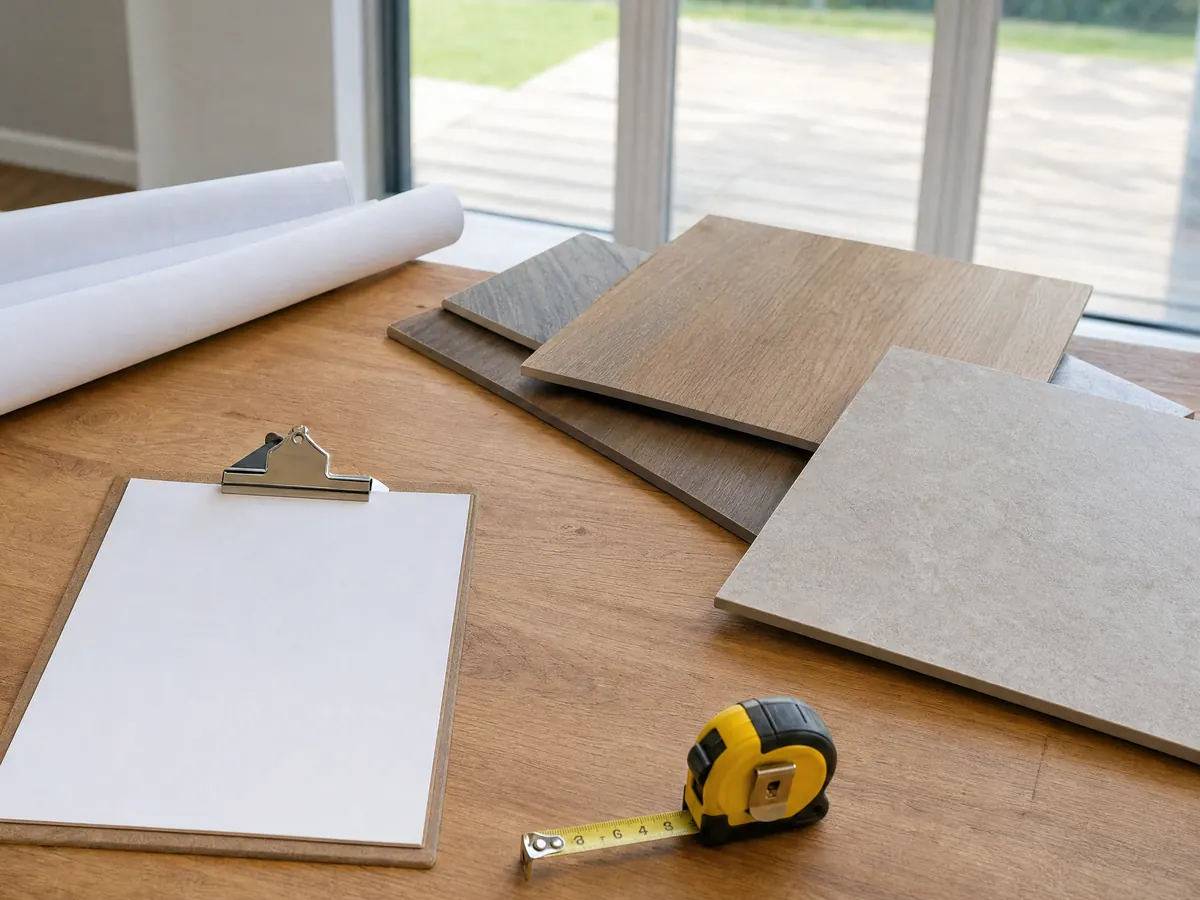
Who decides on new flooring in an El Cajon rental or condo, and can the City cite a damaged floor?
The owner decides, and in El Cajon the owner is often a landlord. The 2024 Census estimates count 17,770 renter households among 31,991 occupied homes (55.5 percent), and 12,774 units, 38.3 percent of the housing stock, sit in buildings of five or more units. Many floor jobs therefore begin with a property manager or a board. A tenant needs written consent before anything is ordered, and a condominium association's documents govern hard floors above a neighbor; Civil Code section 4765 sets how a board must handle a change request.
The City has a say over condition as well. Chapter 15.16 of the Municipal Code lists dry rot, warping and termite infestation among the marks of substandard property. If violations the City has found are not fixed within six months, section 15.16.200 has the building official send a certified notice of noncompliance, gives the owner ten days to appeal in writing to the city clerk and passes an unappealed notice to the State Franchise Tax Board. We read that chapter through a third-party code mirror's summary, so get the exact text from the City.
A floor that has gone soft beside a tub or a water heater is a repair question before it is a finish question. Ask that framing or subfloor repair appear on its own line in the proposal, with a unit price and a statement of who pays.

Is there asbestos or lead paint under old flooring in an El Cajon house built before 1980?
Possibly, and only a lab result settles it. The 2024 estimates put 23,194 of El Cajon's units (69.6 percent) before 1980, and 10,965 of them (32.9 percent) were built in the 1970s alone, so a house or apartment may hold vinyl tile, sheet goods and black mastic from the years when those products were common. OSHA's construction asbestos rule treats asphalt and vinyl flooring installed no later than 1980 as asbestos-containing until a test shows otherwise, which is why a careful crew does not dry sand, rip up or scrape it.
Lead is the second question, and its age line is different. The Census table cannot separate 1978 and 1979 from the rest of the 1970s, so before 1980 is not the same as the before 1978 cutoff in EPA's Renovation, Repair and Painting rule. That rule covers paid work that disturbs paint in older housing, sole proprietors included, and baseboards or door casings pulled for a new floor count. A 1960s ranch can raise both questions before lunch.
Ask for the lab result in writing before a start date is set, and have the proposal name who removes a layer that tests positive and who pays for it.
- Was the old tile and mastic sampled by a lab?
- Who removes a layer that tests positive?
- Is the crew certified for lead-safe work on trim?
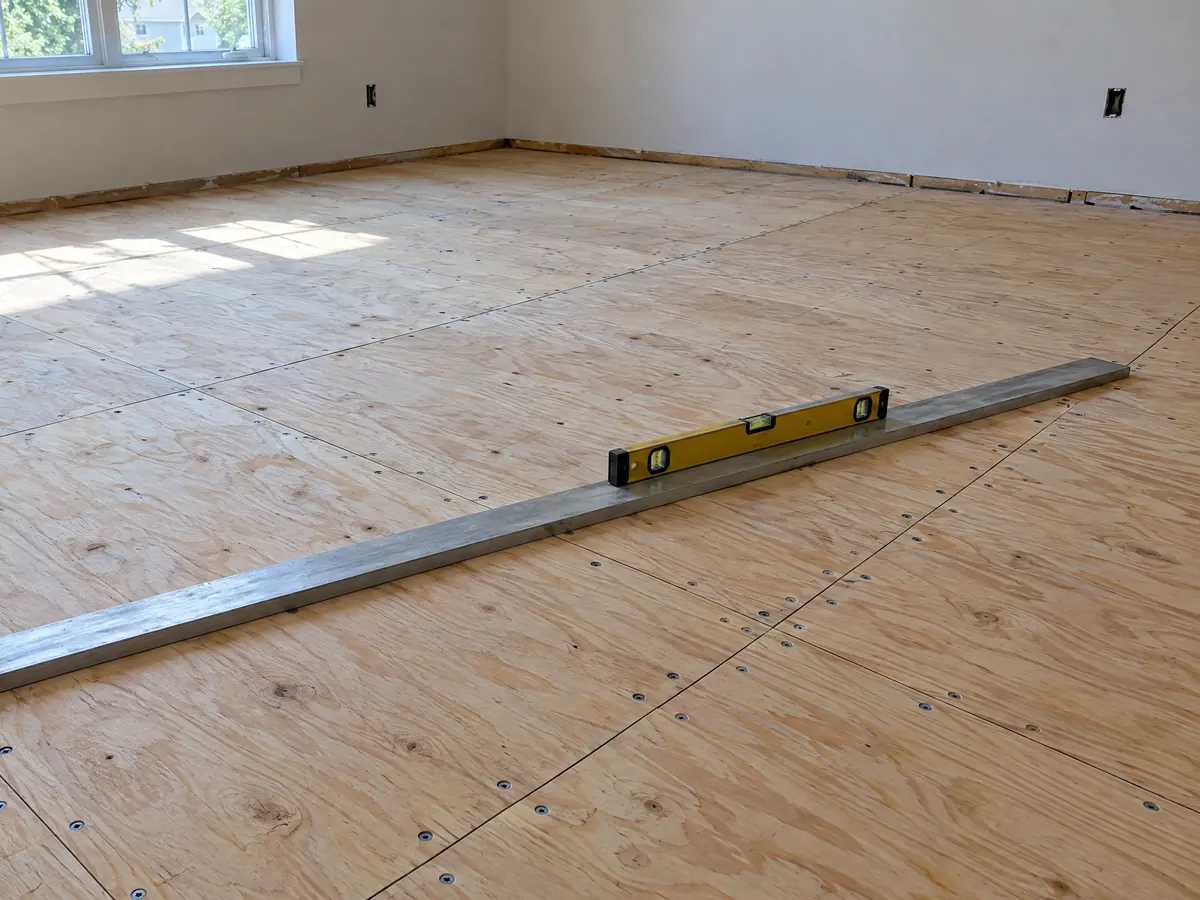
Why does moisture come up through a slab in El Cajon, and does a flood zone change the job?
Vapor rises from the ground beneath a concrete slab whether or not it has rained. NOAA's 1991 to 2020 normals for the El Cajon station record 11.63 inches a year, 8.68 of them from December through March, and only 0.16 inch in July and 0.02 inch in August. A slab can still read wet in the dry months, because irrigation, planters and downspouts feed the soil beside it. ASTM F2170 reads relative humidity in probes drilled into the slab, and calcium chloride dish tests are the older alternative. Neither sets a pass mark, so ask for the readings written next to the limit the flooring or adhesive maker publishes.
That station sits on the valley floor about 1.9 miles east of the city center, so lots on the hillsides may behave differently. We found no El Cajon soil map, so we say nothing about the ground under a given street; the original grading plan or a probe test is a better guide.
Flood status changes the paperwork. In a special flood hazard area, Chapter 15.14 requires a development permit before construction, and work costing 50 percent or more of the structure's market value counts as a substantial improvement. The ordinance rests on a preliminary Flood Insurance Study dated January 19, 2001 and was amended on March 10, 2026, so ask the City for the current FEMA map before assuming a lot is in or out.
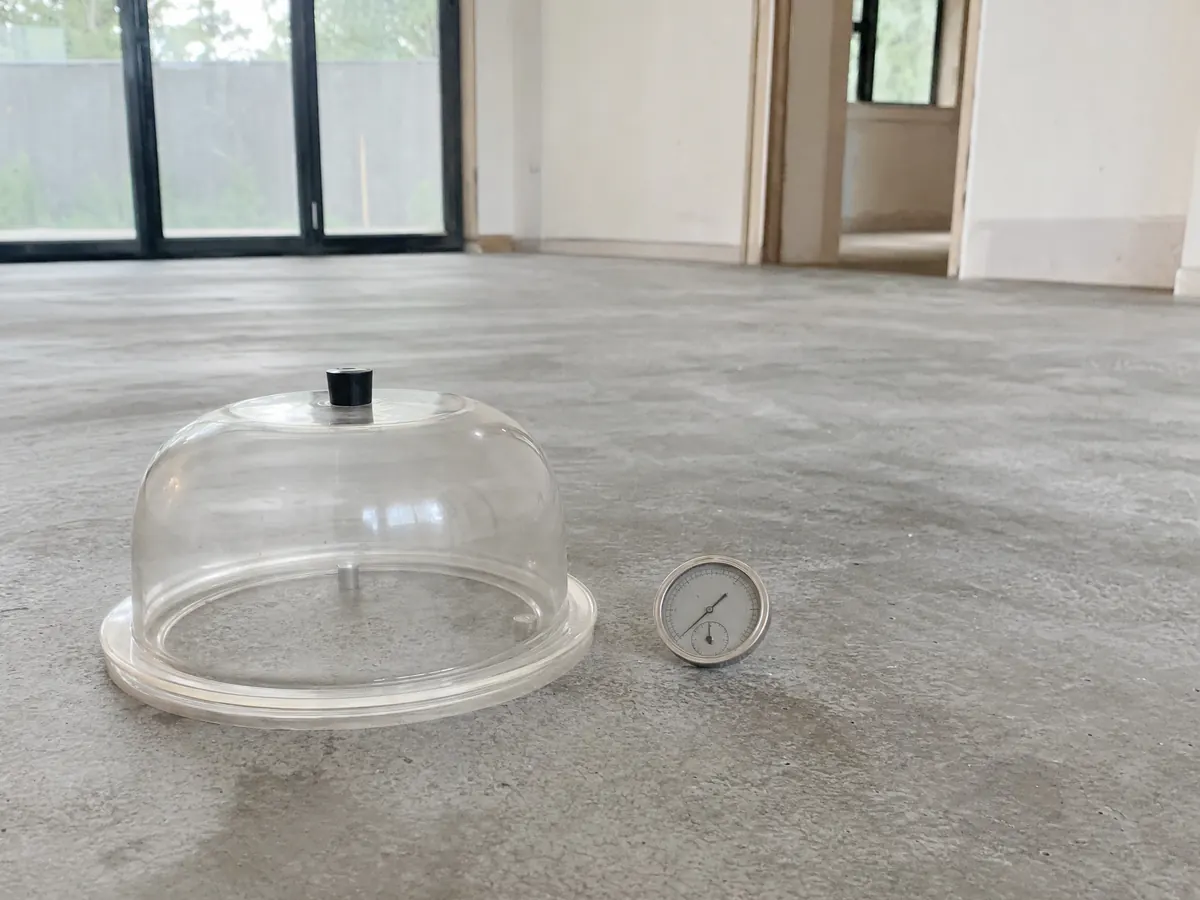
Do you need a permit to replace flooring in El Cajon?
For floor covering alone, probably not. Section R105.2 of the 2025 California Residential Code, the state model list, exempts tiling, carpeting, cabinets, counter tops and similar finish work, and El Cajon's residential chapter amends only appeals, the climatic design table and a wood shake roof ban, per a third-party mirror of the Municipal Code. We read the list in another city's copy and the City's own permit pages blocked our tools, so confirm with the Building and Fire Safety Division before treating it as settled.
Opening the floor changes the answer. Replacing joists or structural subfloor, moving a drain or adding a circuit while the boards are up falls under the building, plumbing or electrical rules. Chapter 15.24 requires an electrical permit to install or alter wiring and exempts only minor repairs such as switches, fuses, lamp sockets and receptacles. The plumbing chapter adopts the 2025 California Plumbing Code with fees set by council resolution, and the state list counts a replaced concealed pipe as new work needing a permit and inspection.
We print no permit fee or review time, because we found no City source for either.
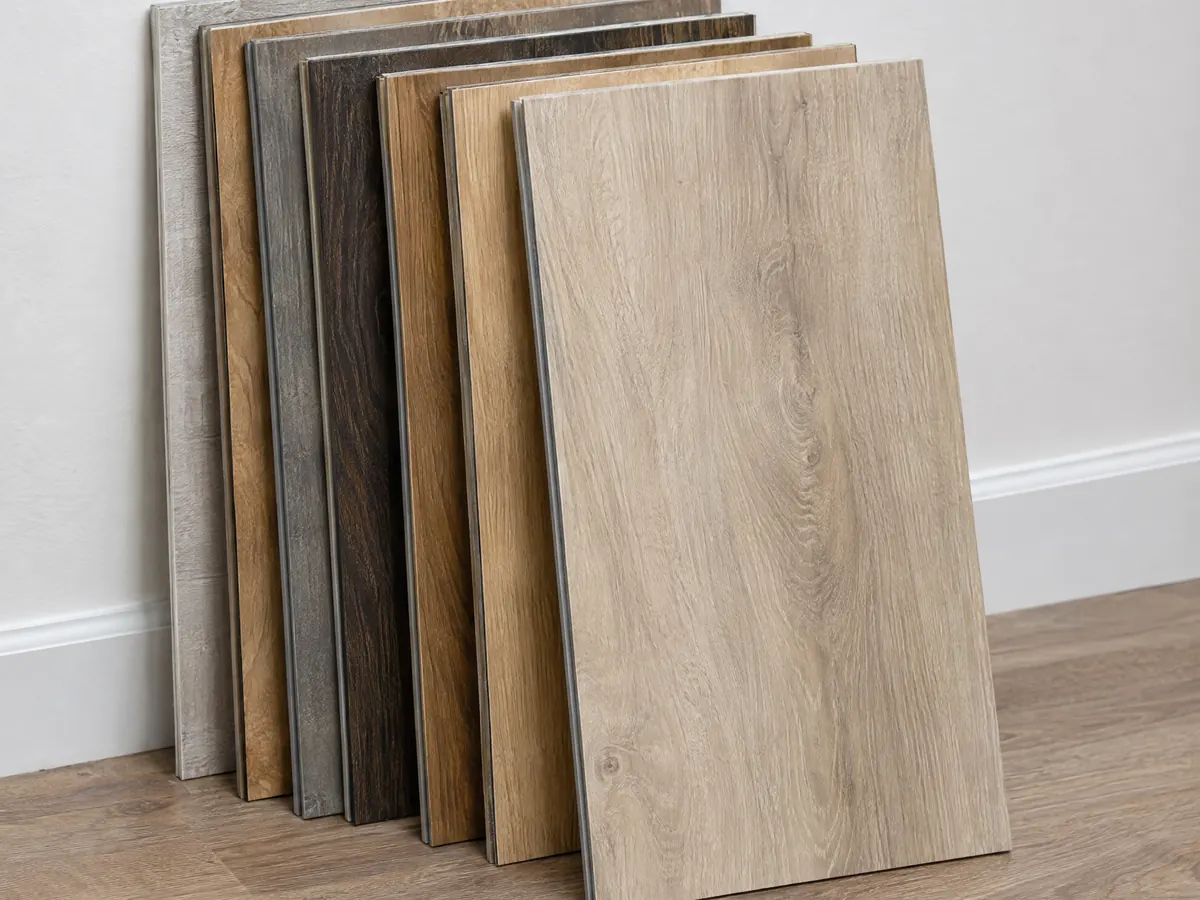
Can you tile or coat an El Cajon garage floor without breaking the parking rules?
Yes, as long as the finished garage still meets the code. Table 17.185.170 and section 17.185.030.B ask an enclosed two-car garage in the RS zones to keep clear interior dimensions of 20 by 20 feet, and a covered space must measure 10 by 20 feet with nothing encroaching, workbenches, laundry and water heaters included. A floor finish rarely moves a wall, but a thick build-up changes the slope toward the door and the height at the threshold, so ask for the thickness and the drainage plan in writing.
Flood areas add a limit of their own. Chapter 15.14, as the mirror summarizes it, prohibits subgrade enclosed areas such as below-grade garages, so a garage that sits below the street deserves a status check with the City before a finish is chosen.
Cars carry water in, and we found no El Cajon record of what lies under a given garage slab, so the moisture test described above applies before any tile, sealer or coating goes down.
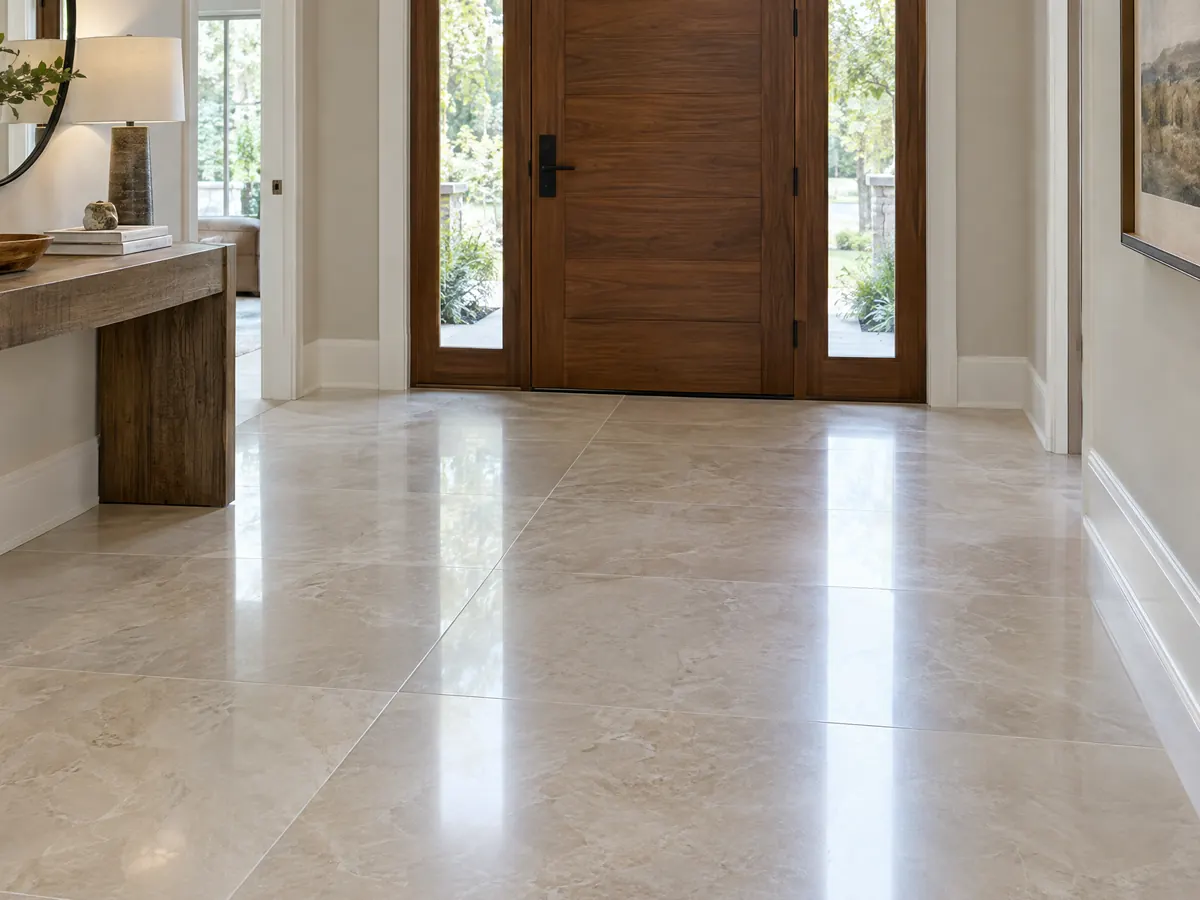
Can hardwood hidden under old carpet in an El Cajon home be refinished?
Sometimes, when the boards are thick enough above the tongue to take a sanding, which a floor register or a cut edge will show. The Census table counts 1,808 units (5.4 percent) built before 1950 and 6,983 (20.9 percent) before 1960, so the oldest houses are where boards worth saving are most likely. We found no count of El Cajon homes with hardwood, so a look at the floor beats any statistic. Our flooring cost guide sets refinishing beside replacement.
Finish choice has an air district rule behind it. El Cajon falls under the San Diego County Air Pollution Control District, whose Rule 67.0.1, revised February 10, 2021 and effective January 1, 2022, limits both flat and nonflat architectural coatings to 50 grams per liter of VOC. Floor finishes may sit in other category lines that we did not read, so ask the finisher for the exact product and its VOC number, and read it from the can.
A property designated under the City's historic preservation chapter needs a certificate of modification before alterations, and that chapter's definition of alteration names exterior paint color and surface texture. Routine maintenance that changes no design, material or appearance is exempt (sections 17.55.040 and 17.55.070). We found no rule about interior floors and no list of designated resources, so ask Planning if an address is one.
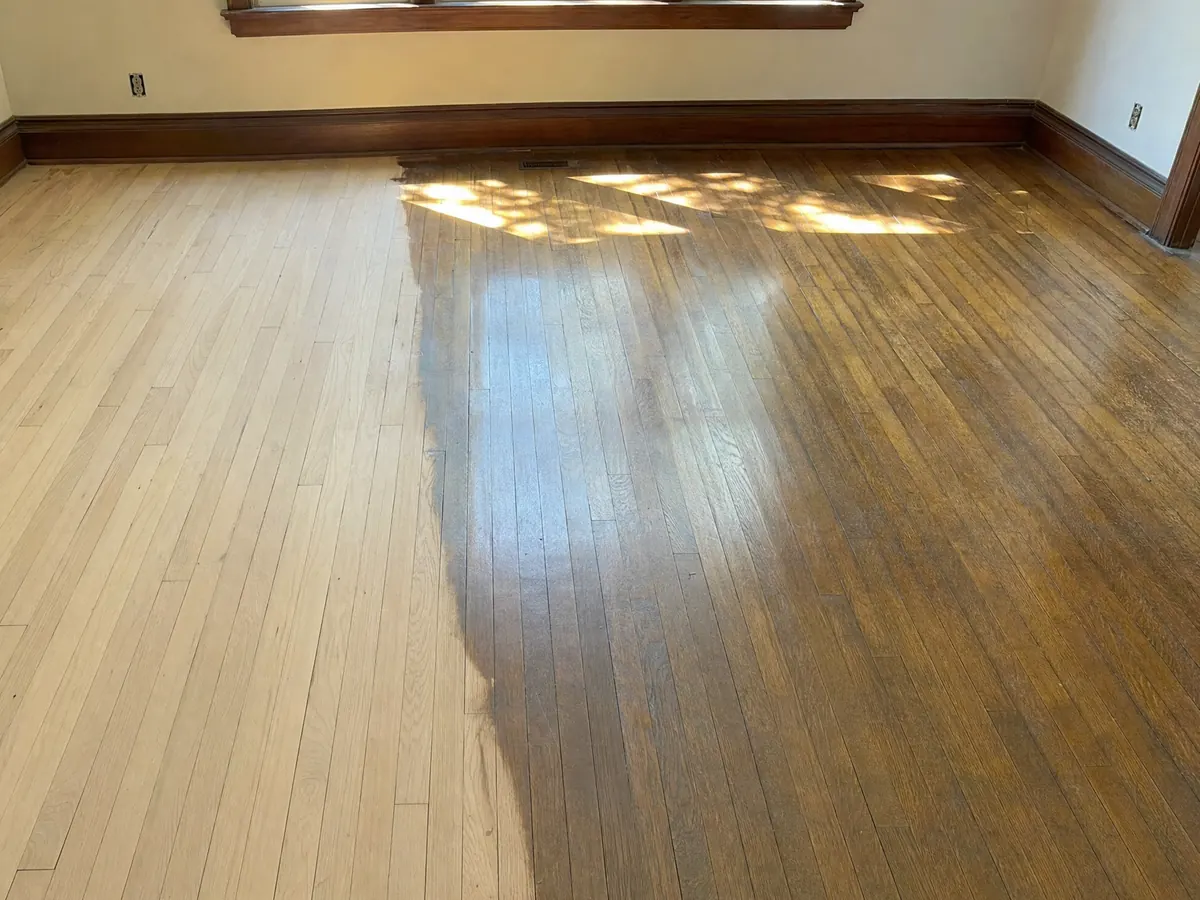
What does a flooring contractor charge in El Cajon, and what license applies?
No El Cajon price study turned up, so these are Los Angeles figures from Angi's 2026 pages, which we rate medium to low in confidence because Angi shows no method and San Diego County prices may differ. Angi puts installed flooring at $12 to $16 per square foot, with installer labor at $3 to $9, engineered hardwood at $10 to $18 installed, solid hardwood at $12 to $22 and refinishing at $4 to $8. Its laminate page averages $3,626 a project, within $2,033 to $5,344, and prices removal of the old floor at $455 to $685 per 200 square feet.
For scale, 1,000 square feet at Angi's engineered hardwood range multiplies to $10,000 to $18,000 before demolition, subfloor repair, testing and stairs, which belong on their own proposal lines.
CSLB's C-15 class covers preparing surfaces for carpet, resilient flooring and wood floors and excludes ceramic tile, which falls under C-54. A down payment may not exceed $1,000 or 10 percent of the price, whichever is less, and a job that needs any permit must go to a licensed contractor whatever it costs. To confirm a license number, follow our license check guide; the split between builder and tradesperson is covered in how general contractors use subcontractors.
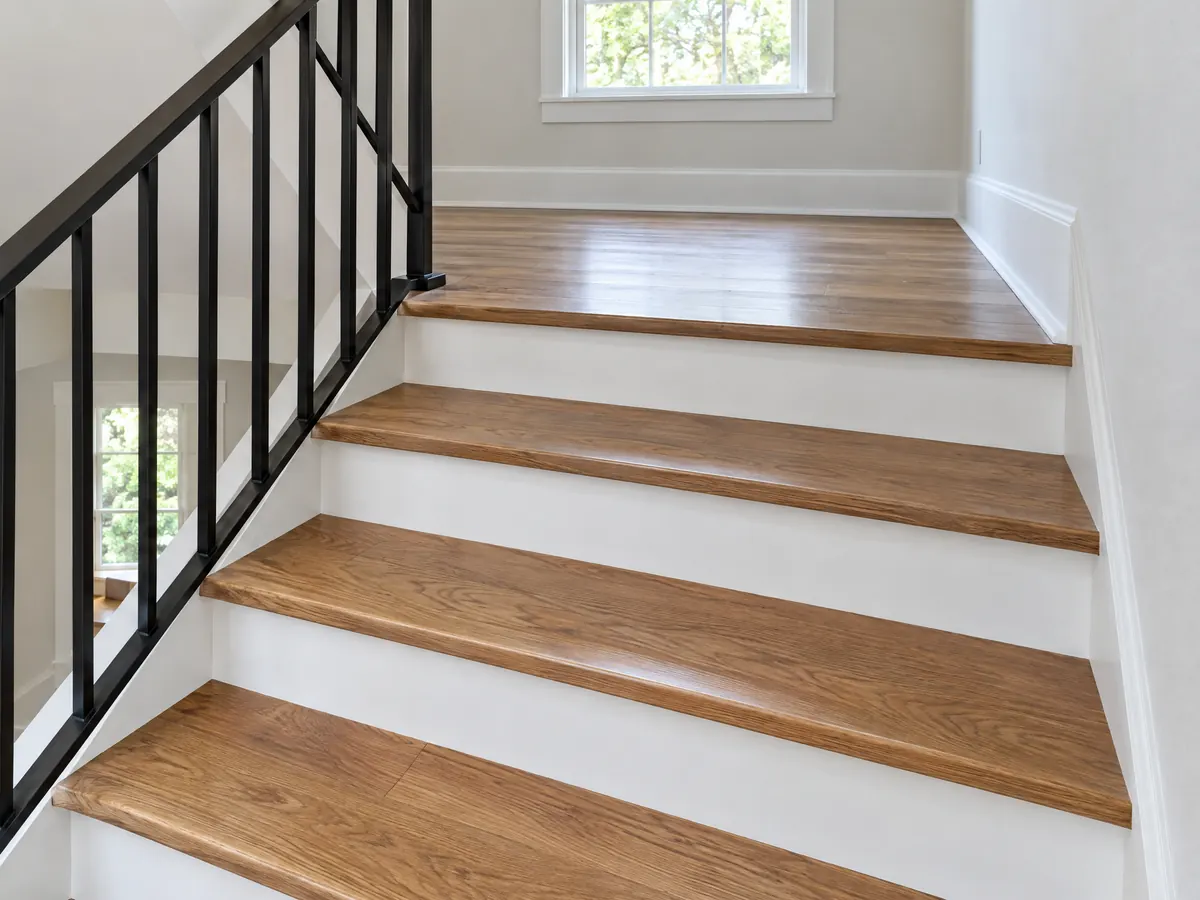
Flooring photos from El Cajon and nearby communities
Subfloor prep, plank samples, oak and tile from El Cajon and the towns around it, shown at the stages that matter. Tap any photo to enlarge it.
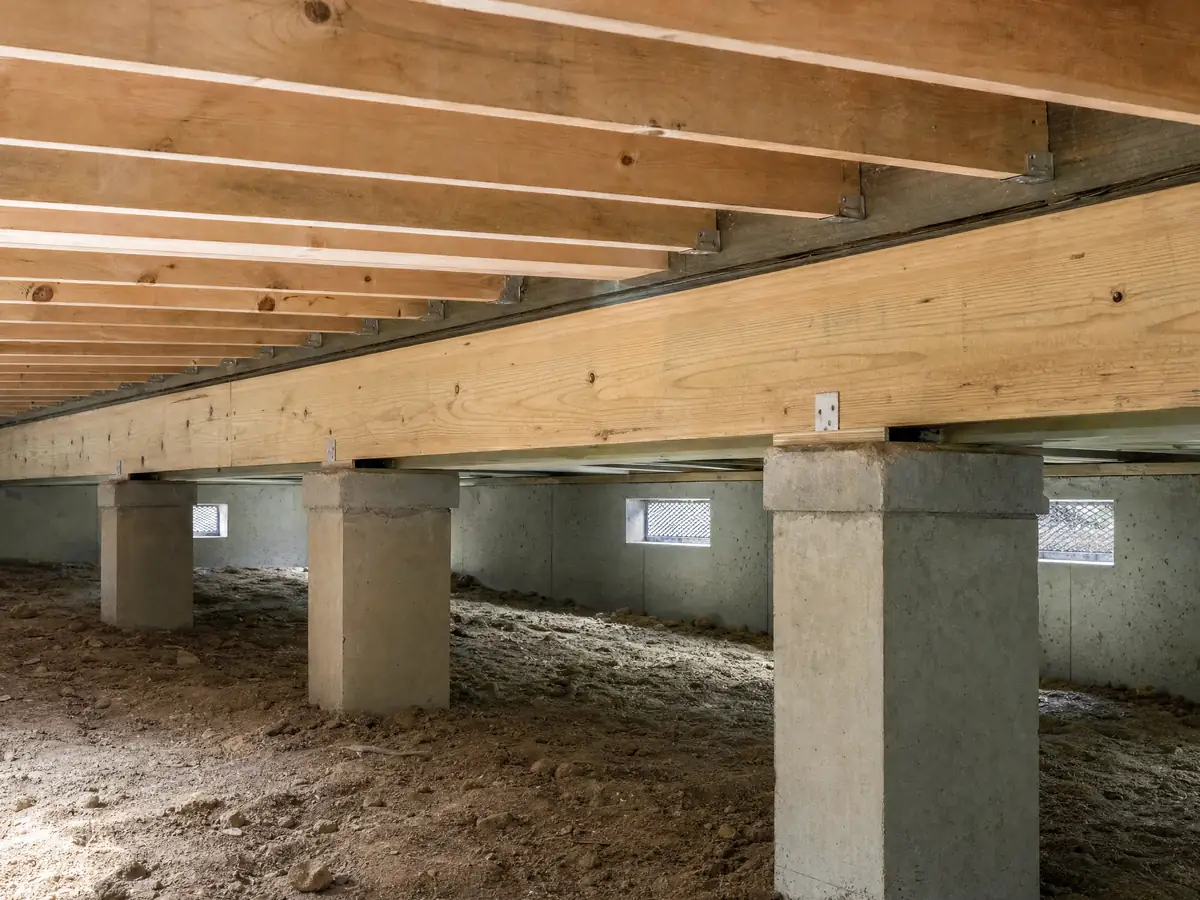
What flooring costs around El Cajon
Dollar figures here are Los Angeles planning ranges from our flooring page, not an El Cajon bid, and a written proposal should list demolition, testing, subfloor work and stairs separately. For the same property, see concrete work in El Cajon and decks in El Cajon. For other Southern California comparisons, read flooring in Anaheim, flooring in Santa Ana and flooring in Los Angeles.
| What it covers | Typical range |
|---|---|
| Installation labor only | $3 to $9 per sq ft |
| Solid hardwood, installed | $12 to $22 per sq ft |
| Engineered hardwood, installed | $10 to $18 per sq ft |
| Refinishing existing hardwood | $4 to $8 per sq ft |
| Laminate, whole project | $2,000 to $5,500 |
| Hardwood, whole project | $3,153 to $8,496 |
| Removing the old floor | $455 to $685 per 200 sq ft |
| Tile | No sourced Los Angeles range |
El Cajon flooring questions, answered
Do I need a permit to replace flooring in El Cajon?
Probably not for the covering alone, since the state model list exempts tiling, carpeting and similar finish work, but we could not read the City's own permit pages, so confirm with Building and Fire Safety. Structural subfloor repair, moved plumbing or new circuits while the floor is open are separate permit questions.
How much does it cost to have flooring professionally installed in El Cajon?
Expect $12 to $16 per square foot installed, with installer labor at $3 to $9, from Angi's 2026 Los Angeles pages. Engineered hardwood runs $10 to $18 installed and solid hardwood $12 to $22. We found no El Cajon study and rate these medium to low in confidence, so a visit sets the real number.
How much does it cost to refloor a 2000 square feet house in El Cajon?
Installer labor at $3 to $9 per square foot multiplies to $6,000 to $18,000 for 2,000 square feet, before material. At Angi's $10 to $18 installed range, engineered hardwood would come to $20,000 to $36,000 for the full house. Both are multiplied Los Angeles ranges, not a bid, and demolition and testing are extra.
Can you put flooring over a concrete slab in El Cajon?
Yes, once the slab has been tested and prepared. The flooring or adhesive maker sets the moisture limit, so the installer should take ASTM F2170 probe readings or run a calcium chloride test, then fill cracks and flatten the surface. Ask for the readings in writing beside the maker's limit before a start date is set.
Why does moisture come through a concrete floor in El Cajon?
Vapor moves up from the ground under a slab because concrete is porous. El Cajon averages only 11.63 inches of rain a year, but irrigation, planters and downspouts can keep the soil beside a wall damp in summer. A probe or calcium chloride test gives the real reading for your slab.
Is there asbestos under old vinyl flooring in El Cajon homes built before 1980?
Possibly, and nobody can tell by eye. OSHA treats asphalt and vinyl flooring installed no later than 1980 as asbestos-containing until tested, and 69.6 percent of El Cajon's homes predate 1980. Have a lab test a sample before anyone sands, rips up or dry scrapes the floor, and ask who removes a layer that tests positive.
Can I refinish hardwood floors instead of replacing them in El Cajon?
Frequently, when the boards leave enough thickness above the tongue to sand, as a register opening or a cut edge shows. Angi's 2026 Los Angeles pages run $4 to $8 per square foot to refinish and $12 to $22 for new solid hardwood, medium to low in confidence. Ask the finisher for the coating's VOC number.
Can I put new flooring in an El Cajon rental or condo?
Only with the owner's or association's written approval. A tenant needs the landlord's consent, and a condominium board's documents control hard floors above a neighbor. Since 55.5 percent of El Cajon's occupied homes are rented, the first call is usually to the owner or manager.
What license does a flooring contractor need in El Cajon?
Carpet, resilient flooring and wood floors fall under CSLB's C-15 class, and ceramic tile under C-54. Work that needs a permit must go to a licensed contractor even when it costs under $1,000. Look the license up on the CSLB site before accepting any quote from a flooring contractor.
Tell us the address, the rooms and what is on the floor now
Share the rooms, whether you think the home sits on a slab or a raised floor, and any old vinyl or carpet you know is original. We bring the asbestos, moisture and owner approval questions to the first visit.