
Flooring Installationin La Mesa, CA
Flooring installation in La Mesa generally needs no building permit for the floor surface, because the City lists painting and similar finish work as exempt, but structural, plumbing and electrical changes and garage conversions go to the Building Division. With 73 percent of homes built before 1980 and Redding clay under many slabs, test moisture, lead and old adhesives first.
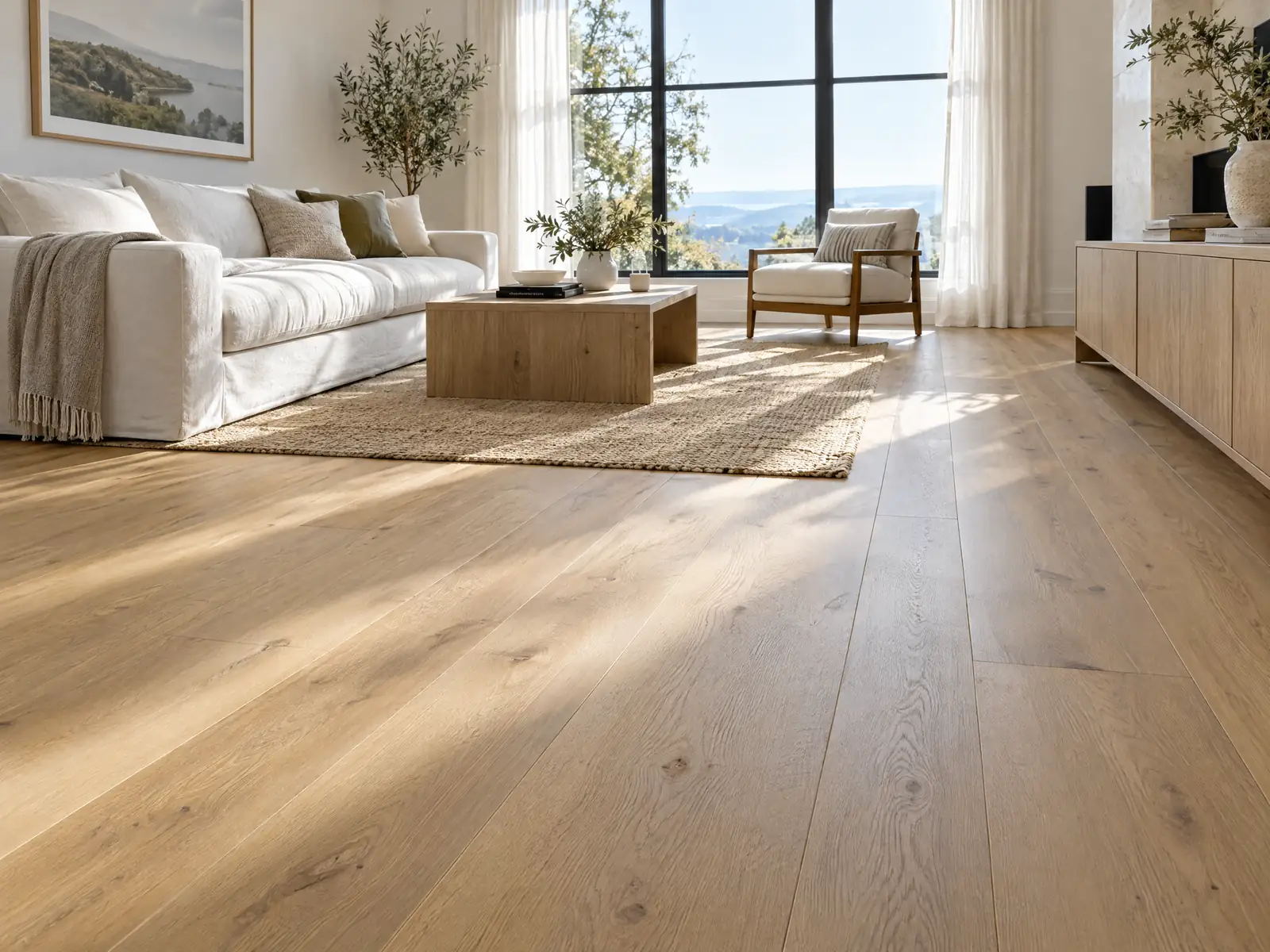
La Mesa began around springs that Robert Allison settled about 1868, the City's General Plan says it was founded in 1869 and incorporated in 1912 with about 700 residents, and the floors most people stand on now came much later. Population went from 3,912 in 1940 to about 11,000 in 1950 and past 30,000 by 1960. The Census Bureau's 2024 estimates count 26,212 homes, and about 73 percent of them were built before 1980.
MDG Builders (CSLB #1040337) is a Tarzana general contractor that writes the scope, takes the permit questions to La Mesa's Building Division and runs the schedule, while licensed flooring and tile subcontractors do the laying. Products and ranges are on the flooring page, and the La Mesa overview lists the other trades we manage in the city.
What La Mesa's Building Division, Planning Division and state law say about flooring work
Where flooring permits come from in La Mesa: City of La Mesa Community Development Department, Building Division.
- The Permits for Homeowners page lists wallpapering, painting 'or similar finish work' as not needing a construction permit and the City publishes no flooring handout on the pages read, so surface flooring in La Mesa is generally finish work, but a change that affects structure, plumbing or electrical, or a garage conversion, still goes through the Building Division.
- CSLB defines the C-15 Flooring and Floor Covering classification as preparing a surface for carpet, resilient sheet goods, resilient tile, wood floors (including finishing) and other flooring materials, except ceramic tile, which falls under the C-54 Ceramic and Mosaic Tile classification.
- Zoning Section 24.04.030(C) says all required parking spaces for single family and duplex homes must be in a private garage, and 24.04.030(B) bars converting required garage parking unless the spaces are replaced elsewhere, so a garage-to-living-space project outside the ADU rules has a parking test.
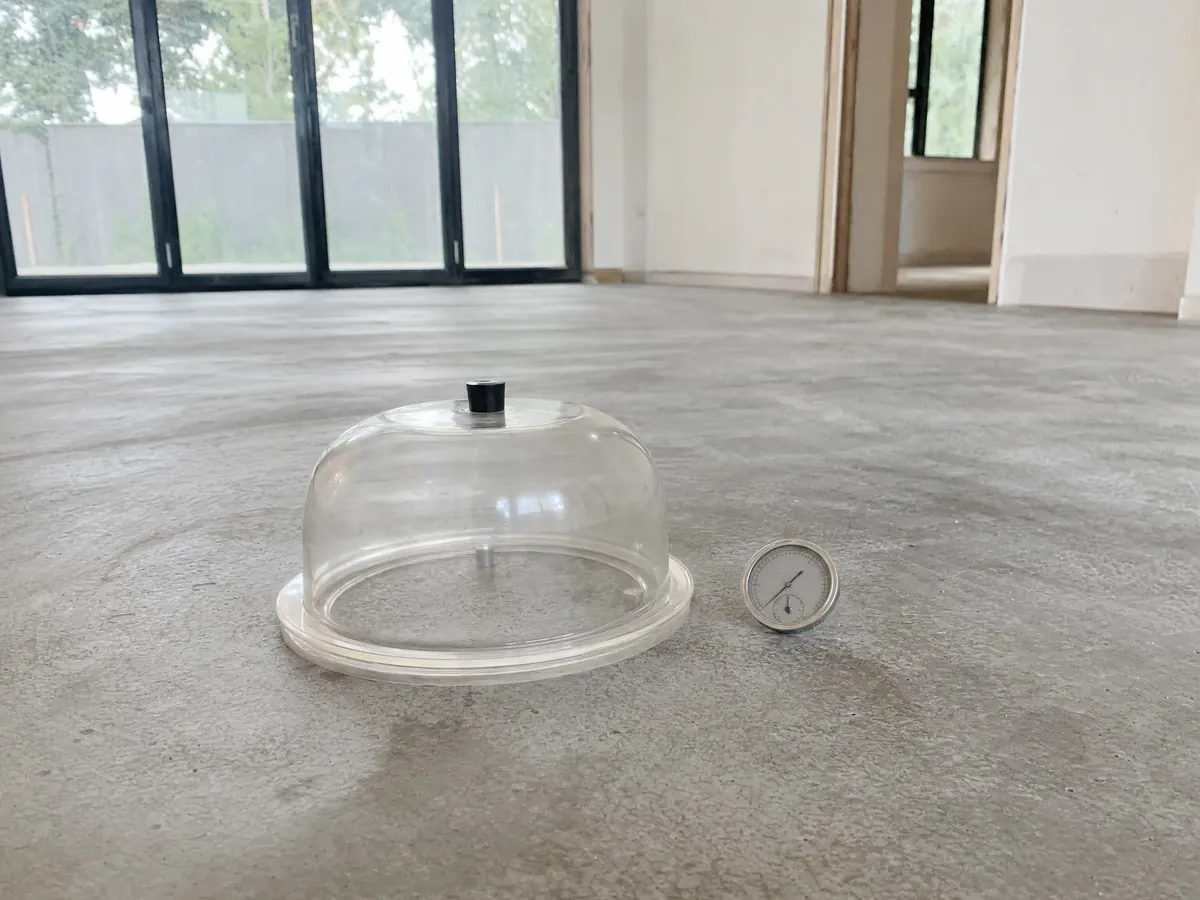
Why does moisture come through a concrete floor in La Mesa, and what does the clay have to do with it?
Most of the city sits on Redding series clay, which the General Plan Safety Element describes as high in shrink-swell behavior and runoff, with an impervious hardpan that can sit around 30 inches down. Soil that swells and shrinks can crack or lift a slab, and the Element warns of damage to buildings without adequate reinforcement. We found no La Mesa source linking the hardpan to floor moisture, so a given room is answered by a test, not by a soil map.
Rain is seasonal. NOAA's 1991 to 2020 normals for the El Cajon station show 11.63 inches a year, 8.68 of them from December through March and 0.02 inch in August, so the ground is wettest after winter and a floor that feels dry in September proves little. Two standard tests give numbers: ASTM F2170 humidity probes in drilled holes and the ASTM F1869 calcium chloride dish. Neither carries a pass mark, because the maker of the plank, vinyl or adhesive sets the limit.
Under wood on a slab, the National Wood Flooring Association's guide to concrete subfloors strongly recommends a vapor retarder rated 0.13 perms or less and gives 6 mil polyethylene as its example. Ask for the readings on paper, with the date and the room, before you sign.
What is under the floor of a La Mesa house built in the 1950s or 1970s?
Probably more than one floor. The 1970s are the biggest decade at 6,489 homes (24.8 percent), the 1950s follow with 5,533 (21.1 percent) and the 1960s add 3,909, which is how about 19,105 of the 26,212 homes predate 1980. Carpet, sheet vinyl and tile were laid and replaced across those years, and the Census table cannot say which homes sit on slabs and which on raised wood floors.
Lead rides along with trim. EPA's lead-safe renovation rule covers paid work that disturbs paint in housing built before 1978, and the Building Division's page tells anyone working on homes, schools or day care centers from that era to hold EPA lead-safe certification. The Census table cannot split 1978 from 1979, so we cannot say how many La Mesa homes the rule reaches, only that 73 percent predate 1980.
Resilient tile, sheet goods and the dark adhesive under them from those decades can contain asbestos, and nobody can tell by looking. Send a sample to a lab before anything is sanded or demolished, and make the written scope say who removes a layer that tests positive and who pays for it.
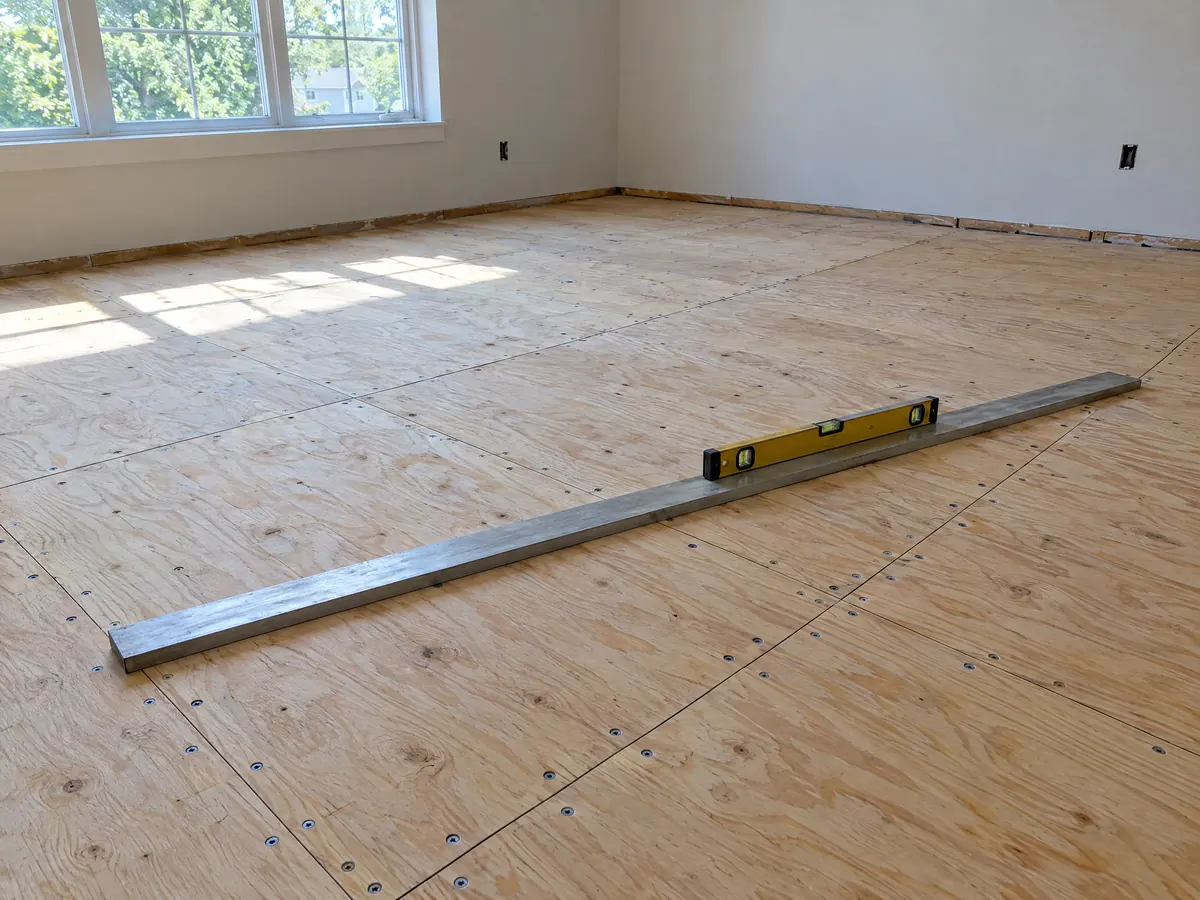
How do raised wood floors and termite damage change a flooring job in La Mesa?
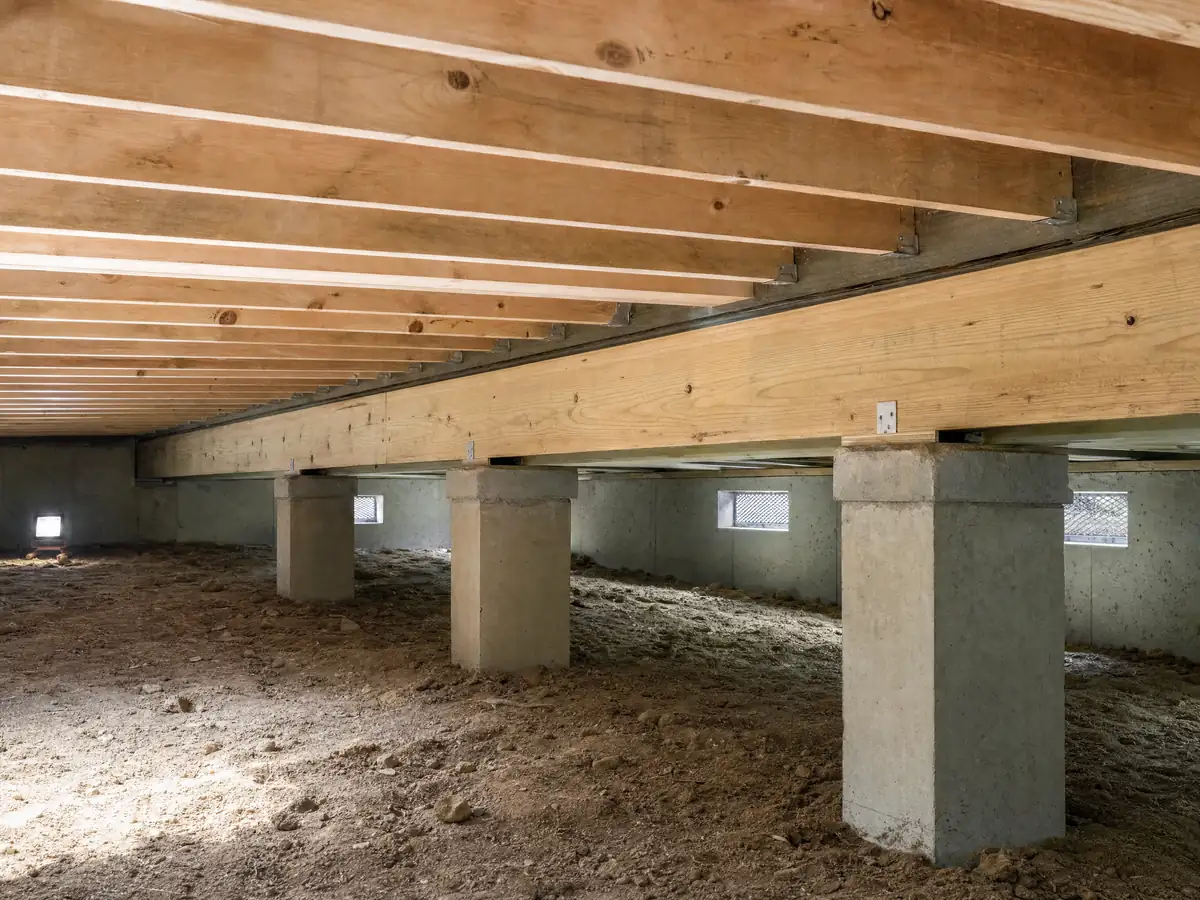
A raised floor can be looked at from below, a slab cannot, so the first question is which one you have. About 1,079 La Mesa homes (4.1 percent) date from 1939 or earlier, and those are the likeliest to have boards over a crawlspace, though the Census data does not say so. Ask the crew to open a register or the crawlspace hatch before anyone quotes a price per square foot.
The City's Residential Code table, read on the GoCodebook mirror of the Municipal Code, lists a 'Very Heavy' termite damage rating for La Mesa. That does not predict any one floor, but it is a reason to ask the owner for past termite reports and to have the crew photograph soft or stained framing before it is covered.
Rotted or termite-eaten joists are no longer finish work. A repair to structure belongs with the Building Division at 619.667.1176, and the scope should say who repairs what, since the flooring price assumes a sound base.
- Is the floor on a slab or over a crawlspace?
- Is there any termite or dry rot report on file?
- Who pays for framing repairs found after the old floor comes up?
Can you replace flooring in a La Mesa rental, apartment or condo?
Yes, with the right paper. ACS 2024 counts 13,105 renter households among 25,038 occupied homes (52.3 percent), and 9,441 homes (36.0 percent) sit in buildings of five or more units, so a great many floors have a neighbor below. A tenant needs the owner's written consent before anything is pulled up, and a landlord renewing worn floors between tenants is the other common job.
An owner in a condo association is in a different position. Under Civil Code section 4765 the association owes a written decision on an architectural request, so ask management for the impact sound or underlayment standard in writing. We found no La Mesa rule on sound for a replacement floor.
The City's FAQ says contractors need a City of La Mesa business license to work in the city, so ask for that number along with the CSLB license, particularly when a landlord hires for several units.
Do you need a permit to install flooring in La Mesa, and what about a garage conversion?
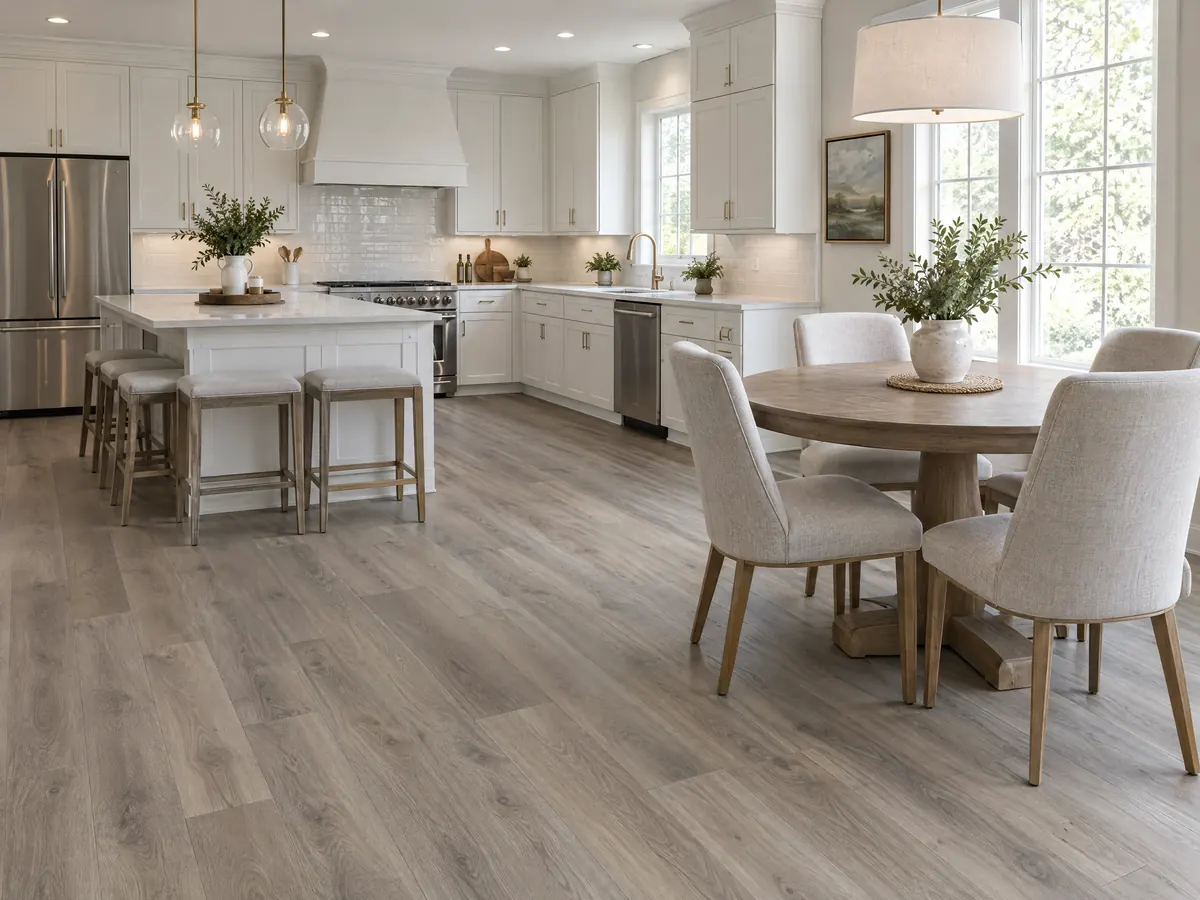
Probably not for the surface alone, though we found no flooring handout from the City that says so. The Permits for Homeowners page lists wallpapering, painting or similar finish work as needing no construction permit, and we read floor covering as finish work. Radiant heat, moved fixtures and new circuits are different, because the City's FAQ puts all plumbing, electrical and mechanical alterations on its permit list. Call the Building Division before you rely on this.
Garages are the exception to watch. Zoning Section 24.04.030(C) says required parking for single family and duplex homes must be in a private garage, and 24.04.030(B) bars converting required garage space unless the parking is provided elsewhere, so a garage turned into a family room faces a parking test before the floor matters. The City's ADU matrix asks for no replacement parking for an ADU, which is a different route.
The code sections quoted here were read on the third-party GoCodebook mirror (text as of October 4, 2026), because the City's own Municode copy refused our automated request, so confirm each one with the City. Applications and inspections run through the MaintStar portal.
Can you refinish old hardwood in the Date Avenue Historic District or another older La Mesa neighborhood?
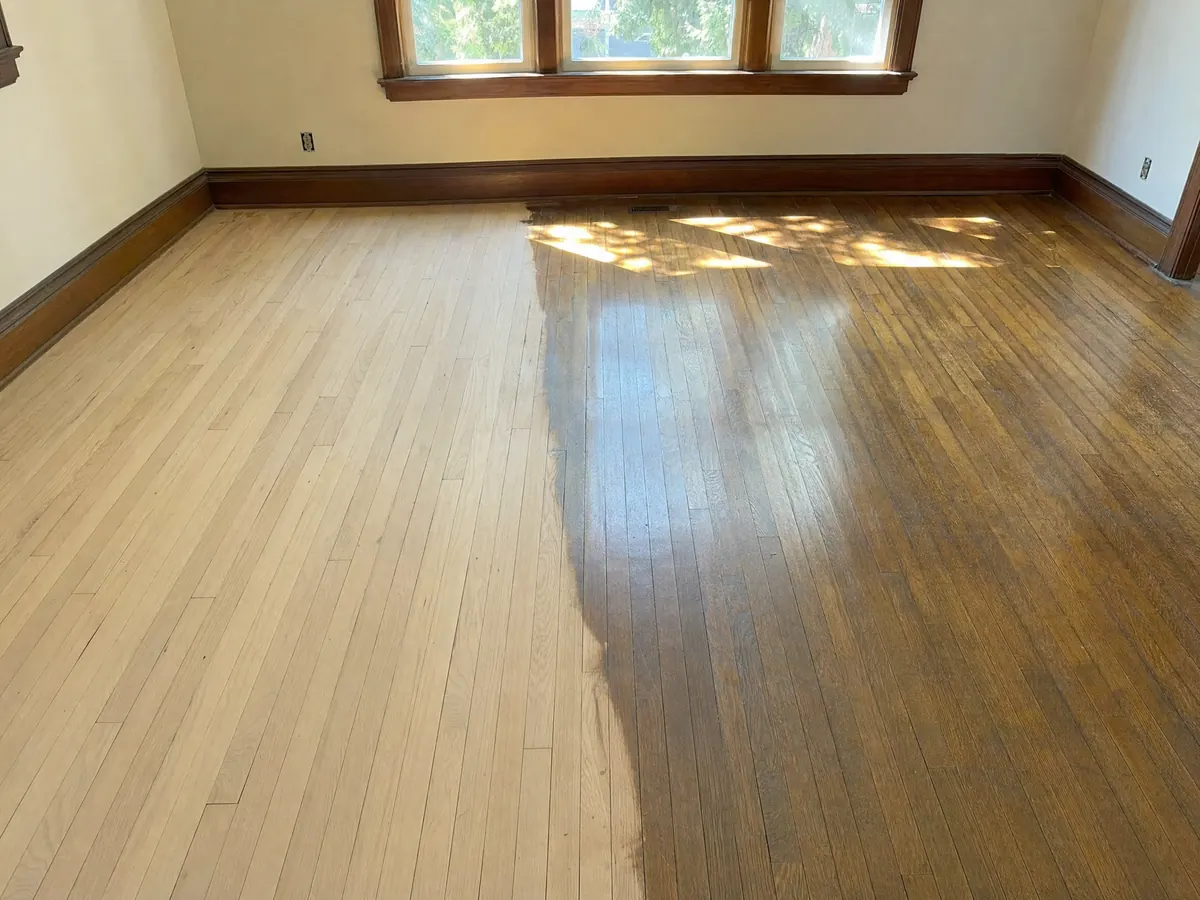
Usually, but ask Planning first if the house is on a City list. La Mesa recognized the Date Avenue Historic District in 1984, adopted its Historic Resources Inventory in 1983 and keeps a Potential Landmark Registry. Permits for inventoried properties go from Building to Planning and can be held 30 days for Historic Preservation Commission review, and a landmark or district home needs a Certificate of Appropriateness for exterior alterations. Those rules are written around exterior features, so interior refinishing is probably outside them, yet we found no City sentence that says so.
Original boards are the exception rather than the rule. Only 1,079 homes (4.1 percent) date from 1939 or earlier, and later tracts often carry a thin oak strip or none at all. Check the wear layer at a floor register or a cut edge before anyone prices replacement, because refinishing needs enough thickness left to sand.
Planning answers questions at 619.667.1177, and the Historic Preservation Commission meets at City Hall at 5:00 pm on the first Tuesday of the month.
- Is the house in the Date Avenue district or on the Historic Resources Inventory?
- How thick is the wear layer on the existing boards?
What does a flooring contractor charge in La Mesa, and who needs which license?
No La Mesa price study with a stated method turned up, so these figures come from Angi's Los Angeles pages of July 8, 2026, which rest on one publisher and which we rate medium to low in confidence. Installer labor runs $3 to $9 a square foot, engineered hardwood $10 to $18 installed, solid hardwood $12 to $22 and refinishing $4 to $8. On Angi's laminate page, dated September 15, 2026, hauling out an old floor is listed at $455 to $685 for each 200 square feet. La Mesa bids may differ.
Ask for separate lines for demolition, moisture testing, leveling, stairs and transitions. Business and Professions Code 7159.5 limits a home improvement down payment to $1,000 or 10 percent of the price, whichever is less. The state's unlicensed minor work limit became $1,000 on January 1, 2025, but only when no permit is needed and nobody is hired.
CSLB's C-15 class covers preparing a surface for carpet, resilient goods and wood floors, and sends ceramic tile to C-54. Our license check guide shows how to read a CSLB record.
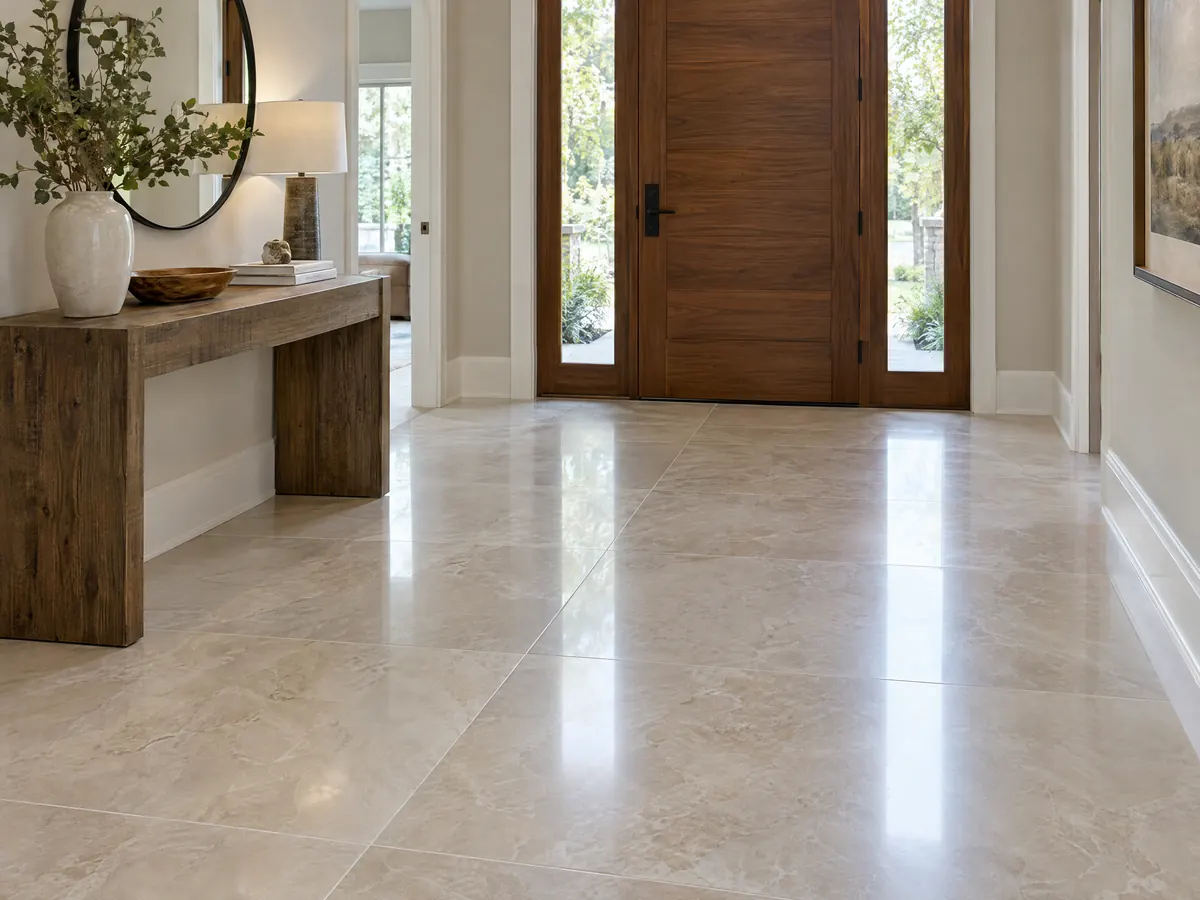
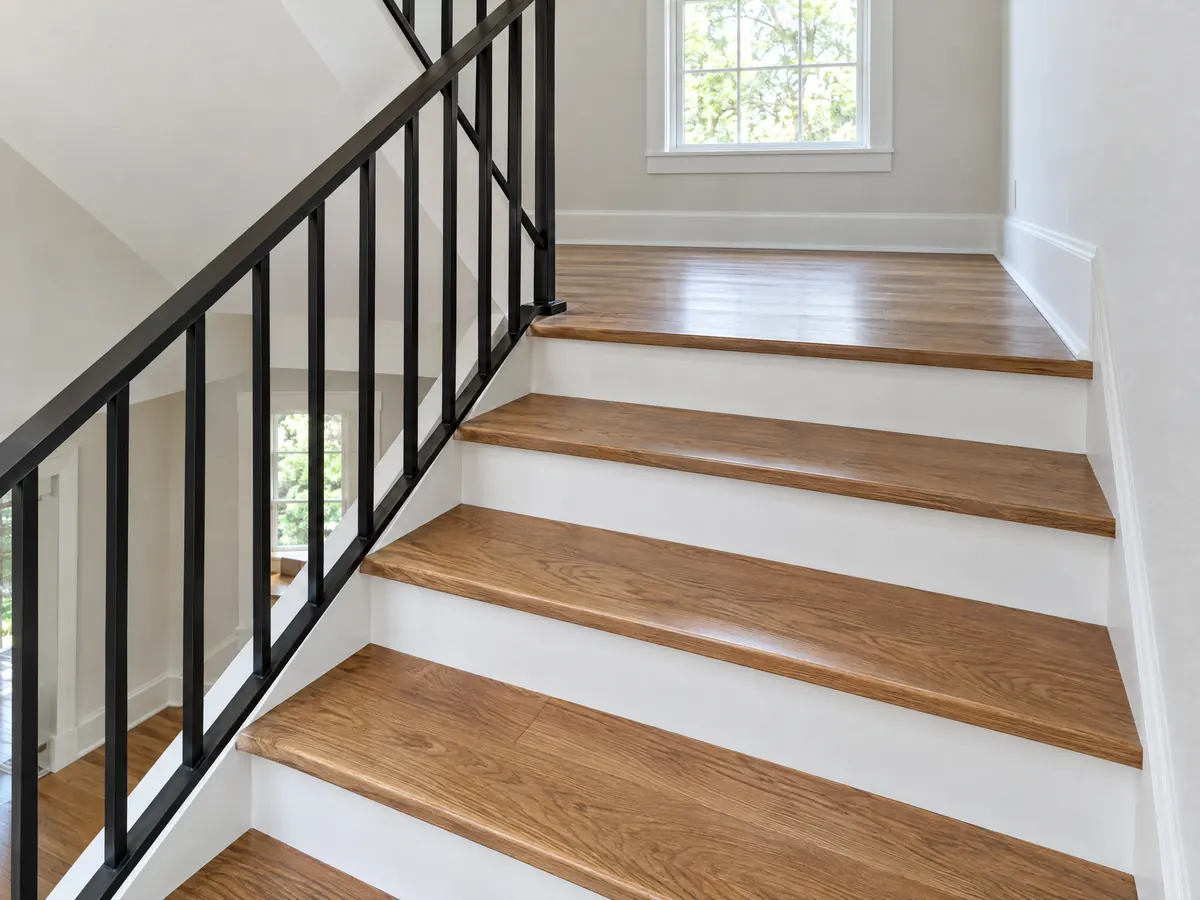
Flooring photos from La Mesa and nearby communities
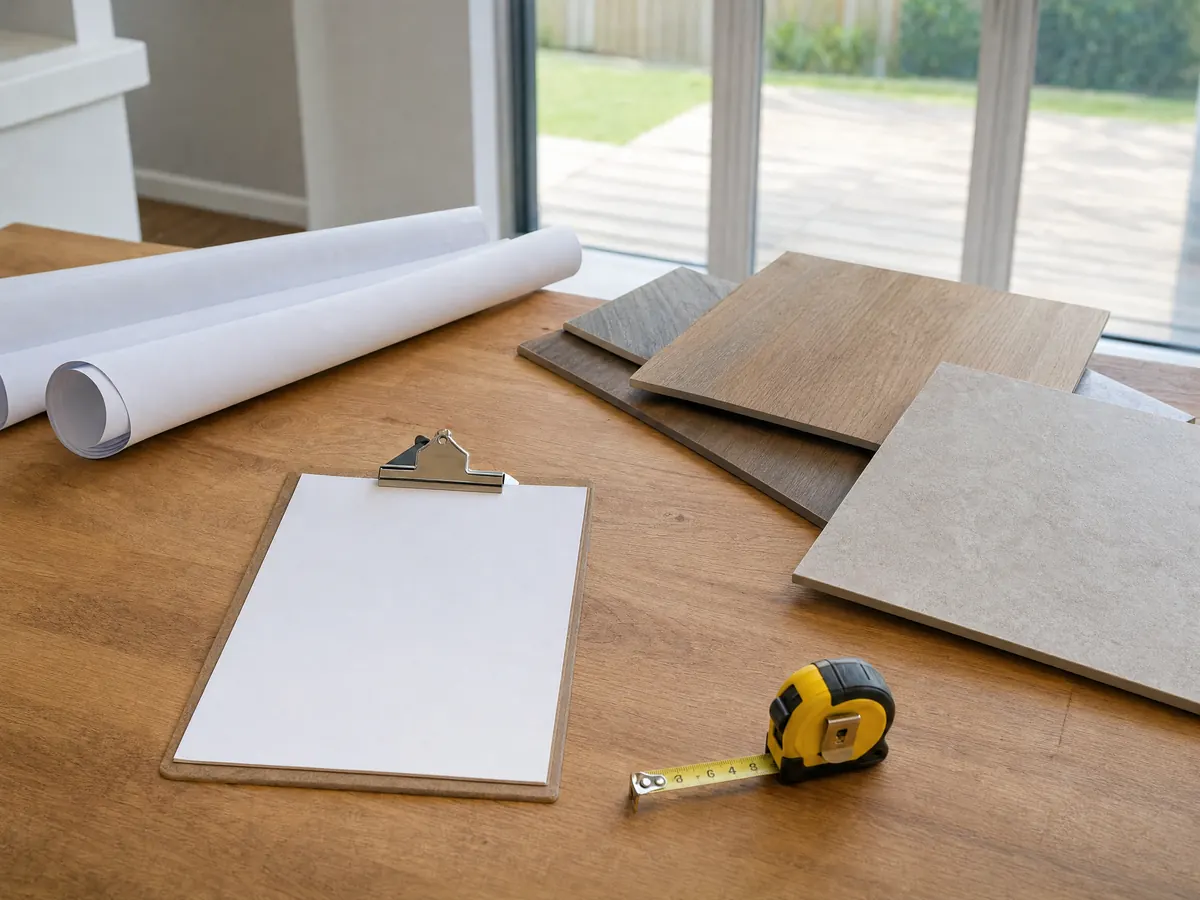
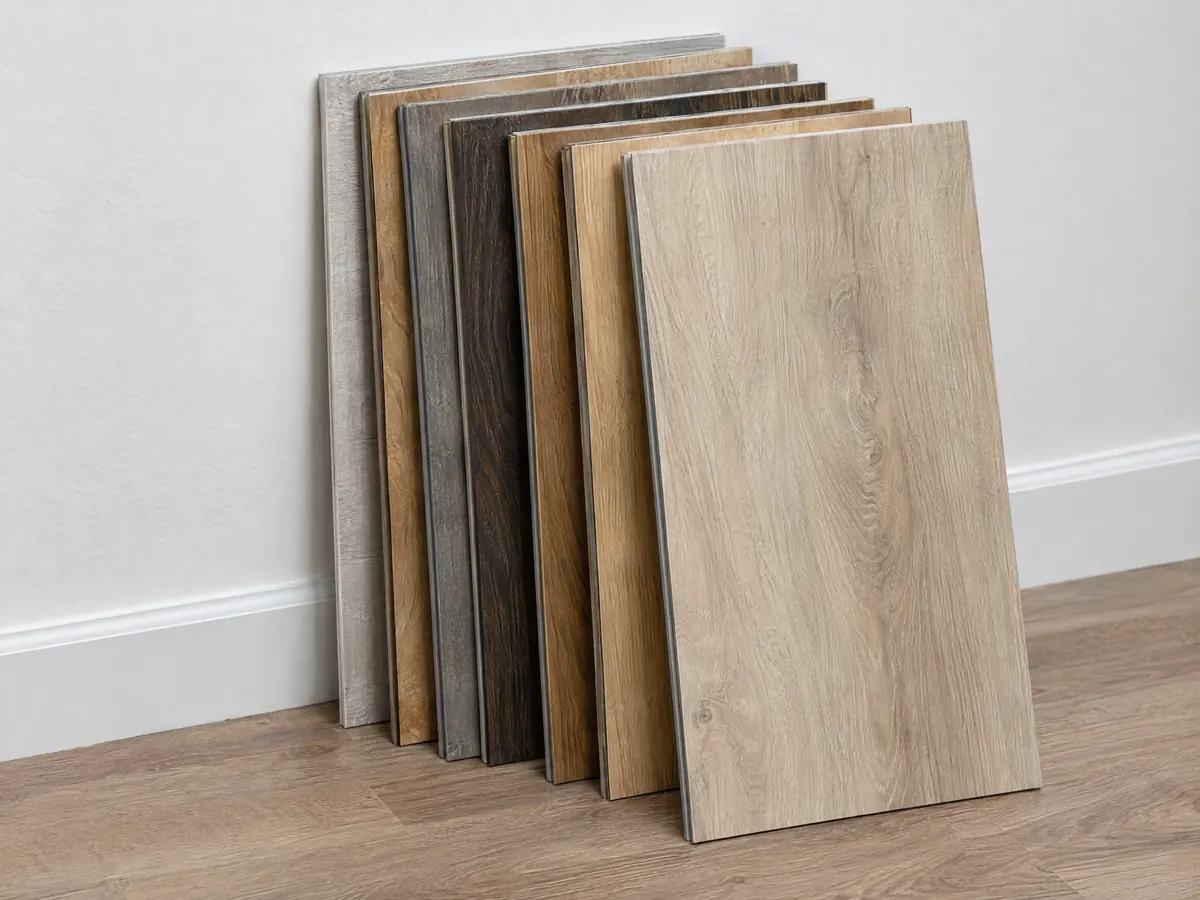
Plank samples, moisture tests, subfloor prep and finished rooms from La Mesa and the neighborhoods around it, shown at the steps where the decisions get made. Tap any photo to enlarge it.
What flooring costs around La Mesa
Dollar figures here are Los Angeles ranges from our flooring page, not a La Mesa bid, and the proposal should price demolition, drying, testing and subfloor repair on their own lines. The same property may need concrete work in La Mesa or a deck builder in La Mesa. For neighbors, read flooring in El Cajon, flooring in San Diego and flooring in Escondido, and flooring in Los Angeles for the big-city benchmark. Our flooring cost guide sets refinishing beside replacement, and the subcontractor guide shows who lays what.
| What it covers | Typical range |
|---|---|
| Installation labor only | $3 to $9 per sq ft |
| Solid hardwood, installed | $12 to $22 per sq ft |
| Engineered hardwood, installed | $10 to $18 per sq ft |
| Refinishing existing hardwood | $4 to $8 per sq ft |
| Laminate, whole project | $2,000 to $5,500 |
| Hardwood, whole project | $3,153 to $8,496 |
| Removing the old floor | $455 to $685 per 200 sq ft |
| Tile | No sourced Los Angeles range |
La Mesa flooring questions, answered
How much does it cost to have flooring professionally installed?
Angi's July 2026 pages for Los Angeles put installer labor at $3 to $9 a square foot, engineered hardwood at $10 to $18 installed and solid hardwood at $12 to $22. We found no La Mesa study with a stated method, so treat these as medium to low confidence. Demolition, leveling and stairs are extra lines on the proposal.
How much to refloor a 2000 sq. ft house?
Labor alone at $3 to $9 per square foot comes to $6,000 to $18,000 for 2,000 square feet, engineered hardwood at $10 to $18 installed to $20,000 to $36,000, and solid hardwood at $12 to $22 to $24,000 to $44,000. Those are Los Angeles ranges, not a La Mesa bid, and stairs or subfloor repair move the total.
Can you put flooring over concrete?
Yes, after the slab is tested and prepared. The maker of the flooring or adhesive sets the moisture limit, so the installer should read ASTM F2170 probes or an F1869 calcium chloride dish before patching and leveling. With 73 percent of La Mesa homes built before 1980, old adhesive on a slab may need a lab check too.
Why does moisture come through a concrete floor?
Water vapor rises from the soil beneath the slab, and La Mesa's Redding clay is described by the City as high in runoff and shrink-swell behavior. NOAA's normals put 8.68 of 11.63 yearly inches in December through March, so a dry August says little. A probe or calcium chloride test gives the actual reading.
Do I need a permit to replace flooring in La Mesa?
Probably not for the surface, because the City lists painting and similar finish work as exempt and we read floor covering that way, but we found no flooring handout. Structural repairs, moved plumbing, new circuits and garage conversions do go to the Building Division at 619.667.1176. Ask before you start.
Can I install hardwood flooring in a La Mesa condo or apartment?
Only with the association's or owner's written approval and a sound standard in hand. About 36 percent of La Mesa homes sit in buildings of five or more units. We found no City rule on impact sound for a replacement floor, so ask management for the underlayment specification and keep the approval with your records.
Is there asbestos under old vinyl flooring in La Mesa homes built before 1980?
Possibly, and you cannot see it. Resilient tile, sheet goods and their black adhesive from those decades are the usual suspects, and 73 percent of La Mesa homes date before 1980. Have a lab test a sample before sanding or removal, and put in writing who removes and pays for a layer that tests positive.
Can I refinish old hardwood in a La Mesa historic home?
Often, if the wear layer can take another sanding, which a floor register will show. The City's historic rules are written around exterior features, but we found no sentence confirming interior floors are outside them. For the Date Avenue Historic District or an inventoried home, call Planning at 619.667.1177 first.
What license does a flooring contractor need in La Mesa?
A flooring contractor needs a current California license, usually C-15 for carpet, resilient goods and wood floors or C-54 for ceramic tile, plus a City of La Mesa business license. Check the CSLB number and ask each subcontractor for a license number and certificate of insurance. Work that needs a permit can never use the $1,000 unlicensed limit.
Tell us the home, the rooms and what is under the floor now
Say whether it is a house, a rental or a condo, the year it was built if you know it, which rooms you want done and what the floor is today. The moisture test, old adhesive and building rules ride along to the first visit.