
Flooring Installationin National City, CA
Flooring installation in National City needs no building permit for the floor covering itself, because the City's amended Residential Code lists it as an exempt maintenance repair. New subfloor framing, plumbing and electrical work are not exempt. About 70 percent of the city's homes predate 1980, so test old slabs and old adhesives before anything is ripped.

National City is the second-oldest city in San Diego County, incorporated on September 17, 1887, but most of its floors belong to the postwar boom. Wikipedia's census table shows the population roughly doubling from 10,344 in 1940 to 21,199 in 1950 and reaching 32,771 by 1960. The Census Bureau's 2024 five-year estimates count 19,414 homes, and 70.1 percent of them were built before 1980, so many floors here have been covered at least once.
MDG Builders (CSLB #1040337) is a general contractor working out of Tarzana. On a National City floor we write the scope, put the permit questions to the City's Building Division and keep the schedule, while licensed flooring and tile subcontractors lay the material. The flooring page covers products, and the National City overview lists the other trades we manage in town.
What National City's Building Division, its Info Guide and state law say about flooring work
Where flooring permits come from in National City: City of National City Community Development Department, Building Division.
- Installation of floor covering is specifically exempt from a building permit in National City when it is a maintenance repair to a lawfully built home that does not affect structural, plumbing, mechanical or electrical work (Ordinance 2025-2552, R105.2 additions 11 to 14, GoCodebook mirror). New subfloor framing or plumbing is not covered by that exemption.
- Coatings for floors (epoxy or sealed concrete) must meet San Diego County APCD Rule 67.0.1: floor coatings are limited to 50 grams of VOC per liter under Table 1.
- If a new or repaired concrete slab is part of the job, the City's inspection list includes a concrete slab or under-floor inspection before any concrete is placed or floor sheathing is installed, plus a footings/reinforcing/setbacks inspection before any pour (Building Inspections page).
- In pre-1978 homes, EPA's RRP rule covers painting preparation and demolition of painted surfaces during renovation, so a floor job that disturbs painted trim or walls falls under the rule for certified firms.
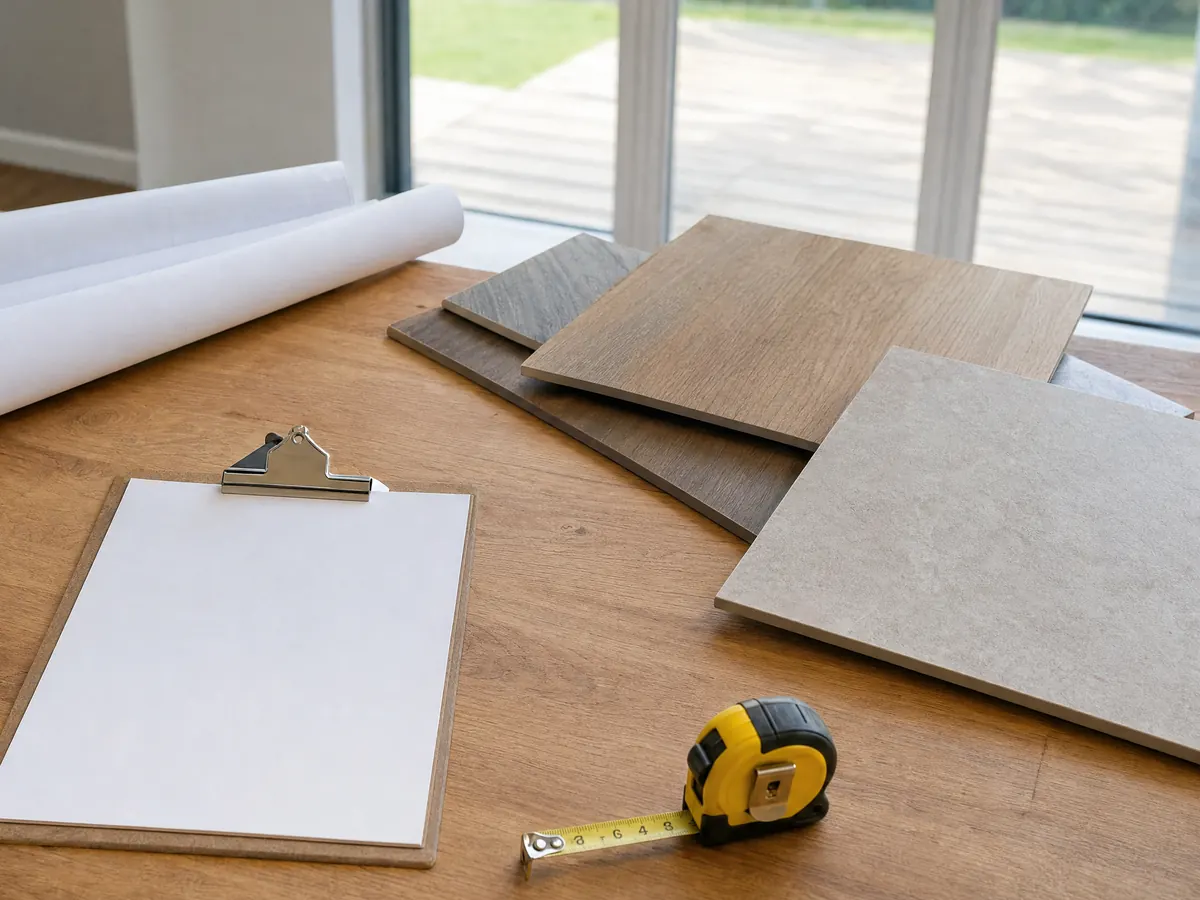
Do you need a permit to replace flooring in National City?
Not for the floor covering itself. National City's amended Residential Code, adopted as Ordinance 2025-2552, names installation of floor covering, along with painting, cabinet work and outside paving, as exempt when it is a maintenance repair to a lawfully built home. The exemption ends where the work touches structural, plumbing, mechanical or electrical systems, so new subfloor framing, a moved drain or a radiant heat loop is a separate question.
The City's Info Guide from July 2023 lists floor covering and cabinets among its exempt repairs, and its ordinary repairs exception does not reach cutting a bearing support or relocating water, gas, sewer or electric lines. That guide still describes the 2022 codes, so ask the Building Division at (619) 336-4210 whether anything changed. The office is open Monday to Thursday 7:00 am to 6:00 pm and closed Fridays.
One caution about sources. The City's own website refused automated page requests when this page was researched, so the City text here was read from Internet Archive copies dated April to October 2026 and from GoCodebook, a third-party copy of the municipal code. Neither is the City's official publication, so confirm any permit decision with the City.
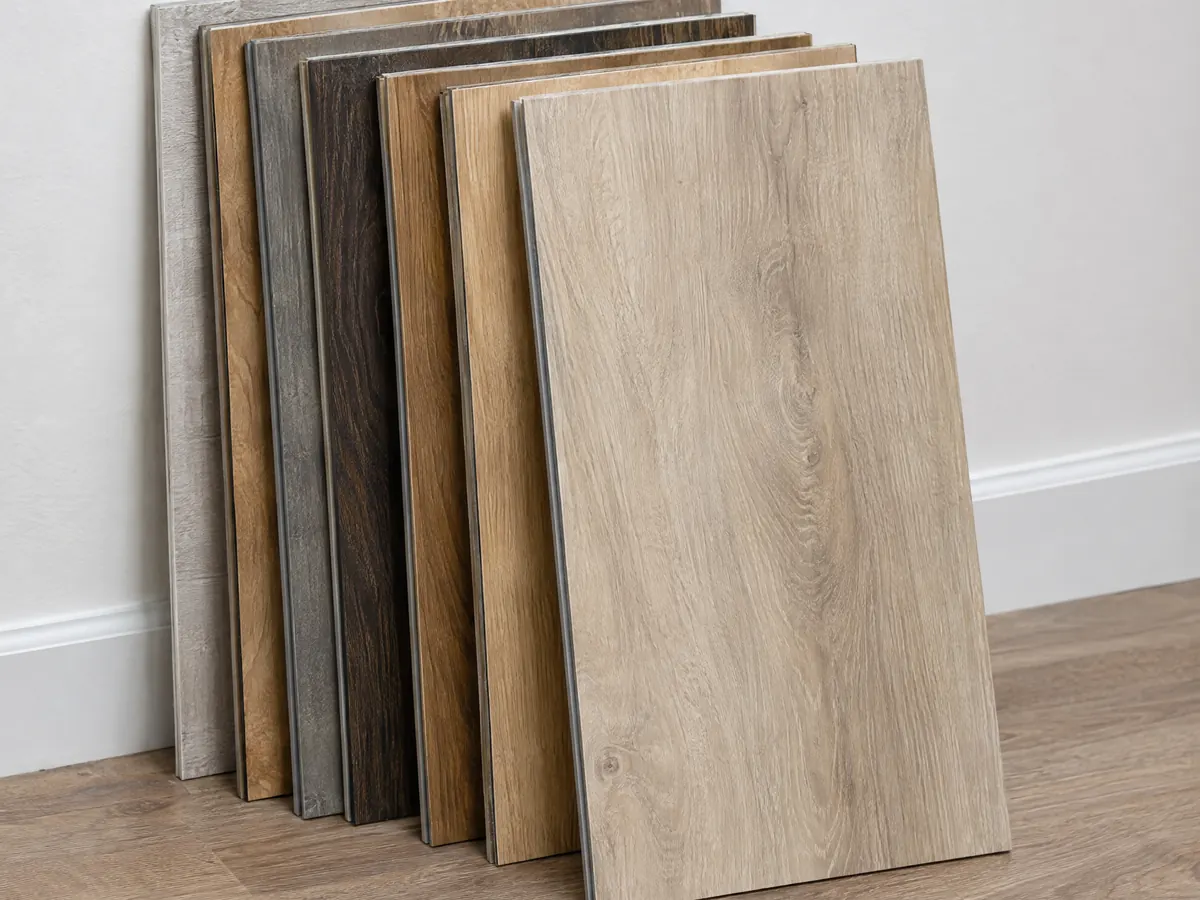
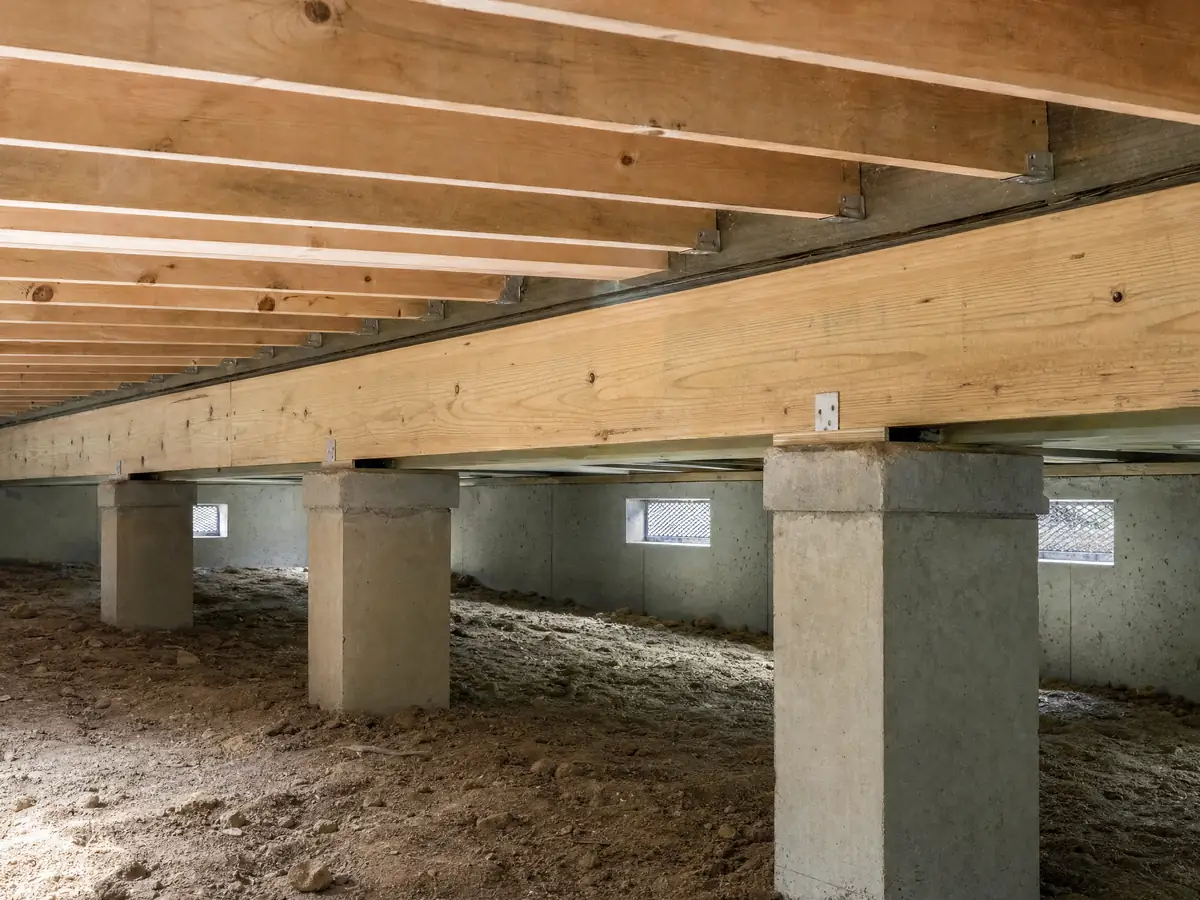
What is under the floor of a National City house built in the 1950s or 1960s?
Often a slab or a raised wood floor with an earlier covering glued or nailed on top. The 2024 estimates put 52.0 percent of National City's homes in the years 1950 through 1979, with 6,526 from the 1950s and 1960s and 3,561 from the 1970s. Only 12.3 percent date from 2000 or later, so replacement jobs mostly start with a demolition layer nobody has seen in decades.
Take the layers one at a time. In houses of that age, old resilient tile, sheet vinyl and the black mastic under them can contain asbestos, and nobody can tell by sight, so a lab sample comes before any sanding or ripping. Lead is the other question. EPA's lead-safe renovation rule covers paid work that disturbs paint in housing built before 1978, and a floor job that pulls painted baseboards falls under it.
The Census table cannot split 1978 from 1979, so we state only that 70.1 percent date before 1980. Ask the crew to photograph each layer as it comes up, and have the proposal say who removes and pays for a layer that tests positive.
Who decides on new flooring in a National City rental, duplex or apartment?
The owner does, in writing. ACS 2024 shows 11,887 of National City's 18,217 occupied homes rented, which is 65.3 percent, and only 40.4 percent of all homes are single-family detached. Another 10.4 percent sit in buildings of two to four units and 37.6 percent in buildings of five or more, so a floor job here is often a landlord's call made around a tenant's calendar.
The Info Guide says a tenant cannot pull a permit unless acting as an agent for the owner or the contractor, and an owner-builder takes on a general contractor's duties for taxes, liens, insurance and finishing the job. A cosmetic floor swap needs no permit, but a permitted repair does, and then the state's CSLB bulletin 24-07 says the $1,000 unlicensed minor work exemption no longer applies.
Hard flooring over an occupied unit raises a sound question. We found no City sound rating for replacement floors in the material we read, so the lease, the owner's written consent and, in a condo, the association's rules settle it. Civil Code section 4765 obliges an association to give an owner a written decision on an architectural request.

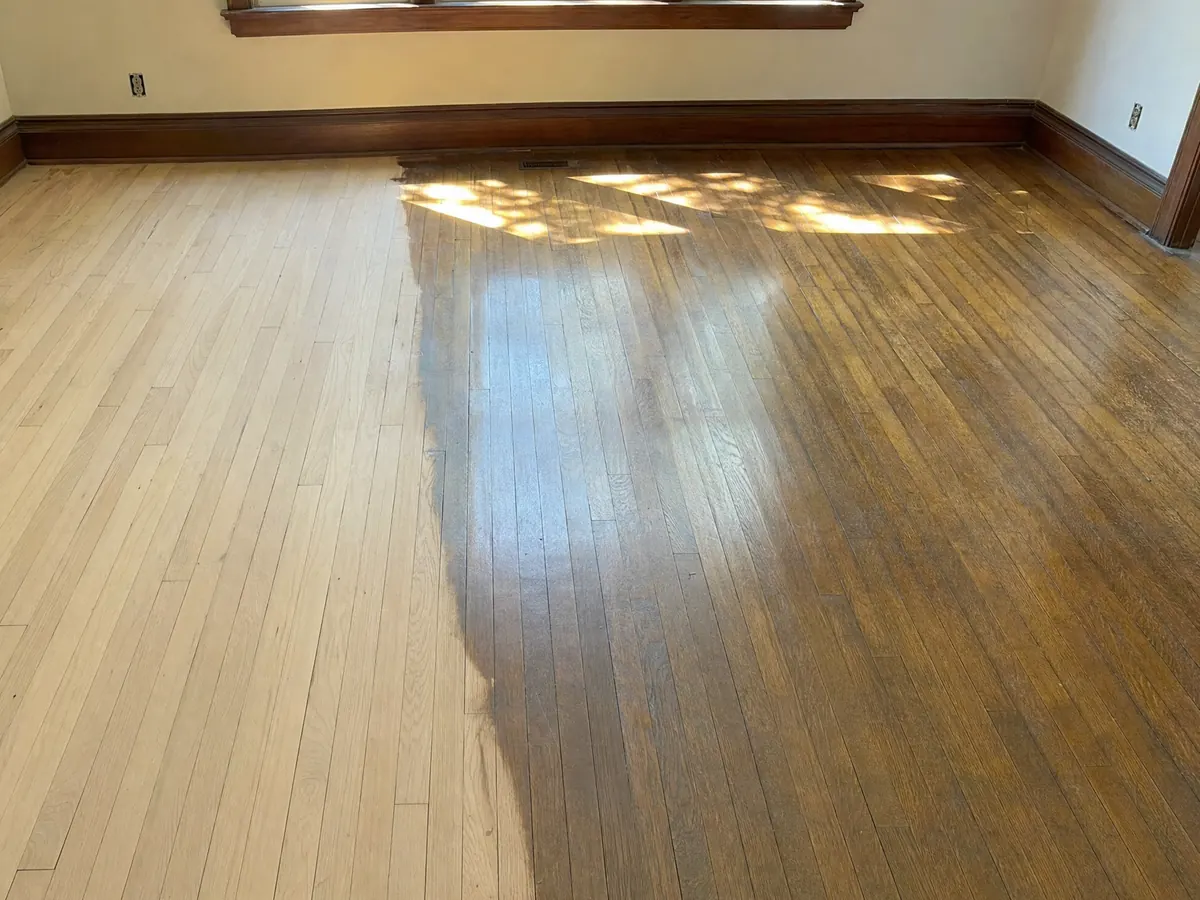
Can you refinish old hardwood in Old Town or a locally designated National City building?
Probably, with a call first. The City's Land Use Element says the Westside, also called Old Town, has many single-family homes built around the turn of the century, mixed with auto services, light manufacturing and warehouses. Frank Kimball and his brothers bought the 26,000 acre El Rancho de la Nacion in 1868, and 1,545 homes (8.0 percent) were built in 1939 or earlier.
No historic overlay zone exists in the zoning code, where the letter H followed by a number is a building height limit. The City does keep a list of four National Register properties (Brick Row, St. Matthew's Episcopal Church, Granger Music Hall and the Santa Fe Depot) and 56 locally designated significant buildings, offers Mills Act contracts and lets historic buildings use the State Historical Building Code under Chapter 15.34.
We found no City text on whether refinishing interior boards in a listed building needs review, so ask Planning at (619) 336-4310 first. On the Angi Los Angeles pages cited below, refinishing costs $4 to $8 per square foot against $12 to $22 for new solid hardwood, so check the wear layer at a floor register before choosing.
Does moisture come up through a National City slab, and does the bay matter?
It can, and a dry summer does not rule it out. NOAA's 1991 to 2020 normals for the Chula Vista cooperative station, about 1.9 miles from the city center, show 9.20 inches of rain a year, 7.12 of them from December through March, against 0.06 inch in July and 0.01 in August. The City calls October 1 through April 30 its rainy season, so soil under a slab is wettest in winter and spring.
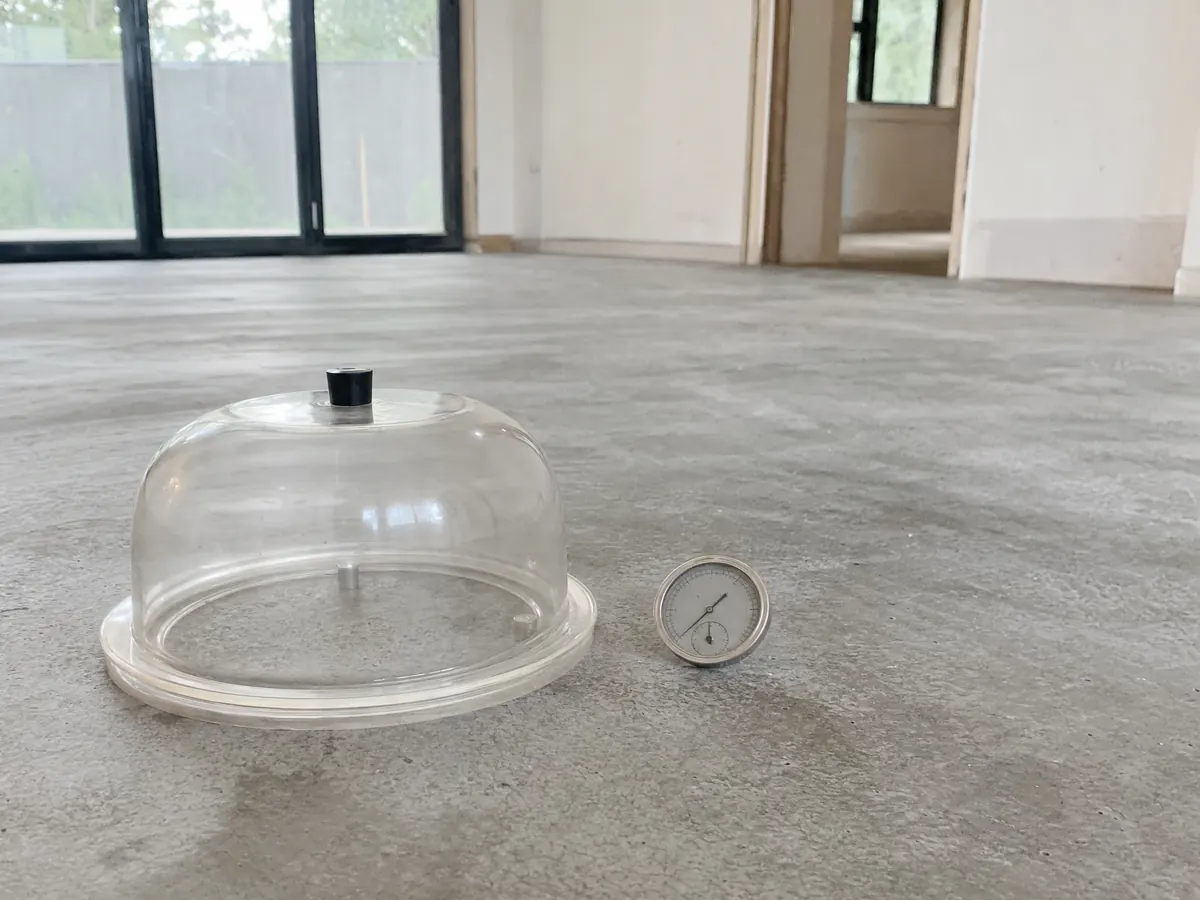
Two tests produce numbers. ASTM F2170 sets humidity probes in drilled holes, and ASTM F1869 catches vapor under a calcium chloride dish. Neither standard has a pass mark, because the plank, vinyl or adhesive maker sets it. The National Wood Flooring Association's concrete subfloor guide strongly recommends a vapor retarder of 0.13 perms or less, with 6-mil polyethylene as its example.
Low ground adds a second question. The City's flood overlays follow FEMA's 1988 study, and its draft Safety Element says flood potential exists along the bayfront and the Sweetwater River, Paradise Creek and Las Puleta Creek basins. Check the zoning map for -FW, -FF-1 or -FF-2 and photograph any wet slab before covering it.
What does a floor job need when a new slab, a subfloor repair or an epoxy coat is part of it?
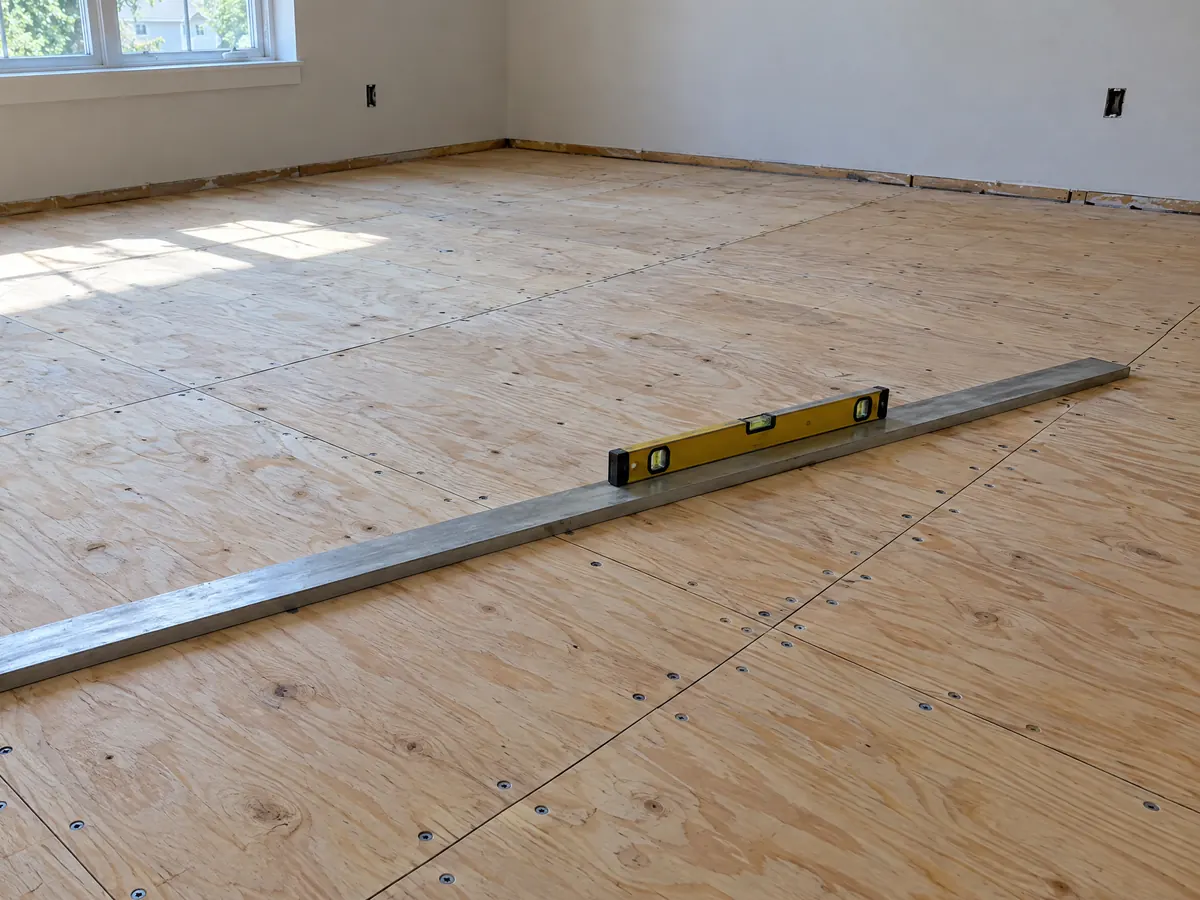
A new or repaired slab brings inspections. National City's list includes a concrete slab or under-floor inspection before concrete is placed or floor sheathing goes on, and a footings, reinforcing and setbacks inspection before any pour. Request them online at least 24 hours ahead, choosing morning or afternoon; inspections run Monday to Thursday, not Fridays, and the inspection card and approved plans must stay on site.
Coatings answer to the air district. San Diego County's Rule 67.0.1, revised February 10, 2021, limits floor coatings to 50 grams of VOC per liter in Table 1 and bars anyone from supplying, selling or applying a coating above the limit. These are San Diego County limits, not the South Coast district rules used in Los Angeles and Orange counties, so a product bought up north may not be allowed here.
Old flooring has to go somewhere. The Building Division's Document Library lists a construction and demolition waste diversion form and a debris conversion rate table that may apply to jobs hauling material away, and the grading chapter forbids dumping and stockpiling dirt and rubble in the city.
What does a flooring contractor charge in National City, and who needs which license?
We found no National City price study that shows its method. Our anchor is Angi's Los Angeles pages, updated July 8, 2026, which we rate medium to low in confidence and which may not match local bids. On those pages labor alone runs $3 to $9 a square foot, engineered hardwood costs $10 to $18 installed, solid hardwood $12 to $22, and a refinish $4 to $8. Angi's laminate page of September 15, 2026 prices removing an old floor at $455 to $685 per 200 square feet.
Ask for demolition, moisture testing, leveling, stairs and transitions on separate lines. Under Business and Professions Code 7159.5, a home improvement down payment is capped at $1,000 or 10 percent of the contract price, whichever is less.
CSLB's C-15 class covers carpet, resilient flooring and wood floors, and ceramic and stone tile fall to C-54. A contractor pulling a permit here also needs a National City business license from the Finance Department at (619) 336-4330 and proof of workers' compensation. Our license check guide shows how to read a CSLB record.
Flooring photos from National City and nearby communities
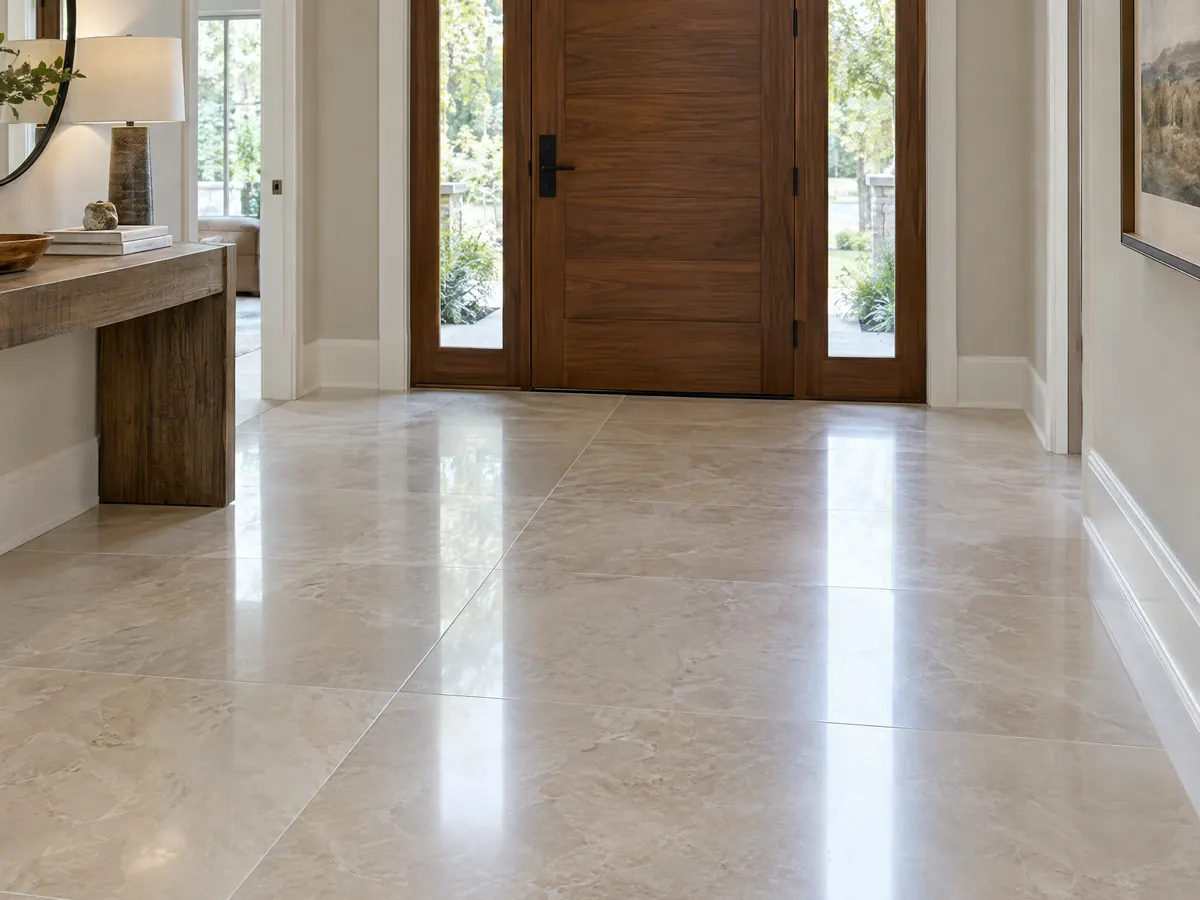
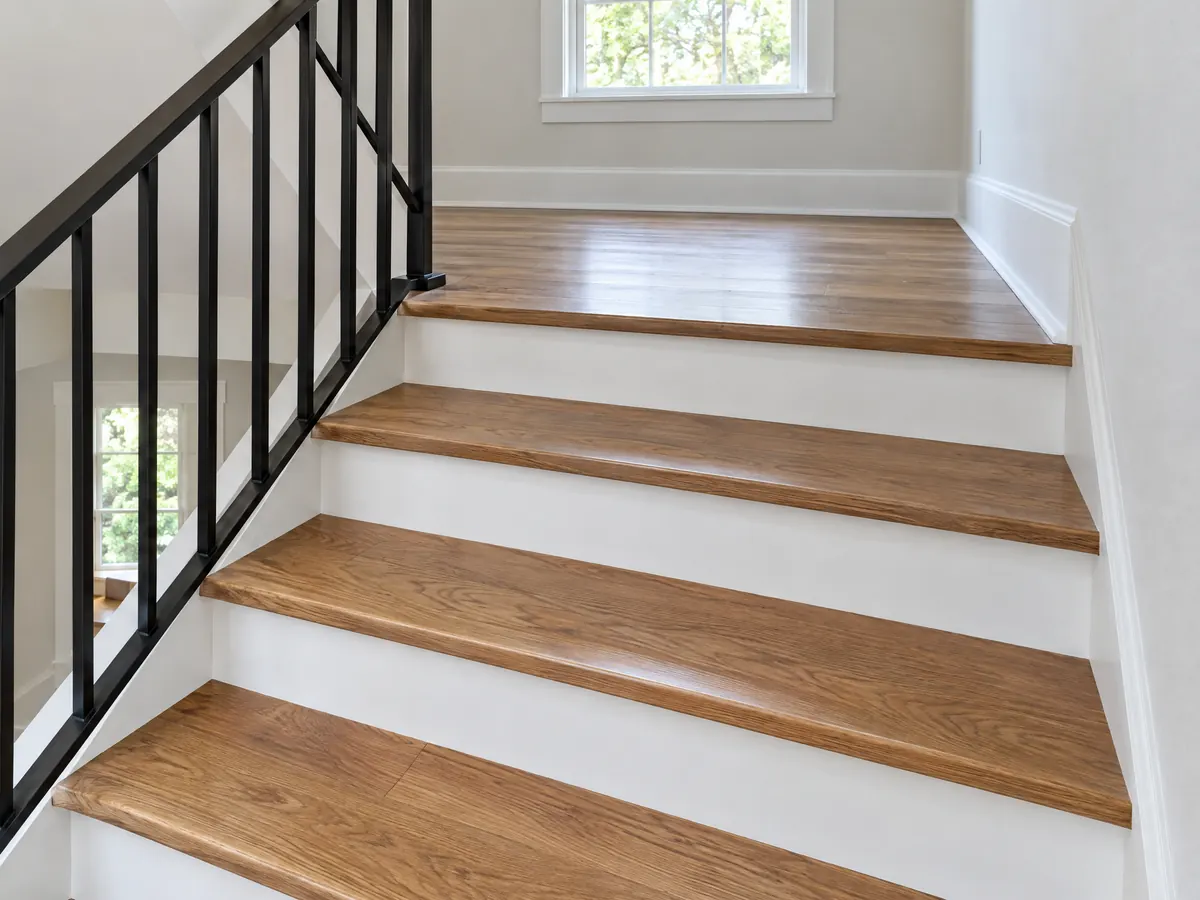
Plank samples, moisture tests, tile and finished rooms from National City and the neighborhoods around it, shown at the steps where the decisions get made. Tap any photo to enlarge it.
What flooring costs around National City
Dollar figures here are Los Angeles planning ranges from our flooring page, not a National City bid, and the written proposal should price demolition, drying, testing and subfloor repair on their own lines. The same property may need concrete work in National City or decks in National City. For comparison, read flooring in Chula Vista, flooring in San Diego and flooring in Lemon Grove, and flooring in Los Angeles for the big-city benchmark. The flooring cost guide compares a refinish with new boards, and the subcontractor guide lists who installs each layer.
| What it covers | Typical range |
|---|---|
| Installation labor only | $3 to $9 per sq ft |
| Solid hardwood, installed | $12 to $22 per sq ft |
| Engineered hardwood, installed | $10 to $18 per sq ft |
| Refinishing existing hardwood | $4 to $8 per sq ft |
| Laminate, whole project | $2,000 to $5,500 |
| Hardwood, whole project | $3,153 to $8,496 |
| Removing the old floor | $455 to $685 per 200 sq ft |
| Tile | No sourced Los Angeles range |
Other work we manage in National City
National City flooring questions, answered
Do I need a permit to replace flooring in National City?
No, not for the floor covering itself, because the City's amended Residential Code exempts floor covering as a maintenance repair to a lawfully built home. The exemption does not cover structural, plumbing, mechanical or electrical work, so rotted subfloor framing or moved plumbing is a separate question. Call the Building Division at (619) 336-4210 with the scope.
How much does it cost to have flooring professionally installed?
Angi's July 2026 pages for Los Angeles show installer labor at $3 to $9 per square foot, engineered hardwood at $10 to $18 installed and solid hardwood at $12 to $22. We found no National City study with a stated method, so treat these as medium to low confidence. Demolition, leveling and stairs are extra lines.
How much to refloor a 2000 sq. ft house?
Labor alone at $3 to $9 per square foot comes to $6,000 to $18,000 across 2,000 square feet. Engineered hardwood at $10 to $18 installed gives $20,000 to $36,000, and solid hardwood at $12 to $22 gives $24,000 to $44,000. Those are Los Angeles ranges, not a National City bid, and stairs or subfloor repair move the total.
Can you put flooring over concrete?
Yes, once the slab has been tested and prepared. The flooring or adhesive maker sets the moisture limit, so the installer should read ASTM F2170 probes or set an F1869 calcium chloride dish before patching and leveling. About 70 percent of National City homes predate 1980, so old adhesive on a slab may also need a lab check.
Why does moisture come through a concrete floor?
Water vapor rises from the soil under the slab, and winter rain keeps that soil damp. NOAA's normals for the Chula Vista station show 9.20 inches a year, 7.12 of them from December through March, so a dry August says little. A slab test, not the season, gives the real reading.
Is there asbestos under old vinyl flooring in homes built before 1980?
Possibly, and it cannot be seen. Old resilient tile, sheet vinyl and mastic are the usual suspects, and 70.1 percent of National City homes date before 1980. Get a lab result before sanding or tearing anything out, and write into the proposal who removes a positive layer and who pays.
Can I refinish hardwood floors instead of replacing them in an older home?
Often, when the wear layer can take another sanding, which a floor register or cut edge will show. On Angi's Los Angeles pages refinishing is $4 to $8 per square foot against $12 to $22 for new solid hardwood. In a locally designated National City building, ask Planning at (619) 336-4310 first.
Can a tenant replace the flooring in a National City rental?
Only with the owner's written consent. The City's Info Guide says a tenant cannot pull a permit unless acting as an agent for the owner or contractor, and 65.3 percent of National City homes are renter-occupied. A cosmetic swap needs no permit, but the lease and the landlord still decide, so get approval on paper.
What license does a flooring contractor need in National City?
A flooring contractor needs a current California license, usually C-15 for carpet, resilient flooring and wood, or C-54 for ceramic and stone tile, plus a National City business license to pull a permit. Check the number on the CSLB site and ask each subcontractor for a license number and certificate of insurance.
Can I use any epoxy or floor coating in National City?
No, only products that meet San Diego County Air Pollution Control District Rule 67.0.1, which limits floor coatings to 50 grams of VOC per liter and bars anyone from selling or applying a coating above the limit. Ask the installer for the product data sheet, since a can bought outside the county may not comply.
Tell us the home type, the rooms and what is under the floor now
Say whether it is a house, an apartment or an older place near Old Town, which rooms you want done and what the floor is today. The slab test, old adhesive and landlord questions ride along to the first visit.