
Flooring Installationin San Diego, CA
Flooring installation in San Diego needs no building permit for the floor covering itself, because the Municipal Code lists it as exempt, unless the house is a historical resource or sits on environmentally sensitive land. Rotted framing, radiant heat and moved plumbing do need permits. About half the city's homes predate 1980, so test slabs and old adhesives first.

San Diego began as the Presidio and Mission San Diego de Alcala in 1769, but the floors in most of its houses belong to a later story. Wikipedia records the population climbing from 147,995 in 1930 to 333,865 in 1950 as defense work boomed, and the Census Bureau's 2024 estimates now count 588,866 homes. The 1970s are the largest decade at 20.0 percent (117,627 homes), about 49.8 percent were built before 1980 and only 22.2 percent in 2000 or later, so most floors here have been covered at least once.
MDG Builders (CSLB #1040337) is a general contractor working out of Tarzana. On a San Diego floor we draft the scope, put the permit questions to the City's Development Services Department and keep the schedule, while licensed flooring and tile subcontractors lay the material. The flooring page covers products, and the San Diego overview lists the other trades we manage in the city.
What San Diego's Development Services Department, its historic review and state law say about flooring work
Where flooring permits come from in San Diego: City of San Diego Development Services Department (DSD).
- Municipal Code 129.0203(a)(17)(B) exempts installation of floor covering from a San Diego building permit without a valuation limit, and DSD's handout lists installing flooring among minor renovations that need no permit; the exemption is lifted for historical resources and sites with environmentally sensitive lands that need a development permit.
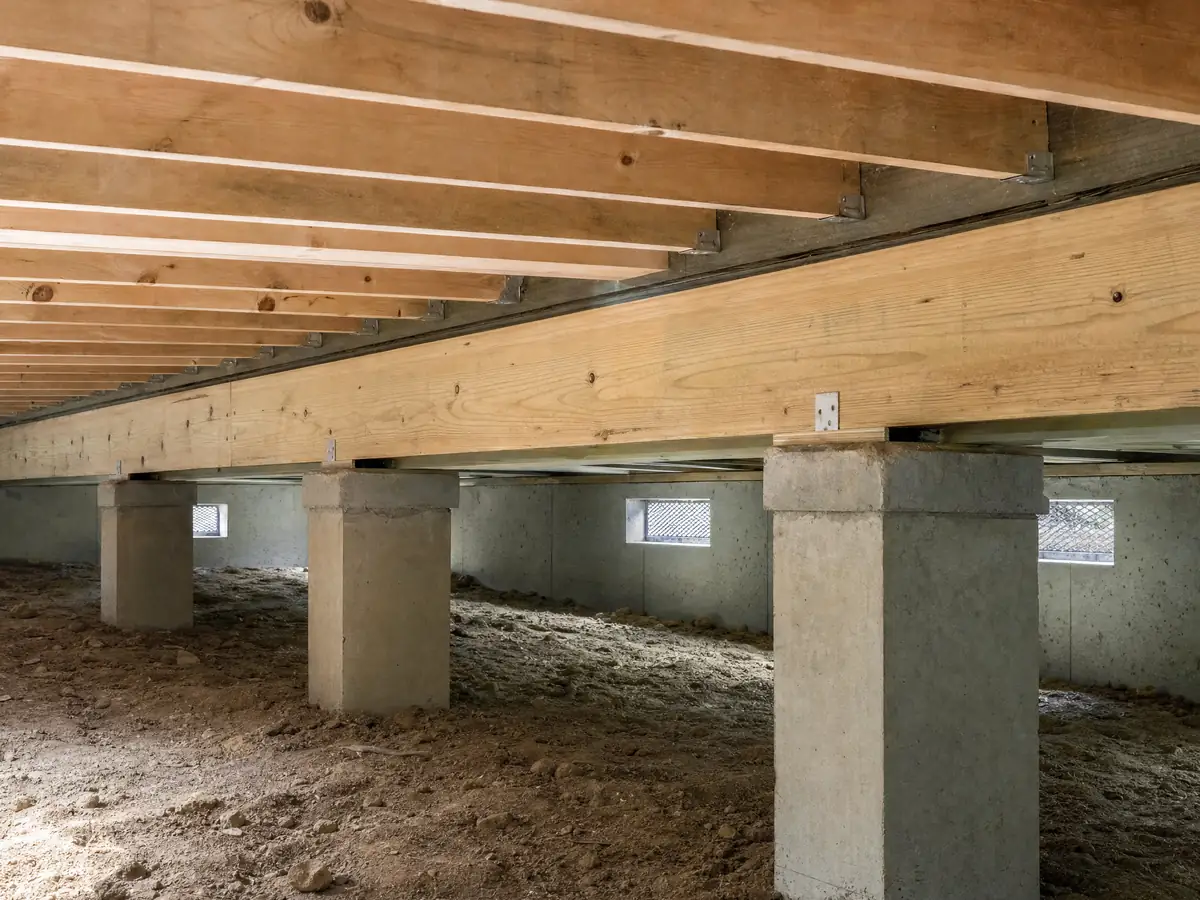
- DSD's No-Plan Building Permit list covers in-kind replacement of damaged structural framing members when the existing framing system is intact enough for an inspector to verify, so a floor job that uncovers rotted joists or framing can move from an exempt covering job to a permitted repair; plans and calculations are required for pre-manufactured members such as parallams, microlams and truss joints.
- CSLB defines the C-15 Flooring and Floor Covering classification as preparing a surface for and installing carpet, resilient sheet goods and tile, and wood floors (including finishing), but not ceramic tile, which falls under the C-54 Ceramic and Mosaic Tile classification (glazed, mosaic, quarry, paver and stone tile).
- Municipal Code 129.0203(b) says the building-permit exemptions do not exempt electrical, plumbing or mechanical work, so radiant floor heating, a relocated plumbing line or new circuits under a floor can still need their own permits even when the floor covering does not.
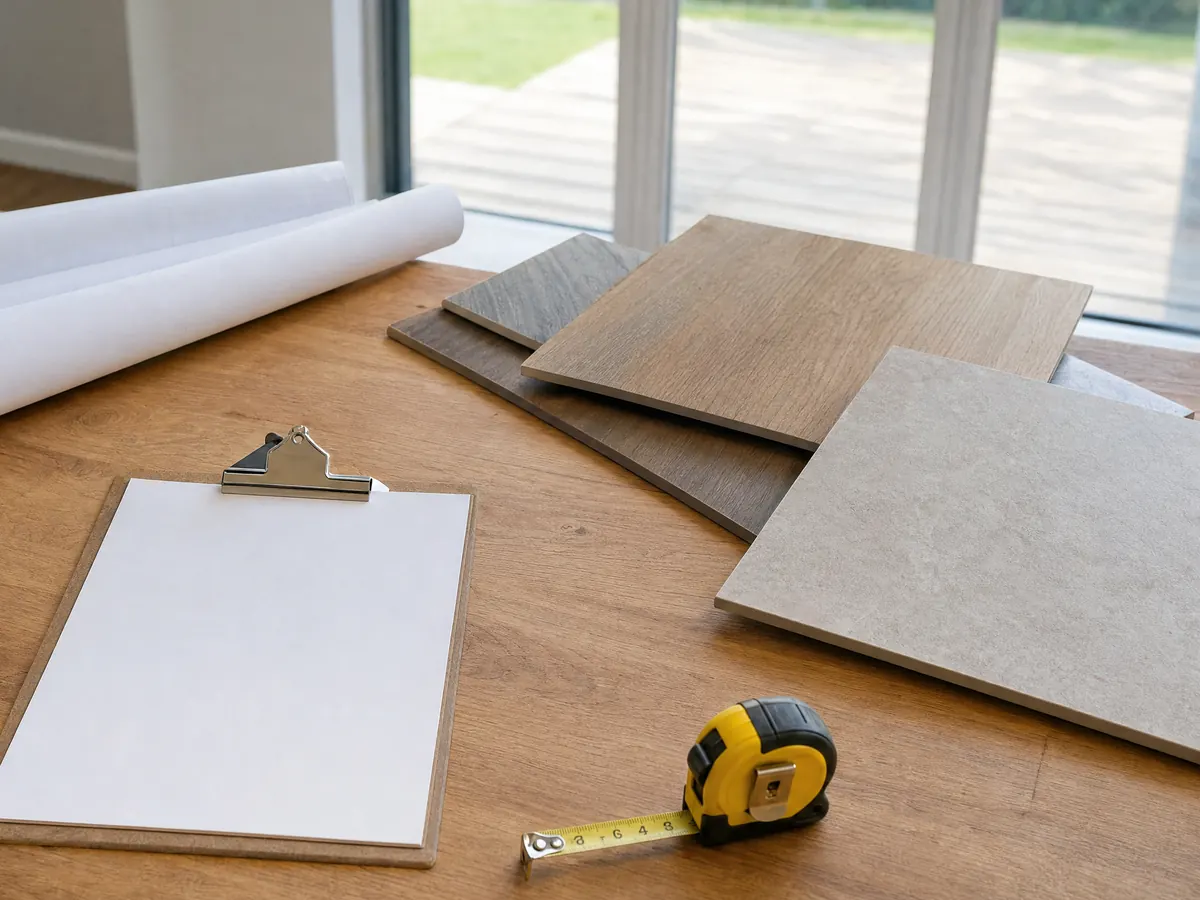
Do you need a permit to replace flooring in San Diego?
Usually not. Municipal Code section 129.0203 exempts installing floor covering from a building permit with no dollar limit, and the City's one-page handout lists flooring beside painting and cabinets as minor renovations. The same section says its exemptions do not reach electrical, plumbing or mechanical work, so radiant heat, a moved plumbing line or new circuits under a floor can still need permits of their own.
The exemption has three exits. It is lifted when the work alters a historical resource, when the premises contain environmentally sensitive lands that need a development permit, and when the building has unreinforced masonry bearing walls or parapets. A floor job also becomes permit work when the crew uncovers rotted joists: the No-Plan Building Permit covers in-kind replacement of damaged framing members that an inspector can verify, and manufactured members such as parallams, microlams and truss joints need plans and calculations.
All new permit applications are filed online, and the City's home page says an account is required to submit one. A weekly timeline snapshot dated November 6, 2026 showed building permit issuance at about 7 business days and Rapid Review at 3, though the City calls those estimates. The state's $1,000 limit on unlicensed minor work stops applying once any permit is needed.
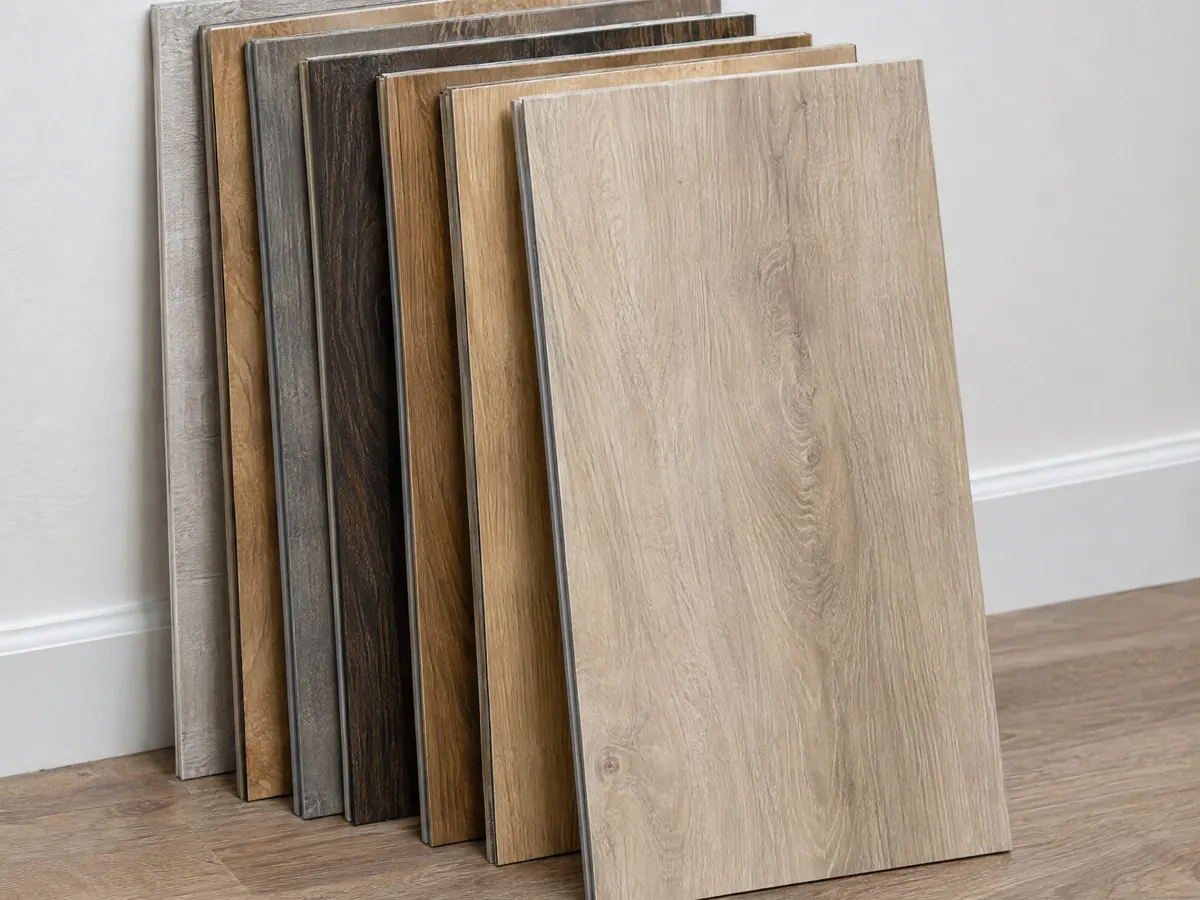
What is under the floor of a San Diego house built in the 1970s?
Often a slab or a raised wood floor with at least one older covering fixed on top. The Census figures put 17.6 percent of homes in the 1980s and 29.9 percent before 1970, with 8.6 percent before 1950, so the bulk of the stock is mid-century to late-century construction where carpet, sheet vinyl and tile have been added over the years. Ask the crew to photograph each layer as it comes up and before any sanding or grinding begins.
Lead comes up when trim does. EPA's lead-safe renovation rule covers paid work that disturbs paint in housing built before 1978, with the indoor minor-repair exemption ending at 6 square feet of paint per room, and pulled baseboards count as paint disturbance. The Census table cannot separate 1978 from 1979, so the exact share of San Diego homes reached by the rule is not known, only that 49.8 percent date before 1980.
Old resilient tile, sheet vinyl and the black mastic below them can contain asbestos in houses of that age, and nobody can tell by looking. Send a sample to a lab before anything is sanded or ripped, and have the proposal say who removes a layer that tests positive and who pays for it.
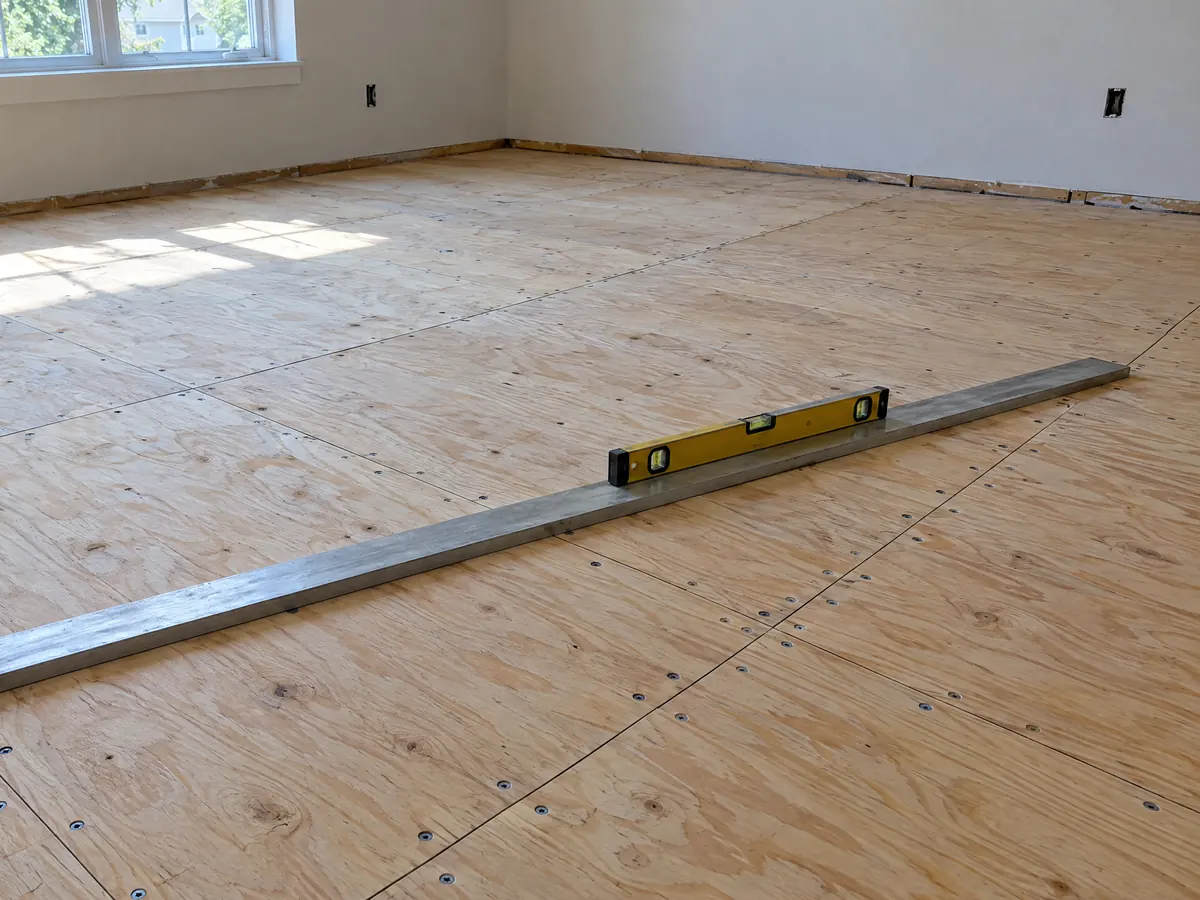
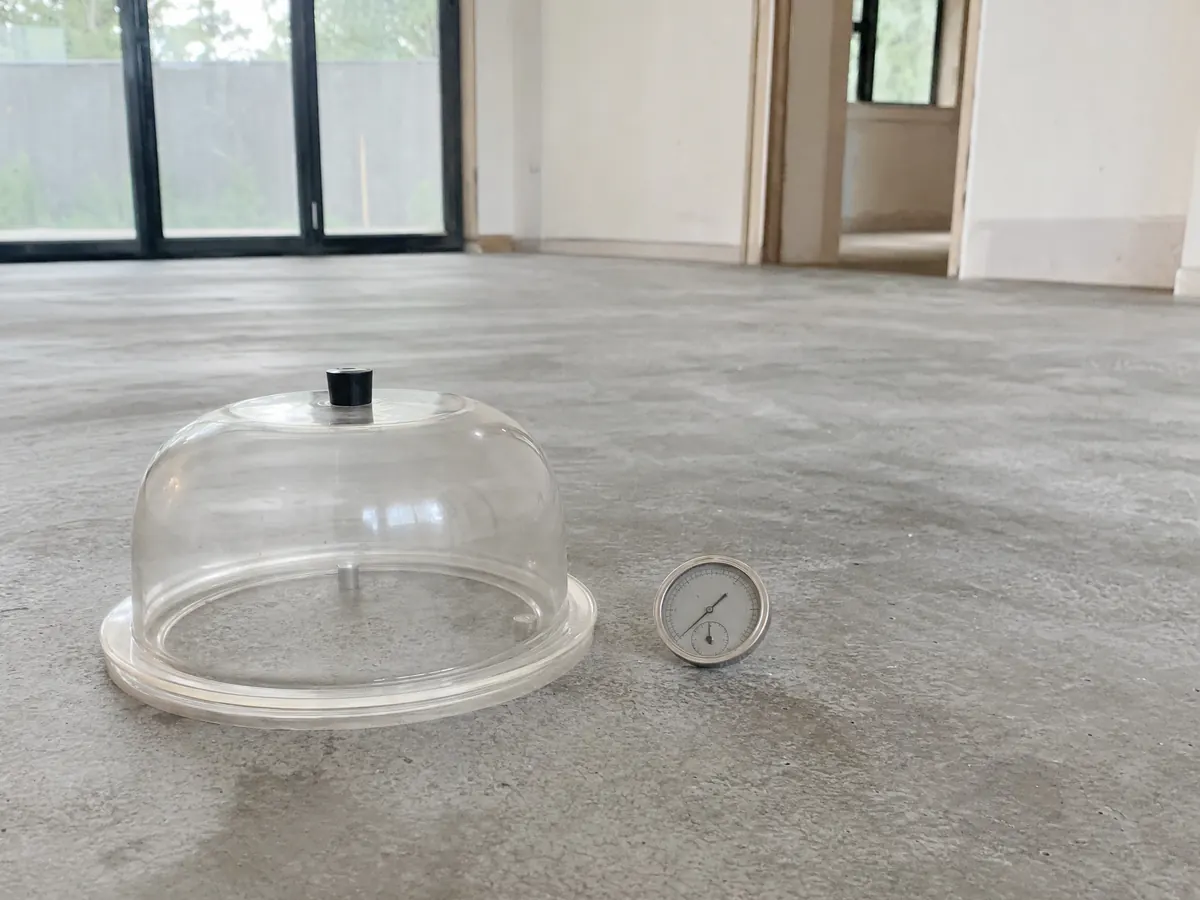
Does moisture come up through a San Diego slab, and does the coast change the answer?
It can, and a dry-looking summer does not rule it out. NOAA's 1991 to 2020 normals show rain arriving almost entirely in winter: Lindbergh Field, at 4.6 feet elevation, averages 9.79 inches a year with 7.31 from December through March, and Montgomery Field, at 127 feet, averages 11.02 with 8.21. Both record 0.01 inch in August. Vapor travels up from soil that irrigation, downspouts and winter rain have wetted, so the slab needs a reading, not a guess.
Two standard tests give numbers. ASTM F2170 uses humidity probes set into drilled holes, and ASTM F1869 catches vapor leaving the surface under a calcium chloride dish. Neither has a pass mark, because the limit belongs to the maker of the plank, vinyl or adhesive. The National Wood Flooring Association's concrete subfloor guide strongly recommends a retarder at or below 0.13 perms, with 6-mil polyethylene as its example, under wood on a slab.
Heat differs across one city. Lindbergh averages 3.0 days a year at or above 90 F, Montgomery Field 16.0 and Miramar NAS 20.4, so sun exposure and acclimation conditions vary between the bay side and the inland stations. We found no San Diego source on how heat affects particular products, so follow the manufacturer's installation sheet.
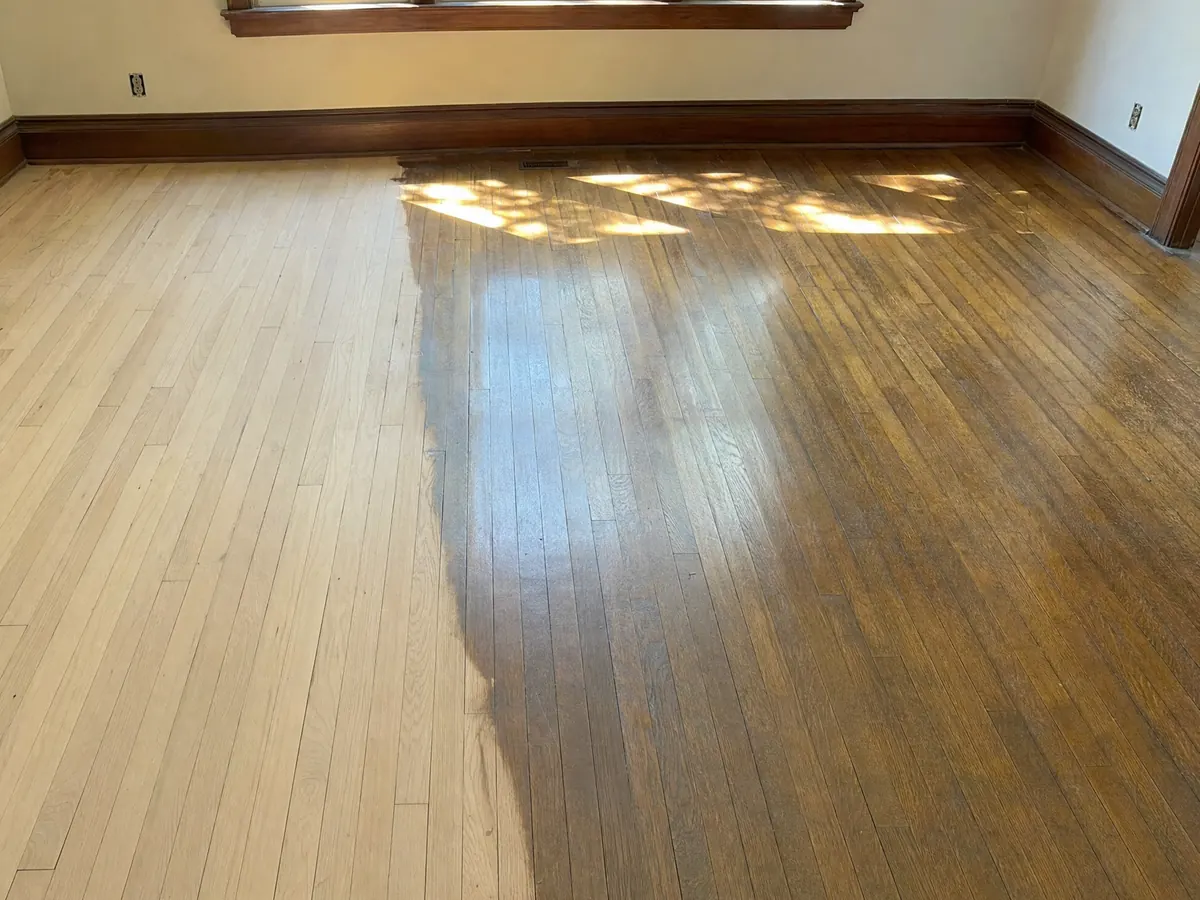
Can you refinish old hardwood in North Park, Golden Hill or another San Diego historic district?
Probably, but the City's historic rules deserve a call first. Any parcel with a structure 45 or more years old can be screened for historical significance when a permit is filed, and interior work is among the items exempt from the survey step. The permit exemption for floor covering still falls away when the work alters a historical resource, and we found no City sentence that says whether refinishing interior boards in a designated house counts.
The Planning page lists four designated districts with dates: Spalding Place (July 27, 2017), Valle Vista Terrace (November 16, 2017), South Park (October 26, 2017) and Melhorn & Son (October 25, 2018), across North Park, Uptown and Golden Hill. That page also shows others as in process and may not reflect recent hearings, and only about 8.6 percent of the city's homes predate 1950, so original boards under later layers are the exception.
The Historical Resources section of DSD at 619-235-5224 reviews projects on designated and potential resources. Check the wear layer at a floor register first, since a refinish costs $4 to $8 per square foot on the Los Angeles pages we cite below and replacement costs several times that.
- Is the house inside a designated district or on a historic register?
- How thick is the wear layer on the existing boards?
- Does any exterior door, porch or threshold change?
Can you install hard flooring in a San Diego condo, apartment or rental?
Only when the building's rules and the manufacturer's installation sheet agree. ACS 2024 shows 53.5 percent of San Diego's 542,590 occupied homes rented (290,395), 38.2 percent of all homes (224,695) in buildings of five or more units and 91,975 of those in buildings of 50 or more. That is a great many floors with a neighbor underneath, and we have not confirmed any City sound rating for a replacement floor, so the association's governing documents decide.
Under Civil Code section 4765, an association owes an owner a written decision once an architectural request is filed. A tenant needs the owner's written consent before anything is removed, and an owner-occupant of a condo should get the underlayment specification from management in writing.
Hours matter in a shared building. Evening and weekend flooring work in a shared building falls under the City's Construction Noise Permit rule, which covers 7 p.m. to 7 a.m. on weekdays and all day on weekends and holidays, though another DSD page names only weekdays, Sundays and holidays, so confirm Saturday. The posted fee is $529.71, and neighbors and night-operating businesses within 500 feet must be notified at least 72 hours ahead.

What does a flooring contractor charge in San Diego, and who needs which license?
We found no San Diego price study that shows its method, so the anchor is Angi's pages for Los Angeles, updated July 8, 2026, which we rate medium to low in confidence and which may not match San Diego bids. Installer labor there runs $3 to $9 a square foot; engineered hardwood is $10 to $18 installed, solid hardwood $12 to $22 and refinishing $4 to $8. Angi's laminate page of September 15, 2026 puts removal of an old floor at $455 to $685 per 200 square feet.
Insist that the proposal separate demolition, moisture testing, leveling, stairs and transitions. Under Business and Professions Code 7159.5 a home improvement down payment may not exceed $1,000 or 10 percent of the contract price, whichever is less.
CSLB's C-15 class covers preparing a surface for carpet, resilient sheet goods and tile, and wood floors, and the same page sends ceramic and stone tile to C-54. Our license check guide shows how to read a CSLB record before anyone signs.
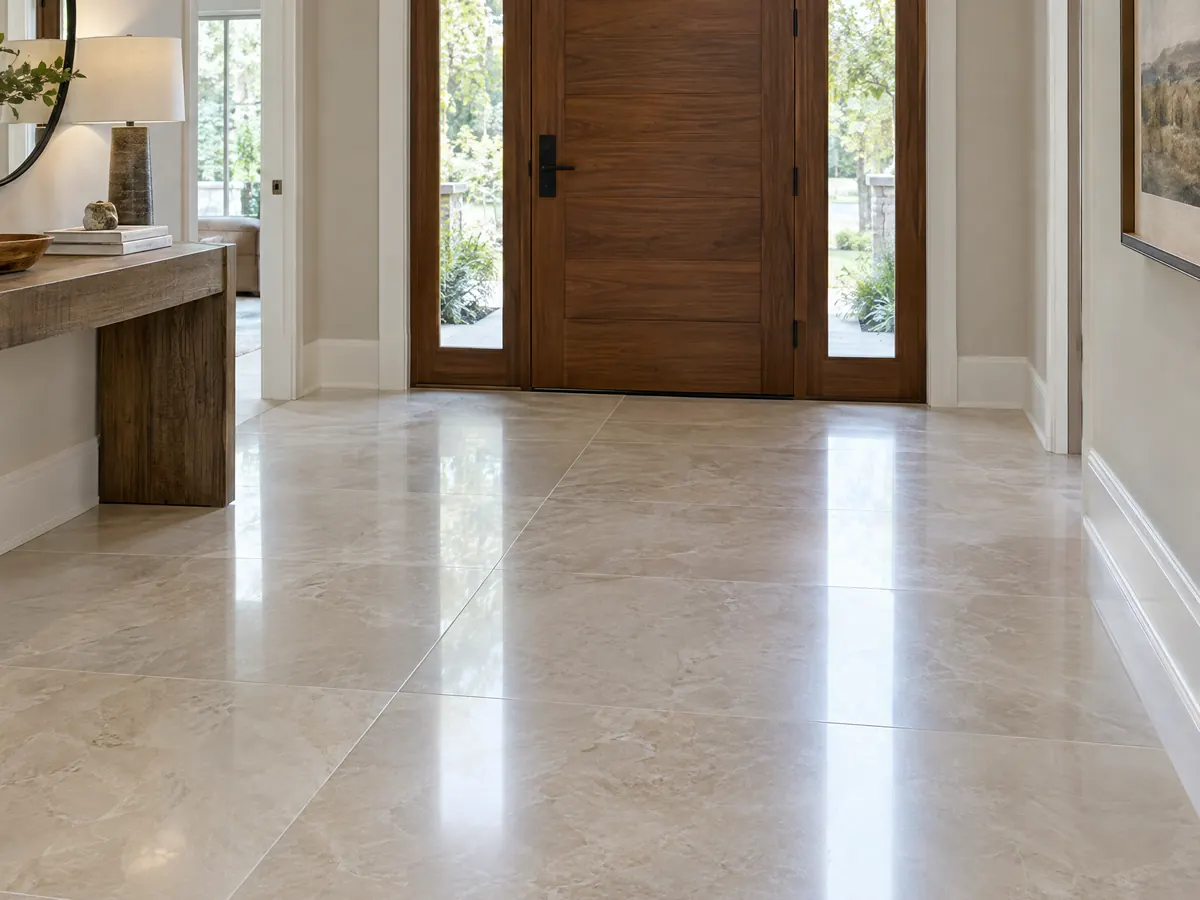
Flooring photos from San Diego and nearby communities
Plank samples, moisture tests, tile and finished rooms from San Diego and the neighborhoods around it, shown at the steps where the decisions get made. Tap any photo to enlarge it.
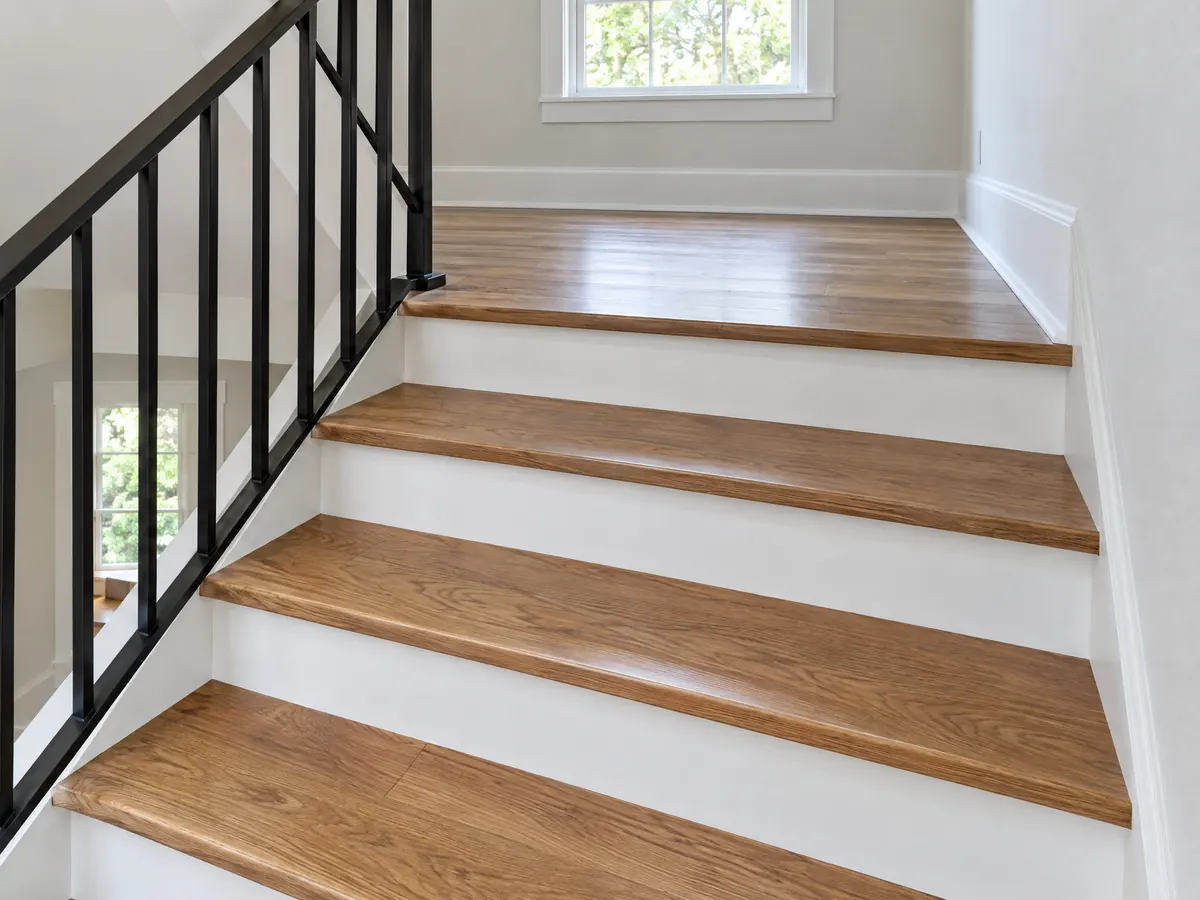
What flooring costs around San Diego
Dollar figures here are Los Angeles planning ranges from our flooring page, not a San Diego bid, and the written proposal should price demolition, drying, testing and subfloor repair on their own lines. The same property may need concrete work in San Diego or decks in San Diego. For comparison, read flooring in Chula Vista, flooring in Carlsbad and flooring in Escondido, and flooring in Los Angeles for the big-city benchmark. Our flooring cost guide puts refinishing next to replacement, and the subcontractor guide shows who lays what.
| What it covers | Typical range |
|---|---|
| Installation labor only | $3 to $9 per sq ft |
| Solid hardwood, installed | $12 to $22 per sq ft |
| Engineered hardwood, installed | $10 to $18 per sq ft |
| Refinishing existing hardwood | $4 to $8 per sq ft |
| Laminate, whole project | $2,000 to $5,500 |
| Hardwood, whole project | $3,153 to $8,496 |
| Removing the old floor | $455 to $685 per 200 sq ft |
| Tile | No sourced Los Angeles range |
San Diego flooring questions, answered
Do I need a permit to replace flooring in San Diego?
No, not for the floor covering itself, because Municipal Code 129.0203 exempts installing floor covering with no dollar limit. The exemption is lifted for historical resources and environmentally sensitive lands, and it never covers electrical, plumbing or mechanical work. Replacing rotted framing under the floor is a separate permit question, so describe the scope to DSD first.
How much does it cost to have flooring professionally installed?
Angi's July 2026 pages for Los Angeles list labor at $3 to $9 a square foot, engineered hardwood at $10 to $18 installed and solid hardwood at $12 to $22. We found no San Diego study with a stated method, so treat these as medium to low confidence. Demolition, leveling and stairs are extra lines.
How much to refloor a 2000 sq. ft house?
Labor alone at $3 to $9 per square foot works out to $6,000 to $18,000 across 2,000 square feet, while engineered hardwood at $10 to $18 installed gives $20,000 to $36,000 and solid hardwood at $12 to $22 gives $24,000 to $44,000. Those are Los Angeles ranges, not a San Diego bid. Stairs and subfloor repair move the total.
Can you put flooring over concrete?
Yes, once the slab has been tested and prepared. The maker of the flooring or adhesive sets the moisture limit, so before patching and leveling the installer should read ASTM F2170 probes or set an F1869 calcium chloride dish. About 49.8 percent of San Diego homes predate 1980, so old adhesive on a slab may need a lab check too.
Why does moisture come through a concrete floor?
Water vapor rises from the soil beneath the slab, which irrigation, downspouts and winter rain keep damp. NOAA's normals show 9.79 to 11.02 inches of rain a year across San Diego stations, almost all of it from December through March, so a dry August says little. A slab test gives the real number.
Can I install hardwood flooring in a San Diego condo or apartment?
Only with the association's written approval, and its sound requirement is the one that counts. About 38.2 percent of San Diego homes sit in buildings of five or more units. We have not confirmed any City sound rating for a replacement floor, so ask management for the underlayment specification and keep the approval on file.
Is there asbestos under old vinyl flooring in San Diego homes built before 1980?
Possibly, and it cannot be seen. Old resilient tile, sheet vinyl and mastic are the usual suspects, and about 49.8 percent of San Diego homes date before 1980. Send a sample to a lab before any layer is sanded or ripped, and have the proposal name who removes and pays for a layer that tests positive.
Can I refinish hardwood floors instead of replacing them in an older San Diego home?
Often, when the wear layer can survive another sanding, which a floor register or a cut edge will show. On Angi's Los Angeles pages refinishing runs $4 to $8 per square foot against $12 to $22 for new solid hardwood. On a designated historic property, ask DSD's Historical Resources section first.
What license does a flooring contractor need in San Diego?
A flooring contractor needs a current California license, usually C-15 for carpet, resilient flooring and wood, or C-54 for ceramic and stone tile. Check the number on the CSLB site and ask each subcontractor for a license number and certificate of insurance. A permitted job needs a licensed contractor even when the price is under $1,000.
Tell us the home type, the rooms and what is under the floor now
Say whether it is a house, a condo, a rental or an older home in a historic district, which rooms you want done and what the floor is now. The slab test, old adhesive and association questions ride along to the first visit.